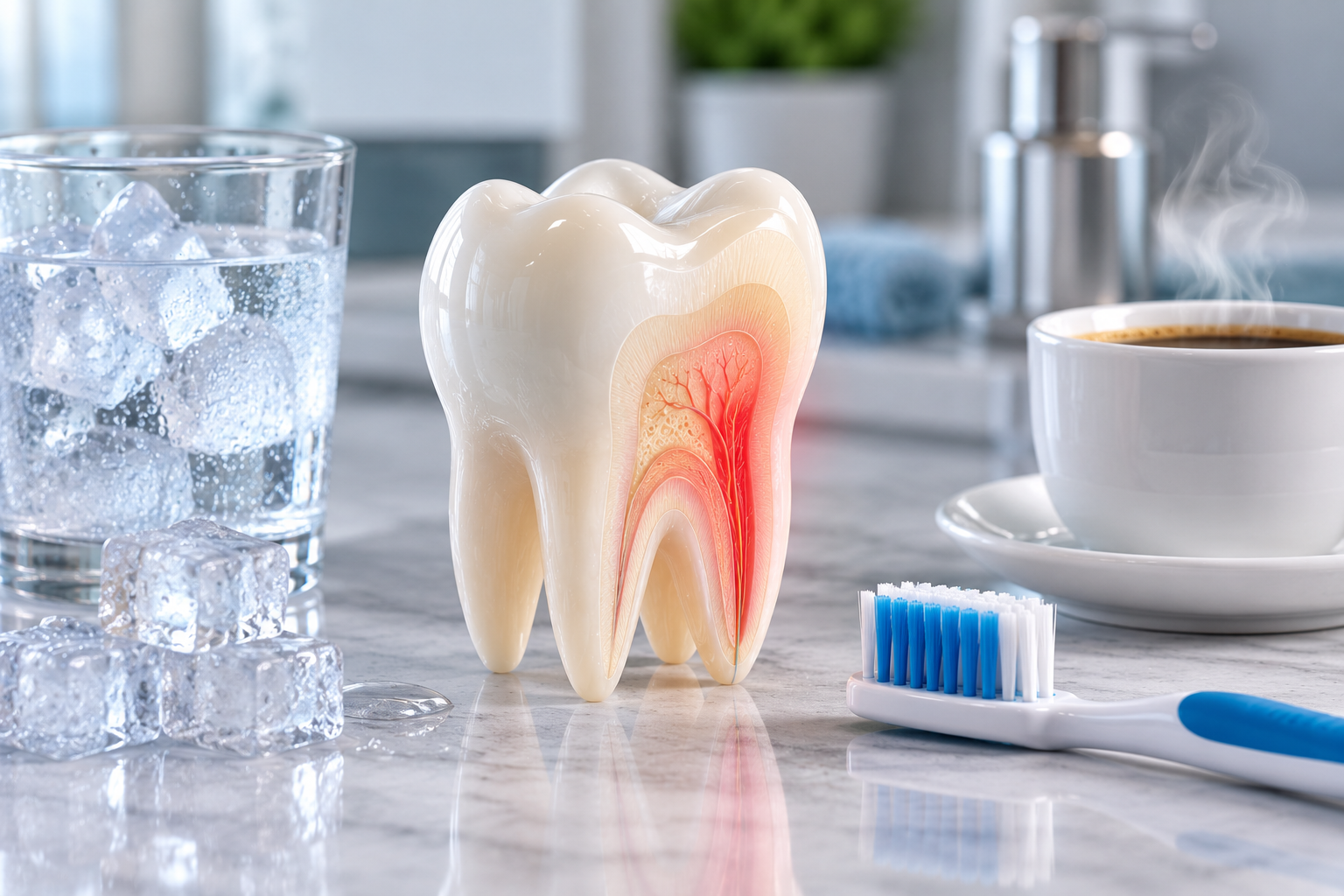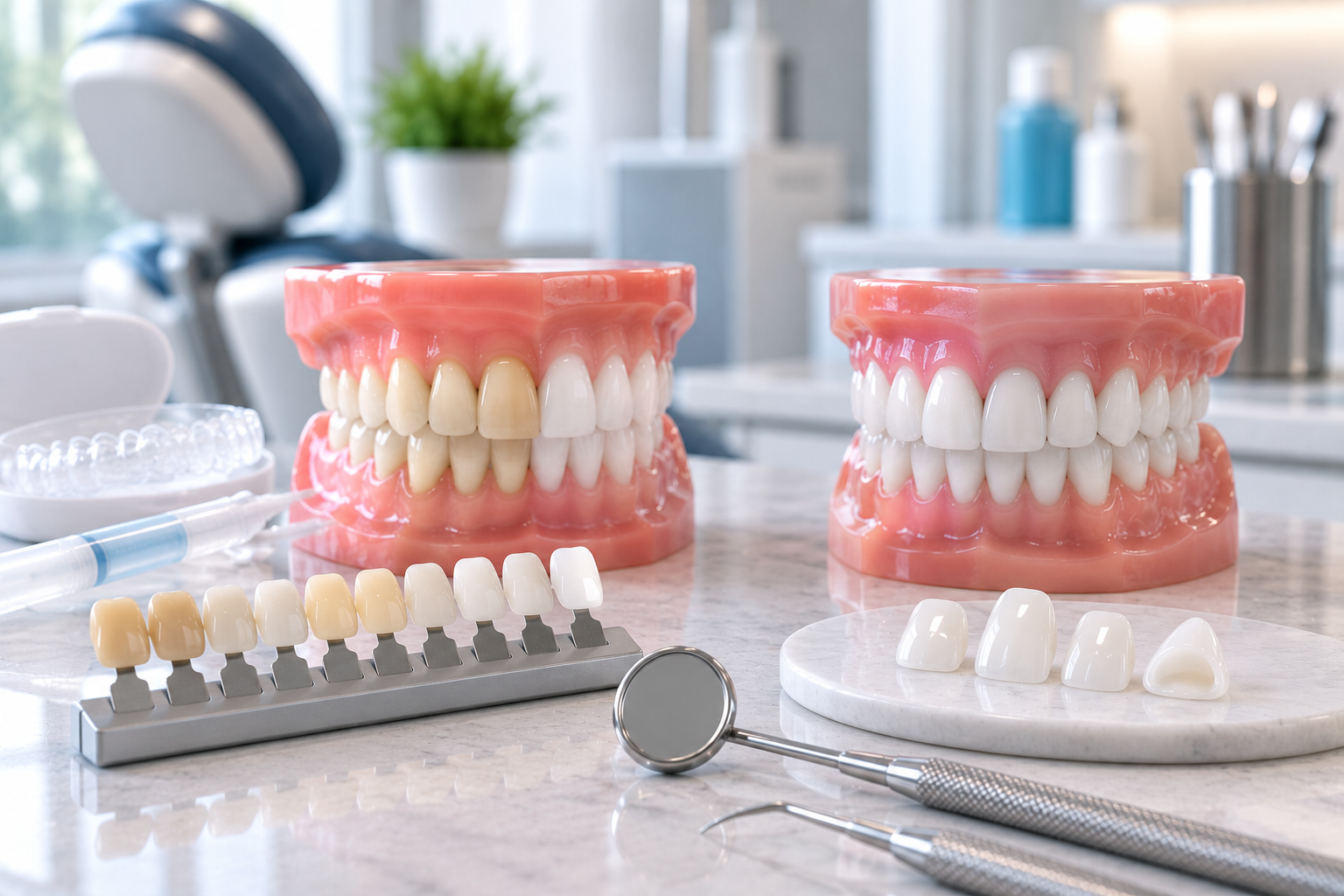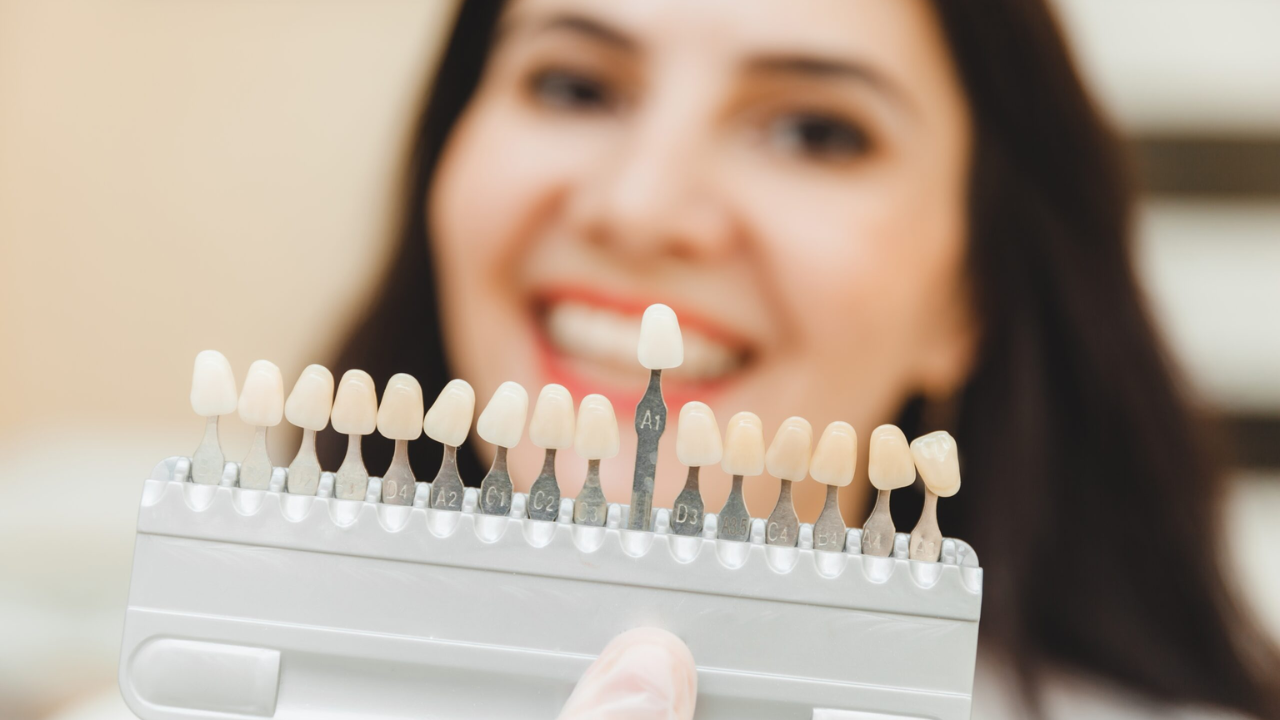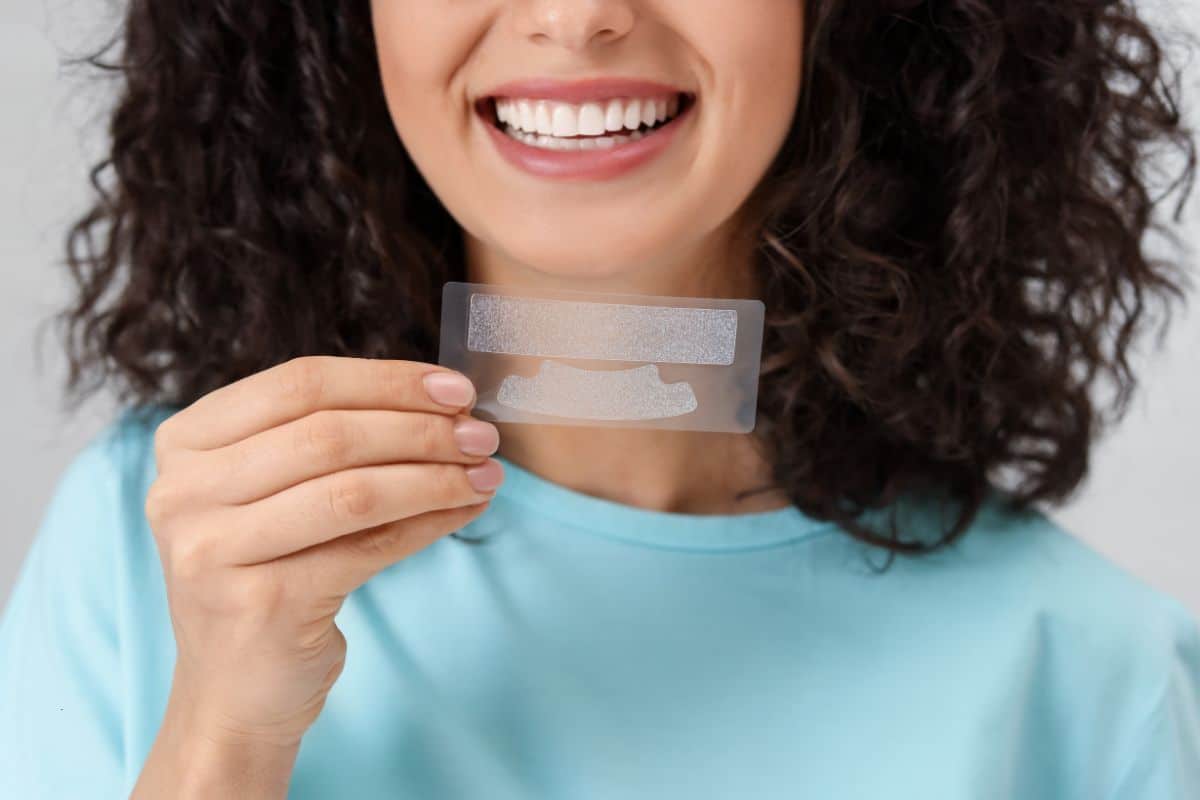
Every pharmacy shelf has them. The promise is simple: brighter teeth in 14 days, no dentist required. But the question most people are actually asking when they pick up that box — and rarely get a straight answer on — is what is happening to their enamel while the peroxide does its work.
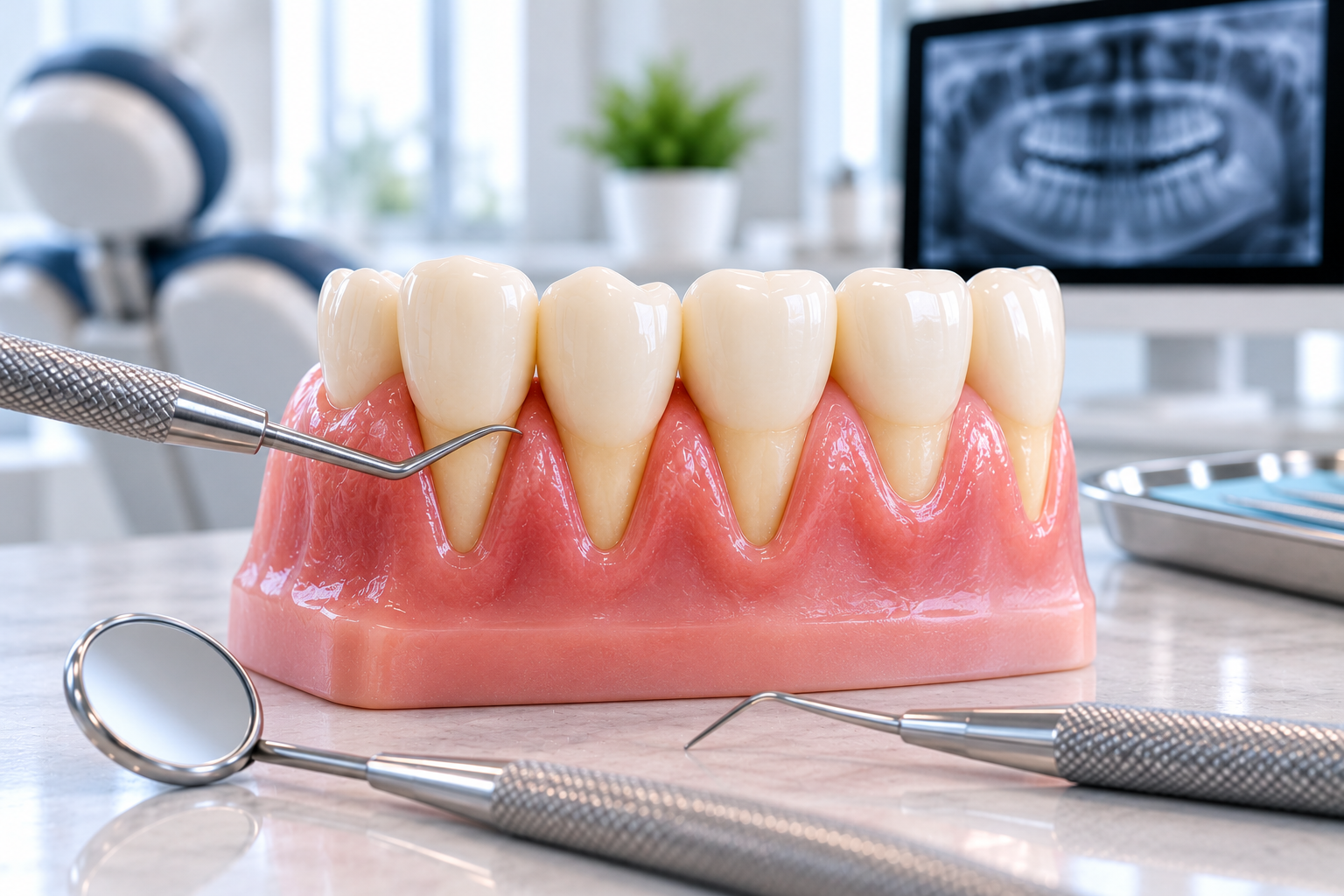
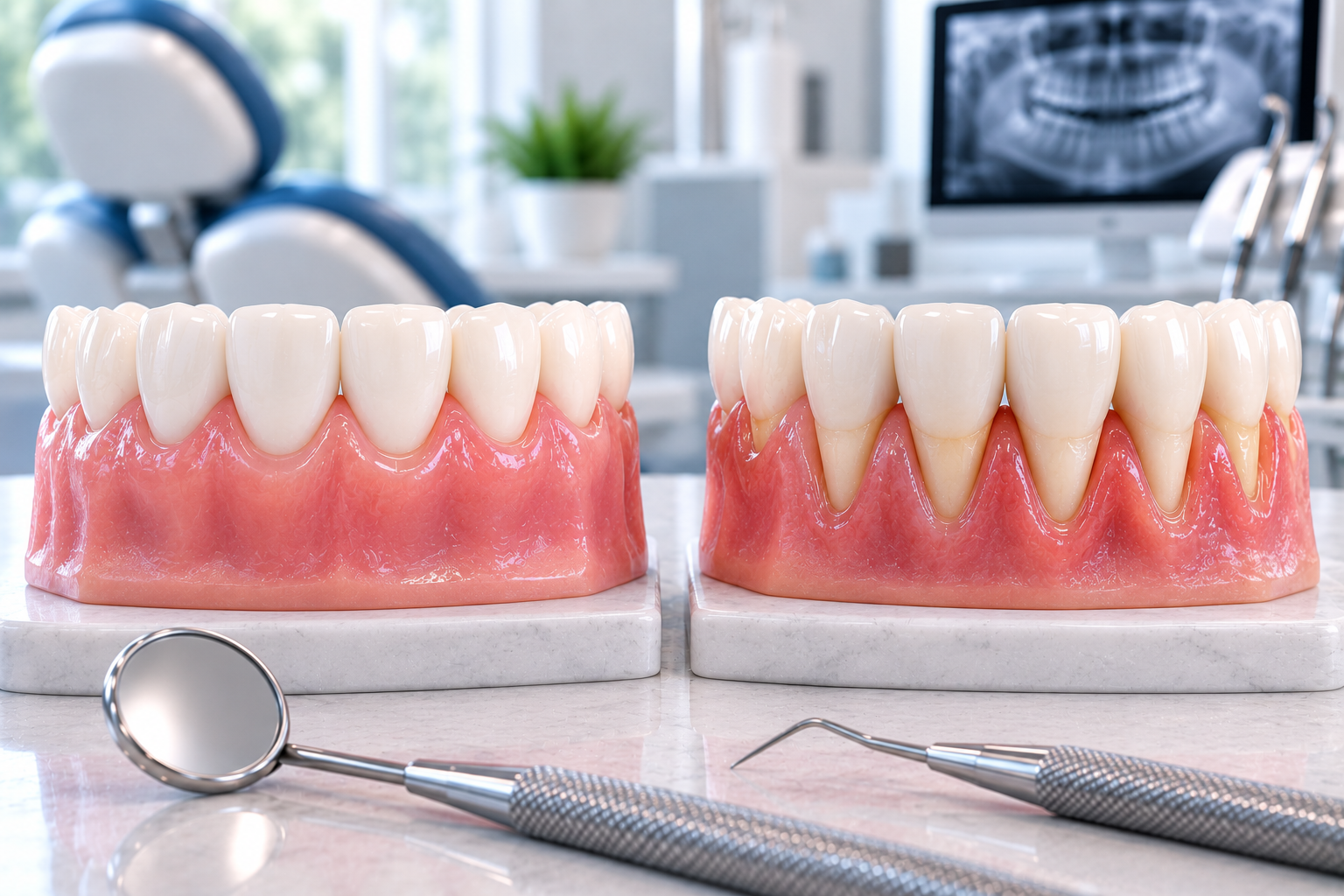
That is not a small question. Enamel does not grow back. Once it is gone, it is gone permanently. A thinner enamel layer opens the door to increased sensitivity, faster staining, and dental cavities that become significantly harder to manage over time.
At Ethos Modern Dental, a top dental clinic in Edinburg, we often see patients who are unsure whether over-the-counter whitening is truly safe. The answer is not as simple as yes or no—it depends on how it’s used, the condition of your teeth, and the products involved.
So here is what the research actually shows, why “follow the instructions” is useful but incomplete advice, and what four variables actually determine whether whitening strips are safe for your enamel.
Why This Question Got More Complicated
For years, the standard answer was: whitening strips are safe when used as directed. The American Dental Association still broadly endorses that position for ADA-sealed products. But a series of independent studies presented at the American Society for Biochemistry and Molecular Biology shifted the conversation — hydrogen peroxide, even at OTC concentrations, does not just sit on enamel. It penetrates it.
Researchers at Stockton University found that hydrogen peroxide travels through the outer mineral layer into the dentin below, where most of the tooth’s protein structure — primarily collagen — resides. Their results showed that peroxide concentrations comparable to those in standard whitening strips were sufficient to fragment and degrade collagen. The more frequently teeth were treated, the smaller those protein fragments became.
This does not mean whitening strips are inherently dangerous. It means the safety profile is more nuanced than the packaging suggests.
The CAFE Framework: Four Variables That Actually Determine Your Risk
Whether whitening strips are safe for your enamel is not a yes-or-no question. It is a function of four variables working together:
C — Concentration of the peroxide in the product A — Application time and whether it exceeds the recommended window F — Frequency of use across weeks and months E — Existing enamel health as your individual baseline
When all four stay in a low-risk zone, OTC whitening strips are broadly safe under current research. When any one of them pushes outside that zone, the risk of enamel softening or lasting sensitivity rises — often before the user notices anything is wrong.
C: Concentration
Most OTC whitening strips contain between 6% and 14% hydrogen peroxide. Professional in-office treatments use 25–35%, applied under controlled conditions with gum barriers and supervised timing. A 2025 peer-reviewed clinical study measuring enamel micro-hardness found that OTC strips at 6% hydrogen peroxide caused roughly a 6% reduction in enamel hardness — largely temporary under correct use conditions. Strips at the top of the OTC concentration range, sitting closer to 14% peroxide, carry meaningfully more risk. That is worth knowing before automatically reaching for the strongest option on the shelf.
A: Application Time
This is the variable most responsible for enamel problems from whitening strips. Not the product itself — leaving it on too long.
During whitening, enamel temporarily becomes more porous. Saliva and natural remineralization help restore the balance after treatment ends. Extend the application beyond the recommended window and that restoration process does not complete as effectively before the next exposure. Most kits recommend daily application for 10 to 30 minutes over a 7-to-14-day cycle. Exceeding it — even moderately — pushes the risk profile in the wrong direction. This is also the most common cause of gum irritation in home whitening users; prolonged contact with a peroxide-coated strip inflamed soft tissue faster than most people expect.
F: Frequency
Occasional whitening strip use — a few times a year — falls well within what most dental research supports as safe for healthy teeth. The risk profile changes substantially when use becomes habitual.
Regular weekly or monthly applications create a compounding exposure problem. Each whitening session temporarily softens enamel and disrupts the dentin protein structure below. When applications are too frequent, that recovery cycle is consistently interrupted. The Stockton University research found that teeth treated multiple times experienced progressively smaller collagen protein fragments — evidence that damage accumulates with repetition in ways that are not proportional to any single session.
Many people reach for whitening strips as soon as they notice any slight staining, treating them as a maintenance routine rather than an occasional intervention. If you are dealing with stained teeth that keep returning despite regular whitening, that pattern often points to dietary or lifestyle factors the strips are covering rather than solving.
E: Existing Enamel Health
This is the most important variable, and the one OTC whitening instructions are structurally unable to account for. Every package is written for a general population. It cannot be written for your enamel thickness, your history of acid erosion, your existing restorations, or the specific condition of your teeth right now.
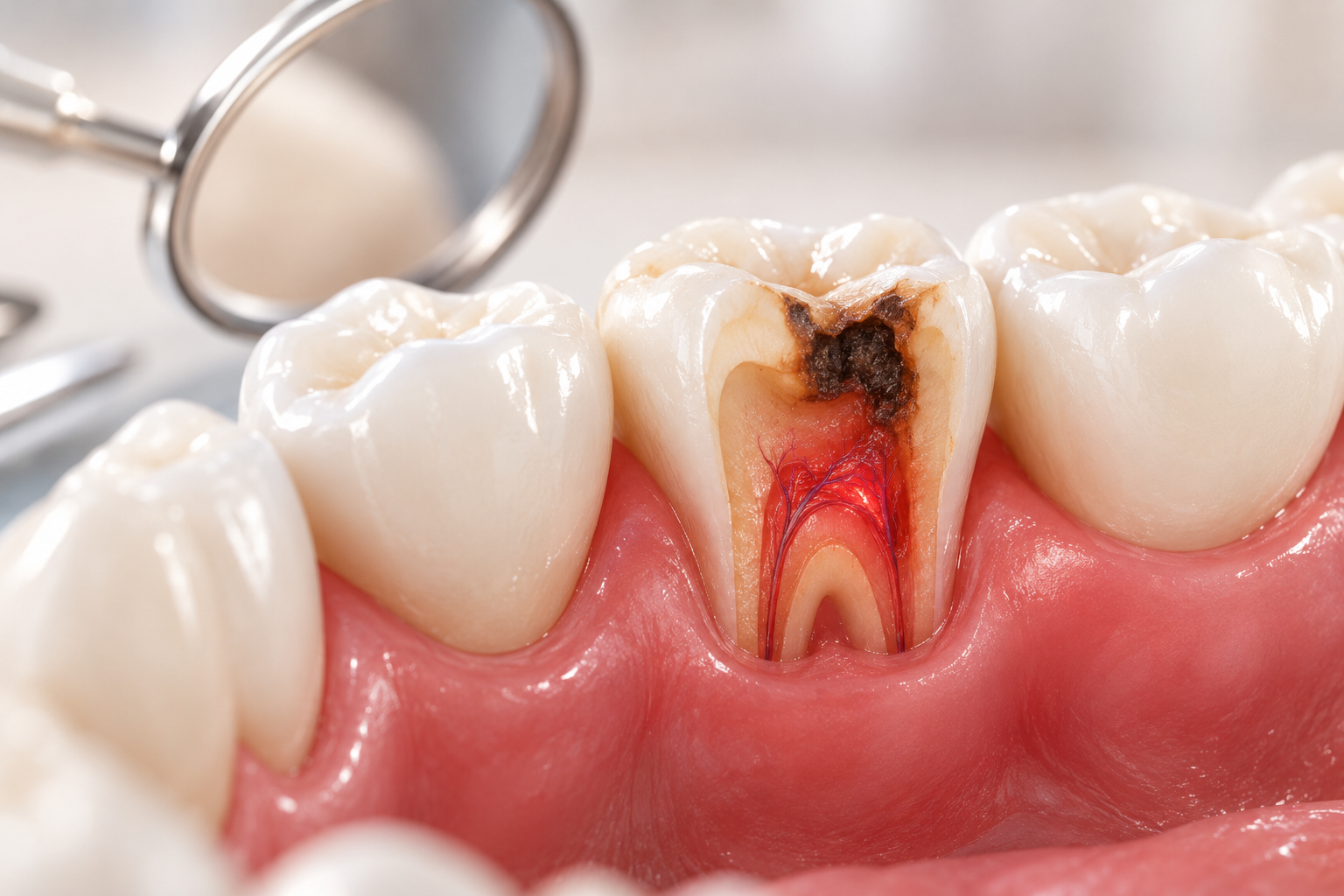
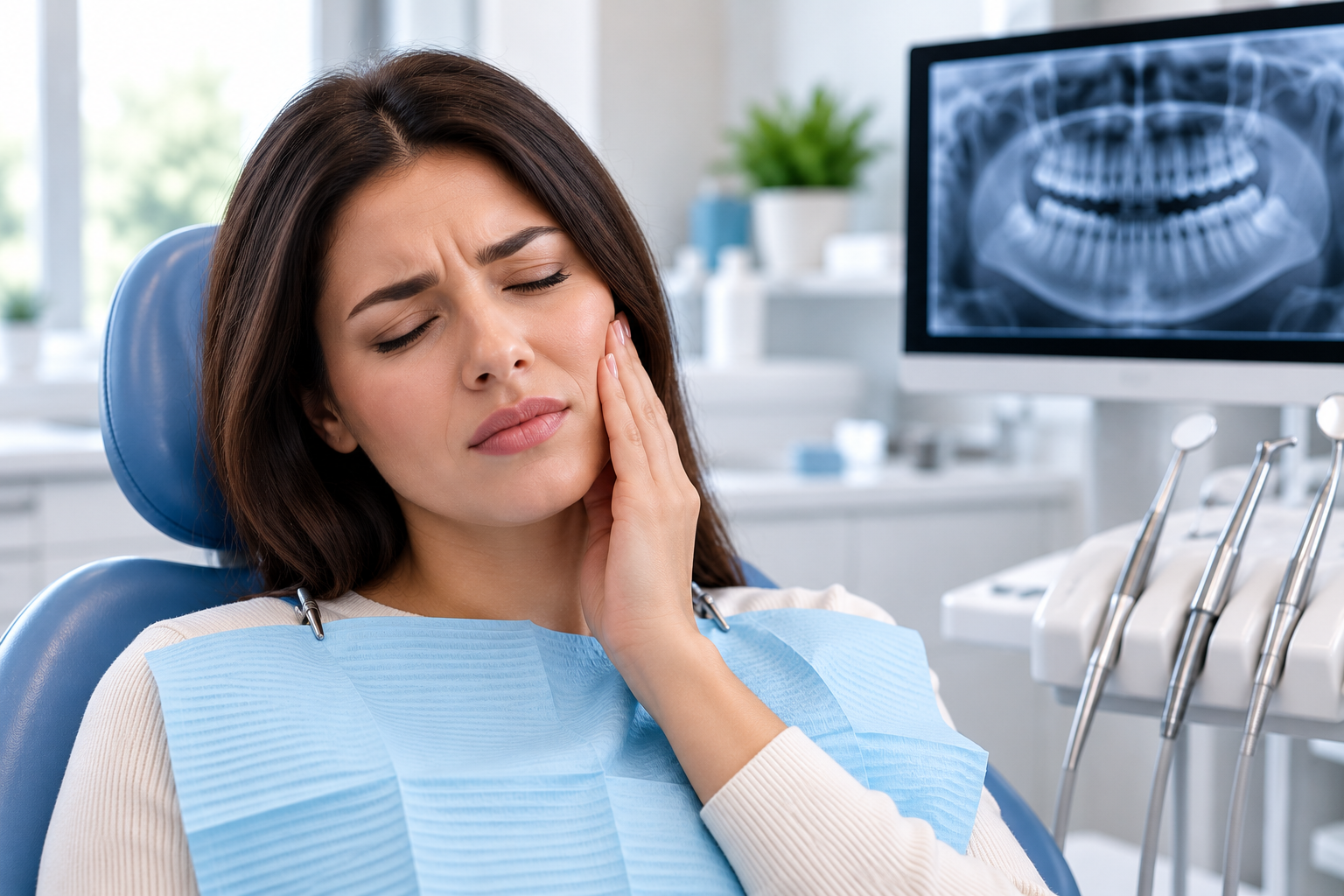
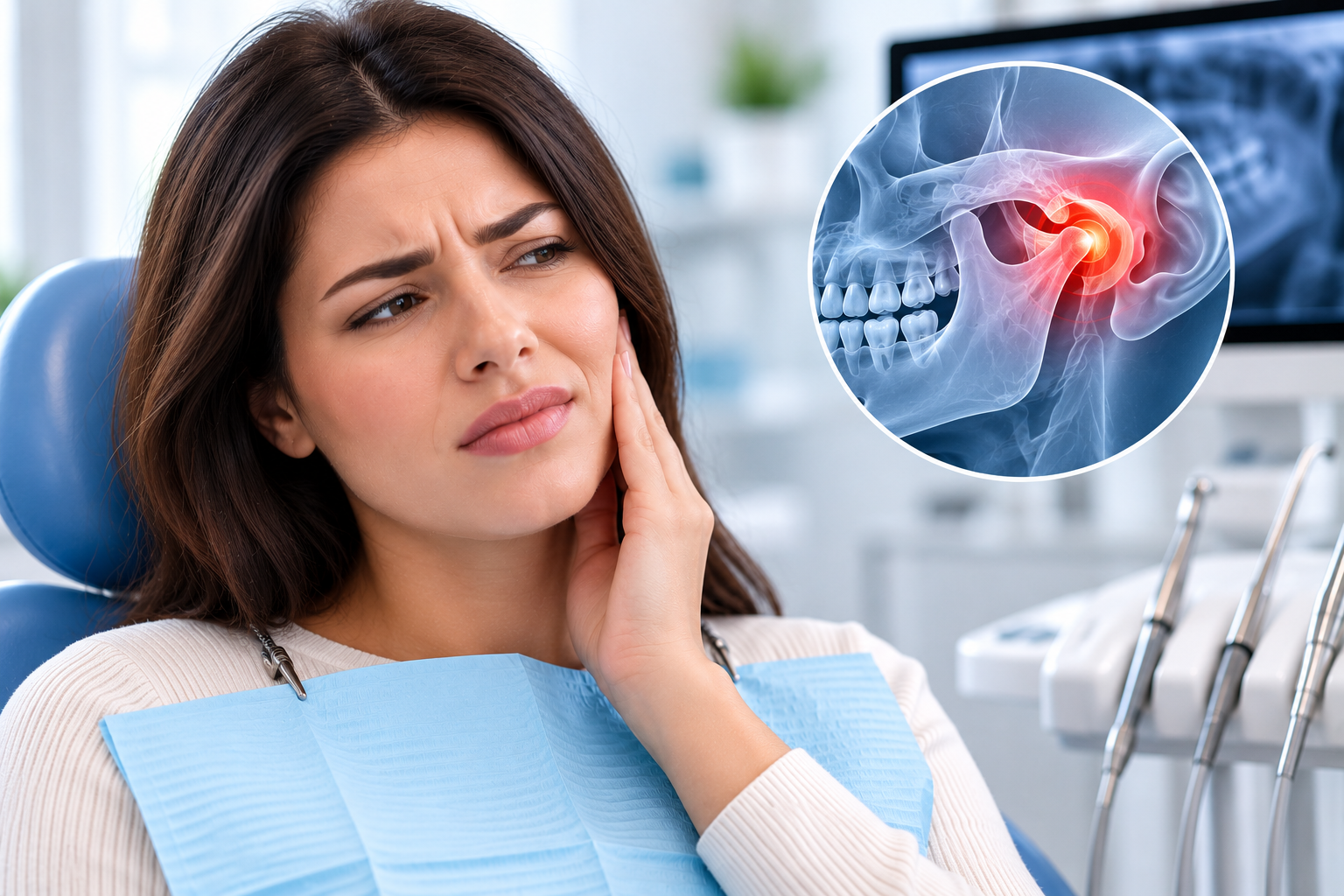
Hydrogen peroxide does not calibrate its penetration depth based on enamel condition — it goes as far as the tissue allows. In a tooth already compromised by decay, hairline cracks, or exposed root surfaces, the peroxide can reach the pulp and irritate the nerves directly. This is one of the more consistent explanations for tooth pain that appears or worsens following an OTC whitening cycle — not a reaction to the product under normal conditions, but a reaction to the product reaching tissue it was not designed to contact because the enamel barrier was already compromised.
What Actually Works — and What Commonly Fails
Most people who develop sensitivity during a whitening cycle assume the fix is a lower-concentration product. In the majority of cases, concentration is not the problem. Frequency is. Reducing from daily to every-other-day use — explicitly endorsed by Dr. Edmond Hewlett of the UCLA School of Dentistry — is often sufficient to eliminate sensitivity without losing meaningful whitening progress.
Using a sensitivity toothpaste before starting a whitening cycle, not after sensitivity appears, consistently reduces discomfort in clinical contexts. Most people apply this in the wrong order: they whiten first, develop sensitivity, then reach for sensitive toothpaste as a remedy. Starting with it preventively changes the physiological starting point.
What rarely works: stacking whitening products simultaneously. Using strips alongside whitening toothpaste and a whitening rinse does not accelerate results — it multiplies exposure risk without proportional whitening benefit. Enamel can only lighten to a finite degree within any given treatment cycle regardless of how many products are layered on.
It is also worth knowing that whitening strips cannot alter the color of dental restorations — crowns, veneers, or composite bonding. Someone with visible restorations who whitens their natural teeth will end up with a color mismatch that was entirely avoidable. A brief consultation before starting would have identified this immediately.
For anyone who finds themselves avoiding that conversation because of dental anxiety, that is worth addressing directly — it tends to be the single factor that leads people toward unsupervised OTC approaches when a professional evaluation would have made the entire process easier, safer, and more effective.
Who Should Not Use Whitening Strips Without a Dental Evaluation
Certain situations make unsupervised OTC whitening significantly higher risk. If any of the following apply, a dental consultation is not optional:
- Active or untreated tooth decay
- Gum disease or active gum inflammation
- Existing dental restorations in visible areas
- Pre-existing sensitivity or a known history of thin enamel
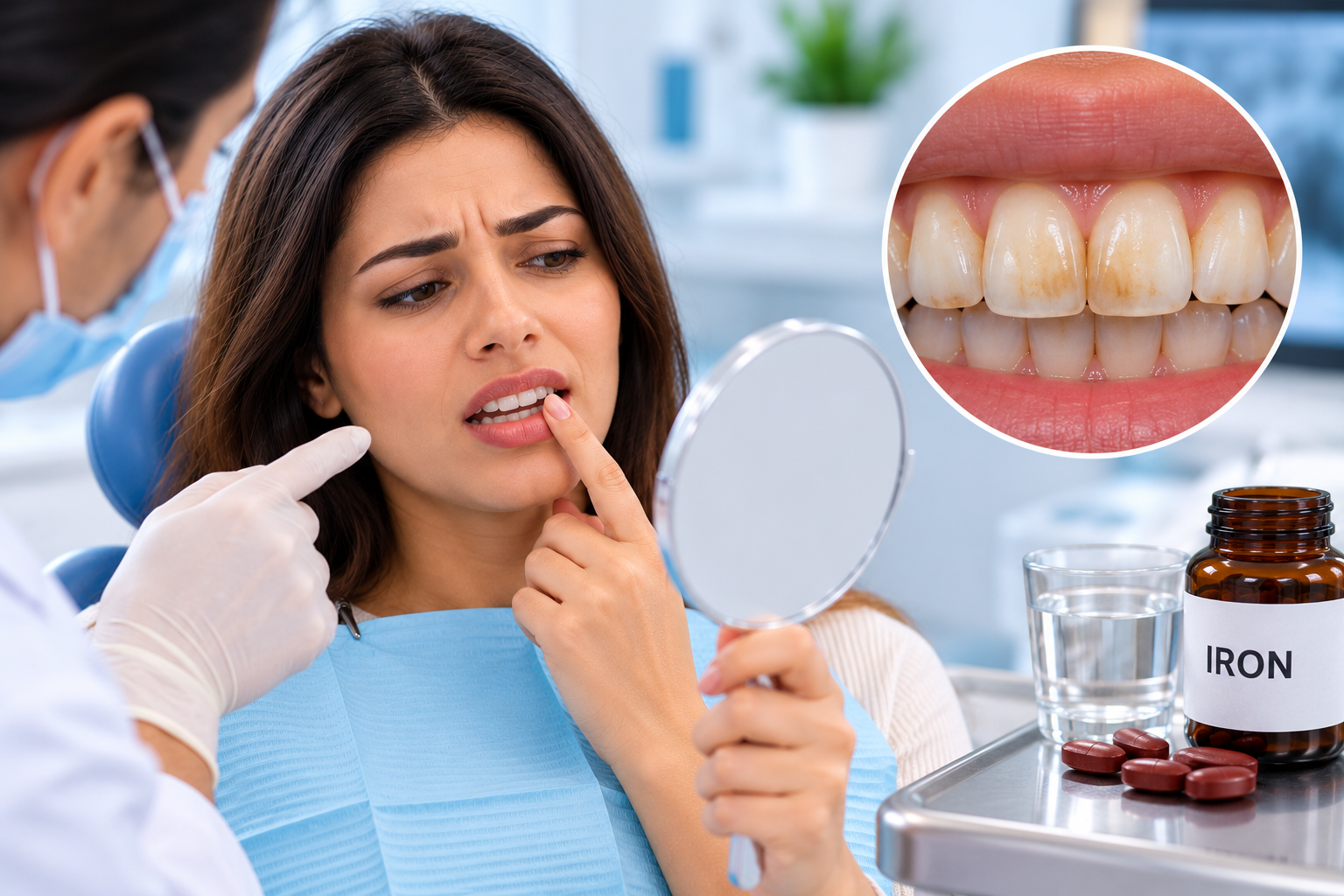
- Intrinsic staining from tetracycline, fluorosis, or dental trauma — peroxide cannot address these stain types
- Pregnancy or breastfeeding
Conclusion
Whitening strips used occasionally, on healthy teeth, at lower concentrations, and for the recommended application time are broadly supported by current research as safe. The problems emerge when any of the four CAFE variables slips: too frequent, too long, too high a concentration, or applied to teeth the product was not designed for.
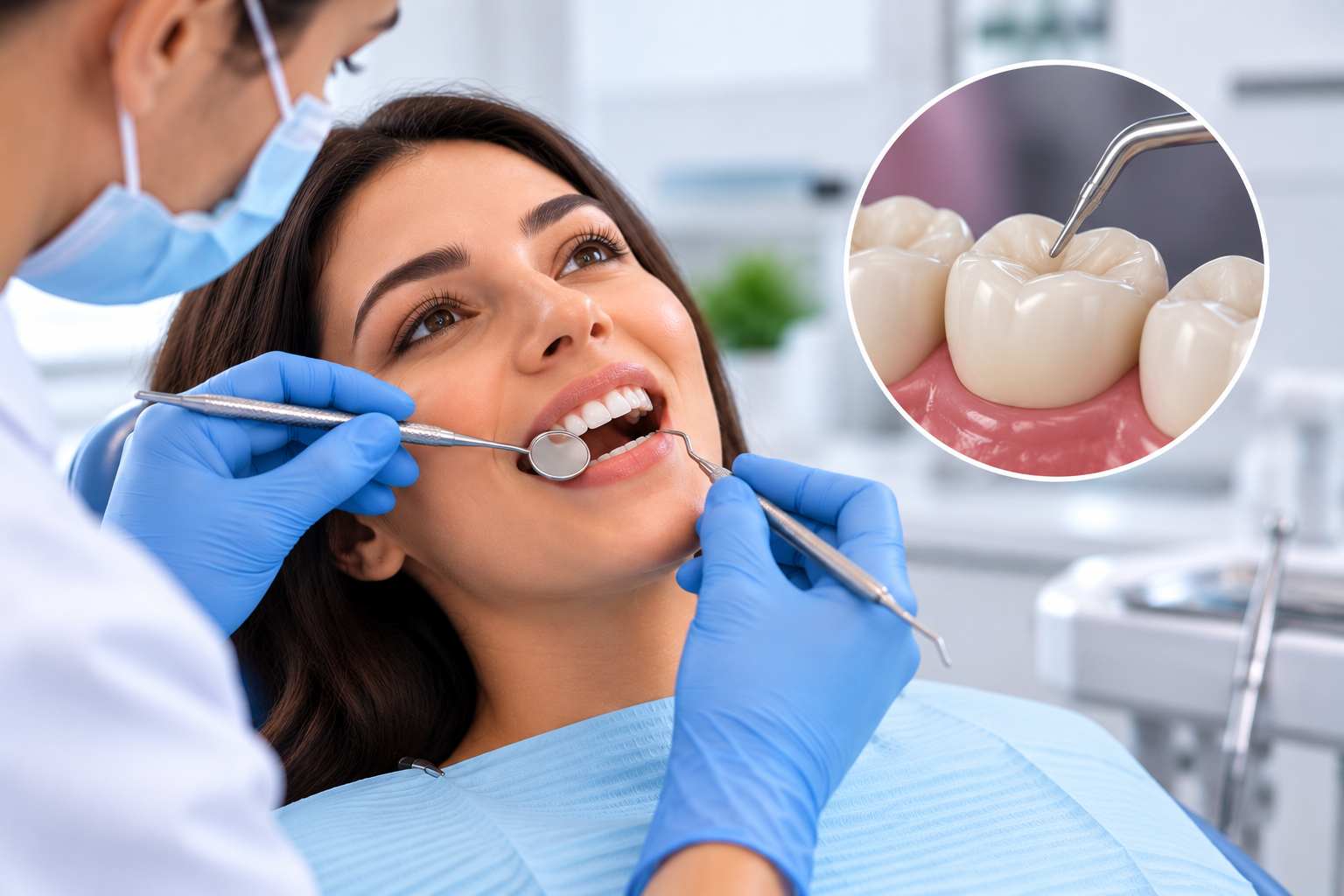
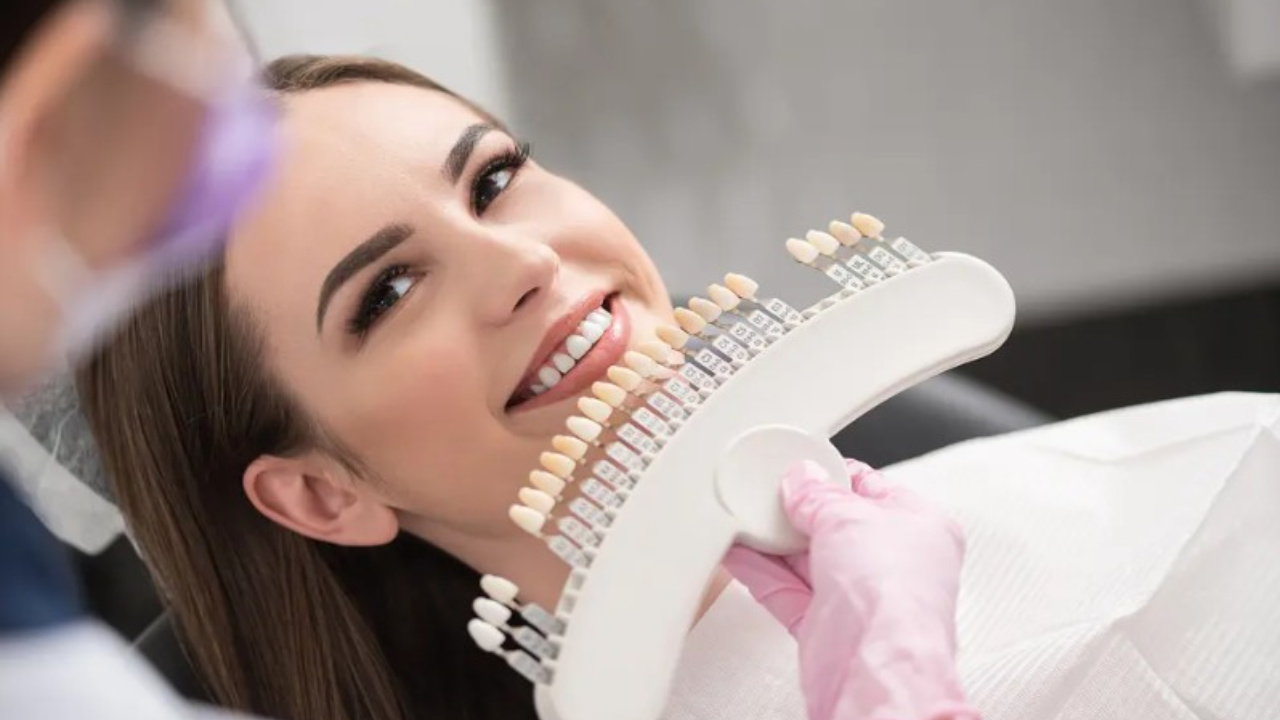
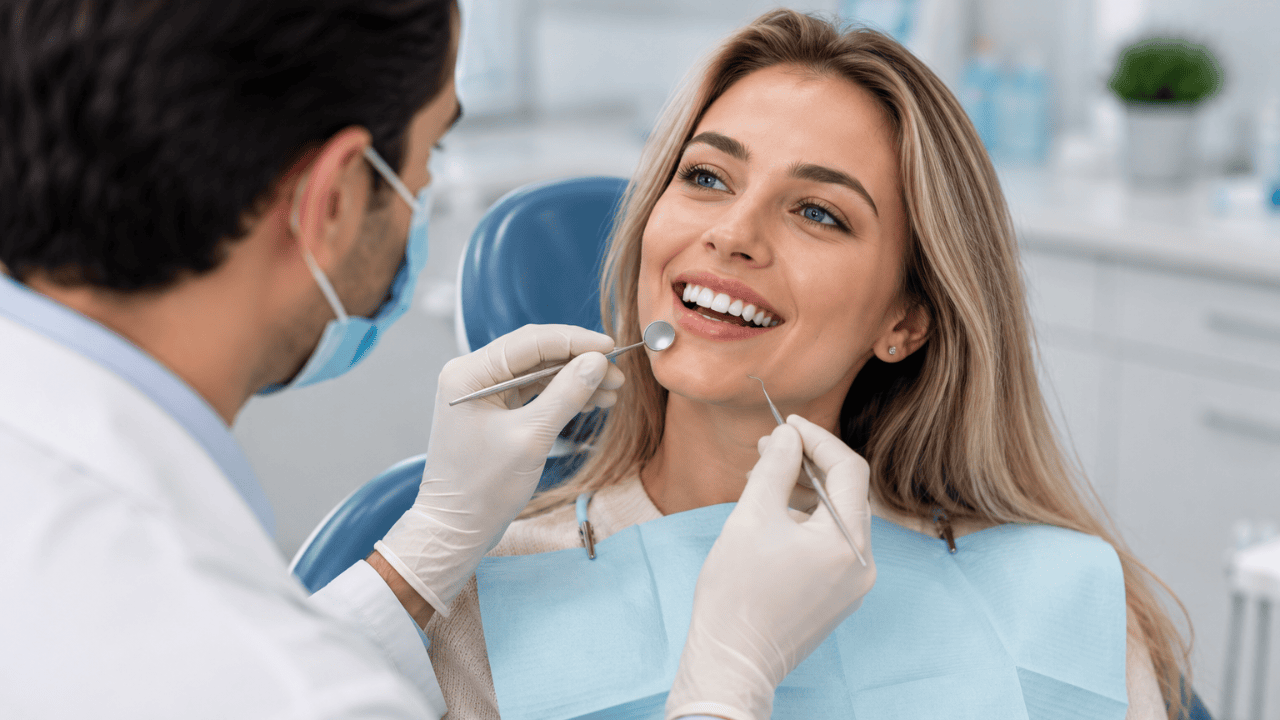
Professional cleaning and whitening under dental supervision offers a fundamentally different risk equation — appropriate concentrations, controlled application, gum protection, and a clinician who has already evaluated whether your teeth are suitable candidates. For anyone with concerns about sensitivity, existing dental work, or enamel condition, that level of oversight changes the safety profile in ways no OTC product can replicate.
A brighter smile is worth pursuing. Enamel you cannot replace is worth protecting first.
Frequently Asked Questions
Q: Can whitening strips damage teeth permanently?
When used as directed on healthy teeth, whitening strips do not cause permanent enamel damage. Temporary softening may occur but usually recovers. However, frequent overuse without recovery time can lead to long-term enamel weakening and sensitivity that may not fully reverse.
Q: Do whitening strips damage tooth enamel more than professional whitening?
Not necessarily. OTC strips use lower peroxide, while professional treatments use higher levels with supervision. The main risk with strips comes from improper or frequent use, whereas professional whitening is controlled, reducing the chance of enamel damage despite stronger formulations.
Q: Are whitening strips safe for enamel if I already have sensitive teeth?
Not always. Sensitive teeth may indicate weak enamel or exposed dentin, making whitening more irritating. While sensitive toothpaste may help reduce discomfort, it doesn’t fix underlying issues. A dental check-up is recommended before using whitening strips to avoid worsening sensitivity.
Q: How often can you use whitening strips without damaging enamel?
Most dentists recommend using whitening strips only a few times per year on healthy teeth. Frequent or repeated use without breaks can prevent enamel recovery, leading to cumulative damage and increased sensitivity over time, especially if used as a regular maintenance routine.
Q: Do whitening strips affect teeth differently if I have dental work?
Yes. Whitening strips do not change the color of crowns, veneers, or fillings, which can cause uneven shades. Additionally, peroxide may irritate gums around dental work more easily. A dentist should assess compatibility before starting whitening treatment.
Q: What is the safest way to whiten teeth without harming enamel?
Professional whitening is safest as it includes evaluation and controlled application. At home, custom trays with low-concentration gel are safer than strips. If using OTC strips, choose low-strength options and follow instructions carefully, allowing proper time between treatments.
Q: Can whitening strips cause tooth pain?
Yes. Peroxide can penetrate enamel and irritate nerves, causing tooth pain and sensitivity to hot or cold. This usually fades after stopping use. However, ongoing pain may indicate underlying dental issues like decay or cracks and should be checked by a dentist.
Popular Services:
Emergency Dentist Edinburg TX | Dental Implants in Edinburg TX | Root Canal Treatment | Dental Crowns, Veneers & Bridges Edinburg TX |
We’re Near From
Dentist in McAllen TX | Emergency Dentist McAllen TX | Pediatric Dentist McAllen TX | Dental Implants in McAllen, TX | Teeth Whitening McAllen TX | Root Canal Treatment in McAllen TX | Dental Crowns, Veneers & Bridges McAllen TX |
Dentist in Pharr TX | Dentist in Mission TX | Dentist in Weslaco TX | Dentist in Palmview TX | Dentist in San Juan TX | Dentist in Donna TX |