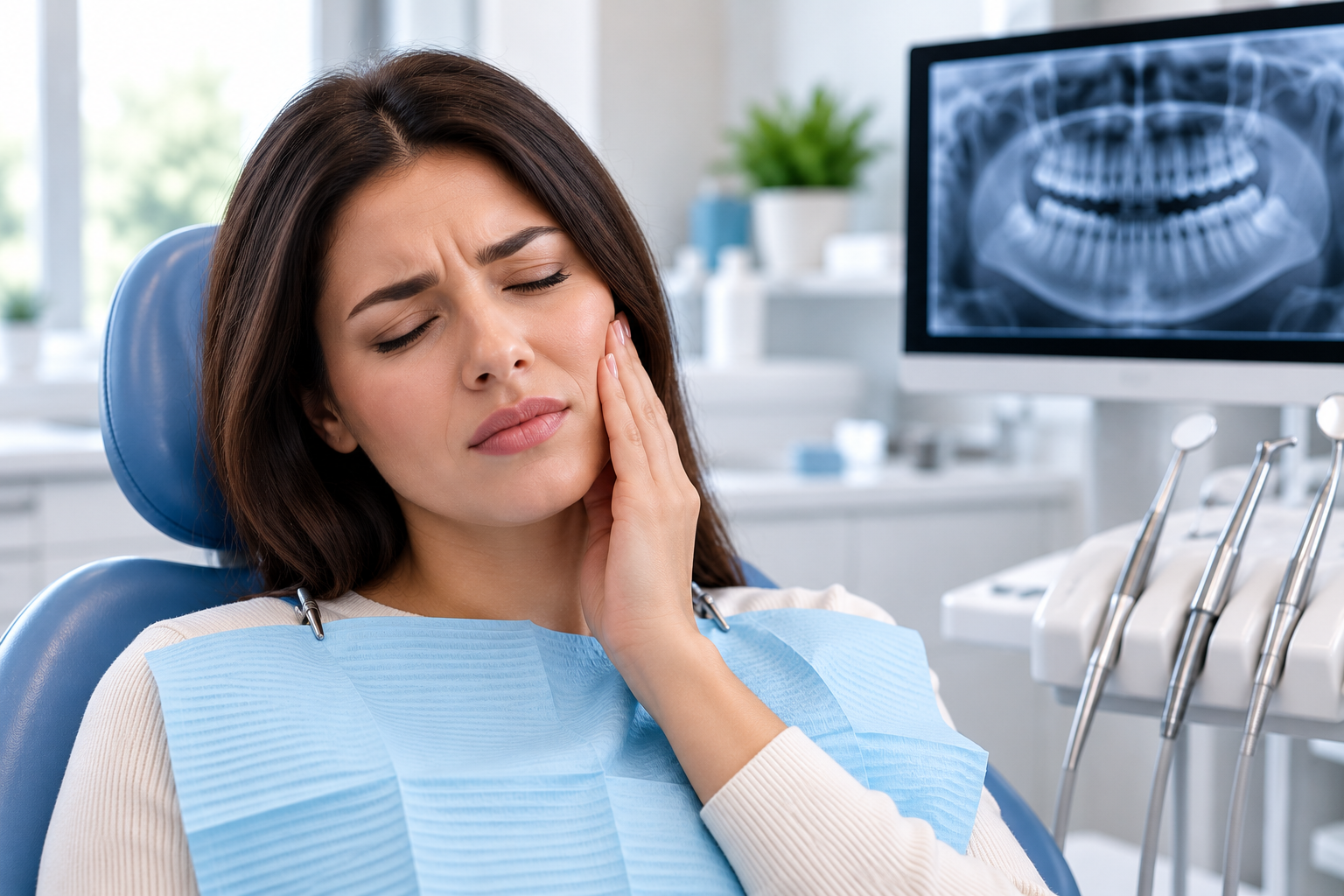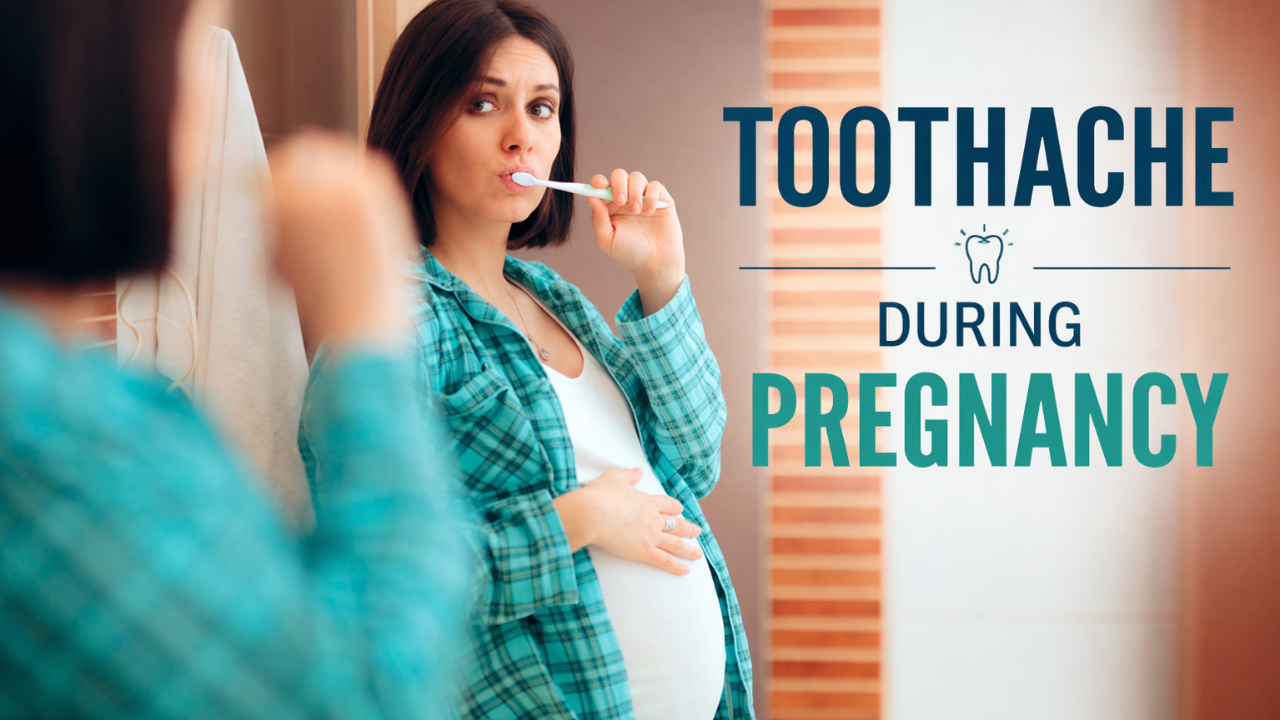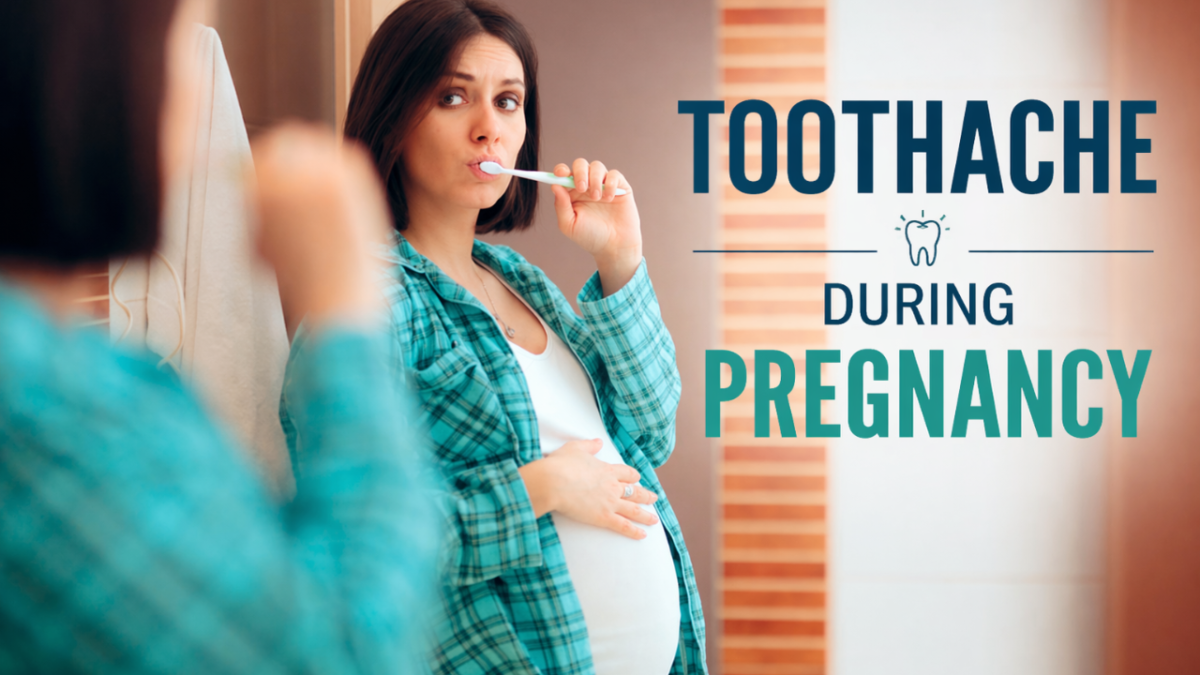
Pregnancy changes almost everything about how your body works — including your mouth. Sore gums, new sensitivity, and sudden aches are more common than most expecting mothers expect, and they rarely show up with a warning.
The tricky part is knowing when discomfort is just pregnancy being pregnancy, and when it’s your body asking for help that can’t wait. This guide breaks down why tooth pain flares up when you’re expecting, the specific signs that mean it’s time to get seen, and what’s actually safe to do (and not do) at home while you sort it out.
Why Discomfort Gets Worse During Pregnancy
Your mouth is not isolated from the rest of your body. When hormones shift, blood volume rises, and eating patterns change, your teeth and gums feel it first.
A few reasons pregnancy and tooth pain tend to travel together:
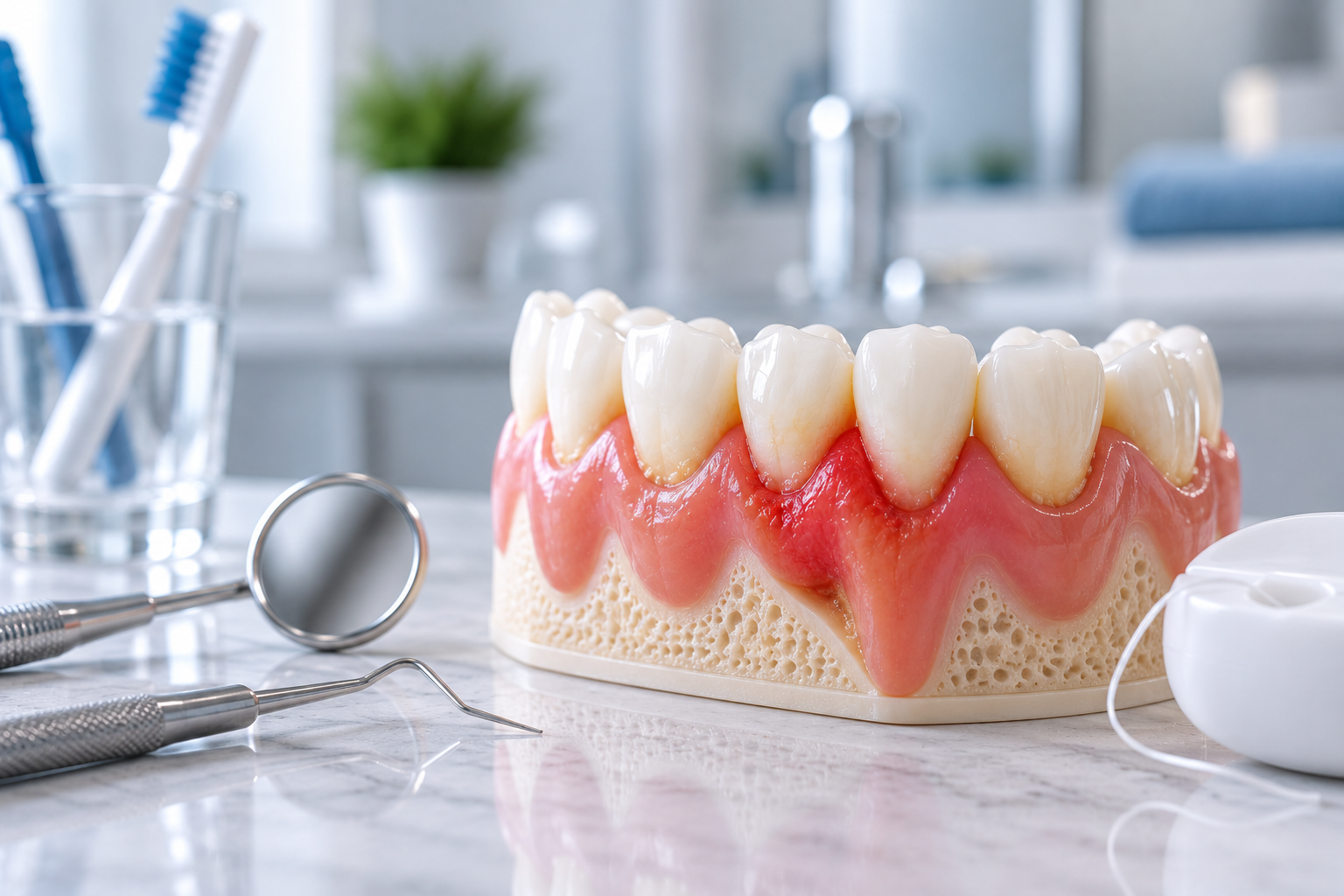
- Hormonal spikes in estrogen and progesterone increase blood flow to the gums, making them swell, bleed, and feel tender even with gentle brushing.
- Morning sickness floods the mouth with stomach acid, which softens enamel and makes teeth more sensitive to hot, cold, and sweet foods.
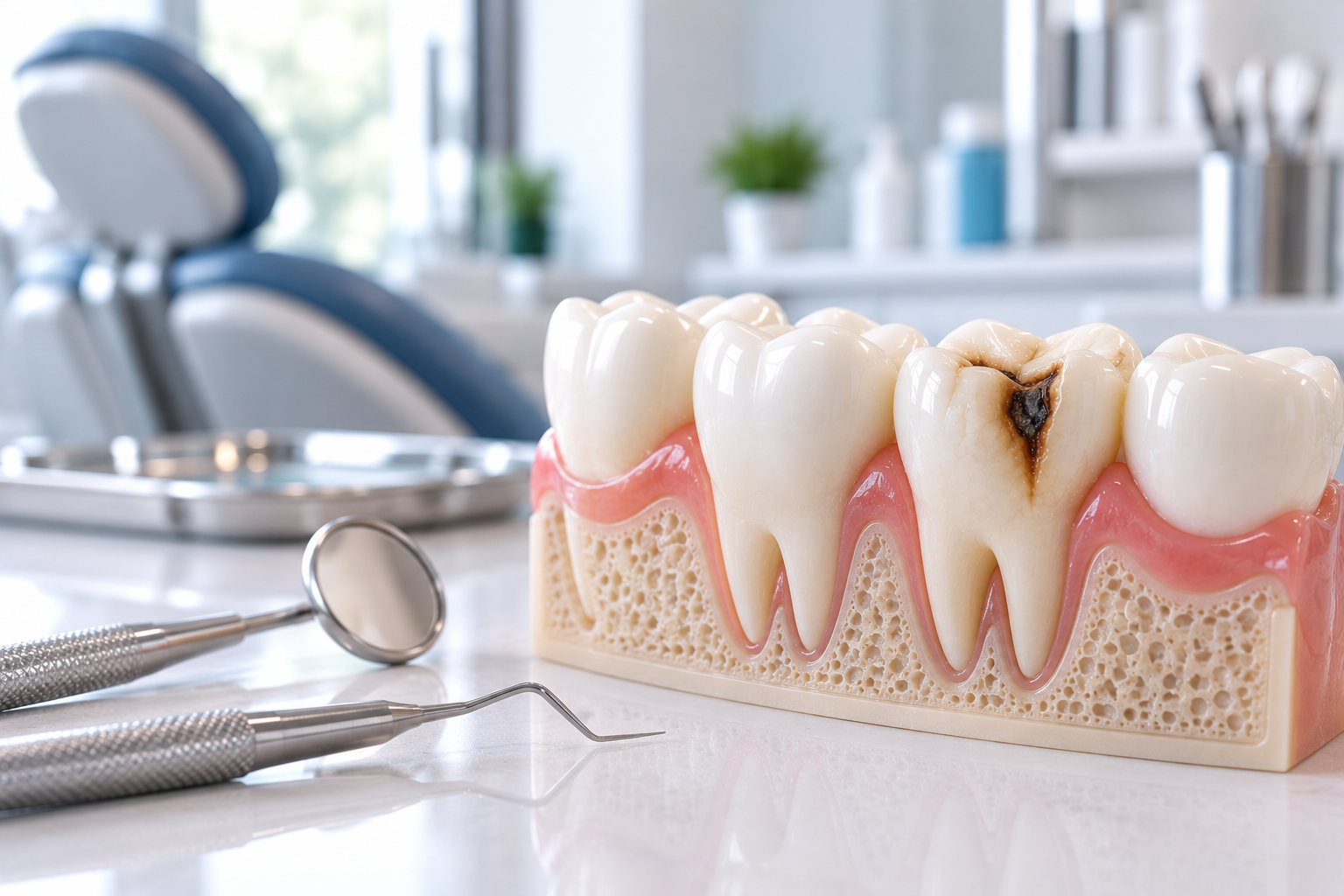
- Cravings and frequent snacking keep sugar on the teeth longer, which feeds decay-causing bacteria and raises the risk of dental cavities.
- Calcium demand rises for your baby’s development, and if your diet doesn’t keep up, your teeth can become more vulnerable to decay.
- Pregnancy gingivitis affects a large share of expecting mothers — some studies put it at 60 to 75 percent.
Most of this is manageable. But when an ache shows up and sticks around, it usually means something underneath needs attention.
Signs You Should See a Dentist — Not Wait It Out
A mild twinge that fades in a day isn’t an emergency. A discomfort that keeps coming back, changes how you eat, or wakes you up at night is a different story. Here’s when you should stop waiting:
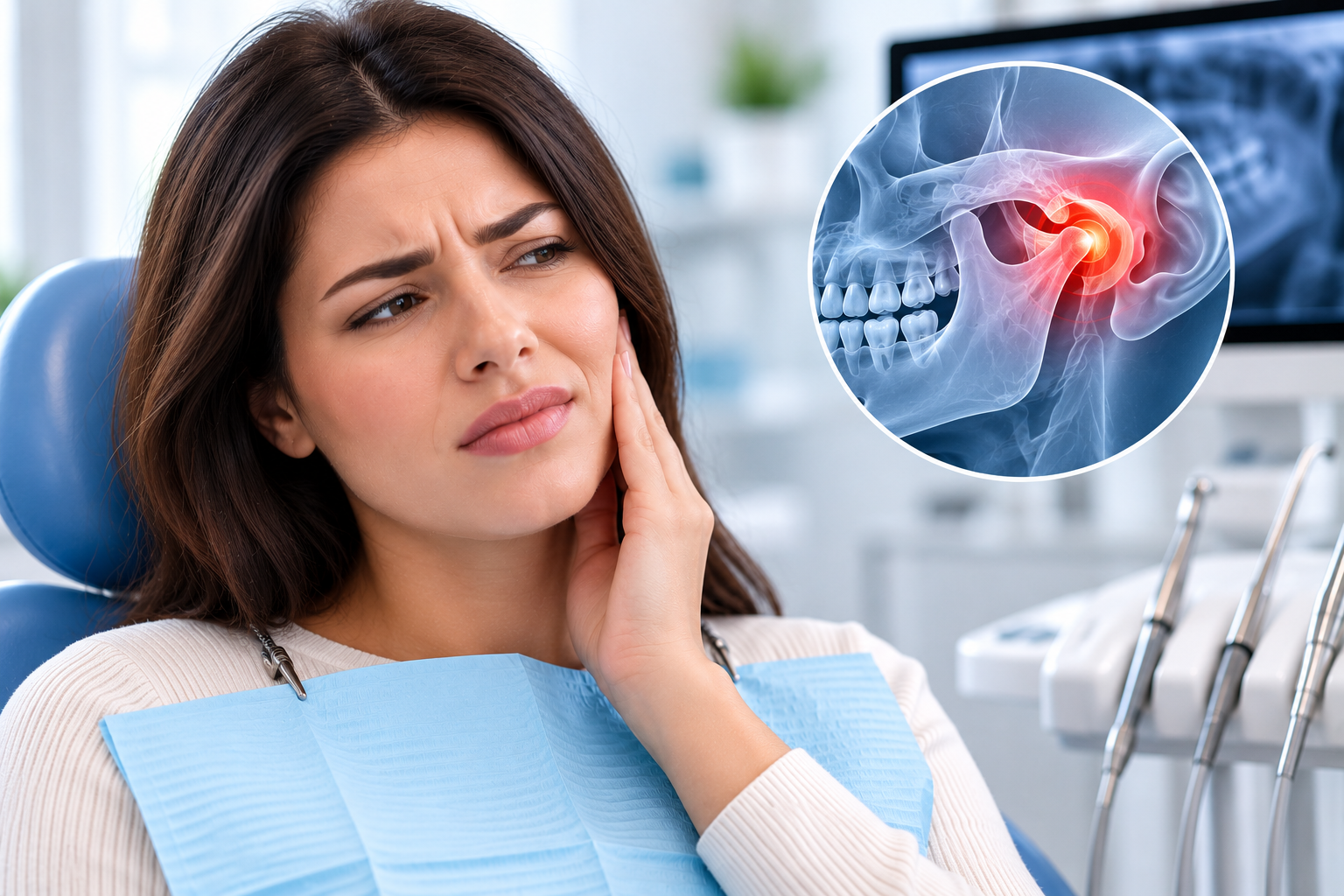
- Pain that lasts more than 48 hours. Short-lived sensitivity is often just irritation. Aches that hold steady or get worse over two days usually mean decay has reached a nerve or an infection is forming.
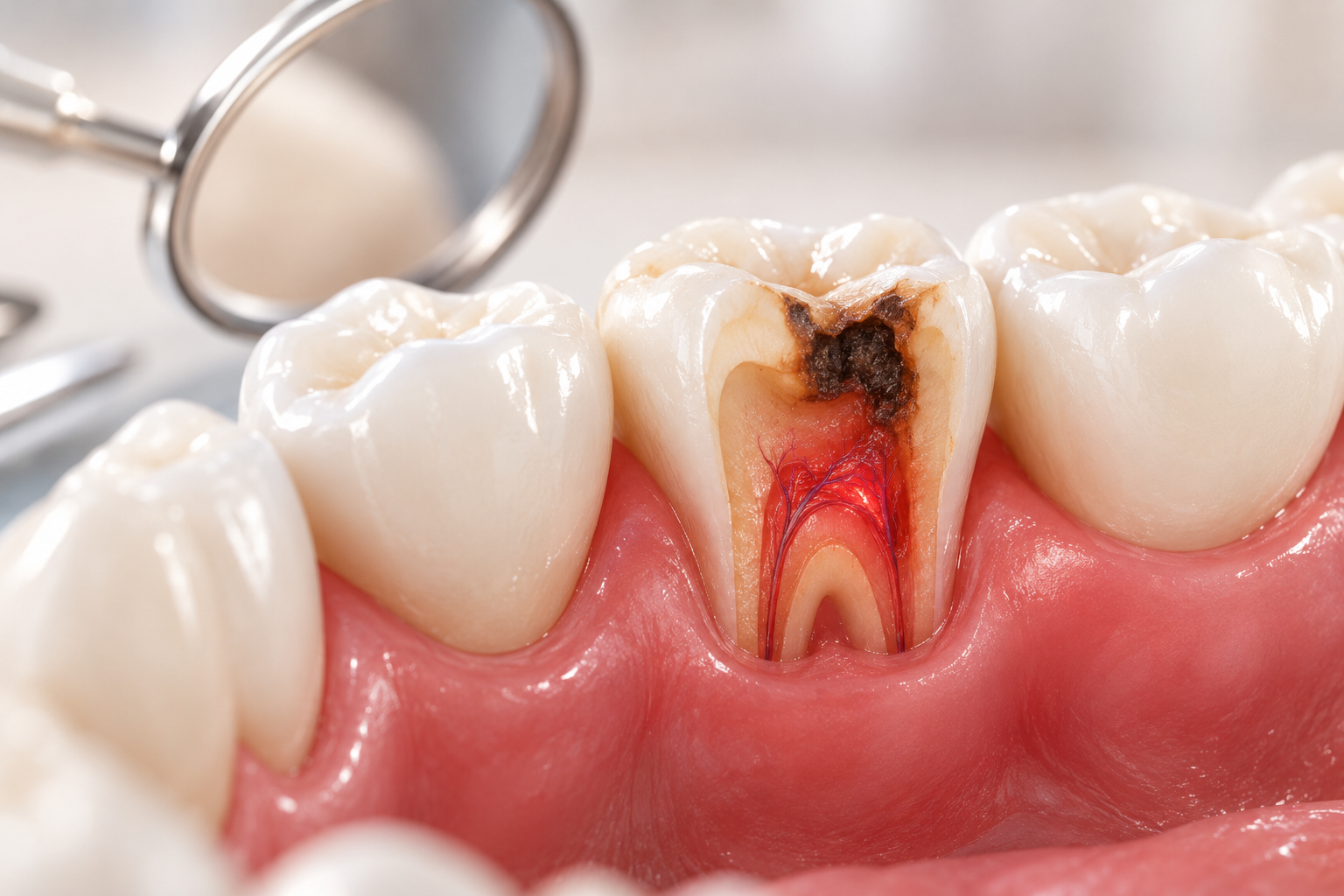
- Sharp pain when biting down. This often points to a cracked tooth or a deep cavity. Ignoring it can turn a simple filling into a root canal.
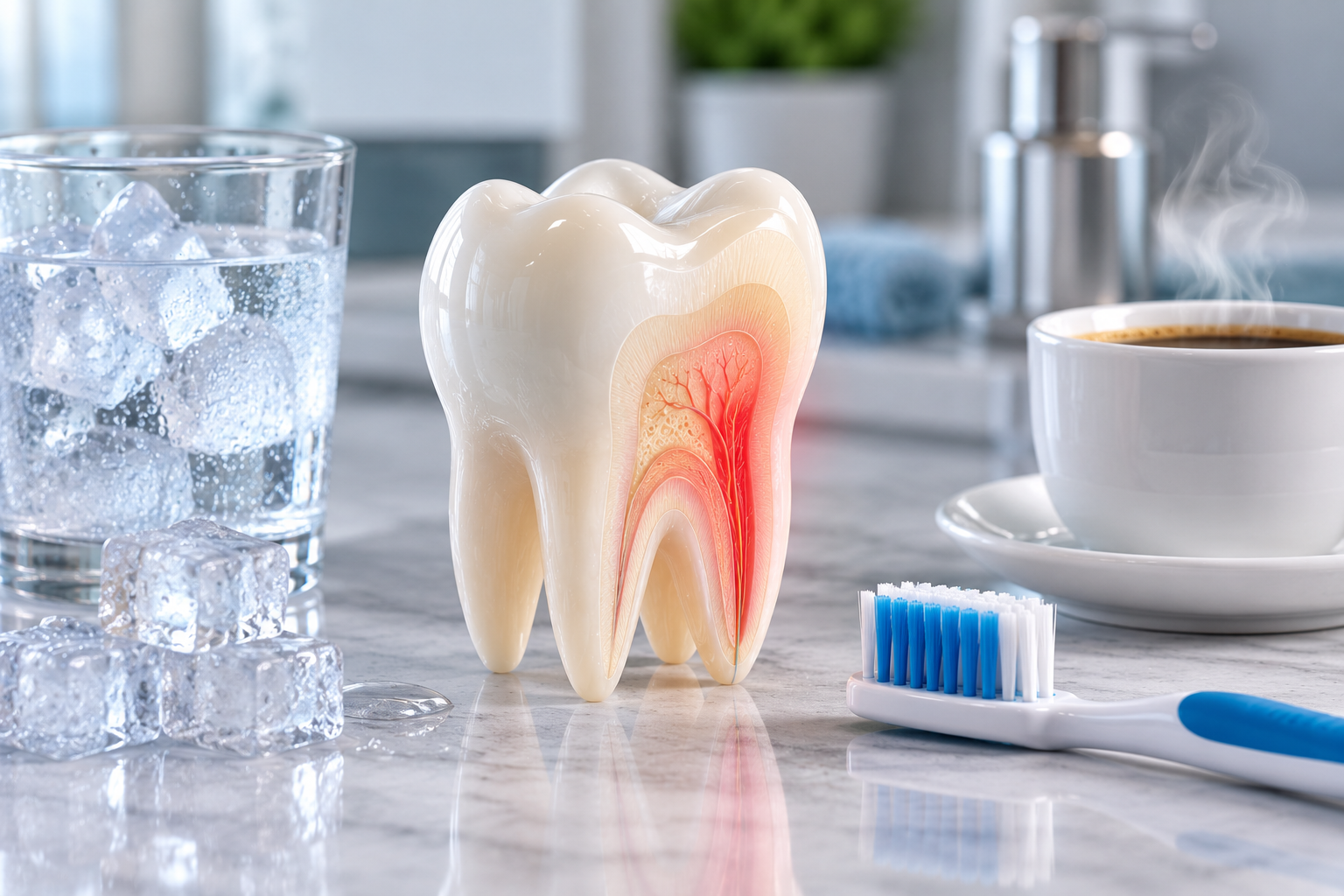
- Sensitivity that’s getting worse, not better. If your response to cold water or sweet foods used to be a quick ping and is now a lingering ache, the protective enamel or gum line has been compromised.
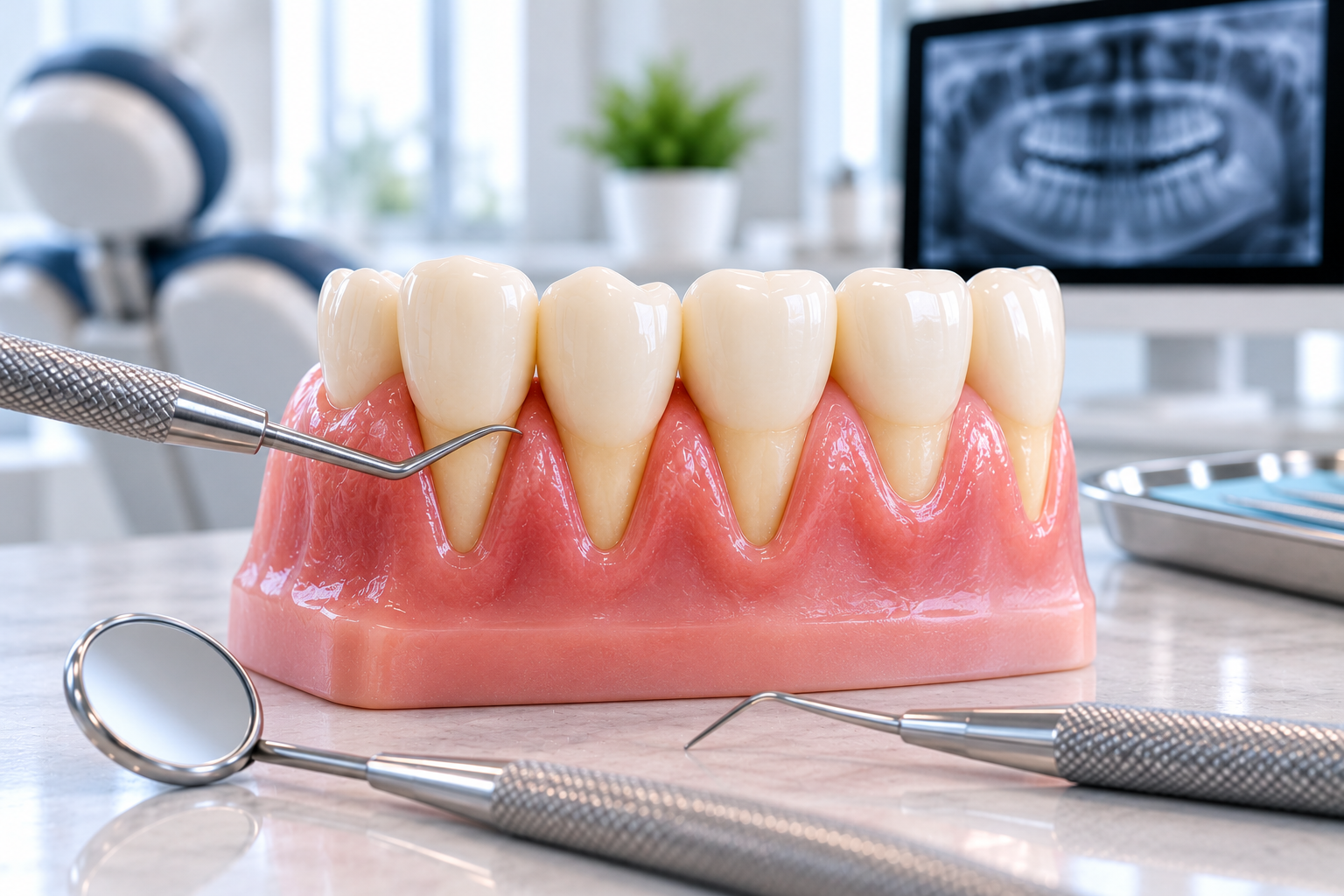
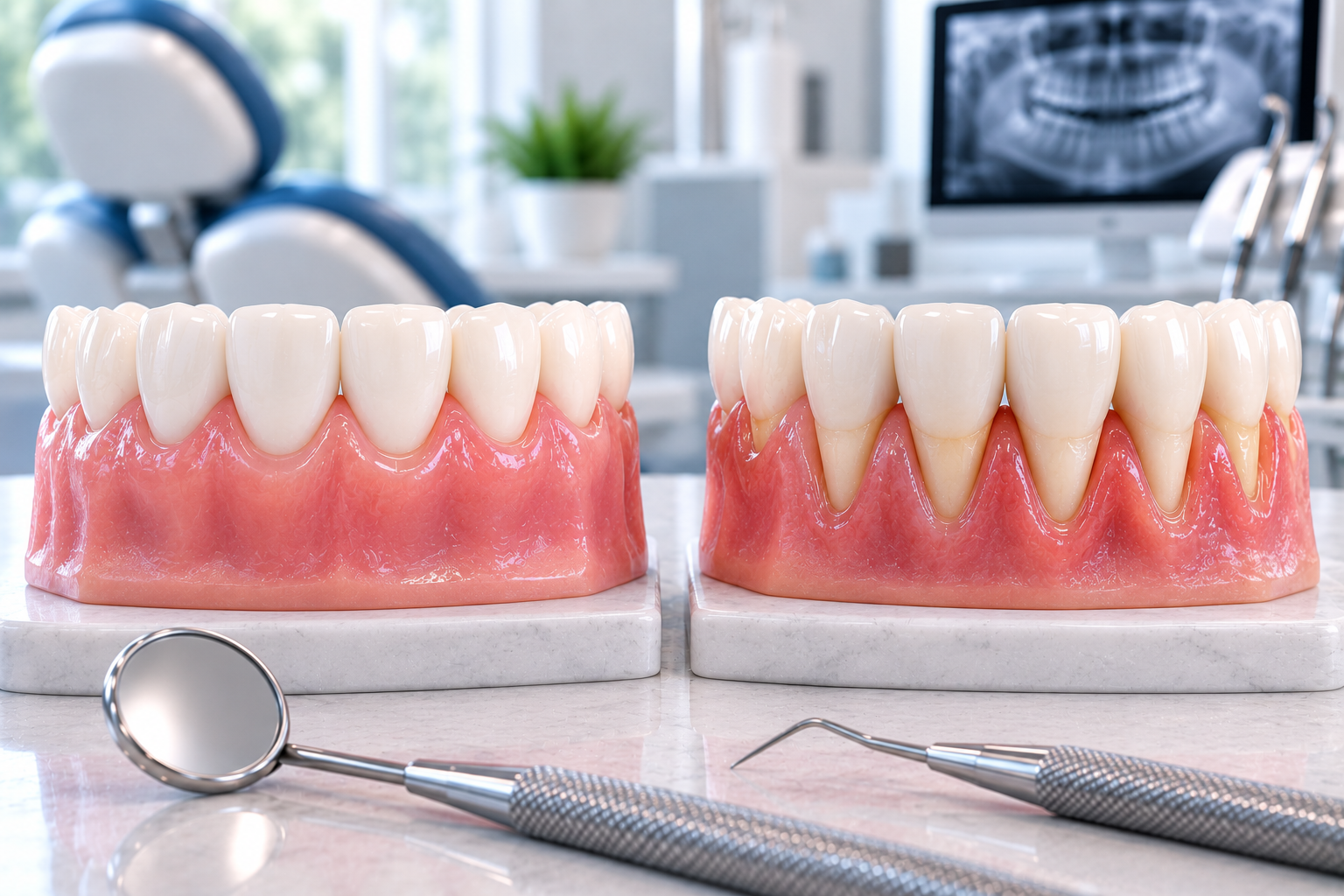
- Bleeding, purple, or receding gums. Mild bleeding during brushing is common in pregnancy, but heavy bleeding or visible pus at the gumline signals gum disease that needs professional cleaning, not just a better toothbrush.
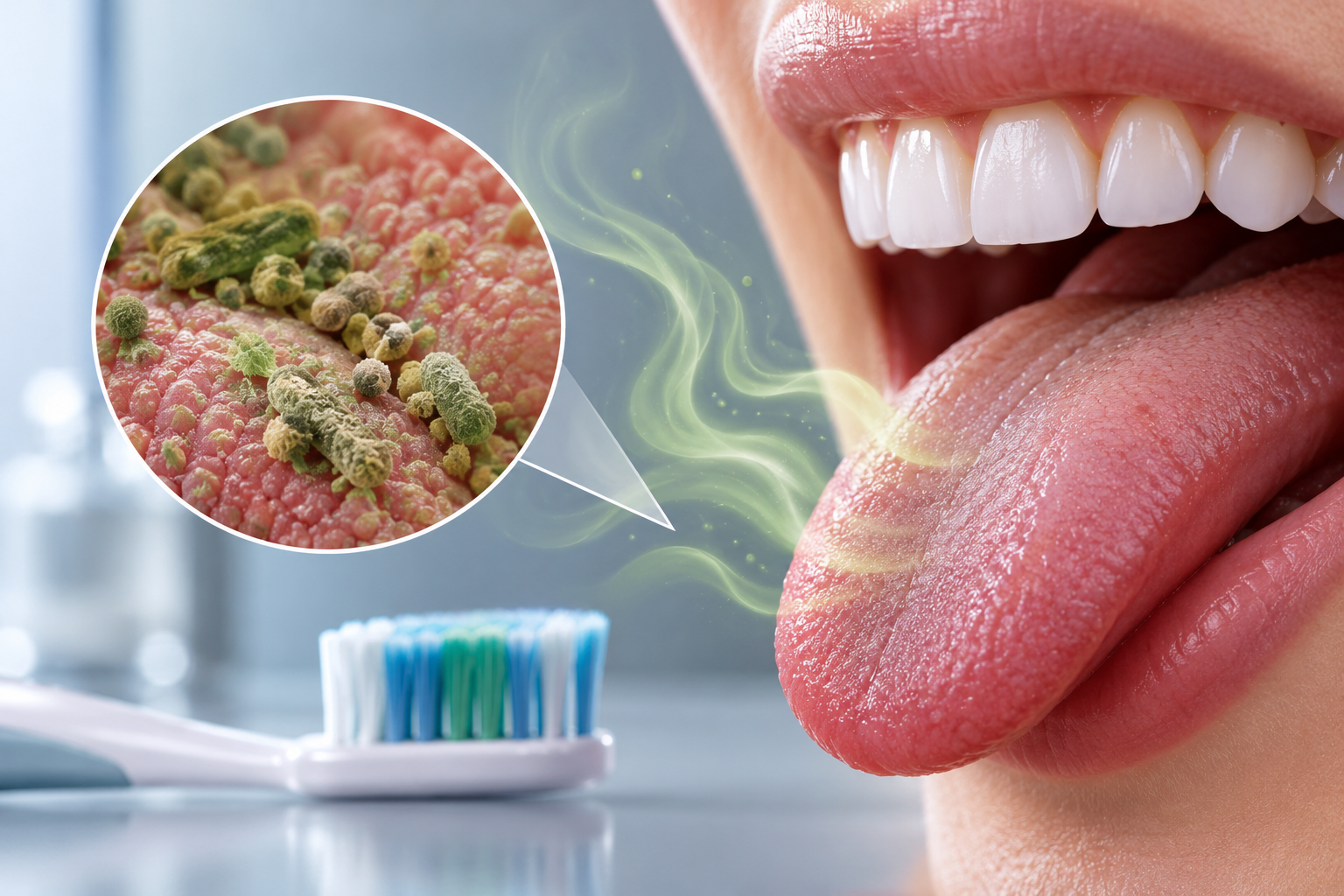
- A persistent bad taste or bad breath. These are often the first signs of an infection draining inside the mouth — something no mouthwash will fix.
- Loose teeth. Hormonal changes can slightly loosen the ligaments holding teeth in place, but if a tooth feels unstable or shifted, book a dental exam right away.
A good rule: if the discomfort is interfering with sleep, chewing, or your mood, it has already waited long enough.
Red Flags That Need Emergency Care
Some dental problems during pregnancy are not just uncomfortable — they can affect your baby. Untreated oral infections have been linked in multiple studies to higher risks of preterm labor and low birth weight. That is why dental infections are treated seriously, not casually.
Seek emergency dentistry if you notice any of the following:
- Facial swelling around the jaw, cheek, or under the eye
- Fever or chills along with mouth pain
- A pimple-like bump on the gum near a painful tooth (a sign of an abscess)
- Trouble swallowing or opening your mouth
- A knocked-out, cracked, or broken tooth from any kind of trauma
- Severe, throbbing discomfort that pain relievers don’t touch
These are not “wait for the next checkup” signals. They are “get seen today” signals.
What’s Actually Safe During Pregnancy
A lot of expecting mothers delay care because they’ve heard dental work isn’t safe while pregnant. That belief is outdated — and skipping treatment usually causes more harm than getting it.
Here’s what the American Dental Association and major obstetrics groups agree on:
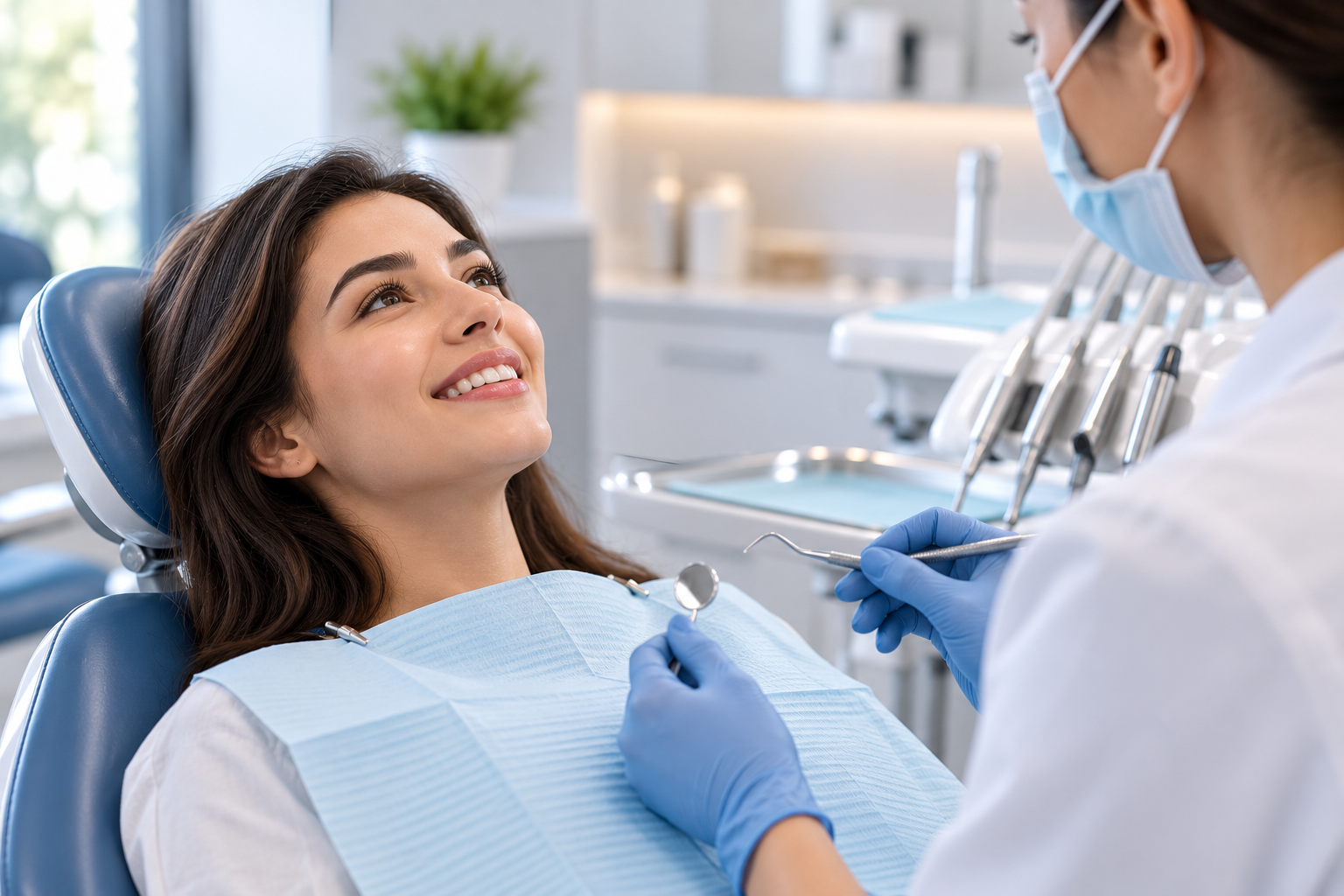
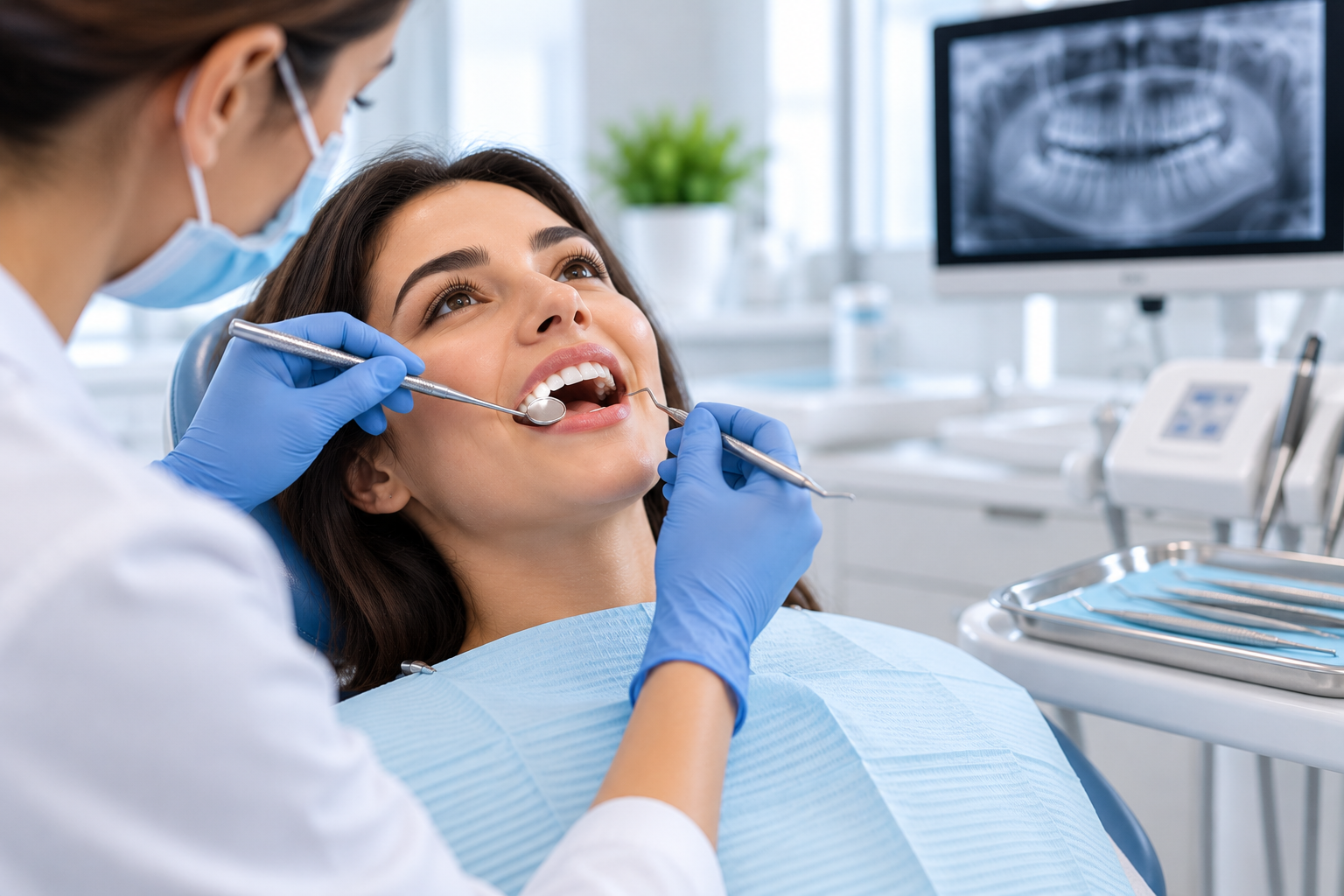
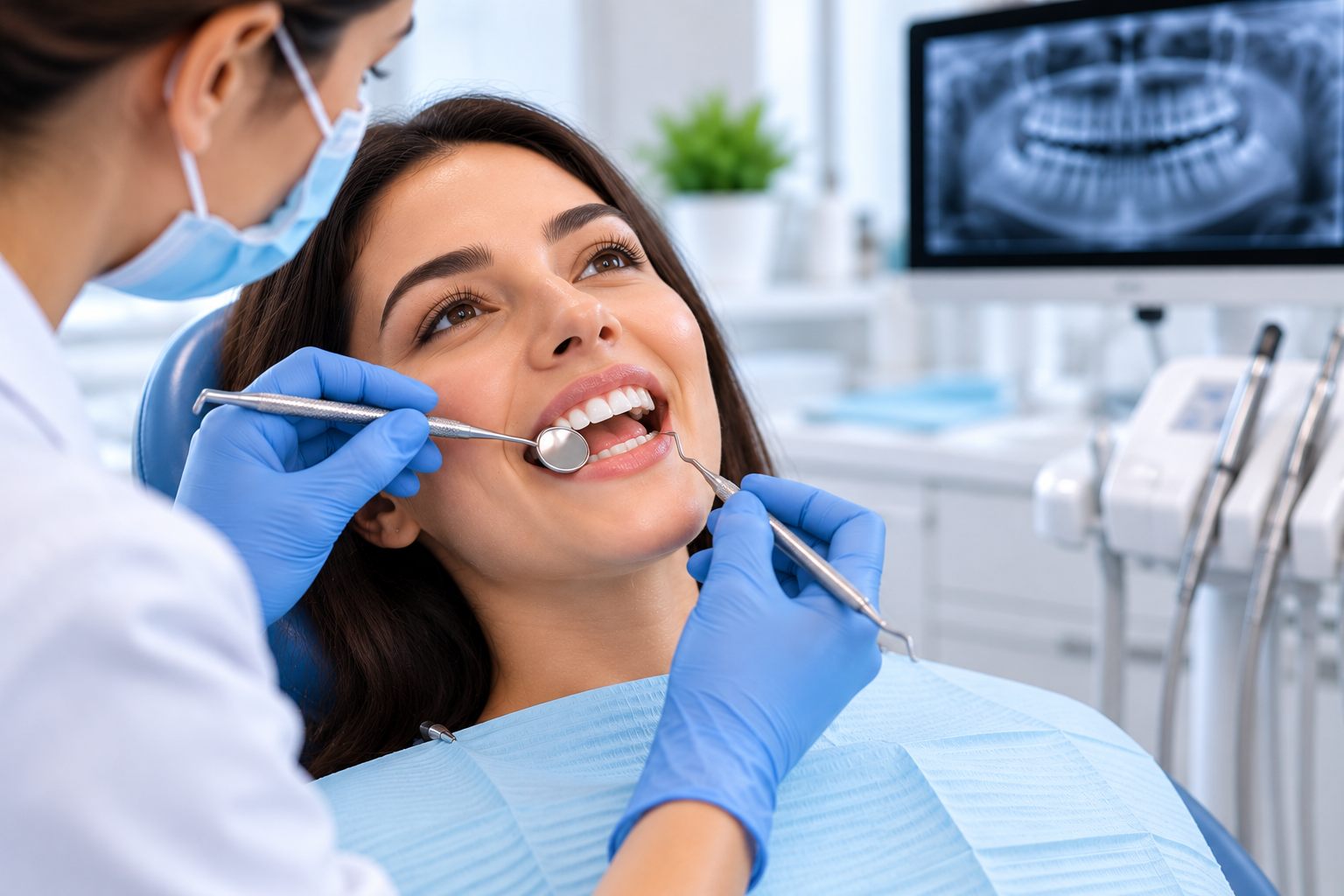
- Routine cleanings and checkups are safe in every trimester, with the second trimester often being the most comfortable window.
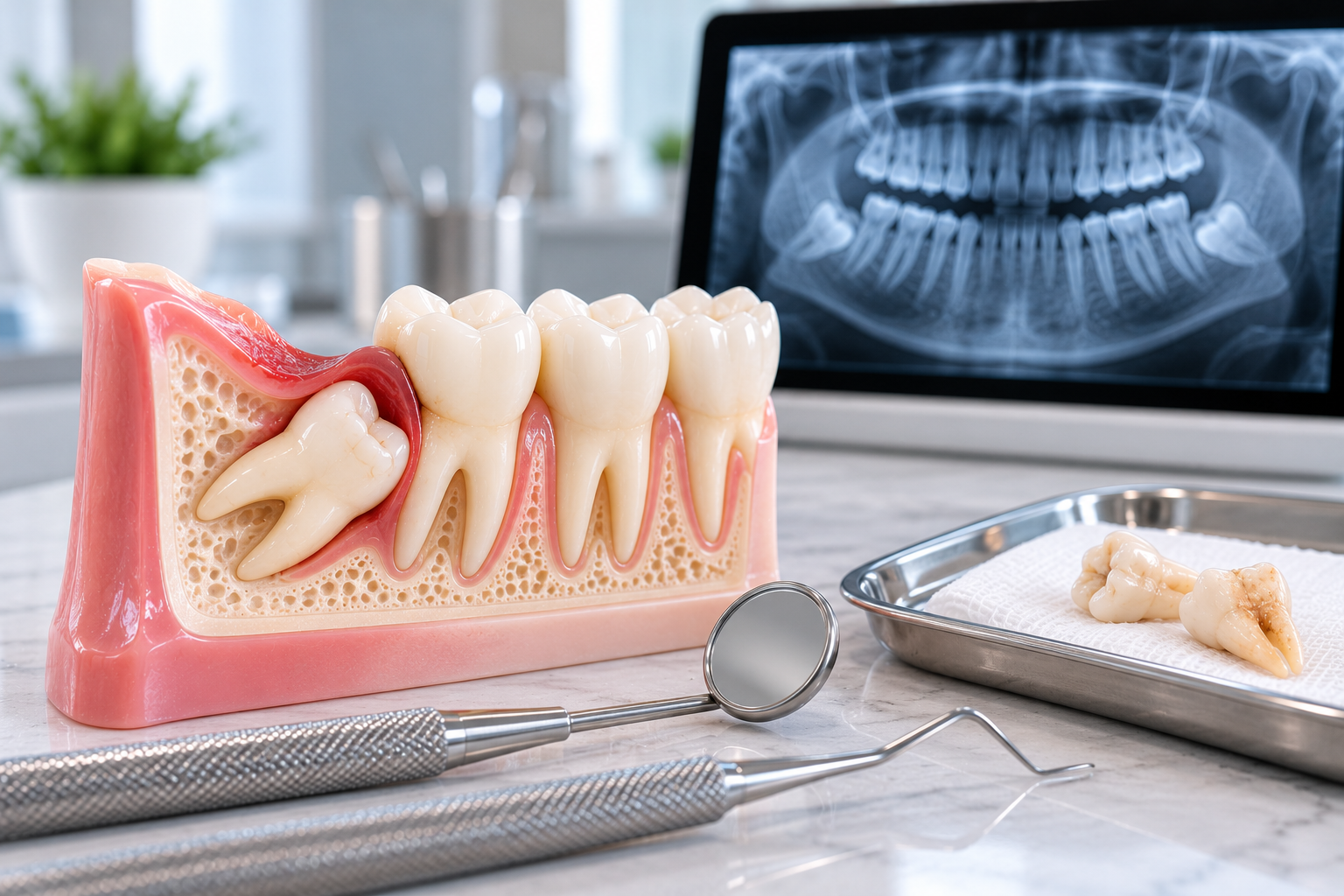
- Dental X-rays are considered safe when a lead apron and thyroid collar are used. The radiation dose is extremely low.
- Local anesthesia used for fillings and root canals is safe when administered correctly.
- Fillings, crowns, and even extractions can be done during pregnancy if the problem cannot wait.
- Elective cosmetic treatments (like whitening) are usually postponed until after delivery — not because they’re dangerous, but because they can wait.
Always tell your dental team you’re pregnant and how far along you are. It changes how they plan the visit, not whether you can have it.
What You Can Do at Home Between Visits
While you’re waiting for your appointment, these steps help without creating new problems:
- Rinse with warm salt water (half a teaspoon of salt in a cup of warm water) two to three times a day.
- Apply a cold compress to the outside of the cheek for 15 to 20 minutes to reduce swelling.
- After vomiting, rinse with plain water or a baking-soda rinse — do not brush right away, since enamel is temporarily soft and brushing can scrub it off.
- Use a soft-bristled toothbrush and a fluoride toothpaste. Floss gently every day.
- Ask your prenatal provider before taking any medication. Acetaminophen is generally considered the safer option; ibuprofen and aspirin are usually avoided, especially in the third trimester.
Skip clove oil in large amounts, alcohol-based rinses, and any “natural” remedy you haven’t cleared with your dentist or OB.
Prevention: The Ache That Never Starts
The smartest visit is the one before the ache. A thorough dental exam early in pregnancy — or even while you’re planning for it — catches the small issues before hormones have a chance to make them bigger.
A quick checklist that pays off:
- Brush twice daily and floss once — every day, no exceptions
- Ease off sugary drinks and sticky sweets, including the deceptively healthy ones
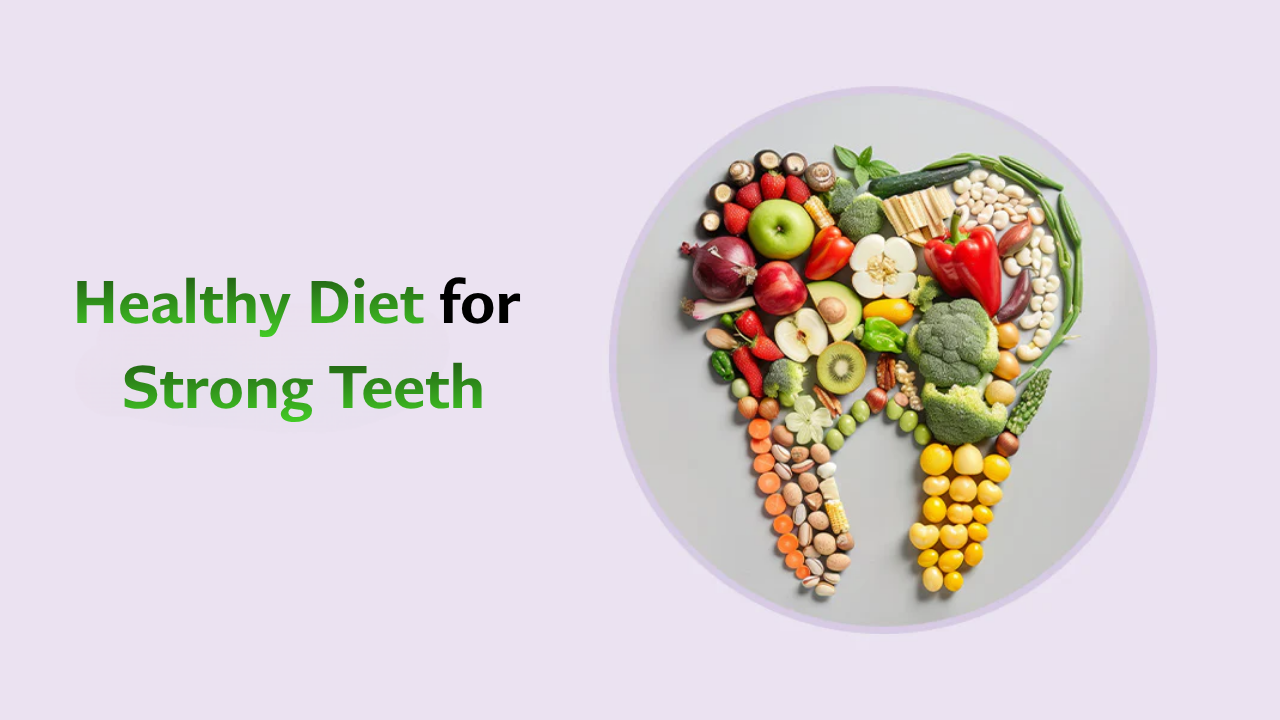
- Load up on calcium- and vitamin D-rich foods for both you and your baby
- Keep your six-month cleaning on the calendar, even if nothing hurts
The Bottom Line
Tooth pain during pregnancy is common, but it’s not something to push through or hope will fade on its own. Your mouth is working harder than usual, and small problems turn into bigger ones faster when hormones are involved. If the discomfort is lasting, spreading, or stealing your sleep, that is your signal to stop waiting.
FAQ
Is it safe to see a dentist while pregnant?
Yes. Routine checkups, cleanings, and most necessary treatments are safe in all three trimesters. Tell your provider you’re pregnant so they can adjust care accordingly.
Can a toothache hurt my baby?
The pain itself doesn’t, but the infection behind it can. Untreated dental infections have been linked to preterm birth and low birth weight, which is why prompt treatment matters.
What’s the best trimester for dental work?
The second trimester. You’re past morning sickness but not yet too uncomfortable to lie back in the chair. Urgent issues, however, should not wait for a “better” trimester.
Are X-rays safe during pregnancy?
Yes, when a lead apron and thyroid collar are used. The radiation exposure is minimal and well below levels considered risky.
What can I take for pain while pregnant?
Acetaminophen is generally considered the safest over-the-counter option, but always confirm with your prenatal provider before taking any medication.
Sip water throughout the day, especially after snacks or morning sickness
Read More Our Blogs –
Dental Treatment Price List in Edinburg, TX – Transparent & Affordable Care
Dental Treatment Price List in McAllen, TX – Honest Pricing You Can Trust
Are Whitening Strips Safe for Your Teeth and Enamel? A Dentist’s Honest Answer
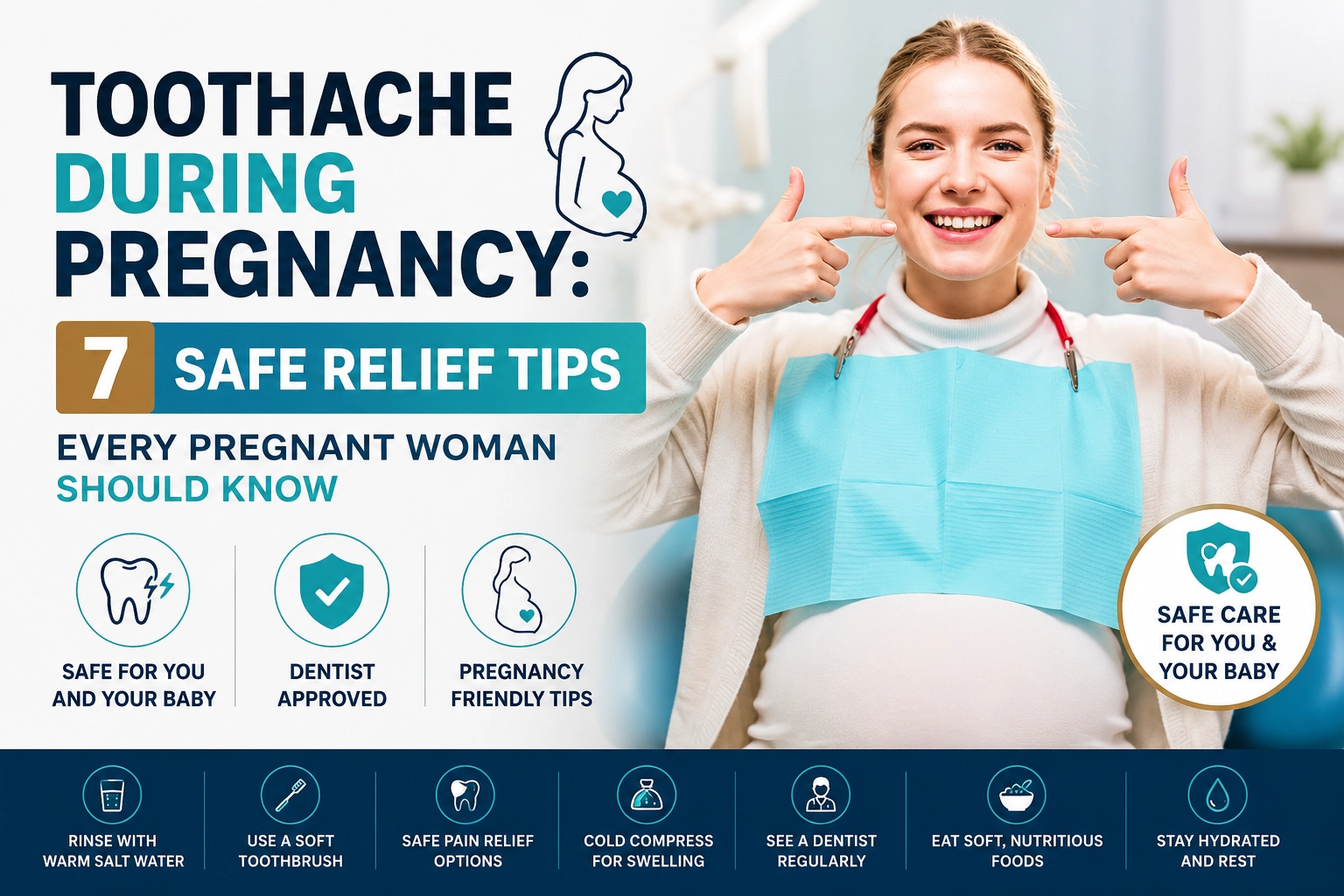
Toothache During Pregnancy: 7 Safe Relief Tips Every Pregnant Woman Should Know
Top 7 Temporary Crown Glues & Dental Cap Adhesives: A Complete Guide (2026)
Popular Services:
Emergency Dentist Edinburg TX | Dental Implants in Edinburg TX | Root Canal Treatment | Dental Crowns, Veneers & Bridges Edinburg TX |
We’re Near From
Dentist in McAllen TX | Emergency Dentist McAllen TX | Pediatric Dentist McAllen TX | Dental Implants in McAllen, TX | Teeth Whitening McAllen TX | Root Canal Treatment in McAllen TX | Dental Crowns, Veneers & Bridges McAllen TX |
Dentist in Pharr TX | Dentist in Mission TX | Dentist in Weslaco TX | Dentist in Palmview TX | Dentist in San Juan TX | Dentist in Donna TX |