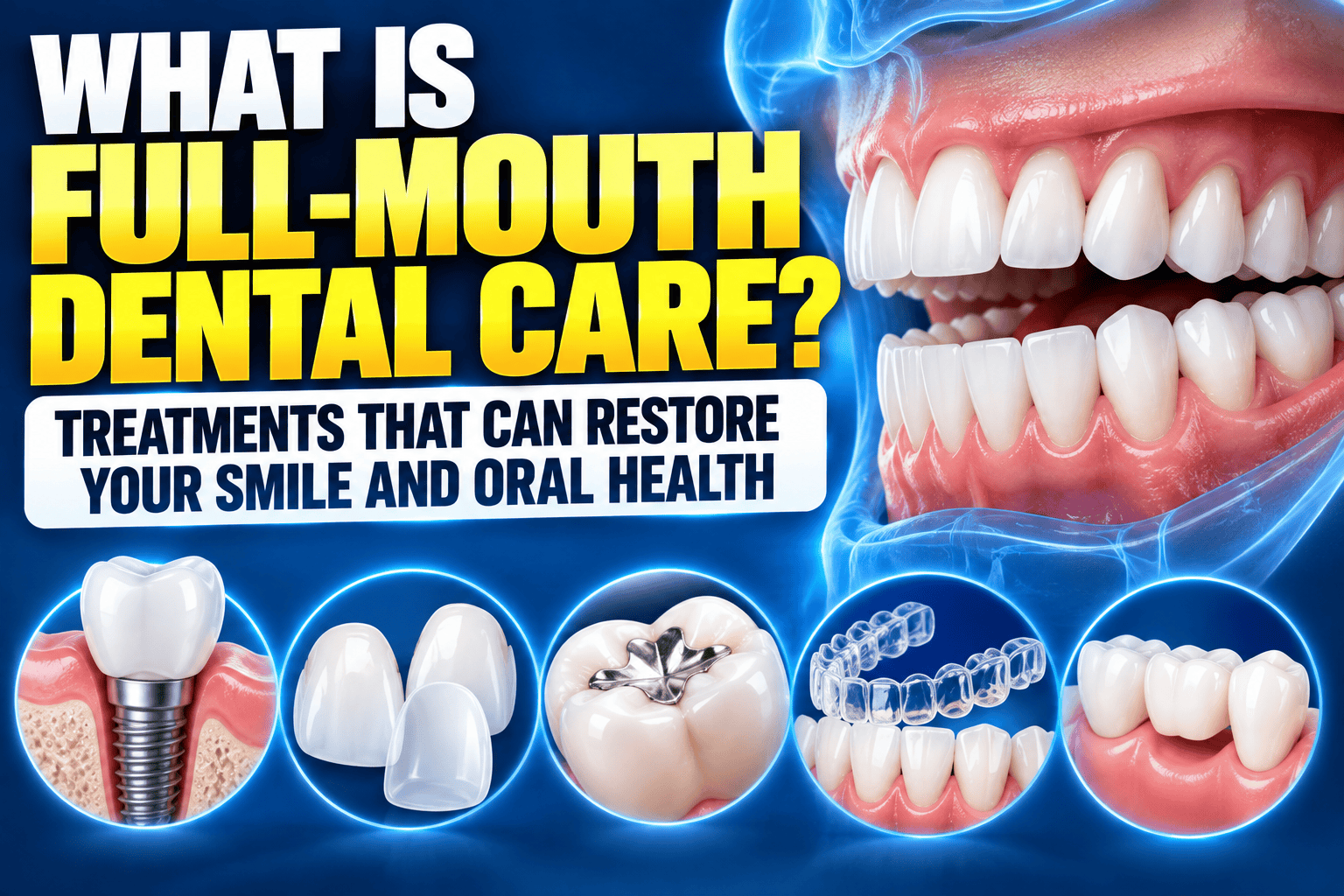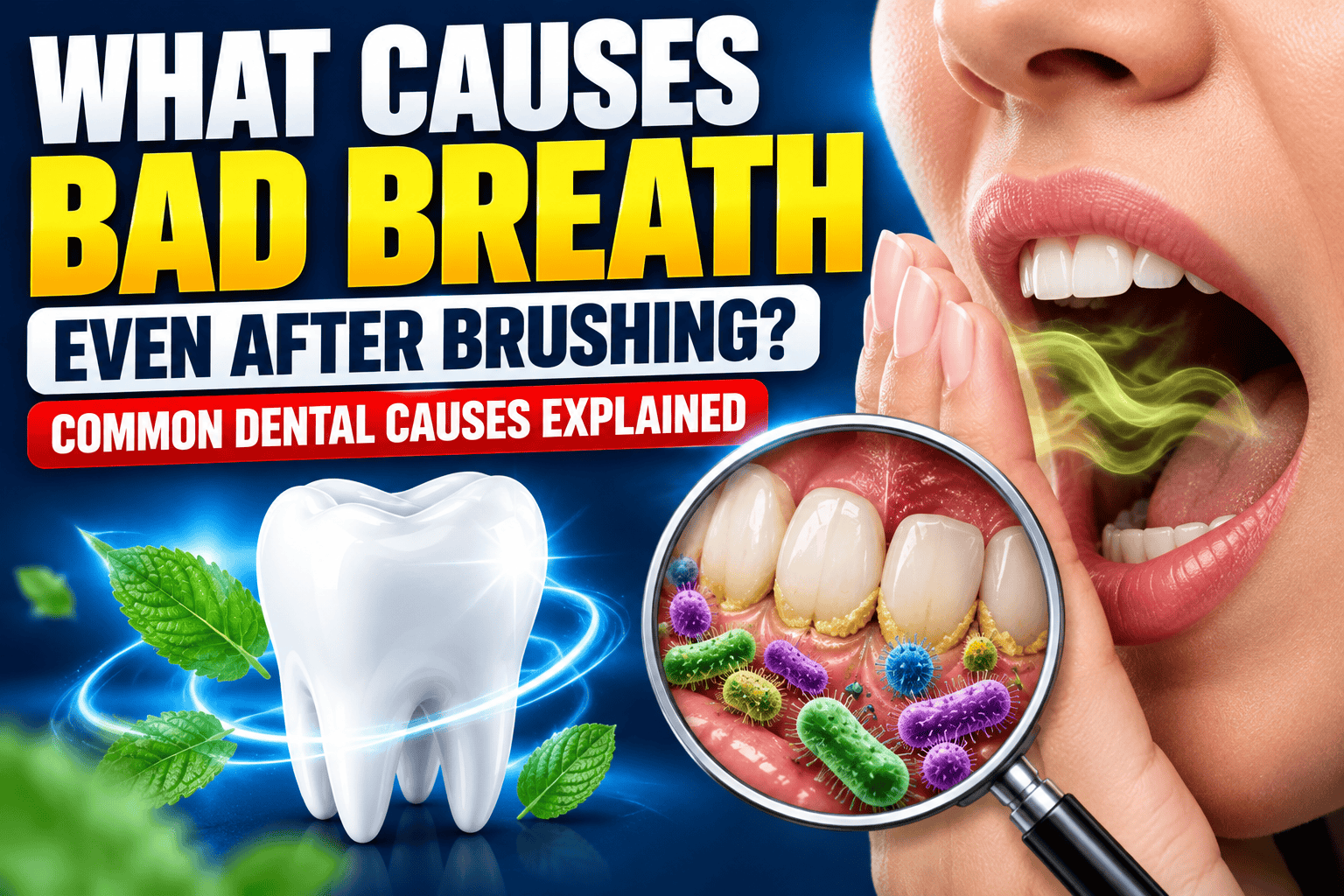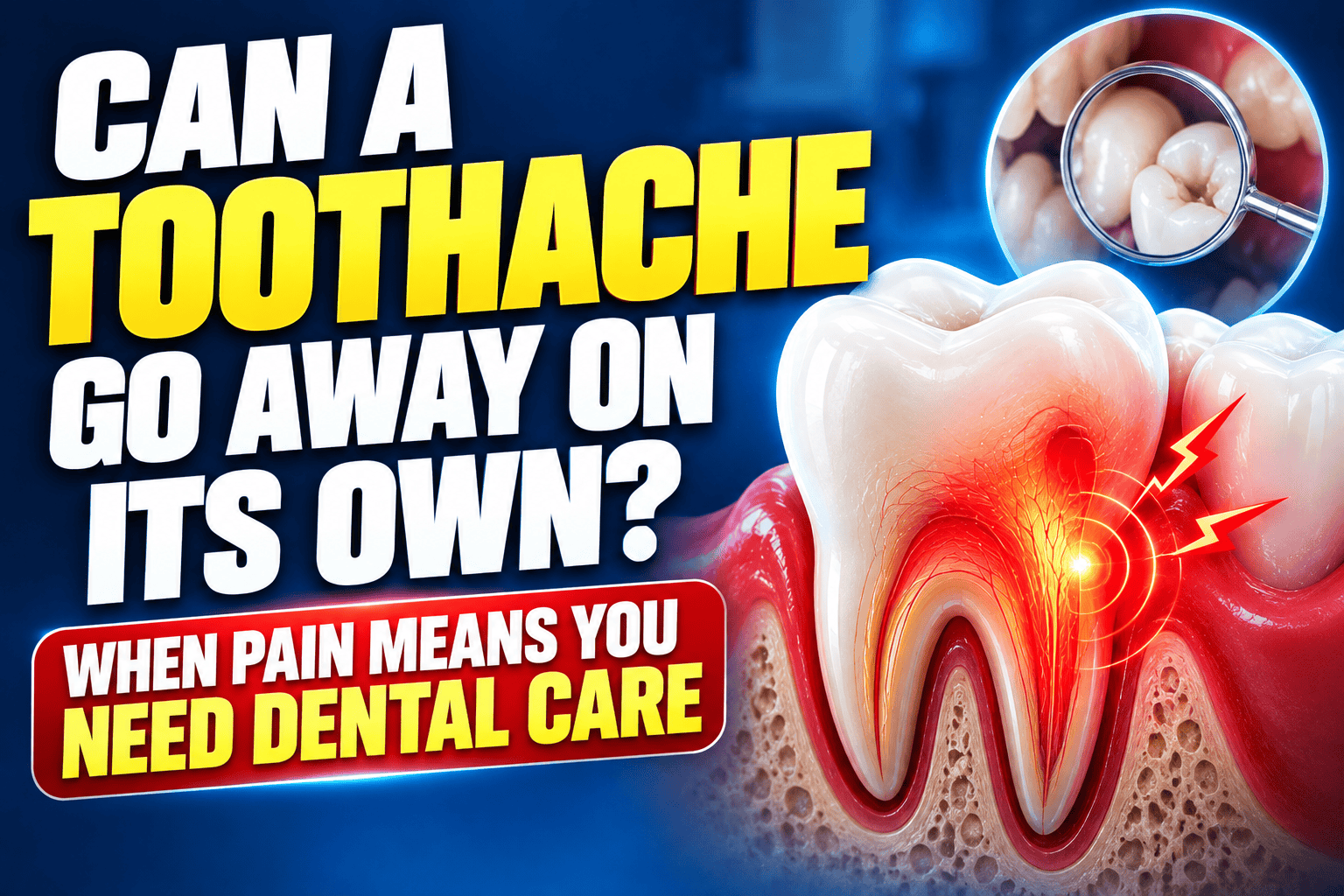
All-in-one dental care services for families and individuals are a single-practice care model where preventive, restorative, cosmetic, replacement, and emergency dentistry are delivered by one in-house team. From the first set of routine cleanings through complex tooth replacement, every stage of care is handled in one place — eliminating the referral chains and scheduling chaos that fragment most patients’ care.
Most people don’t notice how broken that fragmentation has become until something goes wrong. Cleanings happen in one office. The crown gets done somewhere else. The kids see a different dentist altogether. Then a tooth cracks on a Saturday night, and suddenly nobody has the records, nobody has the history, and nobody can see you until Tuesday.
That’s the gap genuine all-in-one care closes — not as a marketing line, but as a structural advantage. When prevention, restoration, replacement, aesthetics, and emergency response all live under one roof, treatment decisions get sharper, costs get cleaner, and care actually gets continuous. The framework below defines what real comprehensive care looks like — and what to look for when choosing a practice for your whole household.
What Fragmented Dental Care Actually Costs You
Most dental headaches are not clinical. They’re logistical. The problem isn’t access to good dentistry — it’s that dental care has been quietly trained to specialize so narrowly that the patient ends up as the project manager.
In practice, that looks like:
- Driving across town for a procedure that should have happened in-house
- Repeating your medical history four times for the same case
- Faxing X-rays between offices that don’t share systems
- Getting contradictory treatment plans from two providers who never spoke
- Paying twice for the same diagnostic work
What fixes this isn’t a longer list of services on a website. It’s a single team that owns your entire mouth — from the first cleaning to the last implant — and treats it as one continuous case file.
The Single-Roof Standard: 5 Pillars of All-in-One Dental Care
A practice either covers all five pillars in-house, or it doesn’t. There is no half-version.
Genuine all-in-one care isn’t measured by how many services a website lists. It’s measured by whether five things work together inside the same practice:
- Prevention
- Restoration
- Replacement
- Aesthetics
- Emergency Response
Each pillar is a real category of care most families will need across a lifetime. Skip one, and you’re back to managing referrals.
1. Prevention: Where Every Family’s Smile Either Holds or Cracks
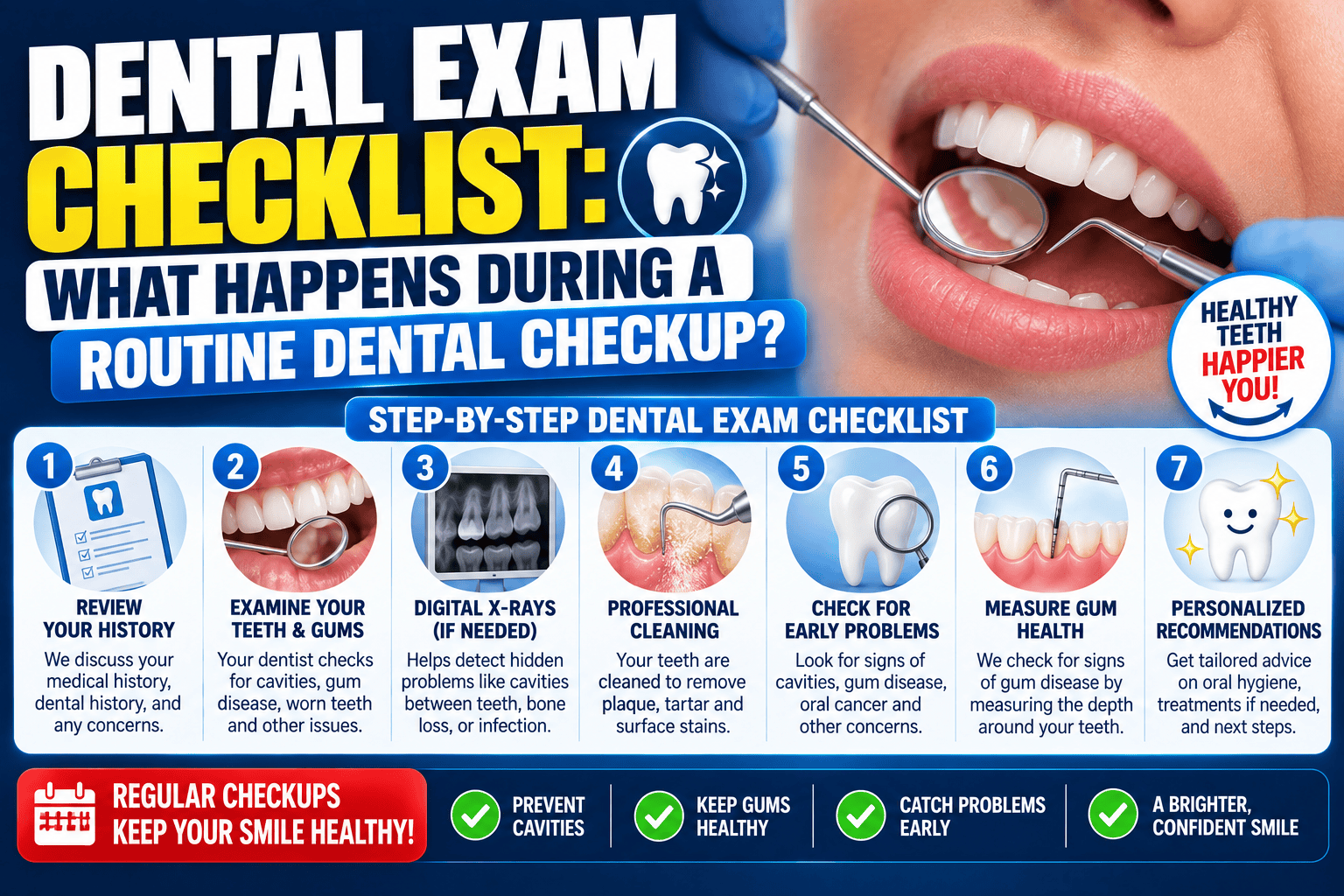
Prevention is the cheapest dentistry you’ll ever pay for. A routine dental exam twice a year catches problems before they need crowns, root canals, or extractions.
Most families undervalue this layer because the math feels invisible. There’s no flashing payoff. But the guidance from the American Dental Association is unambiguous: routine preventive visits dramatically reduce lifetime restorative costs.
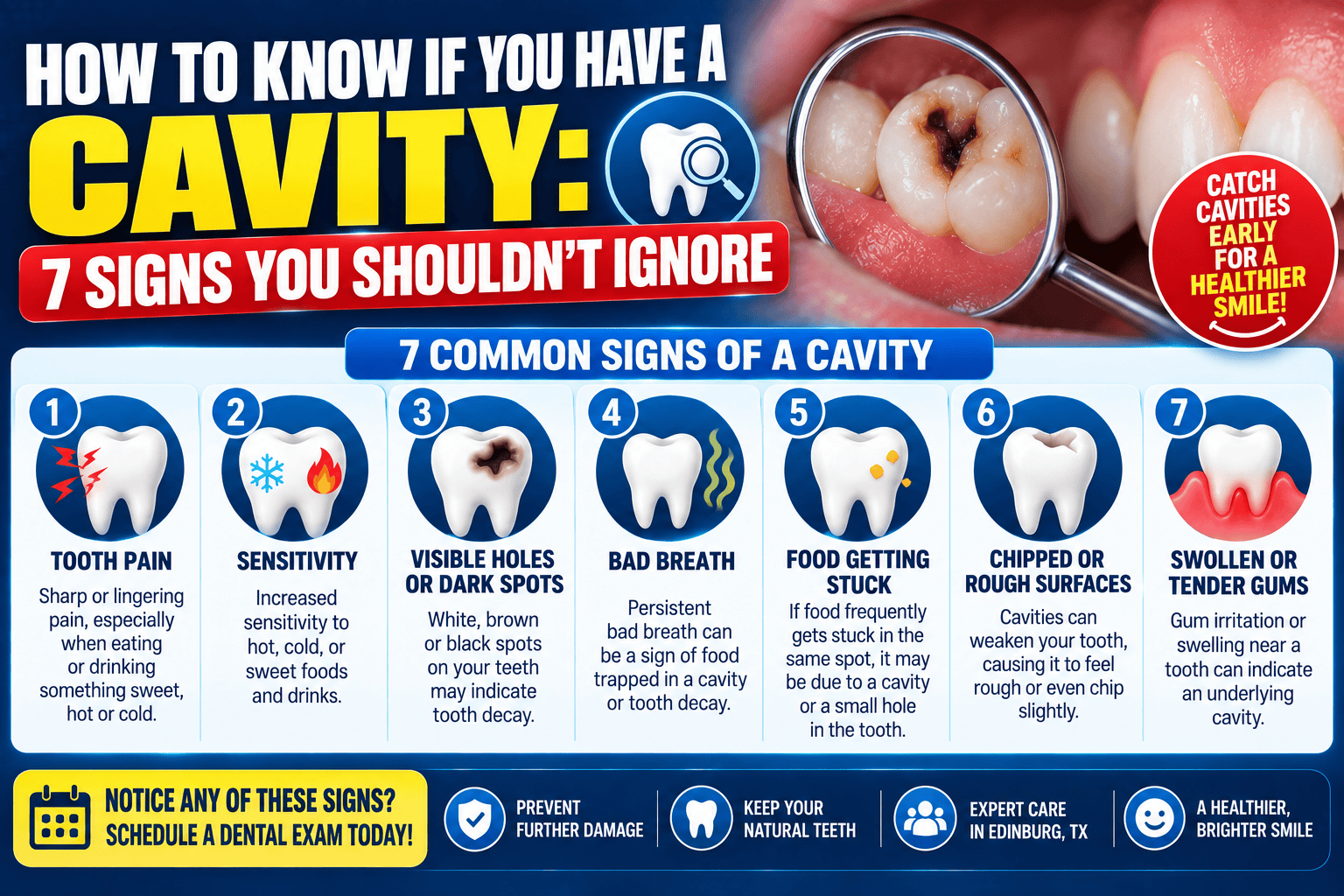
To make the math visible, look at the same untreated cavity at three different stages:
- Month 6: Small filling. One visit. Minimal cost.
- Year 2: Root canal followed by a crown. Multiple visits. Significant cost.
- Year 4: Tooth cracks beyond saving. Extraction, then implant or bridge. Months of treatment, multiplied cost.
What actually moves the needle for most families is consistency — getting every member on the same recall schedule, with the same provider, looking at the same chart over time. That continuity is the real product of preventive care.
2. Restoration: Fixing What’s Already Started Breaking
Restoration covers the work most patients dread but eventually need: fillings, root canals, crowns, bridges, and tooth extractions when a tooth can’t be saved.
The biggest mistake here isn’t choosing the wrong treatment. It’s delay. A cracked tooth left alone for six months almost never stays a small problem. Patients tell themselves it’ll heal, that the sensitivity will pass, that the discomfort isn’t bad enough yet. By the time it is, the window for a simple repair has closed. A small fracture has become a deeper crack. The crack has reached the nerve.
Same tooth. Three times the cost. Three times the chair time.
A unified practice shortens this loop by collapsing the whole sequence into one place — including crowns and bridges when a tooth needs structural reinforcement after the repair. Same-day diagnostics means:
- The X-ray, diagnosis, and treatment plan happen in the same visit
- The dentist already knows your history — no re-explaining
- No referral chain or second-opinion drift
- No 14-day wait while a small problem quietly becomes a big one
3. Replacement: Closing the Gap Before the Mouth Reorganizes
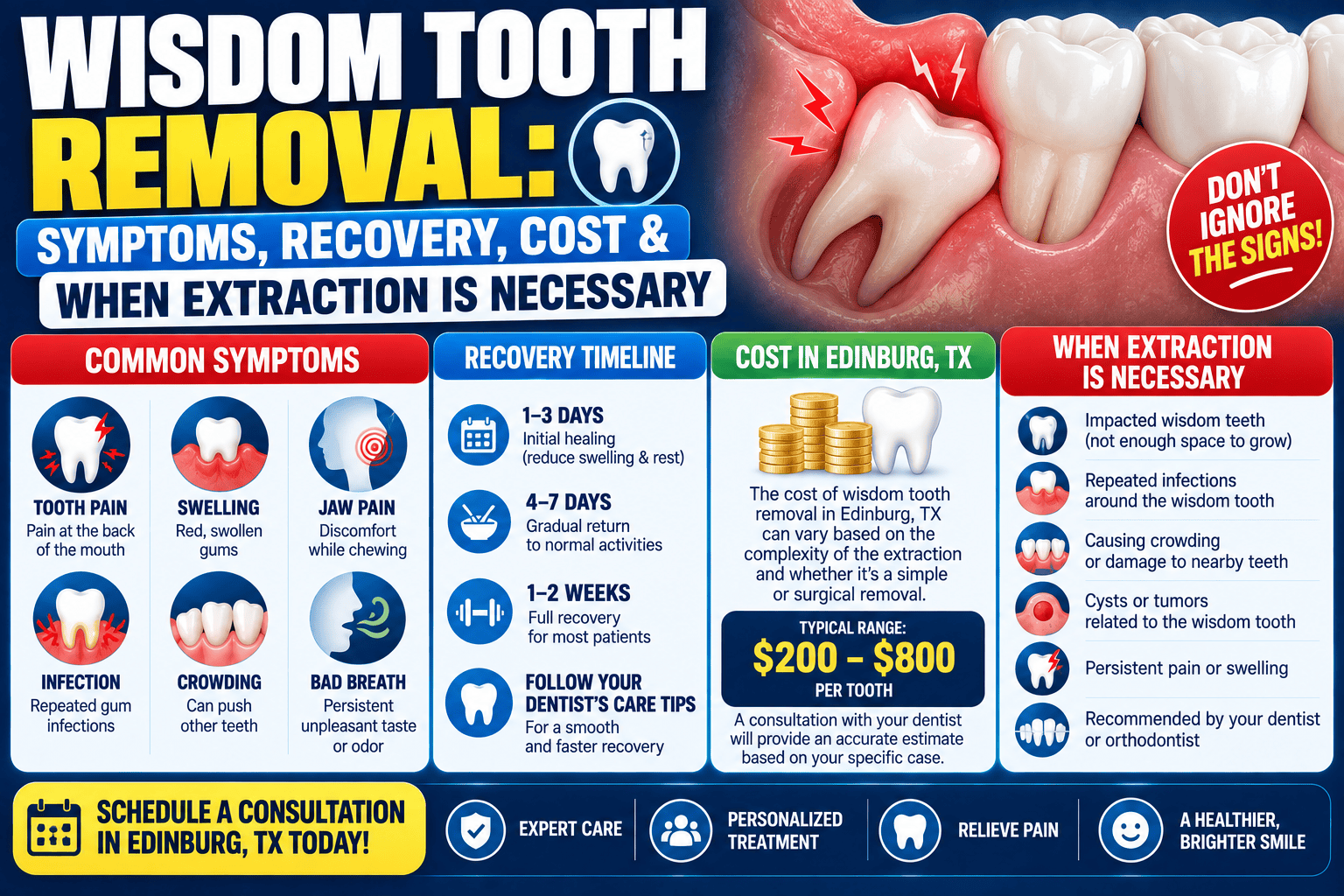
A missing tooth is not just a cosmetic gap. It’s the start of a slow, invisible reorganization of your entire mouth.
Within 12 months of losing a tooth:
- Neighboring teeth drift into the empty space
- The opposing tooth over-erupts because nothing is meeting it anymore
- The jawbone underneath resorbs — losing density at the site
- The bite shifts, often without you noticing until something hurts
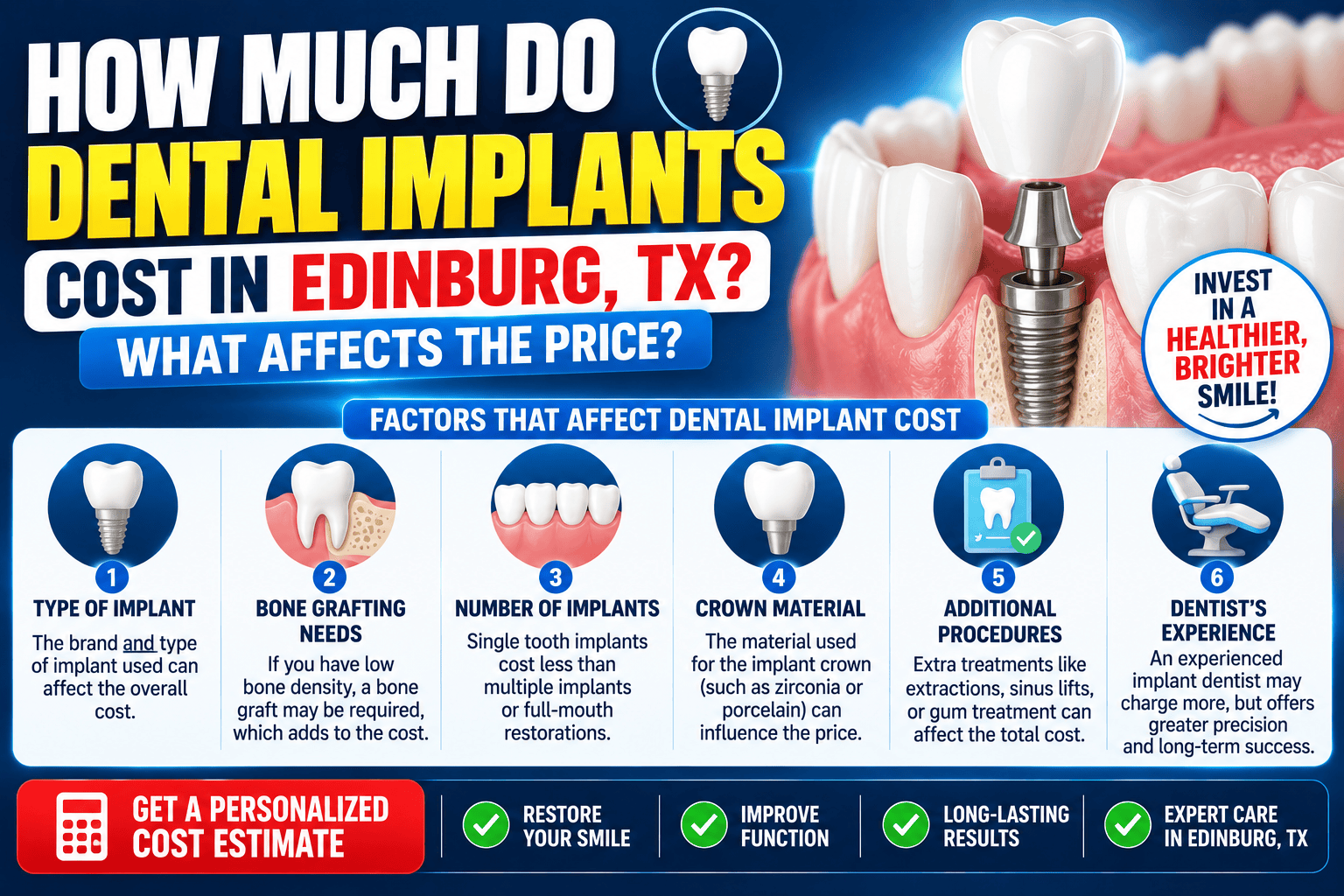
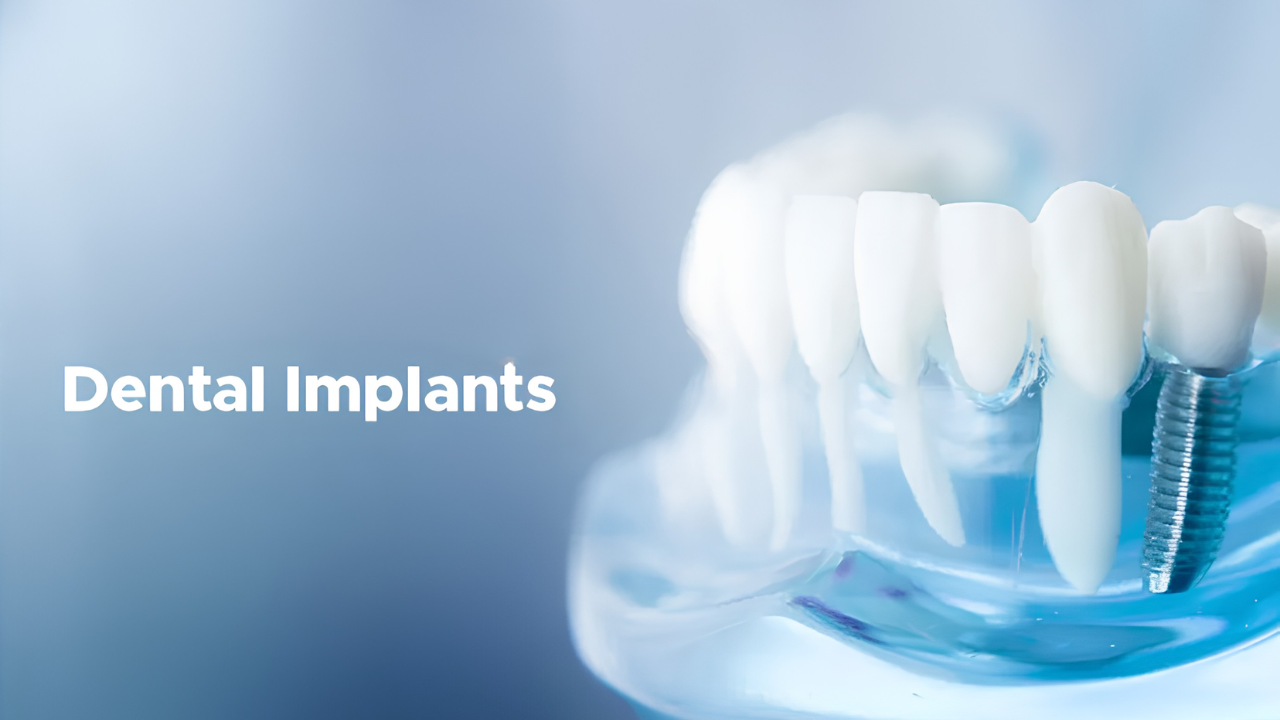
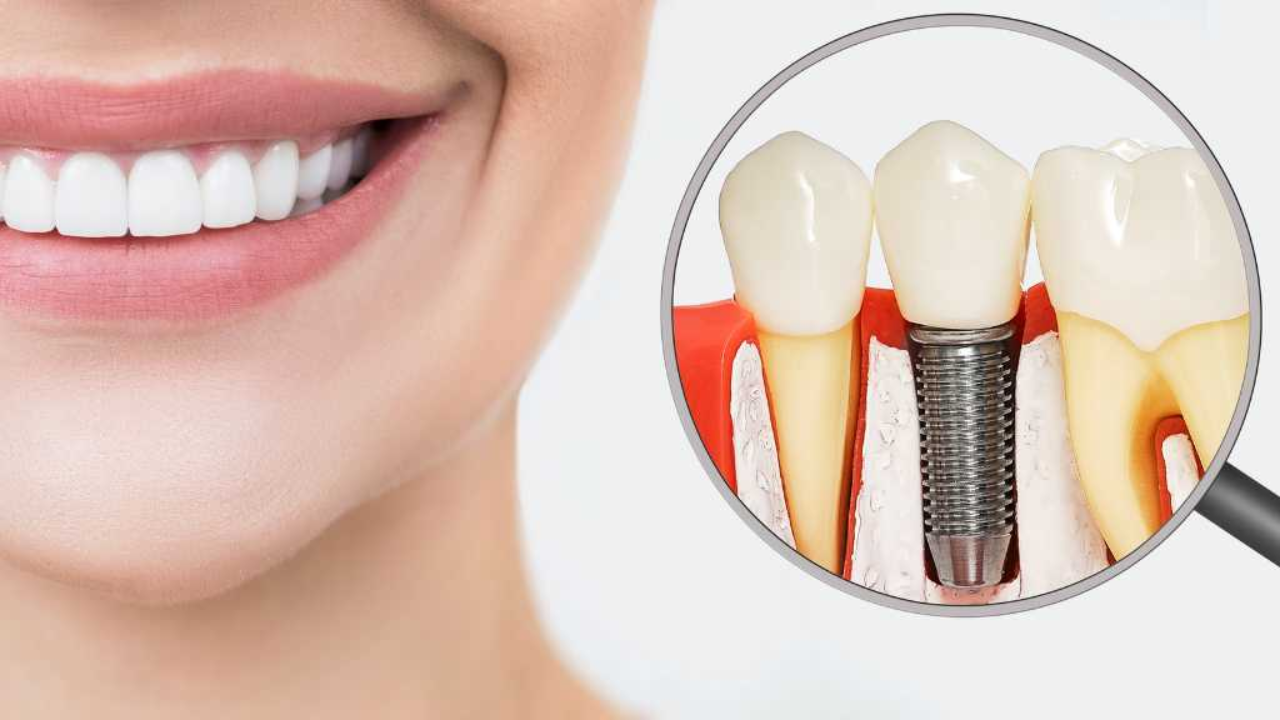
The right replacement option — dental implants or a bridge — depends on bone density, the health of adjacent teeth, and budget. The advantage of unified care here is sequencing: the dentist who removed the tooth plans the replacement. No re-explaining your case. No timeline gaps that let the bone shrink before reconstruction begins.
4. Aesthetics: Confidence Is a Clinical Outcome
Cosmetic dentistry gets dismissed as vanity care — until you watch what happens after someone fixes a smile they’ve hidden for twenty years. Confidence shifts. Job interviews go better. Photos stop getting deleted.
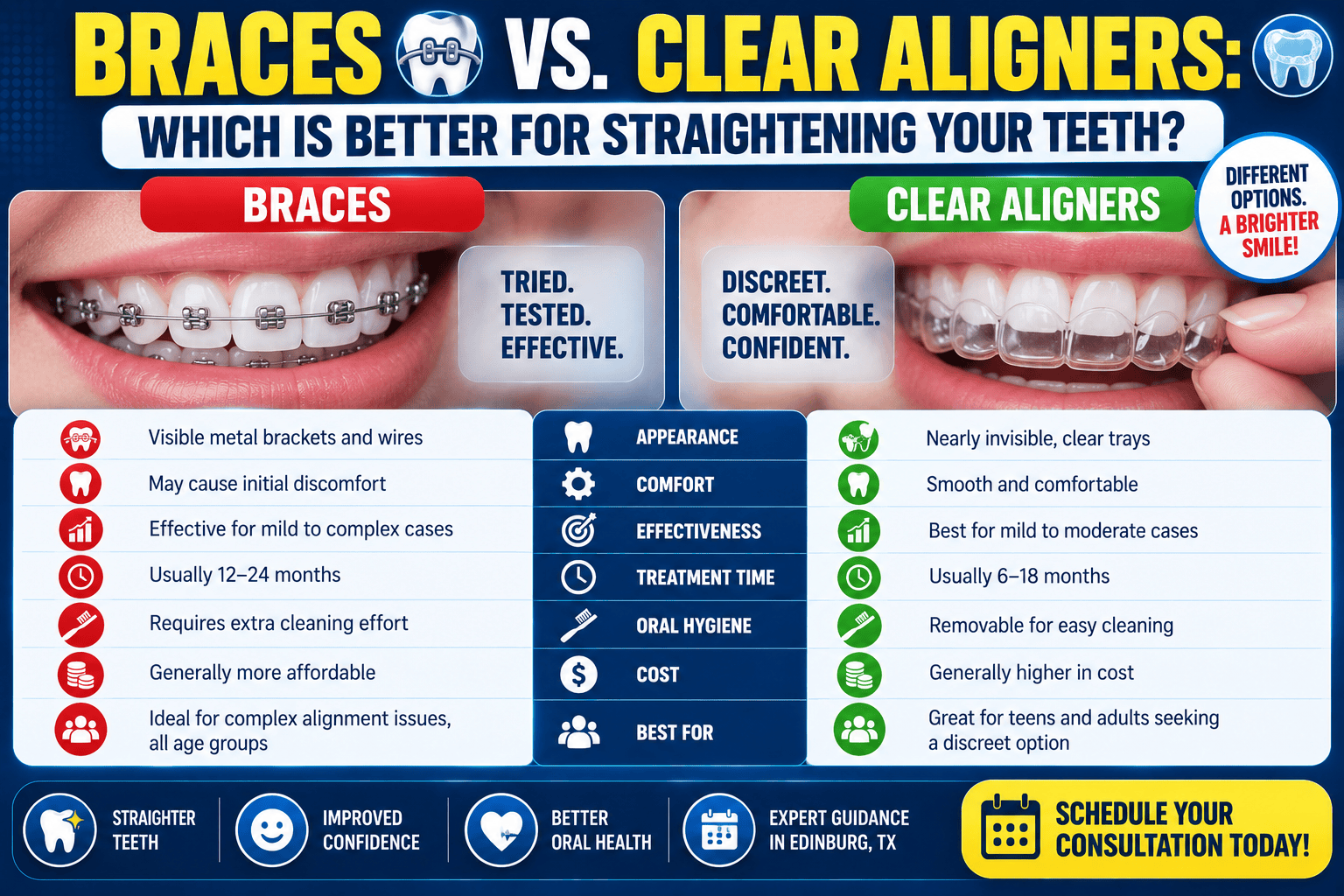
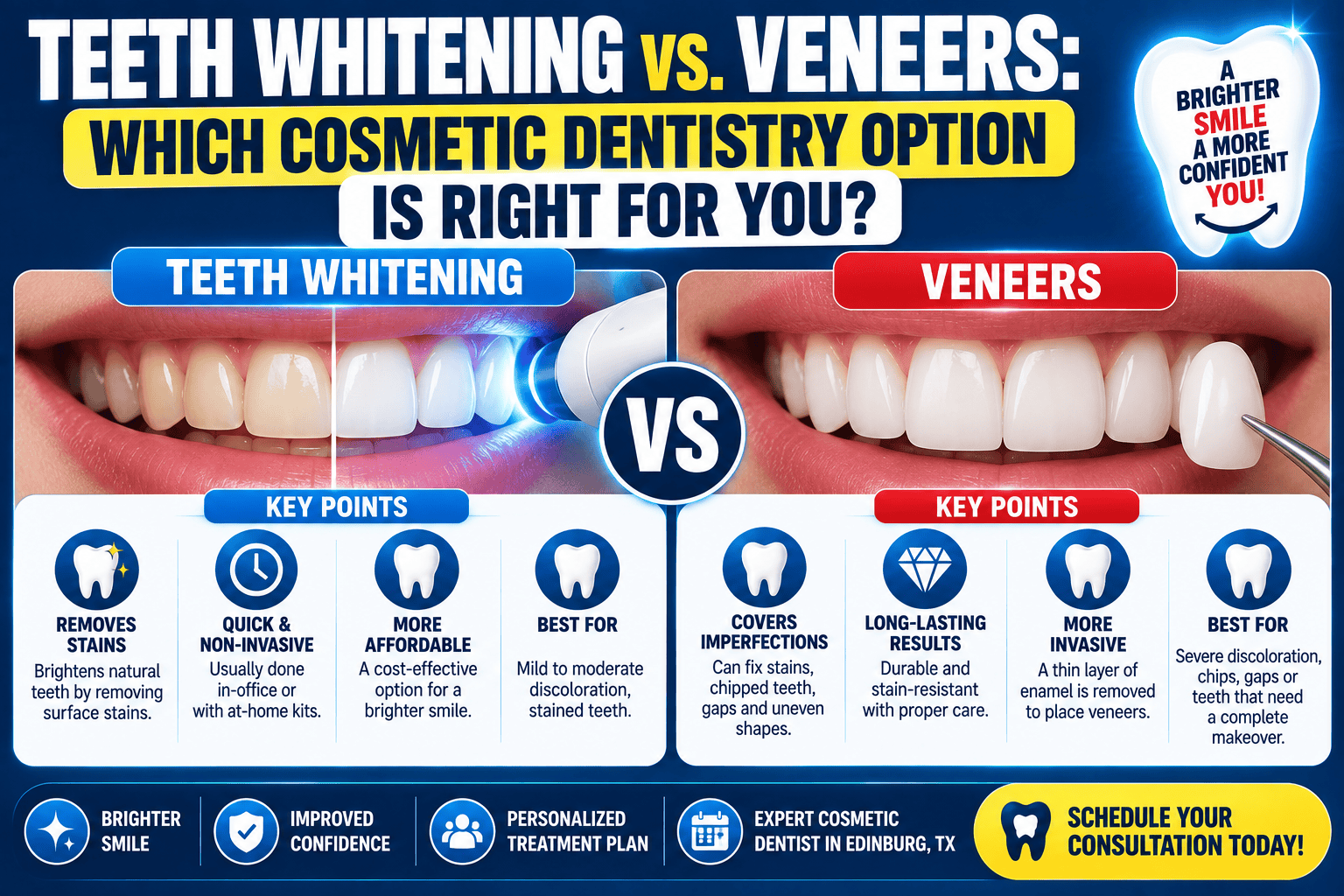
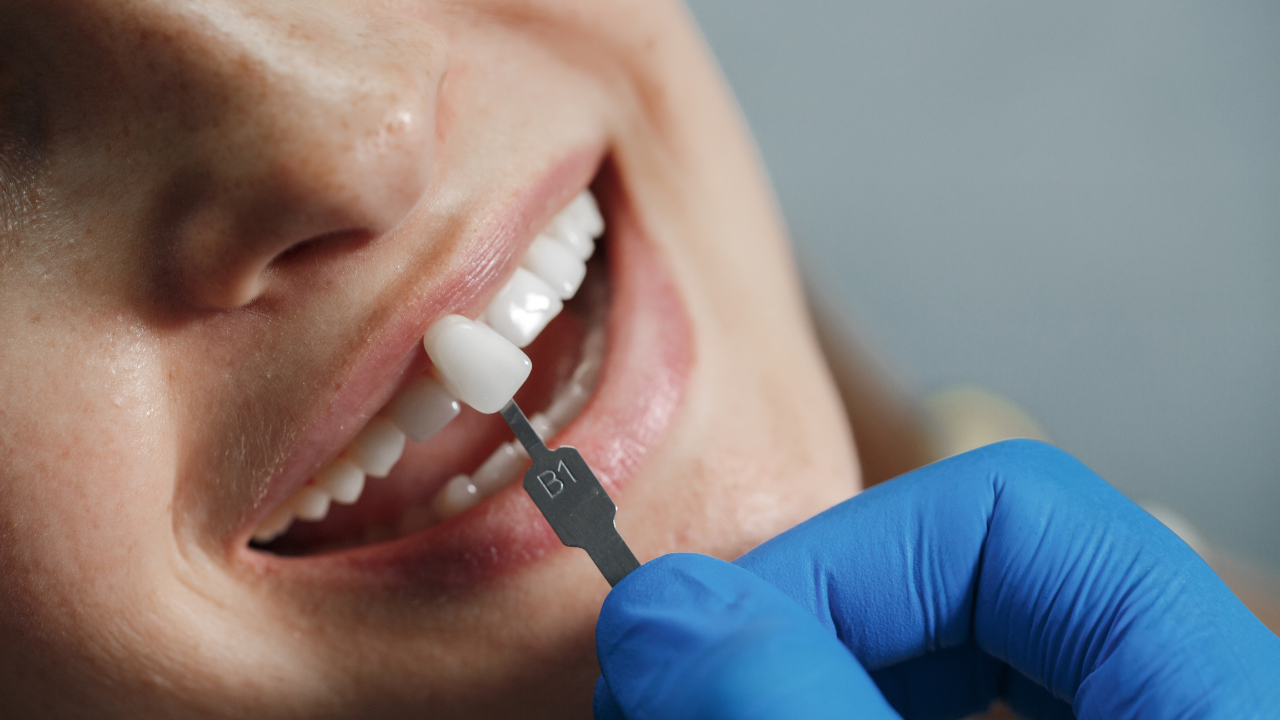
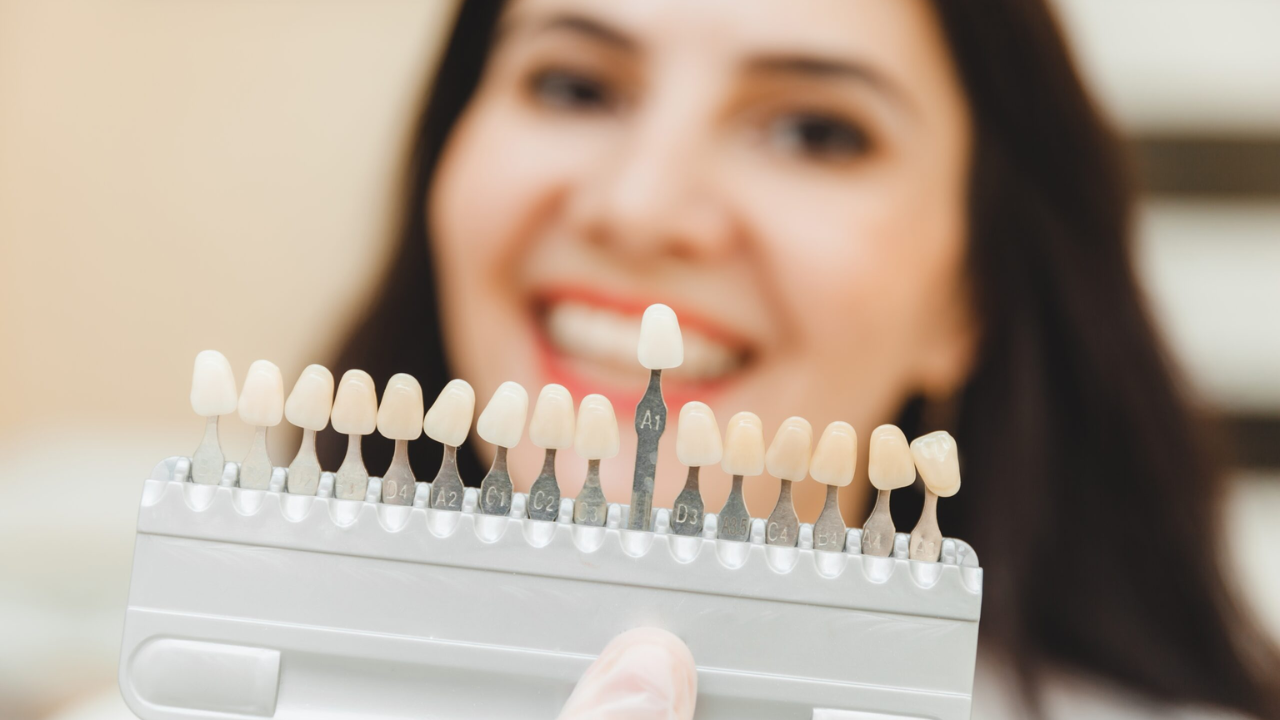
Cosmetic treatments — teeth whitening, veneers, and clear aligners — work best when sequenced through the same practice that handles your structural work. Why? Because aesthetics built on top of unresolved decay or an unstable bite quietly fail. The whitening fades fast. The veneers crack. The aligners don’t track properly.
Sequence matters more than service. The order of treatment is what determines whether cosmetic results last five years or fifteen.
5. Emergency Response: The Test of Whether “All-In-One” Is Real
This is where most practices quietly fall short. They list emergency care on the website and then can’t see you for four days.
A real emergency dentistry program isn’t a bullet point on a homepage. It’s an operational standard that includes:
✓ Same-day appointments — not “within the week”
✓ After-hours protocol that’s actually been used, not just published
✓ Direct phone triage with a clinical staff member
✓ Your X-rays and history already in the room when you walk in
When a tooth cracks at dinner on a Friday — or when you wake up with severe tooth pain at 2 a.m. — the practice that already has your history will move twenty times faster than a stranger seeing you cold for the first time.
One Practice. Every Stage of the Smile.
Real all-in-one dental care services aren’t about convenience. They’re about continuity — and continuity is what makes dentistry actually work over a lifetime. The cavity caught early. The crown sequenced before the implant. The emergency was seen the same day. None of those happen by accident. They happen because the same team is watching the whole picture.
If you’ve been managing your family’s dentistry across two or three offices, this is the part to reconsider. Book a consultation online and see what one roof actually changes.
Frequently Asked Questions
1. What do all-in-one dental care services actually include?
All-in-one dental care services include preventive, restorative, replacement, cosmetic, and emergency treatments delivered by the same in-house team — without referrals.
2. Can the same dentist treat children and adults?
Yes — general dentists trained in family practice routinely treat patients of every age, from a child’s first cleaning to adult implants.
3. How often should my family come in?
Most healthy patients should be seen every six months for a dental exam and cleaning.
4. What if we don’t have dental insurance?
You still have options — in-house membership plans, third-party financing, and transparent fee schedules for uninsured patients.
5. What actually counts as a real dental emergency?
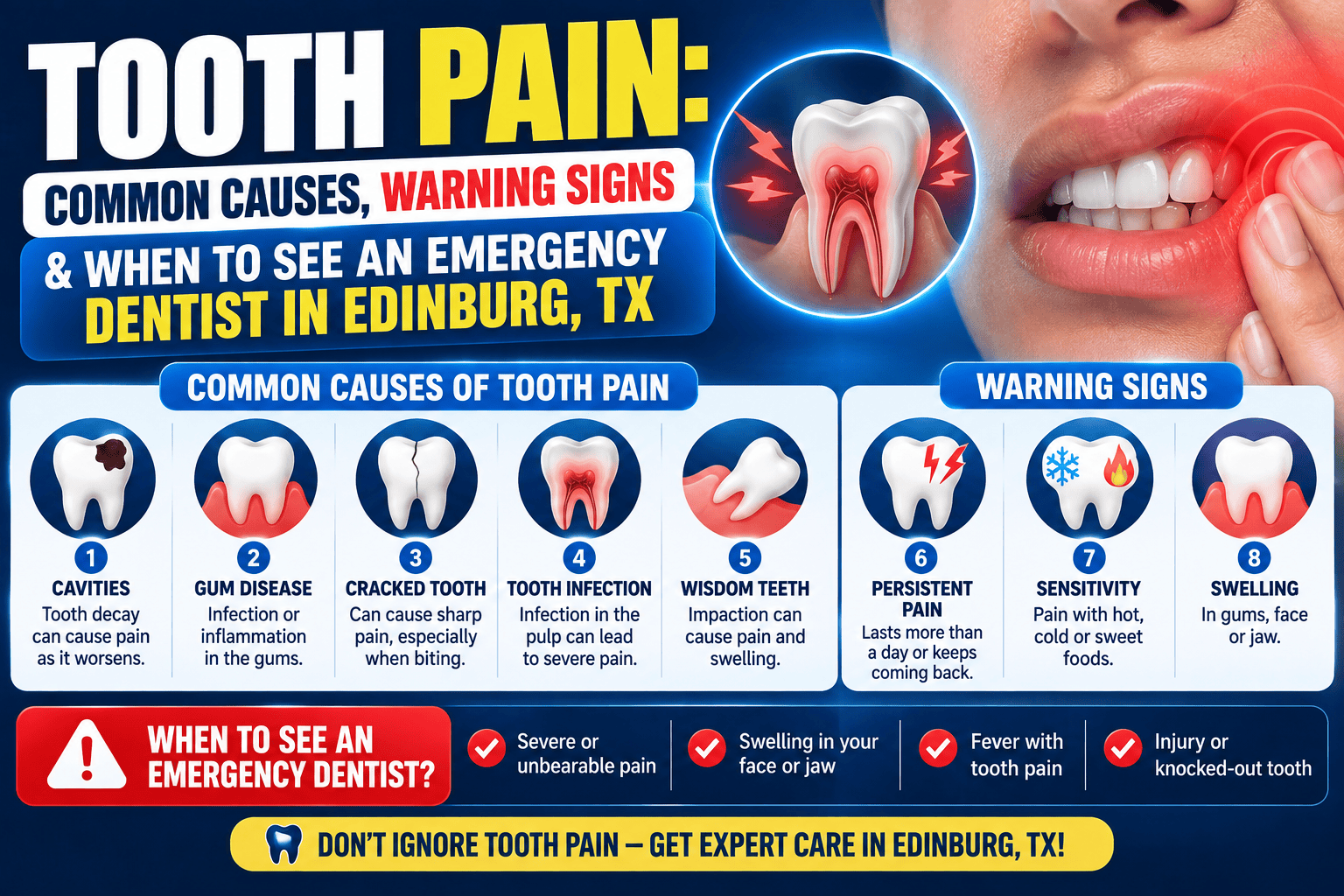
Severe tooth pain, facial swelling, a knocked-out or broken tooth, a lost crown exposing the nerve, or bleeding that won’t stop.