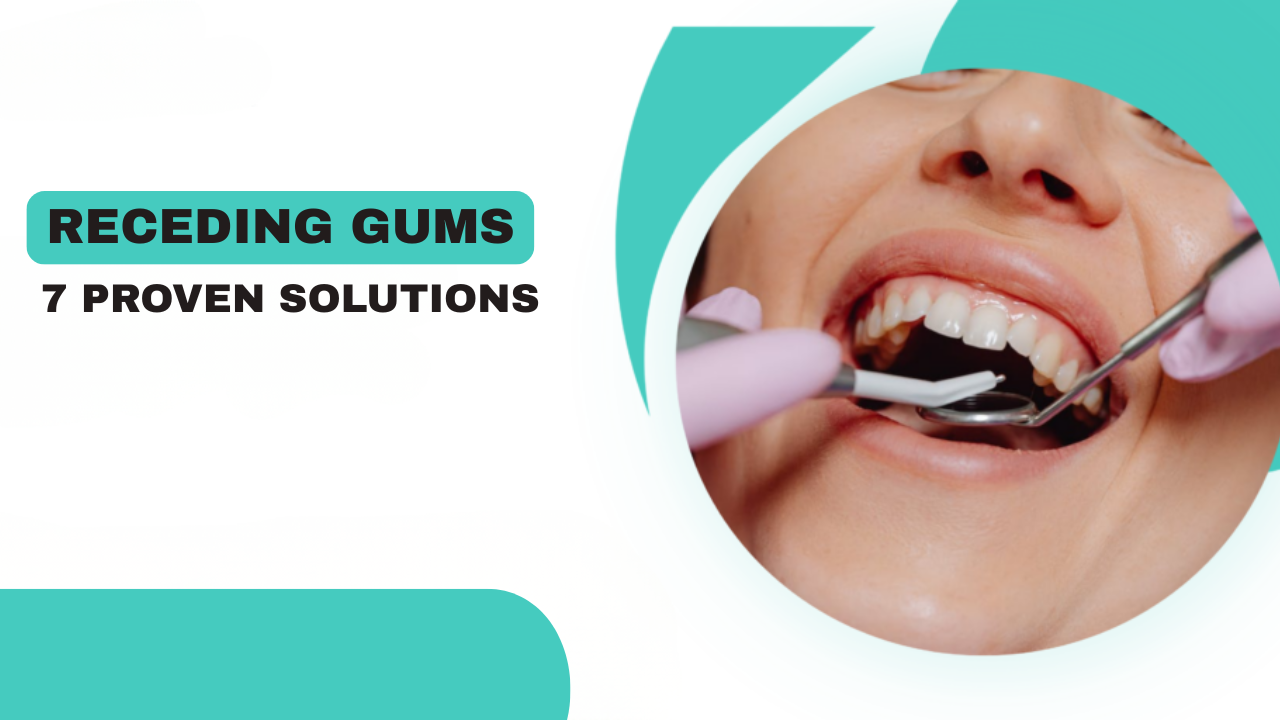
Your teeth look longer than they used to. A sip of iced water makes one side of your mouth flinch. Your toothbrush comes away pink. If any of that sounds familiar, you’re looking at gum recession — one of the most common adult dental conditions in the country, and one of the easiest to ignore until it’s no longer easy to fix.
Here’s what you need to know up front:
- Gum recession is progressive. It doesn’t stop or reverse on its own.
- Lost gum tissue does not regrow naturally. No mouthwash, supplement, or oil pulling routine brings it back.
- Most cases are fully treatable — if caught before bone loss sets in.
- The right treatment depends on the cause, not the symptom.
This guide walks you through the RESTORE Method — a seven-step framework covering every effective treatment for receding gums, from simple habit changes to surgical repair. No magic fixes. Just what actually works, in the order it needs to happen.
What’s Actually Happening Beneath Your Gumline
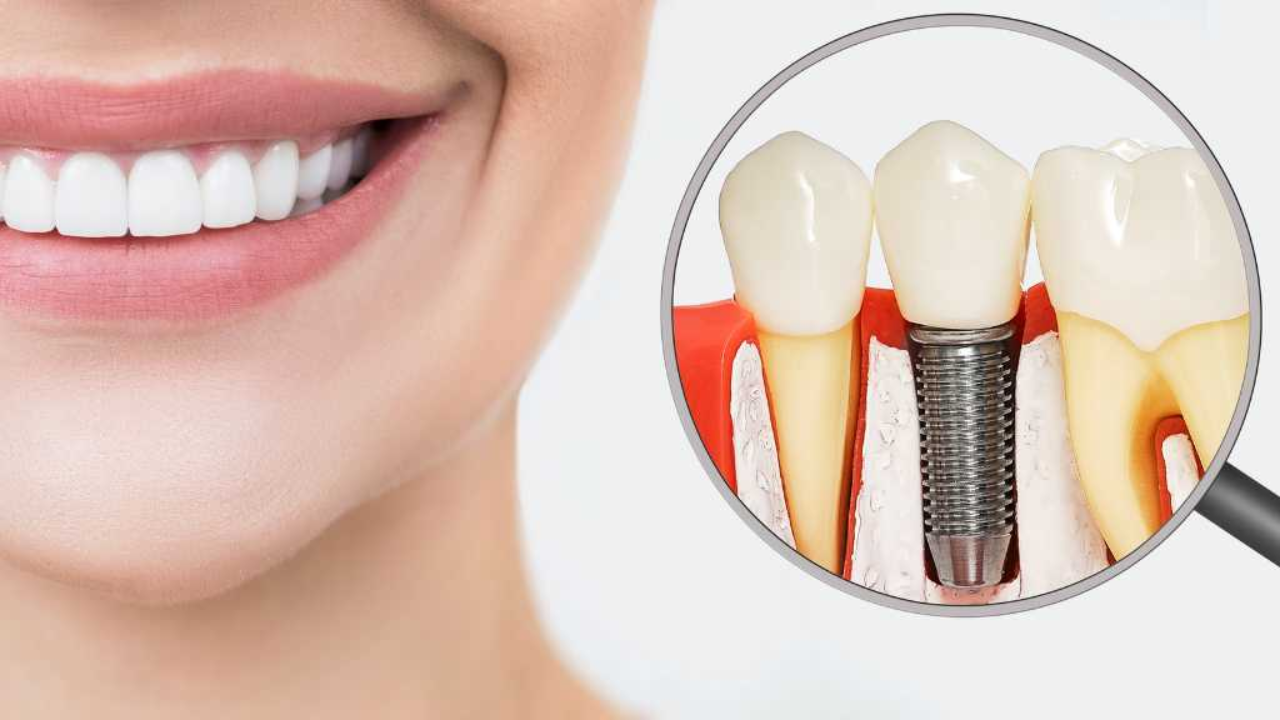
Gum recession is the slow pull-back of gum tissue away from the tooth, exposing the root surface that was never meant to see daylight. Roots don’t have enamel — they’re covered in a softer layer called cementum, which is why exposed roots get sensitive, decay faster, and look yellow compared to the white crown above.
The causes rarely show up alone. They stack:
- Aggressive brushing or medium/hard bristles
- Untreated gum disease (periodontitis)
- Teeth grinding or clenching (bruxism)
- A misaligned bite concentrating pressure on specific teeth
- Genetics and thin gum tissue
- Tobacco use
- Oral piercings, direct trauma, or poorly fitted dental work
Figuring out how to stop gum recession starts with identifying which of these apply to you — because the fix is completely different for each.
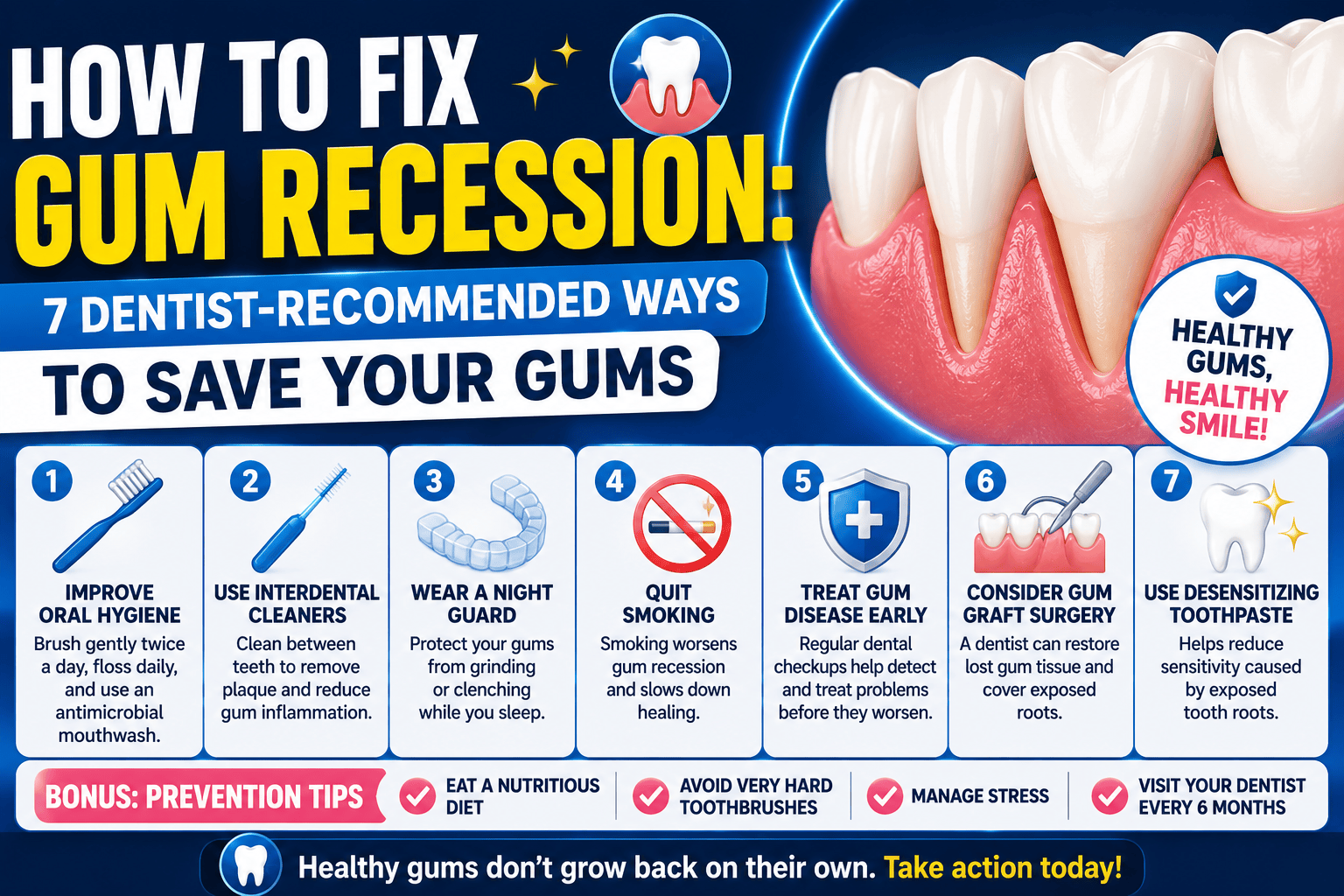
The RESTORE Method: A 7-Step Framework
Most people chase symptoms and end up frustrated. The RESTORE Method works because it treats recession as a staged problem: diagnose, eliminate the cause, stabilize, then repair — in that order.
- R — Recognize early signs
- E — Evaluate the real cause
- S — Switch your home-care technique
- T — Treat the root cause
- O — Opt for professional deep cleaning
- R — Repair surgically when needed
- E — Establish lifelong maintenance
1. Recognize the Early Signs
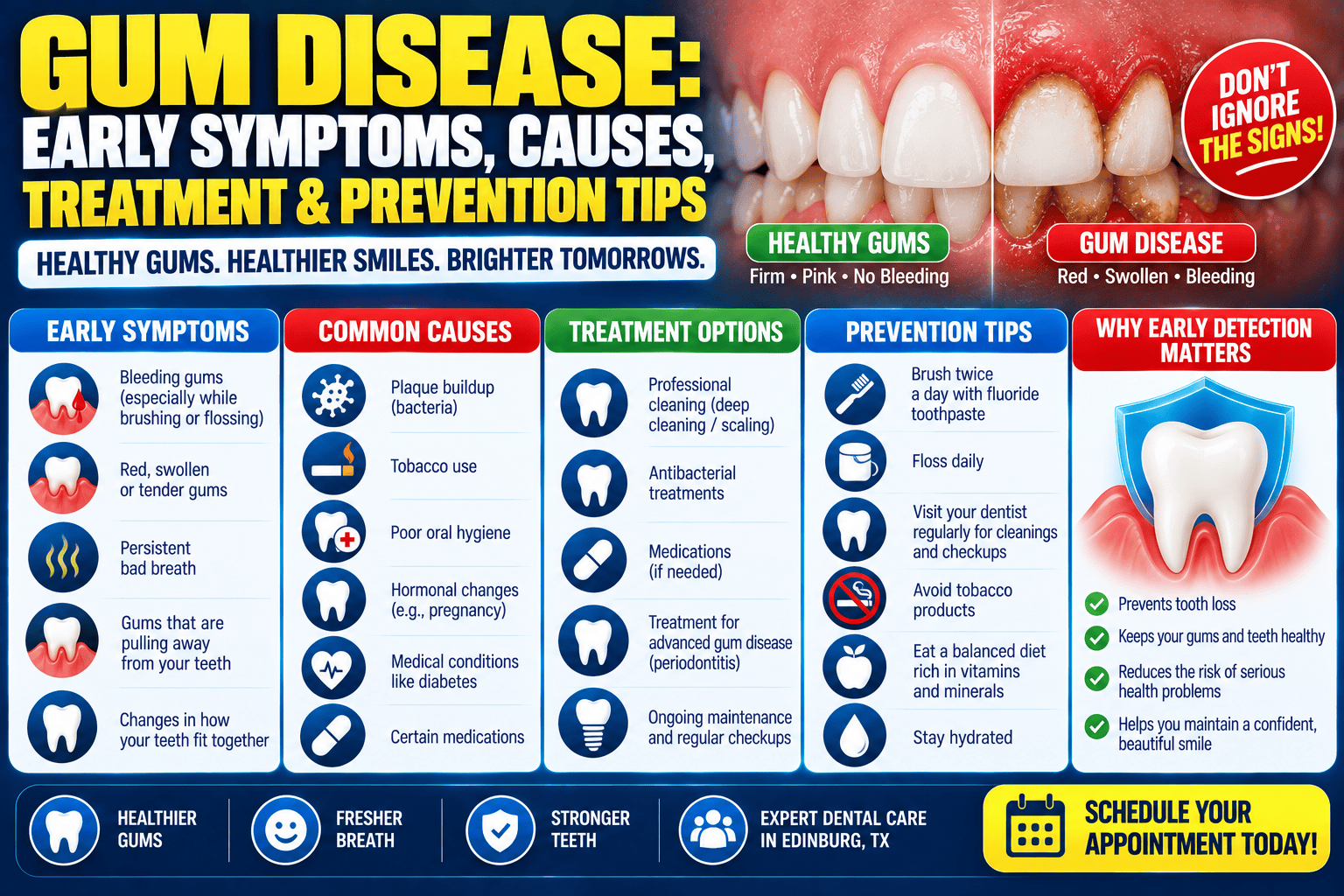
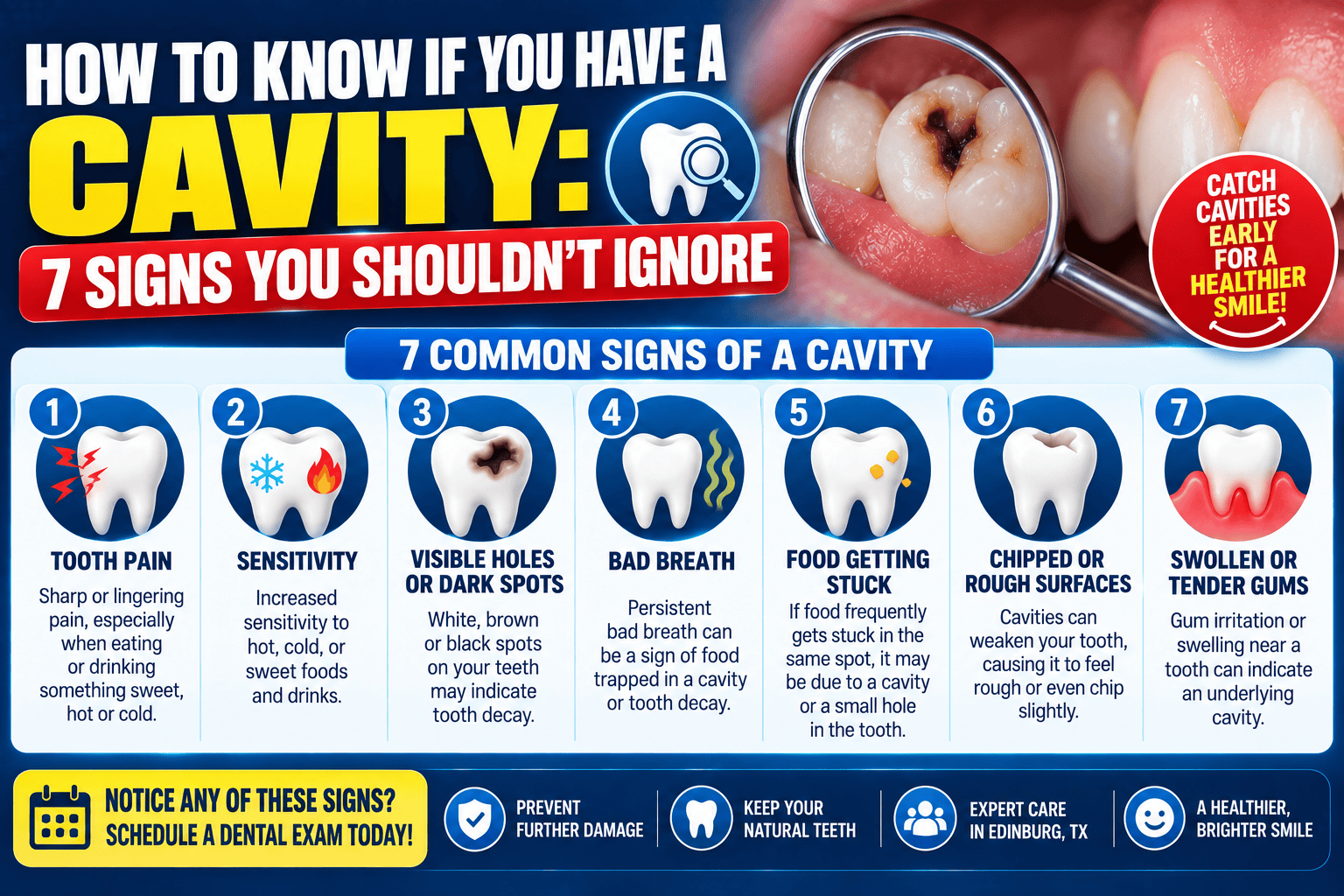
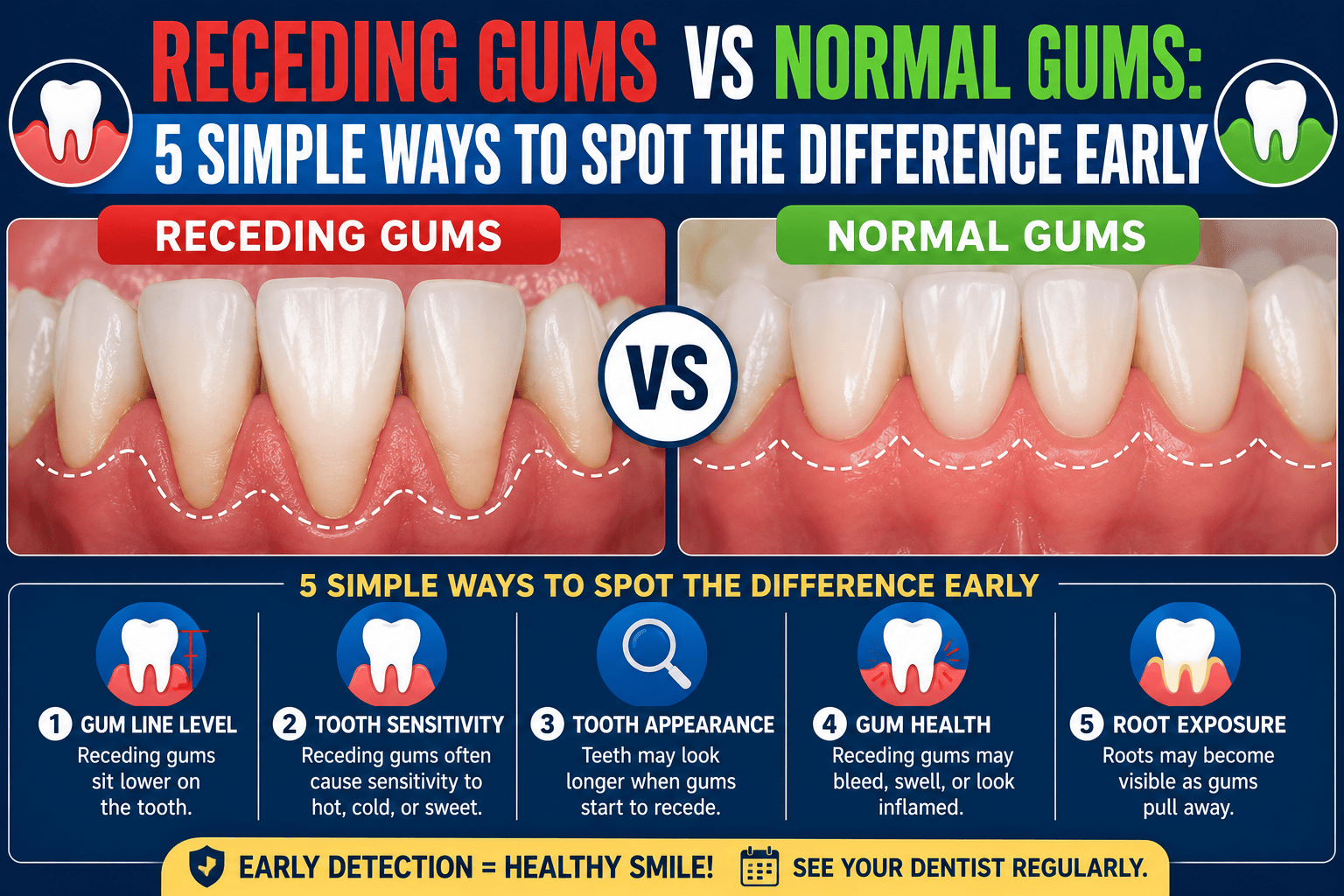
The first win is catching recession before it reaches bone loss. Look for:
- Teeth that appear longer than they used to
- A visible notch where enamel meets the root
- Hot, cold, or sweet sensitivity on specific teeth
- Bleeding when brushing or flossing
- Bad breath that doesn’t clear with mouthwash
- Dark red or purple gumlines
Early recognition buys you the non-surgical options. Waiting locks you into the surgical ones.
2. Evaluate the Real Cause
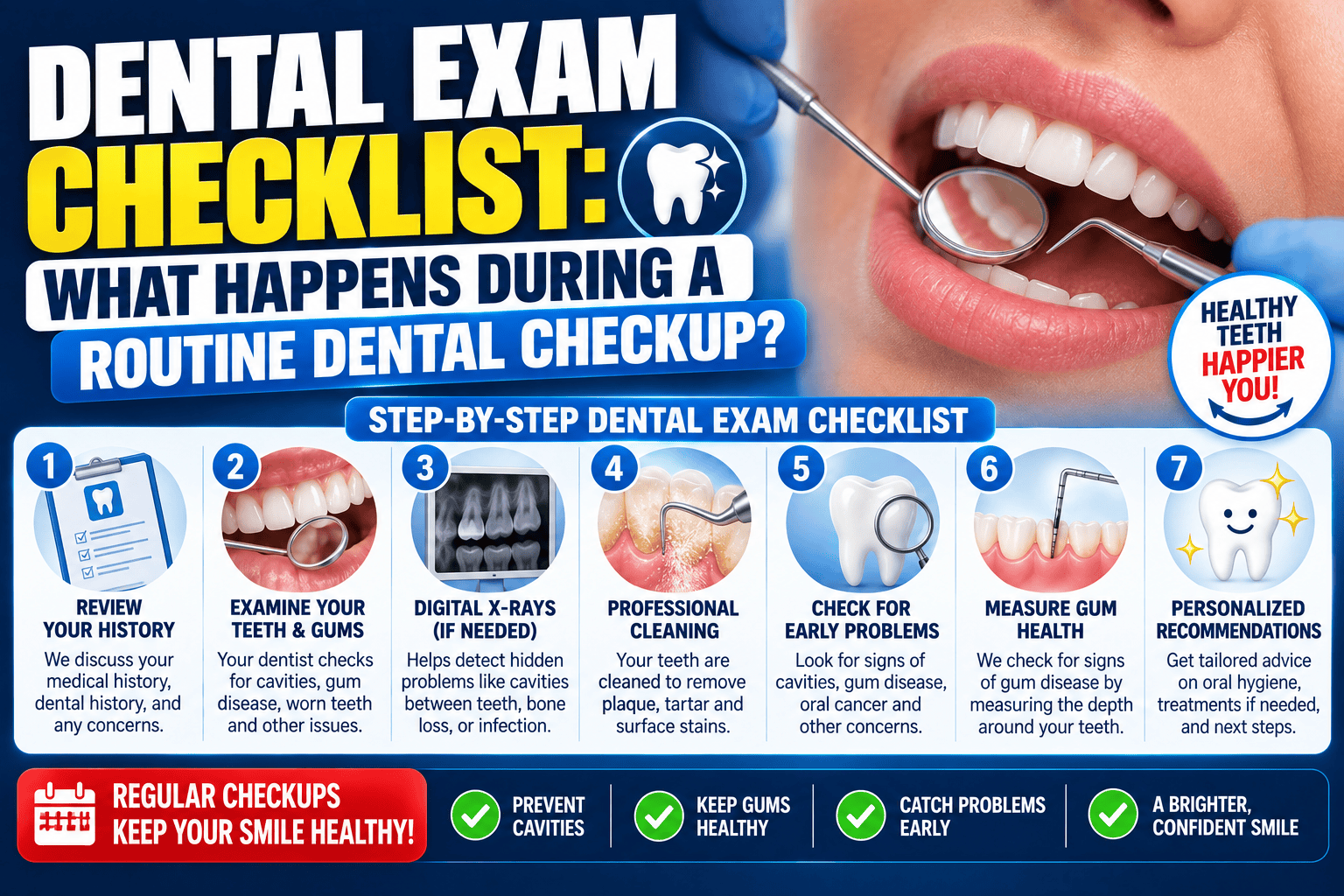
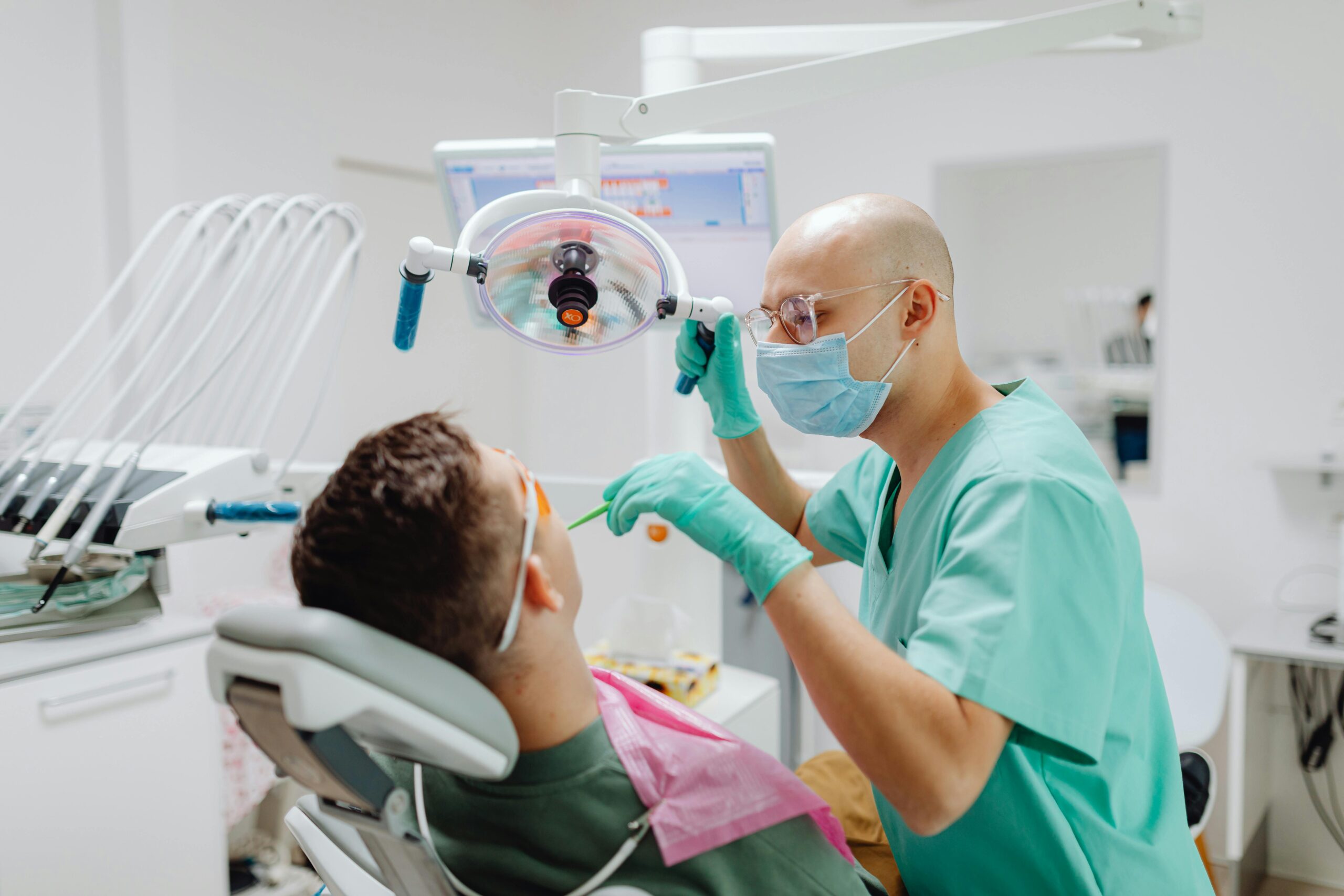
This is the step most people skip — and it’s why their recession keeps coming back. A proper diagnosis isn’t a visual check. It’s measurements. Your dentist uses a small probe to measure pocket depth around every tooth, reviews X-rays for bone loss, and evaluates your bite. Without that workup, any treatment is a guess.
A thorough dental exam separates the three most common culprits — aggressive brushing damage, periodontal disease, and bite-force trauma — so the plan matches the problem. Learning how to treat receding gums without this step is like taking antibiotics for a virus.
3. Switch Your Home-Care Technique
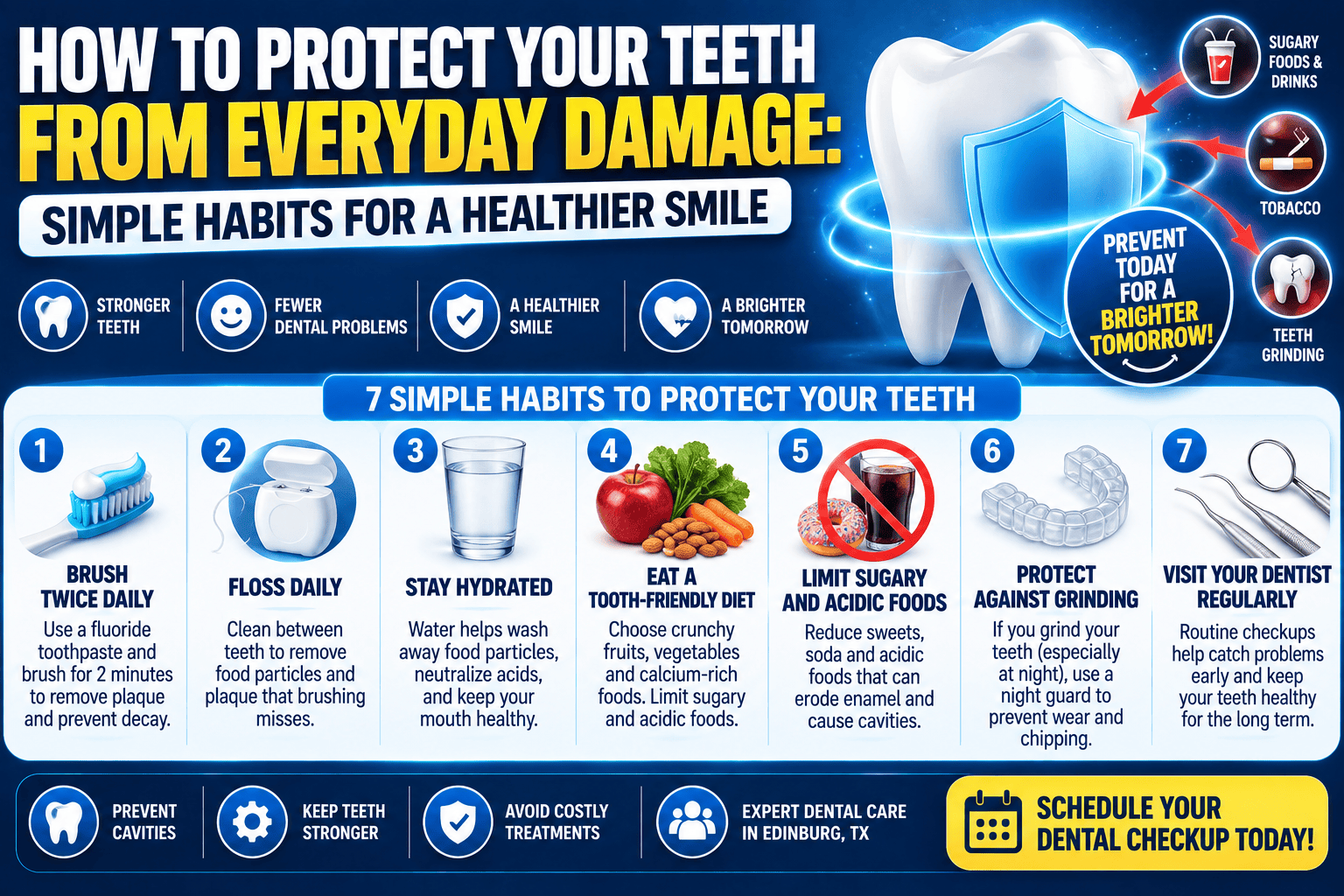
If you brush hard with a medium or stiff brush, you are sawing through your own gum tissue. The fix is specific:
- Replace your brush head with extra-soft bristles
- Hold it like a pencil, not a shovel
- Angle bristles 45° toward the gumline
- Use small, circular motions — never horizontal scrubbing
- Floss once daily with a gentle C-shape around each tooth
- Replace your brush every 8–12 weeks (sooner if bristles splay)
If you’re flattening a toothbrush in under three months, you’re still brushing too hard. This single behavior change alone can halt mild recession within weeks.
4. Treat the Root Cause (Literally)
If grinding or clenching is pulling your gums away from your teeth, no toothbrush technique will save you — the lateral forces generated by your jaw are yanking gums down from the inside. Signs you may clench at night include:
- Waking with a sore jaw
- Tension headaches that cluster in the morning
- Flattened or chipped tooth edges
- A partner who hears you grinding
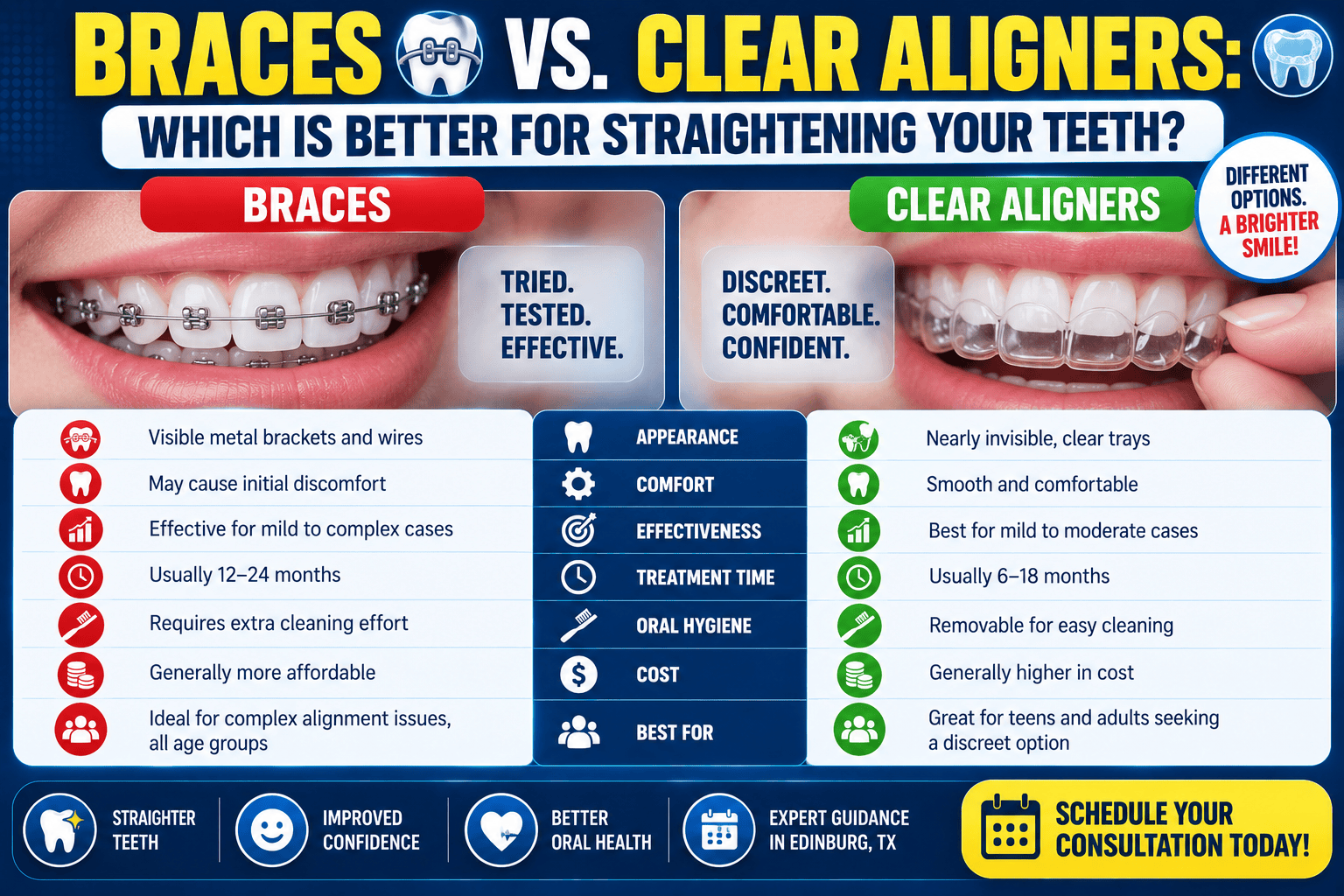
A custom nightguard absorbs those forces. Explore treatment for grinding and clenching before the damage compounds. If the cause is bite misalignment, orthodontic correction with clear aligners redistributes the load so recession doesn’t restart the moment the gums heal. Knowing how to repair gum recession without fixing the mechanical cause is like patching a tire without pulling the nail.
5. Opt for Professional Deep Cleaning
When plaque and tartar have built up below the gumline, no home-care routine can reach them. That’s what scaling and root planing is for — a deep cleaning that:
- Removes hardened deposits from the root surface
- Smooths the root so gum tissue can reattach
- Eliminates the bacterial colonies driving inflammation
- Shrinks pocket depths over the weeks following treatment
It’s done under local anesthetic, usually in one or two visits. For patients with early-to-moderate recession driven by gum disease, this alone is the turning point. Paired with a professional cleaning on a tighter schedule — typically every three to four months — it keeps pocket depths stable for life.
6. Repair Surgically When Needed
For a recession that’s already exposed a significant root surface, non-surgical options won’t bring the tissue back. Surgical repair falls into two main categories:
- Traditional gum grafting — healthy tissue (from the roof of your mouth or a donor source) is secured over the exposed roots. Best for severe cases.
- Pinhole Surgical Technique (PST) — a tiny pinhole is made in the gum, the existing tissue is gently loosened and repositioned over the root. No scalpel, no sutures, faster recovery. Best for mild-to-moderate cases with adequate existing tissue.
Which option suits you depends on severity, location, and how much healthy tissue is available. If you’ve been searching how to repair receding gums and the recession is visible from across the room, you’re in surgical territory — no amount of DIY will change that. A consultation determines which procedure fits your case and whether it’s handled in-house or through a periodontist referral.
7. Establish Lifelong Maintenance
Patients who keep their results stop treating oral care as an event and start treating it as a protocol. Lifelong protection looks like:
- Cleanings every 3–4 months instead of 6
- Soft brush replaced every 8–12 weeks
- Nightly flossing, without exception
- Night guard worn consistently if prescribed
- No tobacco in any form
- Tight blood sugar control if you’re diabetic (diabetes and periodontal disease feed each other)
If you came here looking for how to heal receding gums, here’s the honest version: for lost tissue, healing means surgical reconstruction; for remaining tissue, healing means eliminating the inflammation that’s still eating away at it. Both require consistency. There is no one-and-done.
When to Book a Consultation (Don’t Wait)
Book the visit if:
- You can see root surface above any tooth
- Brushing bleeds for more than a week
- Teeth feel loose or have shifted
- Sensitivity interferes with eating or drinking
- You’ve been telling yourself “it’s probably fine”
Every month of delay tightens the treatment options and raises the cost. A diagnostic exam takes under an hour and tells you definitively whether you’re looking at a brushing correction, a deep cleaning, or a surgical plan. Book a consultation online to get a real answer instead of guessing.
FAQ
Q: Can receding gums grow back on their own?
No. Gum tissue does not regenerate naturally once lost. You can stop recession from worsening with better technique, deep cleaning, and bite correction — but rebuilding lost tissue requires surgical procedures like gum grafting or the Pinhole Surgical Technique.
Q: How long does it take to treat receding gums?
It depends on severity and approach. Mild cases driven by brushing habits can stabilize in 4–8 weeks. Scaling and root planing shows results in 6–12 weeks. Surgical repair requires 4–6 weeks of initial healing, with full integration over several months.
Q: Is gum recession reversible without surgery?
Early-stage recession can be stabilized without surgery through technique changes and professional deep cleaning. Moderate-to-severe recession, where significant root is already exposed, requires surgical grafting to restore the lost tissue.
Q: Does gum grafting hurt?
The procedure is performed under local anesthetic, so you won’t feel it during surgery. Post-op discomfort is typically mild-to-moderate and managed with over-the-counter pain relievers. Most patients return to normal activities within a few days.
Q: How much does receding gum treatment cost?
Costs range widely based on the treatment. A deep cleaning is a few hundred dollars per quadrant. Gum grafting and Pinhole Surgical Technique run significantly higher per tooth. Many dental plans cover a portion of periodontal treatment. Financing options are available for out-of-pocket costs.