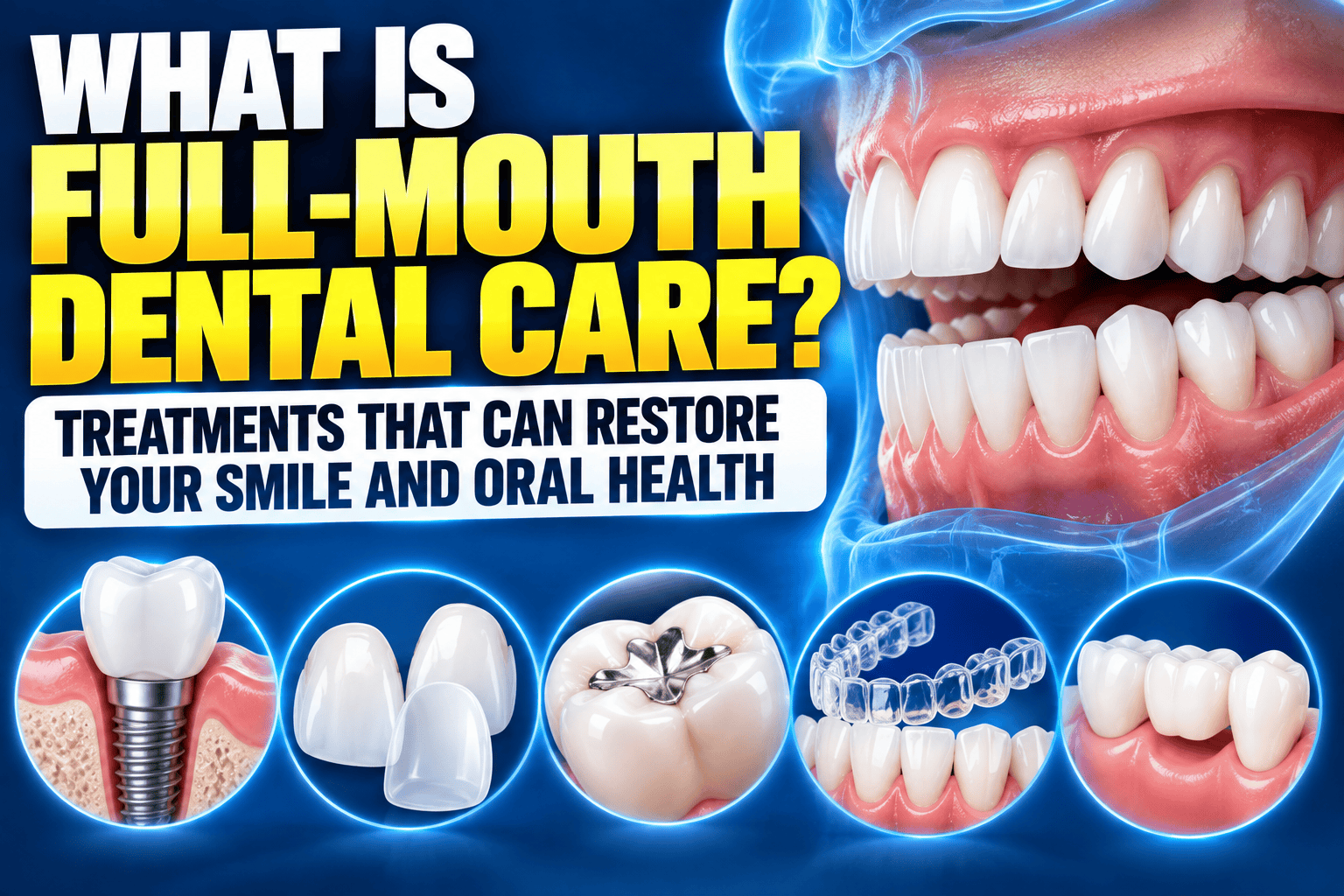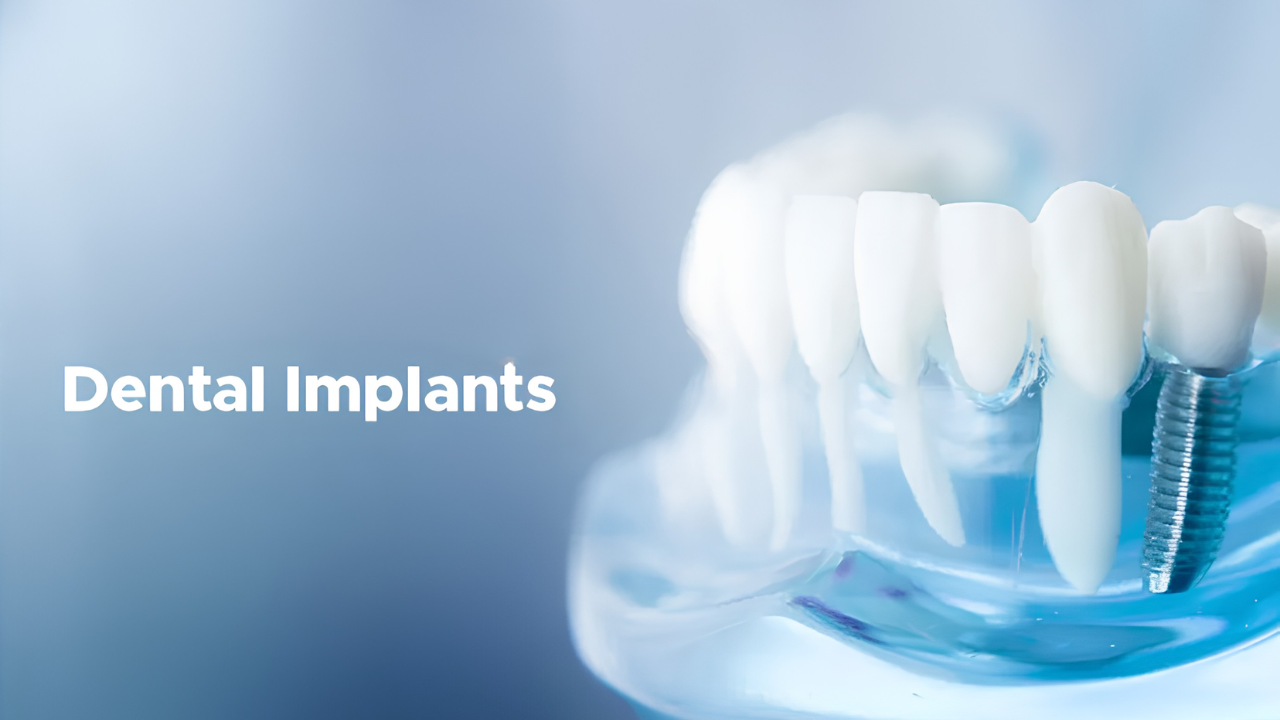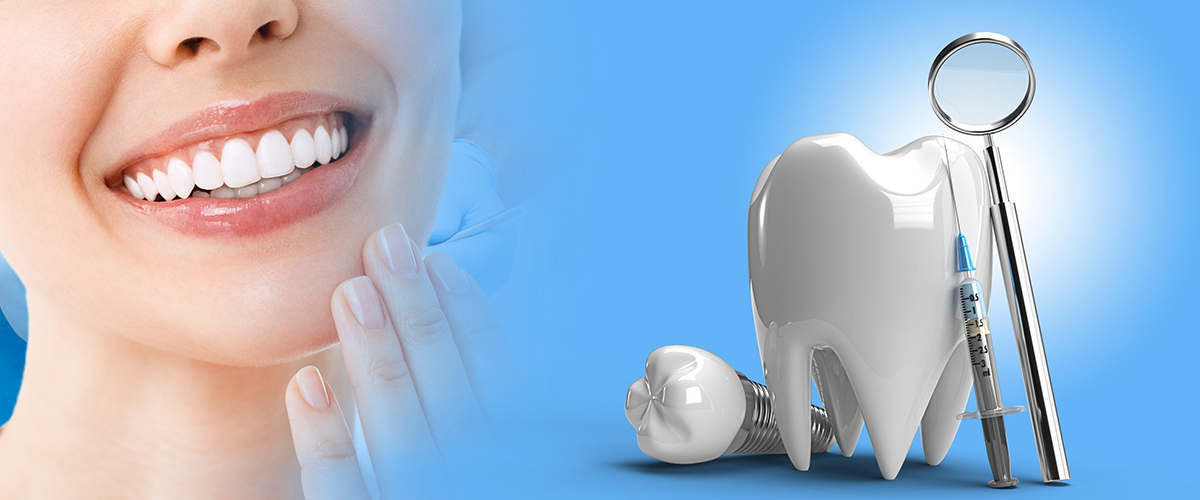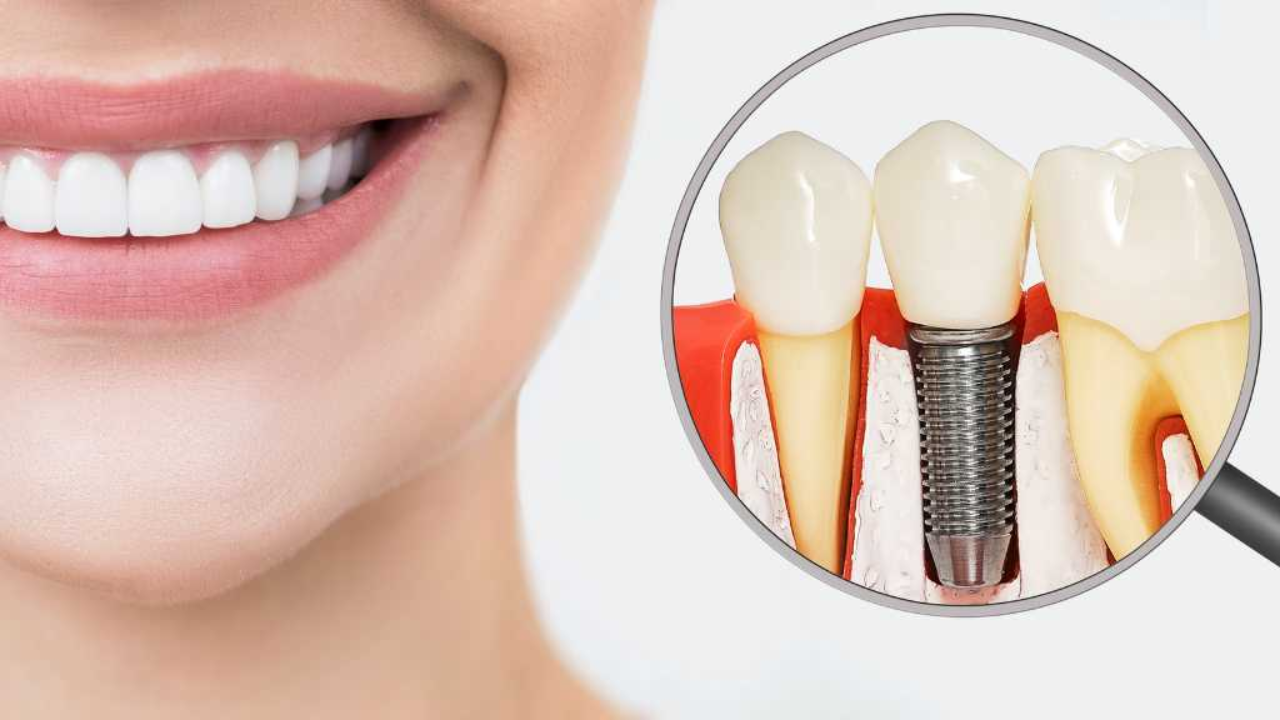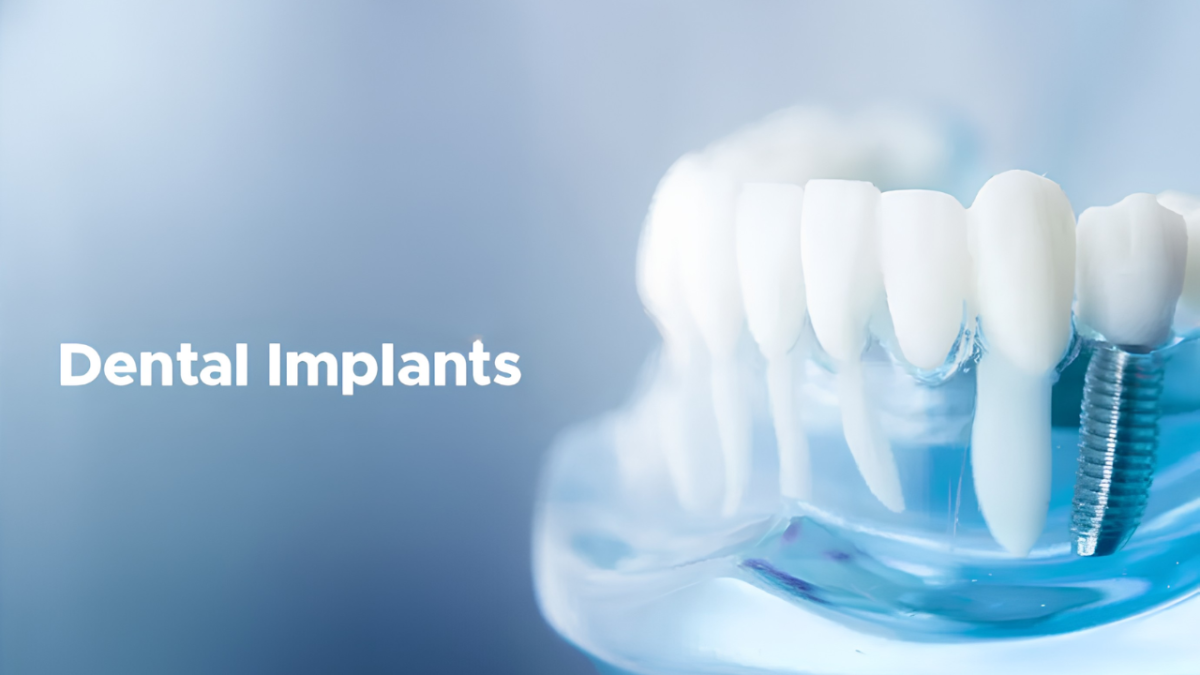
Dental implants are titanium posts surgically placed into the jawbone to replace missing tooth roots, then topped with a custom crown to function and look like a natural tooth. For adults missing one or more teeth, they’re the only replacement option that restores the full structure of a tooth — root included — instead of just covering the gap.
Most people considering implants aren’t asking what they are. They already know. The real question they’re sitting with is harder: Am I actually a candidate? Will this hurt? Is it worth the cost? What happens if I just leave the gap alone?
This article answers those questions directly — without the brochure language, without the upsell, and without pretending implants are right for everyone. They’re not. But for the people they are right for, the difference between getting them and waiting another five years is enormous, and almost nobody explains why.
What Actually Happens When You Lose a Tooth
A missing tooth is not a static problem. It’s the start of a slow chain reaction that gets more expensive to fix the longer you wait.
Within the first 12 months after losing a tooth, four things start happening simultaneously:
- The jawbone underneath the empty socket begins to resorb — losing roughly 25% of its width in the first year alone
- Adjacent teeth start tipping into the empty space because they no longer have a neighbor to brace against
- The opposing tooth over-erupts — drifting downward (or upward) because nothing is meeting it during chewing
- The bite shifts, often quietly, until something else starts to hurt
This is why “I’ll deal with it later” is the most expensive sentence in dentistry. The longer the gap stays open, the more bone is lost, the more teeth shift, and the more reconstructive work the eventual fix requires. A patient who replaces a tooth six months after losing it gets a different procedure — and a different price — than the same patient five years later.
Implants vs. Bridges vs. Dentures: The Real Comparison
Most patients compare replacement options by counting features. That’s the wrong comparison. The real one is what each option actually delivers across four dimensions:
| Restores Function | Preserves Bone | Maintains Face Shape | Lasts 25+ Years | |
| Implants | ✓ | ✓ | ✓ | ✓ |
| Bridges | ✓ | ✗ | Partial | Replacement at ~10–15 yrs |
| Dentures | Partial | ✗ | ✗ | Reline/replace every 5–8 yrs |
Implants are the only option that delivers across all four. The rest of this article explains why — and how to know if you’re a candidate.
The Implant Readiness Check: 5 Questions That Actually Matter
Most “are you a candidate” content online is a marketing checklist designed to qualify everyone. The honest answer is more nuanced. Run yourself through these five questions before any consultation — your answers will tell you more than any sales pitch.
Question 1: Is your jawbone ready?
Implants need adequate bone density at the implant site. The longer a tooth has been missing, the more bone has resorbed — and the more likely you’ll need a bone graft before the implant goes in.
What this looks like in practice:
- Recently lost tooth (under 6 months): Bone is usually intact. Direct implant placement likely.
- Missing 1–3 years: Some bone loss likely. Most patients still qualify; sometimes a minor graft.
- Missing 5+ years: Bone graft commonly required. Adds 3–6 months to the timeline.
- Long-term denture wearer: Significant bone loss is the norm. Grafting or zygomatic implants may be needed.
Not being “bone-ready” doesn’t disqualify you. It just means an additional step.
Question 2: Are your gums healthy?
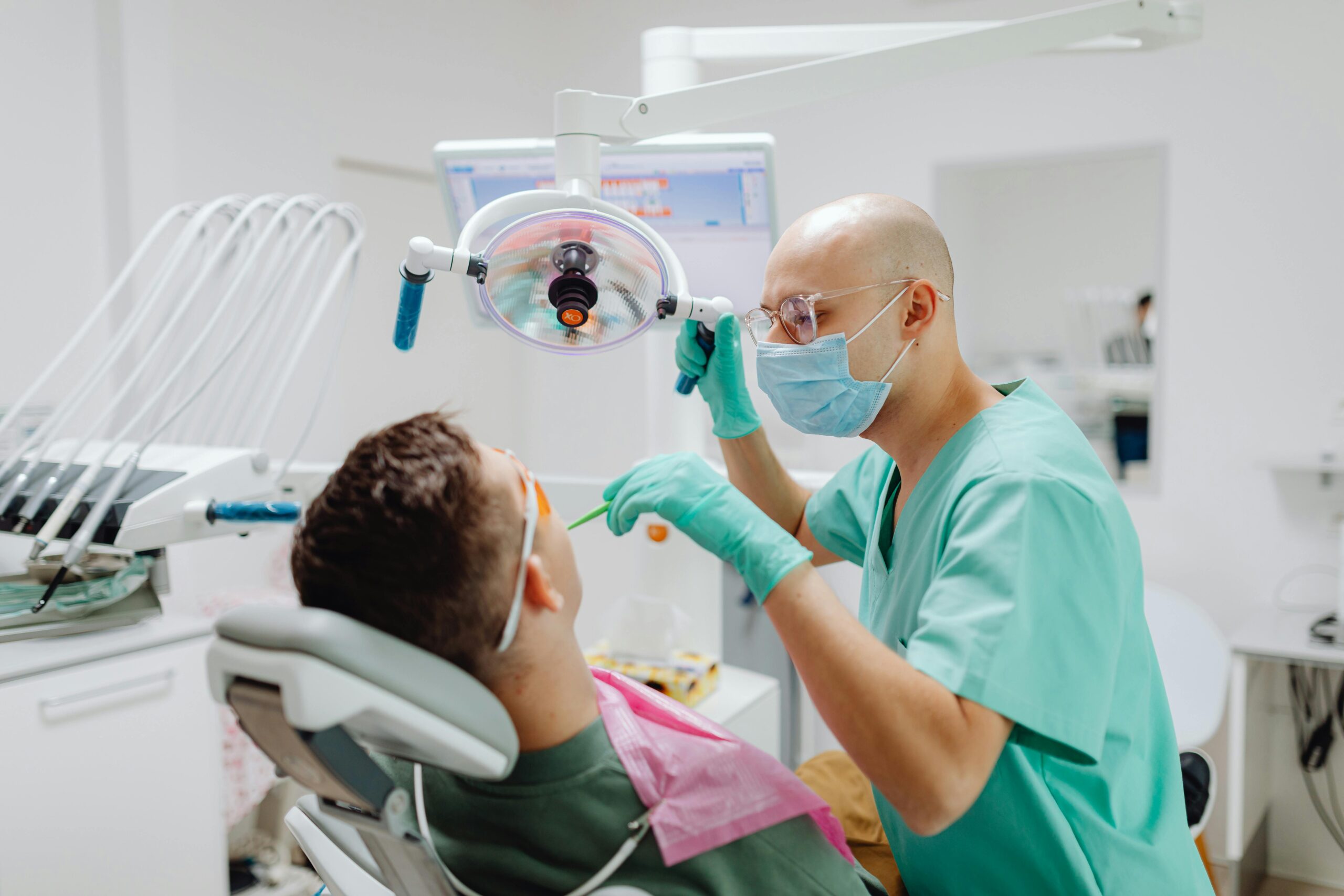
Active gum disease is the single biggest reversible cause of implant failure. Implants placed in inflamed tissue have dramatically higher failure rates — and any reputable dentist will treat the gum disease first before placing the implant. This is non-negotiable. If your dentist offers to skip this step, find a different dentist.
Question 3: Are you healthy enough for minor oral surgery?
Implant placement is minor surgery — but still surgery. Conditions that complicate (but rarely disqualify) candidacy include:
- Uncontrolled diabetes (controlled diabetes is fine)
- Active cancer treatment, especially radiation to the jaw
- Long-term high-dose bisphosphonate use
- Heavy smoking — significantly raises failure rates and many surgeons require a quit plan first
Most chronic conditions just require coordination with your physician, not a “no.”
Question 4: Are your expectations honest about the timeline?
Implants are not a same-day fix for most cases. The full process — from initial placement through final crown — typically runs 3 to 6 months. That timeline exists because the bone needs to fuse to the titanium post (osseointegration) before the crown can bear load.
There are same-day implant protocols for select cases, but they’re not the standard, and they’re not always the right call clinically. If a same-day timeline is critical for you, ask specifically — but don’t assume it’s available for your case.
Question 5: Are you comparing the right cost?
Most patients evaluate implants against the upfront cost of a bridge or denture and conclude implants are “expensive.” That’s the wrong comparison. The honest comparison is total cost over 25 years, including replacements, bone-loss complications, and the eventual cost of fixing the consequences of the cheaper option.
Implants almost always win that math. They just require a higher upfront commitment.
The Bone Argument Nobody Explains Well
This is the most under-explained advantage of implants — and arguably the most important one.
When you chew with a natural tooth, the root sends compressive force into the jawbone. That force is what tells your body to keep building bone there. Take the root away, and the signal stops. The bone shrinks.
Bridges don’t fix this. Dentures don’t fix this. Both sit on top of the gum and ignore the bone underneath, which keeps shrinking year after year. Long-term denture wearers eventually get the sunken-cheek look not because they’re aging — because their jawbone has melted away beneath an appliance that never replaced what was missing.
Implants are the only replacement option that restores root function. The titanium post integrates with the bone, restoring the compressive signal and stopping the bone loss in its tracks.
What “Looking Younger” Actually Means
Most cosmetic dentistry promises a better smile. Implants quietly do something rarer — they reverse the structural changes that make a face look older.
The lower third of the face is held up by the bone of the jaw. When that bone shrinks, the cheeks hollow, the lips thin, and the chin starts to look closer to the nose than it used to. Patients describe the result as “I look tired even when I’m not.” It’s not a wrinkle issue — it’s a foundation issue.
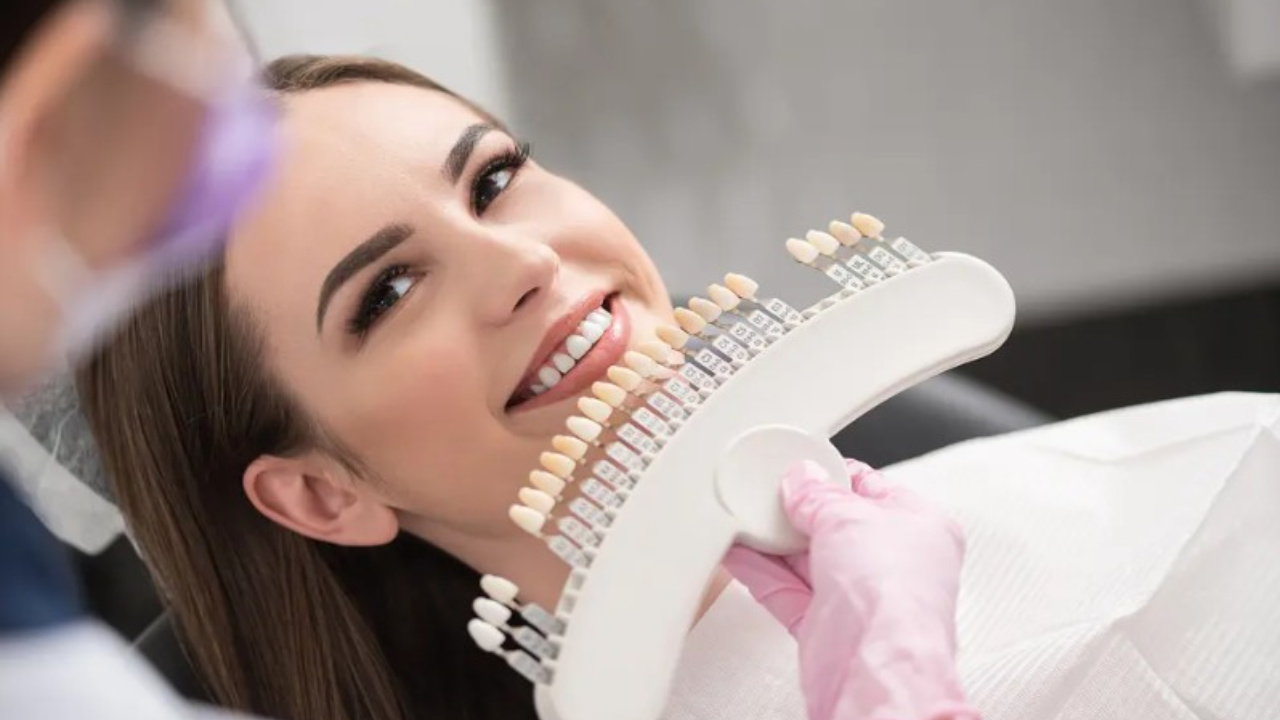
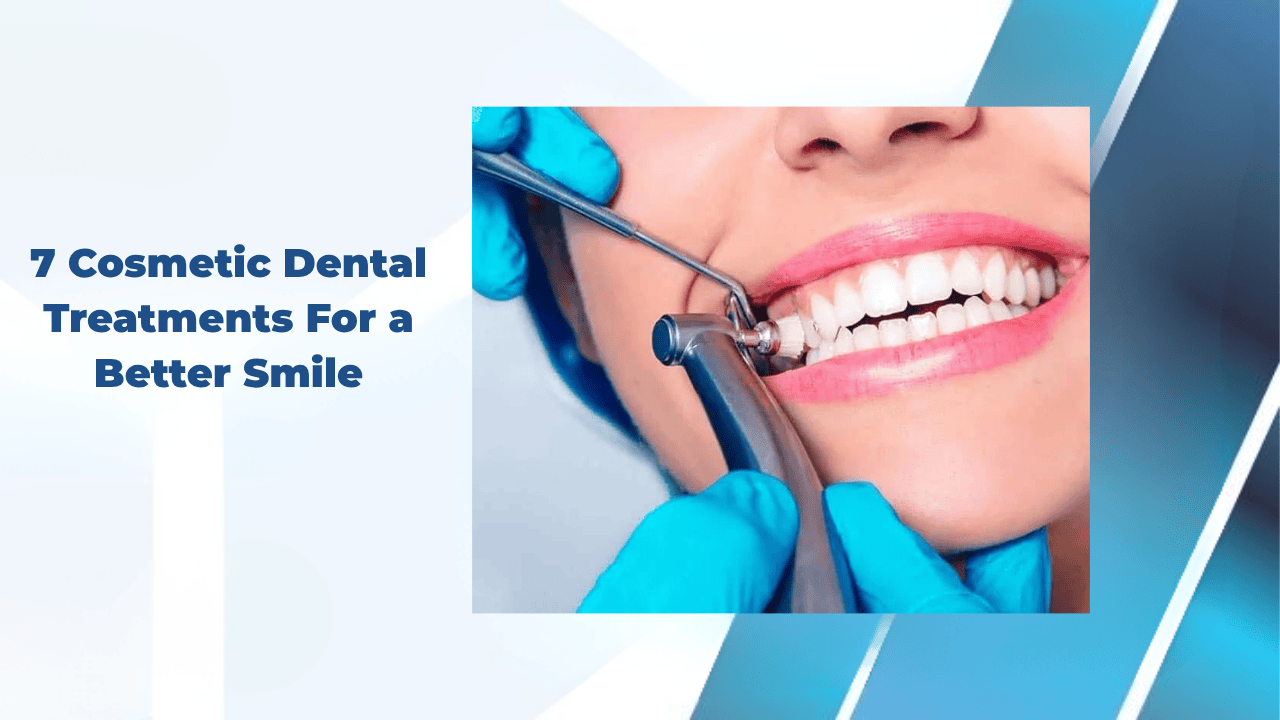
Replacing missing teeth with implants preserves the architecture of the lower face in a way no cream, filler, or cosmetic procedure can match. For patients who’ve worn dentures for years, cosmetic dental treatments layered on top of implant-supported restorations can produce results that look two decades younger than what they had a year prior.
When the Wait Becomes the Real Cost
The biggest reason patients delay implants isn’t fear of the procedure. It’s the cost. And that hesitation is rational on the surface — implants are not cheap.
But the math gets more honest when you compare replacing now to replacing in five years. By year five, additional bone loss often means a bone graft is now required before the implant can be placed. Adjacent teeth may have shifted enough to need orthodontic correction first. The opposing tooth may have over-erupted to the point of needing its own crown.
The procedure that cost X today often becomes 1.5–2X by year five — not because prices went up, but because the case became more complex.
For patients worried about upfront cost, flexible financing options exist specifically because the replacement-now math beats the wait-and-see math nearly every time.
Replace the Tooth. Reset the Trajectory.
Missing teeth aren’t just cosmetic. They’re the start of a structural cascade that gets harder and more expensive to reverse the longer it runs. Implants stop that cascade — and for the right candidate, do something no other replacement option can: restore function, preserve bone, maintain facial structure, and last 25+ years.
If you’ve been managing around a missing tooth — chewing on one side, hiding it in photos, telling yourself you’ll deal with it eventually — the most expensive part of that strategy is the part you can’t see: the bone that’s quietly disappearing while you wait. Book a consultation online and find out where you actually stand before the next year of bone loss starts.
Frequently Asked Questions
1. How long do dental implants last?
With good oral hygiene, dental implants typically last 25+ years — often a lifetime. The crown on top may need replacement after 15–20 years.
2. Does getting a dental implant hurt?
The procedure itself is done under local anesthesia and is no more uncomfortable than getting a filling. Most patients report soreness for 2–4 days afterward — well-controlled with over-the-counter pain medication.
3. What does a dental implant actually cost?
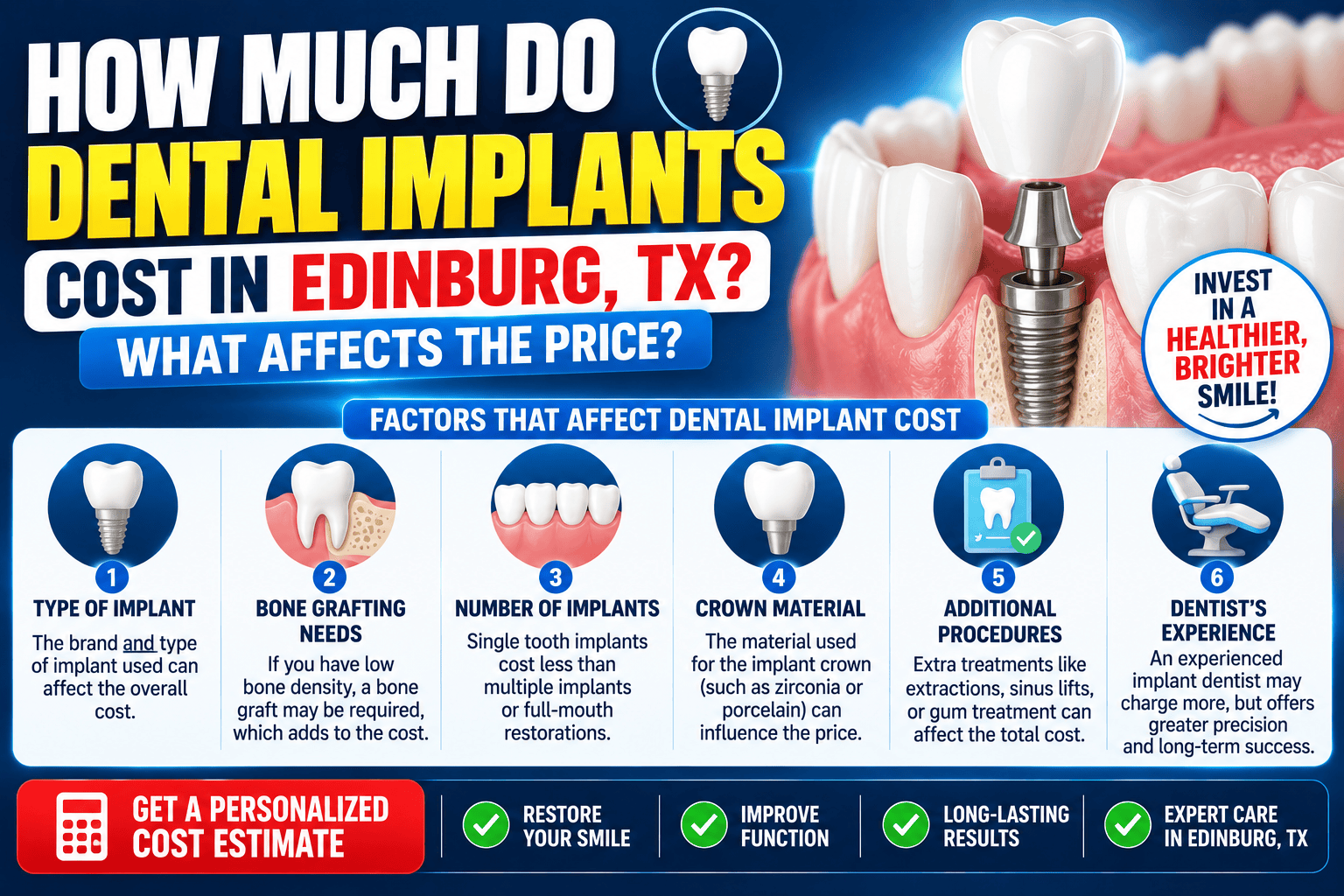
A single implant in the U.S. typically ranges from $3,000 to $5,000 all-in (implant, abutment, and crown), depending on case complexity, location, and whether bone grafting is needed.
4. Can I get an implant if I’ve been missing the tooth for years?
Often yes — but the longer the tooth has been missing, the more likely you’ll need a bone graft first to rebuild adequate bone density at the site.