Why Regular Dental Cleanings are essential for a healthy smile

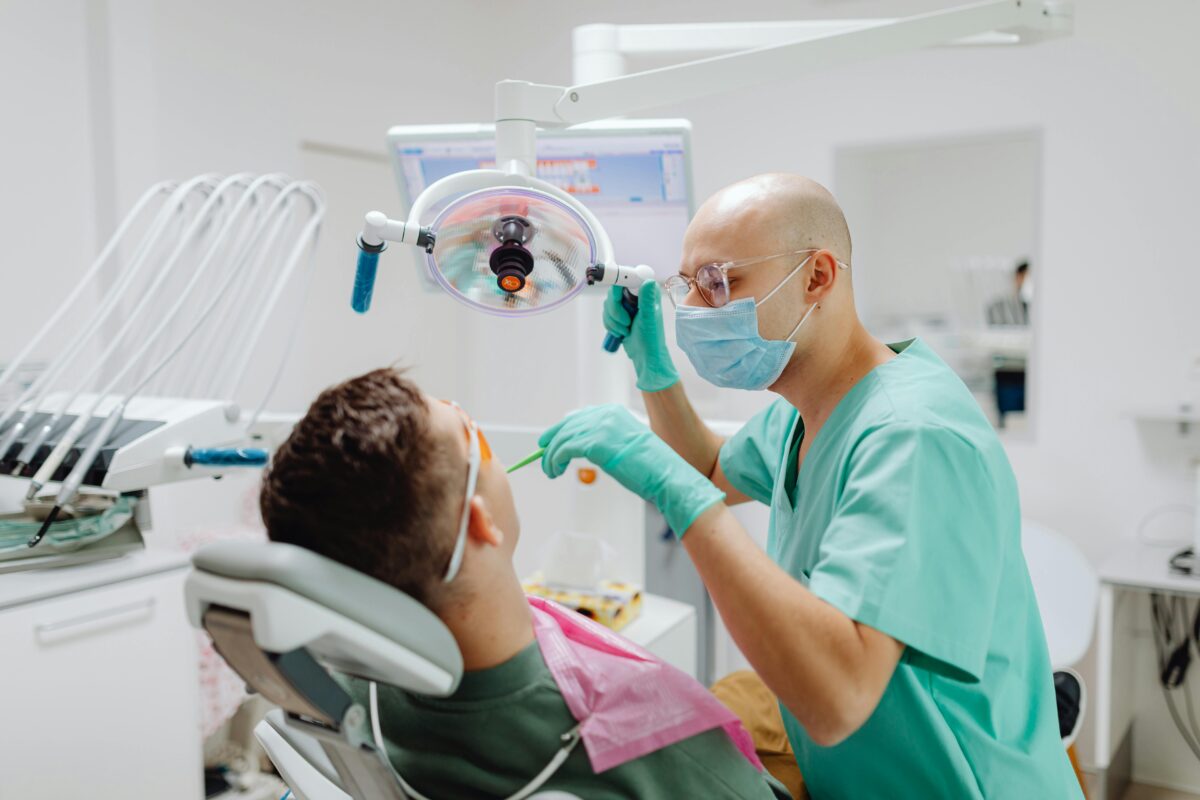
By the time most people feel something is wrong with their teeth, the damage is already months old. Pain, swelling, bleeding gums – those signals show up late. Long before then, plaque has hardened into tartar, bacteria has slipped under the gum line, and a quiet inflammation has started doing its slow work. Regular dental cleaning and whitening treatments are not about polish or appearance. They exist to interrupt that hidden timeline before it costs you a tooth, a deeper procedure, or something more serious. A professional cleaning whitening service reaches places a toothbrush physically cannot, and ignoring that gap is what turns a small problem into an expensive one.

The Preventable Problem Most People Ignore

The World Health Organization estimates oral diseases affect nearly 3.5 billion people globally, with severe gum disease alone responsible for a significant share of adult tooth loss. That number is not shocking because dental tools have failed. It is shocking because the problem is largely preventable. Brushing handles part of the job. The rest belongs to a routine visit that most people skip until something hurts.

The SHIELD Cleaning Standard: Six Layers of Protection

The value of a routine cleaning is easier to see when you stop calling it “cleaning your teeth” and start seeing it as a six-part defines. Call it the SHIELD Cleaning Standard, the layers of protection a professional visit gives you that home care cannot replicate:

  • S – Subgingival reach
  • H – Hardened tartar removal
  • I – Inflammation reset
  • E – Early detection window
  • L – Long-term enamel protection
  • D – Defines for the whole body

Each layer answers a different reason: cleanings matter. Together they explain why dropping them is one of the costliest small habits in healthcare.

S – Subgingival Reach

Your toothbrush stops at the gum line. Bacteria do not. They drift below the surface, into a thin pocket between gum tissue and tooth, where bristles cannot reach and floss only partially helps. A dental hygienist uses thin instruments designed to clean this exact space without damaging the soft tissue. This is also where untreated dental cavities often begin their slow descent toward the root. Skipping cleanings means trusting that nothing is happening in a place you cannot see, brush, or feel until it has already gone wrong.

H – Hardened Tartar Removal

The plaque is soft. You can brush it off if you reach it in time. Within 24 to 72 hours, plaque starts hardening into tartar – a calcified deposit that bonds to enamel with a force no home tool can break. Once tartar forms, only a professional scaler can remove it without scratching your tooth. This is the part of the importance of regular dental cleaning most people underrate. The longer tartar sits, the more bacteria it shelters, the more it pushes the gum line away from the tooth, and the more it sets the stage for problems that will not be visible until they are advanced.

I – Inflammation Reset

Healthy gums are pale pink, firm, and do not bleed. Inflamed gums – even mildly inflamed – are the earliest warning sign of gingivitis, the reversible stage of gum disease. Once tartar and bacterial load are removed during a cleaning, gum tissue gets a real chance to recover. Most patients see the redness and bleeding fade within two weeks, assuming they keep up basic home care. Wait too long and gingivitis turns into periodontitis, which is not reversible and is one of the leading causes of adult tooth loss. The window between those two stages is exactly what a routine visit is built to protect.

E – Early Detection Window

A cleaning visit is also an examination. While the hygienist works through your mouth, they are looking for cracks, soft spots, decay, receding gums, and signs of oral cancer. The Oral Cancer Foundation reports survival rates near 84% when oral cancers are caught early, compared to far worse outcomes when caught late. The same logic applies to small cavities and cracked fillings. Catching them at this stage means a filling instead of a crown, or a crown instead of a root canal. There is no version of dental care that costs less than catching the problem early.

L – Long-Term Enamel Protection

Enamel does not grow back. Once acid from bacteria and food erodes it, it stays eroded. Routine cleanings reduce the bacterial population producing that acid, and most visits include a fluoride application that helps remineralize the outer enamel layer. This is also where cleanings quietly support other treatments. Patients using clear aligners, for example, often deal with trapped plaque from prolonged tray contact, and consistent cleaning routines make a real difference for that group. The benefits of regular cleanings compound year after year, but only for people who keep showing up.

D – Defines for the Whole Body

The mouth is connected to the rest of the body in ways most people underestimate. The Mayo Clinic links poor oral health to cardiovascular disease, diabetes complications, and other systemic conditions. The association between gum disease and heart health is well-documented, though direct causation remains an active area of study. The point is not to overclaim a link. The point is that lowering inflammation and bacterial load in your mouth is one of the simplest things you can do that has effects beyond your teeth. Few preventive habits cost less than two cleaning visits a year.

How Often Do You Actually Need a Cleaning?

For most adults with healthy gums and no major risk factors, twice a year is the standard recommendation from the American Dental Association. Some people need more. Anyone with a history of gum disease, diabetes, or smoking may benefit from cleanings every three to four months. Pregnant patients often need an extra visit. Children, once their first teeth come in, follow the same six-month schedule. The right number is the one your dentist sets based on actual risk, not the one your calendar reminds you about.

Conclusion

Regular cleanings do not look impressive on a calendar. They are short, quiet, and easy to skip – which is exactly why people skip them. But the cost of skipping them is rarely paid in the year you miss. It is paid two or three years later, when the cavity becomes a root canal, or the bleeding gums become bone loss, or the small spot turns into something that needed catching sooner. Showing up twice a year at Ethos Modern Dental is not about a brighter smile. It is about protecting the smile you already have. If you are overdue, the next step is simple – schedule the appointment and treat it as non-negotiable.
6 Dental Habits That Are Slowly Damaging Your Teeth

Most enamel damage does not come from one big mistake — it comes from a handful of bad habits for teeth that quietly run through ordinary daily routines, doing damage one small repetition at a time. You brush twice a day, you floss most nights, you skip the soda — and yet check-ups keep turning up new wear, sensitivity, or staining. The reason is usually a few habits that feel harmless at the moment but slowly push your mouth toward tooth cavities, gum problems, and worn-down enamel that no amount of weekend deep-cleaning can undo.

The frustrating part is that none of these habits announce themselves. There is no sharp pain. No alarm. Just slow, repeated stress on the same surfaces, day after day, until one morning a tooth feels sensitive to cold or a small chip appears in the mirror.

The 3 Damage Paths: How Slow Damage Actually Works

Every harmful dental habit hurts your teeth through one of three biological paths. Knowing which path a habit travels makes it much easier to spot it in your own routine and fix it.

  • The Acid Path: Acid softens enamel. Every time the pH in your mouth drops below 5.5, the outer layer of your teeth begins losing minerals. Saliva normally repairs this within 20 to 40 minutes — unless you keep dropping the pH again before it can recover.
  • The Force Path: Pressure, friction, and impact wear teeth down mechanically. Enamel is hard, but it is also brittle. Repeated force creates micro-cracks, flat spots, and pushed-back gums.
  • The Plaque Path: Bacteria feed on food particles, multiply, and produce acid and inflammation. Soft plaque hardens into tartar within 24 to 72 hours and starts attacking both teeth and gums.

Six common habits keep one of these three paths running every single day. Here they are.

1. Sipping or Snacking All Day Long

The damage is not the sugar itself — it is the frequency. Each time you sip a sweetened coffee, a soft drink, or even fruit juice, the pH in your mouth drops for roughly 30 minutes. Take another sip 20 minutes later, and the recovery clock resets to zero. Your enamel never gets the window saliva needed to push minerals back into the surface and repair it. Someone who finishes a soda in 10 minutes does far less damage than someone who nurses the same soda over two hours. The same logic applies to crackers, chips, dried fruit, and anything that lingers between meals — even healthy snacks count if they keep your mouth working. The fix: drink water between meals, finish drinks in one sitting, and rinse with plain water afterward.

2. Brushing Right After Acidic Food or Drinks

This is one of the most counterintuitive daily habits damaging teeth. After coffee, citrus, wine, or anything acidic, your enamel is in a softened state. Brushing immediately scrubs that softened layer away. Wait at least 30 to 60 minutes after acidic exposure before brushing, so saliva can remineralize the surface first. Rinse with water in the meantime. Then brush.

This is the part most checklists miss. The habit feels responsible. The damage is real.

3. Brushing Too Hard or With a Stiff Brush

Hard pressure does not clean teeth better — it scrubs enamel off and pushes gums down off the tooth. Over years, this is one of the leading causes of visible recession, yellowing at the gumline (the dentin underneath shows through), and sharp cold sensitivity. The fix is simple but easy to ignore: use a soft-bristled brush, hold it the way you would hold a pen rather than a scrubbing tool, and let small circular motions do the work. Once gum tissue has receded, it does not grow back on its own — and the visible damage often needs cosmetic dentistry to restore the look of the smile.

4. Clenching and Grinding Without Knowing It

Most people who grind their teeth at night have no idea they are doing it. The signs show up later: jaw tension in the morning, dull headaches that start at the temples, flat-edged front teeth, or sudden sharp pain in a tooth that looks completely fine on the outside. Grinding can apply hundreds of pounds of pressure per square inch through the jaw — far more than chewing food ever does. The Force Path runs hard here. A cracked tooth or sudden sharp pain that will not settle is a dental emergency — not something to wait out, because a fracture exposed to bacteria for even a few days can turn into deep decay or an infected nerve. Over months of unchecked grinding, the long-term result is micro-fractures, worn cusps, and teeth that can split during something as simple as biting a piece of bread or chewing a tough crust. A custom night guard, made by a dentist after a short exam, is one of the highest-leverage interventions in modern dentistry — it absorbs the force and stops years of slow damage in a single step.

5. Skipping Flossing or Rushing Through It

A brush reaches about 60 percent of each tooth. The rest — the spaces between teeth and the area just under the gumline — is only reached by floss. When that area is left alone, plaque hardens into tartar within a few days. Tartar is what triggers gingivitis, the first stage of gum disease, which can advance to bone loss and tooth loss if it is not interrupted. Daily flossing takes around 90 seconds. People skip it because nothing seems to happen when they do. But the damage shows up later as bleeding gums, persistent bad breath, and cavities forming between teeth where a brush cannot see.

6. Breathing Through the Mouth at Night

If you wake up with a dry mouth, foul morning breath, or sore gums, mouth-breathing is the likely cause. Saliva is the body’s natural Défense — it washes away food, neutralizes acid, and carries minerals back to the enamel. Without it, the Acid Path and Plaque Path both run unchecked for six to eight hours every night. Adults often mouth-breathe because of nasal congestion, allergies, a deviated septum, or untreated sleep aponia. Children may do it because of enlarged tonsils or adenoids. The fix usually starts with the underlying cause, not the mouth itself — a sleep evaluation or allergy treatment can solve more dental problems than another tube of toothpaste ever will. If you cannot fix the breathing pattern right away, sipping water before bed and using a humidifier helps keep saliva working through the night.

Conclusion

Damage from daily habits is rarely dramatic. It accumulates. The same logic, though, works in reverse — small daily corrections, repeated over months, can stop the slow erosion and let your enamel and gums recover where recovery is still possible. The team at Ethos Modern Dental sees these patterns every week, and most of them are reversible if caught early. The earlier the catch, the simpler the fix. Pay attention to the small, repeated actions — they decide more about your long-term dental health than any single appointment ever will.


5 Best Foods to Eat After Dental Implant Surgery

What to eat after dental implant surgery matters more than most patients realize. The food you choose in the first seven to ten days does not just keep you comfortable. It either supports osseointegration – the process where the implant fuses with the jawbone – or quietly disrupts it. Patients who follow a smart soft food plan tend to heal faster, feel less swelling, and avoid setbacks during their dental implant recovery. Patients who eat the wrong thing, even once, sometimes pay for it with loosened stitches or a disturbed clot. Recovery is biological, not just about comfort. Bone needs calcium. Tissue needs protein. Gums need vitamin C to rebuild collagen. The right food is your first medicine.

Why Food Choice Drives Implant Recovery

Implants heal through osseointegration, where your jawbone bonds to the titanium post. According to research indexed by the National Library of Medicine, this process is most active in the first two weeks and is influenced by systemic nutrition, inflammation, and protein intake.

Most patients focus only on texture. That is half the picture. Texture protects the surgical site. Nutrition rebuilds it.

To make the right choices simple, follow the H.E.A.L. Plate Method:

  • H – Hydrating: liquids and high-moisture foods that support healing tissue
  • E – Easy-to-chew: zero pressure on the surgical site
  • A – Anti-inflammatory: ingredients that calm swelling
  • L – Lean protein: the building block for new tissue

Every food on this list checks at least three of those four boxes.

1. Smoothies 

Smoothies are the most flexible food after implant surgery because they let you pack in protein, vitamins, and calories with zero chewing. Blend Greek yogurt, banana, soft berries, and a scoop of plain protein powder for a meal that supports tissue repair. Drink it from a spoon or a glass, never a straw – the suction can dislodge the protective blood clot and trigger a painful complication.

Most patients underestimate how many calories they lose in the first week. Soft food fatigue sets in by day three, and people start skipping meals. Smoothies solve that quietly.

One caution: smoothies with citrus juice or pineapple can sting raw tissue. Stick to mild fruits like banana, mango, and ripe peach for the first seventy-two hours, then expand from there.

2. Greek Yogurt

Plain Greek yogurt delivers around fifteen to twenty grams of protein per six-ounce serving, plus probiotics and calcium – three nutrients that directly support implant integration. It is cool, requires no chewing, and is gentle on inflamed gum tissue. The American Dental Association notes that nutrition and healing environment are major factors in long-term implant success.

Skip the flavoured varieties. They are loaded with added sugar that fuels bacterial growth around healing gums.

If plain yogurt feels too tart, swirl in a spoon of honey or mashed banana. Cool textures like this also help reduce swelling in the first forty-eight hours, when most discomfort peaks.

3. Scrambled Eggs

Scrambled eggs are one of the best post-surgery foods because they offer a complete protein in a soft, no-chew form. Each egg provides about six grams of protein, plus vitamin D, which plays a documented role in bone healing and immune function.

Cook them slowly with a little milk or olive oil to keep them tender. Skip salt-heavy seasonings and crunchy add-ins like bacon or bell peppers in the first week.

Most patients ignore protein in the first three days because soft foods tend to be carb-heavy. That is the recovery mistake seen most often. Protein-poor diets correlate with slower healing across the board, regardless of how strictly the texture rules are followed.

4. Mashed Sweet Potatoes

Sweet potatoes are loaded with beta-carotene, which the body converts to vitamin A – a nutrient critical for wound healing and immune defense. Mashed sweet potatoes are also calorie-dense, which matters when chewing is hard and appetite drops.

Mash them with a little butter or olive oil for healthy fats and flavor. Serve everything lukewarm or cool for the first forty-eight hours. Heat increases blood flow to the surgical site, which can trigger bleeding and disturb early clot formation.

For variety, mashed cauliflower and well-cooked mashed carrots offer similar texture with different nutrient profiles. Rotation keeps you eating – and that is half the battle of recovery.

5. Pureed Soups and Bone Broth

Pureed soups and bone broth check every box on the H.E.A.L. framework. They hydrate, they deliver protein and minerals, and they are anti-inflammatory when made with ingredients like ginger, turmeric, or leafy greens. Bone broth in particular contains collagen and amino acids that support soft tissue repair.

A few rules: serve everything lukewarm, never hot. Blend until completely smooth – no chunks. Skip acidic, tomato-heavy soups for the first three days because acid can irritate exposed tissue.

If you are exploring cosmetic dentistry options like implants for the first time, ask your provider for a written recovery food list before the procedure. Planning meals in advance prevents the day-three diet collapse most patients fall into.

Managing Discomfort and Sleep During Recovery

The food you eat handles one side of recovery. The other side is sleep, and most patients are not prepared for how it changes in the first few nights.

Lying flat increases blood flow to your head, which raises pressure inside the inflamed tissue around the implant site. That is why a moderate ache during the day can turn into sharp throbbing the moment you lie down. The biology is the same as it is for any inflamed tooth, which is why the guide to managing tooth pain at night applies directly to early implant recovery. Sleep elevated on two pillows or in a recliner, sleep on the opposite side of the surgical area, avoid heat compresses on the jaw, and take any prescribed medication on schedule rather than waiting for pain to spike.

The patients who handle the first three nights well almost always heal faster overall. Sleep is when tissue repair is most active, and pain that wrecks sleep delays everything else.

Foods to Avoid During Implant Healing

Some foods are obvious. Others sneak in.

Avoid hard or crunchy foods like chips, nuts, raw vegetables, and toast crusts for at least two weeks. Skip sticky foods like caramel and gum, which can tug at the surgical site. Stay away from spicy or acidic foods – they irritate healing gum tissue. And put away the straws, alcohol, and tobacco for at least seven days. Tobacco use is the single largest preventable risk factor for implant failure.

Once early healing is underway, long-term protection becomes the focus. Patients who stay on top of professional dental cleanings protect their implants for the long haul and catch small issues before they become large ones..

Conclusion

The five foods above – smoothies, Greek yogurt, scrambled eggs, mashed sweet potatoes, and pureed soups – cover the full nutritional and texture profile your body needs in the first two weeks after implant surgery. Pair them with steady hydration, no straws, no tobacco, and a smart sleep setup, and most patients heal faster than they expected. At Ethos Modern Dental patients are often guided toward recovery habits that support faster healing and long-term implant success. The fastest recoveries are not from patients who eat the softest foods. They come from patients who eat the smartest foods. Treat the healing window as the most important phase of your implant investment – because that is exactly what it is. For more on what comprehensive modern dental care looks like before, during, and after implant treatment, talk to a qualified provider before your procedure date.

Your Edinburgh Guide to Finding Dental Near Me That Fits

When people are looking for dentists near their location in Edinburgh, chances are, there’s something wrong already with their teeth. Sore tooth? Filling fallen out overnight? Two-year-delayed check-up? Well, whatever that issue may be, finding a dental professional is far from being an easy task. There is a whole range of clinics available at the end of one’s fingertips, each of which comes with a nice-looking website and promises more or less the same thing.

However, searching for “dental near me” in Edinburgh, the major question to address is whether the services offered by clinics located nearby match personal needs. While one may find an outstanding clinic to have teeth cleaned regularly, the same clinic may be totally unsuitable for a complicated procedure such as addressing a root canal. In addition, one may face the issue of having to wait months for an appointment. So, instead of asking “who is closer”, one should rather ask “who suits my needs”.

This is precisely where some additional research work does wonders. After having specified what kind of services one is interested in, the preferred mode of payment, as well as availability, one immediately sees that the list gets narrowed down to a couple of clinics.

What to Actually Look For

Let’s start with services. There are several types of dental practices in Edinburgh – general practices, cosmetic centres, specialist referral centres, and family practices. Invisible aligners won’t be offered everywhere. Some practices will fit your nervous child better than others. You’ll need to check it by looking at their website pages on services – a search by proximity will not show anything to you.

Then go over registrations and certifications. Every dentist working in the UK is supposed to be registered with the General Dental Council. You’ll be able to look up any clinician in a matter of a minute or two using their GDC register, which is available online. Moreover, the General Dental Council has its own standards, which will give you an idea of how things should be done.

Payment is your third filter. Practicing in Edinburgh, there are NHS dentists, private dentists and those who work both ways. In Scotland, NHS dental fees come from bands, and starting in November 2023, the Government has decided to replace the whole system of items with single examination fees and a shorter treatment list. For private dental services, you’ll have to get an itemised estimate of costs before you begin any procedures.

The opening hours and access are much more important than one might realise. A practice which only operates between nine and five Monday to Friday would be inconvenient if one works full-time. In Edinburgh, some clinics have morning, evening, or Saturday appointments. Accessing the clinic out of regular operating hours is another thing worth asking about – NHS 24 deals with out-of-hours dental emergencies via the 111 number in Scotland, but one’s personal practice might provide same-day slots for registered patients.

Lastly, go there yourself. Just a ten-minute appointment will show more than any review ever could. How friendly and relaxed is the atmosphere at reception? Is the dentist informing you about various options or trying to sell the procedures? Are their hygienic conditions satisfactory? This visit is an excellent opportunity to get acquainted with the practice and judge whether they deserve further consideration.

Frequently Asked Questions

What is the price of a dental check-up in Edinburgh?

In Scotland, the cost of visiting a dental professional ranges between free (NHS) and about £40-£80 for a private dentist.

What is the right time to register with a dentist in Edinburgh?

The process of registering with a dentist usually takes a day or two after completing all the necessary forms, although booking an initial appointment may take anything between a few days and several weeks.

Can I get emergency dental care in Edinburgh? 

Yes, you can call NHS 24 on 111 for out-of-hours dental emergencies, and many private and NHS practices also hold same-day slots for urgent cases.

Do Edinburgh dentists accept new NHS patients? 

Availability varies by practice, so it is worth calling a few clinics directly to ask whether their NHS list is currently open.

Conclusion

Having a great dentist match in Edinburgh is not as simple as selecting the closest dentist; instead, it is about selecting the correct one to meet your requirements. You should look at things such as services offered, qualifications, methods of payment, and accessibility. Once you have two or three possible matches, go and check them out.

Complete Gum Health Guide: How to Prevent Dental Problems Before They Start

When most people think about oral health, they focus on white teeth. But healthy teeth start with healthy gums — and this complete gum health guide explains exactly how to protect them before small issues turn into expensive dental problems. Most serious gum conditions begin quietly, often without pain, which is why so many people miss the early signs. Catching them early through a proper gum disease evaluation is faster, cheaper, and far less stressful than treating advanced damage later.

Why Your Gums Are the Foundation of Oral Health

Your gums hold your teeth in place, protect the bone underneath, and act as a frontline barrier against harmful bacteria. When gums weaken, the entire structure suffers. Research consistently links untreated gum disease to tooth loss, persistent infections, and even systemic conditions like heart disease and diabetes complications.

That’s why this gum health guide focuses on prevention first. By the time gums recede or teeth feel loose, the damage is already advanced. The good news? Most gum problems are completely preventable with the right daily routine and timely checkups.

Early Warning Signs You Should Never Ignore

Healthy gums are pink, firm, and don’t bleed when you brush. If you’re noticing any of the following, your gums are asking for attention:

  • Bleeding gums when brushing or flossing — often the very first sign of inflammation
  • Persistent bad breath that mouthwash can’t fix
  • Red, swollen, or tender gum tissue
  • Gums pulling away from your teeth, making them look longer than usual
  • Tooth sensitivity to hot, cold, or sweet foods
  • Loose teeth or changes in how your bite feels

If any of these symptoms last longer than a week, it’s worth getting them assessed by a professional rather than waiting to see if things improve on their own. They usually don’t.

What This Gum Health Guide Says About Real Causes

Most patients are surprised to learn that gum disease rarely comes from one bad habit. It builds up from a combination of factors over months or years, and understanding them is the first step to stopping the damage:

  • Plaque buildup — the sticky film of bacteria that hardens into tartar when not removed daily
  • Inconsistent flossing — brushing alone leaves around 35% of tooth surfaces untouched, exactly where gum disease begins
  • Aggressive brushing — scrubbing hard with a stiff brush damages gum tissue and accelerates recession
  • Smoking and tobacco use — major risk factors that slow healing and mask early warning signs
  • Skipped dental cleanings — once tartar forms, only professional tools can safely remove it
  • Hormonal shifts, diabetes, and certain medications — all of which can make gums more vulnerable to inflammation

DIY kits and trendy oral care products often promise quick fixes, but they rarely address the actual root cause. That’s why many people waste money on whitening strips, charcoal pastes, and viral online remedies, only to find the underlying problem unchanged — or worse than when they started.

Daily Habits That Strengthen Your Gums

The fundamentals are unglamorous — and they work. A routine that consistently supports stronger gums looks like this:

  • Brush twice daily for two full minutes using a soft-bristled brush and fluoride toothpaste
  • Floss once a day, ideally before bed, to remove debris and plaque your brush physically cannot reach
  • Use an antimicrobial mouthwash to reduce bacteria — not just to mask bad breath temporarily
  • Replace your toothbrush every three months, or sooner if the bristles fray or flatten
  • Drink plenty of water, especially after meals, to flush out food particles and acids
  • Limit sugary drinks, frequent snacking, and acidic beverages that wear down enamel and irritate gum tissue
  • Avoid using your teeth as tools — opening packaging or biting hard objects damages gum margins over time

Consistency matters more than intensity. A simple routine followed every day will outperform an elaborate one followed sporadically. For households juggling different oral health needs across ages, comprehensive dental care for families makes it easier to keep everyone on the same schedule.

When Home Care Isn’t Enough

Here’s the honest truth: even the best home routine cannot remove hardened tartar or reach below the gum line. That’s a job for a trained hygienist with the right tools. Professional cleanings every six months reset your oral health baseline and catch problems early — when they’re still small, painless, and inexpensive to fix.

Wait too long, and what could have been a 30-minute cleaning becomes a multi-visit treatment plan. The longer plaque sits below the gum line, the deeper the inflammation goes, and the harder it is to reverse without more aggressive intervention.

If aesthetic concerns are showing up alongside gum issues, both can typically be handled in the same plan rather than treated as separate problems. Many patients explore the options covered in this cosmetic dental treatments overview once their gums are stable.

What to Do If You’re Already in Pain

Sudden gum swelling, intense pain, or a tooth that feels loose isn’t something to wait out. These symptoms can signal active infection or advanced gum disease that requires immediate attention. Antibiotics from a general physician may temporarily reduce swelling, but they cannot fix the underlying cause.

Emergency dental care is the appropriate next step — most urgent gum and tooth issues can be addressed the same day you call. Delaying treatment almost always makes the problem more painful and more expensive.

What Effective Prevention Actually Looks Like

A practical prevention plan combines three things: consistent daily care at home, professional cleanings every six months, and early intervention when symptoms appear. Diagnostic imaging during checkups helps identify bone loss or pockets that aren’t visible on the surface, which is often how advanced gum disease is caught before it becomes irreversible.

Regular monitoring also tracks subtle changes over time that a single visit could easily miss. A baseline measurement today gives you a meaningful comparison point at every future appointment.

Conservative, non-surgical treatments are available for most early-stage cases — including scaling and root planing, antimicrobial therapy, and improved at-home routines. Surgical intervention is usually reserved for advanced periodontitis, and even then, it’s far less common when issues are caught early.

For patients who want to maintain results between cleanings, routine cleaning and whitening visits help remove surface stains without compromising gum health — something most over-the-counter whitening products cannot promise.

Don’t Wait for Small Problems to Become Big Ones

The biggest mistake most patients make? Waiting until something hurts. By then, prevention has already failed. The cost of a routine checkup is a fraction of what gum surgery, root canals, or implants will run you later — and the recovery time is incomparable.

Use this gum health guide as your starting point, but don’t stop here. A professional evaluation, a baseline cleaning, and a prevention plan tailored to your mouth and habits will do more for your long-term oral health than any product on a shelf.

Ready to take the next step? Book a checkup with Ethos Modern Dental and get a clear picture of where your gum health stands today — before small problems become big ones. A short, honest assessment now is the most reliable way to avoid the kind of dental work nobody wants on their calendar later.

What to Do When Tooth Pain Strikes in the Middle of the Night

It’s 2:47 AM. The throbbing in your jaw has woken you for the third time tonight. You’ve tried lying flat. You swallowed two Tylenol an hour ago. Now you’re Googling “can’t sleep from tooth pain” with one eye open. Welcome to one of the most miserable experiences in adult dental health, and one where most of the advice you’ll read tonight will either fail you or quietly make things worse.

Tooth pain at night doesn’t behave like tooth pain during the day. It’s louder, sharper, and harder to ignore. There’s a real reason for that, and there’s a real protocol that handles it. Both are below.

Why Tooth Pain Feels Worse at Night

Lying flat increases blood flow to your head. For a tooth with inflamed pulp, exposed dentin, or an infection brewing under the gum line, that extra pressure inside an already stressed nerve is the difference between a 4 out of 10 during the day and an 8 at 3 AM. The Cleveland Clinic notes that horizontal posture is one of the most consistent triggers for dental pain spikes overnight.

Add darkness, silence, and nothing else competing for your attention, and the pain has nowhere to hide. Your nervous system spends the day filtering out hundreds of minor signals. At night, that filter goes quiet, and a moderate ache becomes the only thing in the room.

The 4R Night time Tooth Pain Protocol

Most online toothache advice hands you a list of 12 unrelated tips and tells you to sort it out yourself. In our practice, we walk every emergency caller through a tighter system we call the 4R Protocol: Rinse, Recline, Reduce, React. Each step targets a different pain mechanism, bacterial activity, blood pressure, inflammation, and the clock.

R1: Rinse with Salt and Warm Water (Not Hot)

A warm saltwater rinse is the single most effective at-home intervention for sudden tooth pain. Mix half a teaspoon of salt into 8 ounces of warm water and swish for 30 seconds before spitting it out.

This works for two reasons. Salt creates a mild osmotic effect that pulls fluid out of inflamed tissue, easing pressure on the nerve. The rinse also flushes out food debris that may be aggravating a cavity or gum line you can’t see.

A lot of people search for “salt and hot water for toothache.” Skip the hot water. Heat on an abscessed tooth accelerates bacterial activity and can make the swelling worse by morning. Warm only.

R2: Recline with Your Head Elevated, on the Right Side

If your right molar is throbbing, sleep on your left side. Prop your head up on two pillows, or sleep semi-upright in a recliner if you have one.

This is the real answer to “what side to sleep on with a toothache.” It isn’t folklore. Sleeping on the opposite side keeps gravity from pulling blood toward the inflamed tooth, which lowers internal pressure and quiets the throb.

Across the late-night calls we take, the patients who managed any sleep at all almost always did one thing right. They slept upright. A recliner beats a bed for this. If you don’t have one, stack pillows until your shoulders are clearly higher than your hips.

R3: Reduce the Inflammation with Cold and Ibuprofen

Apply a cold compress to the outside of your jaw, 15 minutes on, 15 minutes off, and take ibuprofen if you don’t have a medical reason to avoid it.

The cold constricts blood vessels and numbs surface nerves. Ibuprofen does double duty. It’s an anti-inflammatory, not just a pain blocker, which means it treats one of the underlying drivers of the pain instead of just masking it.

A note on what doesn’t work: a heating pad on the cheek. People reach for warmth because it feels comforting on tense muscles. For an infected tooth, heat does the opposite of what you want. It increases blood flow to the area and amplifies the throb within an hour. We see this mistake repeatedly in next-morning emergency visits.

R4: React Within the 24-Hour Window

If pain is still constant after 24 hours, home care has done what it can. Call a dentist before this becomes an emergency room visit.

The patients we see at their worst almost all waited too long. They convinced themselves the pain was fading when it was actually just adapting. Pain that returns the second night, especially alongside facial swelling, fever, a bad taste in the mouth, or pus, is the signature of a dental abscess. That’s an active infection, and it can spread to the jaw, sinuses, or bloodstream if it isn’t treated.

The cost of waiting is rarely just more pain. It’s the difference between a routine dental exam with a filling and an emergency root canal. In the worst cases, it’s the difference between saving a tooth and losing one.

What Most Online Advice Gets Wrong

Most articles treat nighttime toothache like a minor inconvenience when you ride out until morning. It isn’t. Tooth pain that wakes you up is your body telling you a threshold has been crossed, usually a deep cavity reaching the nerve, a cracked tooth, an infection, or an exposed root from gum recession.

The 4R Protocol gets you through one bad night. It does not solve the underlying problem. The structural issue still needs professional treatment to actually resolve.

If a tooth is already too damaged for a simple filling, the conversation often shifts to options like crowns, veneers, or bridges, or in some cases dental implants. Every additional day of untreated infection raises the risk of losing the tooth altogether, and the longer you wait, the more your treatment options narrow.

Your Next Move

If you’re reading this at 3 AM, run the 4R Protocol now and book a same-day appointment first thing in the morning. Don’t wait for the pain to “get better.” It rarely does. And when it seems to, that’s usually because the nerve has died, which is a worse outcome, not a better one.

Book emergency tooth pain care with Ethos Modren Dental, and we’ll see you the same day.

FAQ

1. How can I get rid of a toothache at night fast?

Run the 4R Protocol. Warm saltwater rinse, sleep elevated on the opposite side, cold compress with ibuprofen, and call a dentist if pain persists past 24 hours. The combination addresses inflammation, pressure, and timing, which are three things any single remedy on its own won’t solve.

2. What side should I sleep on with a toothache?

Sleep on the side opposite the painful tooth, with your head elevated. This keeps blood from pooling near the inflamed tooth and reduces the pressure that drives nighttime throbbing.

3. Why does my tooth hurt more at night?

Lying flat increases blood flow to your head, raising pressure inside an already inflamed tooth. Combined with fewer distractions and lower cortisol at night, the pain feels significantly worse than it did during the day, even when nothing about the tooth has actually changed.

4. Is salt and hot water good for a toothache?

Salt water rinses help, but use warm water, not hot. Heat on an infected tooth can speed up bacterial activity and increase swelling. Half a teaspoon of salt in 8 ounces of warm water, swished for 30 seconds, is the safe formula.

5. Can I sleep with severe tooth pain?

Sleeping with severe tooth pain is possible but not advisable. Severe pain usually signals an active infection or nerve damage that needs treatment. Use the 4R Protocol for short-term relief and book a dental visit the next morning. Waiting longer almost always makes treatment more complex.

6. When should tooth pain be treated as an emergency?

Treat any of the following as an emergency: facial swelling, fever, a bad taste in the mouth, pain that radiates to the jaw or ear, or pain that hasn’t eased after 24 hours of home care. These can indicate an abscess that needs urgent attention.

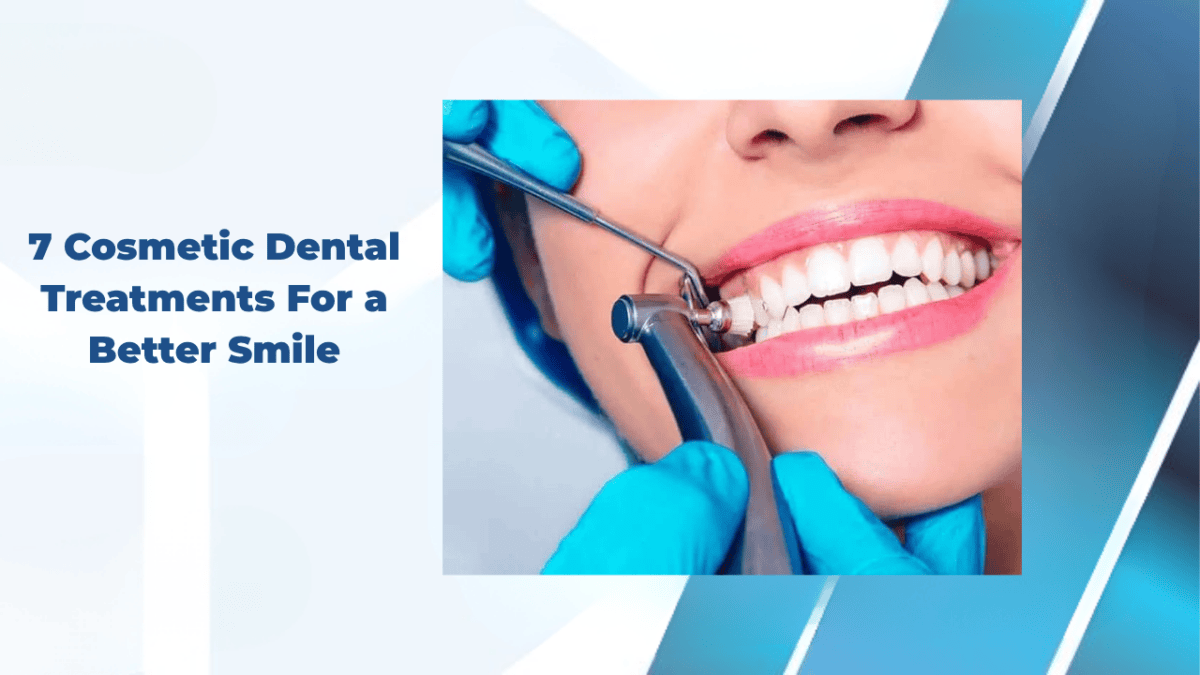
7 Cosmetic Dental Treatments to Help You Achieve a Better Smile

Most people don’t avoid smiling because their teeth are unhealthy. They avoid it because something feels off, a chipped front tooth, a yellow tint that won’t budge, a crowded incisor that hijacks every photo. Almost none of these issues require surgery, and almost all of them have been solved by modern cosmetic dental treatments that didn’t exist a decade ago. The reason most people stay stuck is not money or time. It’s that they’re trying to fix the wrong thing. Whitening a misaligned tooth will not solve the problem. Straightening dull, stained teeth will not deliver the result they pictured. A better smile is not a single treatment.

The Modern Smile Framework: Color, Shape, Alignment

Before the seven treatments, the framework matters more than the list. Most patients arrive asking for the wrong procedure. They want veneers when whitening would solve it. They want whitening when alignment is the real problem.

Every cosmetic dental decision sits in one of three layers. Color controls brightness and uniformity. Shape controls symmetry, edge length, and contour. Alignment controls how teeth sit relative to each other and to your bite. The seven treatments below map cleanly onto this framework, and our experts use it to build every plan we deliver through our cosmetic dentistry services.

1. Professional Teeth Whitening

Professional whitening is the highest-impact, lowest-cost cosmetic dental treatment available, and it’s the right starting point for most patients who think they need something more invasive. In-office formulas use higher peroxide concentrations than anything sold over the counter, and the typical result is four to eight shades brighter in a single visit. Drugstore strips work slowly and only on surface stains, which is why patients who whiten at home for six months often still feel their teeth look dull. They were treating the wrong layer of the tooth. We sequence whitening before any veneer or bonding work because cosmetic restorations don’t change color once placed.

2. Porcelain Veneers

Porcelain veneers are thin ceramic shells bonded to the front of teeth, and they remain the gold standard for transforming shape, color, and symmetry in one treatment plan. Modern porcelain transmits light the way natural enamel does, which is why a well-designed veneer is invisible to anyone who isn’t a dentist. The “fake” look people fear comes from poor shade selection or oversized contours, not from the veneers themselves. The most common mistake we see is patients choosing veneers based on a celebrity photograph rather than their own facial proportions. For patients weighing veneers against alternatives, our breakdown of crowns, veneers, and bridges walks through which restoration fits which clinical situation.

3. Cosmetic Dental Bonding

Cosmetic bonding uses tooth-colored composite resin sculpted directly onto the tooth, usually in a single appointment with no anesthesia and no enamel reduction. It’s the fastest cosmetic dental treatment available, and for the right cases it’s also the most cost-effective, ideal for closing small gaps, repairing chipped edges, or reshaping a single tooth. Composite is softer than porcelain and stains more readily. Most bonded restorations need refinishing within five to seven years, where porcelain veneers can hold up for fifteen or more. Bonding is the right answer when you want a small, fast fix today. Veneers are the right answer when you want a comprehensive result that outlasts a phone, a job, and a lease.

4. Clear Aligners

Clear aligner therapy uses a series of custom, removable trays to shift teeth into a planned position, and it has quietly become the default orthodontic option for adults over thirty. They win on mild to moderate crowding, spacing, minor bite issues, and orthodontic relapse in patients who wore braces as teenagers and watched their teeth drift back. They don’t win on severe bite discrepancies or skeletal issues that require surgical input. Most adult patients we see have already rejected braces on social grounds, then assumed nothing else would work for their case. Our clear aligners page covers candidacy and the full timeline.

5. Dental Crowns

A crown is a full-coverage restoration that caps a damaged or aesthetically compromised tooth, and it solves a category of problems veneers and bonding cannot. When a tooth has a large old filling, a fracture line, or has been root-canal treated, a crown rebuilds the entire visible structure with porcelain or zirconia. Modern all-ceramic crowns match surrounding teeth with the same precision used in veneer cases. The decision point most patients miss: if a tooth is structurally weak, a veneer is the wrong restoration, and a crown is the correct cosmetic choice even when the goal is appearance.

6. Inlays and Onlays

Inlays and onlays sit between a filling and a full crown on the spectrum of tooth coverage. They preserve significantly more natural tooth structure than a crown, while delivering a finish far more aesthetic and durable than a large composite filling. For patients with old amalgam fillings on premolars and molars, swapping them for tooth-colored onlays is one of the highest-impact cosmetic upgrades available. Across most consultations we run, the patients asking about whitening their front teeth often have visible silver fillings that show in every laugh photo. Addressing those with onlays delivers a more complete improvement than whitening alone.

7. Gum Contouring

The frame of a smile is the gum line, and an uneven or excessive gum line will undermine even perfectly shaped teeth. Gum contouring uses precision laser techniques to reshape soft tissue, raise short-looking teeth, and reduce a “gummy smile.” Most cases are completed in one visit under local anesthesia. The human eye reads symmetry before color or shape, which is why correcting the frame can transform smile aesthetics without touching the teeth themselves. Soft tissue work integrated with veneer or alignment cases is covered in our guide to proven smile makeover techniques.

How to Choose the Right Cosmetic Dental Treatment

A genuine cosmetic consultation is not a sales pitch for veneers. It’s a structured assessment of color baseline, shape proportions, alignment status, gum architecture, and bite function, followed by a digital preview of your end result. If you’ve been quoted a single procedure without that full assessment, you’ve been quoted a treatment, not a plan. Our deeper walkthrough of the smile transformation process with cosmetic dentistry explains how that planning sequence runs in practice. The smile you want is rarely one treatment away. Book a cosmetic consultation with our team, and we’ll show you exactly what’s possible for your smile before any treatment begins.

FAQ Section

1. How do I know which cosmetic dental treatment is right for me?

Identify which layer of your smile is the actual issue, color, shape, or alignment. Whitening fixes color. Veneers, bonding, crowns, and onlays address shape and structure. Clear aligners address alignment. A digital cosmetic consultation maps your current smile against your ideal end result and recommends the smallest combination of treatments to close the gap.

2. Are cosmetic dental treatments safe and long-lasting?

Yes, when delivered by a clinician with cosmetic training and current materials. Veneers and crowns commonly last 15 years or longer. Whitening results typically hold for 12 to 24 months with maintenance. Bonding lasts 5 to 7 years on average. Longevity depends as much on planning and aftercare as on the procedure itself.

3. How much do cosmetic dental treatments cost in the United States?

Costs vary by procedure and complexity. Professional whitening typically ranges from $300 to $800. Porcelain veneers usually fall between $1,200 and $2,500 per tooth. Bonding is among the most affordable at $300 to $600 per tooth. Comprehensive smile makeovers are quoted as a complete plan, and most clinics offer financing.

4. Can I combine multiple cosmetic dental treatments in one plan?

Combining treatments is the rule, not the exception. A typical plan might sequence whitening first, then aligner therapy, finished with veneers or bonding. Sequencing matters because cosmetic restorations don’t change color once placed, and alignment changes how each tooth needs to be shaped.

5. How long does it take to see results from cosmetic dental treatments?

Whitening, bonding, and gum contouring show their full effect in a single visit. Veneers and crowns typically take two to three weeks from preparation to placement. Clear aligner therapy runs 6 to 18 months depending on complexity. Most comprehensive smile makeovers complete within 3 to 6 months.

Why Professional Teeth Whitening Works Better Than DIY Kits

You’ve tried the strips. Maybe the LED kit from Amazon. Possibly that charcoal paste your cousin swore by. Two weeks in, the mirror still tells the same story: dull yellow shadows along the enamel, patchy spots where the gel pooled, and gums that sting every time you sip something cold. The drugstore aisle promised a Hollywood smile. What it delivered was frustration.

Here’s what most people miss. The issue isn’t your effort—it’s the chemistry. DIY kits are limited to low peroxide levels for safety, which means they’re made to work for everyone, not to deliver strong results for anyone. That gap is exactly where professional teeth whitening stands out.

In many cases, people try at-home solutions for weeks with little change, or end up with uneven results and sensitivity. The pattern is common—initial hope, followed by disappointment. That’s why more people start looking beyond DIY kits for something that actually works, delivers consistent results, and feels worth the time and money.

Why DIY Whitening Falls Short

DIY kits underperform because they use weak active ingredients, apply them through one-size-fits-all delivery systems, and have no way to protect your gums or measure your starting shade.

Most over-the-counter strips use 3 to 10 percent hydrogen peroxide. Professional treatments use formulations up to 40 percent under controlled conditions. That difference isn’t marginal. It’s the difference between a cosmetic glaze and a real shade change documented on a Vita shade scale.

Then there’s the fit. Boil-and-bite trays leak. Strips don’t reach back molars. LED mouthpieces shine on plastic, not on enamel. Across most whitening consultations we run, patients show up with bleached canines and stained molars because the gel never made full contact in the first place.

The 4-Pillar Standard Behind Professional Teeth Whitening

We call it the EthosBright Standard. It’s how every whitening case at our practice gets evaluated before a single drop of gel is applied. Four pillars. No shortcuts.

Pillar 1: Diagnosis Before Treatment

A professional whitening session starts with a clinical exam, not a gel application.

Stains aren’t all the same. Surface stains from coffee, red wine, and tobacco respond to bleaching. Intrinsic stains from tetracycline, fluorosis, or prior root canal therapy don’t, and applying peroxide harder won’t change that. Most failed at-home attempts skipped this diagnostic step entirely. Our comprehensive dental exam evaluates the source first, then builds a plan around what’s actually possible for your enamel.

This is also where we screen for hairline cracks, exposed dentin, untreated decay, or compromised teeth that may need extraction before whitening can safely move forward. Skip the diagnosis, and the kit isn’t whitening your teeth. It’s irritating them.

Pillar 2: Clinical-Grade Concentration

Professional whitening uses higher peroxide concentrations under timed exposure, which is why one in-office session can produce results that take six weeks of drugstore strips to approach.

Research summarized by the American Dental Association consistently shows that supervised in-office bleaching produces the largest single-session shade changes available in dentistry. The reason isn’t magic. It’s controlled chemistry. Higher concentration, isolated application, neutral pH buffers, and timed exposure work together in ways no boxed kit can replicate.

The most common mistake we see in DIY users? Extending wear times to compensate for weaker gel. That doesn’t whiten harder. It dehydrates the enamel and triggers nerve sensitivity that can linger for weeks.

Pillar 3: Enamel and Gum Protection

A clinical session protects the soft tissues most DIY kits damage.

Before any gel touches your teeth, we isolate your gums with a protective barrier and apply desensitizing agents drugstore kits don’t include. After treatment, a fluoride application reseals the enamel surface. The result is a clean shade change without the burning sensation patients describe after using high-volume strips for two weeks straight.

This is the part nobody talks about in whitening ads. The whitening is the easy part. Not damaging the rest of your mouth is the hard part.

Pillar 4: Predictable, Even Results

Custom trays and clinical oversight produce uniform shade changes, which is the difference between a smile that looks naturally white and one that looks like piano keys.

Patchiness comes from uneven gel contact and inconsistent peroxide breakdown. With a custom tray molded to your specific bite, every tooth gets the same exposure for the same duration. In the majority of cases we see, patients who switch from strips to clinical whitening report not just a brighter shade, but a more consistent one across every visible tooth.

What About Cost and Sensitivity?

These are the two reasons people hesitate, and both deserve a straight answer.

Cost: A professional session runs higher than a single drugstore kit. But patients who restart DIY treatments two or three times, chasing results that never lock in, often spend more cumulatively than one in-office visit would have cost. The cheaper option only stays cheaper if it actually works.

Sensitivity: Modern professional gels include potassium nitrate and fluoride to manage nerve response. Most patients report less sensitivity from a supervised session than from two weeks of unsupervised strip use.

Results last longer too. With proper aftercare, including the habits we cover in our top teeth whitening tips for a brighter smile, outcomes from a professional whitening treatment at Ethos Modern Dental typically hold for 12 to 24 months, not 12 to 24 days.

When DIY Makes Sense, and When It Doesn’t

DIY works for one situation: healthy enamel, no decay, surface staining only, and a willingness to accept incremental, uneven results over weeks. That’s a narrow use case.

For everyone else – patients with sensitivity, intrinsic staining, existing restorations, deadlines like a wedding or photoshoot, or a history of frustrating drugstore attempts – the math tips toward professional treatment fast. Whitening also pairs well with broader cosmetic dentistry work when the goal is a full smile transformation rather than a shade lift alone.

A whitening result that lasts two years beats one that washes out in two weeks every time.

Ready for a Smile That Actually Holds Its Shade?

If you’ve tried three kits and you’re still hiding your teeth in photos, the issue isn’t your effort. It’s the tools. Our team in Edinburg, TX has guided patients through clinical whitening that’s faster, safer, and more even than anything sold off a shelf.

Book your professional teeth whitening consultation at Ethos Modern Dental and let’s see what shade your enamel can actually reach.

FAQ

1. How is professional teeth whitening different from DIY kits?

Professional teeth whitening uses higher peroxide concentrations (up to 40 percent) applied through custom-fitted trays under clinical supervision. DIY kits use weaker formulations (3 to 10 percent) in generic delivery systems with no enamel protection or shade diagnosis.

2. How long does professional teeth whitening last?

With proper aftercare, results from professional teeth whitening typically last 12 to 24 months. DIY kit results often fade within weeks because the shade change is shallower to begin with.

3. Is professional teeth whitening safe for sensitive teeth?

Yes. Clinical whitening sessions include desensitizing agents like potassium nitrate and fluoride that DIY kits don’t provide. Most patients report less sensitivity from supervised in-office whitening than from extended drugstore strip use.

4. Why do my teeth look patchy after using whitening strips?

Strips and generic trays don’t make uniform contact across every tooth, especially molars. The gel works where it touches and skips where it doesn’t, producing the streaky look most DIY users report.

5. Will professional teeth whitening damage my enamel?

Not when performed by a trained dentist. Clinical protocols include pH-balanced gels, gum isolation, and post-treatment fluoride application specifically to protect enamel. The risk profile is far lower than uncontrolled DIY use over extended periods.

6. Can I get professional teeth whitening in Edinburg, TX?

Yes. Ethos Modern Dental in Edinburg, TX offers clinical-grade whitening with custom trays, supervised in-office sessions, and full aftercare guidance.

7. How quickly will I see results from professional whitening?

Most patients see a noticeable shade change after a single in-office session, typically lasting 60 to 90 minutes. DIY kits can take four to six weeks of consistent daily use to approach a similar result, if they get there at all.

Missing Teeth? Here’s How Dental Implants Can Change Your Smile

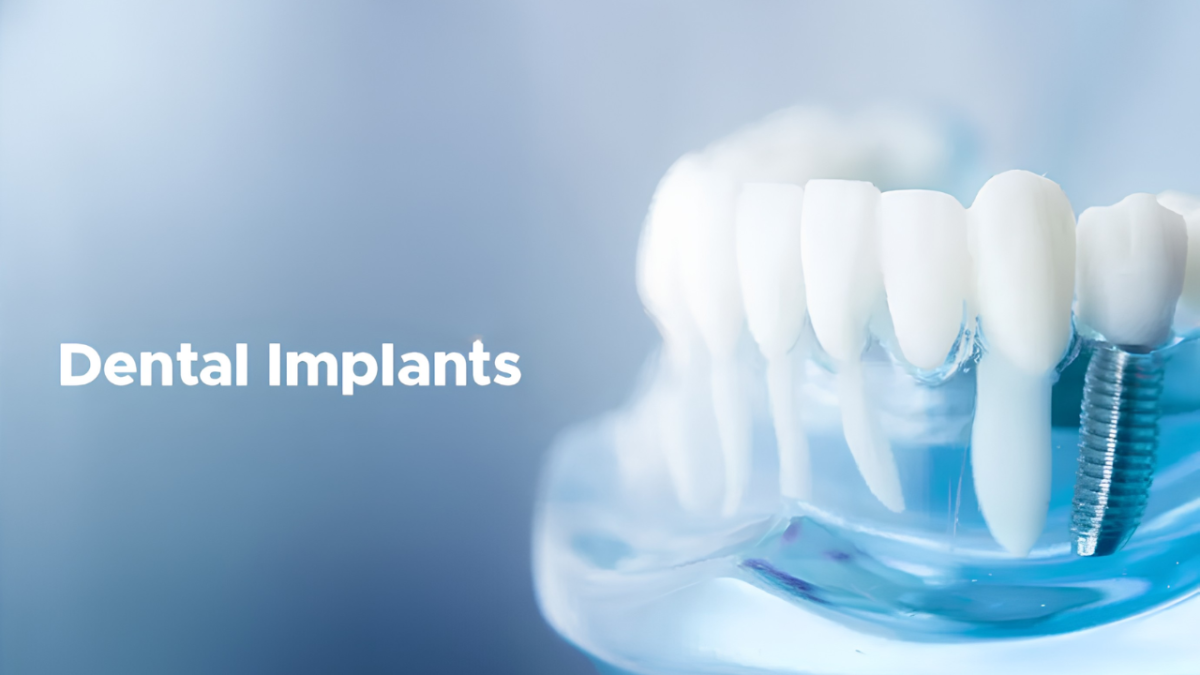
Dental implants are titanium posts surgically placed into the jawbone to replace missing tooth roots, then topped with a custom crown to function and look like a natural tooth. For adults missing one or more teeth, they’re the only replacement option that restores the full structure of a tooth — root included — instead of just covering the gap.

Most people considering implants aren’t asking what they are. They already know. The real question they’re sitting with is harder: Am I actually a candidate? Will this hurt? Is it worth the cost? What happens if I just leave the gap alone?

This article answers those questions directly — without the brochure language, without the upsell, and without pretending implants are right for everyone. They’re not. But for the people they are right for, the difference between getting them and waiting another five years is enormous, and almost nobody explains why.

What Actually Happens When You Lose a Tooth

A missing tooth is not a static problem. It’s the start of a slow chain reaction that gets more expensive to fix the longer you wait.

Within the first 12 months after losing a tooth, four things start happening simultaneously:

  • The jawbone underneath the empty socket begins to resorb — losing roughly 25% of its width in the first year alone
  • Adjacent teeth start tipping into the empty space because they no longer have a neighbor to brace against
  • The opposing tooth over-erupts — drifting downward (or upward) because nothing is meeting it during chewing
  • The bite shifts, often quietly, until something else starts to hurt

This is why “I’ll deal with it later” is the most expensive sentence in dentistry. The longer the gap stays open, the more bone is lost, the more teeth shift, and the more reconstructive work the eventual fix requires. A patient who replaces a tooth six months after losing it gets a different procedure — and a different price — than the same patient five years later.

Implants vs. Bridges vs. Dentures: The Real Comparison

Most patients compare replacement options by counting features. That’s the wrong comparison. The real one is what each option actually delivers across four dimensions:

Restores Function Preserves Bone Maintains Face Shape Lasts 25+ Years
Implants
Bridges Partial Replacement at ~10–15 yrs
Dentures Partial Reline/replace every 5–8 yrs

Implants are the only option that delivers across all four. The rest of this article explains why — and how to know if you’re a candidate.

The Implant Readiness Check: 5 Questions That Actually Matter

Most “are you a candidate” content online is a marketing checklist designed to qualify everyone. The honest answer is more nuanced. Run yourself through these five questions before any consultation — your answers will tell you more than any sales pitch.

Question 1: Is your jawbone ready?

Implants need adequate bone density at the implant site. The longer a tooth has been missing, the more bone has resorbed — and the more likely you’ll need a bone graft before the implant goes in.

What this looks like in practice:

  • Recently lost tooth (under 6 months): Bone is usually intact. Direct implant placement likely.
  • Missing 1–3 years: Some bone loss likely. Most patients still qualify; sometimes a minor graft.
  • Missing 5+ years: Bone graft commonly required. Adds 3–6 months to the timeline.
  • Long-term denture wearer: Significant bone loss is the norm. Grafting or zygomatic implants may be needed.

Not being “bone-ready” doesn’t disqualify you. It just means an additional step.

Question 2: Are your gums healthy?

Active gum disease is the single biggest reversible cause of implant failure. Implants placed in inflamed tissue have dramatically higher failure rates — and any reputable dentist will treat the gum disease first before placing the implant. This is non-negotiable. If your dentist offers to skip this step, find a different dentist.

Question 3: Are you healthy enough for minor oral surgery?

Implant placement is minor surgery — but still surgery. Conditions that complicate (but rarely disqualify) candidacy include:

  • Uncontrolled diabetes (controlled diabetes is fine)
  • Active cancer treatment, especially radiation to the jaw
  • Long-term high-dose bisphosphonate use
  • Heavy smoking — significantly raises failure rates and many surgeons require a quit plan first

Most chronic conditions just require coordination with your physician, not a “no.”

Question 4: Are your expectations honest about the timeline?

Implants are not a same-day fix for most cases. The full process — from initial placement through final crown — typically runs 3 to 6 months. That timeline exists because the bone needs to fuse to the titanium post (osseointegration) before the crown can bear load.

There are same-day implant protocols for select cases, but they’re not the standard, and they’re not always the right call clinically. If a same-day timeline is critical for you, ask specifically — but don’t assume it’s available for your case.

Question 5: Are you comparing the right cost?

Most patients evaluate implants against the upfront cost of a bridge or denture and conclude implants are “expensive.” That’s the wrong comparison. The honest comparison is total cost over 25 years, including replacements, bone-loss complications, and the eventual cost of fixing the consequences of the cheaper option.

Implants almost always win that math. They just require a higher upfront commitment.

The Bone Argument Nobody Explains Well

This is the most under-explained advantage of implants — and arguably the most important one.

When you chew with a natural tooth, the root sends compressive force into the jawbone. That force is what tells your body to keep building bone there. Take the root away, and the signal stops. The bone shrinks.

Bridges don’t fix this. Dentures don’t fix this. Both sit on top of the gum and ignore the bone underneath, which keeps shrinking year after year. Long-term denture wearers eventually get the sunken-cheek look not because they’re aging — because their jawbone has melted away beneath an appliance that never replaced what was missing.

Implants are the only replacement option that restores root function. The titanium post integrates with the bone, restoring the compressive signal and stopping the bone loss in its tracks.

What “Looking Younger” Actually Means

Most cosmetic dentistry promises a better smile. Implants quietly do something rarer — they reverse the structural changes that make a face look older.

The lower third of the face is held up by the bone of the jaw. When that bone shrinks, the cheeks hollow, the lips thin, and the chin starts to look closer to the nose than it used to. Patients describe the result as “I look tired even when I’m not.” It’s not a wrinkle issue — it’s a foundation issue.

Replacing missing teeth with implants preserves the architecture of the lower face in a way no cream, filler, or cosmetic procedure can match. For patients who’ve worn dentures for years, cosmetic dental treatments layered on top of implant-supported restorations can produce results that look two decades younger than what they had a year prior.

When the Wait Becomes the Real Cost

The biggest reason patients delay implants isn’t fear of the procedure. It’s the cost. And that hesitation is rational on the surface — implants are not cheap.

But the math gets more honest when you compare replacing now to replacing in five years. By year five, additional bone loss often means a bone graft is now required before the implant can be placed. Adjacent teeth may have shifted enough to need orthodontic correction first. The opposing tooth may have over-erupted to the point of needing its own crown.

The procedure that cost X today often becomes 1.5–2X by year five — not because prices went up, but because the case became more complex.

For patients worried about upfront cost, flexible financing options exist specifically because the replacement-now math beats the wait-and-see math nearly every time.

Replace the Tooth. Reset the Trajectory.

Missing teeth aren’t just cosmetic. They’re the start of a structural cascade that gets harder and more expensive to reverse the longer it runs. Implants stop that cascade — and for the right candidate, do something no other replacement option can: restore function, preserve bone, maintain facial structure, and last 25+ years.

If you’ve been managing around a missing tooth — chewing on one side, hiding it in photos, telling yourself you’ll deal with it eventually — the most expensive part of that strategy is the part you can’t see: the bone that’s quietly disappearing while you wait. Book a consultation online and find out where you actually stand before the next year of bone loss starts.

Frequently Asked Questions

1. How long do dental implants last?

With good oral hygiene, dental implants typically last 25+ years — often a lifetime. The crown on top may need replacement after 15–20 years.

2. Does getting a dental implant hurt?

The procedure itself is done under local anesthesia and is no more uncomfortable than getting a filling. Most patients report soreness for 2–4 days afterward — well-controlled with over-the-counter pain medication.

3. What does a dental implant actually cost?

A single implant in the U.S. typically ranges from $3,000 to $5,000 all-in (implant, abutment, and crown), depending on case complexity, location, and whether bone grafting is needed.

4. Can I get an implant if I’ve been missing the tooth for years?

Often yes — but the longer the tooth has been missing, the more likely you’ll need a bone graft first to rebuild adequate bone density at the site.


All-in-One Dental Care Services for Families & Individuals

All-in-one dental care services for families and individuals are a single-practice care model where preventive, restorative, cosmetic, replacement, and emergency dentistry are delivered by one in-house team. From the first set of routine cleanings through complex tooth replacement, every stage of care is handled in one place — eliminating the referral chains and scheduling chaos that fragment most patients’ care.

Most people don’t notice how broken that fragmentation has become until something goes wrong. Cleanings happen in one office. The crown gets done somewhere else. The kids see a different dentist altogether. Then a tooth cracks on a Saturday night, and suddenly nobody has the records, nobody has the history, and nobody can see you until Tuesday.

That’s the gap genuine all-in-one care closes — not as a marketing line, but as a structural advantage. When prevention, restoration, replacement, aesthetics, and emergency response all live under one roof, treatment decisions get sharper, costs get cleaner, and care actually gets continuous. The framework below defines what real comprehensive care looks like — and what to look for when choosing a practice for your whole household.

What Fragmented Dental Care Actually Costs You

Most dental headaches are not clinical. They’re logistical. The problem isn’t access to good dentistry — it’s that dental care has been quietly trained to specialize so narrowly that the patient ends up as the project manager.

In practice, that looks like:

  • Driving across town for a procedure that should have happened in-house
  • Repeating your medical history four times for the same case
  • Faxing X-rays between offices that don’t share systems
  • Getting contradictory treatment plans from two providers who never spoke
  • Paying twice for the same diagnostic work

What fixes this isn’t a longer list of services on a website. It’s a single team that owns your entire mouth — from the first cleaning to the last implant — and treats it as one continuous case file.

The Single-Roof Standard: 5 Pillars of All-in-One Dental Care

A practice either covers all five pillars in-house, or it doesn’t. There is no half-version.

Genuine all-in-one care isn’t measured by how many services a website lists. It’s measured by whether five things work together inside the same practice:

  1. Prevention
  2. Restoration
  3. Replacement
  4. Aesthetics
  5. Emergency Response

Each pillar is a real category of care most families will need across a lifetime. Skip one, and you’re back to managing referrals.

1. Prevention: Where Every Family’s Smile Either Holds or Cracks

Prevention is the cheapest dentistry you’ll ever pay for. A routine dental exam twice a year catches problems before they need crowns, root canals, or extractions.

Most families undervalue this layer because the math feels invisible. There’s no flashing payoff. But the guidance from the American Dental Association is unambiguous: routine preventive visits dramatically reduce lifetime restorative costs.

To make the math visible, look at the same untreated cavity at three different stages:

  • Month 6: Small filling. One visit. Minimal cost.
  • Year 2: Root canal followed by a crown. Multiple visits. Significant cost.
  • Year 4: Tooth cracks beyond saving. Extraction, then implant or bridge. Months of treatment, multiplied cost.

What actually moves the needle for most families is consistency — getting every member on the same recall schedule, with the same provider, looking at the same chart over time. That continuity is the real product of preventive care.

2. Restoration: Fixing What’s Already Started Breaking

Restoration covers the work most patients dread but eventually need: fillings, root canals, crowns, bridges, and tooth extractions when a tooth can’t be saved.

The biggest mistake here isn’t choosing the wrong treatment. It’s delay. A cracked tooth left alone for six months almost never stays a small problem. Patients tell themselves it’ll heal, that the sensitivity will pass, that the discomfort isn’t bad enough yet. By the time it is, the window for a simple repair has closed. A small fracture has become a deeper crack. The crack has reached the nerve.

Same tooth. Three times the cost. Three times the chair time.

A unified practice shortens this loop by collapsing the whole sequence into one place — including crowns and bridges when a tooth needs structural reinforcement after the repair. Same-day diagnostics means:

  • The X-ray, diagnosis, and treatment plan happen in the same visit
  • The dentist already knows your history — no re-explaining
  • No referral chain or second-opinion drift
  • No 14-day wait while a small problem quietly becomes a big one

3. Replacement: Closing the Gap Before the Mouth Reorganizes

A missing tooth is not just a cosmetic gap. It’s the start of a slow, invisible reorganization of your entire mouth.

Within 12 months of losing a tooth:

  • Neighboring teeth drift into the empty space
  • The opposing tooth over-erupts because nothing is meeting it anymore
  • The jawbone underneath resorbs — losing density at the site
  • The bite shifts, often without you noticing until something hurts

The right replacement option — dental implants or a bridge — depends on bone density, the health of adjacent teeth, and budget. The advantage of unified care here is sequencing: the dentist who removed the tooth plans the replacement. No re-explaining your case. No timeline gaps that let the bone shrink before reconstruction begins.

4. Aesthetics: Confidence Is a Clinical Outcome

Cosmetic dentistry gets dismissed as vanity care — until you watch what happens after someone fixes a smile they’ve hidden for twenty years. Confidence shifts. Job interviews go better. Photos stop getting deleted.

Cosmetic treatments — teeth whitening, veneers, and clear aligners — work best when sequenced through the same practice that handles your structural work. Why? Because aesthetics built on top of unresolved decay or an unstable bite quietly fail. The whitening fades fast. The veneers crack. The aligners don’t track properly.

Sequence matters more than service. The order of treatment is what determines whether cosmetic results last five years or fifteen.

5. Emergency Response: The Test of Whether “All-In-One” Is Real

This is where most practices quietly fall short. They list emergency care on the website and then can’t see you for four days.

A real emergency dentistry program isn’t a bullet point on a homepage. It’s an operational standard that includes:

✓ Same-day appointments — not “within the week”
✓ After-hours protocol that’s actually been used, not just published
✓ Direct phone triage with a clinical staff member
✓ Your X-rays and history already in the room when you walk in

When a tooth cracks at dinner on a Friday — or when you wake up with severe tooth pain at 2 a.m. — the practice that already has your history will move twenty times faster than a stranger seeing you cold for the first time.

One Practice. Every Stage of the Smile.

Real all-in-one dental care services aren’t about convenience. They’re about continuity — and continuity is what makes dentistry actually work over a lifetime. The cavity caught early. The crown sequenced before the implant. The emergency was seen the same day. None of those happen by accident. They happen because the same team is watching the whole picture.

If you’ve been managing your family’s dentistry across two or three offices, this is the part to reconsider. Book a consultation online and see what one roof actually changes.

Frequently Asked Questions

1. What do all-in-one dental care services actually include?

All-in-one dental care services include preventive, restorative, replacement, cosmetic, and emergency treatments delivered by the same in-house team — without referrals.

2. Can the same dentist treat children and adults?

Yes — general dentists trained in family practice routinely treat patients of every age, from a child’s first cleaning to adult implants.

3. How often should my family come in?

Most healthy patients should be seen every six months for a dental exam and cleaning.

4. What if we don’t have dental insurance?

You still have options — in-house membership plans, third-party financing, and transparent fee schedules for uninsured patients.

5. What actually counts as a real dental emergency?

Severe tooth pain, facial swelling, a knocked-out or broken tooth, a lost crown exposing the nerve, or bleeding that won’t stop.