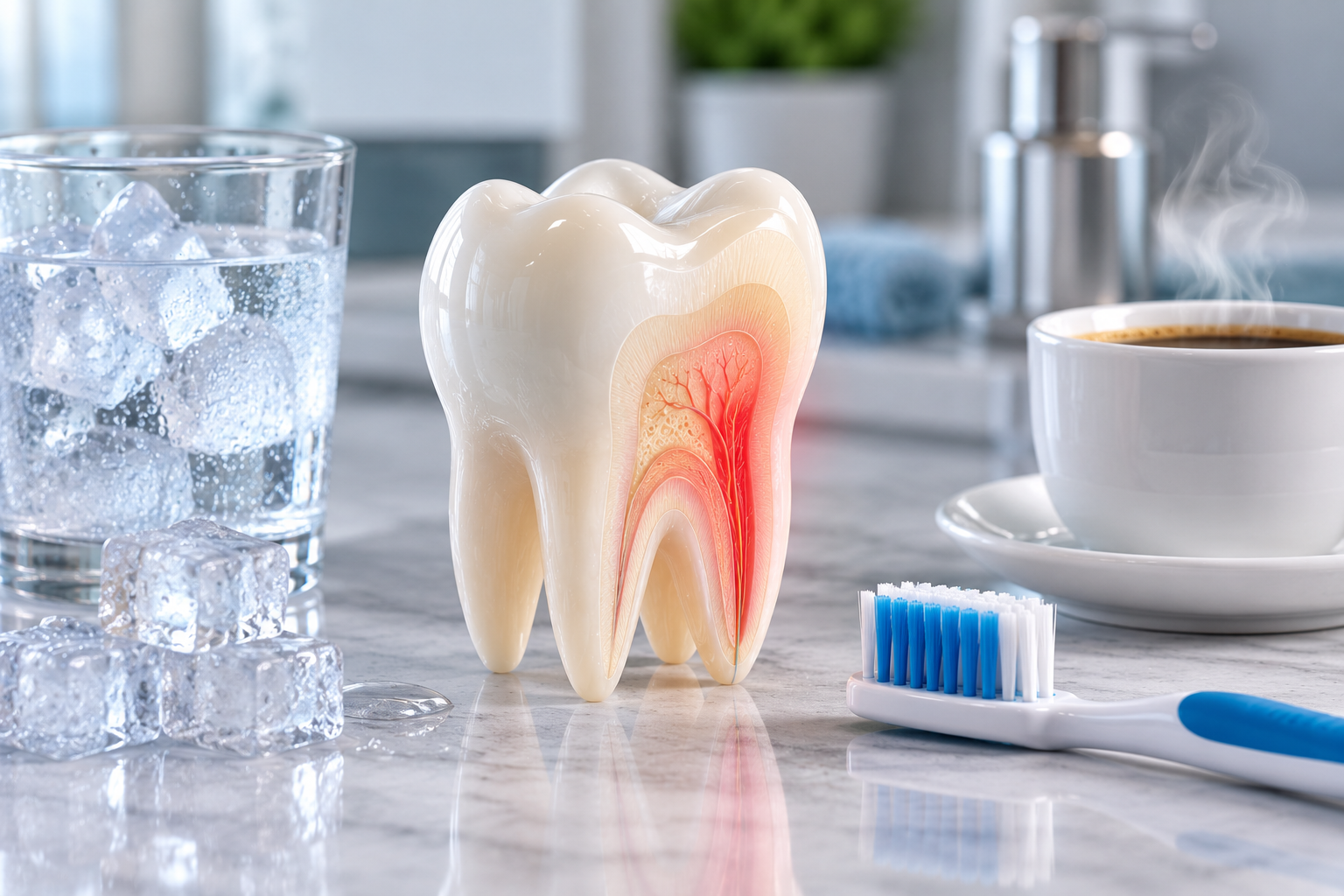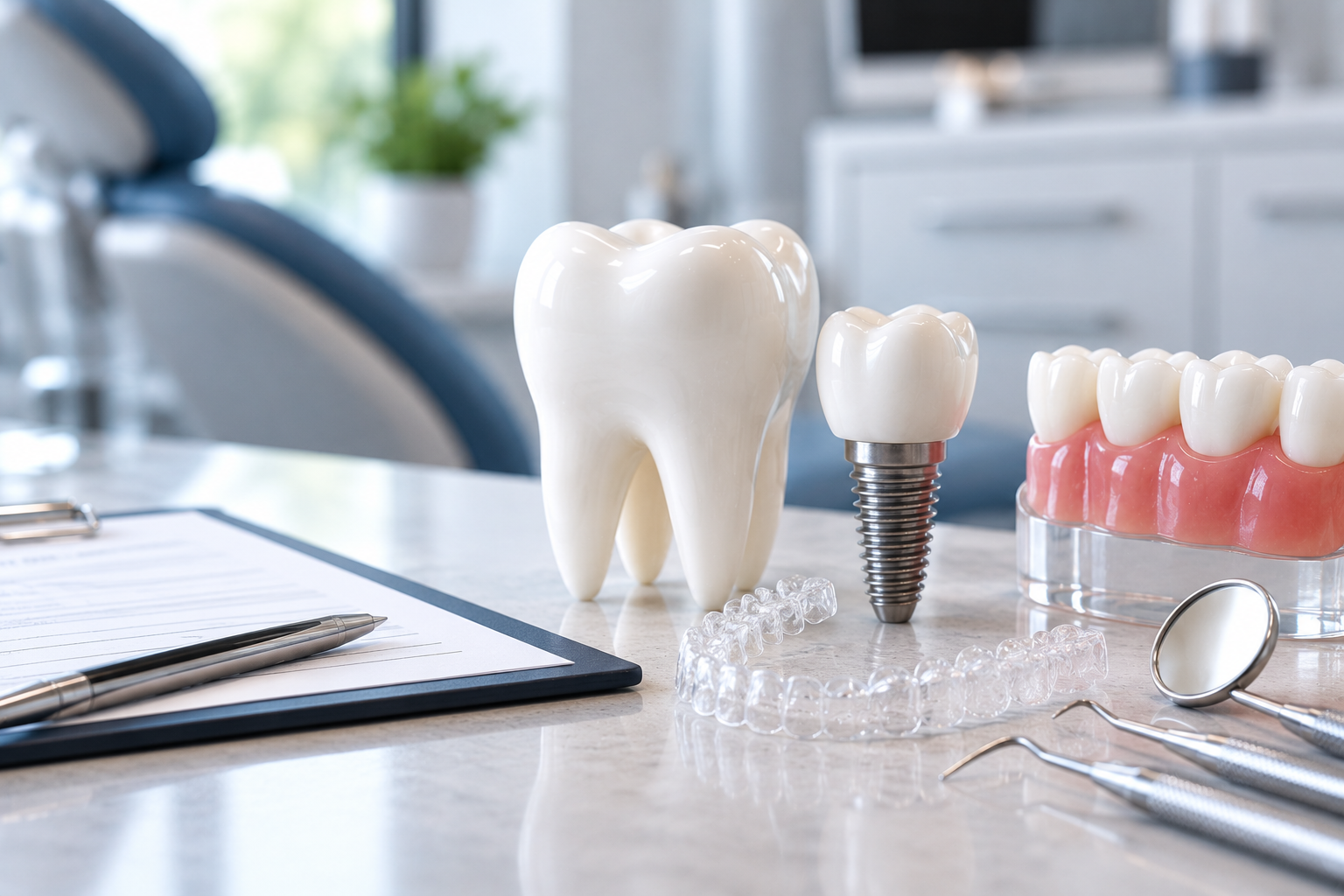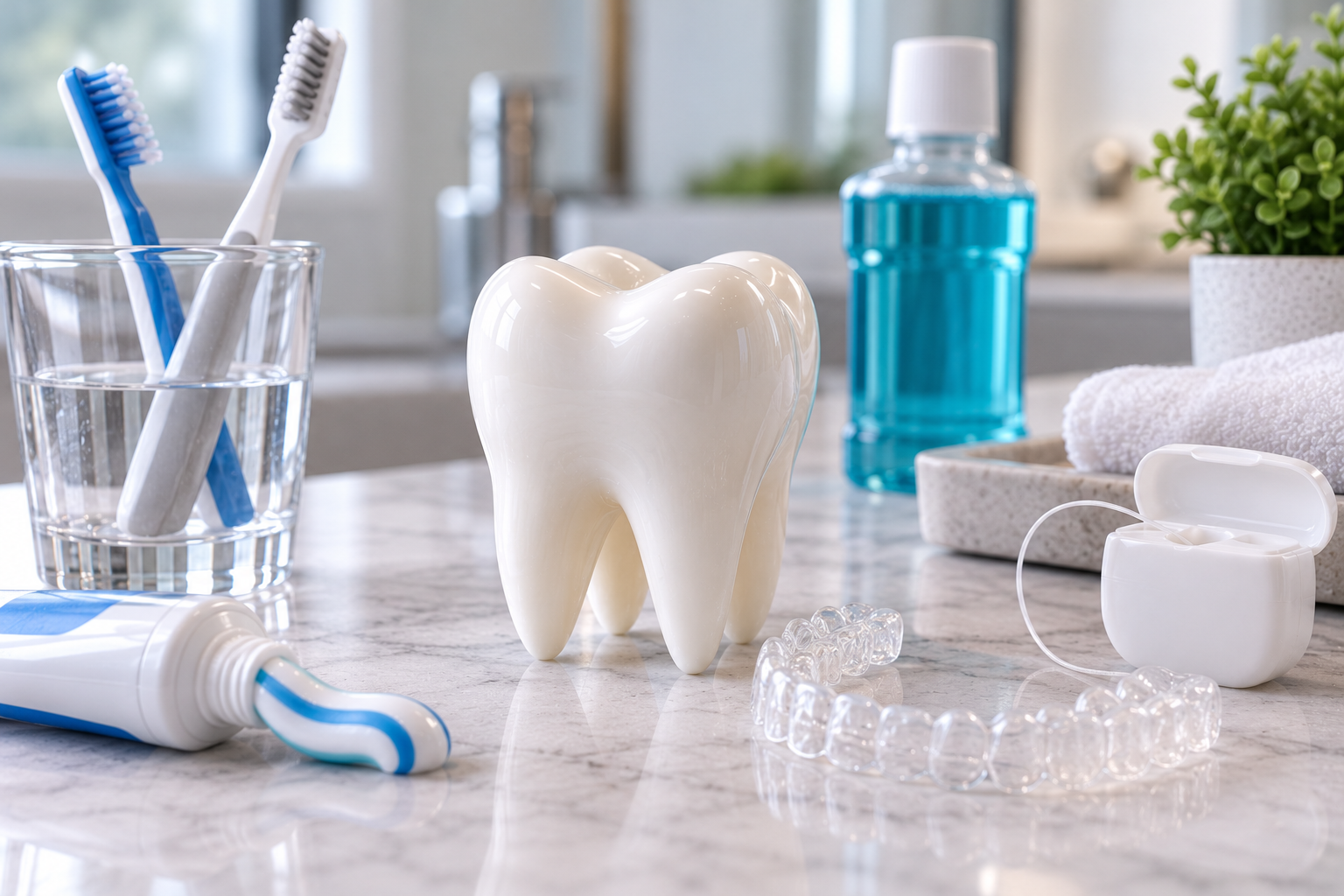
Most enamel damage does not come from one big mistake — it comes from a handful of bad habits for teeth that quietly run through ordinary daily routines, doing damage one small repetition at a time. You brush twice a day, you floss most nights, you skip the soda — and yet check-ups keep turning up new wear, sensitivity, or staining. The reason is usually a few habits that feel harmless at the moment but slowly push your mouth toward tooth cavities, gum problems, and worn-down enamel that no amount of weekend deep-cleaning can undo.
The frustrating part is that none of these habits announce themselves. There is no sharp pain. No alarm. Just slow, repeated stress on the same surfaces, day after day, until one morning a tooth feels sensitive to cold or a small chip appears in the mirror.
The 3 Damage Paths: How Slow Damage Actually Works
Every harmful dental habit hurts your teeth through one of three biological paths. Knowing which path a habit travels makes it much easier to spot it in your own routine and fix it.
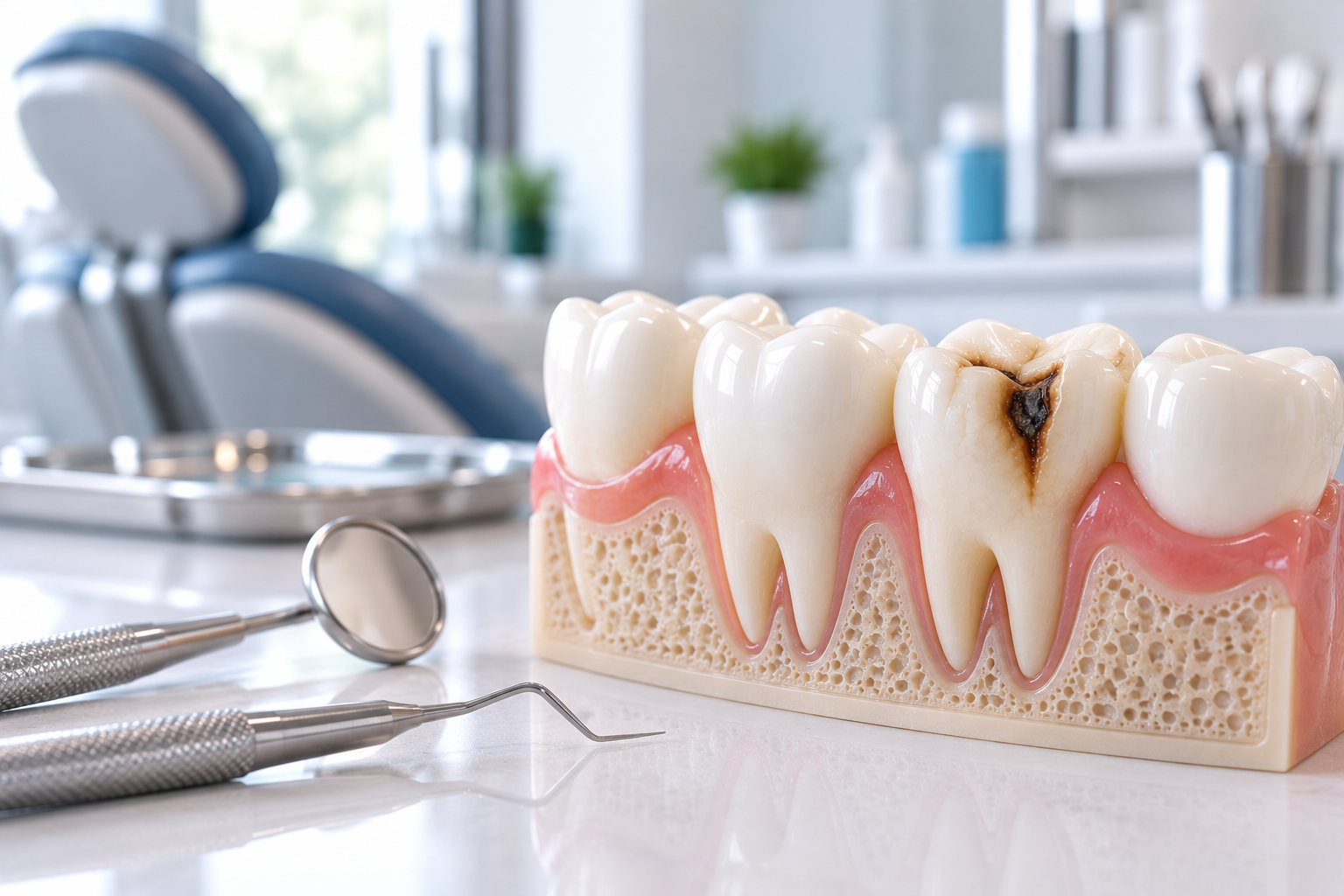
- The Acid Path: Acid softens enamel. Every time the pH in your mouth drops below 5.5, the outer layer of your teeth begins losing minerals. Saliva normally repairs this within 20 to 40 minutes — unless you keep dropping the pH again before it can recover.
- The Force Path: Pressure, friction, and impact wear teeth down mechanically. Enamel is hard, but it is also brittle. Repeated force creates micro-cracks, flat spots, and pushed-back gums.
- The Plaque Path: Bacteria feed on food particles, multiply, and produce acid and inflammation. Soft plaque hardens into tartar within 24 to 72 hours and starts attacking both teeth and gums.
Six common habits keep one of these three paths running every single day. Here they are.
1. Sipping or Snacking All Day Long
The damage is not the sugar itself — it is the frequency. Each time you sip a sweetened coffee, a soft drink, or even fruit juice, the pH in your mouth drops for roughly 30 minutes. Take another sip 20 minutes later, and the recovery clock resets to zero. Your enamel never gets the window saliva needed to push minerals back into the surface and repair it. Someone who finishes a soda in 10 minutes does far less damage than someone who nurses the same soda over two hours. The same logic applies to crackers, chips, dried fruit, and anything that lingers between meals — even healthy snacks count if they keep your mouth working. The fix: drink water between meals, finish drinks in one sitting, and rinse with plain water afterward.
2. Brushing Right After Acidic Food or Drinks
This is one of the most counterintuitive daily habits damaging teeth. After coffee, citrus, wine, or anything acidic, your enamel is in a softened state. Brushing immediately scrubs that softened layer away. Wait at least 30 to 60 minutes after acidic exposure before brushing, so saliva can remineralize the surface first. Rinse with water in the meantime. Then brush.
This is the part most checklists miss. The habit feels responsible. The damage is real.
3. Brushing Too Hard or With a Stiff Brush
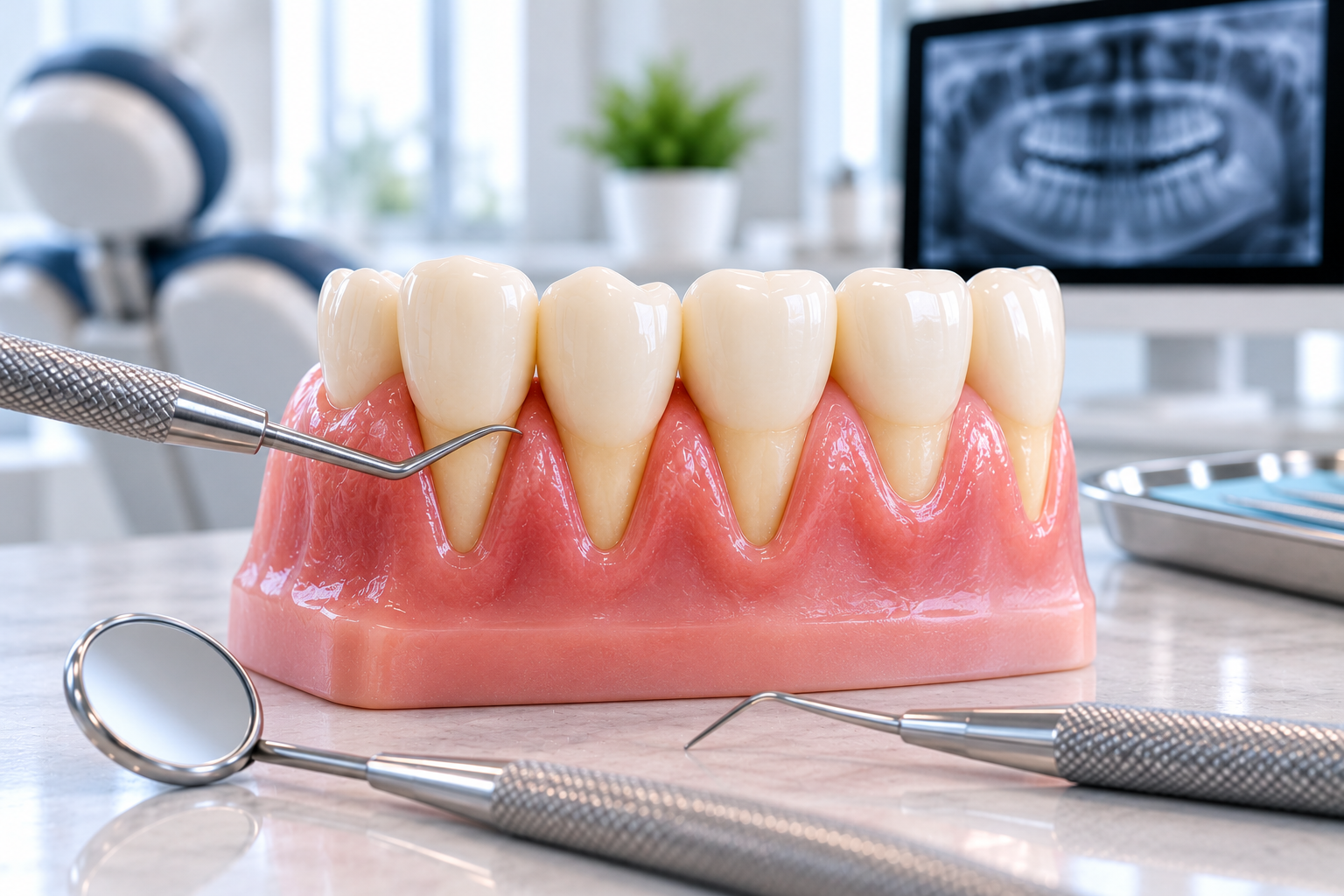
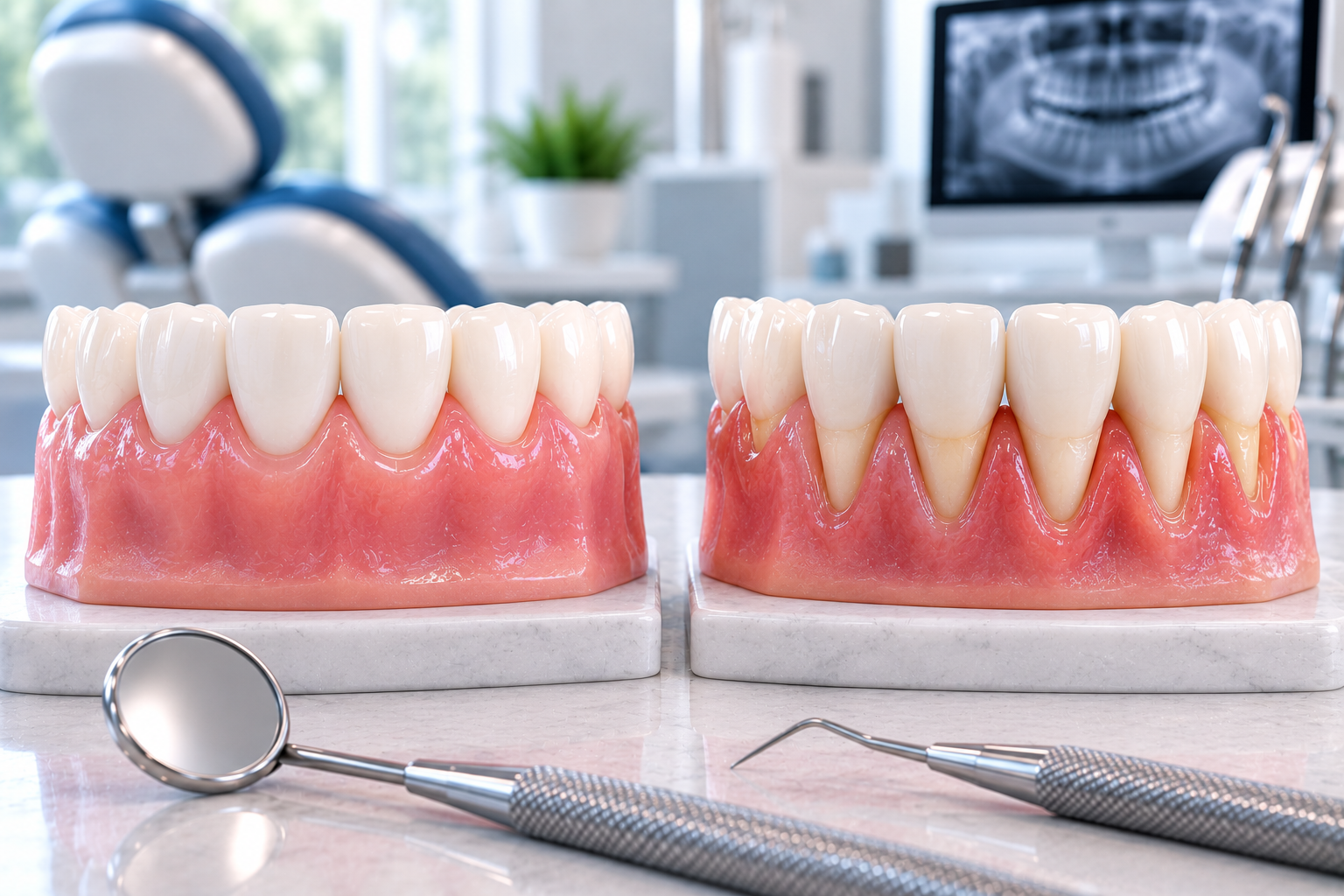
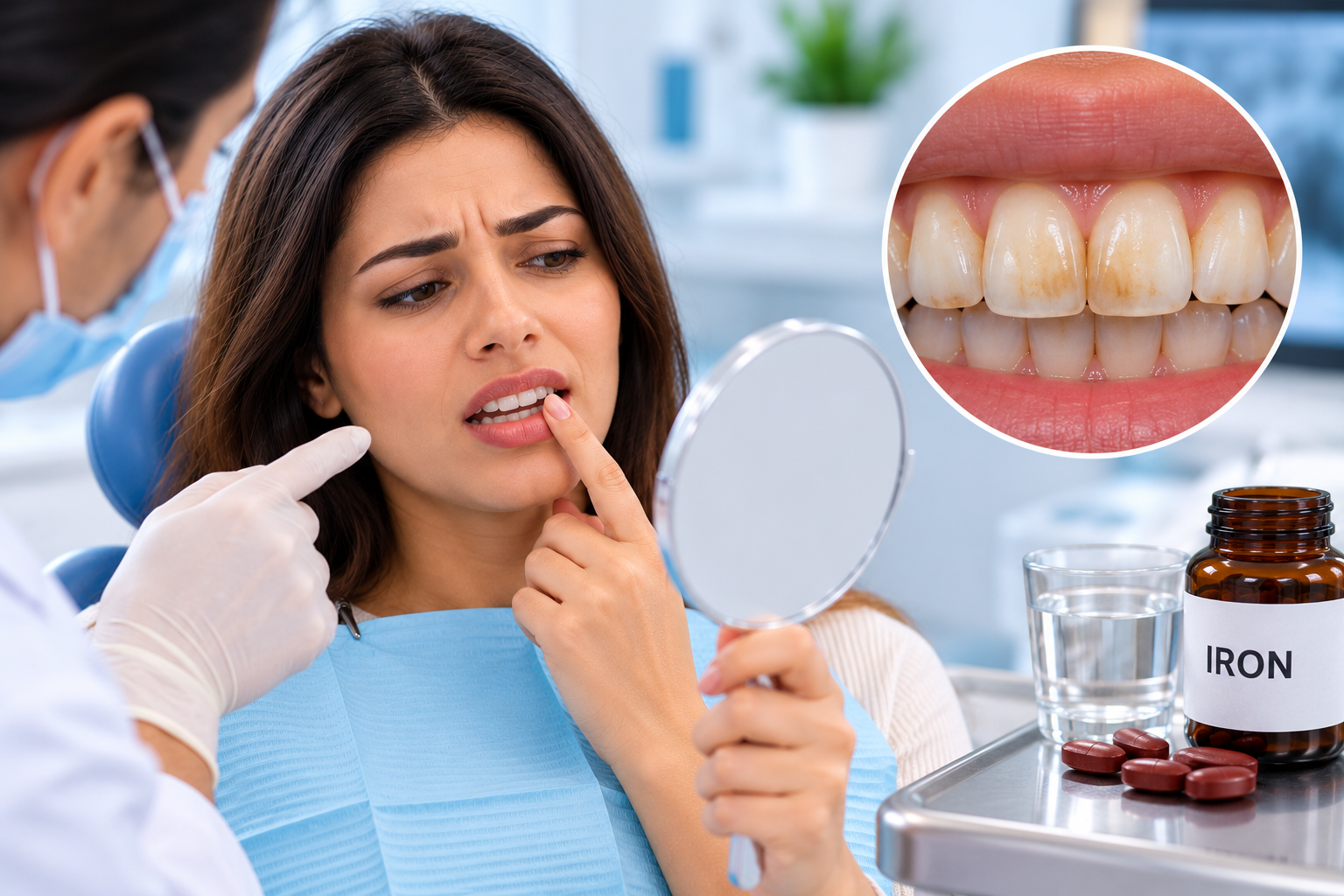
Hard pressure does not clean teeth better — it scrubs enamel off and pushes gums down off the tooth. Over years, this is one of the leading causes of visible recession, yellowing at the gumline (the dentin underneath shows through), and sharp cold sensitivity. The fix is simple but easy to ignore: use a soft-bristled brush, hold it the way you would hold a pen rather than a scrubbing tool, and let small circular motions do the work. Once gum tissue has receded, it does not grow back on its own — and the visible damage often needs cosmetic dentistry to restore the look of the smile.
4. Clenching and Grinding Without Knowing It
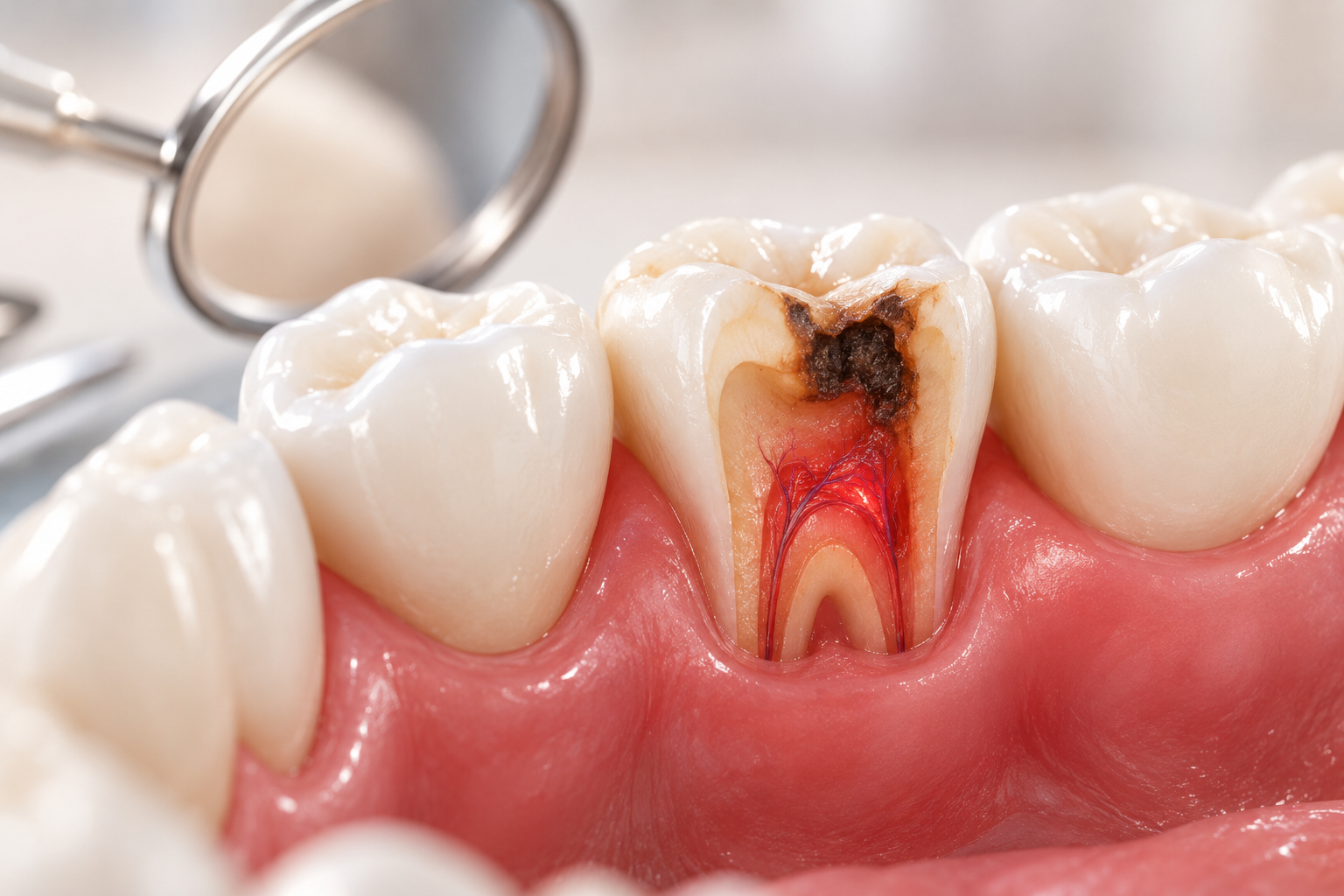
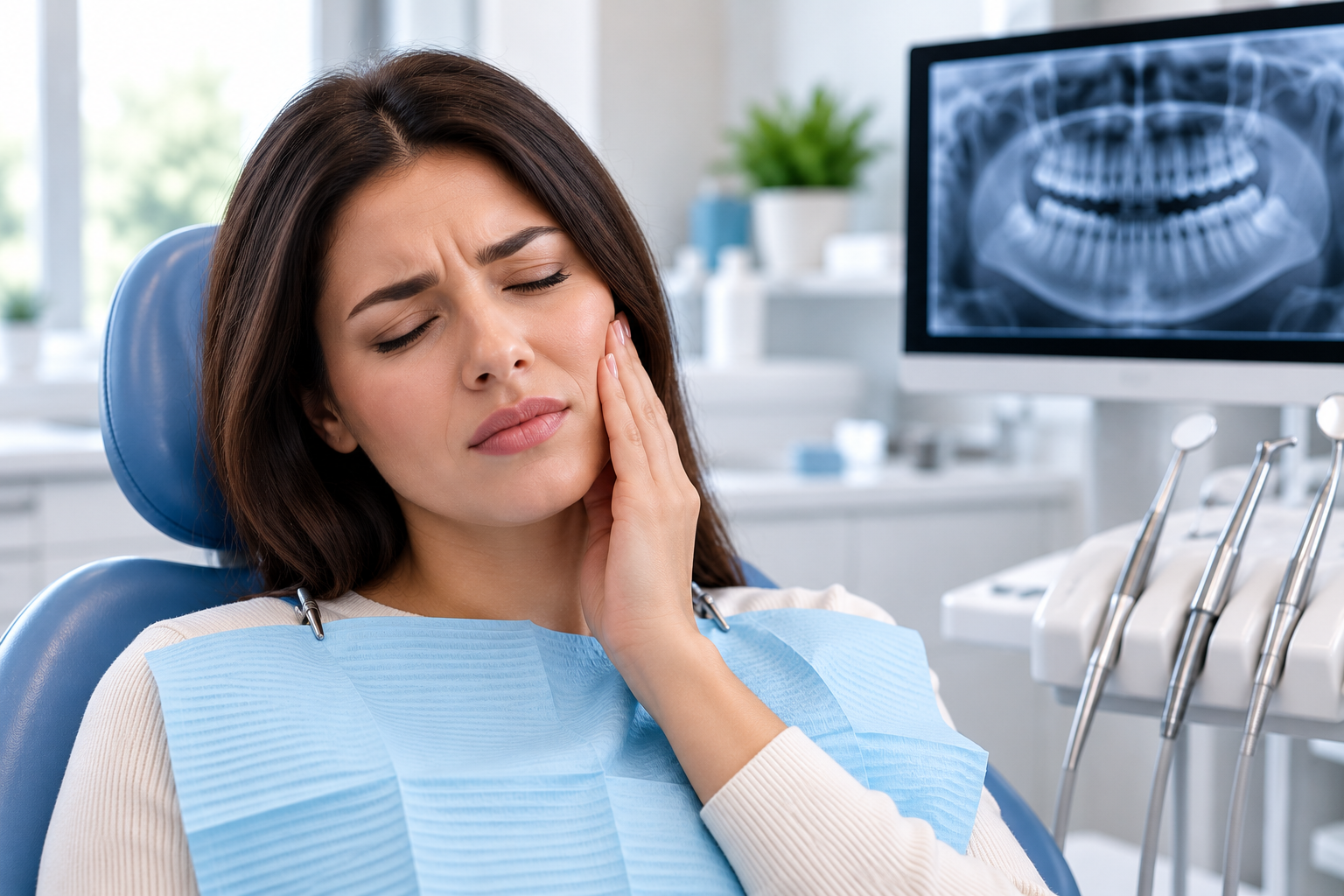
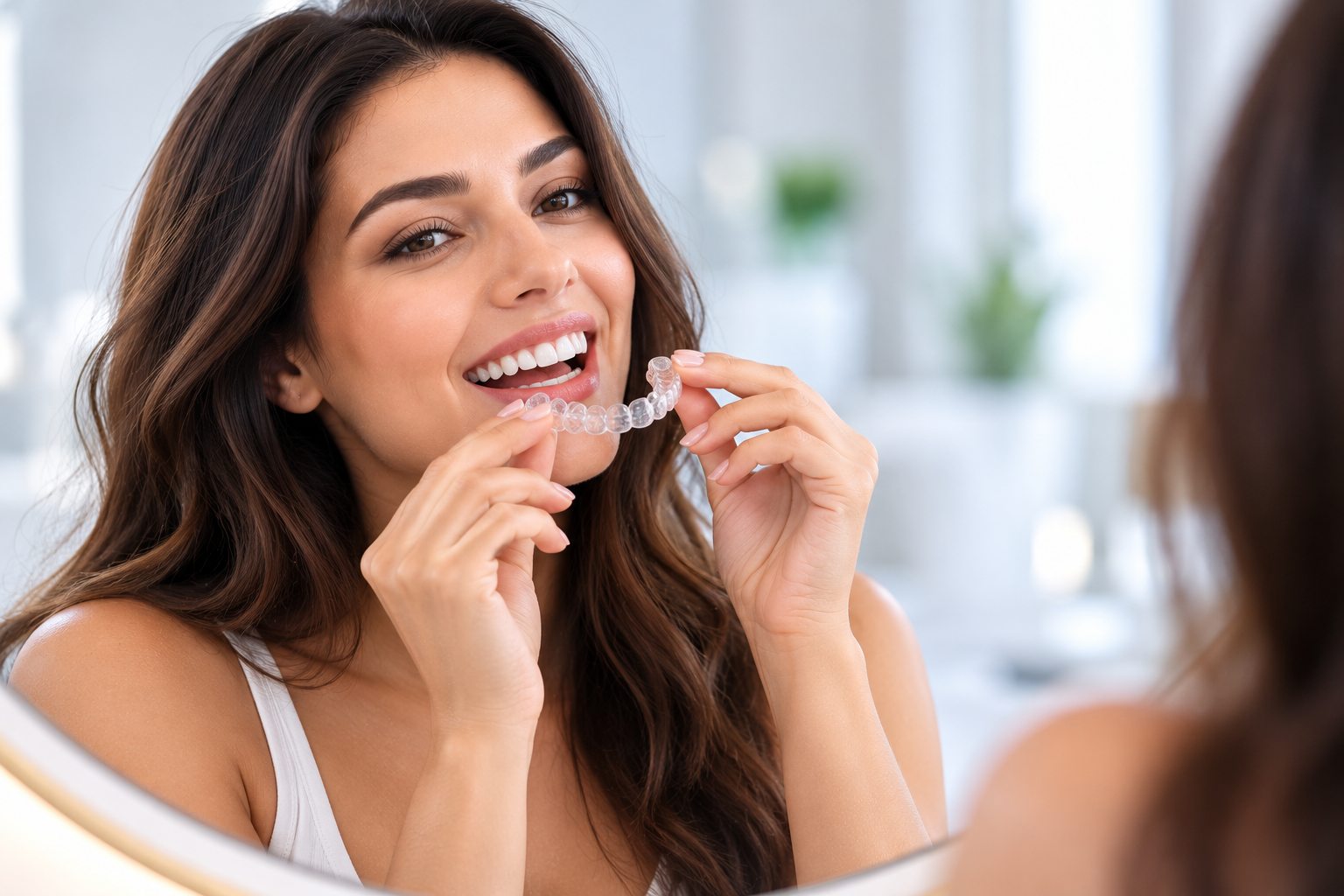
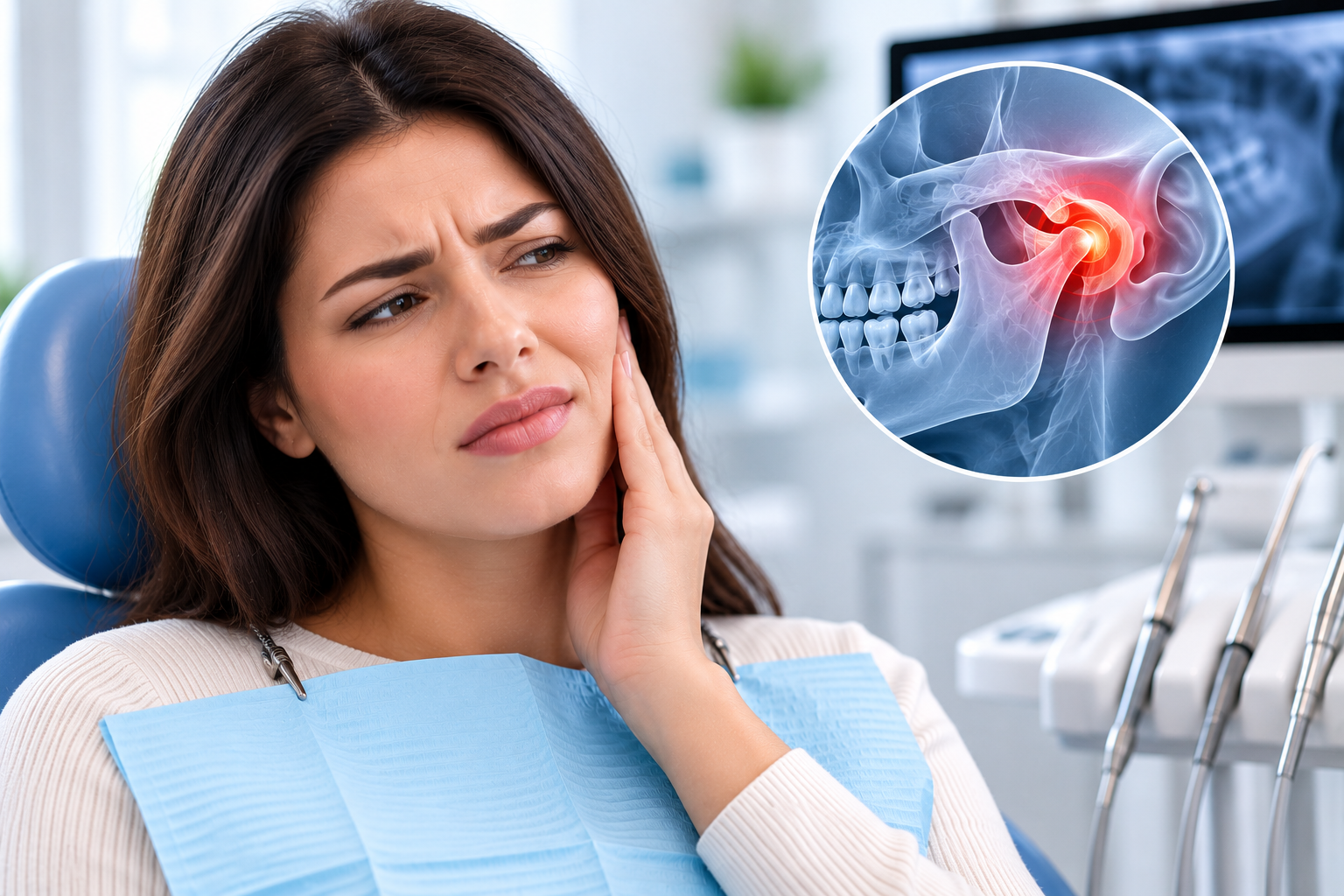
Most people who grind their teeth at night have no idea they are doing it. The signs show up later: jaw tension in the morning, dull headaches that start at the temples, flat-edged front teeth, or sudden sharp pain in a tooth that looks completely fine on the outside. Grinding can apply hundreds of pounds of pressure per square inch through the jaw — far more than chewing food ever does. The Force Path runs hard here. A cracked tooth or sudden sharp pain that will not settle is a dental emergency — not something to wait out, because a fracture exposed to bacteria for even a few days can turn into deep decay or an infected nerve. Over months of unchecked grinding, the long-term result is micro-fractures, worn cusps, and teeth that can split during something as simple as biting a piece of bread or chewing a tough crust. A custom night guard, made by a dentist after a short exam, is one of the highest-leverage interventions in modern dentistry — it absorbs the force and stops years of slow damage in a single step.
5. Skipping Flossing or Rushing Through It
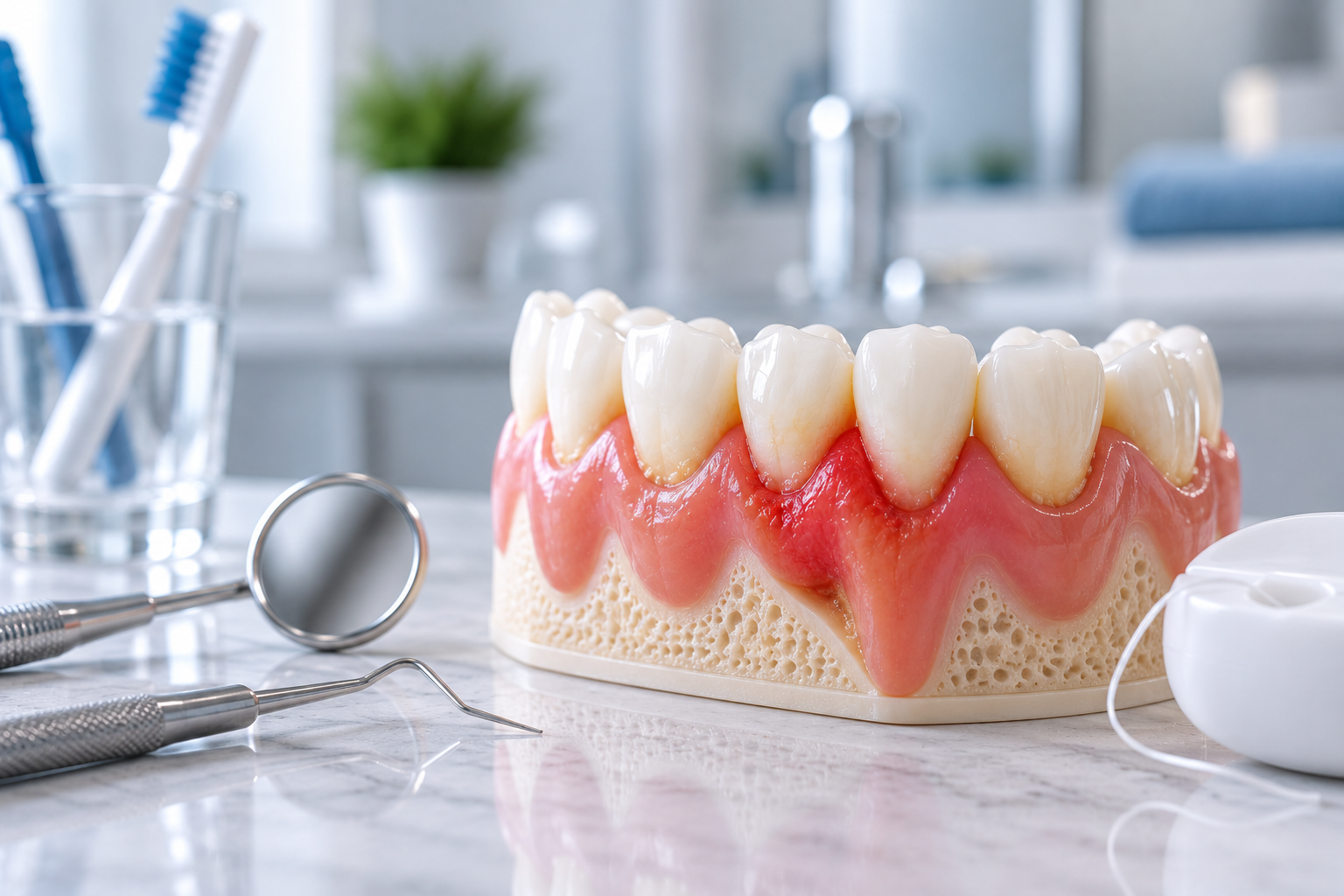
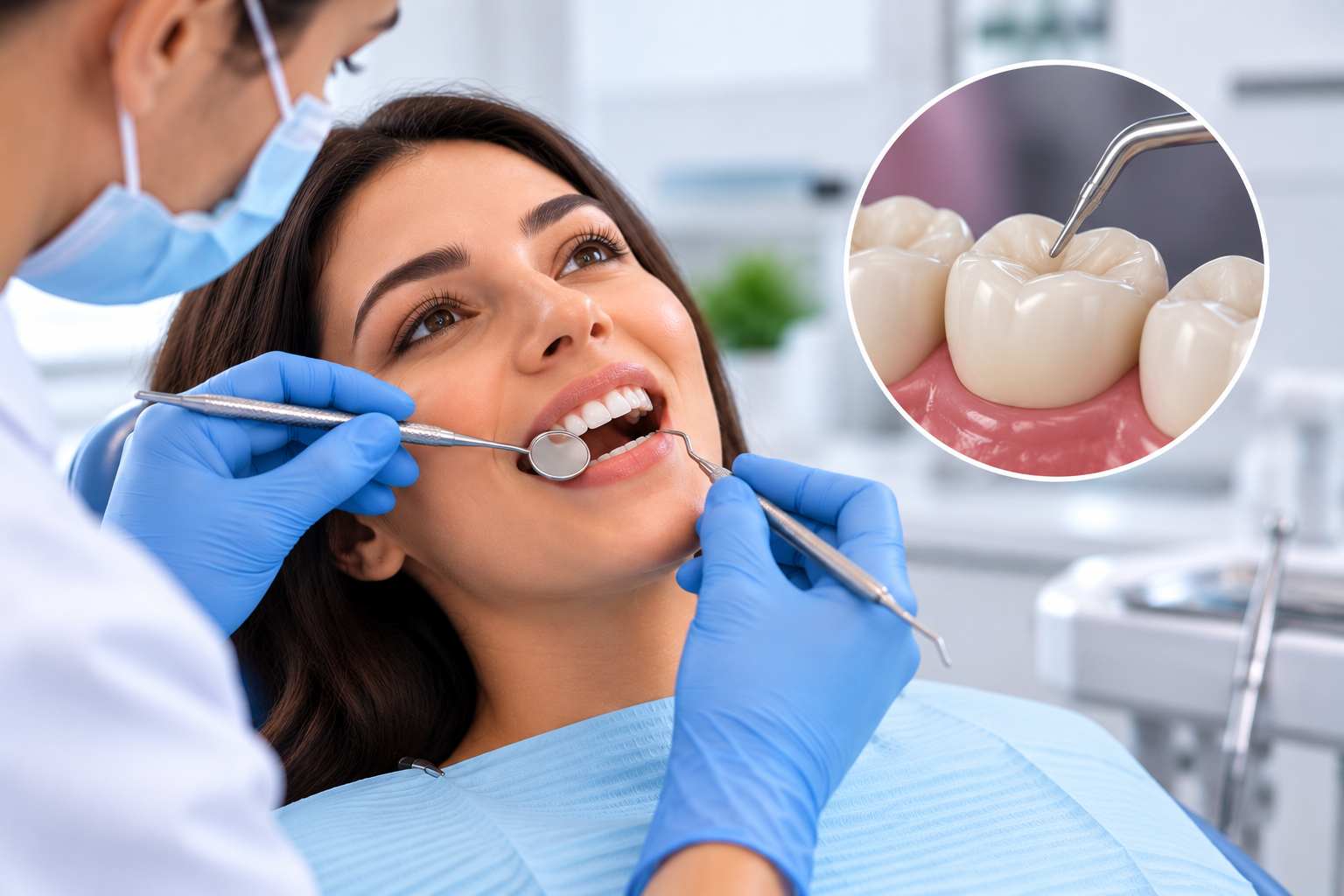
A brush reaches about 60 percent of each tooth. The rest — the spaces between teeth and the area just under the gumline — is only reached by floss. When that area is left alone, plaque hardens into tartar within a few days. Tartar is what triggers gingivitis, the first stage of gum disease, which can advance to bone loss and tooth loss if it is not interrupted. Daily flossing takes around 90 seconds. People skip it because nothing seems to happen when they do. But the damage shows up later as bleeding gums, persistent bad breath, and cavities forming between teeth where a brush cannot see.
6. Breathing Through the Mouth at Night
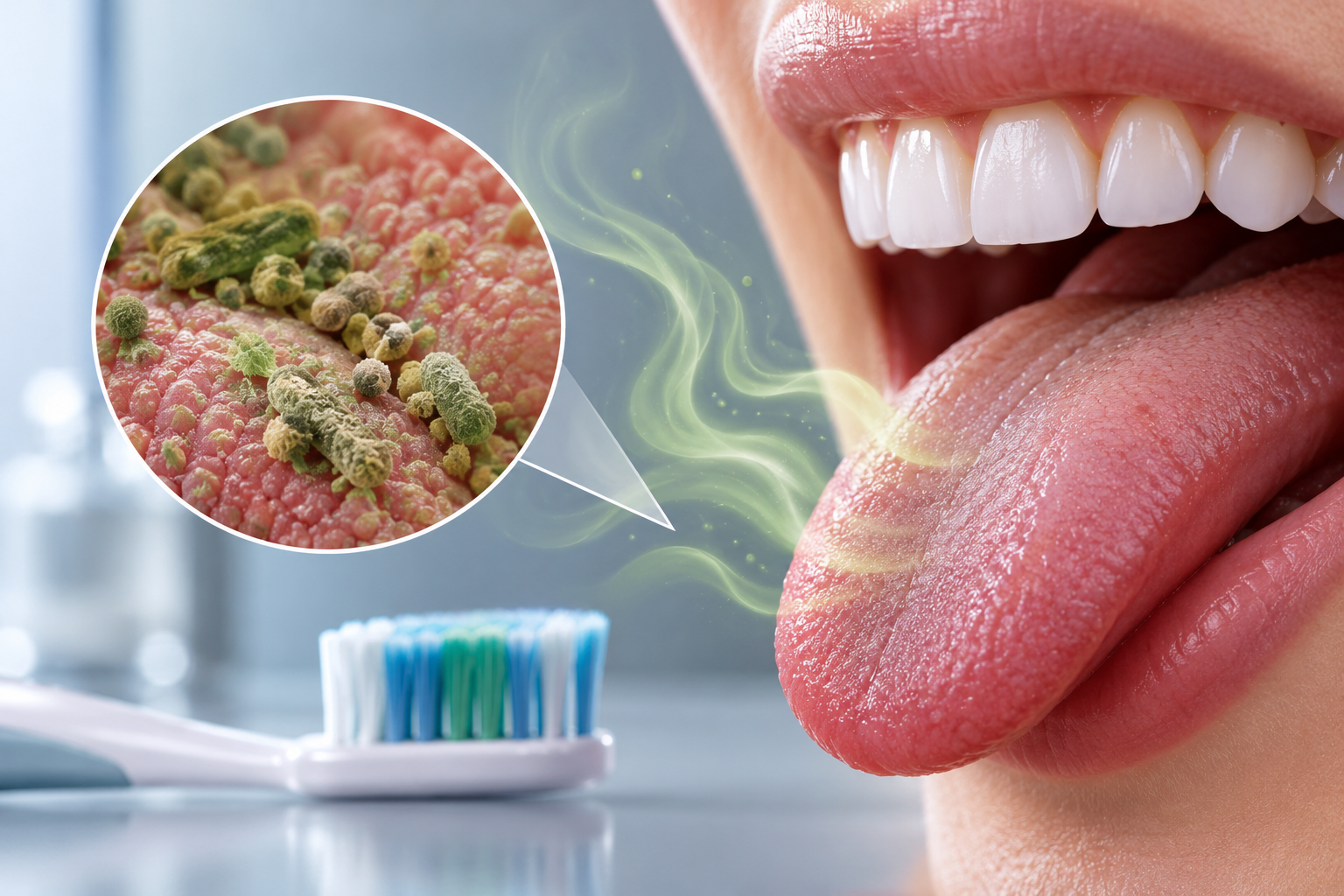
If you wake up with a dry mouth, foul morning breath, or sore gums, mouth-breathing is the likely cause. Saliva is the body’s natural Défense — it washes away food, neutralizes acid, and carries minerals back to the enamel. Without it, the Acid Path and Plaque Path both run unchecked for six to eight hours every night. Adults often mouth-breathe because of nasal congestion, allergies, a deviated septum, or untreated sleep aponia. Children may do it because of enlarged tonsils or adenoids. The fix usually starts with the underlying cause, not the mouth itself — a sleep evaluation or allergy treatment can solve more dental problems than another tube of toothpaste ever will. If you cannot fix the breathing pattern right away, sipping water before bed and using a humidifier helps keep saliva working through the night.
Conclusion
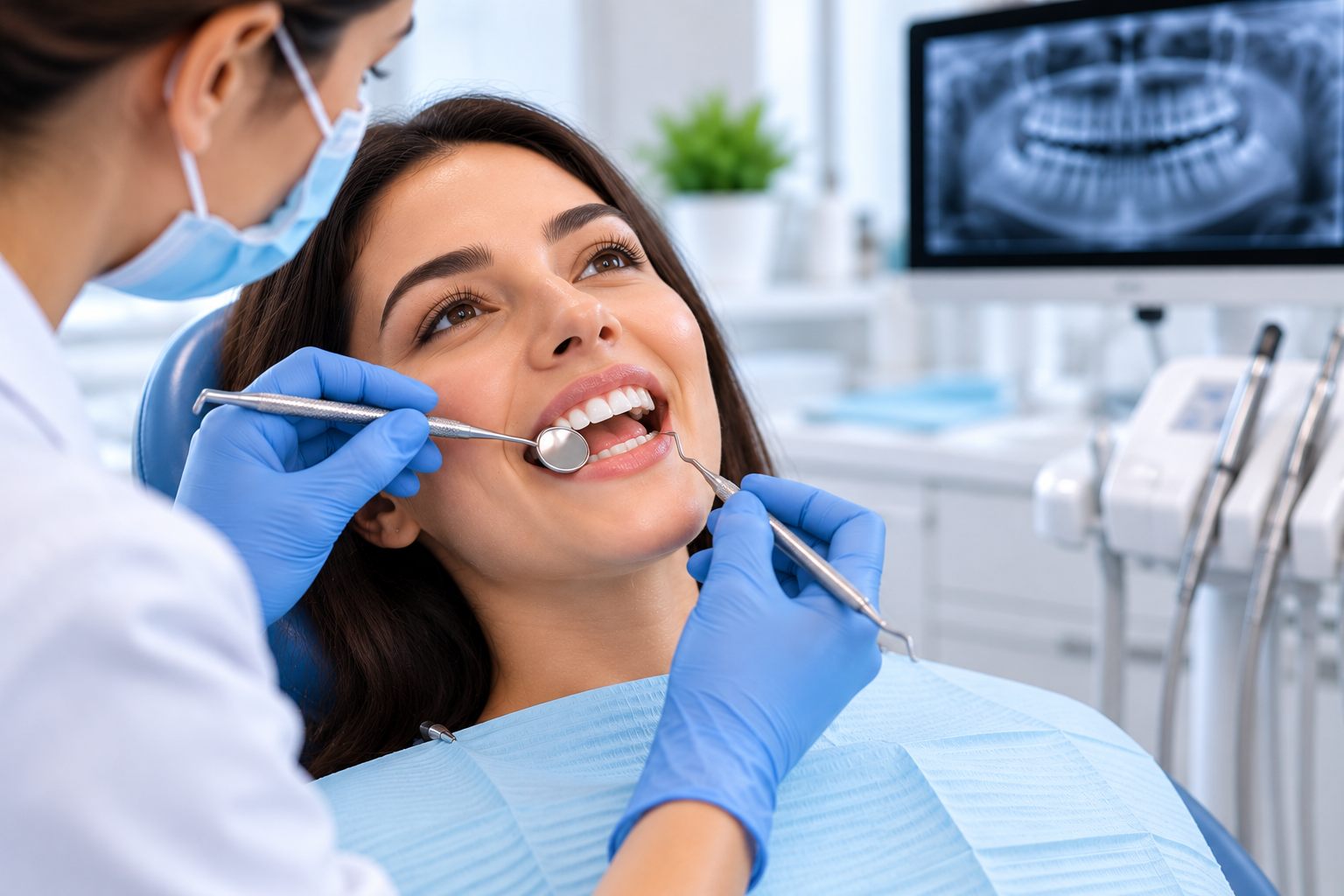
Damage from daily habits is rarely dramatic. It accumulates. The same logic, though, works in reverse — small daily corrections, repeated over months, can stop the slow erosion and let your enamel and gums recover where recovery is still possible. The team at Ethos Modern Dental sees these patterns every week, and most of them are reversible if caught early. The earlier the catch, the simpler the fix. Pay attention to the small, repeated actions — they decide more about your long-term dental health than any single appointment ever will.