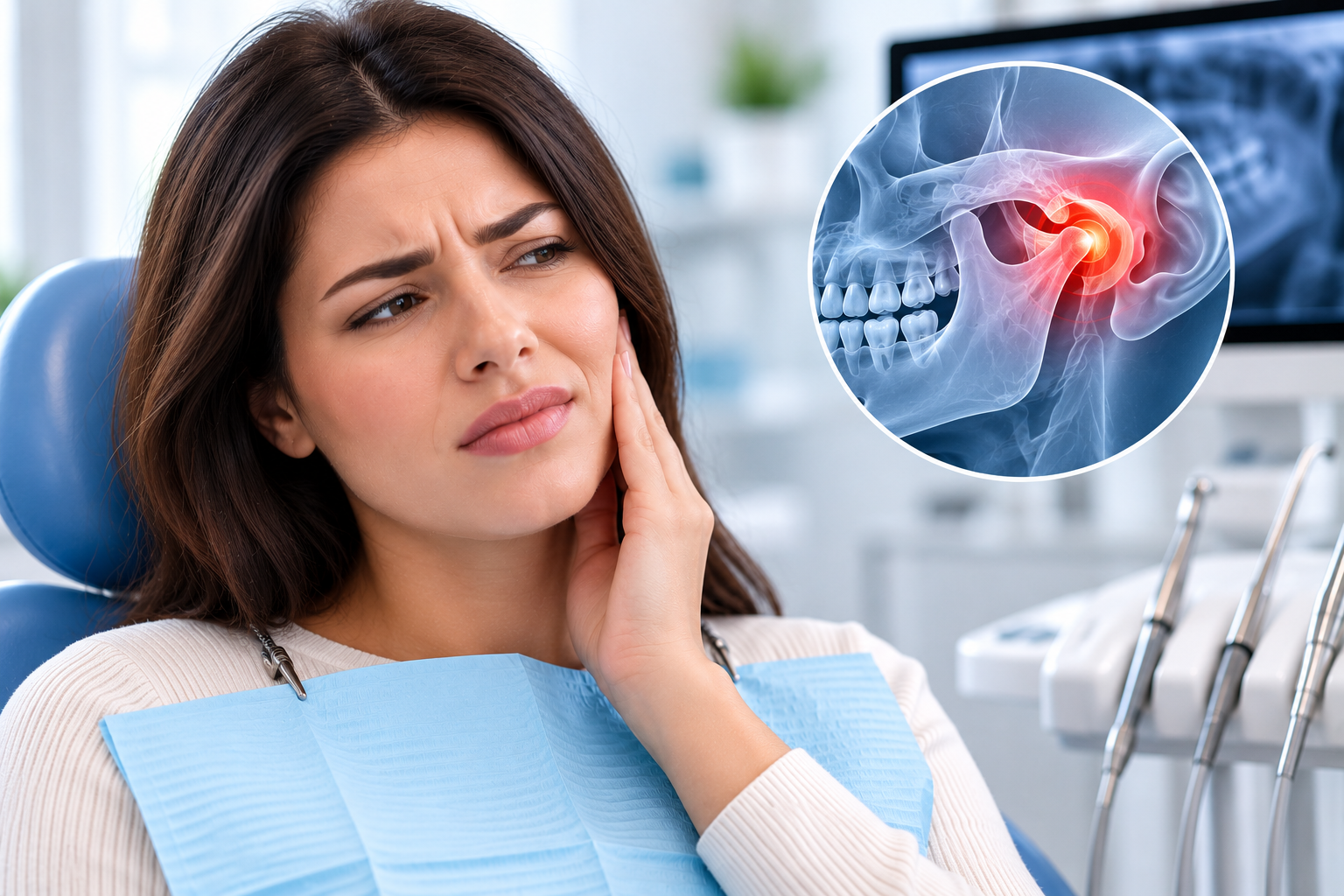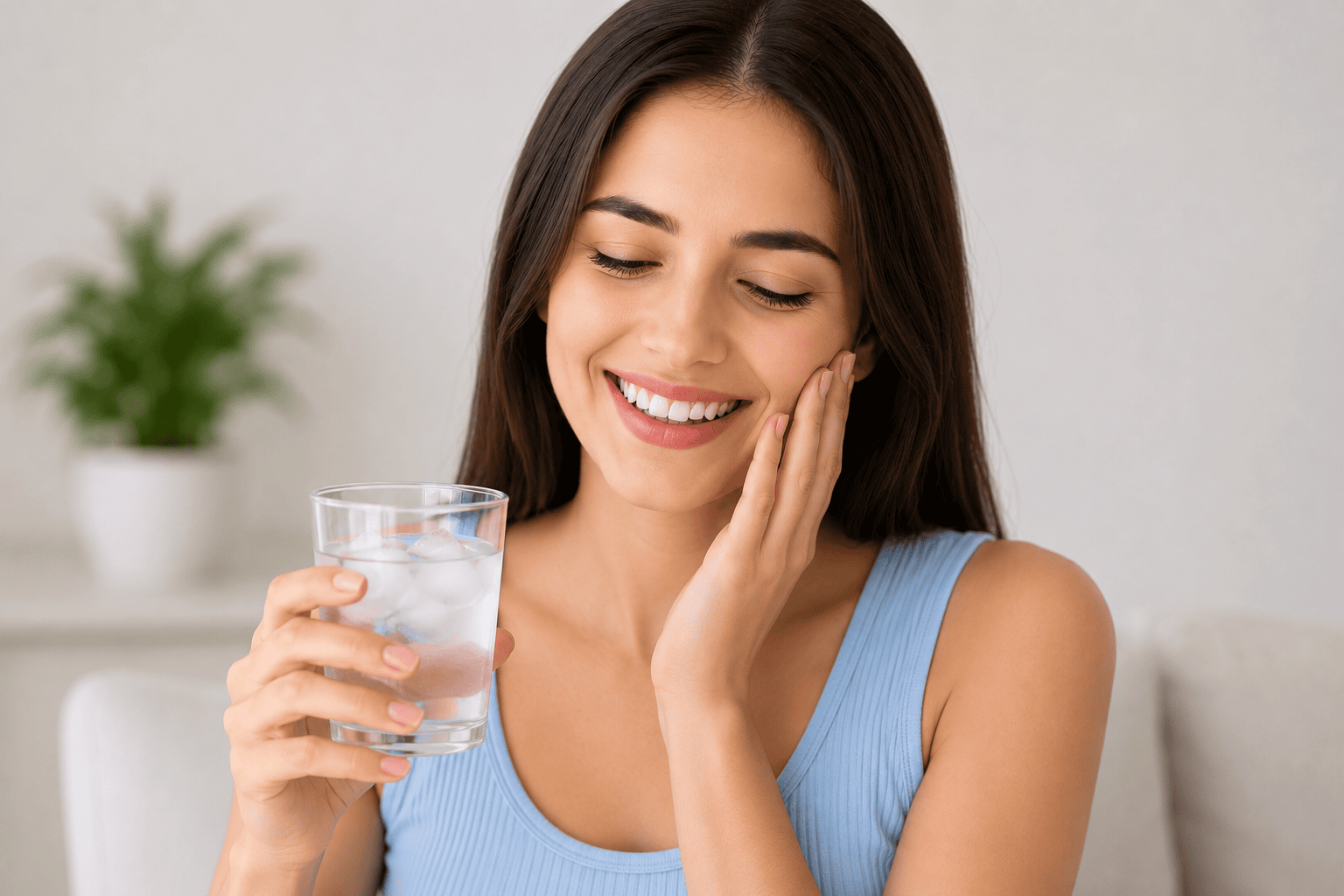
You’ve tried the strips. Maybe the LED kit from Amazon. Possibly that charcoal paste your cousin swore by. Two weeks in, the mirror still tells the same story: dull yellow shadows along the enamel, patchy spots where the gel pooled, and gums that sting every time you sip something cold. The drugstore aisle promised a Hollywood smile. What it delivered was frustration.
Here’s what most people miss. The issue isn’t your effort—it’s the chemistry. DIY kits are limited to low peroxide levels for safety, which means they’re made to work for everyone, not to deliver strong results for anyone. That gap is exactly where professional teeth whitening stands out.
In many cases, people try at-home solutions for weeks with little change, or end up with uneven results and sensitivity. The pattern is common—initial hope, followed by disappointment. That’s why more people start looking beyond DIY kits for something that actually works, delivers consistent results, and feels worth the time and money.
Why DIY Whitening Falls Short
DIY kits underperform because they use weak active ingredients, apply them through one-size-fits-all delivery systems, and have no way to protect your gums or measure your starting shade.
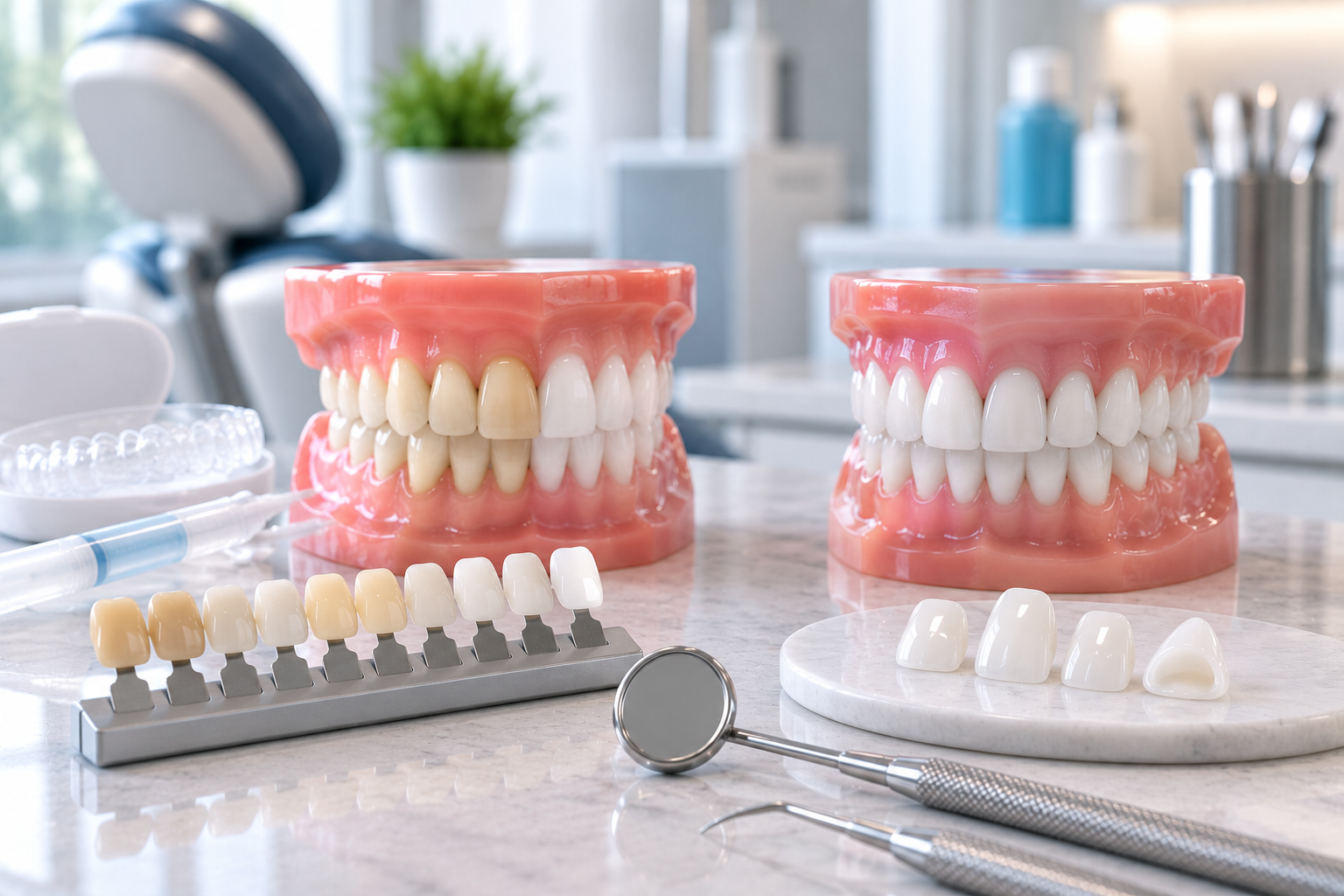
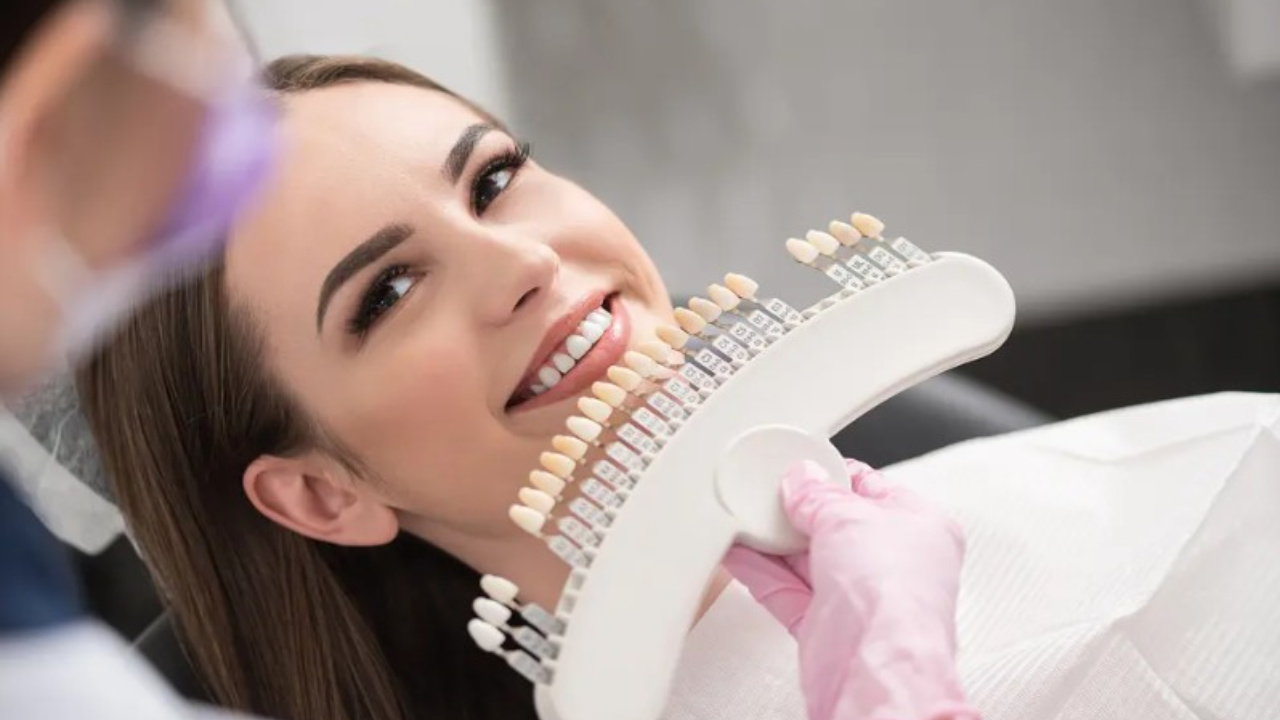
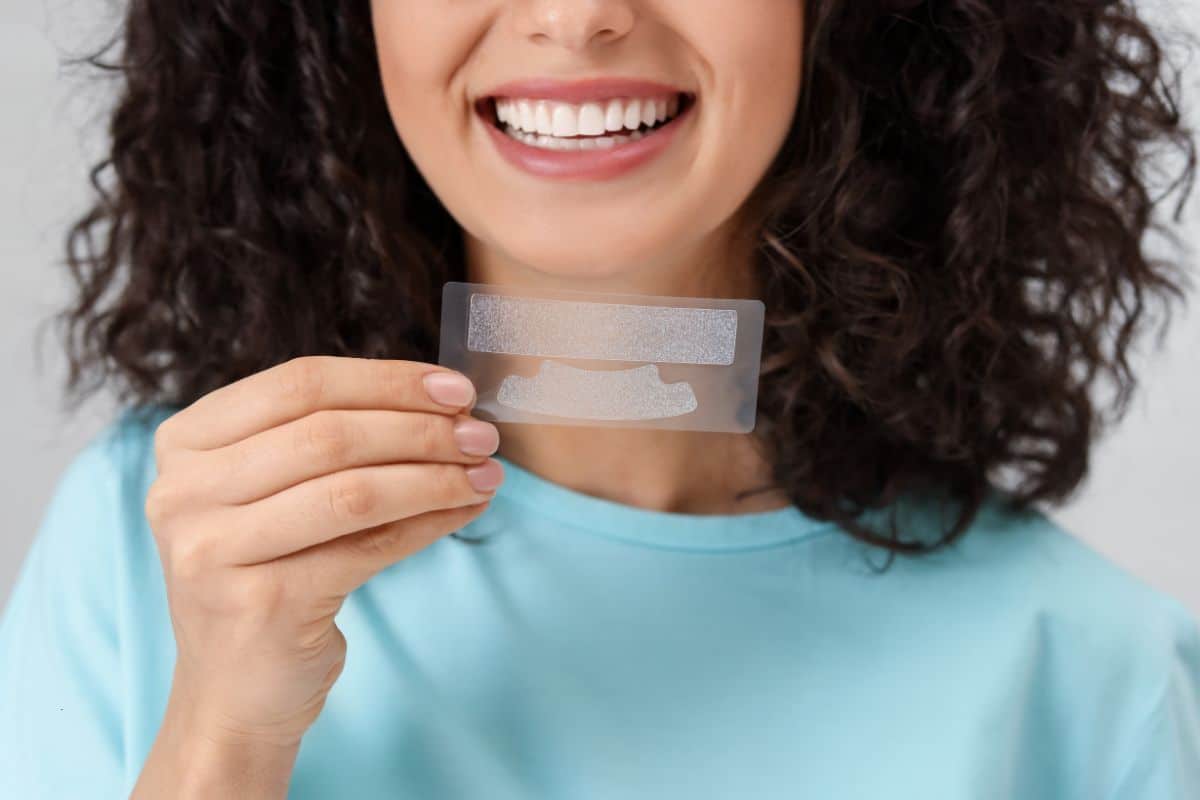
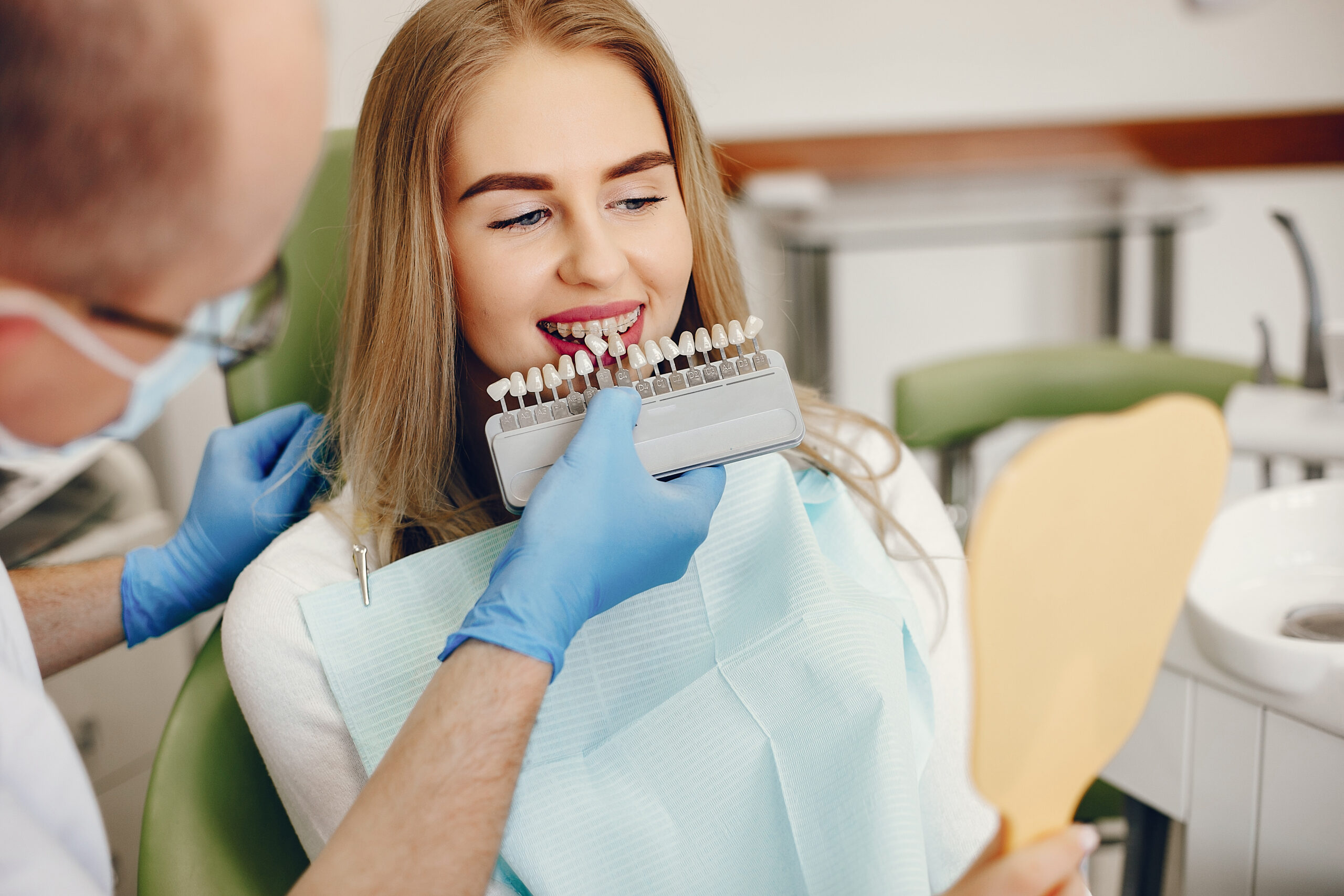
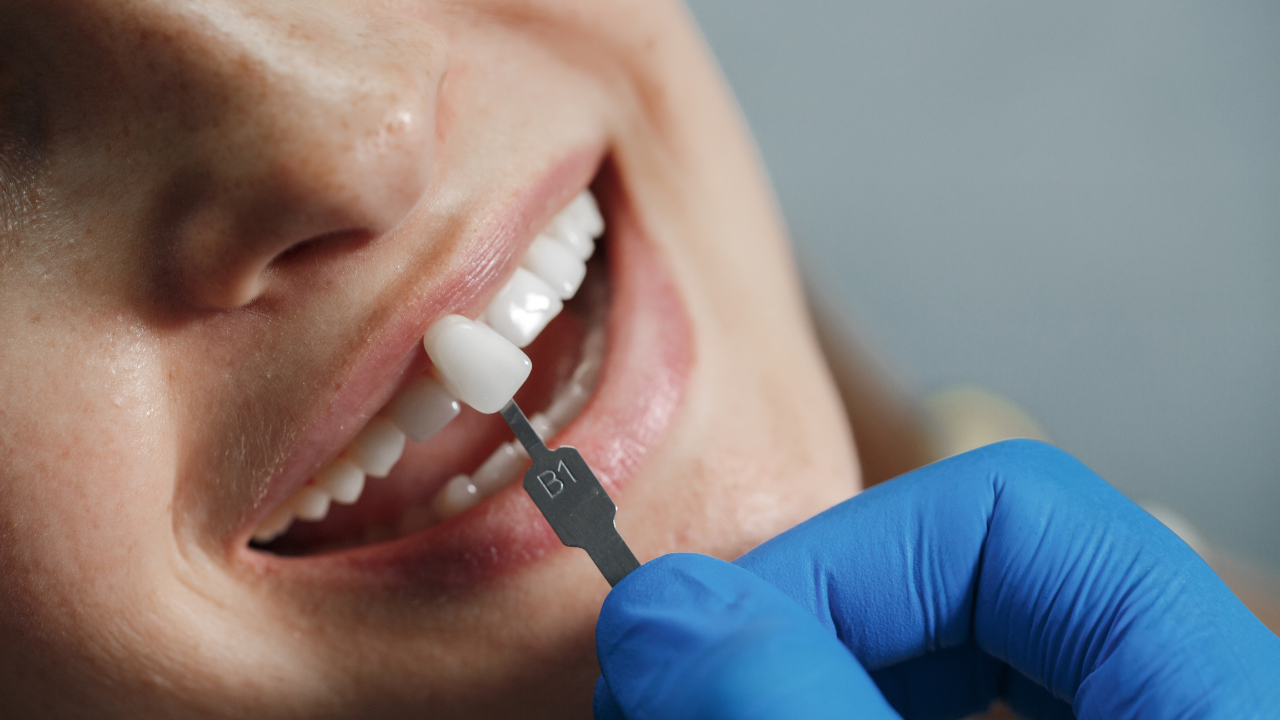
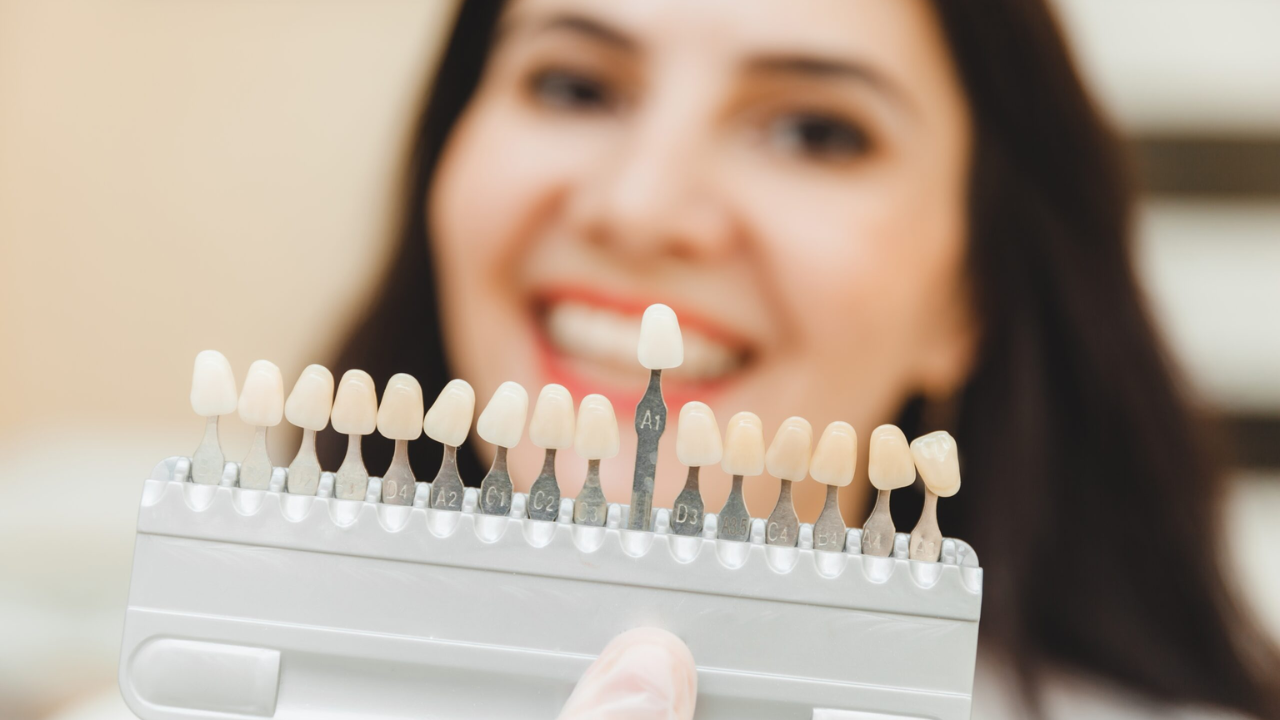
Most over-the-counter strips use 3 to 10 percent hydrogen peroxide. Professional treatments use formulations up to 40 percent under controlled conditions. That difference isn’t marginal. It’s the difference between a cosmetic glaze and a real shade change documented on a Vita shade scale.
Then there’s the fit. Boil-and-bite trays leak. Strips don’t reach back molars. LED mouthpieces shine on plastic, not on enamel. Across most whitening consultations we run, patients show up with bleached canines and stained molars because the gel never made full contact in the first place.
The 4-Pillar Standard Behind Professional Teeth Whitening
We call it the EthosBright Standard. It’s how every whitening case at our practice gets evaluated before a single drop of gel is applied. Four pillars. No shortcuts.
Pillar 1: Diagnosis Before Treatment
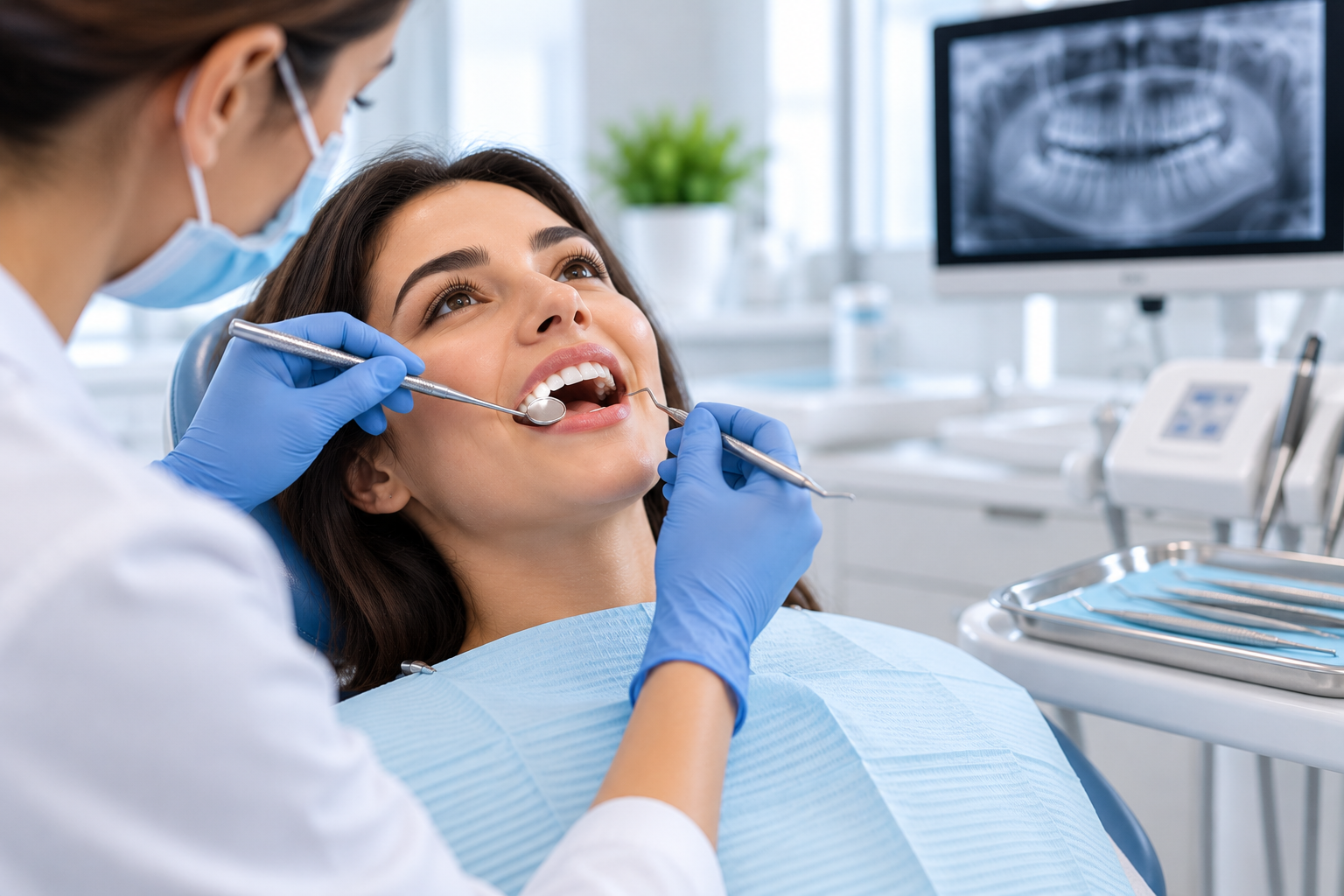
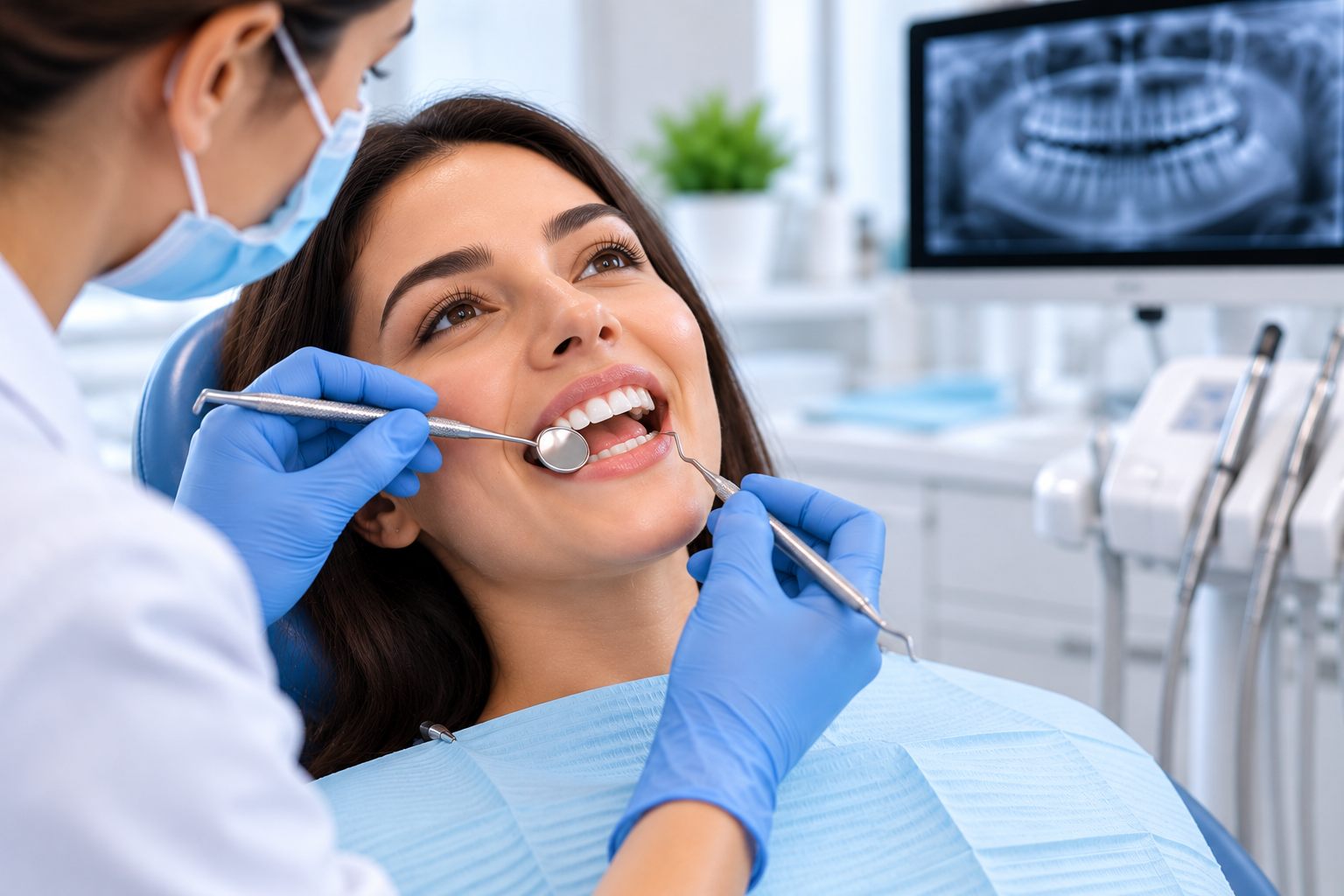
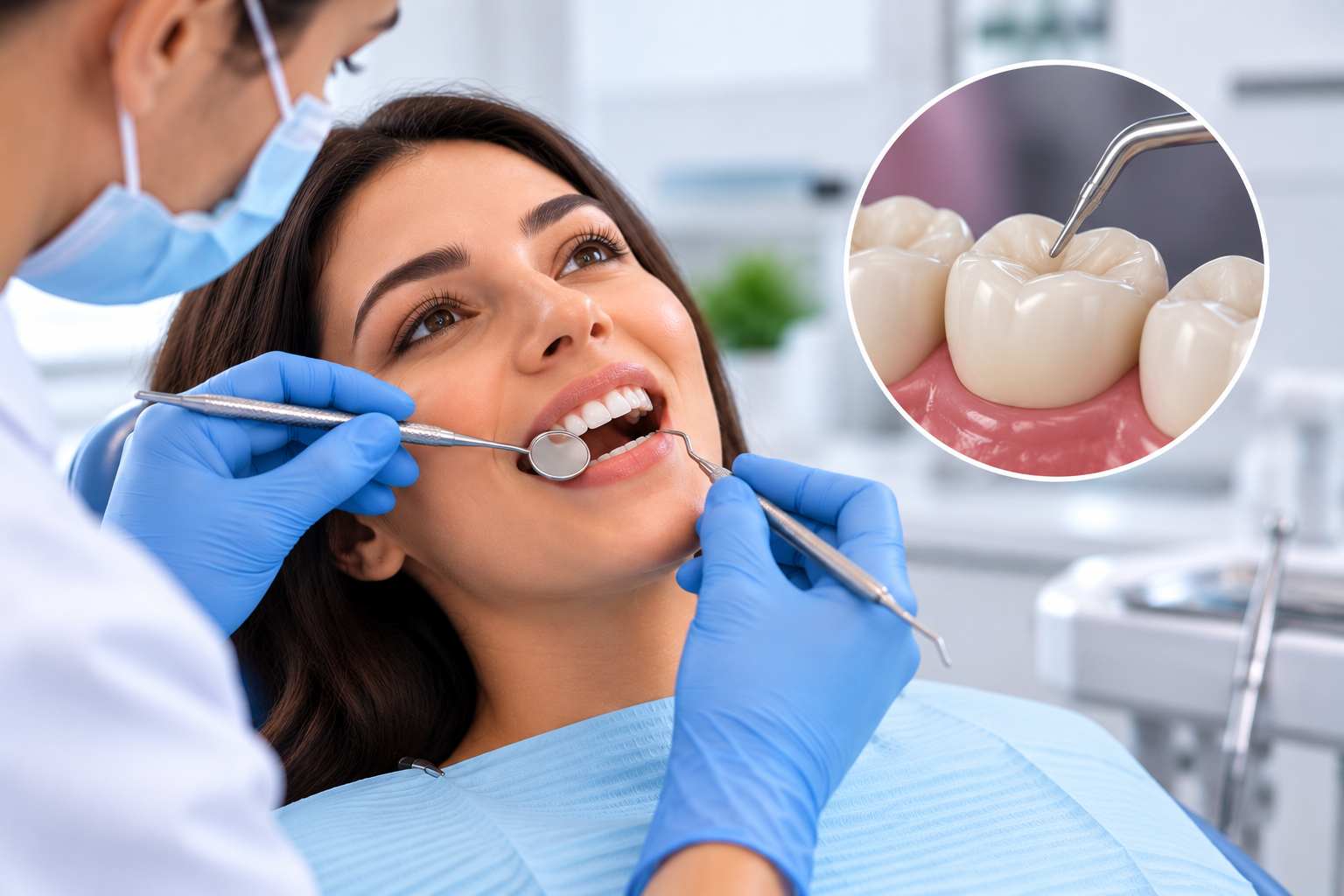
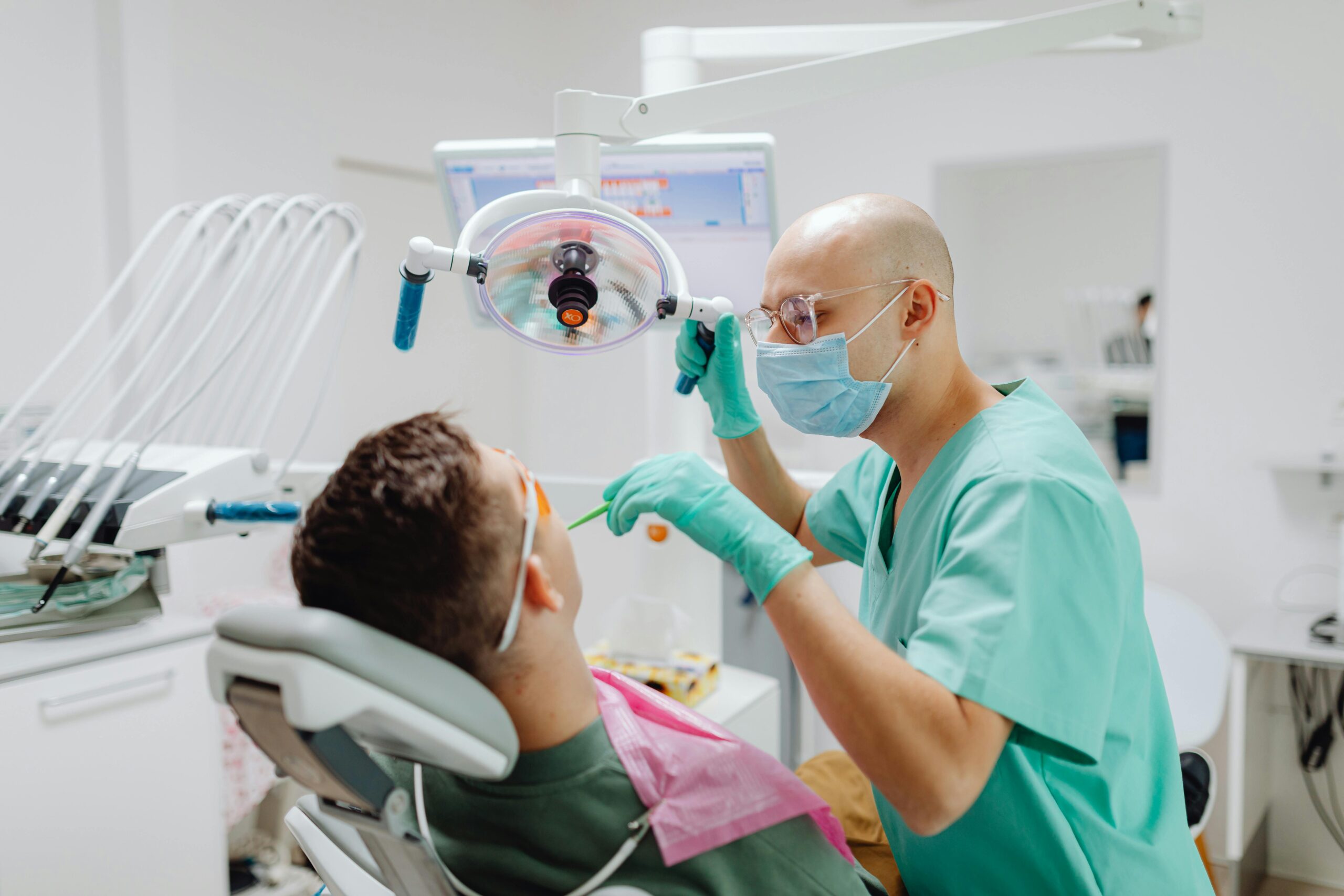
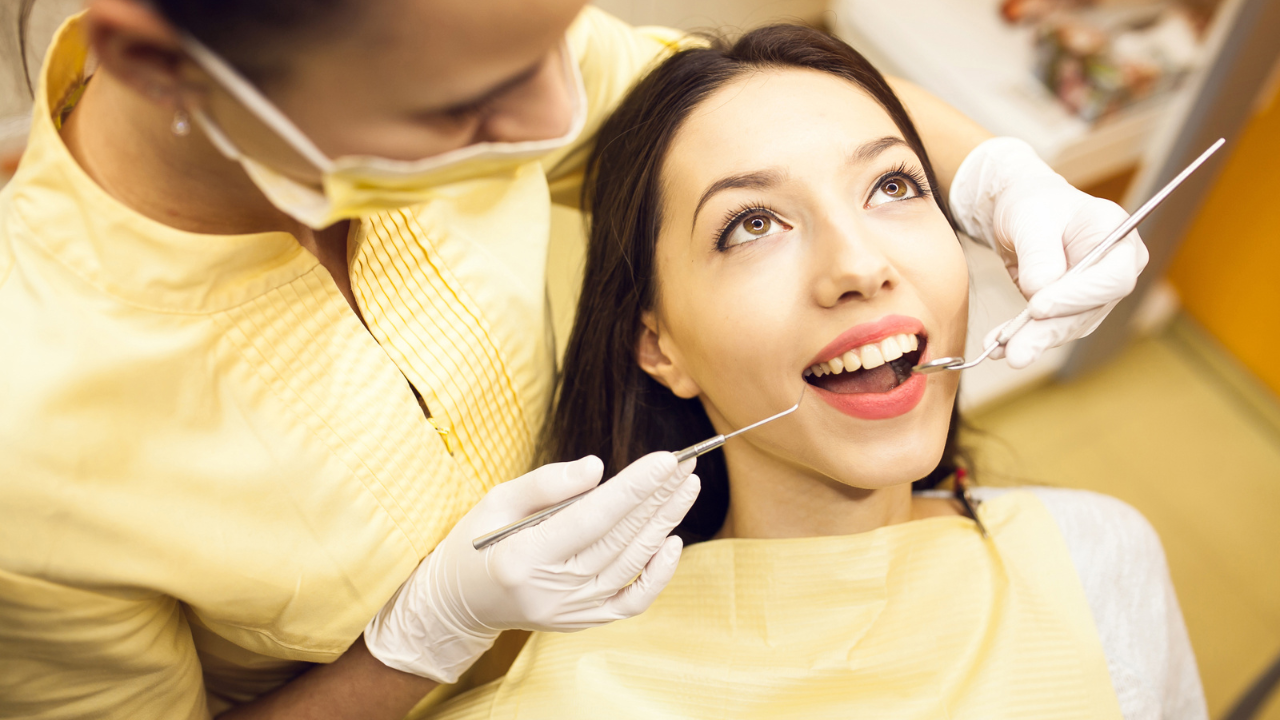
A professional whitening session starts with a clinical exam, not a gel application.
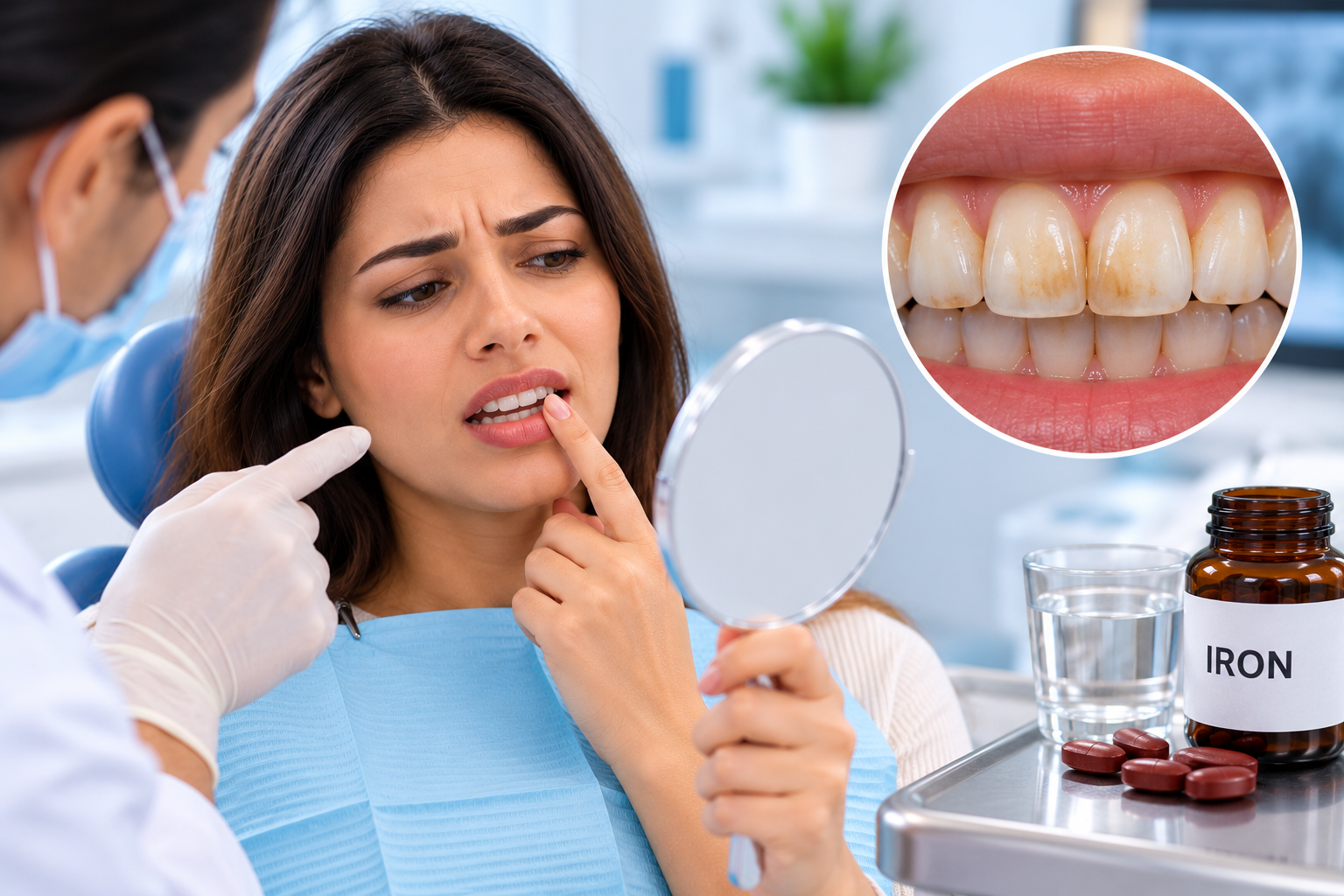
Stains aren’t all the same. Surface stains from coffee, red wine, and tobacco respond to bleaching. Intrinsic stains from tetracycline, fluorosis, or prior root canal therapy don’t, and applying peroxide harder won’t change that. Most failed at-home attempts skipped this diagnostic step entirely. Our comprehensive dental exam evaluates the source first, then builds a plan around what’s actually possible for your enamel.
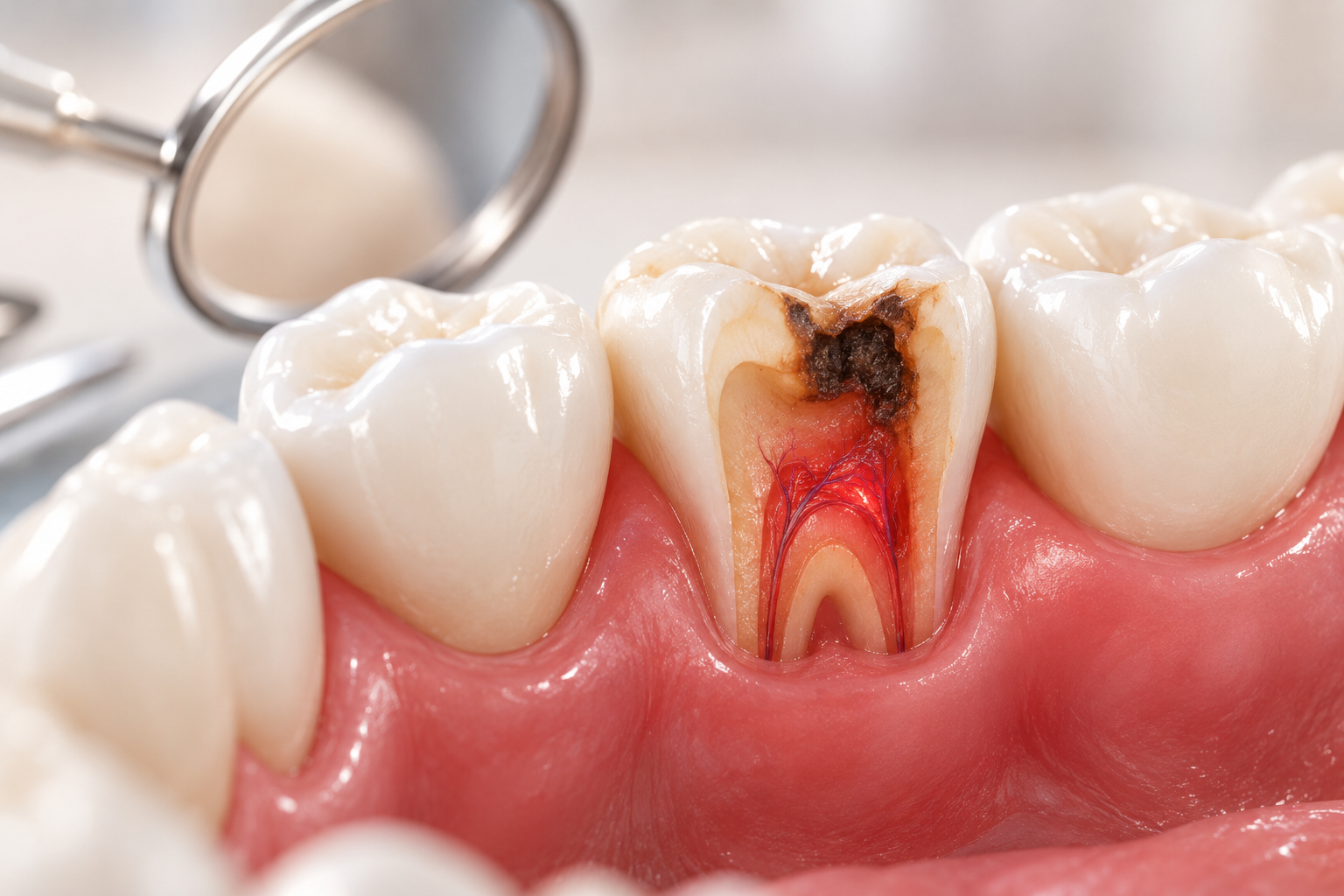
This is also where we screen for hairline cracks, exposed dentin, untreated decay, or compromised teeth that may need extraction before whitening can safely move forward. Skip the diagnosis, and the kit isn’t whitening your teeth. It’s irritating them.
Pillar 2: Clinical-Grade Concentration
Professional whitening uses higher peroxide concentrations under timed exposure, which is why one in-office session can produce results that take six weeks of drugstore strips to approach.
Research summarized by the American Dental Association consistently shows that supervised in-office bleaching produces the largest single-session shade changes available in dentistry. The reason isn’t magic. It’s controlled chemistry. Higher concentration, isolated application, neutral pH buffers, and timed exposure work together in ways no boxed kit can replicate.
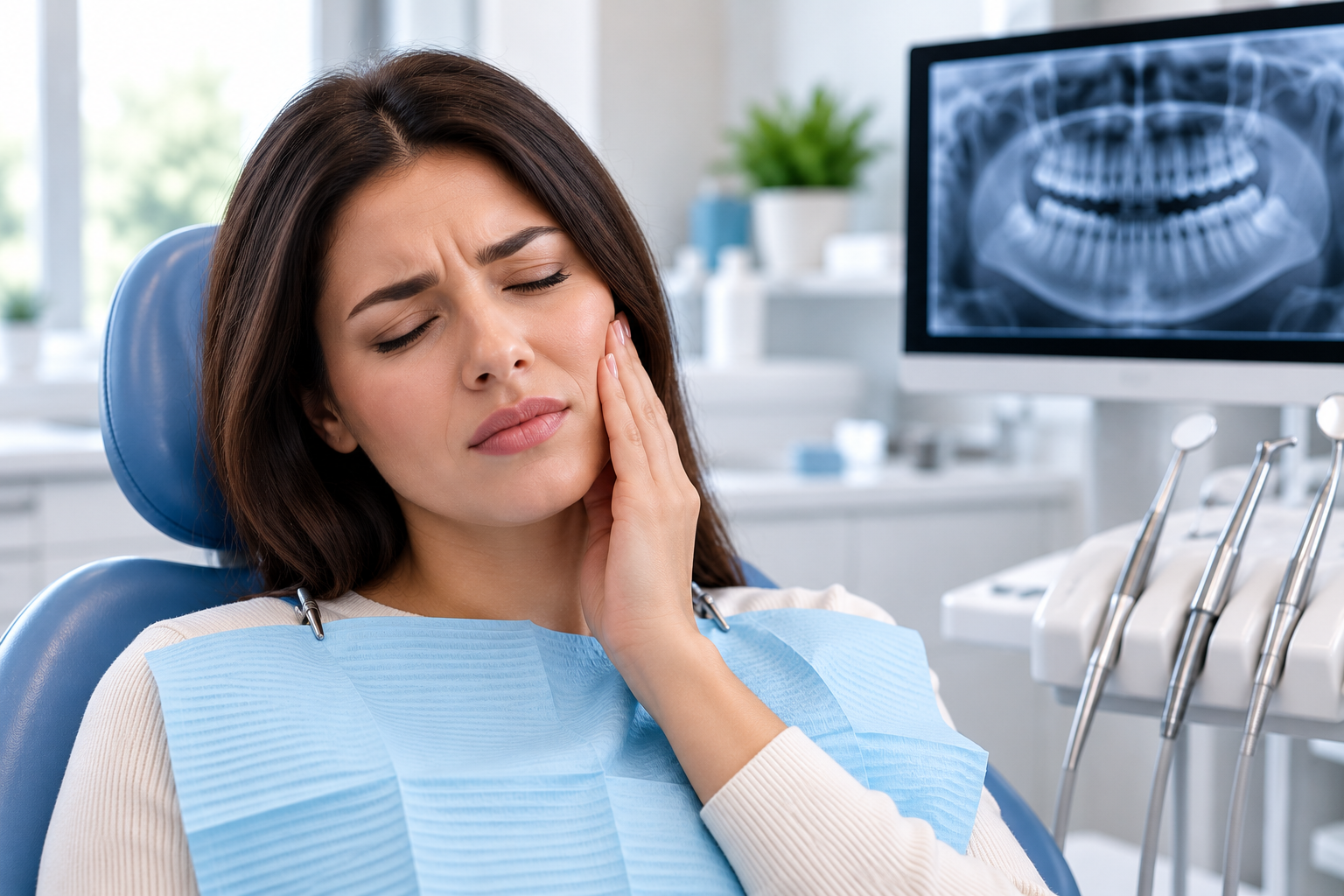
The most common mistake we see in DIY users? Extending wear times to compensate for weaker gel. That doesn’t whiten harder. It dehydrates the enamel and triggers nerve sensitivity that can linger for weeks.
Pillar 3: Enamel and Gum Protection
A clinical session protects the soft tissues most DIY kits damage.
Before any gel touches your teeth, we isolate your gums with a protective barrier and apply desensitizing agents drugstore kits don’t include. After treatment, a fluoride application reseals the enamel surface. The result is a clean shade change without the burning sensation patients describe after using high-volume strips for two weeks straight.
This is the part nobody talks about in whitening ads. The whitening is the easy part. Not damaging the rest of your mouth is the hard part.
Pillar 4: Predictable, Even Results
Custom trays and clinical oversight produce uniform shade changes, which is the difference between a smile that looks naturally white and one that looks like piano keys.
Patchiness comes from uneven gel contact and inconsistent peroxide breakdown. With a custom tray molded to your specific bite, every tooth gets the same exposure for the same duration. In the majority of cases we see, patients who switch from strips to clinical whitening report not just a brighter shade, but a more consistent one across every visible tooth.
What About Cost and Sensitivity?
These are the two reasons people hesitate, and both deserve a straight answer.
Cost: A professional session runs higher than a single drugstore kit. But patients who restart DIY treatments two or three times, chasing results that never lock in, often spend more cumulatively than one in-office visit would have cost. The cheaper option only stays cheaper if it actually works.
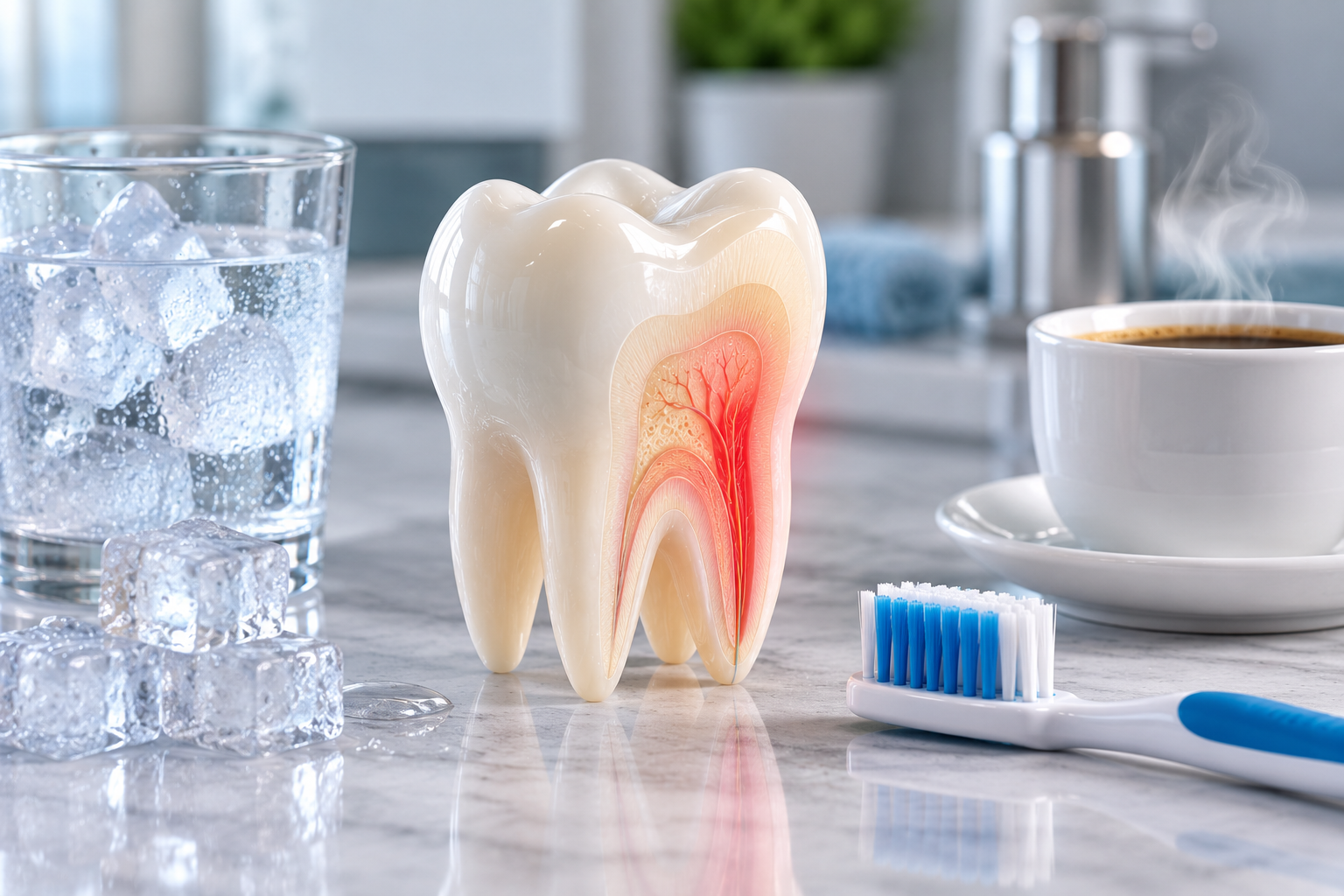
Sensitivity: Modern professional gels include potassium nitrate and fluoride to manage nerve response. Most patients report less sensitivity from a supervised session than from two weeks of unsupervised strip use.
Results last longer too. With proper aftercare, including the habits we cover in our top teeth whitening tips for a brighter smile, outcomes from a professional whitening treatment at Ethos Modern Dental typically hold for 12 to 24 months, not 12 to 24 days.
When DIY Makes Sense, and When It Doesn’t
DIY works for one situation: healthy enamel, no decay, surface staining only, and a willingness to accept incremental, uneven results over weeks. That’s a narrow use case.
For everyone else – patients with sensitivity, intrinsic staining, existing restorations, deadlines like a wedding or photoshoot, or a history of frustrating drugstore attempts – the math tips toward professional treatment fast. Whitening also pairs well with broader cosmetic dentistry work when the goal is a full smile transformation rather than a shade lift alone.
A whitening result that lasts two years beats one that washes out in two weeks every time.
Ready for a Smile That Actually Holds Its Shade?
If you’ve tried three kits and you’re still hiding your teeth in photos, the issue isn’t your effort. It’s the tools. Our team in Edinburg, TX has guided patients through clinical whitening that’s faster, safer, and more even than anything sold off a shelf.
Book your professional teeth whitening consultation at Ethos Modern Dental and let’s see what shade your enamel can actually reach.
FAQ
1. How is professional teeth whitening different from DIY kits?
Professional teeth whitening uses higher peroxide concentrations (up to 40 percent) applied through custom-fitted trays under clinical supervision. DIY kits use weaker formulations (3 to 10 percent) in generic delivery systems with no enamel protection or shade diagnosis.
2. How long does professional teeth whitening last?
With proper aftercare, results from professional teeth whitening typically last 12 to 24 months. DIY kit results often fade within weeks because the shade change is shallower to begin with.
3. Is professional teeth whitening safe for sensitive teeth?
Yes. Clinical whitening sessions include desensitizing agents like potassium nitrate and fluoride that DIY kits don’t provide. Most patients report less sensitivity from supervised in-office whitening than from extended drugstore strip use.
4. Why do my teeth look patchy after using whitening strips?
Strips and generic trays don’t make uniform contact across every tooth, especially molars. The gel works where it touches and skips where it doesn’t, producing the streaky look most DIY users report.
5. Will professional teeth whitening damage my enamel?
Not when performed by a trained dentist. Clinical protocols include pH-balanced gels, gum isolation, and post-treatment fluoride application specifically to protect enamel. The risk profile is far lower than uncontrolled DIY use over extended periods.
6. Can I get professional teeth whitening in Edinburg, TX?
Yes. Ethos Modern Dental in Edinburg, TX offers clinical-grade whitening with custom trays, supervised in-office sessions, and full aftercare guidance.
7. How quickly will I see results from professional whitening?
Most patients see a noticeable shade change after a single in-office session, typically lasting 60 to 90 minutes. DIY kits can take four to six weeks of consistent daily use to approach a similar result, if they get there at all.