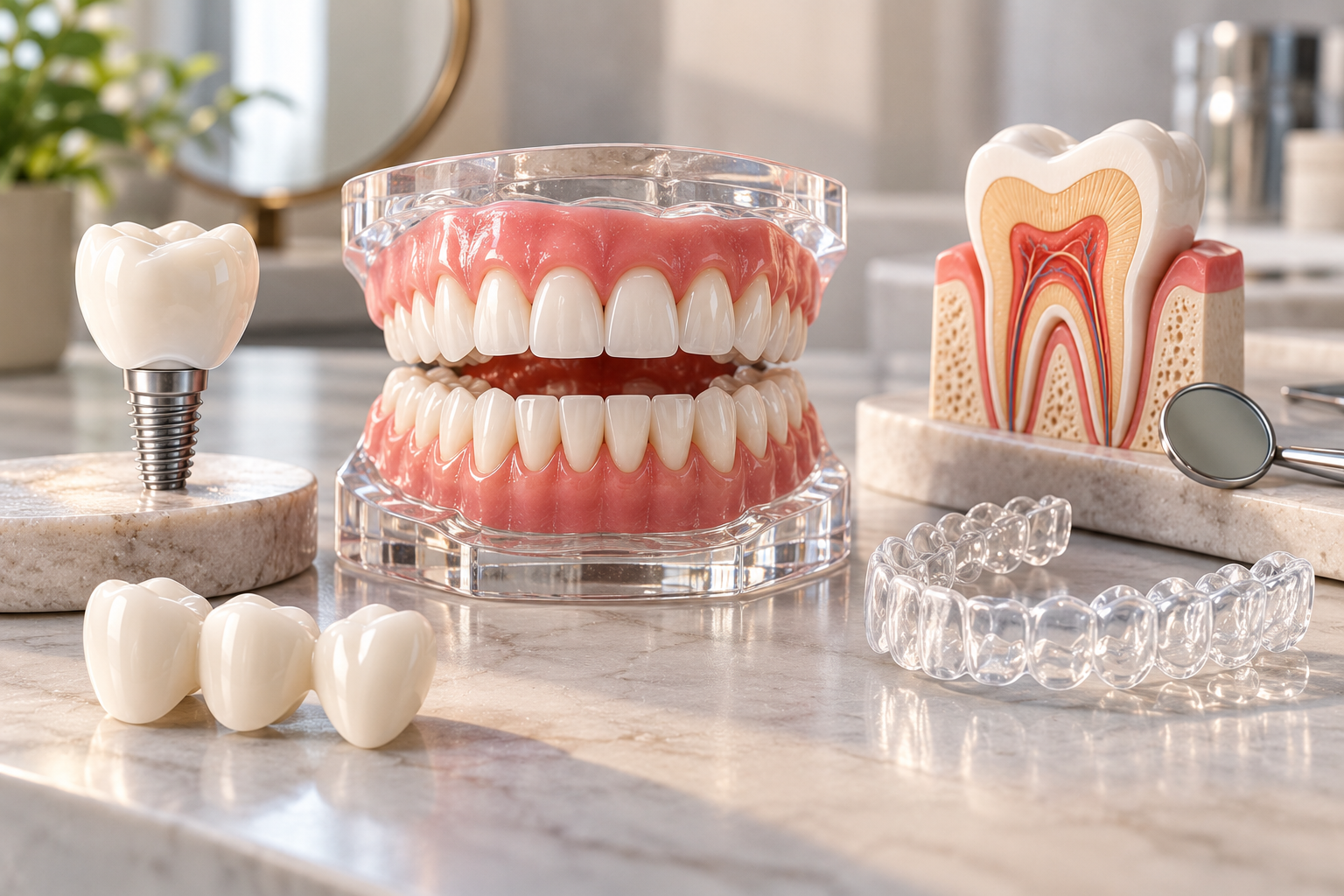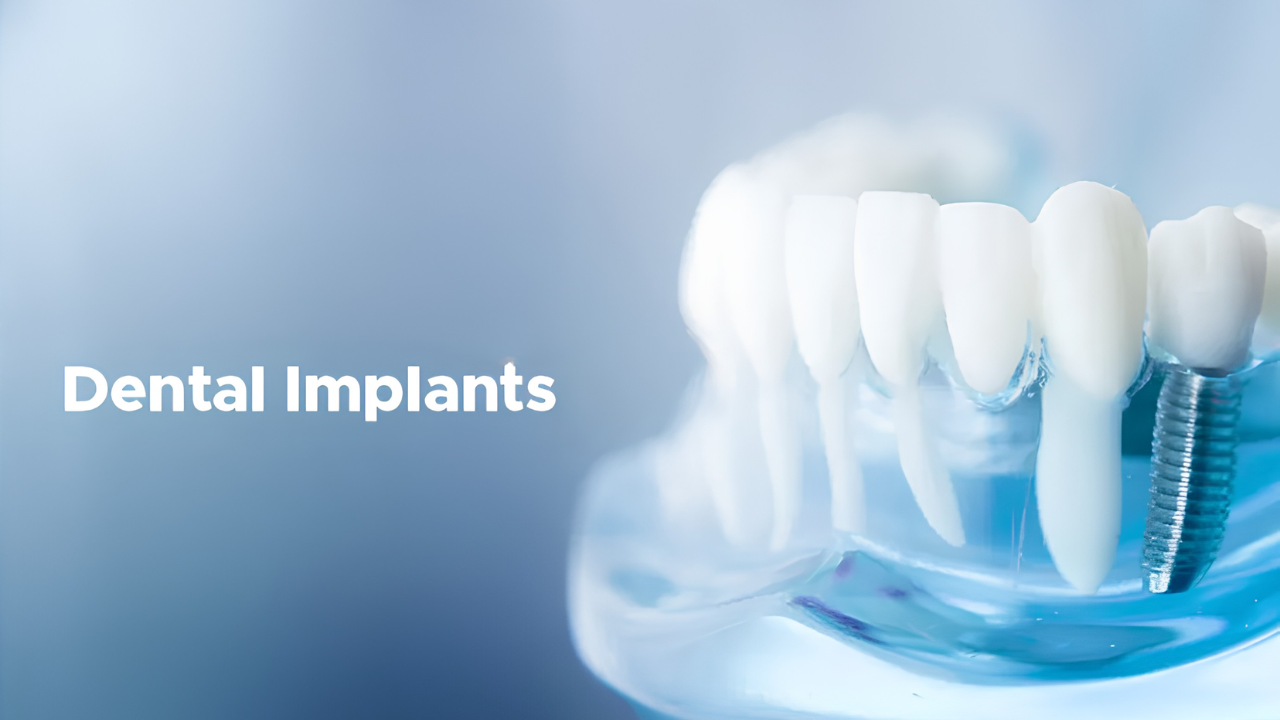
What to eat after dental implant surgery matters more than most patients realize. The food you choose in the first seven to ten days does not just keep you comfortable. It either supports osseointegration – the process where the implant fuses with the jawbone – or quietly disrupts it. Patients who follow a smart soft food plan tend to heal faster, feel less swelling, and avoid setbacks during their dental implant recovery. Patients who eat the wrong thing, even once, sometimes pay for it with loosened stitches or a disturbed clot. Recovery is biological, not just about comfort. Bone needs calcium. Tissue needs protein. Gums need vitamin C to rebuild collagen. The right food is your first medicine.
Why Food Choice Drives Implant Recovery
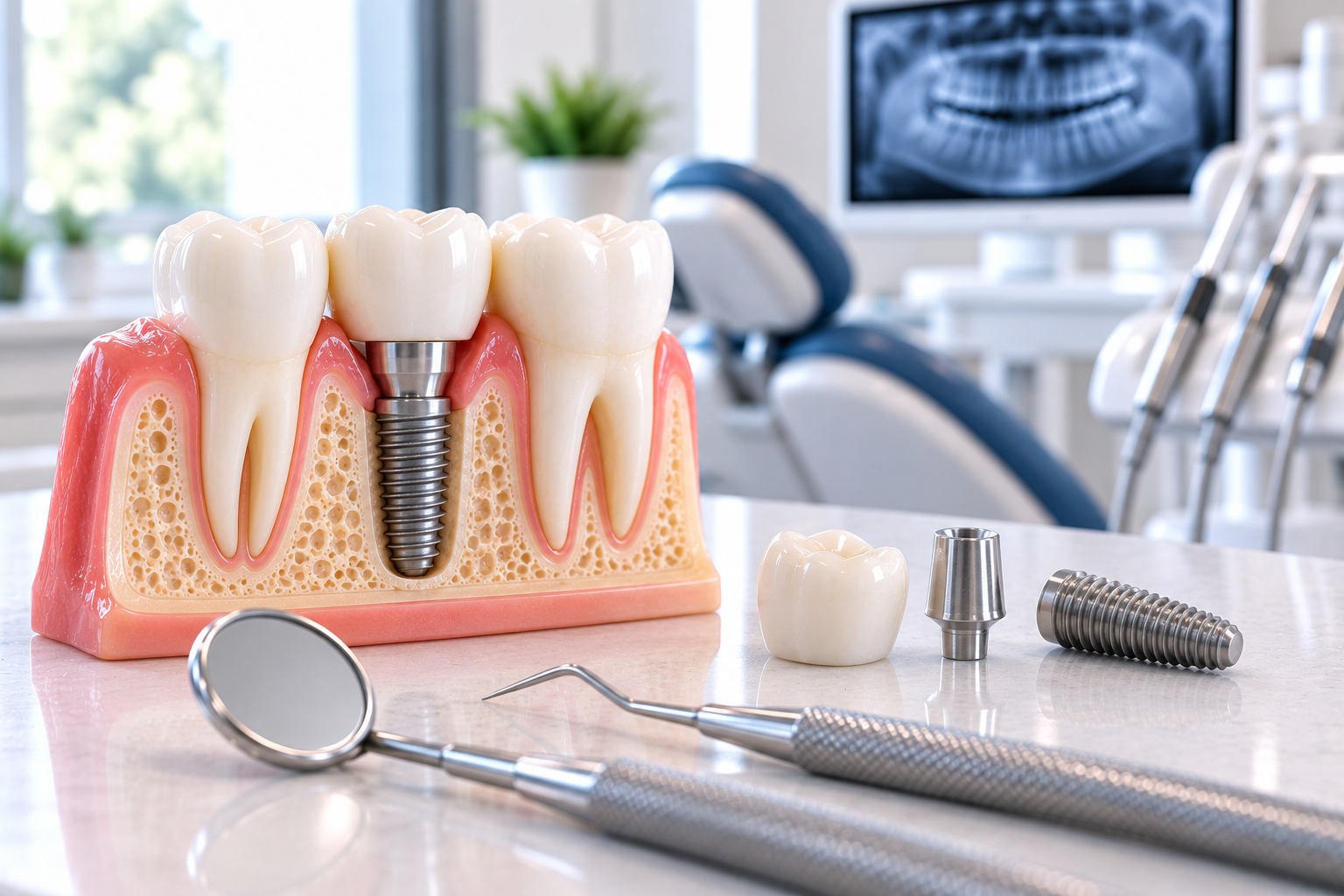
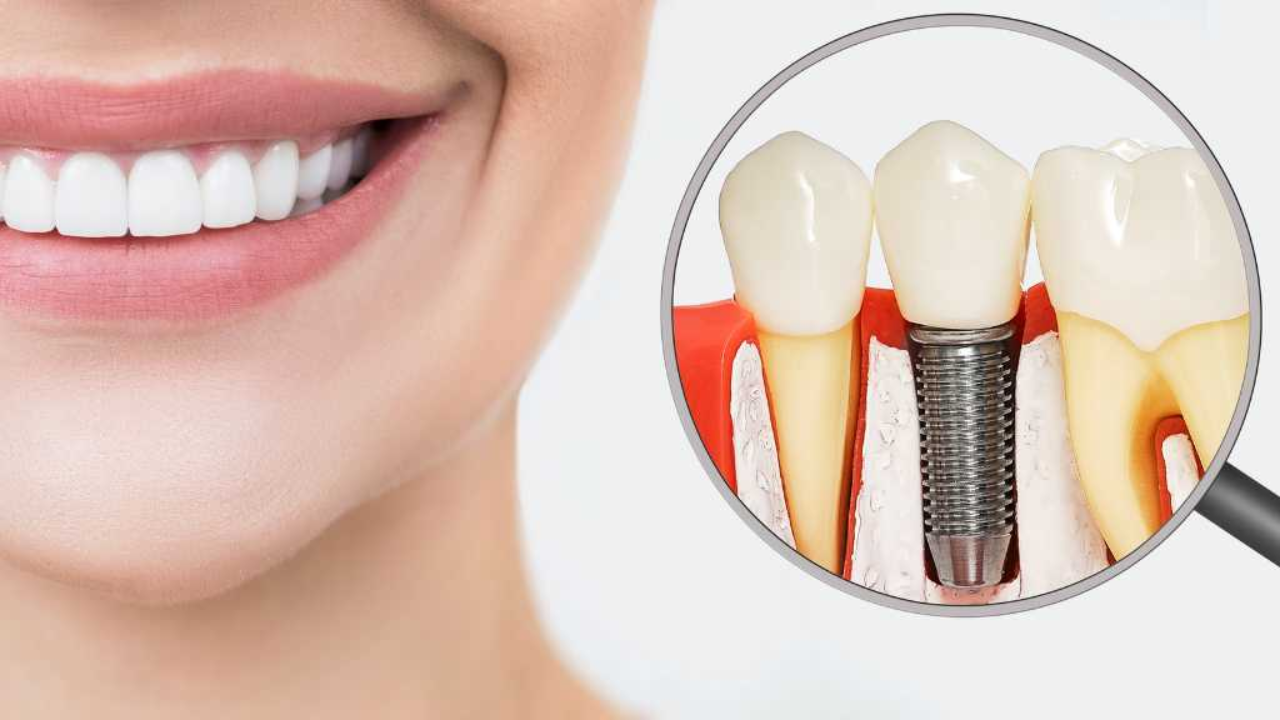
Implants heal through osseointegration, where your jawbone bonds to the titanium post. According to research indexed by the National Library of Medicine, this process is most active in the first two weeks and is influenced by systemic nutrition, inflammation, and protein intake.
Most patients focus only on texture. That is half the picture. Texture protects the surgical site. Nutrition rebuilds it.
To make the right choices simple, follow the H.E.A.L. Plate Method:
- H – Hydrating: liquids and high-moisture foods that support healing tissue
- E – Easy-to-chew: zero pressure on the surgical site
- A – Anti-inflammatory: ingredients that calm swelling
- L – Lean protein: the building block for new tissue
Every food on this list checks at least three of those four boxes.
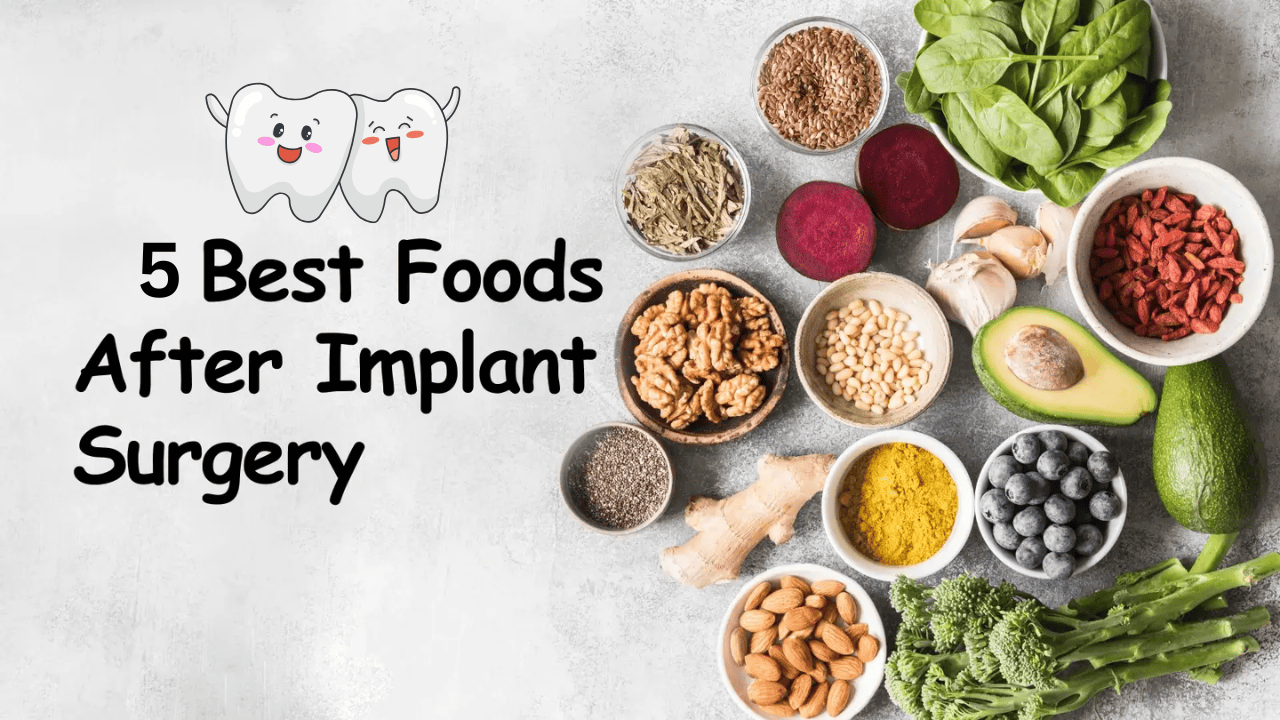
1. Smoothies
Smoothies are the most flexible food after implant surgery because they let you pack in protein, vitamins, and calories with zero chewing. Blend Greek yogurt, banana, soft berries, and a scoop of plain protein powder for a meal that supports tissue repair. Drink it from a spoon or a glass, never a straw – the suction can dislodge the protective blood clot and trigger a painful complication.
Most patients underestimate how many calories they lose in the first week. Soft food fatigue sets in by day three, and people start skipping meals. Smoothies solve that quietly.
One caution: smoothies with citrus juice or pineapple can sting raw tissue. Stick to mild fruits like banana, mango, and ripe peach for the first seventy-two hours, then expand from there.
2. Greek Yogurt
Plain Greek yogurt delivers around fifteen to twenty grams of protein per six-ounce serving, plus probiotics and calcium – three nutrients that directly support implant integration. It is cool, requires no chewing, and is gentle on inflamed gum tissue. The American Dental Association notes that nutrition and healing environment are major factors in long-term implant success.
Skip the flavoured varieties. They are loaded with added sugar that fuels bacterial growth around healing gums.
If plain yogurt feels too tart, swirl in a spoon of honey or mashed banana. Cool textures like this also help reduce swelling in the first forty-eight hours, when most discomfort peaks.
3. Scrambled Eggs
Scrambled eggs are one of the best post-surgery foods because they offer a complete protein in a soft, no-chew form. Each egg provides about six grams of protein, plus vitamin D, which plays a documented role in bone healing and immune function.
Cook them slowly with a little milk or olive oil to keep them tender. Skip salt-heavy seasonings and crunchy add-ins like bacon or bell peppers in the first week.
Most patients ignore protein in the first three days because soft foods tend to be carb-heavy. That is the recovery mistake seen most often. Protein-poor diets correlate with slower healing across the board, regardless of how strictly the texture rules are followed.
4. Mashed Sweet Potatoes
Sweet potatoes are loaded with beta-carotene, which the body converts to vitamin A – a nutrient critical for wound healing and immune defense. Mashed sweet potatoes are also calorie-dense, which matters when chewing is hard and appetite drops.
Mash them with a little butter or olive oil for healthy fats and flavor. Serve everything lukewarm or cool for the first forty-eight hours. Heat increases blood flow to the surgical site, which can trigger bleeding and disturb early clot formation.
For variety, mashed cauliflower and well-cooked mashed carrots offer similar texture with different nutrient profiles. Rotation keeps you eating – and that is half the battle of recovery.
5. Pureed Soups and Bone Broth
Pureed soups and bone broth check every box on the H.E.A.L. framework. They hydrate, they deliver protein and minerals, and they are anti-inflammatory when made with ingredients like ginger, turmeric, or leafy greens. Bone broth in particular contains collagen and amino acids that support soft tissue repair.
A few rules: serve everything lukewarm, never hot. Blend until completely smooth – no chunks. Skip acidic, tomato-heavy soups for the first three days because acid can irritate exposed tissue.
If you are exploring cosmetic dentistry options like implants for the first time, ask your provider for a written recovery food list before the procedure. Planning meals in advance prevents the day-three diet collapse most patients fall into.
Managing Discomfort and Sleep During Recovery
The food you eat handles one side of recovery. The other side is sleep, and most patients are not prepared for how it changes in the first few nights.
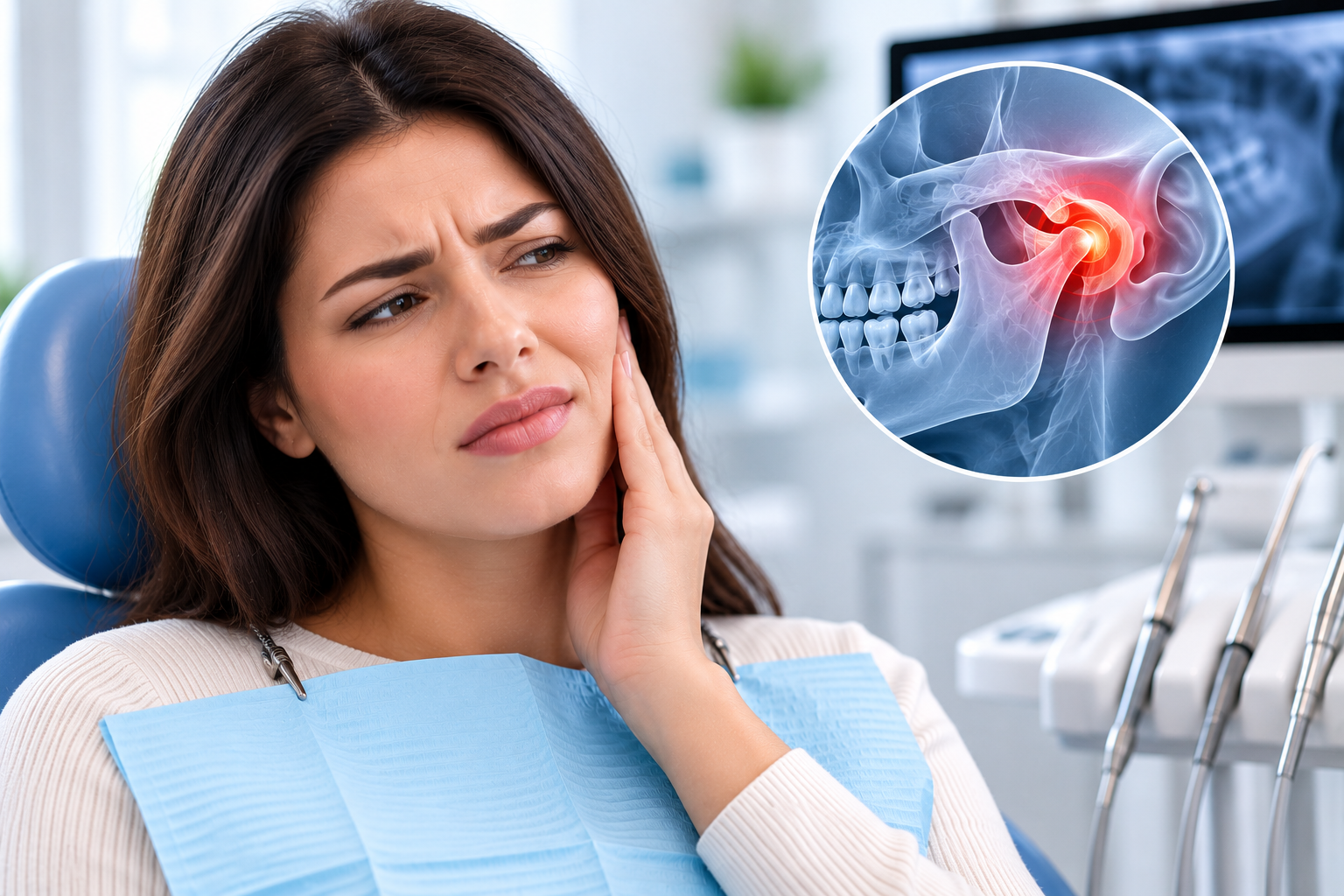
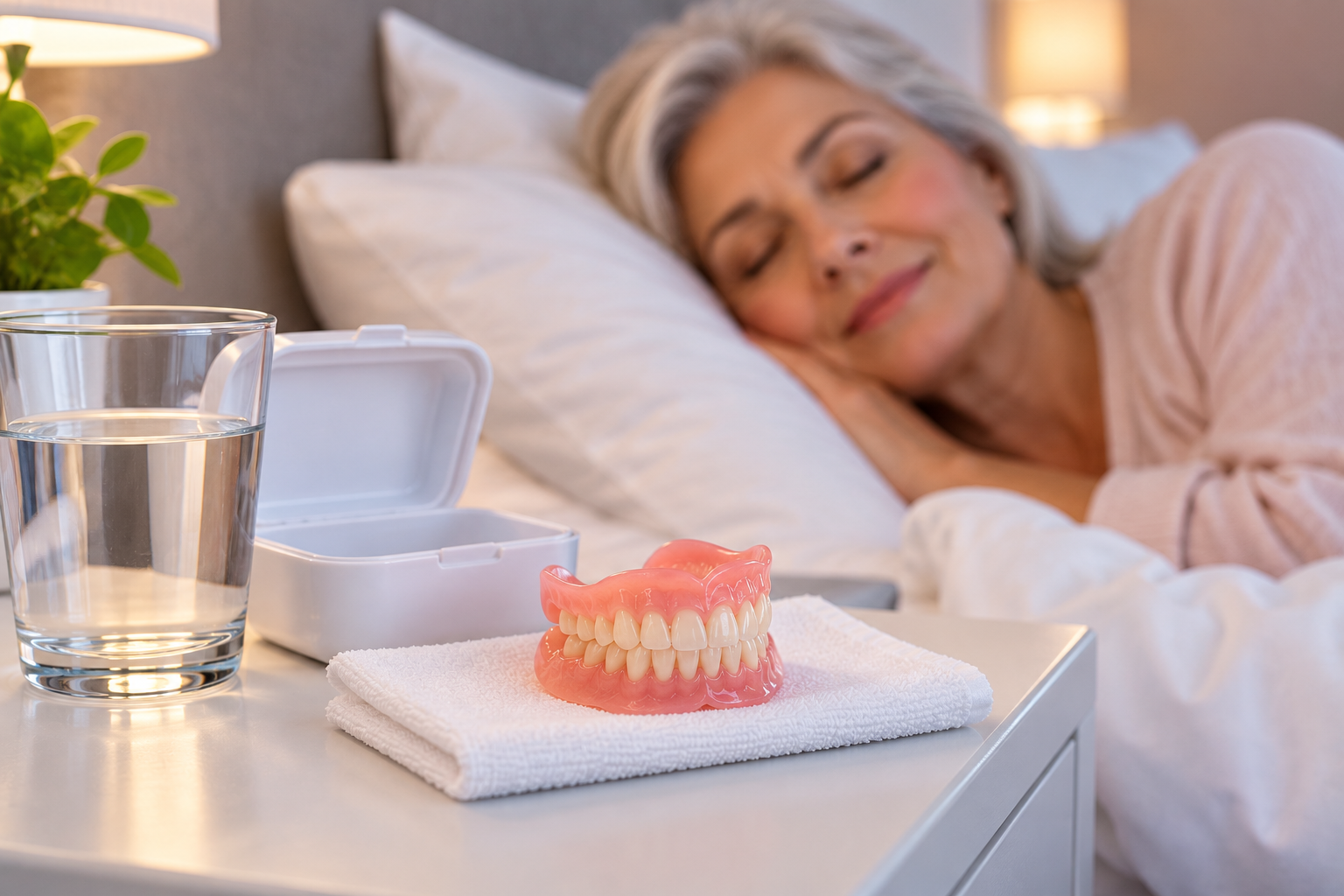
Lying flat increases blood flow to your head, which raises pressure inside the inflamed tissue around the implant site. That is why a moderate ache during the day can turn into sharp throbbing the moment you lie down. The biology is the same as it is for any inflamed tooth, which is why the guide to managing tooth pain at night applies directly to early implant recovery. Sleep elevated on two pillows or in a recliner, sleep on the opposite side of the surgical area, avoid heat compresses on the jaw, and take any prescribed medication on schedule rather than waiting for pain to spike.
The patients who handle the first three nights well almost always heal faster overall. Sleep is when tissue repair is most active, and pain that wrecks sleep delays everything else.
Foods to Avoid During Implant Healing
Some foods are obvious. Others sneak in.
Avoid hard or crunchy foods like chips, nuts, raw vegetables, and toast crusts for at least two weeks. Skip sticky foods like caramel and gum, which can tug at the surgical site. Stay away from spicy or acidic foods – they irritate healing gum tissue. And put away the straws, alcohol, and tobacco for at least seven days. Tobacco use is the single largest preventable risk factor for implant failure.
Once early healing is underway, long-term protection becomes the focus. Patients who stay on top of professional dental cleanings protect their implants for the long haul and catch small issues before they become large ones..
Conclusion
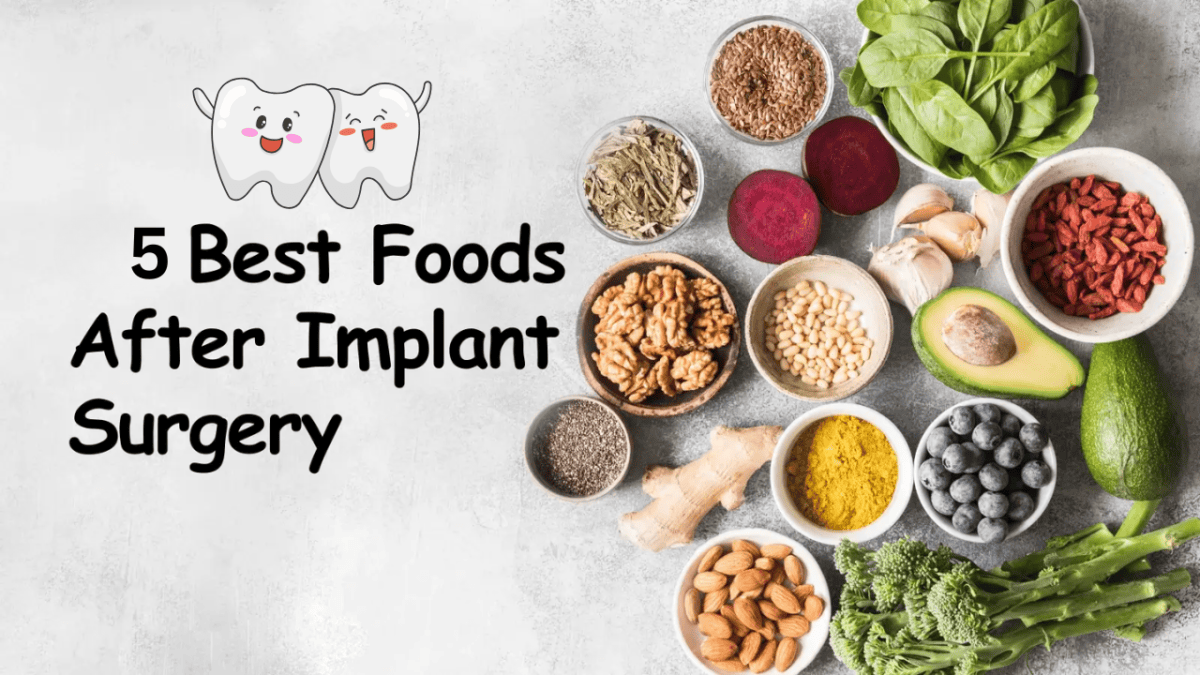
The five foods above – smoothies, Greek yogurt, scrambled eggs, mashed sweet potatoes, and pureed soups – cover the full nutritional and texture profile your body needs in the first two weeks after implant surgery. Pair them with steady hydration, no straws, no tobacco, and a smart sleep setup, and most patients heal faster than they expected. At Ethos Modern Dental patients are often guided toward recovery habits that support faster healing and long-term implant success. The fastest recoveries are not from patients who eat the softest foods. They come from patients who eat the smartest foods. Treat the healing window as the most important phase of your implant investment – because that is exactly what it is. For more on what comprehensive modern dental care looks like before, during, and after implant treatment, talk to a qualified provider before your procedure date.