Most people don’t avoid smiling because their teeth are unhealthy. They avoid it because something feels off, a chipped front tooth, a yellow tint that won’t budge, a crowded incisor that hijacks every photo. Almost none of these issues require surgery, and almost all of them have been solved by modern cosmetic dental treatments that didn’t exist a decade ago. The reason most people stay stuck is not money or time. It’s that they’re trying to fix the wrong thing. Whitening a misaligned tooth will not solve the problem. Straightening dull, stained teeth will not deliver the result they pictured. A better smile is not a single treatment.
The Modern Smile Framework: Color, Shape, Alignment
Before the seven treatments, the framework matters more than the list. Most patients arrive asking for the wrong procedure. They want veneers when whitening would solve it. They want whitening when alignment is the real problem.
Every cosmetic dental decision sits in one of three layers. Color controls brightness and uniformity. Shape controls symmetry, edge length, and contour. Alignment controls how teeth sit relative to each other and to your bite. The seven treatments below map cleanly onto this framework, and our experts use it to build every plan we deliver through our cosmetic dentistry services.
1. Professional Teeth Whitening
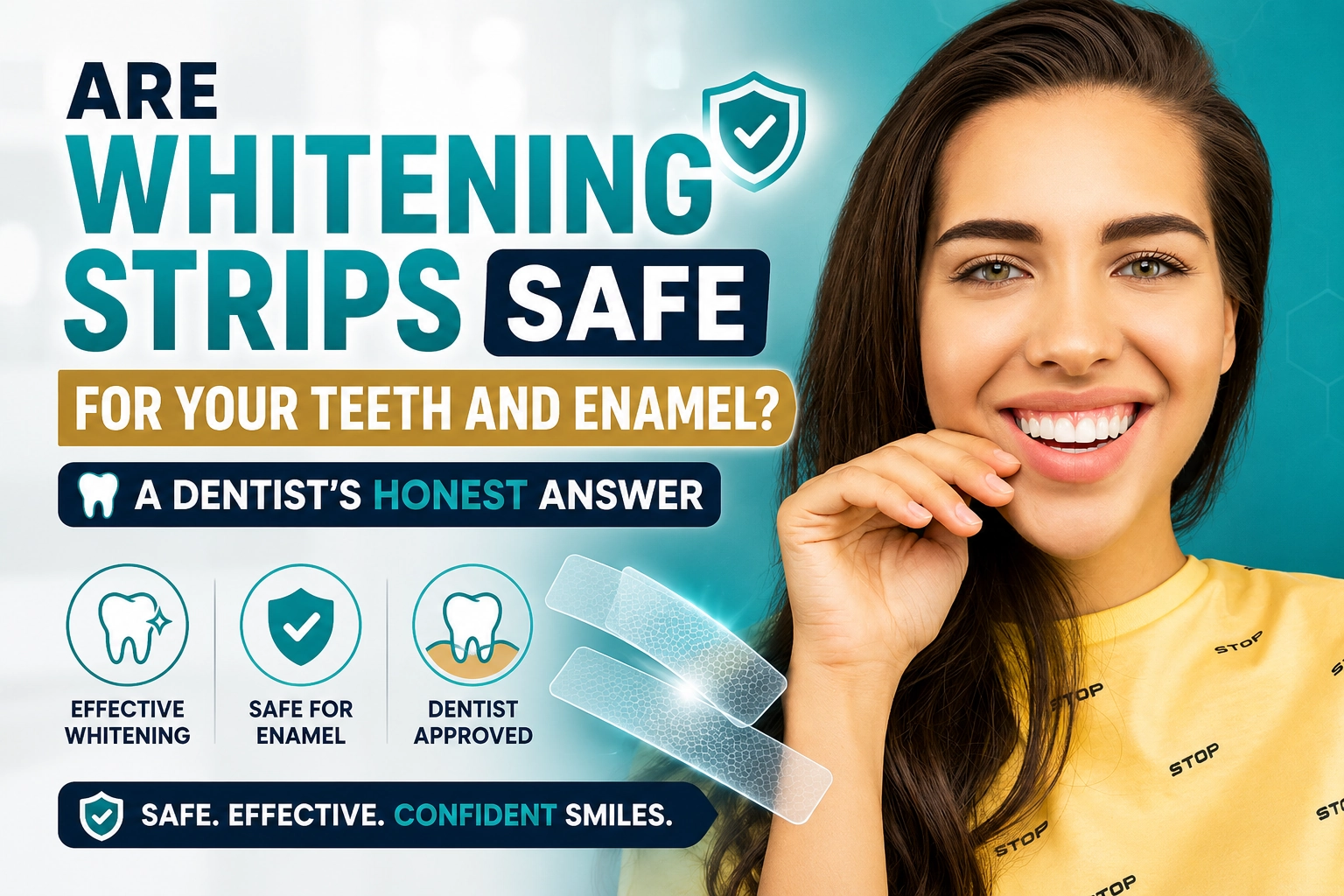
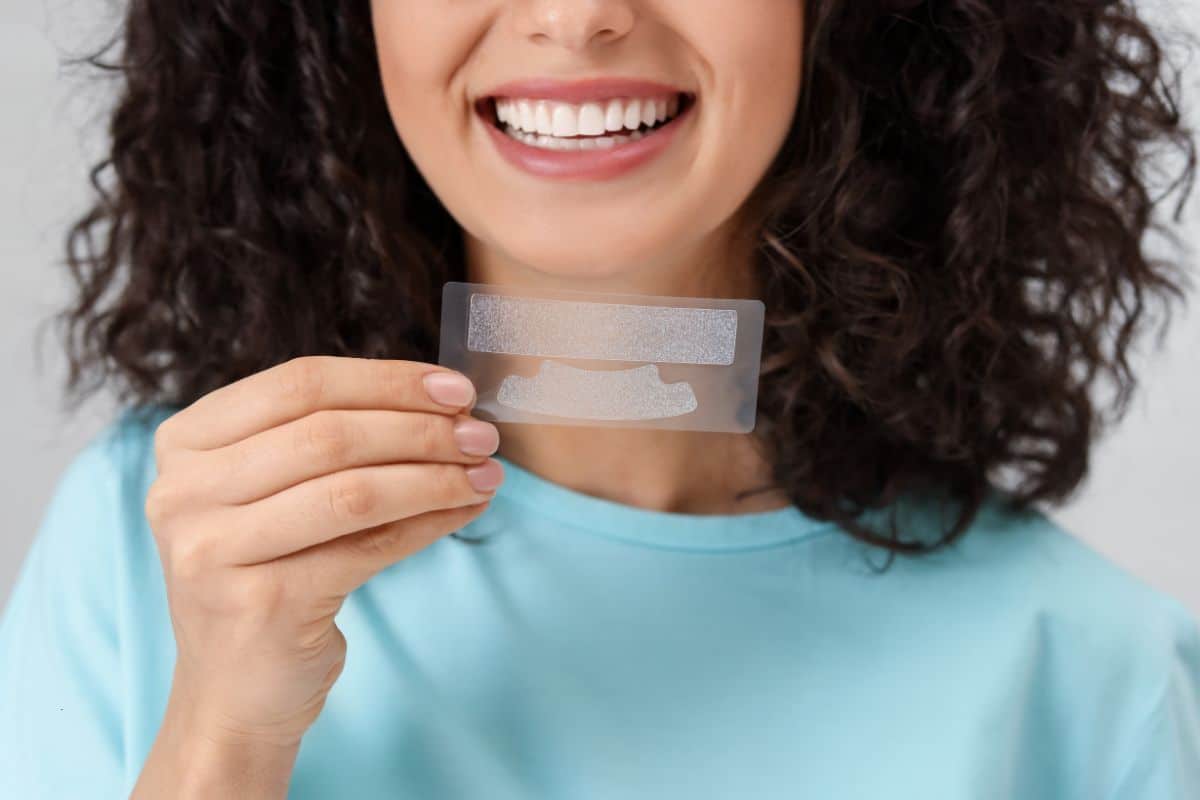
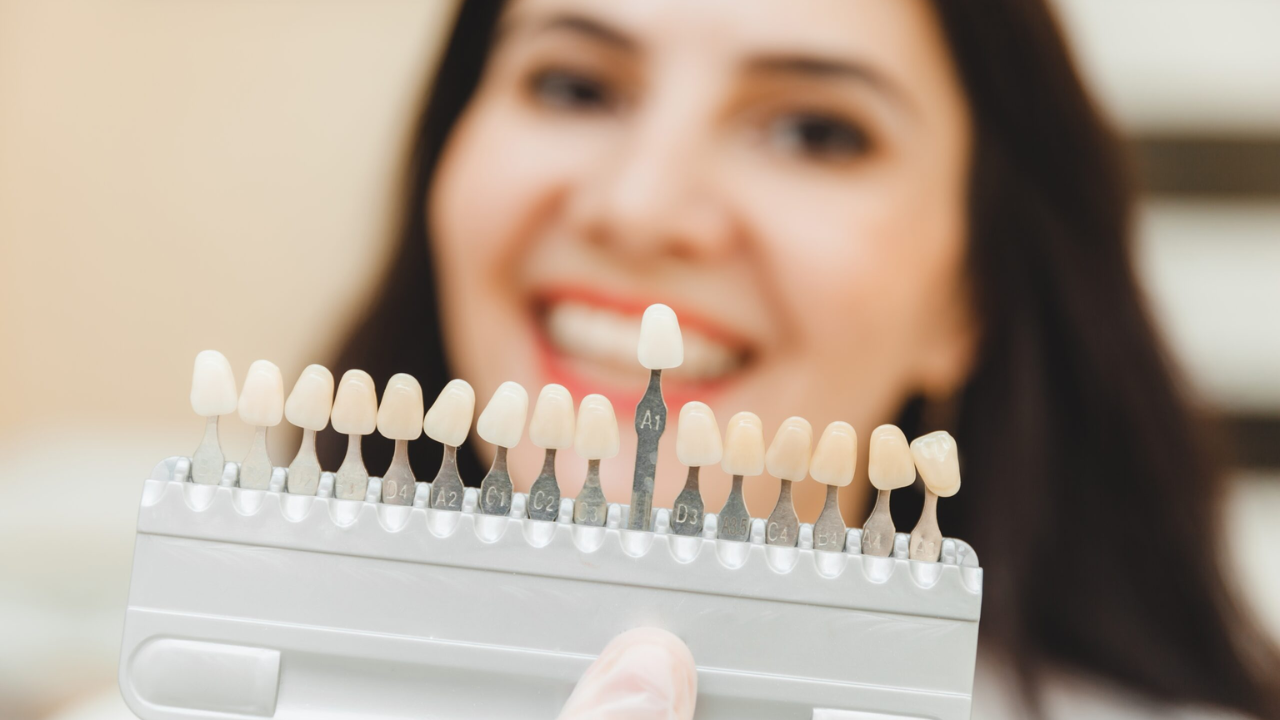
Professional whitening is the highest-impact, lowest-cost cosmetic dental treatment available, and it’s the right starting point for most patients who think they need something more invasive. In-office formulas use higher peroxide concentrations than anything sold over the counter, and the typical result is four to eight shades brighter in a single visit. Drugstore strips work slowly and only on surface stains, which is why patients who whiten at home for six months often still feel their teeth look dull. They were treating the wrong layer of the tooth. We sequence whitening before any veneer or bonding work because cosmetic restorations don’t change color once placed.
2. Porcelain Veneers
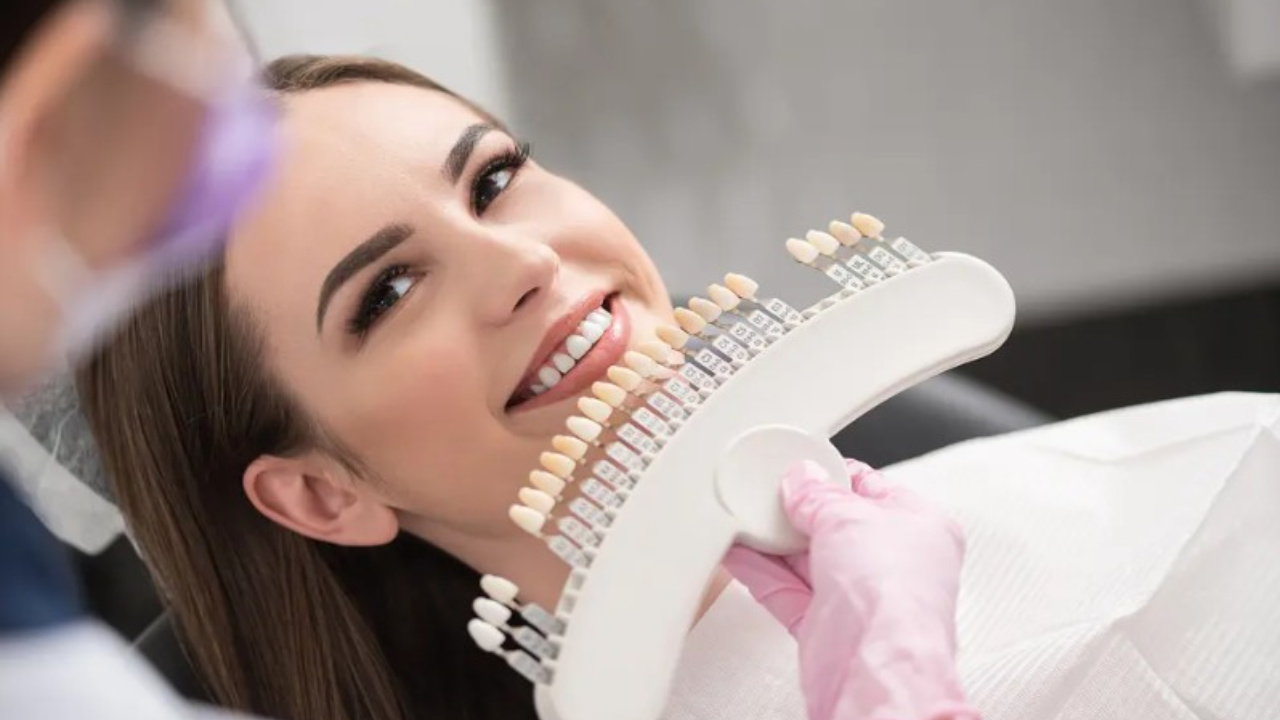
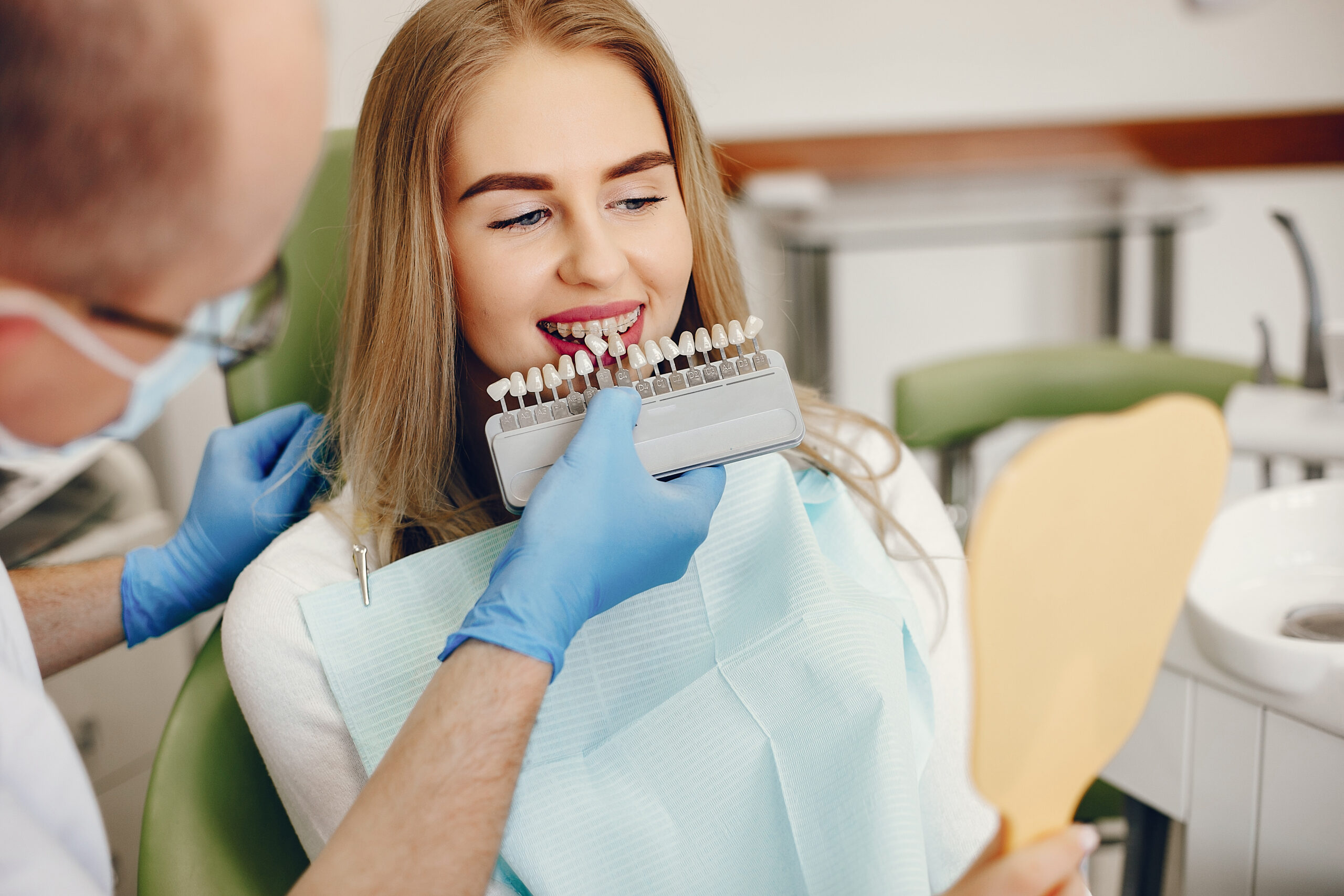
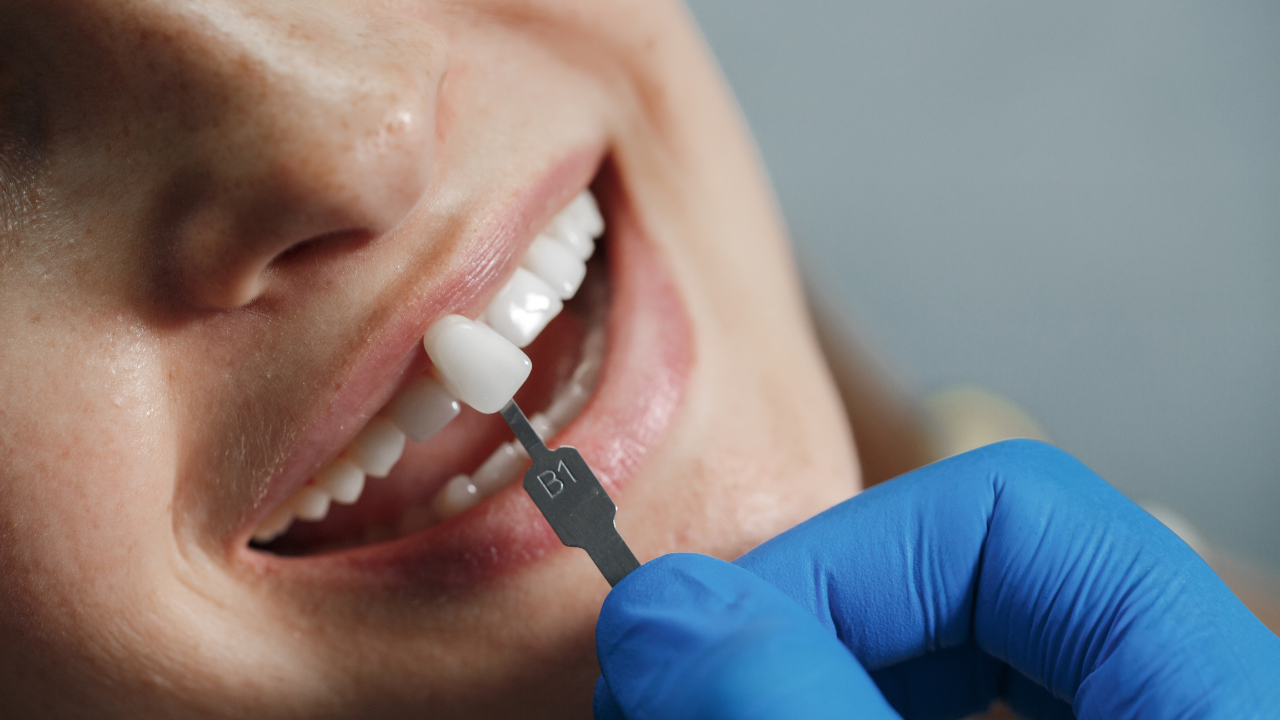
Porcelain veneers are thin ceramic shells bonded to the front of teeth, and they remain the gold standard for transforming shape, color, and symmetry in one treatment plan. Modern porcelain transmits light the way natural enamel does, which is why a well-designed veneer is invisible to anyone who isn’t a dentist. The “fake” look people fear comes from poor shade selection or oversized contours, not from the veneers themselves. The most common mistake we see is patients choosing veneers based on a celebrity photograph rather than their own facial proportions. For patients weighing veneers against alternatives, our breakdown of crowns, veneers, and bridges walks through which restoration fits which clinical situation.
3. Cosmetic Dental Bonding
Cosmetic bonding uses tooth-colored composite resin sculpted directly onto the tooth, usually in a single appointment with no anesthesia and no enamel reduction. It’s the fastest cosmetic dental treatment available, and for the right cases it’s also the most cost-effective, ideal for closing small gaps, repairing chipped edges, or reshaping a single tooth. Composite is softer than porcelain and stains more readily. Most bonded restorations need refinishing within five to seven years, where porcelain veneers can hold up for fifteen or more. Bonding is the right answer when you want a small, fast fix today. Veneers are the right answer when you want a comprehensive result that outlasts a phone, a job, and a lease.
4. Clear Aligners
Clear aligner therapy uses a series of custom, removable trays to shift teeth into a planned position, and it has quietly become the default orthodontic option for adults over thirty. They win on mild to moderate crowding, spacing, minor bite issues, and orthodontic relapse in patients who wore braces as teenagers and watched their teeth drift back. They don’t win on severe bite discrepancies or skeletal issues that require surgical input. Most adult patients we see have already rejected braces on social grounds, then assumed nothing else would work for their case. Our clear aligners page covers candidacy and the full timeline.
5. Dental Crowns
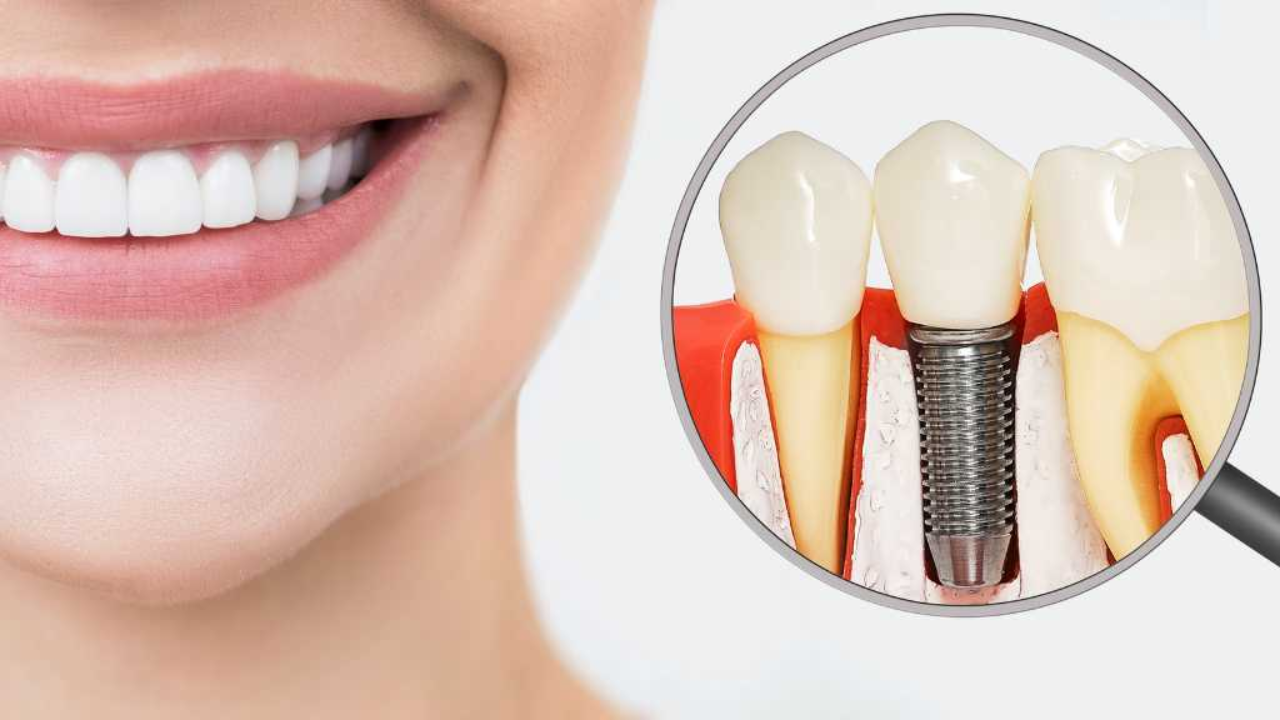
A crown is a full-coverage restoration that caps a damaged or aesthetically compromised tooth, and it solves a category of problems veneers and bonding cannot. When a tooth has a large old filling, a fracture line, or has been root-canal treated, a crown rebuilds the entire visible structure with porcelain or zirconia. Modern all-ceramic crowns match surrounding teeth with the same precision used in veneer cases. The decision point most patients miss: if a tooth is structurally weak, a veneer is the wrong restoration, and a crown is the correct cosmetic choice even when the goal is appearance.
6. Inlays and Onlays
Inlays and onlays sit between a filling and a full crown on the spectrum of tooth coverage. They preserve significantly more natural tooth structure than a crown, while delivering a finish far more aesthetic and durable than a large composite filling. For patients with old amalgam fillings on premolars and molars, swapping them for tooth-colored onlays is one of the highest-impact cosmetic upgrades available. Across most consultations we run, the patients asking about whitening their front teeth often have visible silver fillings that show in every laugh photo. Addressing those with onlays delivers a more complete improvement than whitening alone.
7. Gum Contouring
The frame of a smile is the gum line, and an uneven or excessive gum line will undermine even perfectly shaped teeth. Gum contouring uses precision laser techniques to reshape soft tissue, raise short-looking teeth, and reduce a “gummy smile.” Most cases are completed in one visit under local anesthesia. The human eye reads symmetry before color or shape, which is why correcting the frame can transform smile aesthetics without touching the teeth themselves. Soft tissue work integrated with veneer or alignment cases is covered in our guide to proven smile makeover techniques.
How to Choose the Right Cosmetic Dental Treatment
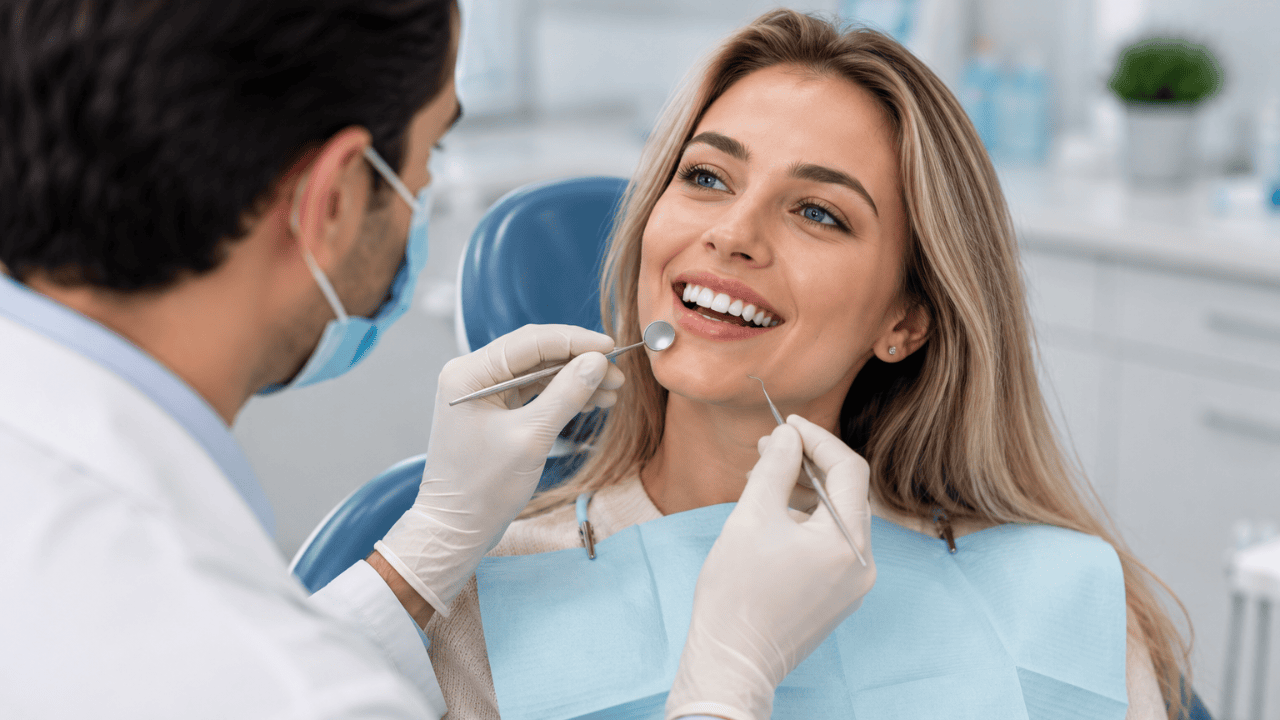
A genuine cosmetic consultation is not a sales pitch for veneers. It’s a structured assessment of color baseline, shape proportions, alignment status, gum architecture, and bite function, followed by a digital preview of your end result. If you’ve been quoted a single procedure without that full assessment, you’ve been quoted a treatment, not a plan. Our deeper walkthrough of the smile transformation process with cosmetic dentistry explains how that planning sequence runs in practice. The smile you want is rarely one treatment away. Book a cosmetic consultation with our team, and we’ll show you exactly what’s possible for your smile before any treatment begins.
FAQ Section
1. How do I know which cosmetic dental treatment is right for me?
Identify which layer of your smile is the actual issue, color, shape, or alignment. Whitening fixes color. Veneers, bonding, crowns, and onlays address shape and structure. Clear aligners address alignment. A digital cosmetic consultation maps your current smile against your ideal end result and recommends the smallest combination of treatments to close the gap.
2. Are cosmetic dental treatments safe and long-lasting?
Yes, when delivered by a clinician with cosmetic training and current materials. Veneers and crowns commonly last 15 years or longer. Whitening results typically hold for 12 to 24 months with maintenance. Bonding lasts 5 to 7 years on average. Longevity depends as much on planning and aftercare as on the procedure itself.
3. How much do cosmetic dental treatments cost in the United States?
Costs vary by procedure and complexity. Professional whitening typically ranges from $300 to $800. Porcelain veneers usually fall between $1,200 and $2,500 per tooth. Bonding is among the most affordable at $300 to $600 per tooth. Comprehensive smile makeovers are quoted as a complete plan, and most clinics offer financing.
4. Can I combine multiple cosmetic dental treatments in one plan?
Combining treatments is the rule, not the exception. A typical plan might sequence whitening first, then aligner therapy, finished with veneers or bonding. Sequencing matters because cosmetic restorations don’t change color once placed, and alignment changes how each tooth needs to be shaped.
5. How long does it take to see results from cosmetic dental treatments?
Whitening, bonding, and gum contouring show their full effect in a single visit. Veneers and crowns typically take two to three weeks from preparation to placement. Clear aligner therapy runs 6 to 18 months depending on complexity. Most comprehensive smile makeovers complete within 3 to 6 months.