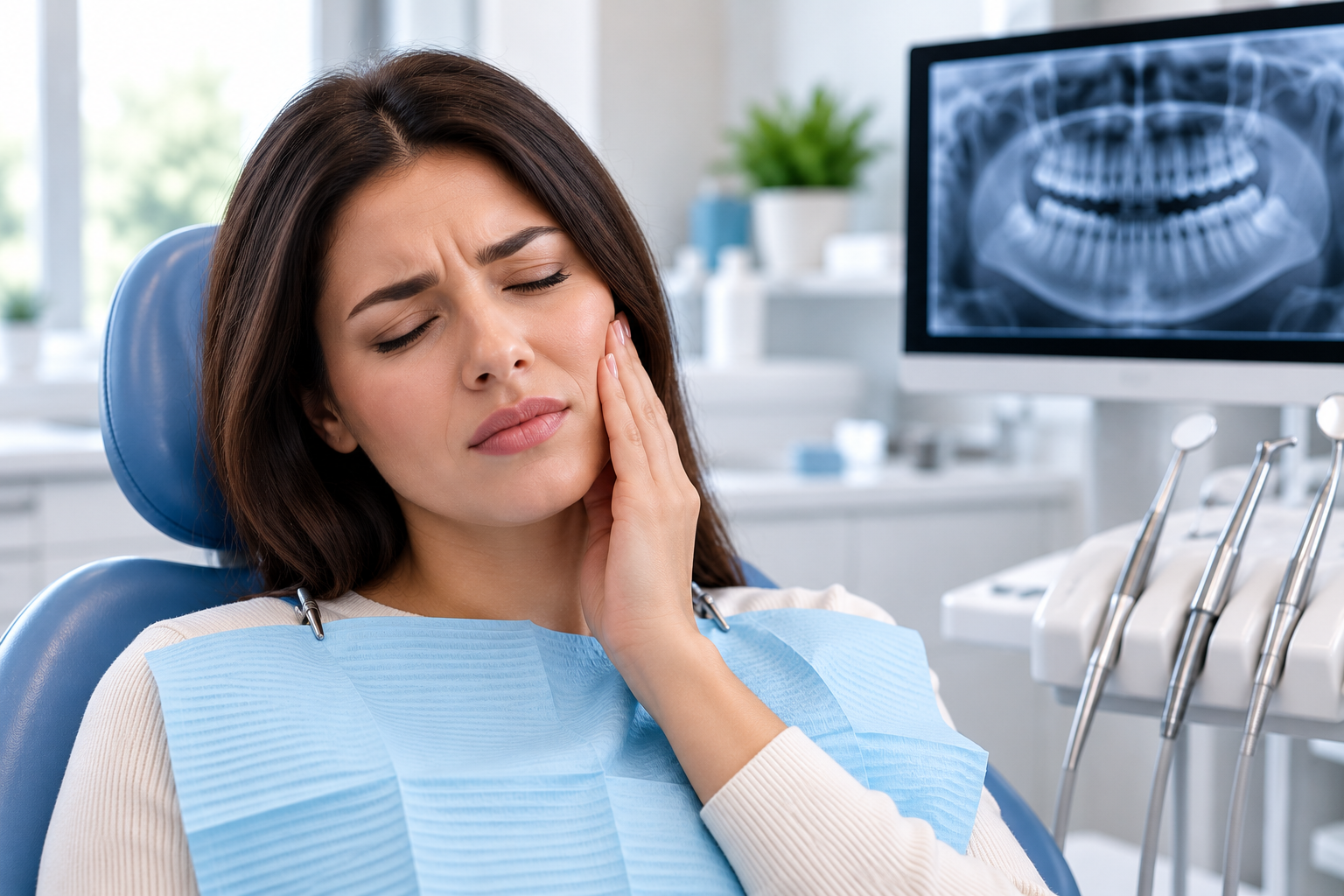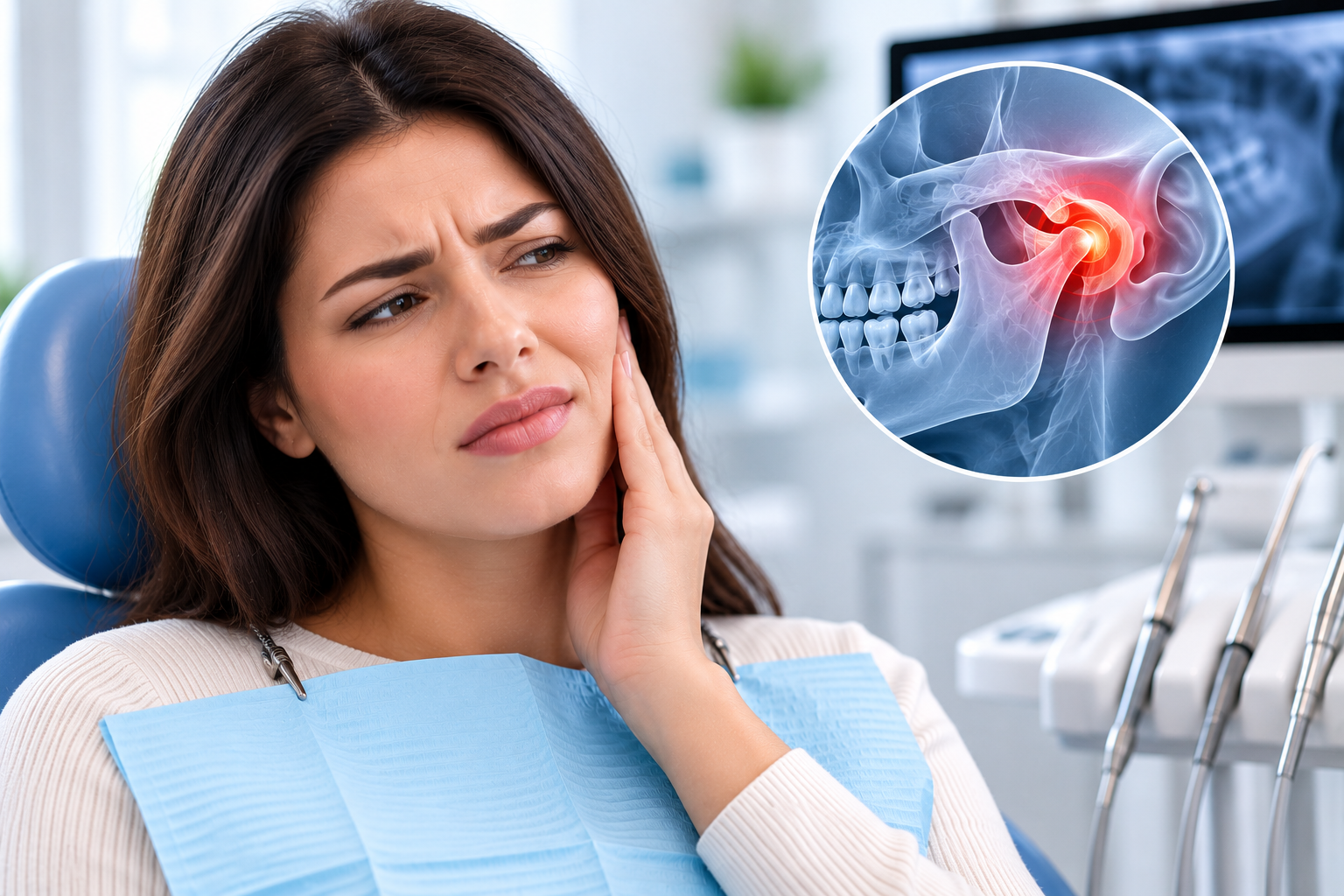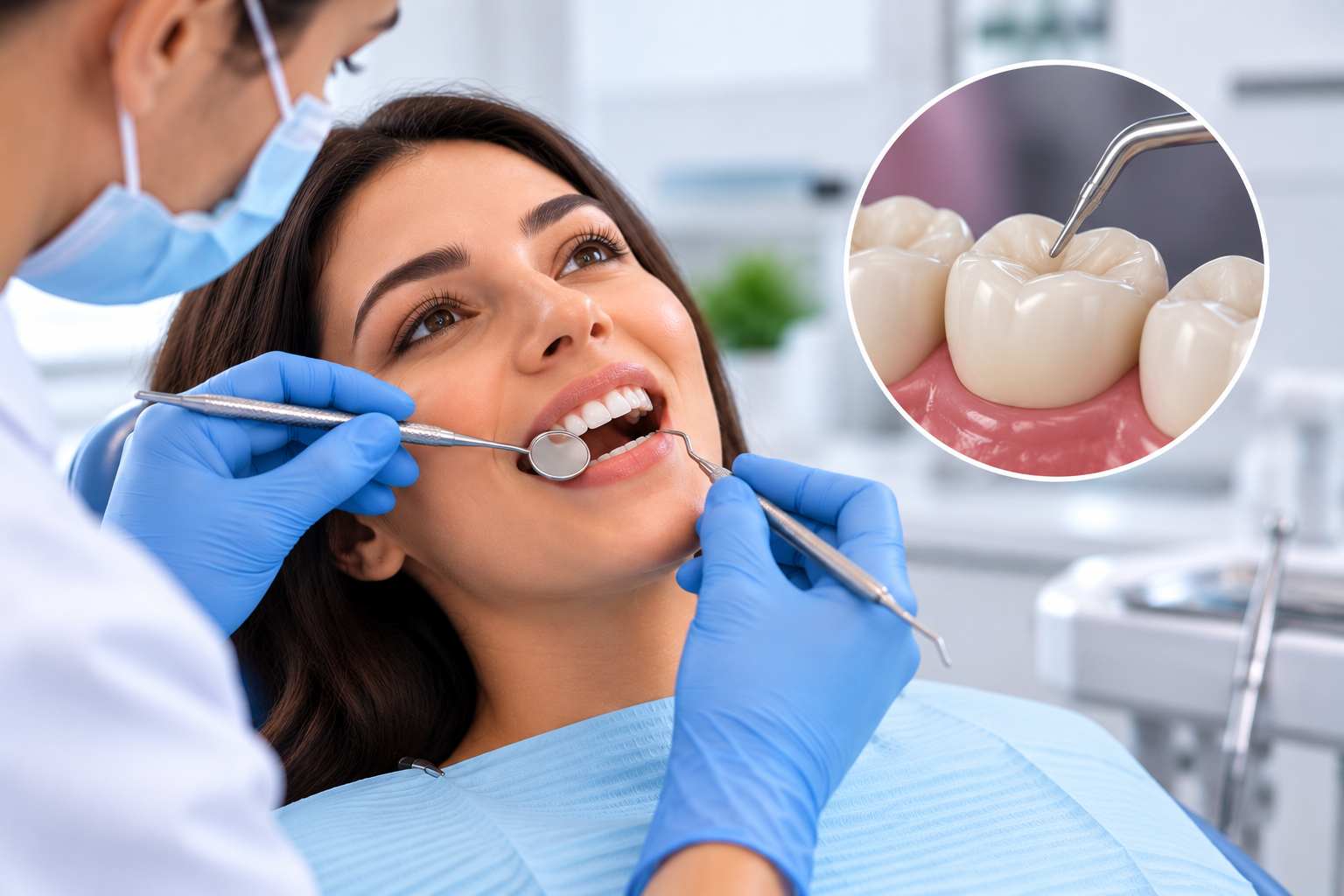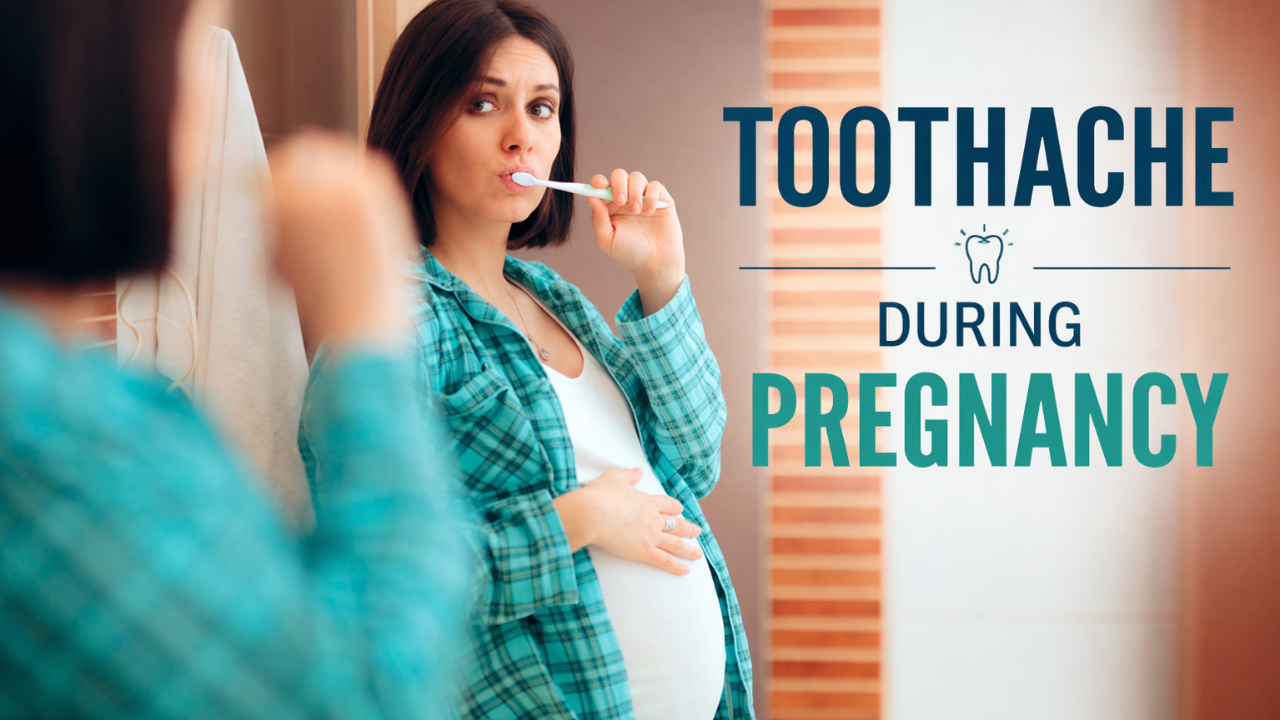
Pregnancy is a beautiful journey — but it can come with some unexpected challenges, and a toothache is one of them. If you’re a pregnant woman with a toothache, you’re definitely not alone. Many expecting moms experience dental pain at some point during their pregnancy, and it can feel especially stressful when you’re not sure what’s safe to take or do.
The good news? There are several safe, dentist-approved ways to find relief without putting your baby at risk. Here’s everything you need to know about toothache and pregnancy — and what you can safely do about it.
Why Toothaches Are Common During Pregnancy
Dental pain while pregnant isn’t just bad luck. Pregnancy actually causes real changes in your body that can lead to tooth and gum problems. Some of the most common reasons include:
- Hormonal changes that increase gum sensitivity and bleeding
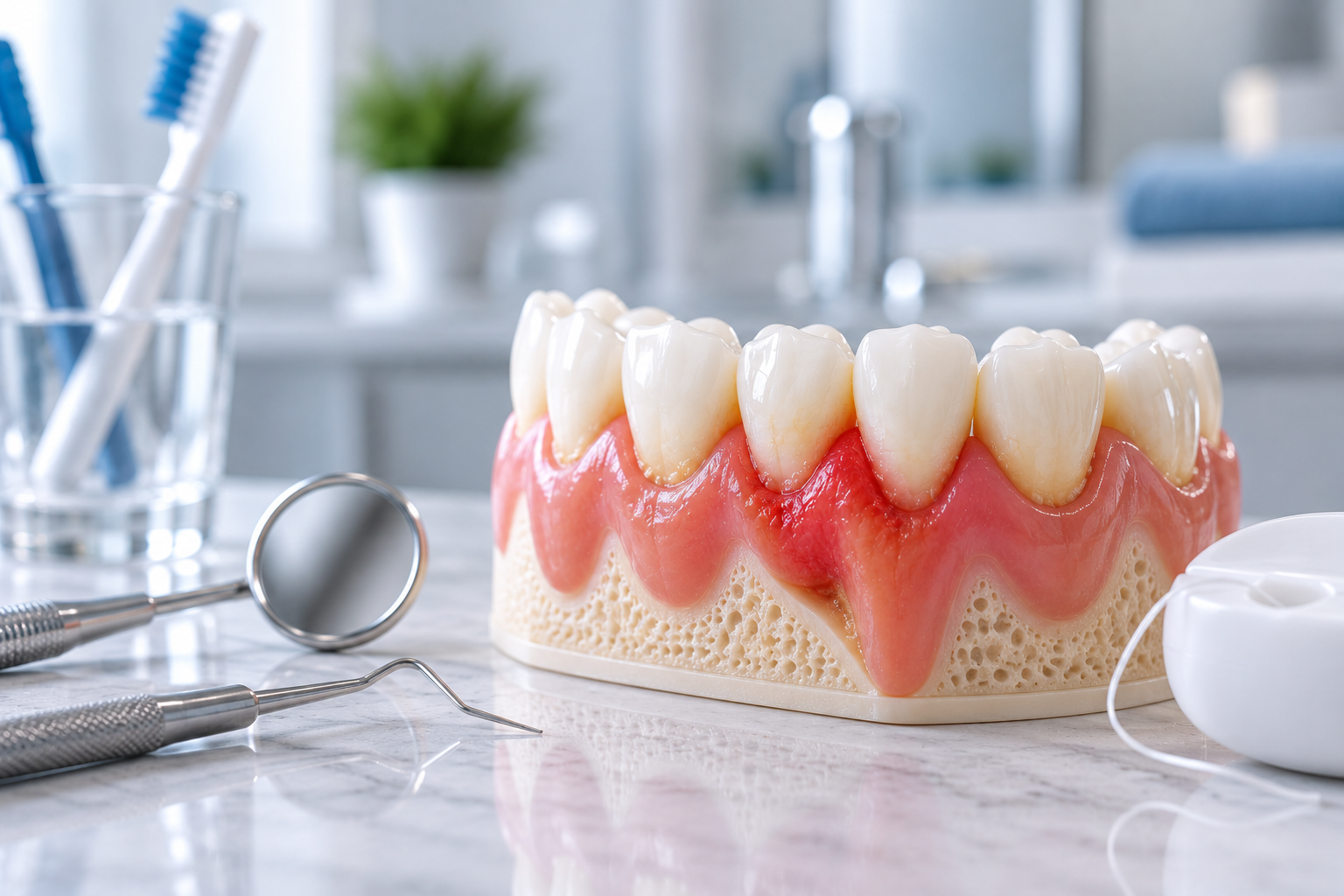
- Pregnancy gingivitis caused by extra blood flow to the gums
- Morning sickness that exposes teeth to stomach acid and enamel erosion
- Cravings for sugar that can lead to cavities
- Calcium changes that may affect tooth strength
- Increased acidity in the mouth that promotes decay
These changes can turn a small dental issue into a painful one — sometimes seemingly overnight.
Common Causes of Pregnancy Toothaches
If you’re experiencing dental pain during pregnancy, it could be due to:
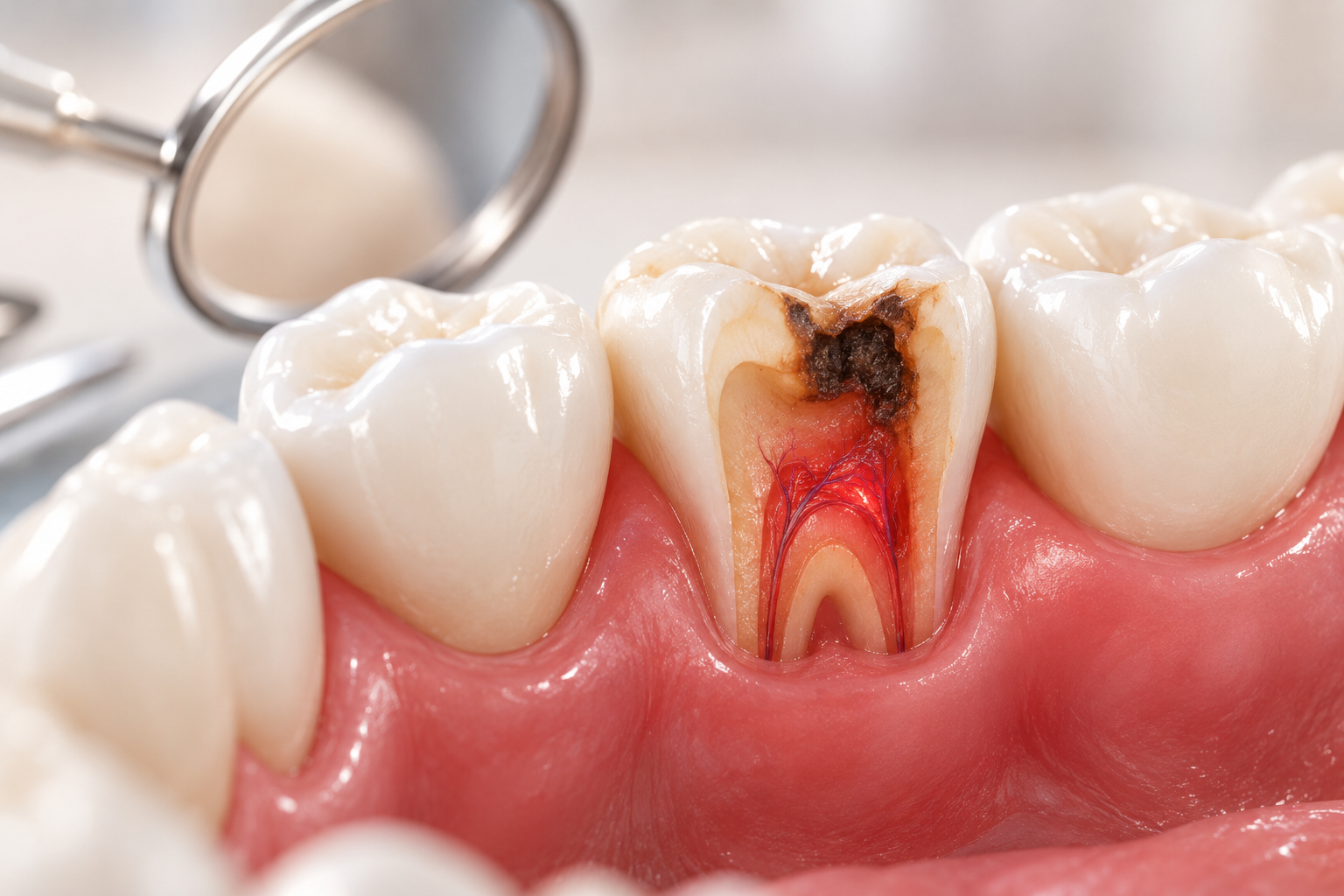
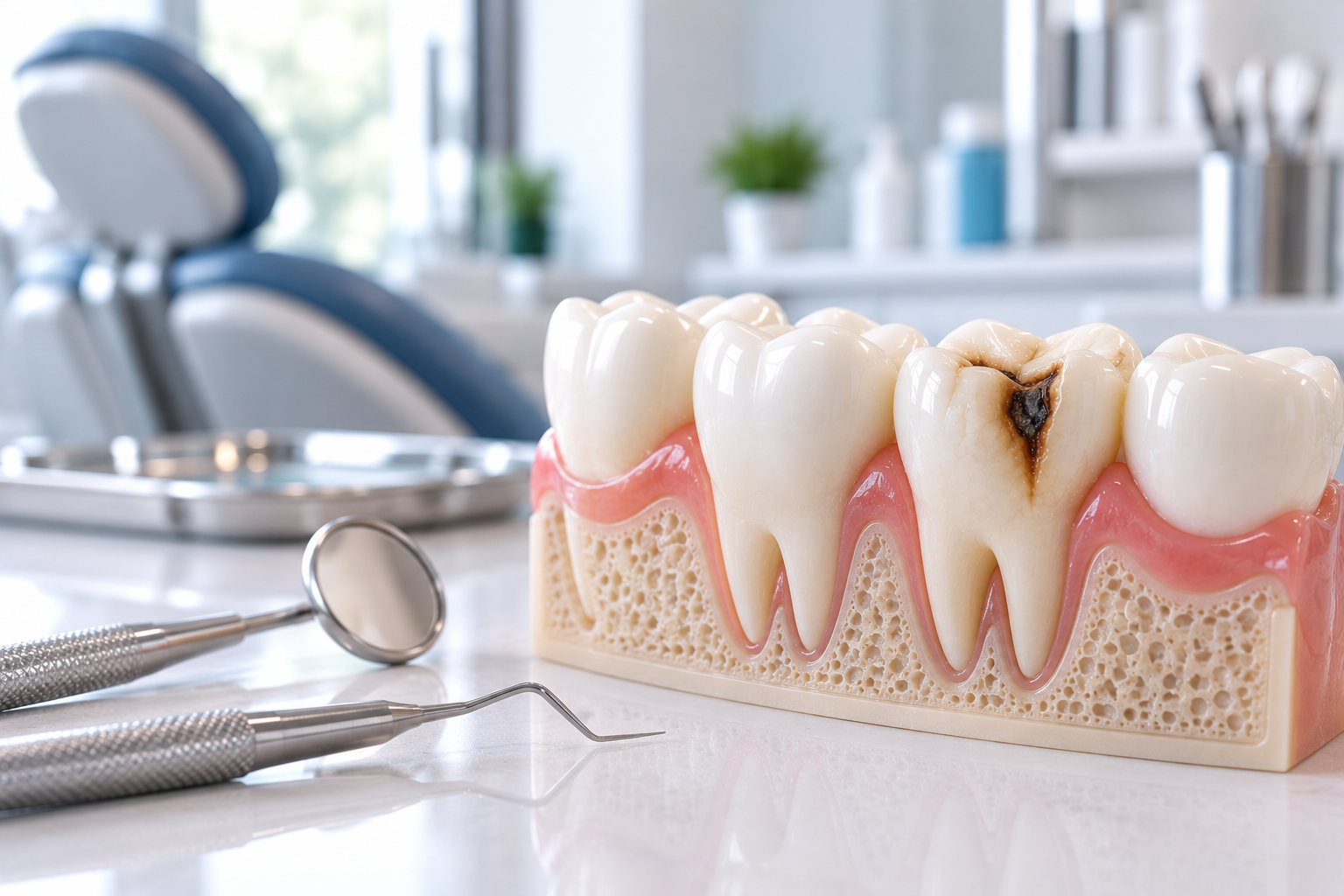
- A new cavity or growing decay
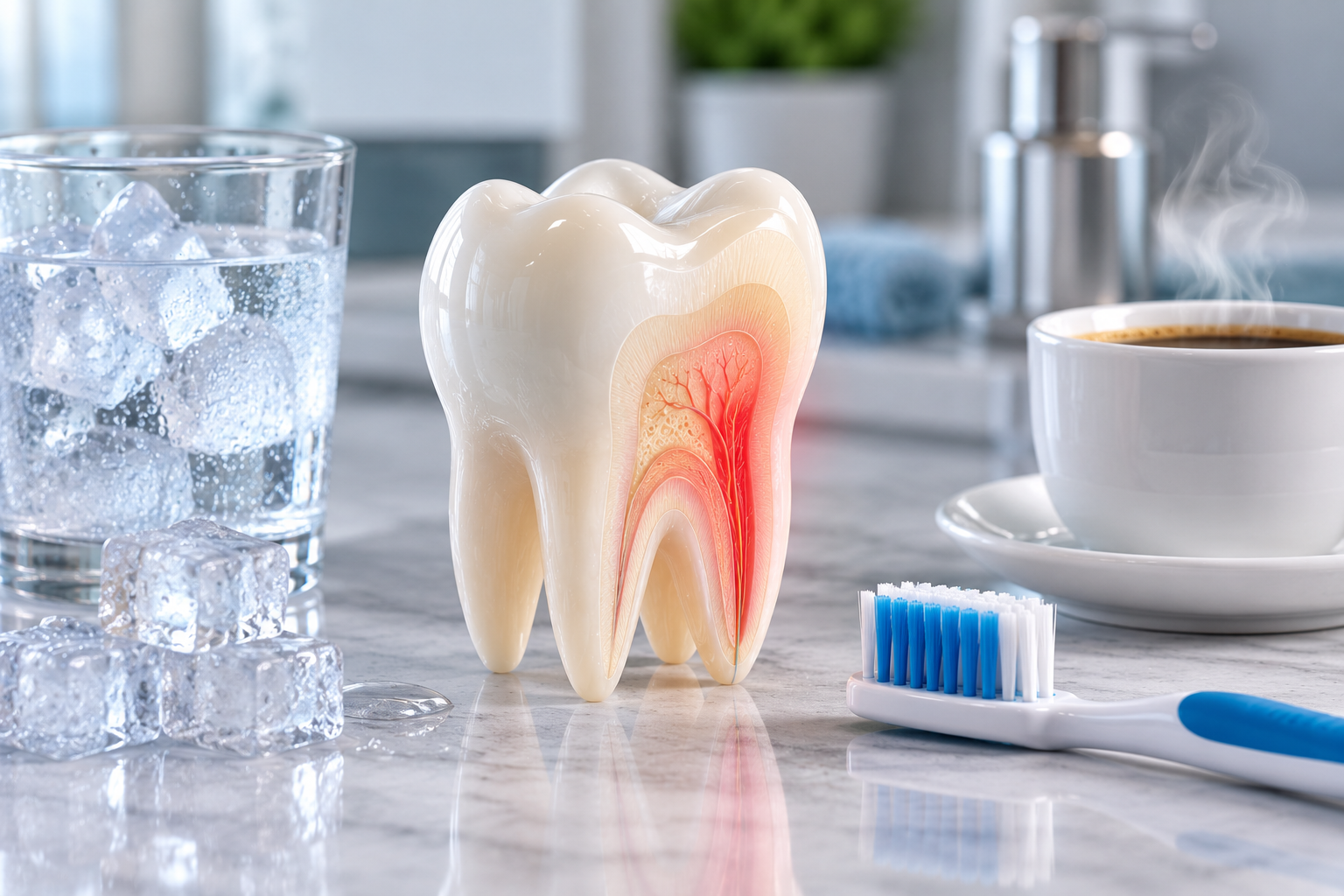
- Sensitive teeth from enamel erosion
- Gum disease or pregnancy gingivitis
- An old filling cracking or wearing down
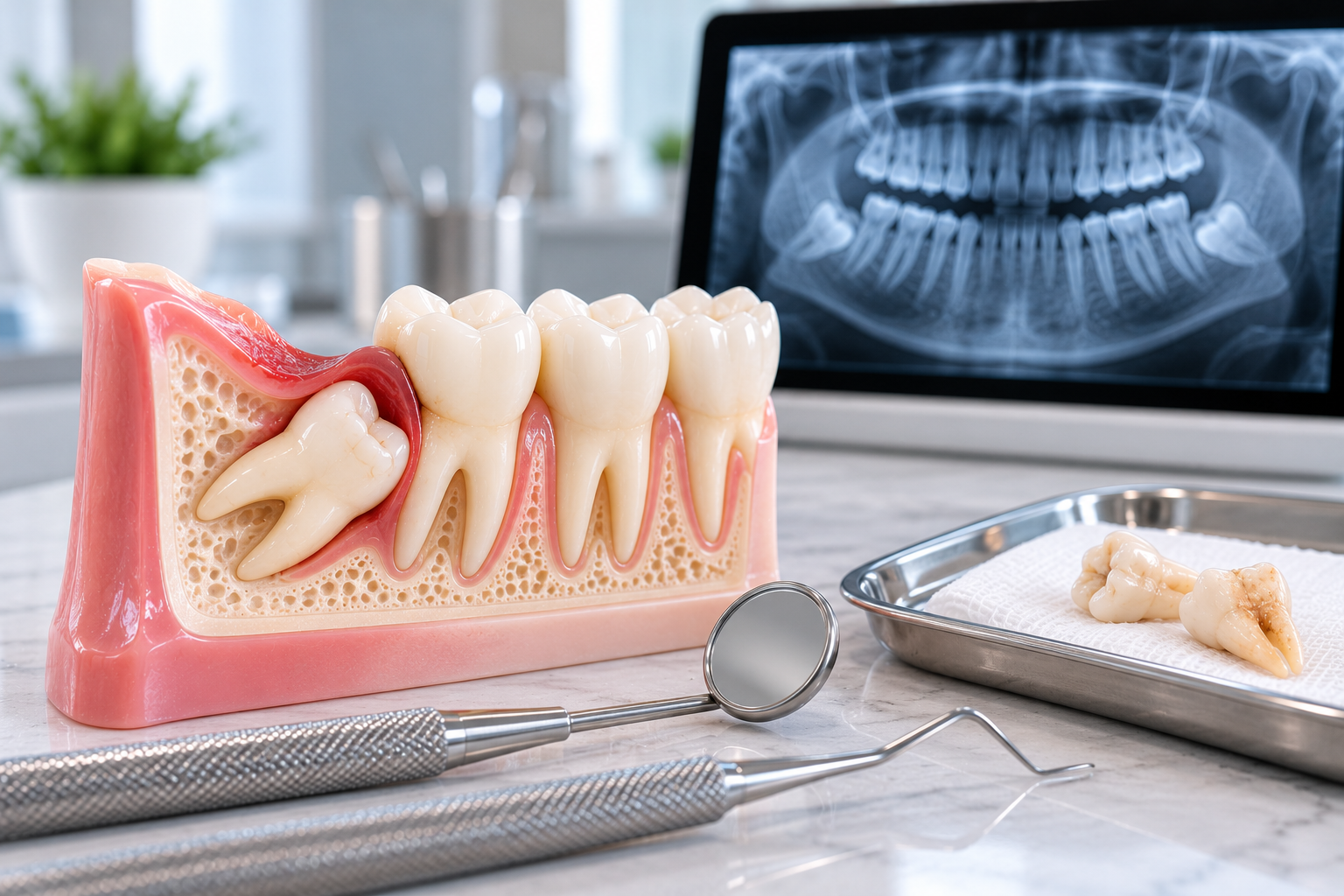
- Wisdom teeth shifting or becoming inflamed
- Teeth grinding from stress
- A dental abscess (infection)
Some of these are minor and can wait for safe treatment. Others, like infections, need urgent care to protect both you and your baby.
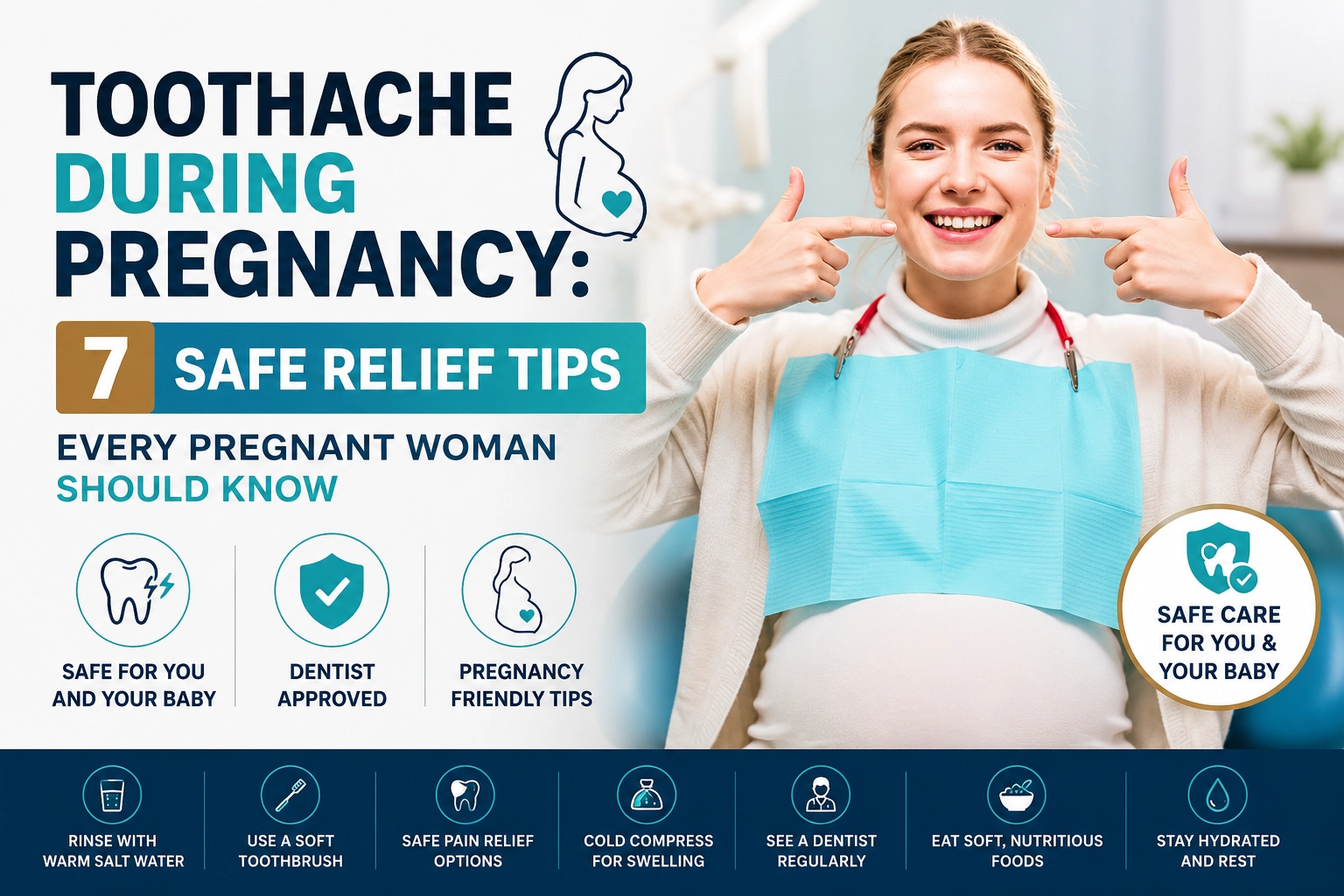
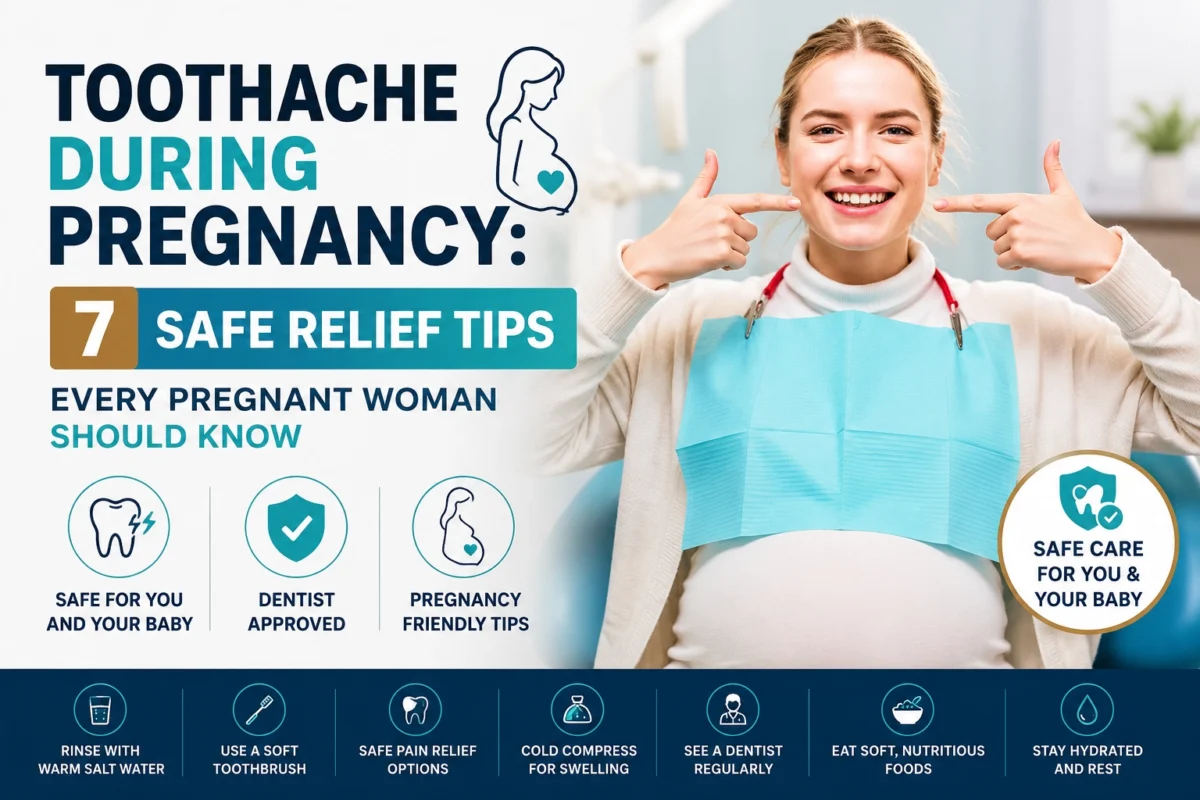
7 Safe Toothache Relief Tips for Pregnant Women
Here are seven dentist-approved ways to safely manage a toothache while you’re expecting.
1. Rinse with Warm Salt Water
A warm salt water rinse is one of the safest and most effective home remedies for toothache during pregnancy. It helps:
- Reduce inflammation
- Kill bacteria around the painful tooth
- Soothe sore gums
- Clean food debris that may be irritating the area
Simply mix half a teaspoon of salt in a glass of warm water and swish for about 30 seconds. Repeat 2–3 times a day.
2. Apply a Cold Compress
If your face is swollen or your tooth is throbbing, a cold compress can offer fast relief. Cold helps numb the area and reduce inflammation.
- Wrap a few ice cubes in a clean towel
- Press it gently on the outside of your cheek
- Hold for 10–15 minutes at a time
- Take breaks between applications
Avoid placing ice directly on your skin or tooth.
3. Try Clove Oil (with Care)
Clove oil is a natural remedy that contains eugenol — a substance with mild numbing and antibacterial properties.
- Dip a clean cotton swab in a small drop of clove oil
- Gently dab it on the painful tooth or surrounding gum
- Use sparingly, just once or twice a day
While clove oil is generally safe in small amounts, always check with your dentist or doctor before using it during pregnancy.
4. Keep Up With Gentle Oral Hygiene
It might be tempting to avoid brushing a painful tooth, but good oral hygiene is more important than ever during pregnancy. Try this:
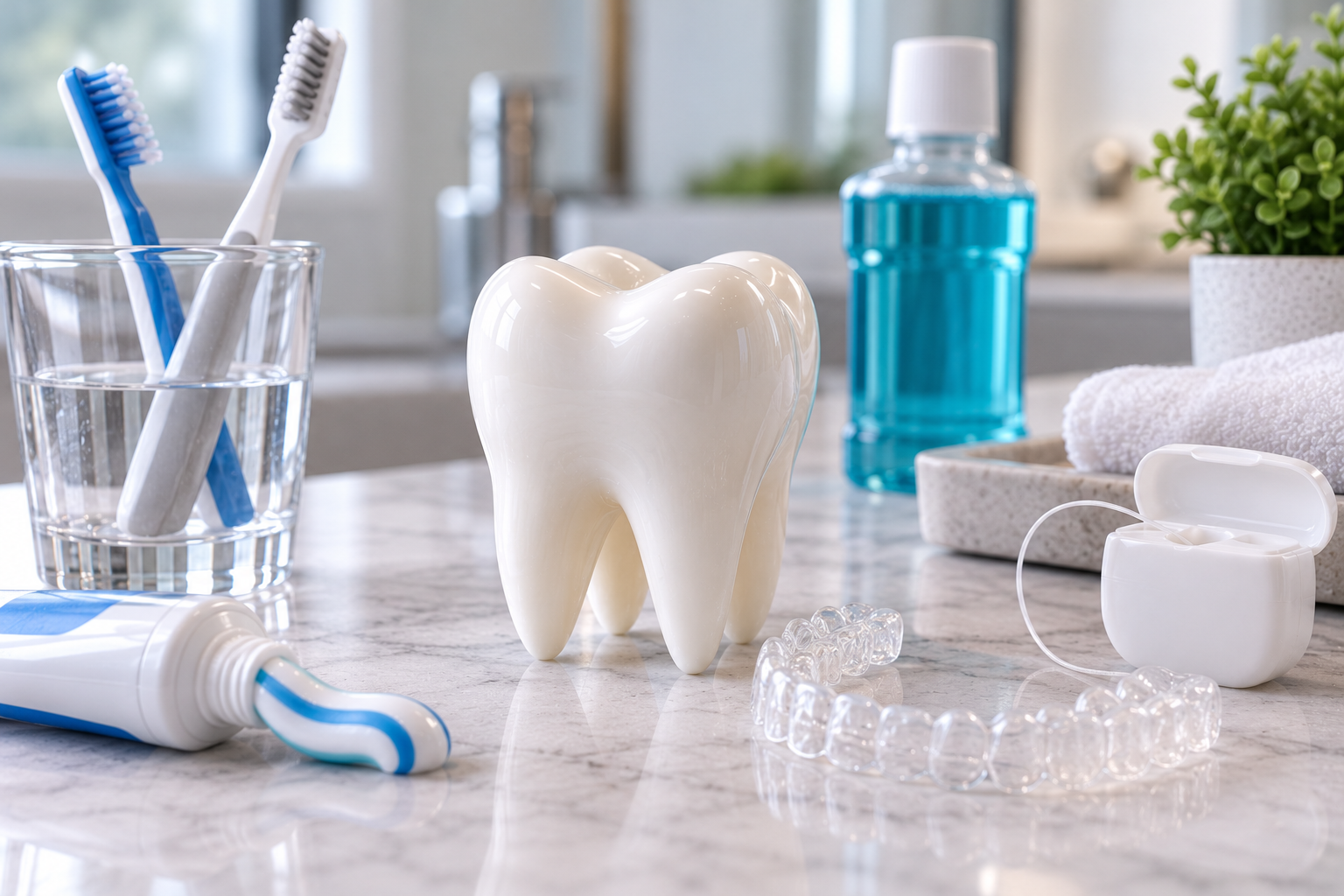
- Use a soft-bristled toothbrush
- Brush gently twice a day with fluoride toothpaste
- Floss carefully around the painful tooth
- Use an alcohol-free mouthwash
Keeping the area clean helps prevent infection and reduces pain over time.
5. Elevate Your Head While Sleeping
Tooth pain often feels worse at night because blood flow to the head increases when you lie down. Elevating your head with an extra pillow can:
- Reduce throbbing pressure
- Improve sleep
- Lower the risk of swelling
This simple change can make a huge difference in nighttime pain.
6. Avoid Trigger Foods
Some foods can make pregnancy toothaches worse. Try to avoid:
- Very hot or very cold drinks
- Sugary or sticky snacks
- Hard, crunchy foods like nuts or chips
- Acidic foods like citrus or vinegar-based dressings
Stick with soft, lukewarm, low-sugar foods until you can see your dentist.
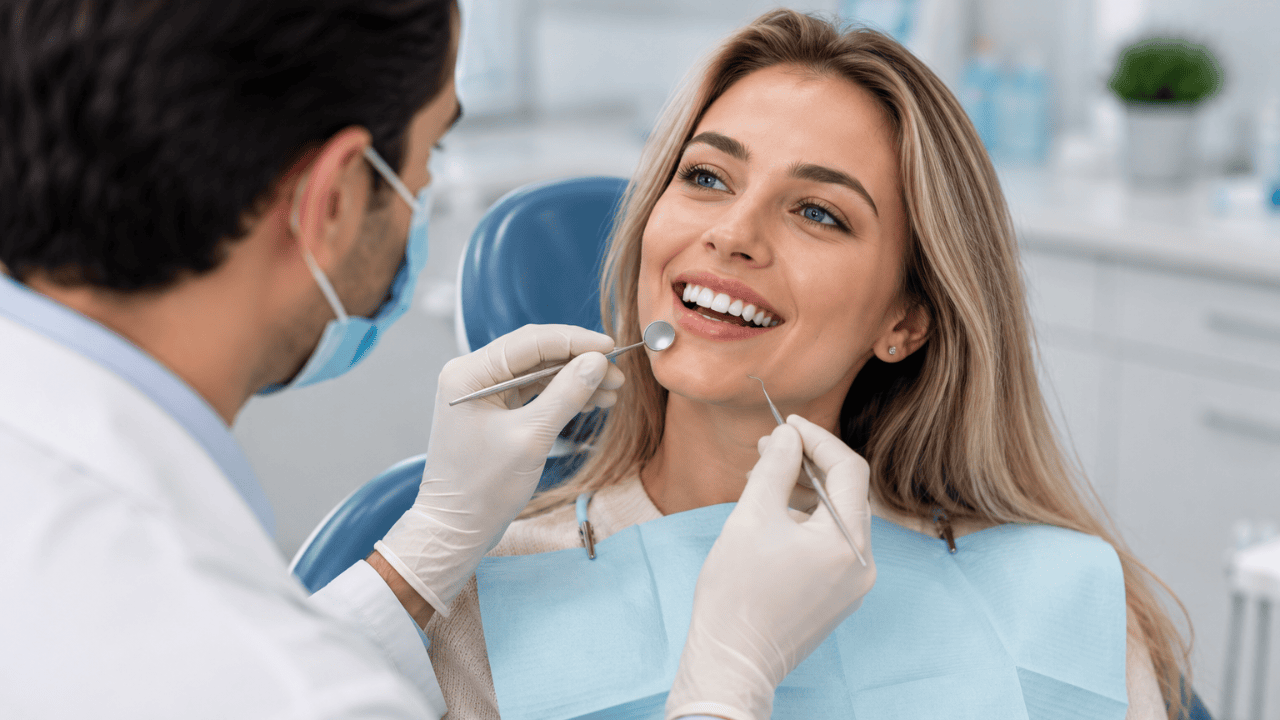
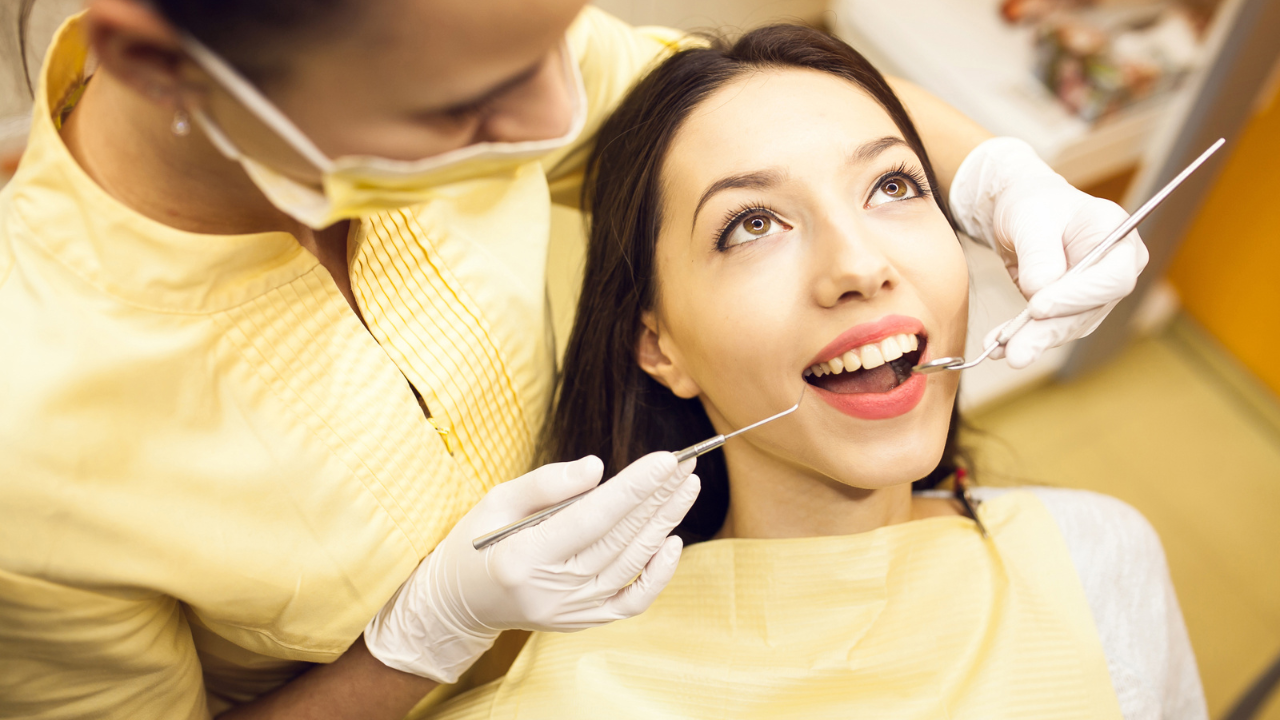
7. See Your Dentist — It’s Safe During Pregnancy
This is the most important tip of all. Many pregnant women avoid the dentist out of fear that it might harm their baby. But the truth is:
- Routine dental care is safe during pregnancy
- Cleanings and exams are encouraged
- X-rays can be safely done with proper shielding when necessary
- Most dental treatments can be safely performed, especially during the second trimester
- Ignoring a toothache can actually be more dangerous to your pregnancy than treating it
Untreated dental infections have been linked to premature birth and low birth weight — so don’t wait it out.
Pain Medications: What’s Safe and What to Avoid
Always check with your doctor or dentist before taking any medication during pregnancy. In general:
Generally considered safe (when approved by your doctor):
- Acetaminophen (Tylenol)
Usually avoided during pregnancy:
- Ibuprofen (Advil, Motrin)
- Aspirin
- Naproxen (Aleve)
Never self-medicate. Always get clearance from your healthcare provider first.
When to See a Dentist Immediately
Some toothaches need urgent attention. Call your dentist right away if you experience:
- Severe, throbbing pain that won’t go away
- Swelling in your face, jaw, or gums
- A fever along with tooth pain
- A bad taste or pus in your mouth
- Difficulty opening your mouth or swallowing
- A broken or knocked-out tooth
These can be signs of infection — and getting fast treatment is the safest thing for both you and your baby.
How to Prevent Toothaches During Pregnancy
You can lower your risk of dental pain during pregnancy with a few simple habits:
- Brush twice daily with fluoride toothpaste
- Floss every day
- Rinse with water after vomiting (don’t brush immediately)
- Drink plenty of water
- Limit sugary snacks and acidic drinks
- Get a dental cleaning during your second trimester
- Take your prenatal vitamins with calcium and vitamin D
Small daily habits make a big difference in protecting your smile during these nine months.
Frequently Asked Questions
- Is it safe to go to the dentist while pregnant?
Yes — routine dental care is not only safe but recommended during pregnancy. The second trimester is usually the best time for non-emergency treatments. - Can a toothache hurt my baby?
A toothache itself won’t hurt your baby, but the infection behind it can. Untreated dental infections have been linked to preterm birth, so it’s important to treat dental issues early. - Why do I have a sudden toothache during pregnancy?
Hormonal shifts, morning sickness, increased acidity, and pregnancy gingivitis can all trigger sudden tooth pain — even if you’ve never had dental problems before. - Are dental X-rays safe during pregnancy?
Yes, when absolutely needed. Modern digital X-rays use very low radiation, and your dentist will use a protective lead apron over your belly for extra safety. - What pain reliever is safe to take for a pregnancy toothache?
Acetaminophen (Tylenol) is generally considered safe, but always confirm with your doctor or dentist before taking any medication during pregnancy.
If you’re a pregnant woman dealing with a toothache, don’t suffer in silence. At Ethos Modern Dental & Implant Center, Dr. Sreelakshmi Keesara provides gentle, safe, and supportive dental care for expecting mothers. Schedule your visit today for fast relief and peace of mind for both you and your baby.
Popular Services:
Emergency Dentist Edinburg TX | Dental Implants in Edinburg TX | Root Canal Treatment | Dental Crowns, Veneers & Bridges Edinburg TX |
We’re Near From
Dentist in McAllen TX | Emergency Dentist McAllen TX | Pediatric Dentist McAllen TX | Dental Implants in McAllen, TX | Teeth Whitening McAllen TX | Root Canal Treatment in McAllen TX | Dental Crowns, Veneers & Bridges McAllen TX |
Dentist in Pharr TX | Dentist in Mission TX | Dentist in Weslaco TX | Dentist in Palmview TX | Dentist in San Juan TX | Dentist in Donna TX |