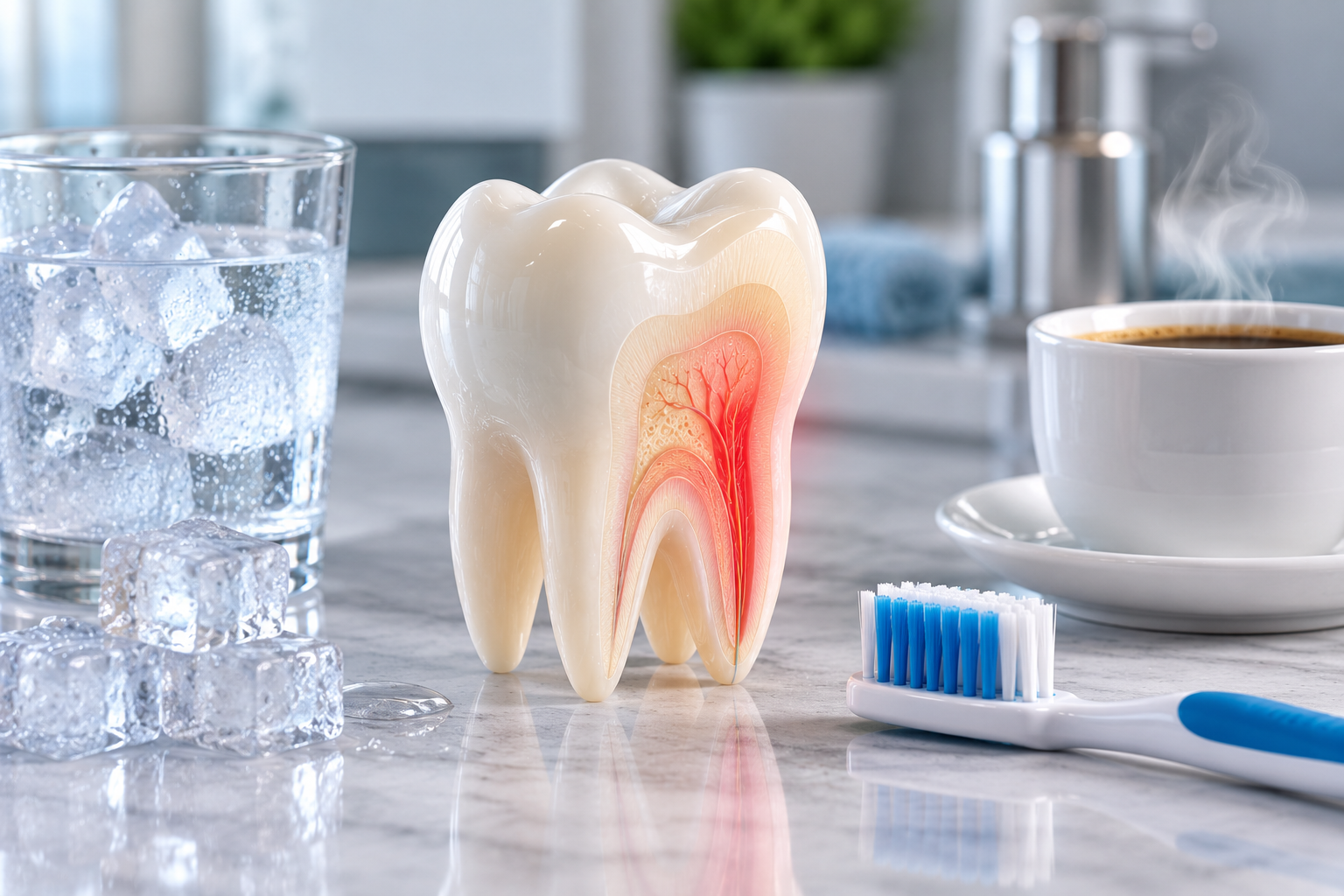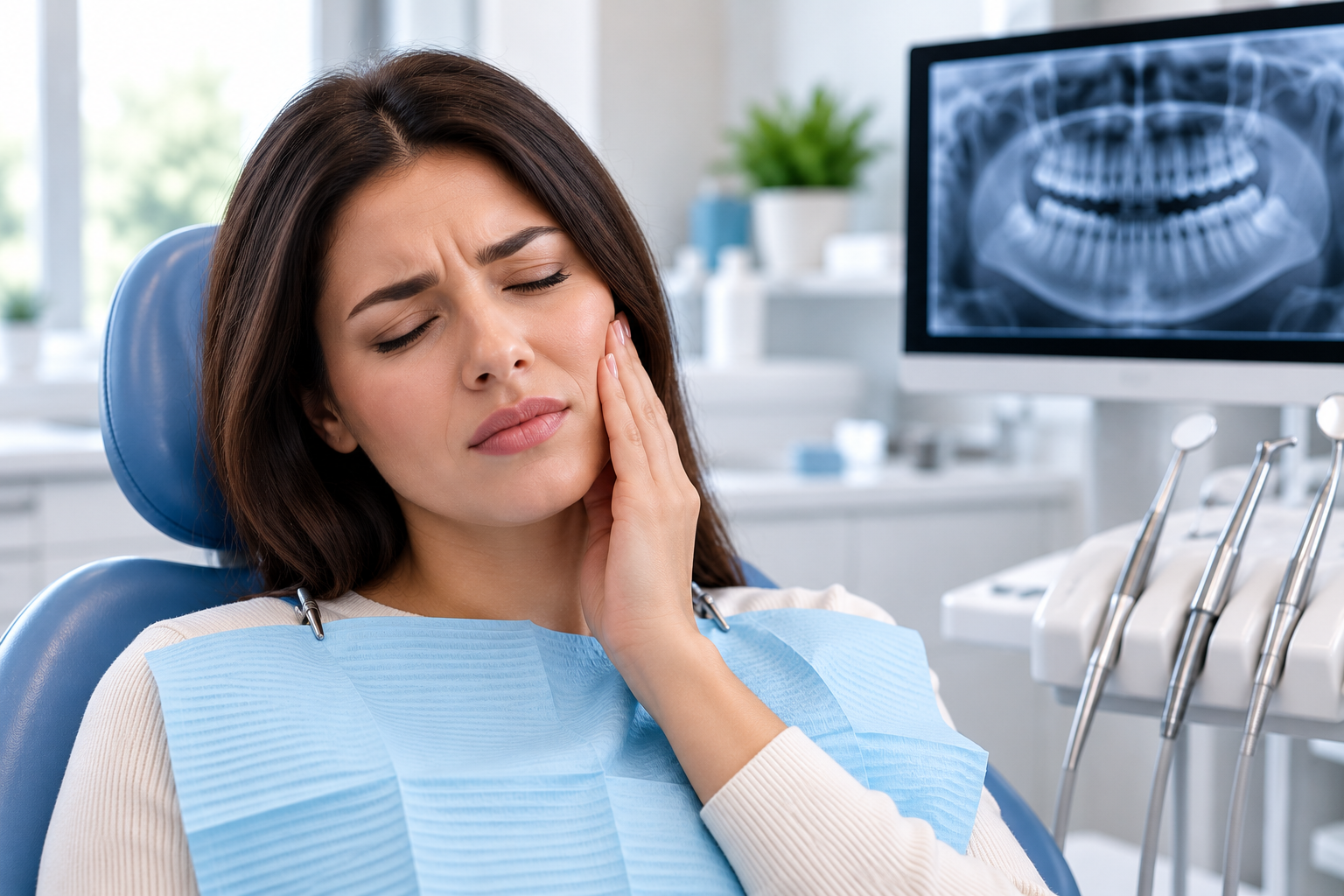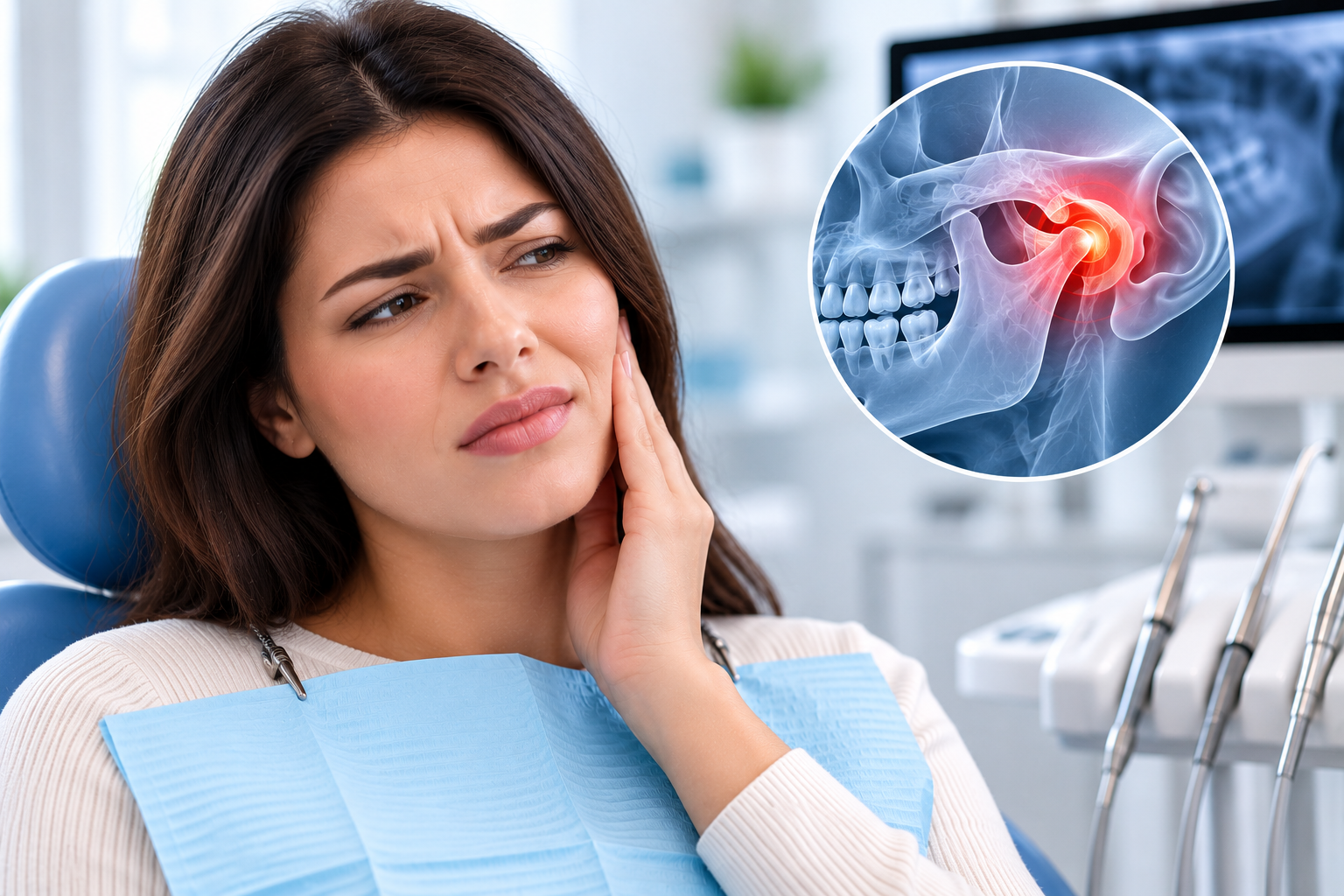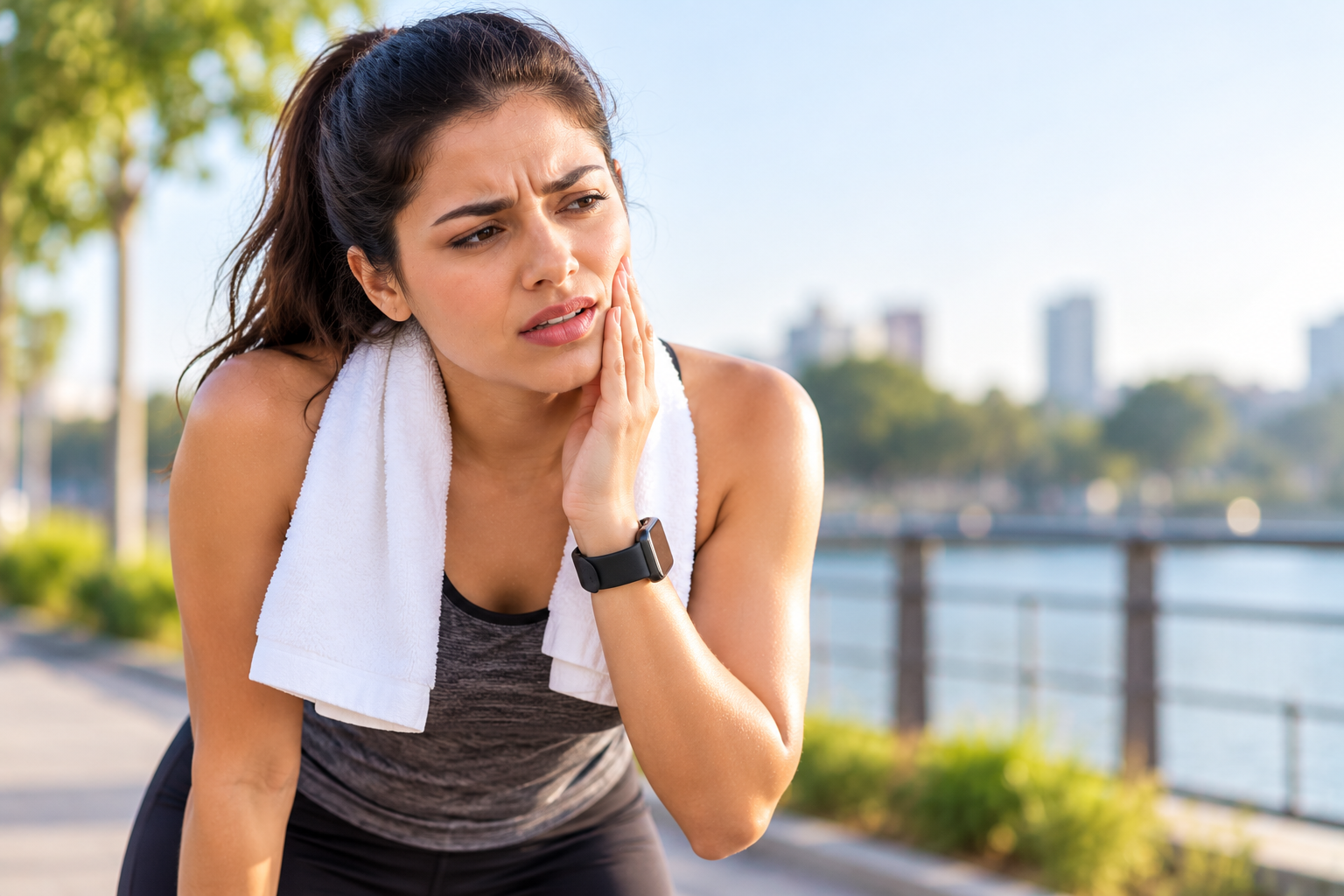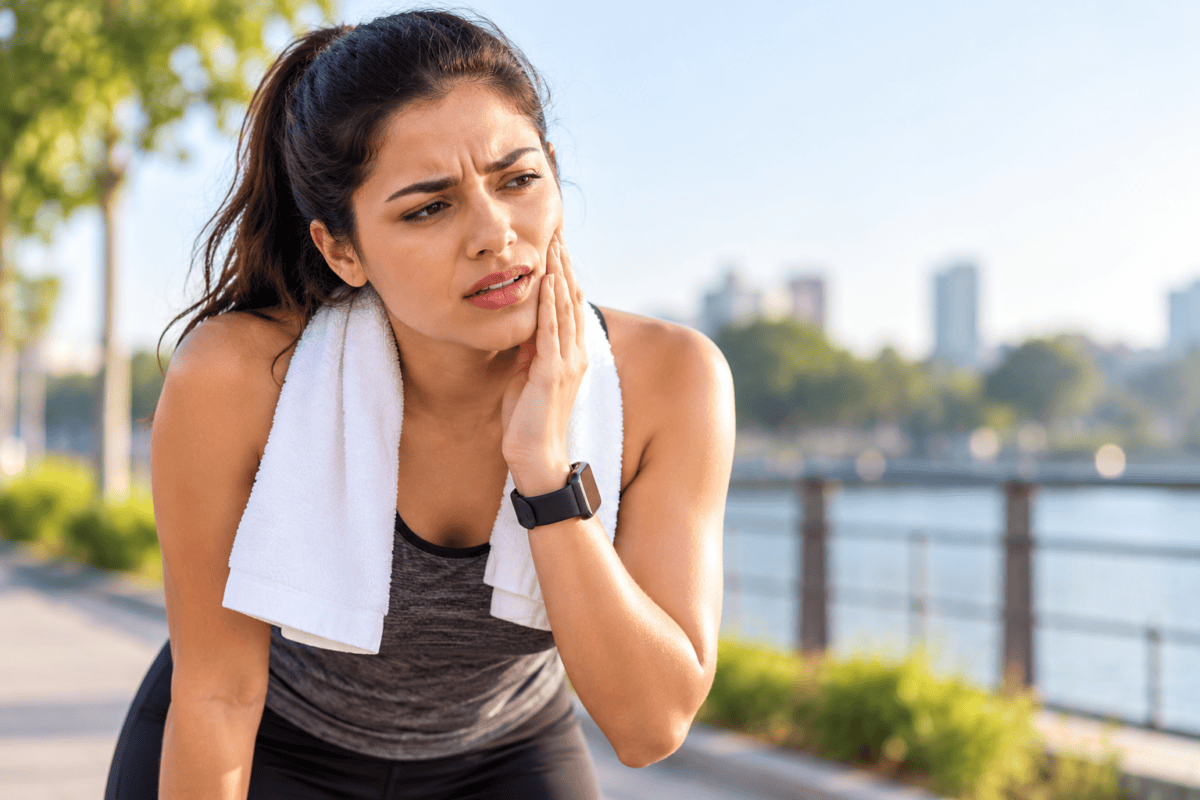
You just finished a great run — your heart is pumping, your legs are tired, and then out of nowhere, your teeth start to ache. Strange, right? You’re not imagining it, and you’re definitely not alone. Many runners and athletes experience tooth pain during or after running, and it can be confusing if you don’t know why it’s happening.
The good news is, most causes of tooth pain after running are manageable once you understand what’s going on. Here’s a complete guide to why your teeth ache after running, how to fix it, and when it’s time to see a dentist.
Is It Normal to Have Tooth Pain After Running?
A little discomfort here and there is more common than you might think — but it’s not something you should ignore. Tooth pain after exercise can be a sign that something is happening in your mouth, your sinuses, or even your overall health. The pain may feel:
- Sharp and sudden
- Dull and throbbing
- Like pressure in your upper teeth
- Sensitive to cold air
- Worse during or right after the run
- Better after rest and water
The type of pain you feel can actually help point to the cause.
Common Reasons Your Teeth Ache After Running
There are several possible reasons for tooth pain after running. Some are minor and easy to fix, while others may need professional care.
1. Sinus Pressure
This is by far the most common cause of tooth pain after running. Your sinuses sit right above your upper teeth, and when they get inflamed or filled with pressure, it can feel like your teeth are aching.
This happens because:
- Running increases blood flow and pressure in your head
- Cold air can irritate the sinuses
- Allergies or congestion make sinuses more sensitive
- Pollen and dust during outdoor runs can inflame the sinuses
- Sinus infections cause referred pain to the upper teeth
If your pain is mostly in your upper back teeth, sinus pressure is likely the cause.
2. Cold Air Sensitivity
Running outdoors in cold weather can make your teeth ache, especially if you breathe through your mouth.
Cold air can:
- Trigger sensitive nerves in exposed dentin
- Cause sudden temperature shifts in your mouth
- Make existing tooth issues feel worse
- Cause sharp pain in teeth with thin enamel
- Affect teeth with old fillings or crowns
This kind of pain usually disappears soon after you get inside.
3. Teeth Grinding or Clenching During Running
Many runners clench their jaw without even realizing it. Over time, this can lead to:
- Sore teeth and jaw
- Pain when biting down
- Headaches after running
- Cracks in teeth from pressure
- Worn down enamel
If you finish a run with tight jaw muscles, this could be the culprit.
4. Dehydration and Dry Mouth
When you run, you lose fluids quickly. A dry mouth doesn’t have enough saliva to protect your teeth, which can lead to:
- Increased tooth sensitivity
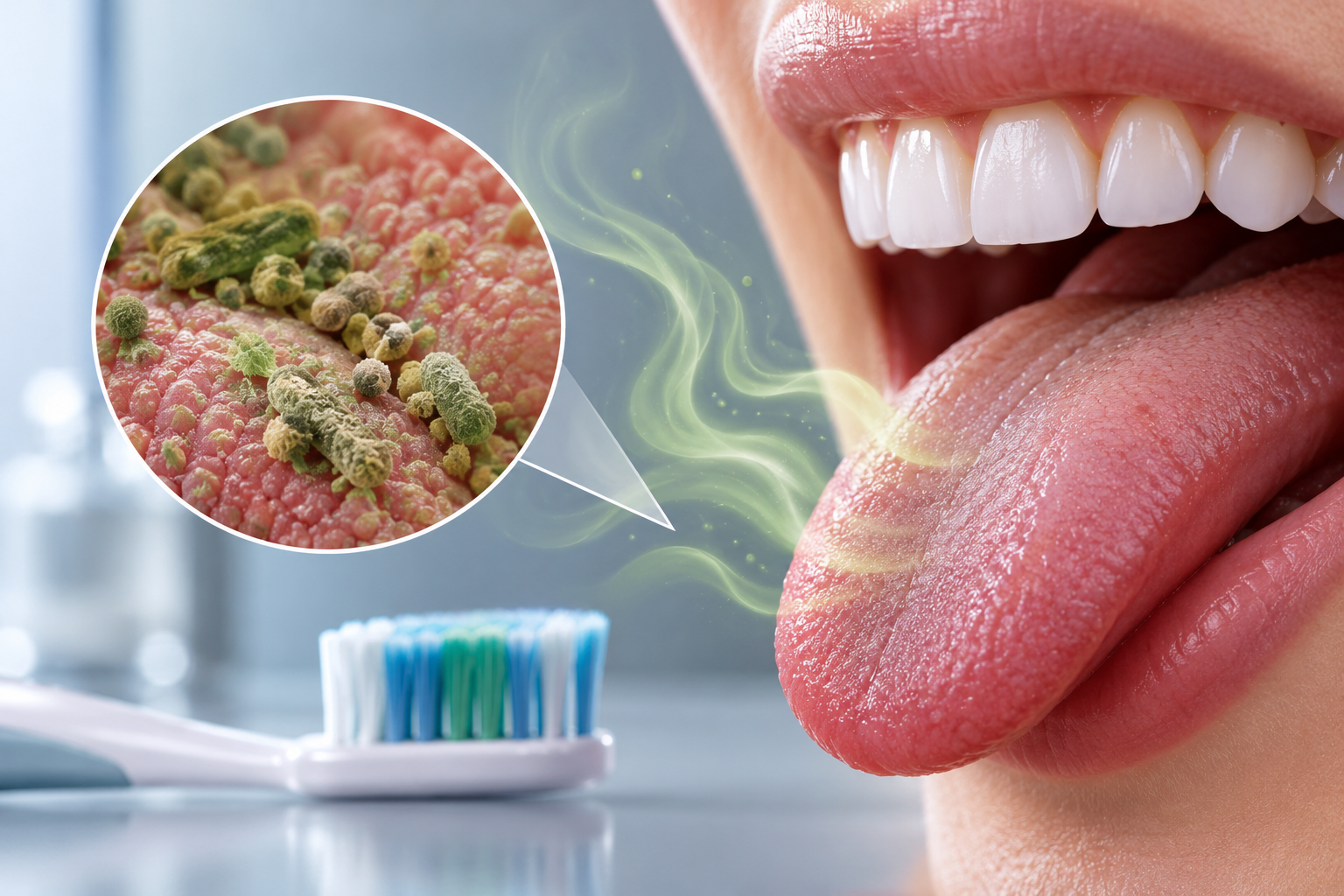
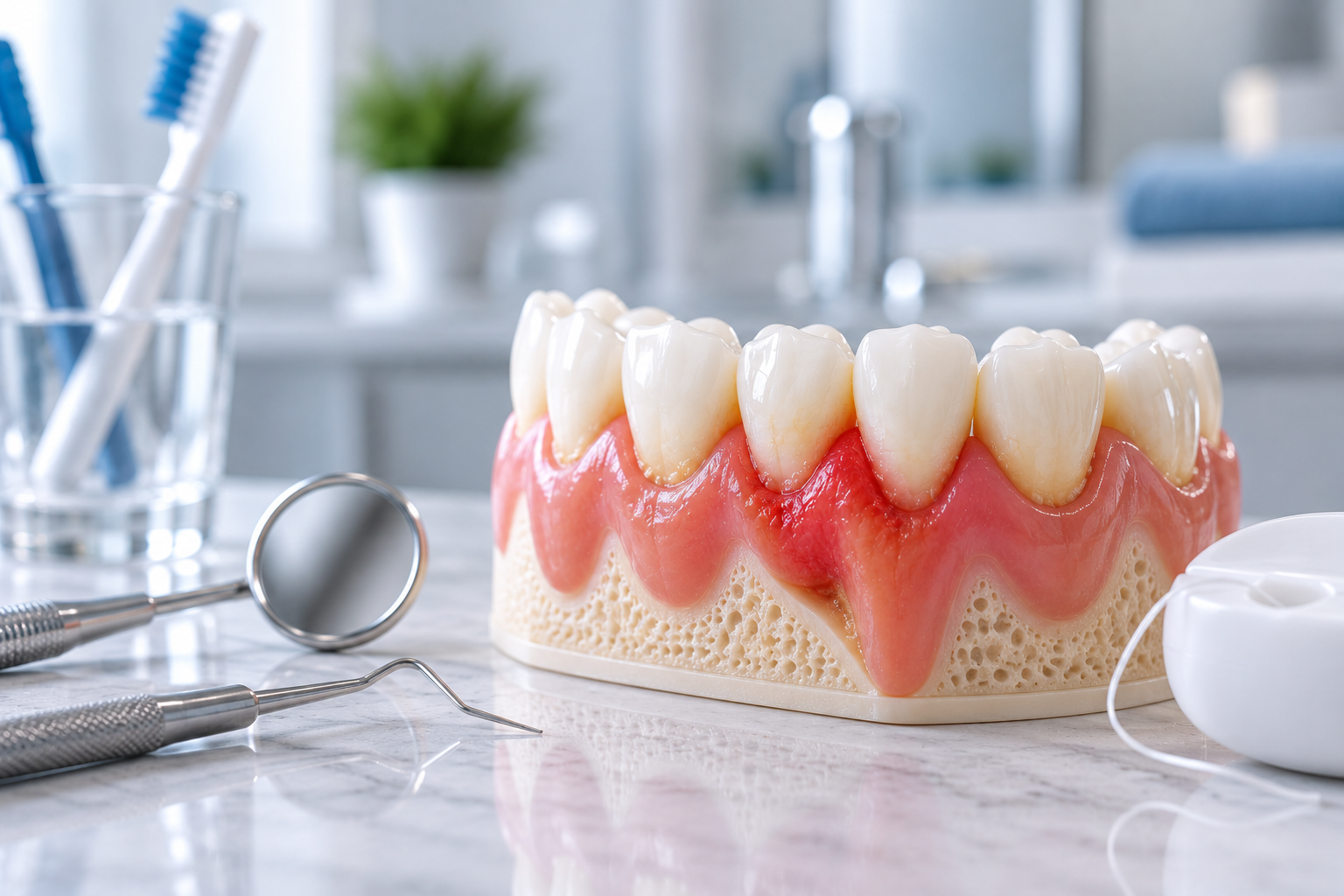
- Bacterial buildup near the gumline
- Inflammation in the gums
- Cracked or sore tongue and cheeks
- Stronger tooth pain after exercise
Staying hydrated before, during, and after running can prevent this.
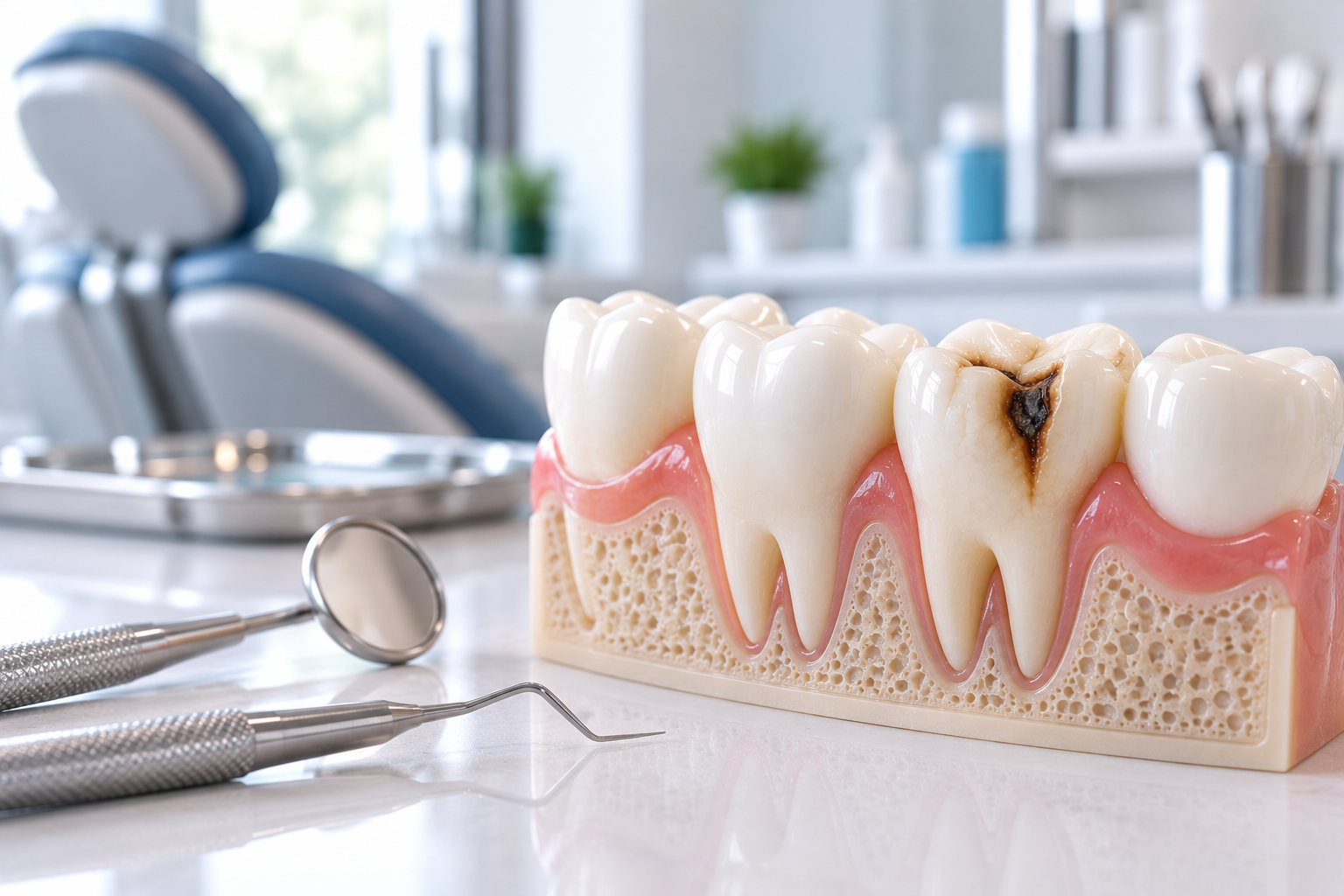
5. Hidden Cavities or Dental Issues
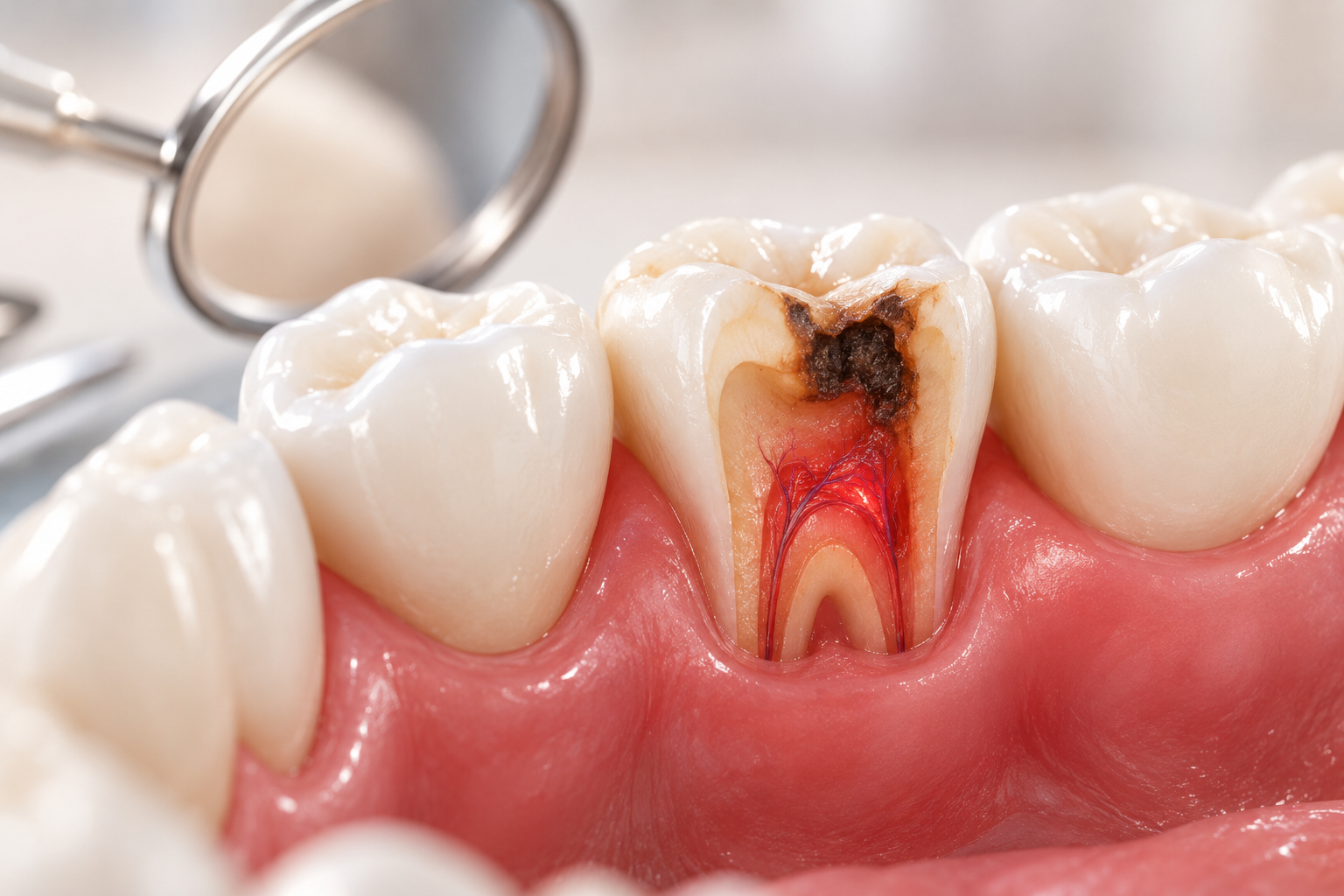
Sometimes, running just brings out tooth pain you already had — you just didn’t notice it during your regular day. Increased blood flow and pressure during exercise can make these issues more noticeable.
Common hidden problems include:
- Small cavities
- Cracked teeth
- Gum infections
- Old fillings starting to fail
- Early signs of root canal issues
If your pain happens regularly with exercise, this might be the reason.
6. Sports Drinks and Energy Gels
What you eat and drink during your runs can also affect your teeth. Many sports drinks and energy gels are:
- High in sugar
- Highly acidic
- Sticky on teeth
- Damaging to enamel
- Linked to higher cavity risk
This combination can lead to sensitivity and pain over time.
7. Heart-Related Tooth Pain (Rare but Important)
In rare cases, tooth pain during exercise may be linked to your heart. This is called referred pain, and it can sometimes be a sign of:
- Angina
- Heart artery blockage
- Cardiovascular issues
This usually affects the lower jaw and may come with shortness of breath, chest pressure, or sweating. If you ever experience this, stop running and seek medical help right away.
How to Fix Tooth Pain After Running
Now that you know why your teeth might ache, here are simple ways to manage and prevent the pain.
Stay Properly Hydrated
Drink plenty of water before, during, and after your run. This keeps your mouth moist and protects your teeth.
Tips for runners:
- Sip water every 15 to 20 minutes
- Avoid sugary sports drinks when possible
- Carry a water bottle on long runs
- Rinse your mouth with water if you eat energy gels
- Add electrolytes if you sweat a lot
Breathe Through Your Nose When Possible
Breathing through your nose helps:
- Filter out cold air
- Reduce sinus pressure
- Protect tooth sensitivity
- Improve oxygen intake
- Lower your risk of dry mouth
It can take practice, but it’s worth the effort.
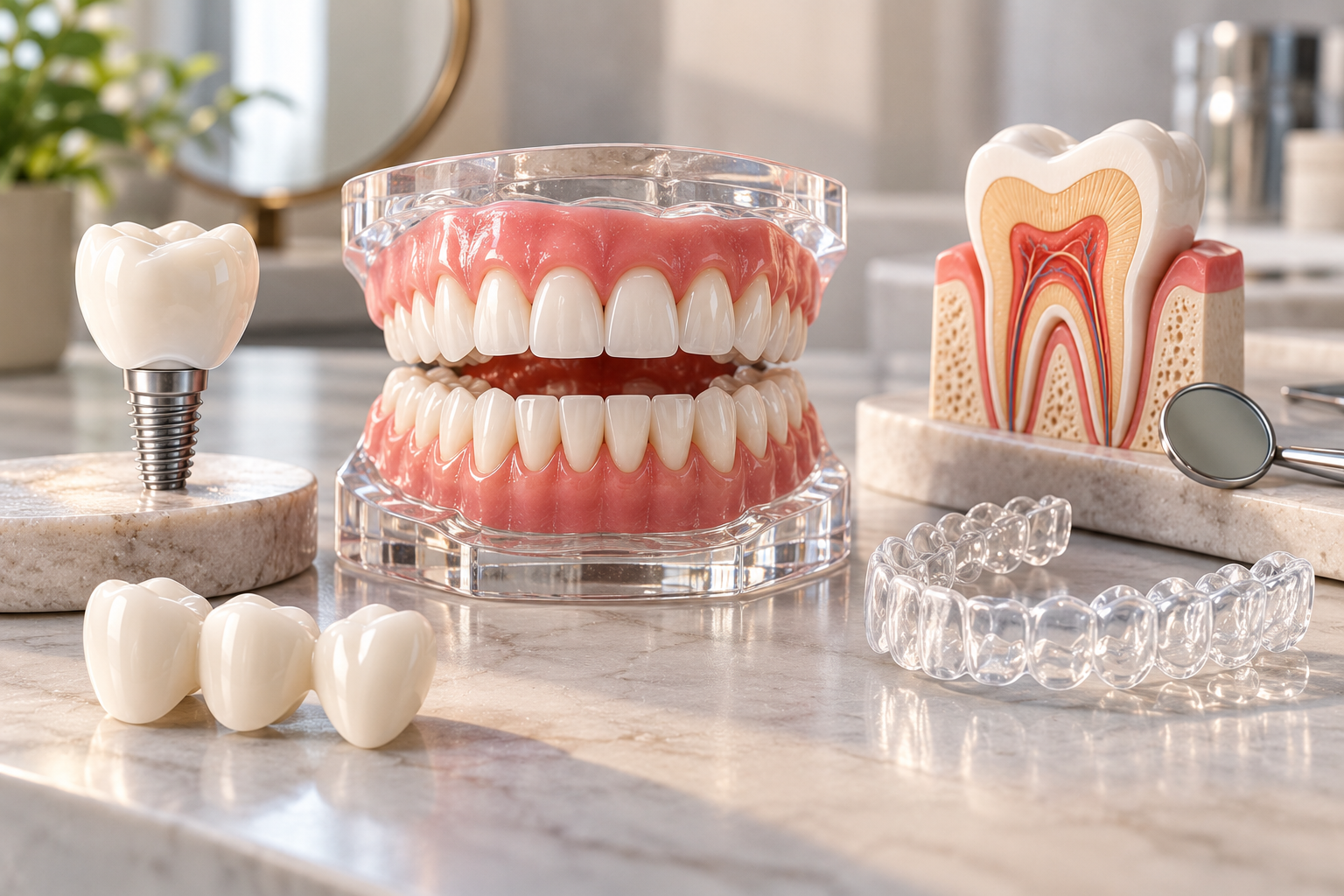
Use a Mouthguard If You Clench
If you grind or clench your teeth while running, a custom mouthguard can:
- Protect your enamel
- Reduce jaw pain
- Cushion your bite
- Prevent cracks in teeth
- Improve your overall comfort
Talk to your dentist about getting a sports-friendly guard.
Treat Sinus Issues
If sinus pressure is your main problem, try:
- Saline nasal sprays before running
- Antihistamines for allergies
- Warm showers before going out in cold weather
- Avoiding high-pollen days
- Staying hydrated
If sinus issues persist, see a doctor — chronic sinusitis can cause repeated tooth pain.
Rinse Your Mouth After Sports Drinks
If you must use sports drinks or gels, protect your teeth by:
- Rinsing with water after each use
- Waiting 30 minutes before brushing
- Limiting how often you consume them
- Using a straw when possible
- Choosing lower-sugar options
This helps reduce enamel erosion and tooth pain.
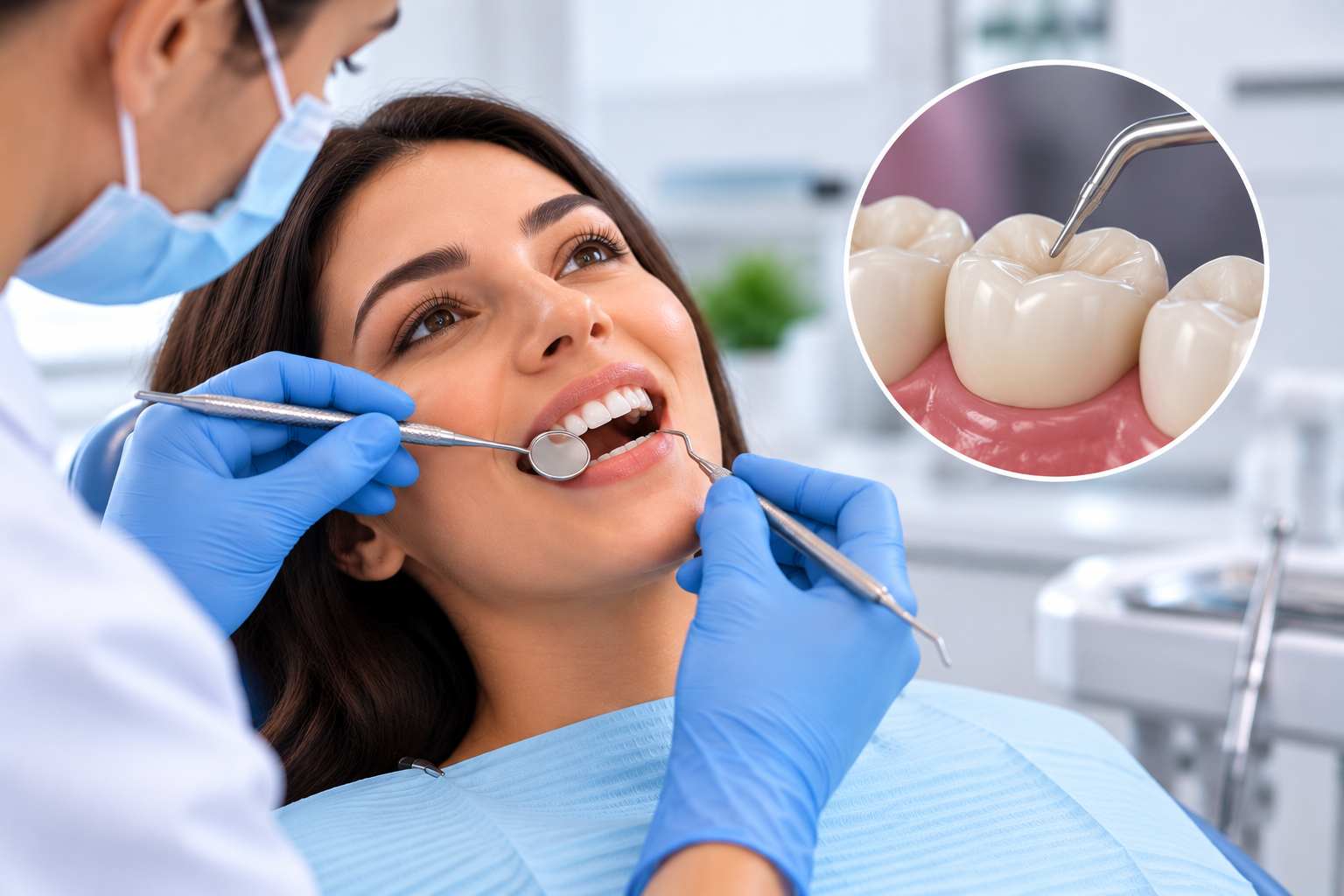
Visit Your Dentist Regularly
Routine checkups can catch issues like cavities, cracks, or grinding before they become painful. Most dentists recommend a checkup every 6 months.
When to See a Dentist for Tooth Pain After Running
Sometimes, home remedies aren’t enough. You should visit a dentist if:
- The pain happens every time you run
- One specific tooth keeps hurting
- You have swelling or redness in the gums
- The pain lasts longer than a few hours
- You notice cracks or chips in your teeth
- The pain wakes you up at night
- There’s a bad taste or smell from a tooth
Don’t ignore ongoing tooth pain — it’s a sign your body is trying to tell you something.
When It Might Be a Medical Emergency
In rare cases, tooth pain during exercise can be linked to a serious health issue. Stop running and seek immediate medical help if you also experience:
- Chest pain or pressure
- Shortness of breath
- Dizziness or fainting
- Pain in your jaw, arm, or back
- Cold sweats
- Nausea
These could be signs of a heart issue and need urgent care.
Tips to Keep Your Teeth Healthy as a Runner
Whether you run for fun, fitness, or competition, you can protect your smile with a few simple habits:
- Brush twice a day with fluoride toothpaste
- Floss daily to keep gums healthy
- Drink water instead of sugary drinks
- Use a mouthguard if you grind
- Avoid running on an empty stomach to prevent acidic burps
- Schedule dental cleanings every 6 months
- Address dental problems early
- Manage allergies and sinus issues
Strong teeth and healthy gums make every run more enjoyable.
Frequently Asked Questions
Why do my teeth hurt only when I run, not at other times?
Running increases blood flow and pressure in your head, which can trigger sinus pain, dental sensitivity, or hidden tooth issues that don’t bother you while resting.
Can dehydration really cause tooth pain after running?
Yes. A dry mouth lacks saliva, which protects your teeth. Without it, your teeth become more sensitive, and small dental issues can feel much worse.
Should I worry if only my upper teeth hurt after running?
Upper tooth pain is often linked to sinus pressure rather than a dental problem. If it happens repeatedly or with congestion, see your doctor or dentist for help.
Are sports drinks bad for my teeth?
Many sports drinks are high in sugar and acid, which can wear down enamel and cause tooth pain. Drink them in moderation and rinse your mouth with water afterward.
Could tooth pain after running be a sign of something serious?
In rare cases, yes. If tooth pain comes with chest pain, shortness of breath, or sweating, it could be a heart-related issue. Stop running and seek medical care immediately.
If your teeth ache after running and you’re not sure why, don’t ignore it. Schedule a checkup at Ethos Modern Dental & Implant Center. Dr. Sreelakshmi Keesara will help find the cause and provide gentle, expert care so you can get back to running pain-free.