Most people walk into a dental checkup thinking it’s just about getting their teeth cleaned. You sit in the chair, a hygienist scrapes around for a bit, the dentist pokes at a few teeth, and you’re out the door in forty-five minutes. Simple enough, right?
But here’s what most people don’t realize — that routine visit is doing a lot more than keeping your smile polished. Your dentist is quietly running through a mental checklist that goes far beyond cavities. They’re looking for early stage oral indicators that, if caught now, can save you from a lot of pain, cost, and regret later.
Let me walk you through what’s actually being spotted during those checkups — and why showing up consistently is one of the smartest things you can do for your health.
The Cavity That Doesn’t Hurt Yet
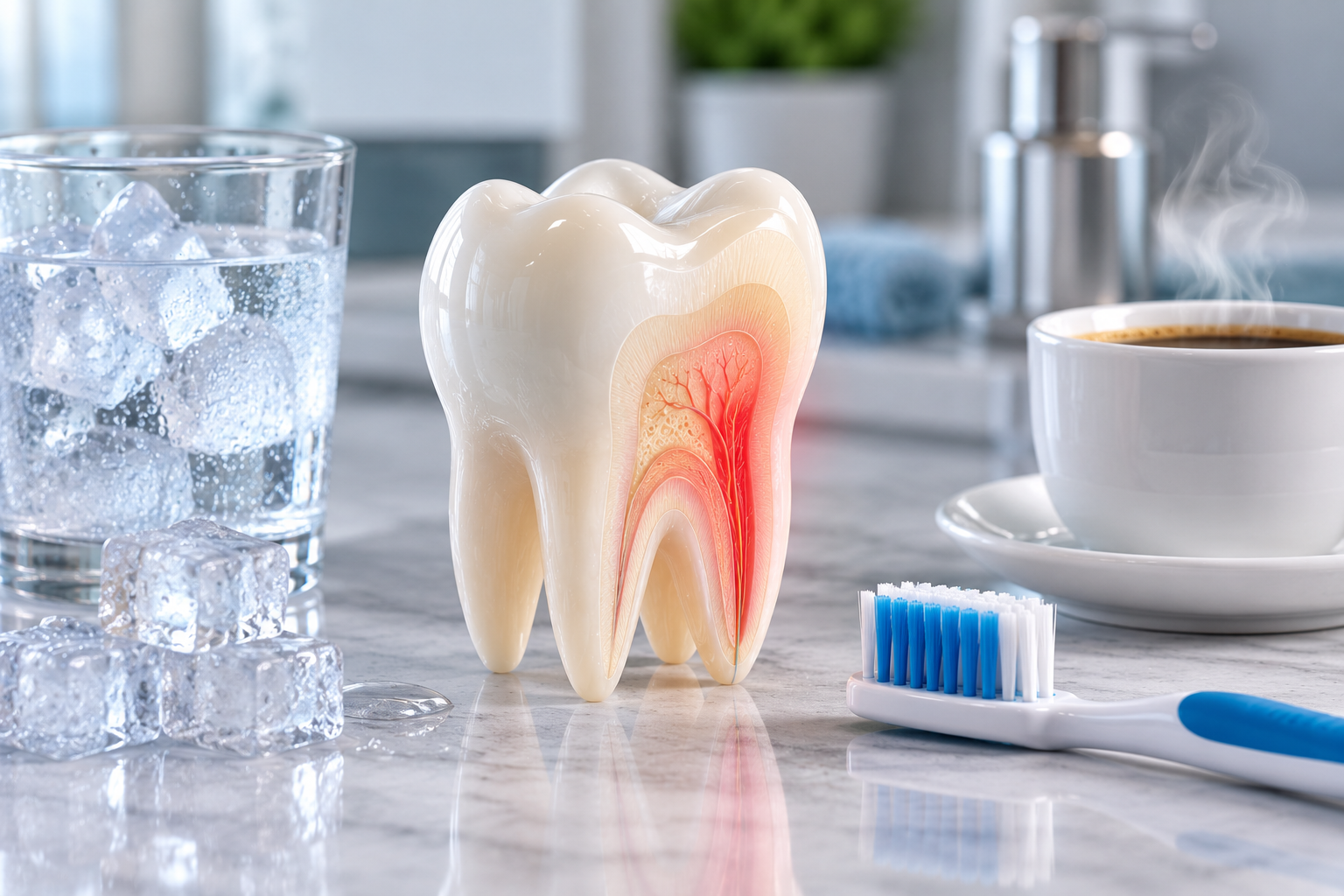
You know the cavities you feel — the sharp zing when you bite into something cold, the dull ache that won’t go away. Those cavities have already had time to do damage.
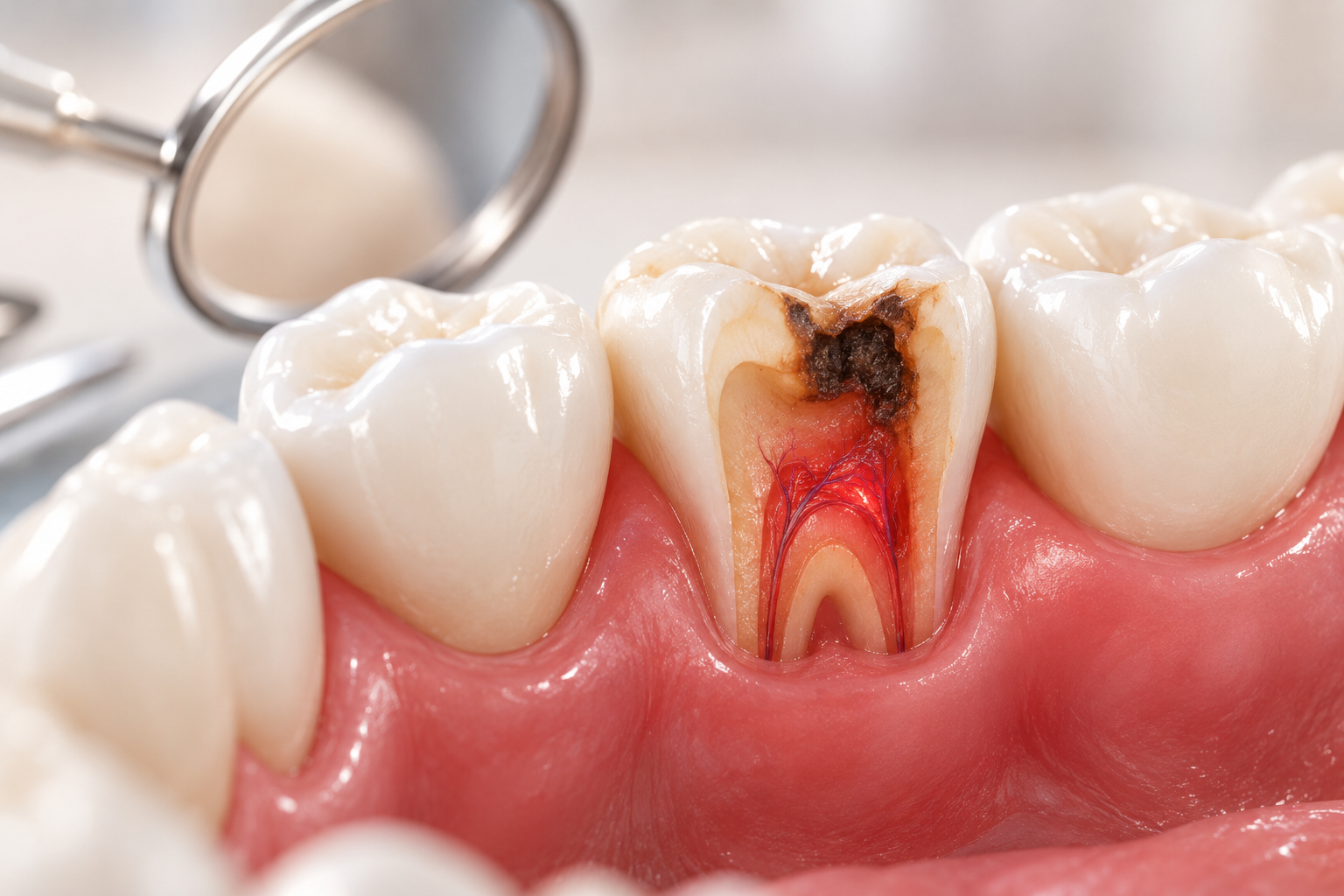
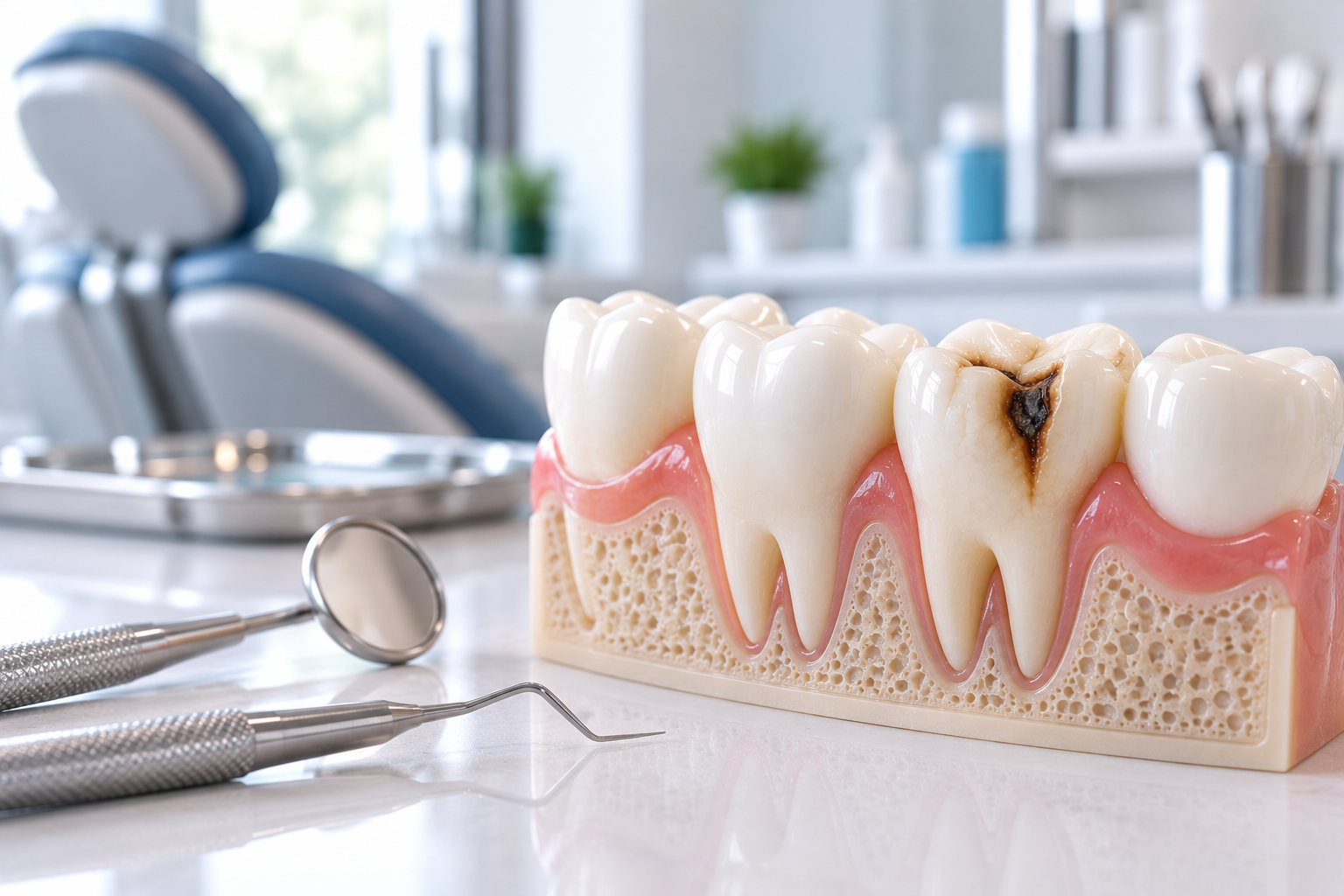
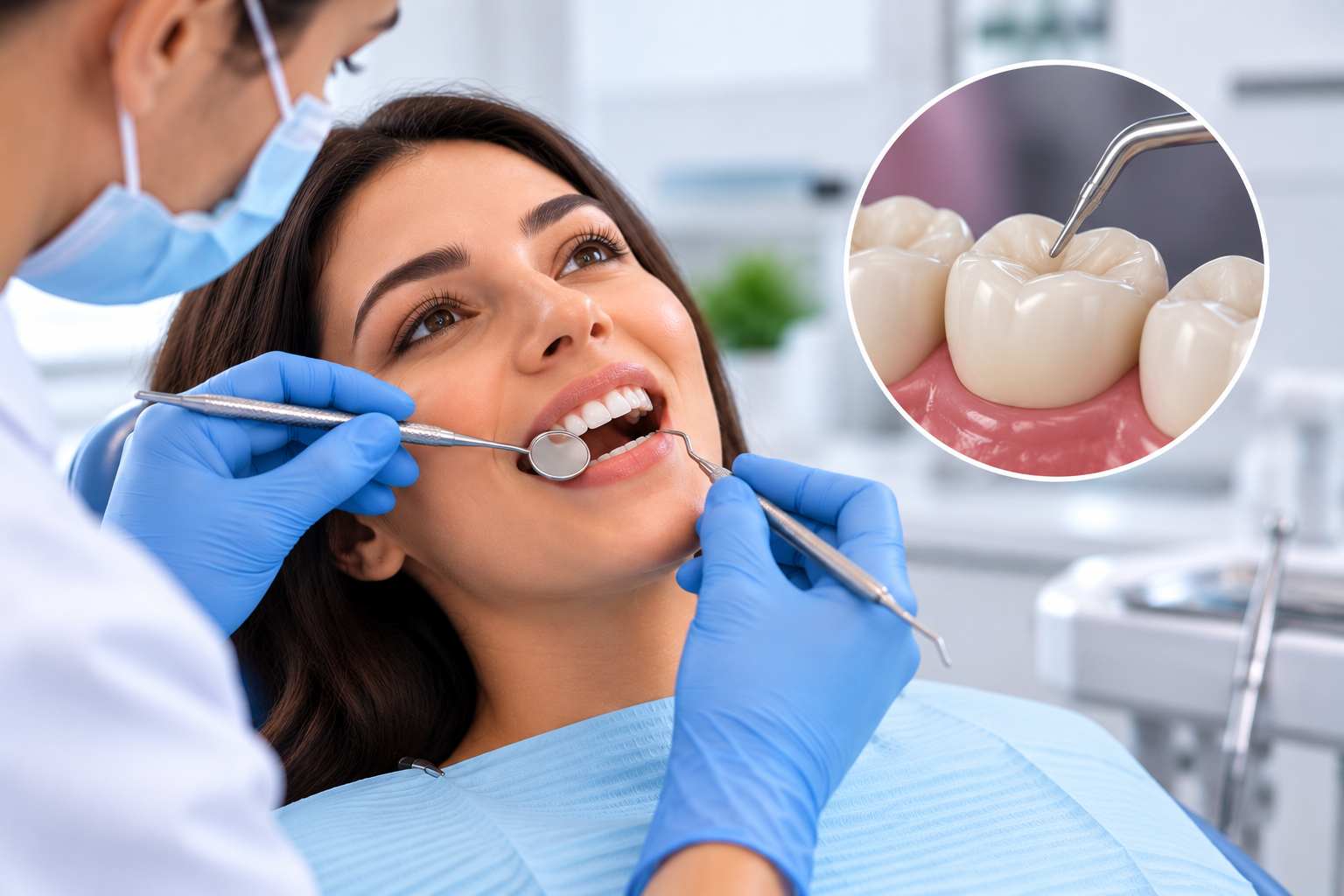
What dentists are hunting for are the ones you can’t feel yet. Early-stage tooth decay often has no symptoms at all. There’s no pain, no sensitivity, nothing. But under a dental exam with proper lighting, instruments, and sometimes X-rays, a dentist can see the earliest breakdown of enamel — a soft spot, a subtle discoloration, a tiny fissure that’s about to become something much worse.
Catching decay at this stage changes everything. Instead of a root canal or a crown, you might need a small filling. Sometimes you don’t need a filling at all — just a fluoride treatment and a conversation about your diet. That’s the entire value of early detection dental care with dental exams. You turn a potential $1,500 procedure into a $100 one, or into nothing at all.
Gum Disease Hiding Below the Surface
Here’s an uncomfortable truth: gum disease is the leading cause of tooth loss in adults, and most people who have it don’t know.
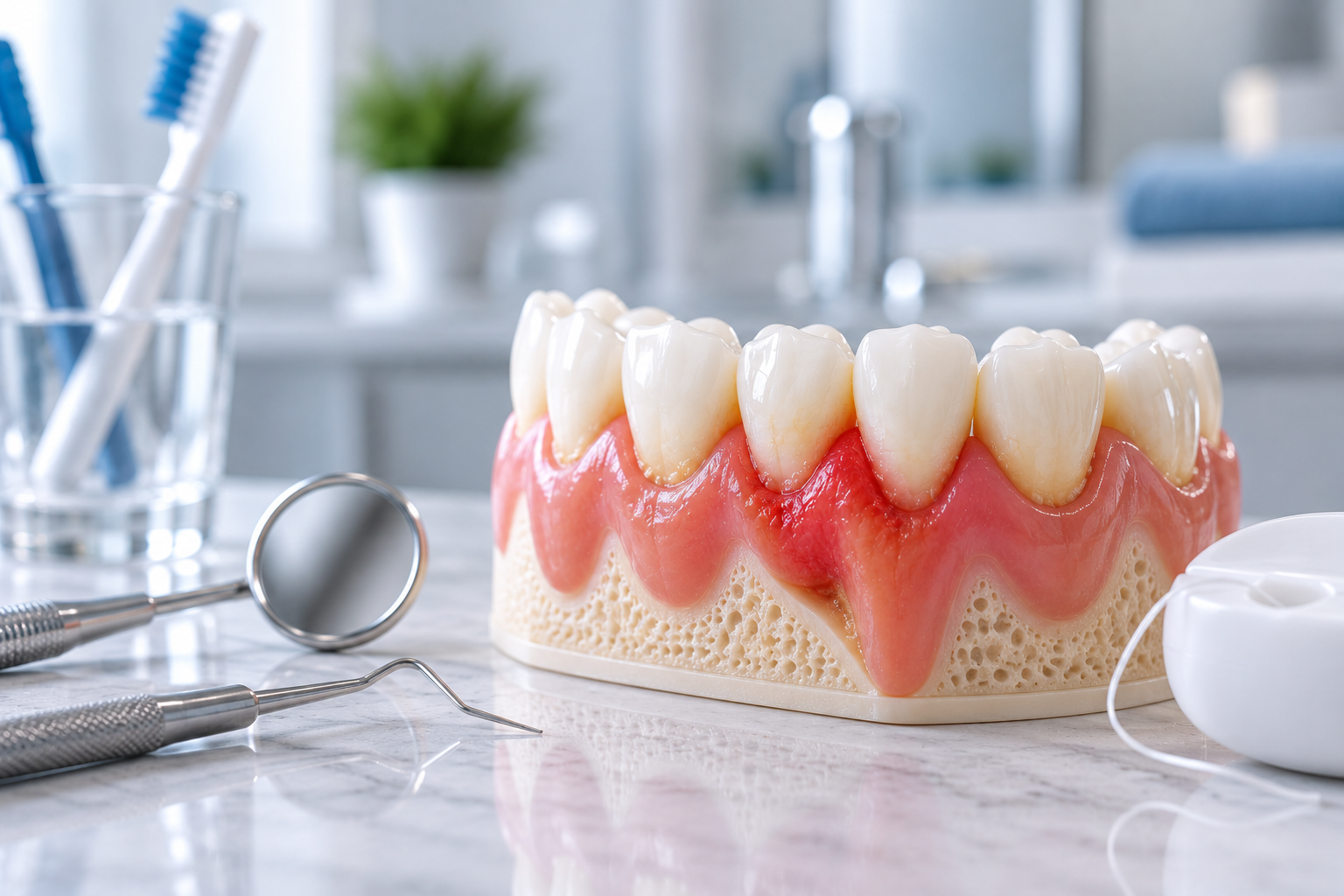
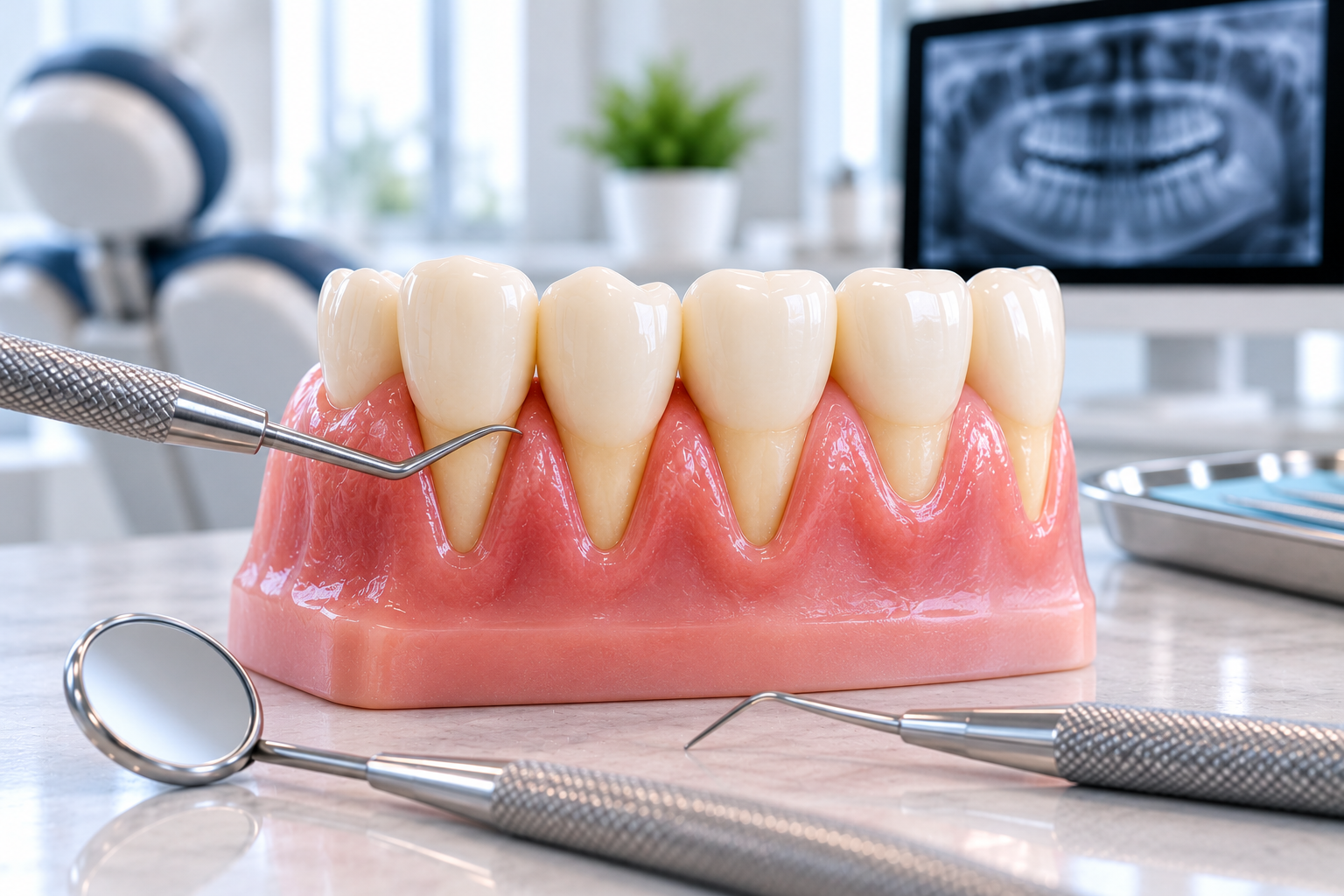
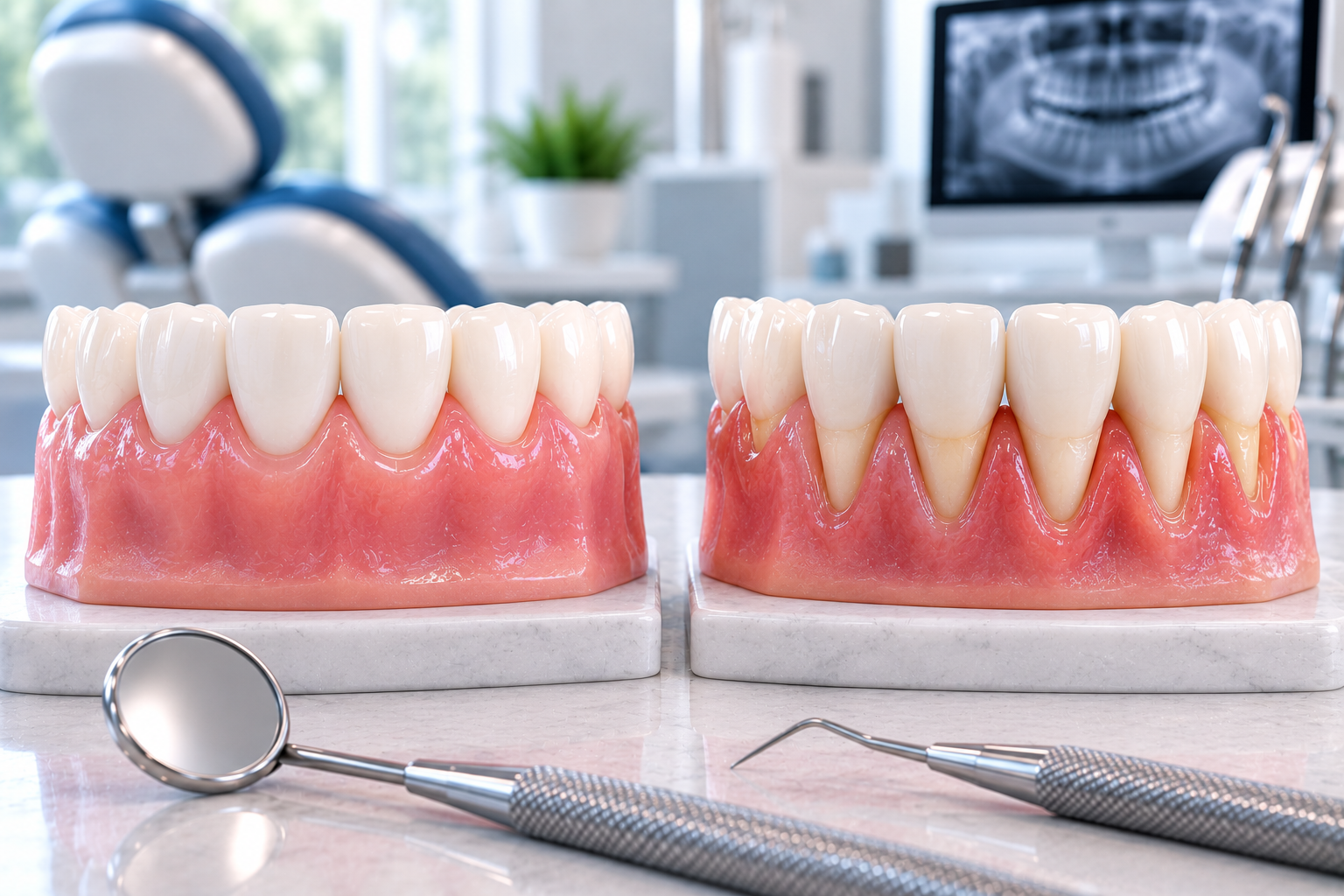
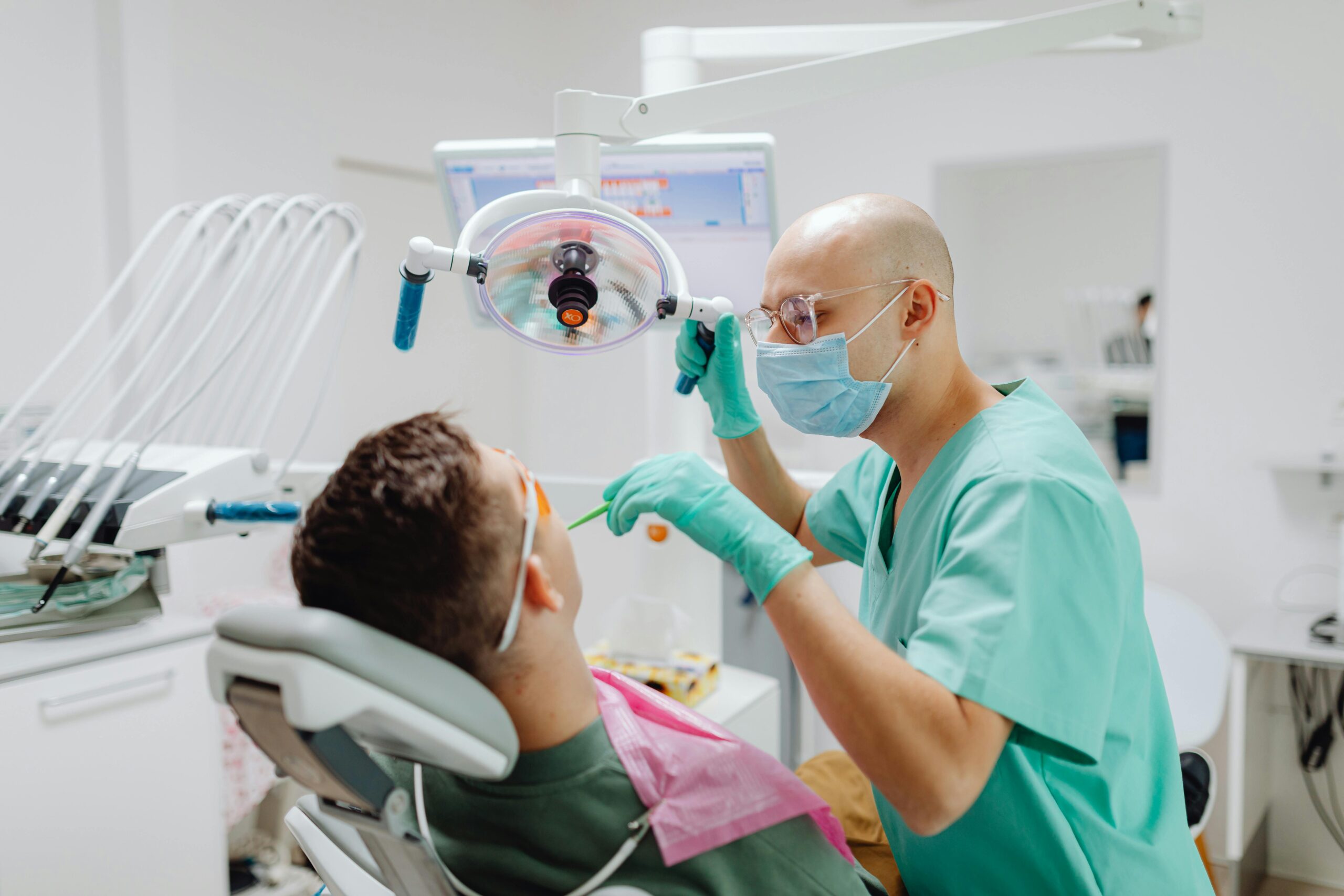
During a dental exam, your dentist or hygienist measures the pockets around your teeth with a small probe. Healthy gum tissue sits snug against the tooth. But when those pockets start deepening — when the numbers being called out during your exam go from 2s and 3s to 4s and 5s — that’s a sign that gum disease is quietly setting in.
The tricky thing about gum disease is how manageable it is when caught early versus how devastating it becomes when ignored. In its earliest stage, called gingivitis, your gums might just bleed a little when you floss. That’s reversible. But let it progress to periodontitis, and you’re looking at bone loss, teeth that shift and loosen, and eventually extractions.
The benefits of early problem detection in dentistry are nowhere more clear than with gum disease. A few extra cleanings a year versus losing your teeth — there’s no comparison.
Oral Cancer Screening Is Part of the Visit
This one surprises people. Dentists are trained to screen for early signs of oral cancer as part of a routine checkup, and yet most patients have no idea this is happening.
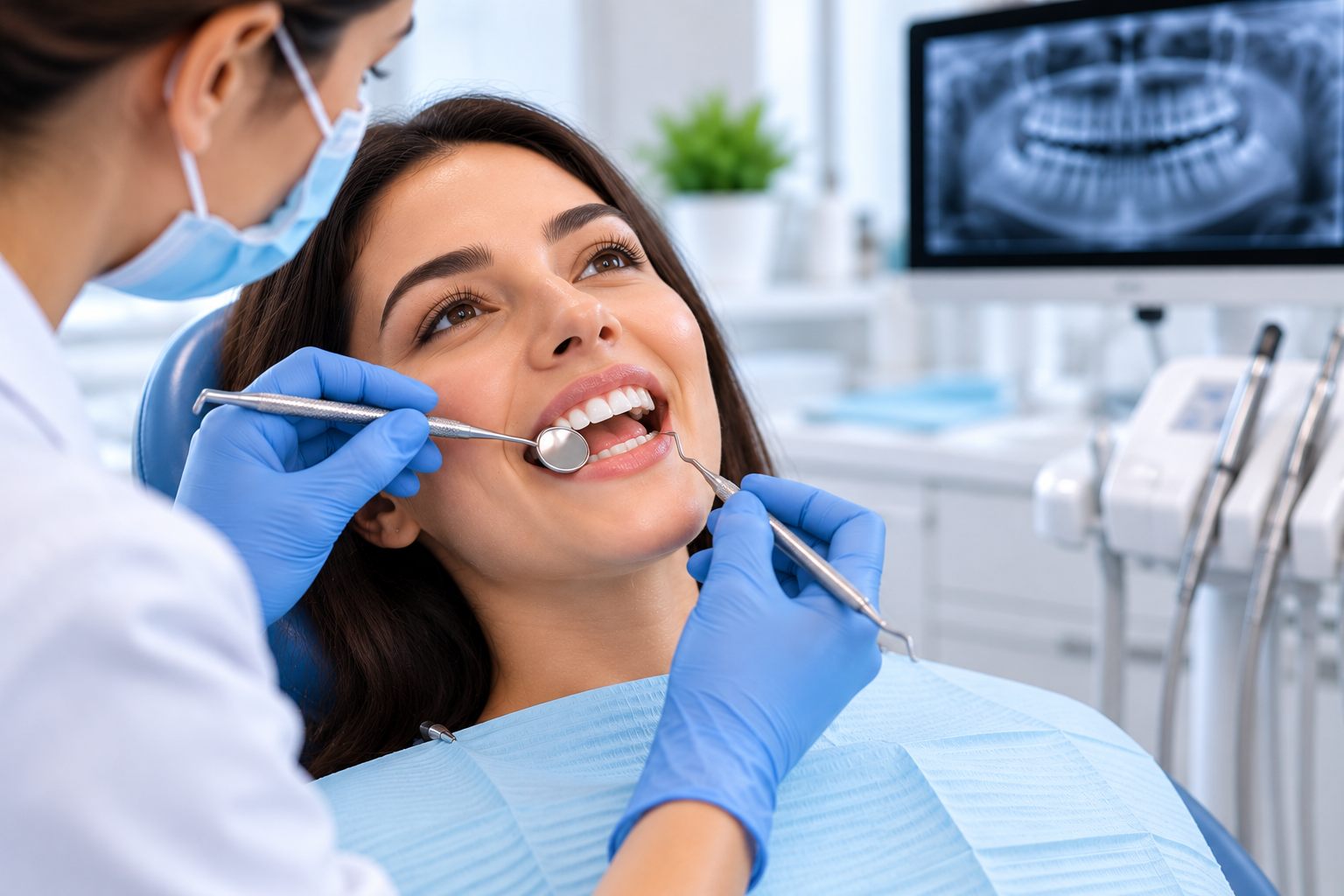
During your exam, your dentist visually inspects your lips, tongue, cheeks, the floor of your mouth, and the back of your throat. They’re looking for unusual patches — white, red, or mixed — sores that haven’t healed, lumps, or any tissue that just doesn’t look right. They’ll also feel along your jaw and neck checking for swollen lymph nodes.
Oral cancer has a survival rate that drops dramatically when it’s caught late. The early detection of dental issues like these — lesions, abnormal tissue changes — gives patients a fighting chance. A suspicious spot found at a checkup can be biopsied quickly and treated before it spreads. This is exactly why skipping “just one” annual visit can carry more risk than people think.
Teeth Grinding You Don’t Know About
A significant number of people grind their teeth at night. They wake up, go about their day, and have no idea it’s happening. Their partner might hear it. Their dentist definitely sees it.
The wear patterns on your teeth are a clear giveaway. Flattened cusps, chipped edges, enamel that’s eroding in a very specific way — these are all early stage oral indicators of bruxism, the clinical term for grinding and clenching. Left unaddressed, bruxism cracks teeth, damages restorations, causes jaw pain, and contributes to headaches that people often blame on stress or screens.
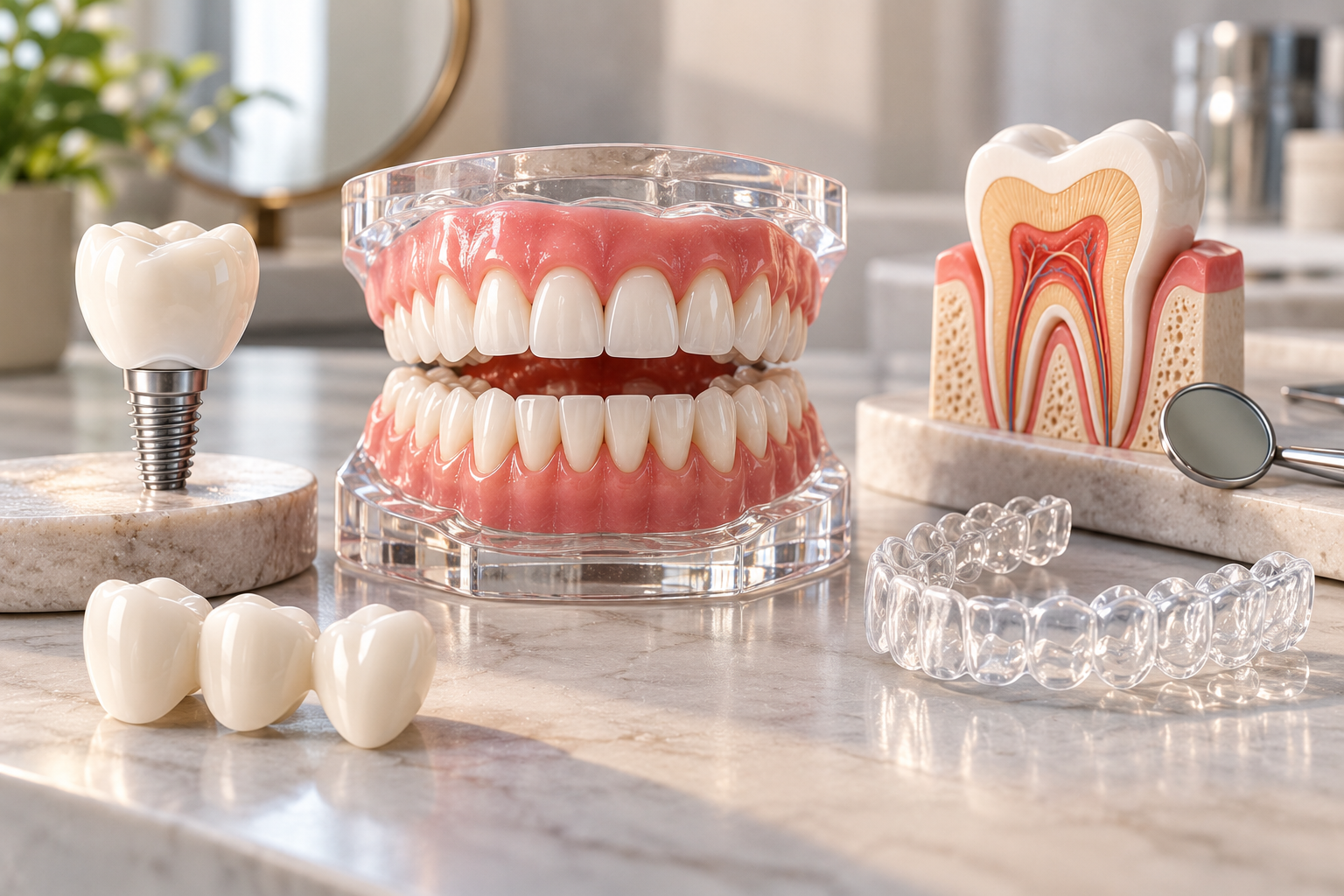
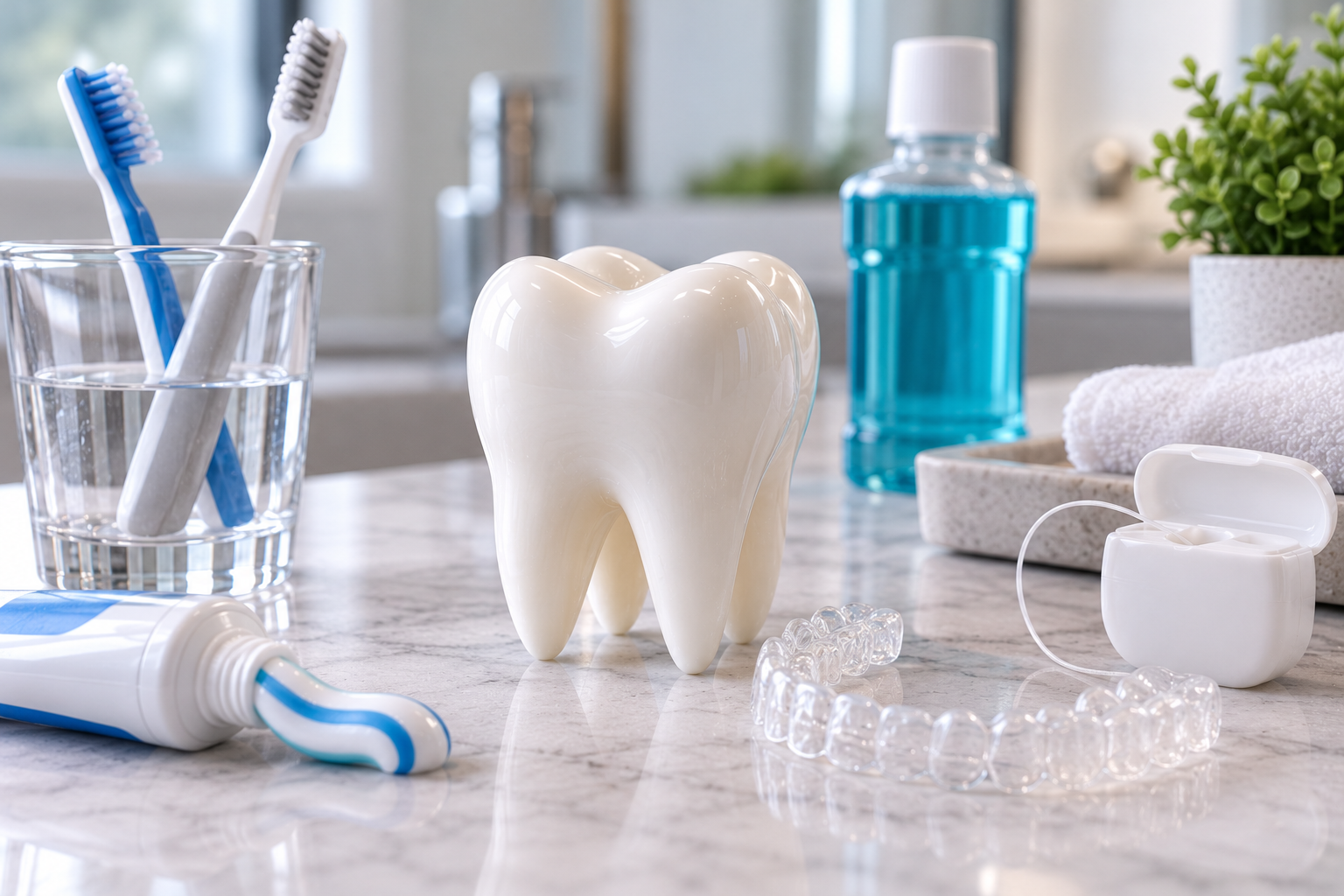
Catching it early means a simple custom night guard can protect your teeth before serious damage is done. If you’re experiencing jaw tightness or morning headaches, it’s worth bringing up at your next visit — or better yet, scheduling a dental exam to get a proper look at what’s going on with grinding and clenching.
Infections That Feel Like Nothing — Until They Do
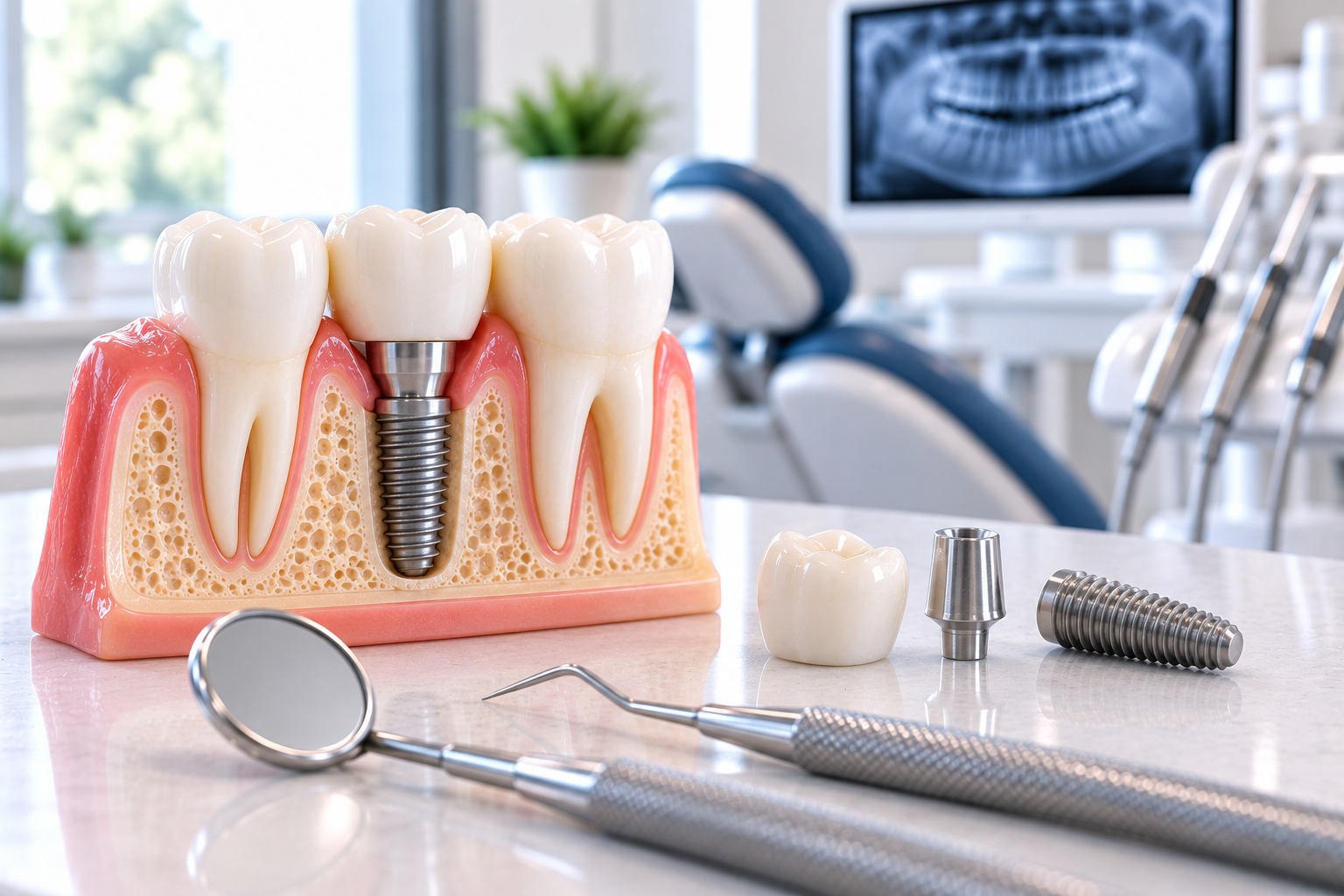
A dental abscess doesn’t always announce itself with dramatic pain. Some infections sit quietly at the root of a tooth, slowly brewing, visible on an X-ray long before they cause acute symptoms. By the time there’s throbbing pain and facial swelling, the infection has had time to grow, and the treatment required becomes far more involved.
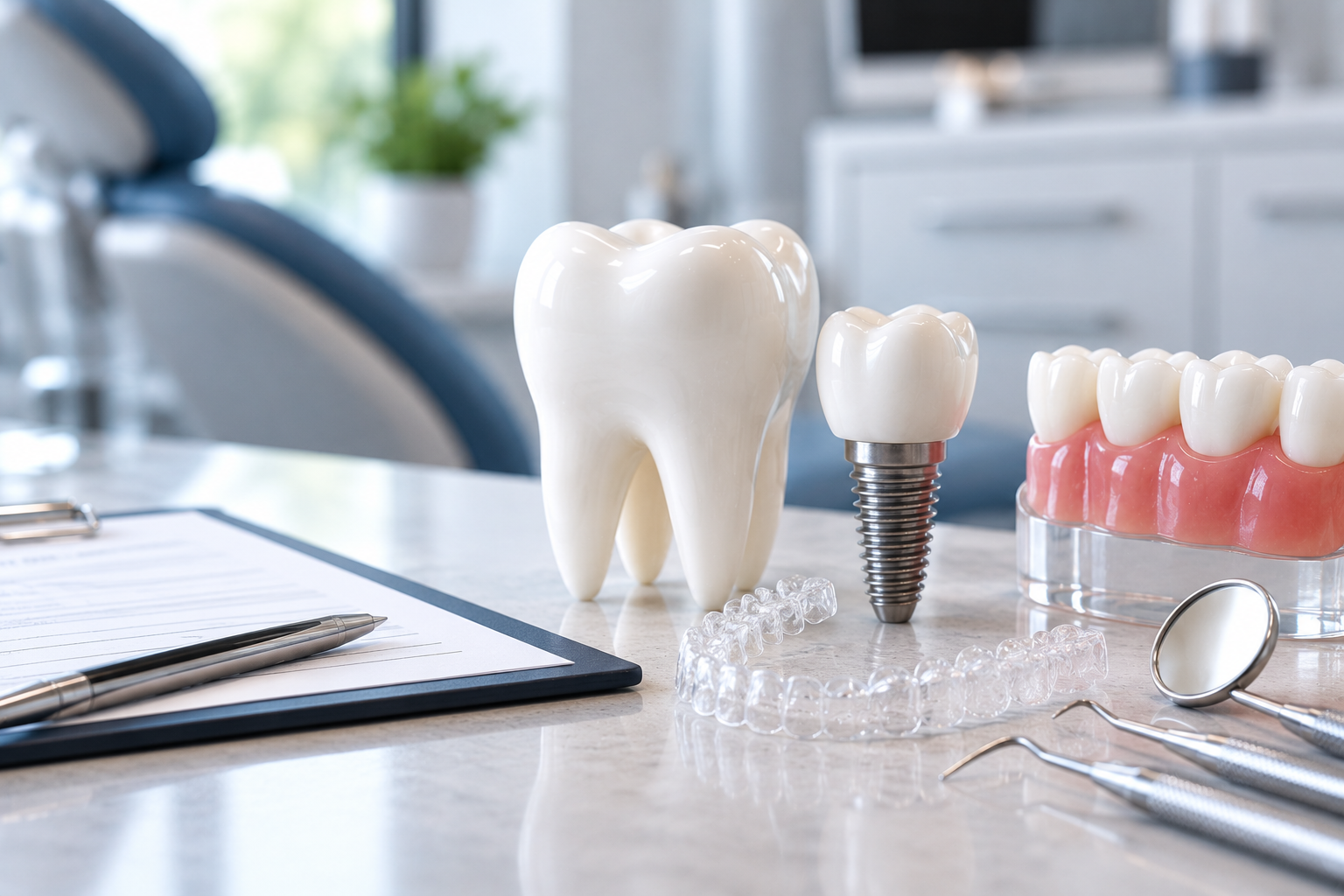
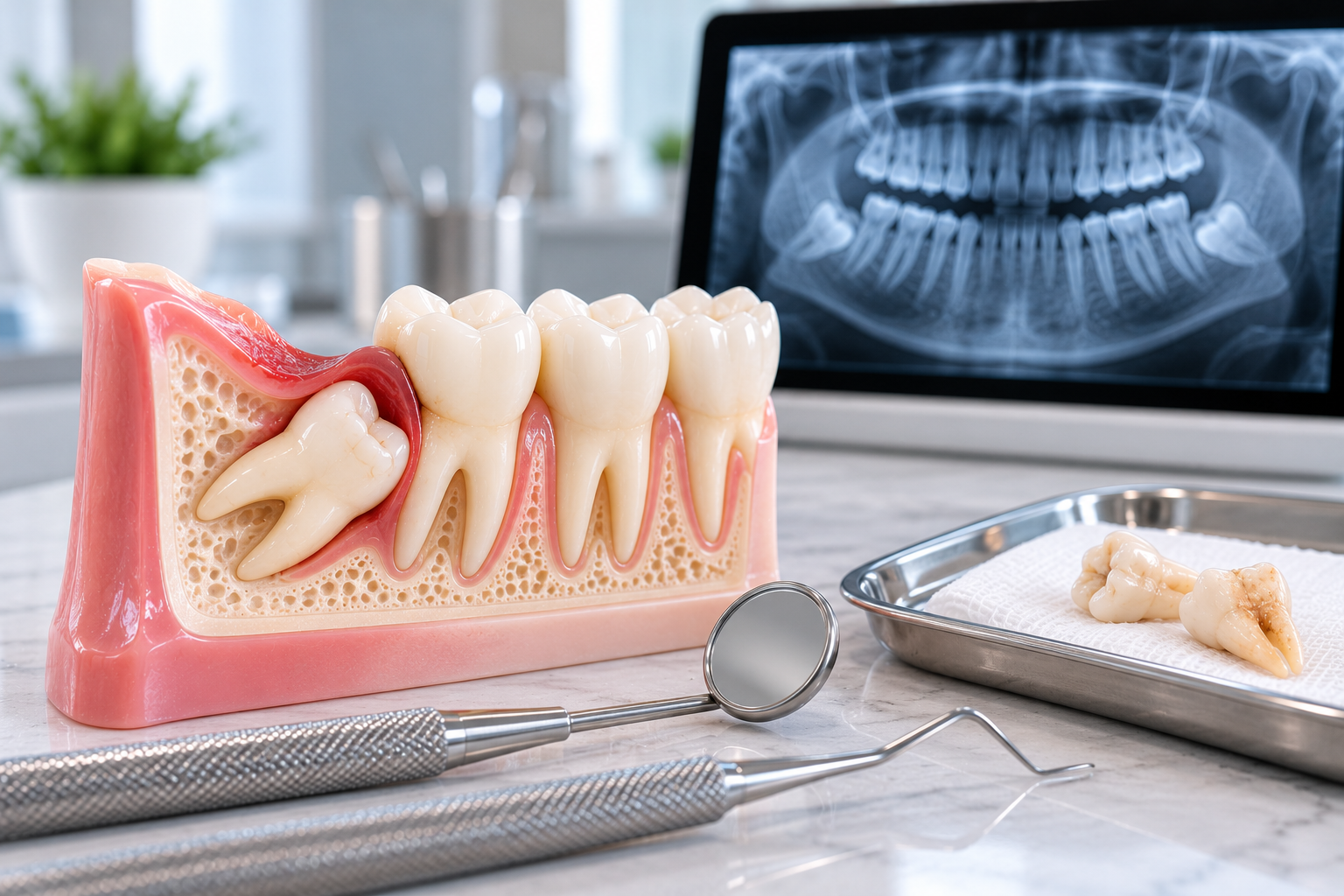
This is where routine X-rays earn their place in a dental visit. Some patients push back on X-rays — understandably, they want to limit exposure. But modern dental X-rays use a fraction of the radiation they once did, and the information they provide is irreplaceable. An early-detected abscess can often be treated with a straightforward root canal treatment and a crown. An abscess that’s been ignored can become a medical emergency.
Early detection dental care isn’t just about your teeth — it’s about keeping a localized problem from becoming a systemic one.
The Cost of Waiting
Here’s the honest truth about dental care: problems don’t pause while you decide whether to book an appointment. They progress. Quietly, steadily, and often without a single symptom until they’ve become something that’s going to take real time and real money to fix.
Tooth pain that sends you searching for an emergency dentist on a Sunday night is almost always something that started as a much smaller issue months ago. That’s not bad luck. That’s what happens when early-stage oral indicators get skipped over because there were no checkups to catch them.
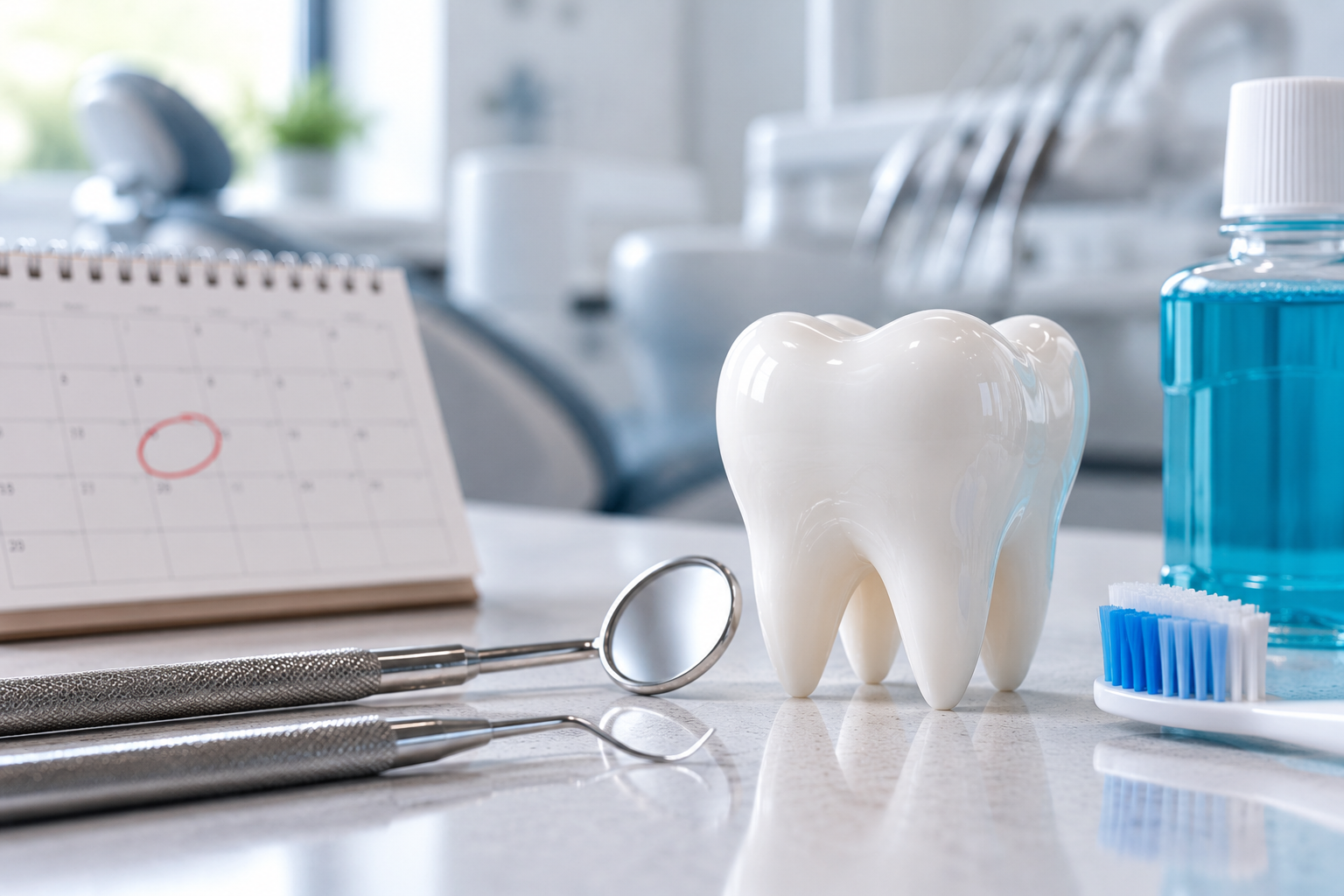
Routine dental visits — every six months, or as recommended — aren’t about finding something wrong. They’re about making sure small things don’t become big ones. They’re about keeping your teeth for your whole life, not just for now.
Your Next Checkup Is Worth More Than You Think
Whether it’s been six months or six years — the single best thing you can do today is book an appointment.
Not because something is wrong. But because a dentist can check whether something might go wrong, and catch it before it does.
Whether it’s an early cavity, the first signs of gum disease, a suspicious patch of tissue, or wear patterns from grinding, a comprehensive dental exam is where those problems get found — quietly, before they become your problem.
Don’t wait for the pain to show up. That’s not when you go to the dentist. Now is when you go to the dentist.