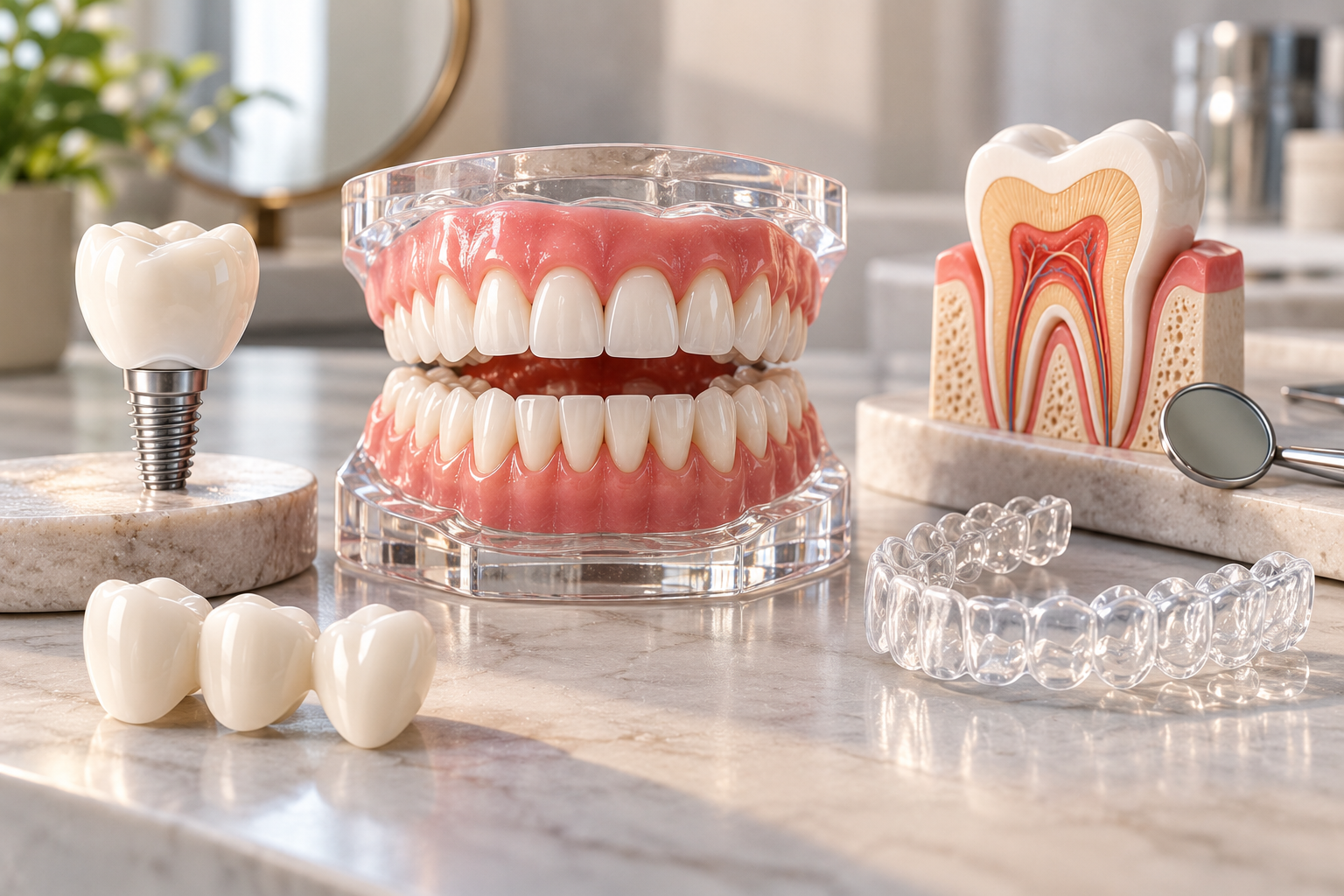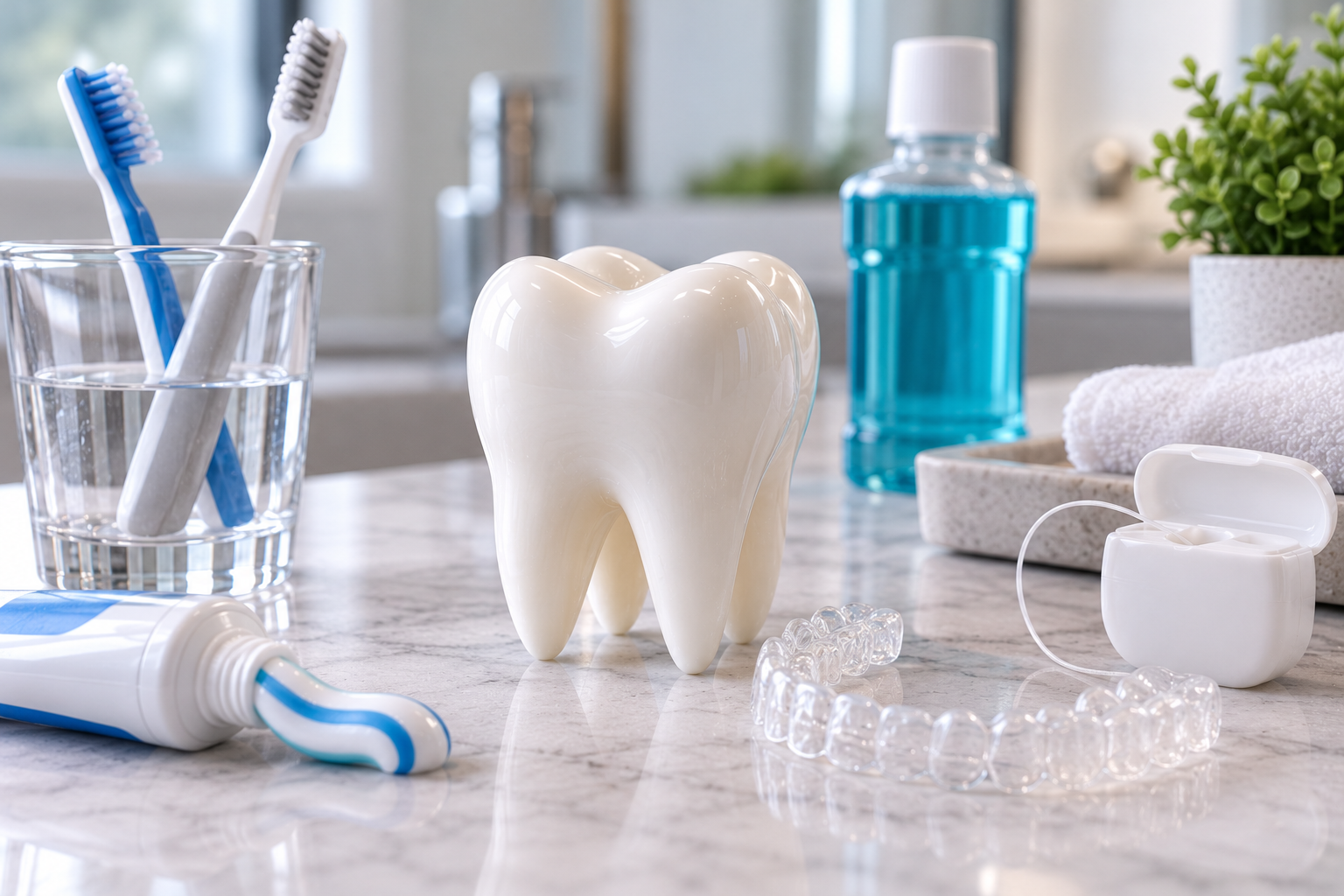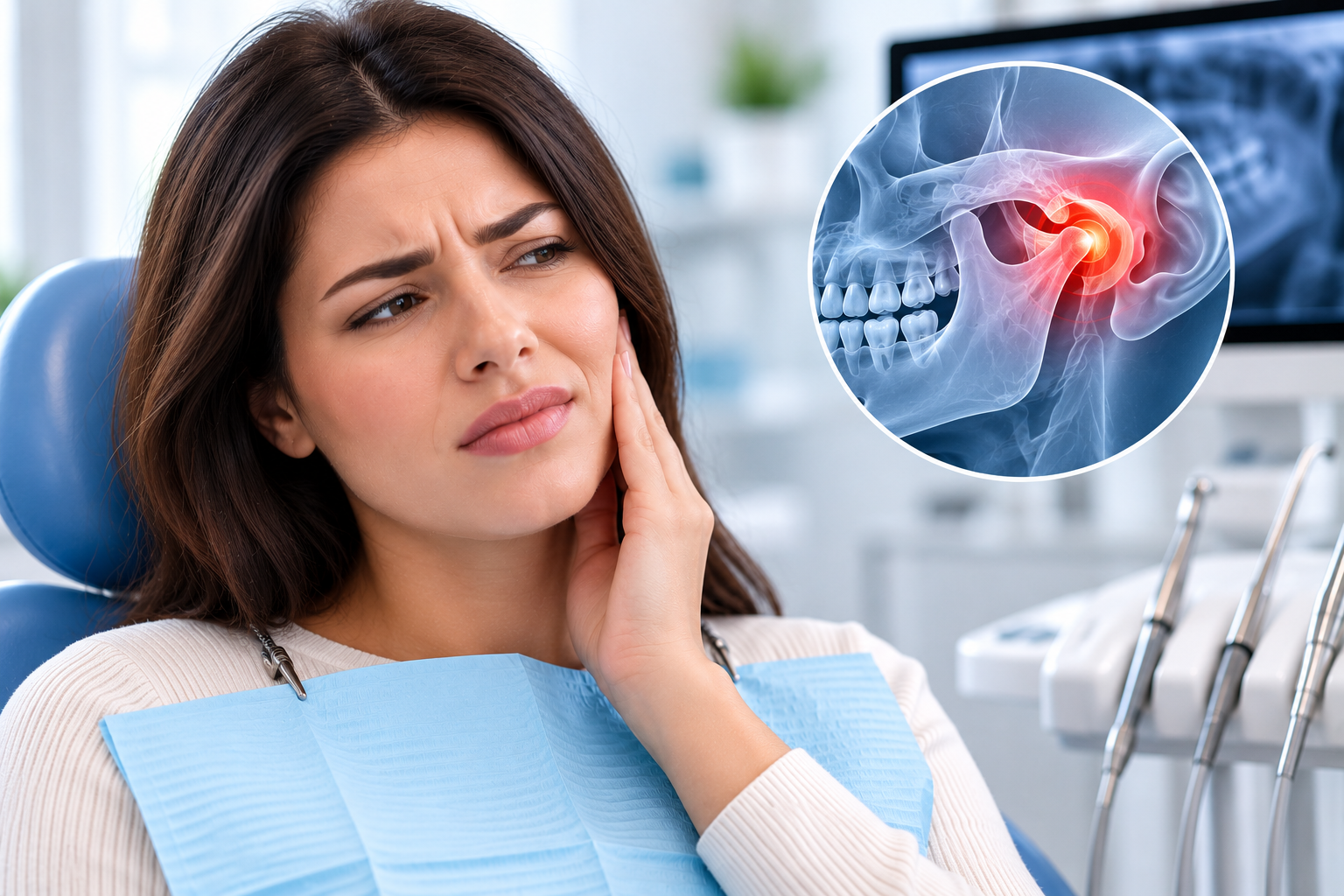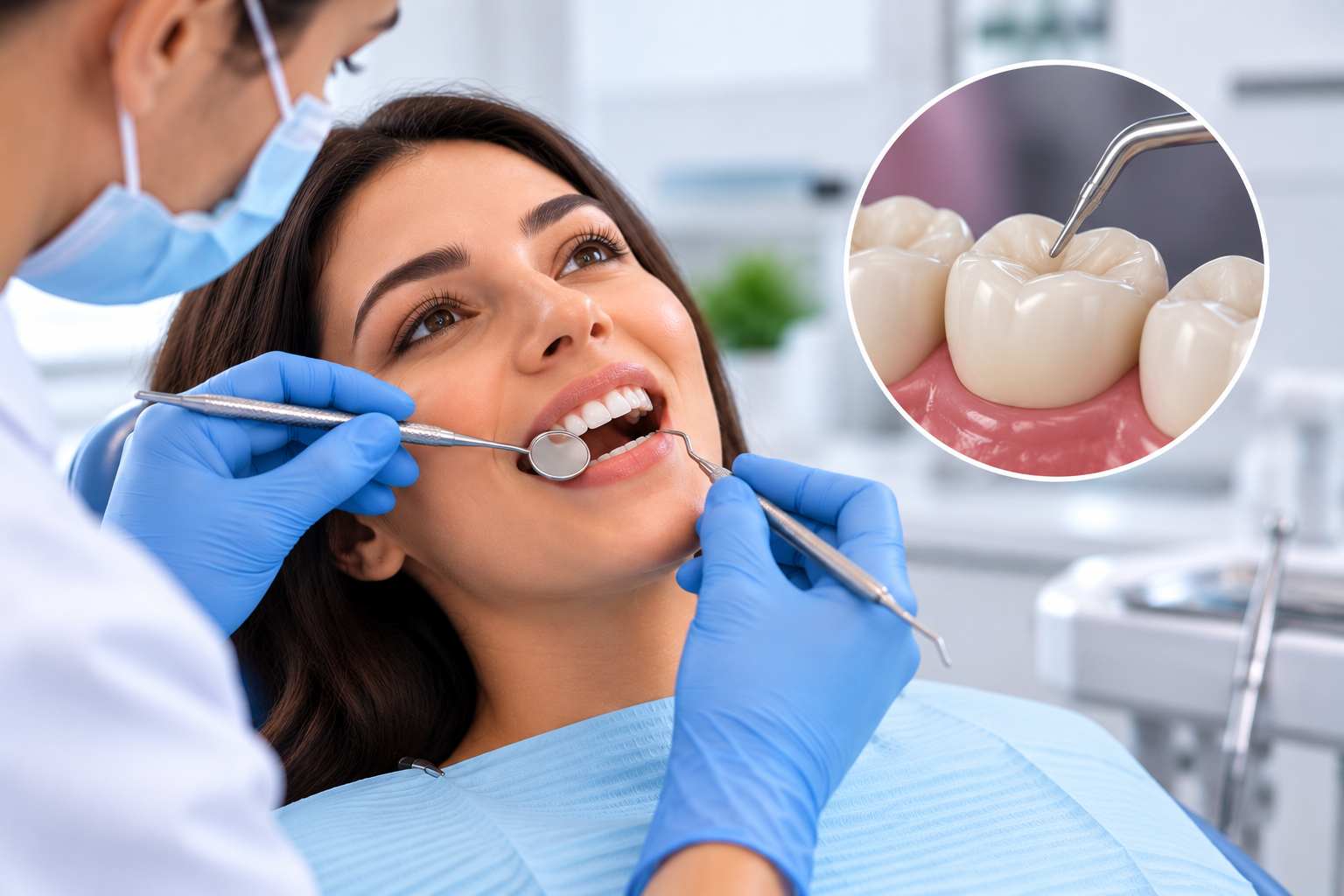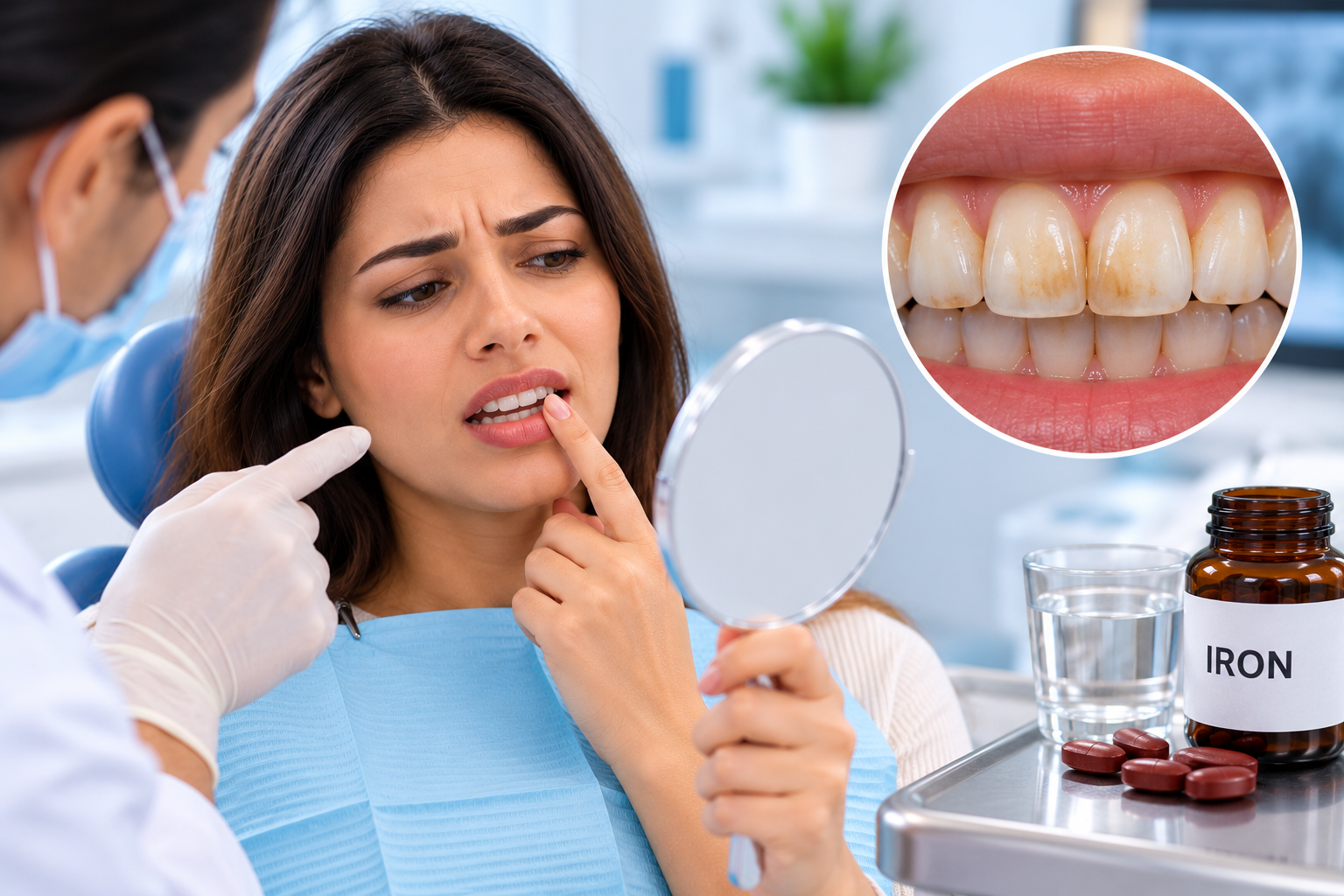
A healthy teeth routine is not just brushing and flossing — it is a daily system that works with the biology of your mouth to prevent decay, gum disease, and enamel loss before they start. Most people follow the basic steps but still develop cavities, bleeding gums, or stained teeth. The reason is simple. They are doing the right tasks at the wrong times, with the wrong technique, and without understanding what is actually happening inside the mouth. Regular dental exam visits also play an important role in identifying hidden oral health issues early. This guide breaks the routine down into a science-based framework you can follow every day.
Why Most Daily Routines Quietly Fail
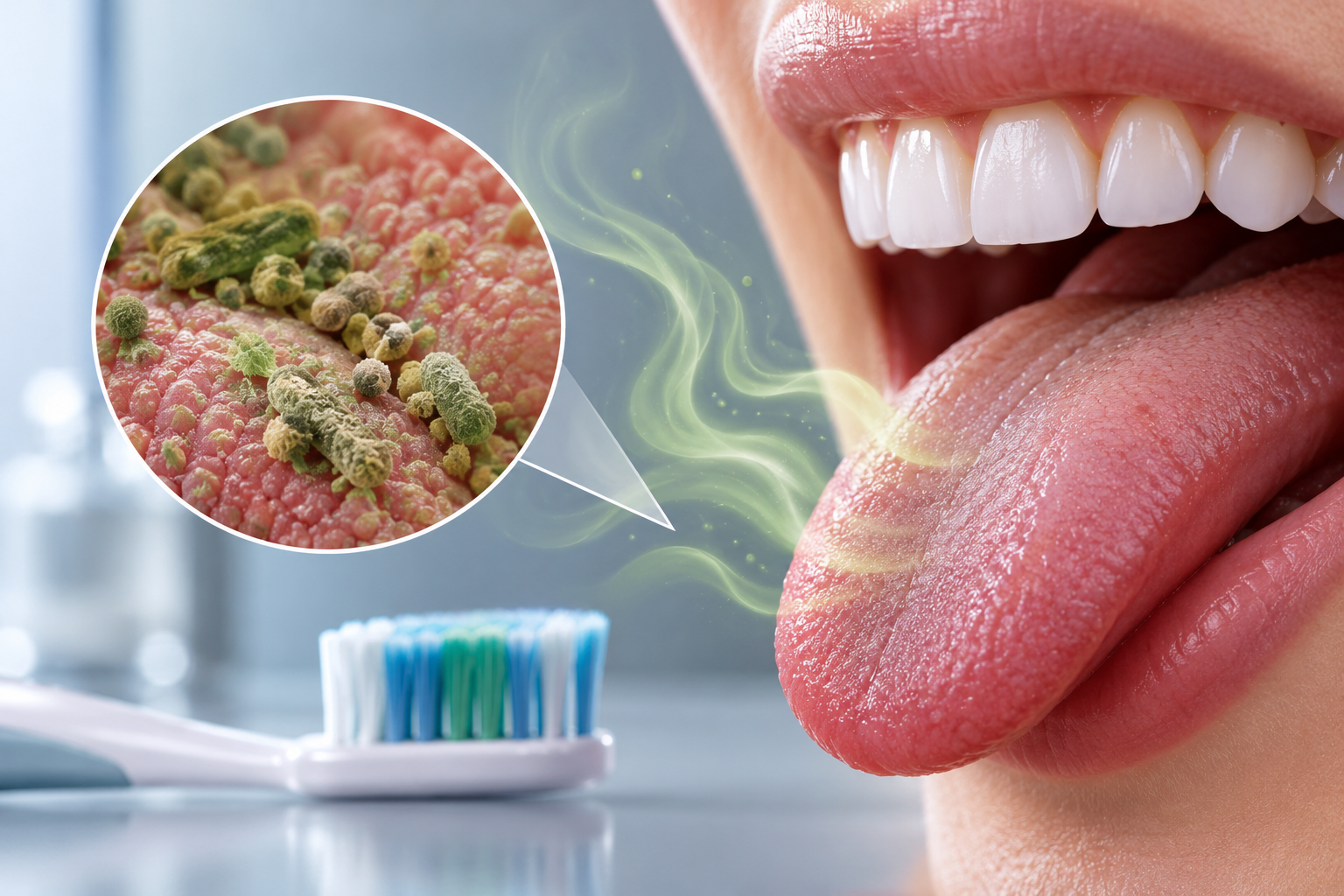
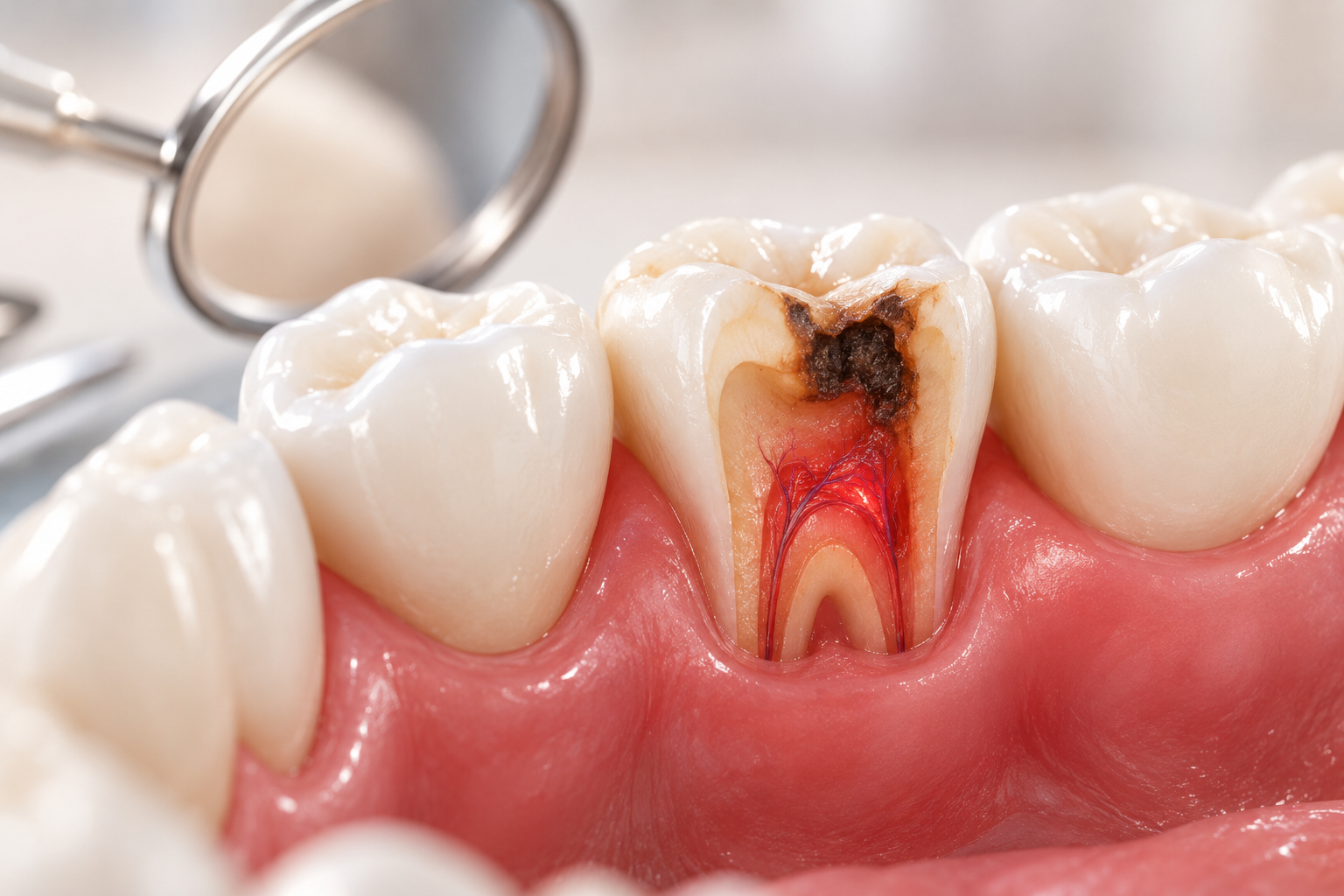
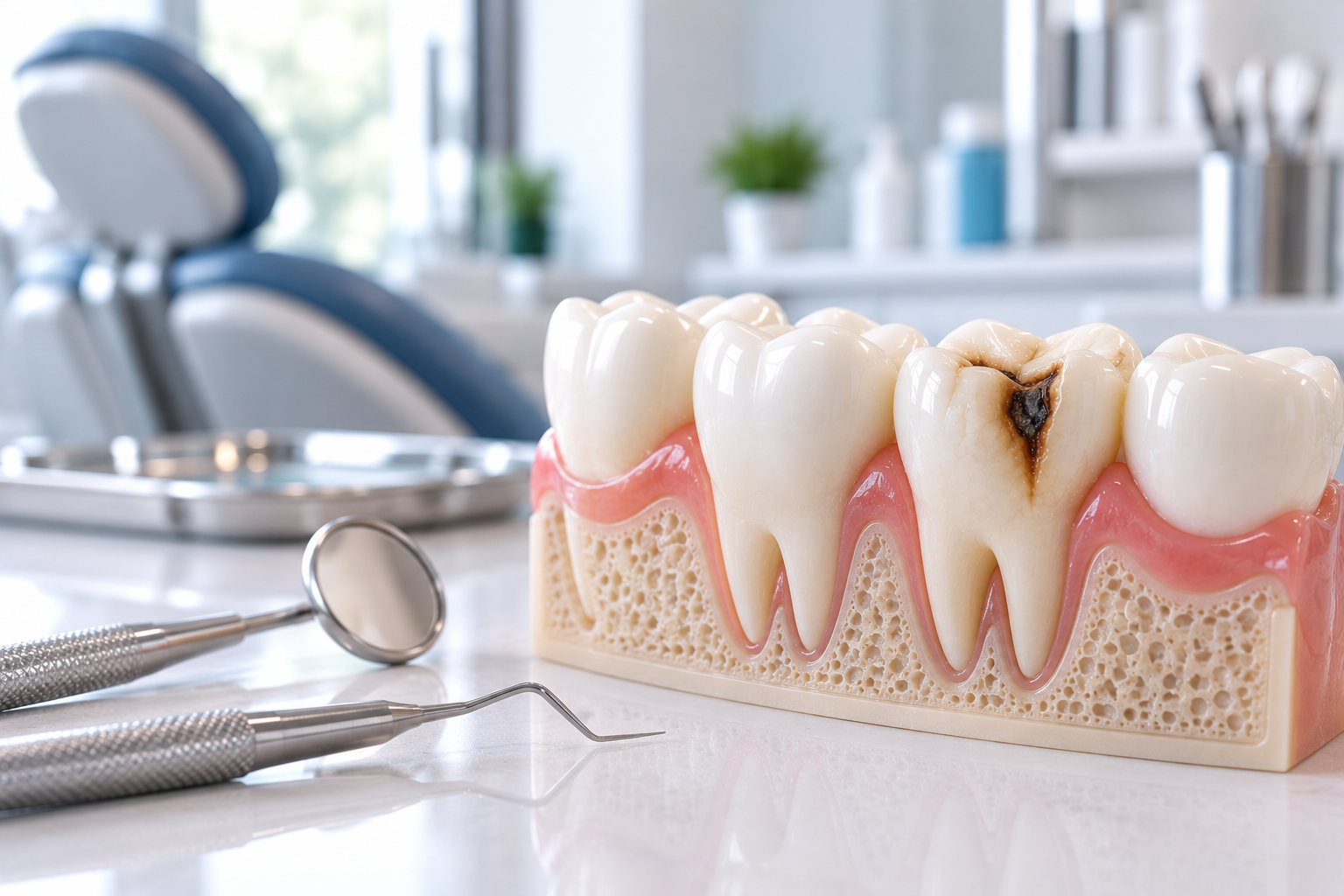
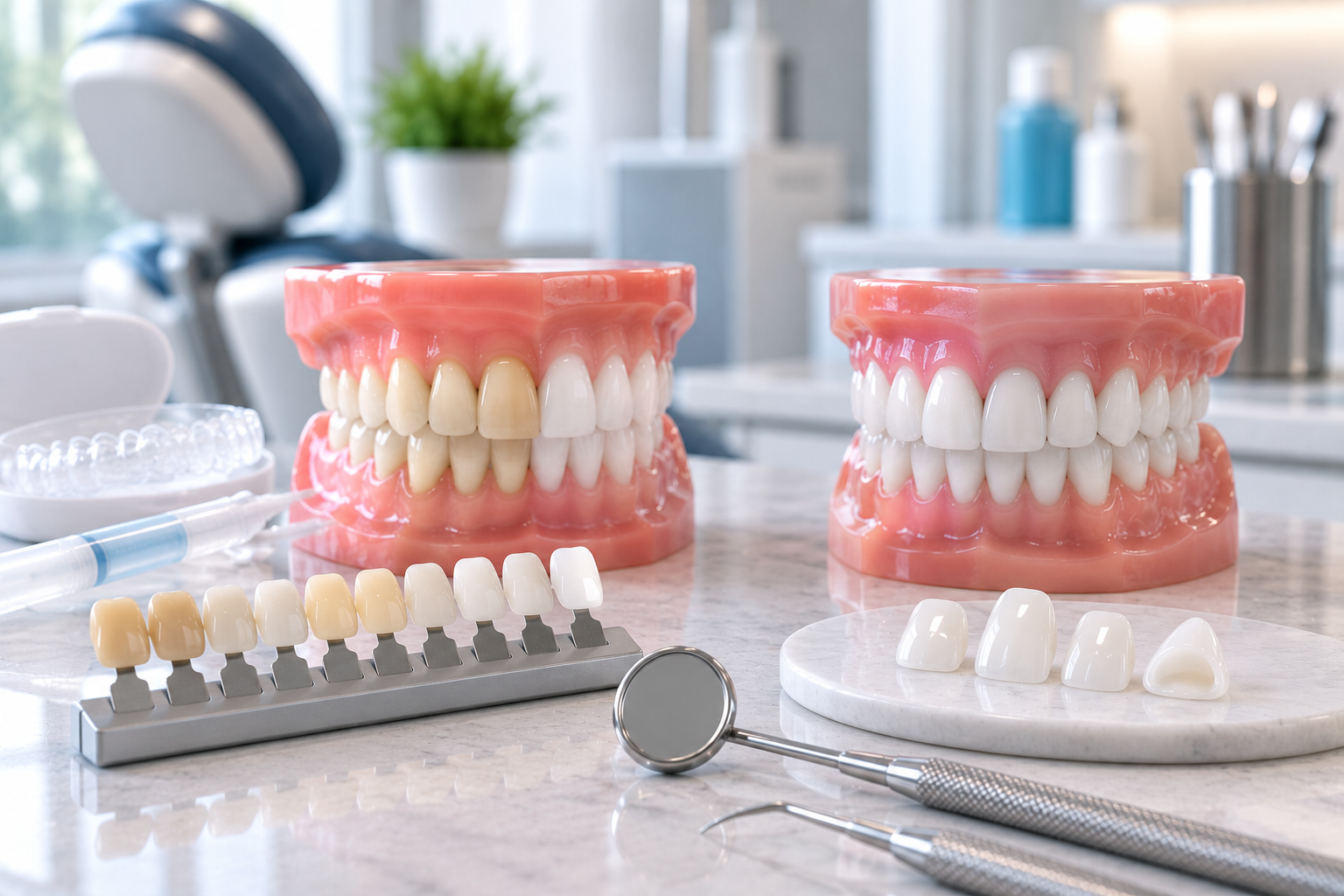
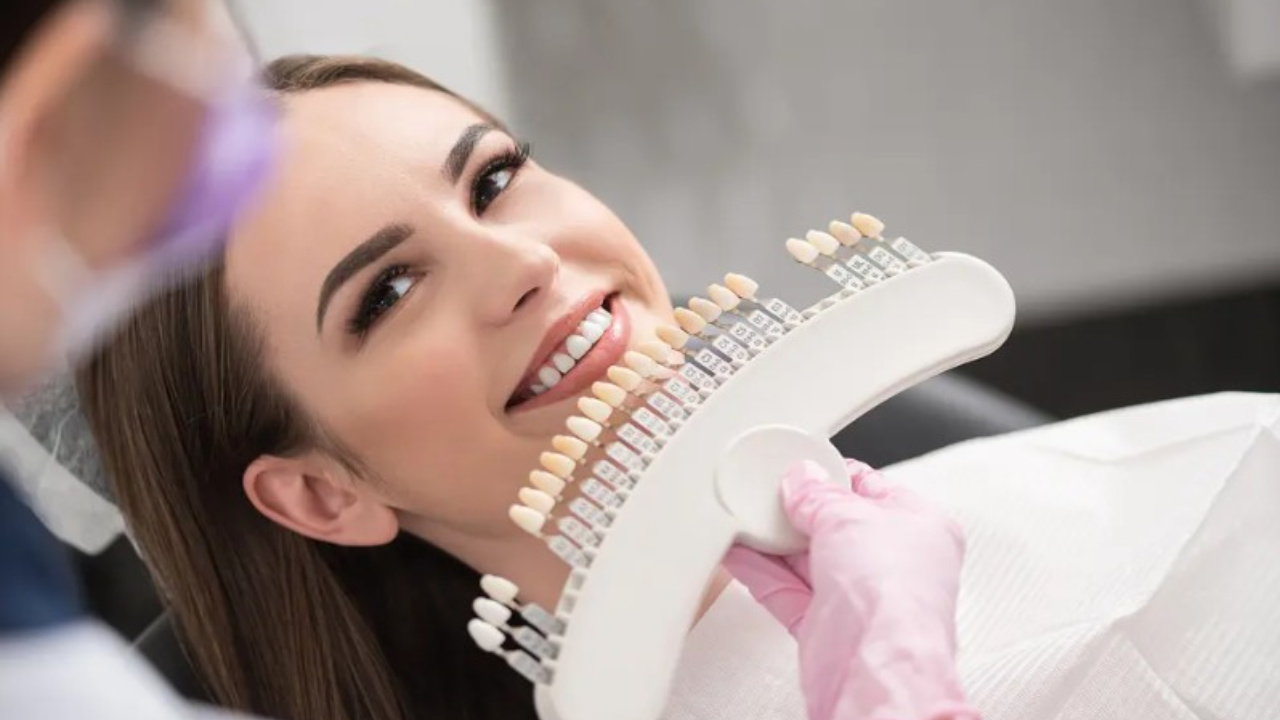
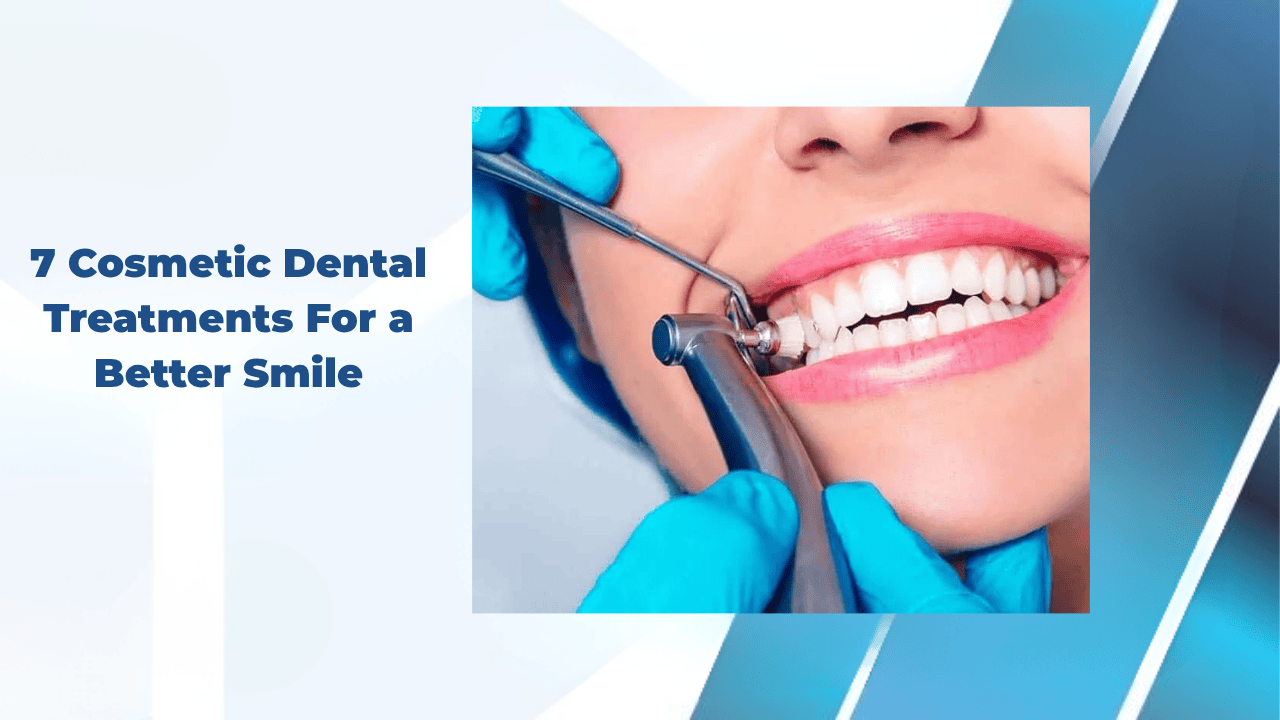
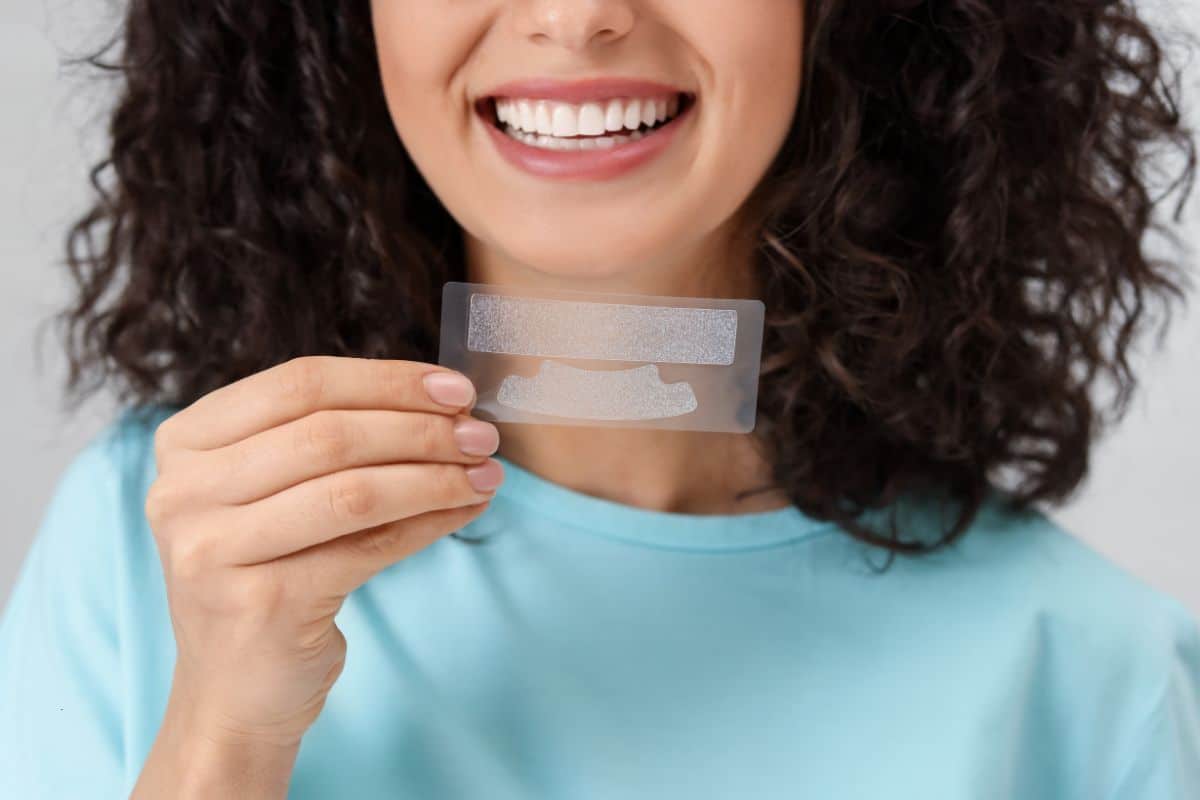
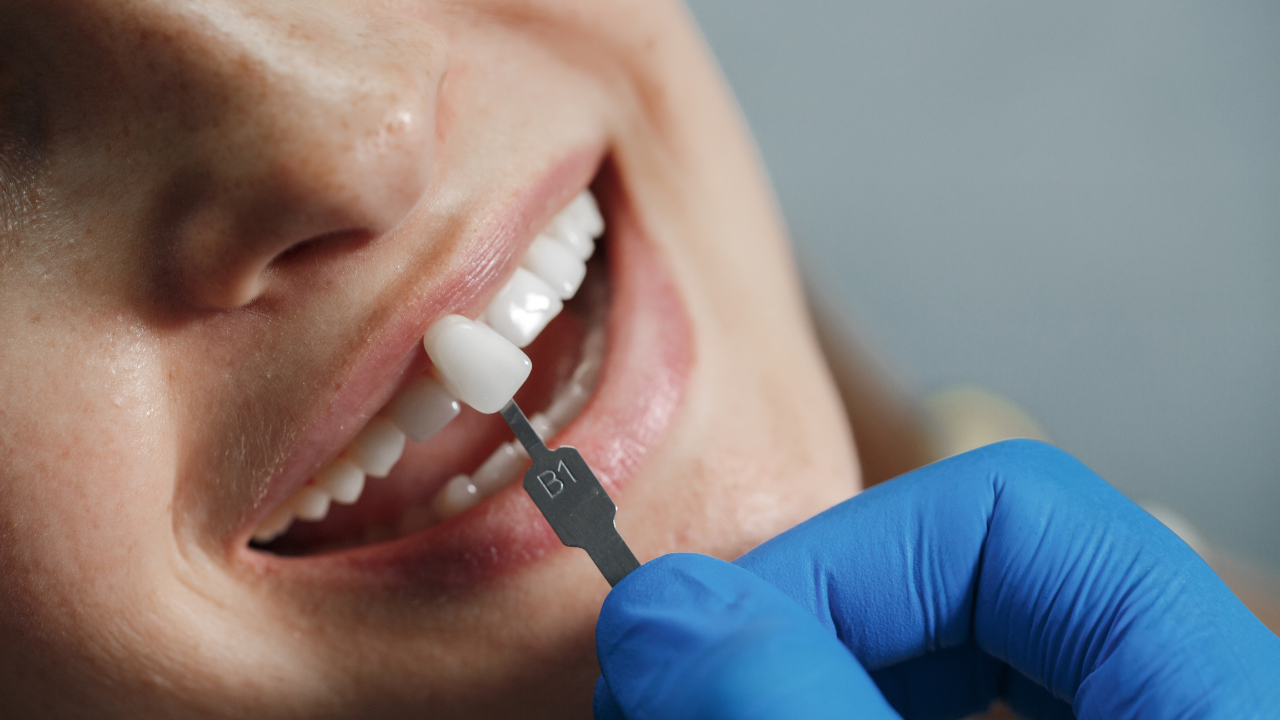
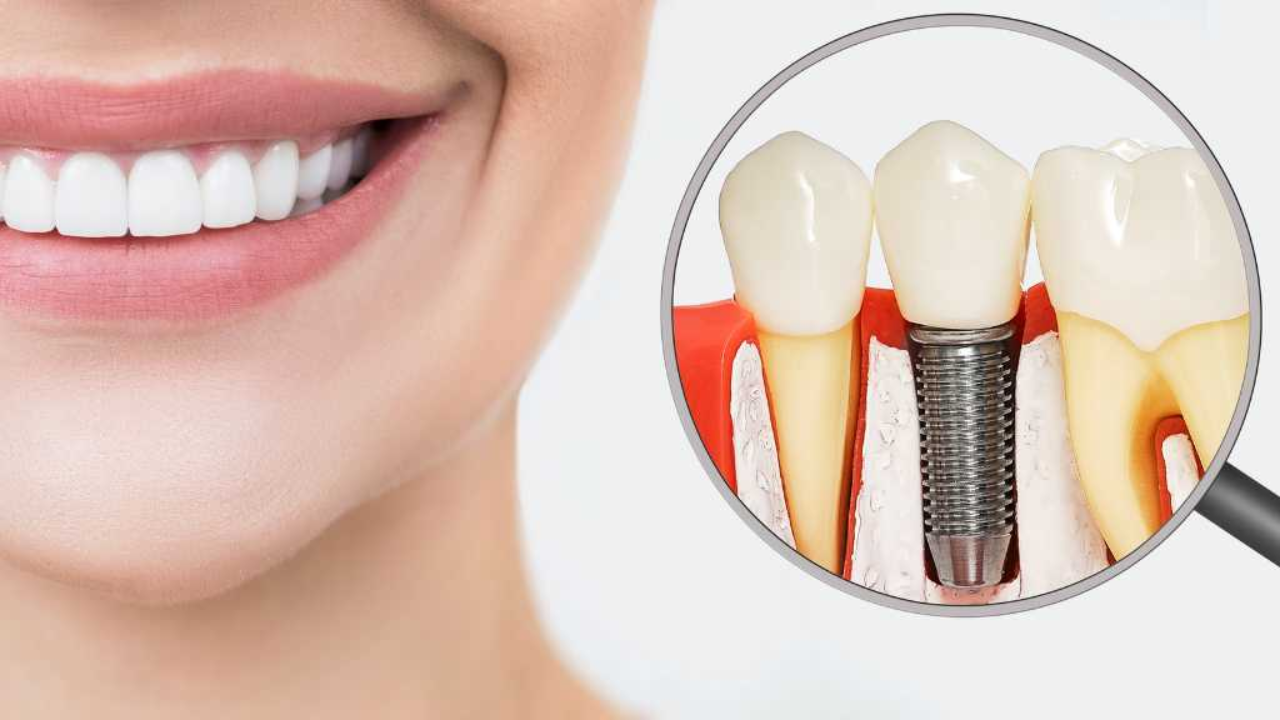
Bacteria in your mouth form a sticky film called plaque within hours of cleaning. If this film is not disturbed every 24 hours, it begins to harden into tartar and releases acids that wear down enamel. The mouth also goes through repeated cycles of acid attacks after eating, followed by natural repair from saliva. A real routine respects both cycles. Skipping one step, brushing at the wrong time, or using the wrong tools breaks the cycle and lets damage build slowly. Professional cleaning and whitening treatments help remove stubborn build up and surface stains that daily brushing may miss. Most people do not feel the problem until it leads to a hole in the tooth that needs professional treatment, at which point prevention is no longer the option.
The GUARD Daily Method
To make this easier to follow, here is a five-part framework that maps directly to science. Each letter stands for one part of the day that matters for long-term protection.
- G — Gum-line focus
- U — Undisturbed biofilm prevention
- A — Acid window awareness
- R — Remineralization habits
- D — Detection schedule
G — Gum-Line Focus
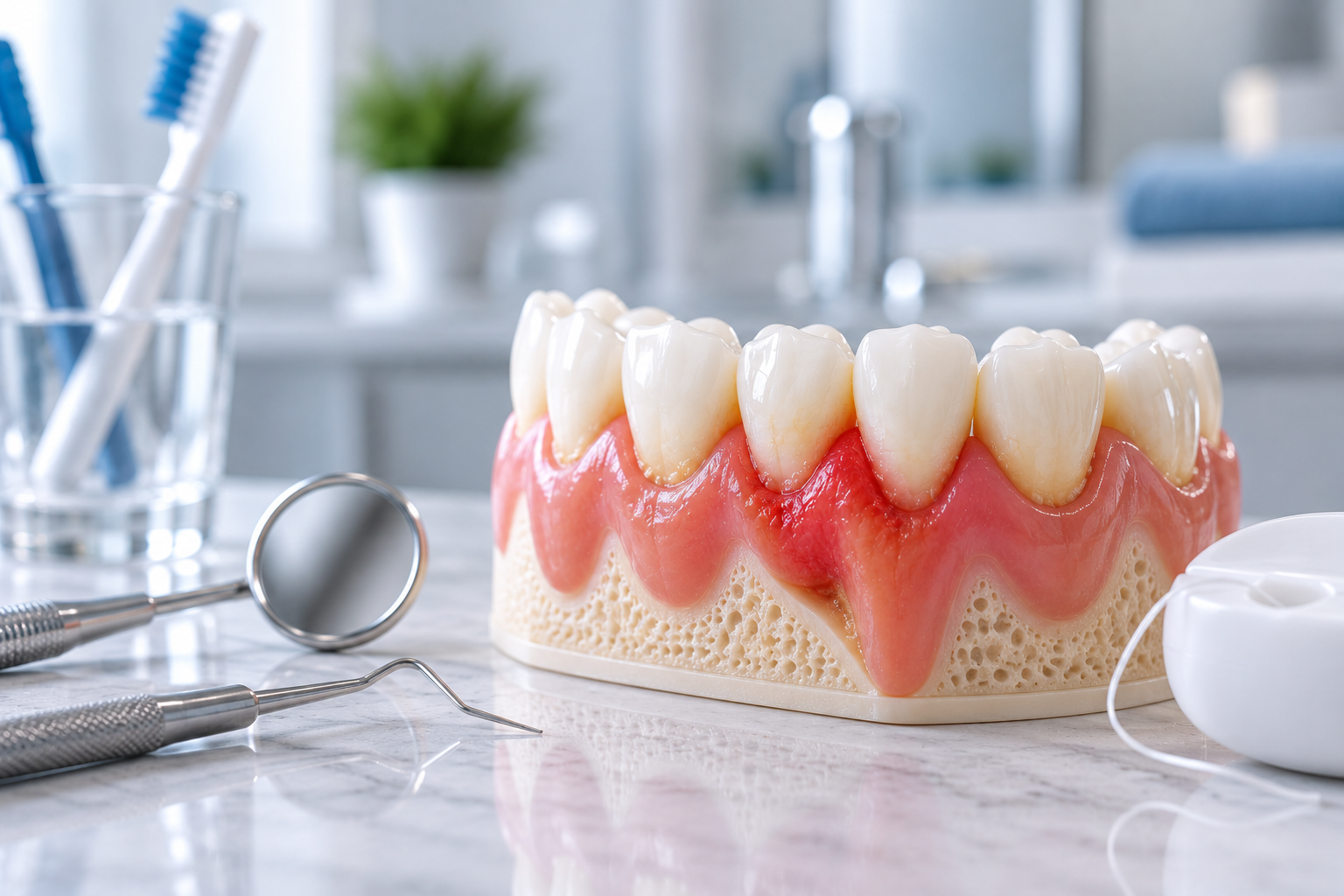
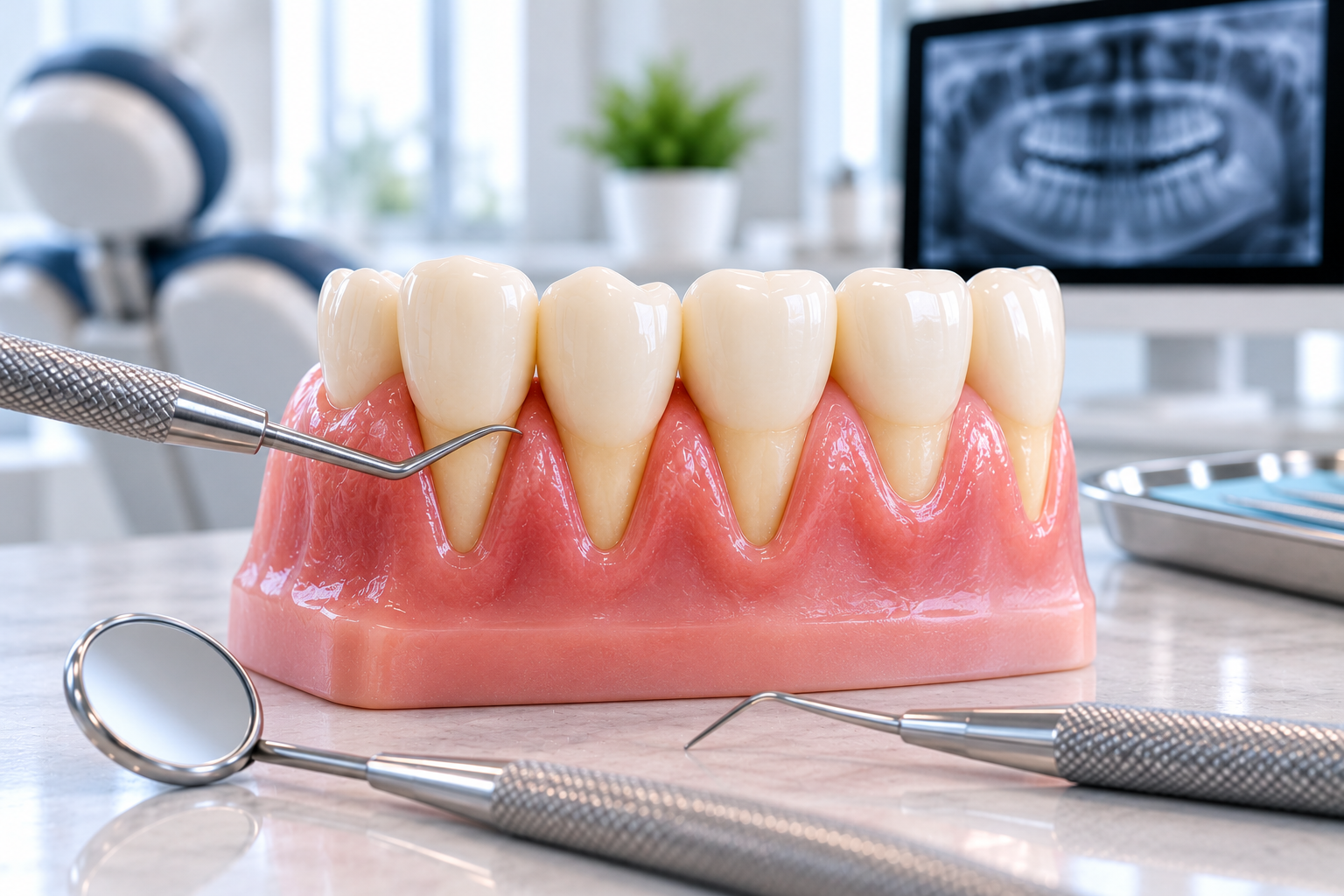
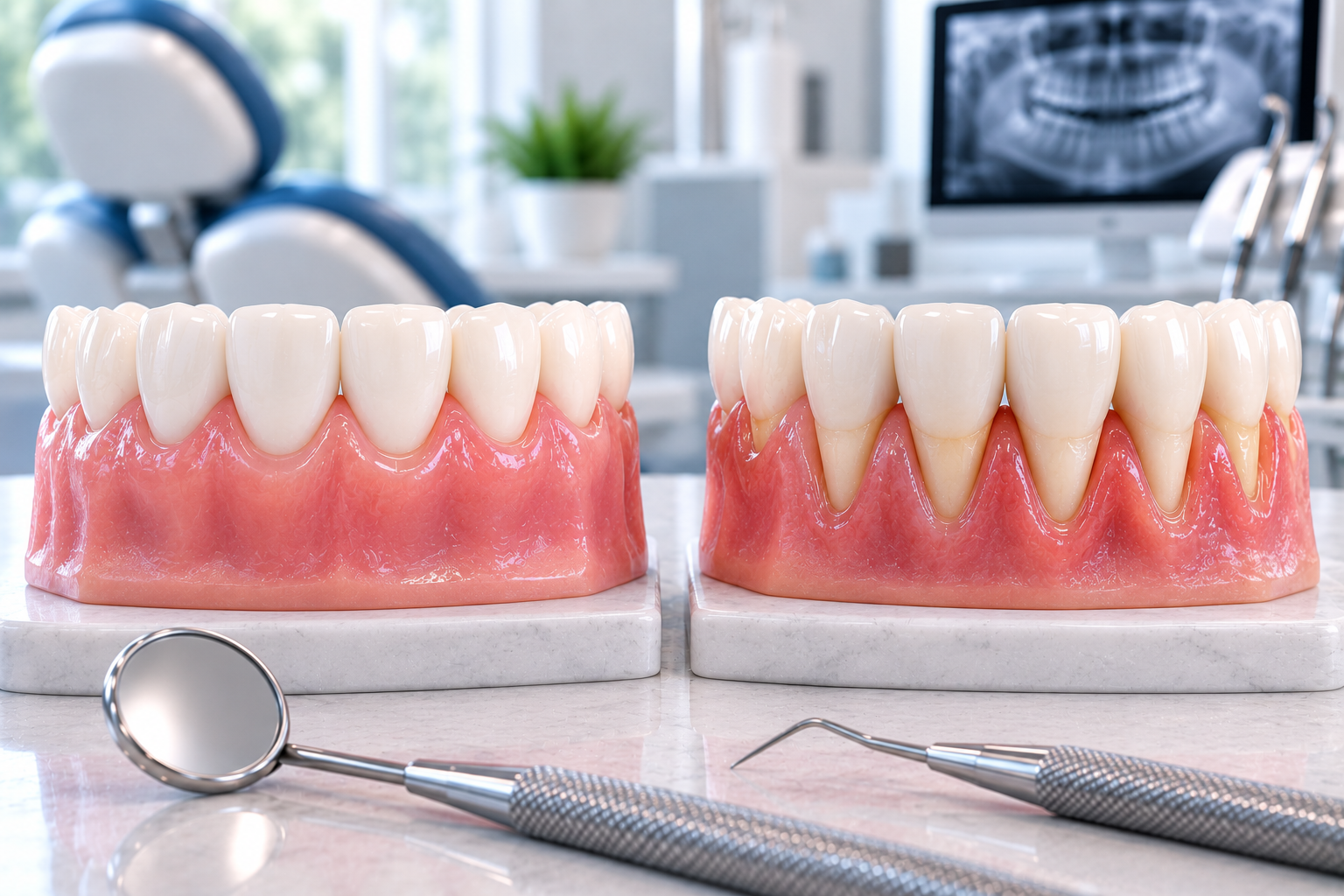
Most gum problems start at the narrow groove where the tooth meets the gum. Plaque hides in this groove and irritates the soft tissue, which increases the risk of gum disease, which is why gums bleed when brushing is rushed or angled wrong. Building gum care into the routine is one of the strongest preventive dentistry tips anyone can follow.
- Angle the toothbrush at 45 degrees so the bristles slide slightly under the gum line
- Use soft bristles only — medium and hard brushes scrape gum tissue away over time
- Move in small circles, not back-and-forth scrubbing
- Floss or use interdental brushes once a day to clean the space between teeth
- Treat any bleeding as a signal, not as normal
Healthy gums do not bleed during routine cleaning. If yours does, the gum line needs more attention, not less.
U — Undisturbed Biofilm Prevention
This is where timing matters. Plaque starts rebuilding the moment you finish brushing, and within 24 hours it begins hardening. If you skip a session, that hardened layer is no longer something you can remove at home.
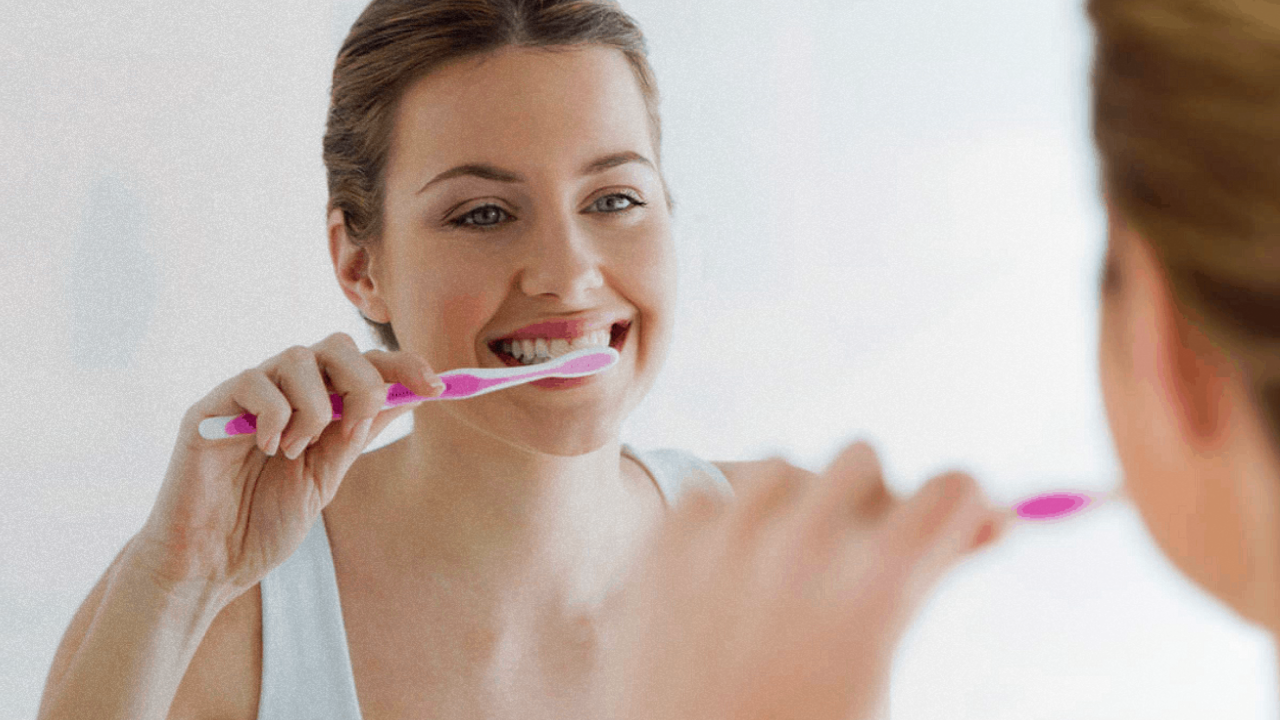
- Brush twice a day for a full two minutes, not the forty-five seconds most people manage
- Clean between teeth daily, ideally at night when saliva flow slows
- Replace the toothbrush every three to four months, or sooner if bristles flare out
- Brush the tongue or use a scraper — bacteria settle there too
These small actions are some of the most reliable preventive dental care tips because they break the bacterial cycle before it has time to cause damage.
A — Acid Window Awareness
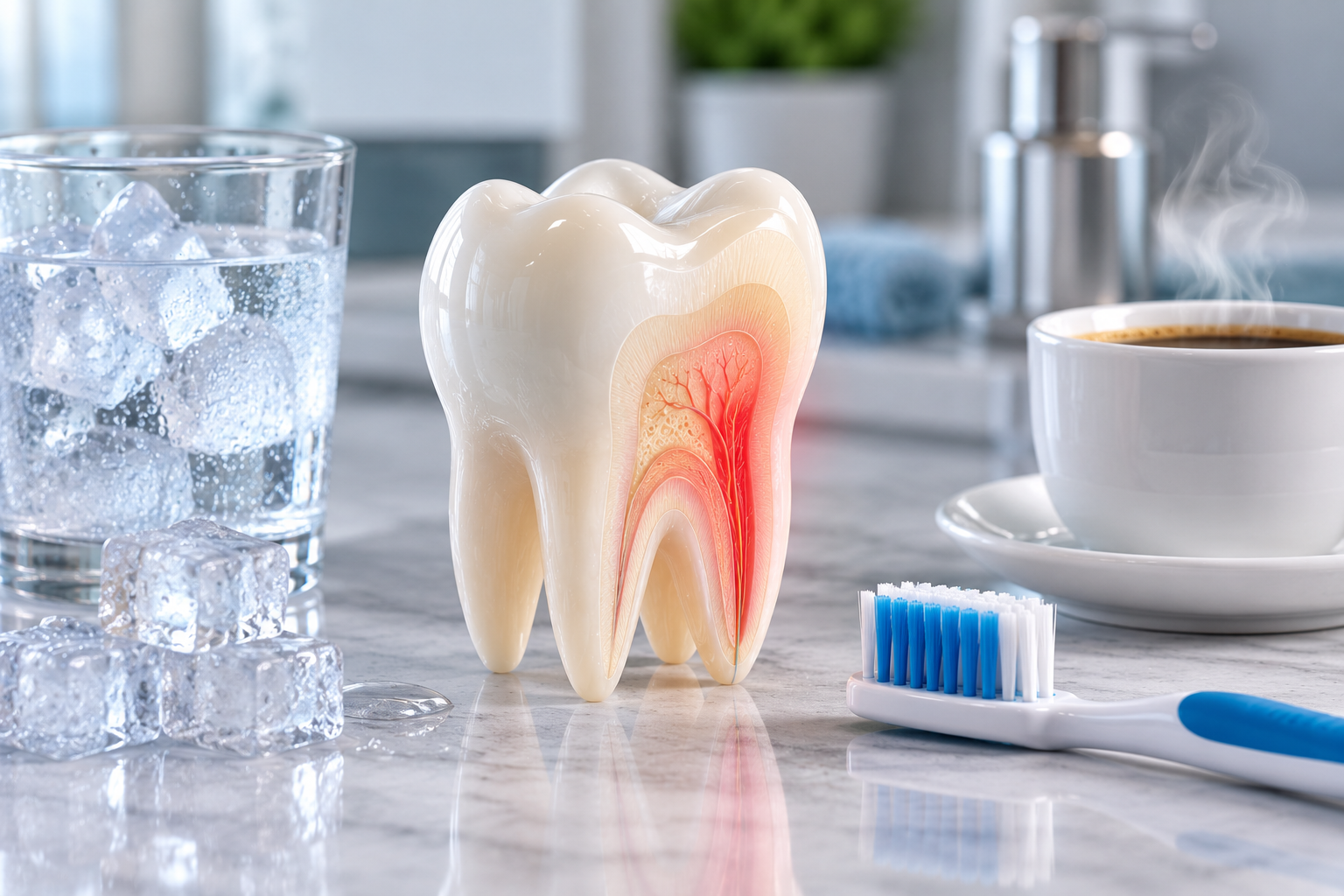
Every time you eat or drink something sugary or acidic, the pH in your mouth drops and softens enamel for about twenty to thirty minutes. Brushing during this window can actually scrub away softened enamel rather than protect it.
- Wait at least thirty minutes after eating before brushing
- Rinse with plain water right after meals to neutralize acid faster
- Limit constant sipping of soda, juice, sports drinks, and coffee
- Use a straw for acidic drinks to reduce direct contact with teeth
- Chew sugar-free gum after meals to boost saliva flow
This is also the part of the routine that protects against discoloration that builds up gradually from food, drinks, and acid exposure over the years.
R — Remineralization Habits
Enamel can repair itself in small ways every day, but only if the right minerals are available. Saliva carries calcium and phosphate, and fluoride helps lock those minerals back into the tooth surface. If you want to know how to strengthen teeth at home without expensive products, focus on the habits below:
- Use a fluoride toothpaste twice a day
- Spit, do not rinse, after brushing so fluoride stays on the teeth
- Drink plenty of water through the day to support saliva flow
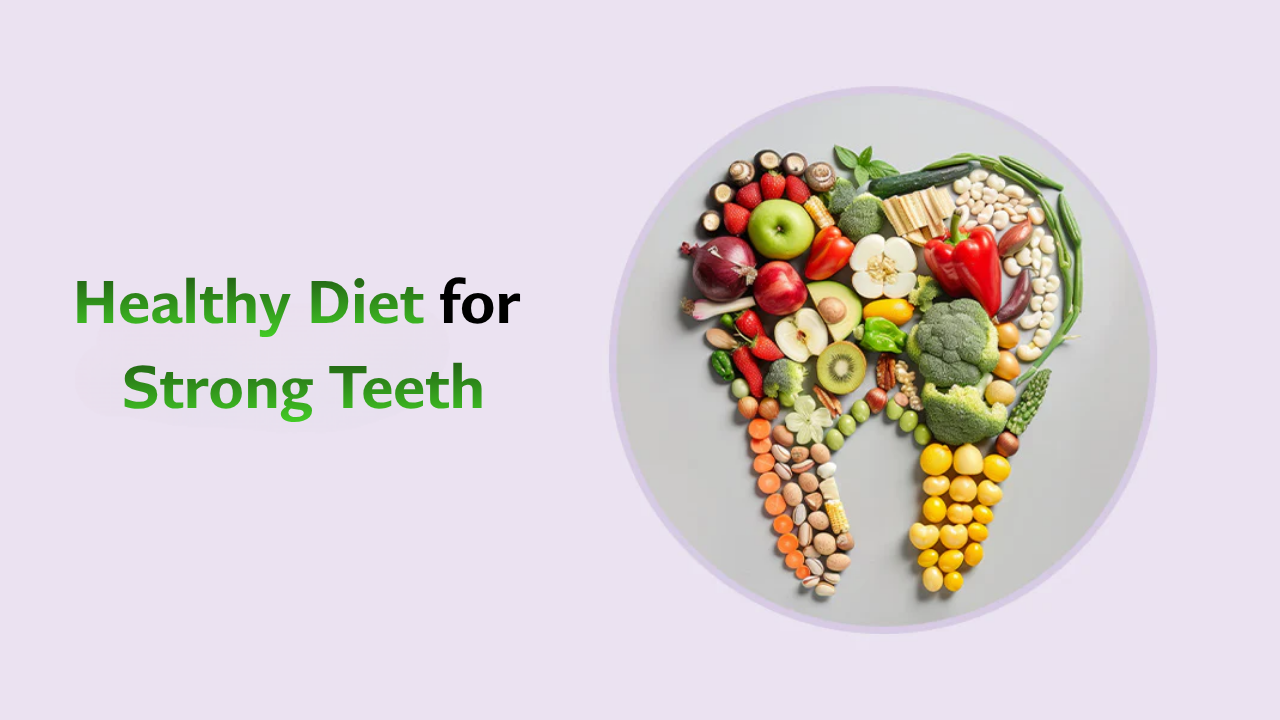
- Eat calcium-rich foods like dairy, leafy greens, and almonds
- Limit grazing on snacks, which keeps the mouth in constant acid mode
Together these habits are some of the simplest tips for healthy gums and enamel because they work with the body, not against it.
D — Detection Schedule
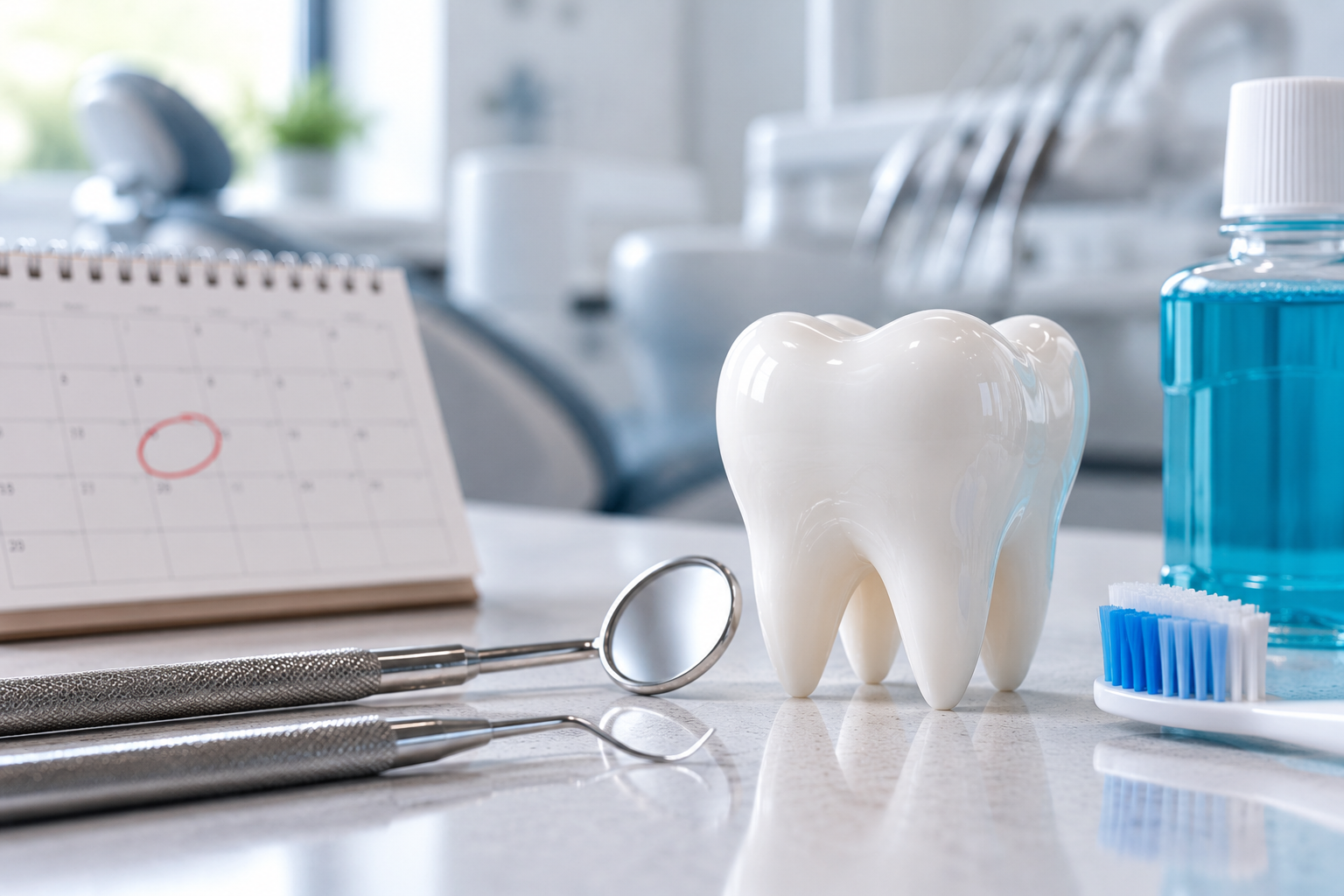
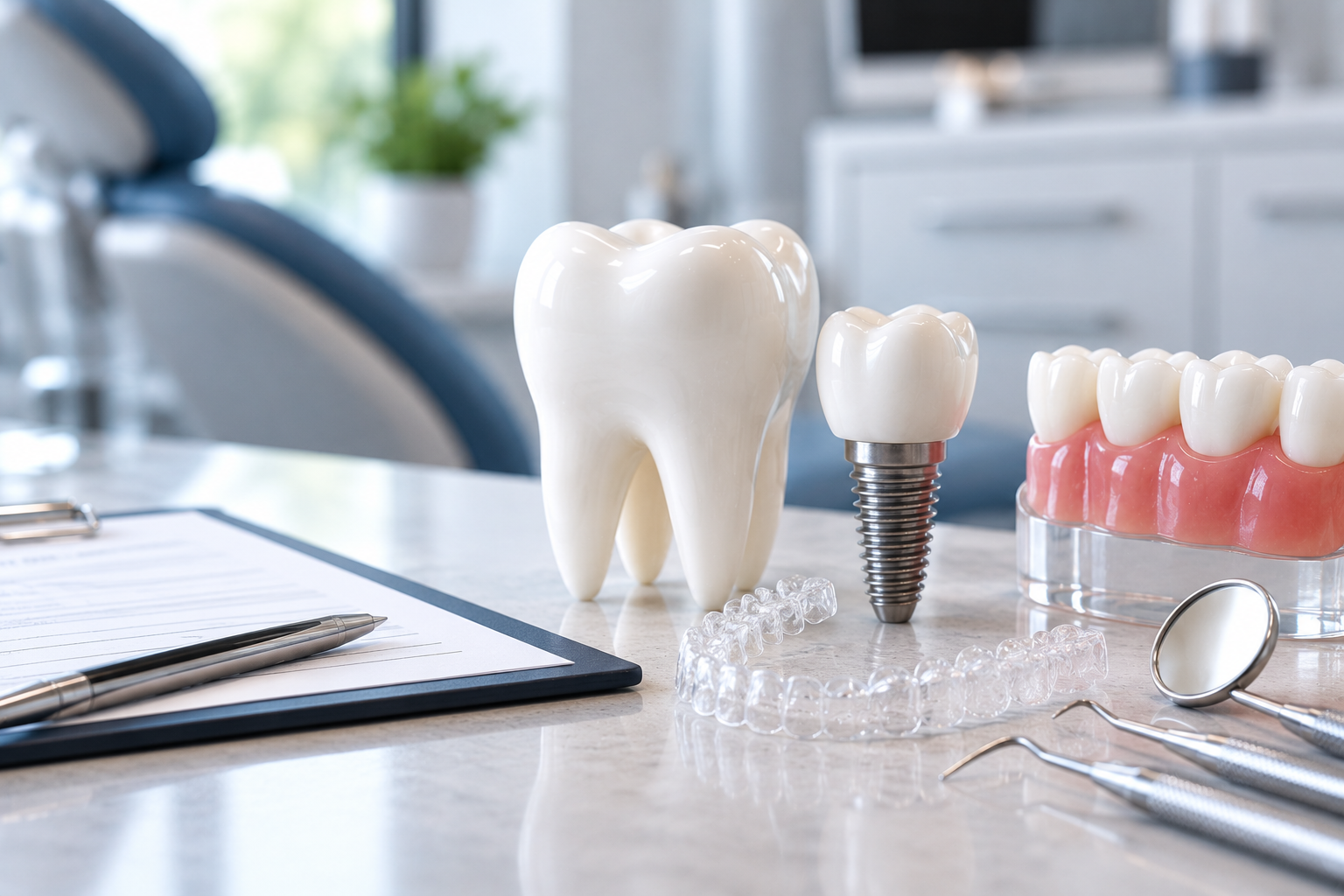
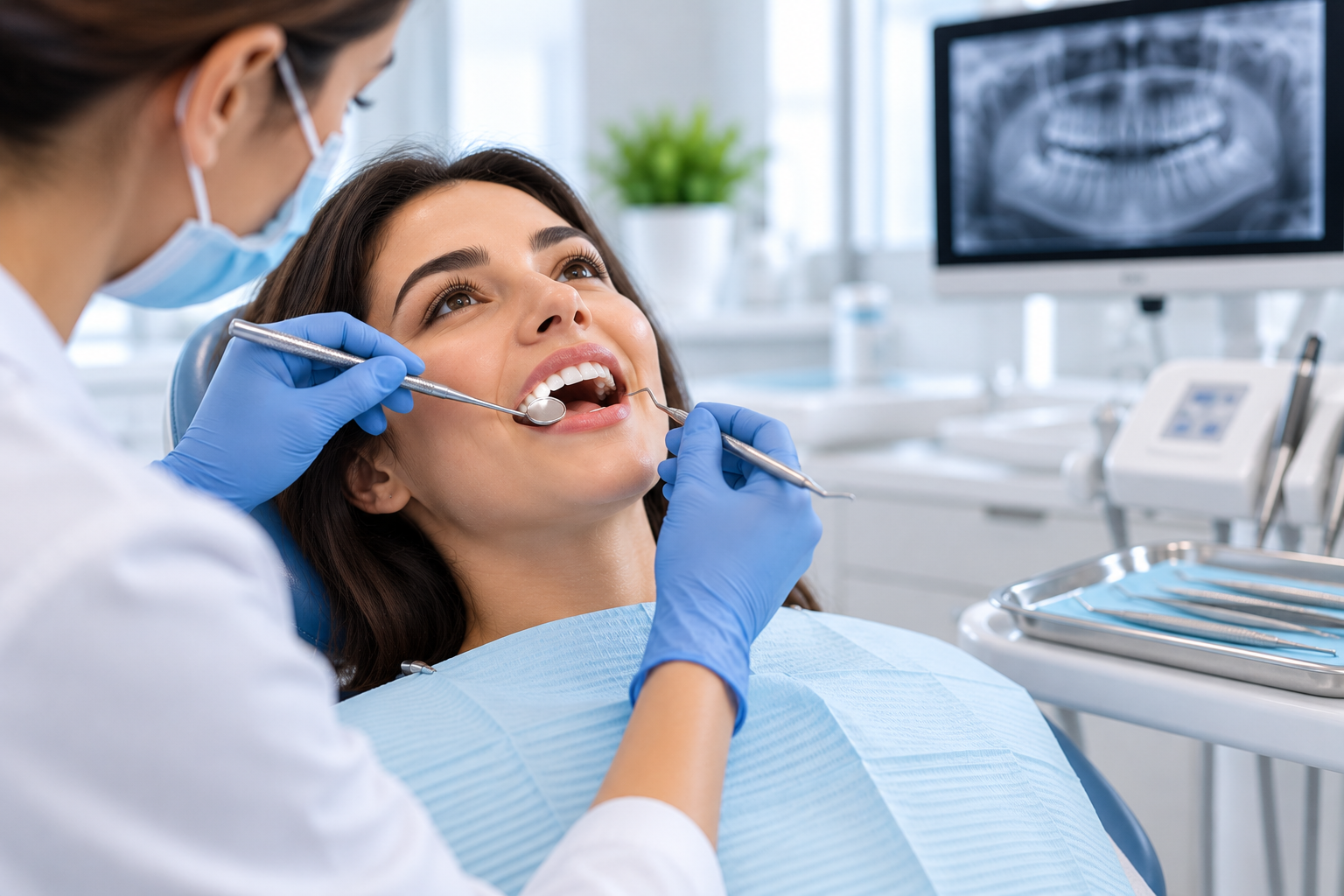
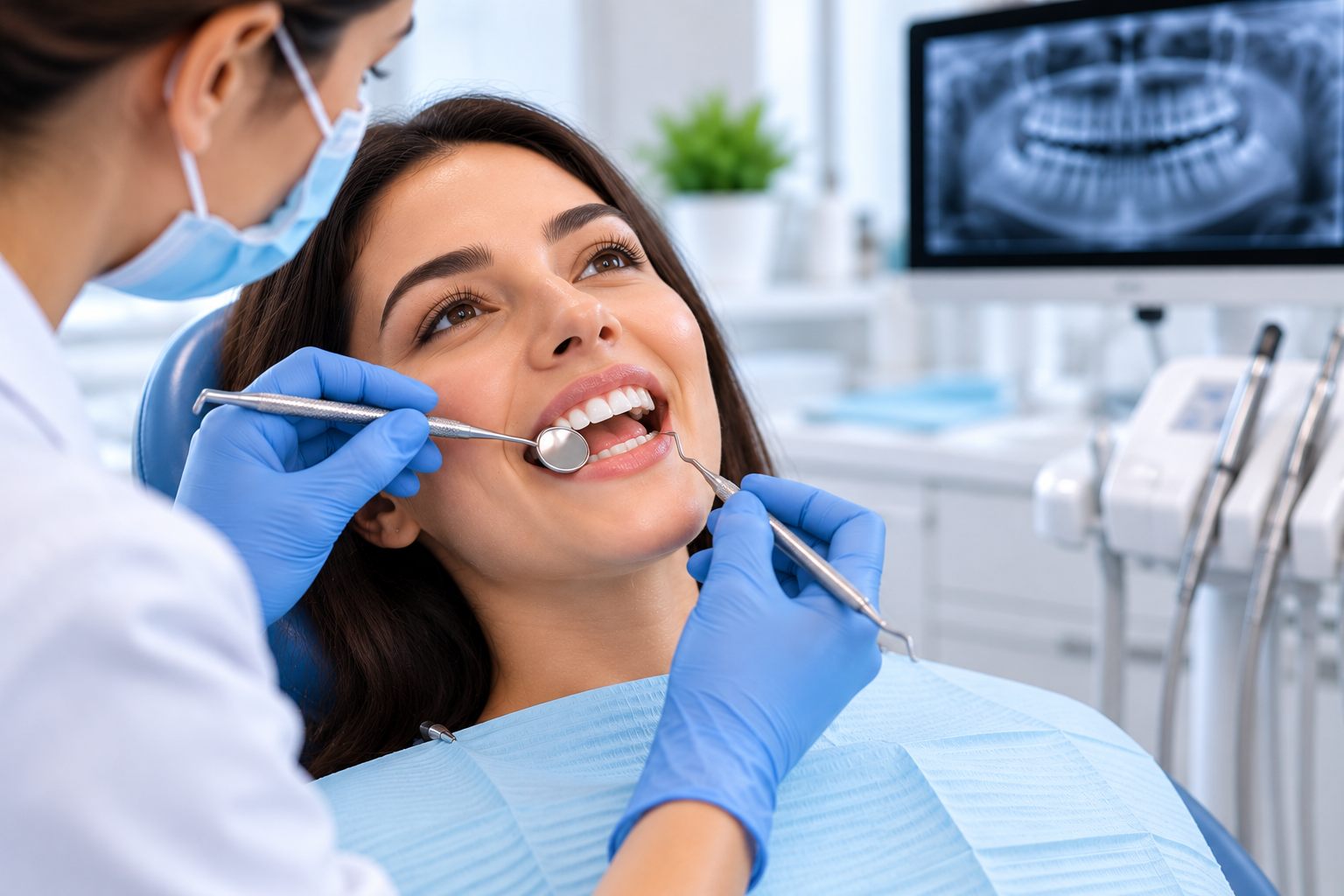
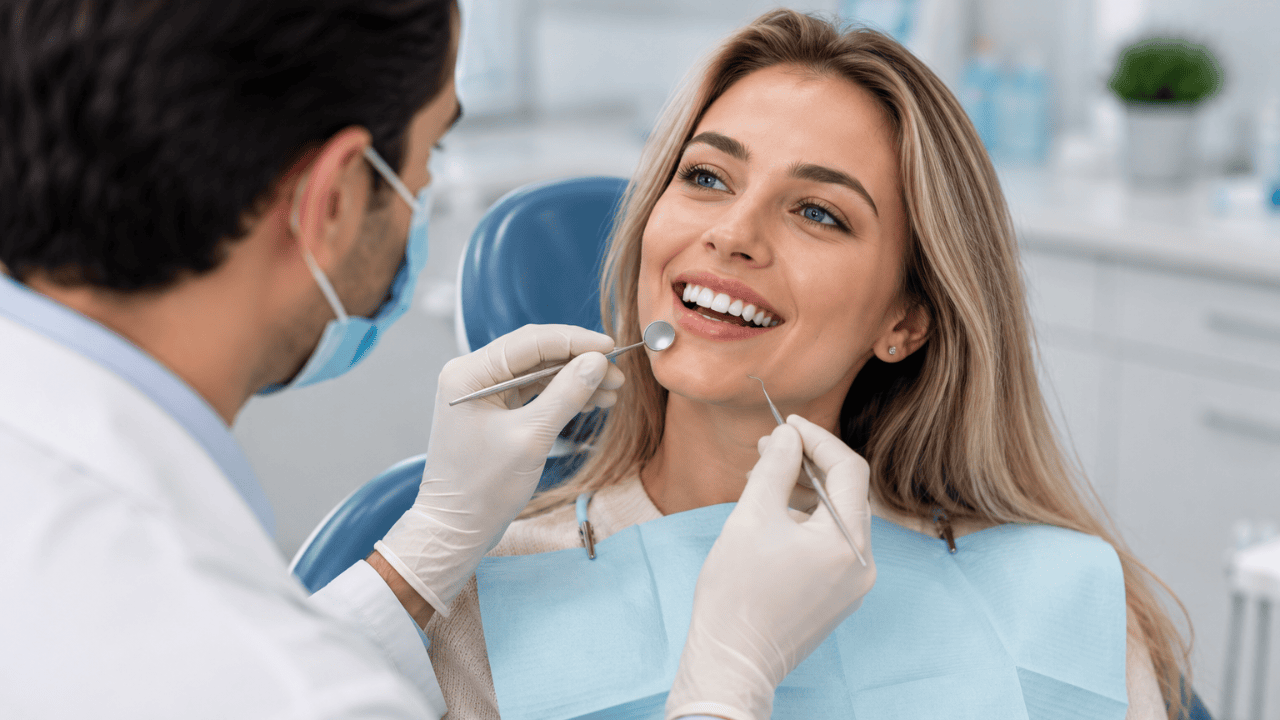
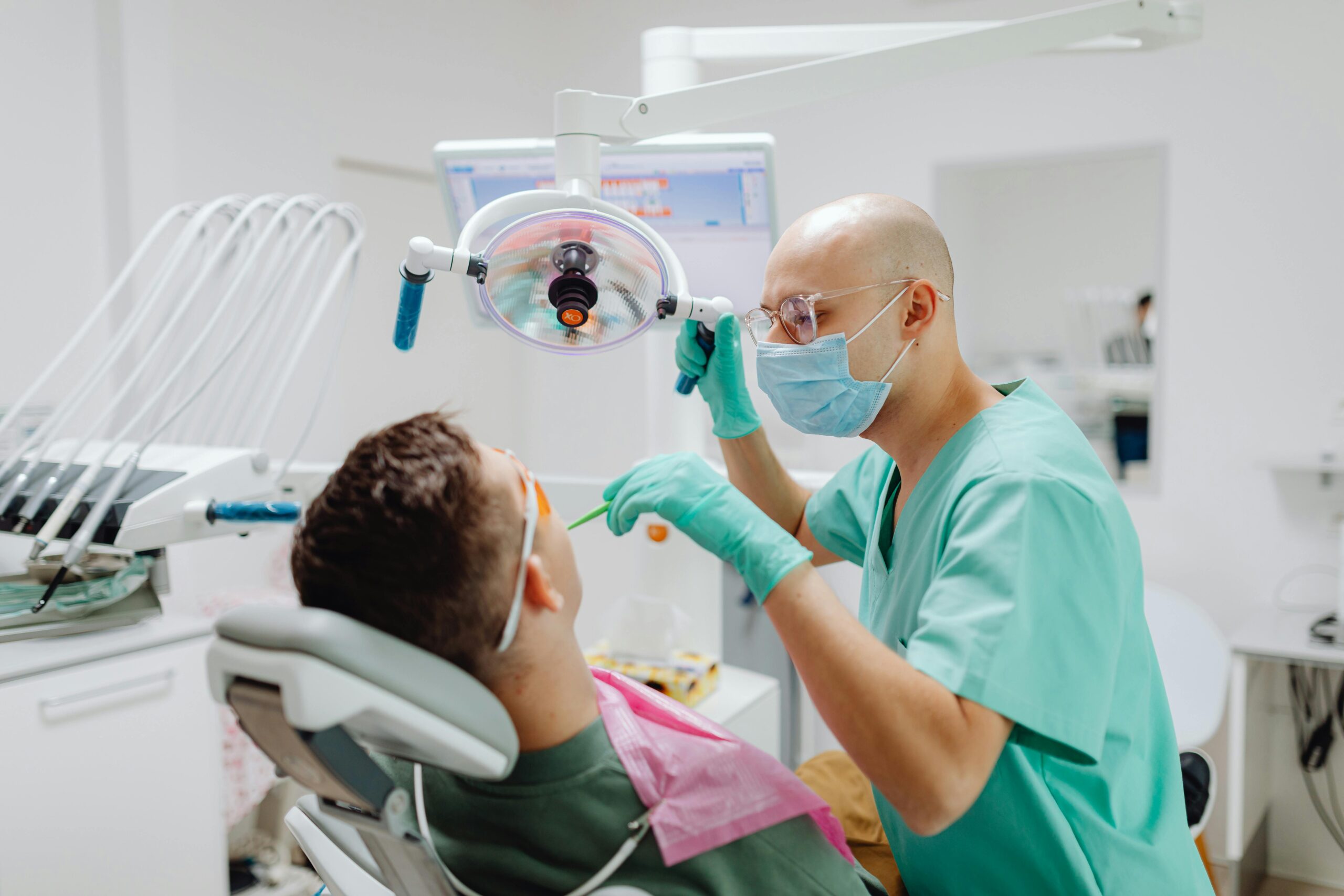
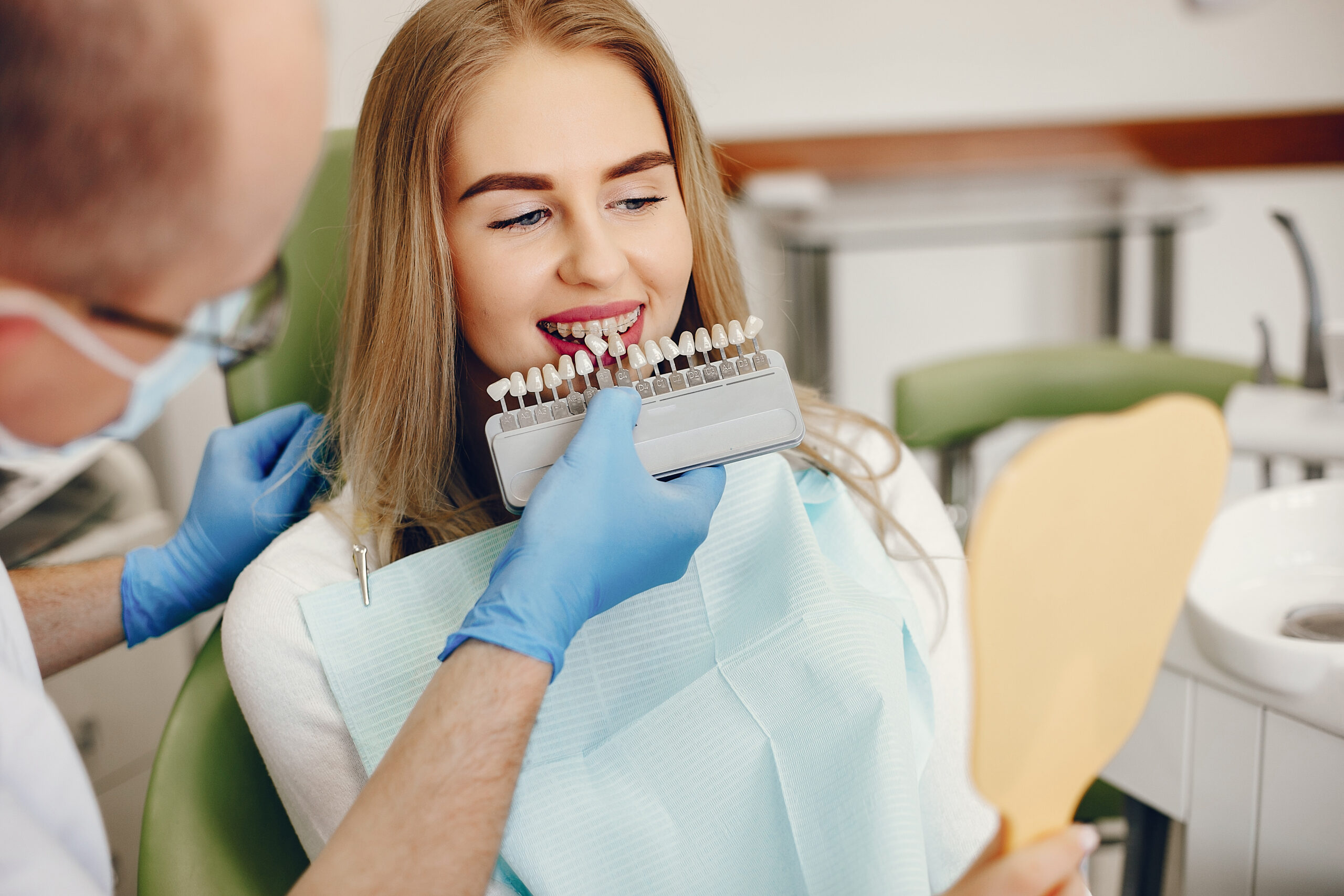
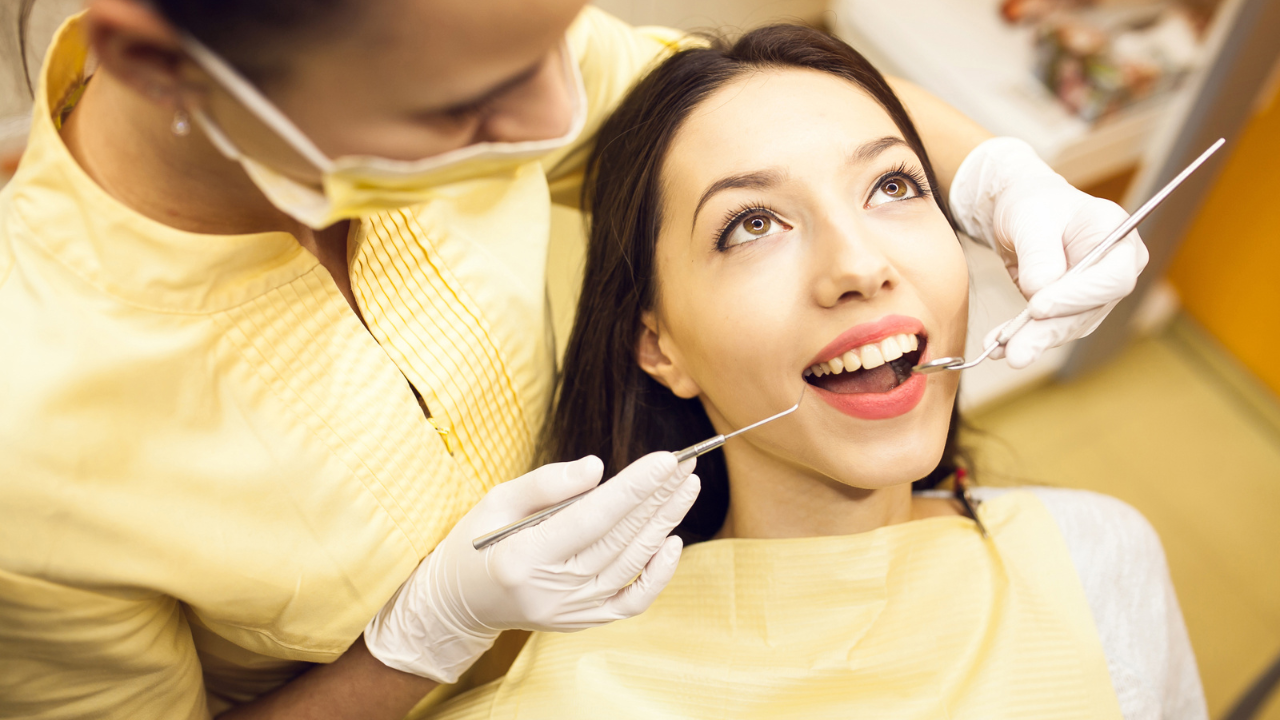
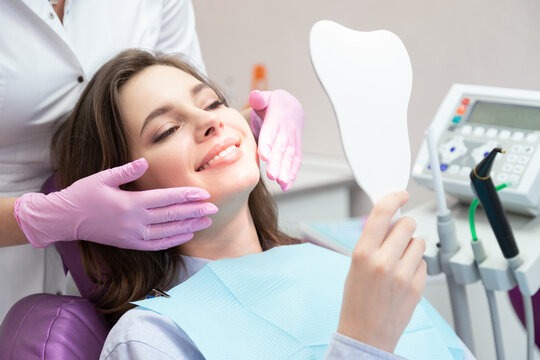
Even a perfect home routine cannot remove hardened tartar or catch early decay between teeth. Professional cleanings help remove what brushing cannot reach and keep enamel looking its best. Most adults need a check up and cleaning every six months, while people with gum disease, diabetes, or a history of cavities may need more frequent visits. A routine visit typically catches tartar build up under the gum line, small cavities that have not yet caused pain, gum recession or early gum disease, stained teeth, cracked fillings, worn enamel, and signs of oral cancer during screening.
10 Ways to Keep Your Teeth Healthy Every Day
For a quick reference, here are 10 ways to keep your teeth healthy that pull the full system together:
- Brush twice daily for two minutes
- Floss or use interdental brushes once a day
- Wait thirty minutes after acidic foods before brushing
- Rinse with water after meals
- Use a fluoride toothpaste and spit without rinsing
- Drink water through the day
- Replace the toothbrush every three to four months
- Limit sugary and acidic drinks
- Avoid tobacco and limit alcohol
- Get a professional cleaning and exam twice a year
Conclusion
A strong healthy teeth routine is not about doing more — it is about doing the right things at the right times. When you focus on the gum line, disturb biofilm daily, respect the acid window, support remineralization, and detect issues early, your teeth do most of the protection work on their own. Ethos Modern Dental Build these habits once, and they pay back in fewer fillings, less sensitivity, and a stronger smile for decades .