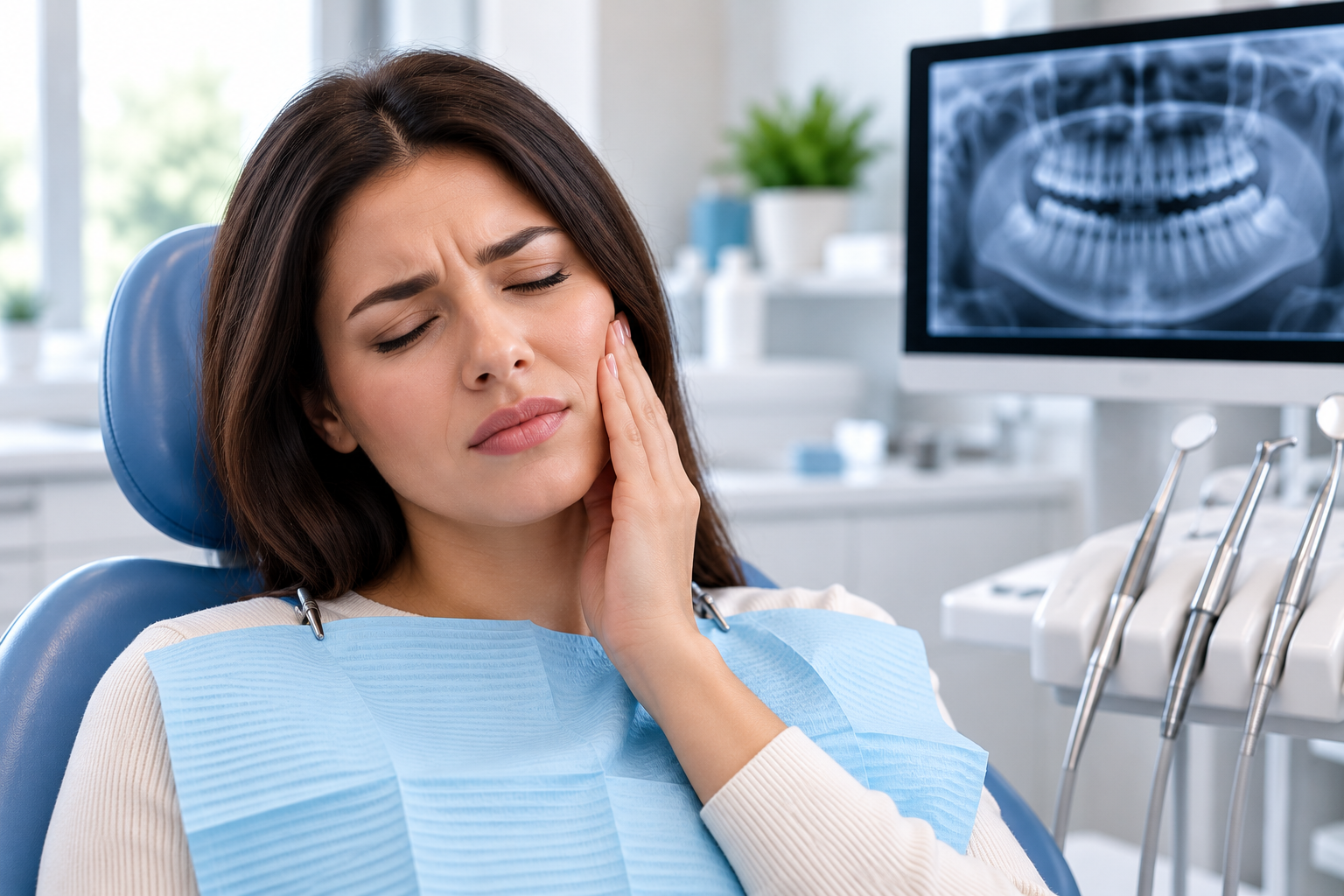
You’re chewing your favorite meal or yawning in the morning when suddenly — pop! Your jaw makes a strange noise, and you feel a clicking sensation near your teeth. It can be unsettling, especially when it happens often. If you’ve been experiencing a tooth popping or clicking sensation, you’re not alone. Many people deal with this, and the cause is usually something fixable.
Here’s a clear, easy-to-understand guide on what causes tooth and jaw clicking, what it means for your dental health, and how to fix it.
What Does a Tooth Popping or Clicking Sensation Feel Like?
It’s a strange feeling that can happen suddenly or off and on. People often describe it as:
- A clicking sound when biting down
- A popping noise when opening the mouth wide
- A snapping feeling near the jaw
- Pressure in the teeth when chewing
- A grinding or shifting sensation
- A locked feeling that releases with a “click”
You might hear it, feel it, or both. The cause could be related to your teeth, your jaw joints, or even your bite alignment.
What Causes Teeth to Pop or Click?
There are several possible reasons for these sensations. Some are minor, while others might need professional attention. Here are the most common causes.
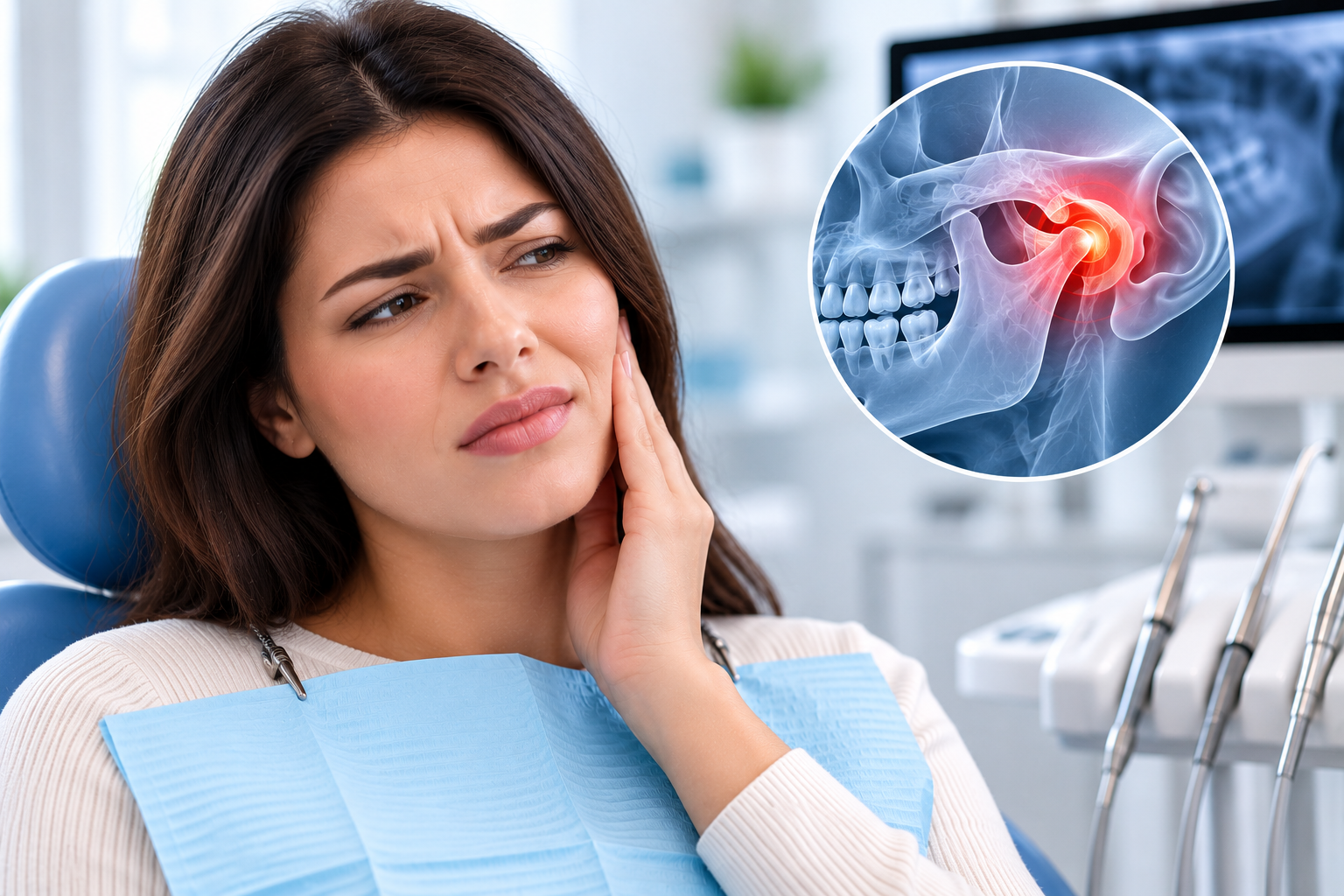
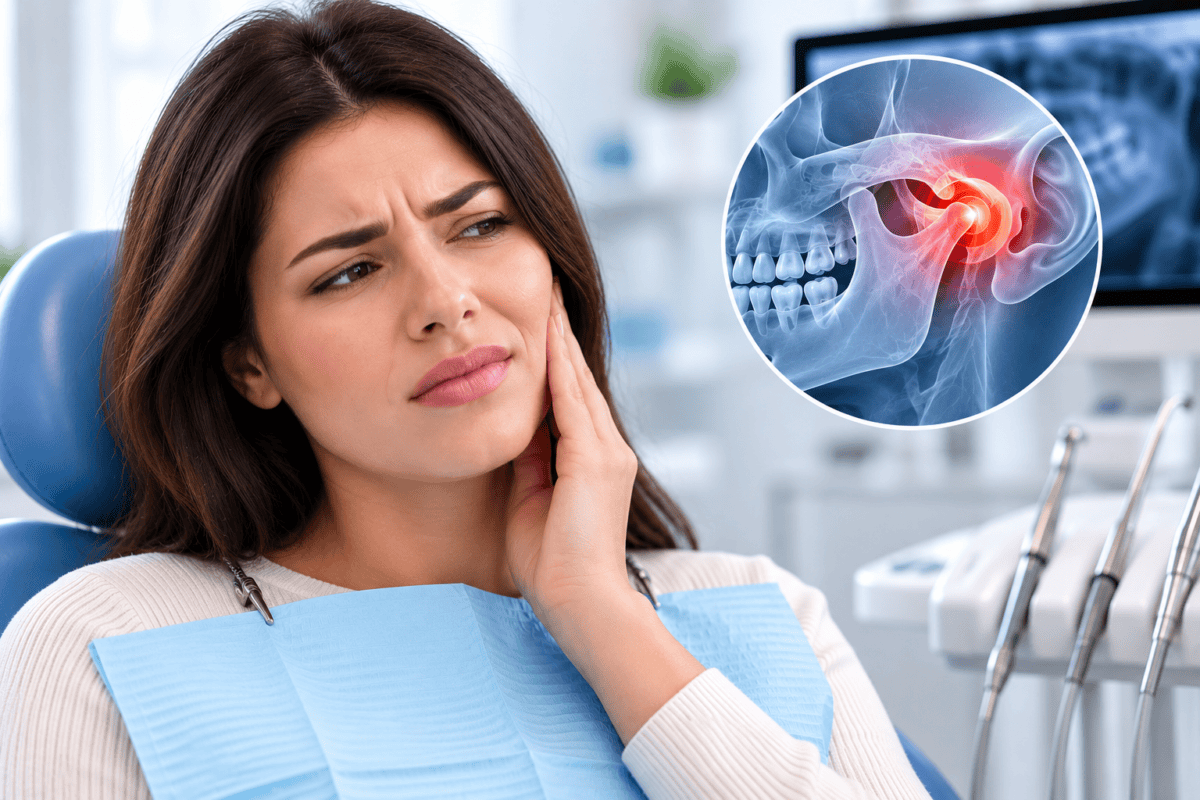
1. TMJ Disorder (Temporomandibular Joint Disorder)
This is the most common reason for clicking or popping near the teeth. Your TMJ is the joint that connects your jaw to your skull. When something goes wrong with it, you might feel:
- Clicking or popping when opening or closing your mouth
- Jaw stiffness
- Pain near the ears
- Headaches
- Difficulty chewing
- A locked jaw
TMJ issues are often linked to stress, grinding, or bite problems.
2. Teeth Grinding or Clenching (Bruxism)
Many people grind their teeth without realizing it, especially at night. Over time, this can lead to:
- Jaw soreness
- Worn-down teeth
- Clicking jaw movement
- Cracked or chipped teeth
- Headaches and ear pain
- A shifting bite
A custom night guard can usually fix this.
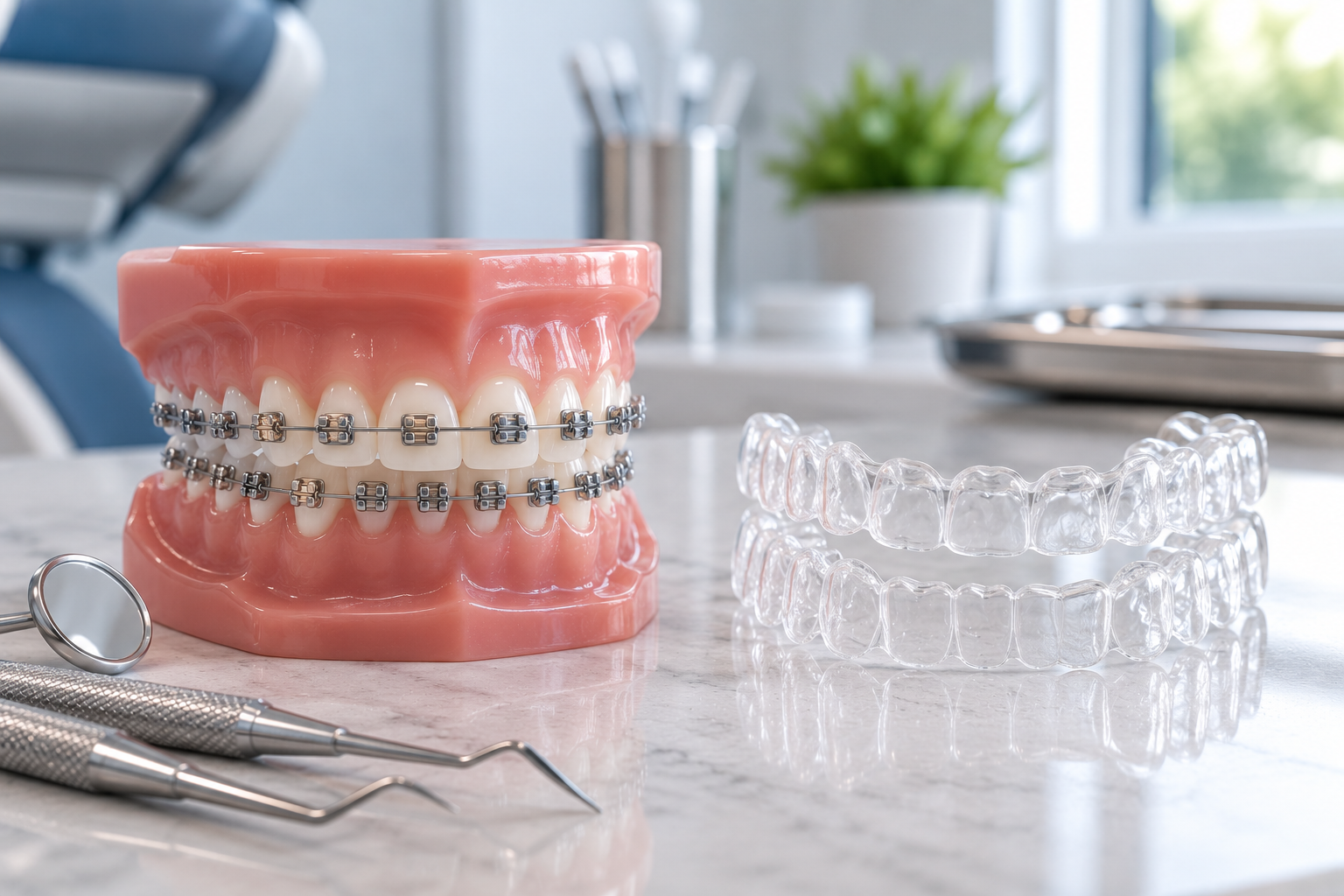
3. Misaligned Bite
If your teeth don’t line up properly, you may feel clicking when chewing or biting. Bite misalignment can be caused by:
- Crooked teeth
- Missing teeth
- Old fillings or crowns that changed your bite
- Wisdom teeth growing in
- Jaw injuries
- Genetics
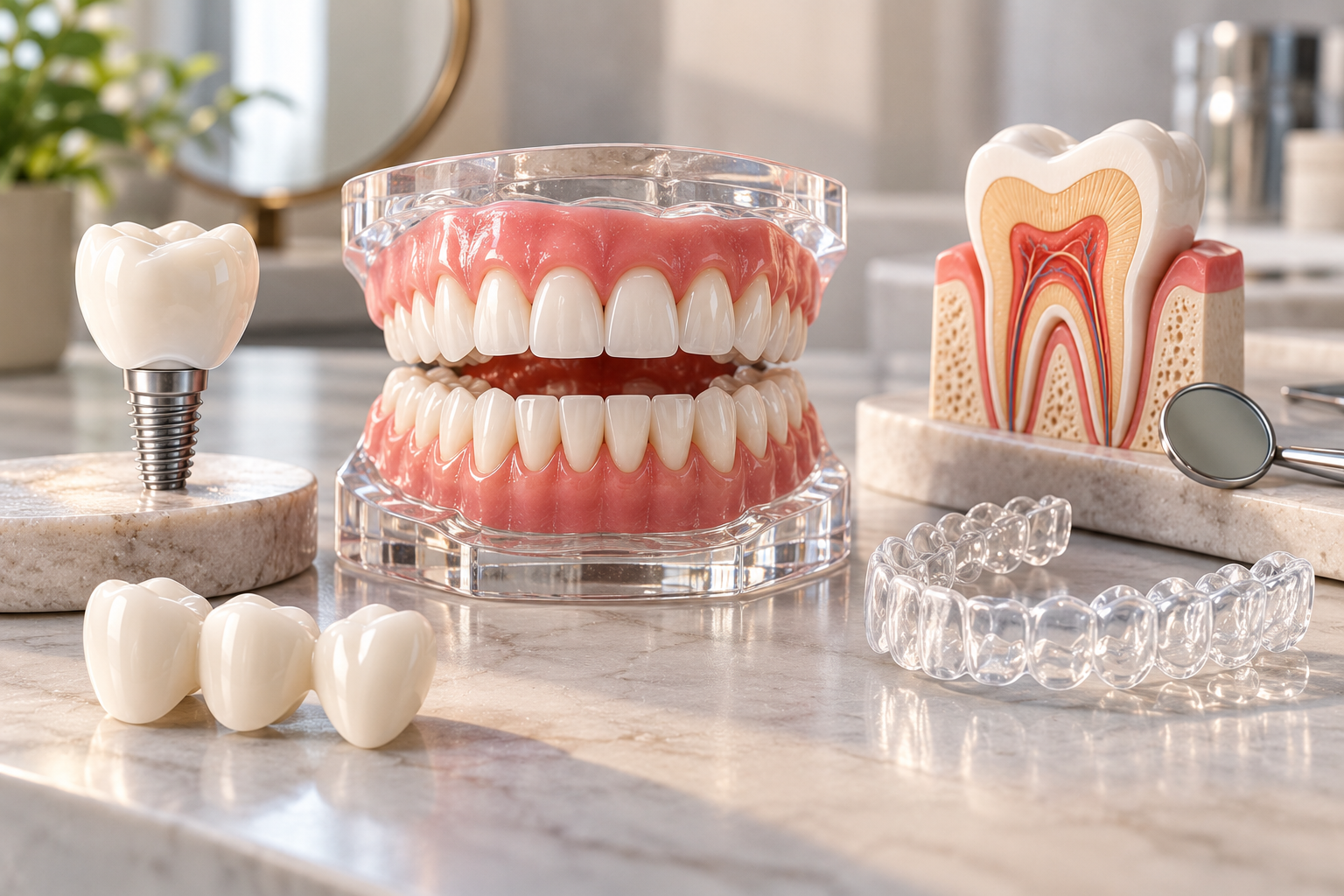
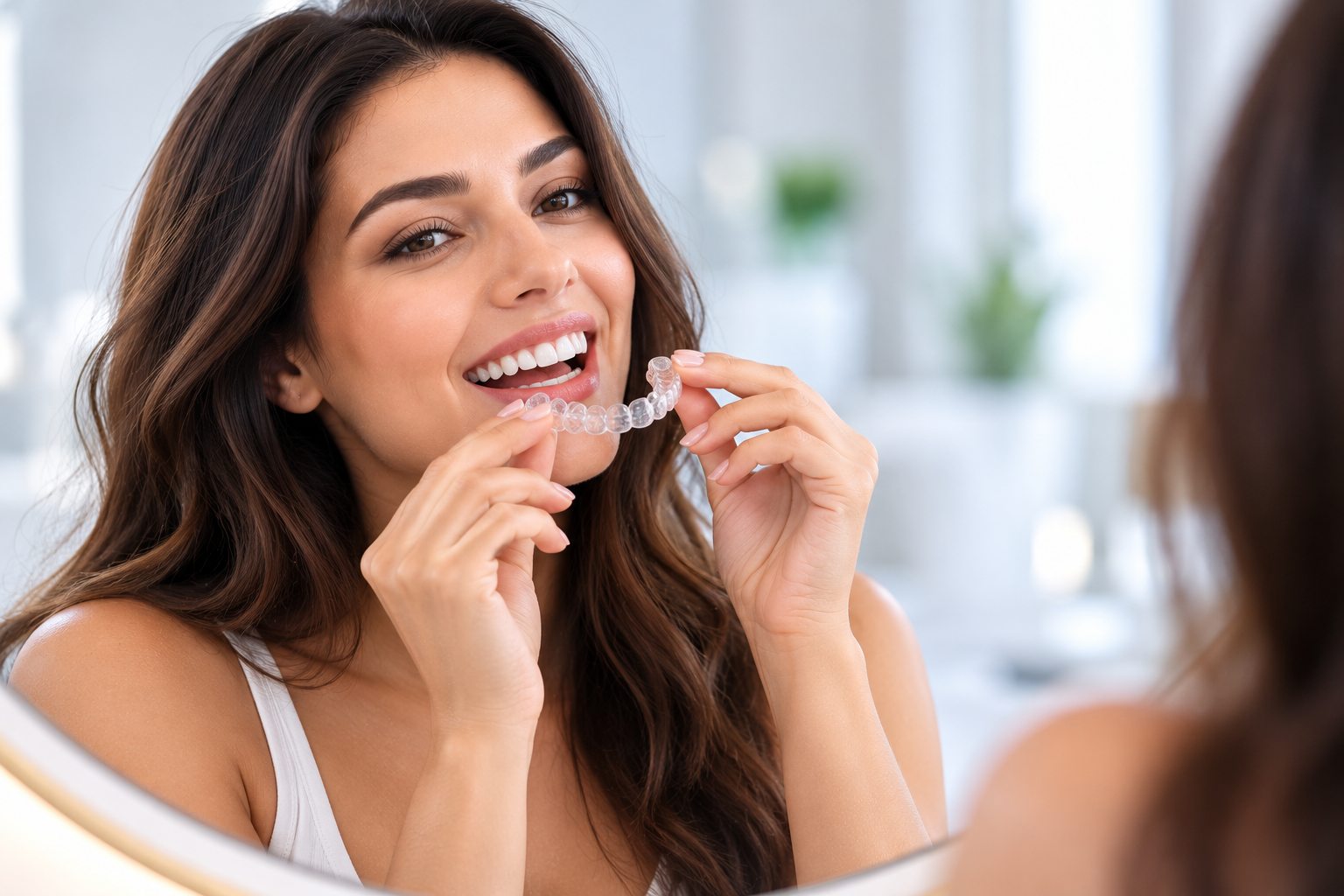
This can be corrected with clear aligners or other orthodontic treatments.
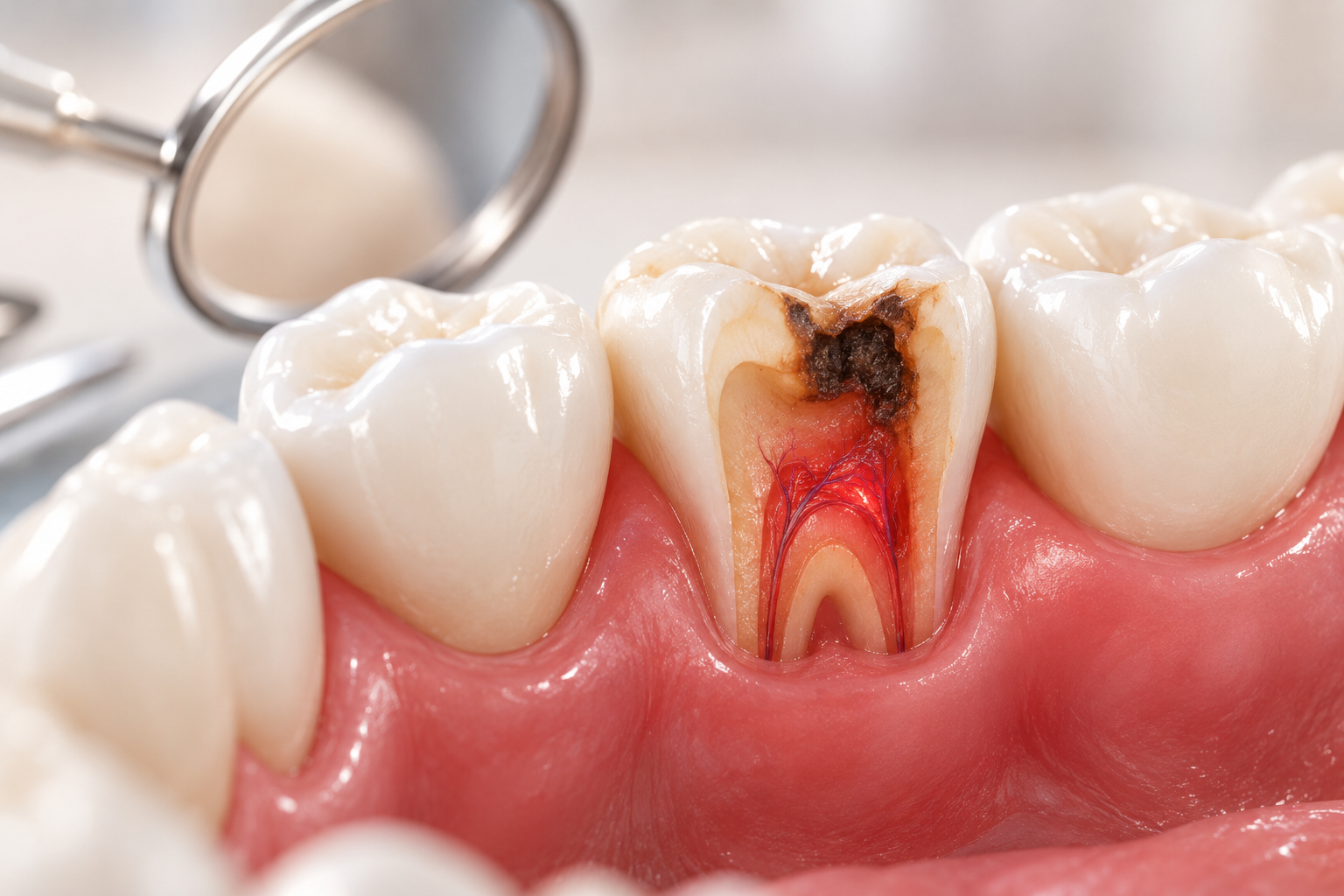
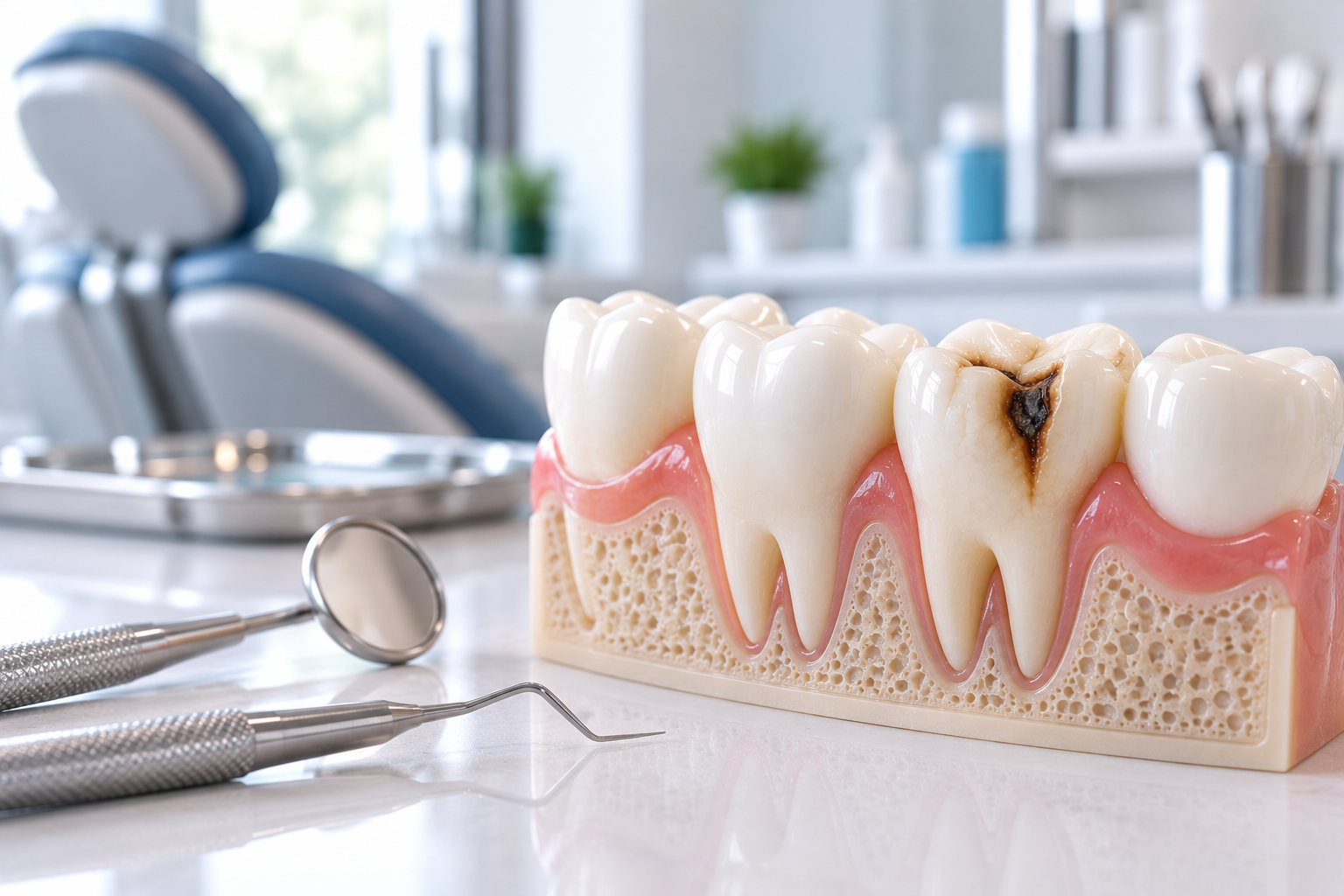
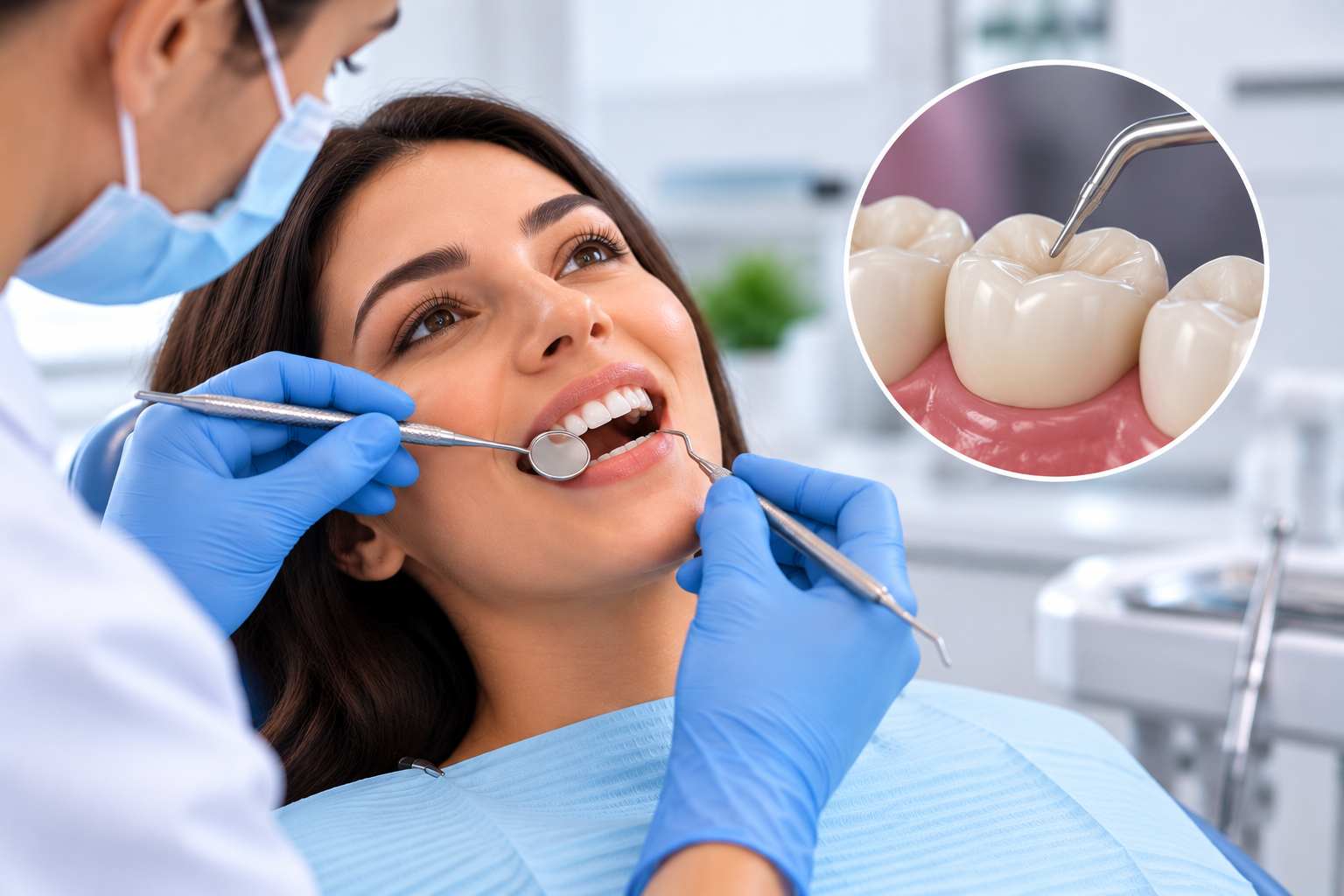
4. Cracked or Damaged Tooth
A small crack in a tooth can cause a popping or clicking sensation when chewing. Signs include:
- Sharp pain when biting
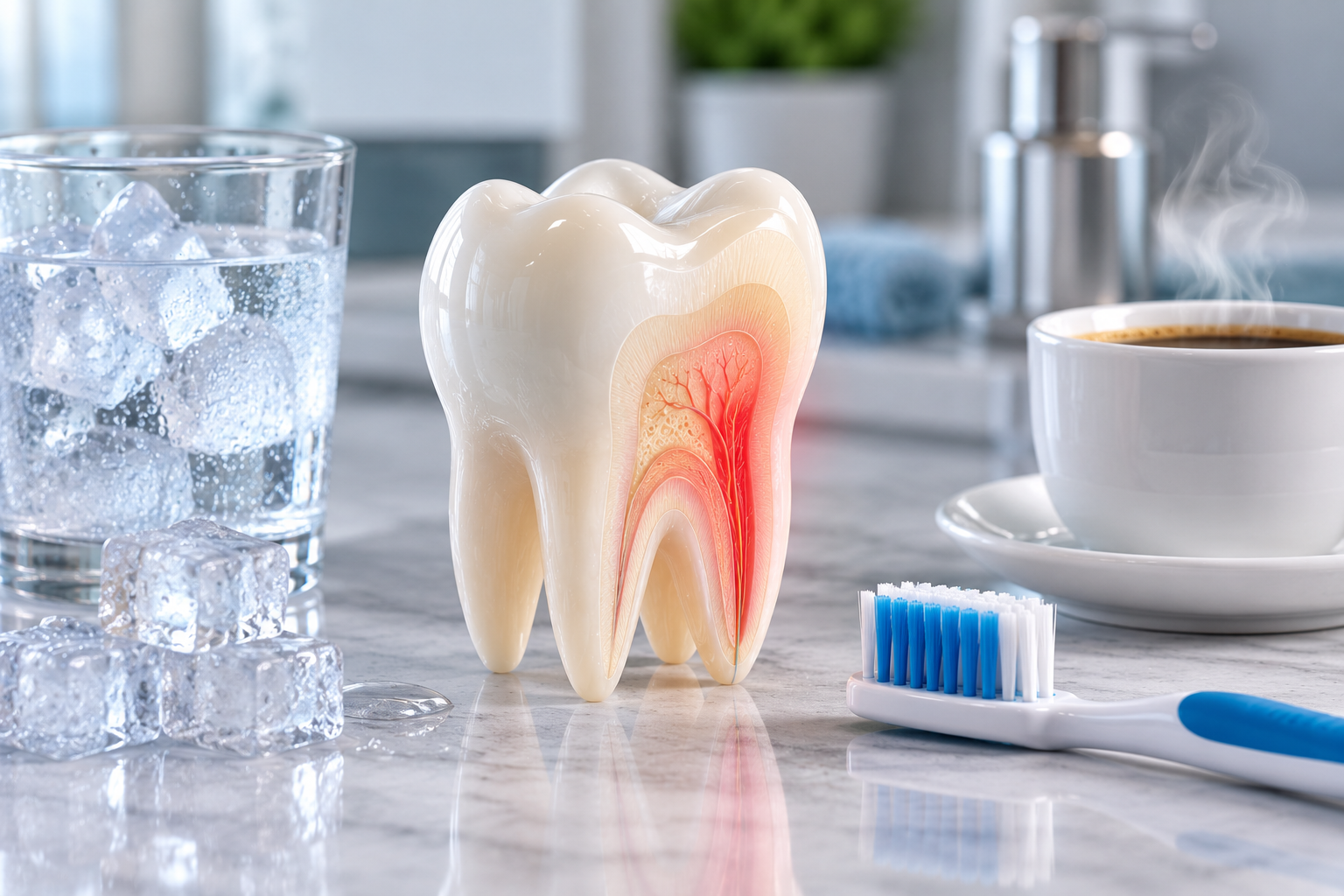
- Sensitivity to hot or cold
- Pain that comes and goes
- Discomfort near a single tooth
- A clicking feel only when chewing certain foods
Cracked teeth need quick attention to prevent further damage.
5. Loose Fillings or Dental Work
If a filling, crown, or bridge becomes loose, it can shift slightly when you bite — causing a clicking or popping feeling.
You might also notice:
- A sudden change in your bite
- Sensitivity around the area
- Pressure when chewing
- Food getting stuck more often
- A rough or uneven feeling
This usually requires a quick dental visit to fix.
6. Jaw Joint Inflammation
Sometimes, the cartilage or muscles in your jaw joint can become inflamed. This can cause:
- Painful clicking
- Limited mouth opening
- Swelling near the ear
- Soreness when chewing
- A feeling that the jaw is “catching”
Causes include injury, arthritis, or repeated stress on the joint.
7. Stress and Muscle Tension
Stress doesn’t just affect your mind — it affects your jaw too. Many people unknowingly hold tension in their face and jaw, leading to:
- Clenching teeth during the day
- Grinding at night
- Tight facial muscles
- Frequent headaches
- A clicking jaw
Managing stress can dramatically reduce these symptoms.
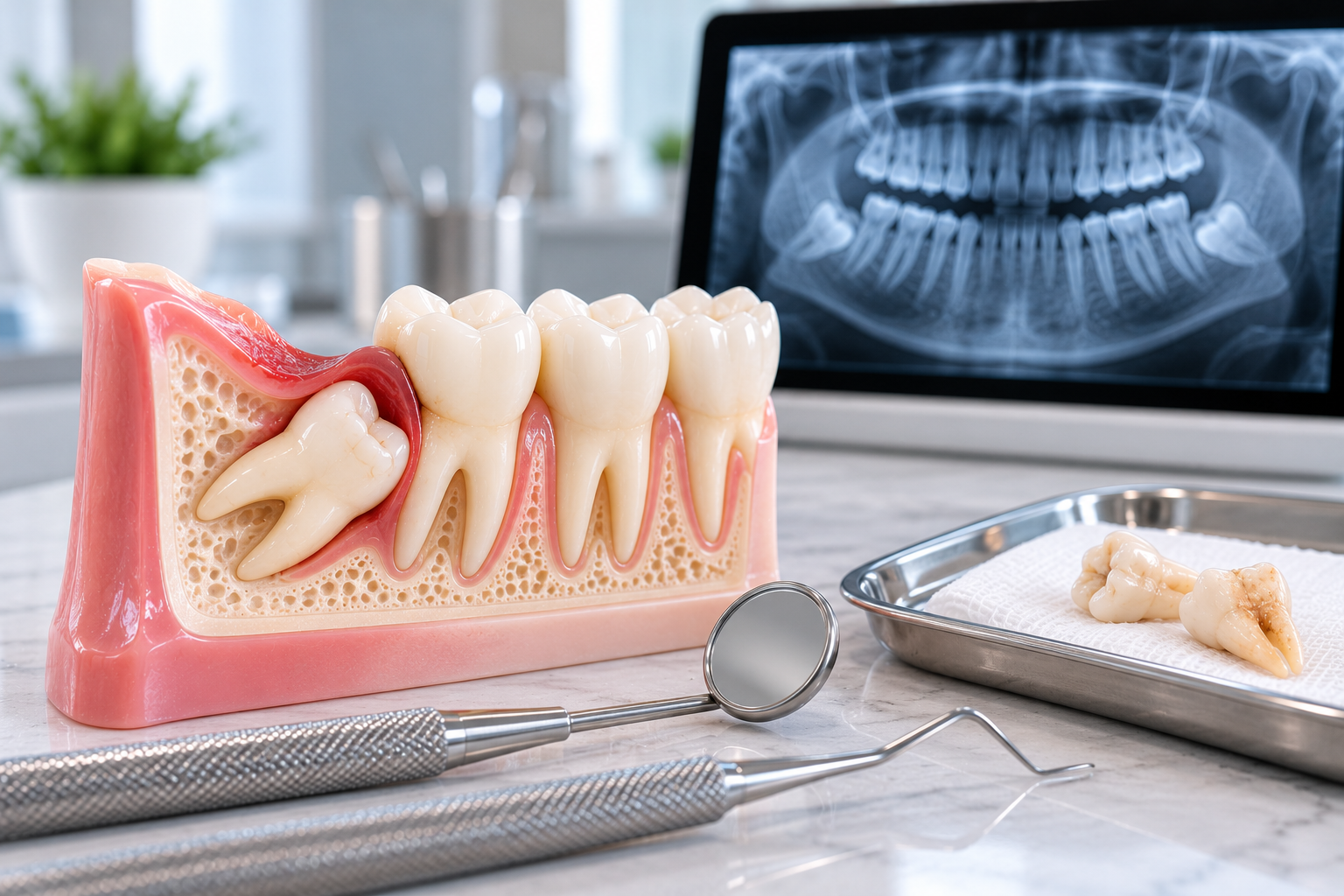
8. Wisdom Teeth Issues
If your wisdom teeth are coming in or pressing on other teeth, you may feel:
- Clicking sensations in the back of your mouth
- Pressure when biting
- Jaw discomfort
- Shifting teeth
- Pain when opening your mouth
This often calls for an evaluation to see if removal is needed.
How to Fix a Tooth Popping or Clicking Sensation
Now that you know the possible causes, here’s how you can ease the discomfort and find relief.
1. See Your Dentist
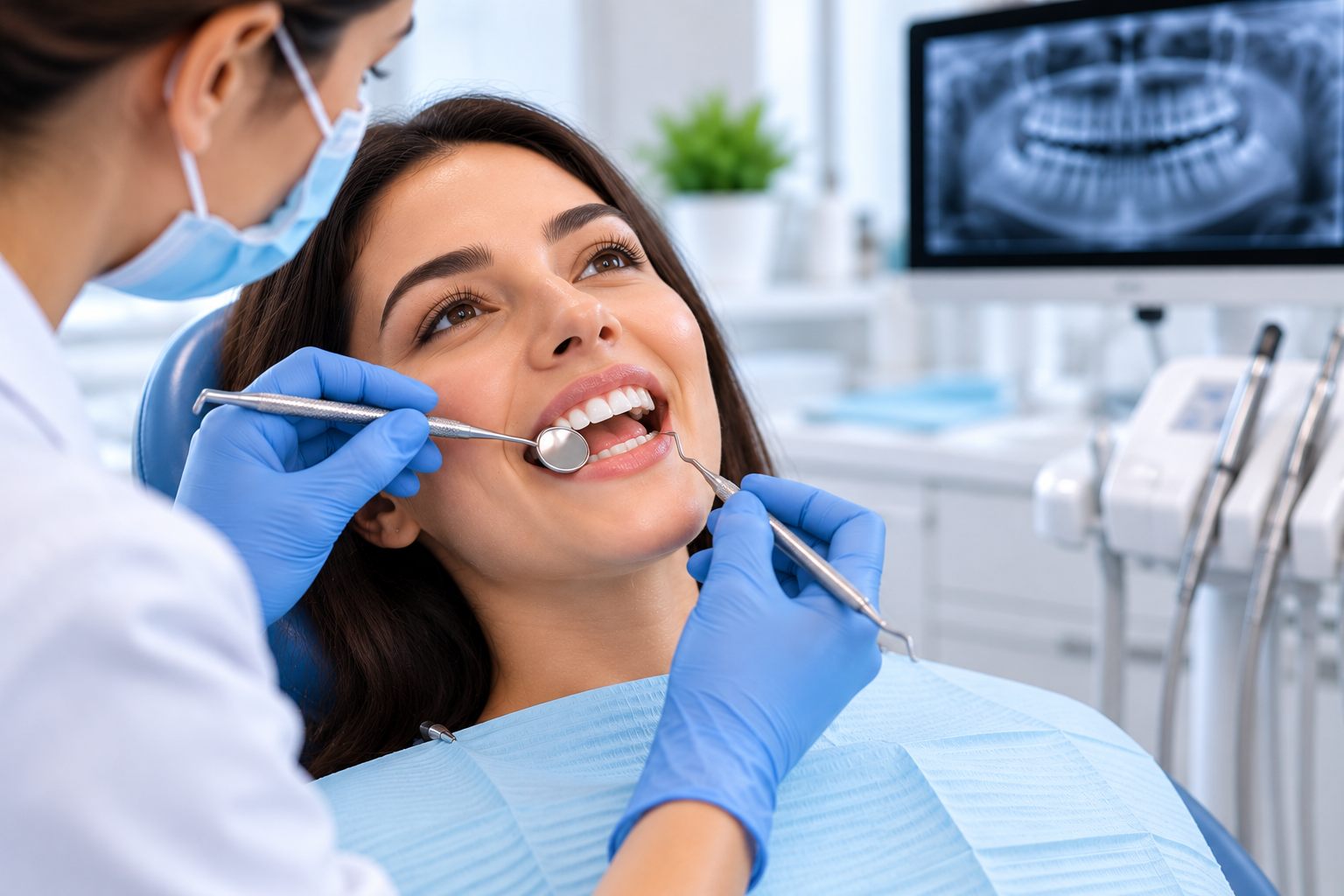
This is the most important step. A dentist can:
- Identify the exact cause
- Check for cracks or loose dental work
- Examine your bite and jaw alignment
- Take X-rays of your jaw joint
- Recommend the right treatment
Don’t ignore long-term clicking or popping — it usually doesn’t go away on its own.
2. Use a Night Guard
If grinding or clenching is the issue, a custom night guard can help by:
- Cushioning your bite
- Preventing tooth damage
- Reducing jaw strain
- Easing morning soreness
- Stopping clicking caused by overuse
It’s one of the most effective and simple solutions.
3. Manage Stress
Stress is a major cause of jaw issues. Try these to keep your jaw relaxed:
- Practice deep breathing
- Try meditation or yoga
- Take short walks during the day
- Stretch your jaw gently
- Sleep at least 7 to 8 hours
- Avoid clenching your teeth when focused or stressed
A relaxed mind means a relaxed jaw.
4. Eat Soft Foods When Flare-Ups Happen
If your jaw is acting up, give it a break by eating softer foods like:
- Mashed potatoes
- Smoothies
- Soup
- Oatmeal
- Eggs
- Yogurt
- Soft pasta
Avoid hard, crunchy, or chewy foods until the clicking calms down.
5. Apply Warm or Cold Compresses
Both warm and cold compresses can help with jaw discomfort.
How to use them:
- Warm compress: relaxes muscles and improves blood flow
- Cold compress: reduces swelling and numbs pain
- Apply for 15 minutes at a time
- Use several times a day
- Never apply directly to the skin
Alternate between the two for best results.
6. Avoid Wide Mouth Movements
Avoid actions that strain your jaw, such as:
- Yawning widely
- Chewing gum
- Biting nails
- Eating large bites
- Resting your face on your hand
- Talking for long periods without breaks
Small changes can take pressure off your jaw and reduce clicking.
7. Try Gentle Jaw Exercises
Some exercises can strengthen and relax your jaw muscles. Try:
- Opening and closing your mouth slowly
- Moving your jaw side to side
- Pressing your tongue gently against the roof of your mouth
- Stretching your jaw forward and backward
- Massaging the muscles near your jaw
Only do these if they don’t cause pain.
8. Get Treatment for Bite or Tooth Issues
If your popping is caused by misalignment or a damaged tooth, your dentist may recommend:
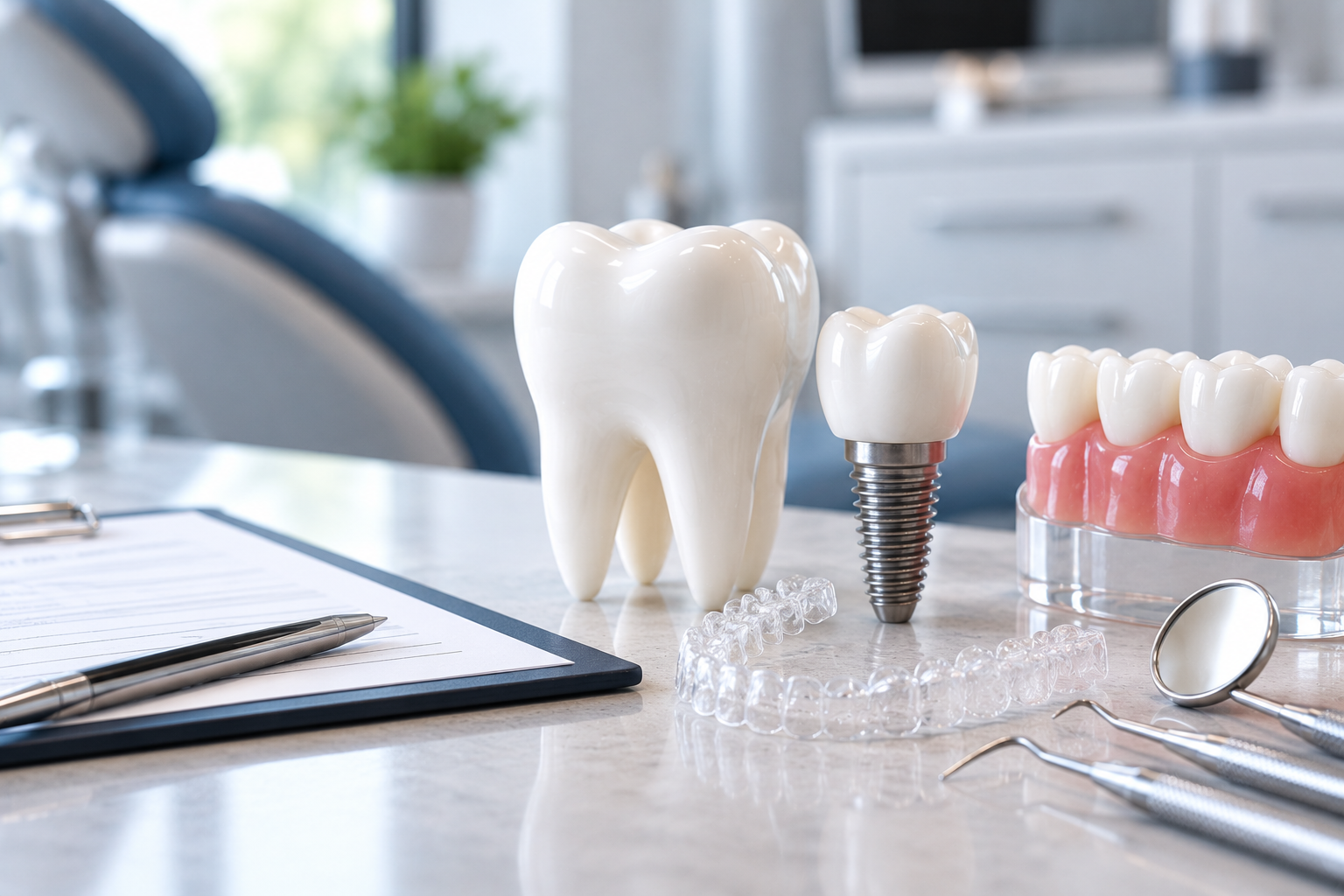
- Clear aligners to fix bite issues
- Crowns or bonding for cracked teeth
- Replacement of old dental work
- Tooth extraction for problematic wisdom teeth
- Bite adjustments for uneven pressure
These solutions target the root cause rather than just the symptoms.
Signs You Should See a Dentist Right Away
While occasional clicking is usually harmless, you should book a visit if you notice:
- Pain that doesn’t go away
- A locked jaw
- Frequent or loud popping
- Difficulty chewing
- Earache or facial pain
- Swelling near the jaw joint
- A sudden change in your bite
These could be signs of a more serious dental or jaw issue that needs treatment.
How to Prevent Tooth and Jaw Clicking
You can lower your chances of jaw issues with simple daily habits:
- Sleep on your back instead of your stomach
- Manage stress levels
- Avoid chewing on hard objects like pens
- Limit gum chewing
- Maintain good posture
- Stay hydrated
- Keep regular dental checkups
- Use a mouthguard if you grind your teeth
Small steps go a long way in protecting your jaw.
When Clicking Is Considered Normal
Sometimes, a small click here and there is just part of your jaw’s normal movement — especially if there’s no pain. It may happen because of:
- Mild muscle tension
- Slight cartilage shifts
- Quick movements like wide yawning
- Eating something tough or crunchy
- Stress that has passed quickly
If the clicking is rare and painless, it usually doesn’t need treatment.
Frequently Asked Questions
Is a clicking jaw serious?
It can be, depending on the cause. Occasional clicking with no pain isn’t usually serious. But if it’s frequent, painful, or paired with other symptoms, it’s worth seeing a dentist.
Can clicking teeth go away on its own?
Sometimes, especially if it’s caused by short-term stress or a temporary muscle issue. However, if it lasts more than a few weeks or worsens, professional care is recommended.
Does grinding teeth cause jaw clicking?
Yes. Teeth grinding puts extra pressure on your jaw joint, which can lead to clicking, popping, or even pain over time. A custom night guard can help prevent this.
Can a dentist fix a popping jaw?
Yes. Depending on the cause, your dentist may recommend a night guard, bite adjustment, dental work, or referral to a TMJ specialist for advanced treatment.
Can stress really cause a clicking sensation in my teeth?
Absolutely. Stress causes muscle tension and jaw clenching, both of which can lead to clicking sensations. Managing stress can significantly reduce these symptoms.
If you’re experiencing a tooth popping or clicking sensation, don’t ignore it. Book a visit with Dr. Sreelakshmi Keesara at Ethos Modern Dental & Implant Center for a gentle evaluation and the right treatment to help you smile, eat, and live comfortably again.
Popular Services:
Emergency Dentist Edinburg TX | Dental Implants in Edinburg TX | Root Canal Treatment | Dental Crowns, Veneers & Bridges Edinburg TX |
We’re Near From
Dentist in McAllen TX | Emergency Dentist McAllen TX | Pediatric Dentist McAllen TX | Dental Implants in McAllen, TX | Teeth Whitening McAllen TX | Root Canal Treatment in McAllen TX | Dental Crowns, Veneers & Bridges McAllen TX |
Dentist in Pharr TX | Dentist in Mission TX | Dentist in Weslaco TX | Dentist in Palmview TX | Dentist in San Juan TX | Dentist in Donna TX |