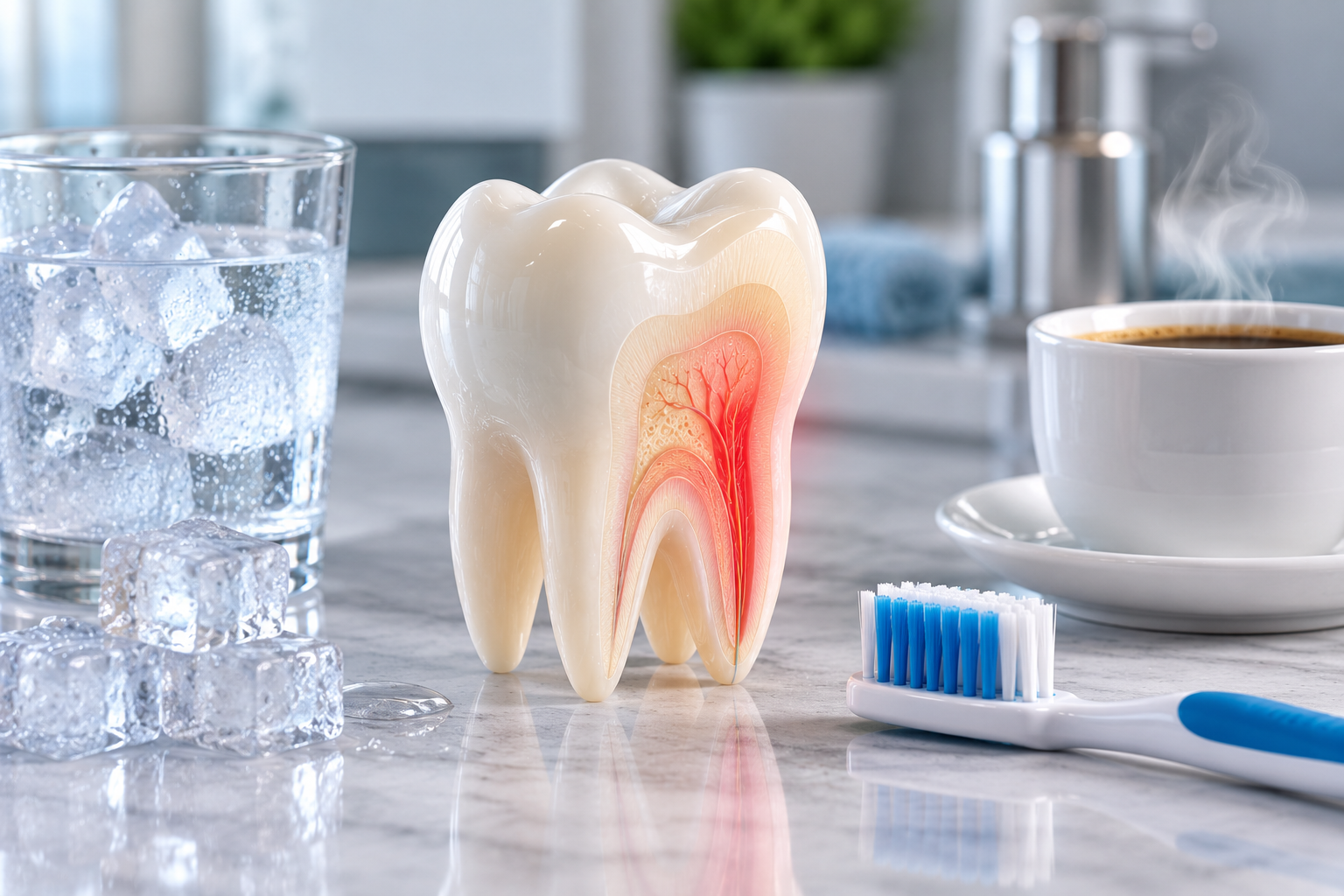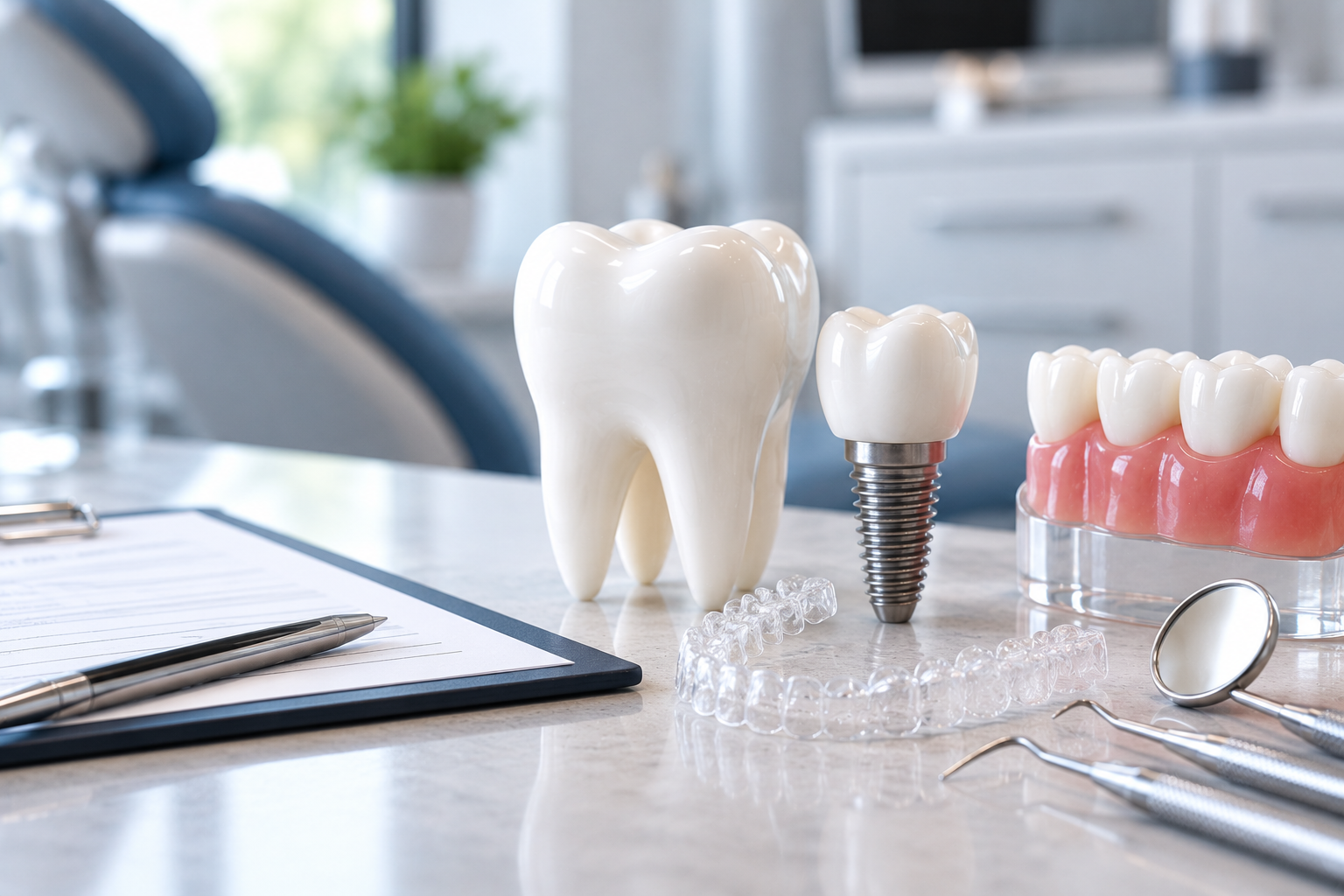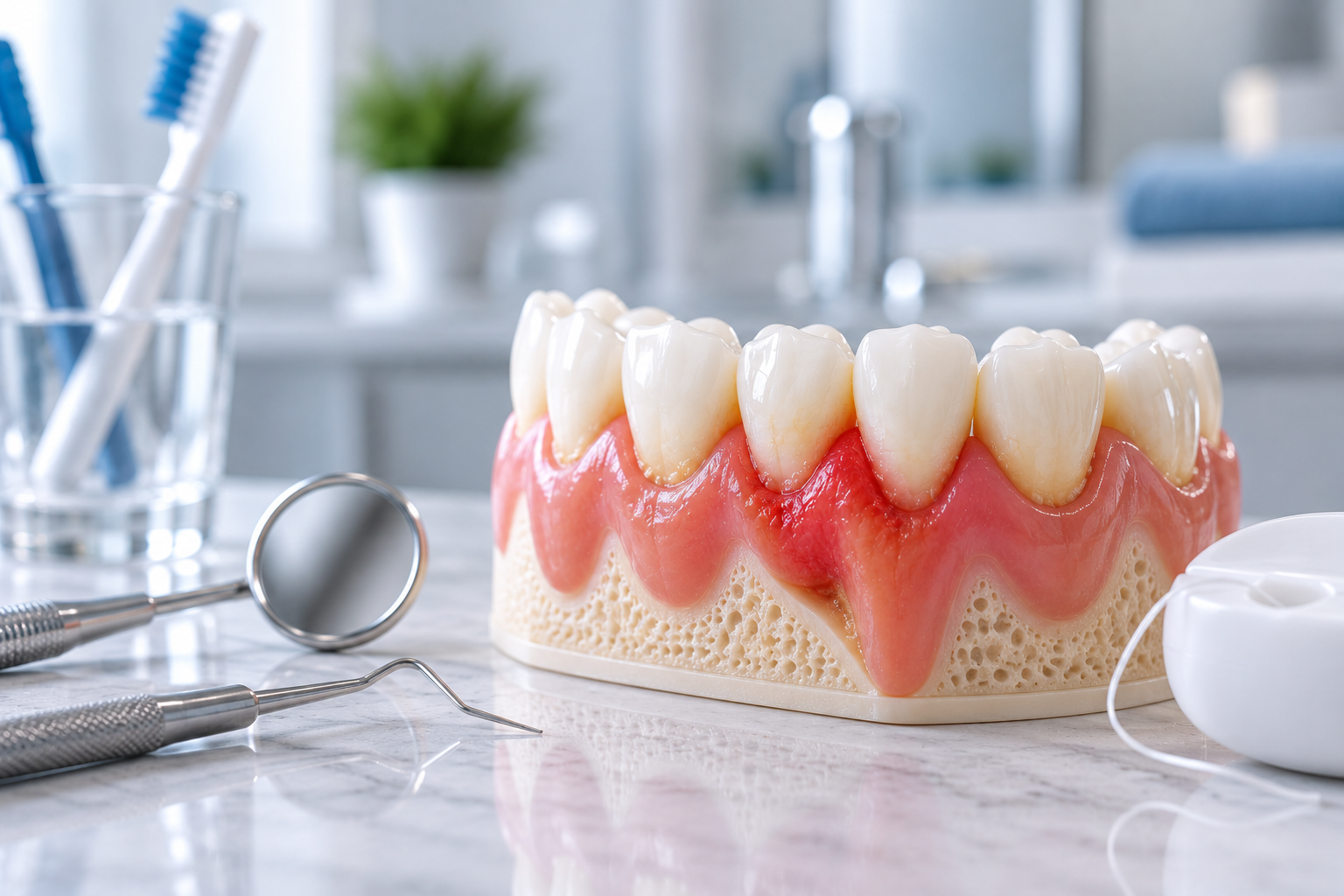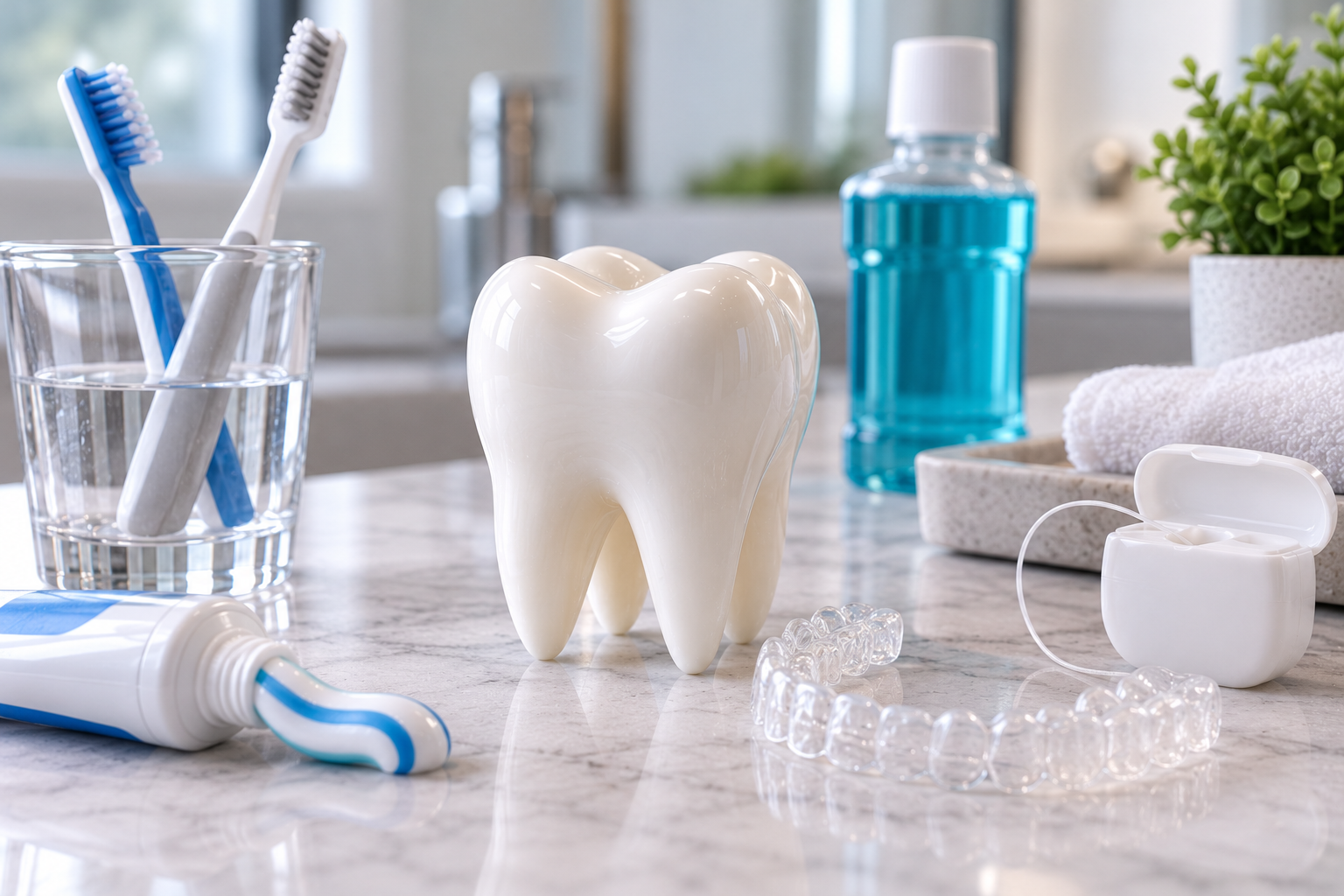
Noticed your teeth looking a little longer than they used to? Or felt a strange sensitivity when sipping cold water? These could be signs of gum recession — a common dental issue that many people don’t notice until it’s already happening. The good news is, with the right care, you can stop gum recession in its tracks and even restore your gums with the help of a trusted dentist.
Here’s a clear, easy-to-understand guide on how to fix gum recession, the top 7 dentist-recommended ways to save your gums, and what you can do today to protect your smile for life.
What Is Gum Recession?
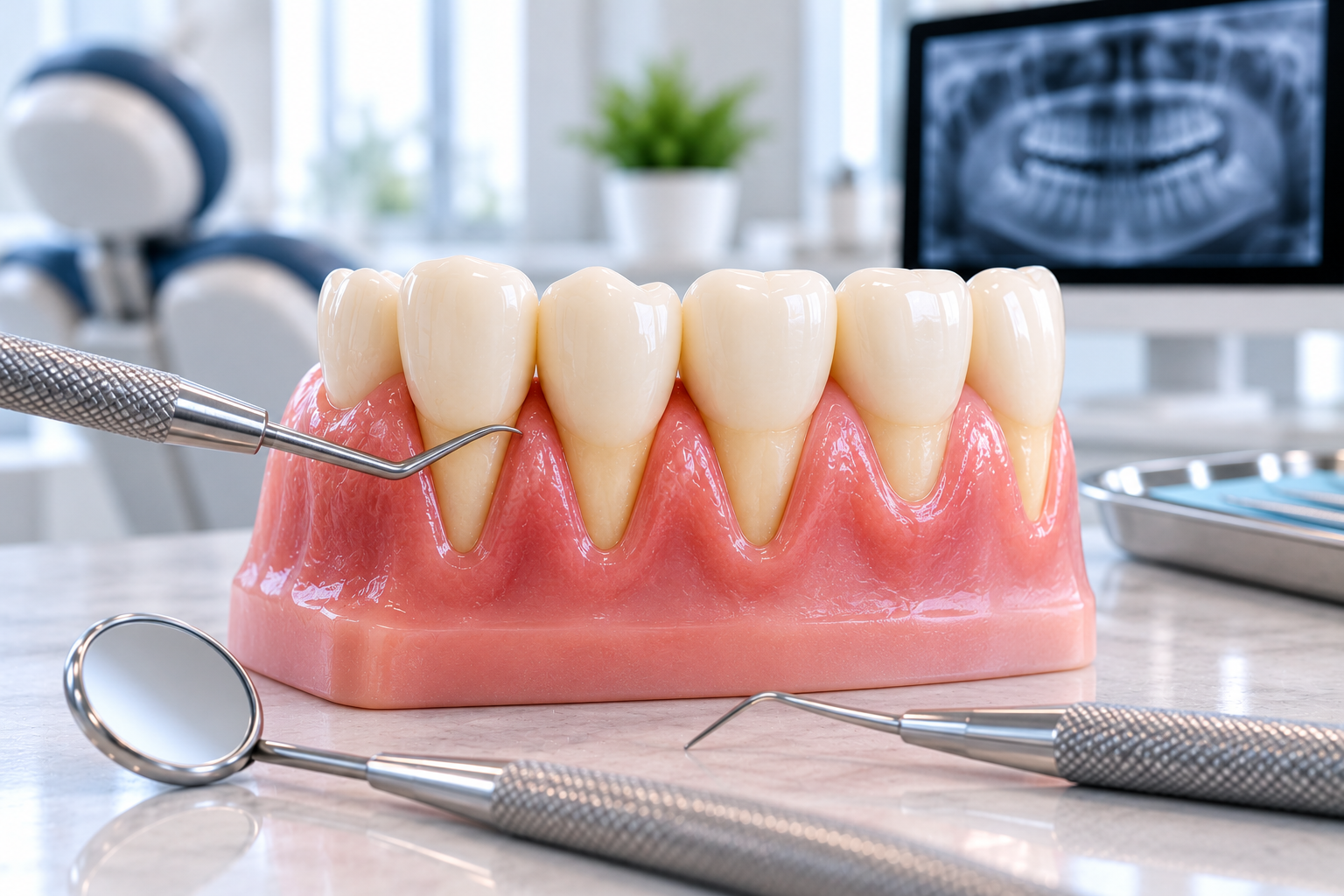
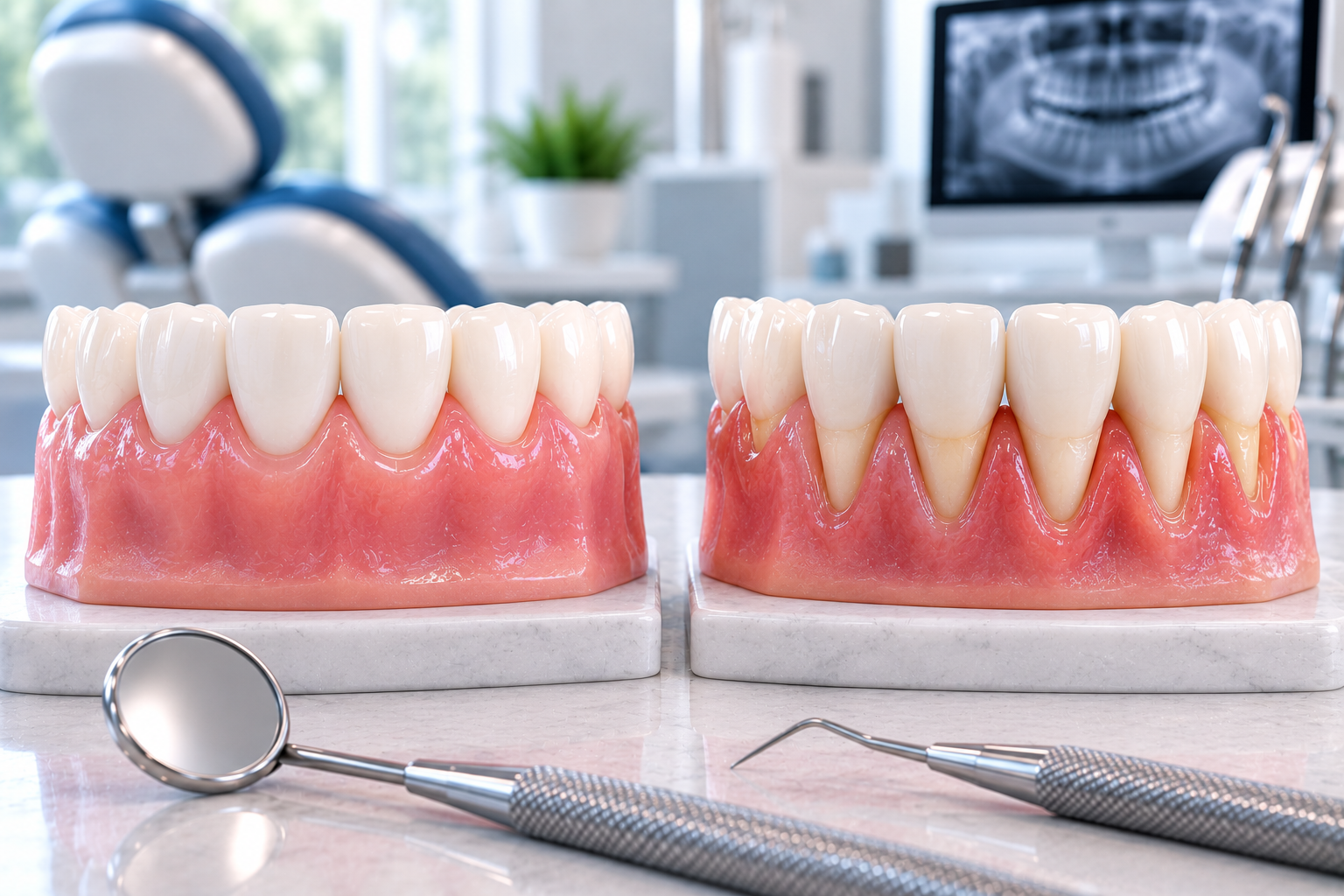
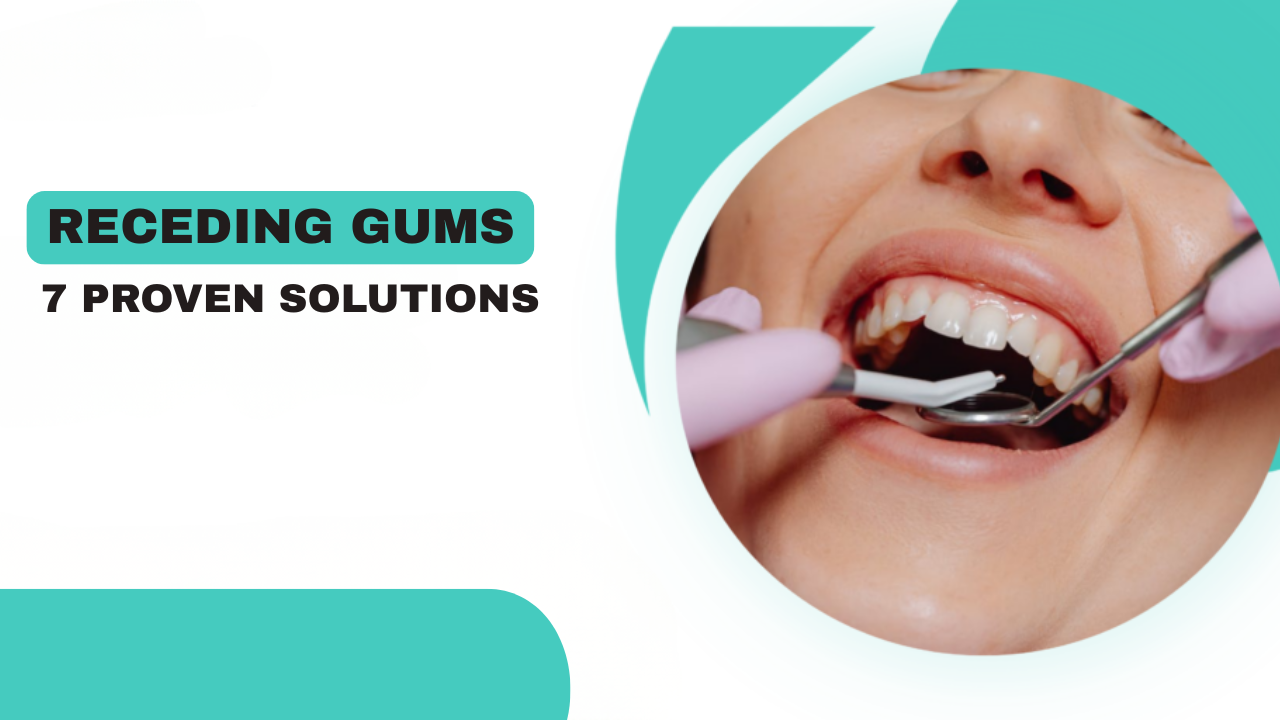
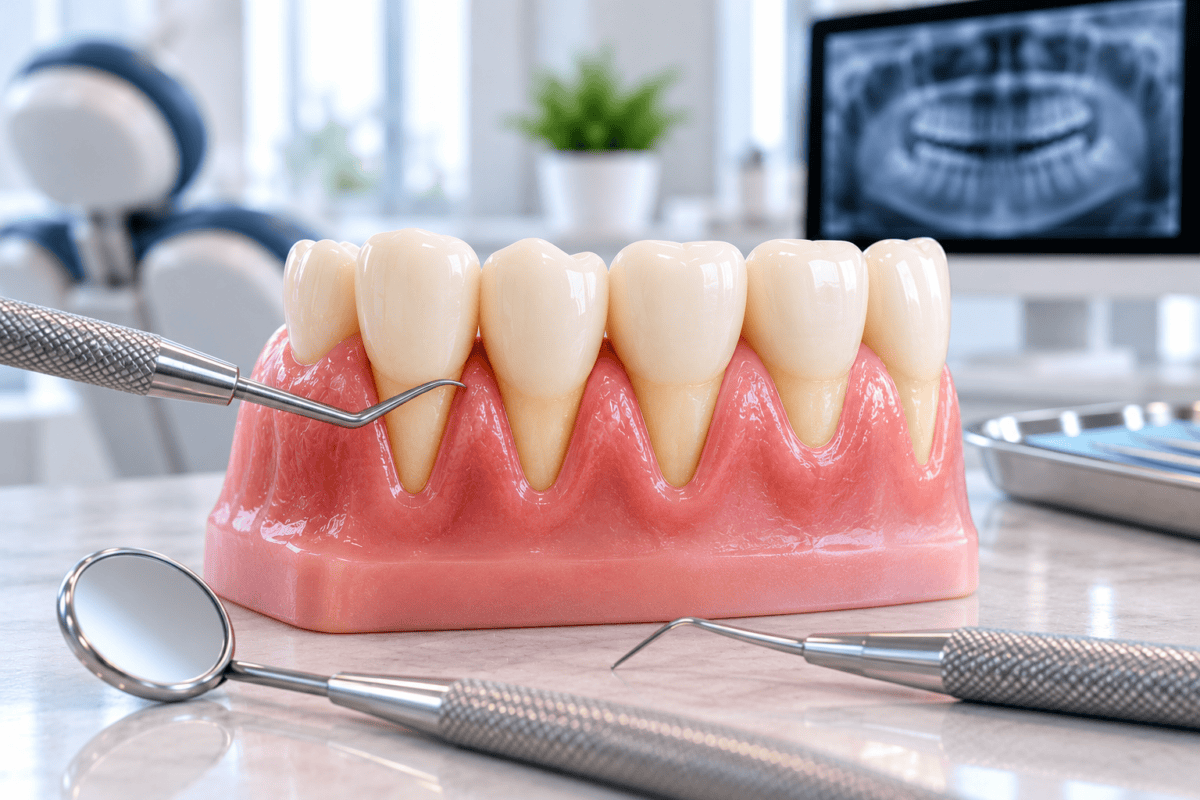
Gum recession happens when the gum tissue around your teeth slowly wears away or pulls back. This exposes more of the tooth — and sometimes the root — and can lead to serious dental problems if left untreated.
Common signs of gum recession include:
- Teeth that look longer than usual
- Sensitivity to hot, cold, or sweet foods
- A visible notch near the gum line
- Bleeding when brushing or flossing
- Tender or swollen gums
- Loose or shifting teeth
- Bad breath that doesn’t go away
- Visible tooth roots
If you notice any of these signs, it’s important to act quickly.
Why Fixing Gum Recession Matters
Gum recession isn’t just a cosmetic issue. Left untreated, it can lead to:
- Tooth decay at the root
- Painful tooth sensitivity
- Gum infections
- Loose teeth
- Tooth loss
- Bone loss in the jaw
Fixing gum recession early protects both your oral health and your overall well-being.
What Causes Gum Recession?
Before learning how to fix it, it helps to understand what causes it. Common causes include:
- Brushing too hard
- Using a hard-bristled toothbrush
- Gum disease
- Poor oral hygiene
- Smoking or tobacco use
- Genetics
- Hormonal changes
- Teeth grinding or clenching
- Misaligned bite
- Aging
- Trauma to the mouth
Most cases involve more than one factor. Identifying the cause is the first step to choosing the right treatment.
7 Dentist-Recommended Ways to Fix Gum Recession
Here are seven of the most effective ways dentists use to treat gum recession and protect your smile.
1. Improve Your Brushing and Flossing Habits
Sometimes, the simplest changes can make the biggest difference. Many cases of mild gum recession are caused by aggressive brushing or poor oral hygiene. Try these adjustments:
- Use a soft-bristled toothbrush
- Brush gently in small, circular motions
- Don’t press too hard
- Brush for at least two minutes twice a day
- Floss daily, but gently
- Use a fluoride toothpaste
- Replace your toothbrush every three months
Even an electric toothbrush with a pressure sensor can help protect your gums.
2. Get a Deep Dental Cleaning (Scaling and Root Planing)
This is often the first step a dentist takes for gum recession caused by plaque or early gum disease. The deep cleaning helps:
- Remove built-up plaque and tartar
- Smooth tooth roots
- Reduce bacteria
- Help gums reattach to teeth
- Stop further recession
- Improve overall gum health
A deep cleaning is more thorough than a regular dental cleaning and can be a turning point for early gum issues.
3. Wear a Custom Night Guard for Teeth Grinding
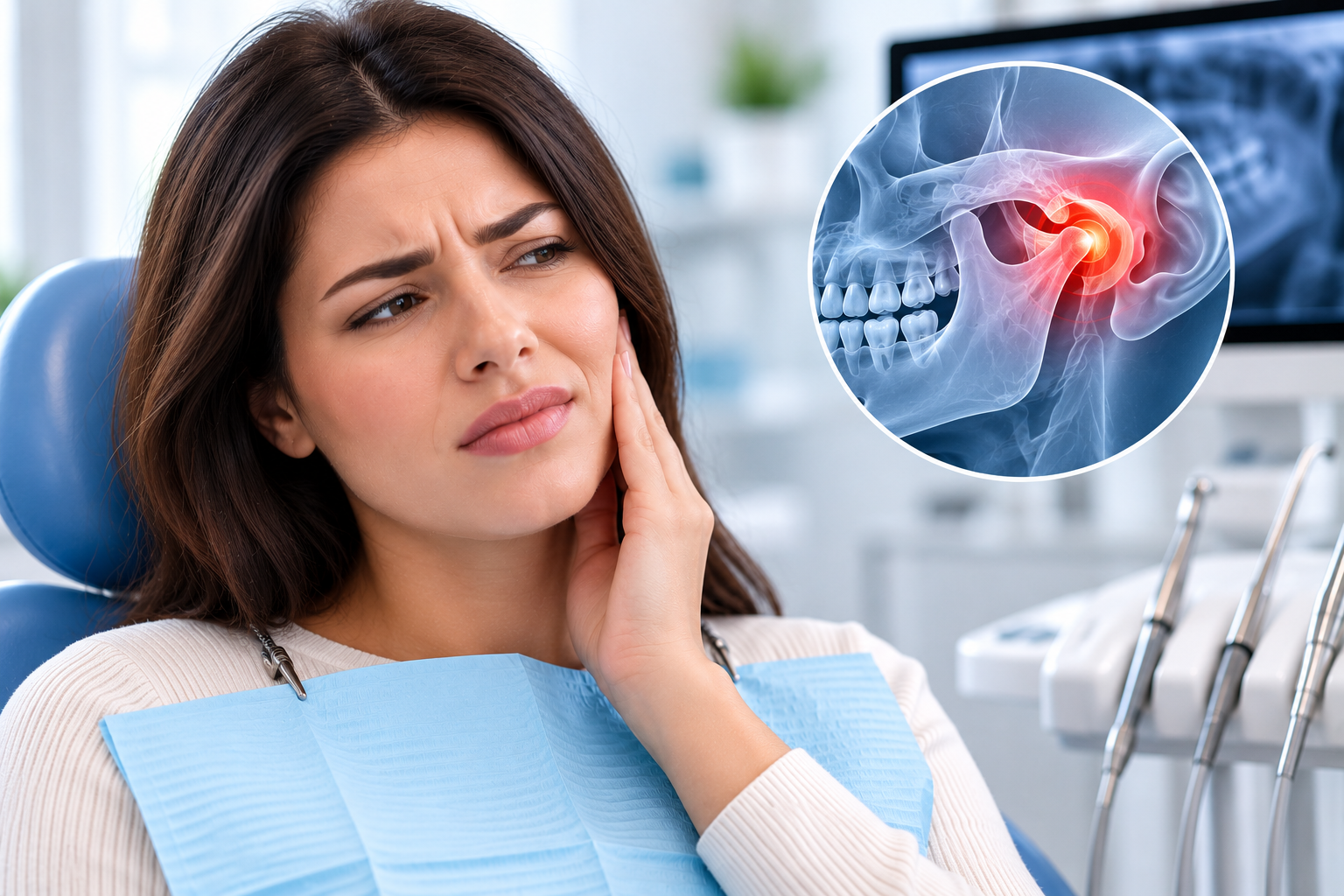
If you grind or clench your teeth, you may not even realize it. Over time, this puts extra pressure on your gums and can lead to recession. A custom night guard from your dentist can:
- Protect your gums and teeth
- Reduce pressure during sleep
- Prevent further recession
- Ease morning jaw soreness
- Improve overall oral comfort
Many patients see noticeable gum improvement within weeks of wearing one.
4. Use Antibacterial Mouth Rinses
Your dentist might recommend a special mouth rinse to fight bacteria and protect your gums. These rinses can:
- Reduce plaque buildup
- Lower inflammation
- Help damaged gum tissue heal
- Freshen breath
- Prevent gum disease from getting worse
Use the rinse as directed and combine it with proper brushing and flossing for the best results.
5. Correct Bite or Alignment Issues
Crooked teeth or a misaligned bite can put uneven pressure on your gums and lead to recession. Fixing alignment issues with orthodontic treatment can:
- Improve gum health
- Spread pressure evenly across teeth
- Help gums heal naturally
- Improve oral hygiene
- Prevent further damage
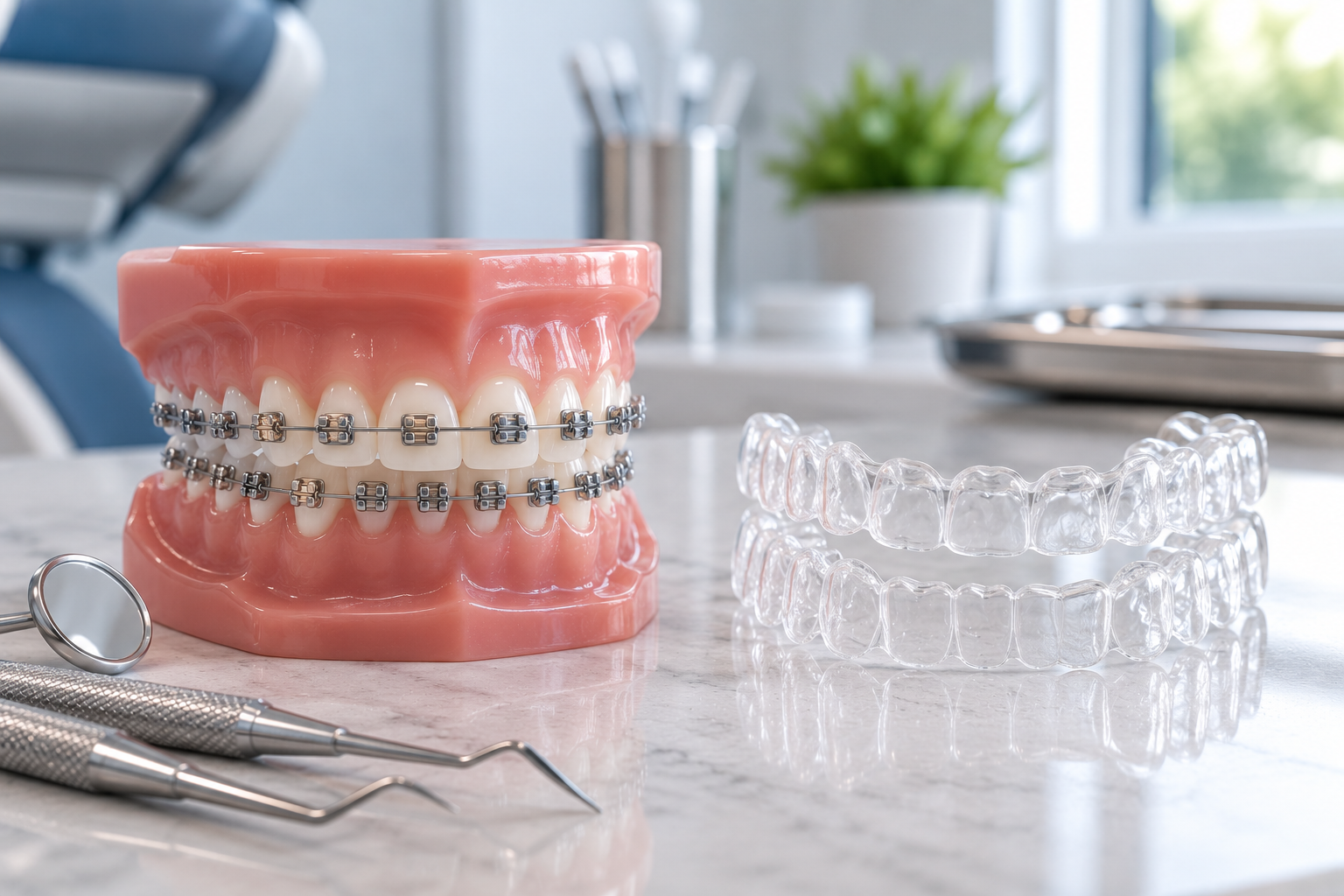
Clear aligners are a popular choice for adults because they’re nearly invisible and comfortable to wear.
6. Consider a Gum Graft
For more advanced cases, your dentist may recommend a gum graft. This procedure helps restore lost gum tissue and protect the exposed tooth roots. During the procedure, your dentist:
- Takes a small piece of tissue from another area in your mouth
- Places it where the gums have receded
- Helps the tissue grow back stronger
- Restores a healthier gum line
- Reduces tooth sensitivity
- Improves the look of your smile
Gum grafts are highly effective and provide long-term results.
7. Try the Pinhole Surgical Technique (PST)
This is a modern, less invasive option for fixing gum recession. Unlike traditional gum surgery, PST doesn’t require cuts or stitches. Your dentist:
- Makes a tiny pinhole in the gum
- Gently shifts existing gum tissue over the exposed area
- Covers the receded section without grafting
- Promotes faster healing
- Reduces post-treatment discomfort
Many patients prefer this technique because it offers great results with minimal downtime.
Additional Tips to Support Healthy Gums
Along with the treatments above, here are some simple lifestyle changes to help your gums heal and stay healthy.
Eat a Balanced Diet
Your gums need nutrients to stay strong. Try to include:
- Leafy greens
- Citrus fruits in moderation
- Lean proteins
- Whole grains
- Nuts and seeds
- Dairy products
- Plenty of water
Avoid sugary snacks and processed foods that can harm your gums.
Quit Smoking
Smoking is one of the biggest causes of gum disease and recession. Quitting can:
- Improve gum health
- Reduce inflammation
- Speed up healing
- Lower the risk of tooth loss
- Improve your overall health
It’s one of the best things you can do for your smile.
Stay Hydrated
Drinking plenty of water throughout the day helps:
- Wash away bacteria
- Reduce dry mouth
- Support saliva production
- Maintain healthy gums
- Strengthen tooth enamel
Aim for at least 8 glasses a day.
Manage Stress
High stress can lead to grinding, clenching, and poor oral habits. Try:
- Yoga
- Meditation
- Deep breathing exercises
- Regular physical activity
- Getting enough sleep
A calmer mind supports a healthier mouth.
Visit Your Dentist Regularly
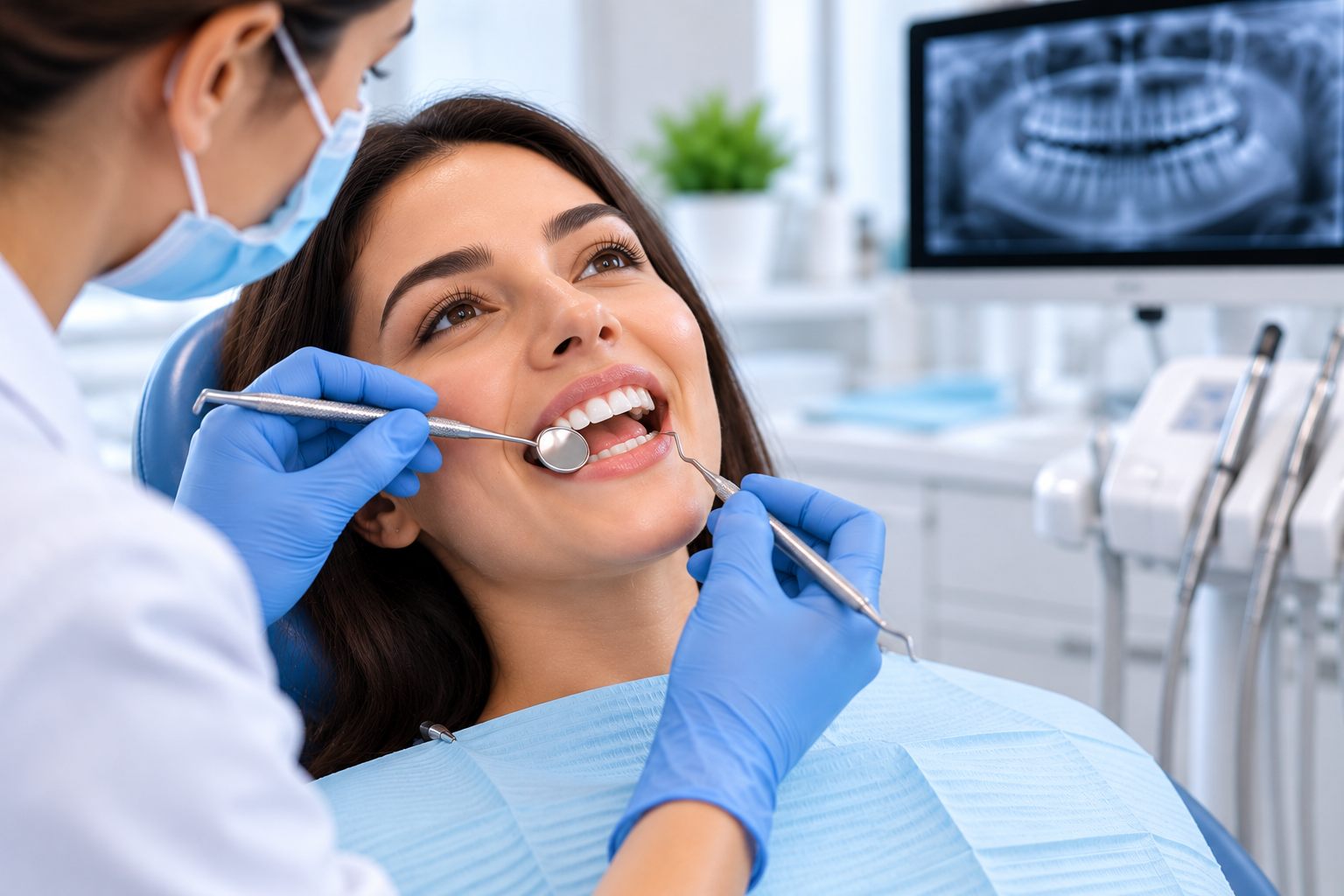
Even with the best home care, regular dental visits are essential. Your dentist can:
- Spot early signs of recession
- Provide deep cleanings
- Adjust your treatment plan
- Track your gum health
- Help you avoid bigger problems
Most adults should see a dentist every six months.
When to See a Dentist About Gum Recession
You should schedule a dental visit if you notice:
- Tooth sensitivity that doesn’t go away
- Gums that bleed easily
- Teeth appearing longer than before
- Pockets between teeth and gums
- Loose teeth
- Pain or discomfort in your gums
- Persistent bad breath
- Visible roots of your teeth
Even mild symptoms can signal early-stage recession, so it’s best to act quickly.
Can Receding Gums Grow Back on Their Own?
Unfortunately, gum tissue can’t regrow on its own once it’s lost. However, with proper treatment, dentists can restore lost gum tissue, cover exposed roots, and protect your overall gum health. The earlier you treat it, the better the outcome.
What Happens If Gum Recession Is Left Untreated?
Ignoring gum recession can lead to serious dental issues, including:
- Severe tooth sensitivity
- Cavities below the gum line
- Bone loss in the jaw
- Infections
- Loose or shifting teeth
- Tooth loss
- Cosmetic concerns affecting confidence
The good news is that all of these problems can be prevented with timely care.
Frequently Asked Questions
Can gum recession be reversed naturally?
Gum tissue can’t grow back naturally, but you can stop further recession and protect your gums with proper care, lifestyle changes, and professional treatment.
Is gum recession treatment painful?
Most treatments, including deep cleanings, gum grafts, and the Pinhole Surgical Technique, are done with local anesthesia. Patients usually experience little to no pain during the procedure.
How long does it take to recover from a gum graft?
Most patients recover within one to two weeks. Full healing of the gum tissue can take a few months, but discomfort is usually mild and easy to manage.
Can children develop gum recession?
Yes, although it’s less common. Causes in children include aggressive brushing, poor oral hygiene, gum disease, or genetics. Regular dental visits help catch the issue early.
How can I prevent gum recession from coming back?
Prevention starts with good oral hygiene. Use a soft-bristled brush, floss daily, avoid smoking, treat teeth grinding, and visit your dentist every six months. Consistent care makes a big difference.
If you’re noticing signs of gum recession or want to keep your gums strong and healthy for life, the team at Ethos Modern Dental & Implant Center is here to help. Dr. Sreelakshmi Keesara offers gentle, expert dental care that protects your smile, restores your gums, and gives you the confidence of a healthy mouth.