Getting a dental crown sounds straightforward until your dentist points at an X-ray and you suddenly have more questions than answers. Most people picture a quick cap and a fixed tooth. They do not picture a living tooth still sitting underneath, a two-week wait, or a choice about materials nobody mentioned. The people who say yes without understanding the process are the ones who come back surprised by sensitivity, confused about a chipped crown, or annoyed that a permanent fix needed replacing.
Crowns are one of the most common ways to repair a damaged tooth, and they sit alongside veneers and bridges as core restorative options. They are also one of the most misunderstood. Here is a simple way to think it through. The Crown Confidence Framework breaks the decision into three checkpoints: Foundation, the tooth underneath; Fit, how the crown is built and placed; and Future, what keeps it working. Nine things, three checkpoints. Walk through all of them before you commit.
What Remains Beneath a Dental Crown
- A crown protects a real tooth, it does not replace it
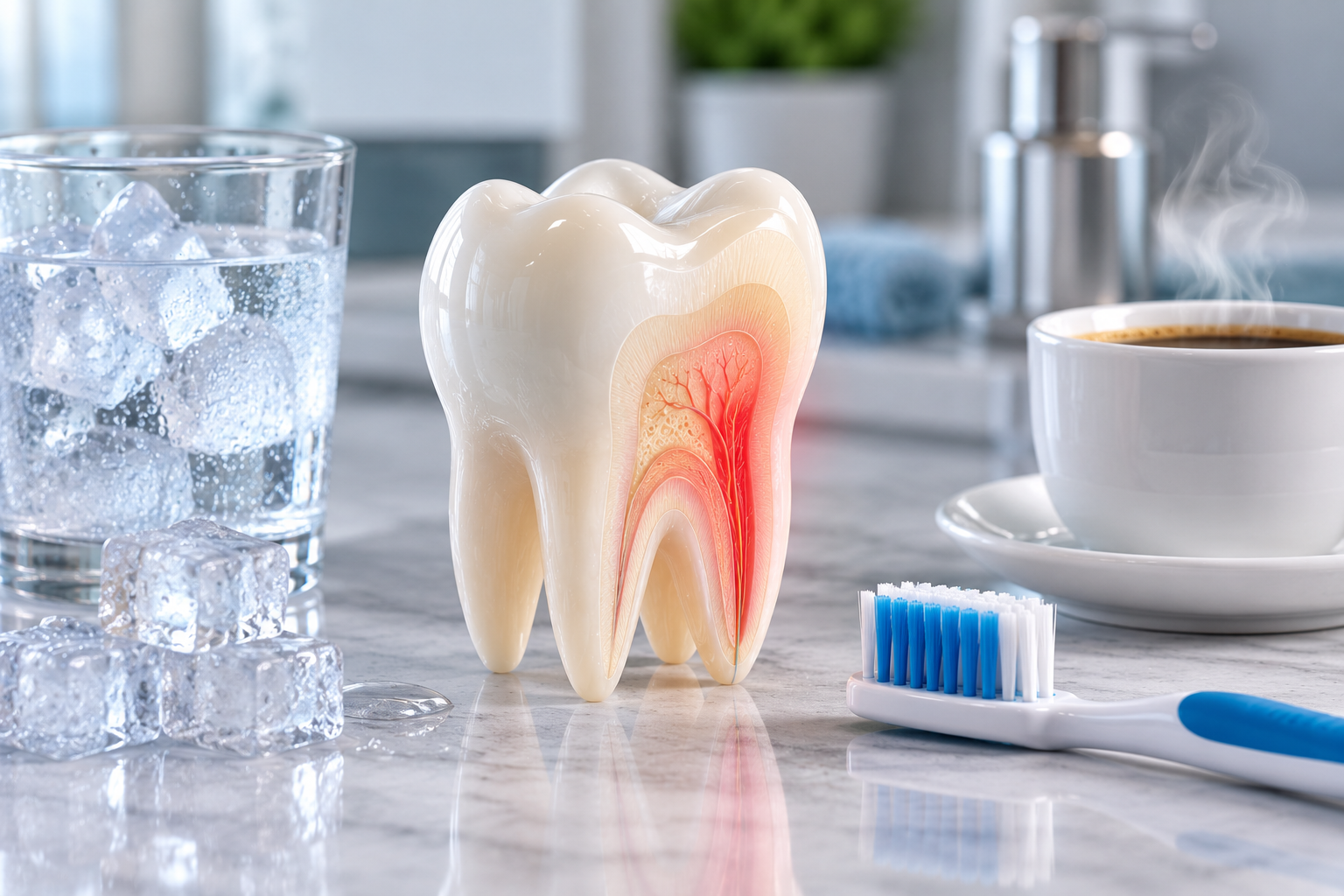
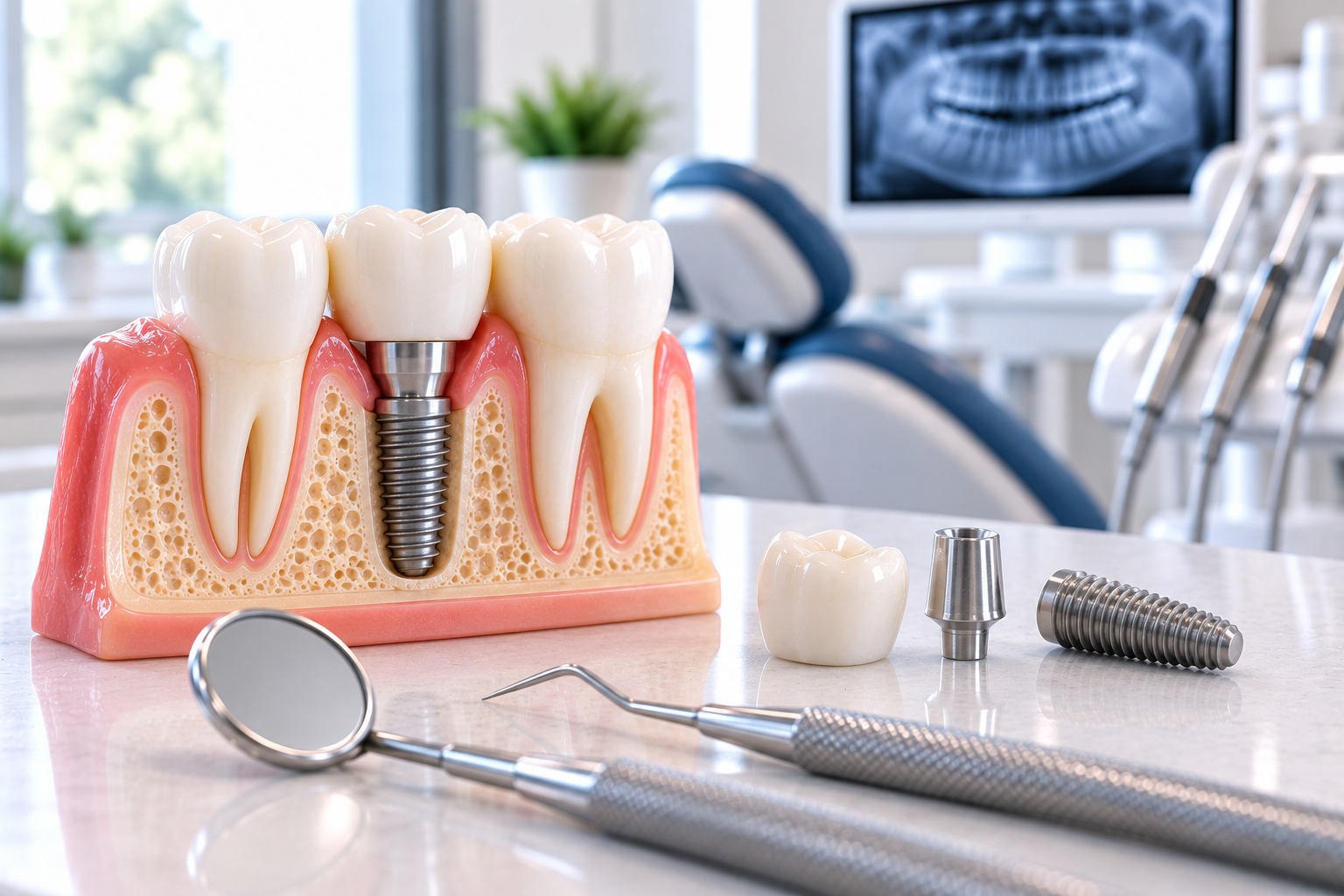
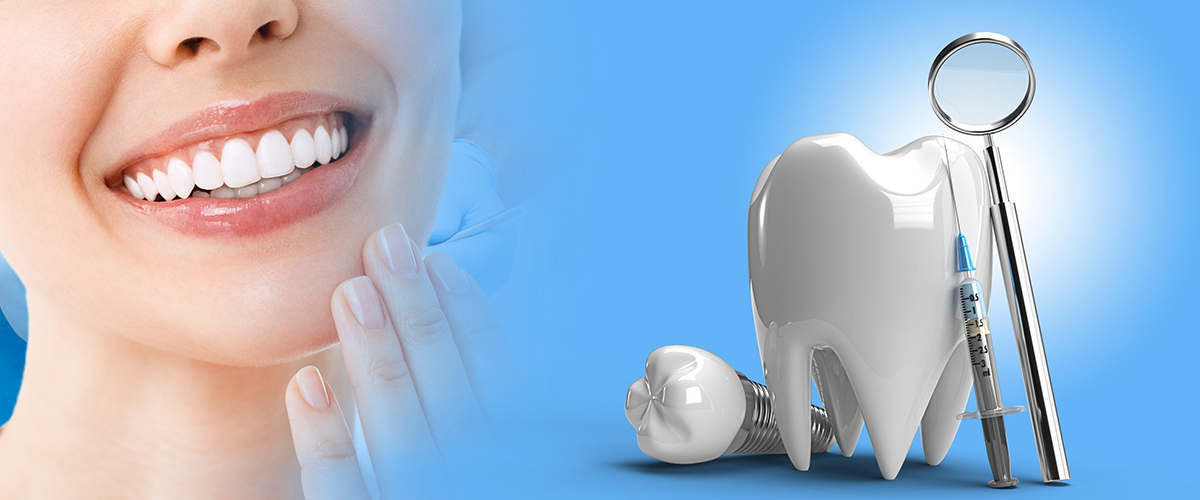
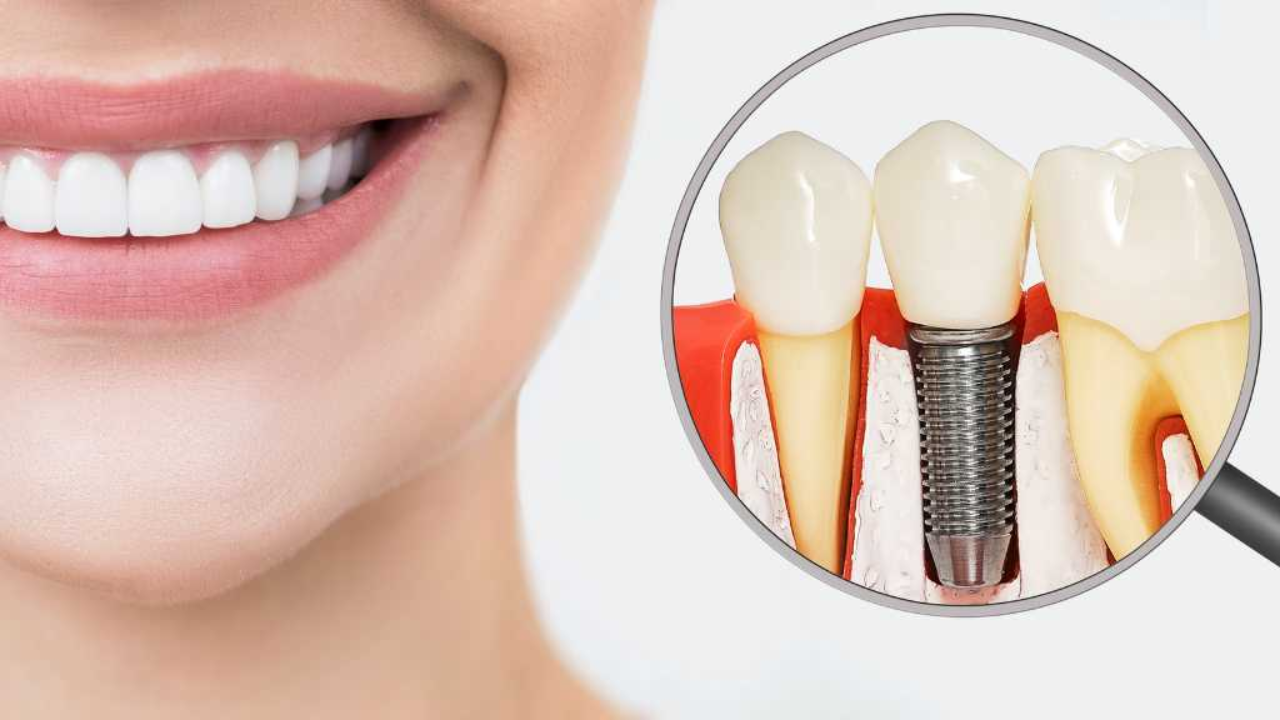
A crown is a cap that covers a tooth too damaged or weak to function on its own. The tooth underneath is still alive in most cases, with its nerve and blood supply intact. A crown is a shield, not a substitute.
This matters because a crown is usually recommended when there is not enough healthy tooth left to hold a filling. The American Dental Association notes that crowns strengthen teeth weakened by large fillings, fractures, or root canal treatment. In most cases we see, patients think the crown is the repair. It is closer to the armor that lets a compromised tooth keep working.
- Your tooth is reshaped first, and that change is permanent
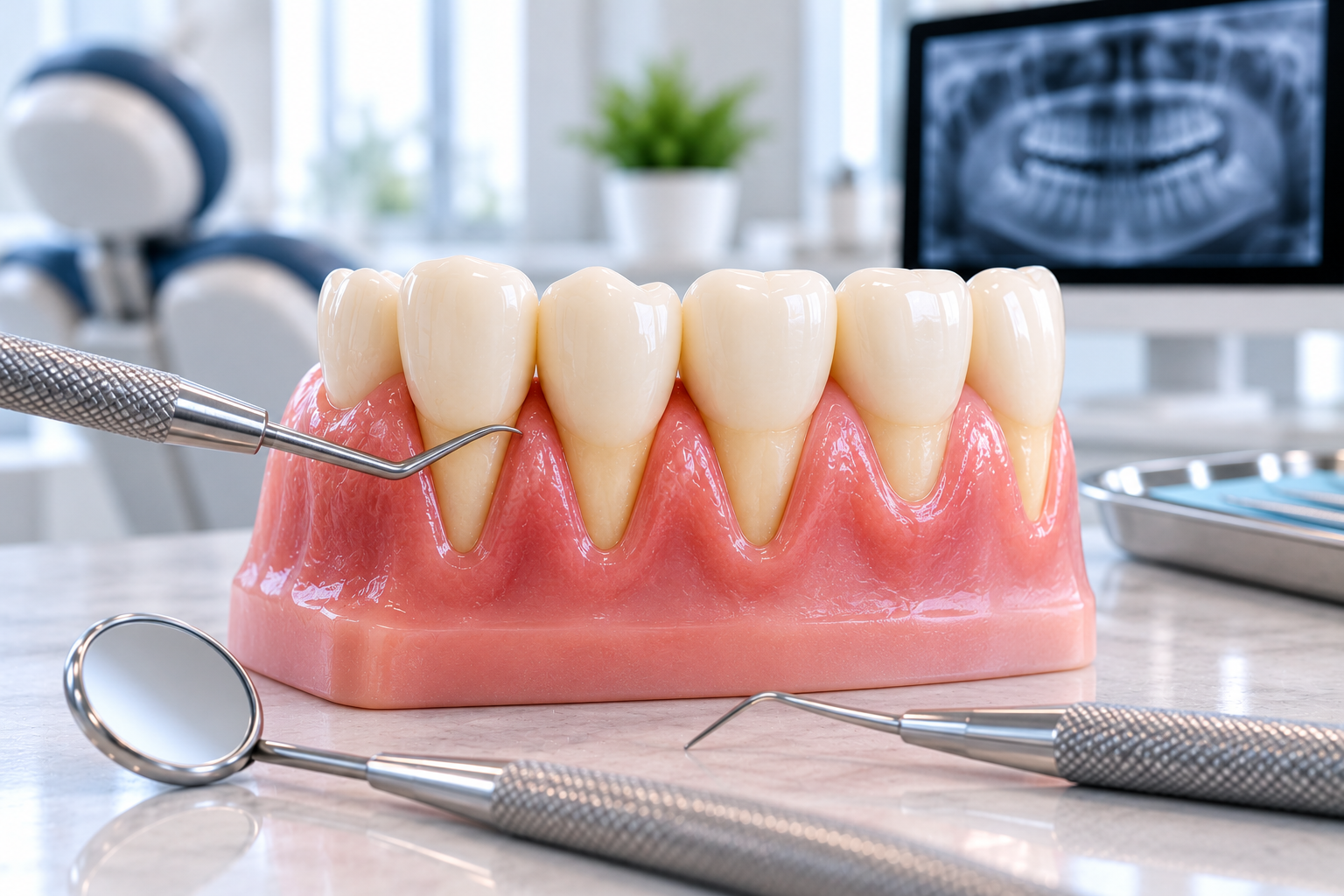
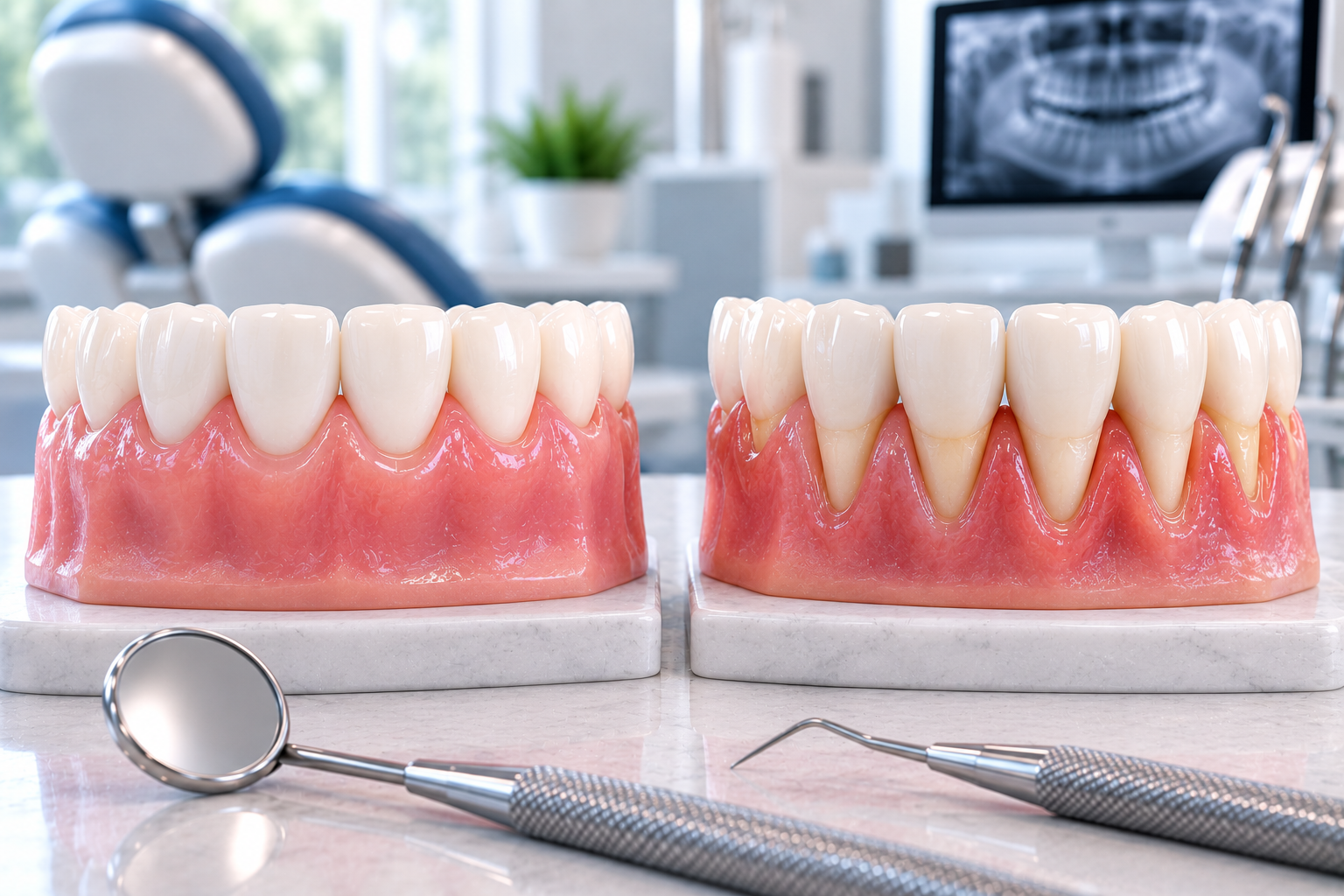
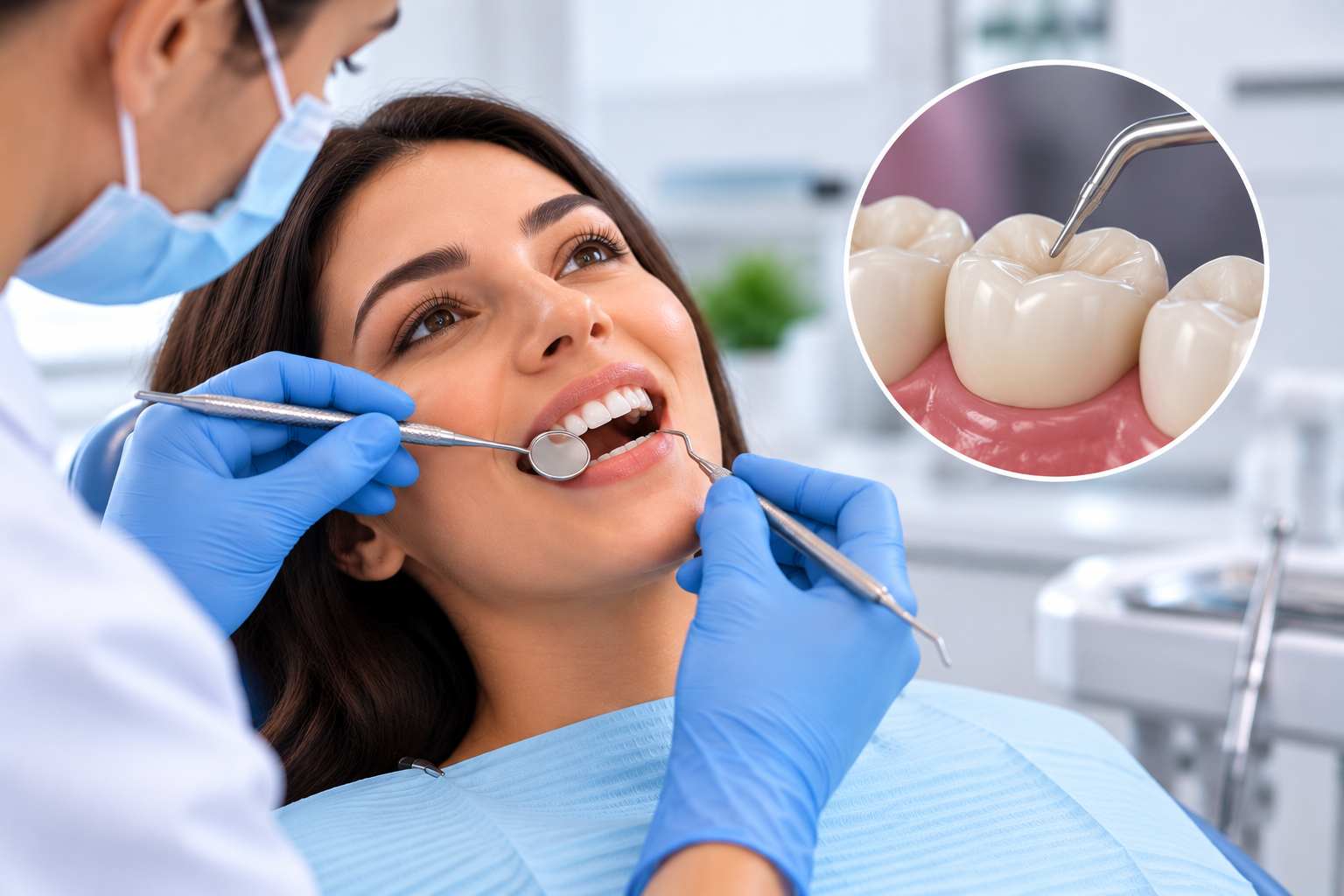
Before any crown goes on, your dentist files the tooth down on all sides to make room for the cap. The tooth before crown placement and the tooth after are not the same shape. That reduction is permanent, and it is the part patients are least prepared for.
This is not a reason to avoid a crown. It is a reason to be sure you need one. Once enamel is removed, the tooth will always need a crown or similar restoration to stay protected. The honest version of this conversation happens before the drill, not after.
- Sometimes a root canal has to happen first
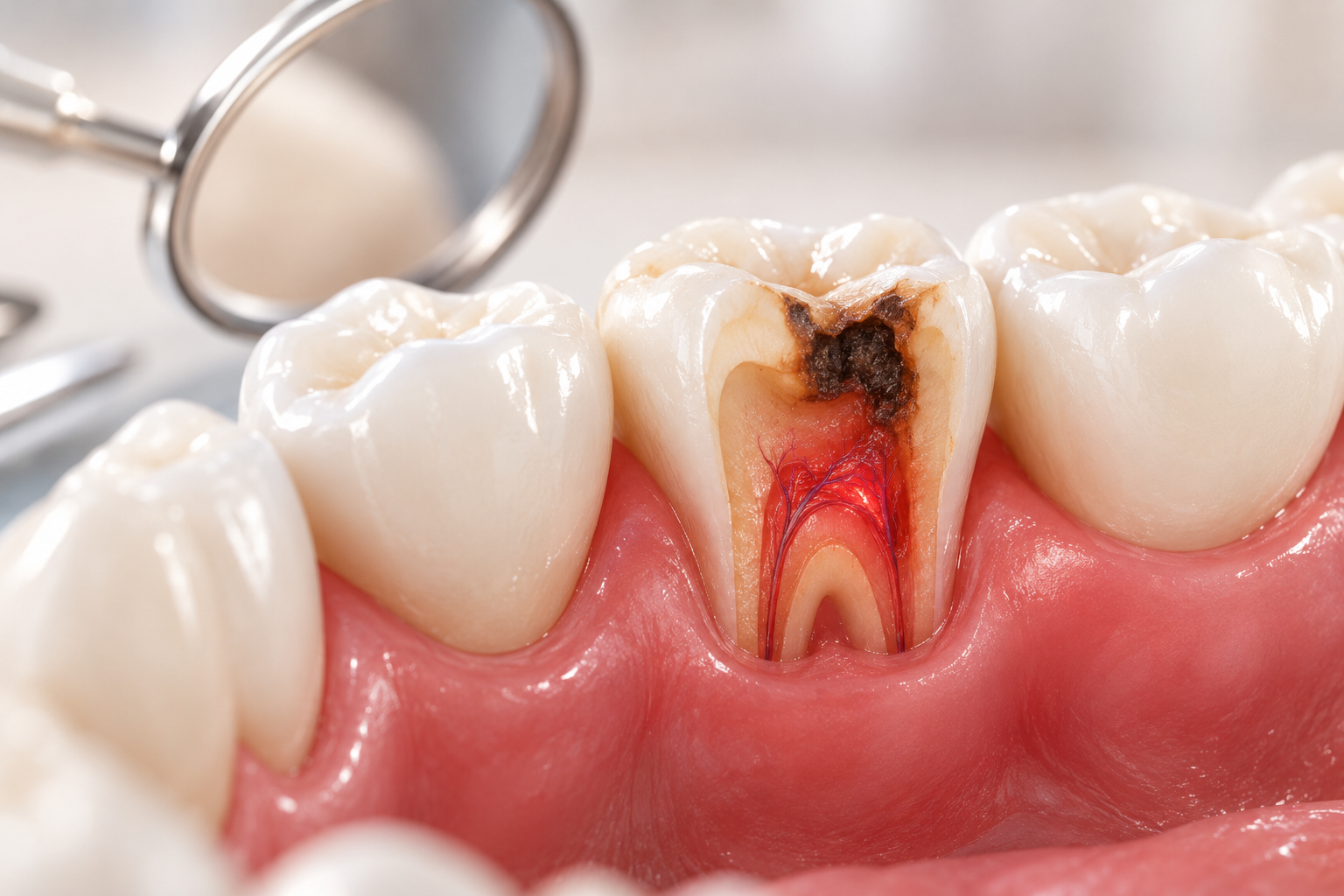
If decay or damage has reached the nerve, the tooth needs a root canal before it can be crowned. The crown then seals and protects the treated tooth. This sequencing is not upselling. It is the difference between a crown that lasts and one that fails within a year.
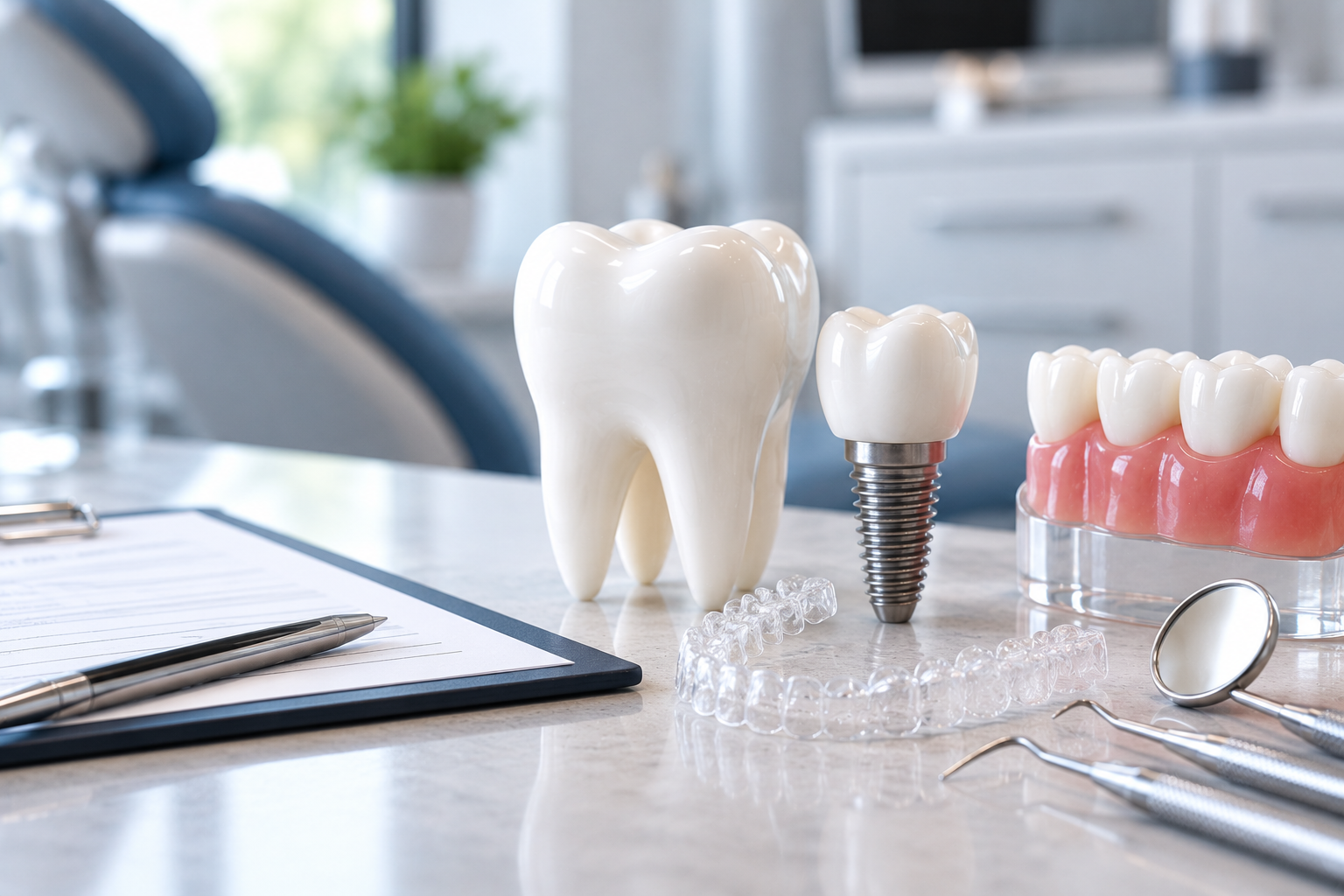
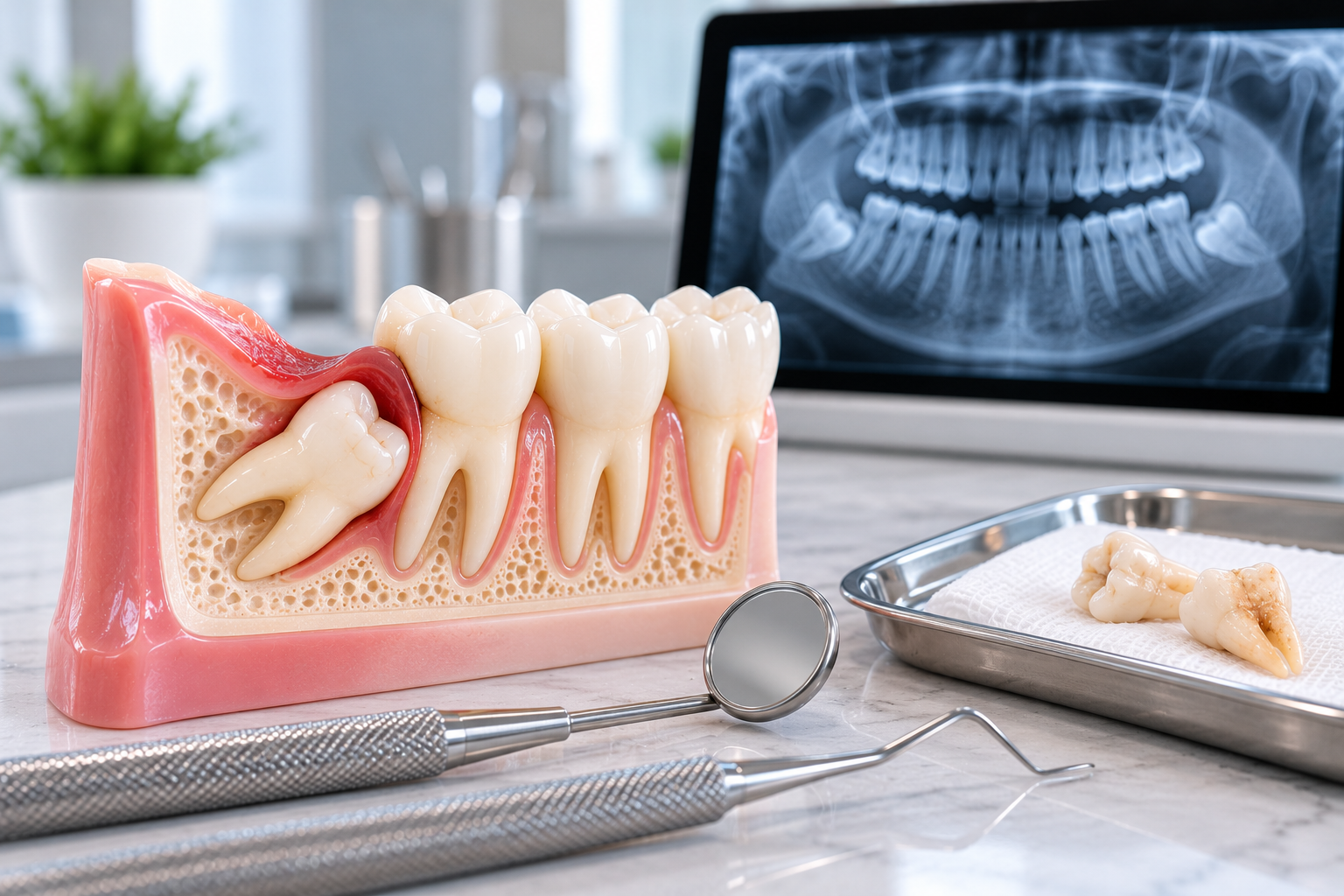
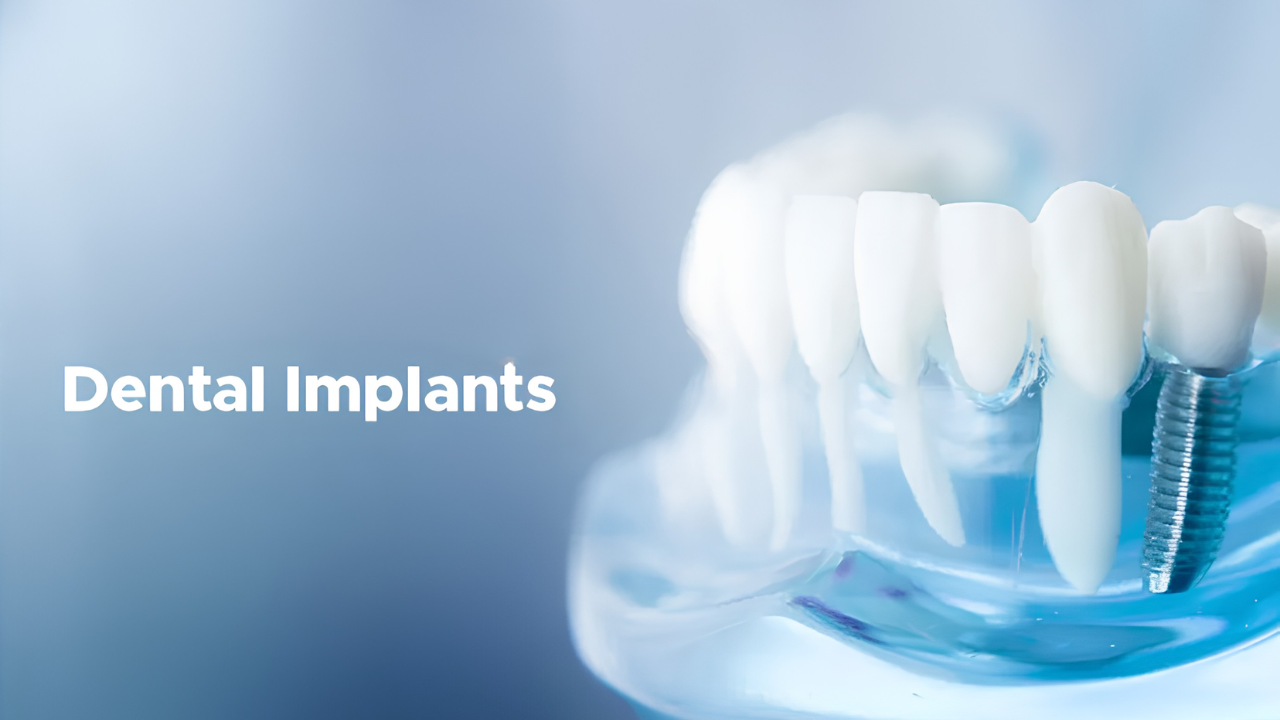
There is also a harder version of this conversation. If a tooth is cracked below the gum line or has lost too much structure, no crown will save it. At that point the realistic options shift toward extraction and replacement with something like dental implants. Knowing this early stops you from paying for a crown on a tooth that was never a candidate.
How the Crown Is Built and Placed
- It usually takes two visits, and the temporary crown matters
A traditional crown takes two appointments. At the first, the tooth is shaped and an impression is taken. A temporary crown protects the tooth while a lab builds the permanent one, which takes two to three weeks.
People treat the temporary crown as unimportant. That is a mistake. The temporary holds your bite, blocks sensitivity, and keeps the tooth from shifting. Standard guidance on temporary crowns recommends avoiding hard and sticky foods until the final crown is placed. Some practices offer same-day crowns milled in-office, which skips the temporary stage entirely.
- The material you choose changes the result
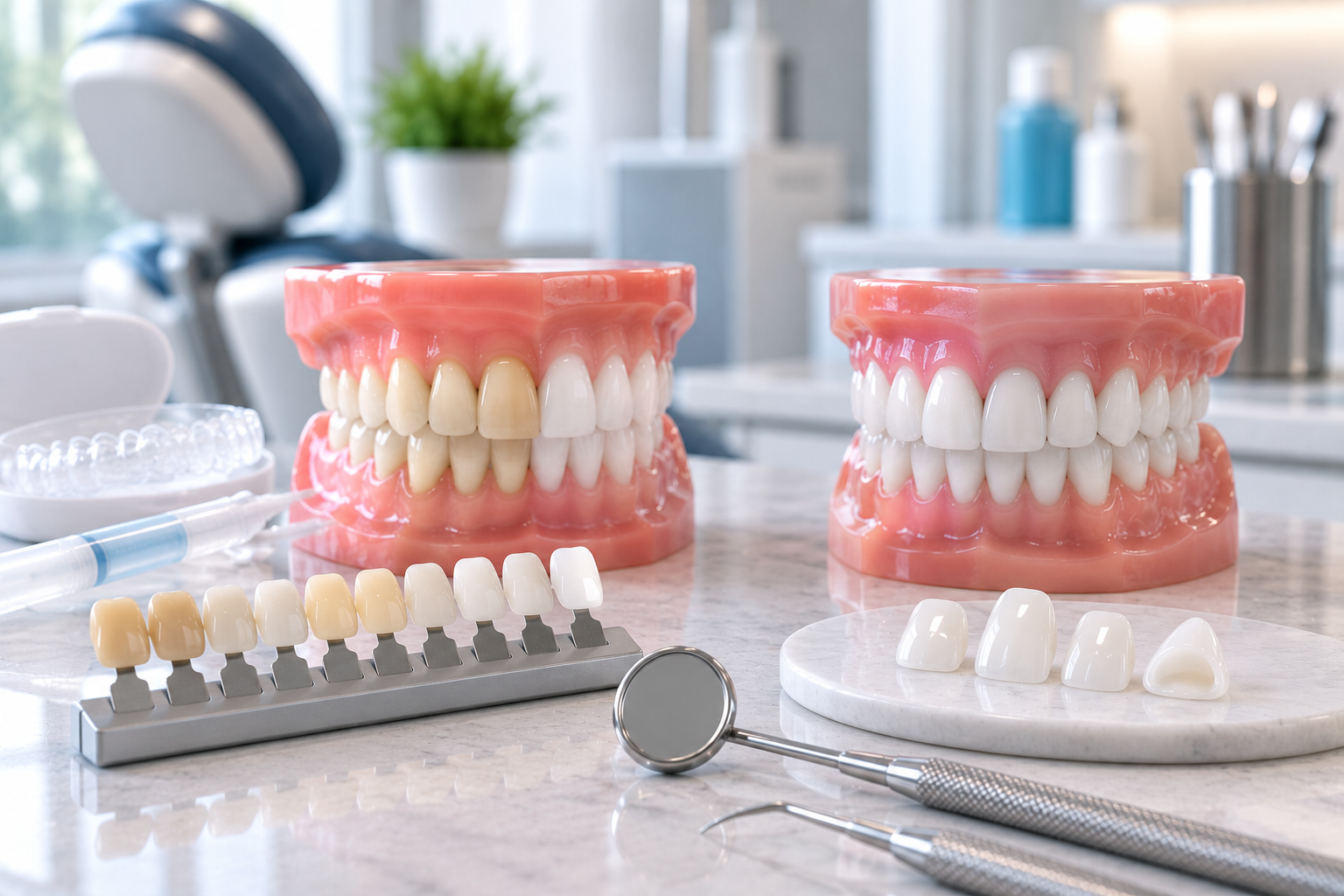
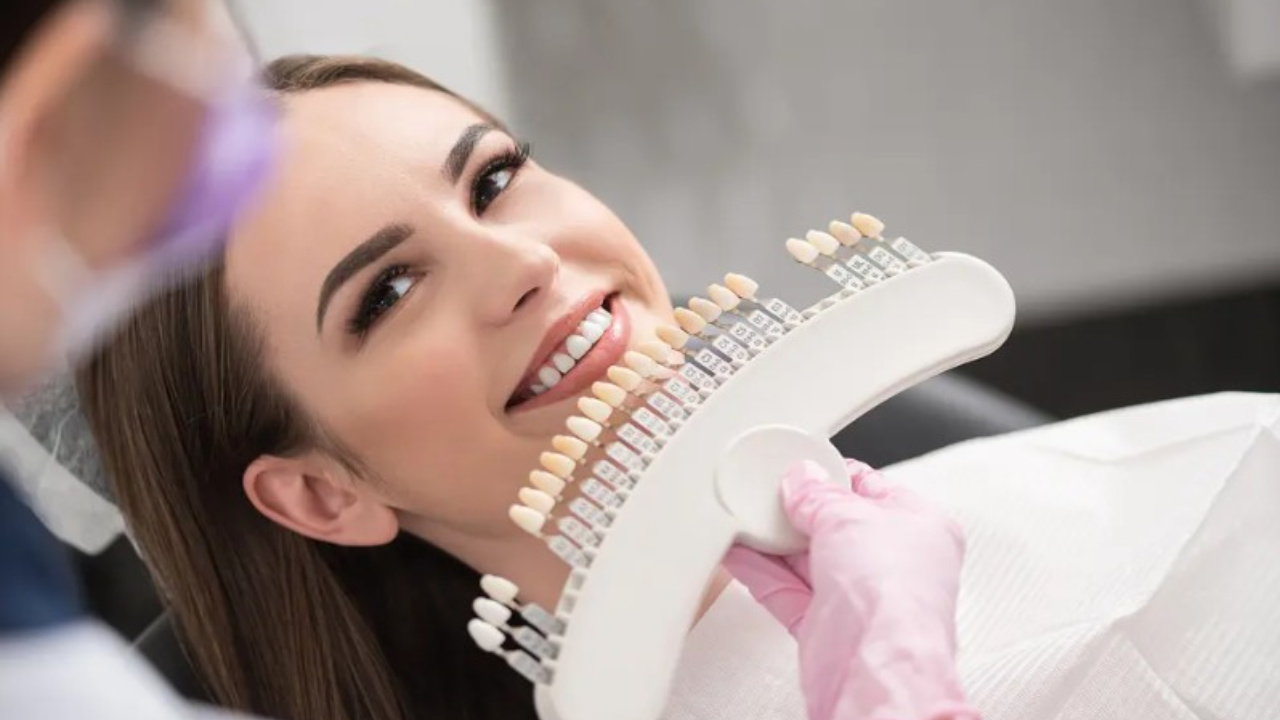
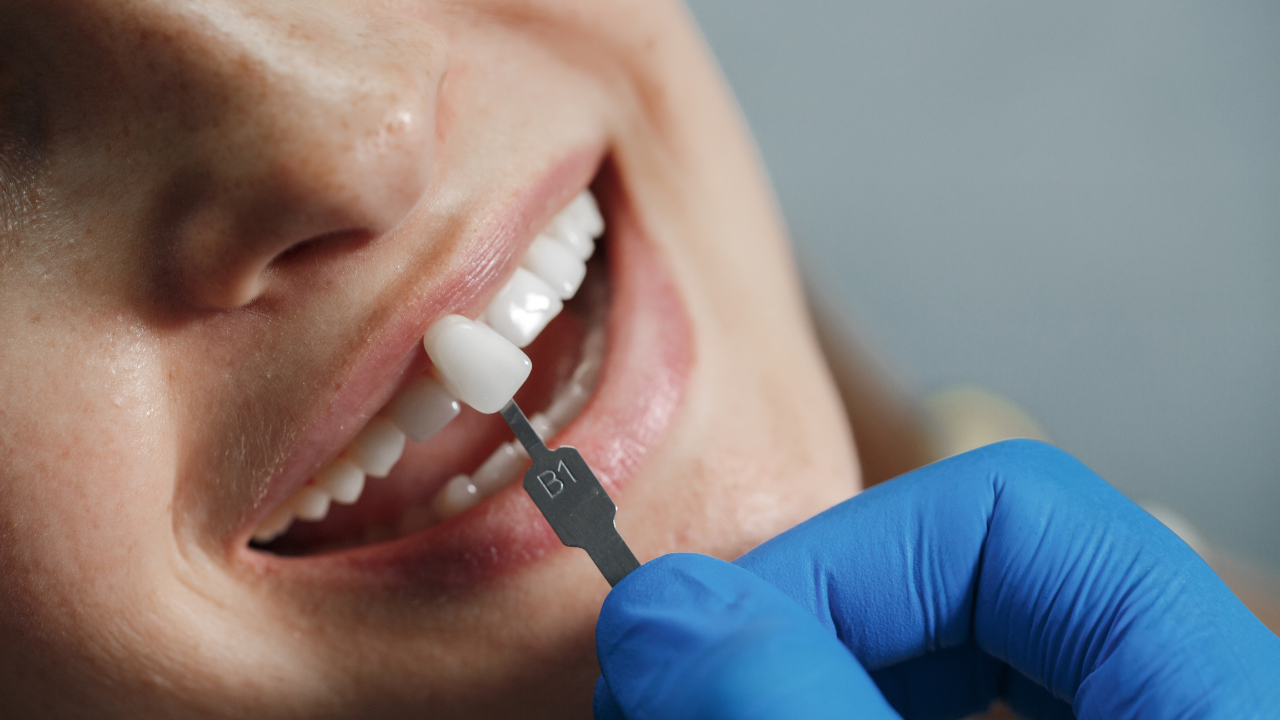
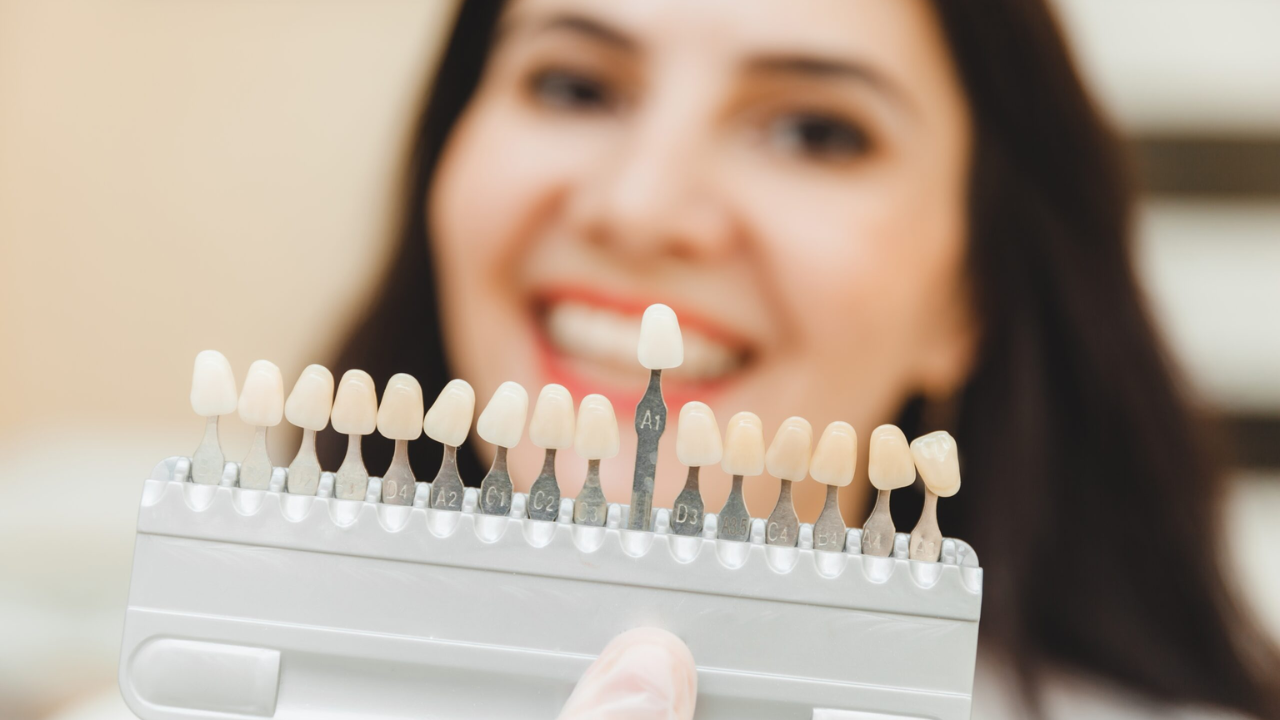
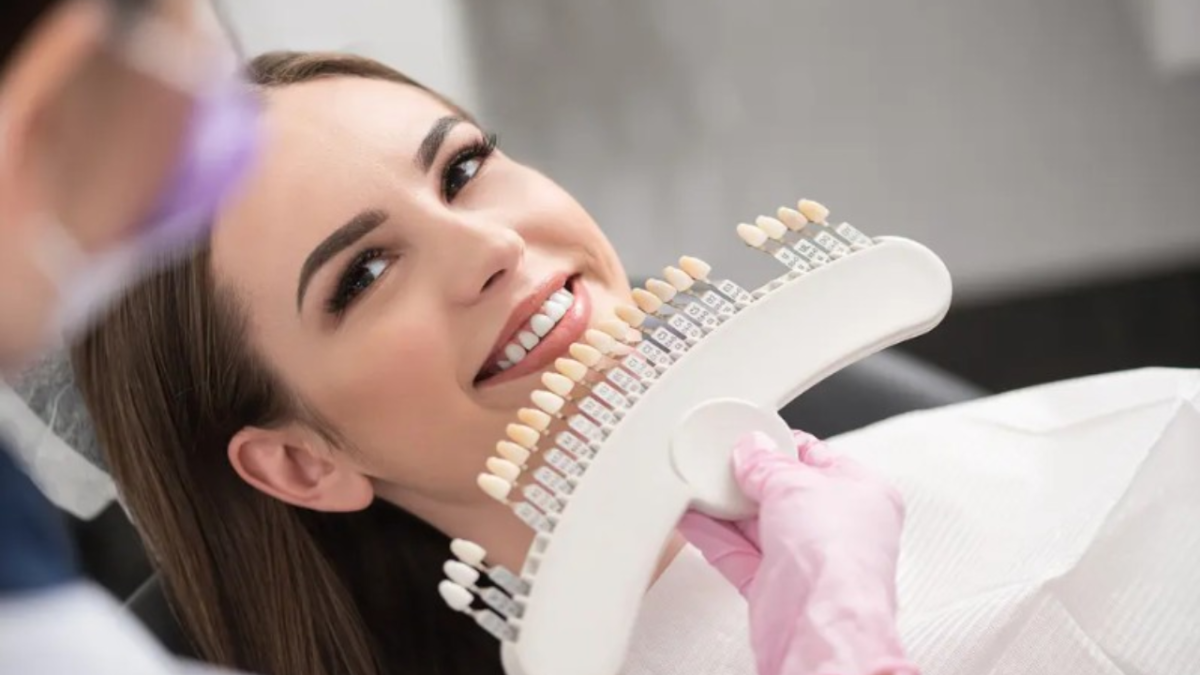
Crowns are not one product. The material affects how the crown looks, how long it lasts, and how it handles biting force, so your dentist should walk you through the options.
The common choices break down like this:
- Porcelain or ceramic gives the most natural look and suits front teeth, but is slightly more prone to chipping.
• Zirconia is very strong and tooth-colored, a reliable all-rounder for back teeth.
• Porcelain fused to metal balances strength and appearance, though a faint metal line can show over time.
• Gold or metal alloy is the most durable option, but the color rules it out for visible teeth.
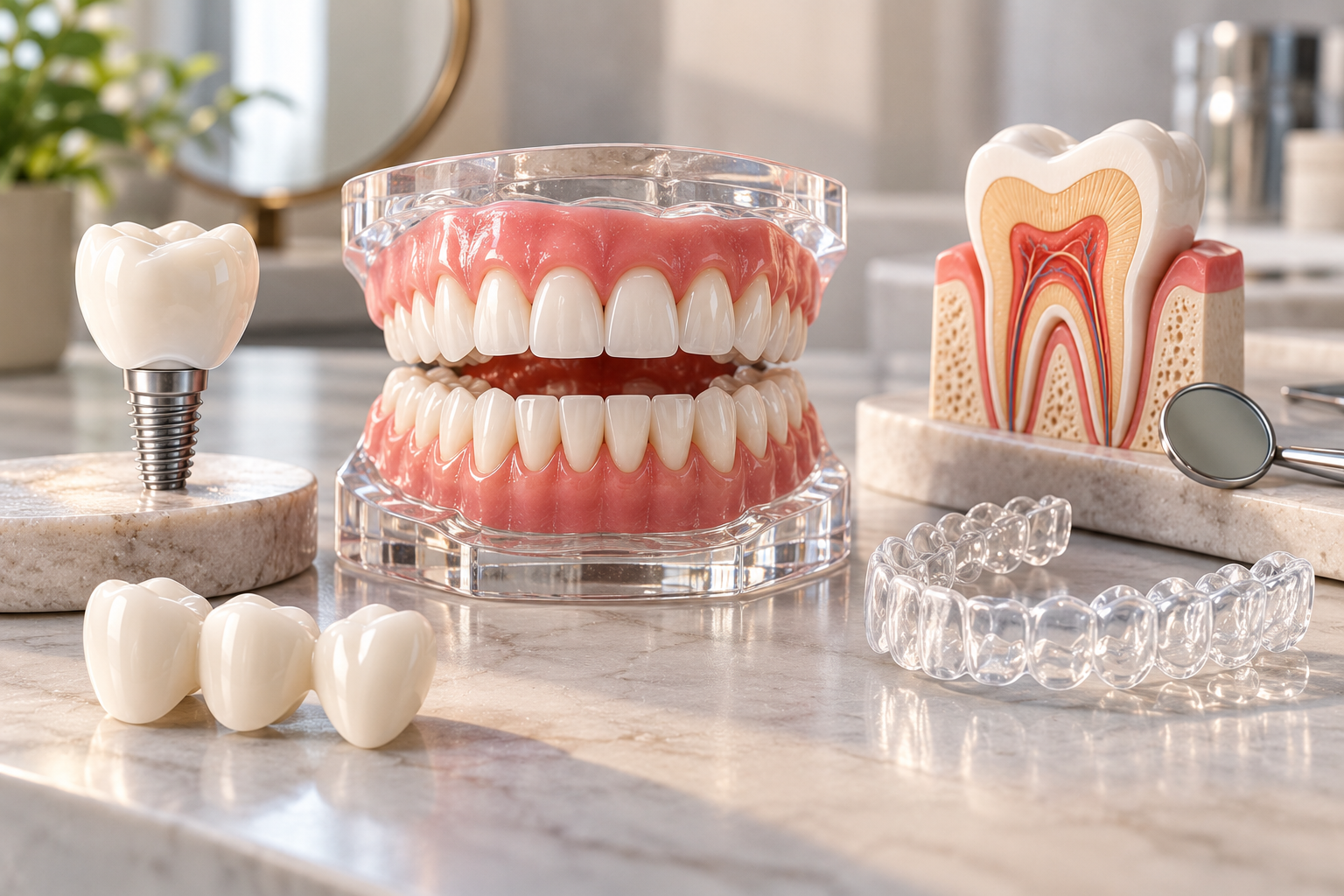
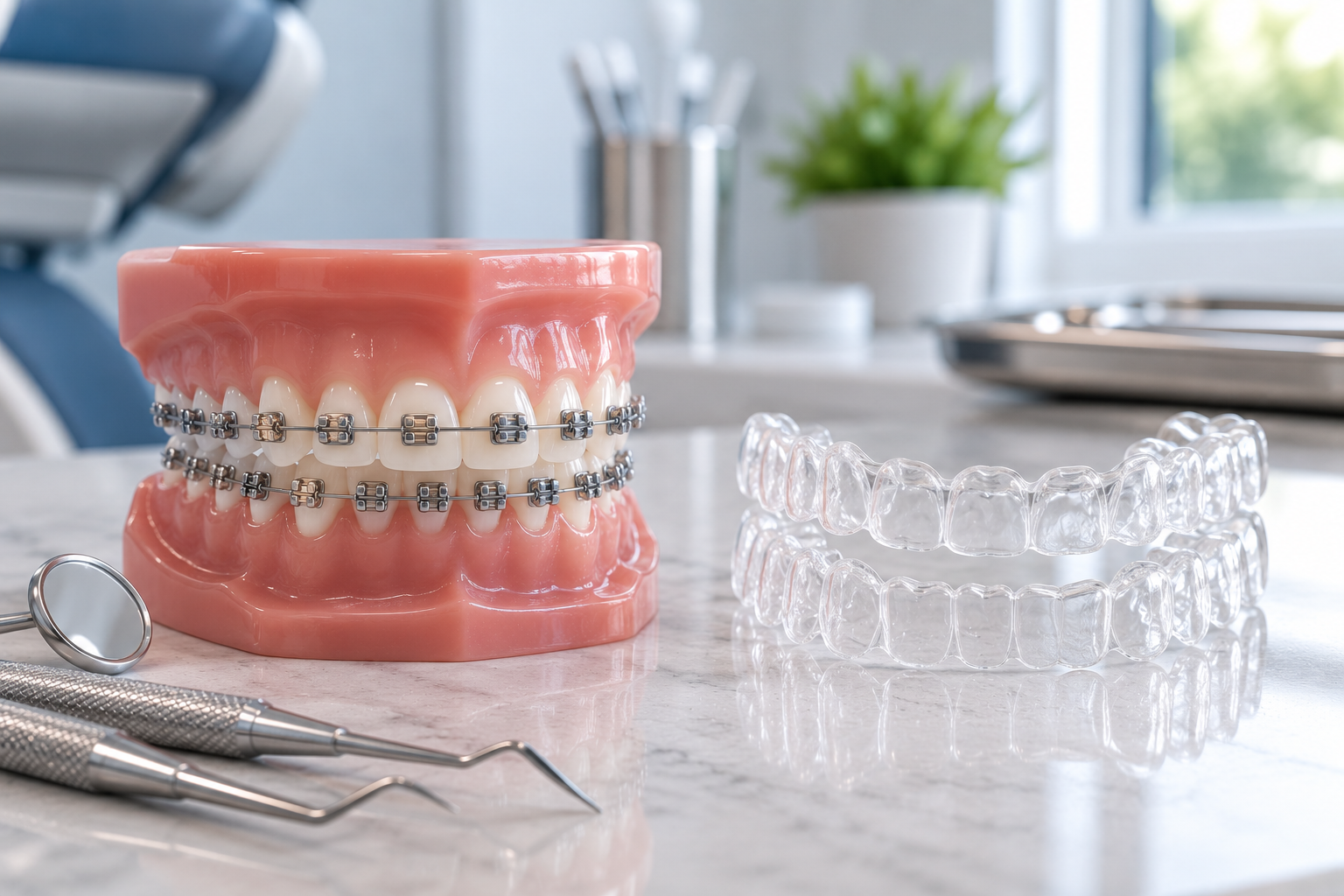
A back molar that absorbs heavy chewing force has different needs than a front tooth on display. You can see how these compare alongside other restorations in this guide to crowns, veneers, and bridges.
- The margin and your bite decide if it lasts
The margin is the line where the crown meets your natural tooth. A crown can be made of excellent material and still fail if that margin is not sealed tightly or if the bite is off.
When a crown fails early, the cause is rarely the crown itself. In the majority of cases we see, it traces back to a poor margin that lets bacteria seep underneath, or a bite that puts uneven pressure on one spot. A crown that feels slightly tall when you bite down needs adjustment, because that pressure compounds over years.
What Keeps a Crown Working
- A crowned tooth can still get a cavity
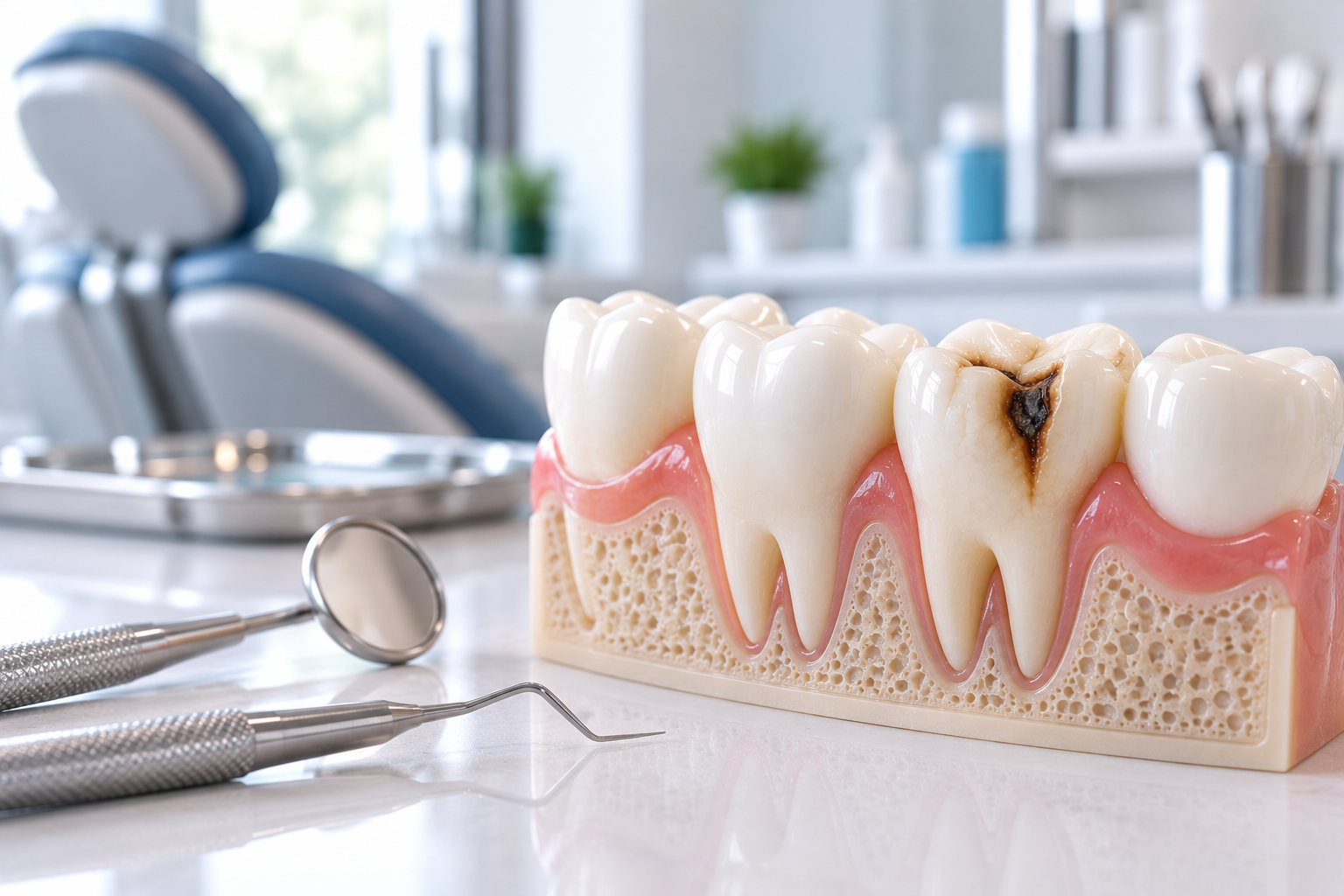
A crown does not make a tooth decay-proof. The crown covers the visible tooth, but the margin at the gum line is still exposed, and the natural tooth root below it can still develop decay.
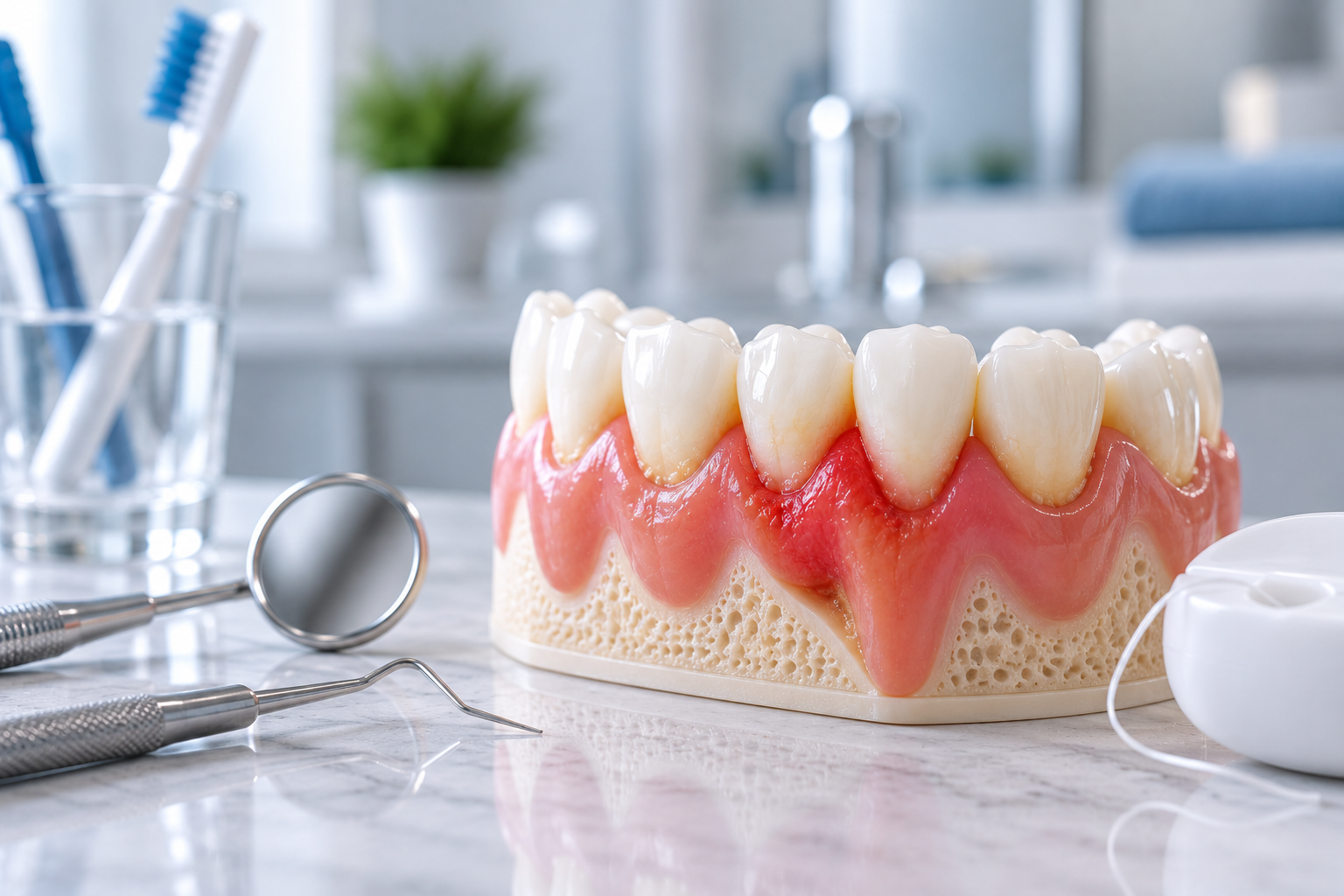
This surprises almost every patient. The tooth under the crown needs the same brushing and flossing as any other, with extra attention at the gum line. Crowns do not fail on their own as often as the teeth beneath them quietly do.
- Crowns last years, not forever
A well-made crown lasts a long time, but not a lifetime. Cleveland Clinic puts the typical range at five to 15 years with proper care, with stronger materials often lasting longer.
What shortens that lifespan is predictable. Grinding and clenching are the biggest culprits, since they load a crown with force it was never designed to absorb. If you grind your teeth, a nightguard protects both your crown and the natural teeth around it. Skipping that step is the most common way patients cut a crown life in half.
- Cost and coverage vary, so ask before you commit
Crown pricing depends on the material, the tooth, and whether extra work like a root canal is needed. A clear estimate should come before treatment, not after.
Insurance often covers part of the cost when a crown is medically necessary rather than purely cosmetic. Ask two questions up front: what the full cost is, and what your plan covers. A practice that explains this clearly is showing you how it will treat you for everything else.
Conclusion
A crown is a reliable way to save a damaged tooth, but it is a decision, not a formality. The Crown Confidence Framework keeps it simple: understand the Foundation underneath, the Fit of how it is built, and the Future of what keeps it working. Patients who ask about these three things end up with crowns that last and far fewer surprises.
The best move before treatment is a straight conversation with Ethos Modern Dental. If a damaged or sensitive tooth has you considering a crown, a local dental team can examine the tooth, explain whether a crown is the right call, and give you a clear plan before anything begins.