Pacifiers can feel like a parenting lifesaver. They soothe a fussy baby, help with sleep, and offer comfort in stressful moments. But as your little one grows, you might start noticing changes in their mouth or teeth — and wondering if that pacifier is starting to do more harm than good.
If you’ve ever searched “pacifier mouth” or worried about your toddler’s teeth shifting, you’re not alone. Many parents face this exact concern. The good news is, with the right information and a few simple steps, you can protect your child’s smile without too much stress. Here’s everything you need to know about how pacifiers affect toddler teeth, and whether a pacifier mouth guard might help.
What Is “Pacifier Mouth”?
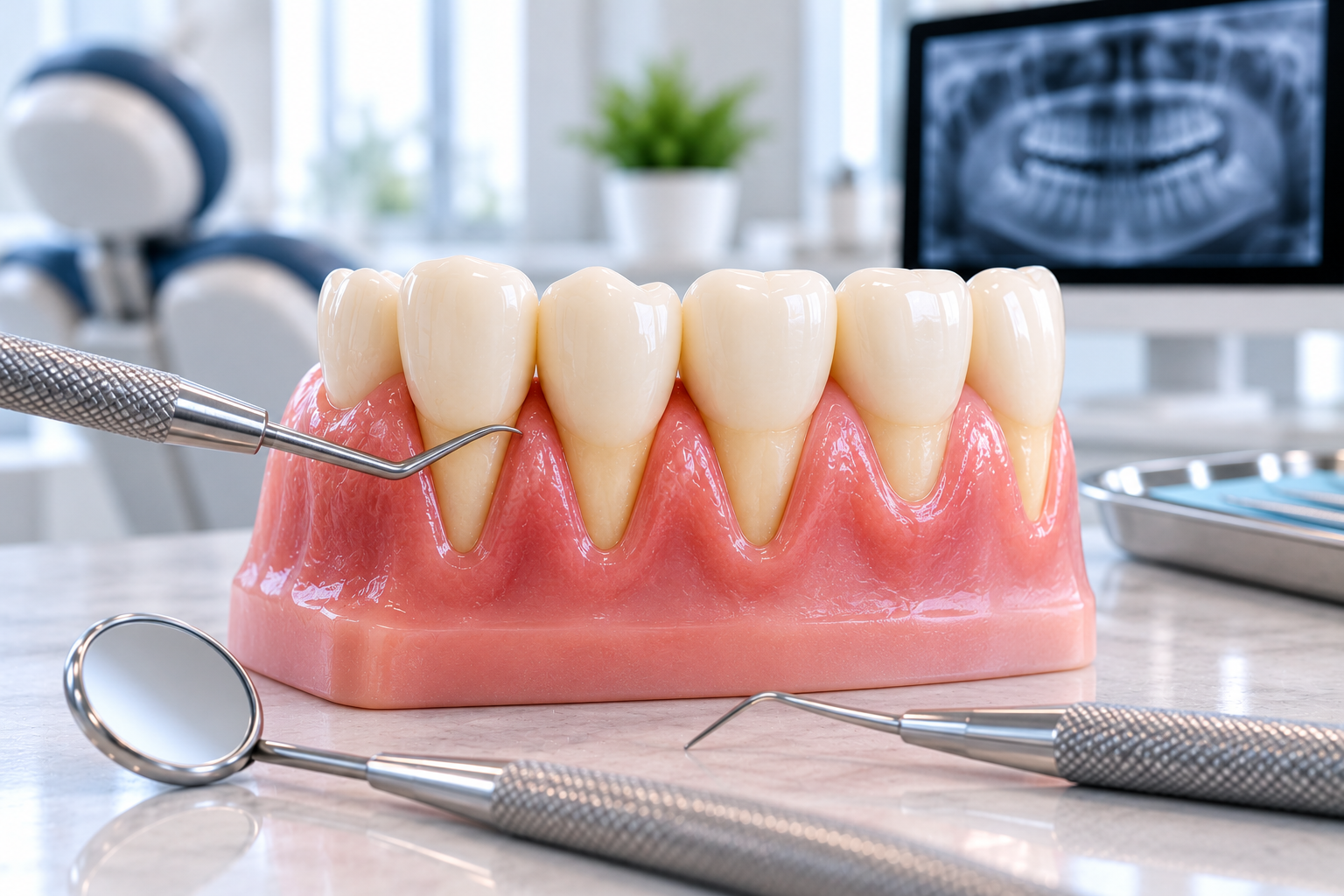
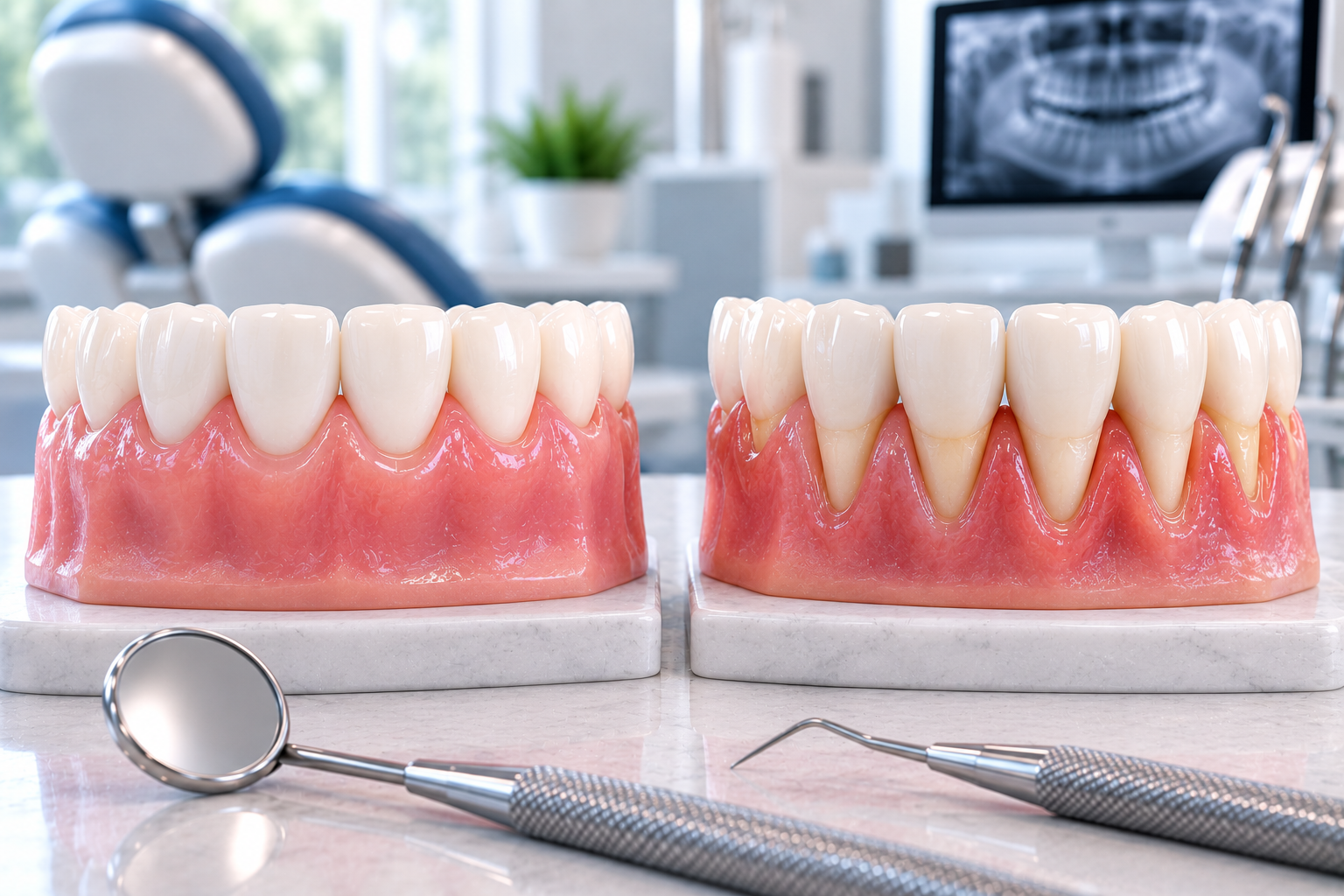
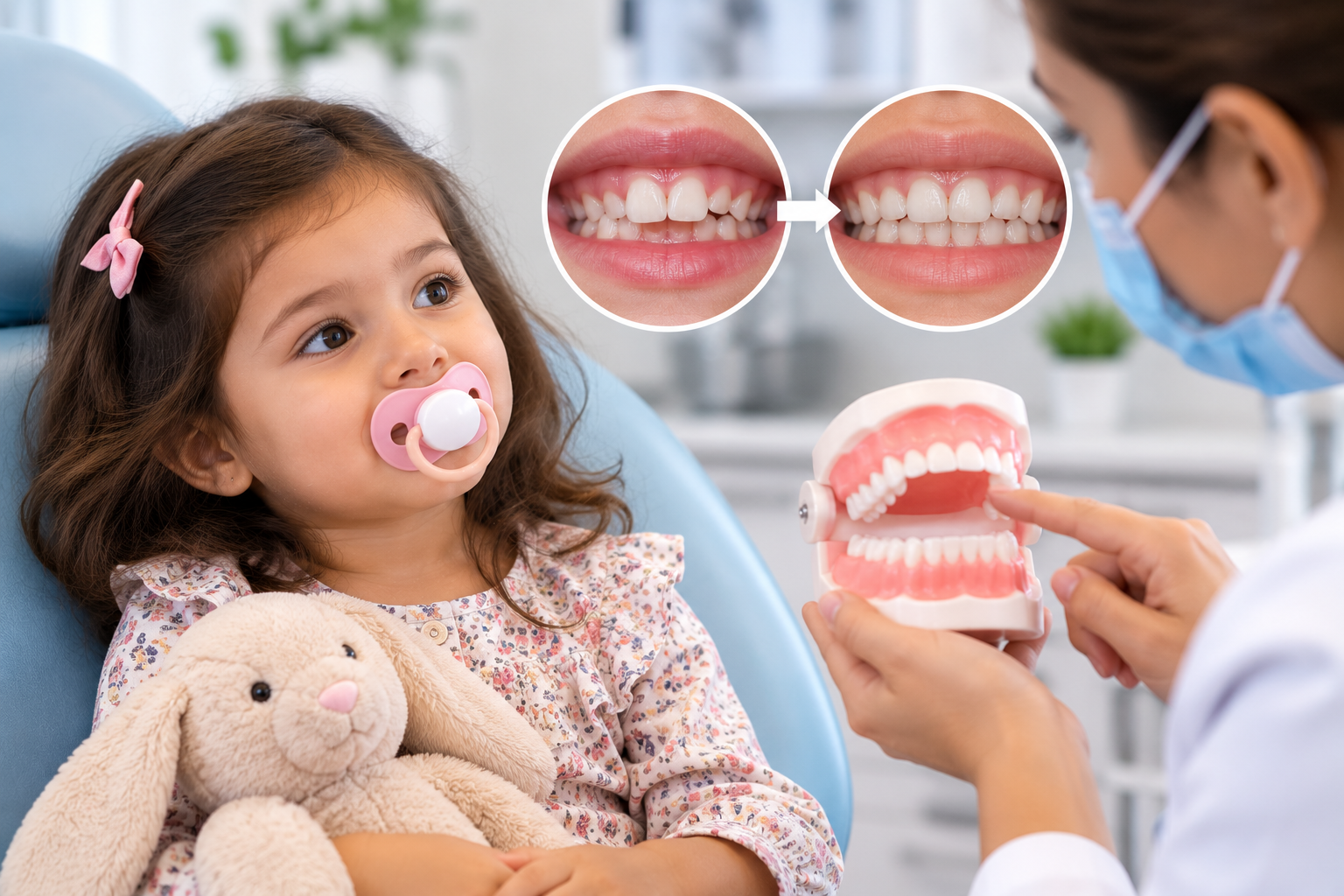
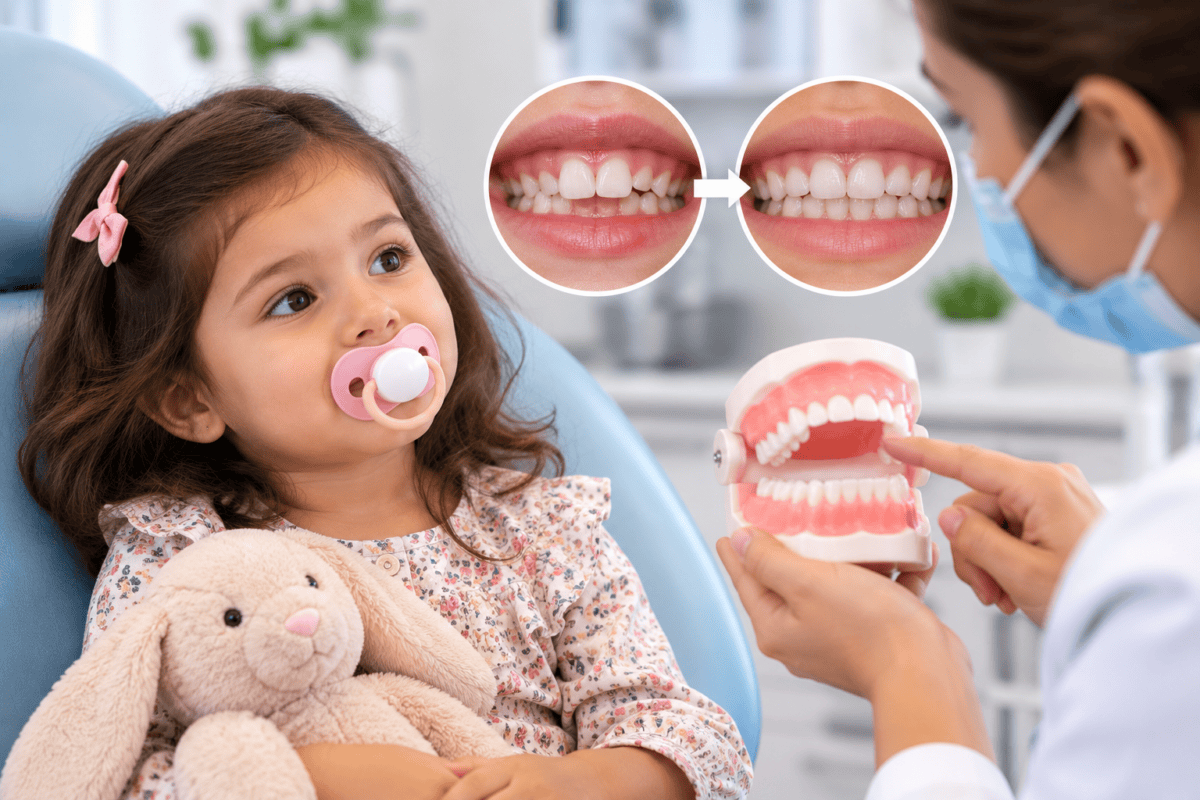
“Pacifier mouth” is a term used to describe changes in a child’s mouth or bite caused by long-term pacifier use. Over time, constant sucking can shift the way teeth grow and how the upper and lower jaws fit together.
Common signs of pacifier mouth include:
- Front teeth that stick out (sometimes called “buck teeth”)
- An open bite where the top and bottom front teeth don’t meet
- Crossbite where the upper and lower teeth don’t line up correctly
- A narrowed upper jaw or roof of the mouth
- Crooked or crowded baby teeth
- Speech development issues
These changes don’t happen overnight — but they can become noticeable in toddlers who use pacifiers heavily past the age of two.
How Pacifiers Affect Toddler Teeth
Babies are born with a natural sucking reflex. It soothes them, helps them sleep, and even aids digestion. But as your child grows, that same sucking motion can start affecting the development of their mouth and teeth.
Here’s what happens during prolonged pacifier use:
- The constant pressure pushes the front teeth outward
- The roof of the mouth narrows from the pacifier’s shape
- The lower teeth may tilt inward
- The jaw alignment can shift over time
- The bite pattern becomes harder to correct later
The longer and more often a toddler uses a pacifier, the higher the risk of these changes becoming permanent.
At What Age Does a Pacifier Affect Teeth?
This is the question every parent wants answered — and the honest answer is, it depends on usage.
Here’s a general guide based on dental research:
- 0 to 12 months: Pacifier use is usually safe and helpful for soothing
- 12 to 24 months: Mild impact possible if pacifier use is constant
- 24 to 36 months: Changes to teeth and bite may begin to appear
- 3 years and older: Risk of permanent dental issues becomes much higher
Most dentists agree that pacifier use should be limited or stopped between ages 2 and 4. Beyond that age, dental changes become more difficult to reverse without orthodontic treatment later.
Signs Your Toddler’s Pacifier Is Affecting Their Teeth
If you’re not sure whether the pacifier is affecting your child’s smile, keep an eye out for these early signs:
- Front teeth that look more forward than the bottom teeth
- A gap between the upper and lower front teeth when biting down
- A narrow or high arched roof of the mouth
- Trouble pronouncing certain sounds like “s” or “th”
- Lips that don’t close fully at rest
- Difficulty chewing properly
If you notice any of these signs, it’s a good idea to schedule a dental checkup.
Does Your Child Need a Pacifier Mouth Guard?
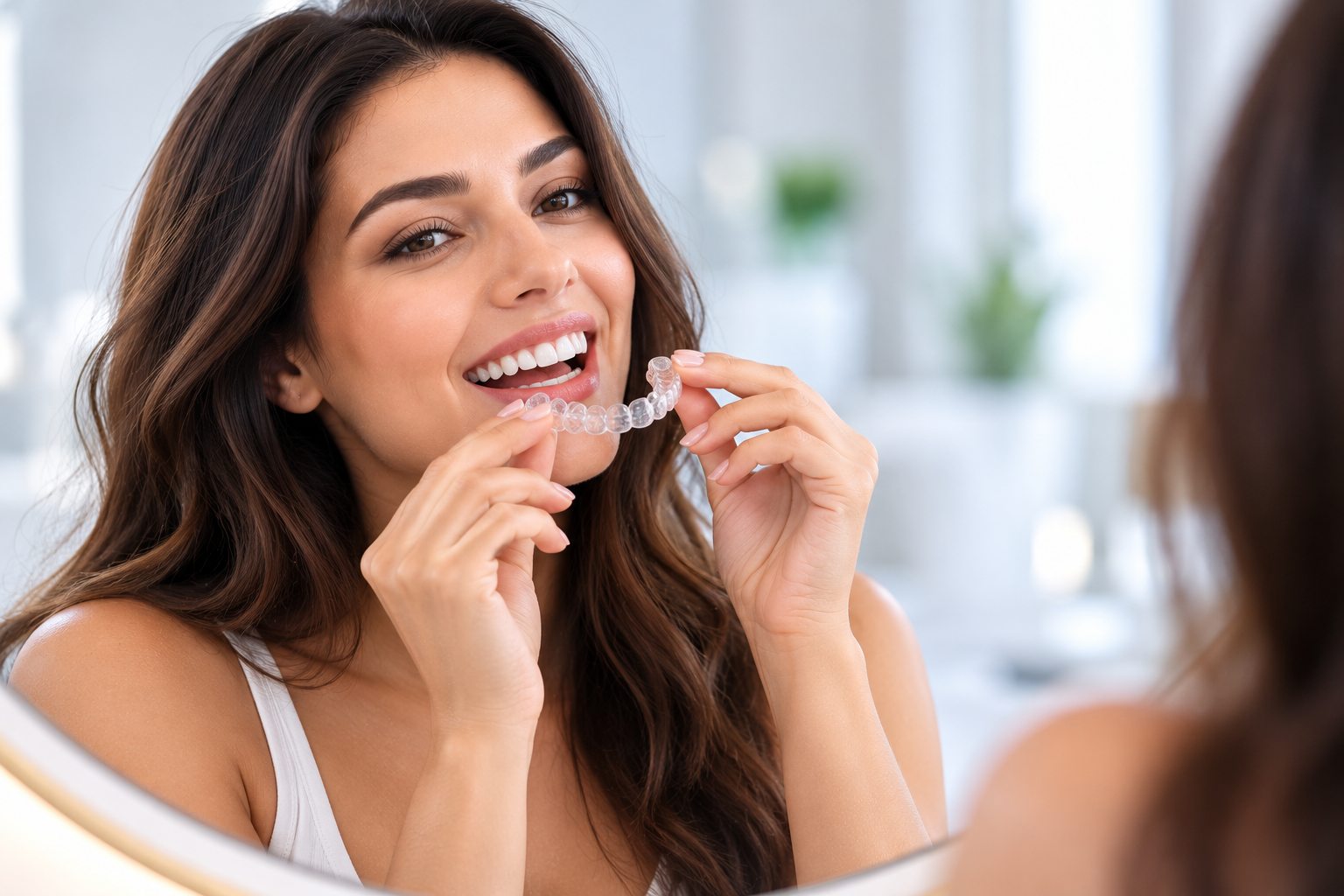
A pacifier mouth guard is a small dental device designed to either help wean a child off a pacifier or protect their teeth from further damage. They’re sometimes recommended by dentists for toddlers who are heavily attached to a pacifier and showing early signs of bite issues.
Here’s how a pacifier mouth guard can help:
- Prevents teeth from shifting further outward
- Encourages proper jaw alignment
- Reduces the urge to suck on a pacifier or thumb
- Helps transition away from pacifier dependency
- Protects against open bite or overbite
However, a pacifier mouth guard isn’t always the first solution. In most mild cases, gently weaning your child off the pacifier is enough. A guard becomes more useful when:
- Your child can’t break the pacifier habit on their own
- Dental changes have already started
- Your dentist specifically recommends one
- The child also has a thumb-sucking habit
Always consult your pediatric dentist before using any oral appliance for your toddler.
Tips to Help Your Toddler Stop Using a Pacifier
Weaning a child off a pacifier can feel overwhelming, but there are gentle ways to make the process easier. Try these tried-and-true tips:
- Start by limiting pacifier use to nap time and bedtime only
- Offer comfort items like a soft blanket or stuffed toy
- Distract your child with play and engagement during the day
- Praise and reward your child for time spent without it
- Try the “pacifier fairy” trick where the fairy takes it away in exchange for a small gift
- Slowly cut down on use over a few weeks
- Don’t go cold turkey unless your child is ready
Patience is key. Most toddlers can give up the pacifier within a few weeks with the right approach.
How to Protect Your Child’s Teeth During Pacifier Use
If your child is still using a pacifier, there are ways to lower the dental impact:
- Choose an orthodontic pacifier shaped to support jaw development
- Avoid dipping the pacifier in sugar, honey, or sweetened drinks
- Clean the pacifier regularly to prevent bacteria buildup
- Replace it often as the rubber gets worn down
- Never tie it around your child’s neck
- Schedule your toddler’s first dental visit by their first birthday
These small steps can go a long way in protecting your child’s smile.
When to Take Your Toddler to the Dentist
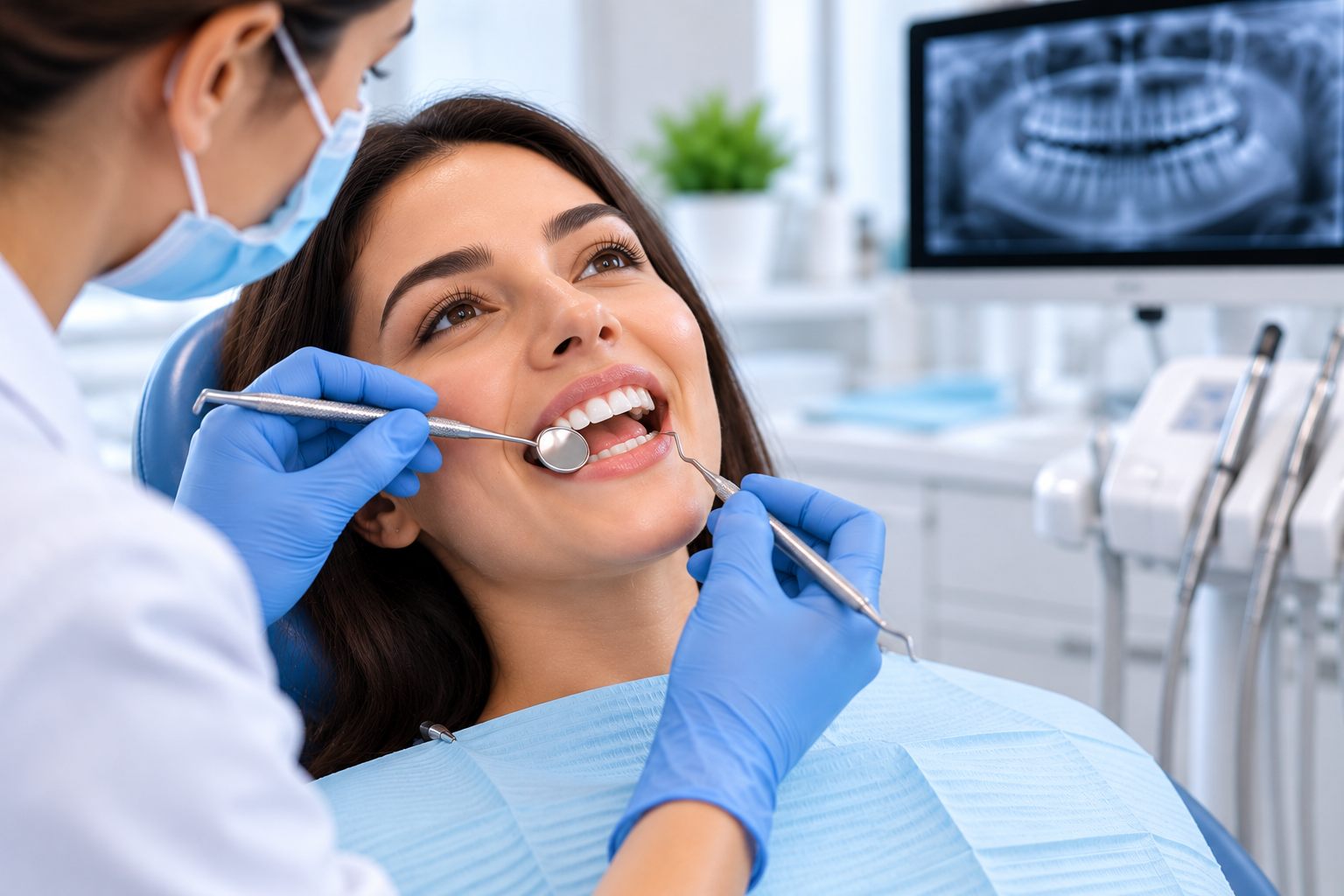
If you’re worried about how a pacifier might be affecting your toddler’s teeth, don’t wait. A dental checkup can give you peace of mind and catch problems early. Visit a dentist if:
- Your child is over two and still uses a pacifier daily
- You notice their bite or teeth shifting
- They have trouble with speech or chewing
- You’re trying to wean and need professional advice
- You’re considering a pacifier mouth guard
Pediatric dental visits are gentle, friendly, and designed to make kids feel comfortable from the start.
Frequently Asked Questions
At what age should I stop giving my child a pacifier?
Most dentists recommend stopping pacifier use between ages 2 and 4. After age 3, the risk of dental and jaw changes becomes much higher.
Can pacifier mouth go away on its own?
Mild cases of pacifier mouth can sometimes correct themselves once the pacifier is removed — especially if it’s stopped before age 3. More noticeable changes usually need dental or orthodontic help.
Are orthodontic pacifiers really better for teeth?
Yes, orthodontic pacifiers are shaped to support natural jaw development and are gentler on a baby’s mouth. However, they still cause issues if used long-term or excessively.
Is thumb sucking worse than using a pacifier?
Thumb sucking is often harder to stop because a thumb is always available. Pacifiers, on the other hand, can be taken away, which makes them slightly easier to manage when it’s time to wean.
Should I get a pacifier mouth guard for my child?
Only if your pediatric dentist recommends one. For most toddlers, gentle weaning techniques work well. A mouth guard may be helpful if your child can’t break the habit or if dental changes have already begun.
If you’re worried about pacifier mouth or how your toddler’s teeth are developing, schedule a visit with Ethos Modern Dental & Implant Center. Dr. Sreelakshmi Keesara offers gentle, kid-friendly dental care to help your little one grow up with a strong, healthy smile.