Healthy gums are the foundation of a beautiful smile — but how can you tell if yours are healthy or starting to recede? Many people don’t notice gum recession until it’s already advanced. Catching the early signs can make all the difference between a quick fix and a more serious dental treatment.
If you’ve ever wondered how to tell the difference between receding gums and normal gums, you’re in the right place. Here’s a simple guide to spotting the warning signs early, what your gums should look like, and what to do if something seems off.
Why It’s Important to Spot Gum Recession Early
Receding gums don’t usually cause pain in the early stages, which makes them easy to miss. But once recession starts, it doesn’t reverse on its own. Catching it early helps you:
- Avoid expensive treatments
- Prevent tooth sensitivity
- Protect your tooth roots
- Stop further gum loss
- Keep your smile looking healthy
- Reduce the risk of tooth loss
The sooner you act, the easier it is to manage.
What Do Normal, Healthy Gums Look Like?
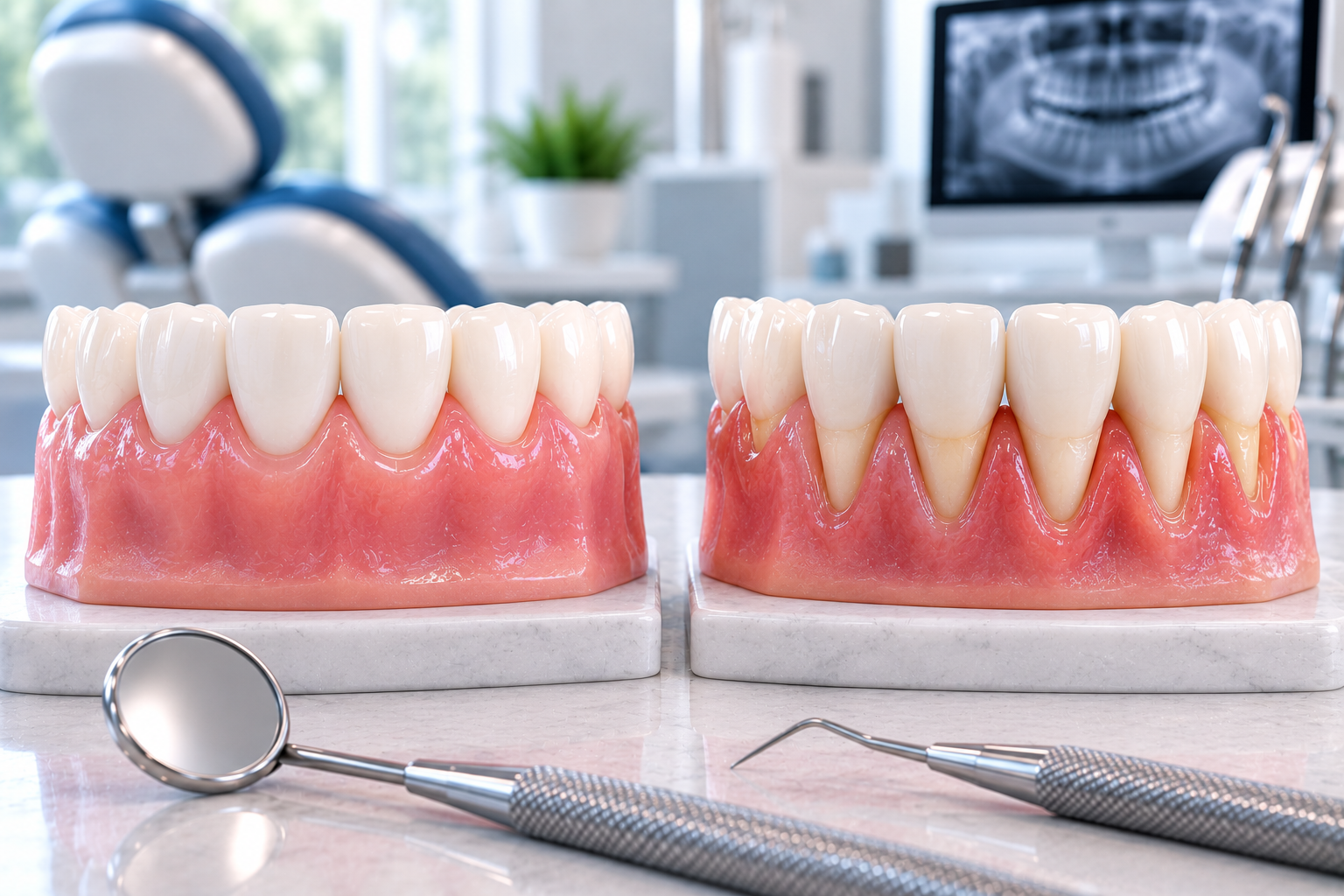
Before learning how to spot recession, it helps to know what healthy gums look like. Normal gums are usually:
- Light pink or coral pink in color
- Firm to the touch
- Evenly shaped around each tooth
- Free from bleeding
- Snug against the teeth
- Smooth or slightly stippled (like the texture of an orange peel)
- Painless and comfortable
If your gums look and feel like this, you’re in great shape.
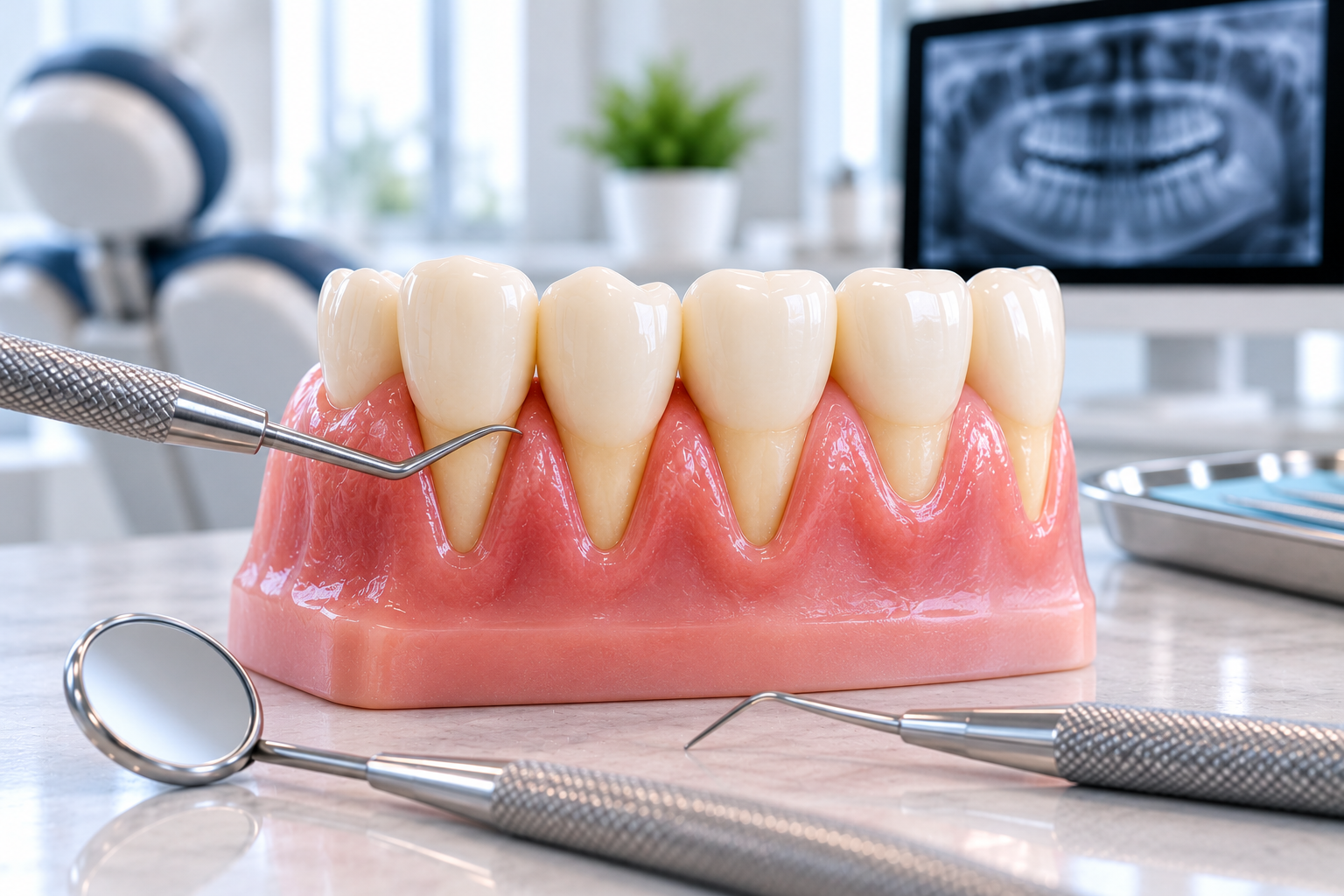
What Do Receding Gums Look Like?
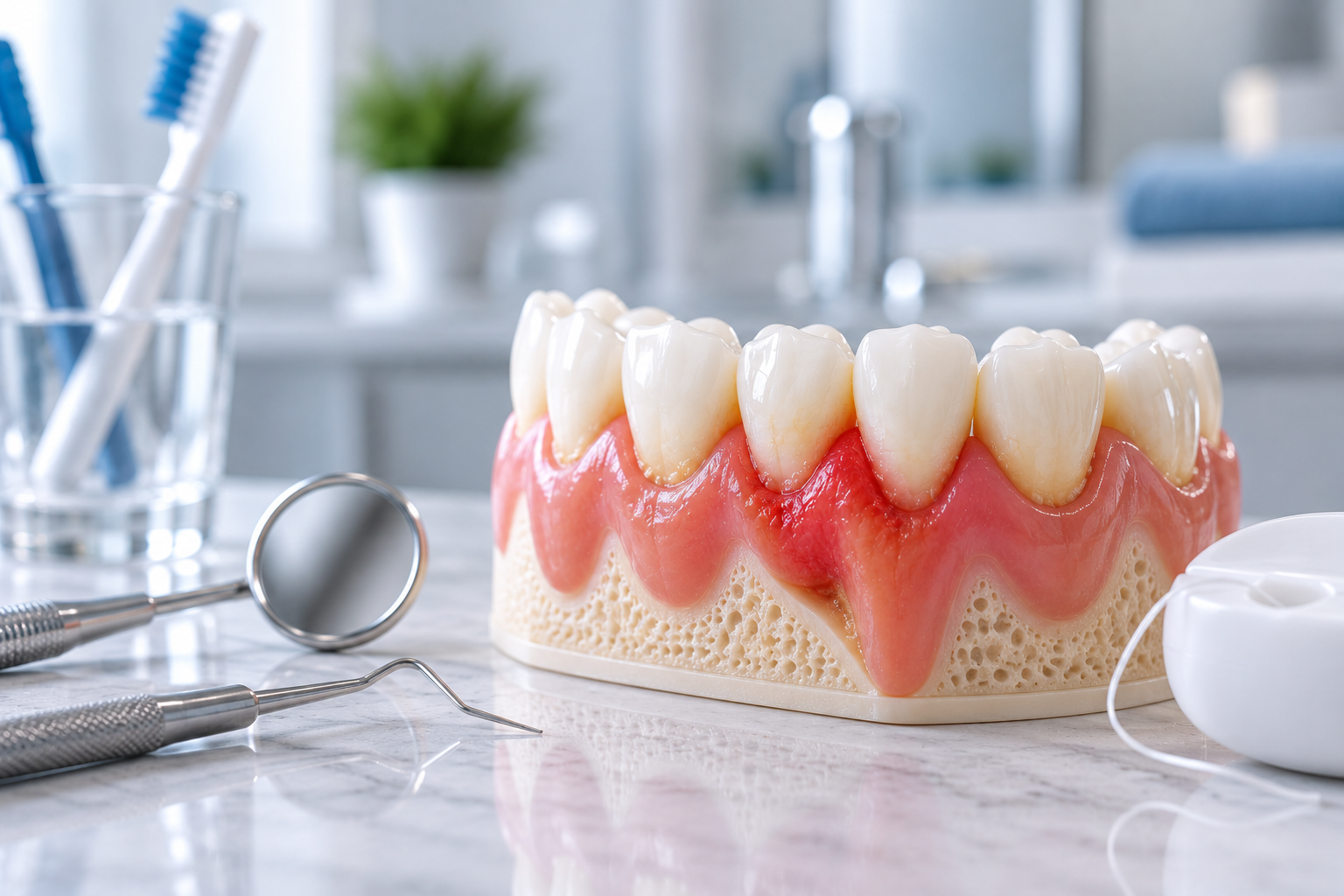
Receding gums are different in several visible and physical ways. Common signs include:
- A gum line that appears uneven
- Teeth that look longer than before
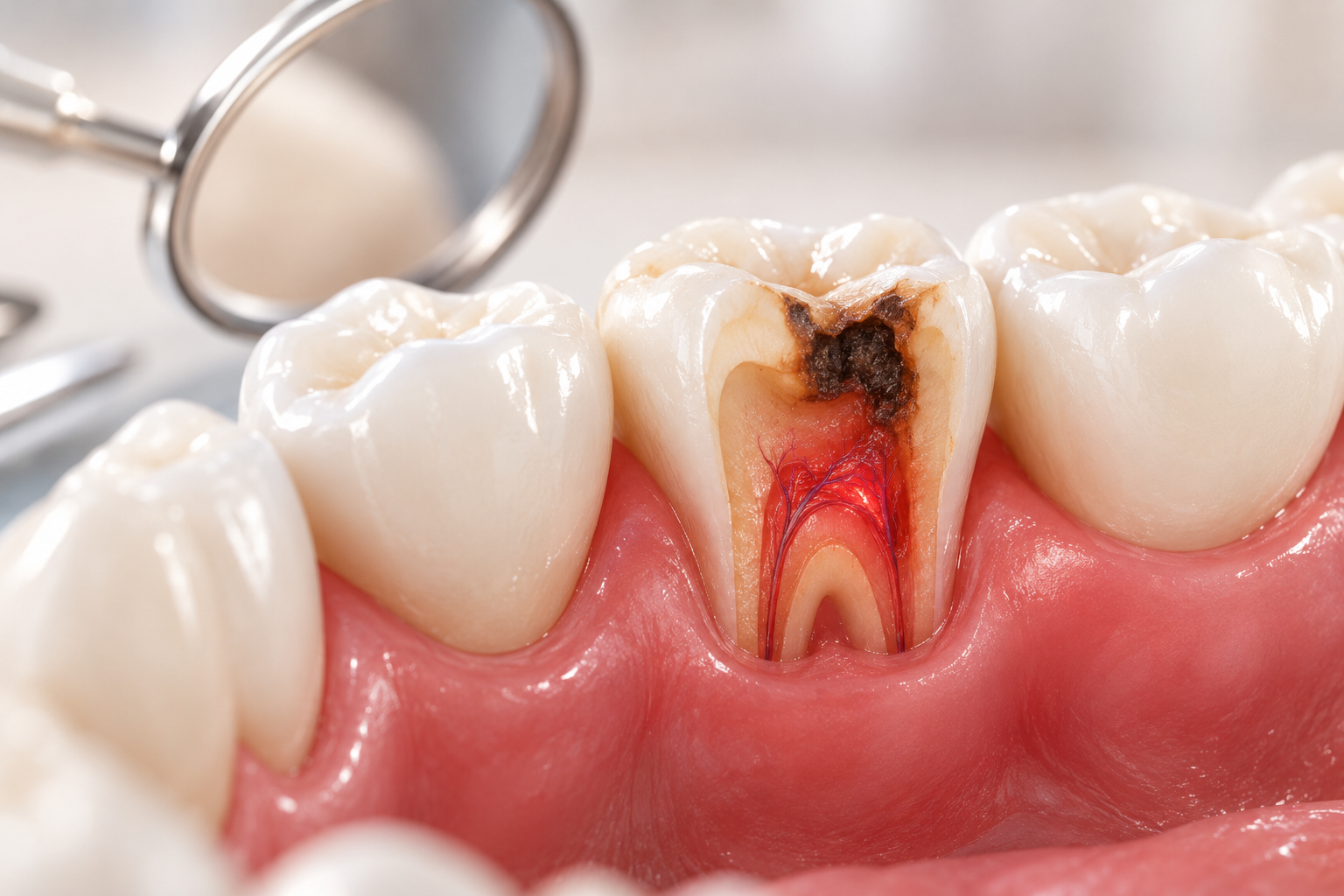
- Exposed tooth roots
- Sensitive areas near the gum line
- Redness or swelling
- Tender or sore gums
- Small pockets between teeth and gums
- A “notched” feeling at the base of the tooth
Even small changes can be early warning signs.
5 Simple Ways to Spot the Difference Between Receding Gums and Normal Gums
Here are five easy ways to check your gums at home and tell whether they’re healthy or starting to recede.
1. Check the Color of Your Gums
Color can tell you a lot about gum health.
Normal Gums:
- Light pink or coral pink
- Even color throughout
- No dark patches near the gum line
- No redness
Receding or Unhealthy Gums:
- Darker red or purplish color
- Uneven shades around the teeth
- Inflamed, irritated patches
- Swollen or shiny appearance
If your gums look more red than pink, it might be time to see a dentist.
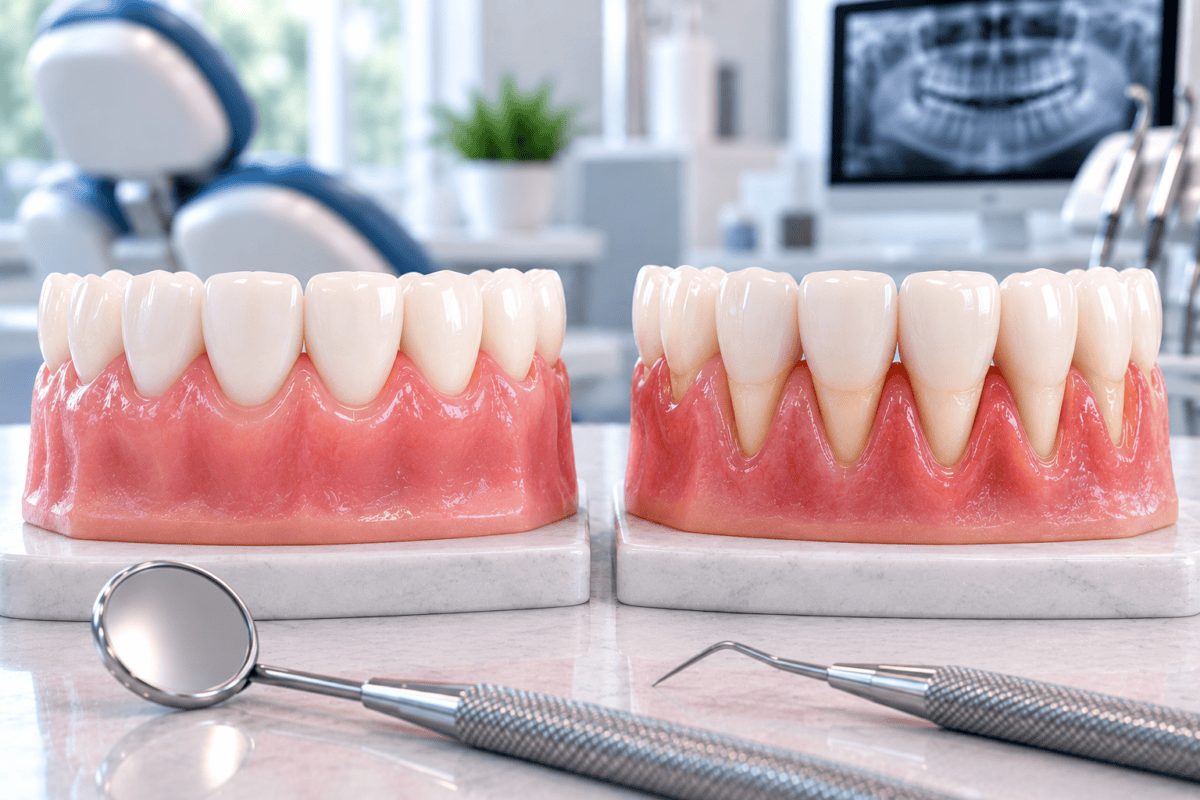
2. Look at the Length of Your Teeth
Teeth can look longer when the gums begin to pull away.
Normal Gums:
- Cover the base of the tooth evenly
- Teeth appear consistent in length
- No visible roots
- Smooth and balanced gum line
Receding Gums:
- Teeth appear longer than usual
- Roots may begin to show
- Uneven gum line across different teeth
- Spaces between teeth becoming more noticeable
Take a photo of your smile every few months — small changes are easier to spot when compared.
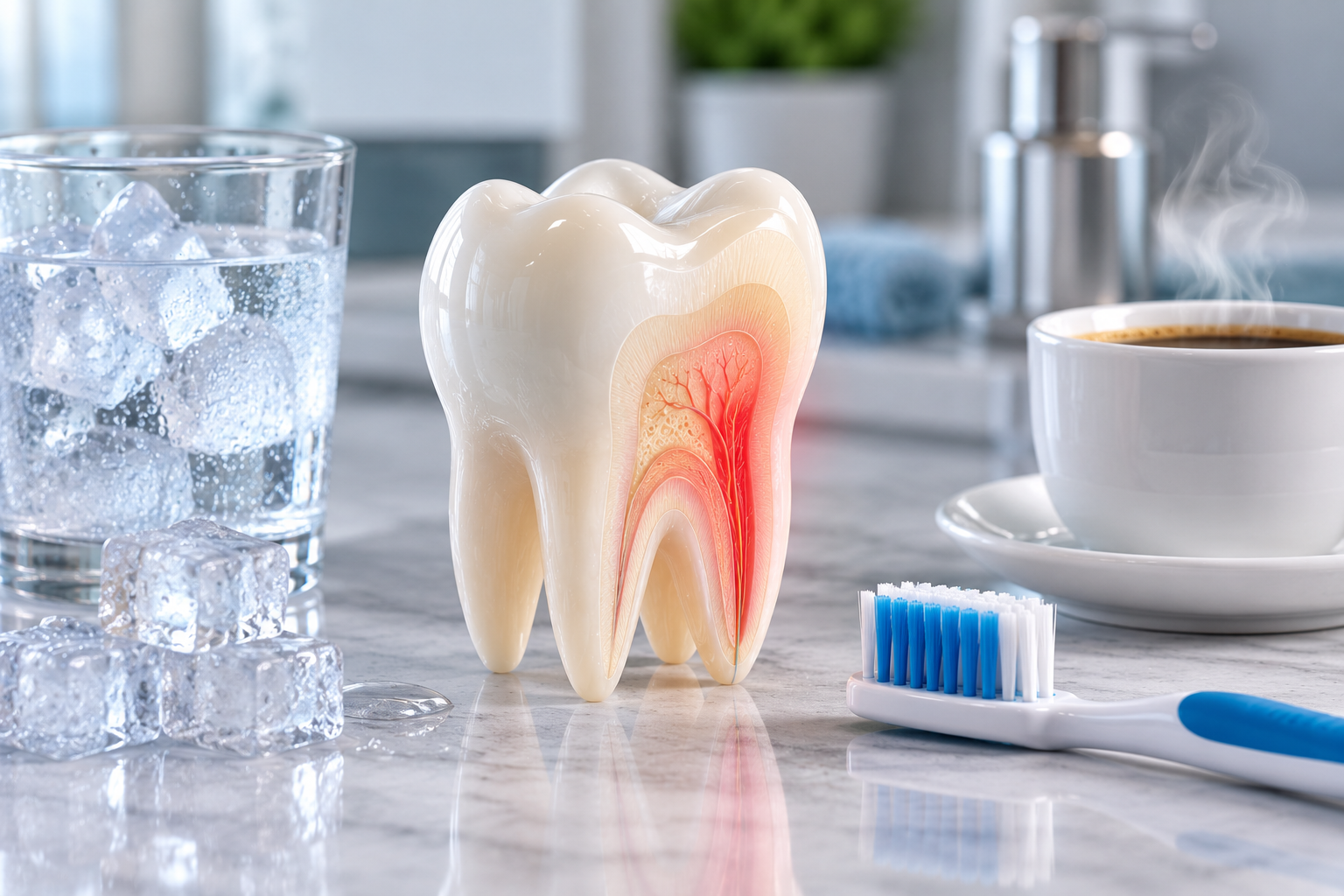
3. Notice Tooth Sensitivity
Sensitivity is one of the earliest signs of gum recession.
Normal Gums:
- Comfortable with hot and cold foods
- No pain from sweet treats
- No discomfort while brushing
- No sharp pains when chewing
Receding Gums:
- Sharp pain when drinking cold water
- Discomfort while eating hot foods
- Sensitive spots near the gum line
- Pain during brushing or flossing
When the gum tissue recedes, it exposes nerves under the enamel, leading to increased sensitivity.
4. Watch for Bleeding or Swelling
Healthy gums shouldn’t bleed when you brush or floss.
Normal Gums:
- Firm and pink
- No bleeding during brushing
- No swelling or puffiness
- No tenderness when touched
Receding Gums:
- Bleed when brushing or flossing
- Feel sore or tender
- Look swollen or puffy
- May bleed even with light contact
If you see blood on your toothbrush or in the sink, don’t ignore it. It’s often one of the first signs of gum problems.
5. Feel the Gum Line With Your Tongue
You can often feel changes in your gums before you can see them.
Normal Gums:
- Smooth, even feel along the teeth
- No bumps, ridges, or notches
- No tender spots when touched
- Even pressure around all teeth
Receding Gums:
- A notched feeling at the tooth base
- Rough or uneven gum line
- Exposed tooth roots that feel different
- Small pockets along the gum line
This simple at-home check can give you a quick idea of how your gums are doing.
Other Subtle Signs of Receding Gums
Beyond the five main signs, you should also watch for:
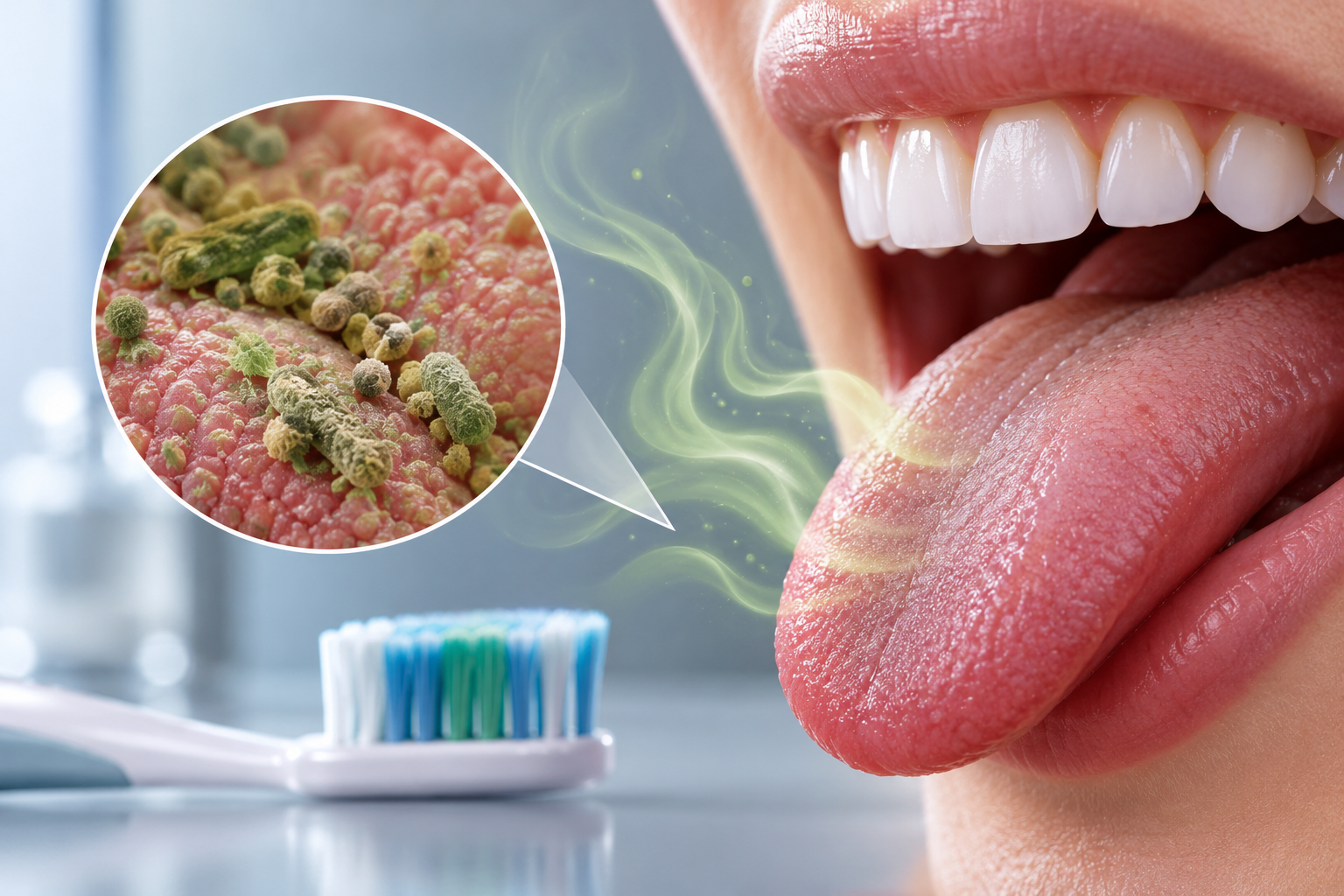
- Bad breath that won’t go away
- A loose or shifting tooth
- Food getting stuck in new places
- Color changes near the gum line
- Pain when biting down
- Persistent gum discomfort
These signs may not always be obvious, but they should never be ignored.
What Causes Gum Recession?
Knowing what causes gum recession can help you prevent it. Common causes include:
- Brushing too hard or with a stiff brush
- Gum disease (gingivitis or periodontitis)
- Poor oral hygiene
- Smoking or chewing tobacco
- Genetics
- Misaligned teeth
- Teeth grinding or clenching
- Aging
- Hormonal changes
- Trauma or injury
- Poorly fitting dental work
Often, more than one factor plays a role at the same time.
How to Prevent Receding Gums
You can help protect your gums every day with simple habits. Try these dentist-approved tips:
- Use a soft-bristled toothbrush
- Brush in gentle circular motions
- Floss daily
- Avoid using your teeth as tools
- Rinse with a mouthwash recommended by your dentist
- Avoid smoking or chewing tobacco
- Manage stress to reduce grinding
- Drink plenty of water
- Eat a balanced diet
- Visit your dentist every 6 months
Healthy habits go a long way in keeping your gums strong.
When to See a Dentist
If you notice any of the following, it’s a good idea to schedule a dental visit:
- Bleeding gums
- Sensitive teeth
- Teeth looking longer than usual
- Visible gum changes
- Pain or discomfort in the gums
- Loose or shifting teeth
- Persistent bad breath
- A receding gum line
Early professional evaluation makes treatment easier and more successful.
What Happens If You Ignore Receding Gums?
Untreated gum recession can lead to serious dental problems, such as:
- Increased tooth sensitivity
- Higher risk of cavities at the root
- Gum infections
- Loose teeth
- Tooth loss
- Bone loss in the jaw
- Cosmetic concerns
The earlier the issue is treated, the easier it is to manage and reverse.
How Dentists Treat Gum Recession
Depending on how mild or advanced the recession is, your dentist may recommend:
- A deep cleaning (scaling and root planing)
- A change in brushing habits
- A custom night guard
- Antibacterial mouth rinses
- Orthodontic treatment
- Gum grafting
- The Pinhole Surgical Technique
- Composite bonding to cover exposed roots
Your dentist will guide you toward the most effective solution for your case.
Frequently Asked Questions
Can I tell if my gums are receding just by looking in the mirror?
Yes, basic signs like color, length of teeth, and gum line changes are visible in the mirror. However, only a dentist can confirm and measure the severity of recession.
How can I tell if my gums are receding or just naturally smaller?
Some people naturally have higher or thinner gum lines, but true recession involves changes over time. Comparing photos and noting symptoms like sensitivity or bleeding can help.
Do receding gums always mean I have gum disease?
Not always. Gum recession can be caused by many factors, including aggressive brushing, grinding, or genetics. But gum disease is one of the most common causes.
Can children have receding gums?
Yes. Although less common in kids, recession can happen due to aggressive brushing, gum infections, misaligned teeth, or trauma. Regular dental checkups help catch it early.
Can lifestyle changes alone improve receding gums?
For very mild cases, better brushing habits, flossing, and quitting smoking can slow or stop further recession. However, established gum recession often requires professional treatment to fully address.
If you’ve noticed signs of gum recession or want a professional checkup, the team at Ethos Modern Dental & Implant Center is here to help. Dr. Sreelakshmi Keesara provides gentle, expert care to help you spot gum issues early and protect your smile for life.