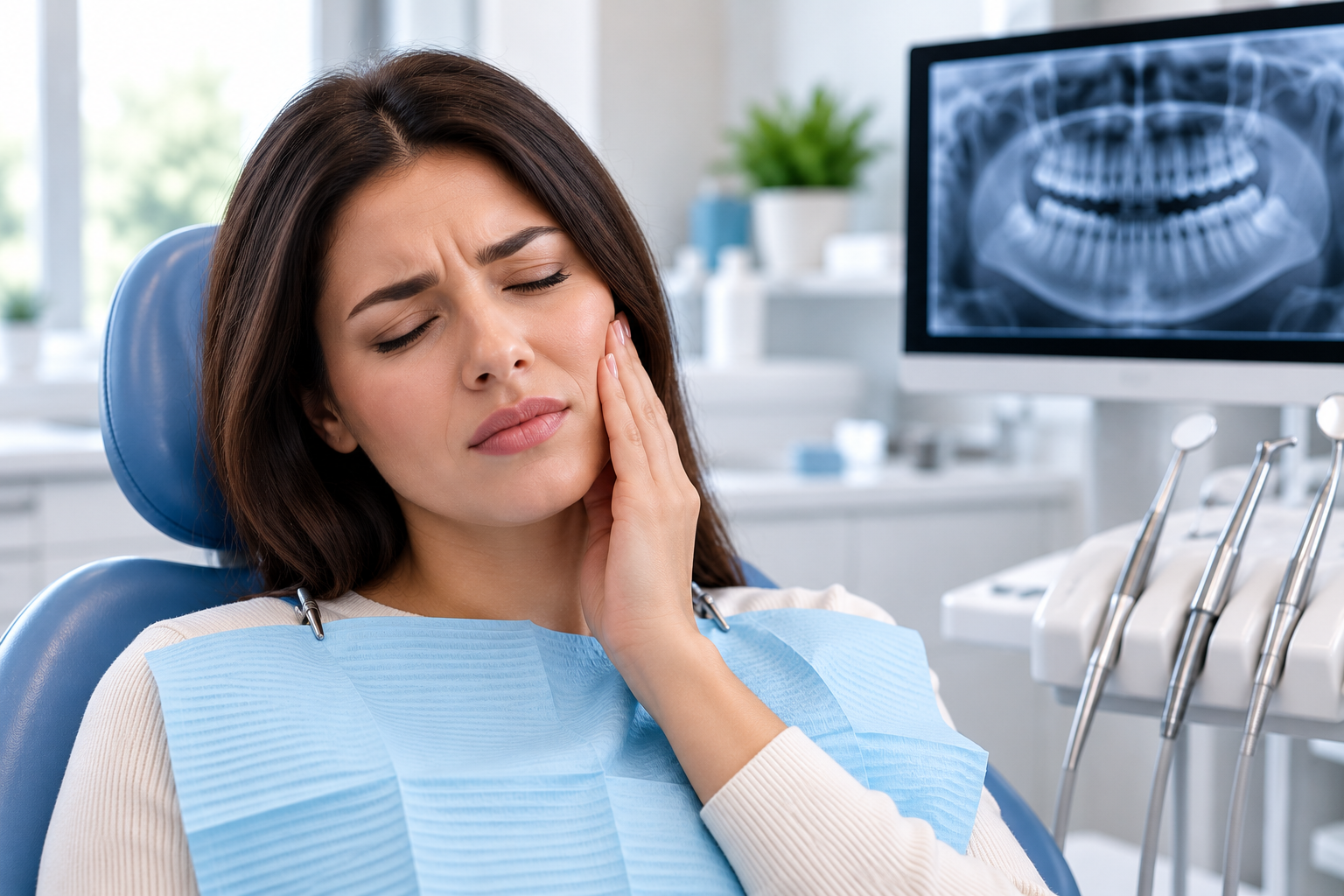
It’s 2:47 AM. The throbbing in your jaw has woken you for the third time tonight. You’ve tried lying flat. You swallowed two Tylenol an hour ago. Now you’re Googling “can’t sleep from tooth pain” with one eye open. Welcome to one of the most miserable experiences in adult dental health, and one where most of the advice you’ll read tonight will either fail you or quietly make things worse.
Tooth pain at night doesn’t behave like tooth pain during the day. It’s louder, sharper, and harder to ignore. There’s a real reason for that, and there’s a real protocol that handles it. Both are below.
Why Tooth Pain Feels Worse at Night
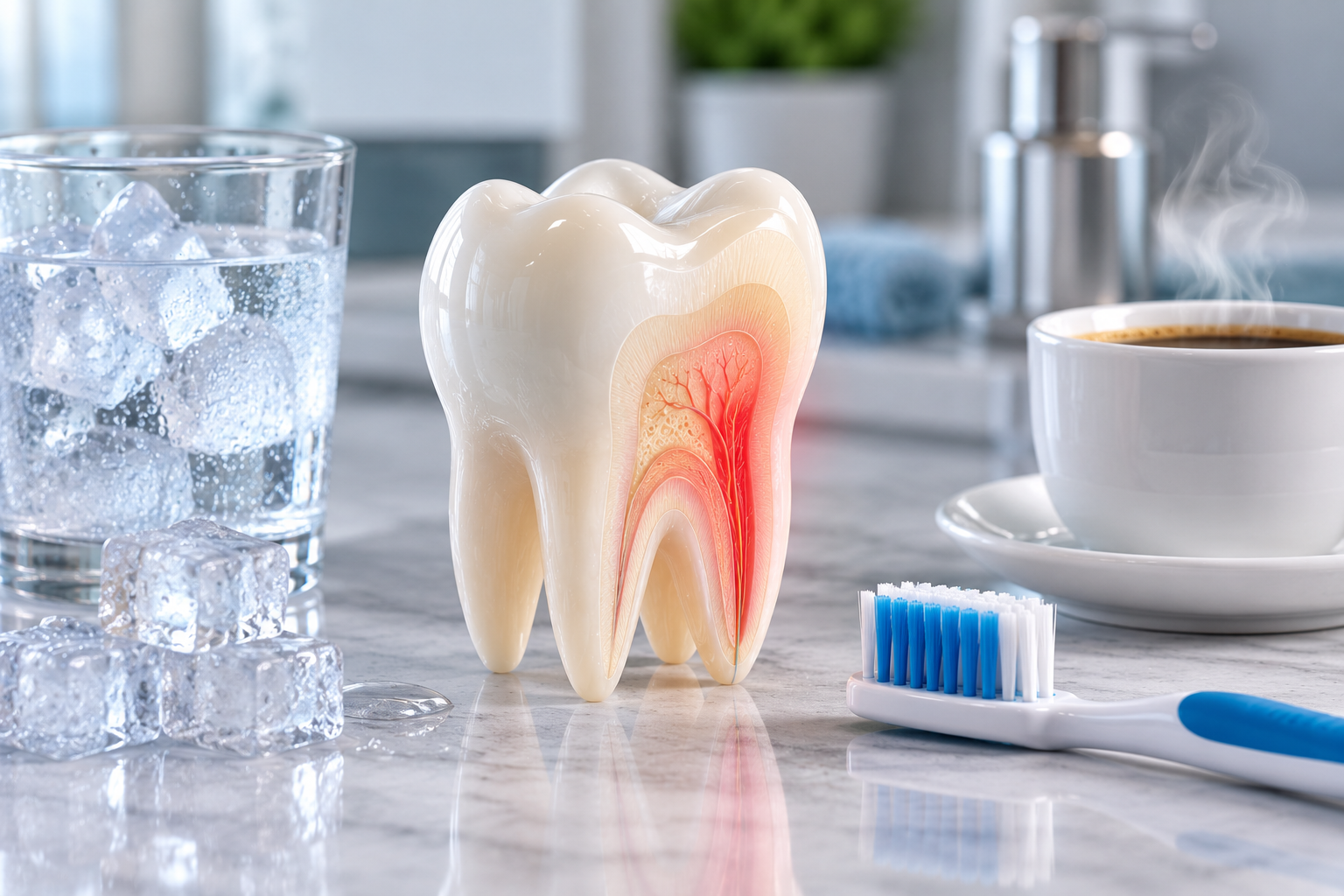
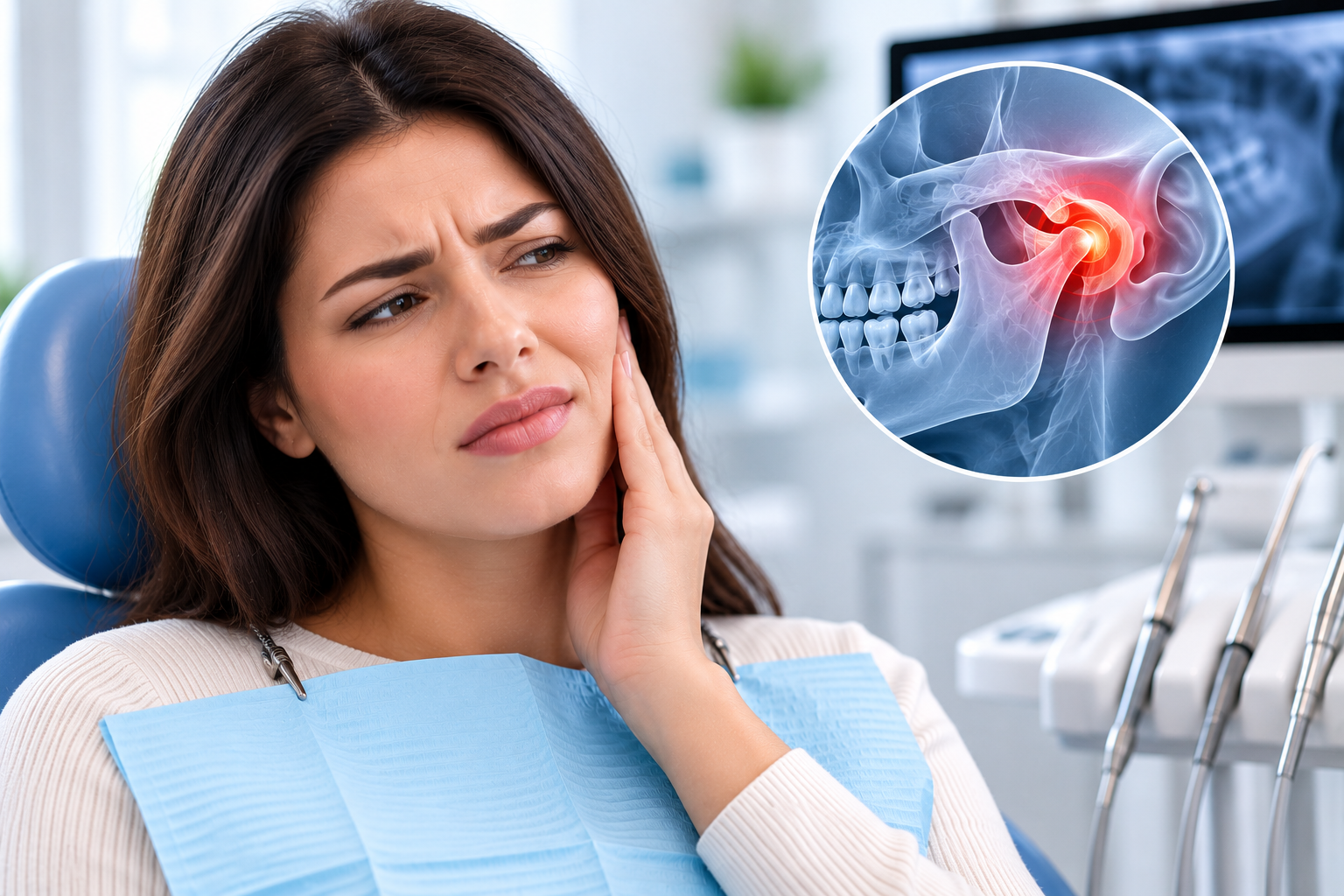
Lying flat increases blood flow to your head. For a tooth with inflamed pulp, exposed dentin, or an infection brewing under the gum line, that extra pressure inside an already stressed nerve is the difference between a 4 out of 10 during the day and an 8 at 3 AM. The Cleveland Clinic notes that horizontal posture is one of the most consistent triggers for dental pain spikes overnight.
Add darkness, silence, and nothing else competing for your attention, and the pain has nowhere to hide. Your nervous system spends the day filtering out hundreds of minor signals. At night, that filter goes quiet, and a moderate ache becomes the only thing in the room.
The 4R Night time Tooth Pain Protocol
Most online toothache advice hands you a list of 12 unrelated tips and tells you to sort it out yourself. In our practice, we walk every emergency caller through a tighter system we call the 4R Protocol: Rinse, Recline, Reduce, React. Each step targets a different pain mechanism, bacterial activity, blood pressure, inflammation, and the clock.
R1: Rinse with Salt and Warm Water (Not Hot)
A warm saltwater rinse is the single most effective at-home intervention for sudden tooth pain. Mix half a teaspoon of salt into 8 ounces of warm water and swish for 30 seconds before spitting it out.
This works for two reasons. Salt creates a mild osmotic effect that pulls fluid out of inflamed tissue, easing pressure on the nerve. The rinse also flushes out food debris that may be aggravating a cavity or gum line you can’t see.
A lot of people search for “salt and hot water for toothache.” Skip the hot water. Heat on an abscessed tooth accelerates bacterial activity and can make the swelling worse by morning. Warm only.
R2: Recline with Your Head Elevated, on the Right Side
If your right molar is throbbing, sleep on your left side. Prop your head up on two pillows, or sleep semi-upright in a recliner if you have one.
This is the real answer to “what side to sleep on with a toothache.” It isn’t folklore. Sleeping on the opposite side keeps gravity from pulling blood toward the inflamed tooth, which lowers internal pressure and quiets the throb.
Across the late-night calls we take, the patients who managed any sleep at all almost always did one thing right. They slept upright. A recliner beats a bed for this. If you don’t have one, stack pillows until your shoulders are clearly higher than your hips.
R3: Reduce the Inflammation with Cold and Ibuprofen
Apply a cold compress to the outside of your jaw, 15 minutes on, 15 minutes off, and take ibuprofen if you don’t have a medical reason to avoid it.
The cold constricts blood vessels and numbs surface nerves. Ibuprofen does double duty. It’s an anti-inflammatory, not just a pain blocker, which means it treats one of the underlying drivers of the pain instead of just masking it.
A note on what doesn’t work: a heating pad on the cheek. People reach for warmth because it feels comforting on tense muscles. For an infected tooth, heat does the opposite of what you want. It increases blood flow to the area and amplifies the throb within an hour. We see this mistake repeatedly in next-morning emergency visits.
R4: React Within the 24-Hour Window
If pain is still constant after 24 hours, home care has done what it can. Call a dentist before this becomes an emergency room visit.
The patients we see at their worst almost all waited too long. They convinced themselves the pain was fading when it was actually just adapting. Pain that returns the second night, especially alongside facial swelling, fever, a bad taste in the mouth, or pus, is the signature of a dental abscess. That’s an active infection, and it can spread to the jaw, sinuses, or bloodstream if it isn’t treated.
The cost of waiting is rarely just more pain. It’s the difference between a routine dental exam with a filling and an emergency root canal. In the worst cases, it’s the difference between saving a tooth and losing one.
What Most Online Advice Gets Wrong
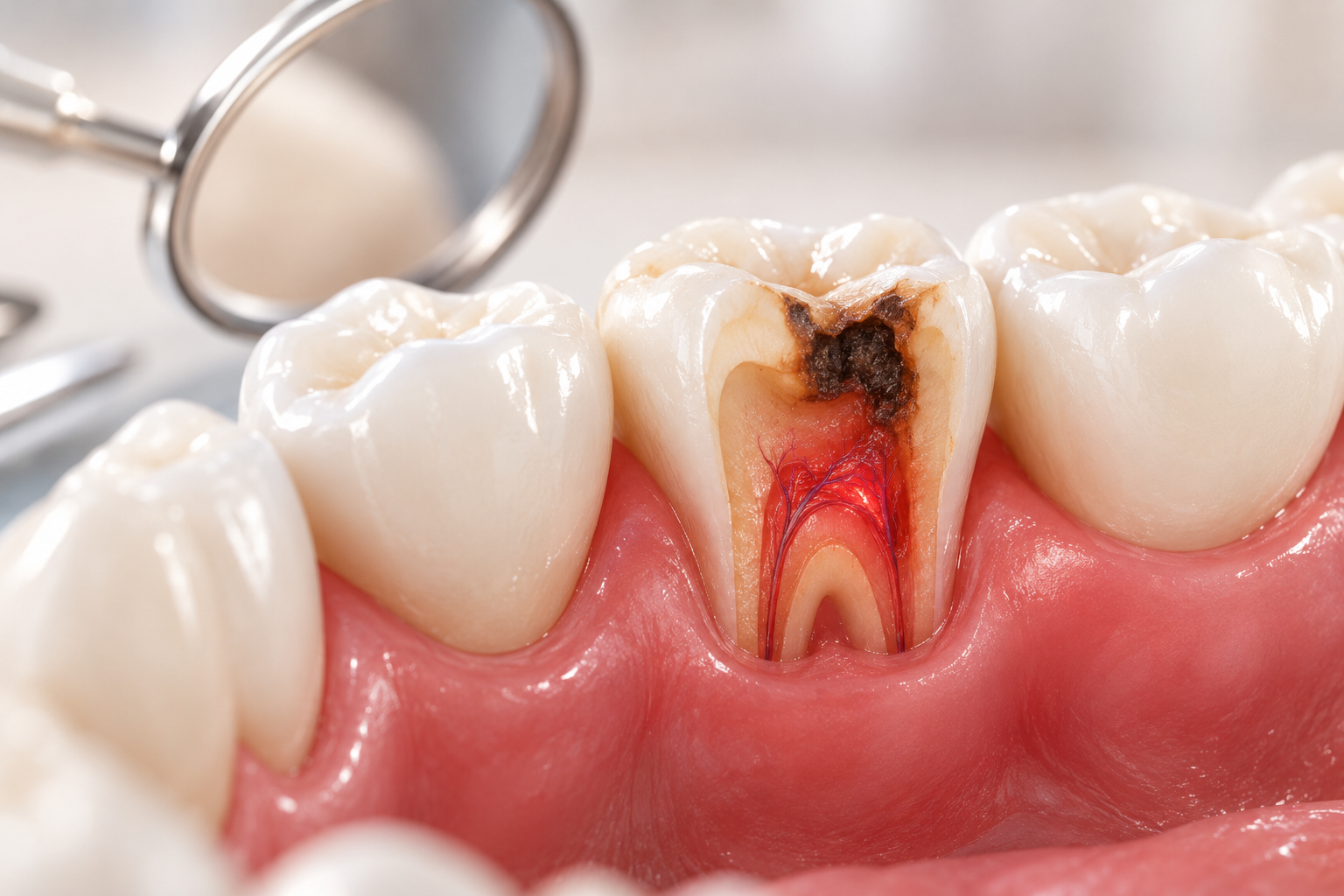
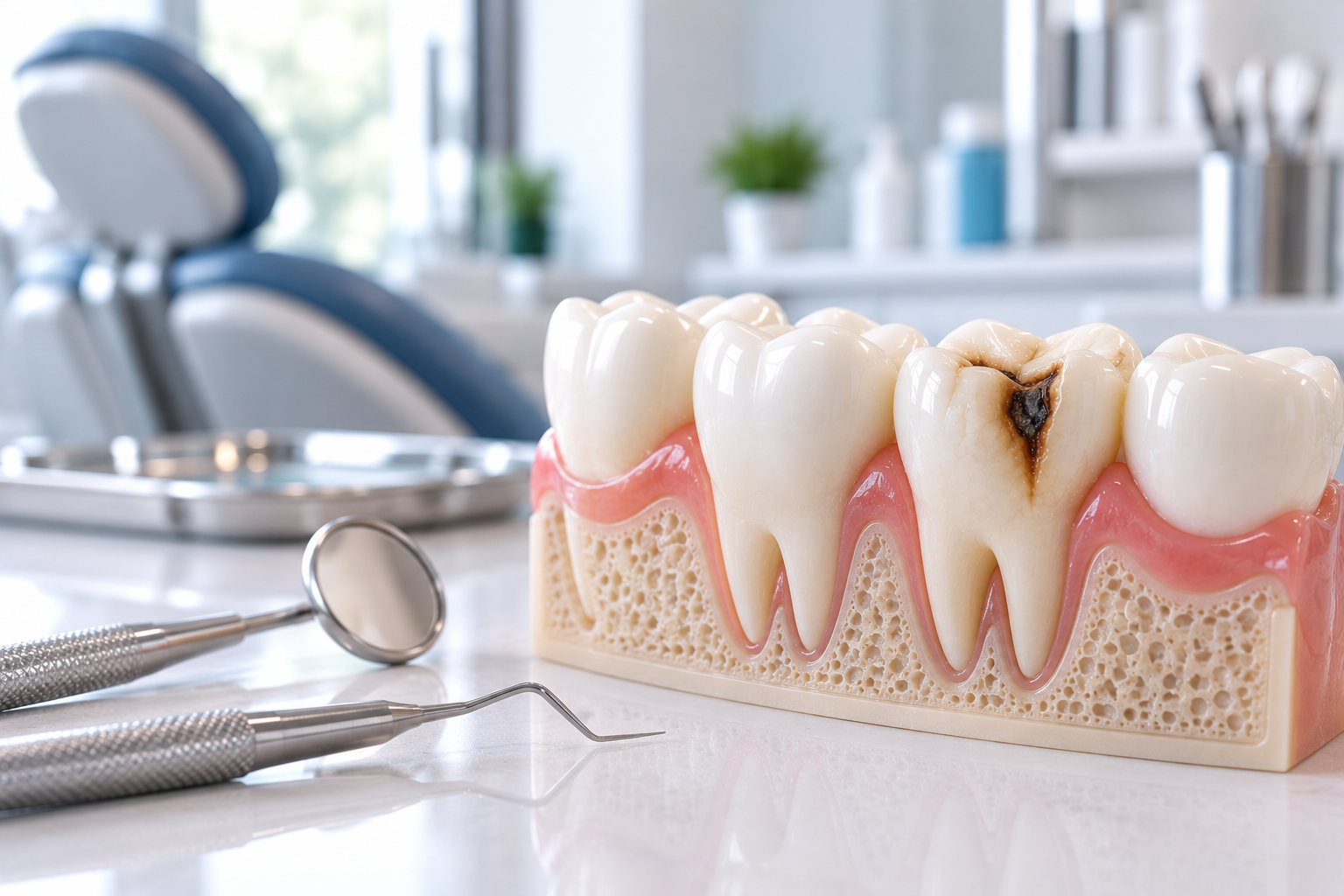
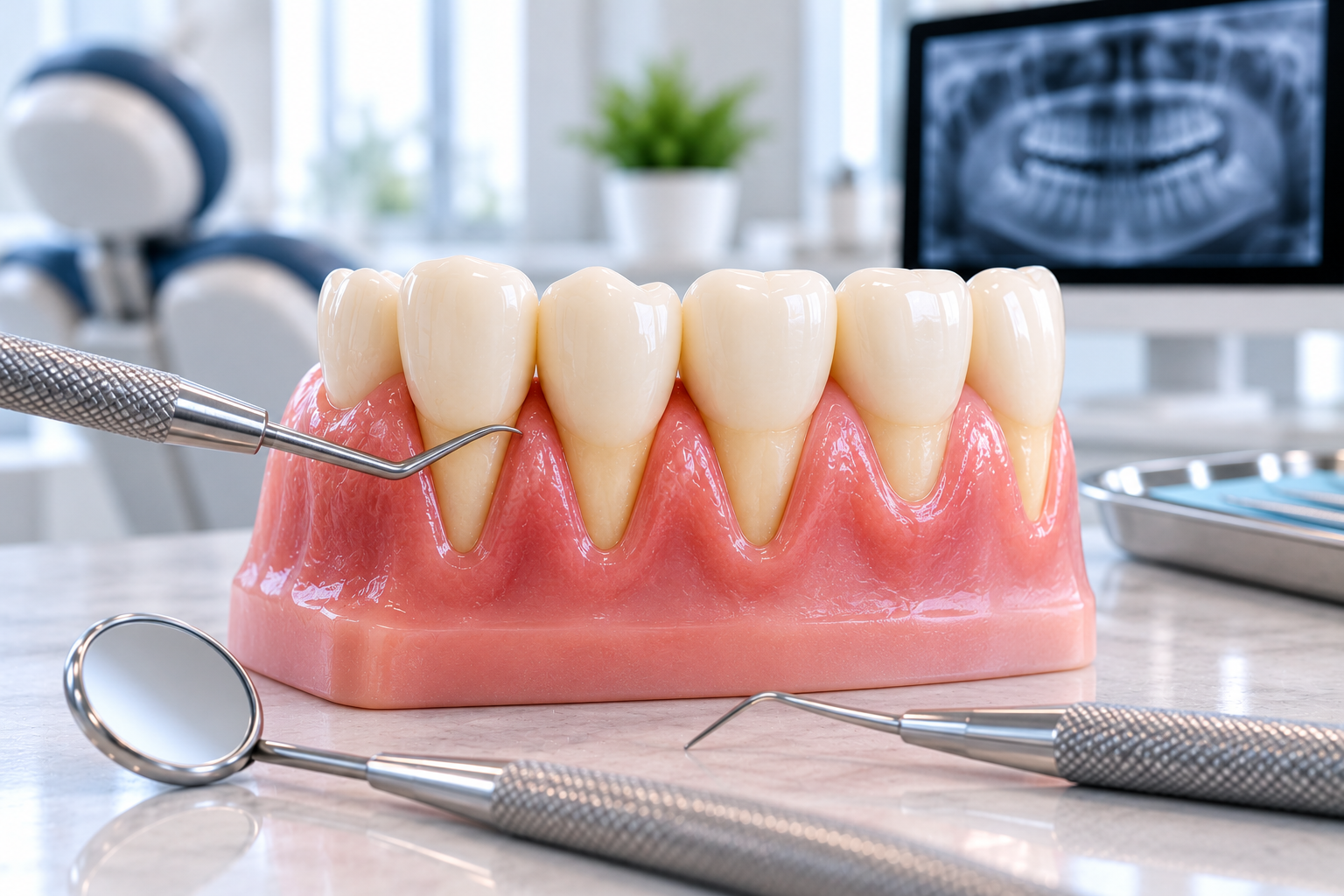
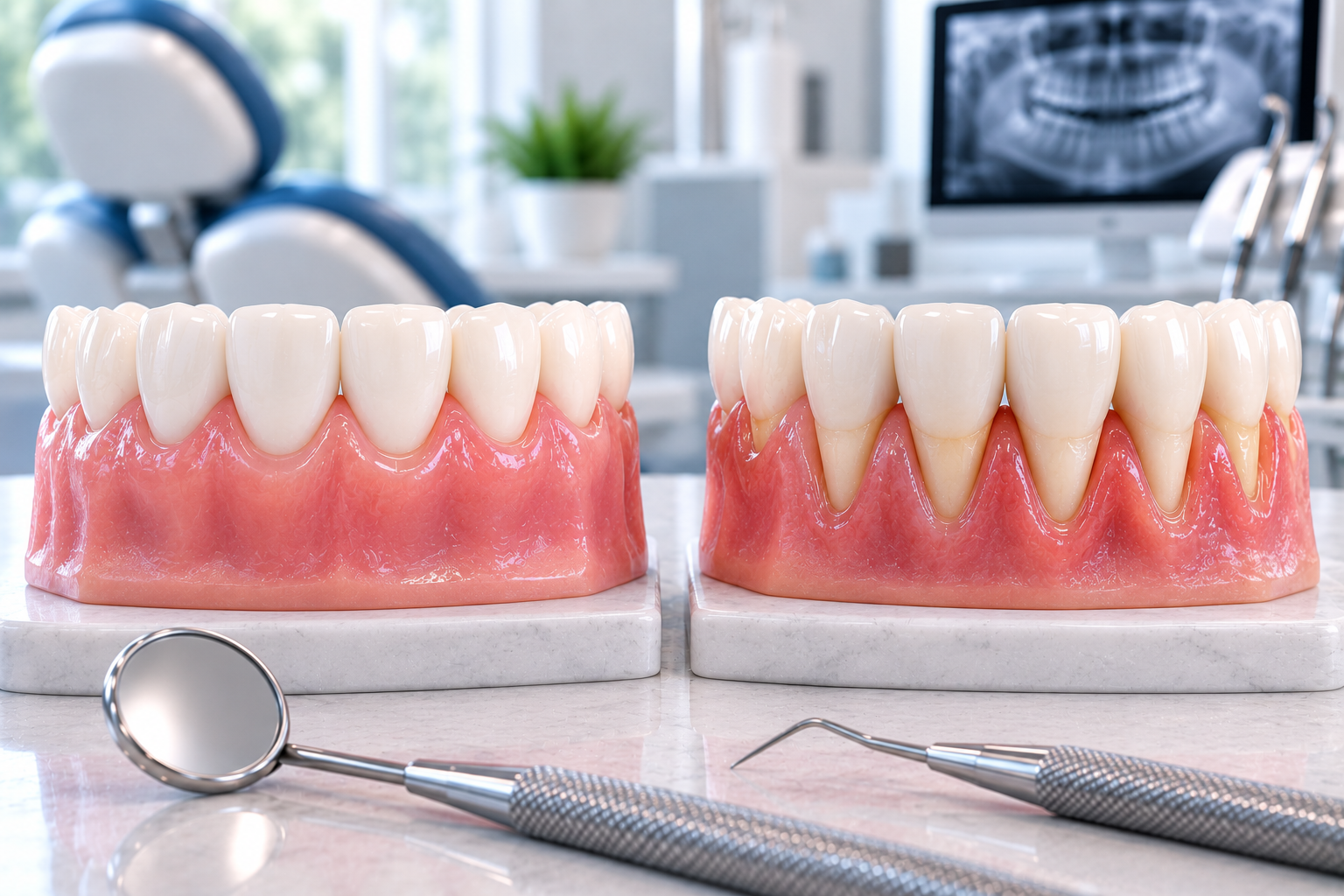
Most articles treat nighttime toothache like a minor inconvenience when you ride out until morning. It isn’t. Tooth pain that wakes you up is your body telling you a threshold has been crossed, usually a deep cavity reaching the nerve, a cracked tooth, an infection, or an exposed root from gum recession.
The 4R Protocol gets you through one bad night. It does not solve the underlying problem. The structural issue still needs professional treatment to actually resolve.
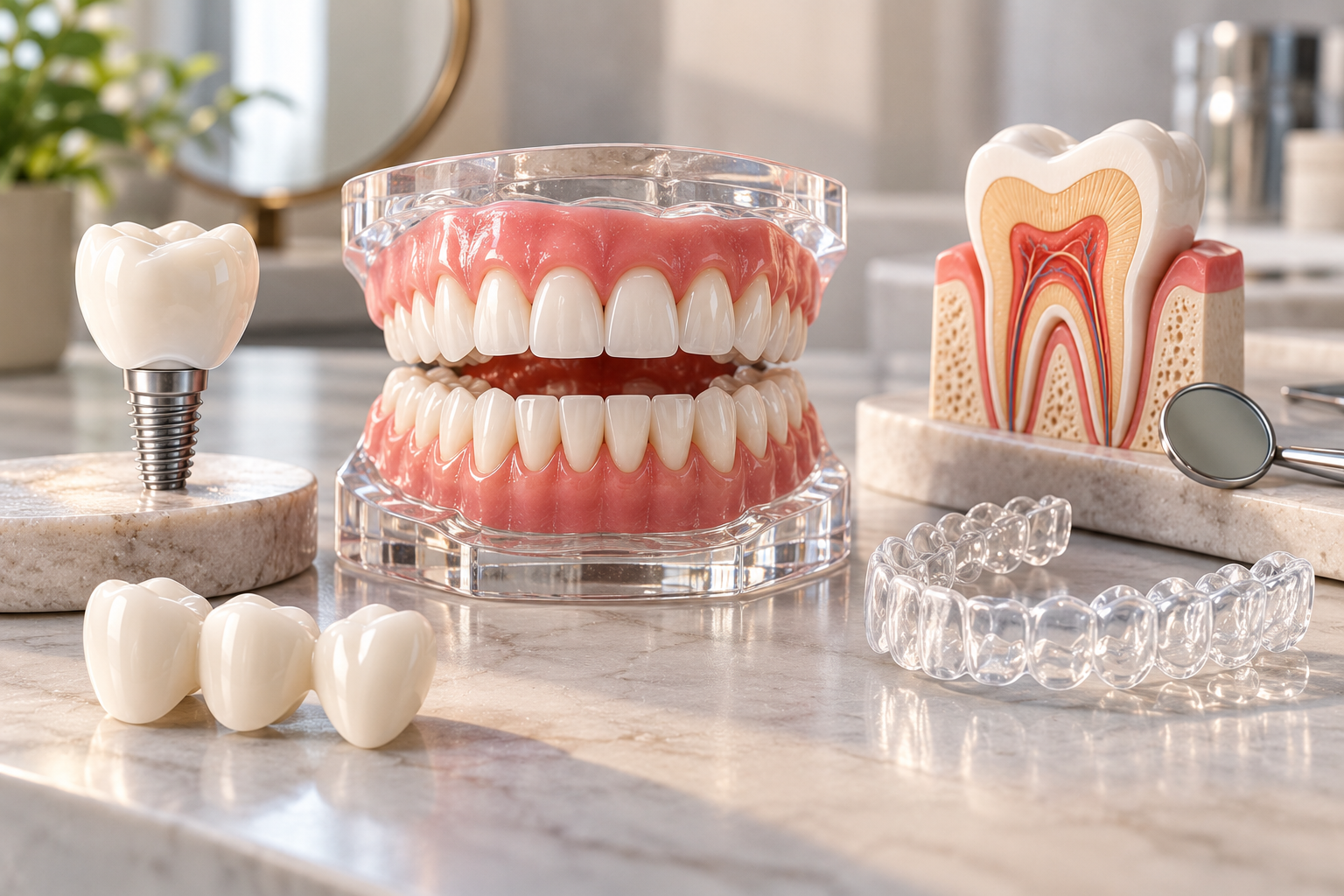
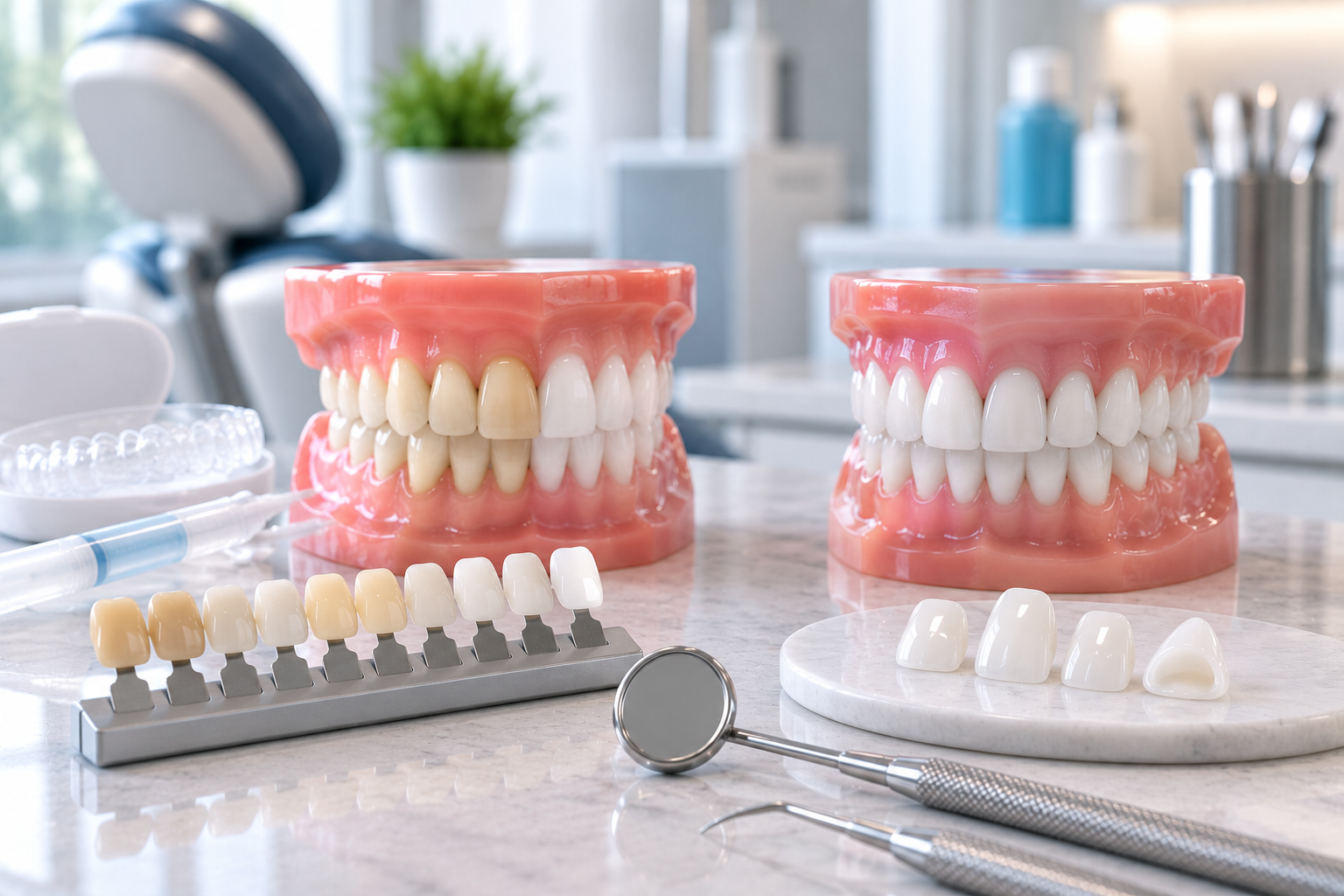
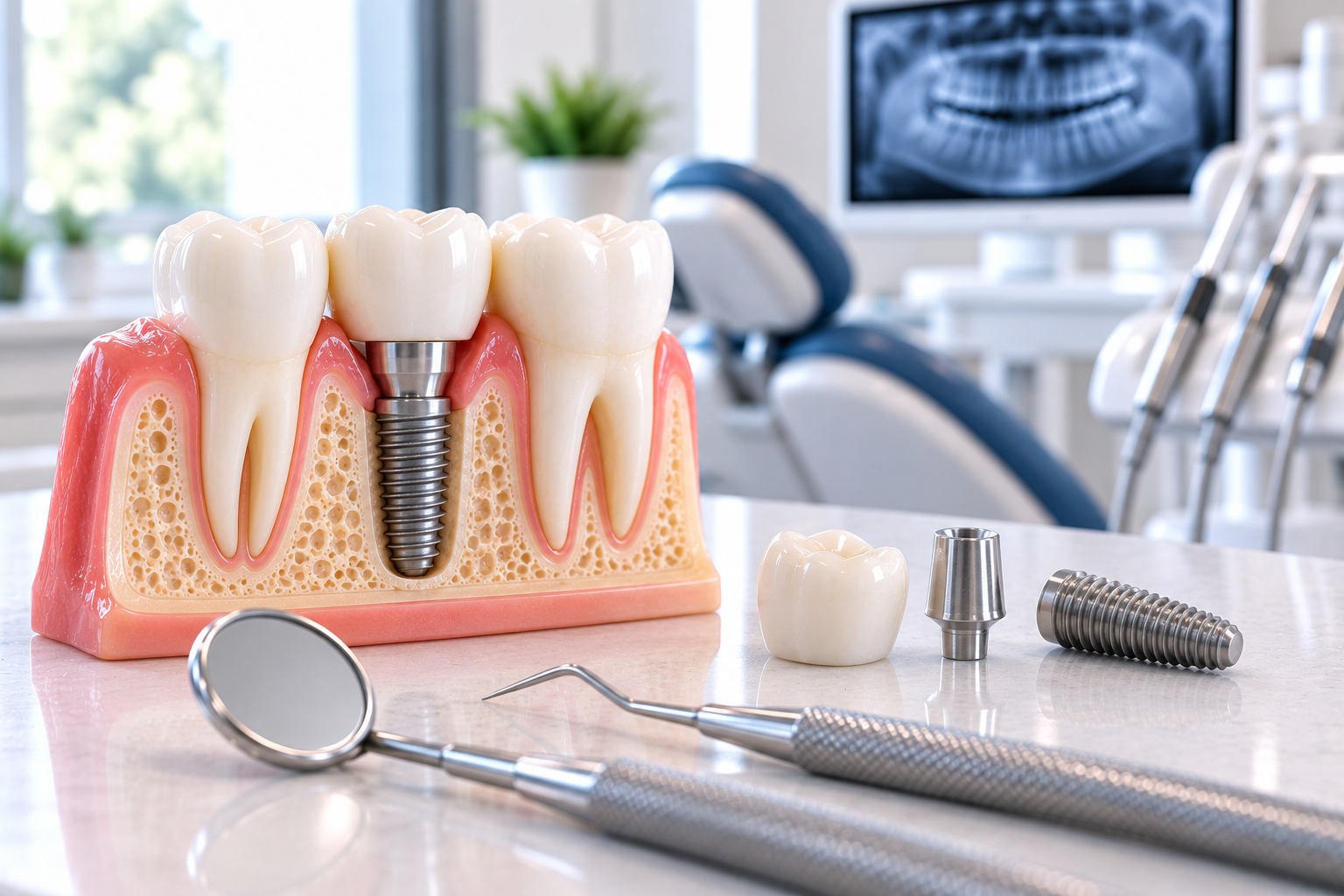
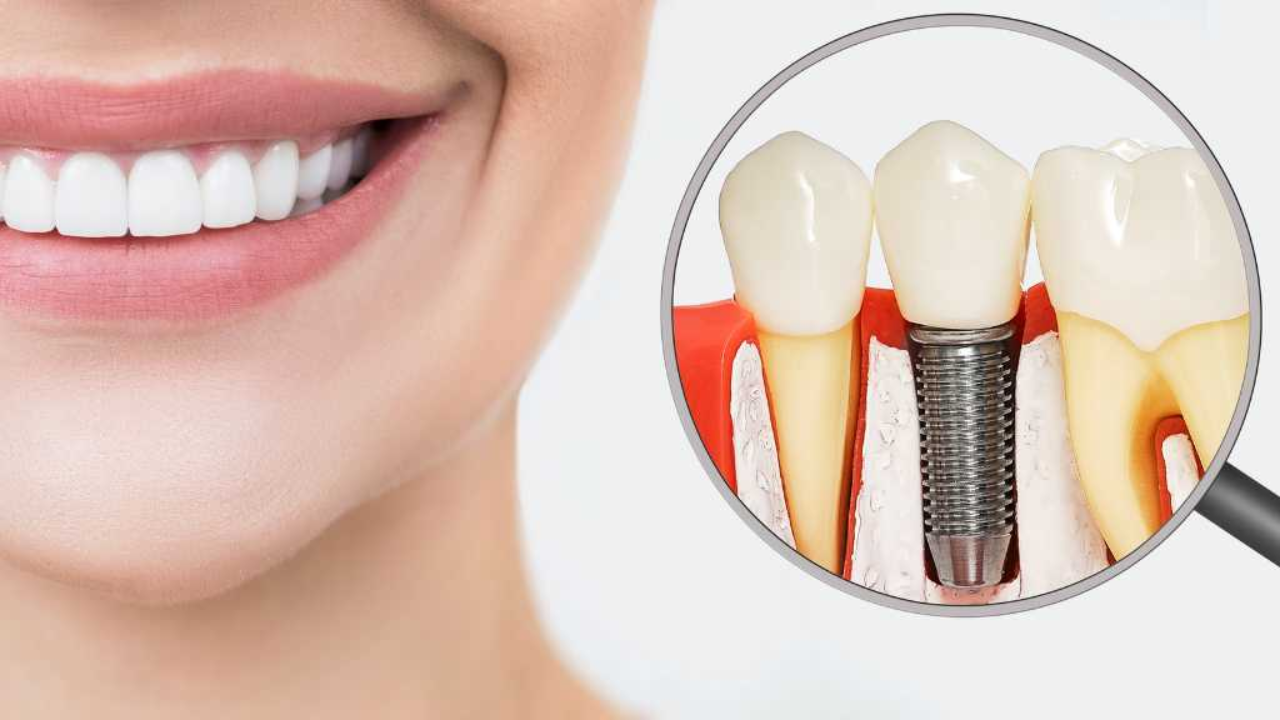
If a tooth is already too damaged for a simple filling, the conversation often shifts to options like crowns, veneers, or bridges, or in some cases dental implants. Every additional day of untreated infection raises the risk of losing the tooth altogether, and the longer you wait, the more your treatment options narrow.
Your Next Move
If you’re reading this at 3 AM, run the 4R Protocol now and book a same-day appointment first thing in the morning. Don’t wait for the pain to “get better.” It rarely does. And when it seems to, that’s usually because the nerve has died, which is a worse outcome, not a better one.
Book emergency tooth pain care with Ethos Modren Dental, and we’ll see you the same day.
FAQ
1. How can I get rid of a toothache at night fast?
Run the 4R Protocol. Warm saltwater rinse, sleep elevated on the opposite side, cold compress with ibuprofen, and call a dentist if pain persists past 24 hours. The combination addresses inflammation, pressure, and timing, which are three things any single remedy on its own won’t solve.
2. What side should I sleep on with a toothache?
Sleep on the side opposite the painful tooth, with your head elevated. This keeps blood from pooling near the inflamed tooth and reduces the pressure that drives nighttime throbbing.
3. Why does my tooth hurt more at night?
Lying flat increases blood flow to your head, raising pressure inside an already inflamed tooth. Combined with fewer distractions and lower cortisol at night, the pain feels significantly worse than it did during the day, even when nothing about the tooth has actually changed.
4. Is salt and hot water good for a toothache?
Salt water rinses help, but use warm water, not hot. Heat on an infected tooth can speed up bacterial activity and increase swelling. Half a teaspoon of salt in 8 ounces of warm water, swished for 30 seconds, is the safe formula.
5. Can I sleep with severe tooth pain?
Sleeping with severe tooth pain is possible but not advisable. Severe pain usually signals an active infection or nerve damage that needs treatment. Use the 4R Protocol for short-term relief and book a dental visit the next morning. Waiting longer almost always makes treatment more complex.
6. When should tooth pain be treated as an emergency?
Treat any of the following as an emergency: facial swelling, fever, a bad taste in the mouth, pain that radiates to the jaw or ear, or pain that hasn’t eased after 24 hours of home care. These can indicate an abscess that needs urgent attention.