When most people think about oral health, they focus on white teeth. But healthy teeth start with healthy gums — and this complete gum health guide explains exactly how to protect them before small issues turn into expensive dental problems. Most serious gum conditions begin quietly, often without pain, which is why so many people miss the early signs. Catching them early through a proper gum disease evaluation is faster, cheaper, and far less stressful than treating advanced damage later.
Why Your Gums Are the Foundation of Oral Health
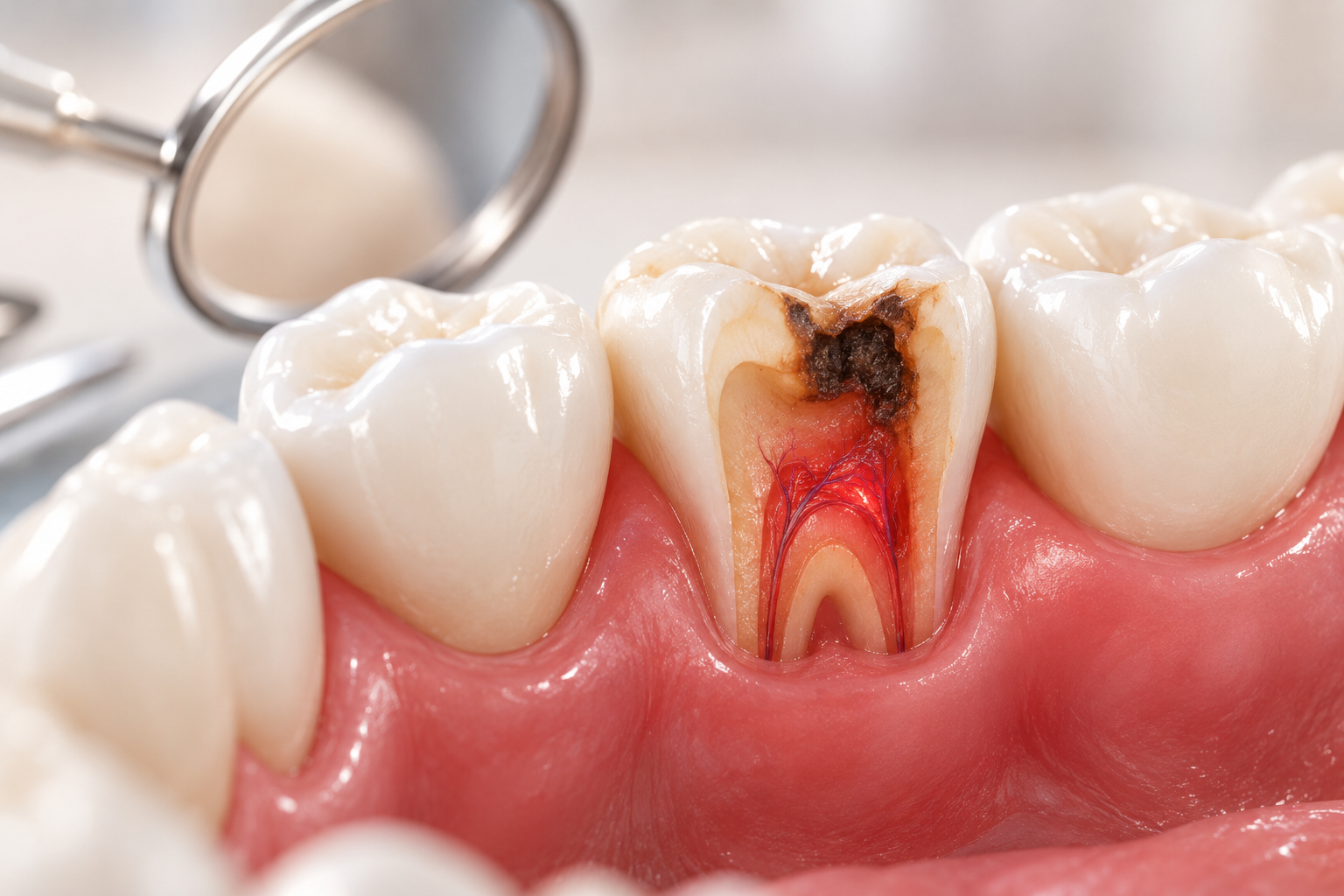
Your gums hold your teeth in place, protect the bone underneath, and act as a frontline barrier against harmful bacteria. When gums weaken, the entire structure suffers. Research consistently links untreated gum disease to tooth loss, persistent infections, and even systemic conditions like heart disease and diabetes complications.
That’s why this gum health guide focuses on prevention first. By the time gums recede or teeth feel loose, the damage is already advanced. The good news? Most gum problems are completely preventable with the right daily routine and timely checkups.
Early Warning Signs You Should Never Ignore
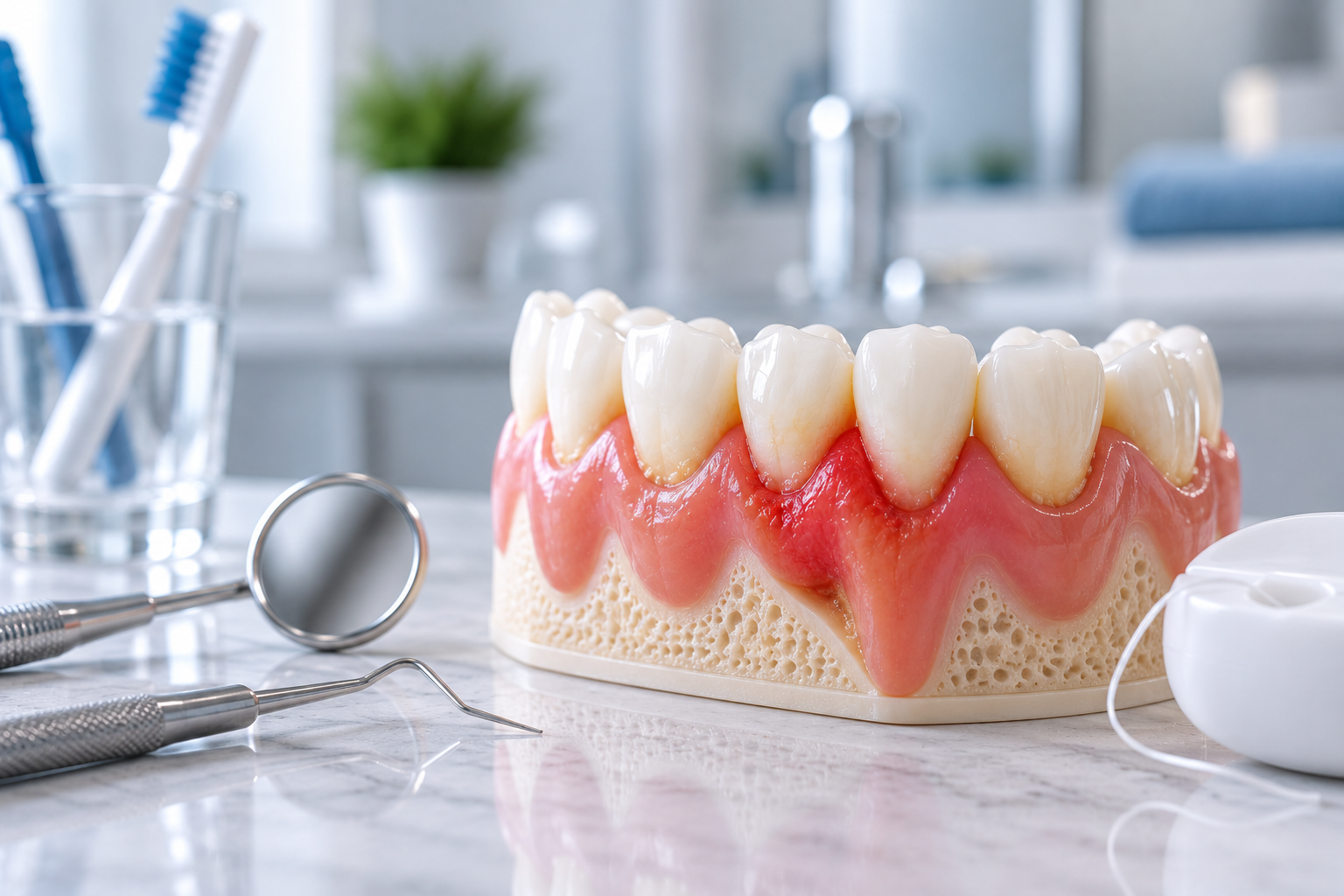
Healthy gums are pink, firm, and don’t bleed when you brush. If you’re noticing any of the following, your gums are asking for attention:
- Bleeding gums when brushing or flossing — often the very first sign of inflammation
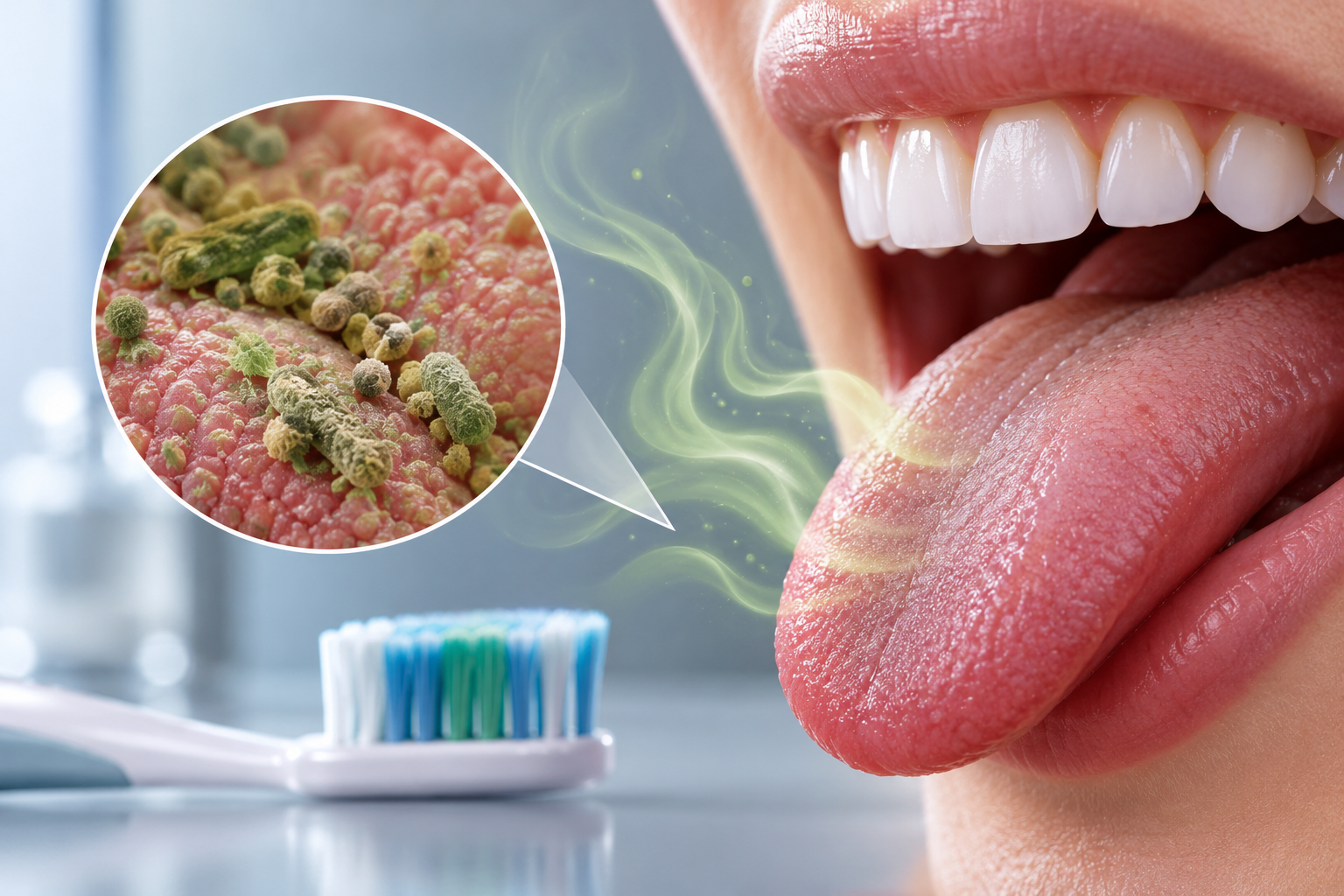
- Persistent bad breath that mouthwash can’t fix
- Red, swollen, or tender gum tissue
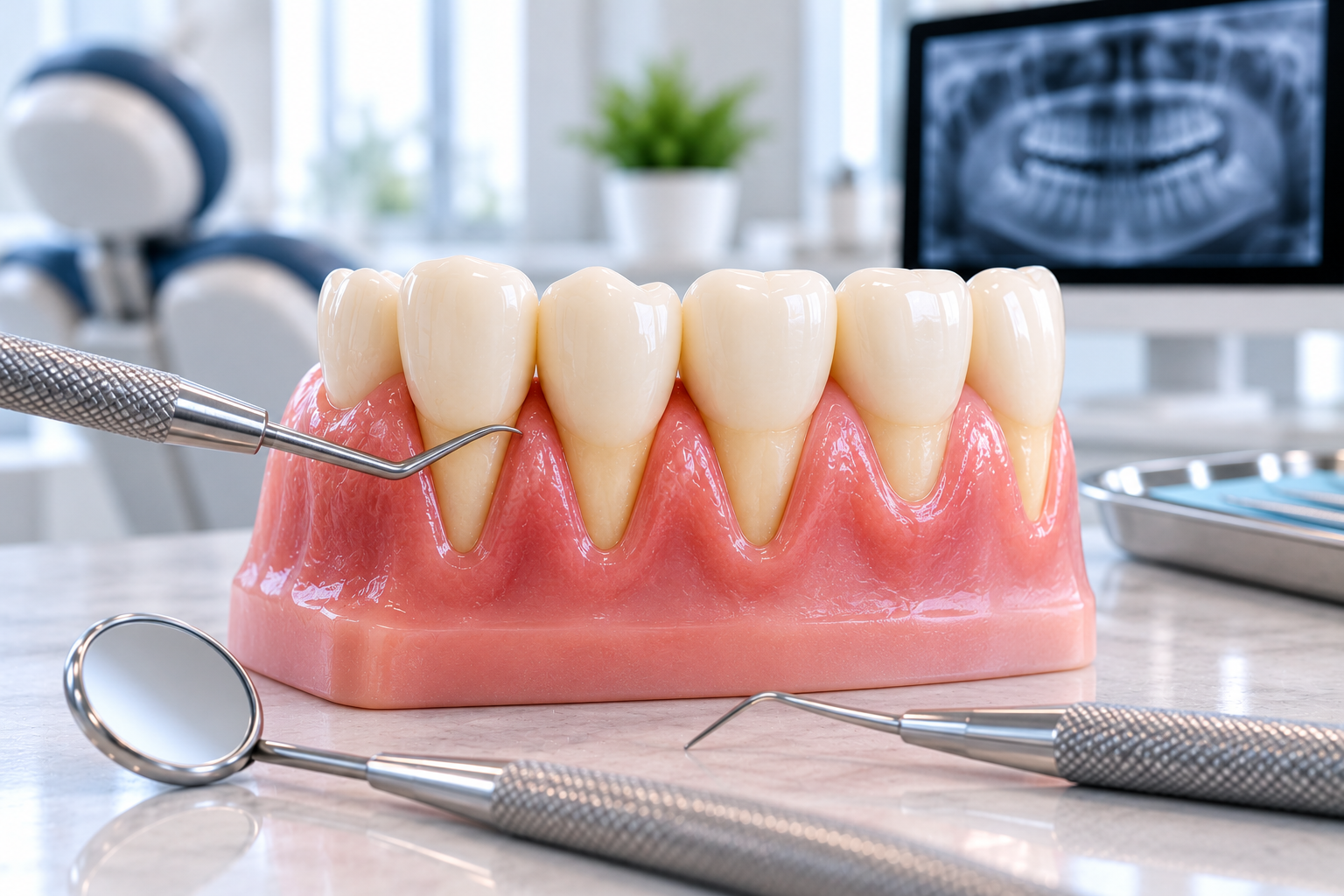
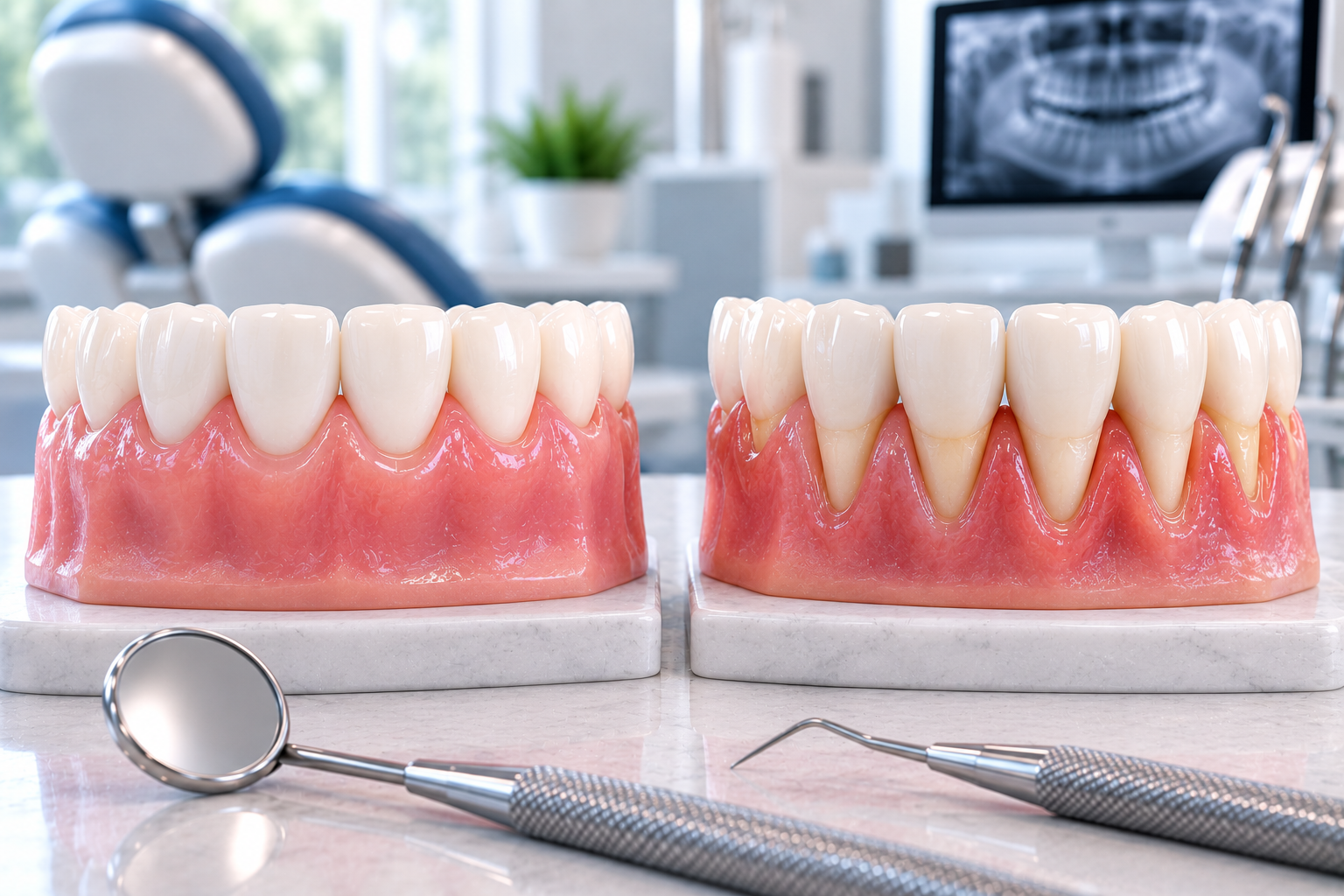
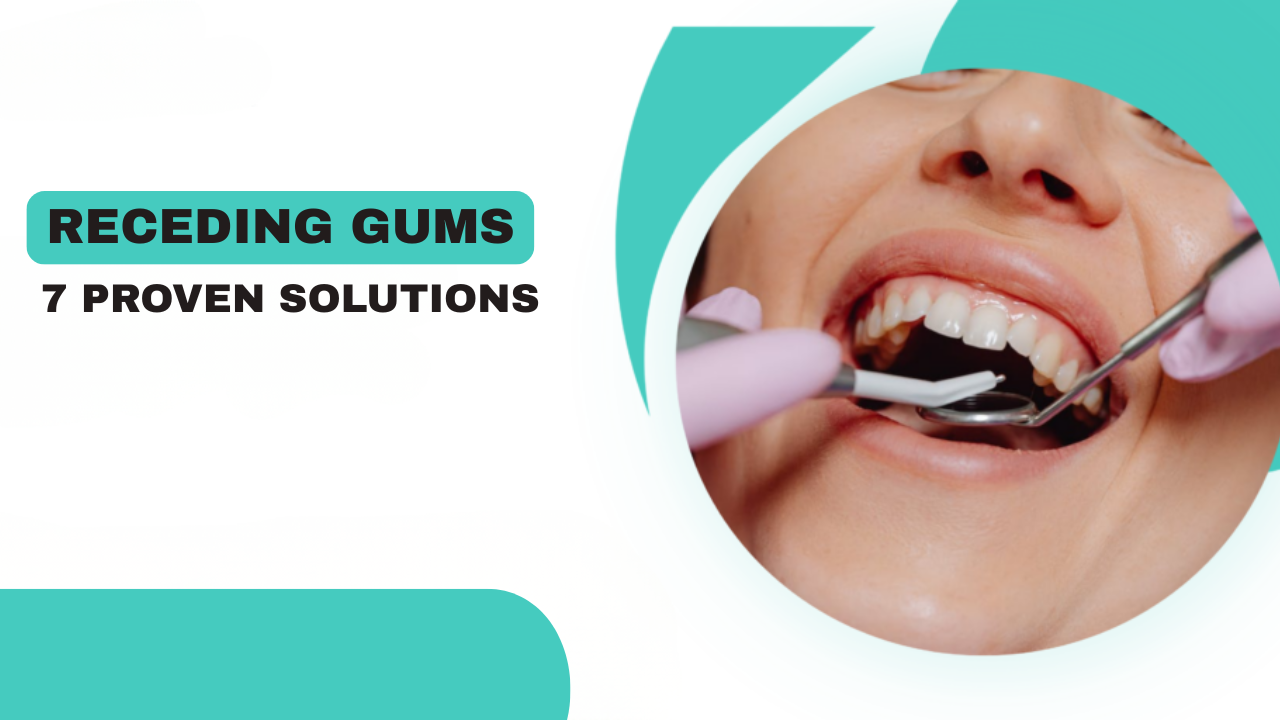
- Gums pulling away from your teeth, making them look longer than usual
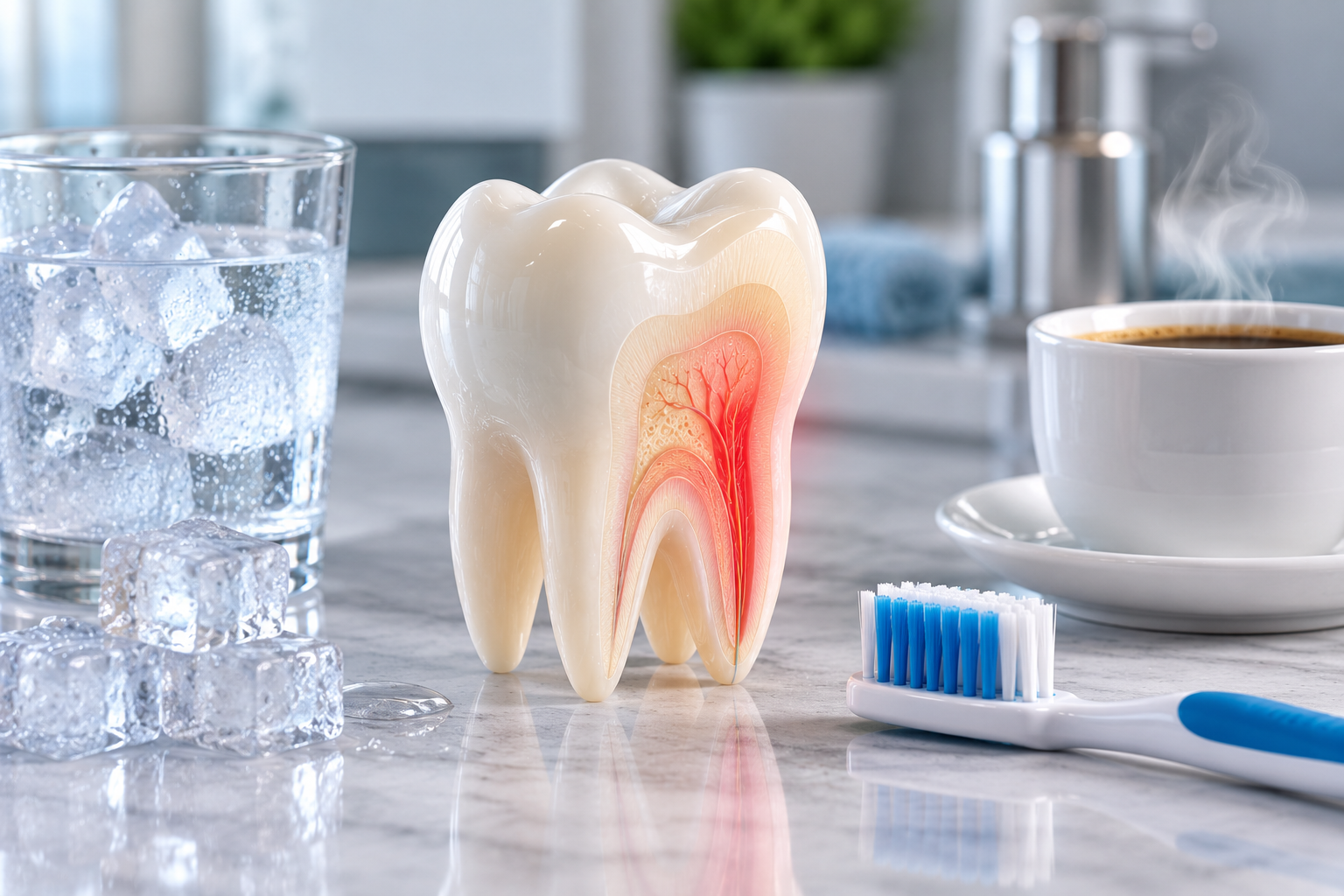
- Tooth sensitivity to hot, cold, or sweet foods
- Loose teeth or changes in how your bite feels
If any of these symptoms last longer than a week, it’s worth getting them assessed by a professional rather than waiting to see if things improve on their own. They usually don’t.
What This Gum Health Guide Says About Real Causes
Most patients are surprised to learn that gum disease rarely comes from one bad habit. It builds up from a combination of factors over months or years, and understanding them is the first step to stopping the damage:
- Plaque buildup — the sticky film of bacteria that hardens into tartar when not removed daily
- Inconsistent flossing — brushing alone leaves around 35% of tooth surfaces untouched, exactly where gum disease begins
- Aggressive brushing — scrubbing hard with a stiff brush damages gum tissue and accelerates recession
- Smoking and tobacco use — major risk factors that slow healing and mask early warning signs
- Skipped dental cleanings — once tartar forms, only professional tools can safely remove it
- Hormonal shifts, diabetes, and certain medications — all of which can make gums more vulnerable to inflammation
DIY kits and trendy oral care products often promise quick fixes, but they rarely address the actual root cause. That’s why many people waste money on whitening strips, charcoal pastes, and viral online remedies, only to find the underlying problem unchanged — or worse than when they started.
Daily Habits That Strengthen Your Gums
The fundamentals are unglamorous — and they work. A routine that consistently supports stronger gums looks like this:
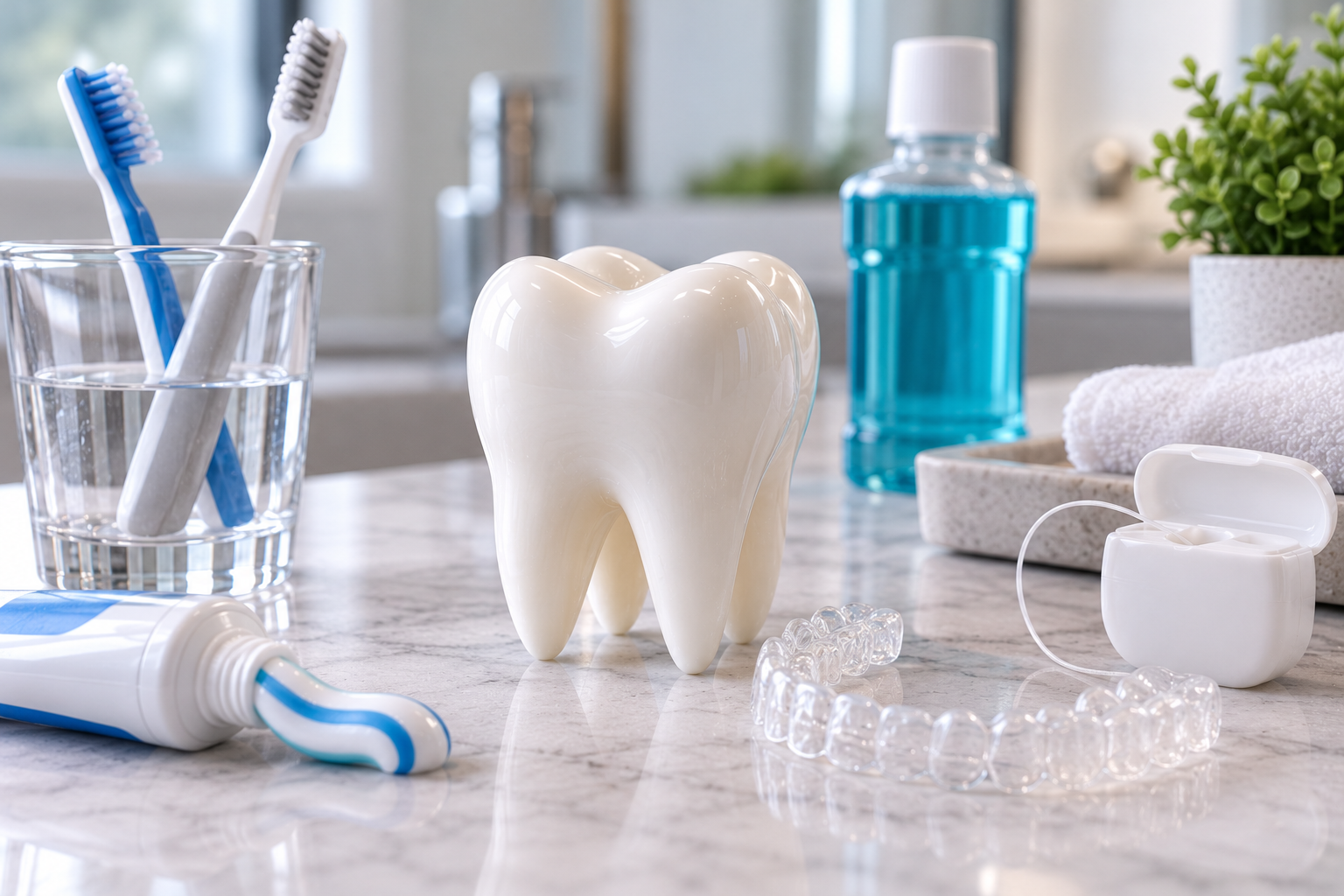
- Brush twice daily for two full minutes using a soft-bristled brush and fluoride toothpaste
- Floss once a day, ideally before bed, to remove debris and plaque your brush physically cannot reach
- Use an antimicrobial mouthwash to reduce bacteria — not just to mask bad breath temporarily
- Replace your toothbrush every three months, or sooner if the bristles fray or flatten
- Drink plenty of water, especially after meals, to flush out food particles and acids
- Limit sugary drinks, frequent snacking, and acidic beverages that wear down enamel and irritate gum tissue
- Avoid using your teeth as tools — opening packaging or biting hard objects damages gum margins over time
Consistency matters more than intensity. A simple routine followed every day will outperform an elaborate one followed sporadically. For households juggling different oral health needs across ages, comprehensive dental care for families makes it easier to keep everyone on the same schedule.
When Home Care Isn’t Enough
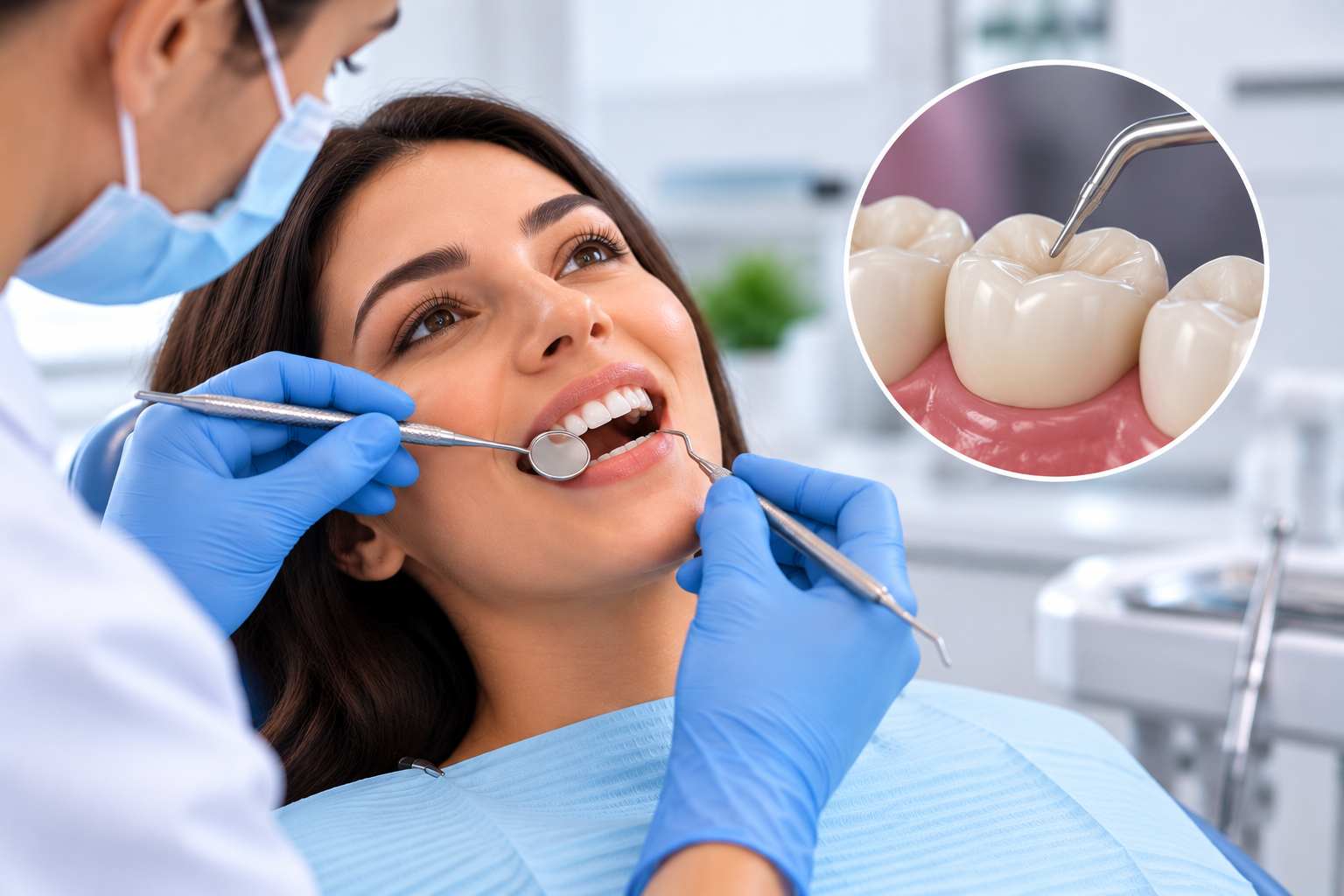
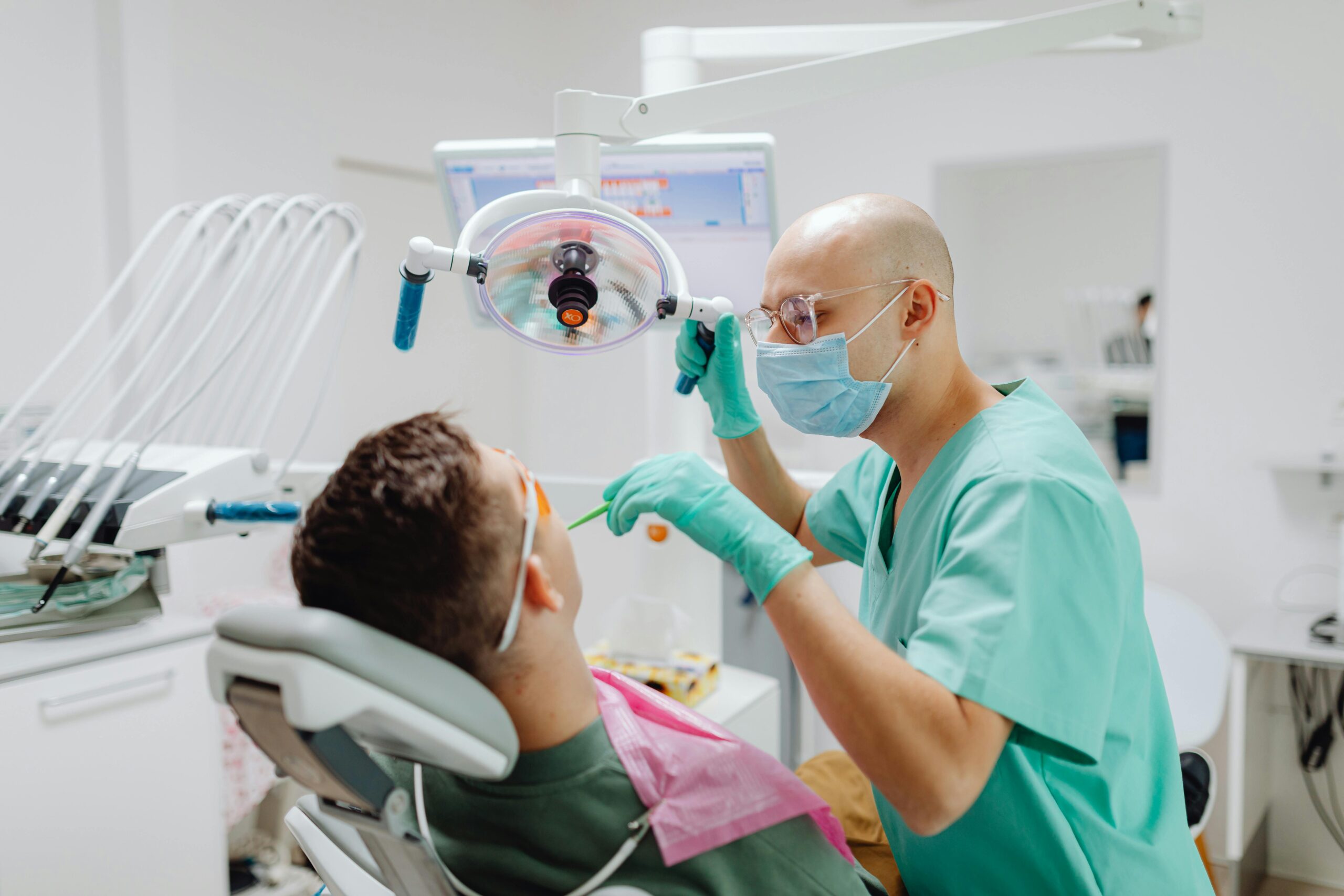
Here’s the honest truth: even the best home routine cannot remove hardened tartar or reach below the gum line. That’s a job for a trained hygienist with the right tools. Professional cleanings every six months reset your oral health baseline and catch problems early — when they’re still small, painless, and inexpensive to fix.
Wait too long, and what could have been a 30-minute cleaning becomes a multi-visit treatment plan. The longer plaque sits below the gum line, the deeper the inflammation goes, and the harder it is to reverse without more aggressive intervention.
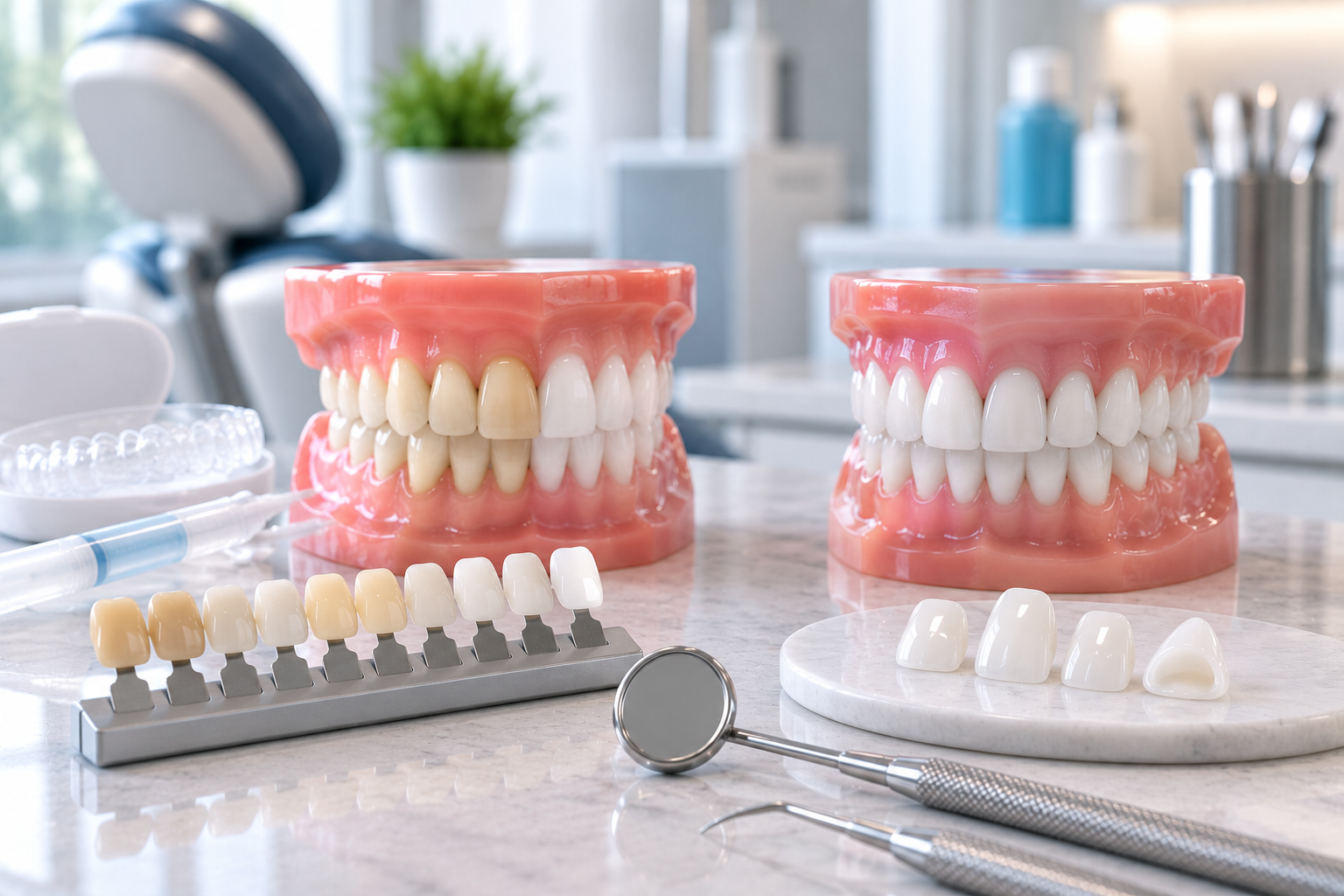
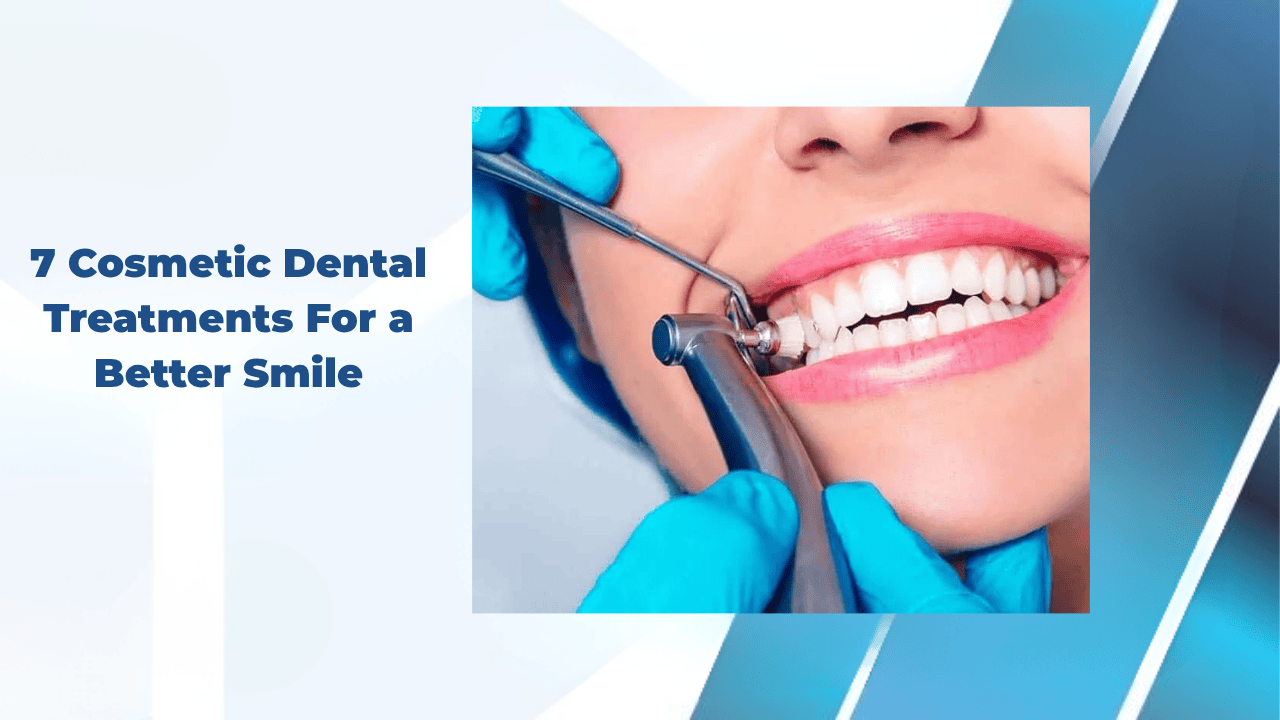
If aesthetic concerns are showing up alongside gum issues, both can typically be handled in the same plan rather than treated as separate problems. Many patients explore the options covered in this cosmetic dental treatments overview once their gums are stable.
What to Do If You’re Already in Pain
Sudden gum swelling, intense pain, or a tooth that feels loose isn’t something to wait out. These symptoms can signal active infection or advanced gum disease that requires immediate attention. Antibiotics from a general physician may temporarily reduce swelling, but they cannot fix the underlying cause.
Emergency dental care is the appropriate next step — most urgent gum and tooth issues can be addressed the same day you call. Delaying treatment almost always makes the problem more painful and more expensive.
What Effective Prevention Actually Looks Like
A practical prevention plan combines three things: consistent daily care at home, professional cleanings every six months, and early intervention when symptoms appear. Diagnostic imaging during checkups helps identify bone loss or pockets that aren’t visible on the surface, which is often how advanced gum disease is caught before it becomes irreversible.
Regular monitoring also tracks subtle changes over time that a single visit could easily miss. A baseline measurement today gives you a meaningful comparison point at every future appointment.
Conservative, non-surgical treatments are available for most early-stage cases — including scaling and root planing, antimicrobial therapy, and improved at-home routines. Surgical intervention is usually reserved for advanced periodontitis, and even then, it’s far less common when issues are caught early.
For patients who want to maintain results between cleanings, routine cleaning and whitening visits help remove surface stains without compromising gum health — something most over-the-counter whitening products cannot promise.
Don’t Wait for Small Problems to Become Big Ones
The biggest mistake most patients make? Waiting until something hurts. By then, prevention has already failed. The cost of a routine checkup is a fraction of what gum surgery, root canals, or implants will run you later — and the recovery time is incomparable.
Use this gum health guide as your starting point, but don’t stop here. A professional evaluation, a baseline cleaning, and a prevention plan tailored to your mouth and habits will do more for your long-term oral health than any product on a shelf.
Ready to take the next step? Book a checkup with Ethos Modern Dental and get a clear picture of where your gum health stands today — before small problems become big ones. A short, honest assessment now is the most reliable way to avoid the kind of dental work nobody wants on their calendar later.