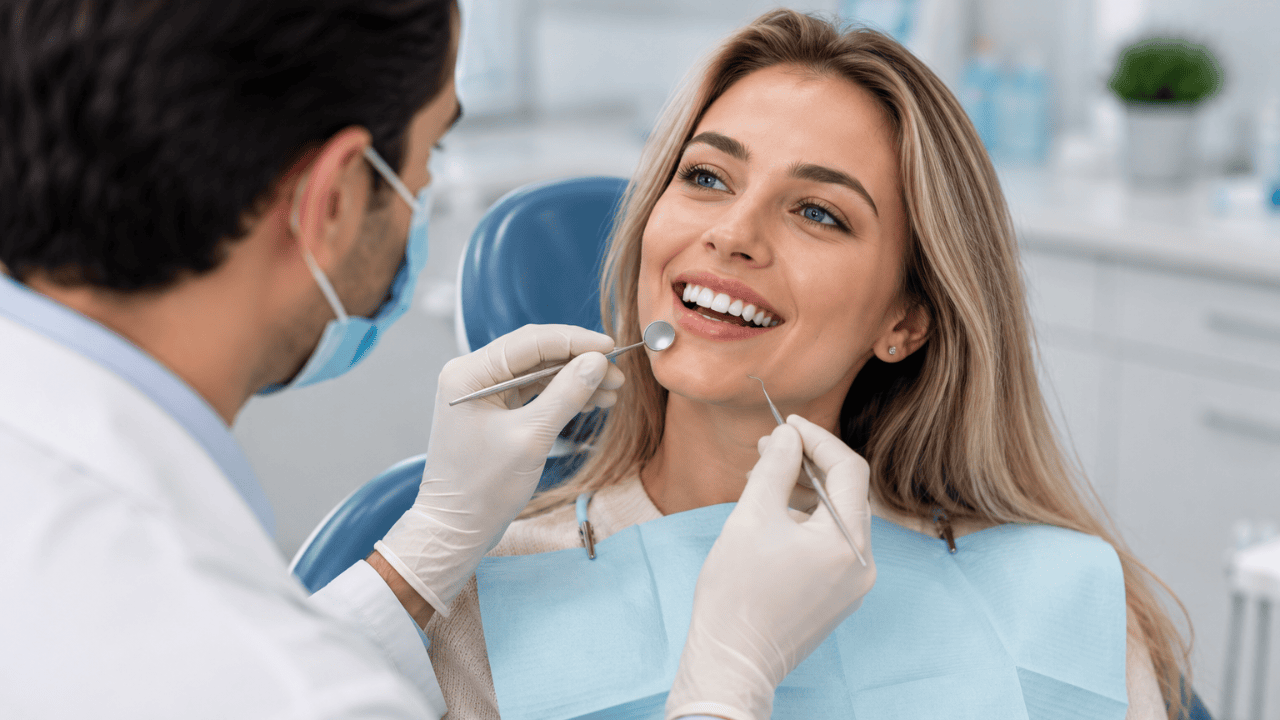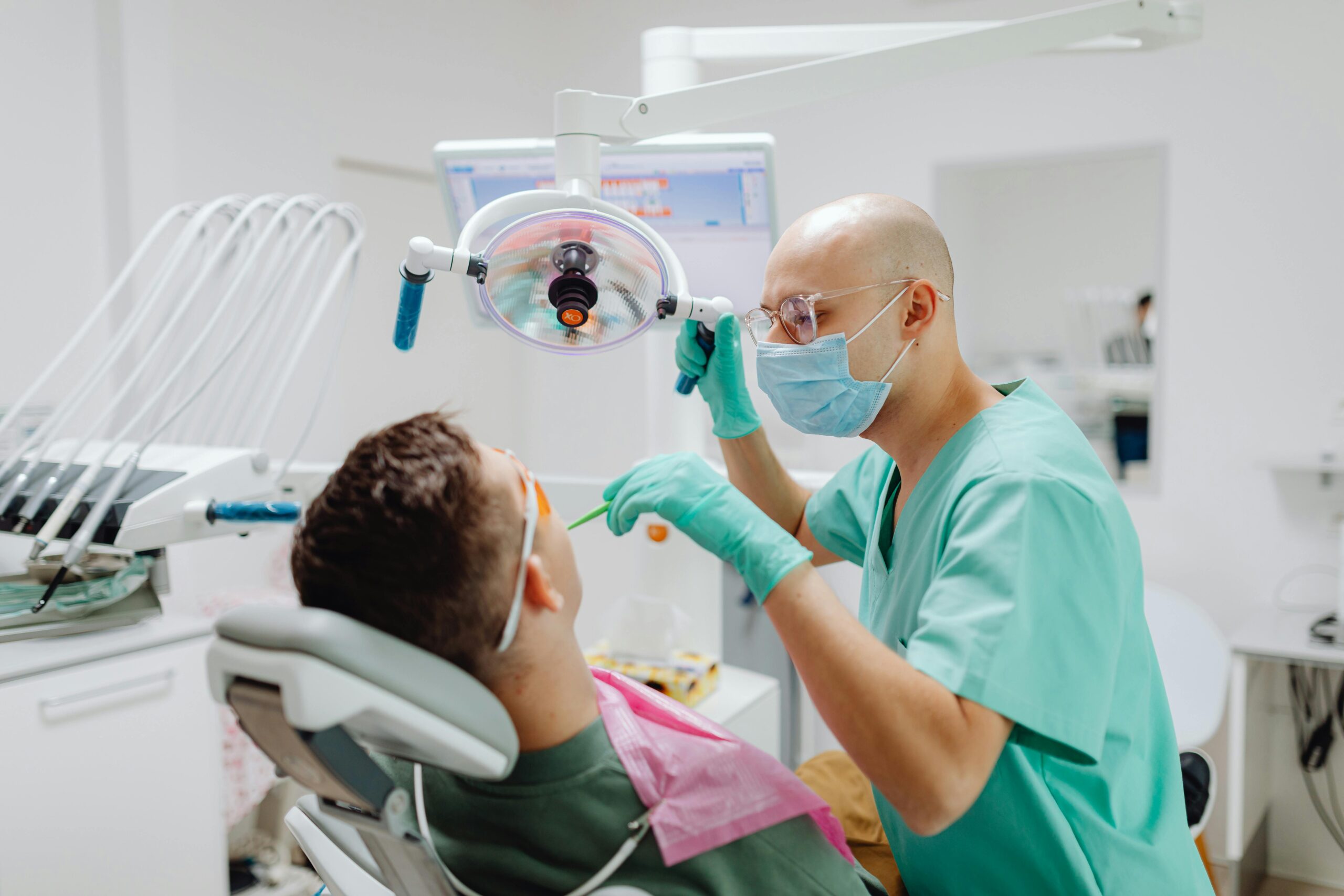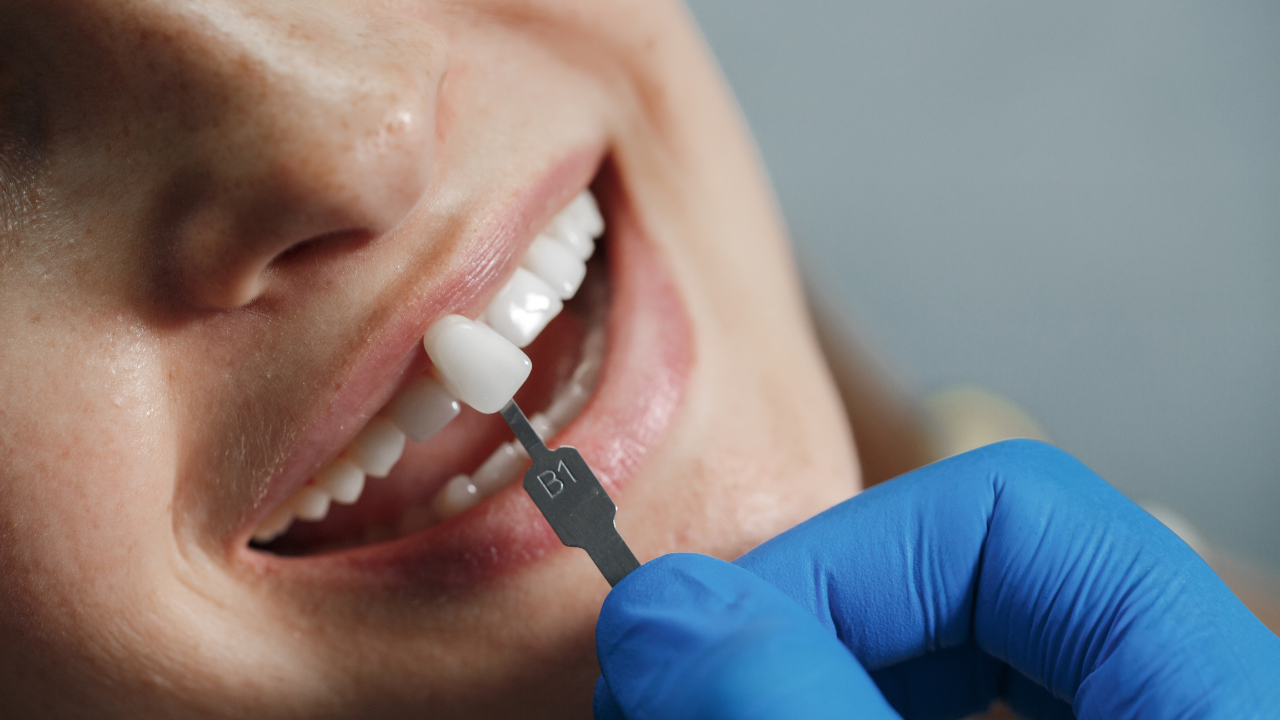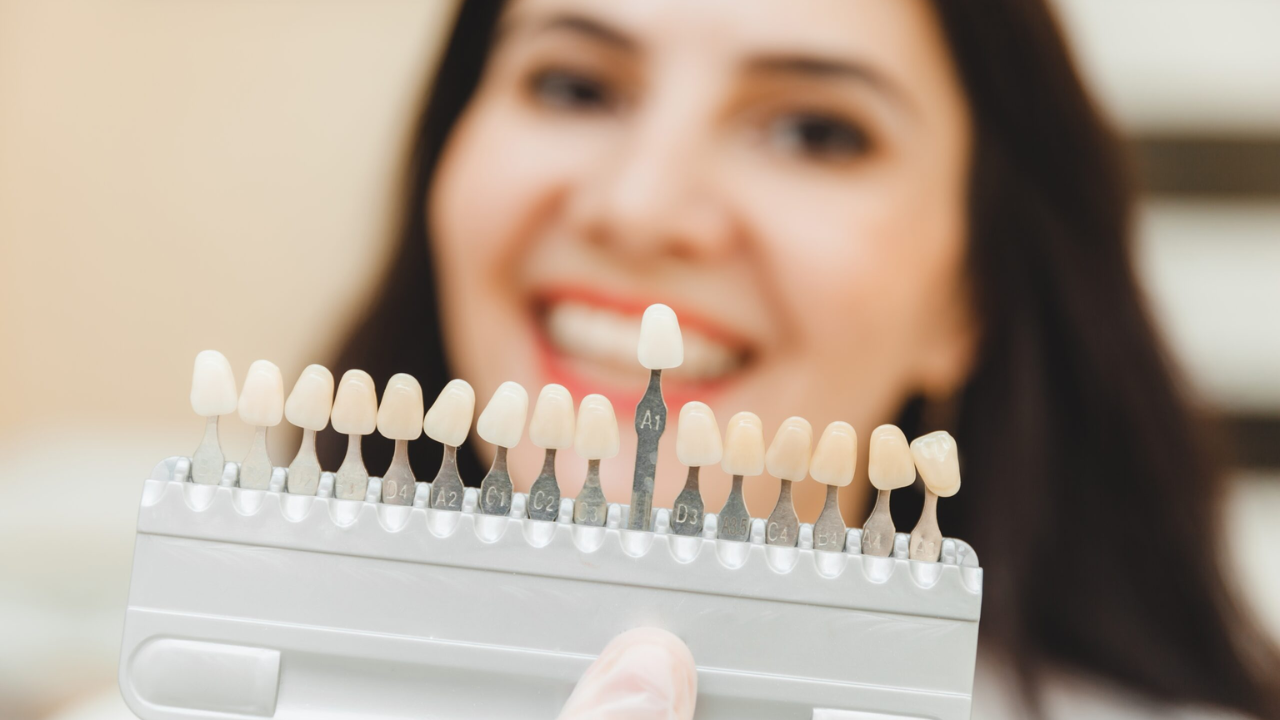
By the time most people feel something is wrong with their teeth, the damage is already months old. Pain, swelling, bleeding gums – those signals show up late. Long before then, plaque has hardened into tartar, bacteria has slipped under the gum line, and a quiet inflammation has started doing its slow work. Regular dental cleaning and whitening treatments are not about polish or appearance. They exist to interrupt that hidden timeline before it costs you a tooth, a deeper procedure, or something more serious. A professional cleaning whitening service reaches places a toothbrush physically cannot, and ignoring that gap is what turns a small problem into an expensive one.
The Preventable Problem Most People Ignore
The World Health Organization estimates oral diseases affect nearly 3.5 billion people globally, with severe gum disease alone responsible for a significant share of adult tooth loss. That number is not shocking because dental tools have failed. It is shocking because the problem is largely preventable. Brushing handles part of the job. The rest belongs to a routine visit that most people skip until something hurts.
The SHIELD Cleaning Standard: Six Layers of Protection
The value of a routine cleaning is easier to see when you stop calling it “cleaning your teeth” and start seeing it as a six-part defines. Call it the SHIELD Cleaning Standard, the layers of protection a professional visit gives you that home care cannot replicate:
- S – Subgingival reach
- H – Hardened tartar removal
- I – Inflammation reset
- E – Early detection window
- L – Long-term enamel protection
- D – Defines for the whole body
Each layer answers a different reason: cleanings matter. Together they explain why dropping them is one of the costliest small habits in healthcare.
S – Subgingival Reach
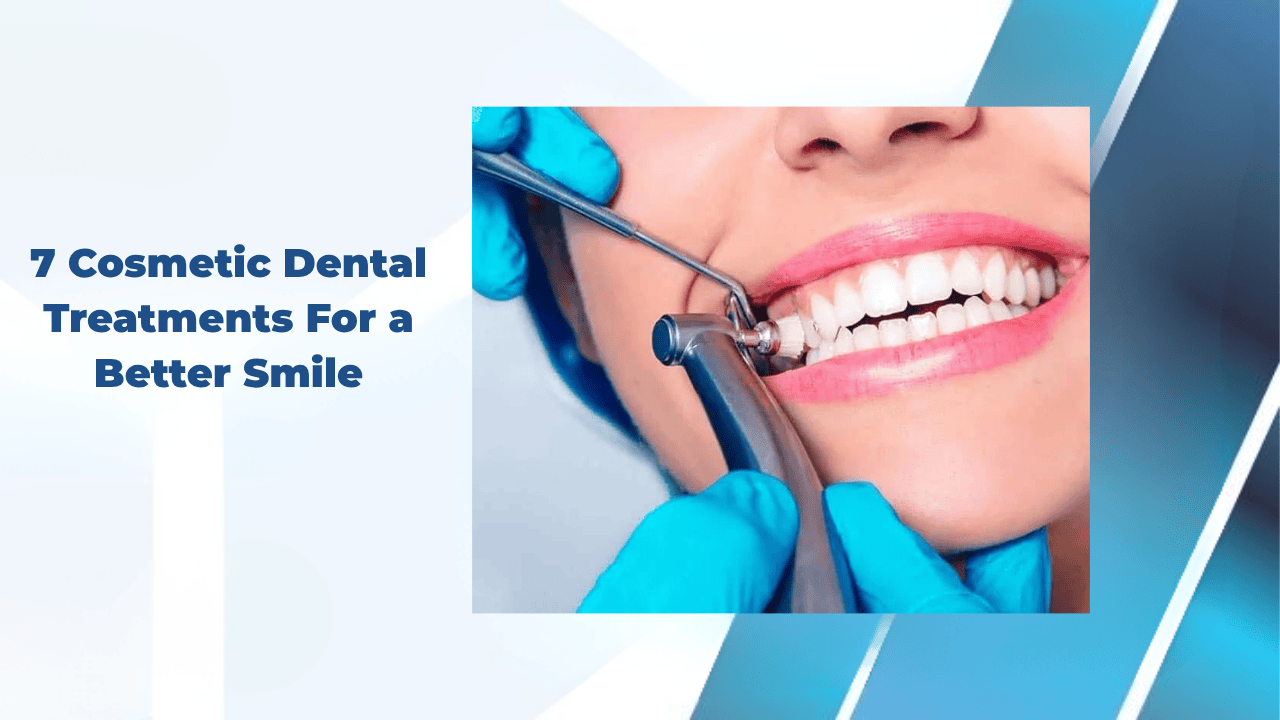
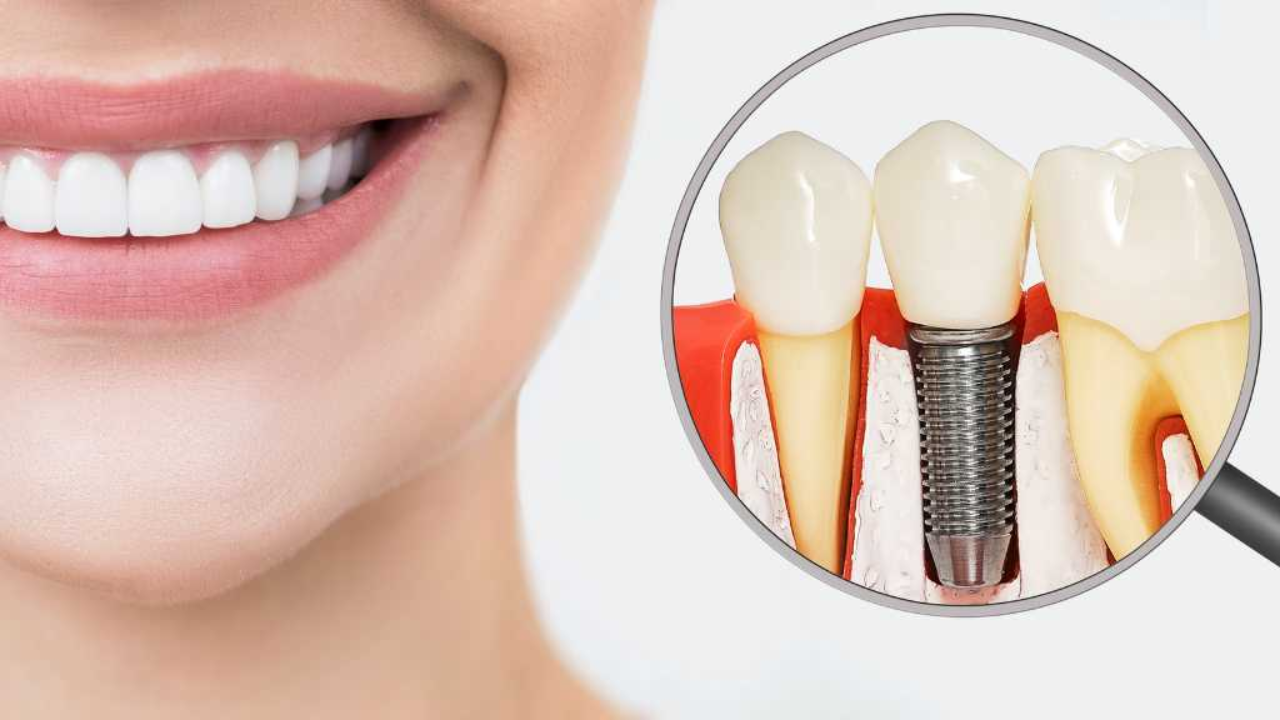
Your toothbrush stops at the gum line. Bacteria do not. They drift below the surface, into a thin pocket between gum tissue and tooth, where bristles cannot reach and floss only partially helps. A dental hygienist uses thin instruments designed to clean this exact space without damaging the soft tissue. This is also where untreated dental cavities often begin their slow descent toward the root. Skipping cleanings means trusting that nothing is happening in a place you cannot see, brush, or feel until it has already gone wrong.
H – Hardened Tartar Removal
The plaque is soft. You can brush it off if you reach it in time. Within 24 to 72 hours, plaque starts hardening into tartar – a calcified deposit that bonds to enamel with a force no home tool can break. Once tartar forms, only a professional scaler can remove it without scratching your tooth. This is the part of the importance of regular dental cleaning most people underrate. The longer tartar sits, the more bacteria it shelters, the more it pushes the gum line away from the tooth, and the more it sets the stage for problems that will not be visible until they are advanced.
I – Inflammation Reset
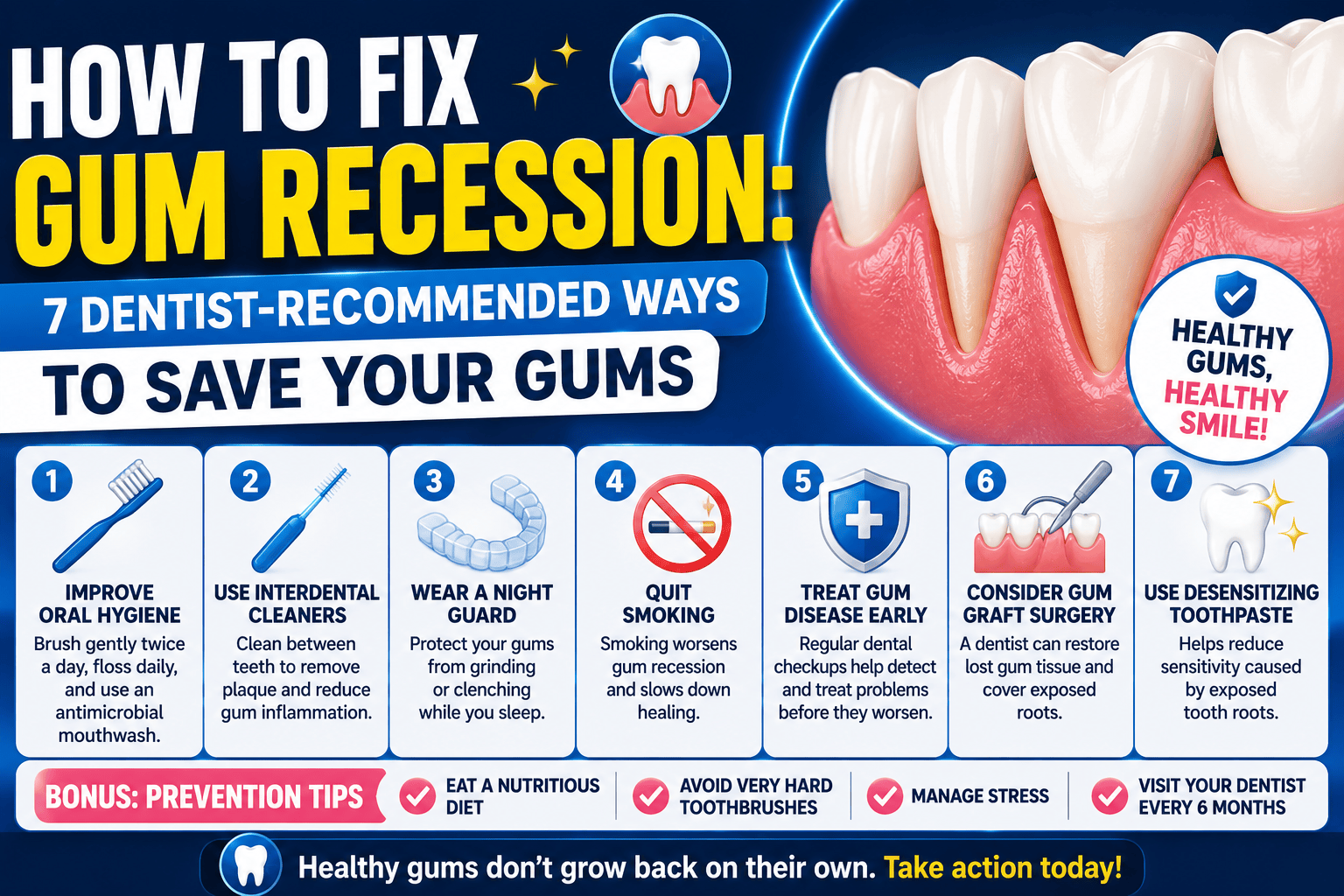
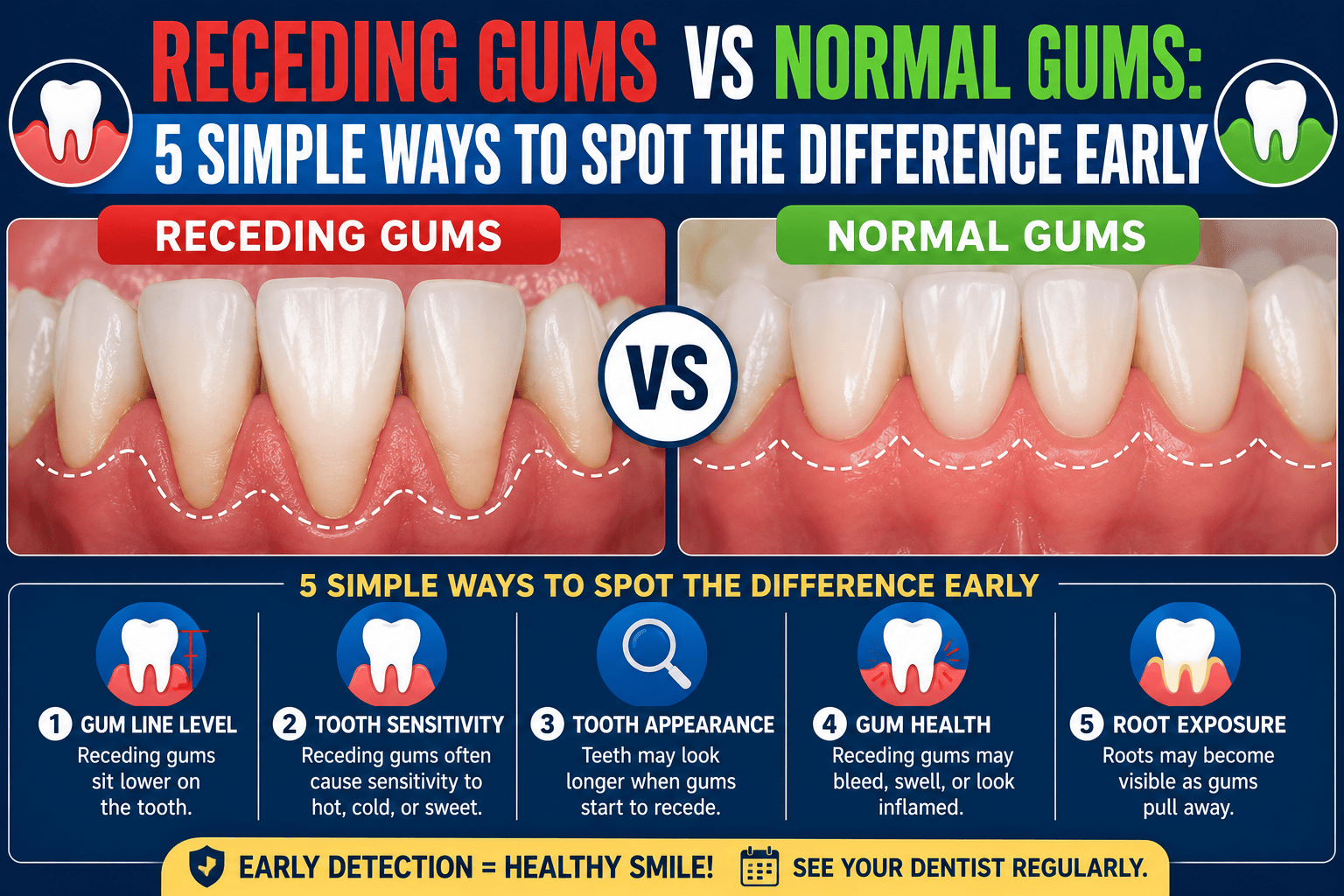
Healthy gums are pale pink, firm, and do not bleed. Inflamed gums – even mildly inflamed – are the earliest warning sign of gingivitis, the reversible stage of gum disease. Once tartar and bacterial load are removed during a cleaning, gum tissue gets a real chance to recover. Most patients see the redness and bleeding fade within two weeks, assuming they keep up basic home care. Wait too long and gingivitis turns into periodontitis, which is not reversible and is one of the leading causes of adult tooth loss. The window between those two stages is exactly what a routine visit is built to protect.
E – Early Detection Window
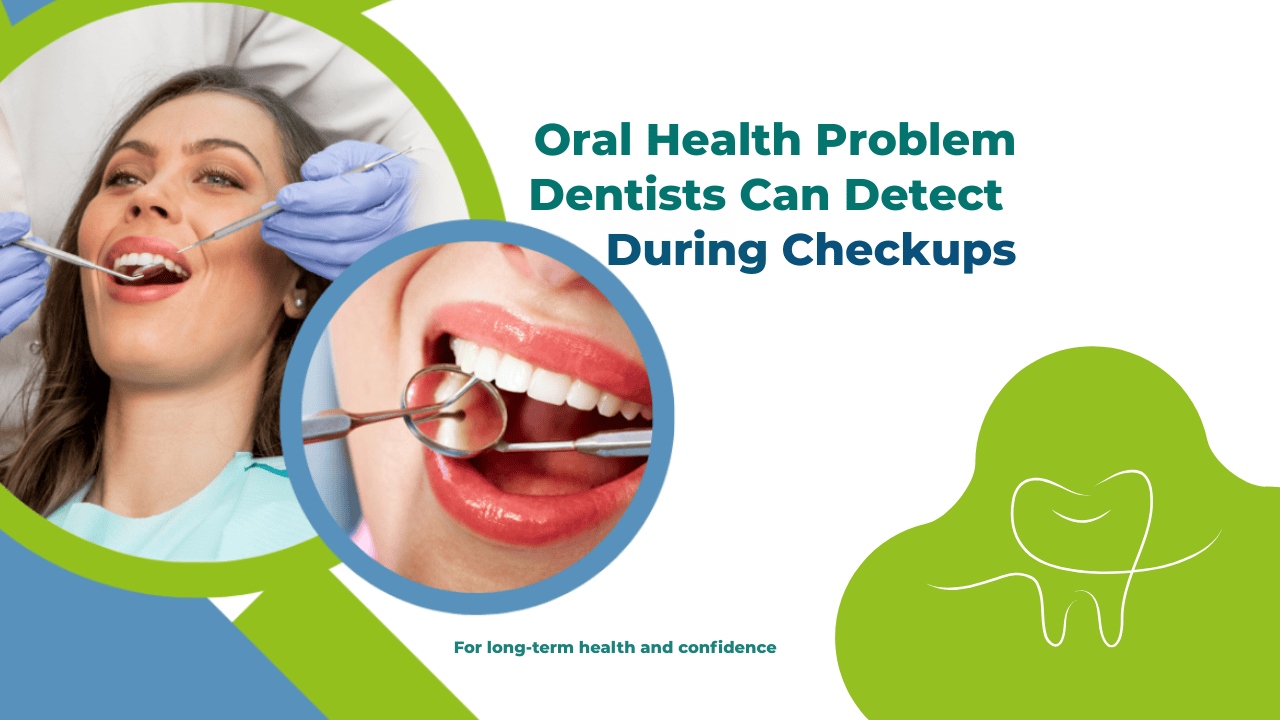
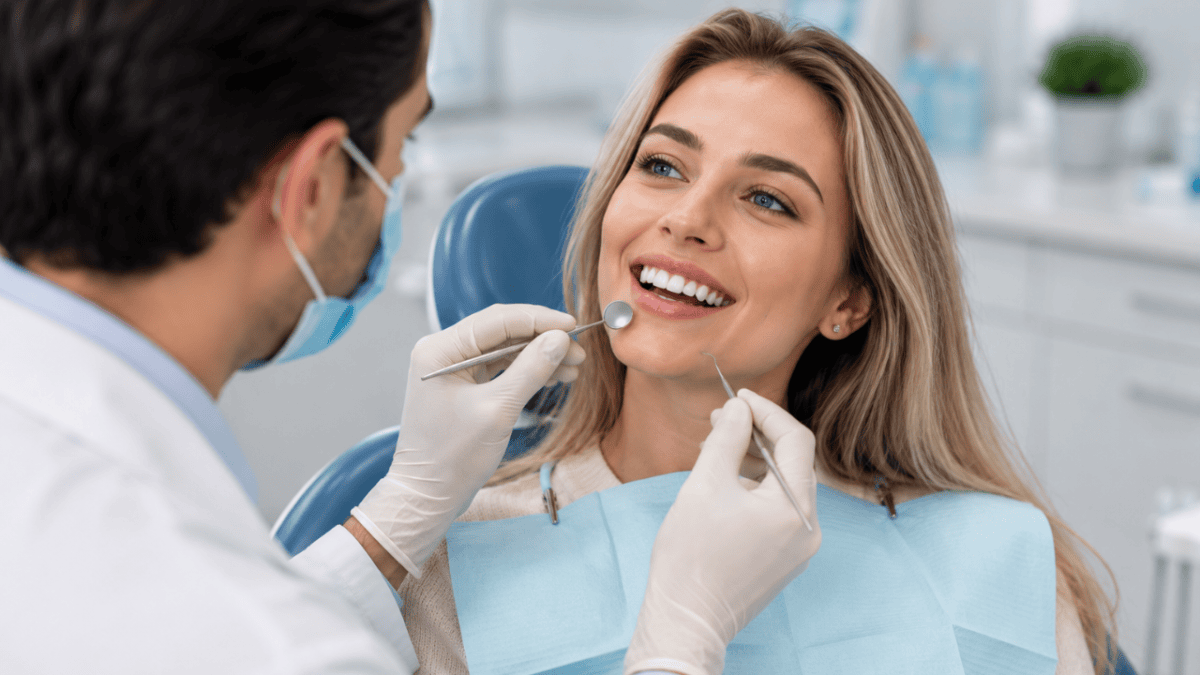
A cleaning visit is also an examination. While the hygienist works through your mouth, they are looking for cracks, soft spots, decay, receding gums, and signs of oral cancer. The Oral Cancer Foundation reports survival rates near 84% when oral cancers are caught early, compared to far worse outcomes when caught late. The same logic applies to small cavities and cracked fillings. Catching them at this stage means a filling instead of a crown, or a crown instead of a root canal. There is no version of dental care that costs less than catching the problem early.
L – Long-Term Enamel Protection
Enamel does not grow back. Once acid from bacteria and food erodes it, it stays eroded. Routine cleanings reduce the bacterial population producing that acid, and most visits include a fluoride application that helps remineralize the outer enamel layer. This is also where cleanings quietly support other treatments. Patients using clear aligners, for example, often deal with trapped plaque from prolonged tray contact, and consistent cleaning routines make a real difference for that group. The benefits of regular cleanings compound year after year, but only for people who keep showing up.
D – Defines for the Whole Body
The mouth is connected to the rest of the body in ways most people underestimate. The Mayo Clinic links poor oral health to cardiovascular disease, diabetes complications, and other systemic conditions. The association between gum disease and heart health is well-documented, though direct causation remains an active area of study. The point is not to overclaim a link. The point is that lowering inflammation and bacterial load in your mouth is one of the simplest things you can do that has effects beyond your teeth. Few preventive habits cost less than two cleaning visits a year.
How Often Do You Actually Need a Cleaning?
For most adults with healthy gums and no major risk factors, twice a year is the standard recommendation from the American Dental Association. Some people need more. Anyone with a history of gum disease, diabetes, or smoking may benefit from cleanings every three to four months. Pregnant patients often need an extra visit. Children, once their first teeth come in, follow the same six-month schedule. The right number is the one your dentist sets based on actual risk, not the one your calendar reminds you about.
Conclusion
Regular cleanings do not look impressive on a calendar. They are short, quiet, and easy to skip – which is exactly why people skip them. But the cost of skipping them is rarely paid in the year you miss. It is paid two or three years later, when the cavity becomes a root canal, or the bleeding gums become bone loss, or the small spot turns into something that needed catching sooner. Showing up twice a year at Ethos Modern Dental is not about a brighter smile. It is about protecting the smile you already have. If you are overdue, the next step is simple – schedule the appointment and treat it as non-negotiable.