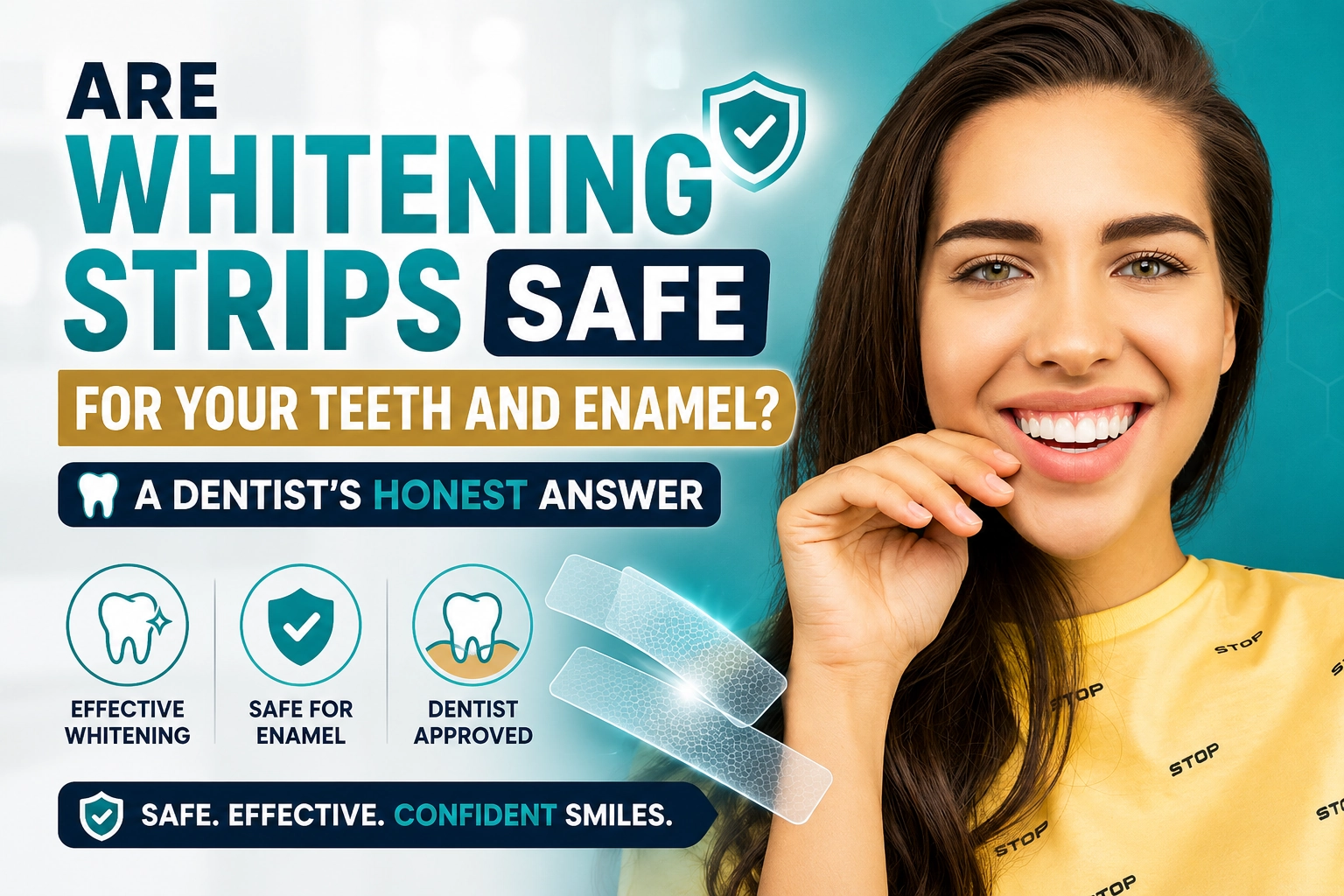
A bright, white smile is something almost everyone wants. And with so many whitening strips lining the shelves of drugstores, it’s no surprise that millions of people reach for them as a quick fix. They’re cheap, easy to use, and promise visible results in just a few days. But before you tear open that next box, there’s an important question to ask: do whitening strips damage teeth or enamel?
As dentists, we get this question almost every week. So here’s our honest answer — backed by clinical experience and a deep understanding of what actually happens to your teeth when you use those little plastic strips.
What Are Whitening Strips, Really?
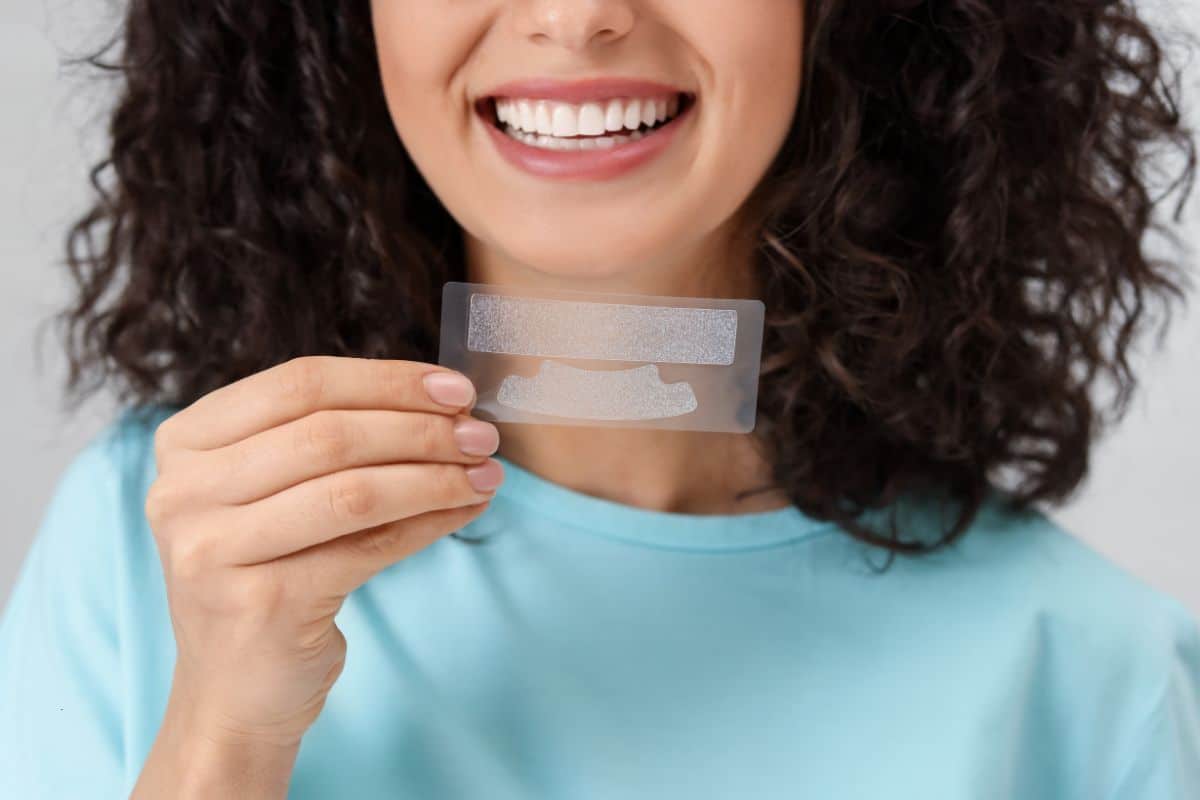
Whitening strips are thin, flexible pieces of plastic coated with a whitening gel. That gel usually contains one of two active ingredients:
- Hydrogen peroxide (the stronger one)
- Carbamide peroxide (a slower, milder version)
Both work the same way — they break down stains on the surface of your teeth and reach below the enamel to lighten deeper discoloration. The result? A whiter-looking smile in about 1–2 weeks.
But here’s the catch: those same chemicals that whiten your teeth can also affect them in ways most people don’t realize.
Do Whitening Strips Damage Teeth?
The short answer: they can — if used incorrectly or too often.
When used as directed and not overused, most over-the-counter whitening strips are considered safe for the average healthy adult. The problem starts when people:
- Use them more often than recommended
- Leave them on longer than the instructions say
- Use them on already-sensitive or damaged teeth
- Skip dental checkups while whitening
In these cases, whitening strips can absolutely cause damage — including sensitivity, gum irritation, and weakening of the enamel over time.
Do Whitening Strips Damage Enamel?
This is the question that worries most patients — and rightfully so. Once enamel is gone, it doesn’t grow back.
Here’s the truth: whitening strips don’t immediately destroy enamel, but they can weaken it with prolonged or improper use.
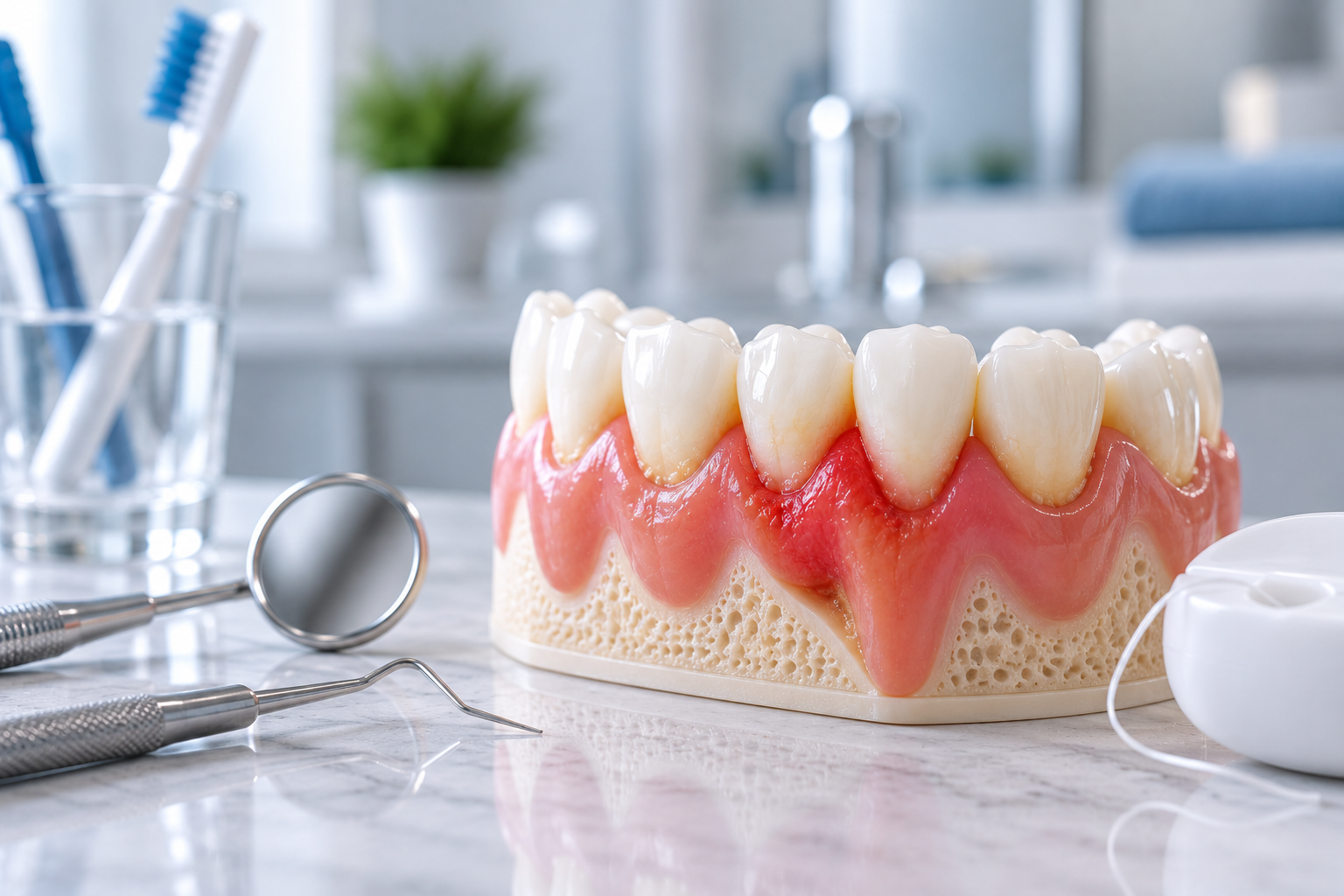
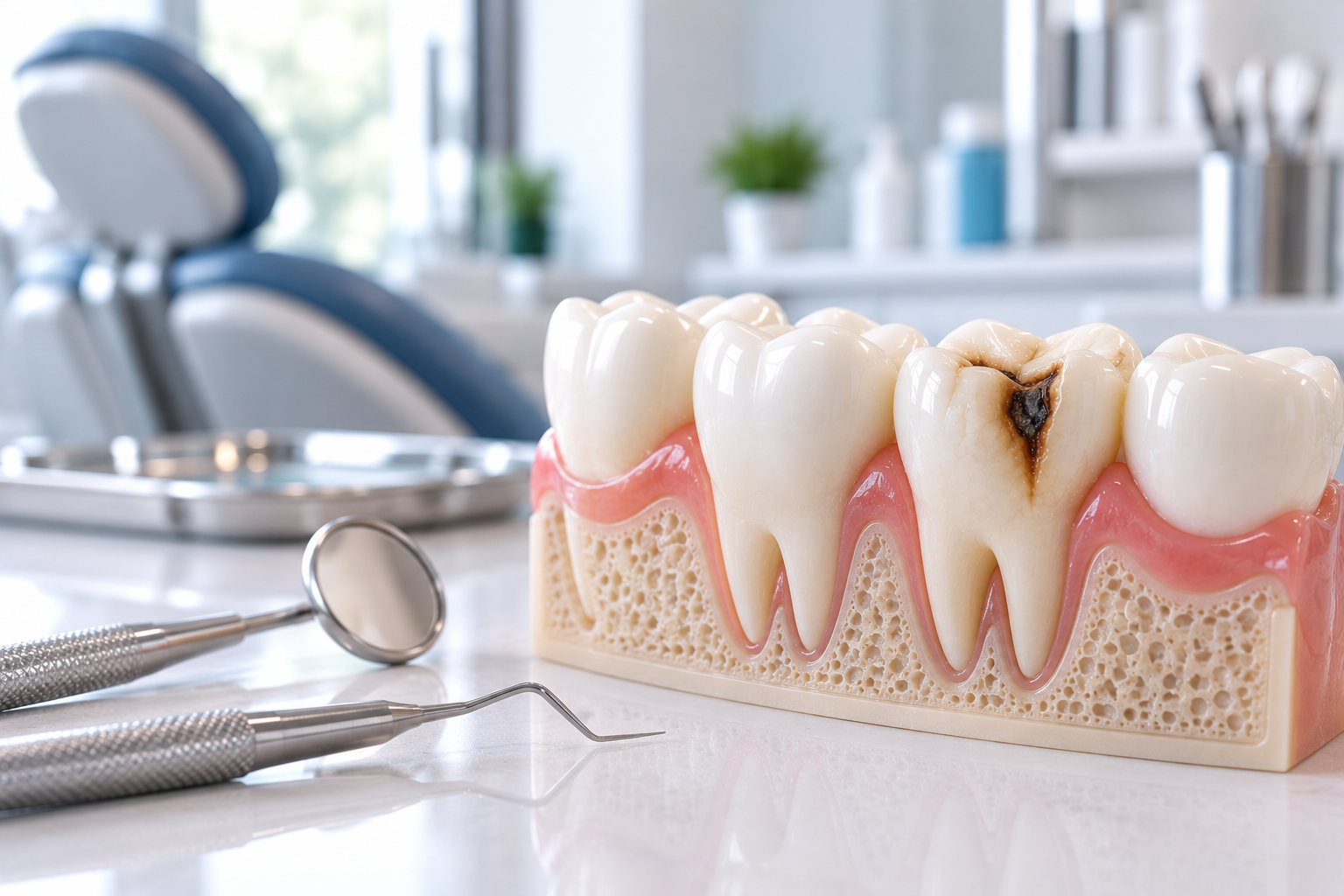
The peroxide in whitening strips temporarily makes your enamel more porous so it can release stains. During this time, your teeth are more vulnerable. If you use strips too often, your enamel doesn’t get the chance to fully remineralize between uses — and that can lead to:
- Tiny surface cracks (microabrasions)
- Permanent tooth sensitivity
- A dull, chalky appearance
- Increased risk of cavities
So while whitening strips don’t “destroy” enamel in one use, repeated overuse can absolutely cause lasting damage.
Do White Strips Damage Tooth Enamel Over Time?
Yes — they can, especially with long-term, repeated use. Studies have shown that frequent exposure to peroxide-based whitening agents can:
- Reduce the hardness of enamel
- Increase enamel roughness
- Make teeth more prone to staining later
- Cause gum recession if the strips overlap onto the gum line
The damage doesn’t always show up right away. Many patients only notice the effects months or years later — by then, the enamel changes are often permanent.
Signs Your Whitening Strips Are Doing More Harm Than Good
If you’re using whitening strips and notice any of the following, stop right away:
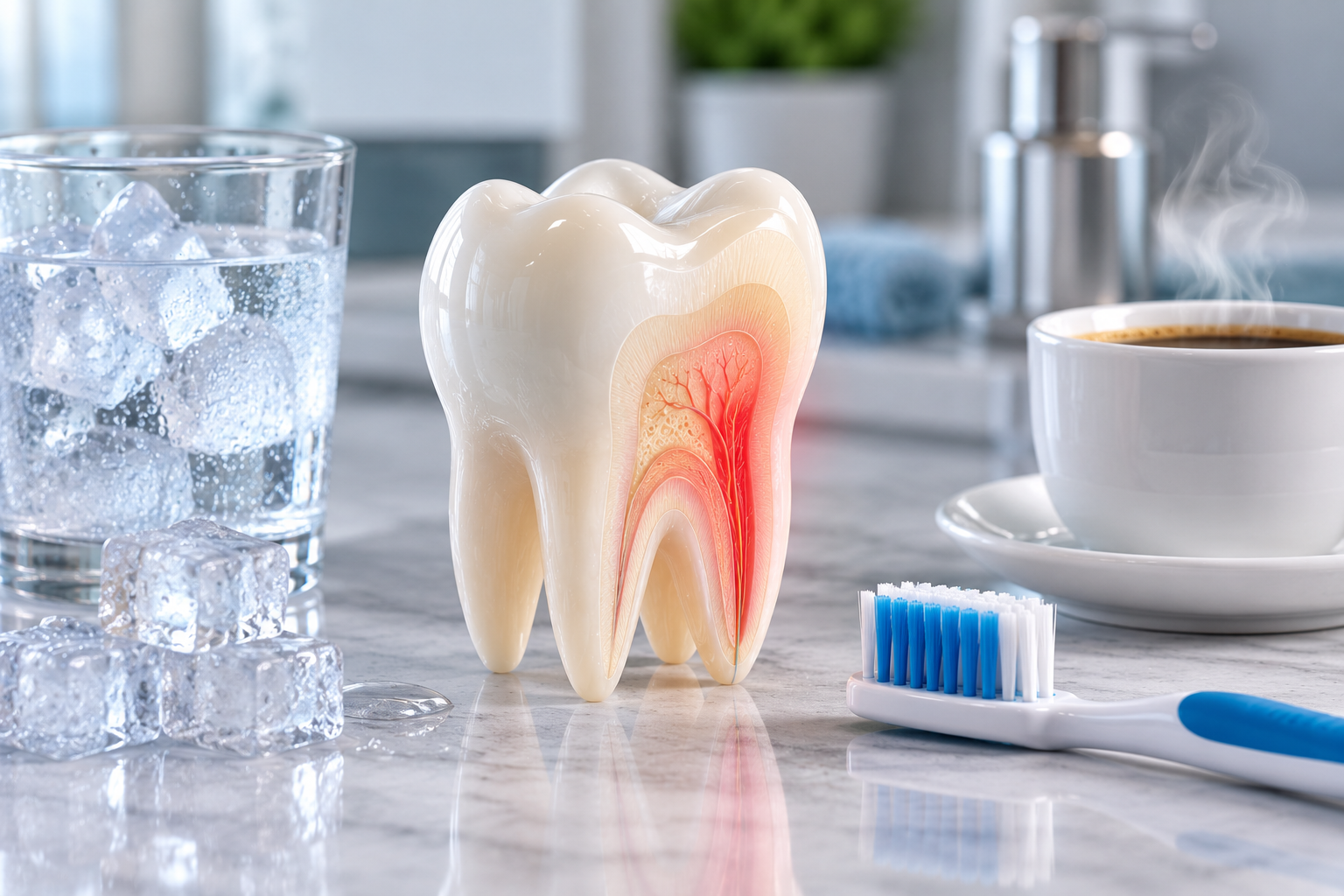
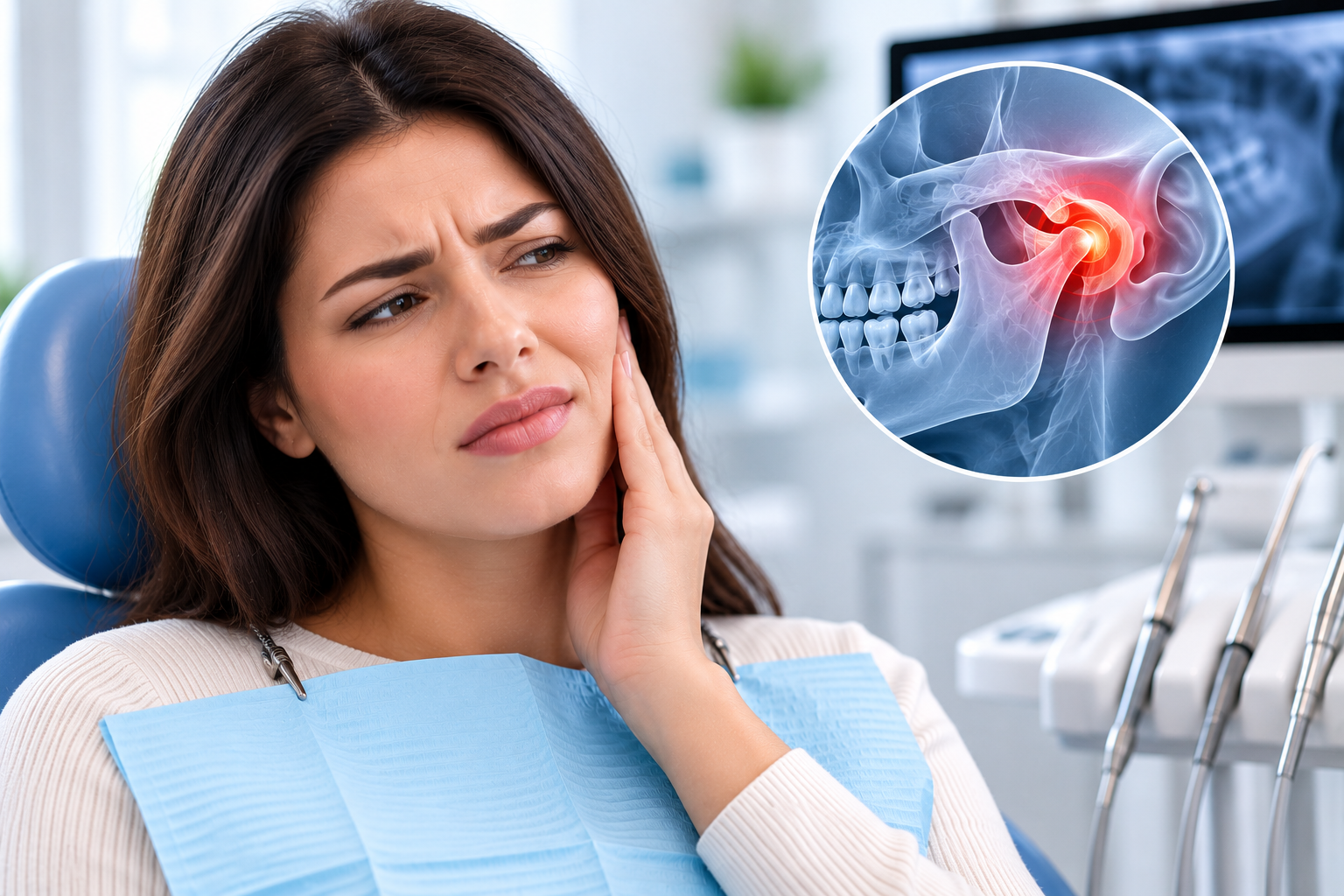
- Sharp pain when drinking cold or hot beverages
- White or chalky patches on your teeth
- Sore, red, or bleeding gums
- Teeth that look more translucent at the edges
- Ongoing sensitivity even after stopping use
These are warning signs that your enamel is being affected — and it’s time to see a dentist.
Who Should Avoid Whitening Strips Altogether?
Whitening strips aren’t safe for everyone. You should avoid them if you have:
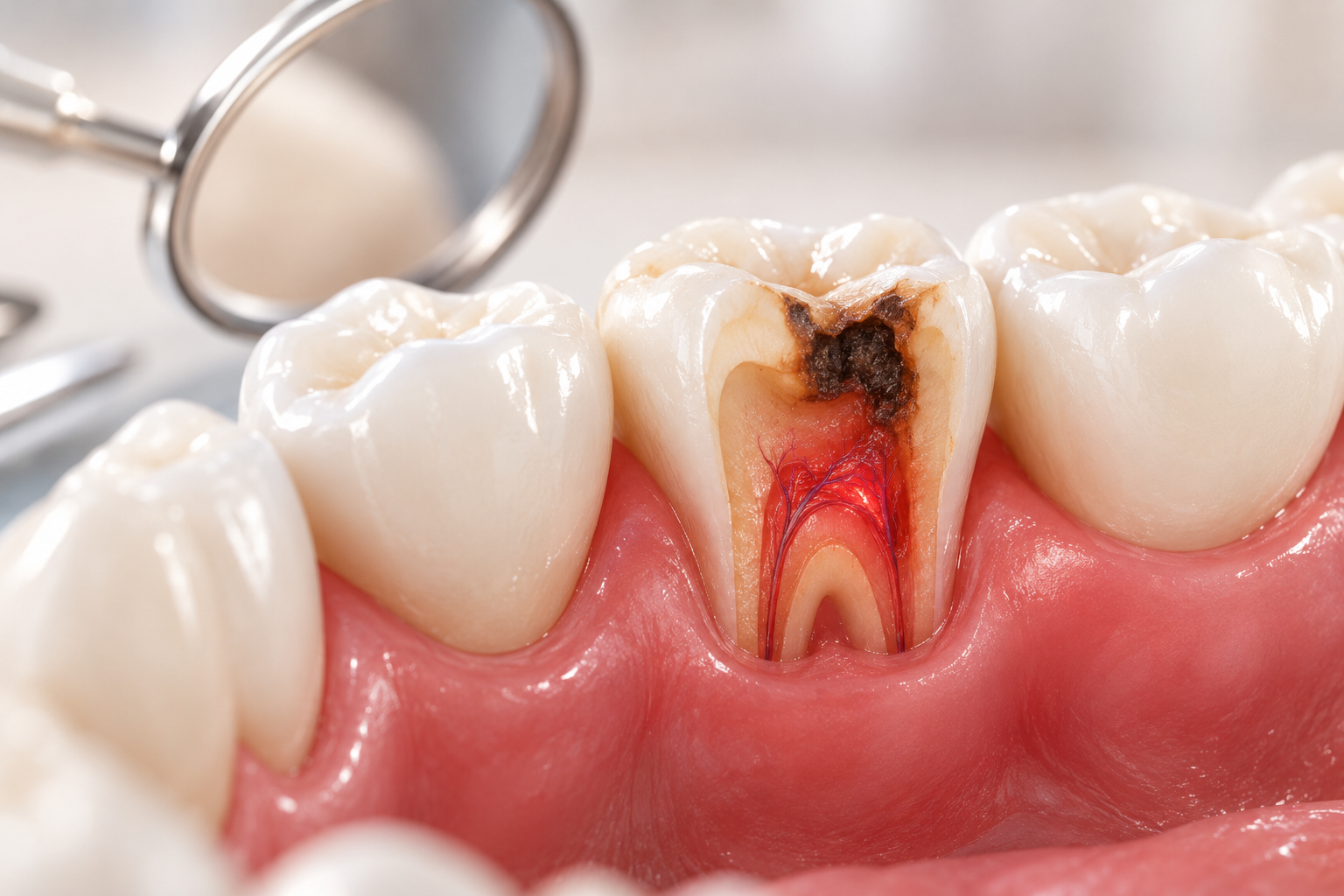
- Cavities or untreated tooth decay
- Gum disease or gum recession
- Sensitive teeth or worn enamel
- Crowns, veneers, or fillings on front teeth (they won’t whiten)
- Pregnancy or are nursing
- Are under 16 years old
In all these cases, whitening strips can do more harm than good — and a dentist-supervised whitening treatment is a much safer option.
A Safer Alternative: Professional Whitening
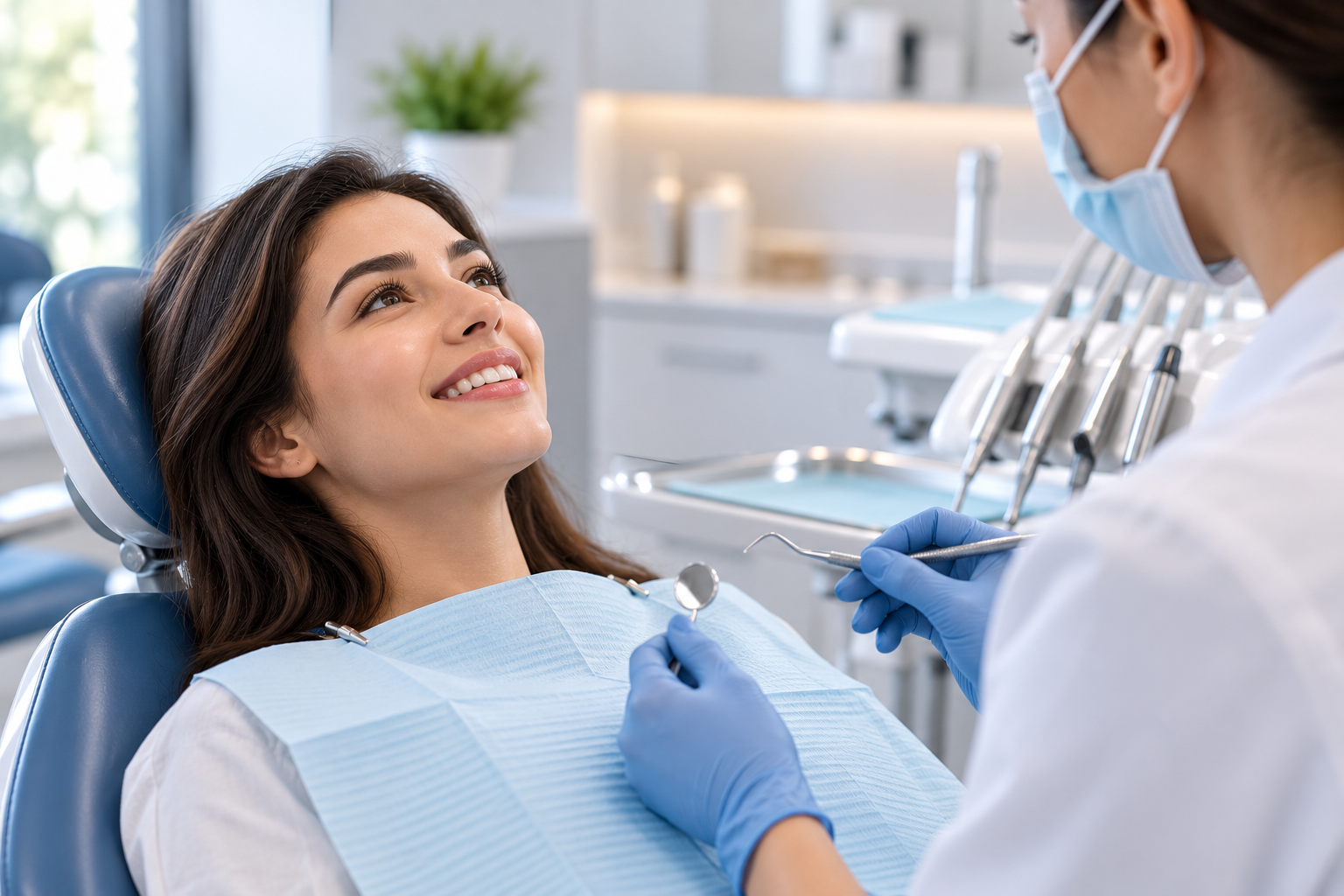
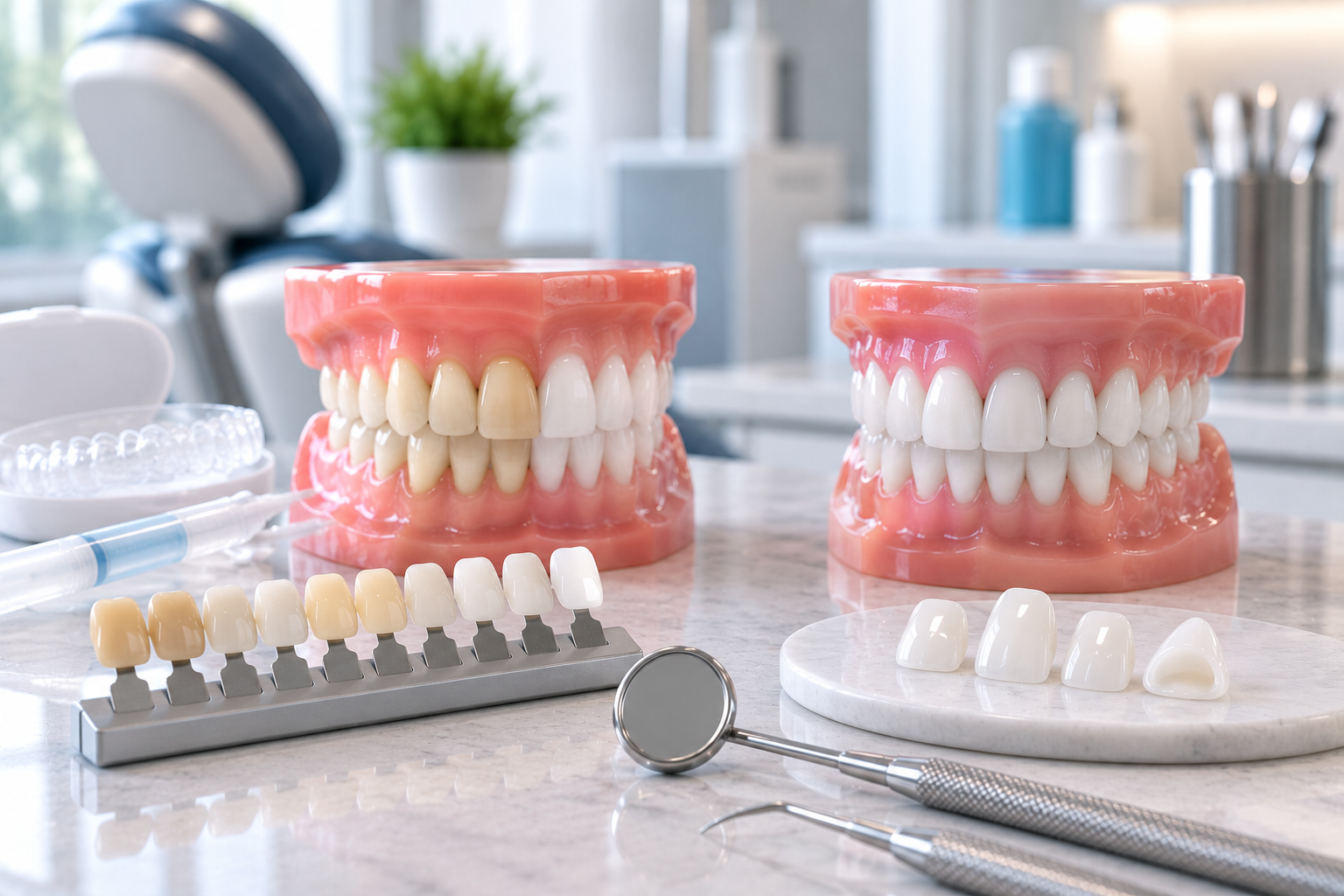
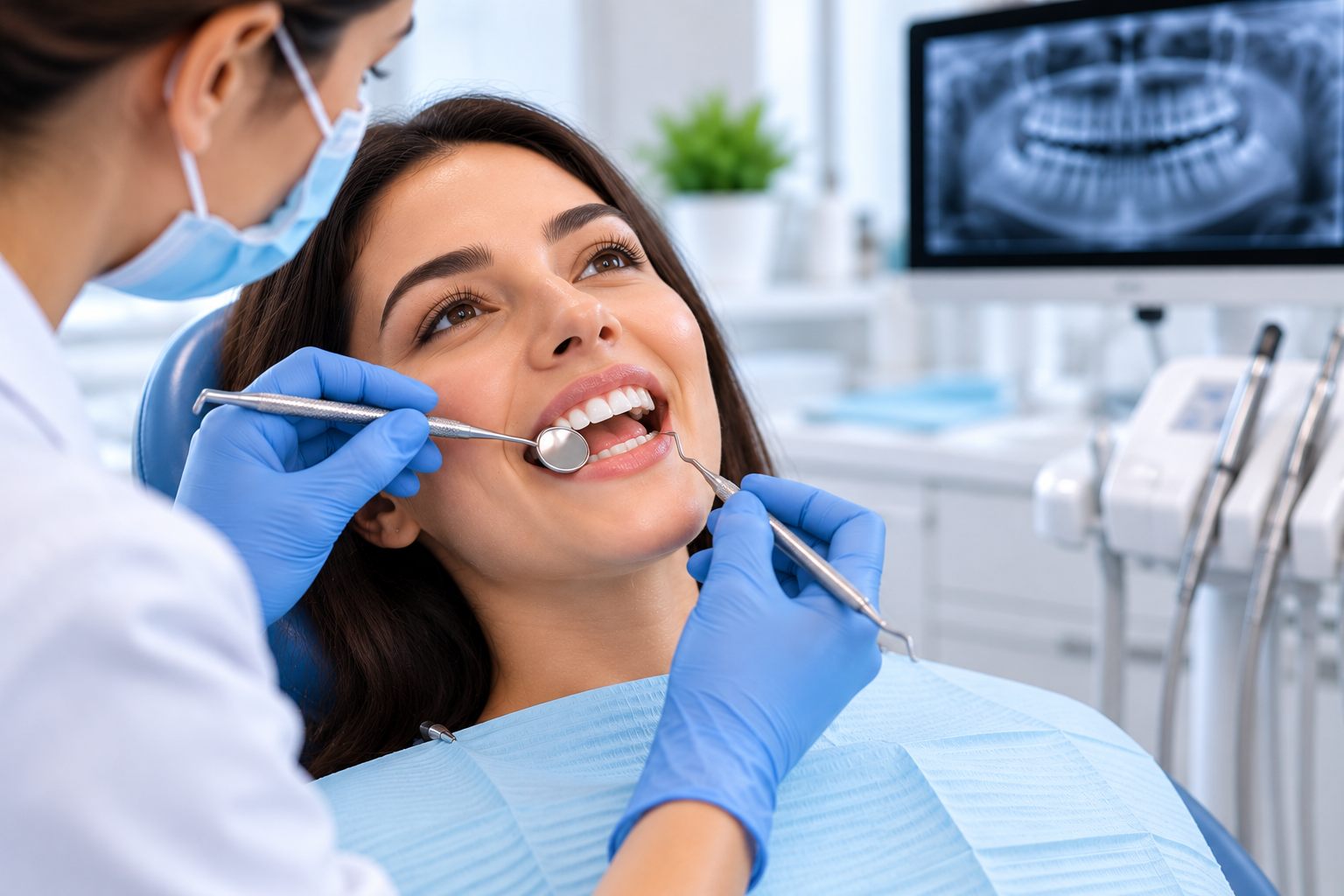
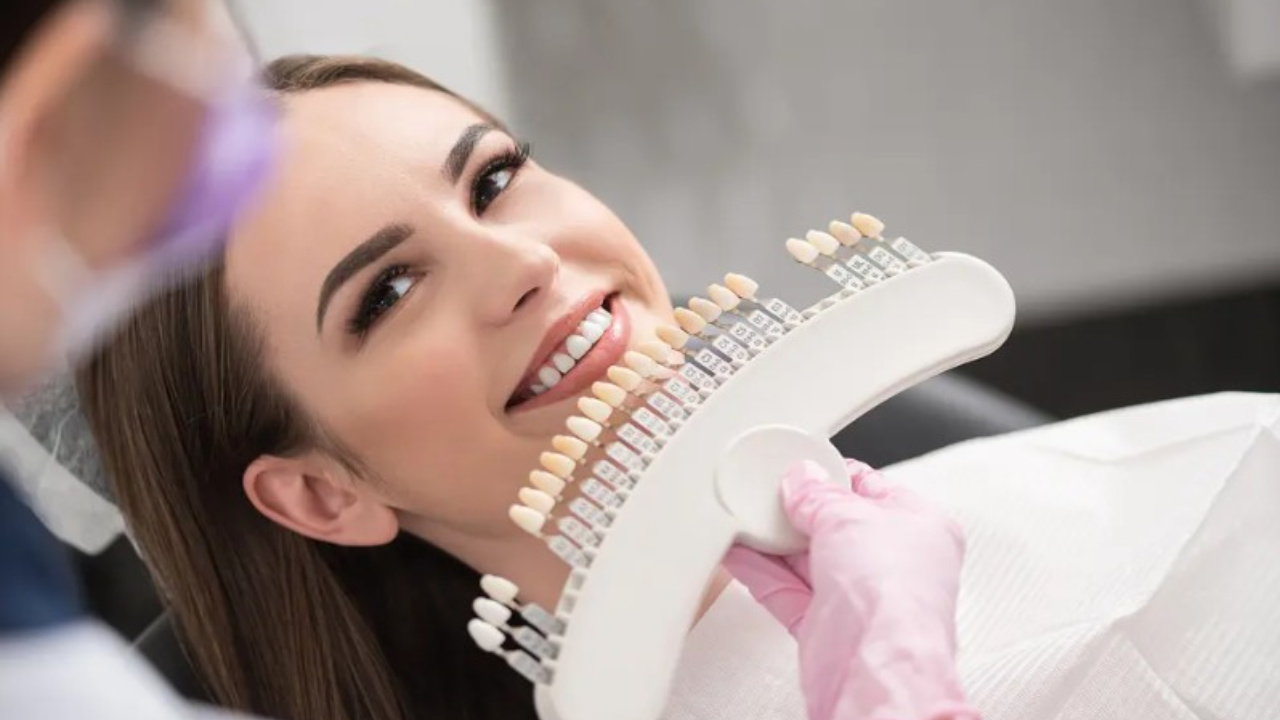
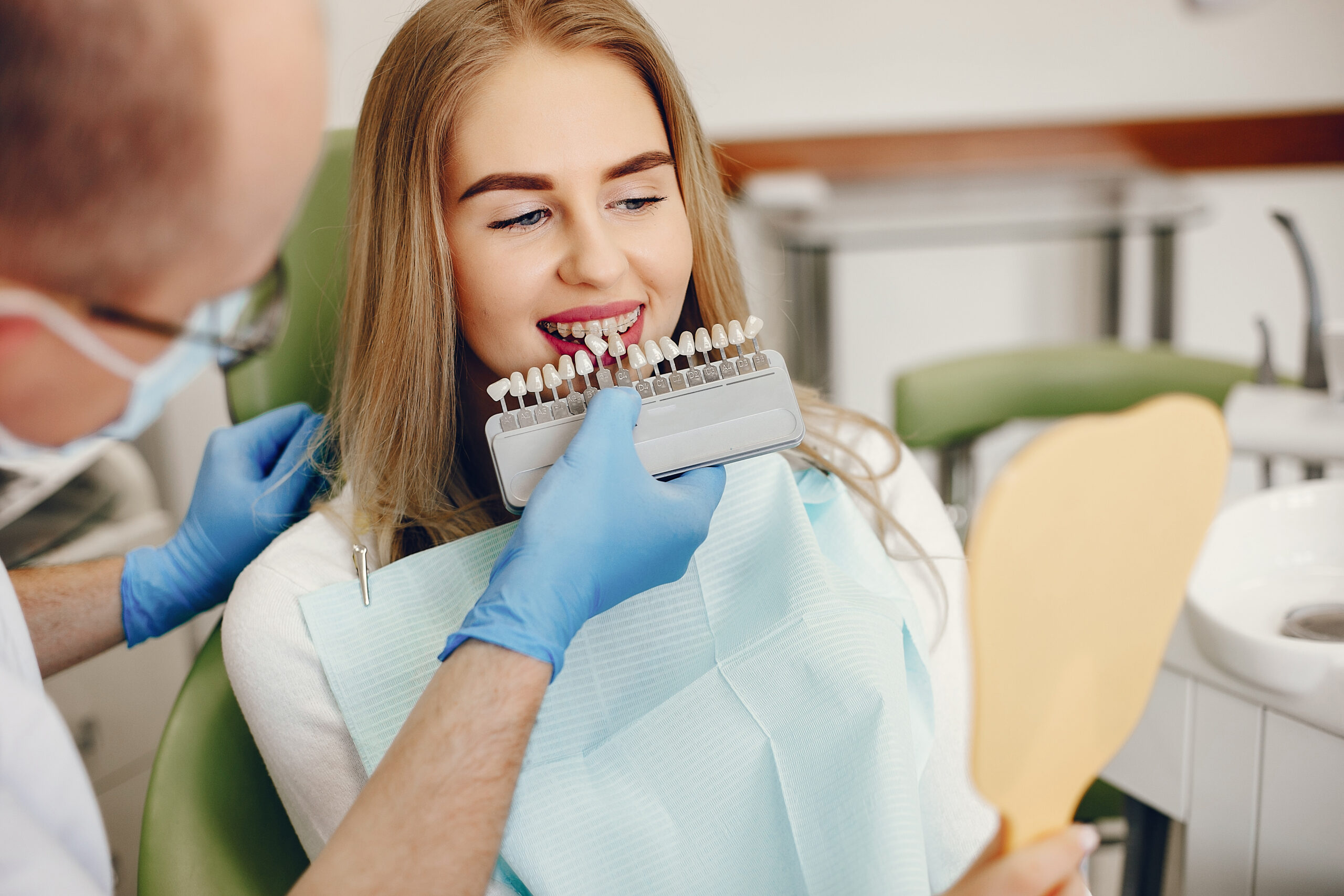
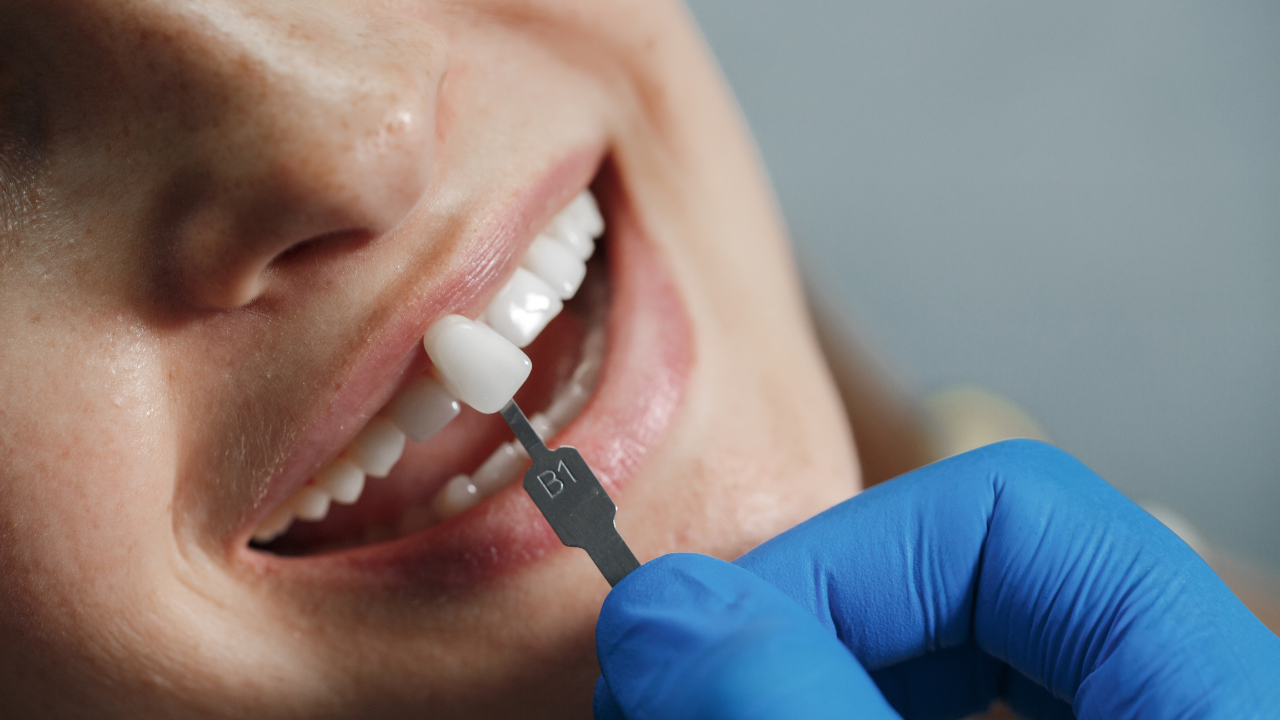
If you really want a brighter smile without risking your enamel, the safest option is professional teeth whitening from a dentist. Here’s why:
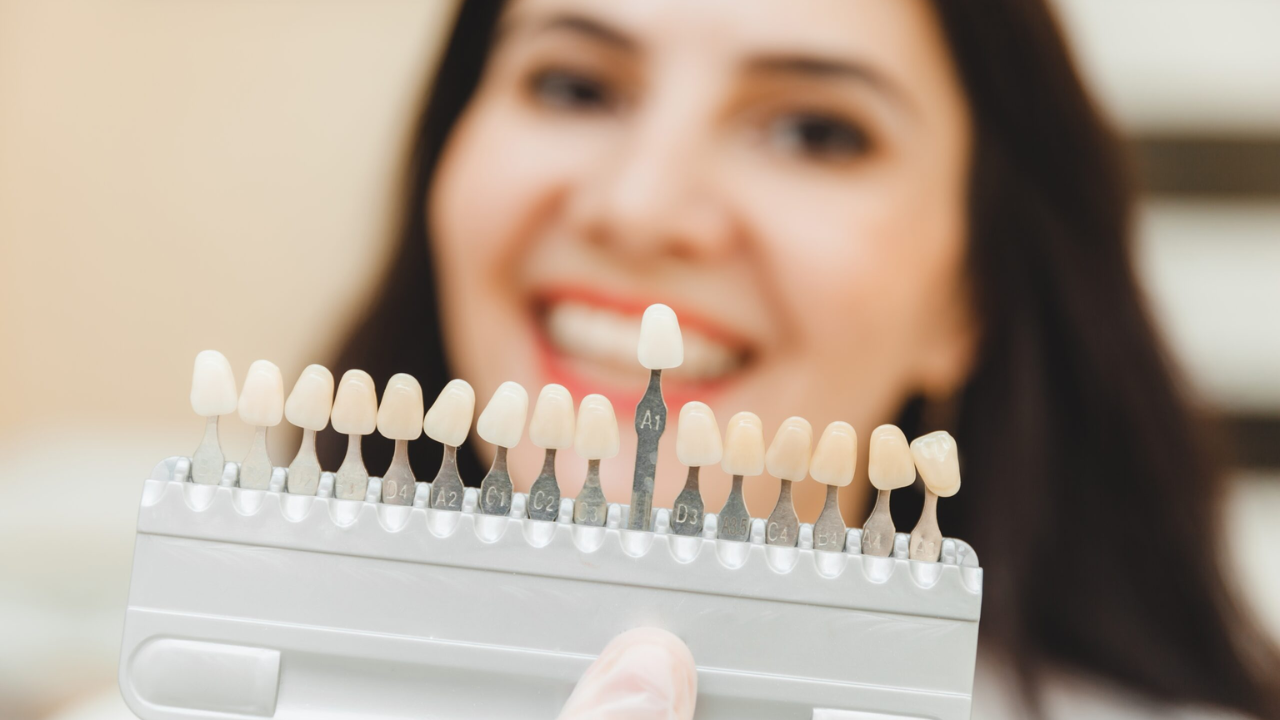
- Stronger, faster results — In-office whitening can lighten teeth by several shades in just one visit
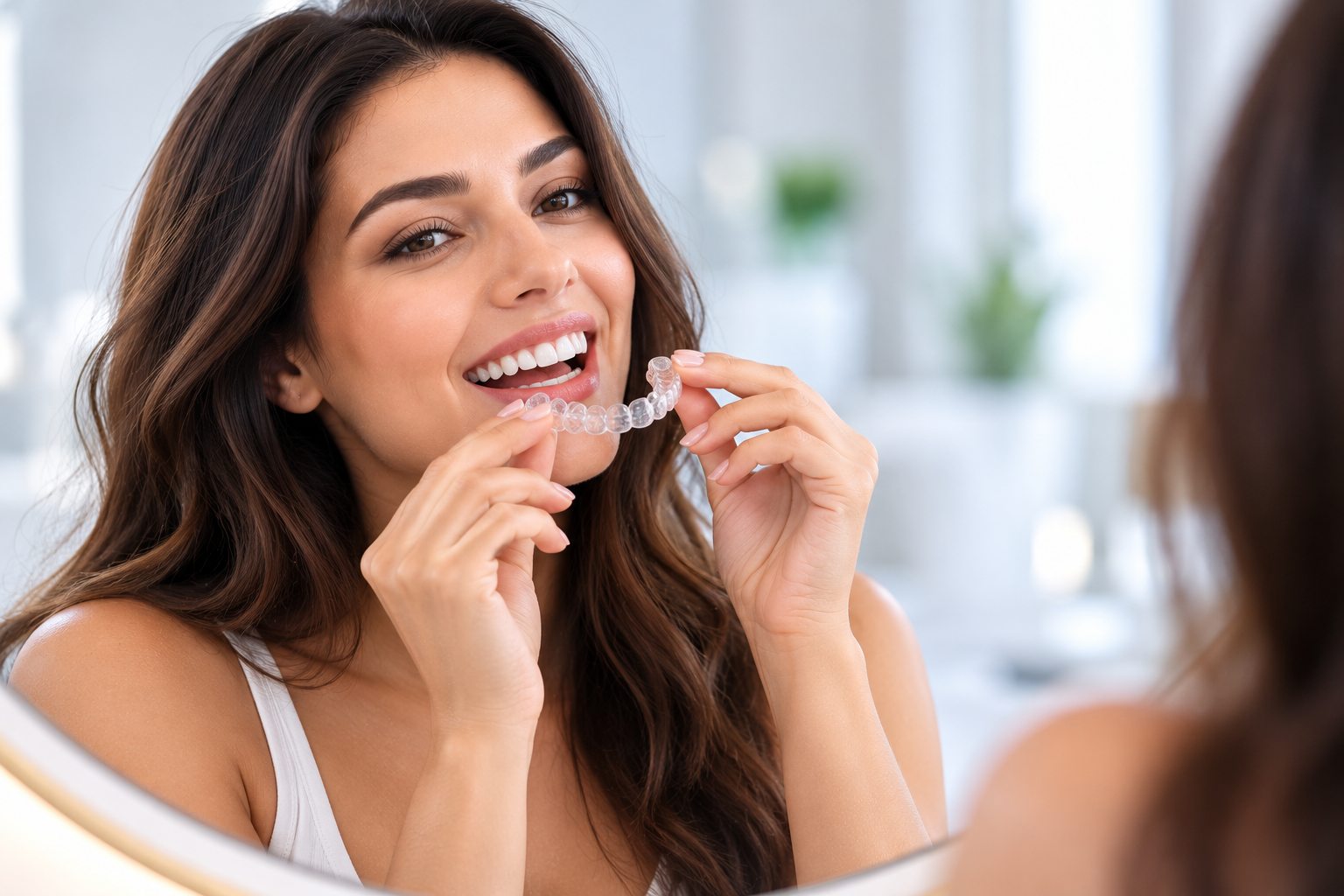
- Customized to your teeth — Trays are made to fit your mouth exactly, so the gel doesn’t touch your gums
- Safer formulas — Professional whitening is carefully monitored by a dentist to protect your enamel
- Long-lasting — Results last much longer than drugstore strips
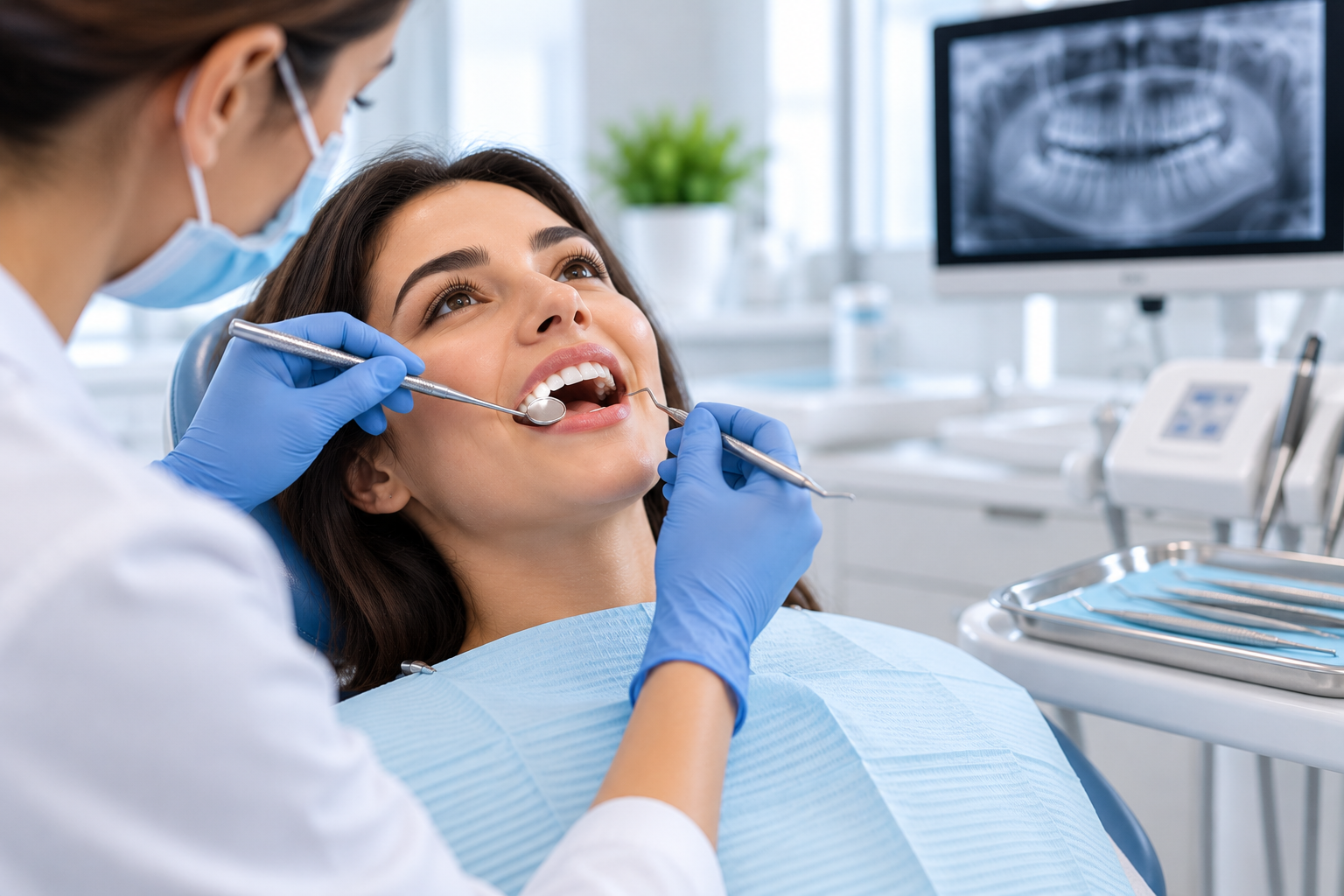
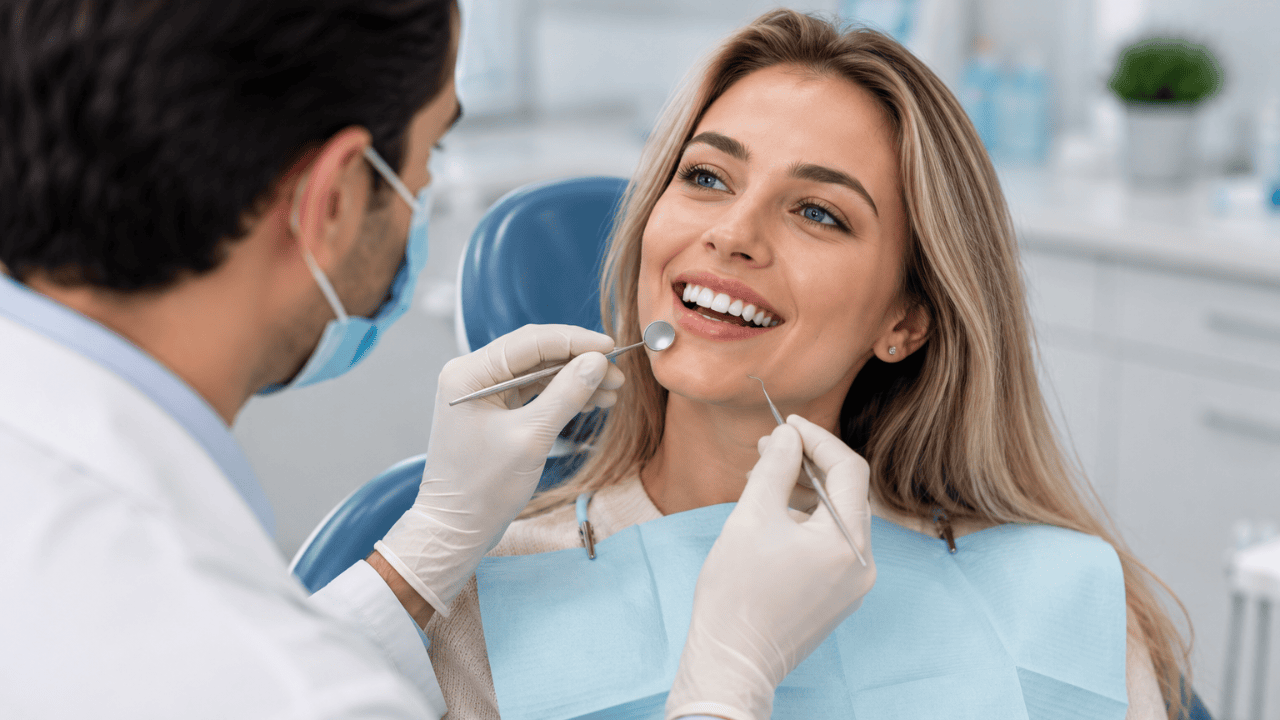
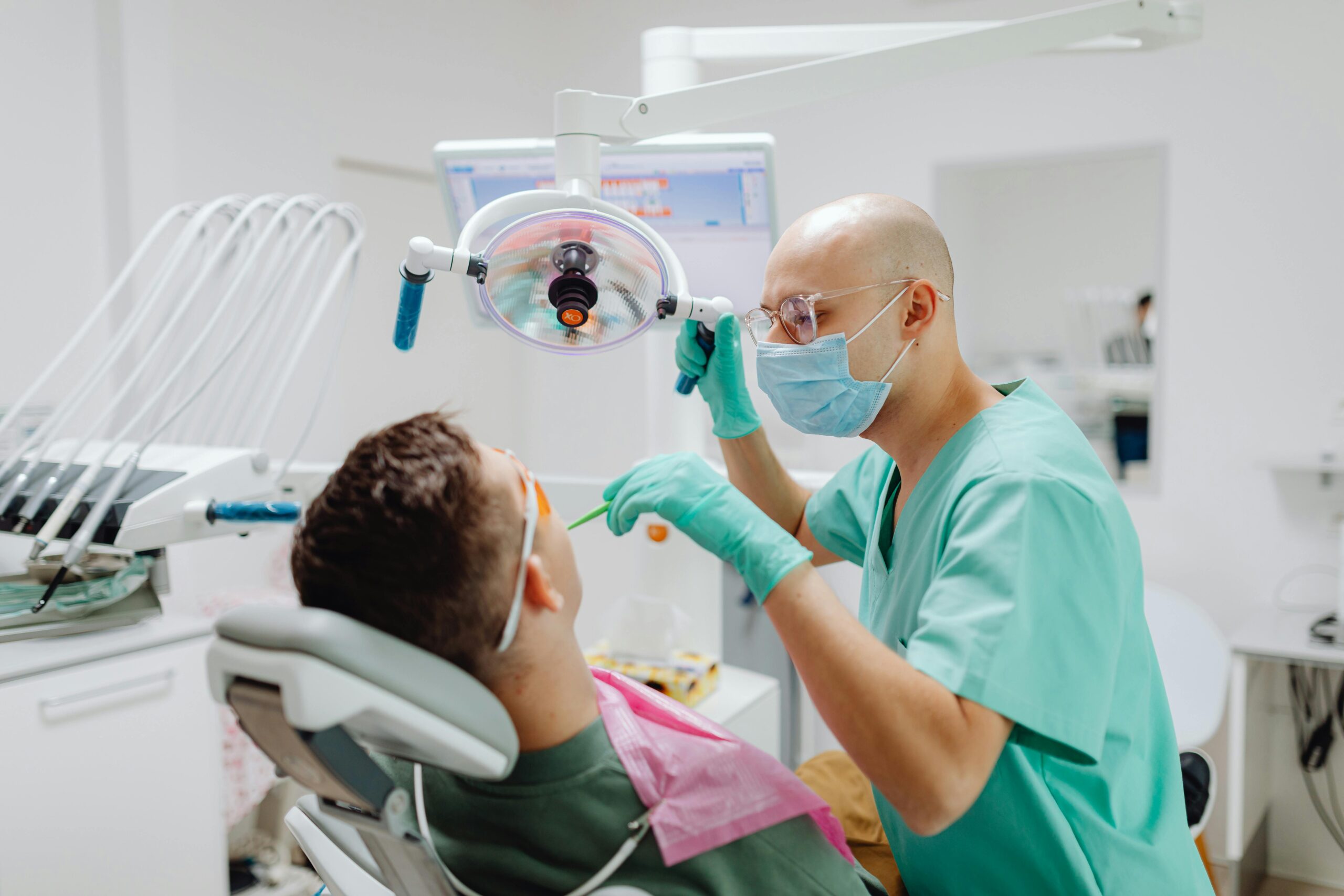
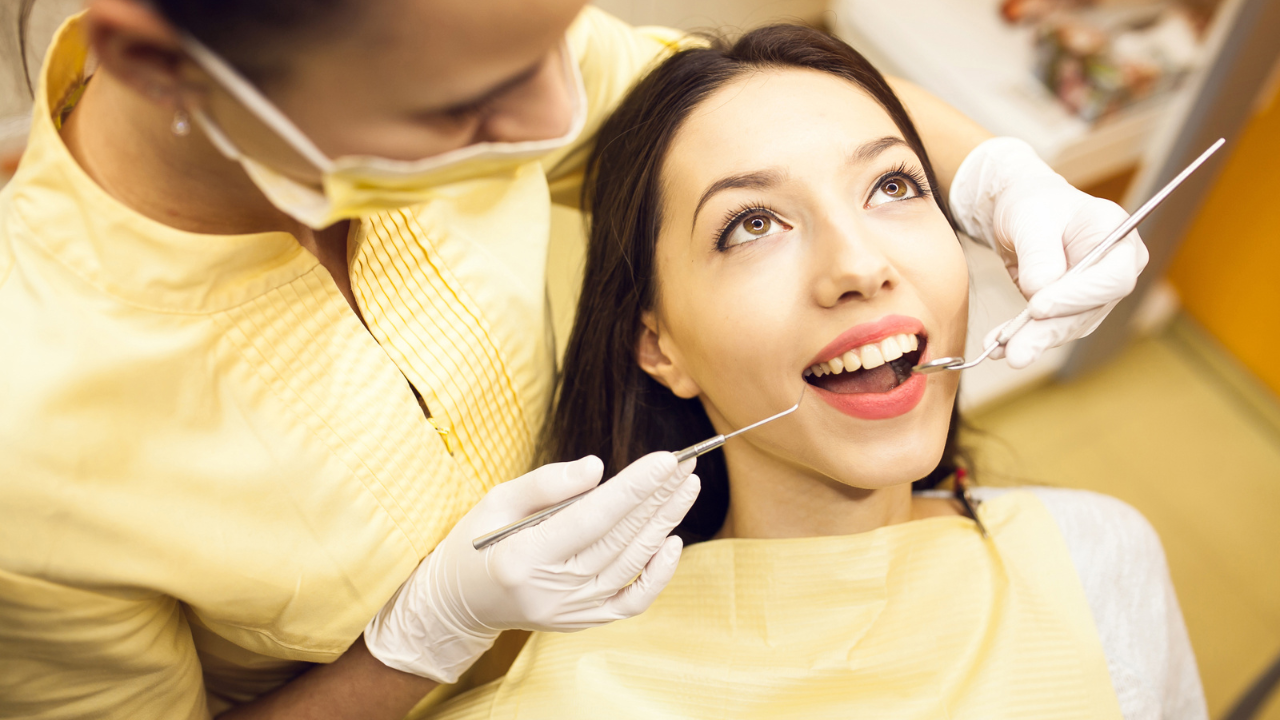
- Pre-screening — Your dentist checks for cavities or sensitivity before whitening so it’s safe for you
Professional whitening is typically more cost-effective in the long run too — especially if you’ve been buying drugstore strips every few months.
Tips to Whiten Safely at Home
If you still prefer to use whitening strips, here are dentist-approved tips to keep your enamel safe:
- Always follow the package instructions exactly
- Never leave strips on longer than recommended
- Take long breaks between rounds of whitening (at least 3–6 months)
- Use a sensitivity toothpaste during and after whitening
- Avoid acidic foods and drinks while whitening
- Visit your dentist for a cleaning before starting
These small steps can make a big difference in protecting your smile.
The Honest Truth
Whitening strips can be safe — but only when used correctly, occasionally, and on healthy teeth. They are not a magic solution, and they’re definitely not risk-free. For deep stains, fast results, or sensitive teeth, nothing beats professional whitening from a dentist who can protect your enamel while giving you a smile you love.
Frequently Asked Questions
- How often can I safely use whitening strips?
Most brands recommend one full cycle every 4–6 months. Using them more often can damage enamel and cause sensitivity. - Can whitening strips remove deep yellow stains?
Not always. They work best on surface stains. Deeper or grayish stains usually need professional whitening. - Do whitening strips work on crowns or veneers?
No. Whitening strips only work on natural tooth enamel. They won’t change the color of crowns, veneers, or fillings. - Are natural whitening methods safer than strips?
Some natural methods like baking soda or oil pulling are gentler, but they don’t whiten teeth as effectively. They can also wear down enamel if overused. - What’s the safest way to whiten my teeth?
The safest and most effective option is professional whitening from a dentist. Your dentist checks your enamel, customizes the treatment, and protects your gums — giving you brighter results without the damage.
If you’re worried about whitening safely or want lasting, dentist-approved results, schedule a whitening consultation at Ethos Modern Dental & Implant Center. Dr. Sreelakshmi Keesara will help you achieve a brighter smile — without compromising your enamel.