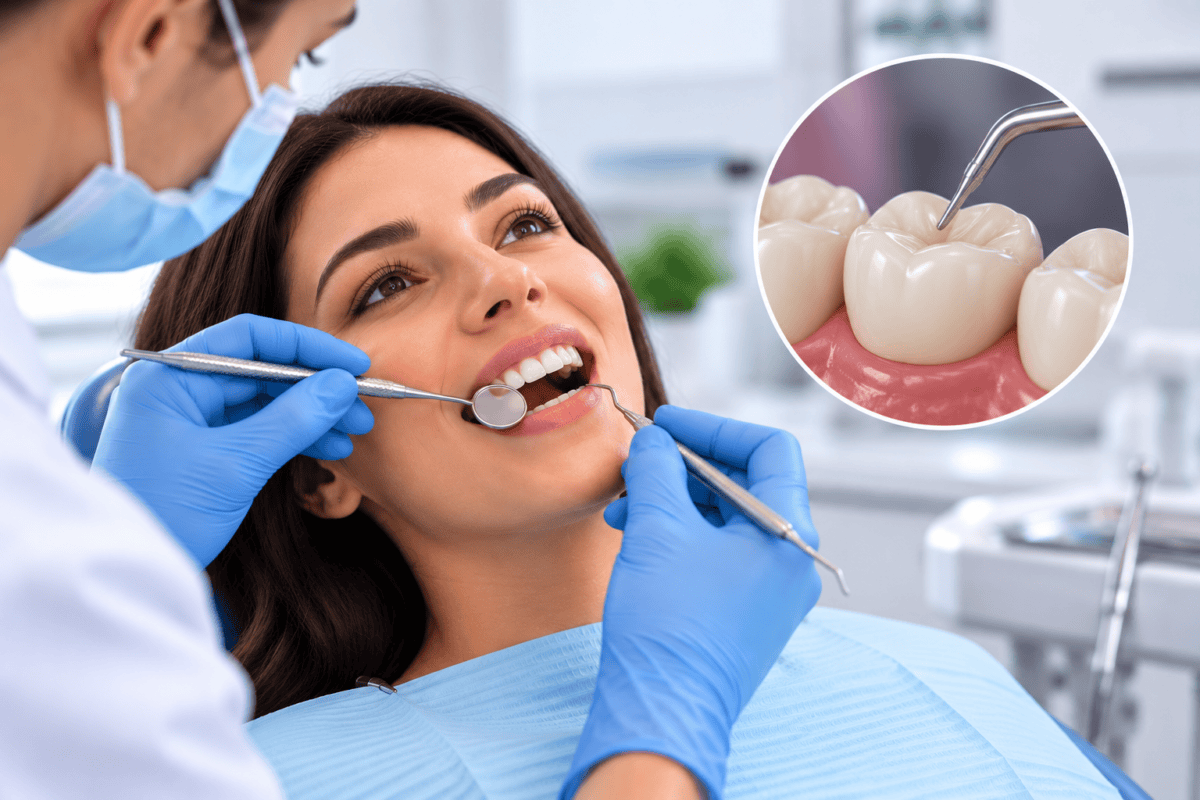
You just got a new dental crown and walked out of the office excited to enjoy your restored smile. But after a few hours or days, something feels off. Maybe your bite feels uneven, the crown feels too tall, or there’s a strange pressure when you chew. Now you’re wondering — can a dental crown be adjusted after it’s cemented?
The good news is yes, it usually can. Dentists adjust cemented crowns more often than you might think. Here’s a clear, honest look at how it works, what to expect, and when to call your dentist for a quick fix.
What Does It Mean to “Adjust” a Crown?
Adjusting a crown means making small changes to its shape, height, or surface after it has already been bonded to your tooth. The goal is to make sure the crown:
- Fits your bite comfortably
- Doesn’t feel too tall or short
- Lines up properly with your other teeth
- Allows you to chew without pressure or pain
- Feels natural in your mouth
These adjustments are usually small, painless, and done in one short visit.
Can a Crown Be Adjusted After It’s Cemented? The Short Answer
Yes — most crowns can be adjusted even after they’re cemented. Dentists use special tools to smooth, reshape, or trim the surface of the crown without removing it from your tooth.
What’s usually possible:
- Lowering the height of a tall crown
- Smoothing rough edges
- Adjusting the bite or chewing surface
- Polishing the surface for better feel
- Reshaping the contact points between teeth
What’s harder to do:
- Major shape changes
- Changing the color
- Fixing internal fit issues
- Adjustments to crowns that are already cracked
If the crown has a serious problem, it may need to be replaced instead of adjusted.
Common Reasons a Cemented Crown Might Need Adjusting
A new crown can feel different at first — that’s normal. But sometimes the issue doesn’t go away on its own. Here are the most common reasons dentists need to adjust a cemented crown.
1. The Crown Feels Too Tall
This is the most common reason for adjustment. If the crown sticks up higher than your other teeth, it can:
- Make your bite feel uneven
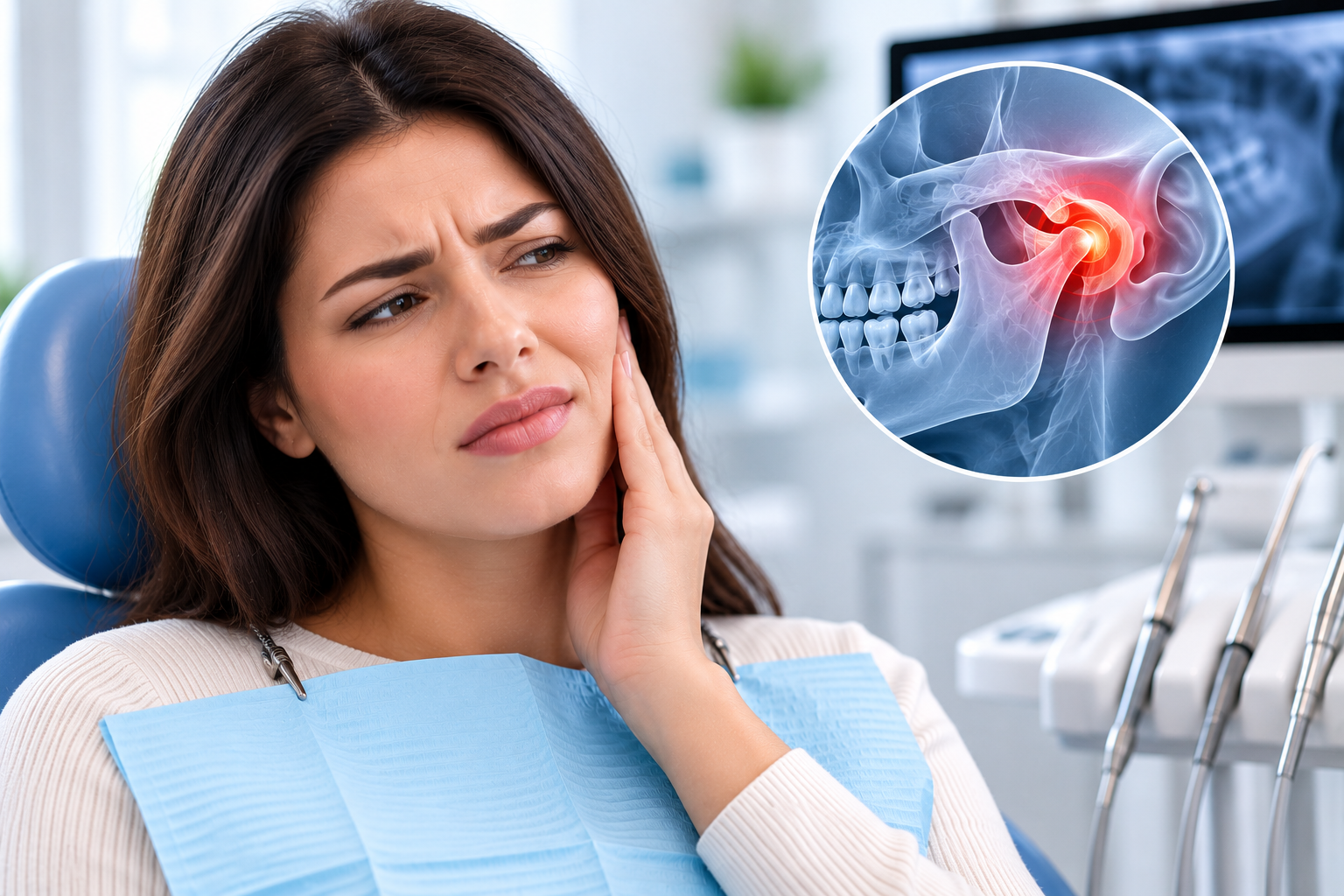
- Cause jaw soreness
- Lead to headaches
- Put pressure on the new tooth
- Cause discomfort when chewing
A quick polish or grind can usually fix this in minutes.
2. Your Bite Feels Off
Sometimes the crown is the right height but doesn’t line up perfectly with your bite. You might notice:
- Hitting one tooth before the others when biting
- Discomfort when chewing certain foods
- A clicking or popping sensation
- Tooth pain on the same side
- Shifting jaw alignment
Your dentist can correct this with a bite adjustment.
3. The Crown Has Sharp or Rough Edges
A rough crown can irritate your tongue, cheeks, or gums. Adjusting it can help if you notice:
- A scratchy feeling in your mouth
- Sores or cuts on the cheek or tongue
- Food getting trapped near the crown
- Floss snagging on the edge
- Plaque buildup along the crown line
A smoothing and polishing usually solves this quickly.
4. Sensitivity or Pain After the Crown Is Placed
Some sensitivity is normal in the first few days. But if it lingers, it could mean:
- The bite is slightly off
- The crown is pressing on a nerve
- There’s irritation from cement leftover
- The crown is too tight against another tooth
- A deeper issue with the tooth underneath
Your dentist can usually fix this with a small adjustment — but in some cases, further treatment may be needed.
5. The Crown Doesn’t Look or Feel Natural
If the crown feels bulky, oddly shaped, or affects your speech, adjustments can help with:
- Smoothing the chewing surface
- Refining the side edges
- Improving how it touches neighboring teeth
- Reshaping the biting points
- Making the surface less noticeable to your tongue
These small tweaks can make a big difference in comfort.
How Dentists Adjust a Cemented Crown
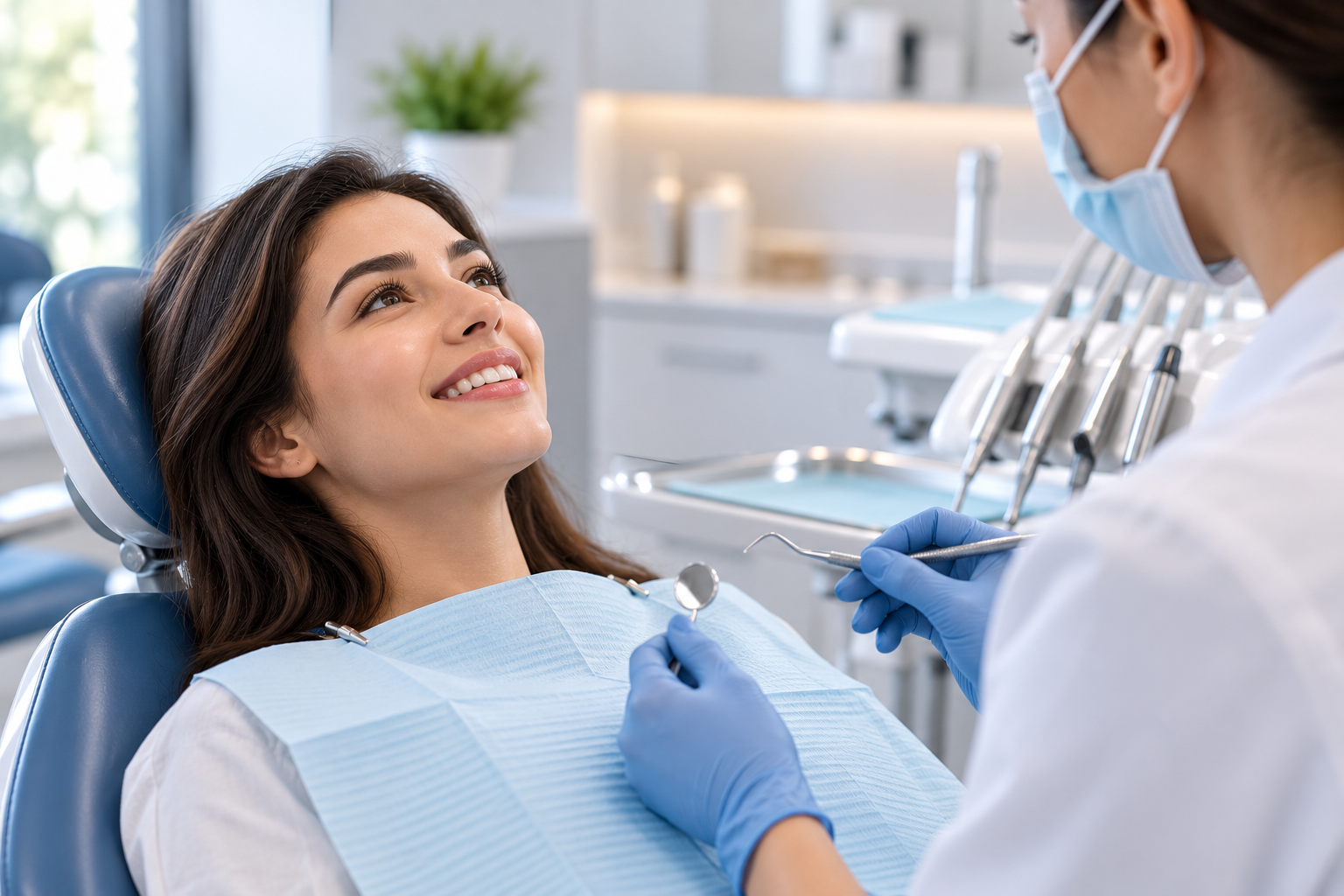
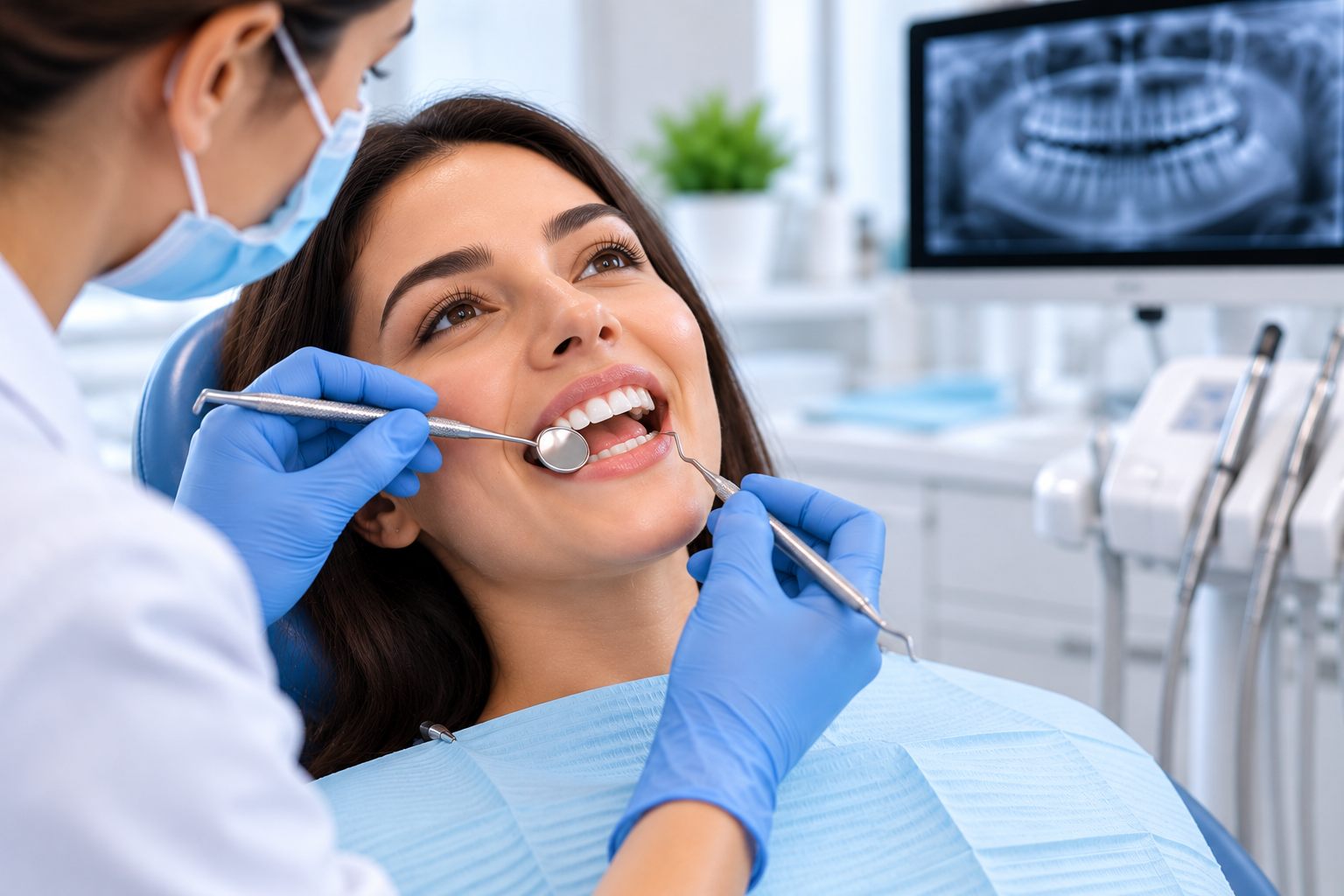
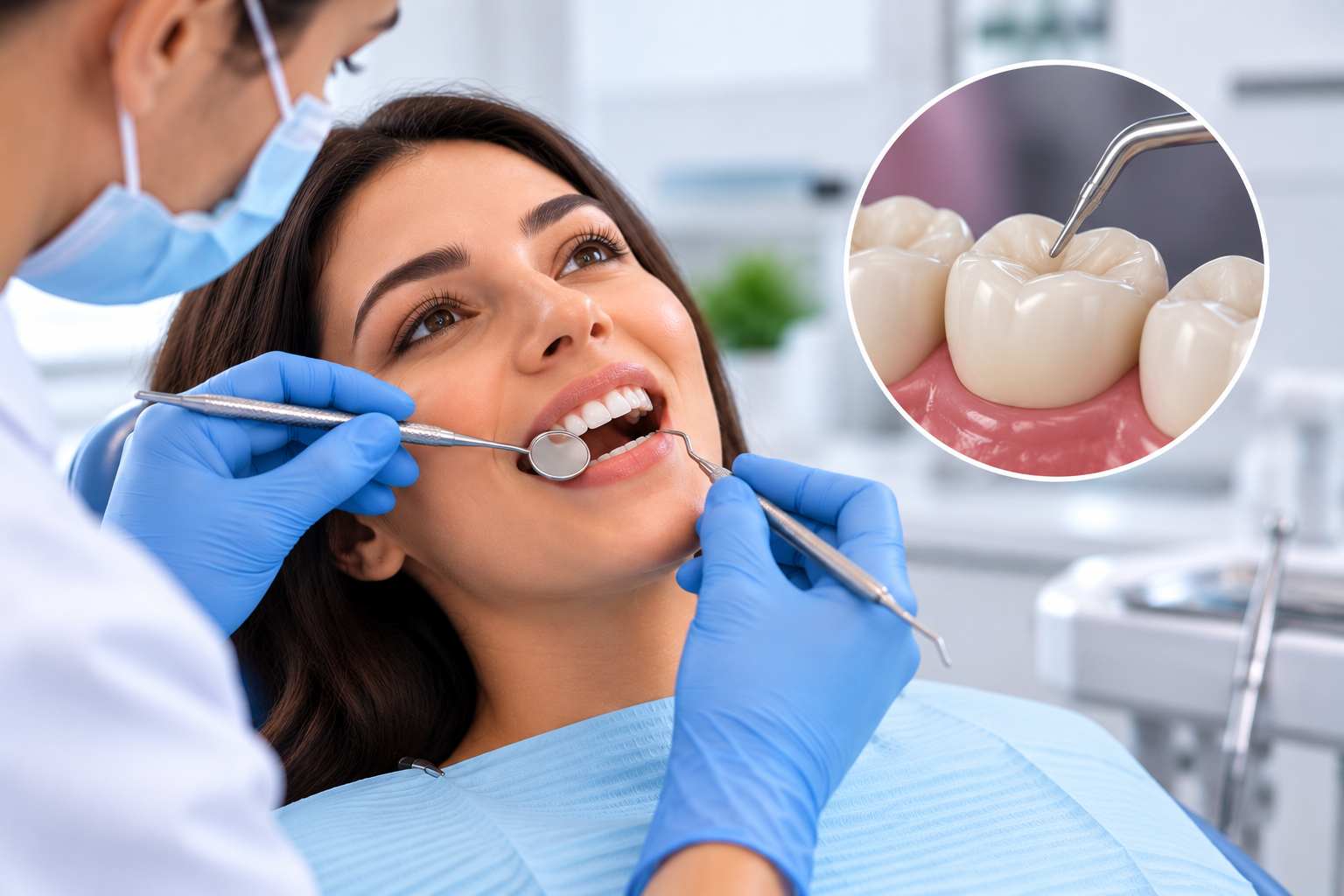
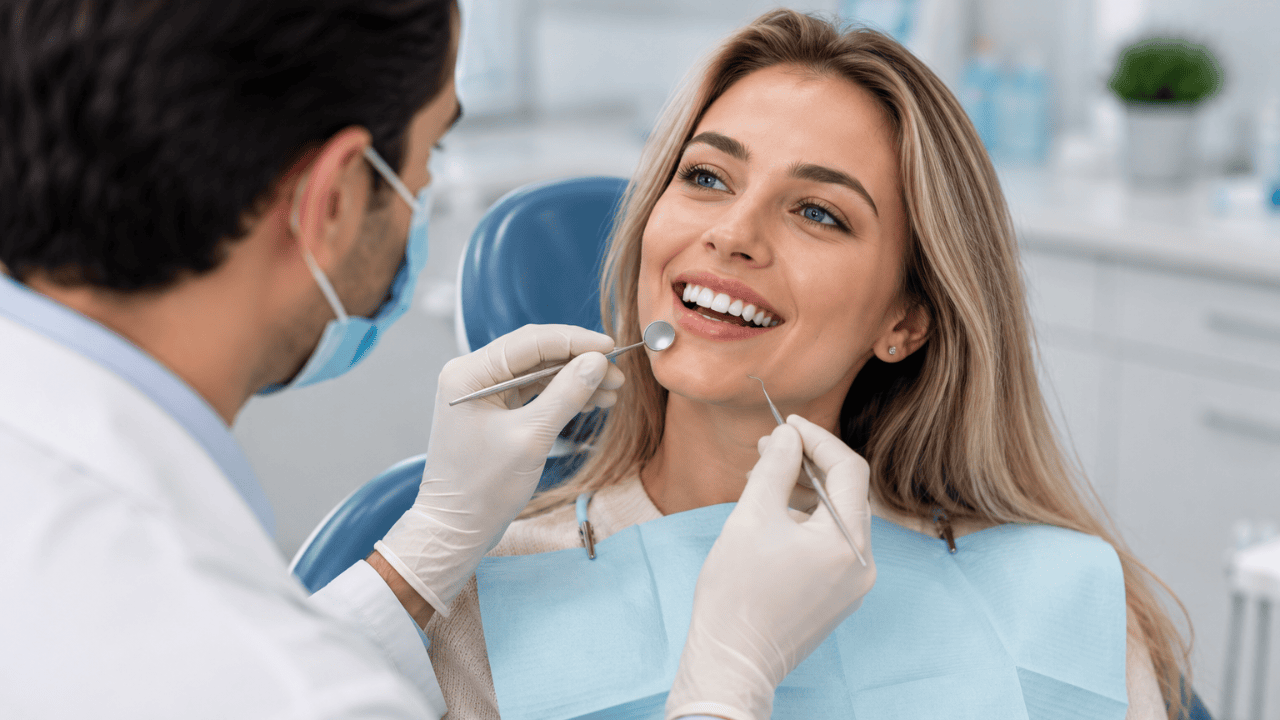
You don’t need to be nervous about a crown adjustment. It’s a quick and gentle process that doesn’t usually require numbing.
Here’s what to expect at your visit:
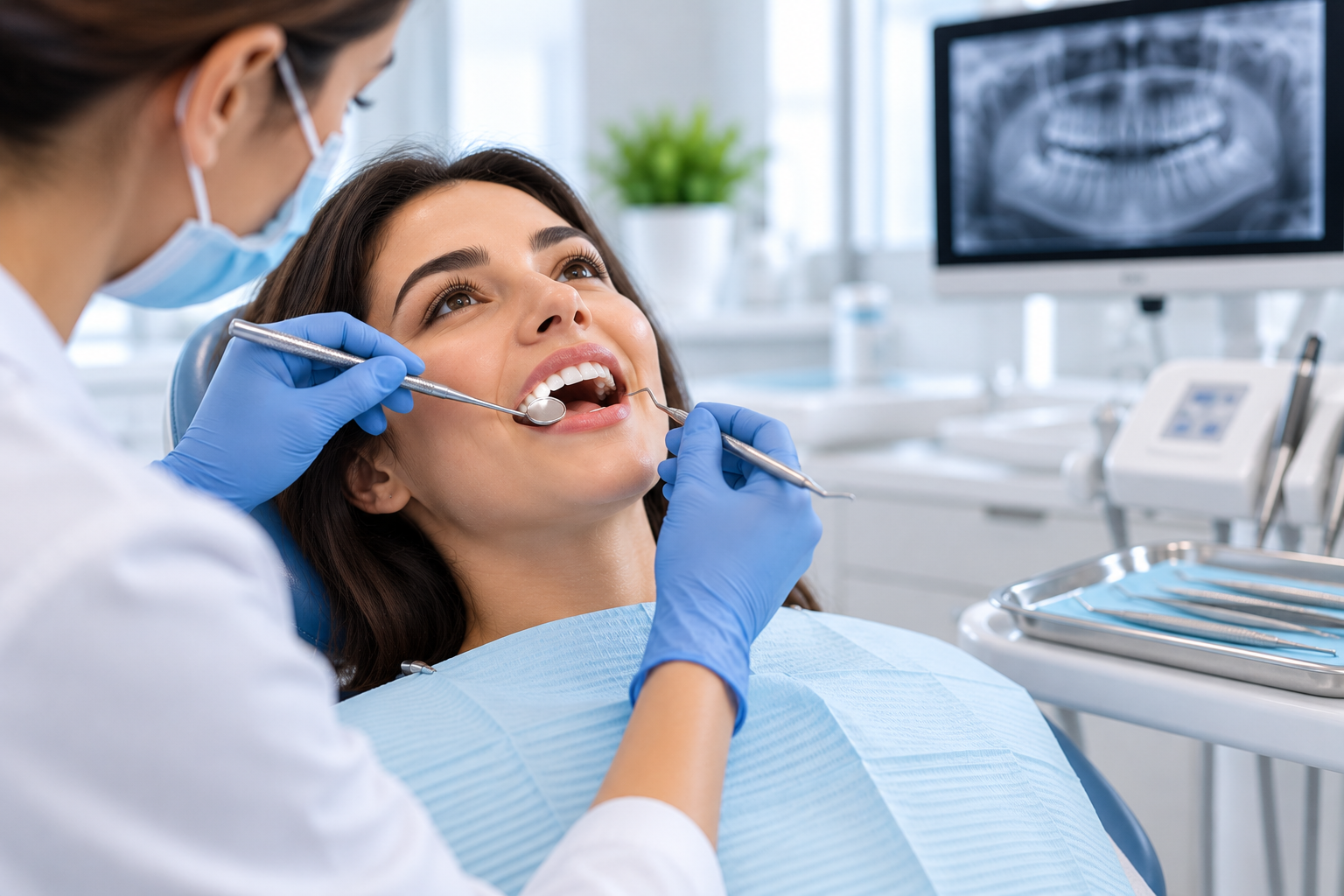
- Your dentist will check your bite using thin colored paper
- They will identify high spots or uneven areas
- A small dental tool is used to smooth or trim the crown
- Your bite is re-tested several times for accuracy
- The crown is polished to make it smooth again
- You’ll bite, chew, and check the comfort yourself
Most adjustments take just 10 to 20 minutes.
Is Adjusting a Crown Painful?
Not at all. Crown adjustments are usually painless because:
- The dentist works only on the surface of the crown
- No drilling into the tooth is needed
- No anesthesia is usually required
- The process is fast and minimally invasive
- You can return to your day right after
If your tooth is sensitive, your dentist may use mild anesthetic, but most people don’t need it.
What If My Crown Can’t Be Adjusted?
In a few cases, a crown may be too damaged or poorly fitted to adjust. Your dentist may recommend replacing it if:
- The crown is cracked or broken
- The fit is too loose or too tight
- There’s decay underneath
- The shape can’t be safely modified
- It doesn’t match your other teeth in color or contour
Replacing a crown isn’t ideal, but it’s a permanent solution that ensures lasting comfort and function.
How Long Should I Wait Before Asking for an Adjustment?
It’s normal for a new crown to feel a little different for the first few days. But you shouldn’t suffer through discomfort.
General guidelines:
- Mild sensitivity is normal for up to 2 weeks
- Bite issues should be reported within a few days
- Sharp pain or pressure deserves an immediate call
- Persistent jaw discomfort means it’s time for an adjustment
- Anything that affects your daily life should be checked
Your dentist would much rather see you sooner than later.
Tips to Take Care of Your Crown After Adjustment
Once your crown is adjusted, follow these simple steps to keep it in great shape:
- Brush twice a day with fluoride toothpaste
- Floss carefully around the crown
- Avoid chewing on hard foods like ice or nuts
- Don’t bite directly on sticky candies
- Wear a night guard if you grind your teeth
- Get regular dental cleanings every 6 months
- Watch for any new bite changes
With good care, a well-fitted crown can last 10 to 15 years or more.
When to See Your Dentist Right Away
Some symptoms shouldn’t wait. Call your dentist immediately if you notice:
- Severe pain in or around the crown
- A crown that feels loose or shifts when you bite
- Pus, swelling, or bad taste near the tooth
- Visible cracks on the crown
- Bleeding gums around the crown area
- Difficulty chewing on that side of your mouth
These could be signs of infection, decay, or a poorly fitted crown that needs attention.
Frequently Asked Questions
How long does it take to adjust a cemented crown?
Most crown adjustments take only 10 to 20 minutes. They’re quick, painless, and usually don’t require any numbing.
Will adjusting my crown weaken it?
No. Dentists use precise techniques and tools that smooth or reshape the surface without harming the structure of the crown.
Can I adjust my crown at home?
Never try to adjust a crown yourself. DIY adjustments can damage the crown, your tooth, or your bite. Always see a dentist for professional adjustments.
Why does my new crown feel taller than my other teeth?
Even a tiny difference in crown height can feel huge in your mouth because your bite is extremely sensitive. A quick adjustment can fix this completely.
What if my bite still feels off after the adjustment?
Sometimes more than one visit is needed to fine-tune the fit. If your bite still feels off after an adjustment, schedule a follow-up so your dentist can refine it further.
If your dental crown feels off or uncomfortable after being cemented, you don’t have to live with it. Book a visit with Dr. Sreelakshmi Keesara at Ethos Modern Dental & Implant Center for a quick, gentle adjustment that gets your bite — and your smile — feeling just right.
Popular Services:
Emergency Dentist Edinburg TX | Dental Implants in Edinburg TX | Root Canal Treatment | Dental Crowns, Veneers & Bridges Edinburg TX |
We’re Near From
Dentist in McAllen TX | Emergency Dentist McAllen TX | Pediatric Dentist McAllen TX | Dental Implants in McAllen, TX | Teeth Whitening McAllen TX | Root Canal Treatment in McAllen TX | Dental Crowns, Veneers & Bridges McAllen TX |
Dentist in Pharr TX | Dentist in Mission TX | Dentist in Weslaco TX | Dentist in Palmview TX | Dentist in San Juan TX | Dentist in Donna TX |