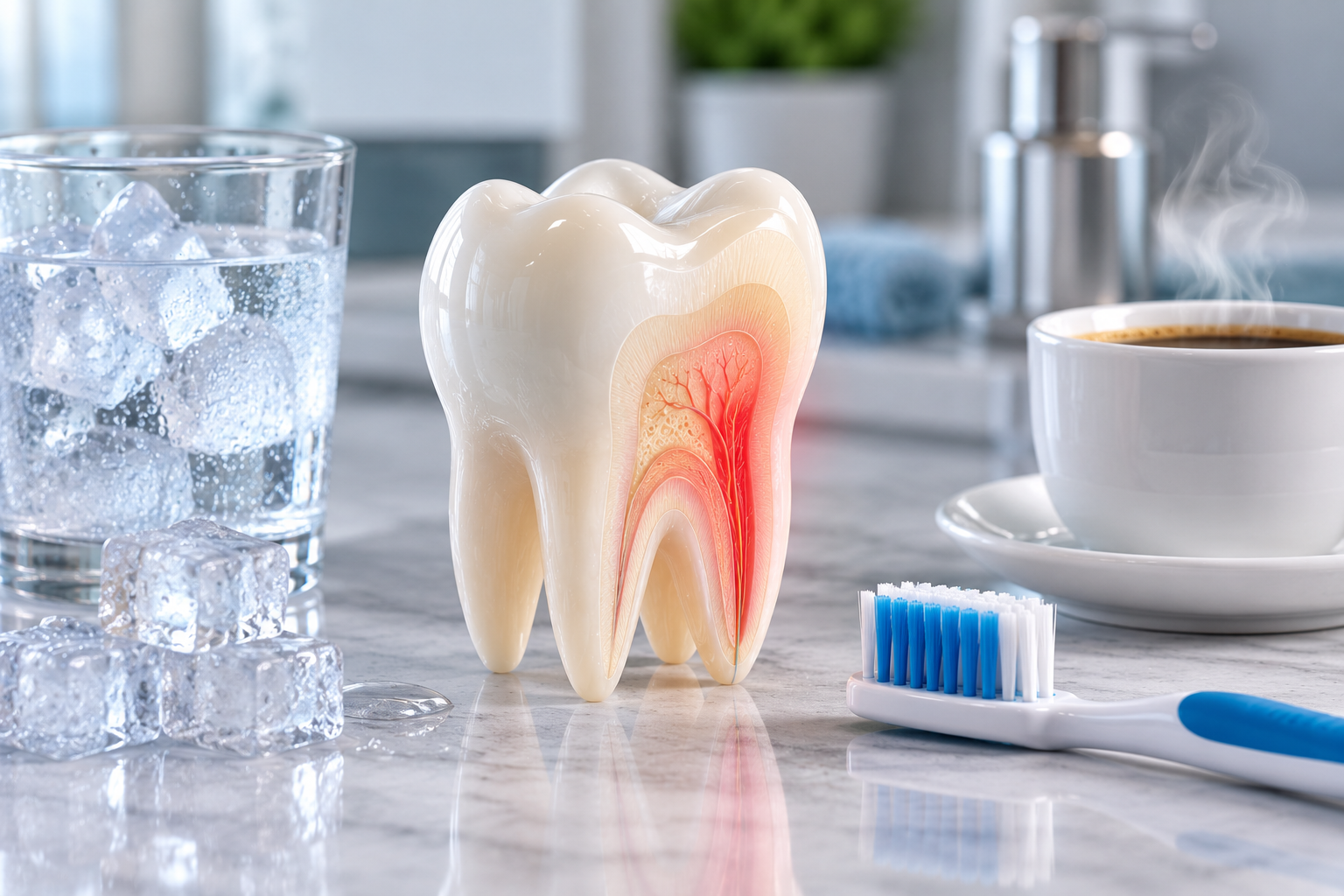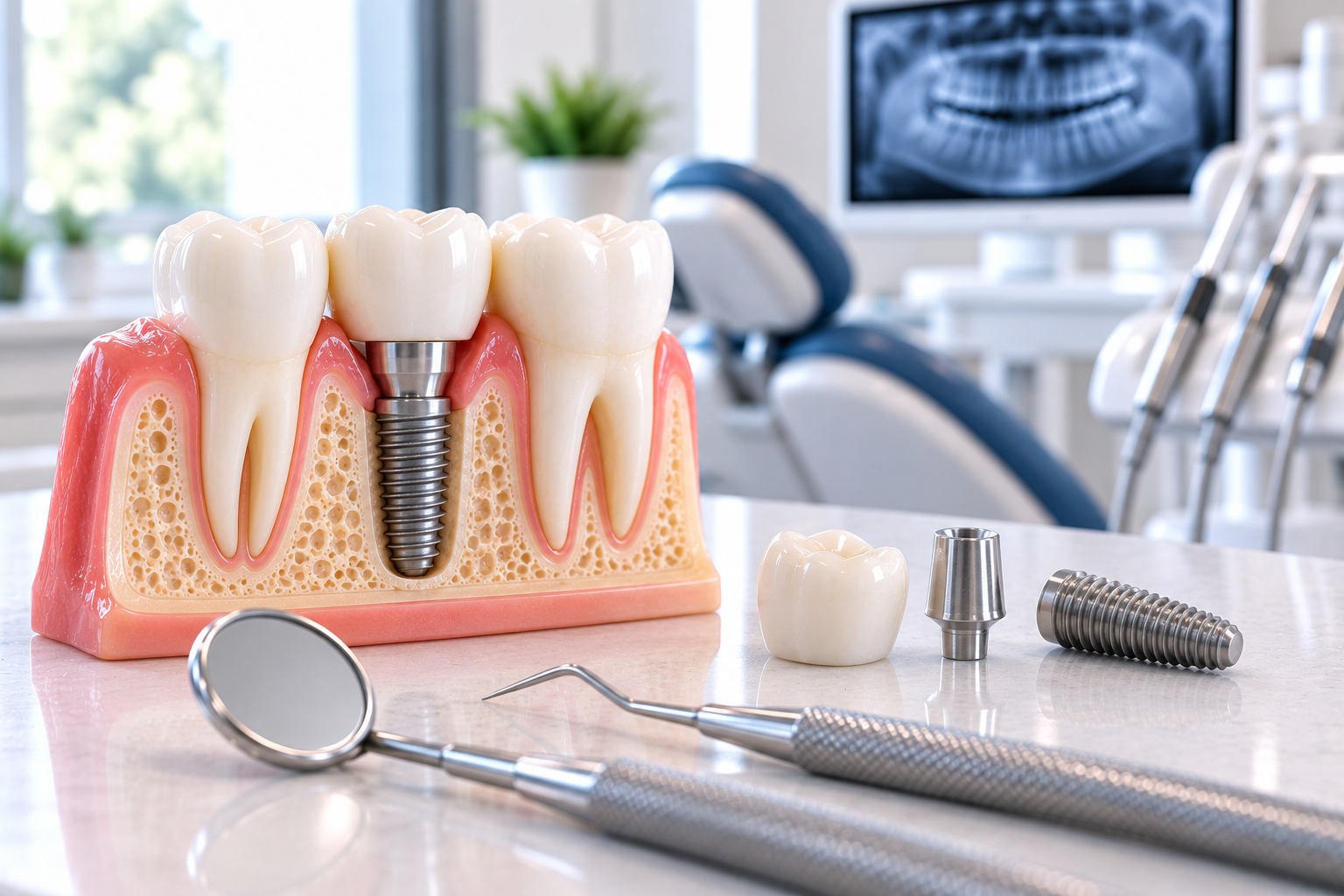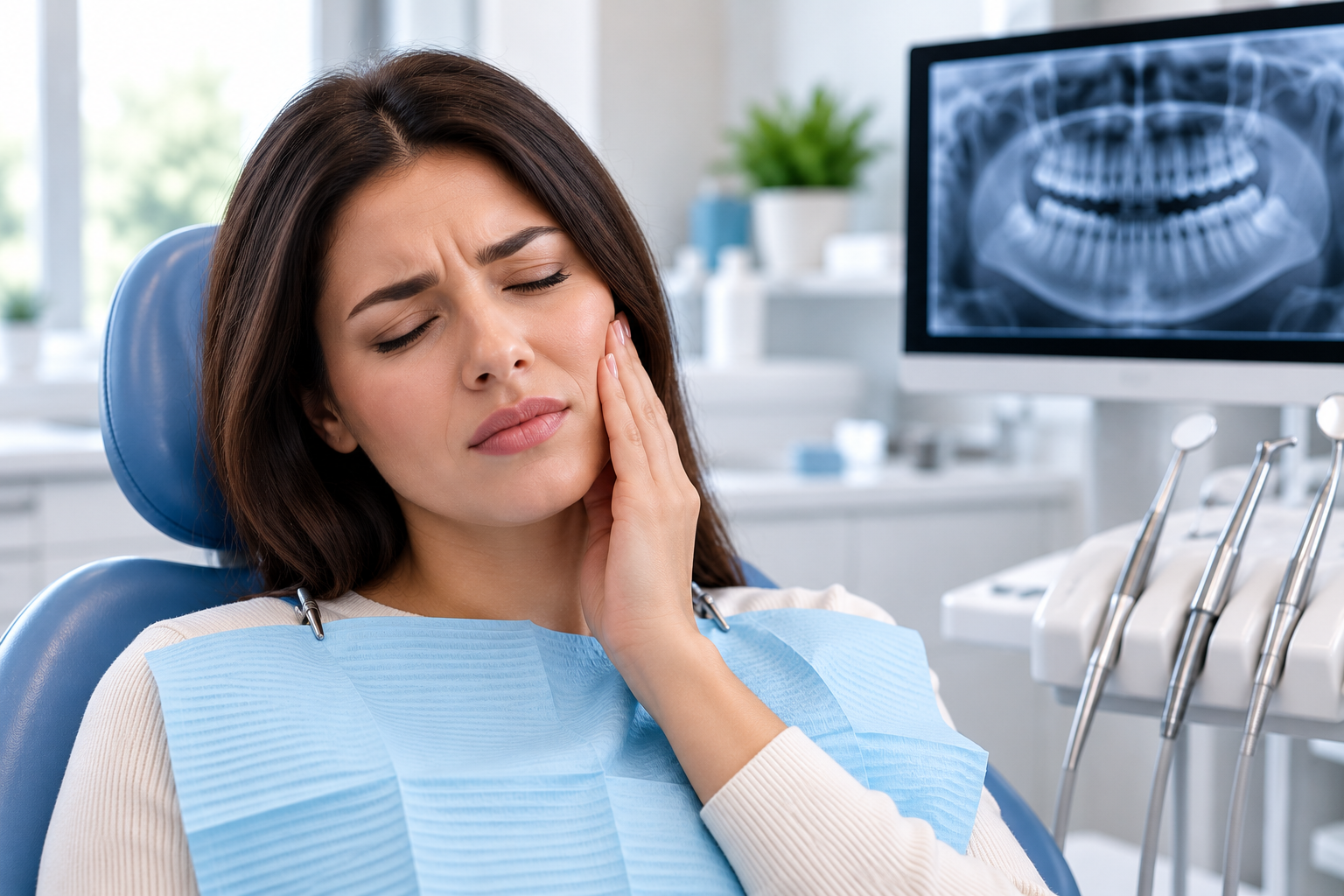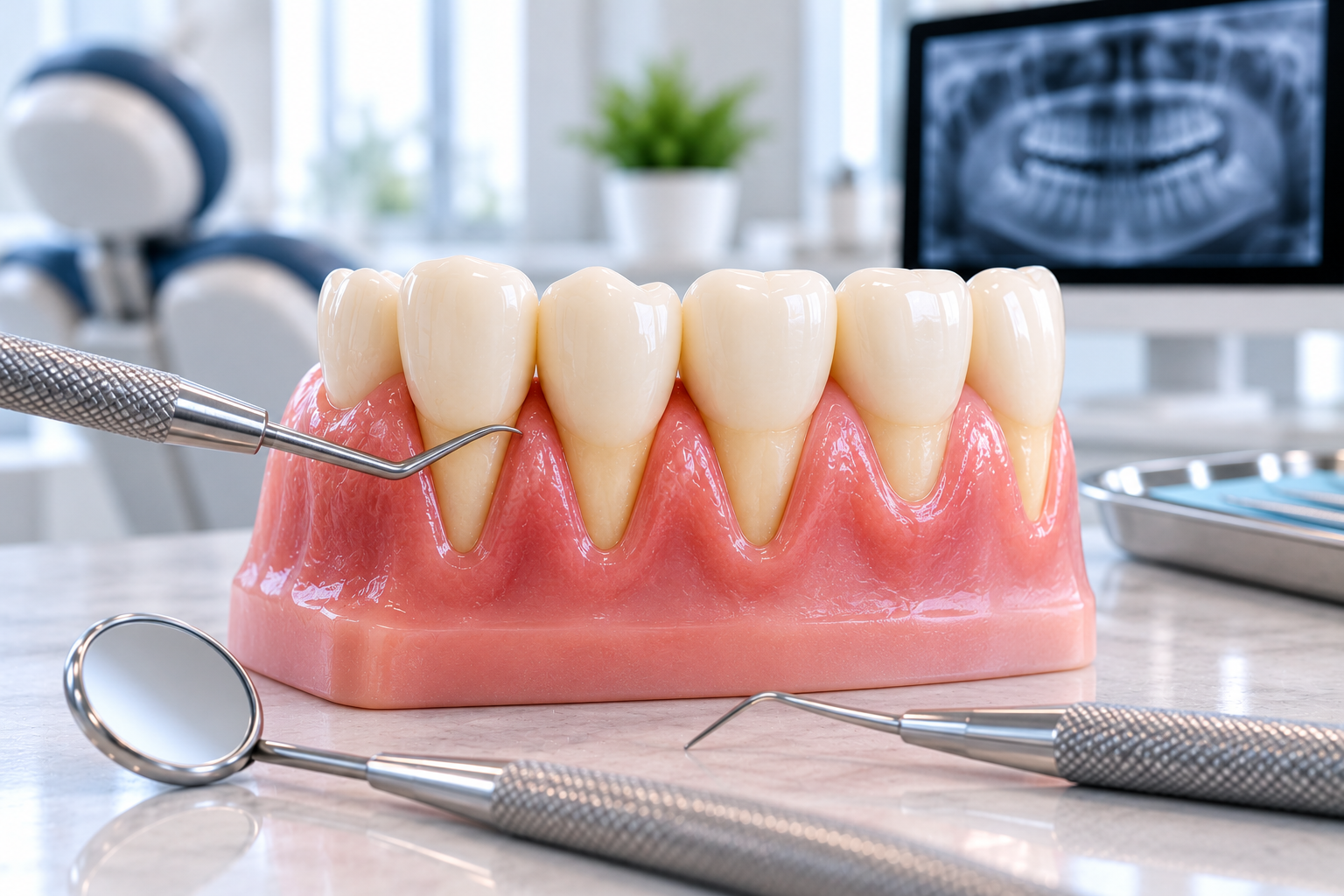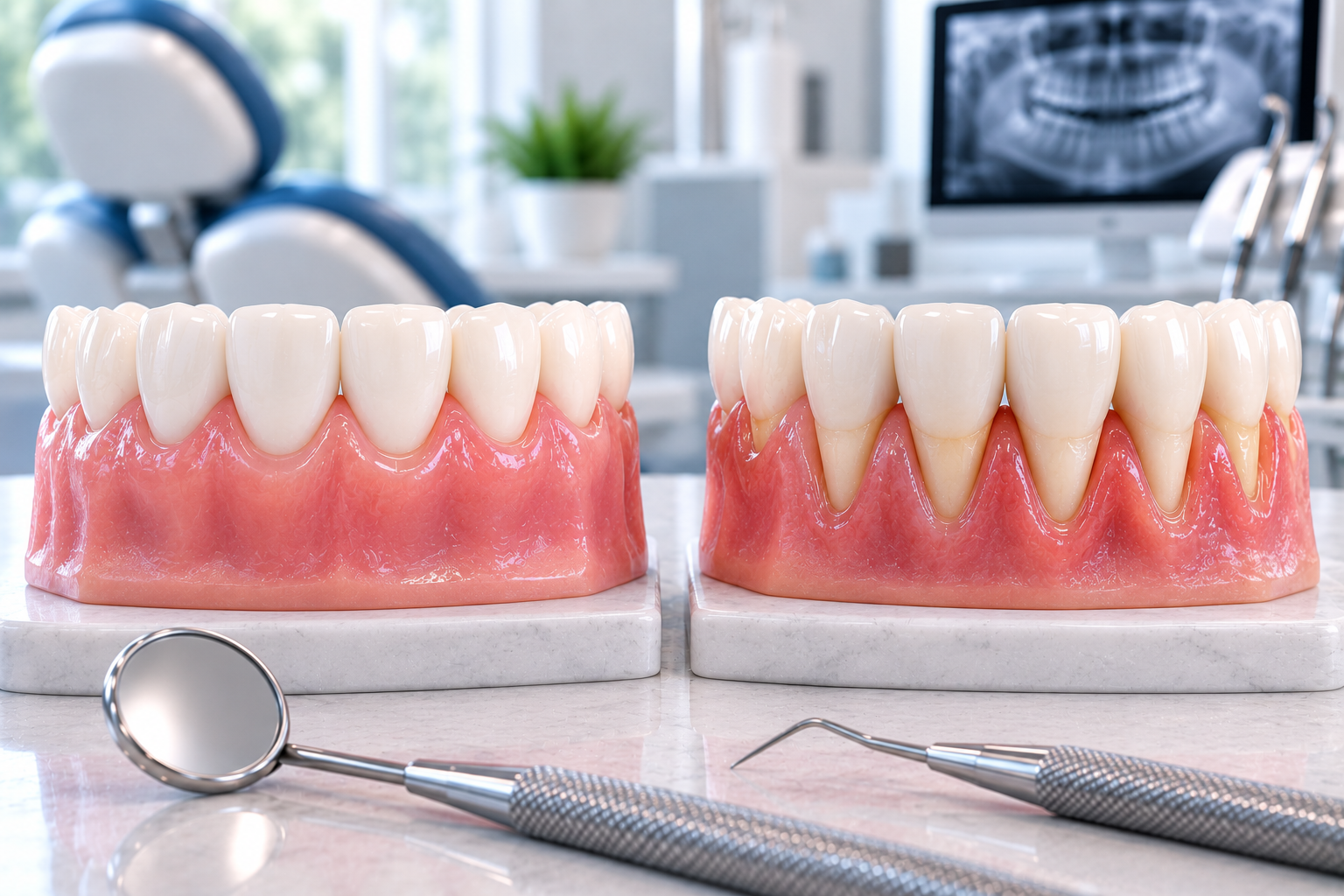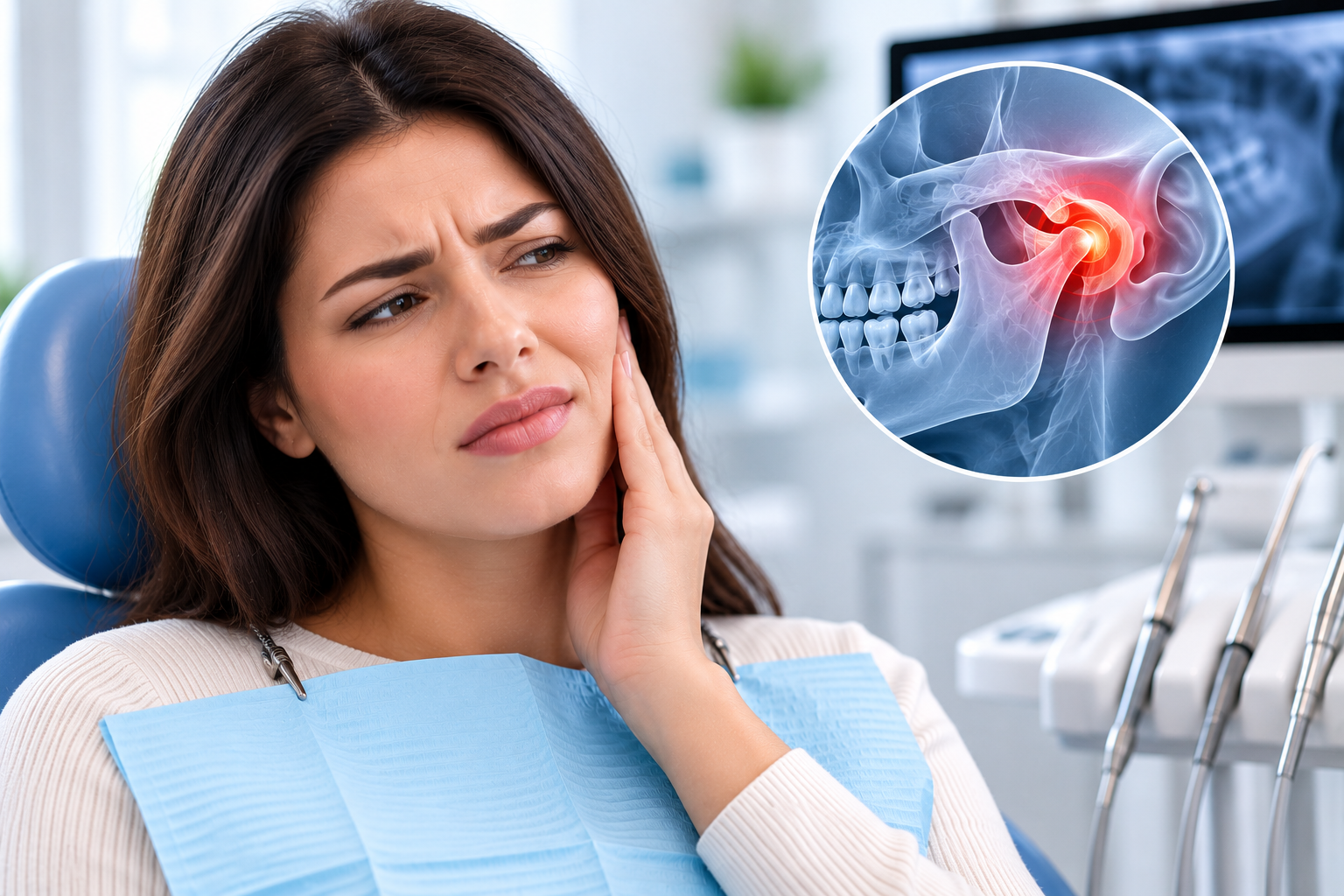
The first indication that you might have necessitated proper treatment for sensitive teeth is when you feel a sudden jolt of pain when drinking cold water or biting into ice cream; that is only a reason for avoiding these two food products. Habits such as grinding-clenching can further contribute to enamel wear and increase tooth sensitivity over time. Dentin has many tiny tubes running through it that connect directly to the nerve of each tooth, so cold, hot, sugary foods can cause immediate pain.
Fortunately, once the reason for tooth sensitivity is diagnosed, tooth sensitivity typically can be treated very effectively. In most cases, your dentist will be able to identify specifically what has caused your tooth sensitivity and recommend treatments for you that will provide long-lasting relief.
One of the best ways to explain how you can help your sensitive teeth is with the acronym CALM:
- – Cover the exposed area
- – Change habits you have that are causing you to have sensitive teeth
- – Decrease exposure of your teeth to acids
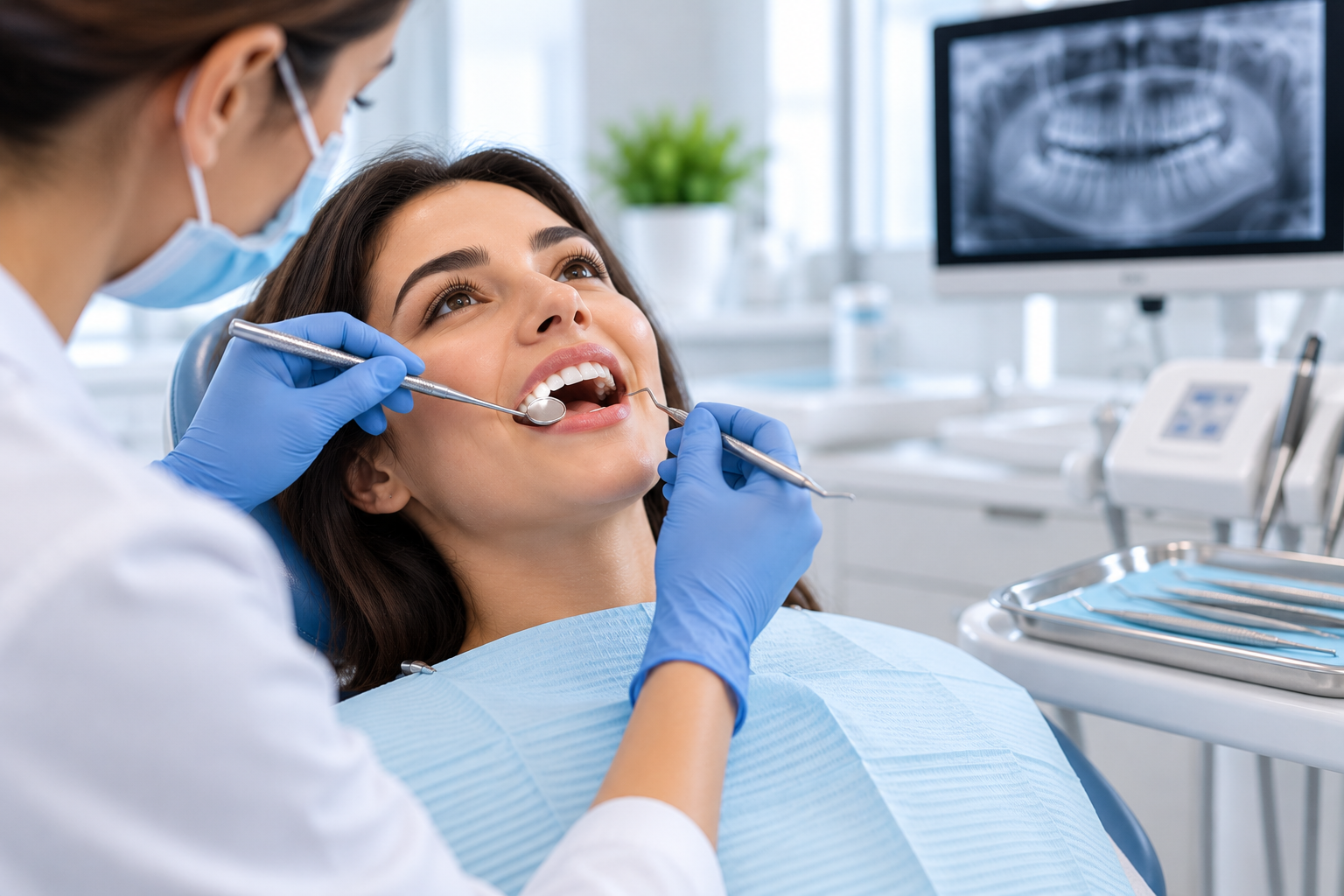
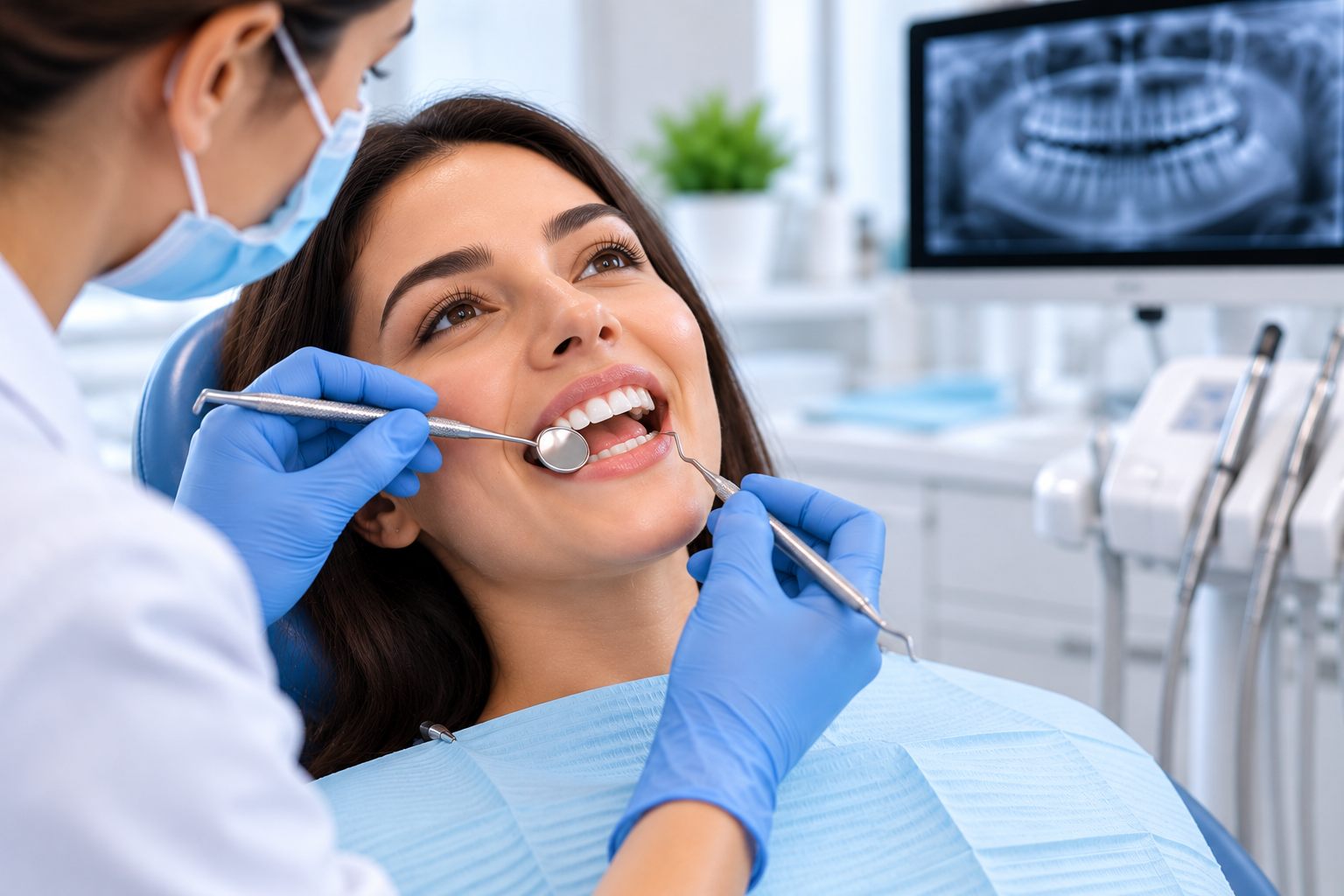
- – See a dentist to get the source of your sensitivity treated professionally
Why Tooth Sensitivity Should Never Be Ignored
Tooth sensitivity is one of the most common dental problems, but many people ignore it until the pain becomes difficult to manage. Unfortunately, sensitivity rarely improves on its own. When dentin remains exposed, triggers continue reaching the nerve and the tooth gradually becomes weaker. In many cases, persistent tooth pain can also develop as the sensitivity worsens over time.
The goal of proper tooth sensitivity treatment is not simply to numb the discomfort temporarily. Real treatment helps protect or rebuild damaged areas so sensitivity becomes less frequent and less severe over time.
Cover the Exposed Surface
The quickest way to decrease sensitivity is by shielding exposed dentin from outside stimuli, and sending stimuli out of the way before they reach the nerve.
In addition to desensitising toothpaste, most dentists will recommend using desensitising toothpaste to their patients with mild or moderate sensitivity, as this is often considered an effective treatment. To obtain the optimum effect from this type of toothpaste do the following:
- -Brush your teeth twice a day on a regular basis.
- -Use this toothpaste for a minimum of 2 – 4 weeks.
- -Apply a minimal amount of toothpaste directly to the sensitive area of your teeth just prior to going to bed.
Most individuals will experience a gradual lessening of their sensitivity when using desensitising toothpaste on a continuous basis. For these reasons, this is one of the easiest solutions to fixing sensitive teeth at home.
Get a Professional Fluoride Treatment
Water-based fluoride varnishes and gels, applied by dentists, provide a stronger protective barrier for sensitive teeth than other forms of toothpaste or other types of fluoride treatments. When applied directly to the tooth surface, these products can help to strengthen the enamel on that tooth and seal off any areas of exposed dentin underneath the surface.
Fluoride varnish or gel treatment is particularly effective for individuals with:
- – Generalized sensitivity
- – Early enamel erosion
- – Sensitivity following dental cleanings or whitening
For some individuals, multiple applications of fluoride may be needed in order to produce long-term benefits.
Adjust the Habits Wearing Down Your Teeth
Daily habits play a major role in tooth sensitivity. Correcting these habits can significantly reduce discomfort and prevent further enamel damage.
Use a Soft-Bristled Toothbrush
Brushing too aggressively is one of the most common causes of enamel wear and gum recession. A hard-bristled toothbrush combined with excessive pressure slowly removes the tooth’s protective surface.
To brush more safely:
- Use a soft-bristled toothbrush
- Brush with gentle circular motions
- Avoid scrubbing back and forth aggressively
Gentler brushing protects enamel while still cleaning teeth effectively.
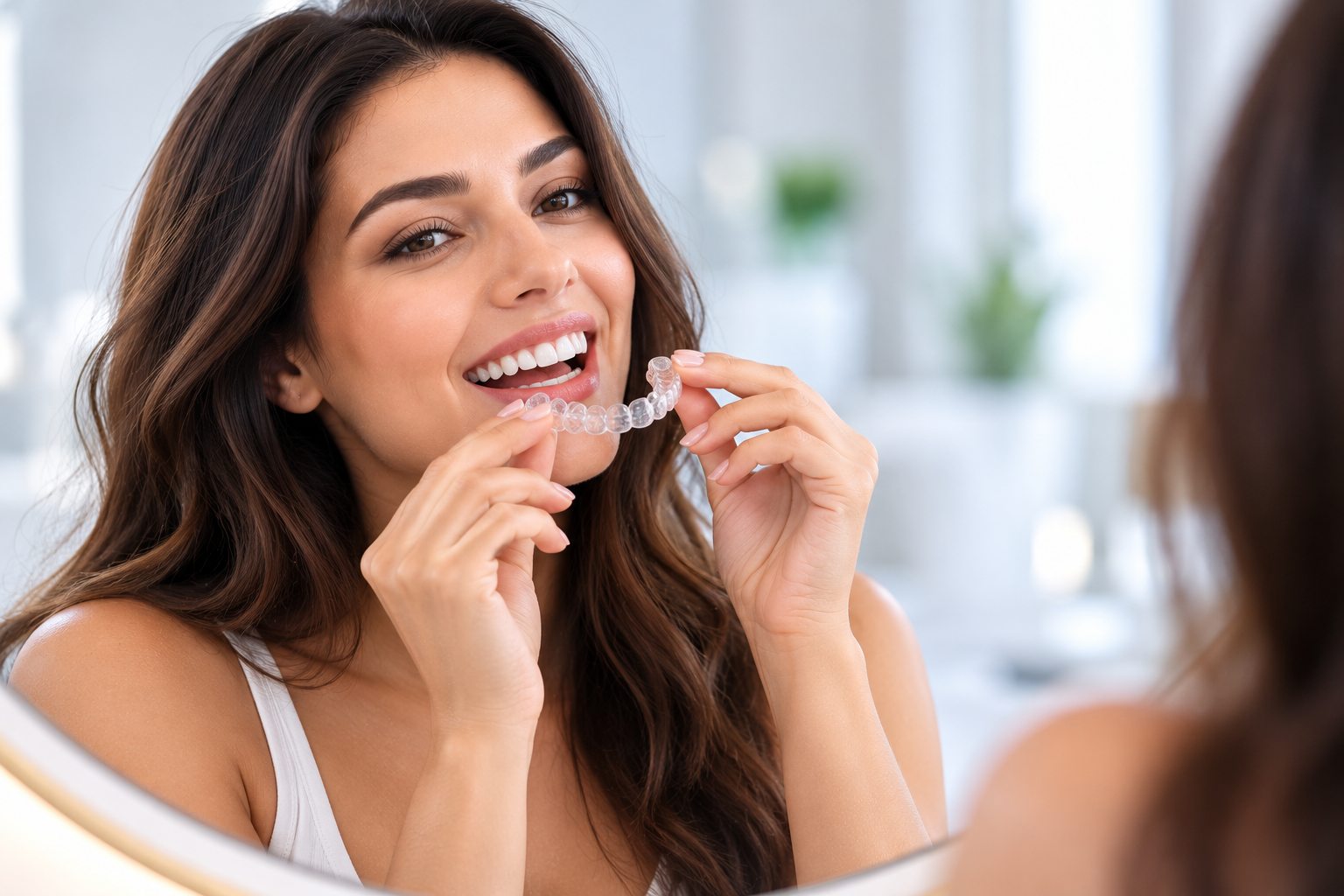
Wear a Night Guard for Teeth Grinding
Many people grind or clench their teeth during sleep without realizing it. Over time, grinding wears down enamel, weakens teeth, and increases sensitivity.
A custom night guard helps by:
- Reducing pressure on the teeth
- Protecting enamel from further wear
- Preventing jaw soreness and headaches
If you regularly wake up with facial tension or jaw pain, grinding may be contributing to your sensitivity.
Reduce Whitening-Related Sensitivity
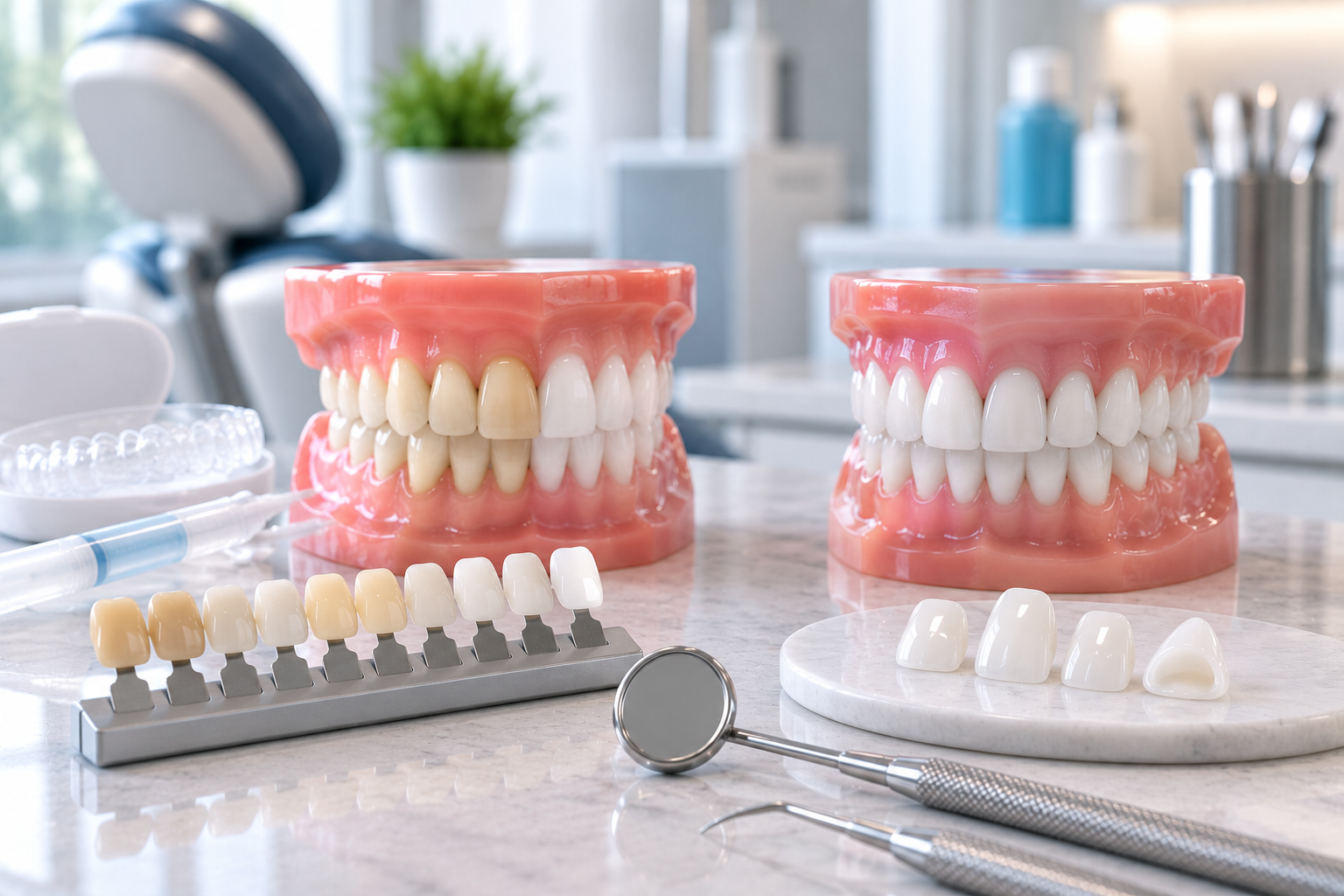
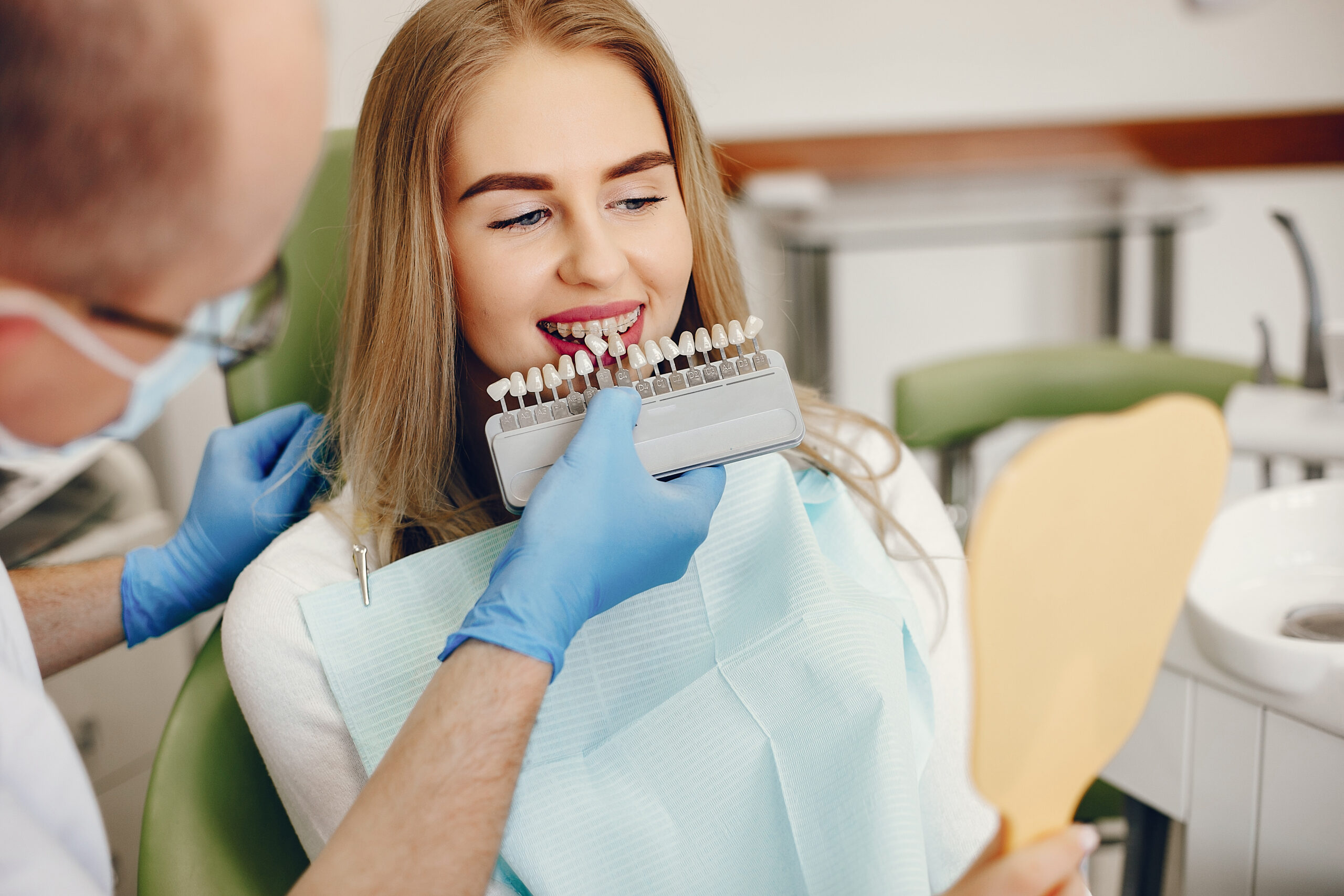
Teeth whitening products can temporarily increase sensitivity because bleaching agents pass through enamel to remove deeper stains. While this reaction is common, stained-teeth should still be managed carefully.
You can reduce whitening discomfort by:
- Spacing treatments farther apart
- Using desensitizing toothpaste before whitening
- Choosing lower-strength whitening products
Professional whitening treatments are often safer and more controlled than strong over-the-counter kits.
Lower the Acid Damaging Your Enamel
Acid exposure weakens enamel and increases the risk of sensitivity. Making small dietary changes can protect teeth significantly.
Soda, citrus fruits, wine, coffee, sports drinks, and sparkling water can slowly dissolve enamel over time. You do not always need to eliminate them completely, but changing how you consume them can help.
Helpful habits include:
- Drinking acidic beverages with meals
- Using a straw when possible
- Rinsing with water afterward
It is also important to wait at least one hour before brushing after acidic foods or drinks because enamel becomes softer immediately after acid exposure.
Add a Fluoride Mouth Rinse
An alcohol-free fluoride rinse strengthens enamel and helps seal the exposed channels inside dentin. This extra layer of protection can reduce sensitivity gradually with consistent use.
For better results:
- Use the rinse at a different time than brushing
- Avoid eating or drinking for 30 minutes afterward
- Choose fluoride-based, alcohol-free formulas
This simple addition can provide long-term support for sensitive teeth.
Manage the Root Cause With Professional Care
Some cases of tooth sensitivity are linked to more serious dental conditions that require professional treatment.
Treat Gum Recession and Gum Disease
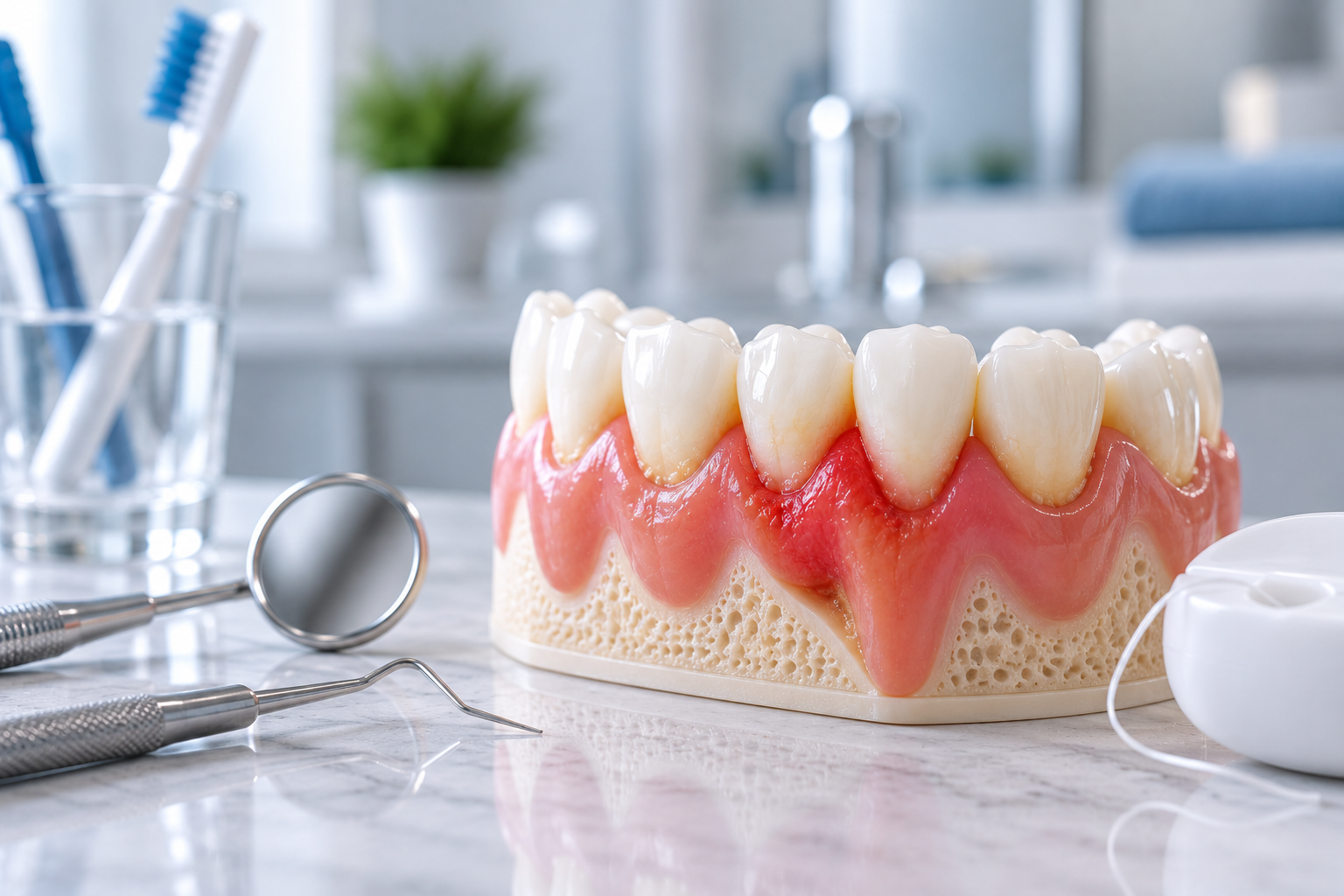
When gums pull away from the teeth, the roots become exposed. Unlike enamel-covered teeth, roots are highly sensitive because they lack strong protective coverage.
Dentists may recommend:
- Deep cleaning procedures
- Gum disease treatment
- Gum grafting for advanced recession
Treating the underlying gum problem often reduces sensitivity significantly.
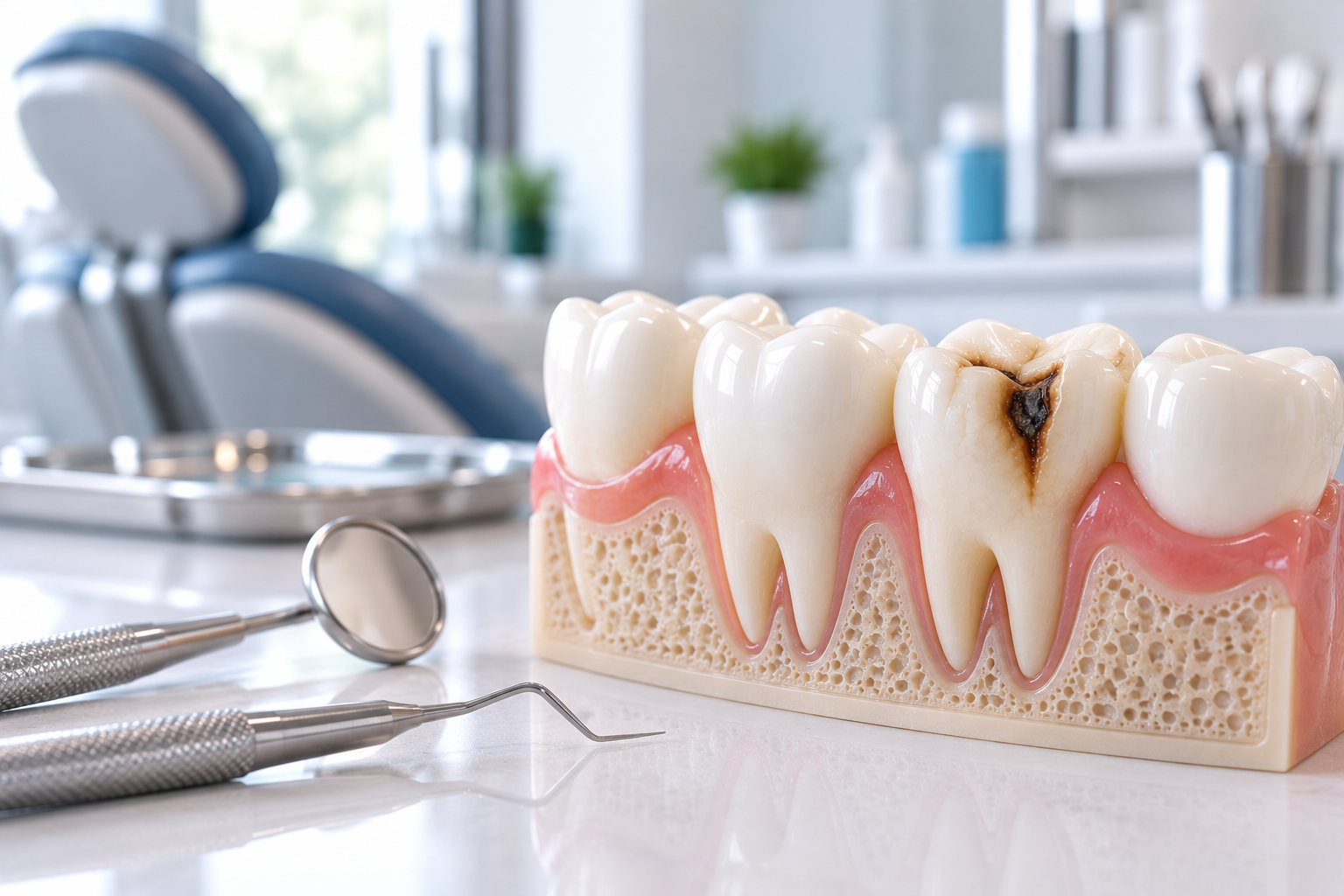
Repair Cavities, Cracks, and Severe Damage
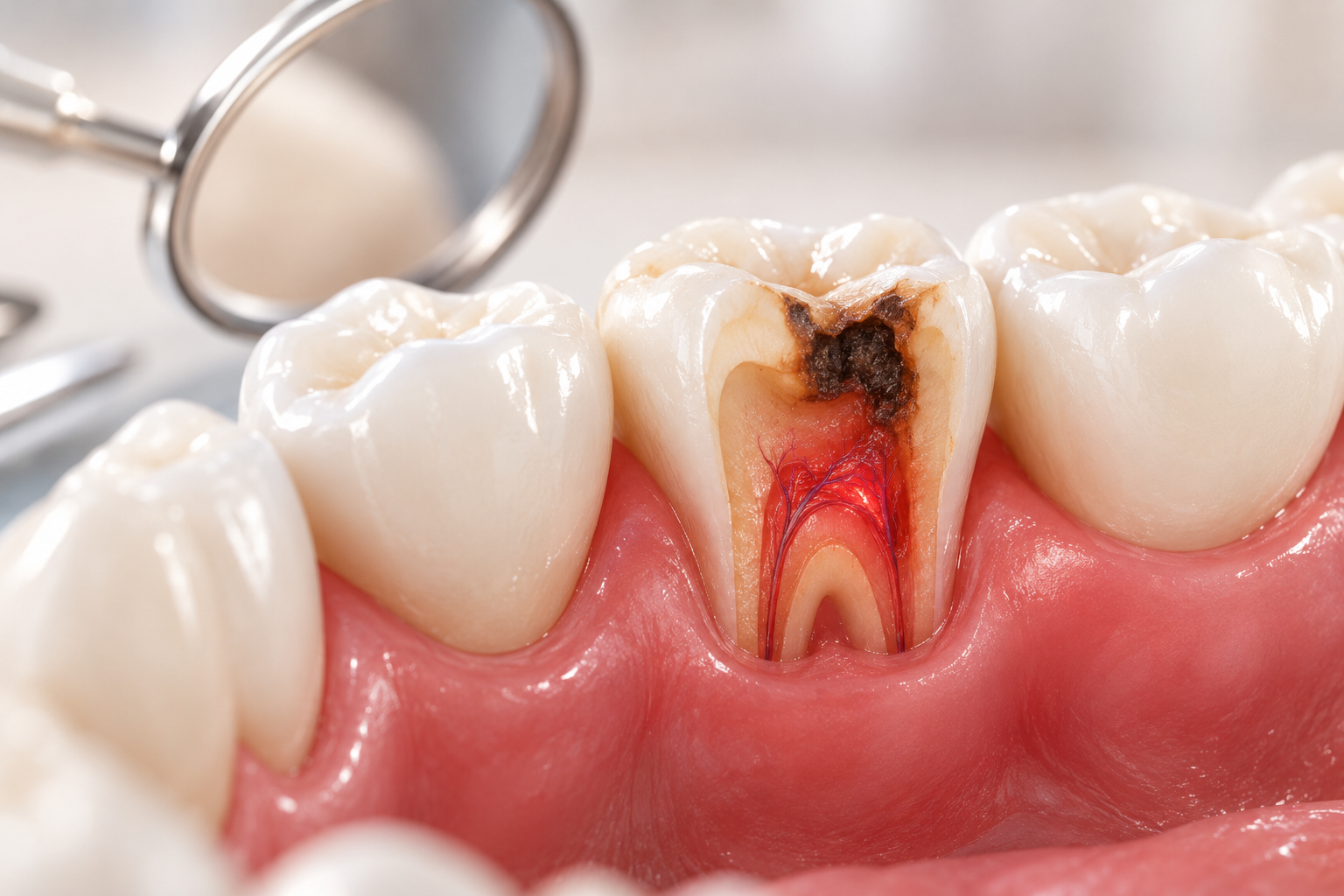
Sharp or lingering pain in one specific tooth may indicate a cavity, cracked tooth, damaged filling, or irritated nerve.
Depending on the cause, treatment may include:
- Dental fillings
- Crowns to strengthen weakened teeth
- Root canal treatment in severe cases
These problems do not improve with home remedies alone, and delaying treatment can lead to more extensive dental work later.
Why Home Remedies Usually Fall Short
Natural remedies such as clove oil or coconut oil may provide short term relief but will not restore exposed dentin (the layer beneath the outer shell of the tooth) and will not strengthen or replace the enamel. If the problem is not resolved, sensitivity will progressively get worse.
For long-term relief from dental sensitivity:
- – Protect the exposed surfaces of teeth that are sensitive;
- – Modify daily habits;
- – Treat the underlying cause of sensitivity.
Combining professional dental care with consistent oral hygiene routines will offer the best method to alleviate dental sensitivity pain.
Conclusion
No one should disregard tooth sensitivity even though it is common. The pain felt can be an indication that enamel integrity has decreased or dentin is now exposed. Luckily, there are multiple ways that homecare combined with professional treatment can lead to considerable improvement.
The CALM method provides a simple yet effective method to what someone can do for their sensitive teeth: Cover areas where there is dentin exposed; alter or eliminate the habits that cause damage; Ethos Modern Dental reduce acid exposure through eating habits; and by working together with your dentist, manage the underlying cause. By making small daily changes along with proper dental care, you can provide a safeguard to your teeth against future damage and provide relief from the pain associated with/sensitive teeth.