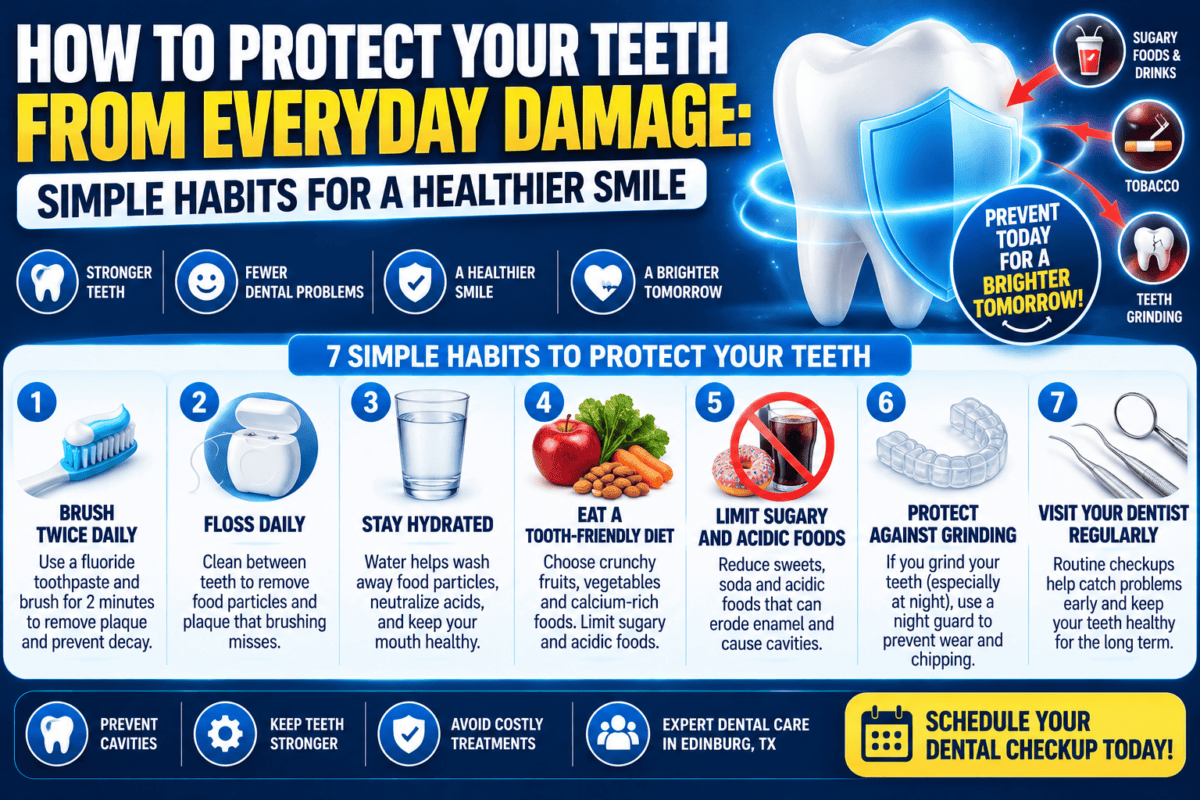
Your teeth handle a surprising amount every day. From chewing meals and drinking coffee to speaking, smiling, and occasionally biting into something harder than intended, they are constantly exposed to pressure, acids, bacteria, and everyday habits that can gradually cause damage.
While some dental problems develop because of genetics or age, many forms of tooth damage are connected to routine behaviors. Brushing too aggressively, frequently consuming sugary or acidic foods, using your teeth as tools, or ignoring nighttime grinding may seem harmless in the moment. Over time, however, these habits can contribute to enamel wear, cavities, chips, sensitivity, gum problems, and other concerns.
The good news is that protecting your teeth does not require complicated changes. A few consistent habits can help preserve your natural teeth and support better oral health for years to come.
What Causes Everyday Tooth Damage?
Tooth damage can happen in several ways. Bacteria in dental plaque can contribute to decay, while acidic foods and drinks can gradually weaken enamel. Physical forces, such as biting hard objects or grinding your teeth, can cause chips, cracks, and excessive wear.
Even habits that seem unrelated to dental health can have an impact. Poor brushing technique, inconsistent flossing, frequent snacking, and delaying dental appointments may allow small problems to become more serious.
Understanding these everyday risks is the first step toward preventing them.
1. Brush Your Teeth Gently and Thoroughly
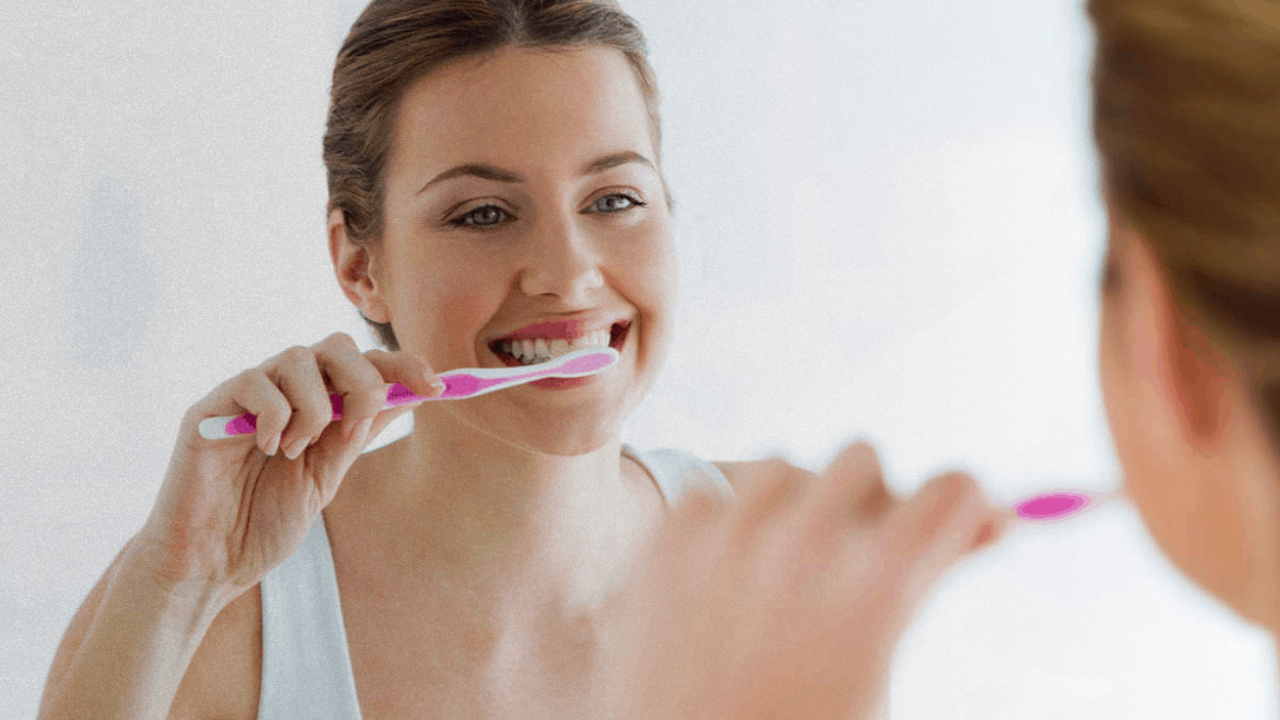
Brushing twice a day is one of the simplest ways to protect your teeth, but technique matters just as much as frequency.
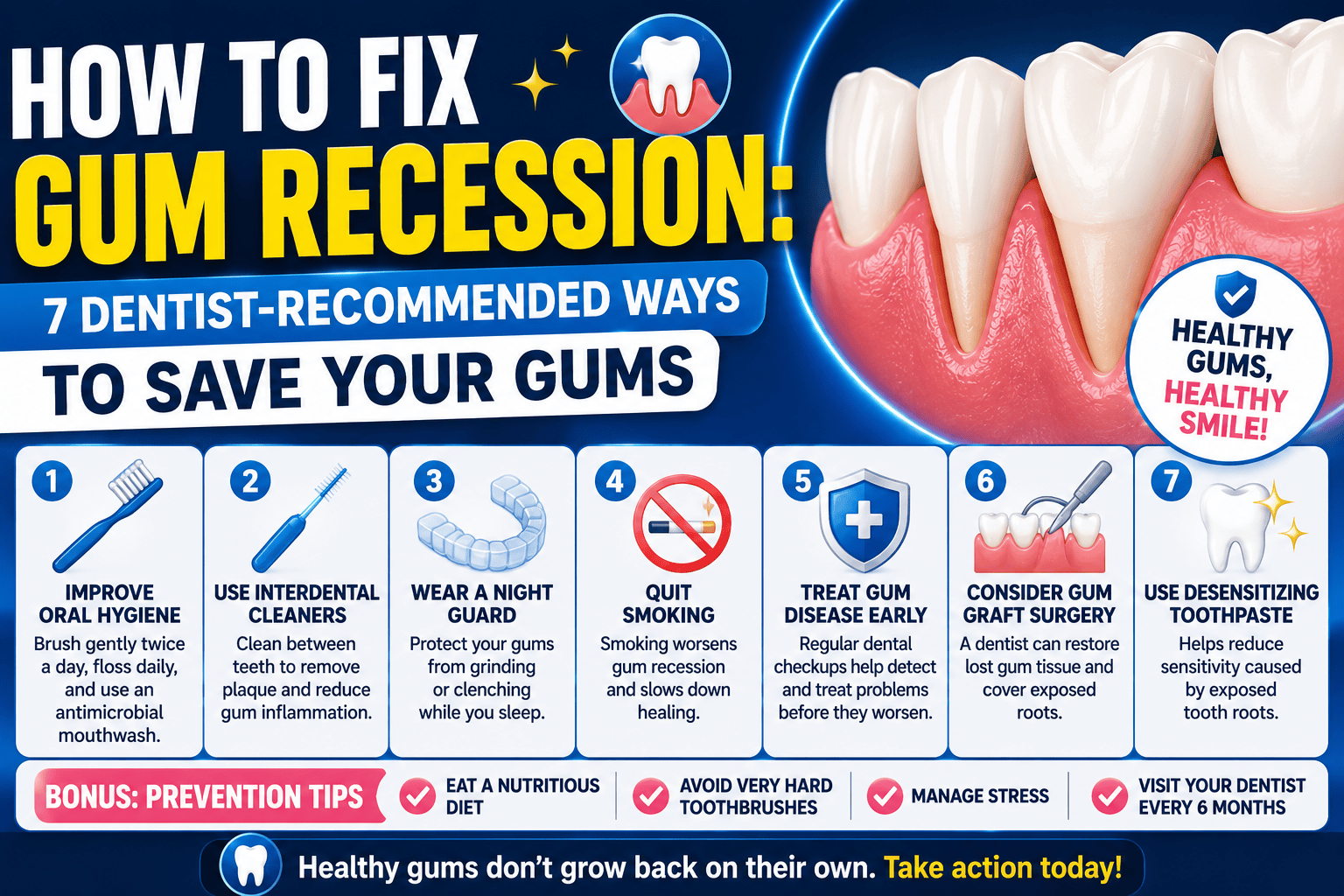
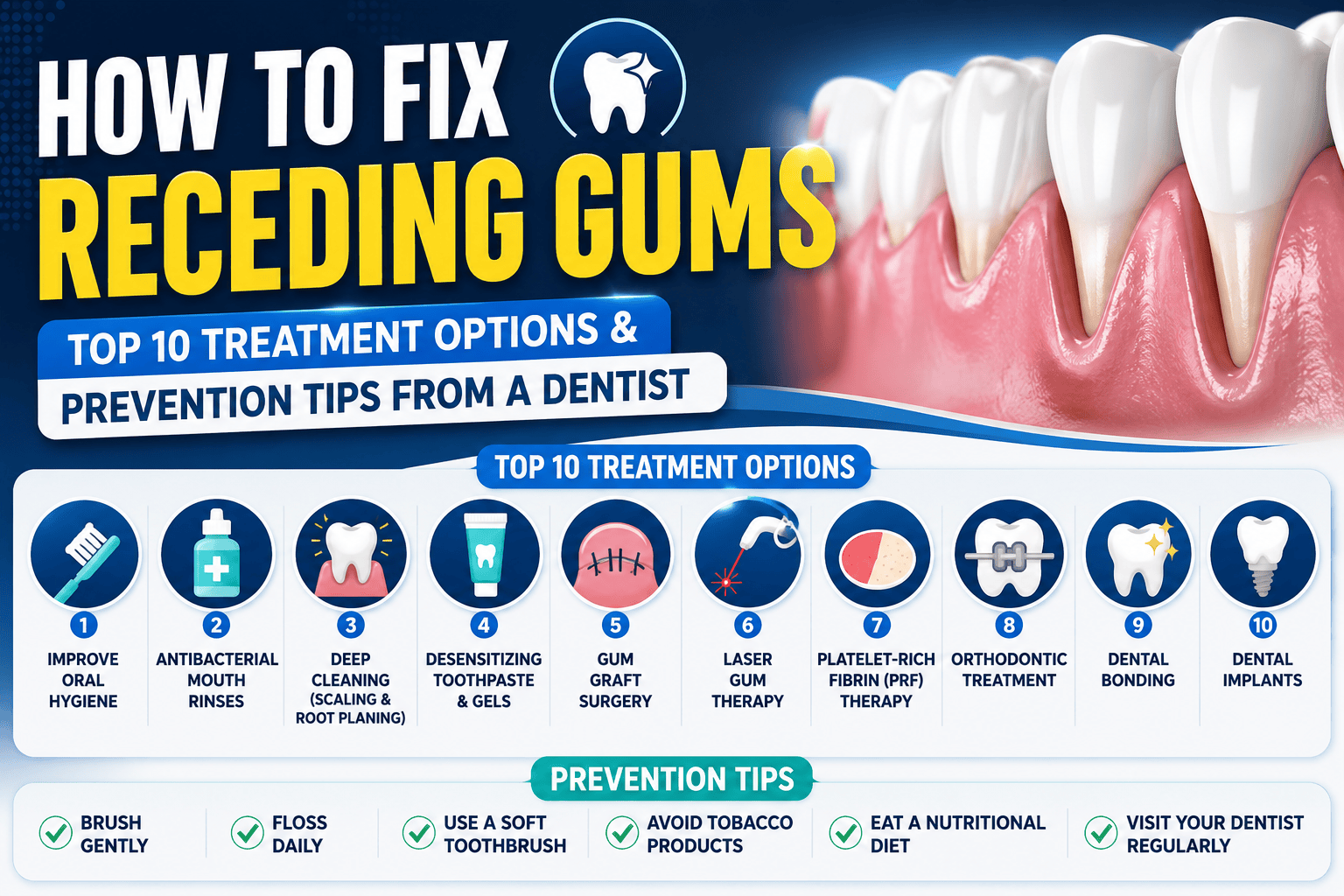
Using excessive pressure does not clean your teeth better. Instead, aggressive brushing can irritate the gums and contribute to enamel or gum-line wear over time.
Use a soft-bristled toothbrush and gentle, controlled movements. Pay attention to the front, back, and chewing surfaces of your teeth, as well as the gum line.
Brushing should feel thorough rather than forceful.
2. Clean Between Your Teeth Every Day
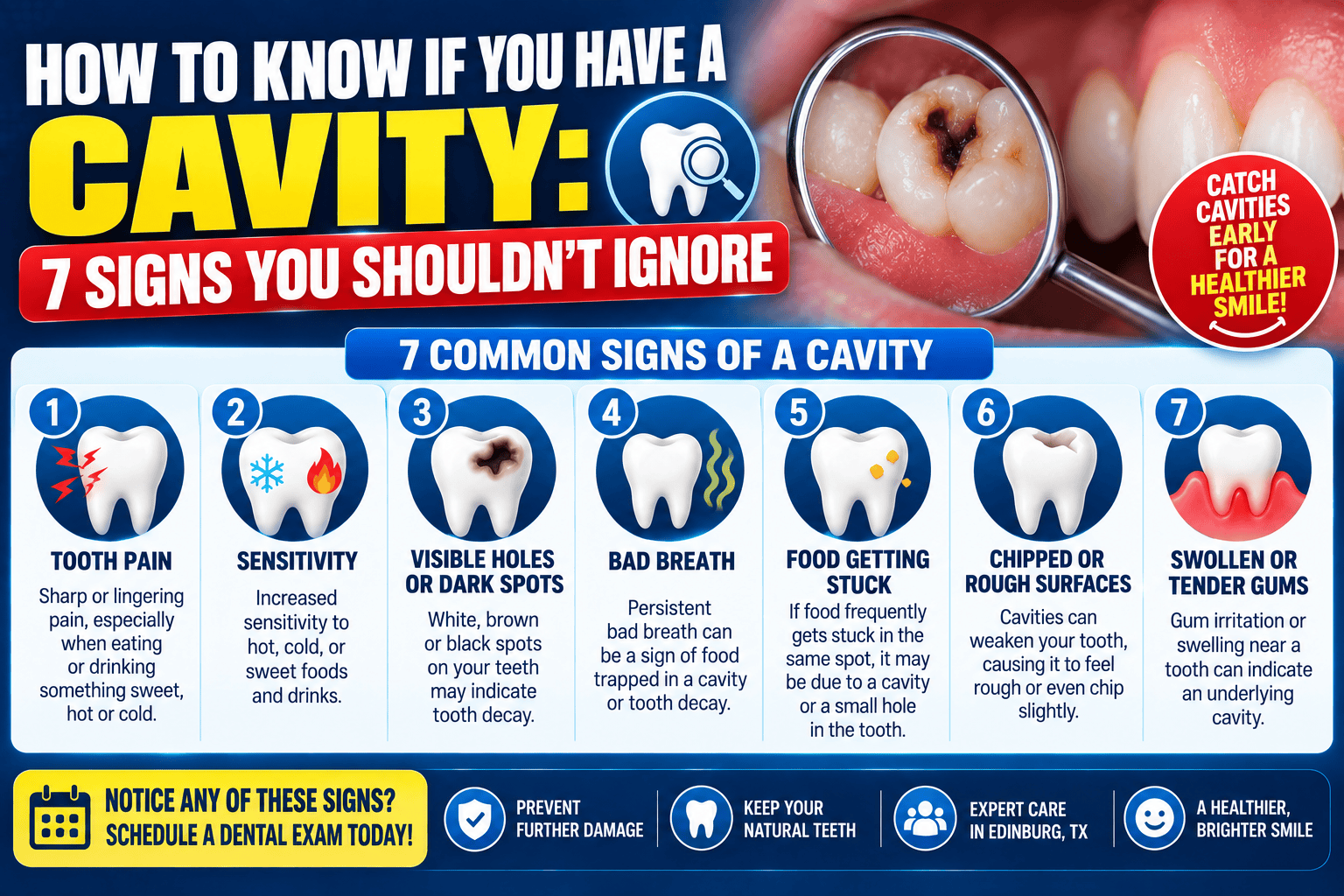
A toothbrush cannot effectively reach every space between your teeth. Food particles and plaque can remain in these areas, increasing the risk of decay and gum problems.
Daily flossing or another dentist-recommended interdental cleaning method helps remove buildup from areas that brushing misses.
If your gums bleed when you begin flossing, do not automatically assume that flossing is damaging them. Persistent bleeding can be a sign that your gums need attention and should be discussed with a dental professional.
3. Be Careful With Sugary Foods and Drinks
Sugar itself does not directly “eat away” your teeth, but it provides fuel for bacteria in dental plaque. These bacteria produce acids that can damage enamel and contribute to cavities.
Frequent exposure can be particularly problematic. Constantly sipping sweetened drinks or eating sugary snacks throughout the day gives your teeth repeated acid attacks.
A balanced approach is more practical than trying to eliminate every sweet food. Limit how frequently your teeth are exposed to sugar, choose water more often, and maintain good brushing and cleaning habits.
For a closer look at how tooth decay develops and what can happen when it progresses, see Dental Cavities.
4. Watch Your Intake of Acidic Foods and Drinks
Acidic foods and beverages can contribute to enamel erosion when consumed frequently. Soft drinks, energy drinks, citrus-based beverages, and certain acidic foods can expose enamel to acids.
You do not necessarily need to avoid every acidic food. Instead, consider reducing frequent sipping or prolonged exposure. Drinking water afterward can help rinse your mouth. It is also generally better to wait before brushing immediately after a significant acid exposure, because enamel may temporarily be more vulnerable.
5. Never Use Your Teeth as Tools
Opening packaging, cutting tape, holding objects, or removing bottle caps with your teeth may seem convenient, but teeth are designed for biting and chewing not for functioning as tools. These habits can place concentrated pressure on individual teeth and potentially lead to chips, cracks, or fractures. Keep scissors, bottle openers, and other appropriate tools nearby instead. A few extra seconds can prevent a dental problem that may require considerably more time and treatment.
6. Avoid Chewing Ice and Extremely Hard Objects
Chewing ice is another habit that can put unnecessary stress on teeth. Hard candy, pens, fingernails, and other hard objects can also create excessive pressure. Even a healthy tooth can fracture when subjected to enough force. If you regularly find yourself chewing on hard objects, try replacing the habit with something that does not place your teeth under the same mechanical stress.
7. Pay Attention to Grinding and Clenching
Not all tooth damage happens while you are awake.
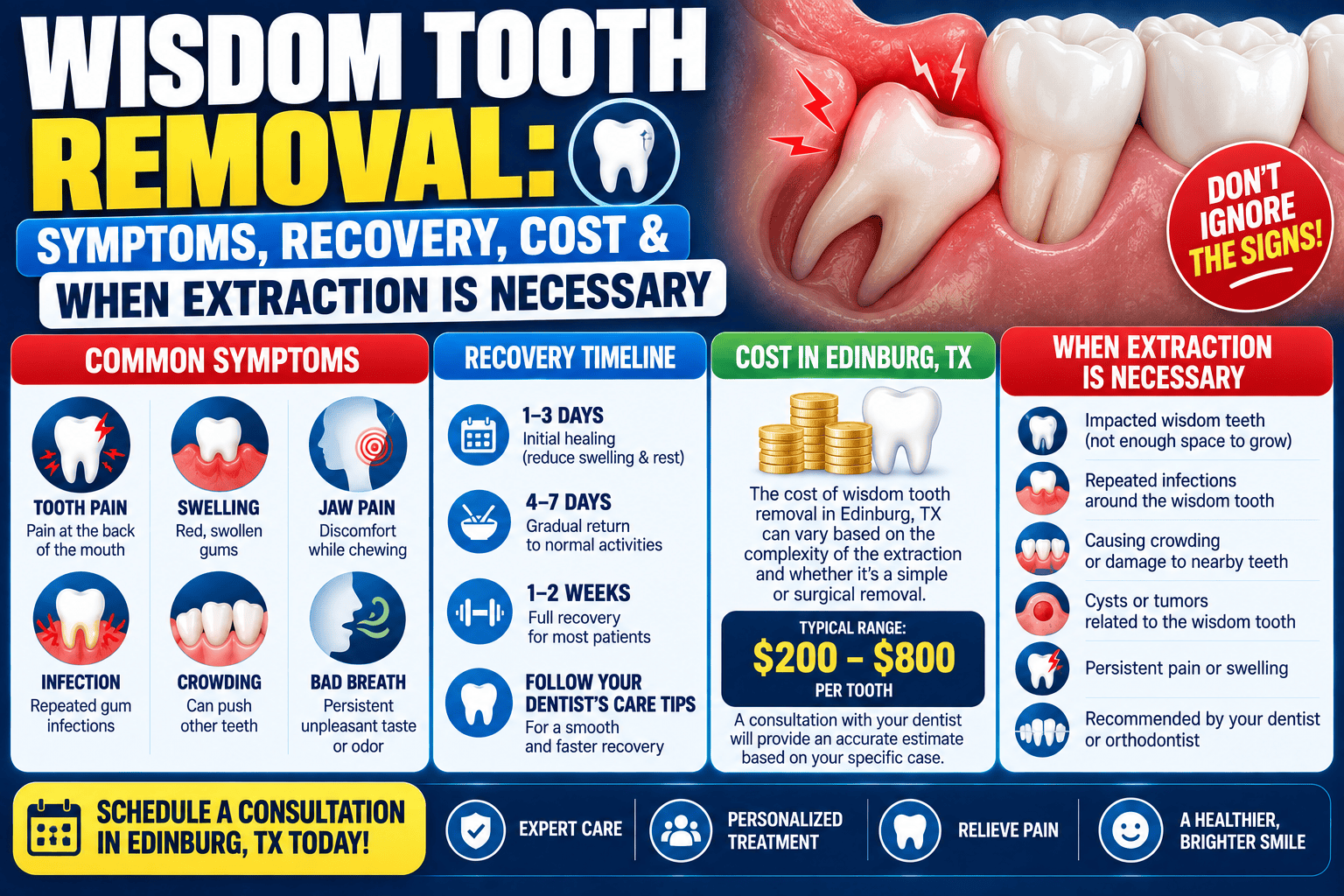
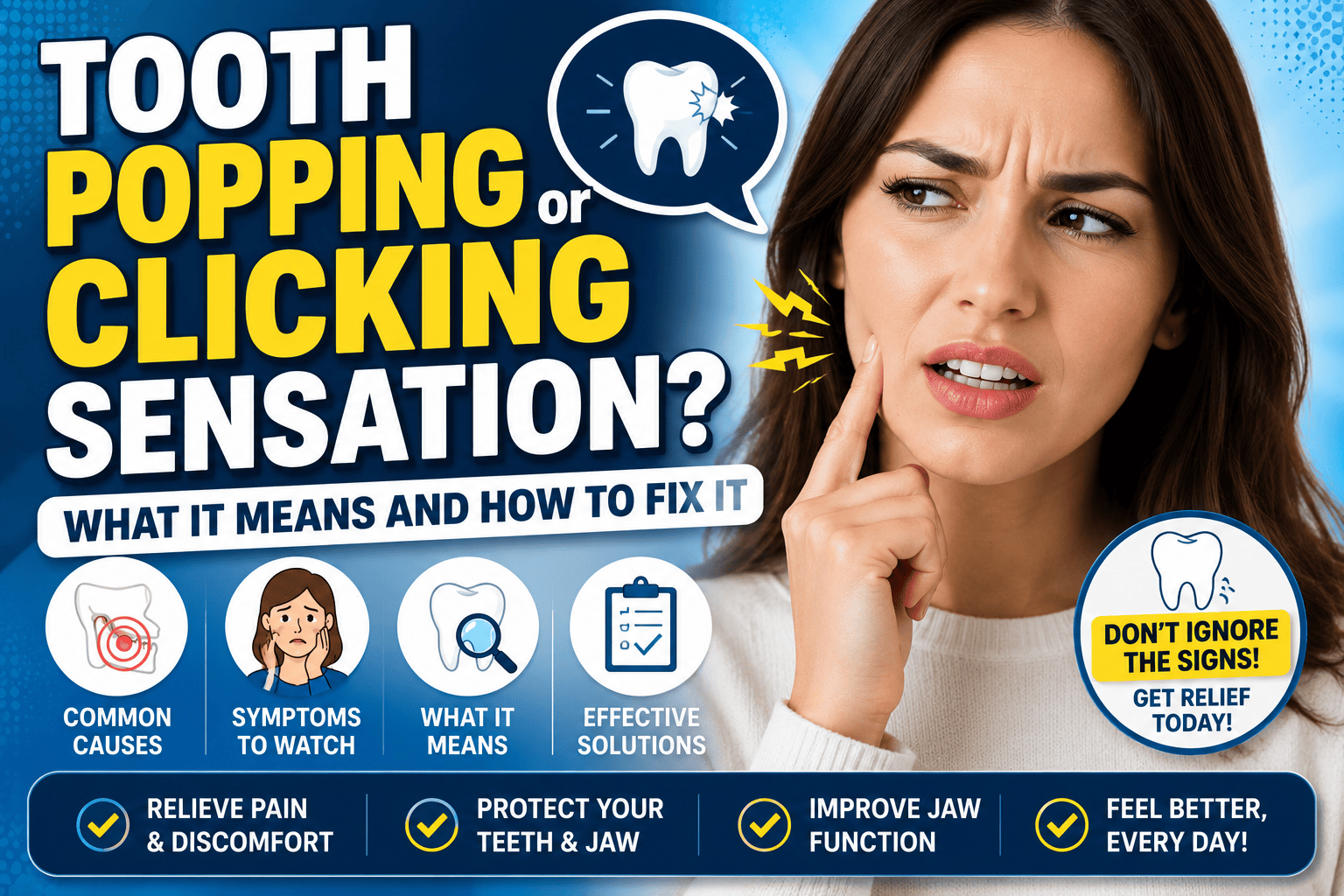
Some people unconsciously grind or clench their teeth, particularly during sleep or periods of stress. Over time, this can contribute to flattened or worn teeth, sensitivity, jaw discomfort, headaches, and even fractures. If you wake up with jaw tightness or headaches, notice worn tooth surfaces, or have been told that you grind your teeth while sleeping, it is worth discussing the issue with a dentist. Ethos Modern Dental provides more information about the causes and treatment approaches for Grinding & Clenching.
8. Protect Your Teeth During Sports
Contact and recreational sports can expose your teeth to accidental impact. A properly fitted mouthguard can help reduce the risk of dental injuries during activities where collisions or falls are possible. Store your mouthguard properly and replace it when it becomes damaged or no longer fits comfortably. This small precaution can be especially valuable for children, teenagers, and adults participating in contact sports.
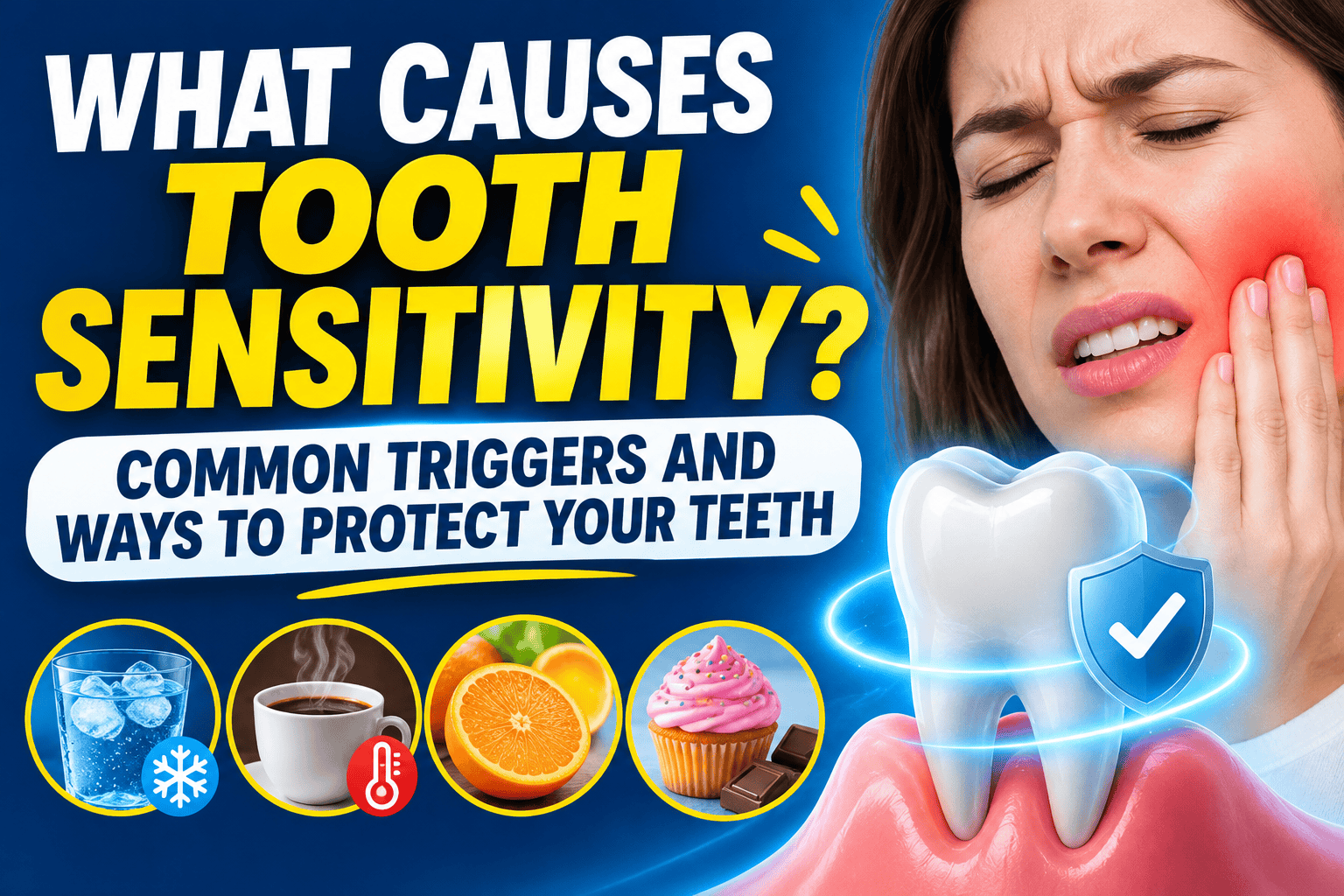
9. Do Not Ignore Tooth Sensitivity
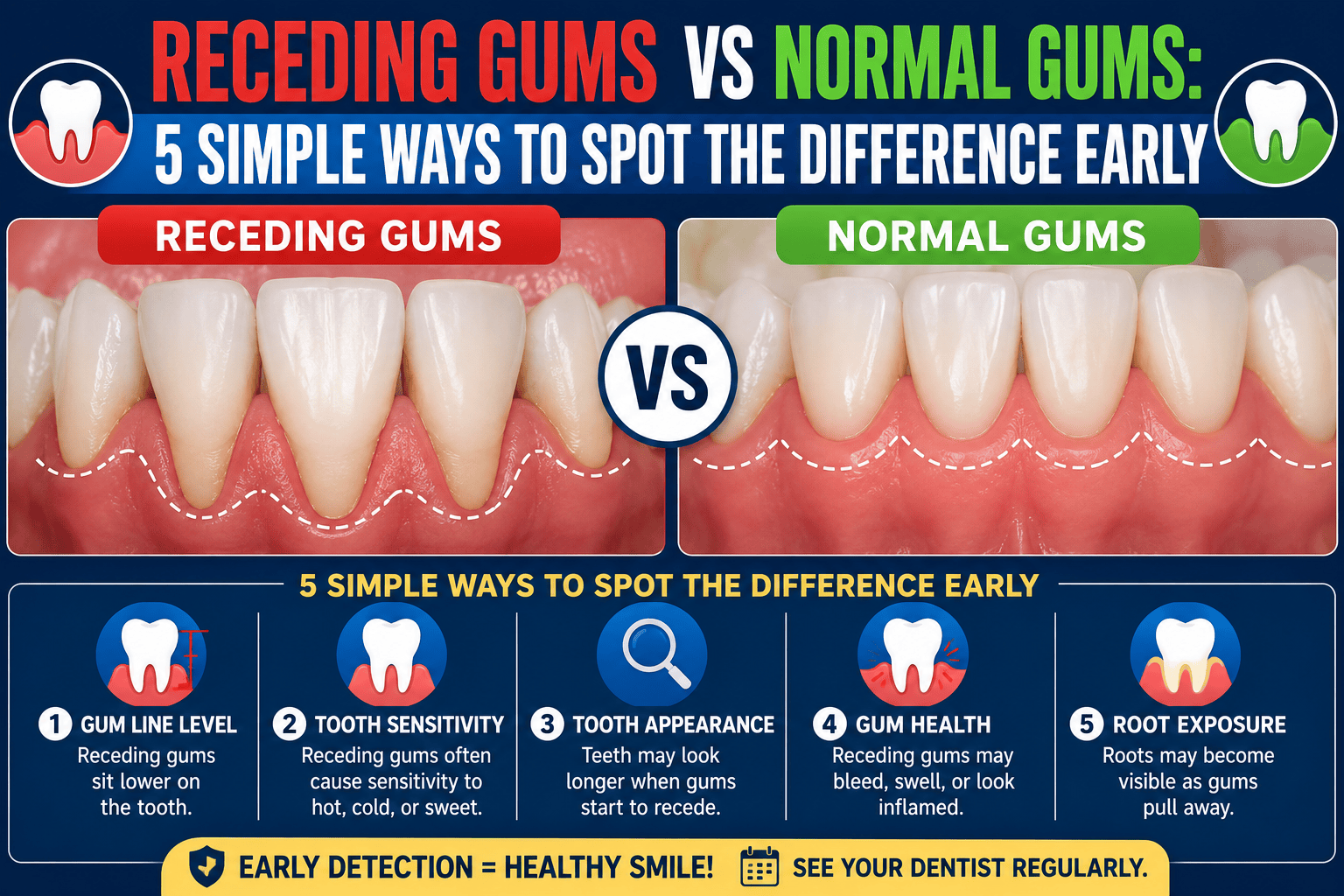
Occasional sensitivity can have different causes, including enamel wear, gum recession, decay, cracks, or other dental concerns. If you regularly experience sharp discomfort when drinking something cold, eating sweets, or consuming hot foods, do not simply assume that sensitive teeth are something you have to live with. Pay attention to when the sensitivity occurs and how long it lasts. Persistent or worsening sensitivity deserves professional evaluation.
10. Keep Up With Professional Dental Cleanings
Even a consistent home-care routine cannot remove every bit of hardened buildup. Professional dental cleaning helps remove plaque and tartar from areas that can be difficult to manage at home. Professional cleaning can also give your dental team an opportunity to identify early signs of problems involving your teeth and gums. Learn more about Cleaning & Whitening and how professional dental care can support your everyday oral hygiene routine.
11. Do Not Skip Routine Dental Exams
Dental problems are often easier to manage when identified early.
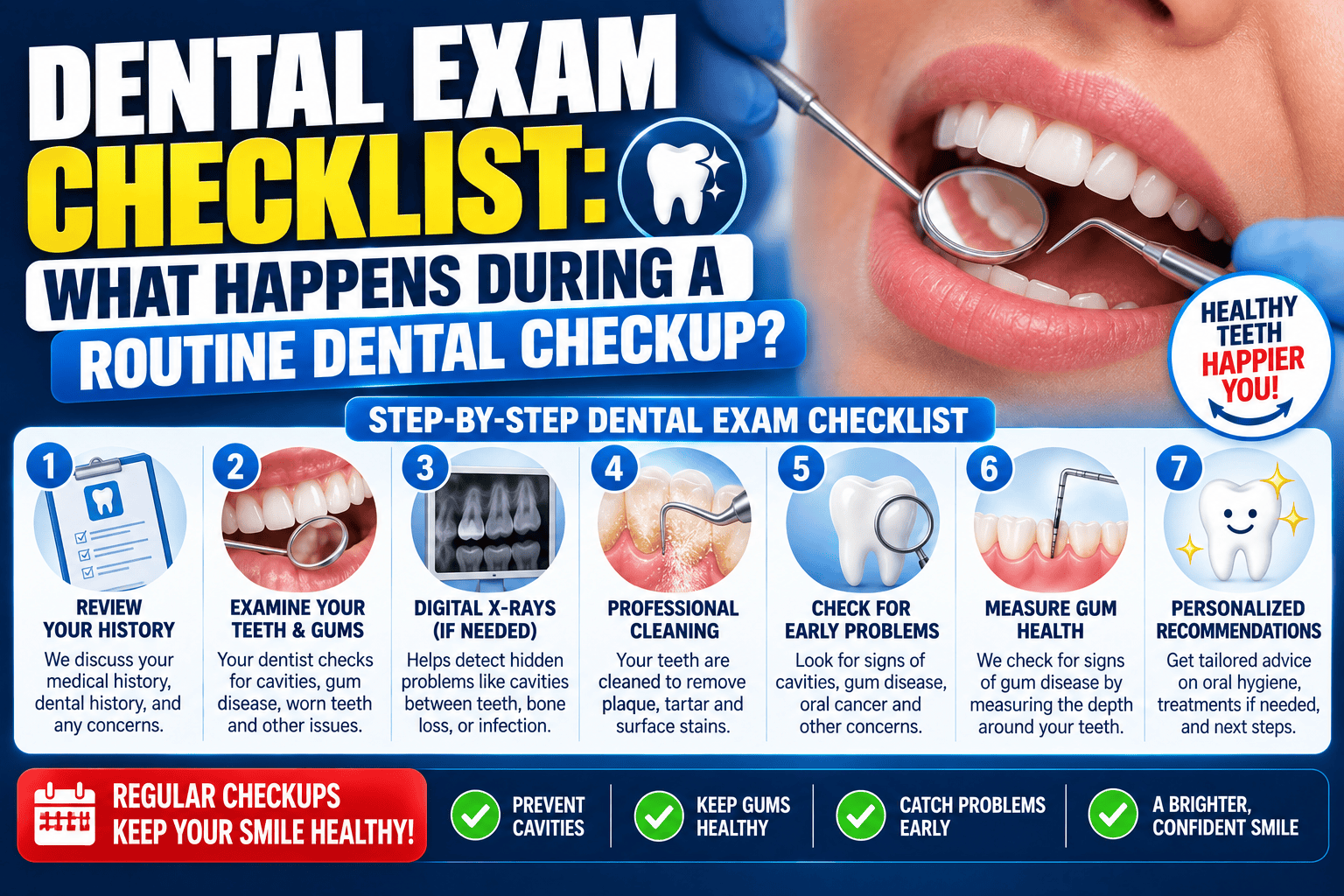
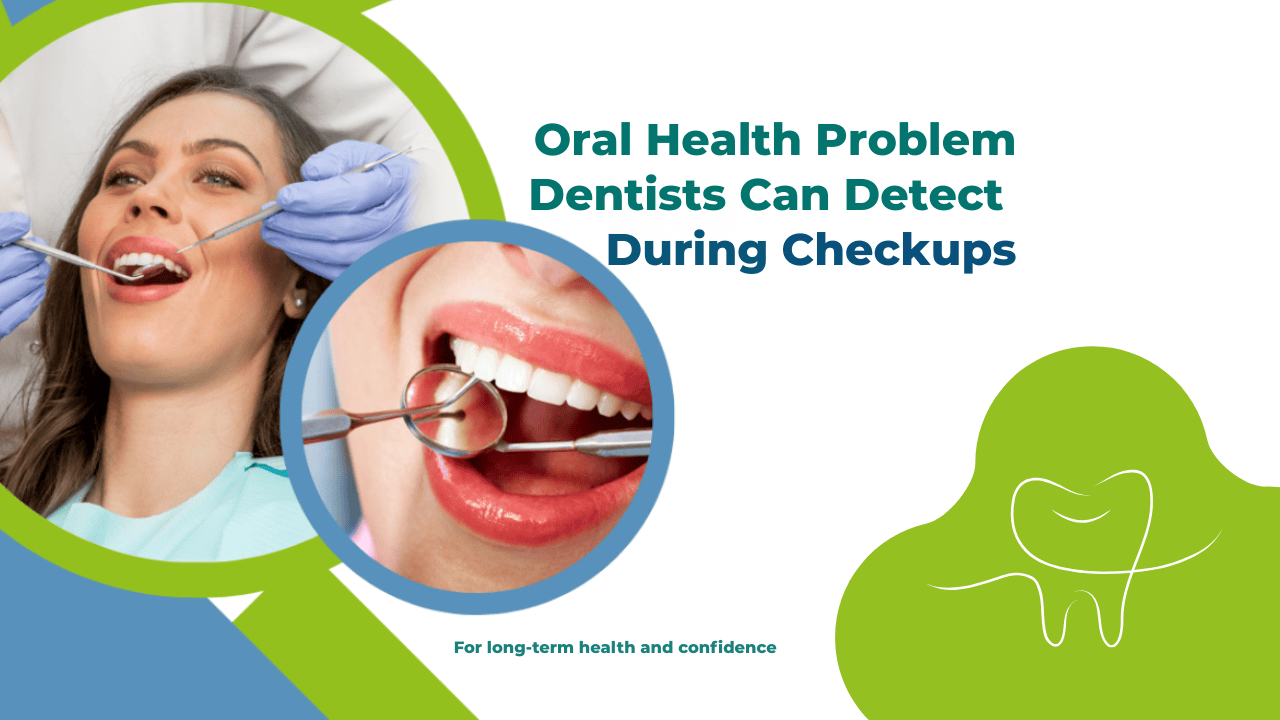
A routine examination allows your dentist to assess your teeth, gums, bite, and overall oral health. Depending on your situation, the examination may also involve dental X-rays or other diagnostic methods.
Regular visits can help identify problems before they become painful or require more extensive treatment.
You can learn more about what to expect from a Dental Exam at Ethos Modern Dental.
12. Take Extra Care of Damaged or Weakened Teeth
A tooth that has already been weakened by decay, a large filling, wear, or an injury may require additional protection.
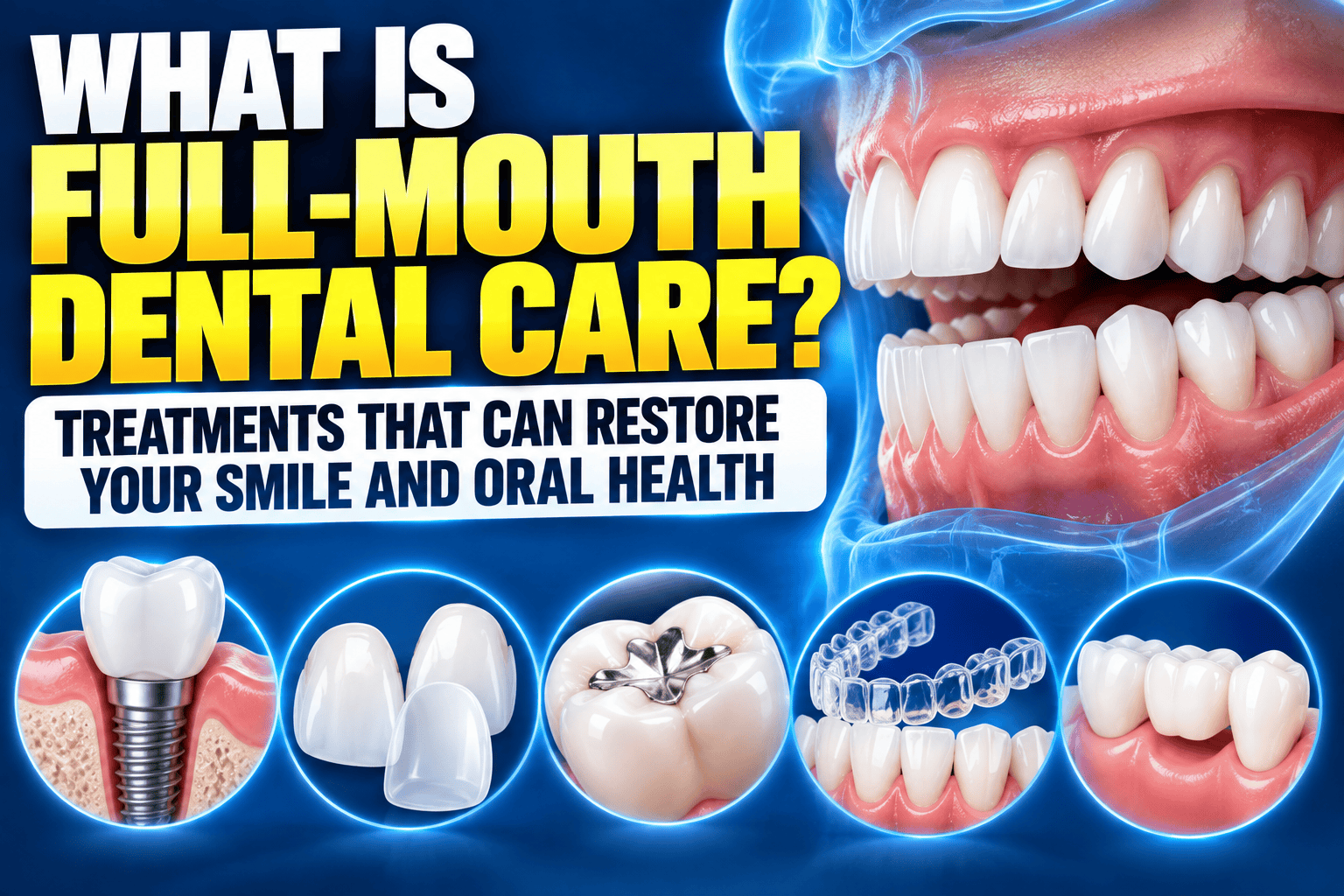
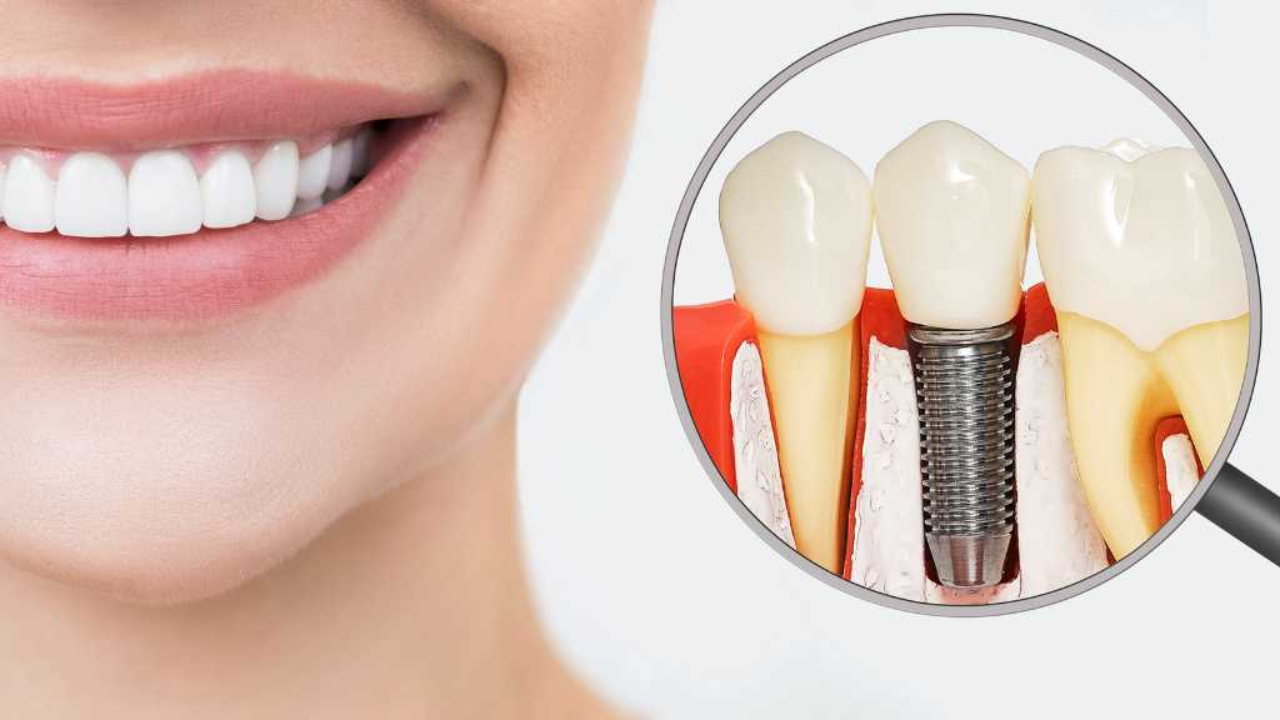
Depending on the condition of the tooth, your dentist may recommend restorative treatment. Crowns, for example, can help protect and restore teeth that have lost significant structure.
For teeth affected by chips, cracks, discoloration, or structural damage, explore Crowns, Veneers & Bridges to understand some of the restorative options available.
13. Protect the Appearance of Your Teeth, Too
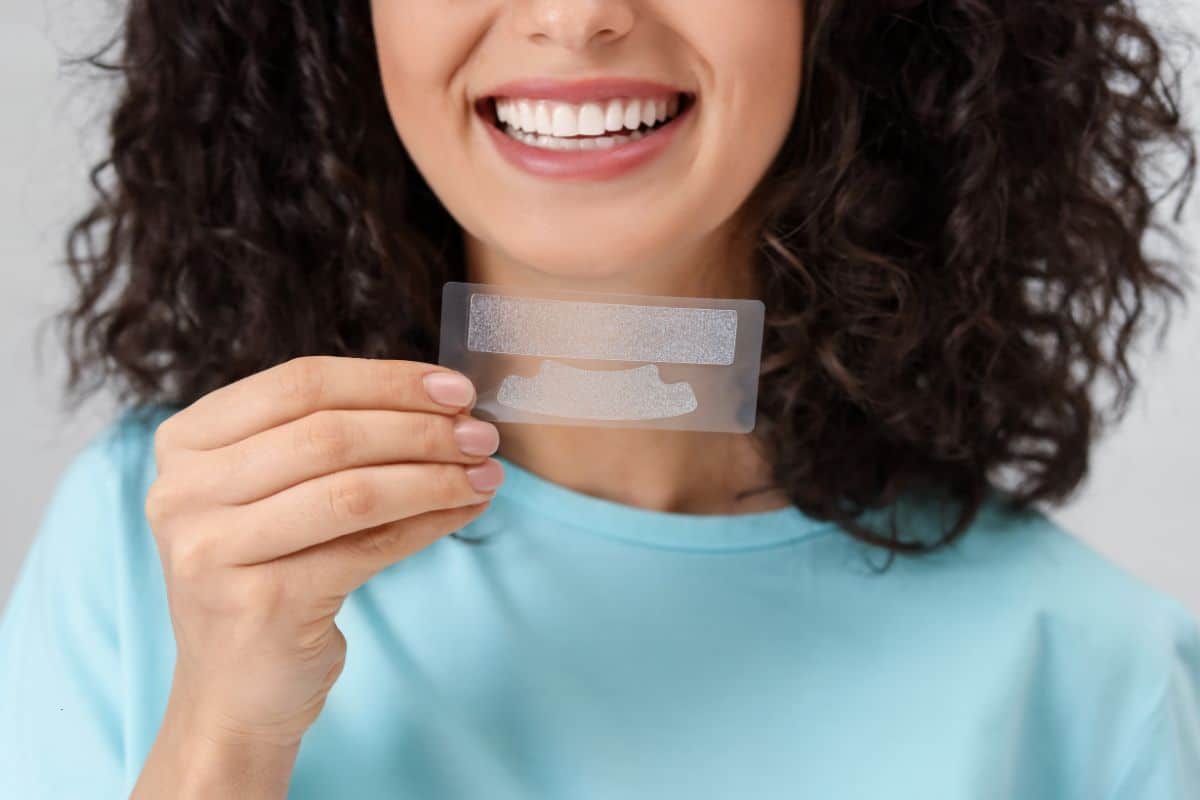
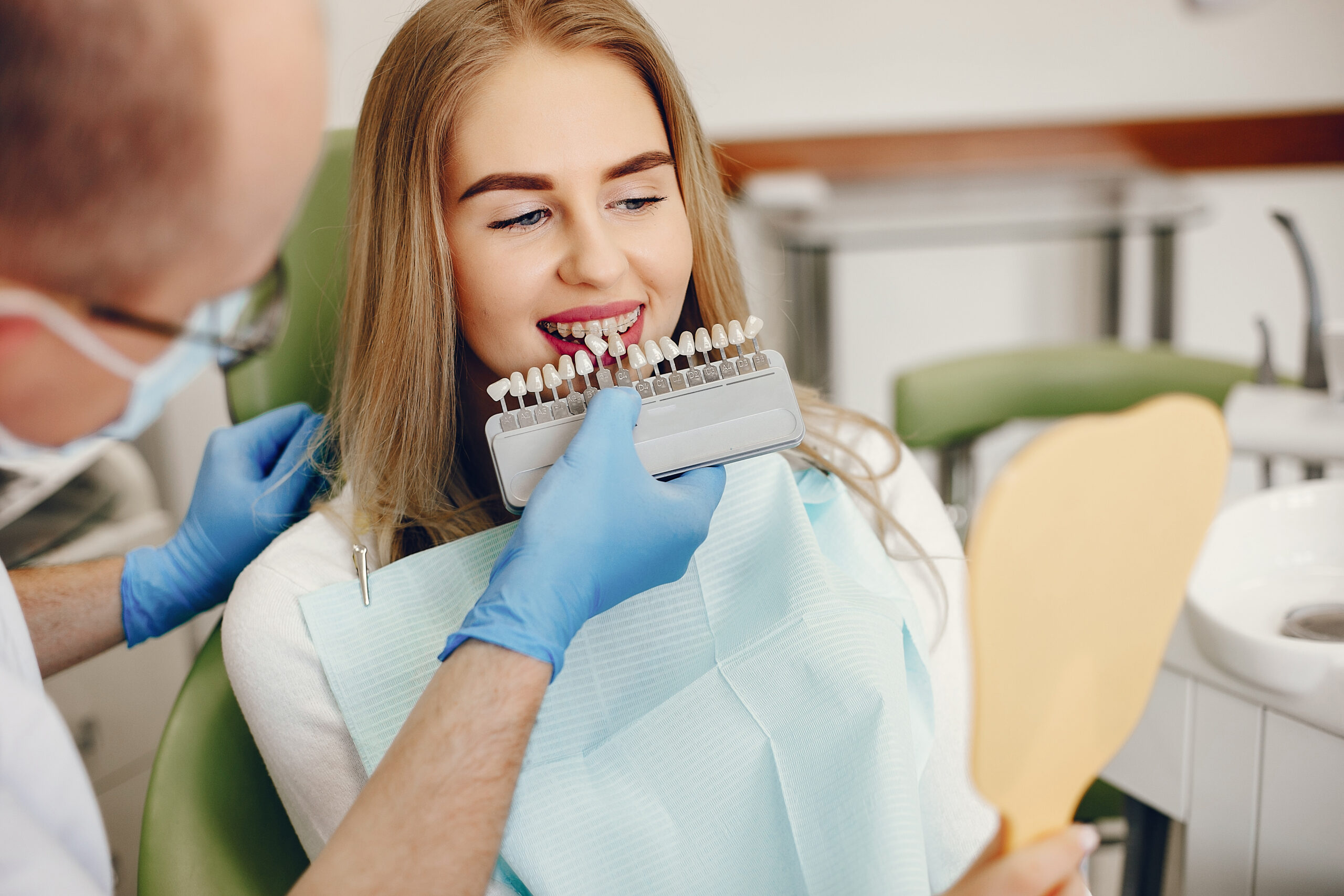
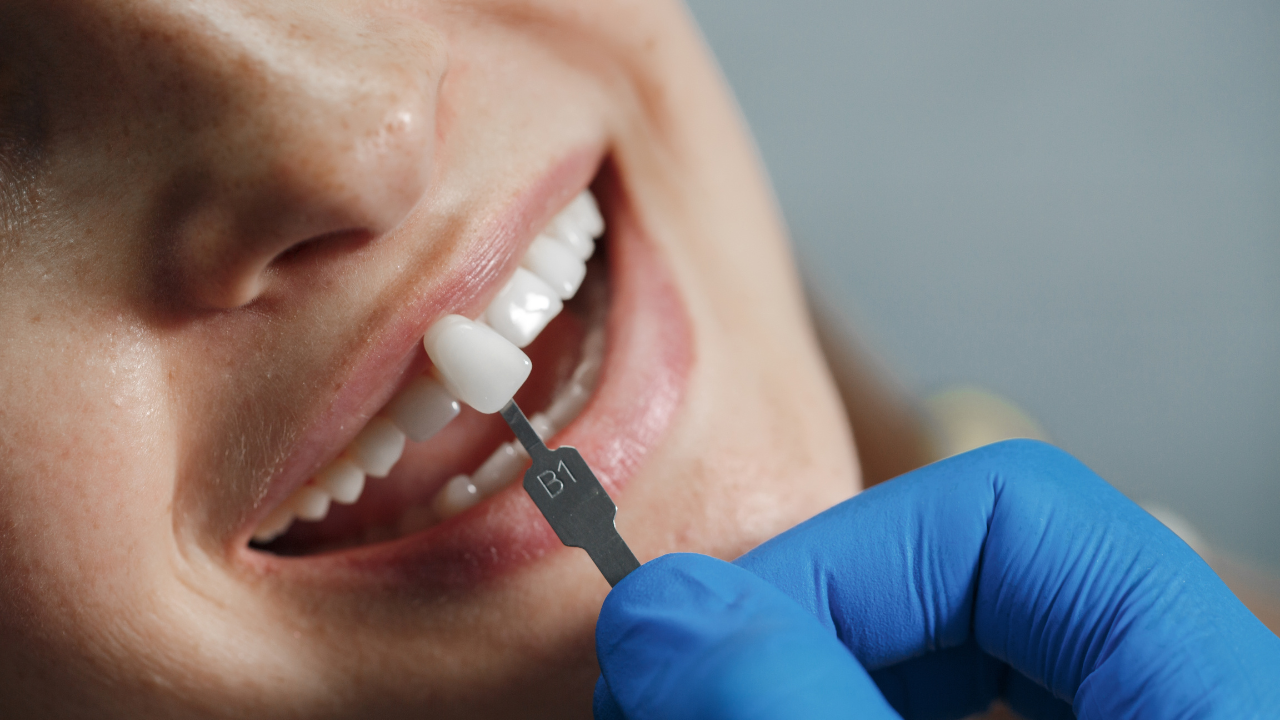
Dental health and appearance often overlap. Staining, chips, worn edges, and other changes can affect how your teeth look as well as how you feel about your smile.
Some cosmetic concerns can be addressed through professional treatments designed around the condition of your teeth rather than simply their appearance.
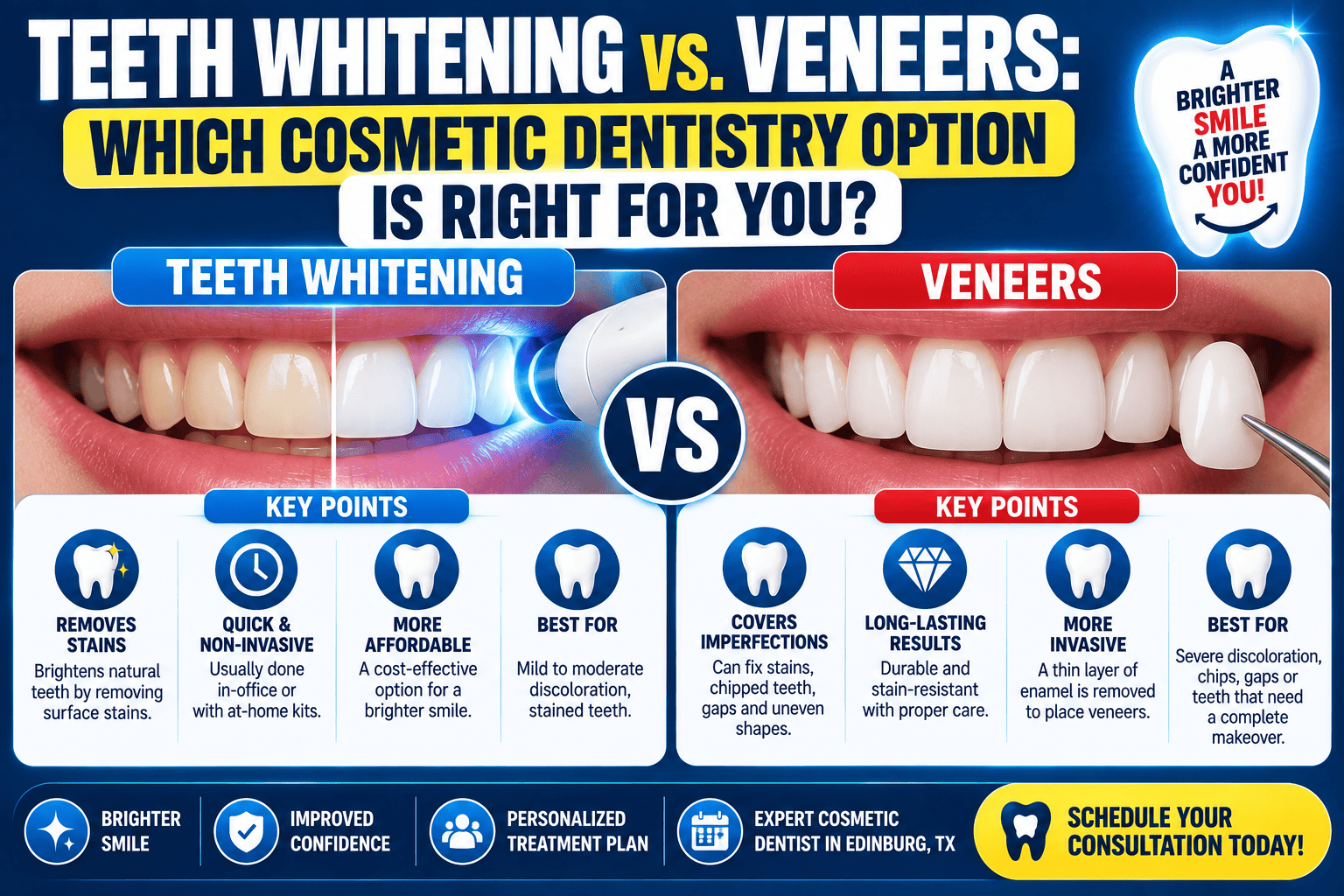
If you are concerned about discoloration, minor imperfections, or the overall appearance of your teeth, Cosmetic Dentistry may be worth discussing with your dentist.
14. Know When Tooth Damage Needs Urgent Attention
Some dental problems should not be left to see whether they improve on their own.
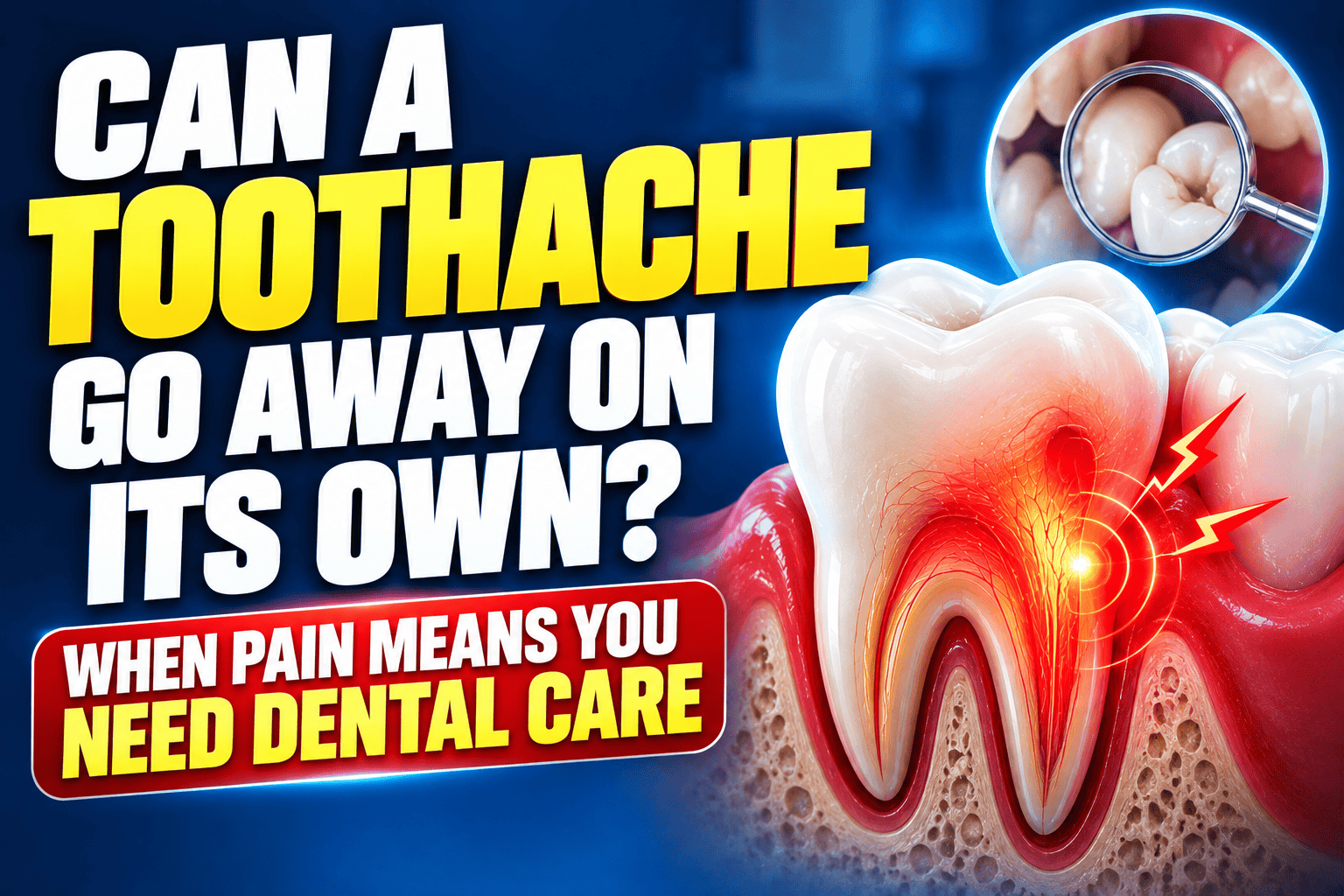
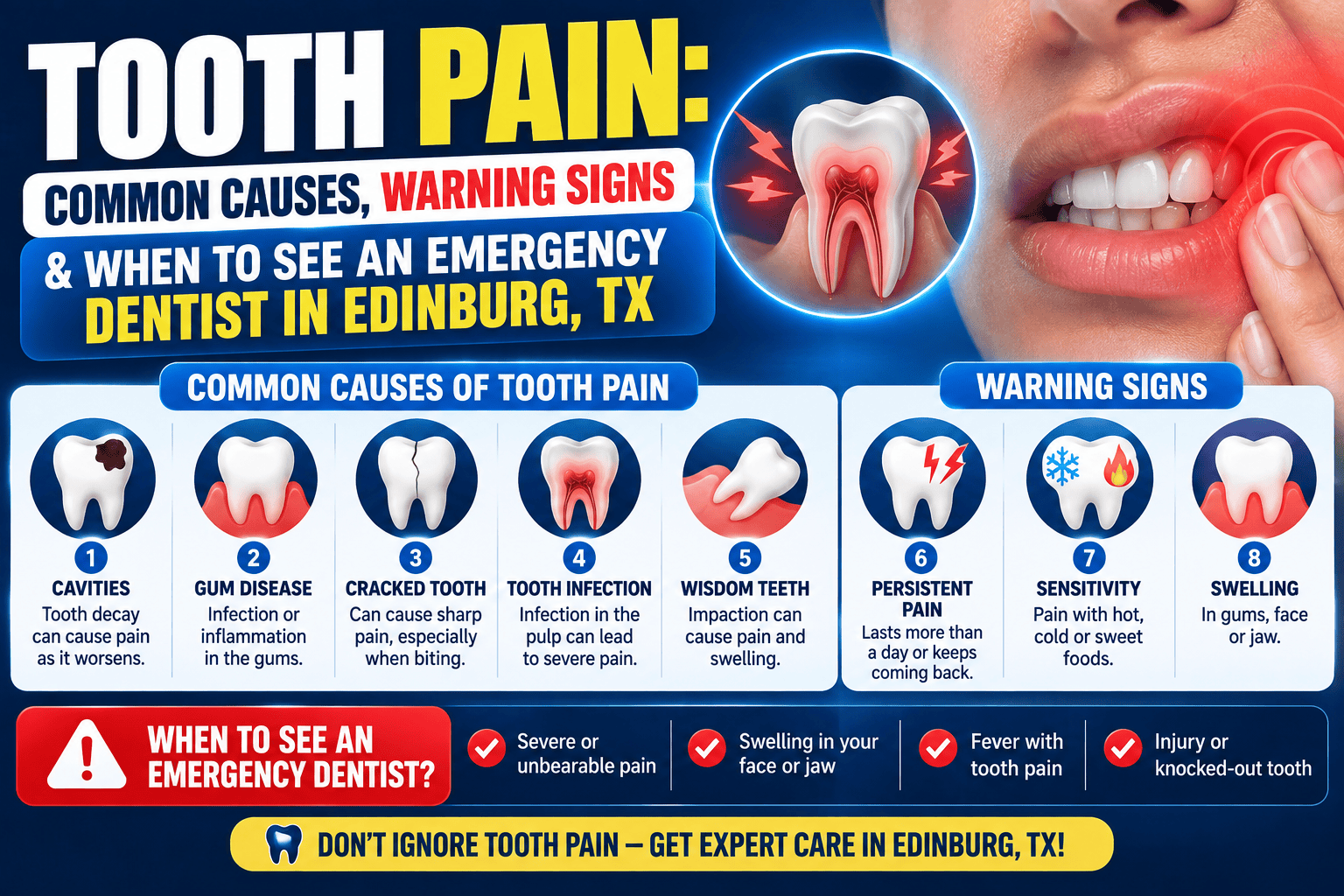
Severe tooth pain, significant swelling, a knocked-out tooth, a badly broken tooth, or an injury involving the mouth may require prompt dental attention.
If a dental injury occurs, avoid placing unnecessary pressure on the affected area and contact a dental professional as soon as possible. Ethos Modern Dental offers Emergency Dentistry for situations that require urgent dental evaluation.
A Simple Daily Routine for Protecting Your Teeth
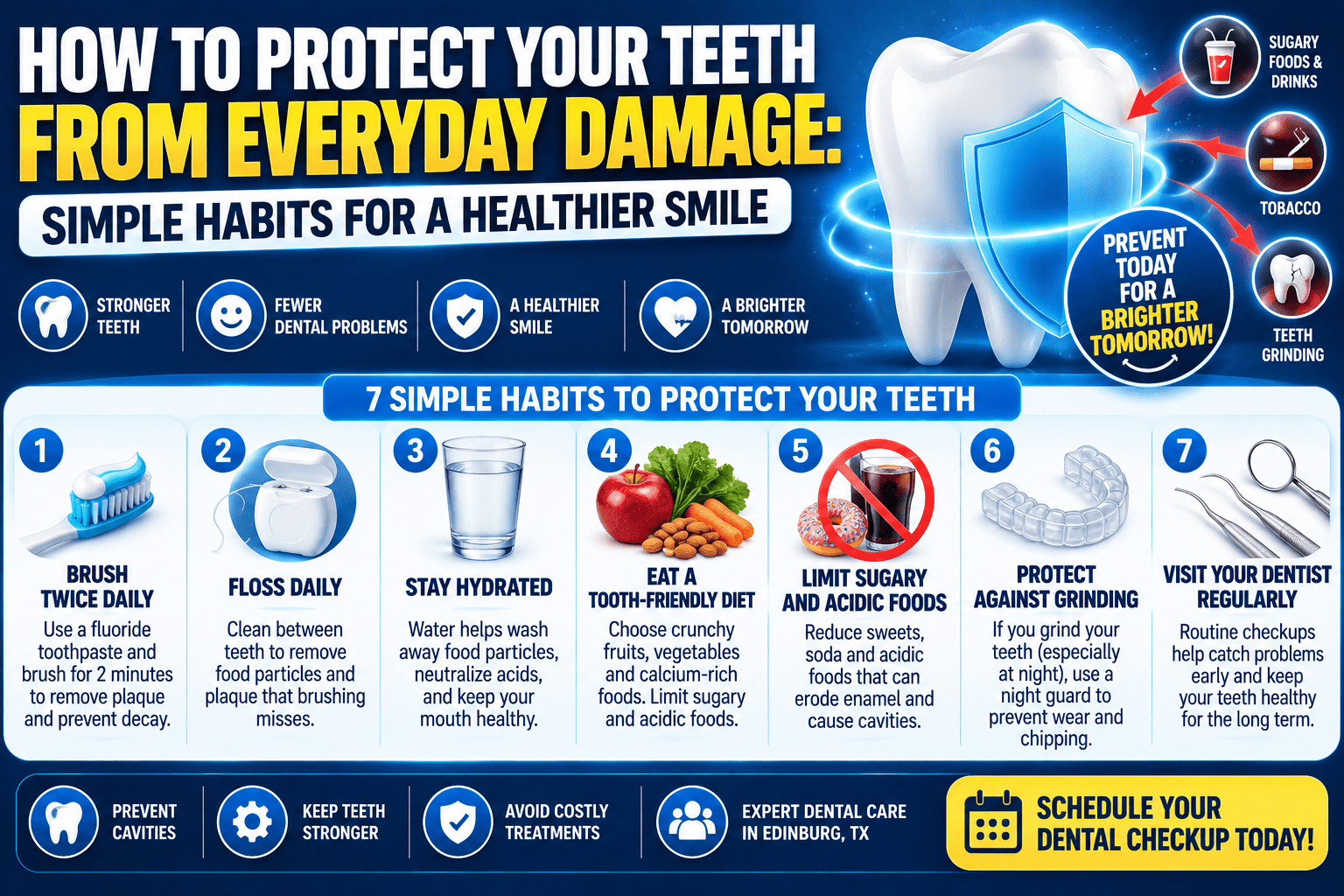
Good dental protection does not have to be complicated. A practical routine can include:
- Brush twice a day with a soft-bristled toothbrush.
- Clean between your teeth every day.
- Drink water regularly.
- Limit frequent sugary snacks and drinks.
- Be mindful of acidic beverages.
- Avoid chewing ice and hard objects.
- Never use your teeth as tools.
- Wear a mouthguard during appropriate sports.
- Pay attention to grinding, clenching, and unusual sensitivity.
- Keep up with professional dental examinations and cleanings.
Consistency matters more than perfection.
What Are Some of the Most Damaging Everyday Habits?
Several common habits can gradually put your teeth at risk:
- Chewing ice
- Biting fingernails or pens
- Opening packages with your teeth
- Frequently consuming sugary drinks
- Constantly sipping acidic beverages
- Brushing too aggressively
- Ignoring persistent sensitivity
- Grinding or clenching your teeth
- Skipping dental examinations
- Delaying treatment for tooth pain or damage
Many of these habits are easy to change once you become aware of them.
Frequently Asked Questions
How can I protect my teeth from everyday damage?
Brush twice daily, clean between your teeth, limit frequent sugar and acidic drinks, avoid hard objects, never use your teeth as tools, manage grinding or clenching, and maintain regular dental visits.
Can brushing too hard damage my teeth?
Yes. Excessive brushing pressure can contribute to gum irritation and wear around the gum line. A soft-bristled toothbrush and gentle technique are generally preferable.
Is chewing ice bad for your teeth?
Yes. Ice is hard enough to place significant stress on teeth and may contribute to chips or fractures. It is better to avoid chewing it.
How often should I have a dental examination?
Many people benefit from regular dental examinations approximately every six months, although the appropriate schedule can vary depending on individual oral health needs.
What should I do if I suddenly break a tooth?
Avoid chewing on the affected side and contact a dentist promptly, particularly if you have significant pain, bleeding, swelling, or sensitivity. A broken tooth may require timely evaluation.
Can grinding your teeth cause permanent damage?
Persistent grinding and clenching can gradually wear down tooth structure and may contribute to cracks, sensitivity, jaw discomfort, and other problems. Early evaluation can help reduce further damage.
Protecting Your Teeth Starts With Small Habits
Healthy teeth are not protected by one major decision. They are protected through the small choices you make every day how you brush, what you chew, what you drink, how you respond to discomfort, and whether you seek professional care when something feels different.
The goal is not to worry about every bite or sip. It is to build habits that reduce unnecessary stress on your teeth while giving potential problems the attention they deserve. With consistent home care, sensible daily habits, and regular professional dental care, you can give your natural teeth a much better chance of staying strong, functional, and healthy for years to come.