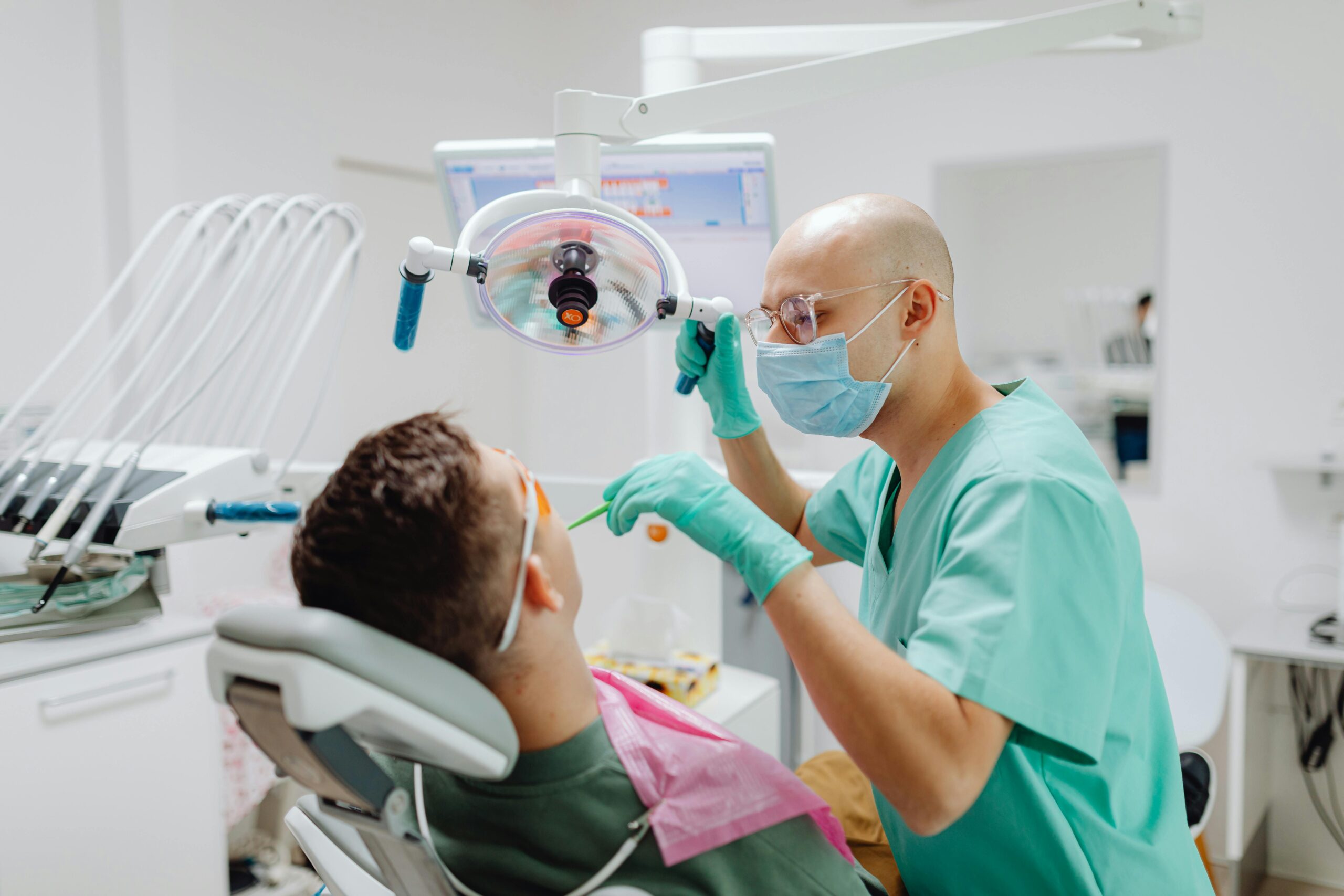
Visiting the dentist is an important part of maintaining healthy teeth and gums, but a little preparation can make your appointment more comfortable, organized, and productive. Whether you are scheduling a routine checkup, a professional cleaning, or a consultation for a specific dental concern, knowing what to do beforehand can help you get more out of your visit.
At Ethos Modern Dental, patient comfort, clear communication, and personalized care are important parts of the dental experience. Preparing a few details in advance helps your dental team understand your concerns, review your health history, and discuss appropriate treatment options.
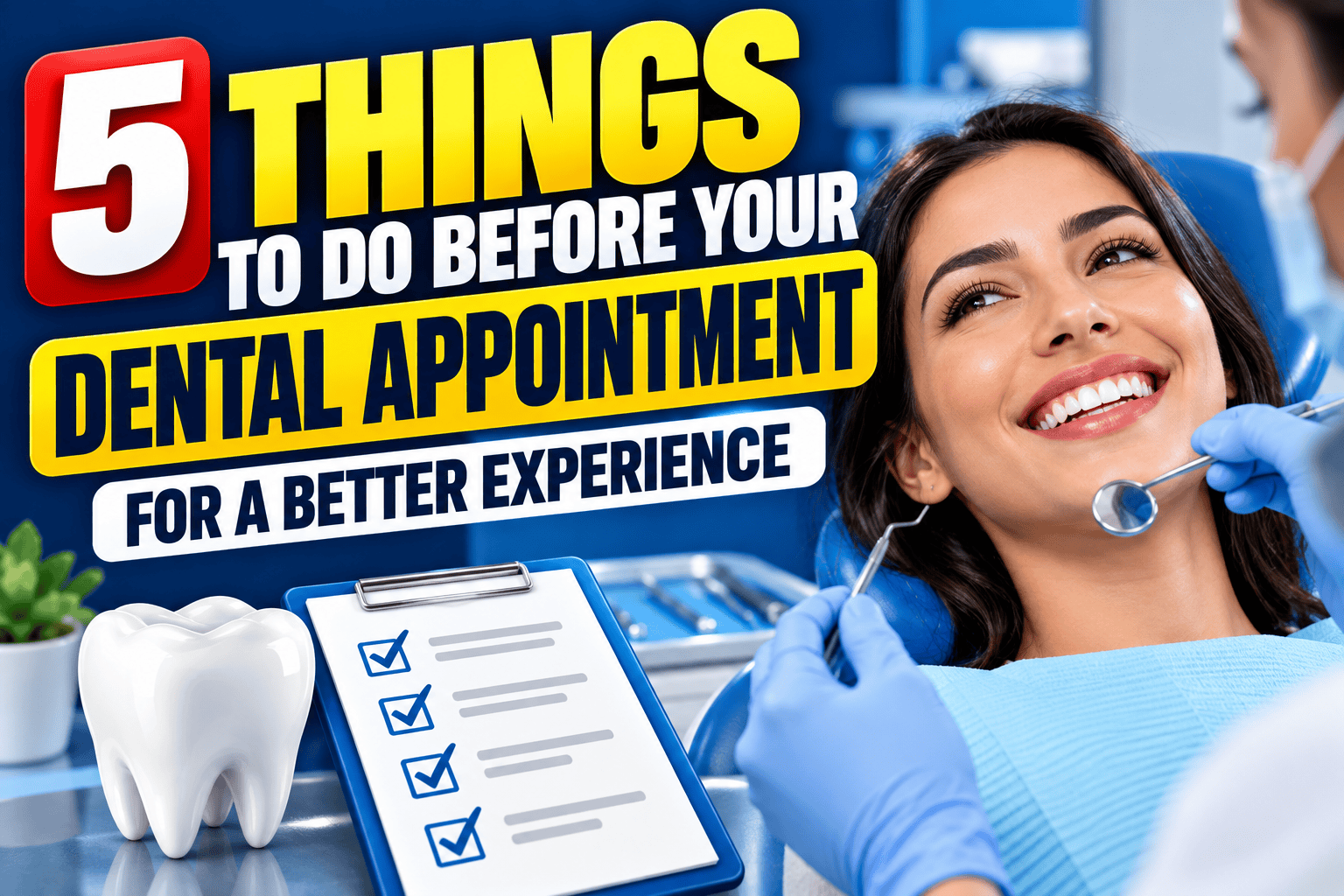
From gathering your medication information to preparing questions and managing dental anxiety, these five simple steps can help you feel more confident before your next visit.
1. Make a List of Your Dental Concerns and Symptoms
Before your appointment, take a few minutes to identify anything you have noticed about your teeth, gums, or mouth. It can be easy to forget important details during a consultation, especially when you have several questions.
Write down any symptoms you have experienced, when they started, and what seems to make them better or worse.
For example, consider noting whether you have experienced:
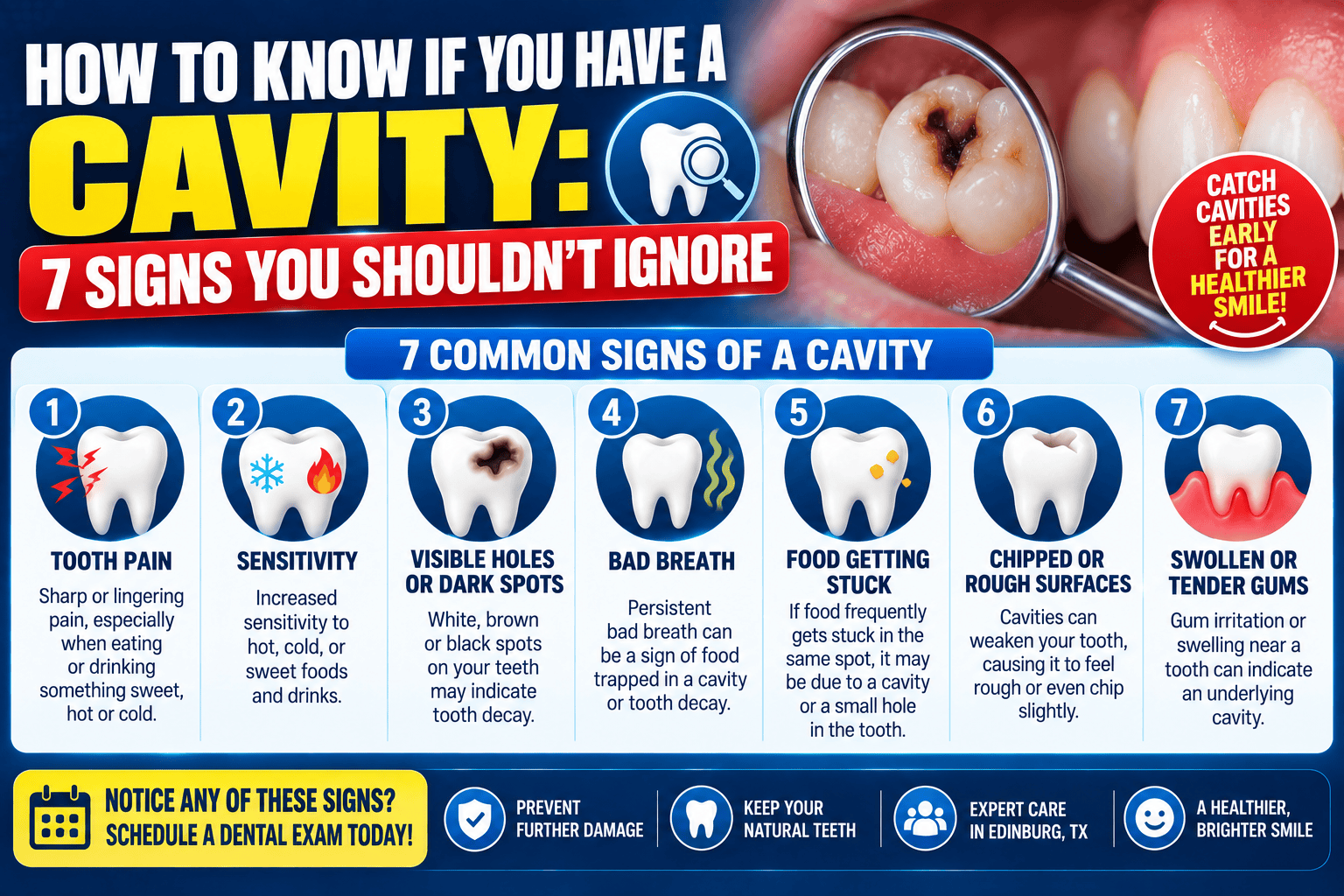
- Tooth sensitivity when eating hot, cold, or sweet foods.
- Pain when biting or chewing.
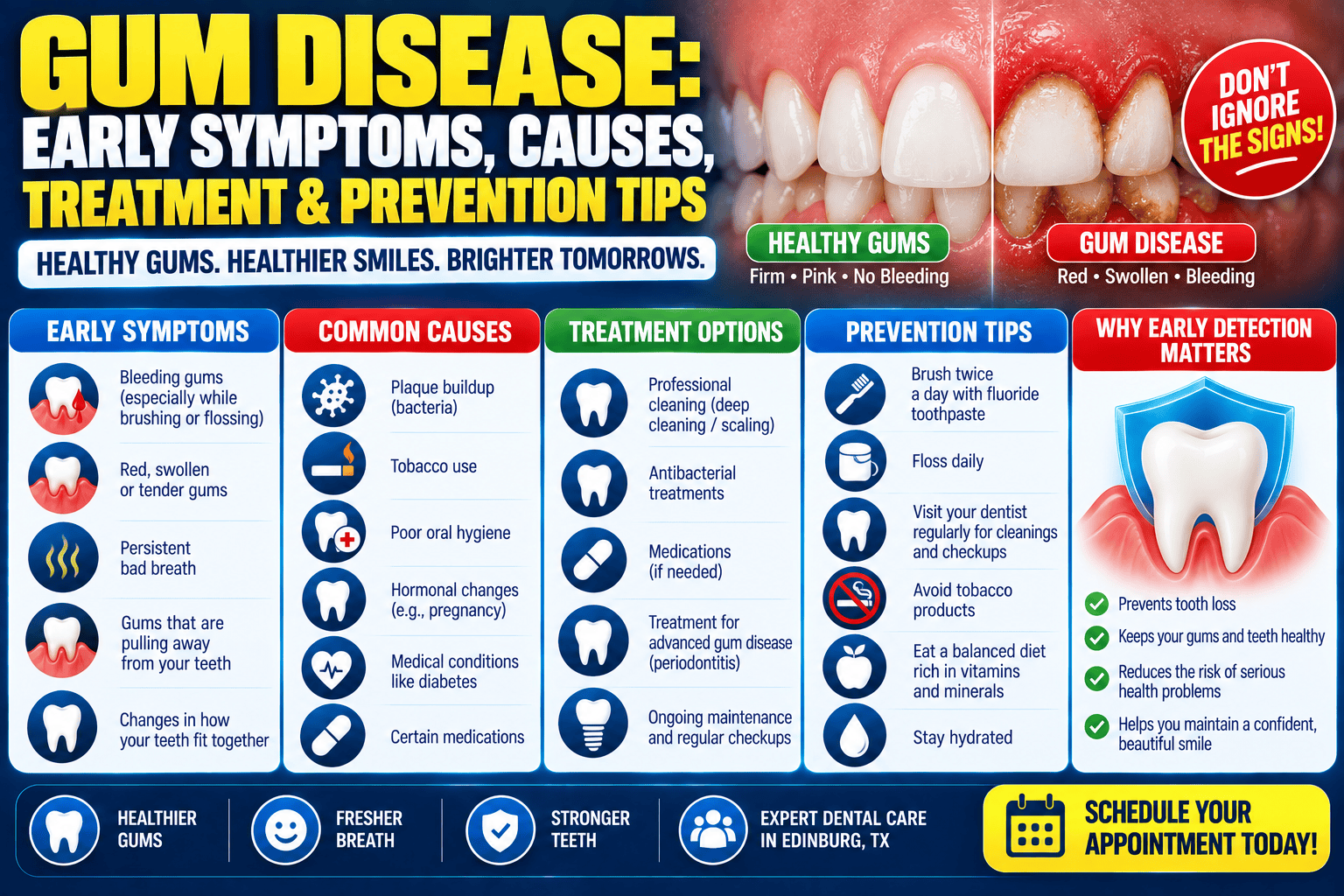
- Bleeding, swollen, or tender gums.
- Persistent bad breath or an unusual taste in your mouth.
- A chipped tooth, rough edge, or damaged filling.
- Jaw discomfort or teeth grinding during sleep.
Try to describe your symptoms clearly. Instead of simply saying that your tooth hurts, note whether the pain is sharp or dull, whether it occurs spontaneously, and whether it lasts after you finish eating or drinking.
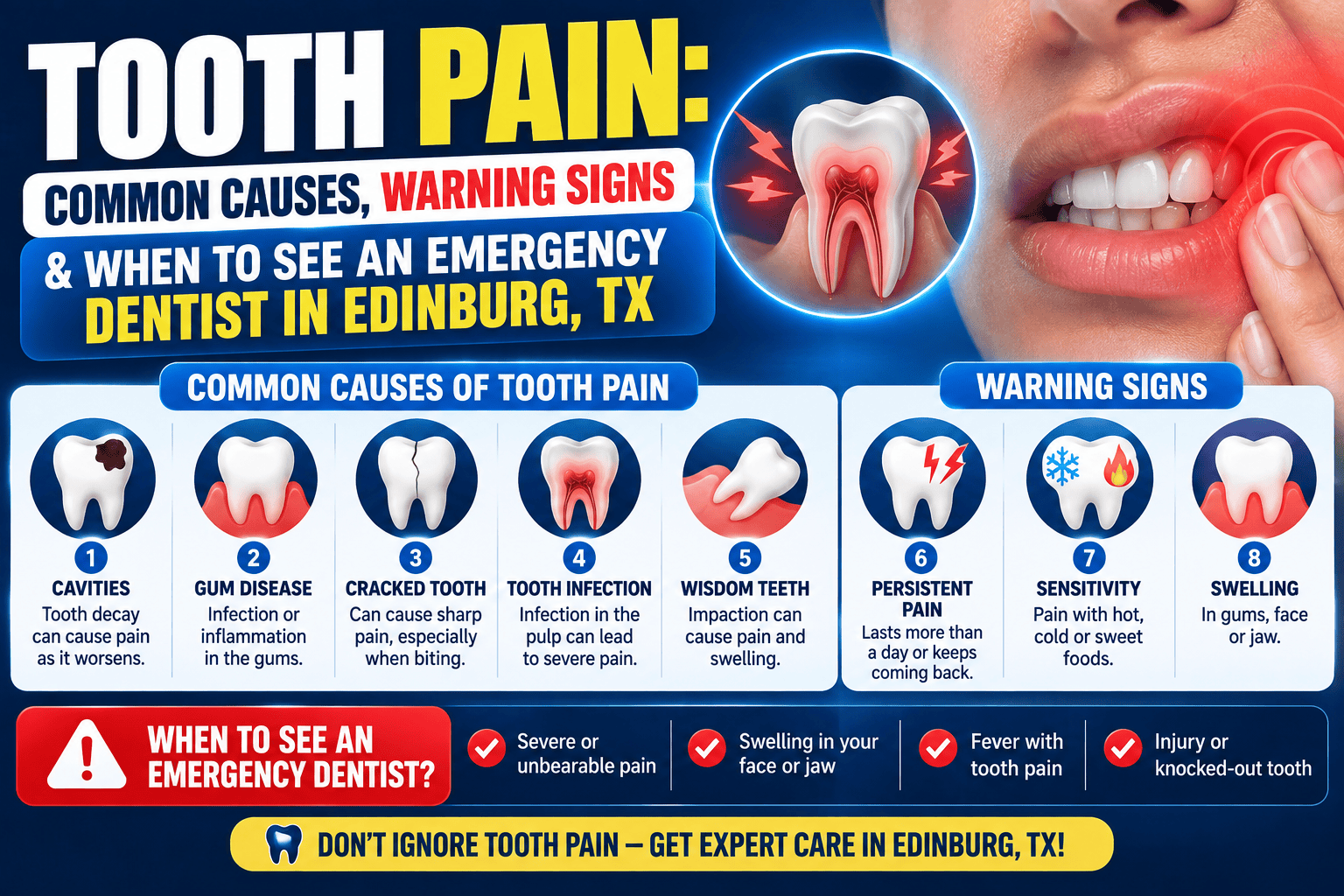
If you have ongoing discomfort, reviewing the common causes of tooth pain may help you recognize what information to share with your dentist. However, an online article cannot determine the exact cause of your symptoms.
Why this matters: Clear information helps your dentist understand your concerns and decide whether further examination or diagnostic tests are needed. If you have severe pain or swelling, contact the dental office promptly instead of waiting for a routine appointment.
2. Gather Your Medical History and Medication Information
Your oral health can be influenced by your general health, medical conditions, allergies, and medications. Providing accurate information allows your dental team to consider these factors when planning an examination or treatment.
Before your appointment, prepare an updated list that includes:
- Prescription medications and their dosages.
- Over-the-counter medications you take regularly.
- Vitamins, herbal products, and dietary supplements.
- Known medication allergies or previous adverse reactions.
- Existing medical conditions and relevant surgical history.
- Recent changes in your health or medication routine.
If you are visiting a new dental office, bring any relevant dental records or previous X-rays that are available to you. Your dental team can advise whether additional records are necessary.
It is also important to mention if you have previously experienced a reaction to local anesthesia or have had difficulties during an earlier dental procedure.
Do not stop, skip, or change prescribed medication simply because you have a dental appointment. Ask your dentist and prescribing healthcare professional whether any specific adjustments are necessary for your planned treatment.
Accurate medical and dental histories help clinicians identify potential risks, consider medication interactions, and make informed treatment decisions.
3. Understand Your Appointment and Follow the Instructions Provided
Not every dental appointment requires the same preparation. A routine examination, professional cleaning, cosmetic consultation, and more complex procedure may involve different steps.
Before your visit, confirm the appointment time, location, and type of service scheduled. If you are unsure whether you need to bring anything specific, contact the dental office and ask.
For a routine dental checkup, these simple habits can help:
- Brush your teeth gently before leaving home.
- Floss or clean between your teeth as part of your regular oral hygiene routine.
- Avoid eating foods that may leave strong odors or particles in your mouth immediately before the visit.
- Arrive with enough time to complete any necessary registration forms.
- Bring any documents or information the office has requested.
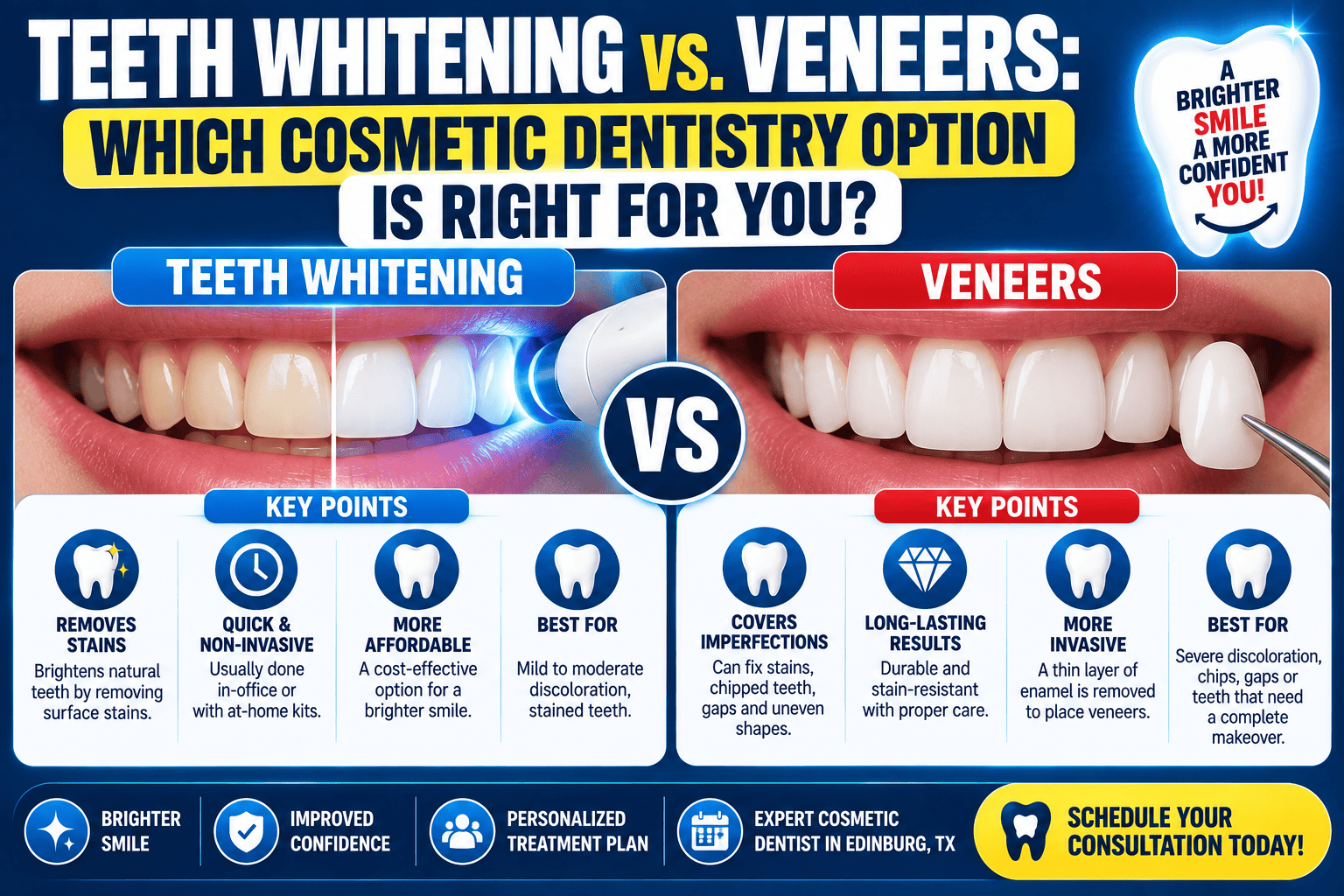
If your appointment includes a professional cleaning, you can learn more about cleaning and whitening services and the role of professional dental care in maintaining a healthy smile.
For appointments involving sedation, surgery, or another specific procedure, follow the dental office’s instructions regarding food, drinks, medications, and transportation. Do not assume that fasting or changing your usual medication routine is necessary unless your healthcare team tells you to do so.
Why this matters: Knowing what to expect can help prevent avoidable delays and allow your dental team to focus on your needs. Following procedure-specific instructions is especially important when treatment requires special preparation.
4. Prepare Questions About Your Oral Health and Treatment Options
Your dental appointment is an opportunity to understand your oral health, discuss concerns, and make informed decisions about treatment. Preparing a short list of questions beforehand can help you use your consultation time effectively.
You might consider asking:
- Is there anything in my current oral health that needs attention?
- Are there early signs of tooth decay or gum disease?
- What can I do at home to improve my oral hygiene?
- Do I need any additional tests or dental X-rays?
- What treatment options are available for my specific concern?
- What are the expected benefits, risks, and recovery requirements?
- How much will the recommended treatment cost, and what payment options are available?
- When should I schedule my next visit?
You do not need to ask every question at once. Focus on the concerns that matter most to you, and ask for clarification whenever something is unclear.
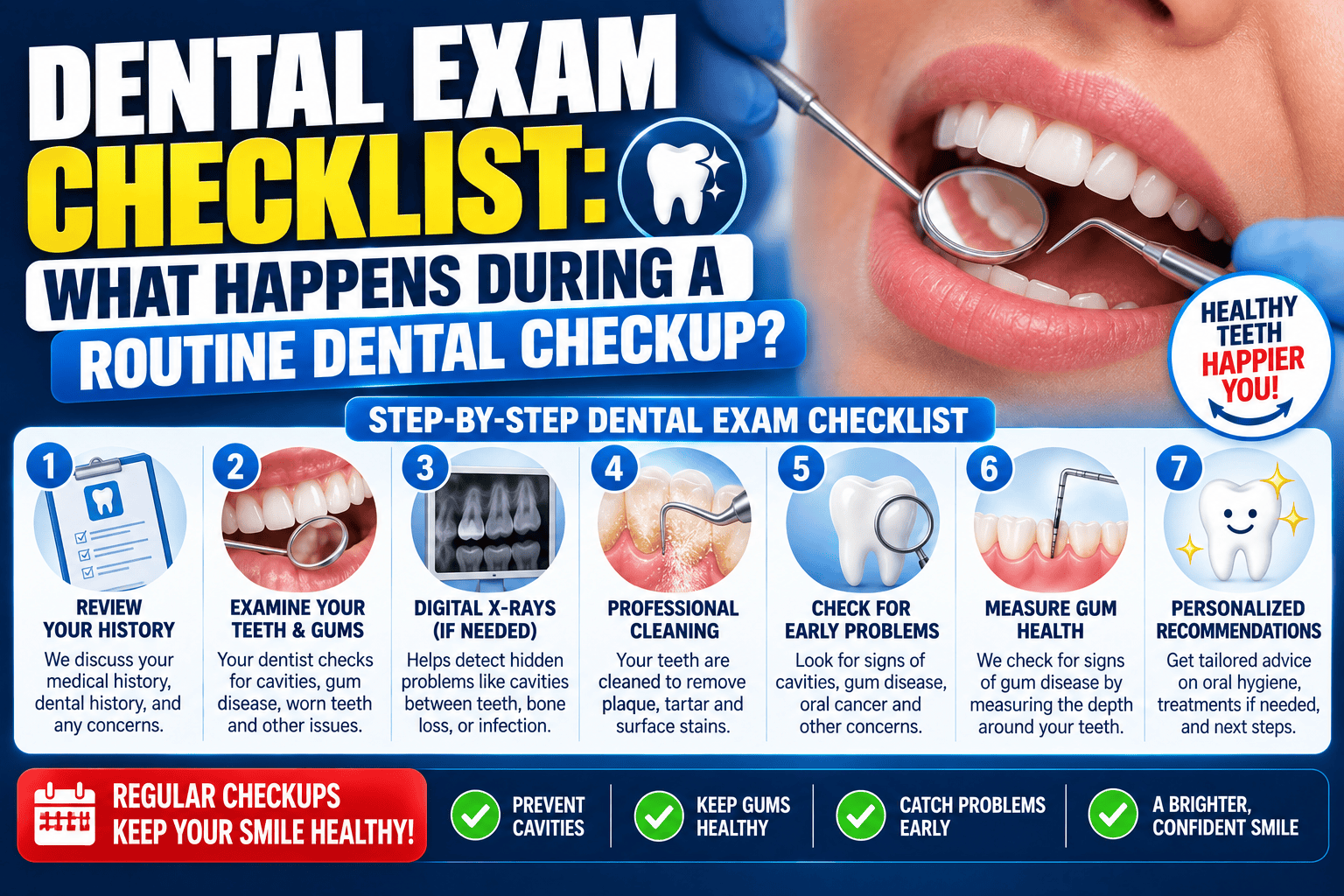
For a better understanding of what happens during a routine evaluation, explore the dental exam process.
If your dentist recommends treatment, ask them to explain why it is needed, whether alternatives are available, and what could happen if you delay it. You should feel comfortable discussing the plan before deciding how to proceed.
Why this matters: Open communication helps you understand your options, expected costs, and next steps. It can also help you make decisions that suit your oral health needs, budget, and preferences.
5. Plan Ahead if You Feel Nervous About Visiting the Dentist
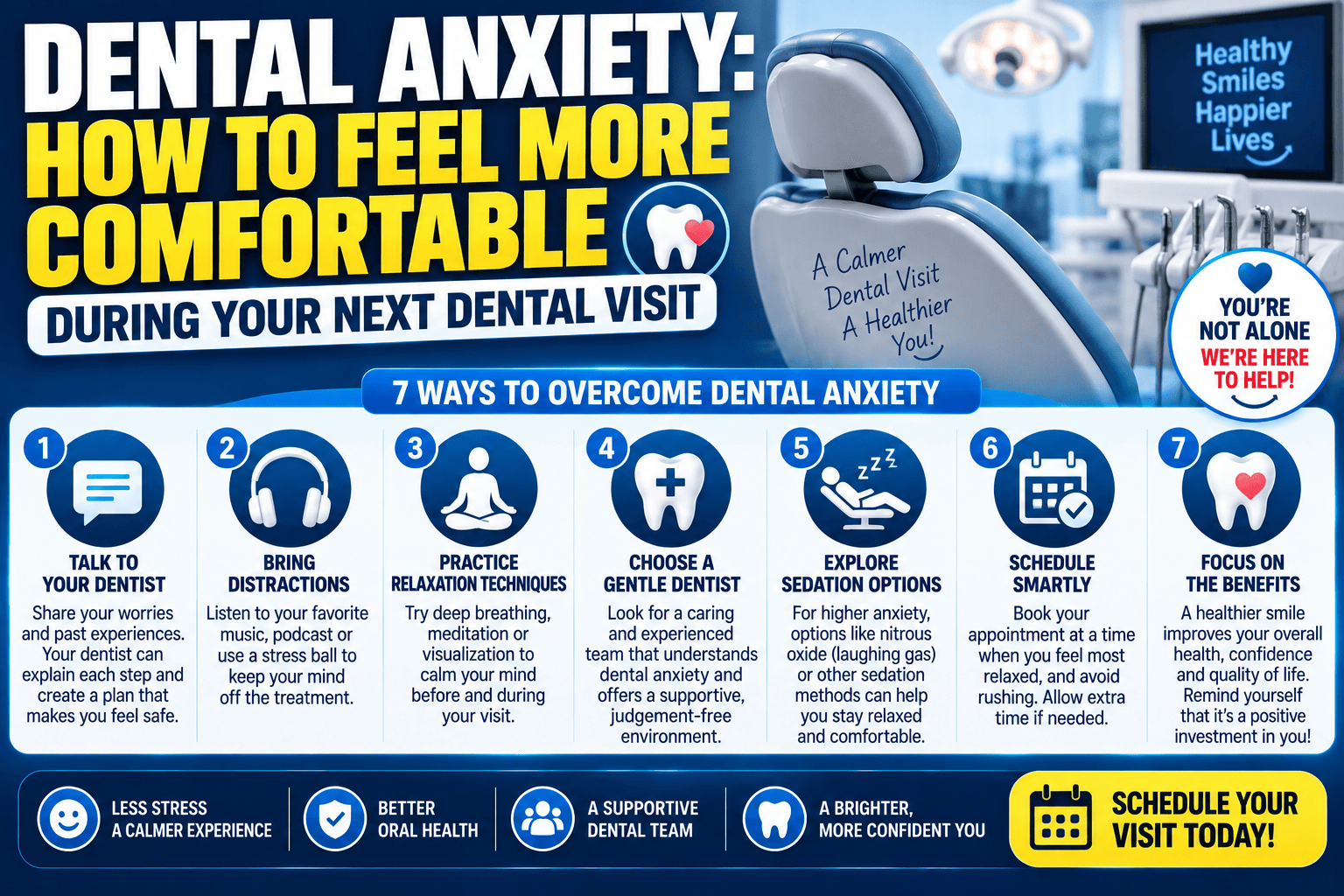
Feeling nervous before a dental appointment is common. You may feel anxious about discomfort, dental instruments, previous experiences, or uncertainty about what a procedure involves.
Preparing in advance can help you feel more in control of the experience.
Tell Your Dental Team About Your Concerns
Let the team know if you are nervous, have had an unpleasant dental experience, or feel uncomfortable with certain procedures. This gives them an opportunity to explain what will happen and discuss ways to make the appointment more manageable.
You can also ask for explanations before each step so you know what to expect.
Ask About Breaks and Comfort Options
If you need a pause during treatment, discuss this with your dentist before the procedure begins. You may agree on a simple hand signal to indicate that you need a break.
Depending on the treatment, your dental team may also discuss appropriate comfort measures or anesthesia options.
Plan Your Journey and Arrival Time
Arrange transportation, parking, and time away from work or other responsibilities in advance. If sedation is planned, ask whether you will need someone to accompany you home.
Avoid Putting Off Necessary Care
Postponing dental visits because of anxiety can allow some oral health problems to progress. Taking a gradual approach, asking questions, and communicating your concerns may make it easier to receive the care you need.
You can explore practical guidance on managing dental anxiety before your visit.
Why this matters: Your dental team can better support your comfort when they understand what makes you nervous. You deserve clear explanations, respectful communication, and an opportunity to discuss your concerns.
What Should You Bring to Your Dental Appointment?
A quick checklist can help you avoid last-minute stress.
| Item | Why it may be useful |
| Photo identification and requested registration details | Helps complete check-in |
| Dental insurance information, if applicable | Helps the office review benefits and coverage |
| Medication and allergy list | Supports safe treatment planning |
| Previous dental records or X-rays, if available | Provides relevant background information |
| List of symptoms and questions | Helps you communicate your concerns |
| Payment or financing questions | Helps clarify expected costs and available options |
Your dental office may request additional documents depending on your appointment, treatment plan, or insurance arrangements. Confirm any specific requirements ahead of time.
When Should You Contact the Dentist Before Your Scheduled Visit?
If you develop a new problem after scheduling your appointment, do not automatically wait until the original date.
Contact the office if you experience severe tooth pain, increasing swelling, a broken tooth, or signs of a possible dental infection. The team can advise you about the appropriate next step.
Ethos Modern Dental provides information about its emergency dentistry services for patients experiencing urgent dental concerns.
Seek urgent assessment for facial swelling accompanied by fever or other signs of a spreading infection. Difficulty breathing or swallowing requires immediate emergency medical care.
Frequently Asked Questions
1. Should I brush my teeth before a dental appointment?
Yes. Brush your teeth gently with fluoride toothpaste before your appointment and maintain your normal oral hygiene routine. Do not scrub aggressively to try to make your teeth look cleaner immediately before the visit.
2. What information should I tell my dentist before treatment?
Share your symptoms, medical conditions, medication list, allergies, previous reactions to dental treatments, and any relevant changes in your health. This information helps your dentist assess your needs and plan care appropriately.
3. Should I eat before visiting the dentist?
For a routine examination or cleaning, you can generally follow your usual eating routine and brush afterward. For procedures involving sedation or specific preparation instructions, follow the guidance provided by your dental team.
4. How early should I arrive for my dental appointment?
Arriving around 10–15 minutes early is a useful general guideline, particularly if you are a new patient or need to complete paperwork. Follow any arrival instructions given by your dental office.
5. What if I am afraid of going to the dentist?
Tell your dental team about your anxiety before treatment begins. Ask questions, discuss breaks, and review available comfort options. Knowing what to expect and having a way to communicate during treatment may help you feel more comfortable.
6. Can I ask about treatment costs during my appointment?
Absolutely. Ask for an explanation of the recommended treatment, estimated costs, insurance coverage, and available payment arrangements before proceeding. The final cost may depend on your diagnosis and the treatment required.
Make Your Next Dental Appointment a Better Experience
Preparing for a dental appointment does not have to be complicated. By noting your symptoms, gathering your medical information, following appointment instructions, preparing questions, and communicating any anxiety, you can help make your visit more organized and productive.
These simple steps also give your dental team useful information to understand your concerns and discuss appropriate care.
At Ethos Modern Dental, the goal is to help patients feel informed and comfortable throughout their dental visits. Whether you are coming in for a routine checkup, professional cleaning, or a consultation about a specific concern, preparing in advance can help you make the most of your appointment and take the next step toward better oral health.