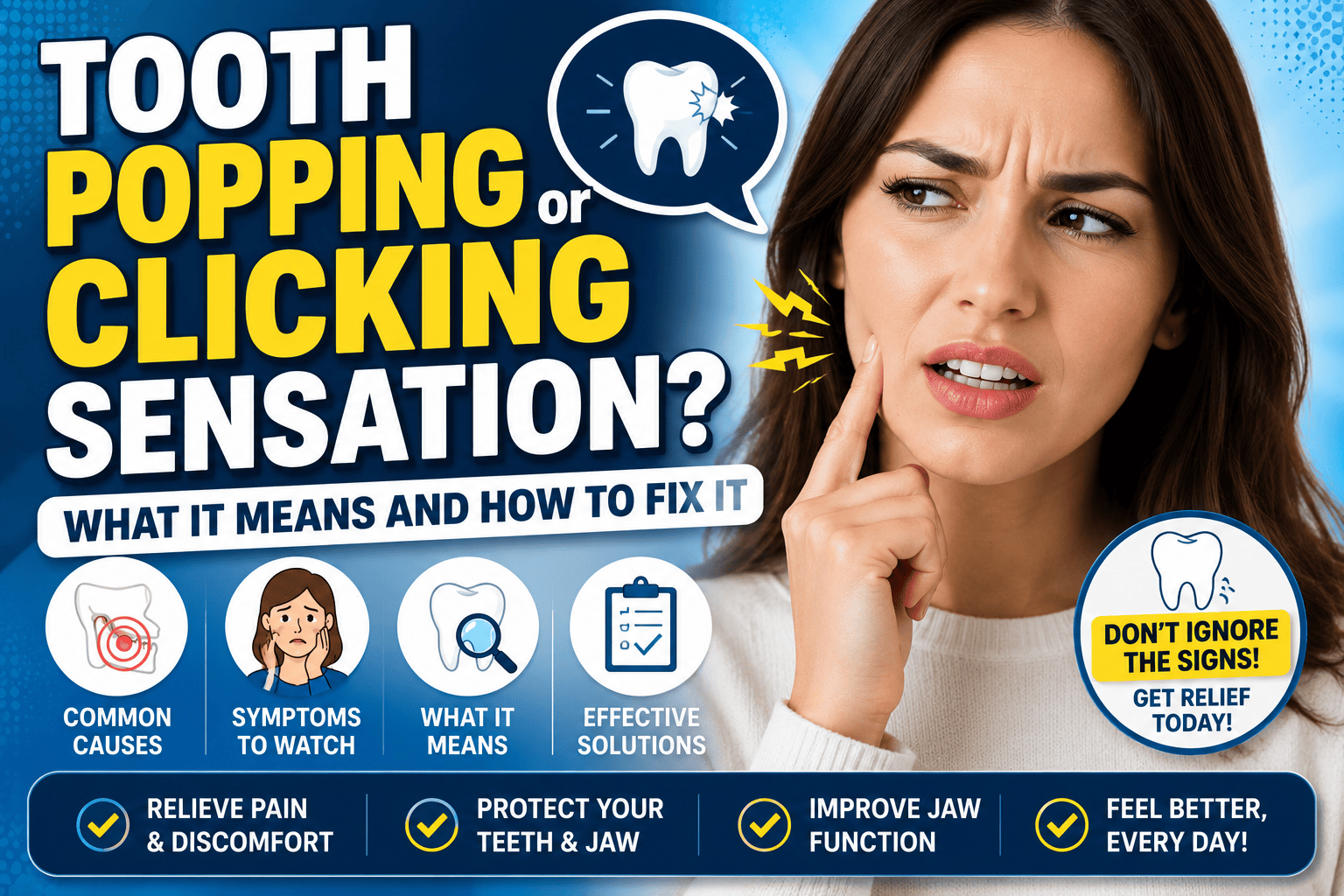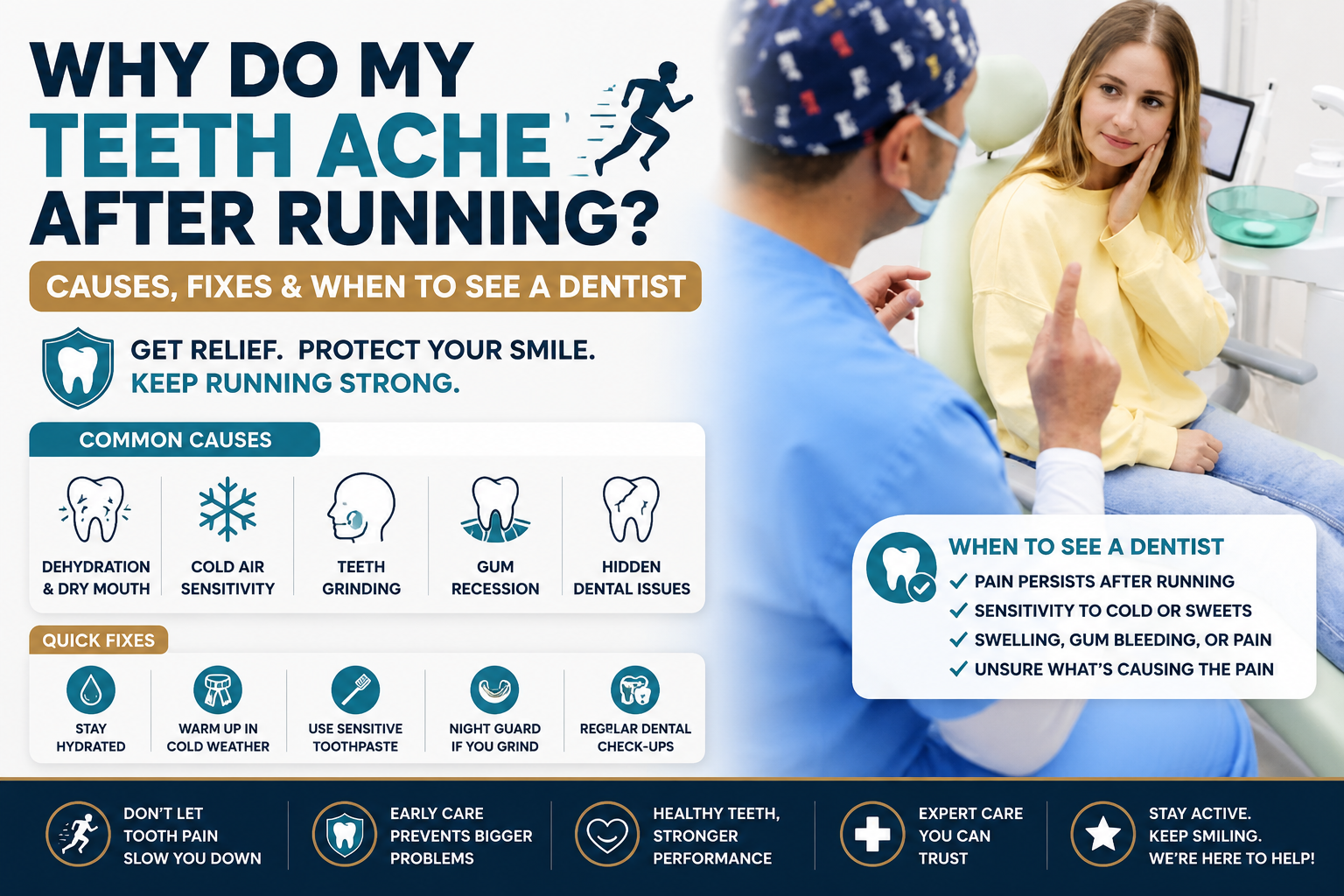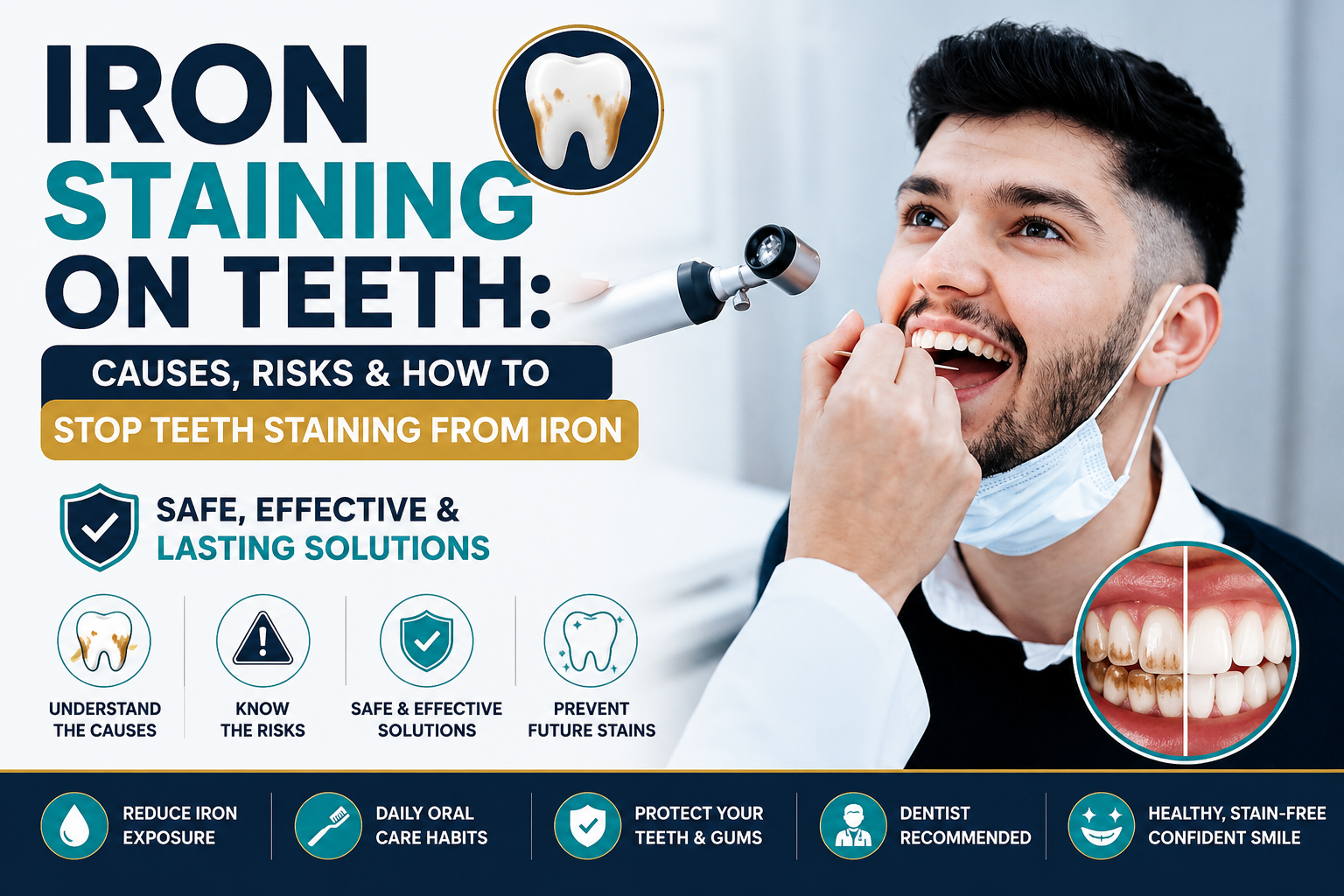
Tooth pain can start as a mild sensitivity and quickly become a persistent, distracting ache. Sometimes it is triggered by something as simple as cold food or a sweet drink. In other cases, pain can signal decay, infection, a damaged tooth, or another dental problem that needs prompt attention.
Knowing what may be causing your discomfort can help you decide whether you can schedule a routine appointment or need urgent dental care. For patients in Edinburg, TX, recognizing the warning signs of a dental emergency can also help prevent a small problem from becoming more complicated.
What Does Tooth Pain Feel Like?
Tooth pain can feel different depending on its underlying cause. You may experience:
- A sharp pain when biting or chewing
- A constant or throbbing ache
- Sensitivity to hot or cold foods and drinks
- Pain triggered by sweets
- Tenderness around a particular tooth
- Pain that radiates toward the jaw, ear, or face
- Swelling around the tooth or gums
- Pain that becomes worse at night
- Discomfort that comes and goes but gradually becomes more frequent
Even if the pain is manageable, recurring discomfort should not be ignored. The longer an underlying dental problem remains untreated, the greater the chance that it can progress.
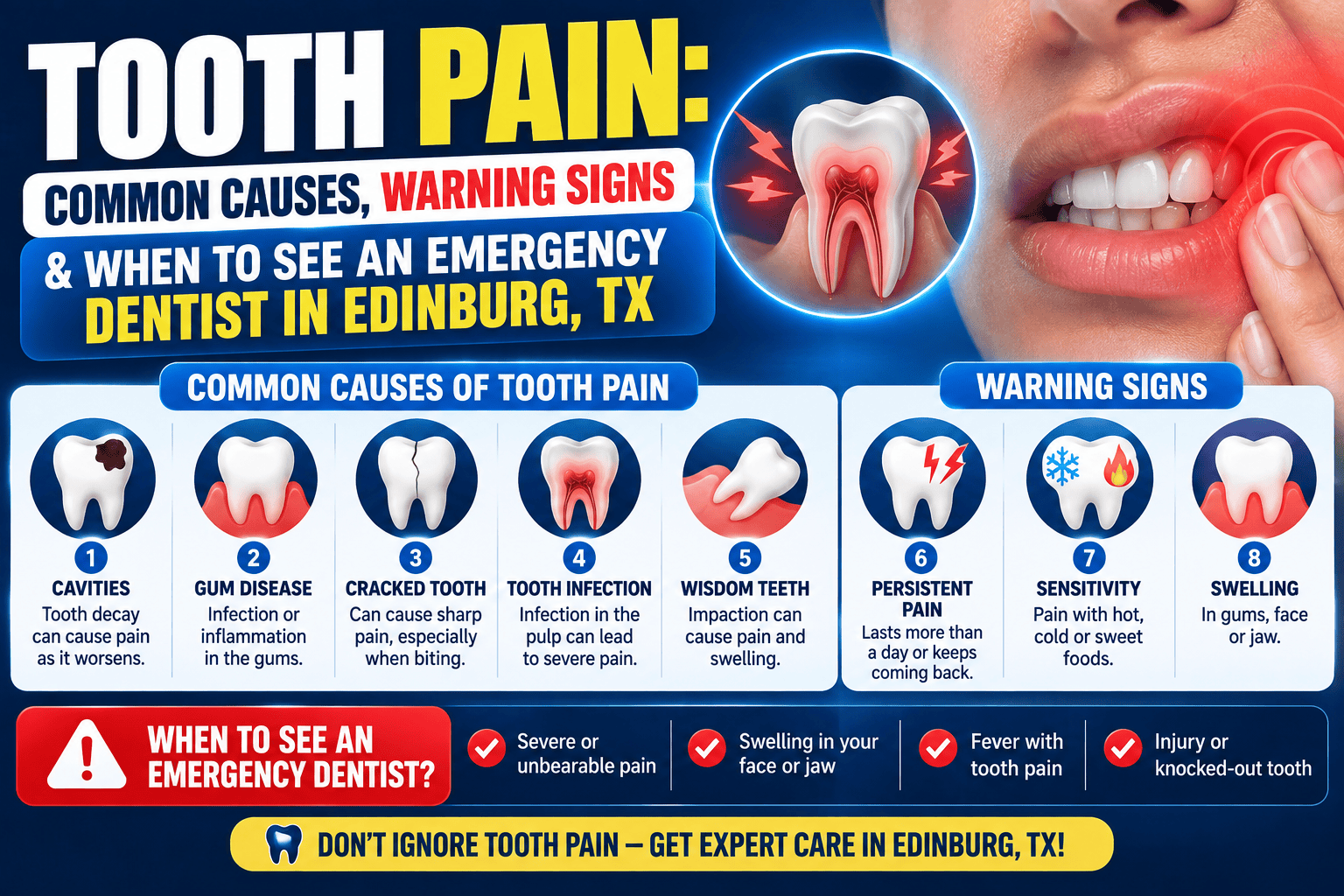
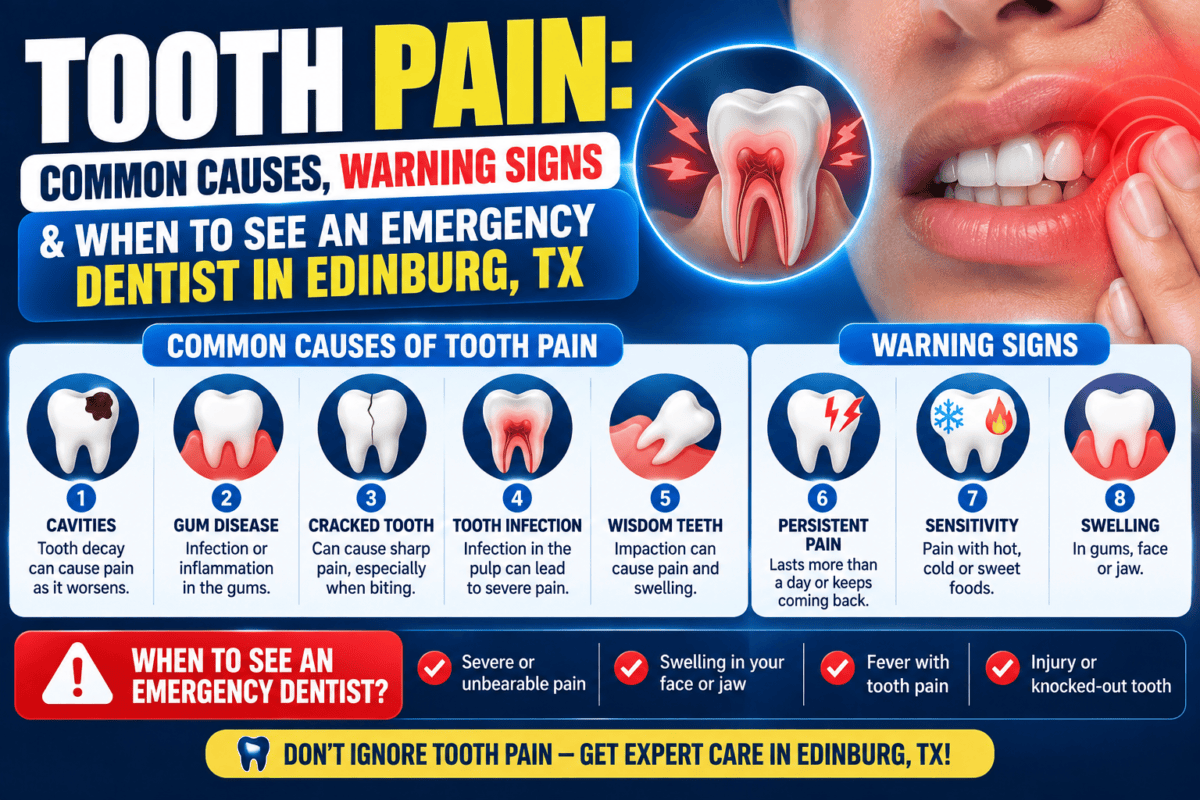
Common Causes of Tooth Pain
Tooth pain can have several causes. Identifying the source requires a proper dental examination, but some causes are more common than others.
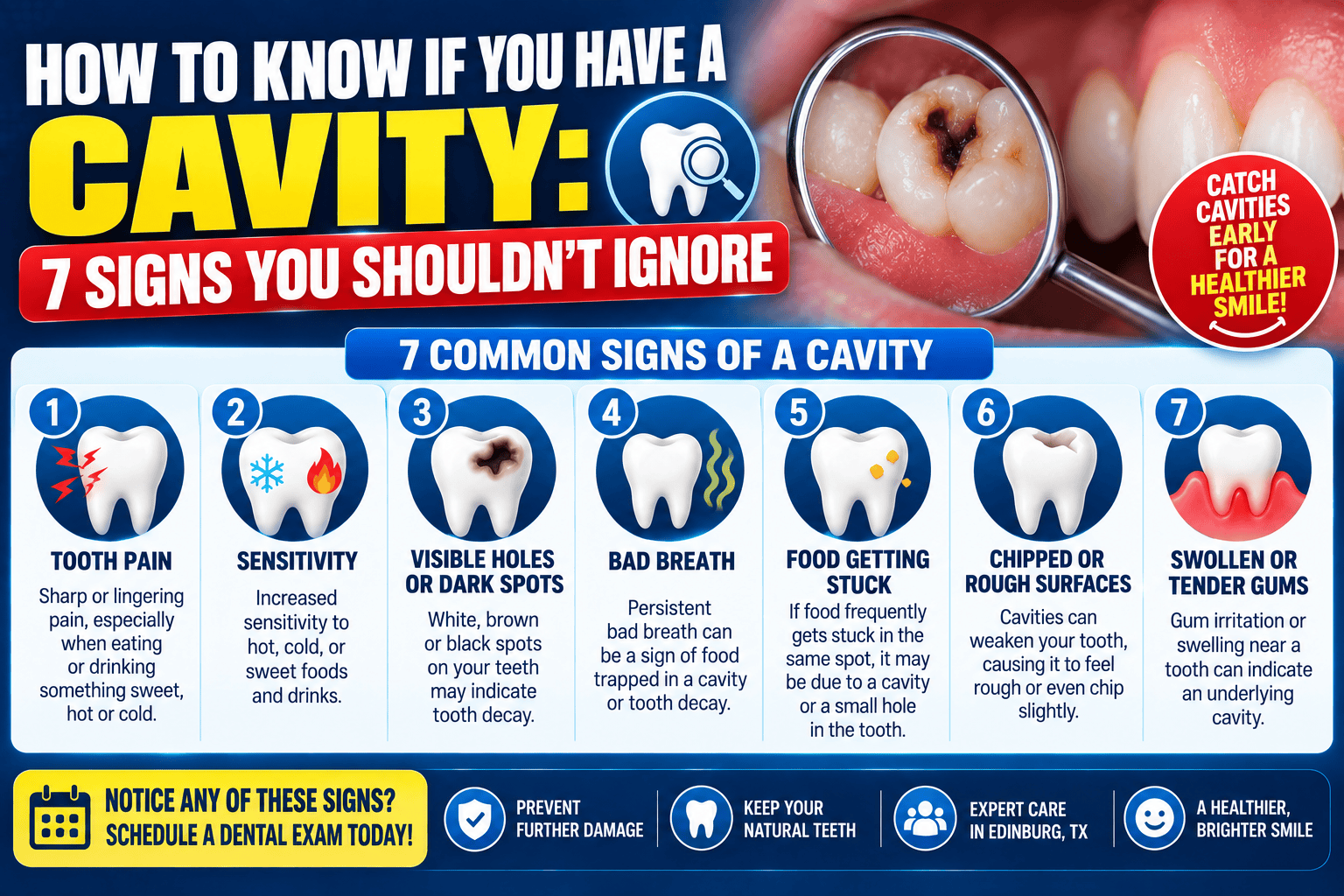
1. Dental Cavities
Tooth decay is one of the most common reasons for dental pain. Cavities develop when acids produced by bacteria gradually weaken and damage the tooth structure.
Early decay may cause little or no discomfort. As the cavity becomes deeper, however, it can affect the inner layers of the tooth and lead to sensitivity or pain.
Signs may include:
- Sensitivity to hot, cold, or sweet foods
- Pain while chewing
- Dark spots or visible damage
- A rough area or hole in the tooth
- Persistent discomfort
You can learn more about the causes and symptoms through Ethos Modern Dental’s dental cavities treatment page.
2. Tooth Infection
A deep cavity, crack, or dental injury can allow bacteria to reach the inner portion of the tooth. When the pulp becomes infected, pain can become intense and persistent.
An infected tooth may cause:
- Throbbing pain
- Sensitivity that lingers after eating or drinking
- Pain when biting down
- Swelling around the tooth
- Tender or swollen gums
- A bad taste in the mouth
- Fever in more advanced cases
A dental infection should be evaluated promptly because it can spread beyond the affected tooth.
3. Cracked or Fractured Teeth
A cracked tooth can cause sharp pain, particularly when you bite down or release your bite. Some cracks are difficult to see without a professional examination.
Teeth can crack because of trauma, biting hard foods, grinding, large fillings, or normal wear over time.
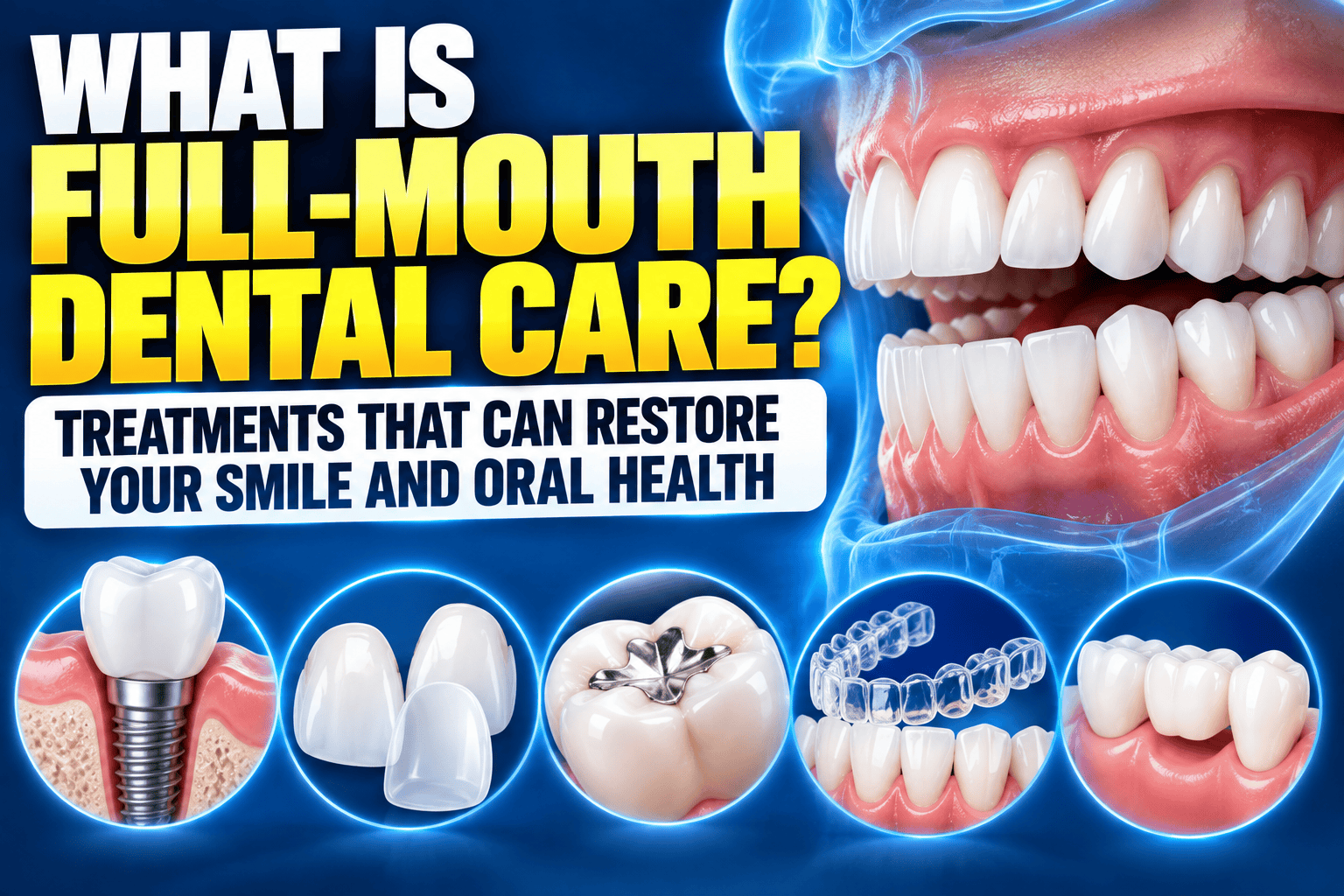
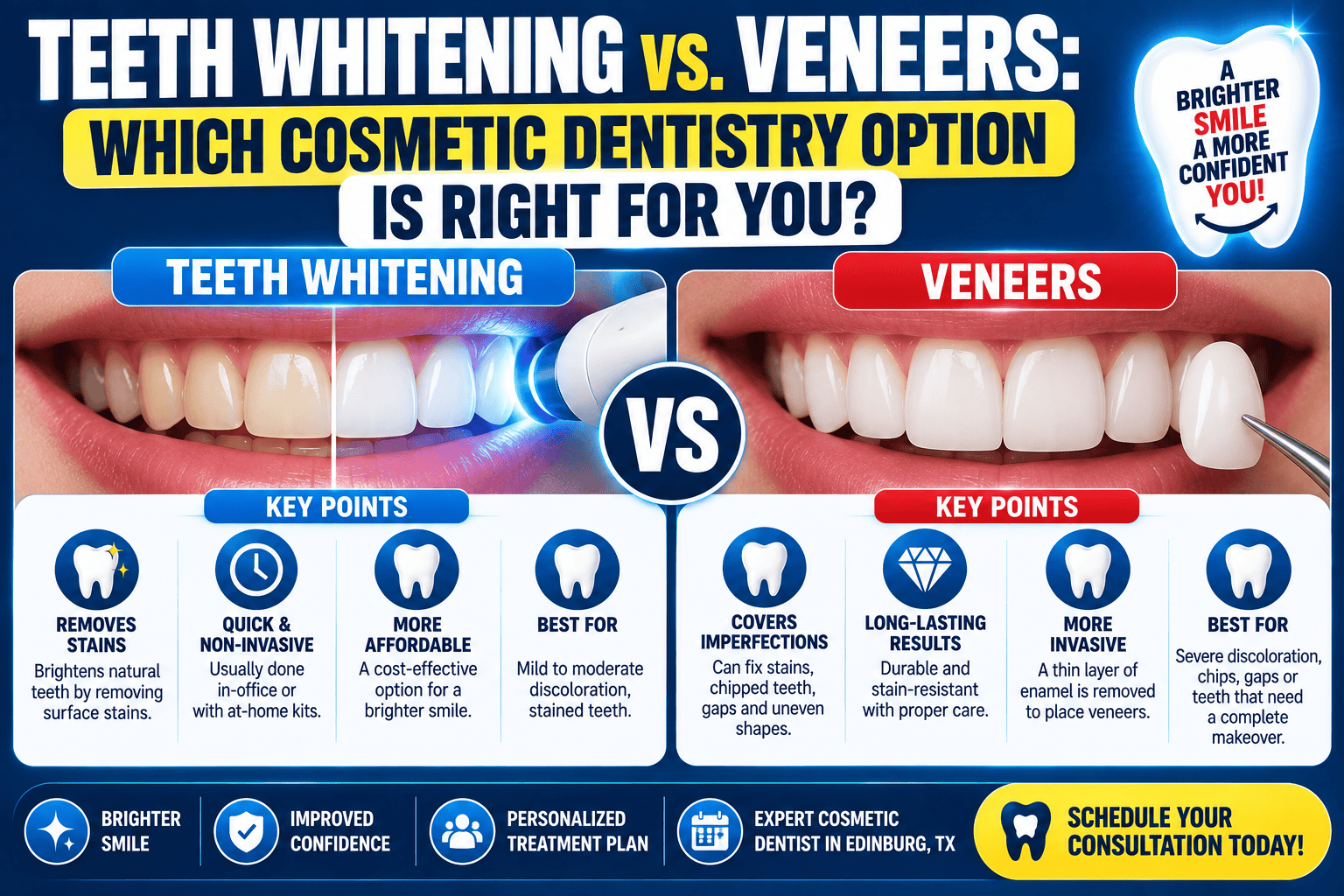
Depending on the location and severity of the damage, treatment may involve restoring the tooth rather than removing it. Ethos Modern Dental provides restorative options through its Crowns, Veneers & Bridges services.
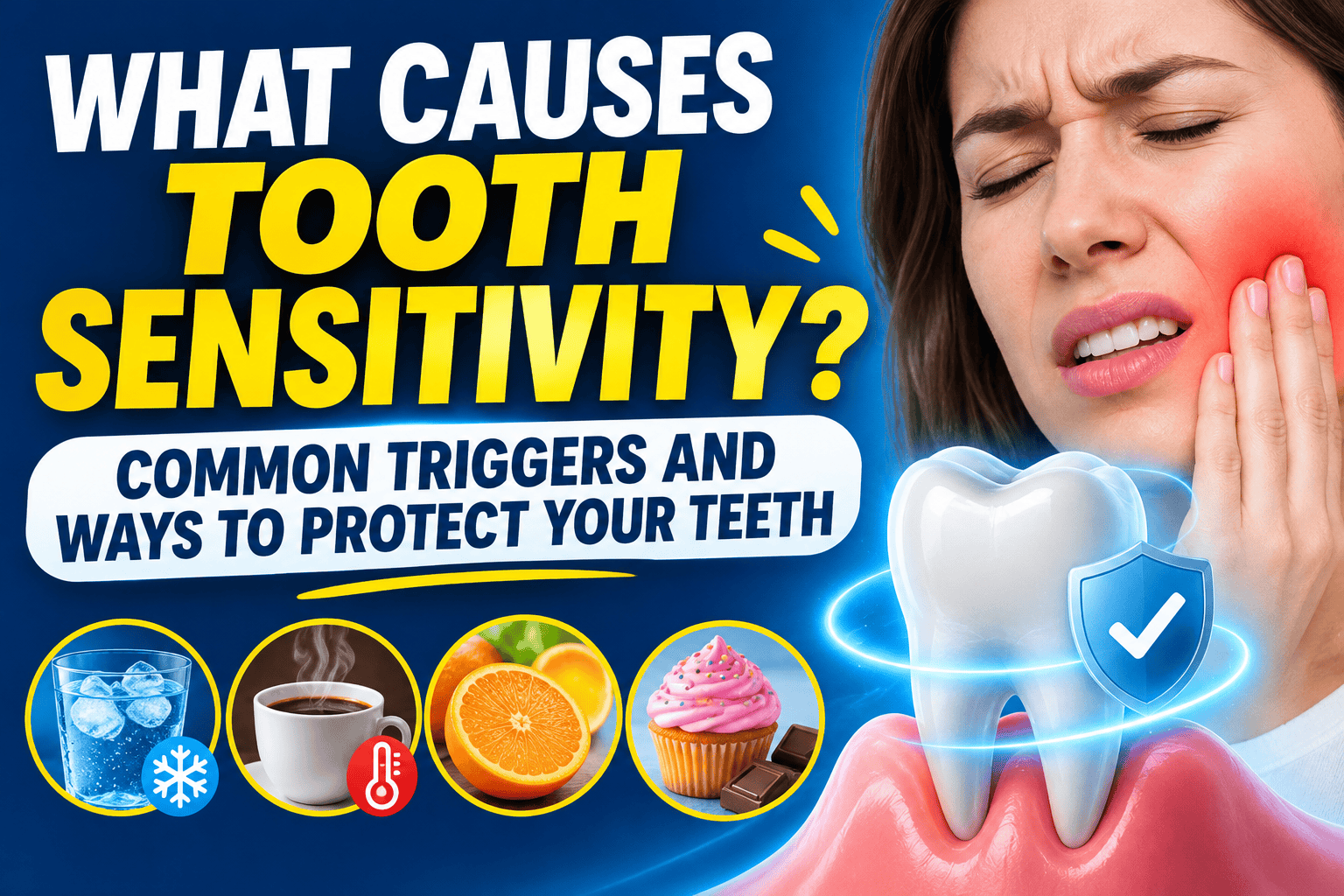
4. Tooth Sensitivity
Not every episode of tooth pain indicates a serious dental emergency. Sensitivity can occur when the protective enamel becomes thinner or when the tooth root becomes exposed.
You may notice a short, sharp sensation when consuming:
- Ice-cold drinks
- Hot beverages
- Sweet foods
- Acidic foods
- Very cold air
Occasional sensitivity can have relatively simple causes, but persistent or worsening sensitivity deserves professional evaluation.
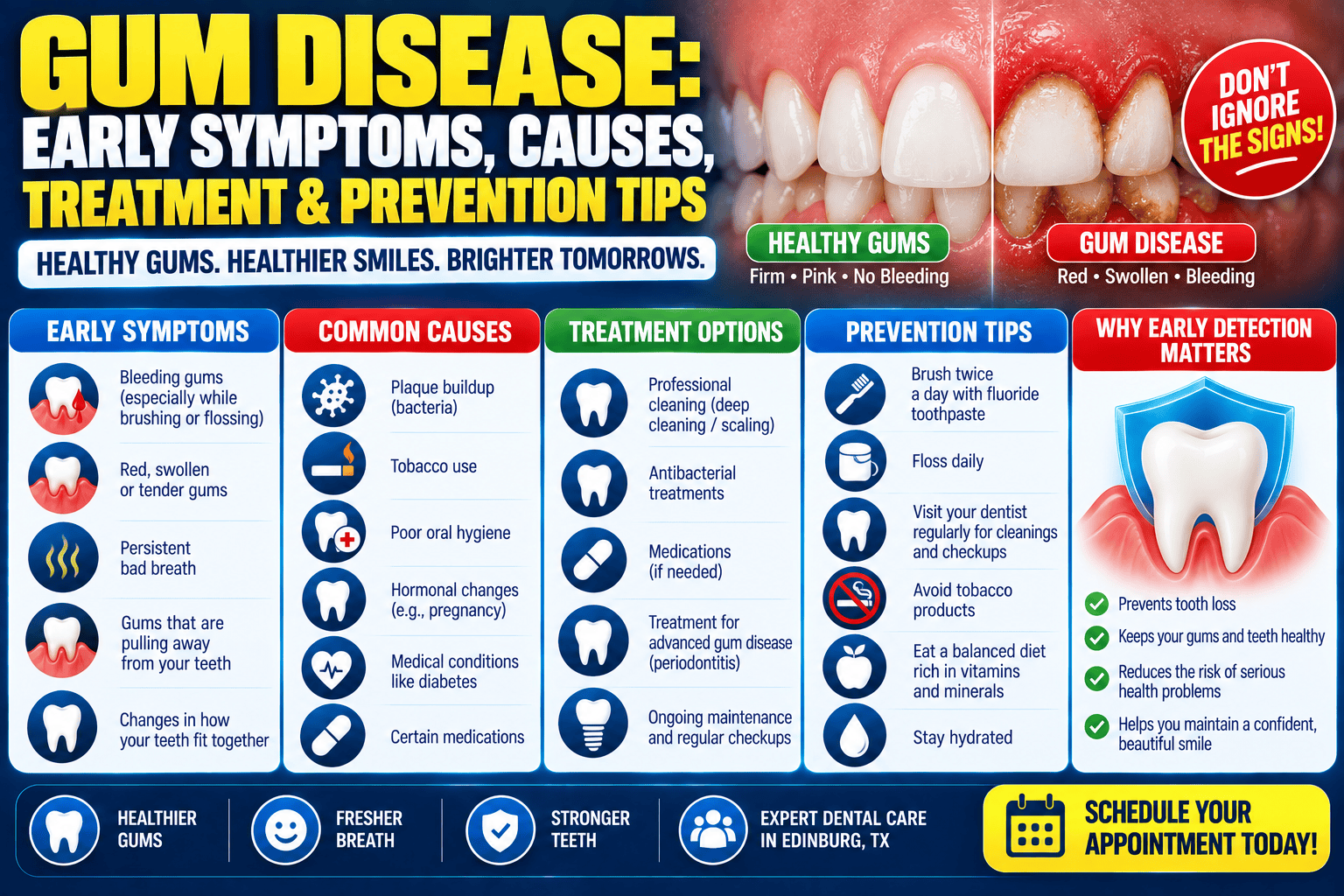
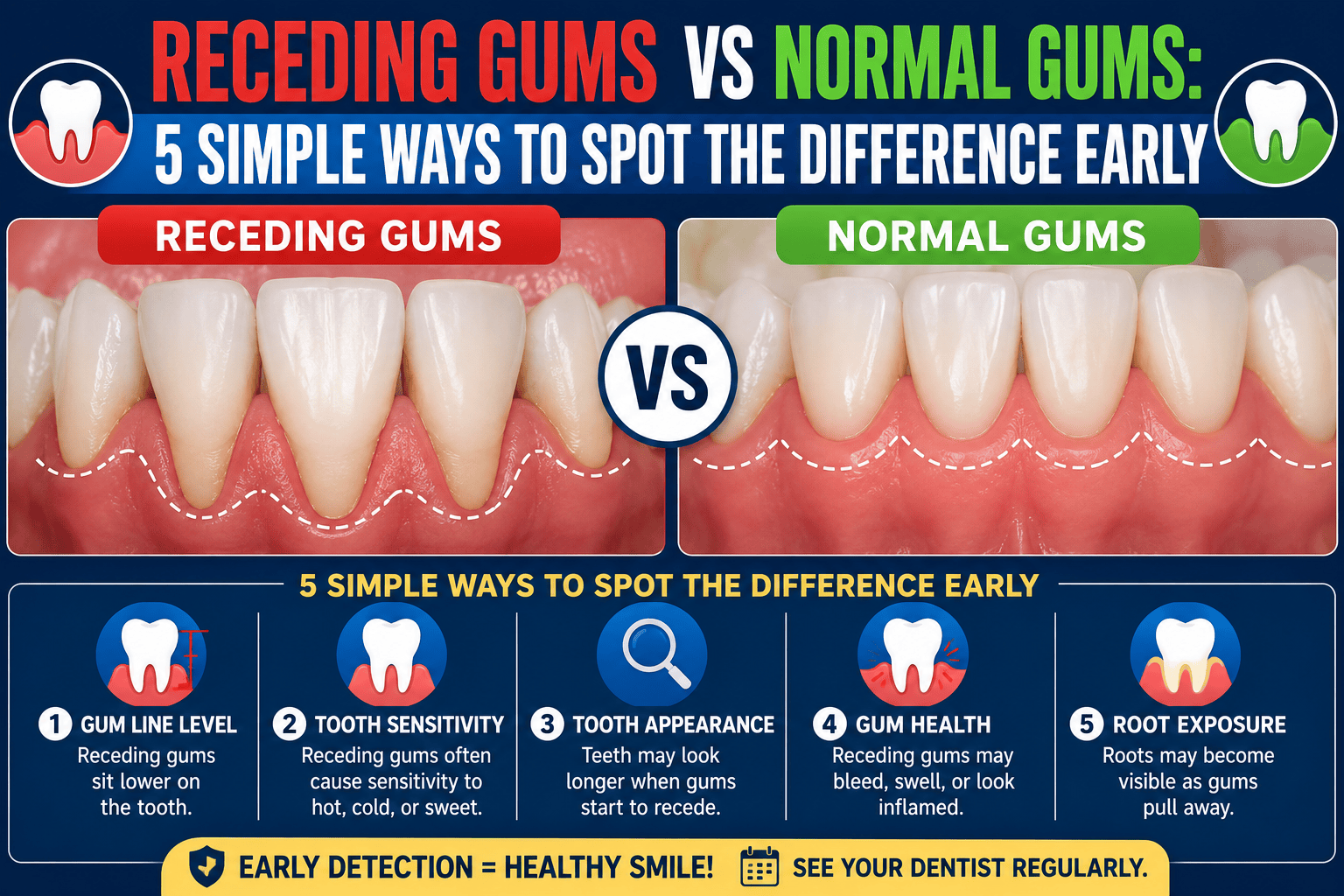
5. Gum Problems
Pain does not always originate inside the tooth itself. Inflamed or infected gum tissue can also create tenderness, swelling, bleeding, or discomfort around one or more teeth.
Gum problems can sometimes make teeth feel sensitive or painful, particularly during brushing or chewing. If the gums are consistently swollen, tender, or bleeding, a dental examination can help determine what is happening.
6. Grinding and Clenching
Repeatedly grinding or clenching your teeth can place significant pressure on the teeth and jaw. Over time, this may contribute to:
- Tooth sensitivity
- Cracks or fractures
- Worn tooth surfaces
- Jaw soreness
- Headaches
- Pain while chewing
Some people grind their teeth primarily during sleep and may not realize they are doing it. Persistent morning jaw discomfort or unexplained tooth sensitivity can be clues.
When Is Tooth Pain a Dental Emergency?
Not every toothache requires emergency treatment, but certain symptoms should be treated as warning signs.
Seek urgent dental care if you experience:
- Severe or rapidly worsening tooth pain
- Facial or jaw swelling
- Significant gum swelling
- A knocked-out tooth
- A badly broken or fractured tooth
- Uncontrolled bleeding
- Signs of a serious infection
- Difficulty swallowing or breathing
- Severe pain following a dental injury
For these situations, Emergency Dentistry can provide prompt evaluation and treatment.
Severe Tooth Pain Should Not Be Ignored
It can be tempting to wait when pain temporarily improves. However, temporary relief does not necessarily mean that the underlying problem has disappeared.
For example, a tooth with deep decay may become infected. An infected tooth can sometimes experience a change in pain as the nerve inside the tooth becomes damaged. This does not mean the tooth has healed.
Likewise, swelling around a tooth may indicate an infection that requires professional treatment rather than home remedies alone.
The goal of urgent dental care is not simply to control pain. It is to identify and address the underlying cause.
When Tooth Pain May Mean You Need a Root Canal
Persistent pain does not automatically mean that a tooth needs a root canal, but certain symptoms can indicate that the inner pulp has become inflamed or infected.
These may include:
- Persistent or severe toothache
- Throbbing pain
- Pain when chewing
- Lingering sensitivity to hot or cold
- Swelling or tenderness around the tooth
- A darkened tooth
- A recurring bump on the gum
A root canal treatment can remove infected tissue from inside the tooth, clean the root canals, and seal the tooth so it can remain functional.
When appropriate, saving the natural tooth can be preferable to allowing an infection to progress.
When a Tooth May Need to Be Removed
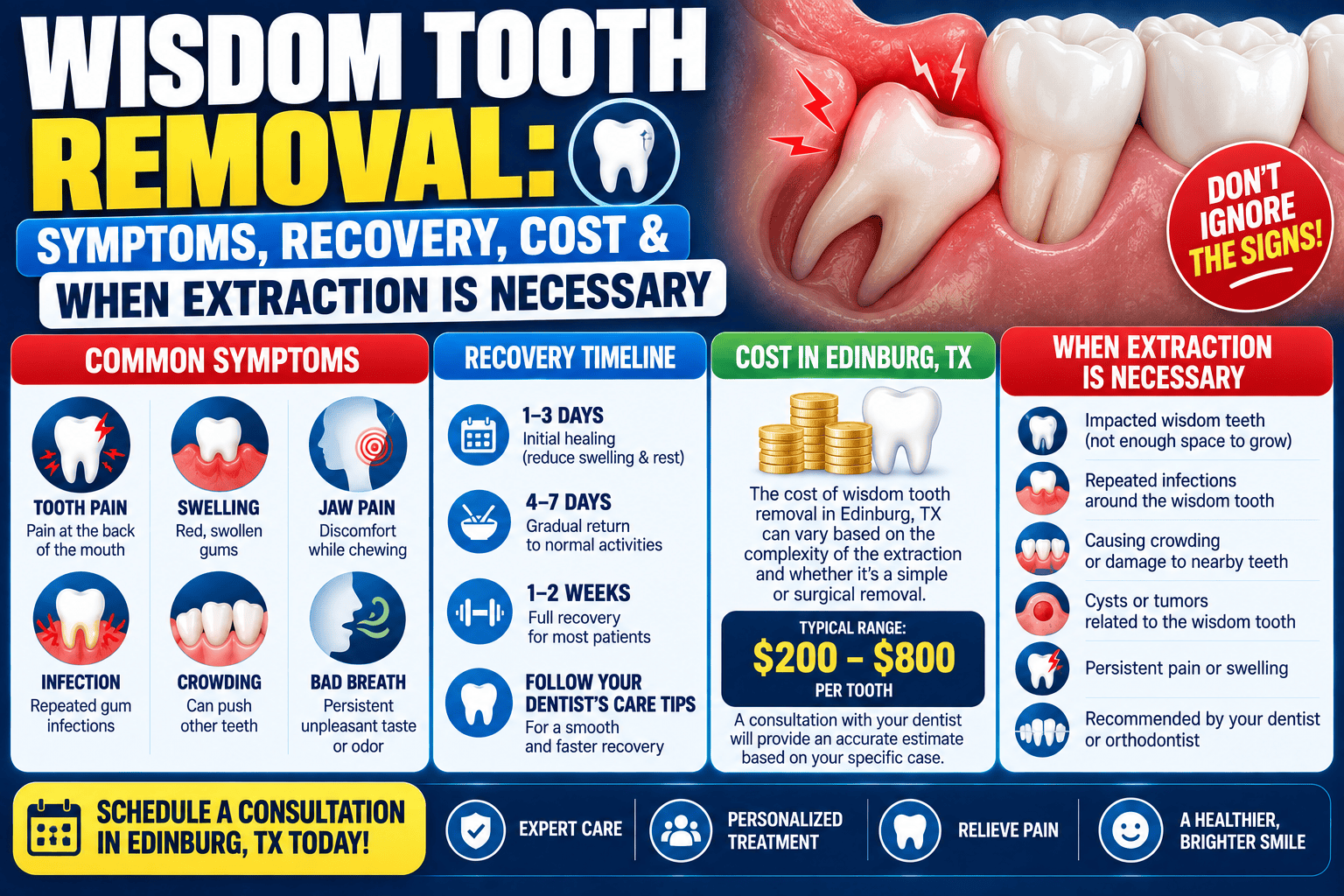
In some situations, a tooth may be too damaged or compromised to restore successfully. Severe decay, advanced damage, certain fractures, impacted teeth, or other dental problems can sometimes make extraction necessary.
Extraction is generally considered when preserving the tooth is no longer a predictable option or when removing it is necessary for the patient’s oral health.
You can learn more about when removal may be recommended through Ethos Modern Dental’s Tooth Extraction service.
The important point is that extraction is not automatically the first solution for tooth pain. A dentist first evaluates the tooth and considers whether it can be restored or treated.
What Happens During an Emergency Dental Visit?
When you arrive with significant tooth pain, the first step is determining what is causing the problem.
A dentist may:
- Ask when the pain started and what triggers it.
- Examine the affected tooth and surrounding tissues.
- Check for swelling, damage, decay, or signs of infection.
- Evaluate how the tooth responds to pressure or temperature.
- Take dental X-rays when necessary.
- Recommend treatment based on the underlying cause.
Treatment depends on the diagnosis. It may involve repairing a damaged tooth, treating decay, performing root canal therapy, controlling an infection, or extracting a tooth that cannot be restored.
Why You Should Not Wait Too Long
A common mistake is assuming that dental pain will eventually disappear on its own.
While some minor sensitivity may be temporary, persistent pain is a reason to investigate what is happening. Dental decay and infections generally do not resolve simply because symptoms temporarily become less noticeable.
Delaying treatment can sometimes result in:
- More extensive tooth damage
- Increased pain
- Greater risk of infection
- More complicated treatment
- Difficulty saving the natural tooth
Getting evaluated early can give you more treatment options.
Can a Dental Exam Find the Cause of Tooth Pain?
Sometimes the source of pain is obvious, but not always. Pain can be referred from another tooth or may be caused by an issue that is not immediately visible.
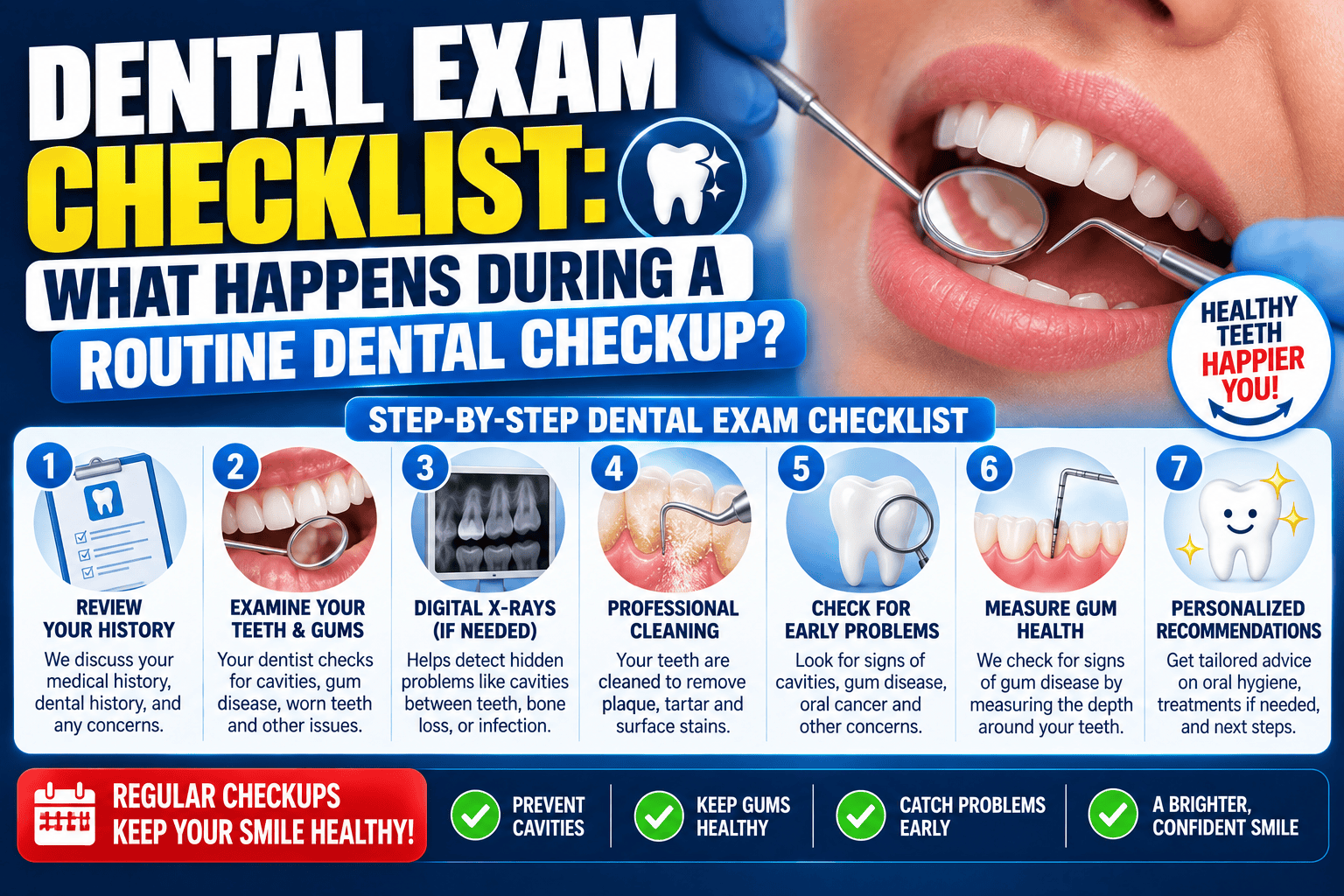
A comprehensive Dental Exam allows the dentist to evaluate your teeth, gums, bite, and overall oral health. X-rays may also be recommended when the problem cannot be fully assessed through a visual examination.
Regular examinations are also useful because they can identify problems before they become painful.
What Can You Do Until You See a Dentist?
If you are waiting for a dental appointment, a few simple measures may help you stay more comfortable:
- Keep the area clean by brushing gently.
- Floss carefully to remove trapped food.
- Avoid extremely hot or cold foods if they trigger pain.
- Avoid chewing on the painful side.
- Choose softer foods temporarily.
- Follow appropriate over-the-counter pain-relief directions if you can safely take those medications.
- Do not place aspirin directly against the gums or tooth.
- Do not attempt to drain swelling yourself.
These measures may provide temporary comfort, but they should not replace professional evaluation when pain is persistent or severe.
Tooth Pain After an Injury
A blow to the mouth can damage a tooth even when there is no obvious fracture.
After an injury, pay attention to:
- Pain when biting
- Increased sensitivity
- Tooth mobility
- Cracks or chips
- Bleeding around the tooth
- Swelling
- A tooth that becomes darker
Dental trauma should be assessed promptly, especially when the tooth has been knocked loose, fractured, or displaced.
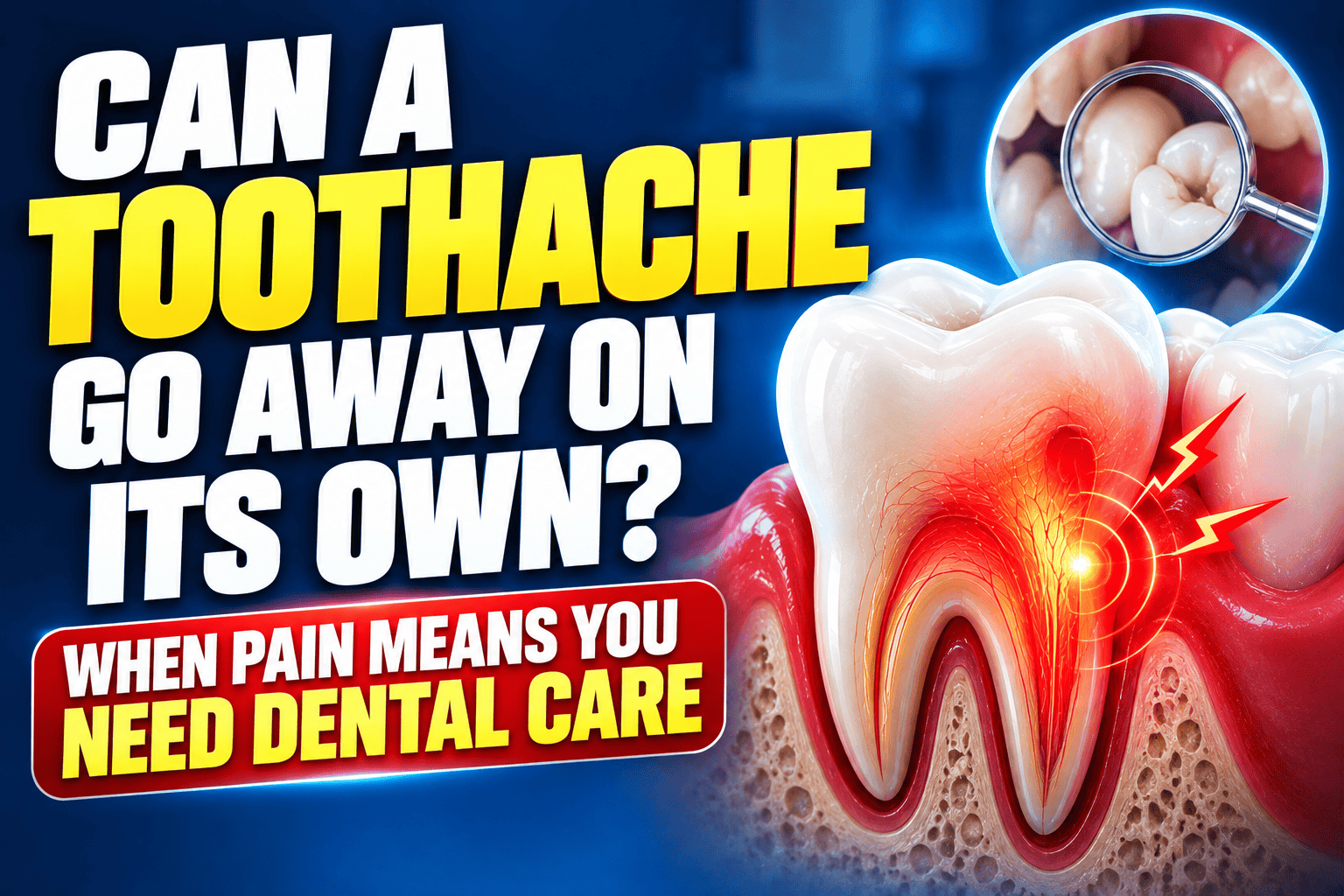
Can Tooth Pain Go Away on Its Own?
Sometimes tooth discomfort can temporarily disappear, but that does not necessarily mean the underlying problem has resolved.
For example, sensitivity caused by a minor irritation may improve. However, pain caused by significant decay, infection, structural damage, or another dental condition usually requires professional assessment.
If pain returns repeatedly, becomes more intense, or is accompanied by swelling or fever, it is especially important to seek dental care.
How Can You Prevent Tooth Pain?
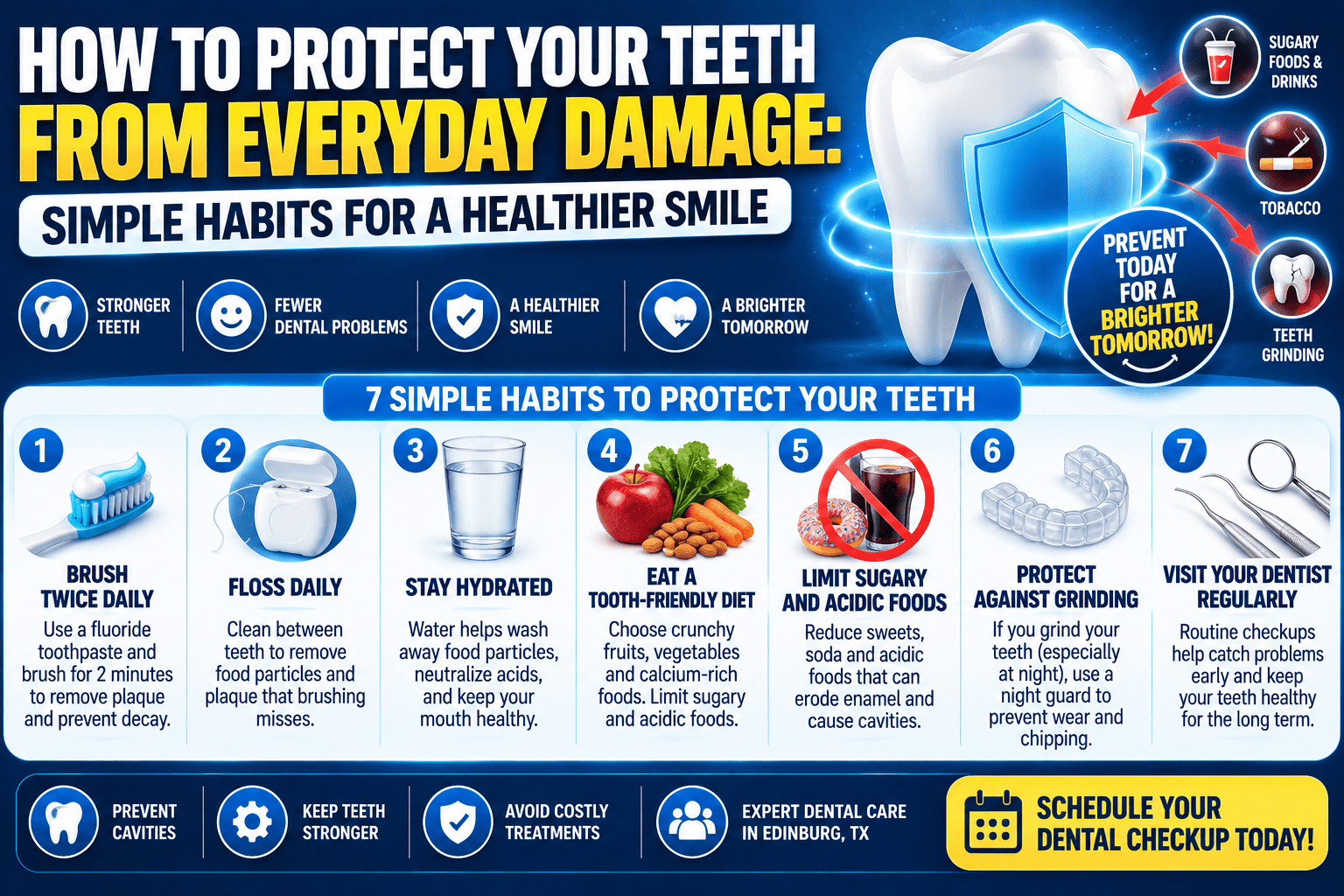
Prevention begins with consistent oral care and regular professional evaluation.
Helpful habits include:
- Brush your teeth twice a day with fluoride toothpaste.
- Clean between your teeth regularly.
- Limit frequent sugary snacks and drinks.
- Avoid using your teeth to open packages or bite hard objects.
- Wear appropriate protection during contact sports.
- Address teeth grinding or clenching.
- Attend regular dental examinations.
- Seek care when a small dental problem first appears.
Taking care of a minor problem early is often easier than treating a much larger problem later.
Tooth Pain vs. Dental Emergency: Quick Guide
| Situation | How Urgent Is It? |
| Mild, occasional sensitivity | Schedule a routine evaluation if it persists |
| Pain when biting | Arrange a dental appointment |
| Persistent toothache | See a dentist promptly |
| Severe or worsening tooth pain | Seek urgent dental care |
| Swelling around the tooth or face | Seek prompt dental attention |
| Broken or severely damaged tooth | Arrange urgent evaluation |
| Knocked-out tooth | Dental emergency |
| Difficulty swallowing or breathing with dental swelling | Seek immediate emergency medical care |
Frequently Asked Questions
How do I know if my toothache is serious?
Severe or persistent pain, swelling, fever, pain when biting, or a damaged tooth can indicate a more significant dental problem. A dentist can determine the underlying cause.
Can a cavity cause severe tooth pain?
Yes. A deeper cavity can reach the inner layers of a tooth and cause significant sensitivity or pain. If decay reaches the pulp, root canal treatment may be necessary.
Is tooth pain always an emergency?
No. Mild, temporary sensitivity is not necessarily an emergency. However, severe pain, swelling, trauma, uncontrolled bleeding, or signs of infection require prompt attention.
Can an infected tooth heal without treatment?
A dental infection generally requires professional treatment. Even if the pain decreases temporarily, the infection may still be present.
Should I go to an emergency dentist for a cracked tooth?
If the crack causes severe pain, exposes the inner tooth, results from trauma, or is accompanied by swelling, prompt dental evaluation is appropriate.
What if my tooth stops hurting suddenly?
Do not assume that the problem has disappeared. In some cases, a reduction in pain can occur even while the underlying dental problem remains. A dental examination can determine whether treatment is still needed.
Conclusion
Tooth pain is your body’s way of signaling that something may need attention. Cavities, infections, cracks, sensitivity, gum problems, and grinding can all contribute to discomfort, and the appropriate treatment depends on the underlying cause.
Mild symptoms should not be ignored if they continue or return, while severe pain, swelling, trauma, or signs of infection warrant prompt dental attention. Early evaluation can help identify the problem, relieve discomfort, and potentially prevent more extensive treatment later.
For patients in Edinburg, TX, understanding the difference between routine dental discomfort and a genuine dental emergency can make it easier to seek the right care at the right time.