Wisdom teeth are often the last teeth to develop and erupt, usually appearing during the late teens or early twenties. For some people, they come in normally and remain healthy. For others, limited space, impaction, infection, decay, or pressure on neighboring teeth can make removal the better long-term option.
But how do you know when a wisdom tooth actually needs to be removed? What symptoms should you watch for, how long does recovery take, and how much does wisdom tooth removal cost in Edinburg, TX?
Understanding these questions can make the treatment process feel much more manageable.
What Are Wisdom Teeth?
Wisdom teeth are the third molars located at the very back of the upper and lower jaws. Because they develop later than the other permanent teeth, there may not always be enough room for them to erupt properly.
A wisdom tooth may:
- Erupt completely and normally
- Remain partially covered by gum tissue
- Become trapped beneath the gum or bone
- Grow at an unusual angle
- Press against the neighboring molar
- Become difficult to clean
Not every wisdom tooth needs to be extracted. If the tooth is healthy, properly positioned, functional, and easy to keep clean, your dentist may simply monitor it.
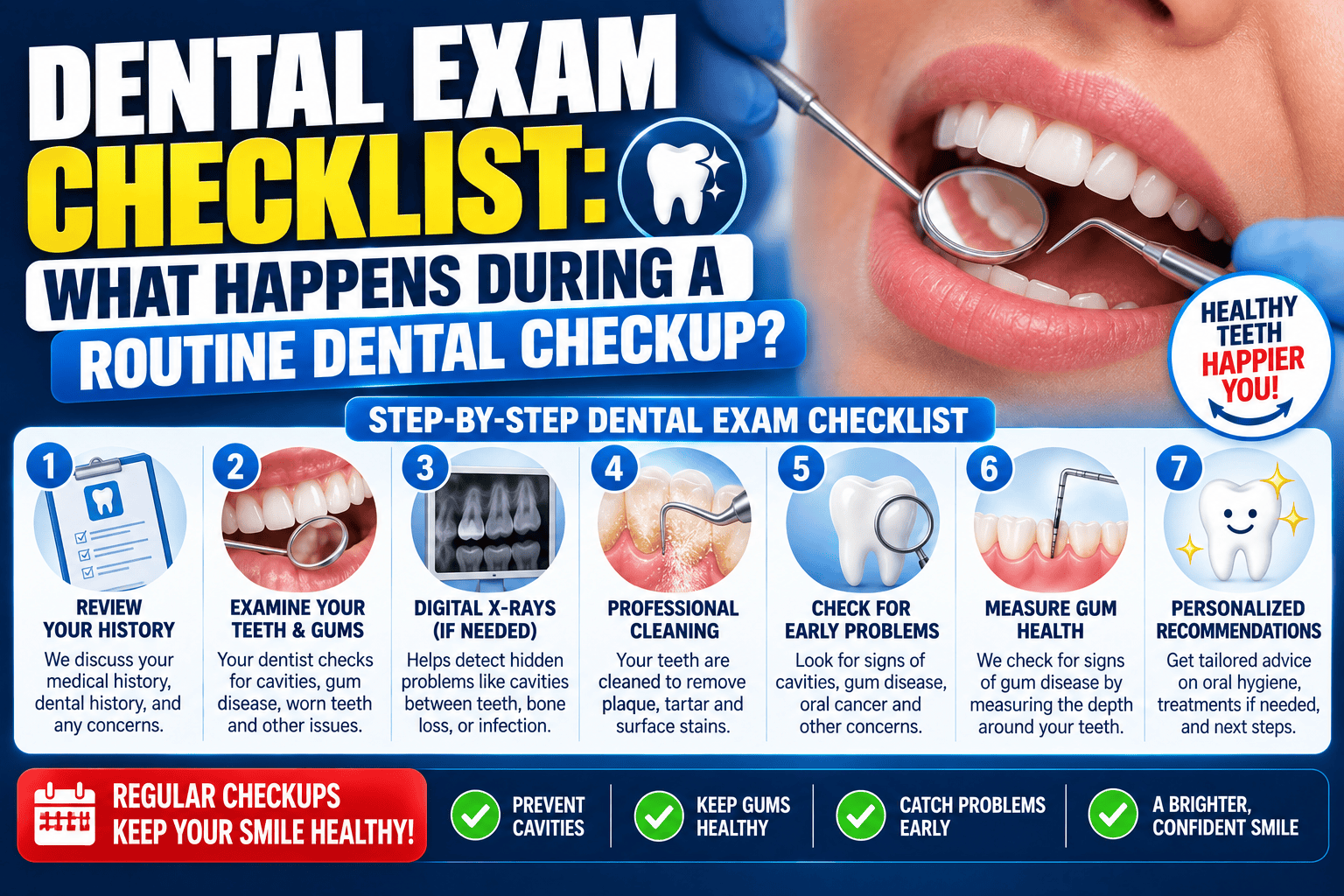
A regular dental exam can help determine how your wisdom teeth are developing and whether there are early signs of a problem.
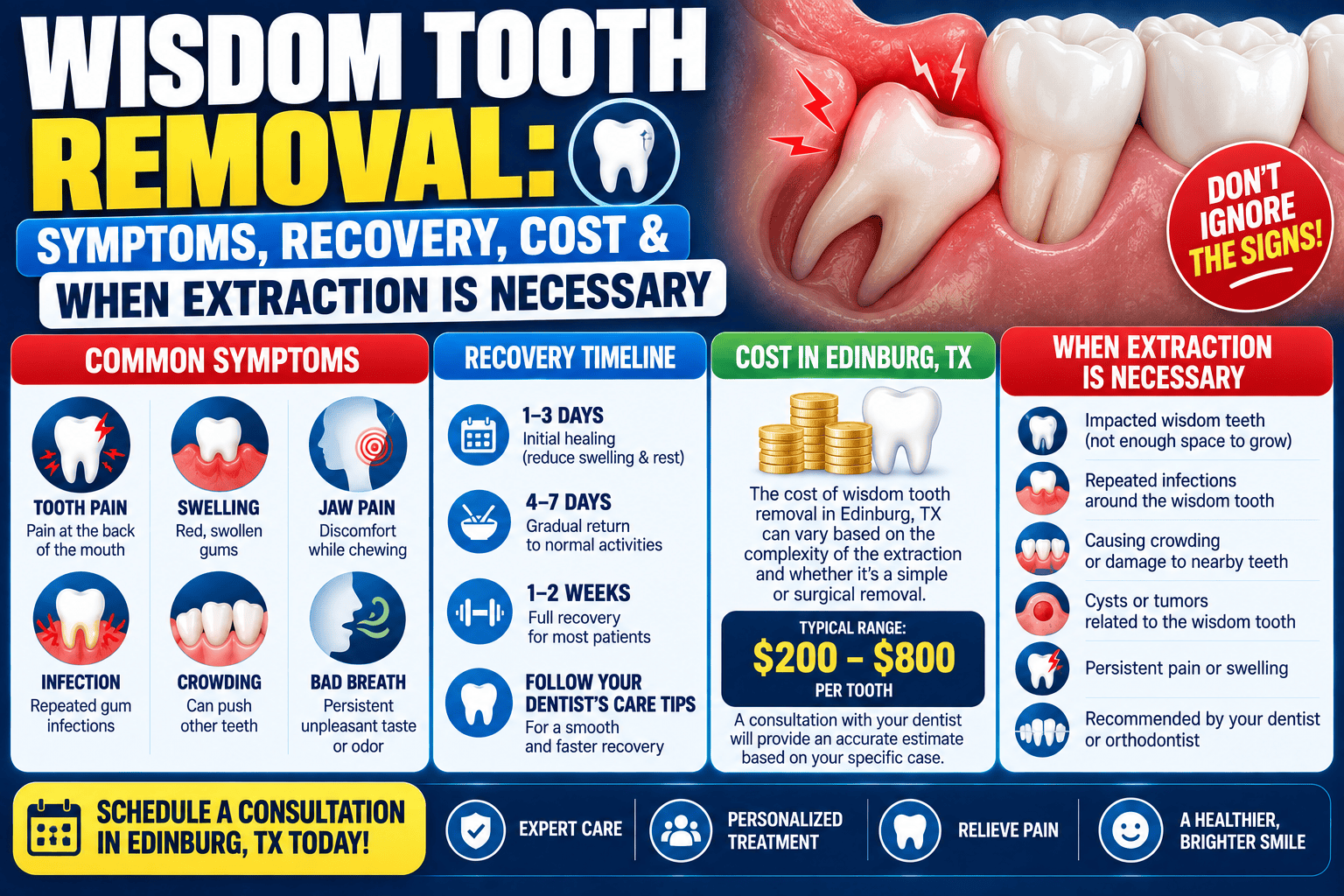
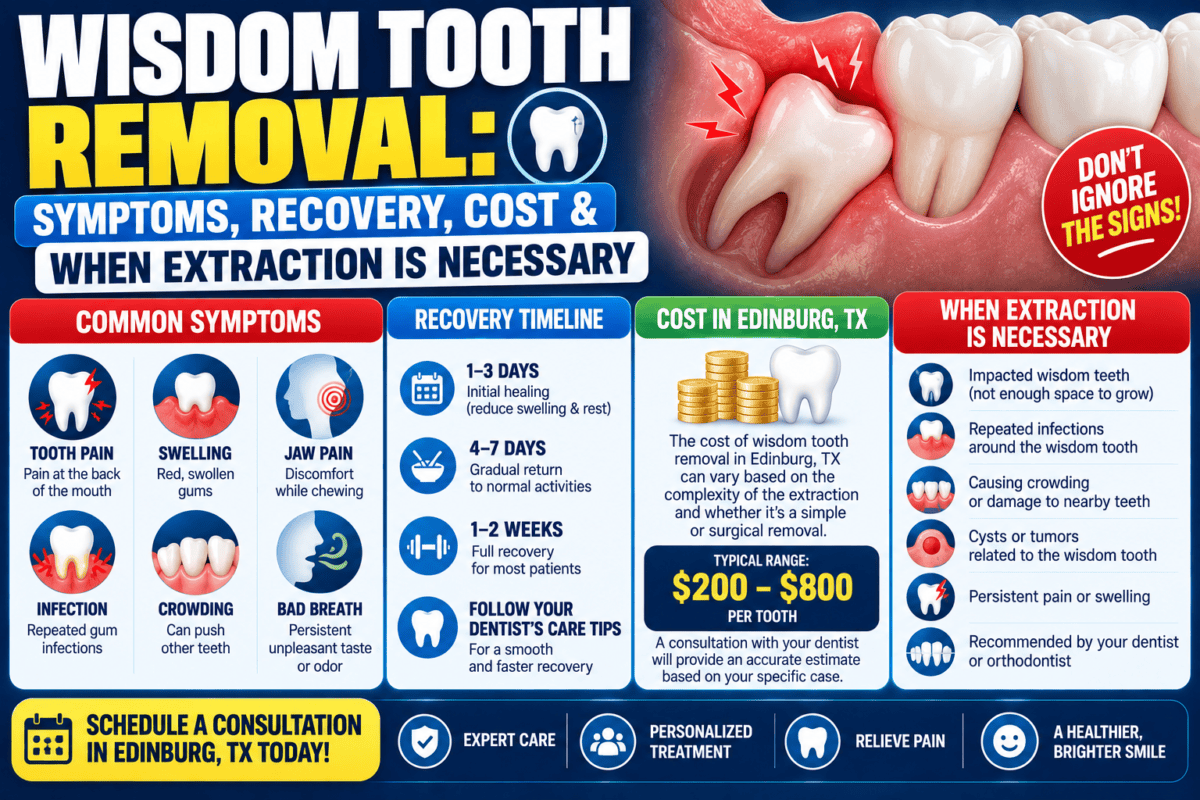
Common Symptoms of Problematic Wisdom Teeth
Wisdom tooth problems can develop gradually or appear suddenly. Some people experience obvious pain, while others may have an impacted tooth without noticeable symptoms.
Common warning signs include:
- Pain or pressure at the back of the mouth
- Swollen or tender gums
- Redness around the wisdom tooth
- Difficulty chewing
- Pain when opening the mouth
- Food repeatedly getting trapped behind the molars
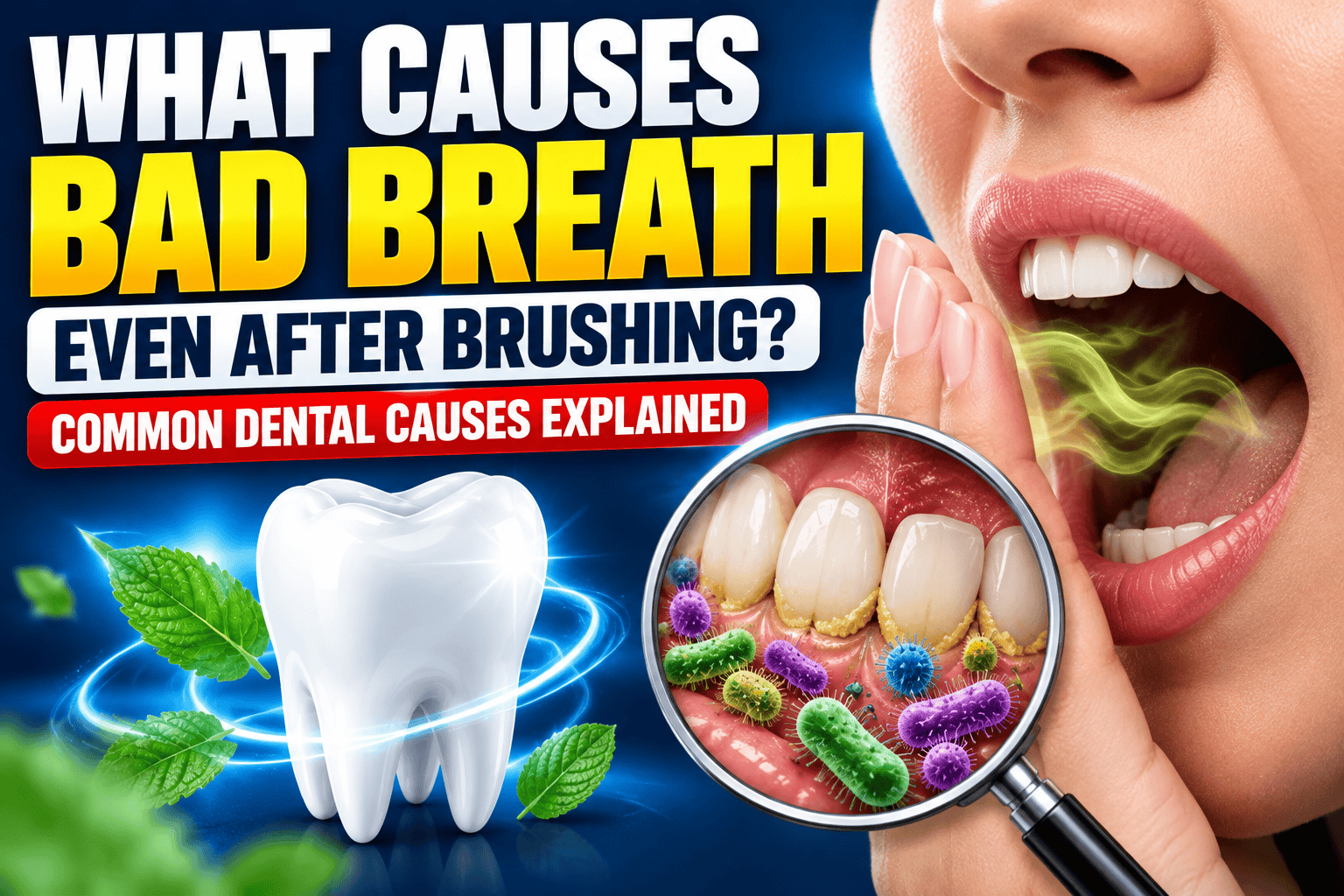
- Persistent bad breath
- Unpleasant taste in the mouth
- Jaw discomfort
- Facial swelling
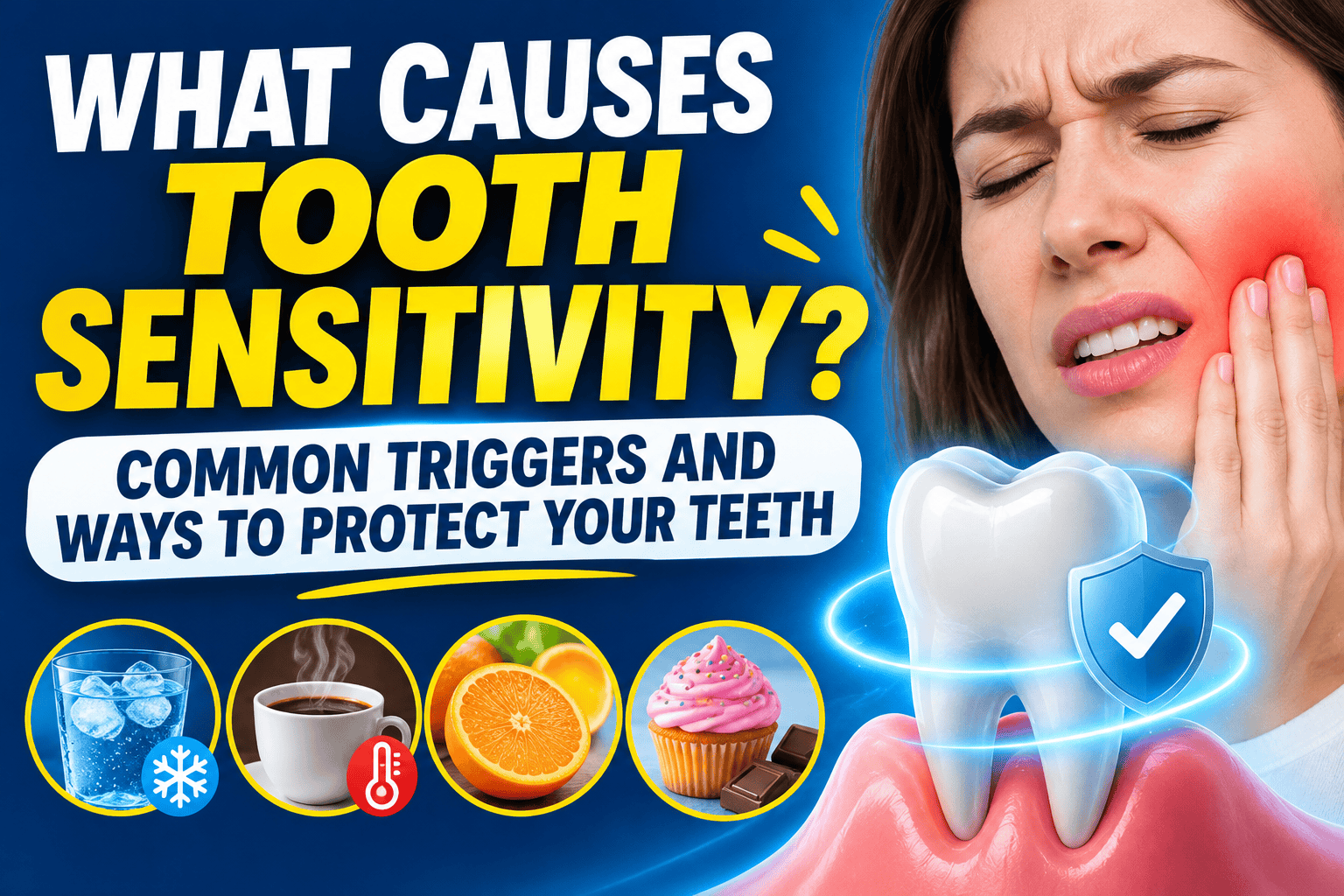
- Sensitivity around the back teeth
- Repeated gum infections
A wisdom tooth can also cause problems before significant pain develops. This is why routine examinations and dental X-rays can be valuable when evaluating developing or impacted wisdom teeth.
When Is Wisdom Tooth Removal Necessary?
There is no universal rule that says every wisdom tooth must be removed. Extraction is generally considered when the tooth is causing a current problem or has a significant risk of causing future damage.
1. The Wisdom Tooth Is Impacted
An impacted wisdom tooth cannot erupt normally because it is blocked by gum tissue, bone, or another tooth.
It may grow sideways, remain partially erupted, or stay completely beneath the gum.
Impacted wisdom teeth can be difficult to clean and may increase the risk of infection, decay, gum problems, or damage to neighboring teeth.
Ethos Modern Dental lists impacted wisdom teeth among the situations where tooth extraction may be necessary.
2. The Tooth Causes Repeated Pain or Infection
A partially erupted wisdom tooth can create a pocket where food and bacteria become trapped.
This can cause inflammation and infection around the tooth. If these episodes repeatedly return, removing the wisdom tooth may provide a more predictable long-term solution.
3. There Is Not Enough Room for the Tooth
Sometimes a wisdom tooth simply does not have enough space to erupt properly.
Instead of coming straight into the mouth, it may push against the molar in front of it or remain trapped beneath the gum.
Your dentist can use an examination and imaging to determine whether the tooth has a reasonable path of eruption.
4. The Wisdom Tooth Has Severe Decay
Wisdom teeth can be particularly difficult to brush and floss because of their location.
If a wisdom tooth develops significant decay and cannot be predictably restored, extraction may be recommended.
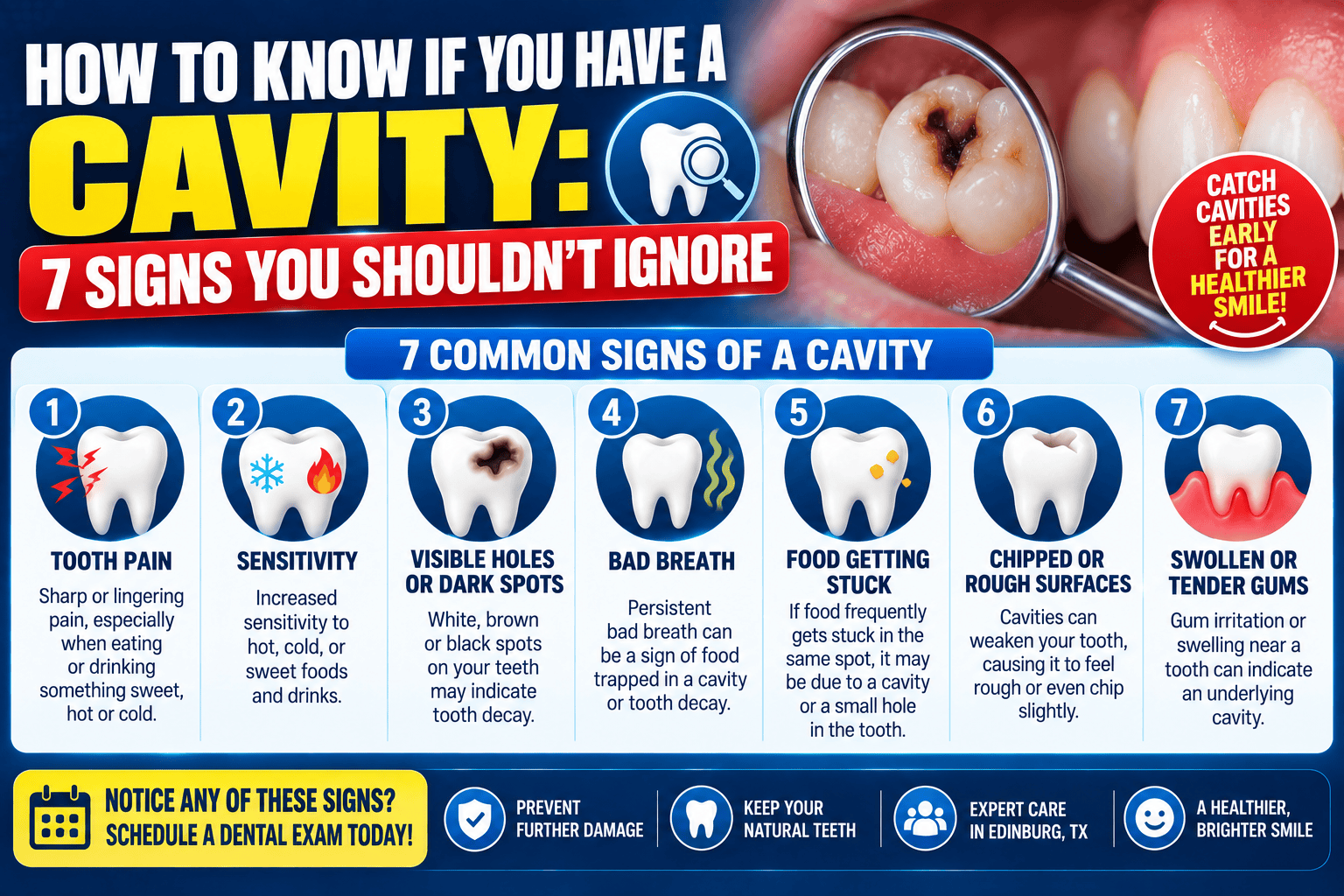
Understanding the signs of dental cavities can also help patients recognize why decay in a difficult-to-clean wisdom tooth should not be ignored.
5. The Tooth Is Damaging a Neighboring Tooth
An improperly positioned wisdom tooth can press against the molar in front of it.
Depending on its position, it may contribute to decay, damage, food trapping, or other complications involving the neighboring tooth.
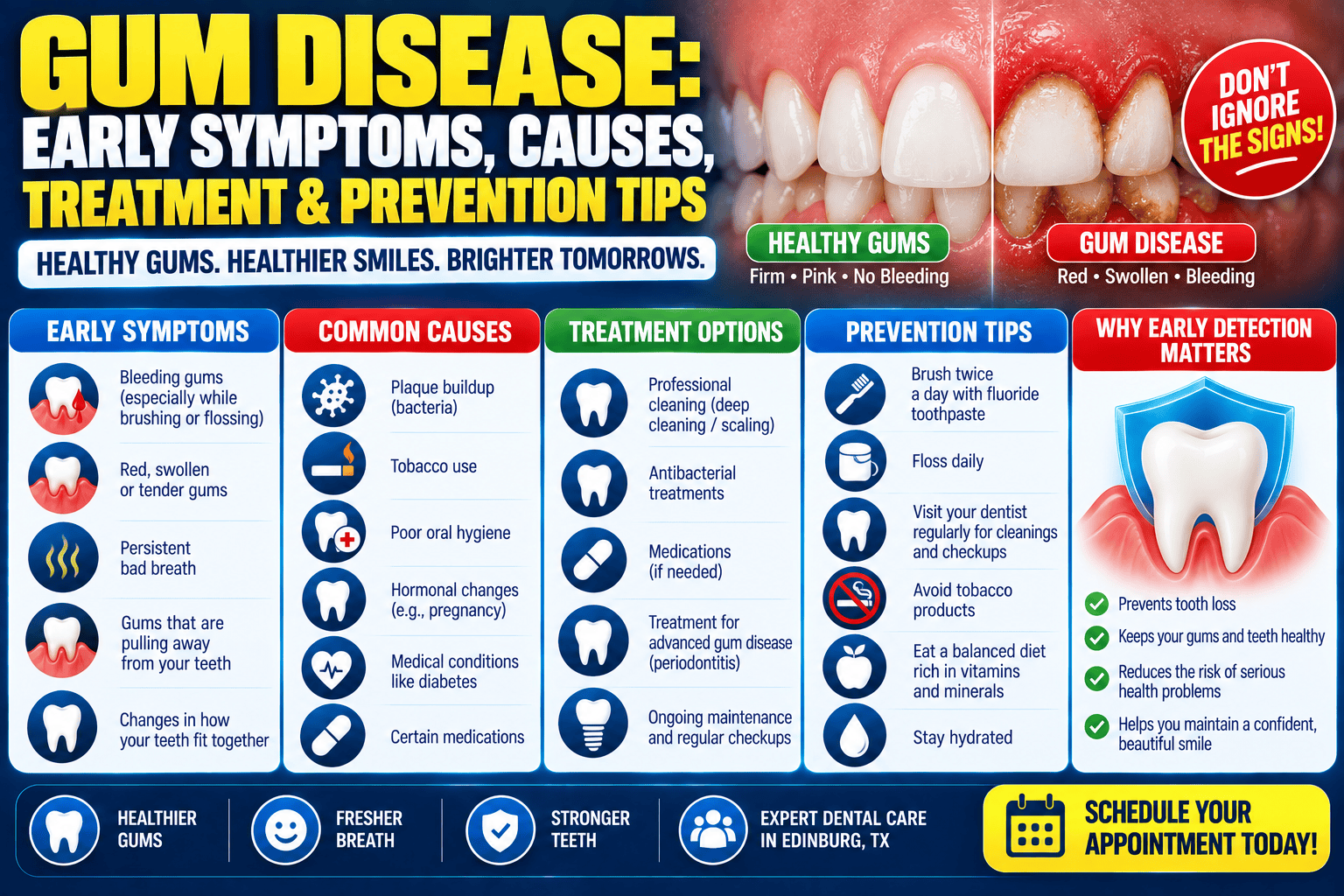
6. The Surrounding Gum Remains Unhealthy
A partially erupted wisdom tooth can leave a flap of gum tissue around the tooth.
Food particles and bacteria can become trapped underneath this tissue, increasing the likelihood of inflammation and infection.
If you already have signs of gum disease, your dentist may also evaluate whether the wisdom tooth is contributing to the problem.
What Happens During Wisdom Tooth Removal?
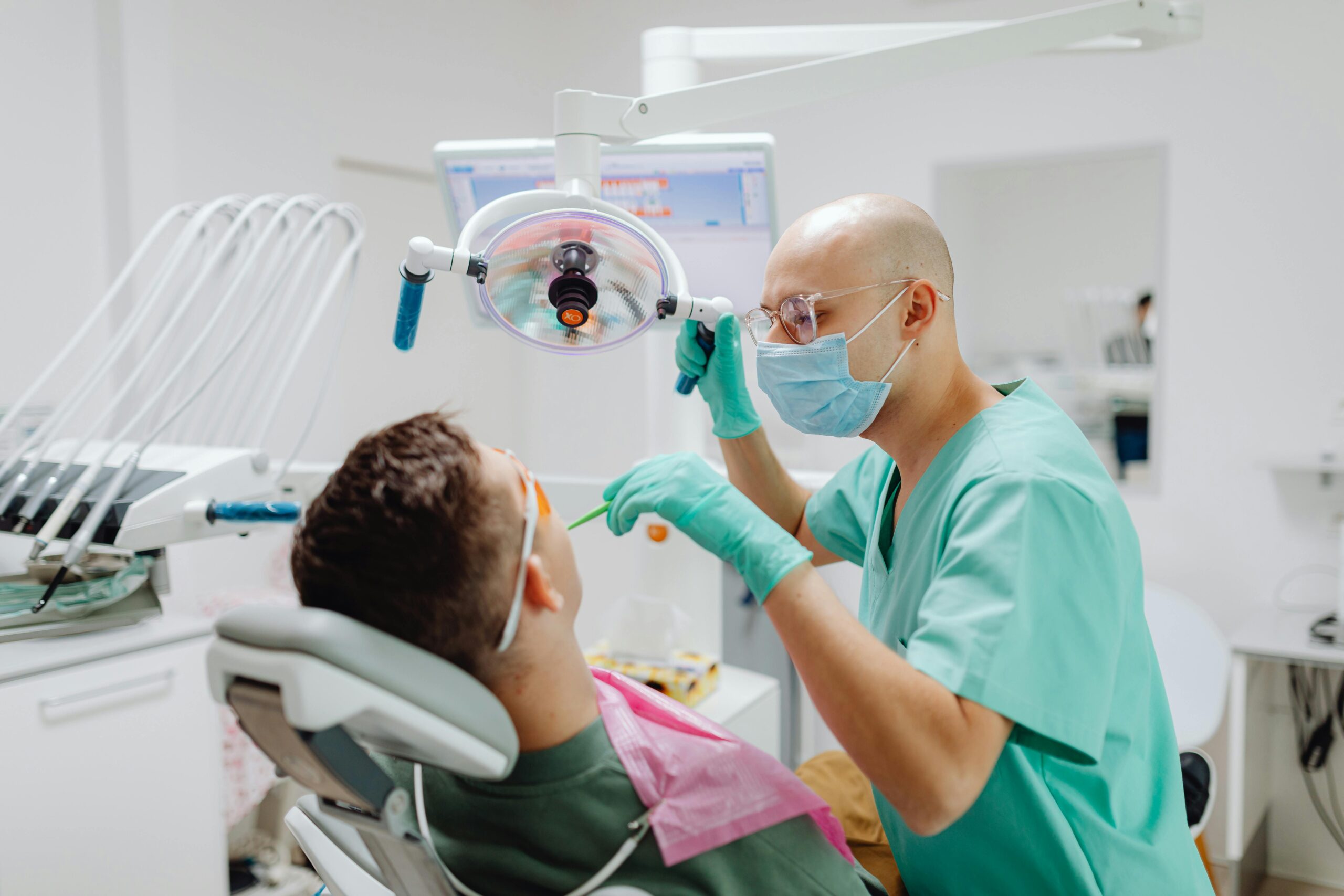
The first step is an examination of the tooth and surrounding area. Your dentist may use digital X-rays to determine the position of the tooth, its roots, and its relationship with nearby teeth and bone.
The treatment approach depends on whether the tooth is fully erupted, partially erupted, or impacted.
For a straightforward extraction, the dentist numbs the area and carefully loosens and removes the tooth.
An impacted wisdom tooth may require a surgical extraction. This can involve opening the gum tissue and, when necessary, removing a small amount of surrounding bone or dividing the tooth into sections for easier removal.
The exact approach depends on the individual tooth rather than simply the fact that it is a wisdom tooth.
Simple vs. Surgical Wisdom Tooth Extraction
The complexity of the procedure can affect both recovery and cost.
A simple extraction is generally performed when the tooth is fully erupted and easily accessible.
A surgical extraction may be necessary when the wisdom tooth is impacted, partially erupted, unusually positioned, or difficult to access.
According to Ethos Modern Dental’s current Edinburg treatment pricing guide:
| Treatment | Estimated Cost |
| Simple tooth extraction | $150–$300 |
| Surgical wisdom tooth extraction | $300–$800 |
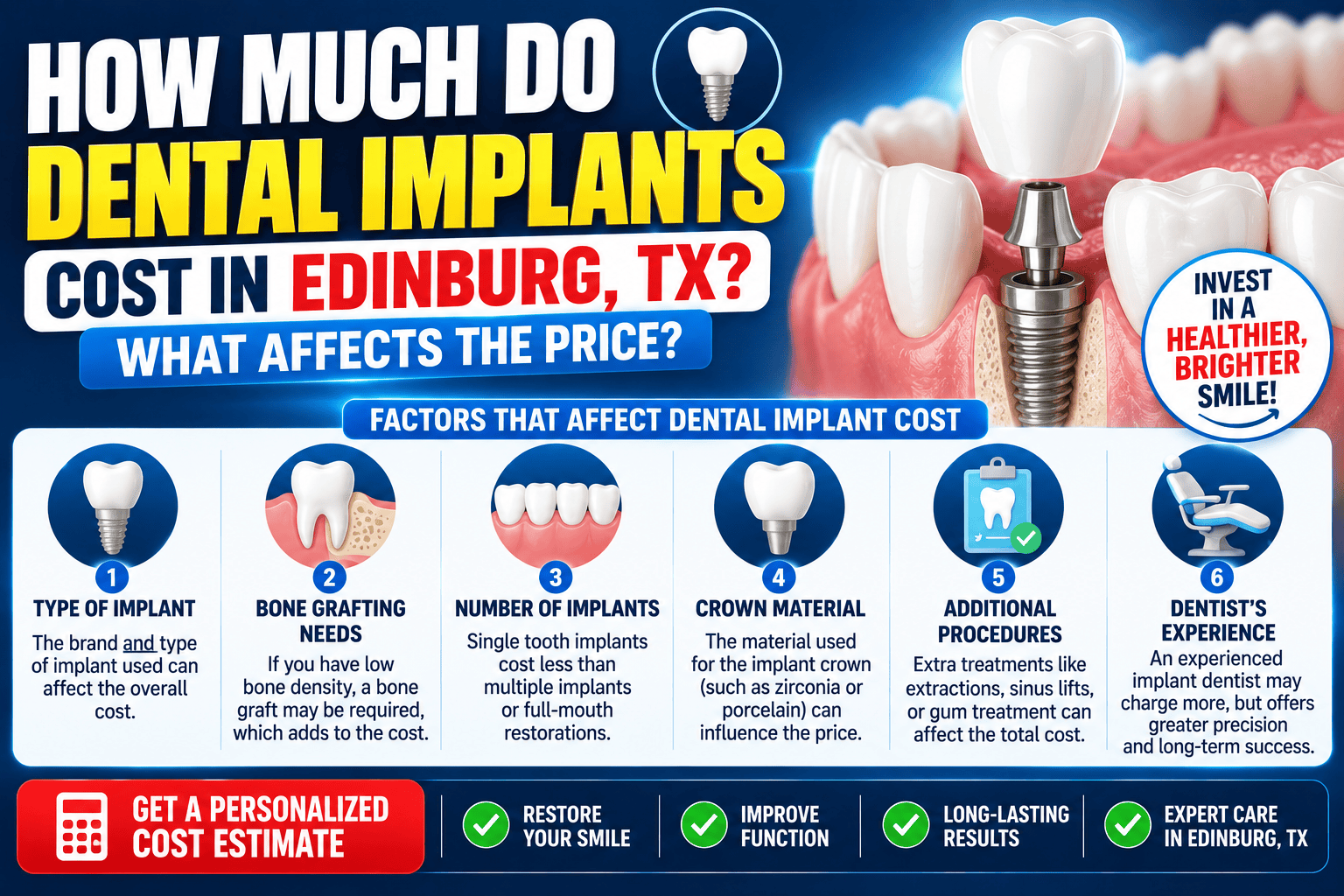
These are estimated prices rather than guaranteed treatment costs. The final amount can depend on the complexity of the extraction, imaging, anesthesia, insurance coverage, and other individual factors.
For additional context, the Edinburg dental treatment price guide provides estimated costs for several common dental procedures.
Is Wisdom Tooth Removal Painful?
The extraction itself should not be painful because the treatment area is numbed with local anesthesia.
You may feel pressure, movement, or pulling during the procedure, but sharp pain should not be expected.
After the anesthesia wears off, some soreness and swelling are normal. The amount of discomfort varies depending on the complexity of the extraction and your individual healing process.
Your dentist will provide specific instructions regarding pain management and aftercare.
If pain becomes significantly worse instead of gradually improving, contact your dentist for an evaluation.
Wisdom Tooth Removal Recovery: What to Expect
Recovery varies depending on whether the tooth was removed through a simple or surgical extraction.
First 24 Hours
The first day is focused on protecting the blood clot that forms over the extraction site.
Some bleeding, swelling, and tenderness can be expected.
Follow your dentist’s instructions carefully and avoid disturbing the extraction site.
Days 2–3
Swelling may become more noticeable during the first few days before gradually improving.
Continue eating softer foods and avoid activities that could disturb the healing area.
Days 4–7
Many patients begin feeling significantly better during this period and can gradually return to their normal routine.
Some tenderness may remain, particularly after a surgical extraction.
Around 1–2 Weeks
The gum tissue generally continues closing and healing during this period. Deeper bone healing takes longer.
Your dentist may recommend a follow-up appointment depending on the complexity of your extraction.
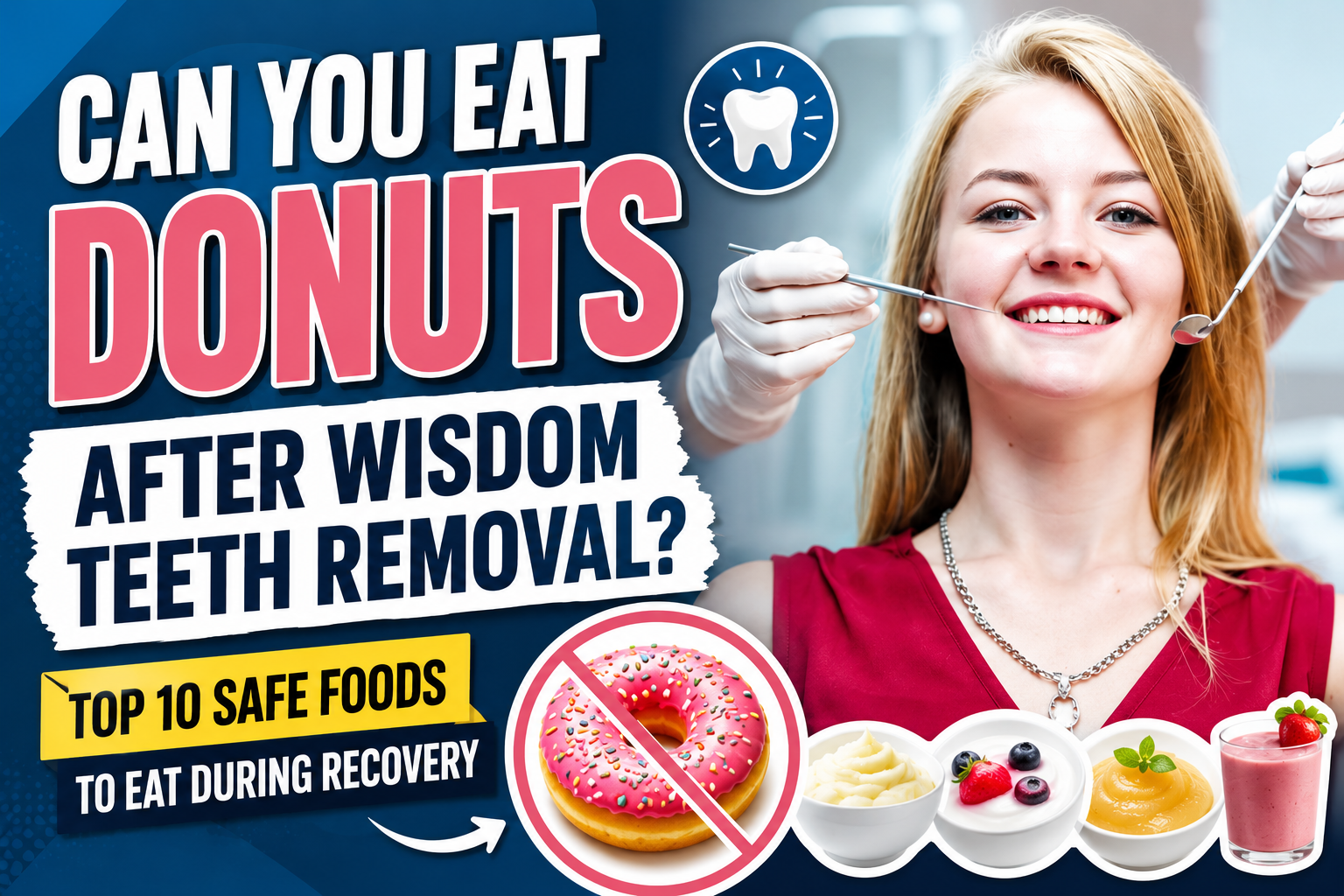
What Can You Eat After Wisdom Tooth Removal?
Soft foods are generally easier to eat during the early recovery period.
Some options include:
- Yogurt
- Applesauce
- Mashed potatoes
- Scrambled eggs
- Soft pasta
- Oatmeal
- Smooth soups that are not hot
- Soft rice
- Smoothies consumed without a straw
As healing progresses, you can gradually return to your usual diet.
Avoid hard, crunchy, sticky, or very spicy foods during the initial recovery period.
What Should You Avoid After Wisdom Tooth Extraction?
Protecting the extraction site is one of the most important parts of recovery.
For the first few days, avoid:
- Smoking or tobacco use
- Drinking through a straw
- Forceful spitting
- Aggressive rinsing
- Hard or crunchy foods
- Very spicy foods
- Touching the extraction site with your fingers or tongue
- Strenuous physical activity immediately after surgery
Smoking and suction from straws can interfere with the blood clot and increase the risk of dry socket.
Your dentist may provide additional instructions based on your particular extraction.
If you are preparing for an appointment, Ethos’s patient information guide covers practical information such as appointment preparation, insurance, and what new patients should bring.
How Long Does Wisdom Tooth Removal Take to Heal?
Many patients feel substantially better within several days, although complete healing takes longer.
A straightforward extraction may have a relatively short recovery period. Surgical wisdom tooth removal can involve more swelling and tenderness and may require additional recovery time.
Rather than focusing only on a specific number of days, pay attention to the direction of your recovery.
Pain and swelling should generally begin improving rather than becoming progressively worse.
When Should You Seek Urgent Dental Care?
Some symptoms after wisdom tooth removal require prompt attention.
Contact your dentist if you experience:
- Severe or worsening pain
- Significant facial swelling
- Fever
- Pus or unusual drainage
- Persistent heavy bleeding
- Difficulty swallowing
- Difficulty breathing
- Severe difficulty opening your mouth
- Symptoms that improve and then suddenly become much worse
If you experience severe tooth pain, swelling, trauma, or another urgent dental problem before extraction, Ethos’s emergency dentistry service provides urgent dental evaluation.
Difficulty breathing or swallowing associated with significant swelling should be treated as a medical emergency.
Can Wisdom Teeth Be Left Alone?
Yes. Not every wisdom tooth needs to be removed.
A wisdom tooth may be monitored when it:
- Has erupted properly
- Is healthy
- Does not cause pain or infection
- Can be cleaned effectively
- Is not damaging nearby teeth
- Does not create a significant risk of future complications
The decision should be based on your individual anatomy and oral health rather than simply your age.
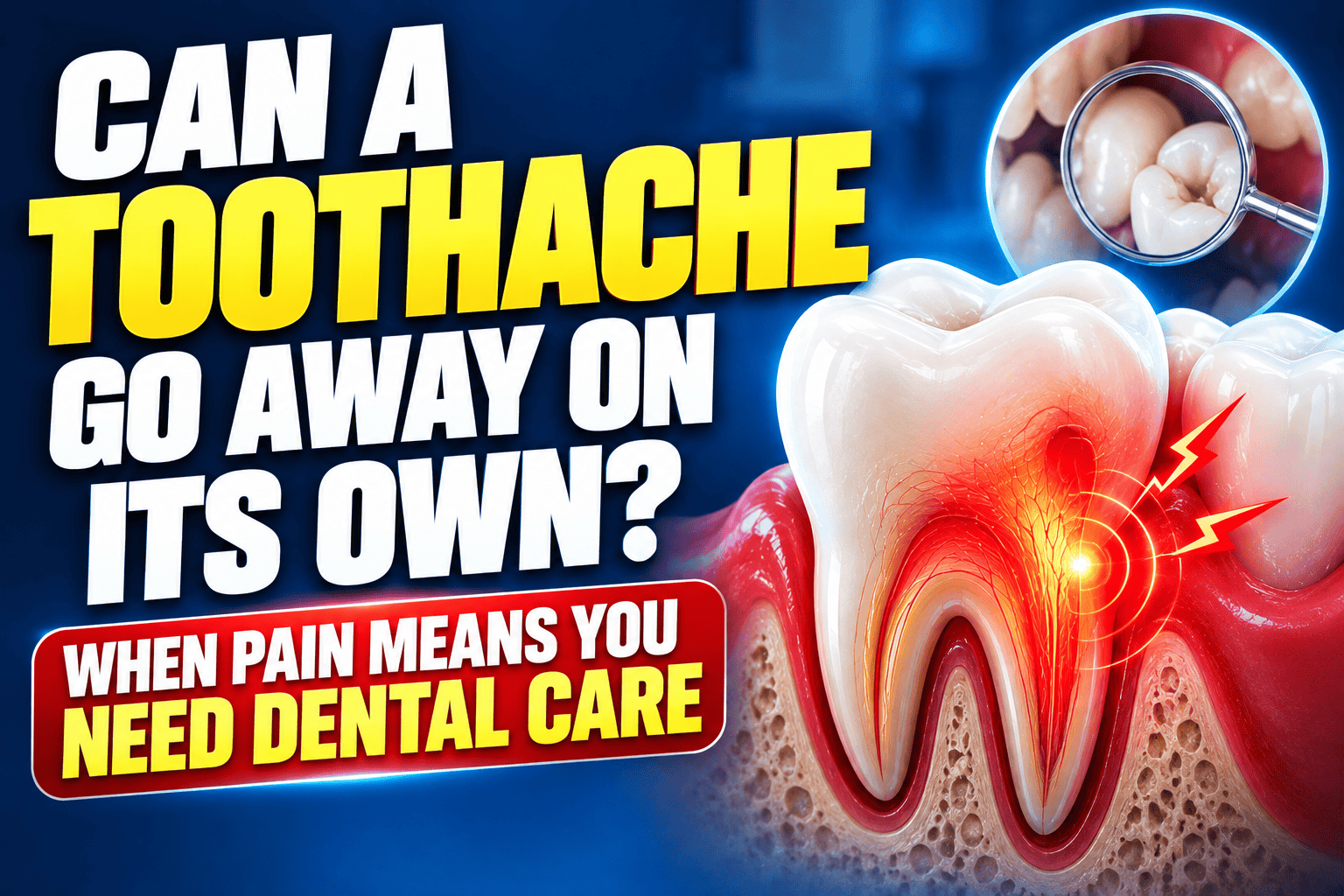
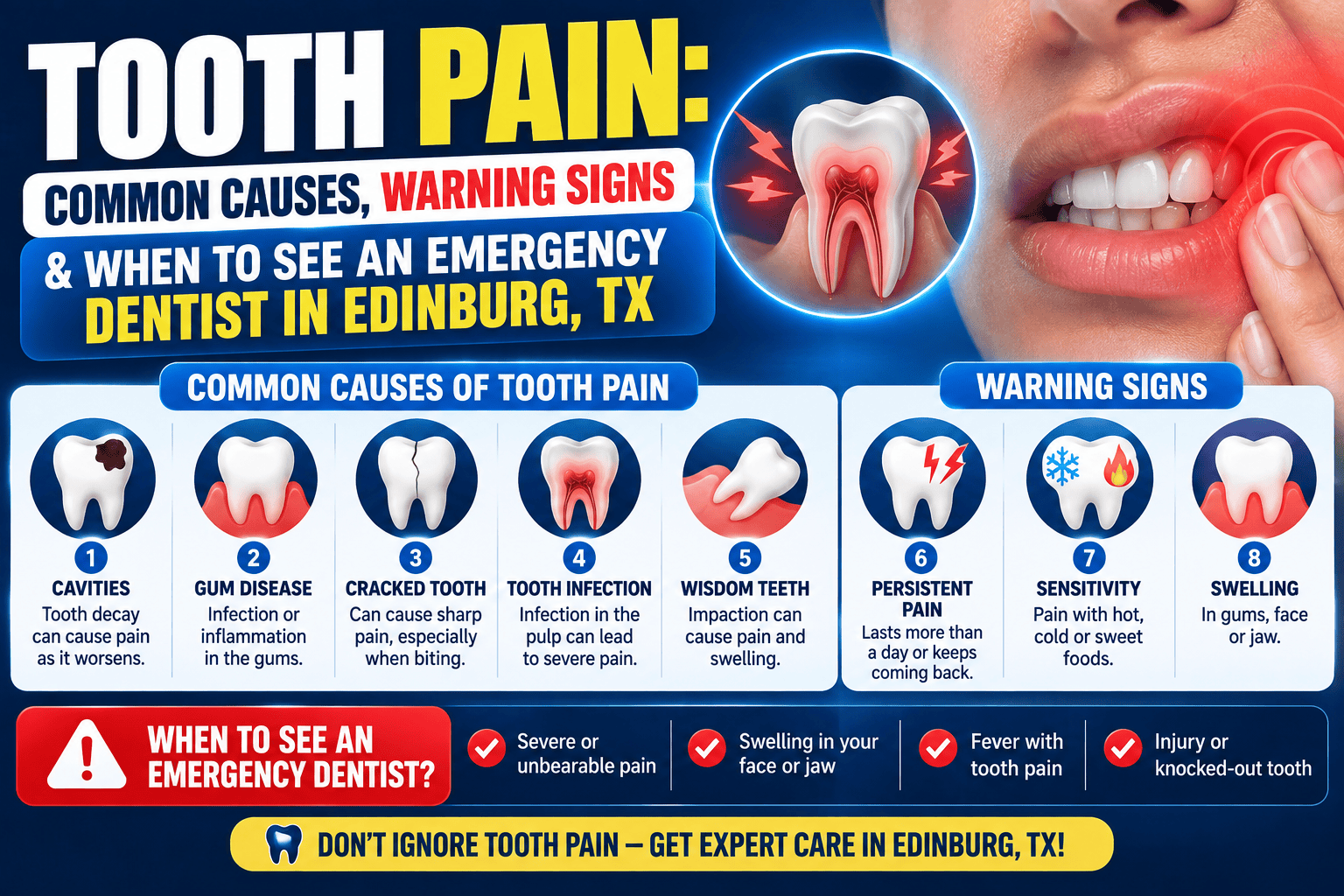
What If Your Wisdom Tooth Is Causing Tooth Pain?
Pain at the back of your mouth does not automatically mean your wisdom tooth needs to be removed.
Other causes can include:
- Dental cavities
- Gum inflammation
- Cracked teeth
- Infection
- Tooth sensitivity
- Grinding or clenching
- Problems involving another molar
If you are experiencing unexplained discomfort, the tooth pain evaluation information from Ethos can help you understand some of the common causes and warning signs.
An examination can determine whether the wisdom tooth is actually responsible.
Why Early Evaluation Matters
Waiting until a wisdom tooth becomes extremely painful is not always the best approach.
A routine dental examination can identify developing problems before they become urgent.
Your dentist can evaluate:
- The position of the wisdom tooth
- Whether there is sufficient space for eruption
- Signs of infection
- Decay
- Gum inflammation
- Damage to neighboring teeth
- The condition of surrounding bone
- Whether extraction is actually necessary
This can give you time to discuss your options instead of making a decision during a painful emergency.
Wisdom Tooth Removal: Quick Decision Guide
| Situation | Is Extraction Commonly Considered? |
| Healthy, fully erupted wisdom tooth | Not necessarily |
| Impacted wisdom tooth | Often |
| Repeated infection | Often |
| Severe decay | Often |
| Damage to neighboring tooth | May be recommended |
| Difficult-to-clean partially erupted tooth | May be recommended |
| Mild occasional discomfort without other problems | Requires evaluation |
| Properly positioned and healthy tooth | May simply be monitored |
The final decision should always be based on a dental examination and appropriate imaging.
Frequently Asked Questions
At what age should wisdom teeth be removed?
There is no single age when everyone should have their wisdom teeth removed. They commonly develop during the late teens and early twenties, but treatment depends on their position, condition, symptoms, and potential for future complications.
How much does wisdom tooth removal cost in Edinburg, TX?
Ethos Modern Dental’s current pricing guide estimates $300–$800 for surgical wisdom tooth extraction and approximately $150–$300 for a simple extraction. Your actual cost can vary based on the complexity of the procedure and other treatment factors.
How long does wisdom tooth removal take to heal?
Many patients experience significant improvement within several days, with general soft-tissue recovery occurring over approximately one to two weeks. Surgical extractions may take longer, while deeper bone healing continues for a longer period.
Do all impacted wisdom teeth need to be removed?
No. An impacted tooth may sometimes be monitored if it is not causing problems and has a low risk of future complications. Your dentist can determine whether removal is appropriate based on its position and surrounding structures.
Can I work the day after wisdom tooth removal?
It depends on the complexity of the extraction and the type of work you do. Some people can return to normal activities relatively quickly after a simple extraction, while surgical removal may require more rest.
What should I do if my wisdom tooth suddenly starts hurting?
Arrange a dental evaluation, particularly if the pain is severe or accompanied by swelling, fever, drainage, or difficulty swallowing. Sudden wisdom tooth pain can be caused by infection, inflammation, decay, or impaction.
The Bottom Line
Wisdom tooth removal is not automatically necessary for everyone. However, an impacted, infected, severely decayed, or poorly positioned wisdom tooth can create problems for both the tooth itself and the surrounding structures.The most important question is not simply “Should wisdom teeth be removed?” but rather “What is happening with this particular wisdom tooth?”An examination and appropriate imaging can help determine whether monitoring, treatment, or extraction is the safest choice.For patients in Edinburg and the surrounding Rio Grande Valley, Ethos Modern Dental provides tooth extraction care with an emphasis on careful evaluation, modern techniques, and individualized treatment planning.