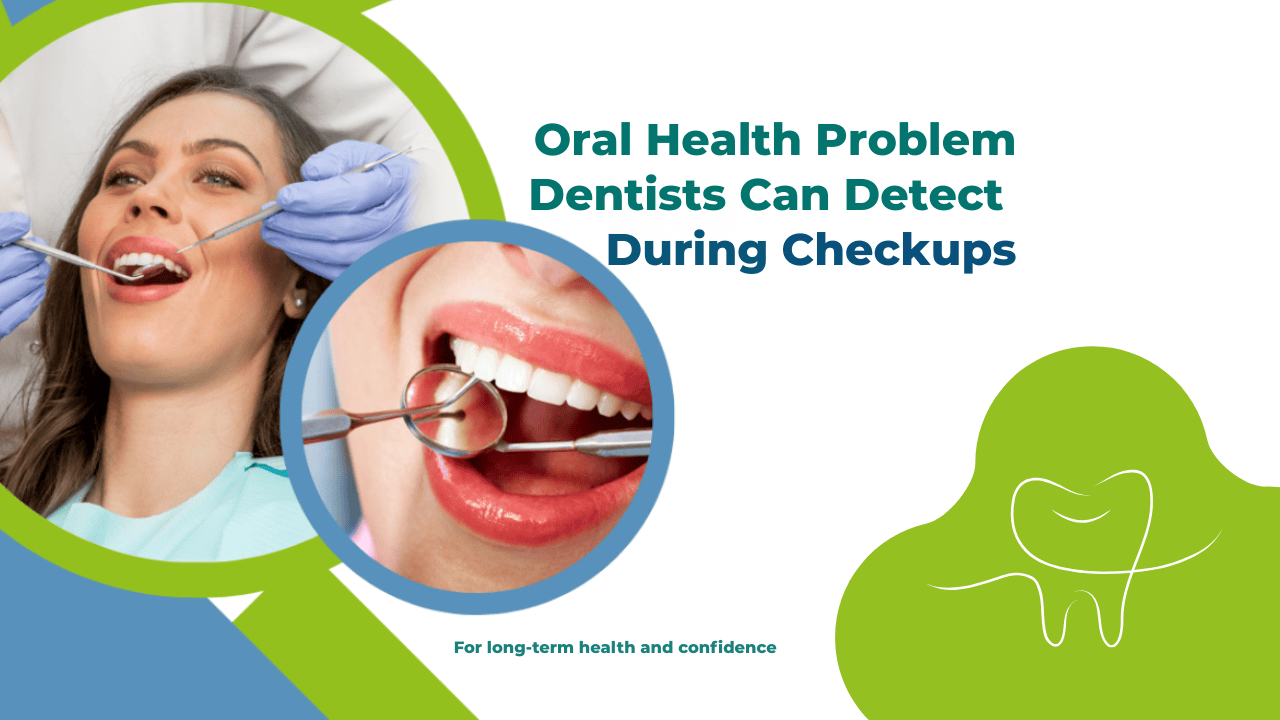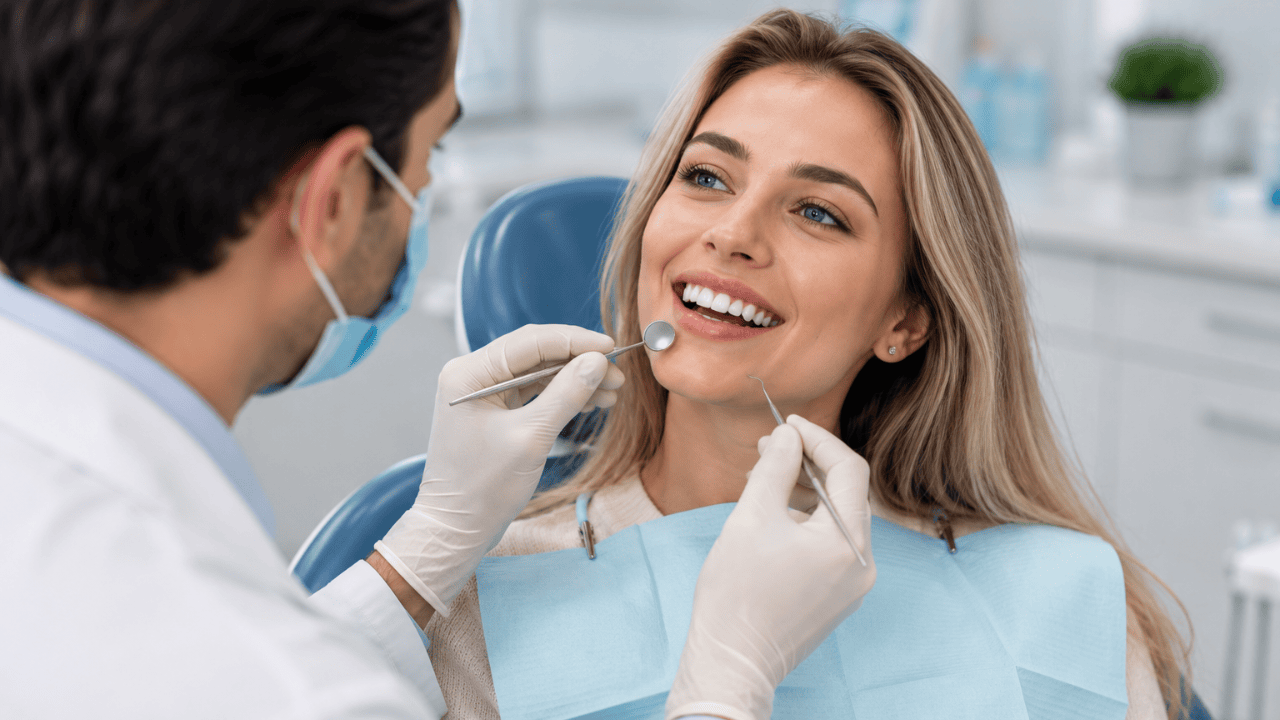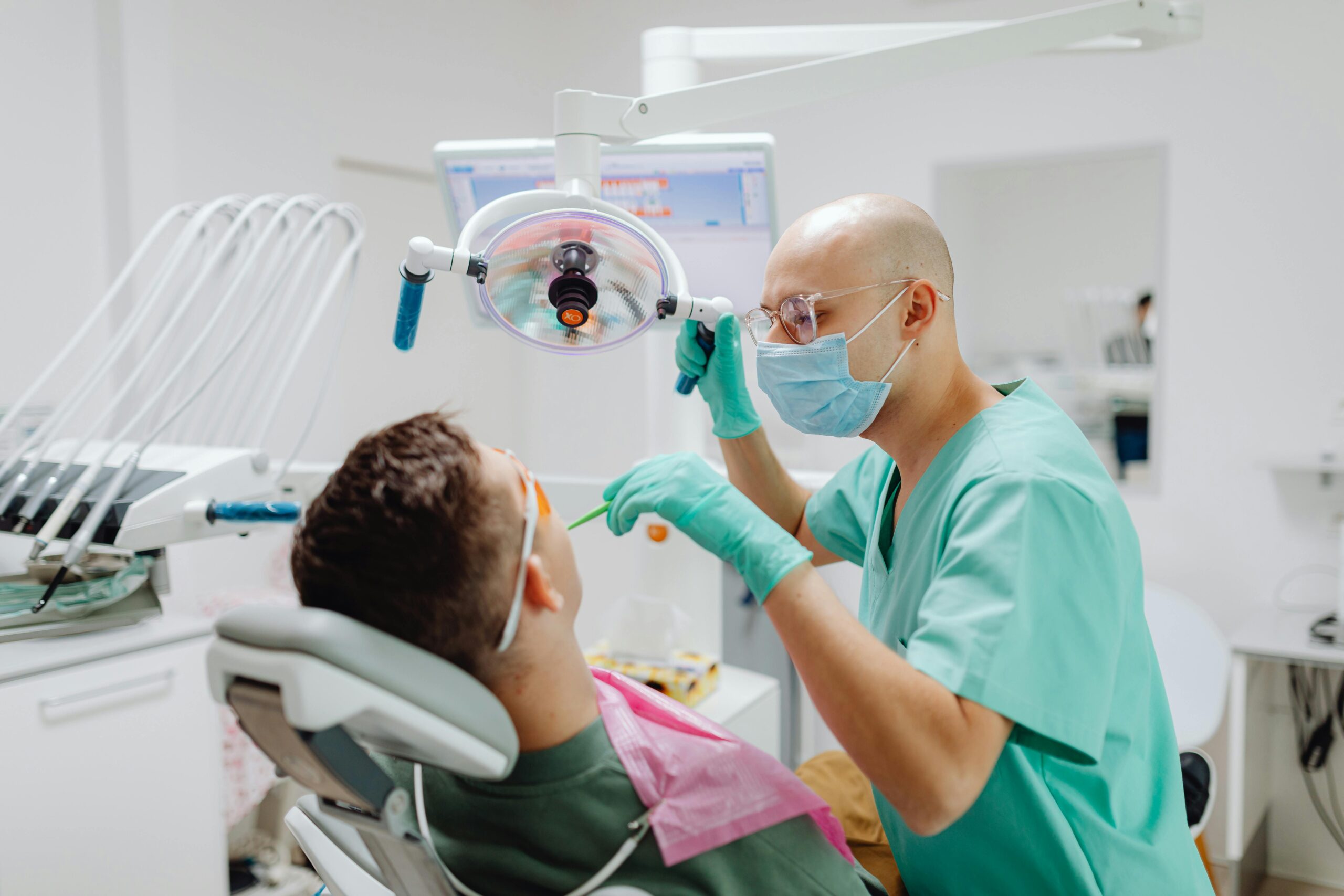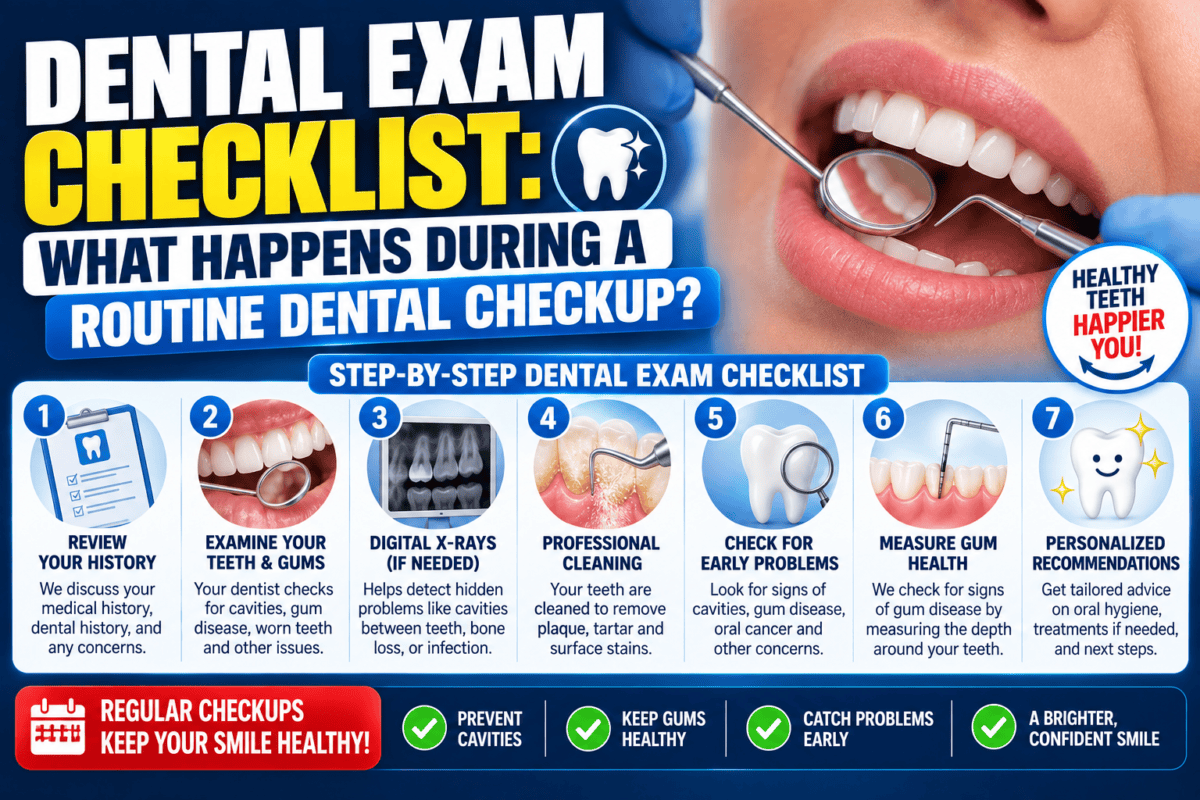
A routine dental checkup can seem simple from the outside: sit in the dental chair, have your teeth examined, and leave with your next appointment scheduled.
But a comprehensive dental exam involves much more than simply looking for cavities.
During a routine checkup, a dentist can evaluate your teeth, gums, bite, jaw, existing dental work, and overall oral health. Digital X-rays may be recommended when necessary, while oral cancer screening and gum-health evaluation can help identify problems that may not be visible or noticeable to you.
Ethos Modern Dental’s routine dental exam process includes a medical and dental history review, visual examination, digital X-rays when needed, oral cancer screening, gum-health evaluation, and personalized recommendations.
If you’re preparing for your next appointment, this checklist explains what you can expect.
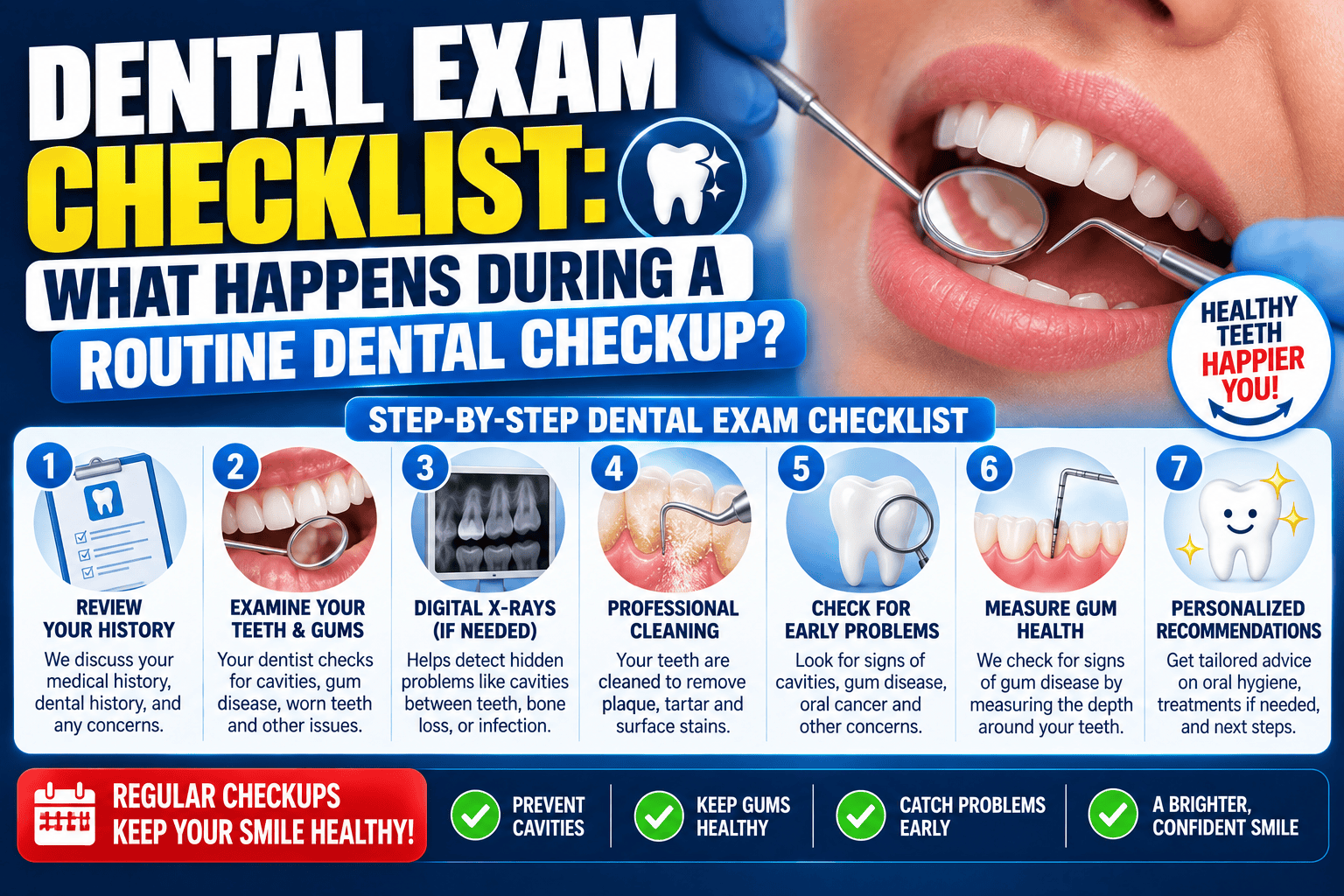
Dental Exam Checklist: What Happens During Your Visit?
A typical routine dental checkup may include:
- Medical and dental history review
- Discussion of current concerns
- Examination of your teeth
- Gum-health evaluation
- Bite and jaw assessment
- Screening for cavities and decay
- Digital X-rays when needed
- Oral cancer screening
- Examination of existing dental work
- Personalized treatment recommendations
- Preventive-care guidance
- Professional cleaning, when scheduled as part of the visit
Not every patient needs exactly the same tests or procedures. Your dentist may recommend additional evaluation depending on your age, oral health, symptoms, and previous dental history.
1. Medical and Dental History Review
Your dental appointment may begin before the dentist even examines your teeth.
Your dental team may review your medical history, current medications, allergies, previous dental treatments, and any changes in your overall health.
This information matters because certain medical conditions, medications, and previous treatments can influence your oral health and dental-care needs.
You should also mention any changes you’ve noticed since your last appointment, such as:
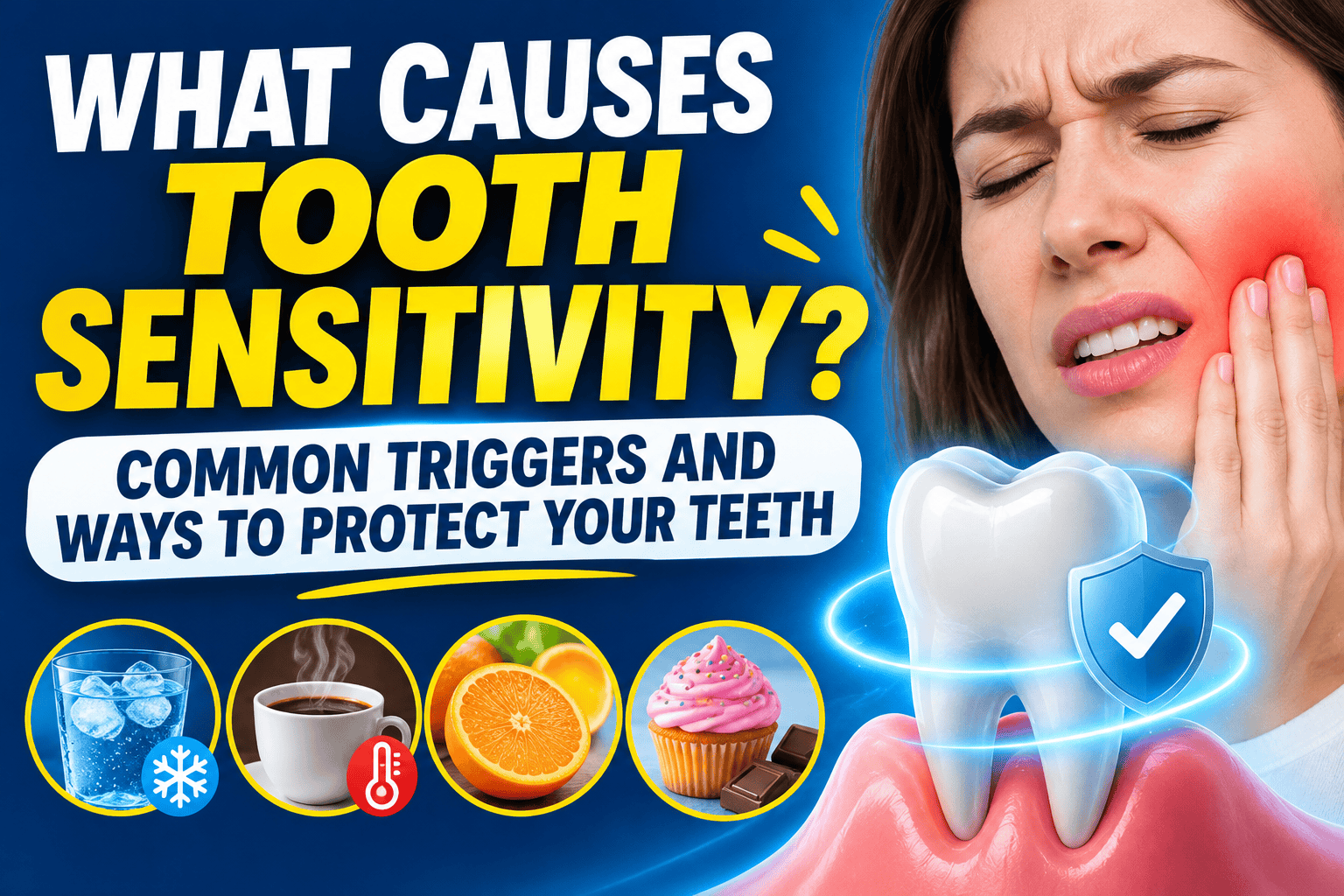
- Tooth sensitivity
- Bleeding gums
- Persistent bad breath
- Jaw discomfort
- Tooth pain
- Increased sensitivity to hot or cold
- A chipped or cracked tooth
- Changes in an existing crown or filling
- Teeth grinding or clenching
Even if a symptom seems minor, mentioning it can help your dentist determine whether further evaluation is necessary.
2. Your Current Dental Concerns
A routine checkup doesn’t mean you have to wait until the dentist discovers something.
Tell your dental team if something has been bothering you.
For example, you might notice that one tooth hurts when you chew or that your gums bleed when brushing. You may have also noticed sensitivity that wasn’t present during your previous visit.
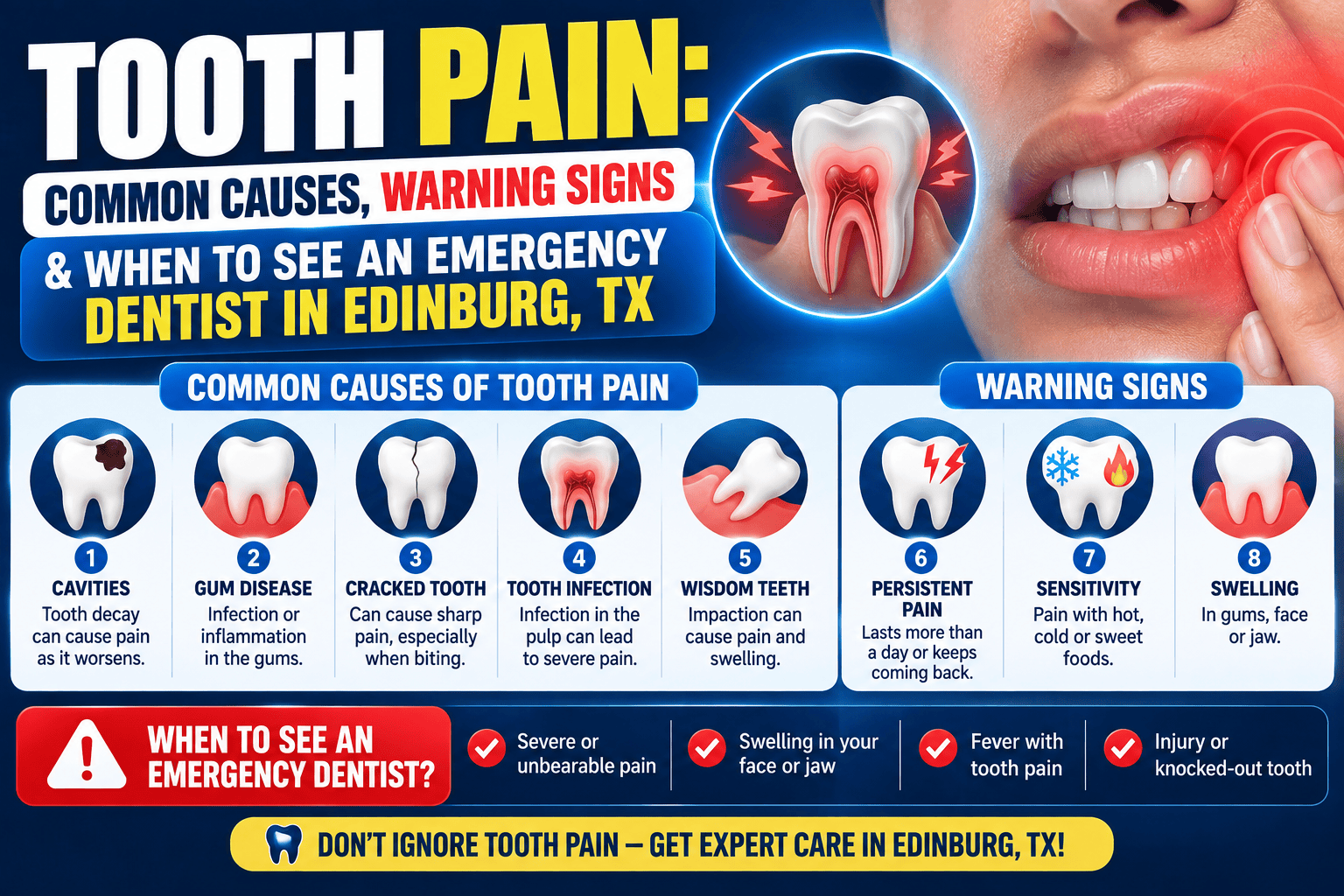
Persistent discomfort can sometimes be an early sign of a larger dental problem. If you’re experiencing recurring discomfort, the information on Tooth Pain can help you understand some of the common causes and warning signs.
The more accurately you describe what you’ve noticed, the easier it may be for your dentist to investigate the problem.
3. Visual Examination of Your Teeth
Next comes the part most people associate with a dental checkup: examining the teeth.
Your dentist will look for visible signs of:
- Tooth decay
- Cracks
- Chips
- Worn enamel
- Discoloration
- Damaged fillings
- Problems with crowns
- Other changes in tooth structure
Some dental problems are easy to see, while others develop underneath the surface or between teeth.
This is one reason a routine examination can be valuable even when your teeth feel completely normal.
What About Cavities That Don’t Hurt?
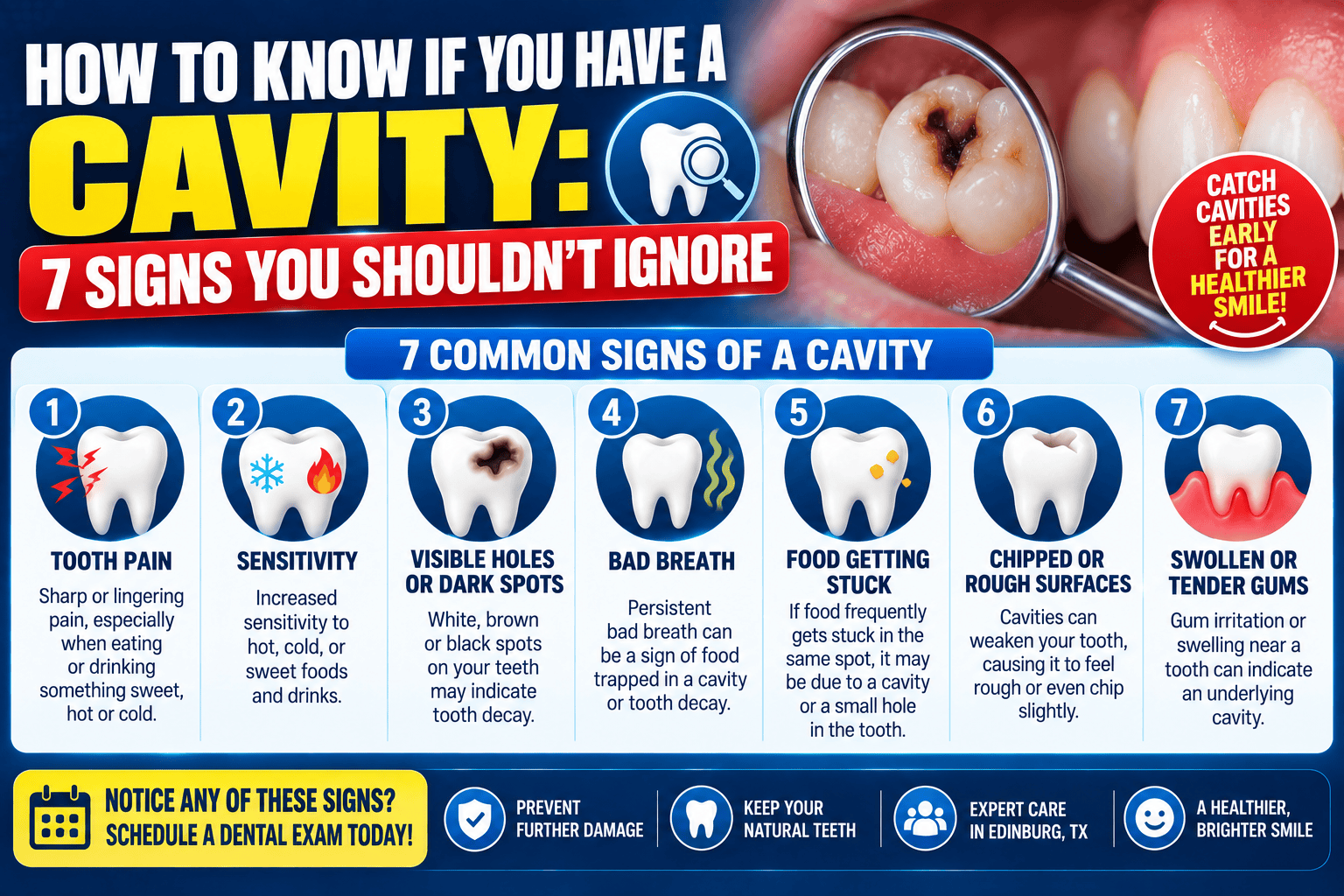
A cavity doesn’t necessarily cause pain when it first develops.
Early decay may be difficult to notice without professional examination. Your dentist can look for changes in the tooth surface and determine whether further investigation is necessary.
You can learn more about the signs and progression of decay through Ethos Modern Dental’s Dental Cavities resource.
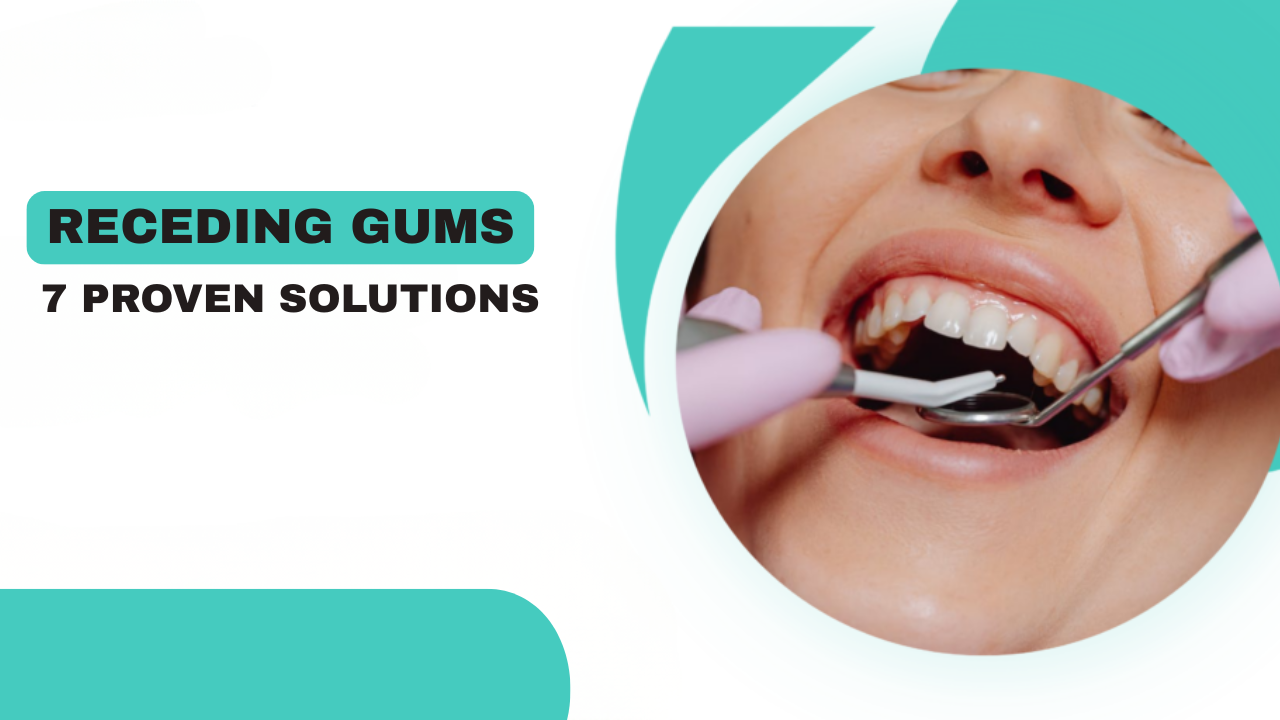
4. Gum Health Evaluation
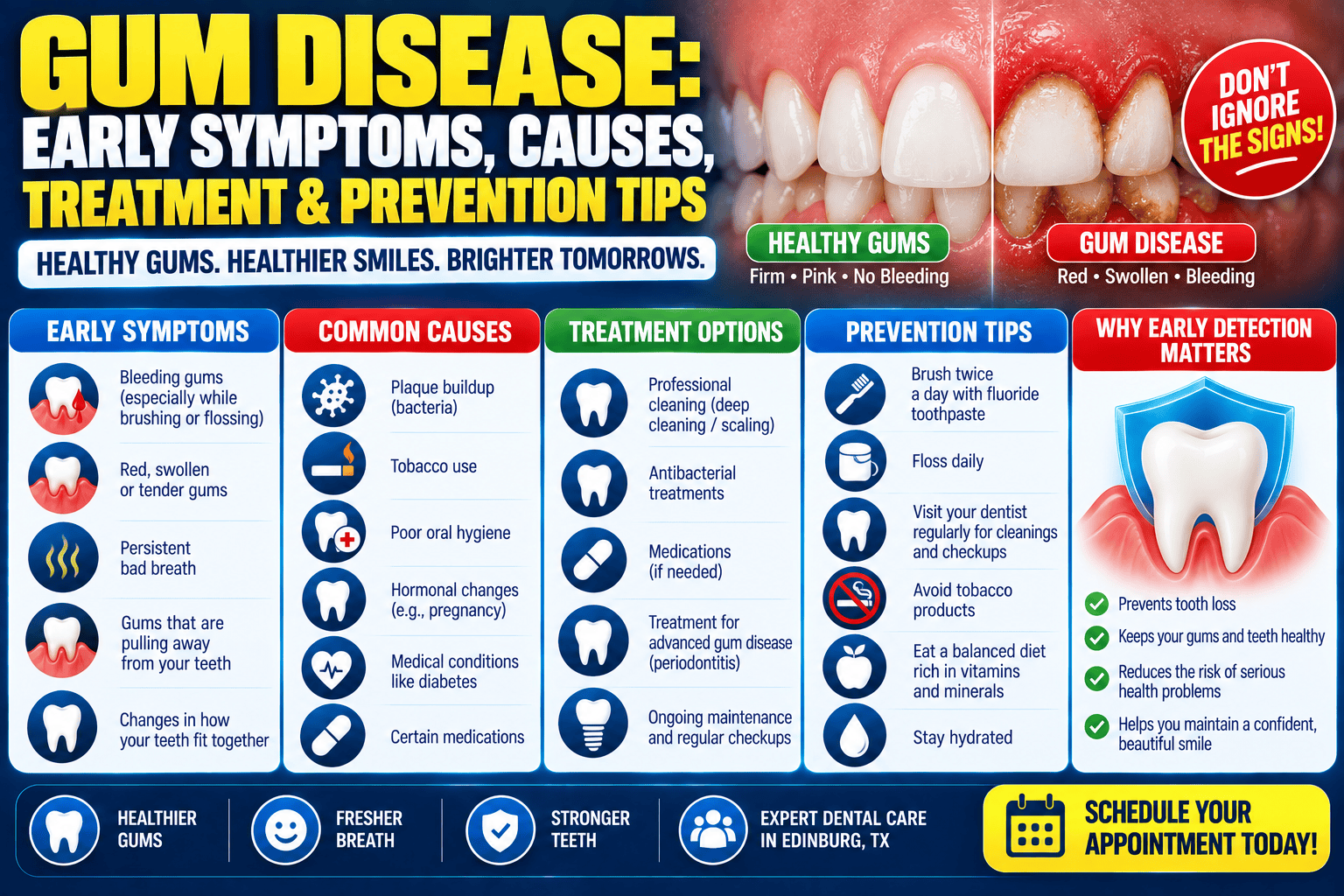
A dental checkup is also a checkup for your gums.
Your dentist or dental team may look for signs such as:
- Redness
- Swelling
- Bleeding
- Tenderness
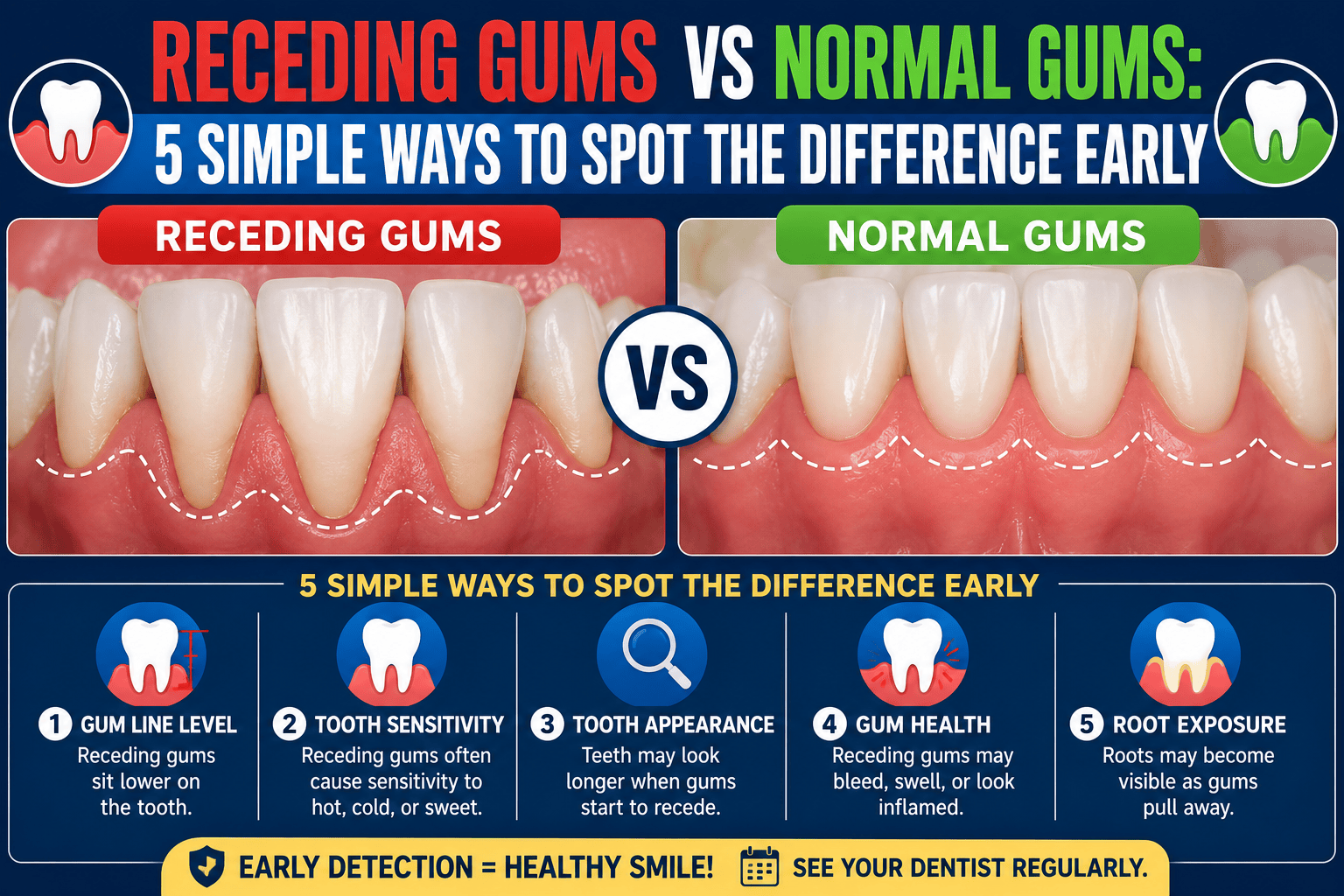
- Recession
- Changes around individual teeth
- Signs of infection
Gum disease can develop gradually, and some patients may not realize there is a problem until it becomes more advanced.
Ethos Modern Dental specifically includes gum-health evaluation as part of its comprehensive dental exam process.
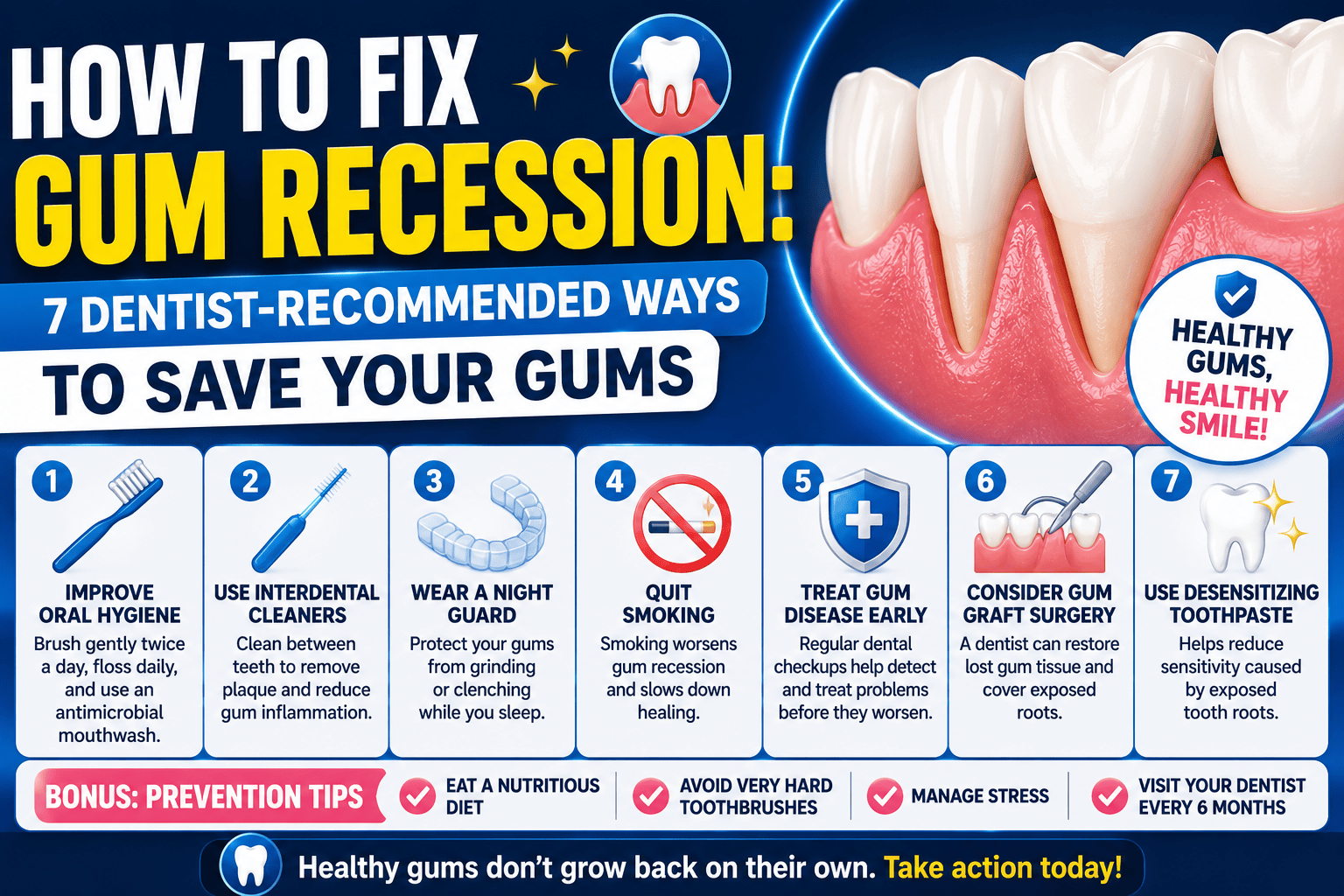
If your dentist notices signs that require further attention, you may be advised to undergo additional periodontal evaluation or treatment. You can learn more about the condition through the clinic’s Gum Disease page.
5. Checking Your Bite and Jaw
Your dentist may also assess how your upper and lower teeth come together.
Your bite can provide useful information about how pressure is distributed across your teeth and jaw.
The examination may also identify signs associated with:
- Excessive tooth wear
- Jaw discomfort
- Clenching
- Grinding
- Uneven tooth contact
- Other bite-related concerns
If you regularly wake up with jaw soreness, headaches, or sensitive or worn teeth, mention it during your appointment.
Ethos Modern Dental provides information about Grinding & Clenching and its potential effects on the teeth and jaw.
6. Digital X-Rays When Needed
Not every dental problem can be seen simply by looking at the teeth.
Digital X-rays can provide information about areas beneath the surface, between teeth, and around the roots.
Your dentist may recommend X-rays when they are clinically appropriate to evaluate concerns such as:
- Hidden tooth decay
- Changes around tooth roots
- Bone-related concerns
- Dental infections
- Impacted teeth
- Problems that cannot be fully evaluated visually
Ethos Modern Dental states that digital X-rays may be used when needed as part of its comprehensive examination process.
The important point is that X-rays are not necessarily required at every visit for every patient. Your dentist determines whether they are appropriate based on your individual circumstances.
7. Oral Cancer Screening
One part of a routine dental examination that many patients don’t realize is included is an oral cancer screening.
The dentist may examine areas including the:
- Lips
- Gums
- Tongue
- Inside of the cheeks
- Roof of the mouth
- Floor of the mouth
- Throat area
The purpose is to identify unusual changes that may require further evaluation.
A dental checkup is therefore about more than keeping your teeth clean. It also gives your dentist an opportunity to notice changes in your mouth that you may not have recognized yourself.
8. Checking Existing Dental Work
If you’ve previously had fillings, crowns, bridges, implants, or other dental treatment, your dentist may evaluate how those restorations are holding up.
This can include checking for:
- Damage
- Wear
- Loose or broken restorations
- Changes around the restoration
- Problems with the surrounding teeth or gums
Monitoring existing dental work is particularly important because restorations are exposed to everyday chewing forces and normal wear over time.
9. Professional Cleaning May Be Part of Your Visit
A dental examination and professional cleaning are related, but they are not exactly the same thing.
During a professional cleaning, dental professionals remove plaque, tartar, and surface buildup that regular brushing and flossing may not completely eliminate.
Ethos Modern Dental explains that professional cleanings are designed to remove plaque and hardened tartar while also allowing the team to check for early signs of tooth decay, gum inflammation, and other concerns.
If your appointment includes preventive cleaning, you can learn more through the clinic’s Cleaning & Whitening service page.
10. Discussing Your Oral Health With Your Dentist
A good dental checkup shouldn’t end with the dentist simply saying, “Everything looks fine.”
Your appointment is also an opportunity to understand what’s happening in your mouth.
Your dentist may explain:
- Areas that need attention
- Existing dental problems
- Your gum health
- Whether X-rays are recommended
- Whether you need restorative treatment
- How to improve your home-care routine
- When you should return for your next examination
If treatment is recommended, don’t hesitate to ask why it is needed and what could happen if the issue is left untreated.
Understanding your options can make dental care feel much more manageable.
What Should You Tell Your Dentist During a Checkup?
Before your appointment, think about whether you’ve experienced any changes since your last visit.
Use this quick checklist:
Tell Your Dentist If You Have:
- Tooth pain
- Sensitivity to hot or cold
- Bleeding gums
- Swollen or tender gums
- Persistent bad breath
- A loose tooth
- A chipped or cracked tooth
- Pain while chewing
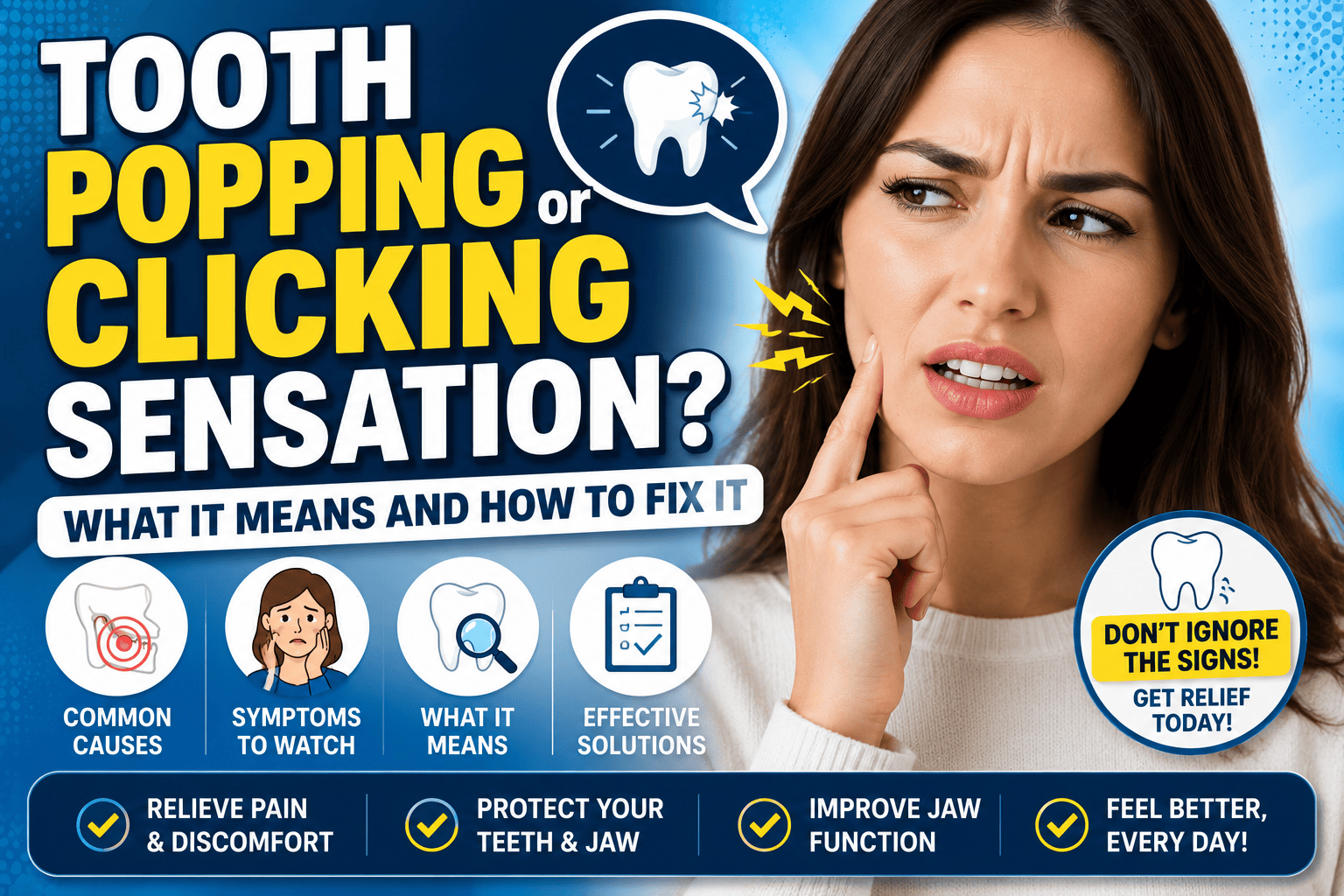
- Jaw pain or clicking
- Frequent headaches
- Teeth grinding or clenching
- A change in an existing filling, crown, bridge, or implant
- Any unusual sore, lump, patch, or change inside your mouth
This information can help your dentist decide whether additional examination or testing is appropriate.
What Should You Bring to a Dental Checkup?
If you’re visiting a dental office for the first time, it can help to arrive prepared.
Consider bringing:
- Your dental insurance information
- A list of current medications
- Relevant medical history
- Information about previous dental treatment
- Any questions you want to ask
- Details about symptoms you’ve recently noticed
Ethos Modern Dental’s patient information page recommends bringing your insurance card and photo ID, listing medications or health concerns, and arriving 10–15 minutes early for check-in.
How Often Should You Have a Dental Exam?
Many patients benefit from routine dental checkups approximately every six months.
However, there isn’t necessarily one schedule that is appropriate for everyone.
Ethos Modern Dental recommends dental exams every six months for most patients, while people with gum disease, frequent cavities, or other oral-health concerns may need more frequent visits.
Your dentist can recommend an interval based on your individual needs.
The important thing is consistency. Regular examinations give your dental team opportunities to monitor changes rather than only addressing problems once symptoms become severe.
Why Routine Dental Exams Matter Even When Nothing Hurts
One of the biggest misconceptions about dental checkups is that you only need one when something hurts.
Many oral-health problems can develop without obvious symptoms.
A cavity may not hurt initially. Gum disease can progress without significant discomfort. An issue around a previous restoration may not become noticeable until the restoration has already been compromised.
Routine examinations give your dentist an opportunity to identify these problems earlier.
Early detection can sometimes mean simpler treatment, fewer complications, and a better chance of preserving your natural teeth.
What Happens If Your Dentist Finds a Problem?
Finding a problem during a routine checkup doesn’t necessarily mean you’ll need extensive treatment.
The appropriate next step depends entirely on what is discovered.
For example:
- Early decay may require a filling or preventive intervention.
- Gum inflammation may require improved hygiene or periodontal care.
- A damaged tooth may need a restoration.
- A deeply infected tooth may require root canal treatment.
- A severely damaged tooth may require extraction.
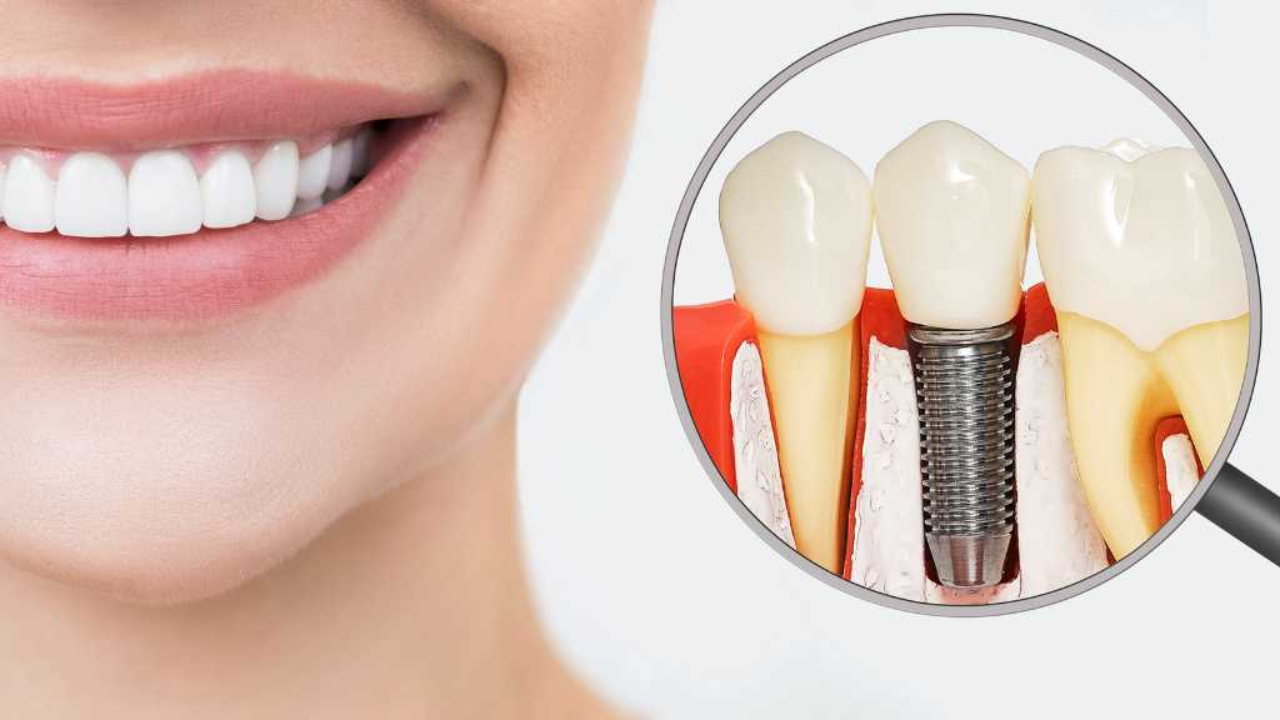
- A missing tooth may eventually be replaced with a dental implant.
If a tooth has become infected, Ethos Modern Dental offers Root Canal Treatment designed to remove the infection and help preserve the natural tooth when appropriate.
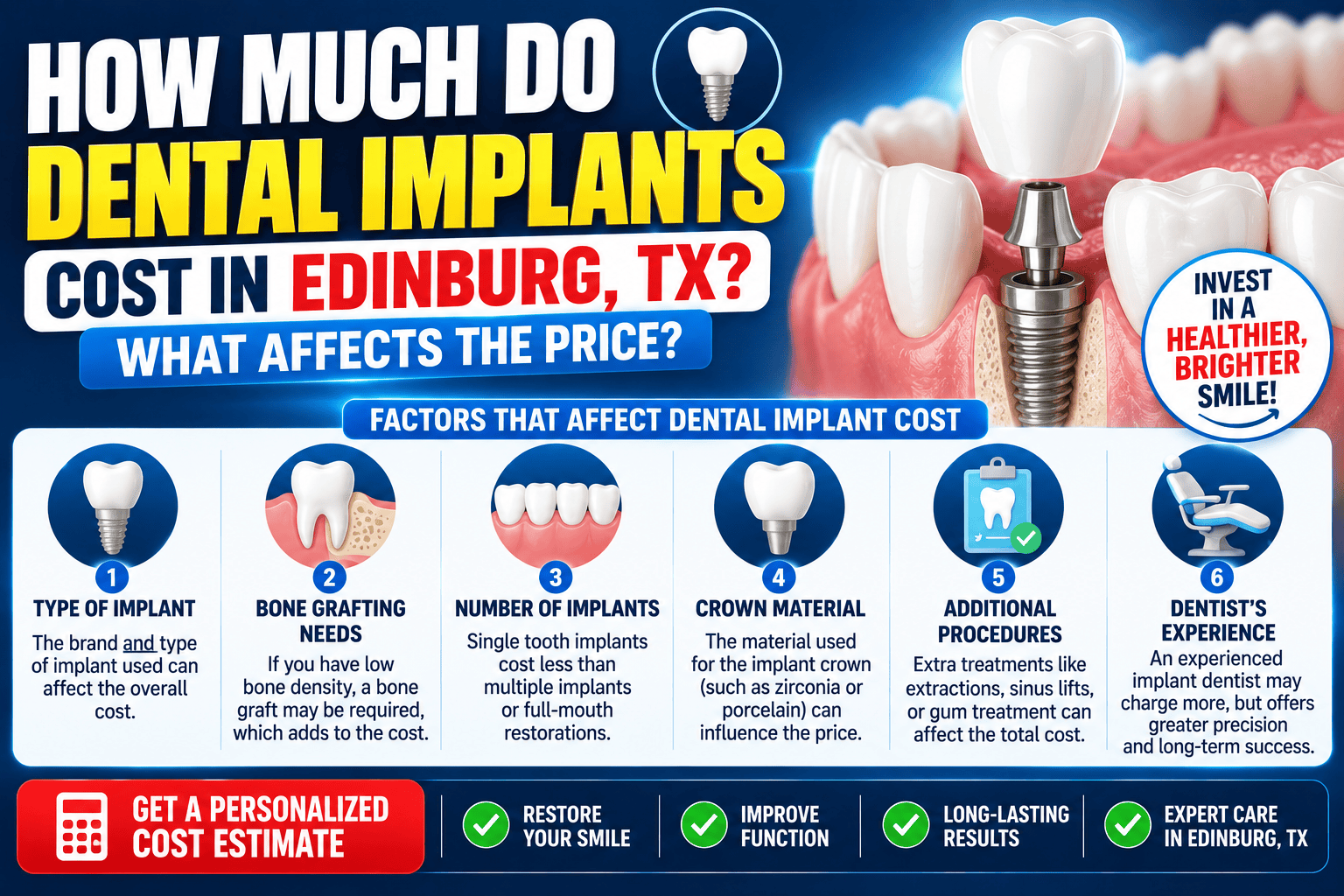
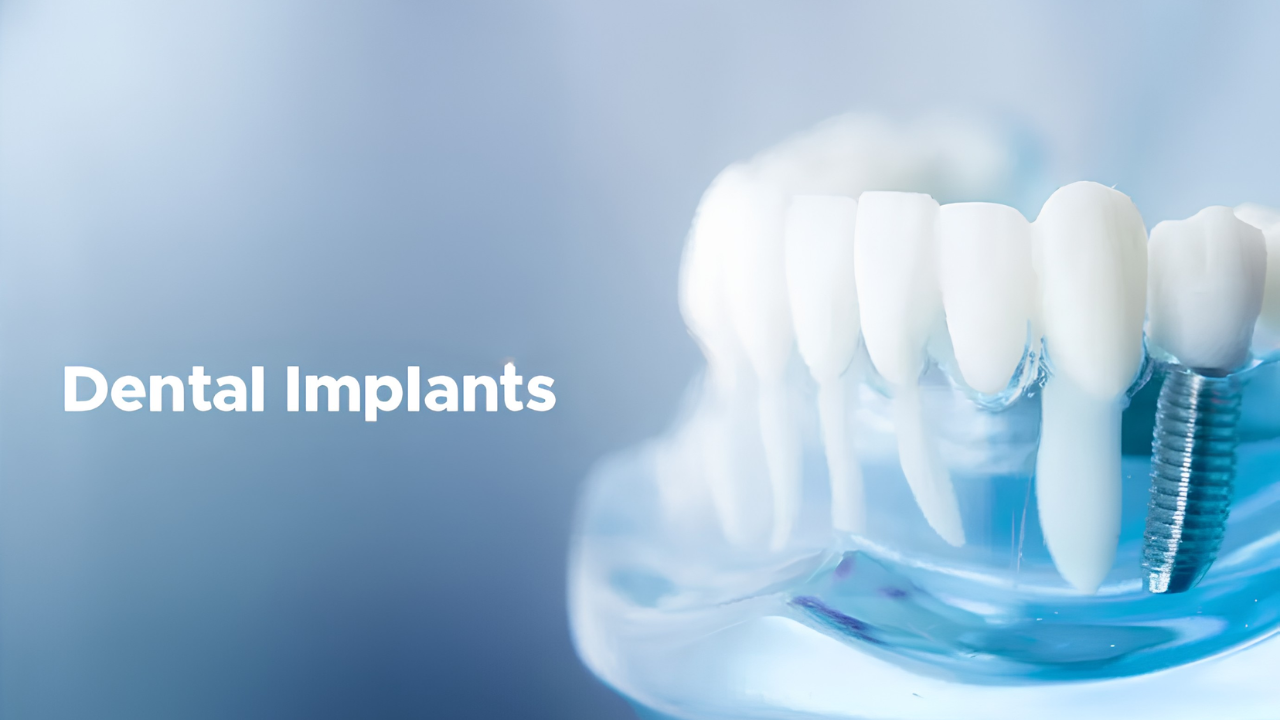
Likewise, patients with missing teeth can discuss Dental Implants when a long-term tooth-replacement option is being considered.
The key benefit of the routine examination is that these issues can be identified and discussed before you have to make decisions under the pressure of severe pain.
Dental Exam vs. Dental Cleaning: What’s the Difference?
It’s easy to use the terms “dental exam” and “dental cleaning” interchangeably, but they serve different purposes.
A dental exam focuses on evaluating your oral health and identifying potential problems.
A professional cleaning focuses on removing plaque, tartar, and surface buildup from your teeth.
Many routine dental visits combine both services, but they are still separate parts of preventive dental care.
An exam might identify early decay or gum disease, while the cleaning helps maintain healthier teeth and gums.
Both can play an important role in preventive care.
Dental Exam Checklist: Quick Reference
| Checkup Step | What It Looks For |
| Medical & dental history | Changes in health, medications, and dental history |
| Current concerns | Pain, sensitivity, bleeding, or other symptoms |
| Visual examination | Cavities, cracks, wear, and other visible changes |
| Gum evaluation | Swelling, bleeding, recession, and infection |
| Bite & jaw assessment | Grinding, clenching, and bite-related concerns |
| Digital X-rays | Problems that may not be visible during a visual exam |
| Oral cancer screening | Unusual changes in tissues of the mouth |
| Existing dental work | Wear, damage, or changes around restorations |
| Cleaning | Plaque, tartar, and surface buildup |
| Recommendations | Preventive care and treatment options |
Frequently Asked Questions
What happens during a routine dental checkup?
A routine checkup typically includes reviewing your dental and medical history, examining your teeth and gums, evaluating your bite, and checking for signs of oral-health problems. X-rays may be taken when needed, and an oral cancer screening may also be performed.
Do dental checkups include X-rays every time?
Not necessarily. Digital X-rays are used when clinically appropriate. Your dentist determines whether they are needed based on your dental history, symptoms, and current oral-health condition.
Can a dental exam detect cavities before they hurt?
Yes. Cavities can develop without noticeable symptoms, particularly during their early stages. A professional examination can help identify signs of decay before pain develops.
Does a dental exam check for gum disease?
Yes. Gum health is part of a comprehensive dental examination. Your dentist can look for signs such as swelling, bleeding, inflammation, recession, and other changes.
How often should I get a dental checkup?
Many patients benefit from an examination approximately every six months. However, your dentist may recommend more frequent visits if you have gum disease, frequent cavities, or other oral-health concerns.
Is a dental exam painful?
A routine dental examination is generally straightforward. If you have sensitive teeth, inflamed gums, or a specific dental problem, let your dental team know so they can make the examination as comfortable as possible.
Should I go to the dentist if I have no tooth pain?
Yes. The absence of pain does not necessarily mean that your teeth and gums are completely healthy. Routine examinations are designed to identify problems that may not yet be causing symptoms.
What happens if my dentist finds a problem?
Your dentist will explain what was found and discuss appropriate treatment options. Depending on the issue, this could involve preventive care, a filling, gum treatment, root canal therapy, restoration, extraction, or tooth replacement.
Final Thoughts
A routine dental checkup is much more than a quick look at your teeth.
From reviewing your medical history and examining your gums to checking for cavities, evaluating existing dental work, taking X-rays when necessary, and screening for unusual changes, a comprehensive exam provides a broader picture of your oral health.
The biggest advantage is early awareness. Problems are often easier to manage when they are identified before they become painful or complicated.
If it’s been around six months since your last checkup or longer consider scheduling a routine dental examination rather than waiting for a toothache to make the decision for you.
Regular preventive care can help you protect your natural teeth, maintain healthier gums, and address small concerns before they become bigger dental problems.