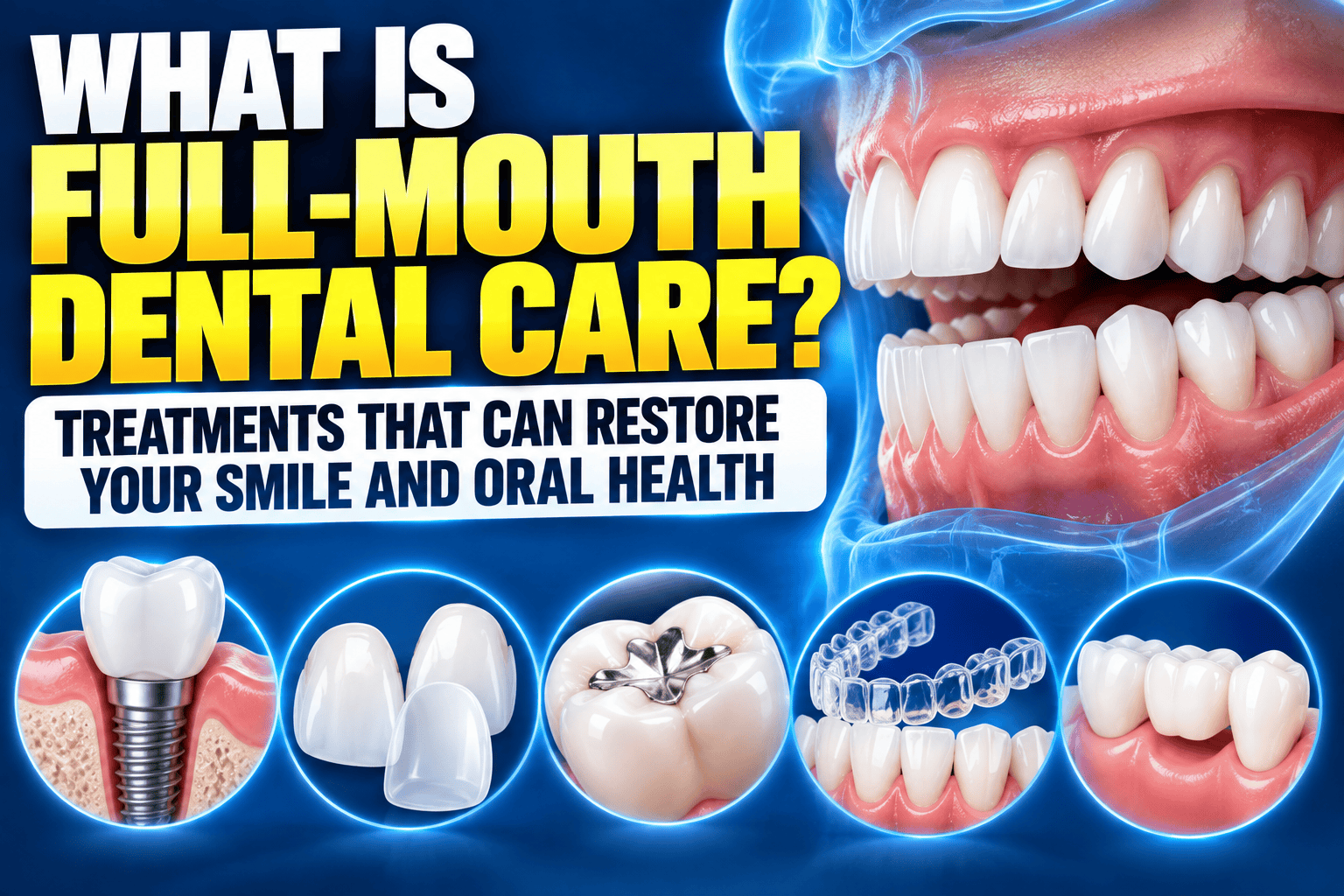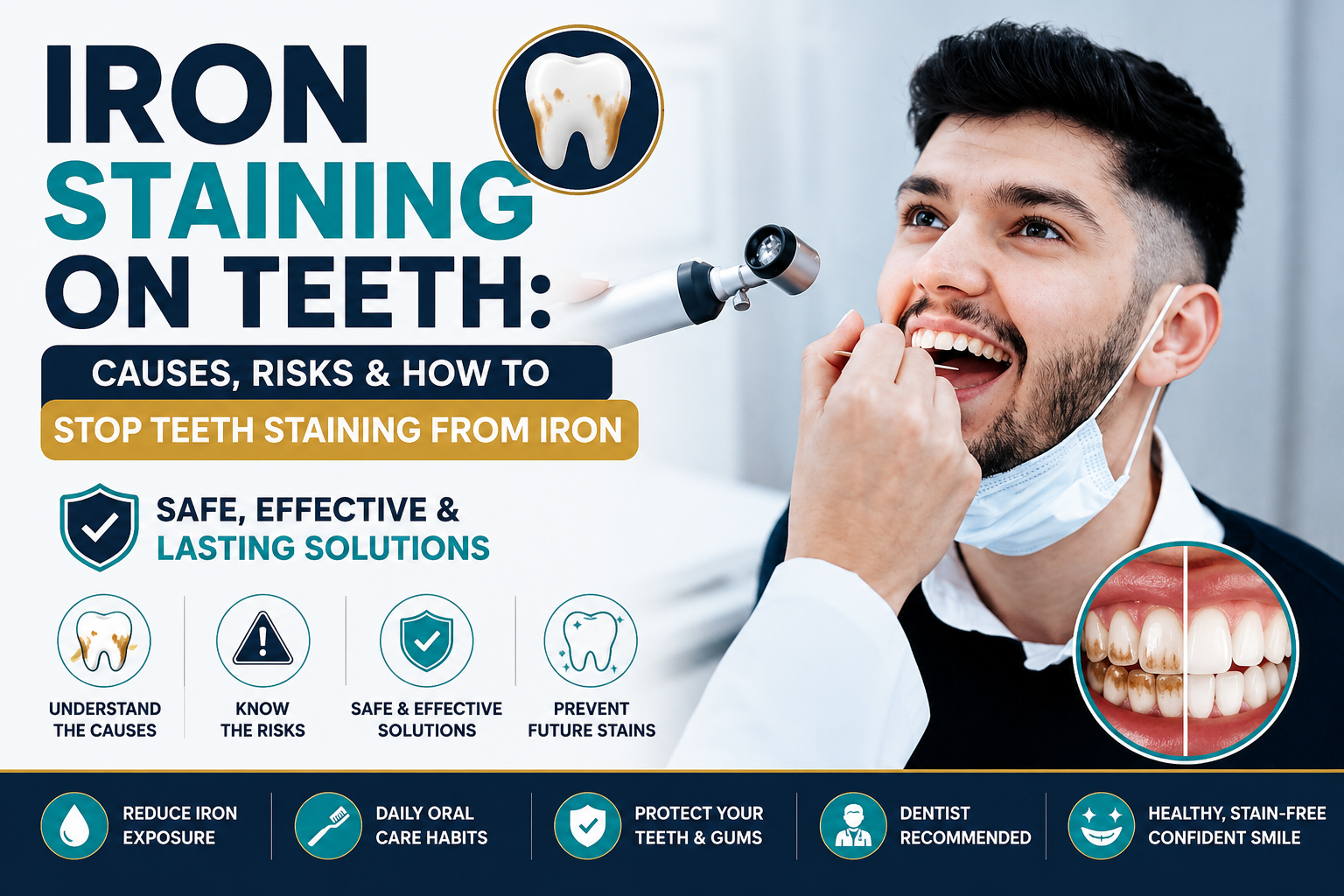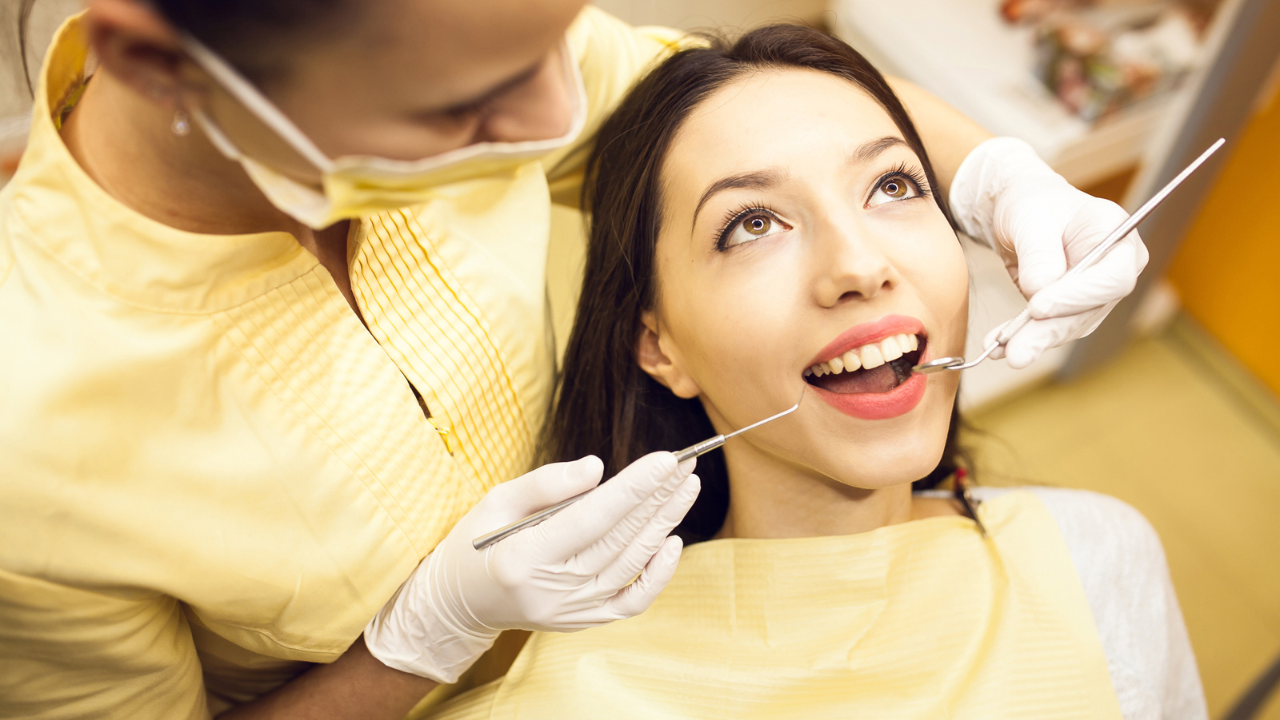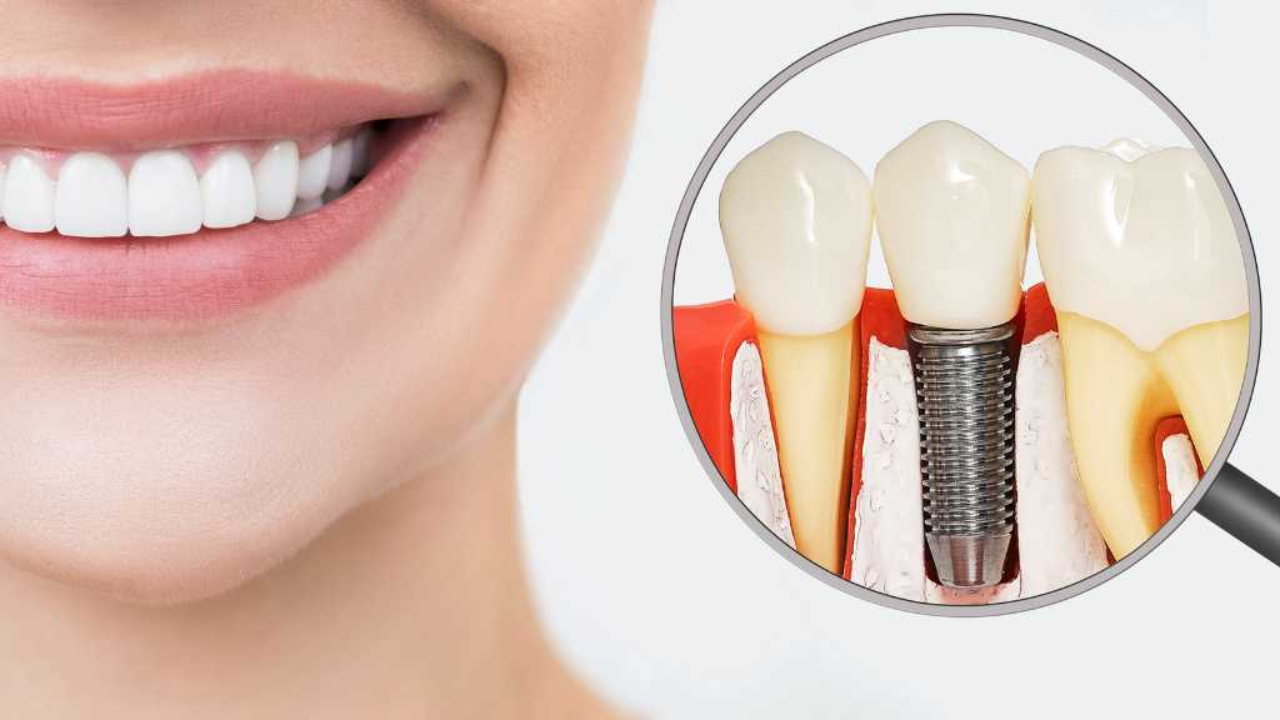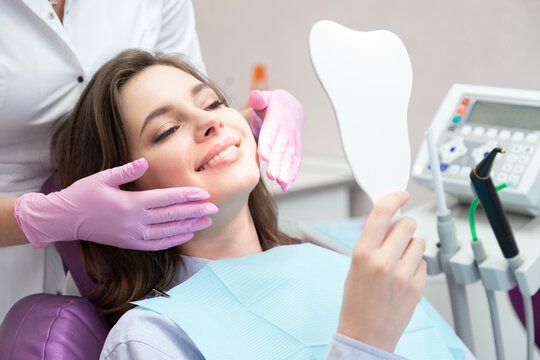
A brighter smile can make a noticeable difference in how you feel about your appearance. But when you’re unhappy with the color of your teeth, there are several ways to improve it and teeth whitening and veneers are not interchangeable treatments.
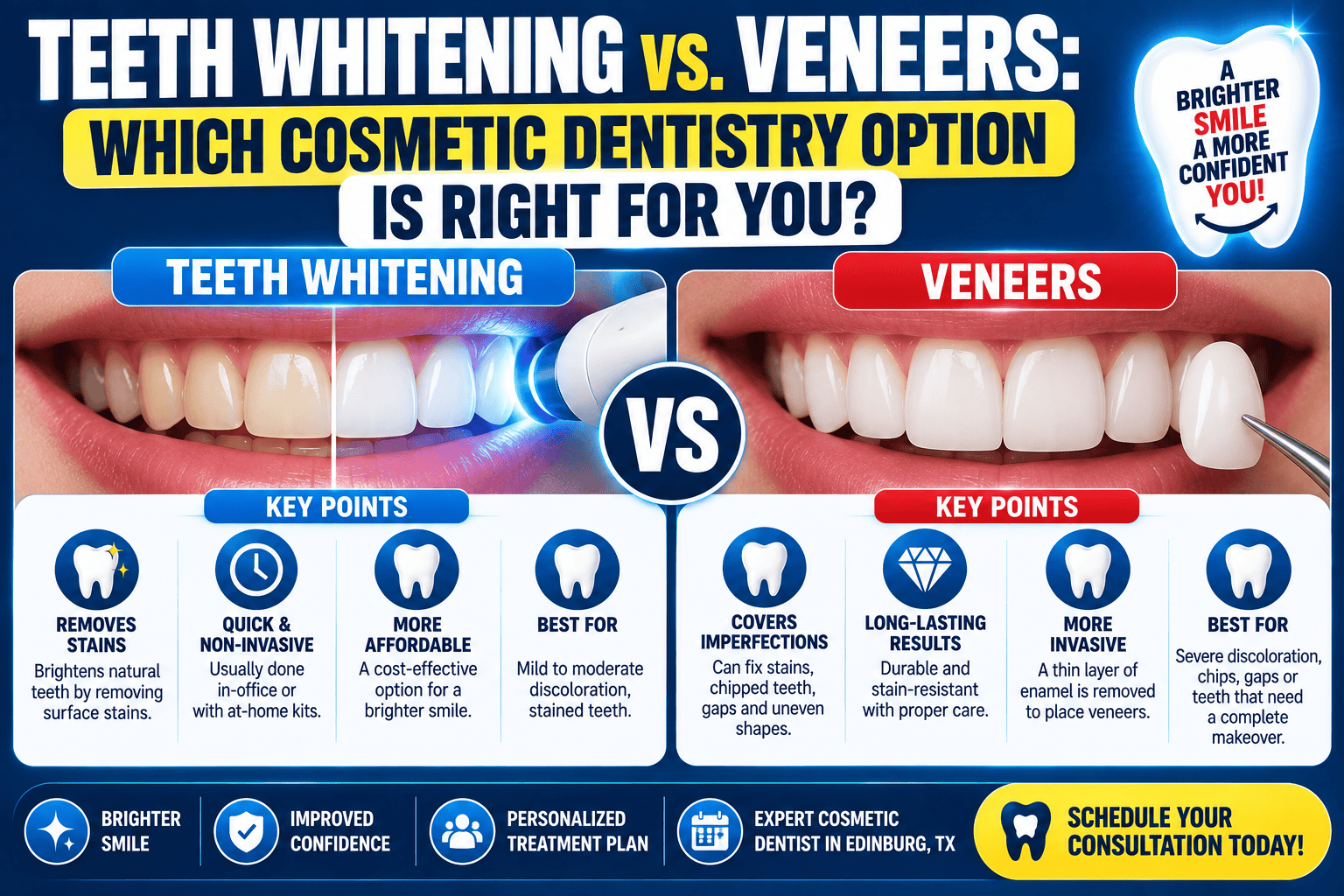
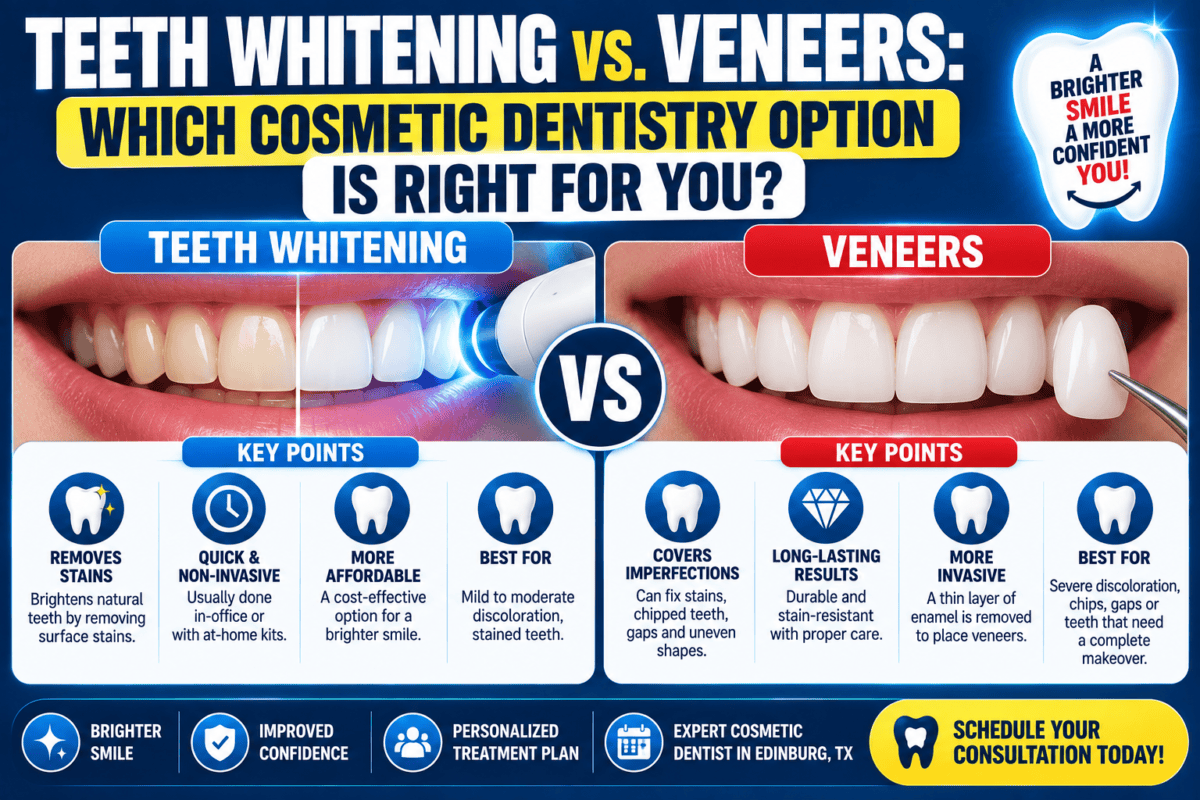
Professional teeth whitening is primarily designed to brighten natural tooth enamel and reduce certain types of discoloration. Veneers, on the other hand, can change not only the color of a tooth but also aspects of its shape, size, and appearance.
So which option is right for you?
The answer depends on what you want to change, the condition of your teeth, the type of discoloration you have, and whether you’re looking for a relatively simple color improvement or a more comprehensive smile transformation.
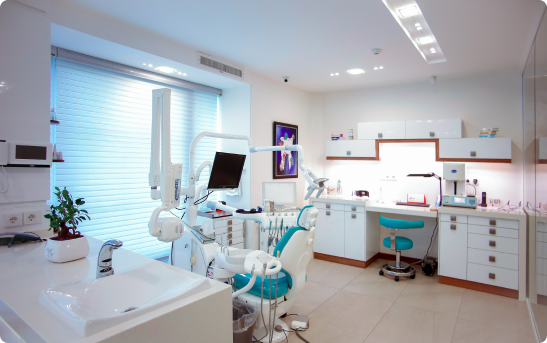
Ethos Modern Dental offers cosmetic treatments including professional teeth whitening, veneers, dental bonding, gum contouring, and smile makeovers. Its cosmetic approach emphasizes evaluating the patient’s smile, facial features, bite, and overall dental health before recommending a treatment.
Teeth Whitening vs. Veneers: The Basic Difference
The simplest way to understand the difference is this:
Teeth whitening changes the color of natural teeth.
Veneers can change the color, shape, size, and overall appearance of selected teeth.
Professional whitening may be a good choice if you are generally happy with the shape and alignment of your teeth but want them to look brighter.
Veneers may be more appropriate when discoloration is only one of several concerns for example, when you also want to address worn edges, small gaps, irregular shapes, or stains that do not respond well to whitening.
Neither treatment is automatically better. They solve different cosmetic problems.
What Is Professional Teeth Whitening?
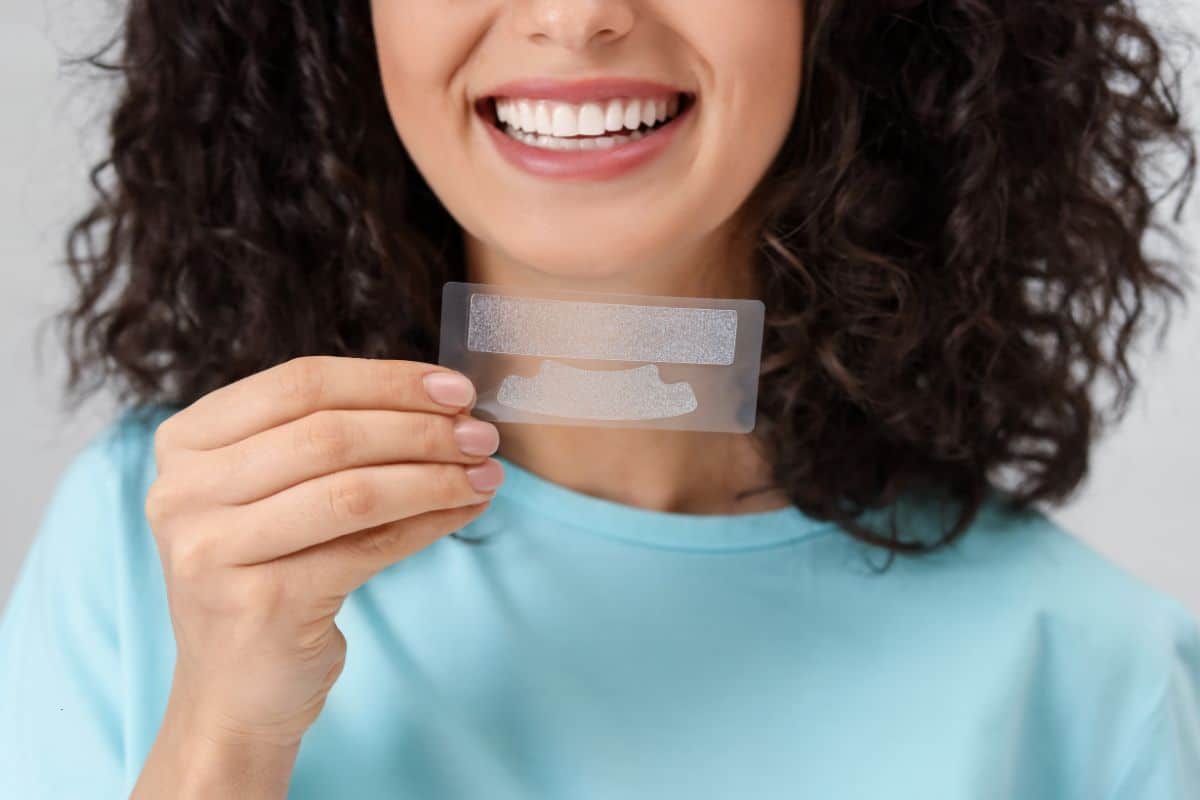
Professional teeth whitening uses dental whitening products designed to lighten the color of natural teeth.
Ethos Modern Dental offers both in-office professional whitening and customized take-home whitening treatments.
Professional whitening can be useful for people whose main concern is tooth color.
Common reasons people consider whitening include:
- Yellow or dull-looking teeth
- Surface staining
- Discoloration associated with coffee or tea
- Staining from certain foods and beverages
- Age-related darkening
- A desire for a brighter smile before an event
You can learn more about the clinic’s Cleaning & Whitening services and how professional whitening fits into preventive and cosmetic dental care.
What Whitening Does Well
Whitening is particularly useful when the primary problem is color.
If you like the shape and position of your teeth but simply want them to look brighter, there may be no reason to change their structure.
That makes whitening a comparatively conservative cosmetic option.
What Are Dental Veneers?
Veneers are thin cosmetic restorations designed to improve the appearance of the front surfaces of selected teeth.
Unlike whitening, veneers can address several visual characteristics at the same time.
They may be considered for concerns such as:
- Persistent discoloration
- Certain stains that don’t respond adequately to whitening
- Small gaps
- Minor shape irregularities
- Worn-looking teeth
- Chipped edges
- Uneven tooth proportions
- Teeth that appear too small or irregular
Ethos Modern Dental describes veneers as part of its cosmetic dentistry services and also offers restorative care through its Crowns, Veneers & Bridges treatment options.
Veneers can therefore be useful when your goal is not simply “whiter teeth” but a more comprehensive change in the appearance of your smile.
Teeth Whitening vs. Veneers: Side-by-Side Comparison
| Factor | Teeth Whitening | Veneers |
| Main purpose | Brighten natural teeth | Change color and appearance |
| Changes tooth color | Yes | Yes |
| Changes tooth shape | No | Yes |
| Can address small gaps | No | In some cases |
| Can address minor chips | No | Yes |
| Works on natural enamel | Yes | Applied to the tooth surface |
| Treatment approach | Whitening treatment | Cosmetic restoration |
| Best suited for | Mainly color concerns | Multiple cosmetic concerns |
| Changes existing restorations | No | New veneers replace the visible surface |
| May require dental preparation | Generally minimal | May require preparation depending on the case |
The right option depends on what you actually want to change.
When Is Teeth Whitening the Better Choice?
Whitening may make sense if your teeth are healthy and you are generally satisfied with their shape and alignment.
For example, imagine that your teeth are straight, evenly shaped, and free of major cosmetic defects but they look yellowish after years of coffee consumption.
In that situation, veneers may be more treatment than you actually need.
Professional whitening can target the primary concern: tooth color.
Whitening May Be a Good Fit If:
- Your teeth are generally well-shaped.
- You don’t have significant chips or cracks.
- You mainly dislike the color of your teeth.
- Your discoloration is likely to respond to whitening.
- You want a less involved cosmetic treatment.
- You want to brighten your smile without changing tooth shape.
However, whitening isn’t appropriate for every type of discoloration.
When Might Veneers Be the Better Choice?
Veneers may be worth discussing when your concerns extend beyond color.
For example, you might have teeth that are:
- Discolored
- Uneven in shape
- Slightly worn
- Chipped
- Small-looking
- Irregularly proportioned
- Affected by certain types of staining
In this situation, whitening may make the teeth brighter without addressing the other concerns.
Veneers can potentially address multiple cosmetic characteristics simultaneously.
Ethos Modern Dental explains that its cosmetic treatment planning considers factors such as tooth shape, color, spacing, symmetry, facial features, and bite.
What If Your Teeth Are Both Yellow and Uneven?
This is where the comparison becomes more nuanced.
Suppose you have teeth that are noticeably yellow but also have uneven edges and small gaps.
Whitening could improve the color, but it would not change the shape or spacing.
Veneers, depending on your individual situation, may address several of those concerns at once.
Another possibility is a combination approach. Cosmetic dentistry does not always mean choosing one treatment exclusively.
Ethos Modern Dental’s smile-design approach may combine treatments such as whitening, veneers, bonding, contouring, or restorative procedures depending on the patient’s goals.
Can Whitening Fix All Types of Tooth Discoloration?
No.
The type and cause of discoloration matter.
Some stains respond well to professional whitening, while other types of discoloration may be more resistant.
For example, discoloration associated with changes inside the tooth can behave differently from surface staining.
Existing dental restorations are another important consideration.
What Happens to Crowns, Veneers, and Fillings During Whitening?
Whitening affects natural tooth structure, not dental restorations in the same way.
If you already have visible crowns, veneers, or certain tooth-colored restorations, whitening your natural teeth may create a shade difference between the natural teeth and existing restorations.
This is an important reason to discuss your cosmetic goals with a dentist before whitening.
Ethos Modern Dental also addresses this concern in its discussion of whitening, noting that whitening treatments do not change the color of crowns, veneers, or composite bonding.
Do Veneers Make Teeth Permanently Whiter?
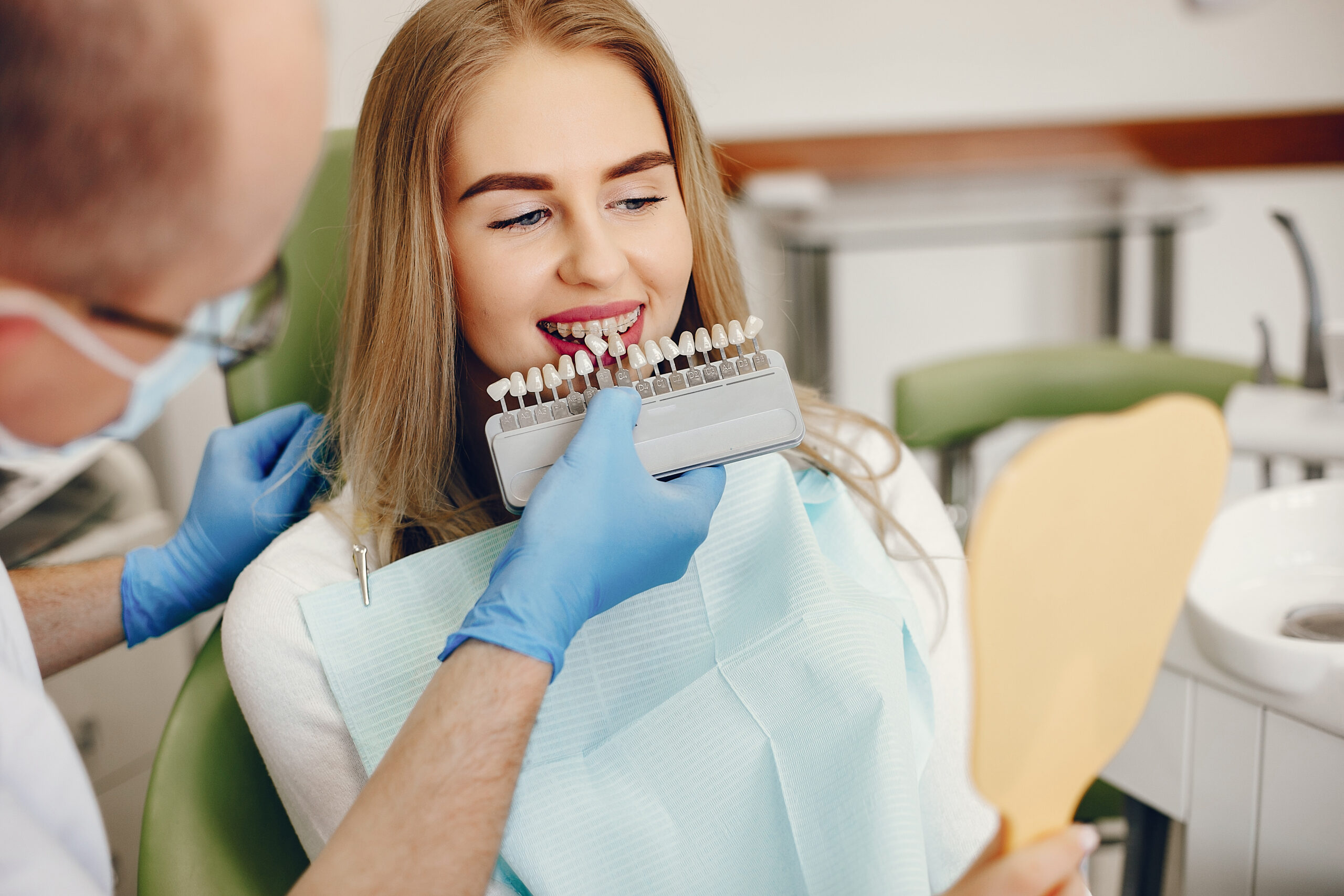
Veneers can provide a consistently selected shade for the teeth being treated.
Unlike natural enamel, the veneer material itself does not respond to conventional tooth-whitening treatments.
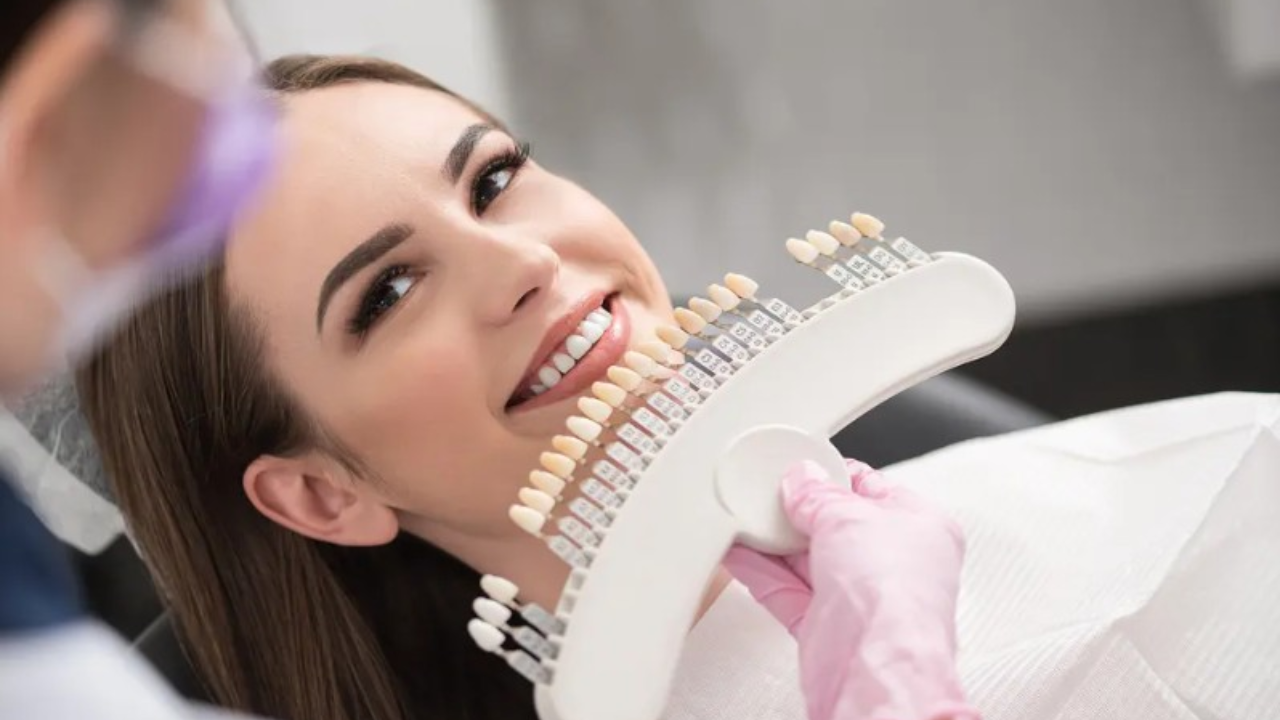
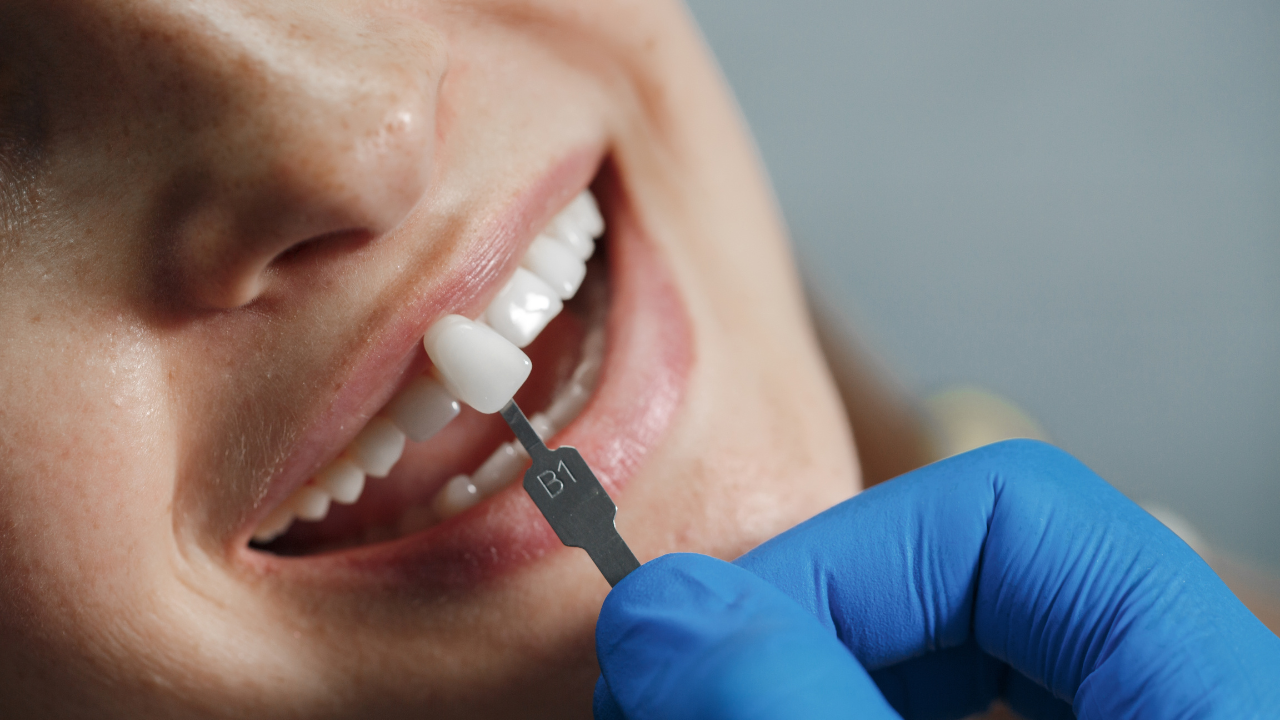
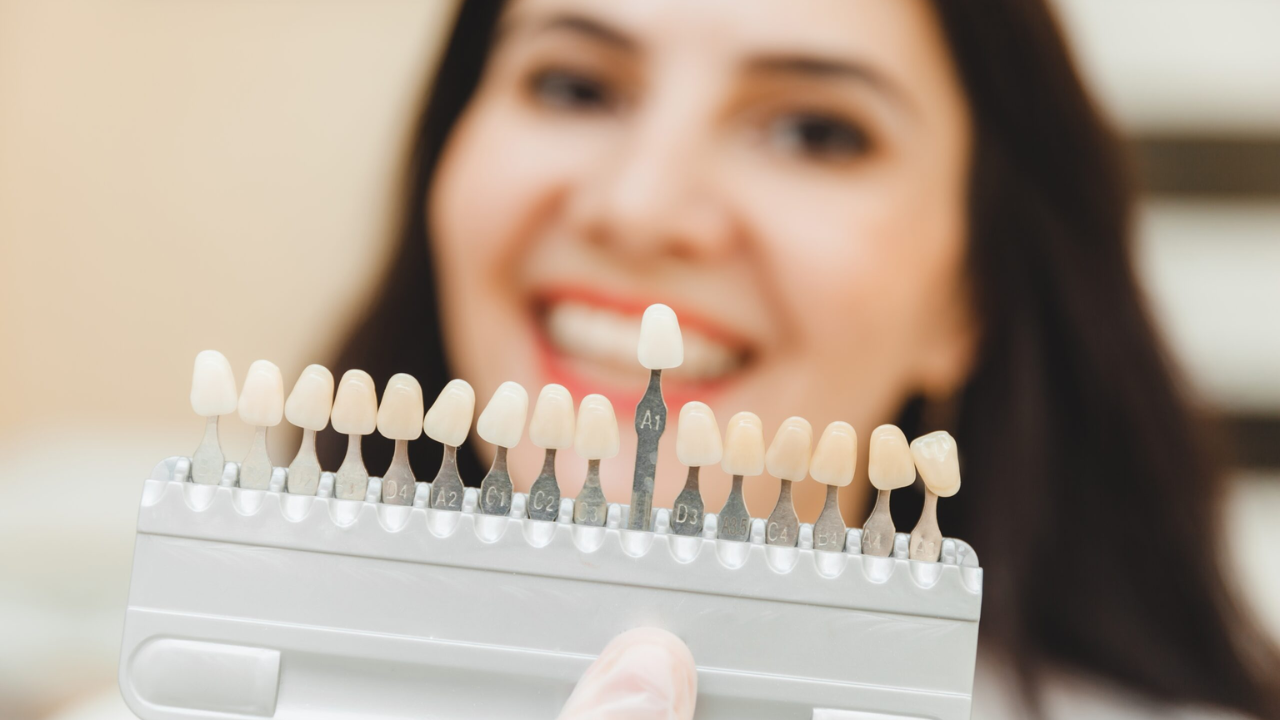
This means choosing the shade before treatment is an important part of cosmetic planning.
If you are considering both whitening and veneers, your dentist may recommend determining the desired natural tooth shade first and then matching the restorations accordingly.
This is particularly important if only some of your teeth will receive veneers.
Which Option Is More Conservative?
In general, professional whitening is the more conservative cosmetic approach because it focuses on changing the color of natural teeth rather than covering the front surface with a restoration.
That doesn’t mean veneers are inappropriate.
It simply means that the treatments have different levels of intervention.
If your only concern is mild-to-moderate discoloration and your teeth are otherwise healthy and aesthetically pleasing, it may make sense to start by discussing whitening.
If your concerns involve several aspects of tooth appearance, veneers may offer a broader cosmetic solution.
What About Dental Bonding?
There is also a third option that often gets overlooked: dental bonding.
Bonding uses tooth-colored resin to address certain cosmetic imperfections such as small chips, cracks, and gaps.
Ethos Modern Dental includes dental bonding among its cosmetic dentistry treatments.
Bonding can sometimes be useful when a patient has a small cosmetic defect but doesn’t necessarily need veneers across multiple teeth.
The appropriate treatment depends on the size of the defect, location of the tooth, desired result, and long-term expectations.
Your Oral Health Comes Before Cosmetic Treatment
Cosmetic treatment should begin with healthy teeth and gums.
If you have untreated cavities, active gum disease, significant tooth sensitivity, or another underlying dental problem, that issue may need to be addressed before cosmetic treatment.
For example, untreated Dental Cavities can compromise the structure of a tooth and should not simply be covered up with cosmetic treatment.
Similarly, gum inflammation or periodontal problems can affect the appearance and health of your smile.
Ethos Modern Dental provides dedicated information about Gum Disease and its effects on oral health.
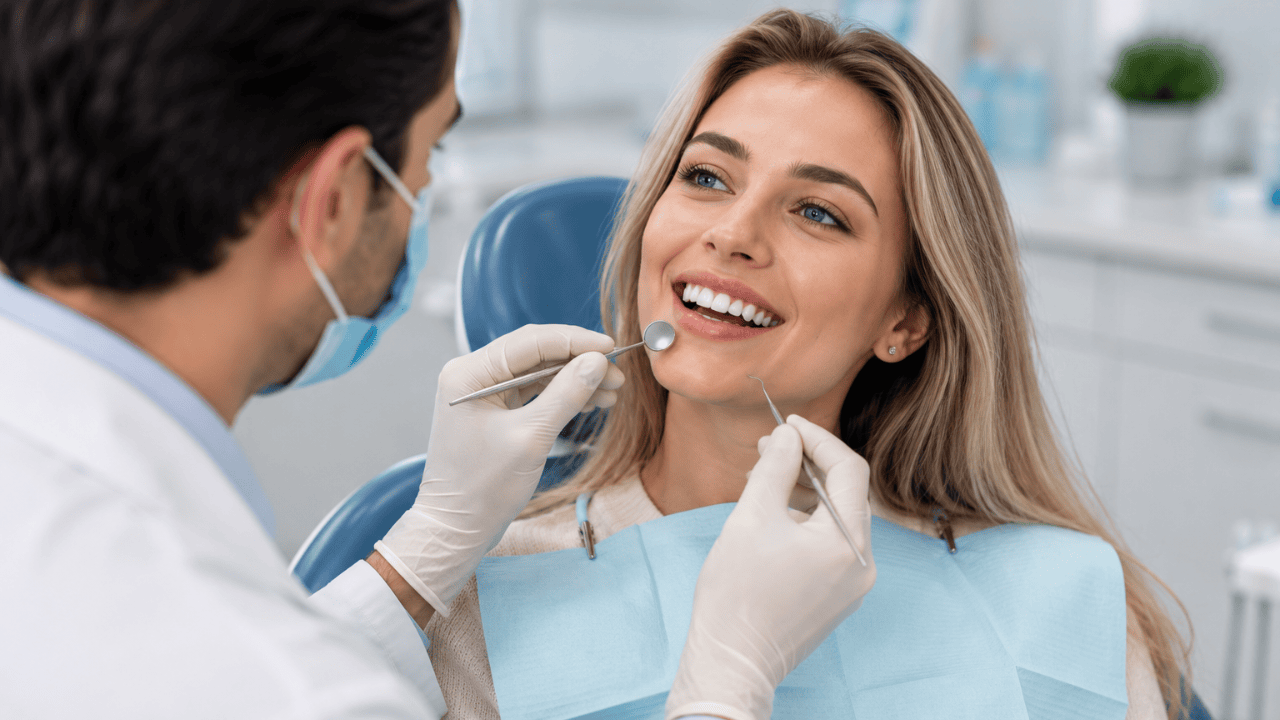
Why a Dental Examination Matters Before Choosing
A photograph or online comparison cannot determine whether whitening or veneers are appropriate for your teeth.
Your dentist needs to consider:
- Enamel condition
- Existing restorations
- Tooth sensitivity
- Cavities
- Gum health
- Tooth shape
- Bite
- Existing wear
- Type of discoloration
- Your cosmetic goals
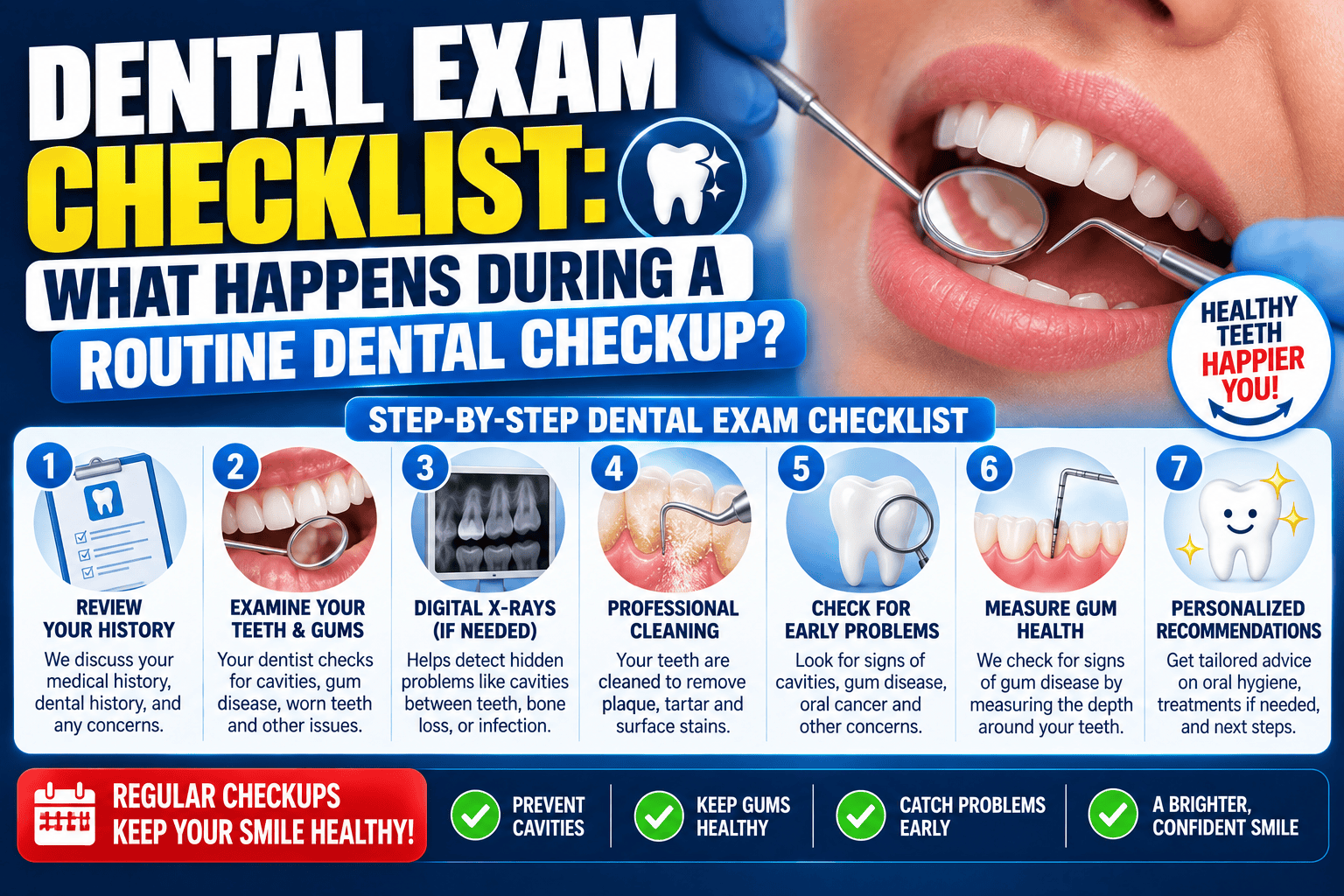
A comprehensive Dental Exam can help identify oral-health concerns that should be addressed before cosmetic treatment.
This is especially important if you haven’t had a recent dental checkup or if you are experiencing sensitivity or pain.
What If You Grind or Clench Your Teeth?
Grinding and clenching are worth discussing before choosing veneers.
Repeated excessive forces can contribute to tooth wear, chips, fractures, and damage to dental restorations.
If you regularly grind or clench your teeth, your dentist may need to consider that when planning cosmetic treatment.
Ethos Modern Dental provides information about Grinding & Clenching and how excessive forces can affect the teeth and jaw.
This doesn’t necessarily rule out cosmetic treatment. It simply means that your habits and bite should be considered as part of the treatment plan.
Which Is More Affordable: Whitening or Veneers?
The cost depends on the treatment selected, the number of teeth involved, and your individual needs.
In general, professional whitening usually involves a lower initial investment than placing veneers on multiple teeth.
Ethos Modern Dental’s published Edinburg pricing guide currently lists:
- Professional in-office whitening: approximately $300–$700
- Custom take-home whitening: approximately $150–$400
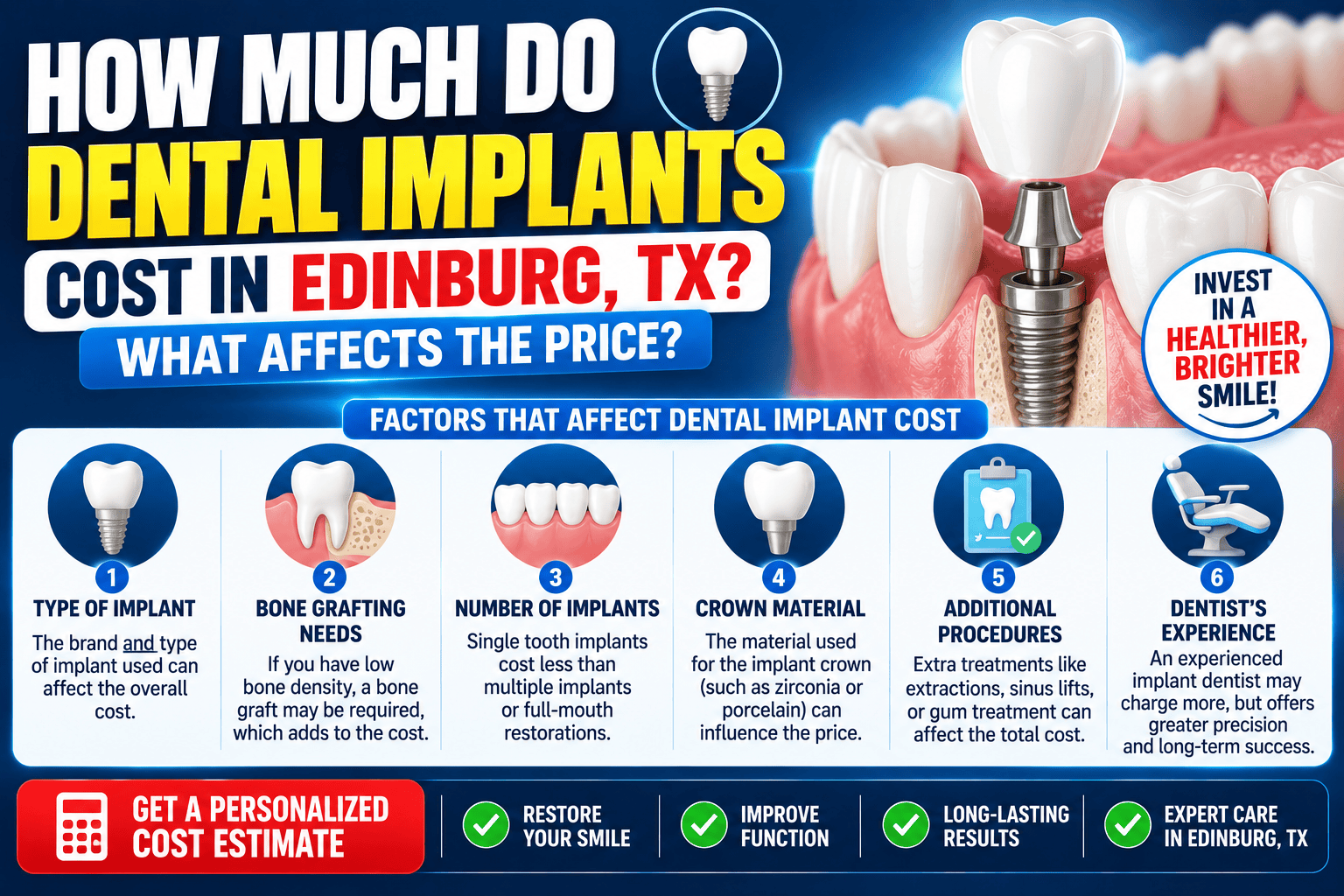
- Porcelain veneers: approximately $900–$2,500 per tooth
These are estimated ranges rather than guaranteed individual treatment prices.
You can review the clinic’s broader dental treatment price information to understand how cosmetic procedures compare with other dental treatments.
Which Treatment Lasts Longer?
Longevity depends on the treatment, your oral habits, maintenance, and the condition of your teeth.
Whitening is not permanent because natural teeth can gradually become stained again through diet, beverages, tobacco exposure, and normal aging.
Veneers are also not indestructible. They can require replacement over time depending on factors such as wear, oral hygiene, bite forces, and accidental damage.
Good daily oral hygiene and regular dental examinations can help protect cosmetic results.
The goal should not simply be to achieve a dramatic result quickly. It should be to choose a treatment that fits your oral health and can be maintained appropriately.
Can You Whiten Before Getting Veneers?
In many cosmetic treatment plans, whitening may be considered before veneers if you want your natural teeth to reach a preferred shade.The reason is simple: veneers are made to a selected color, while natural teeth can change shade through whitening.Once veneers are placed, whitening the surrounding natural teeth can create a mismatch if the restoration was not planned with the desired final shade in mind.
This is one of the details that makes professional cosmetic planning valuable.
Teeth Whitening vs. Veneers: Which One Should You Choose?
Use this quick guide as a starting point:
Consider Whitening If:
Your main concern is color.
You like the shape, size, and alignment of your teeth and simply want them to look brighter.
Consider Veneers If:
You want to change more than color.
You may also want to address the appearance of chips, gaps, uneven shapes, worn edges, or stubborn discoloration.
Consider Bonding If:
You have a smaller cosmetic imperfection.
A minor chip, small gap, or localized shape concern may sometimes be addressed with tooth-colored bonding rather than veneers.
Consider a Smile Makeover If:
You have multiple cosmetic concerns.
A smile makeover can combine different treatments into a coordinated plan. Ethos Modern Dental describes smile design as a personalized process that can combine treatments such as whitening, veneers, bonding, contouring, or restorative procedures depending on the patient’s needs.
Questions to Ask Before Choosing Whitening or Veneers
Before beginning cosmetic treatment, consider asking your dentist:
- What is causing my tooth discoloration?
- Will professional whitening work for my type of staining?
- Do I have any cavities or gum problems that need treatment first?
- Do my existing fillings or restorations affect my options?
- Would bonding be enough for my cosmetic concerns?
- How many teeth would need veneers?
- What shade would look natural with my complexion and smile?
- How will my bite affect the treatment?
- How should I maintain the results?
- What happens if I grind or clench my teeth?
- What is the complete cost of the recommended treatment?
These questions can help you make a decision based on your actual dental needs rather than simply choosing the treatment that looks most dramatic in before-and-after photographs.
Frequently Asked Questions
Is teeth whitening better than veneers?
Neither is universally better. Whitening is generally better suited to people whose primary concern is tooth color, while veneers can address color along with shape, size, spacing, and other cosmetic concerns.
Are veneers more expensive than teeth whitening?
Generally, yes, because veneers are restorations applied to individual teeth, while whitening is a treatment designed to brighten natural tooth enamel. The final cost depends on the number of teeth and treatment plan. Ethos Modern Dental’s published estimates place professional whitening at approximately $300–$700 in-office and porcelain veneers at approximately $900–$2,500 per tooth.
Can teeth whitening remove all stains?
No. Whitening is more effective for certain types of discoloration than others. Some deeper or internal discoloration may respond poorly and may require another cosmetic approach.
Can I get veneers if my teeth are yellow?
Potentially, yes. Veneers can be used to change the visible color of selected teeth, but your dentist should first evaluate the health and structure of those teeth.
Can veneers fix crooked teeth?
Veneers can sometimes improve the appearance of mildly irregular or uneven teeth, but they are not a substitute for orthodontic treatment in every case. Your dentist will evaluate your bite and alignment before recommending them.
Can I whiten teeth that have veneers?
Whitening treatments do not change the color of porcelain veneers in the same way they lighten natural teeth. If you have visible veneers or crowns, discuss your desired final shade with your dentist before whitening.
Which option looks more natural?
Both professional whitening and well-designed veneers can produce natural-looking results when appropriately planned. Veneers are custom-designed for factors such as tooth shape, color, proportion, and symmetry.
How do I know whether whitening or veneers are right for me?
Start with a dental and cosmetic evaluation. Your dentist can determine whether the issue is primarily discoloration or whether you would benefit from addressing several cosmetic characteristics at once.
Final Thoughts
The choice between teeth whitening vs. veneers ultimately comes down to what you want to change.If your teeth are healthy and you are happy with their shape but want a brighter smile, professional whitening may be the simpler cosmetic approach.If you want to change the color while also improving the appearance of chips, gaps, uneven shapes, worn edges, or other imperfections, veneers may offer a more comprehensive solution.And sometimes, neither option needs to be used alone. Bonding, contouring, whitening, veneers, and other cosmetic treatments can be combined when appropriate to create a balanced smile.The best cosmetic dentistry is not necessarily the most extensive treatment. It is the treatment that addresses your concerns while respecting your dental health, bite, facial features, and long-term goals.