A cavity rarely announces itself at the beginning.
In fact, one of the most frustrating things about tooth decay is that it can develop quietly while a tooth still looks and feels completely normal. By the time sensitivity or toothache becomes noticeable, the decay may already have progressed beyond its earliest stage. That is why knowing the warning signs matters. A strange sensitivity to your morning coffee, discomfort when biting into something sweet, or a small dark spot that wasn’t there before may be your tooth’s way of asking for attention.
Understanding the signs of decay and knowing when to schedule an examination can help you address a cavity while treatment is still relatively straightforward.
Ethos Modern Dental provides comprehensive Ethos dental services covering preventive, restorative, cosmetic, and emergency care, making early evaluation an important part of protecting your natural teeth.
What Is a Dental Cavity?
A dental cavity is a permanently damaged area of a tooth caused by decay.
The process usually begins with plaque, a sticky film containing bacteria. When you consume sugars and starches, bacteria in plaque produce acids that gradually attack tooth enamel. Repeated exposure can weaken the enamel and eventually create a cavity.
According to Ethos Modern Dental’s Dental Cavities information, cavities may begin without noticeable symptoms. As decay progresses deeper into the tooth, however, sensitivity, discomfort, infection, and even tooth loss can become possible.
This is why waiting for a tooth to hurt is not the best way to determine whether you have a cavity.
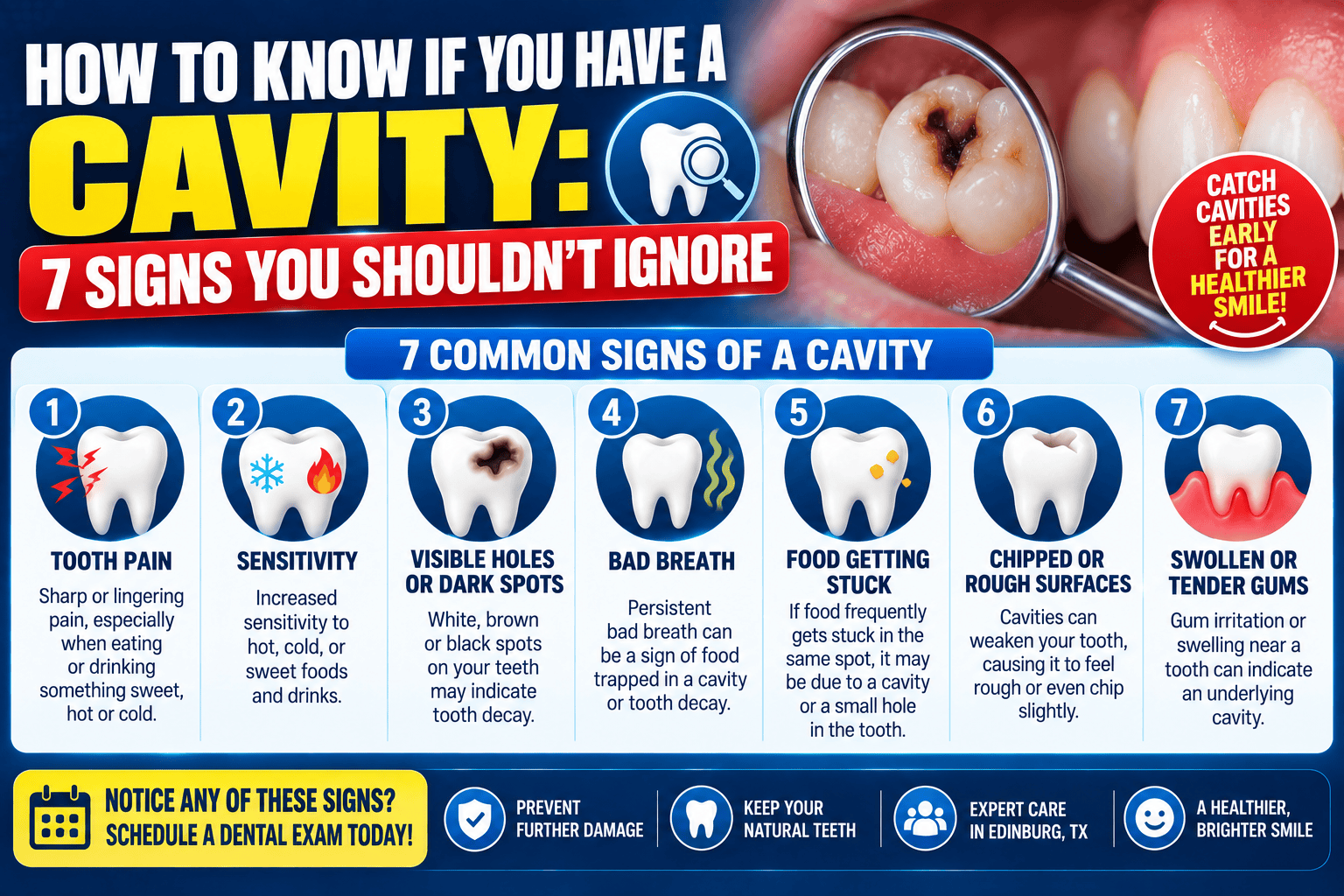
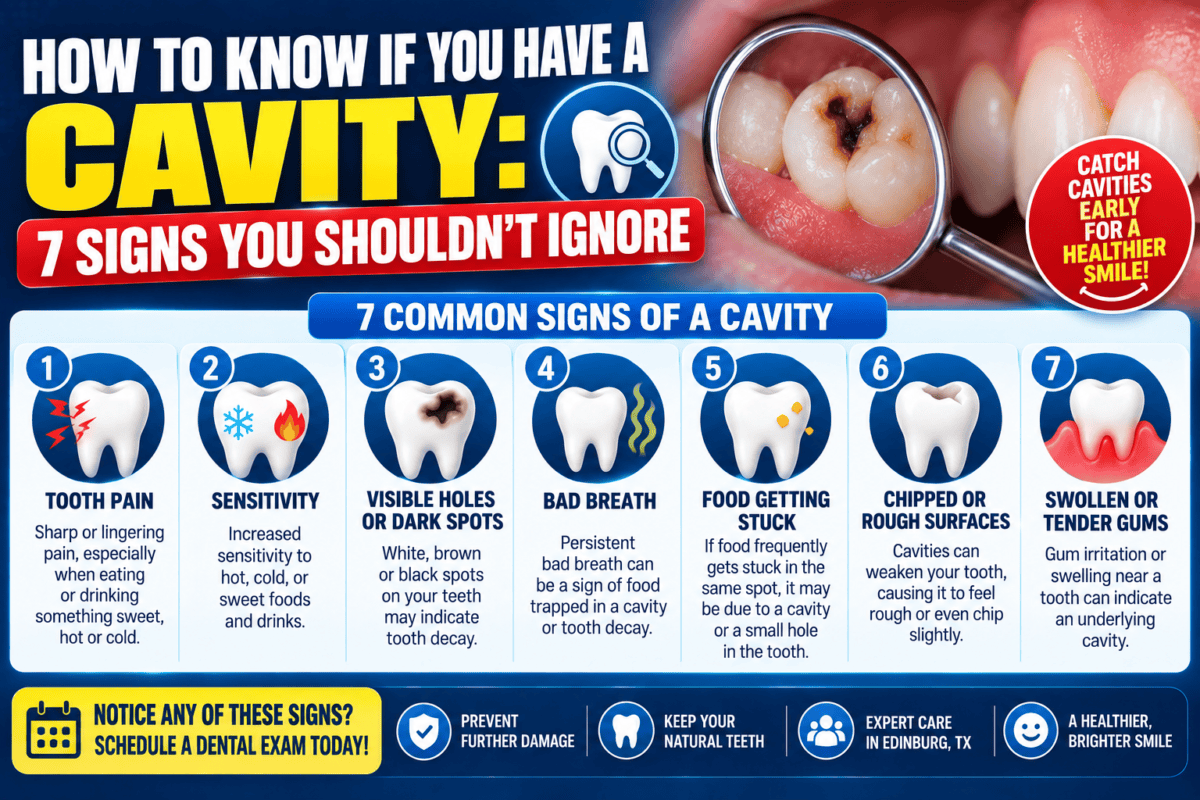
7 Signs You May Have a Cavity
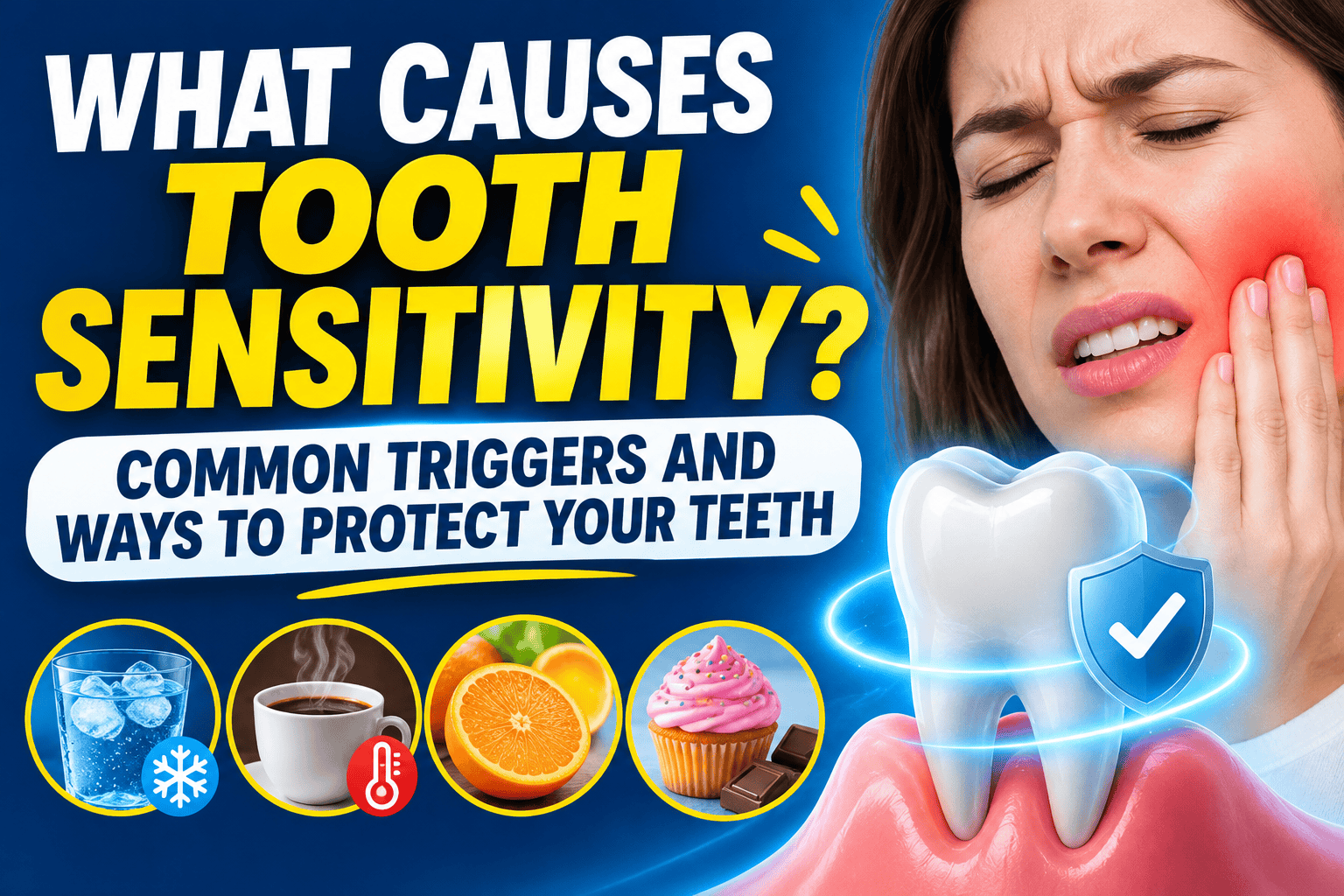
1. Your Tooth Becomes Sensitive to Hot or Cold
One of the earliest signs you may notice is an unusual reaction to temperature.
Perhaps your iced drink suddenly causes a sharp sensation, or your morning coffee produces discomfort in one particular tooth. You may also notice sensitivity when eating ice cream or drinking something very cold.
Mild, occasional sensitivity does not automatically mean you have a cavity. Worn enamel, gum recession, exposed roots, grinding, or other dental conditions can also cause sensitivity.
However, new sensitivity that repeatedly affects the same tooth deserves attention.
As decay progresses through the protective enamel and toward the inner layers of the tooth, temperature changes can become increasingly noticeable.
2. You Feel Pain When Eating Something Sweet
If a particular tooth reacts sharply when you eat chocolate, candy, dessert, or another sugary food, don’t simply assume you have a “sensitive tooth.”
Sugar can reach areas affected by decay and trigger discomfort.
The reaction may be brief at first. In some cases, it may disappear almost immediately after you stop eating. But repeated sensitivity to sweets can be a reason to have that tooth examined.
The earlier the cause is identified, the easier it may be to prevent a small problem from developing into a more complicated one.
3. It Hurts When You Bite or Chew
A cavity can sometimes make a tooth uncomfortable when you put pressure on it.
You may notice pain when chewing on one particular side of your mouth or when biting down on something firm. This can happen when decay has progressed far enough to affect deeper portions of the tooth.
However, pain when biting is not exclusive to cavities. A cracked tooth, damaged filling, inflammation, or another dental problem can produce similar symptoms.
That is why persistent biting pain should be evaluated rather than diagnosed at home.
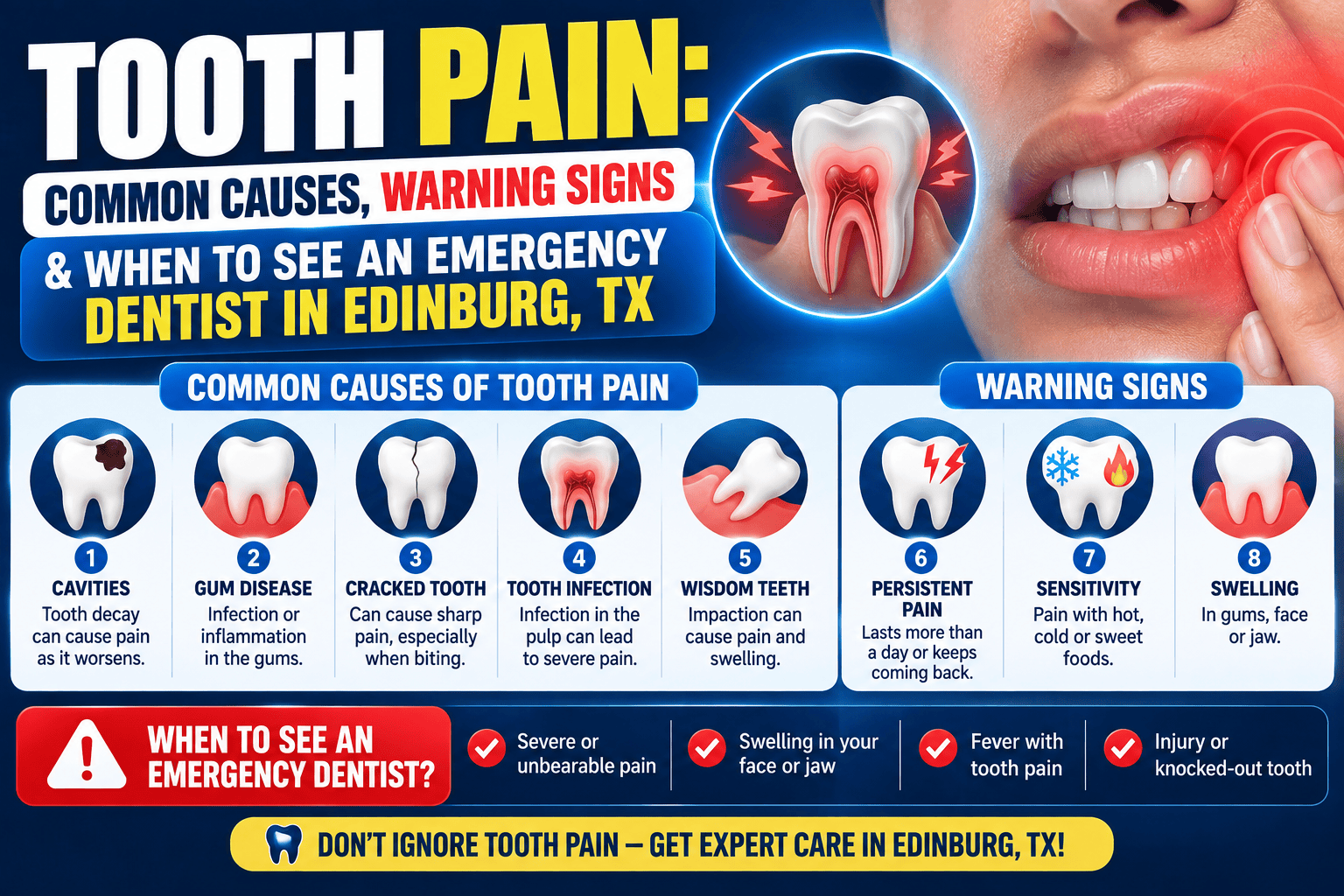
If you are experiencing unexplained discomfort, the Tooth Pain condition page can also help you understand some of the common reasons a tooth may hurt.
4. You Notice a Dark Spot, Hole, or Rough Area
Sometimes a cavity can be visible.
You might notice:
- A brown or black spot
- A small hole
- A rough patch
- A visible indentation
- A change in the surface of the tooth
But appearance alone cannot tell you how deep the decay has become.
Some cavities develop between teeth or in areas that are difficult to see in the mirror. Others may begin as subtle changes in enamel before becoming visibly darker.
This is one reason regular dental examinations remain important even when your teeth appear normal.
5. Food Keeps Getting Stuck in One Particular Area
Have you noticed that food repeatedly gets trapped between the same two teeth?
That can happen because of the shape of your teeth, spacing, gum changes, or other factors. But if the area is newly trapping food or has become difficult to clean, it is worth mentioning during your next dental appointment.
A cavity between teeth may not be visible when you look in the mirror. A dentist may need to examine the area closely and, when appropriate, use dental X-rays to identify decay that cannot be seen directly.
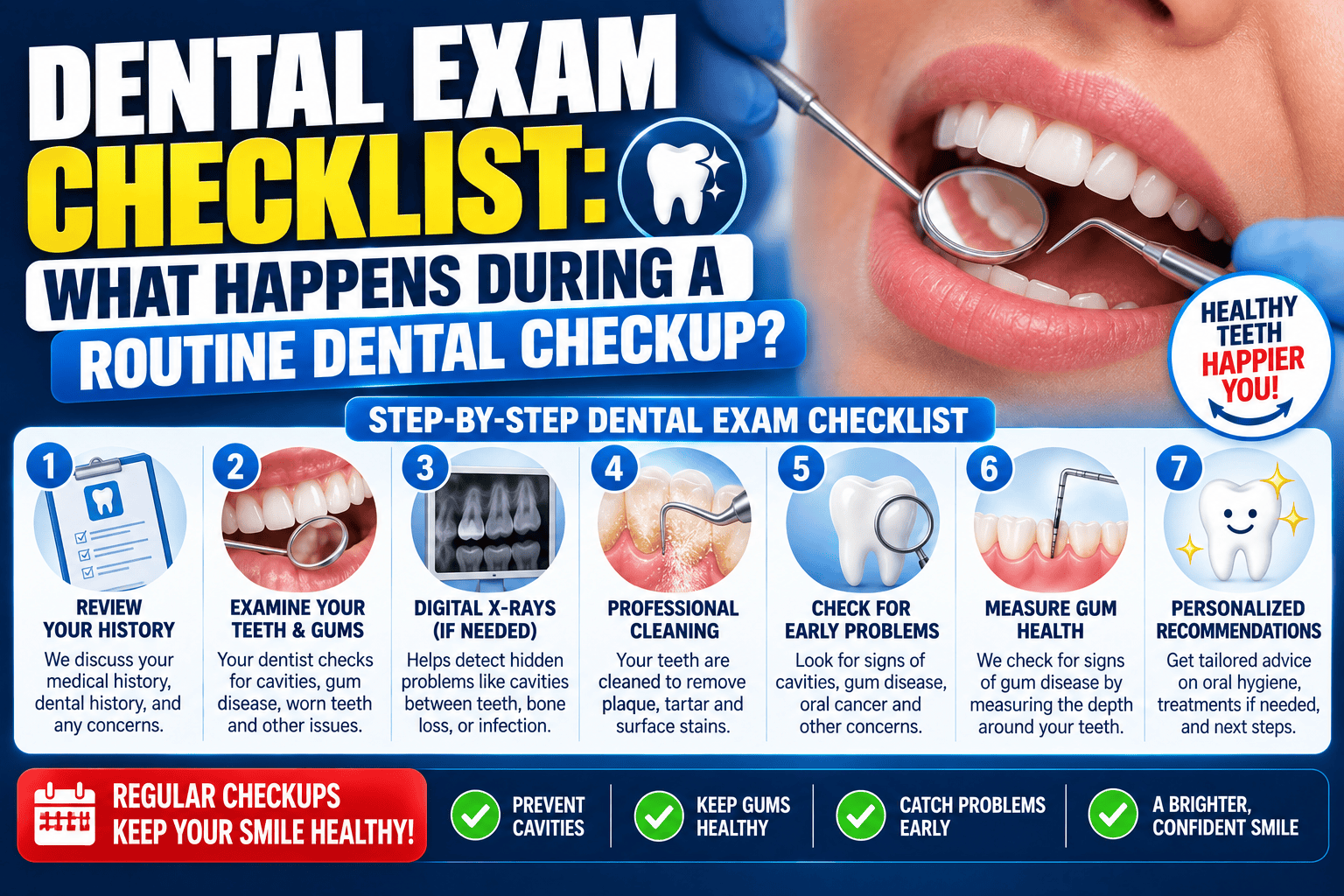
Ethos Modern Dental’s dental examinations include evaluation of your teeth and gums, with imaging when needed to identify problems that may otherwise remain hidden.
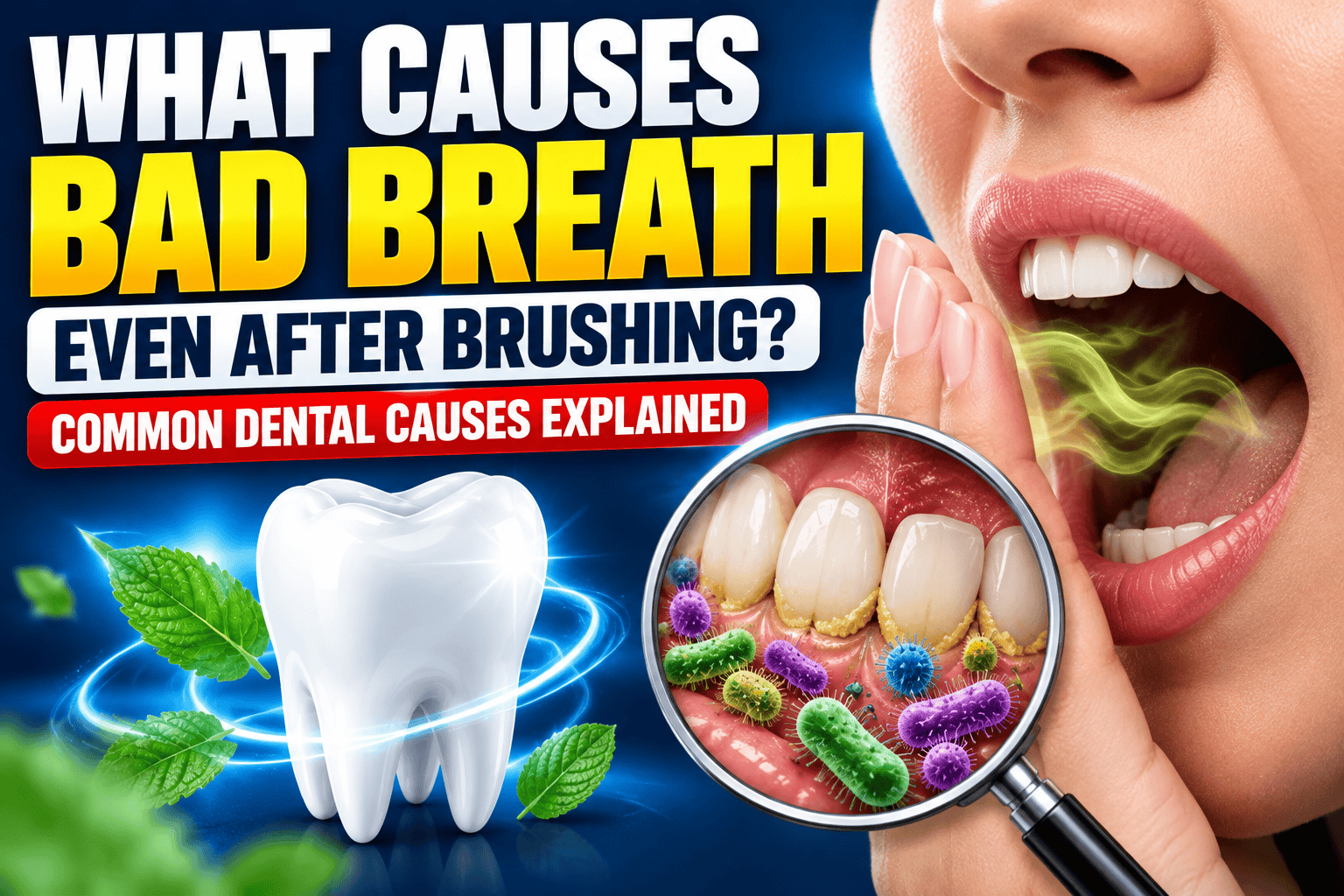
6. You Have Persistent Bad Breath or an Unpleasant Taste
Bad breath has many possible causes, from oral hygiene and gum problems to diet and other health conditions.
However, persistent unpleasant breath or a bad taste in your mouth can sometimes accompany bacterial buildup associated with tooth decay.
If brushing, flossing, and regular oral hygiene do not resolve the problem, it is worth investigating rather than continually masking it with mints or mouthwash.
The same principle applies to a strange taste that seems to return repeatedly from one particular area of the mouth.
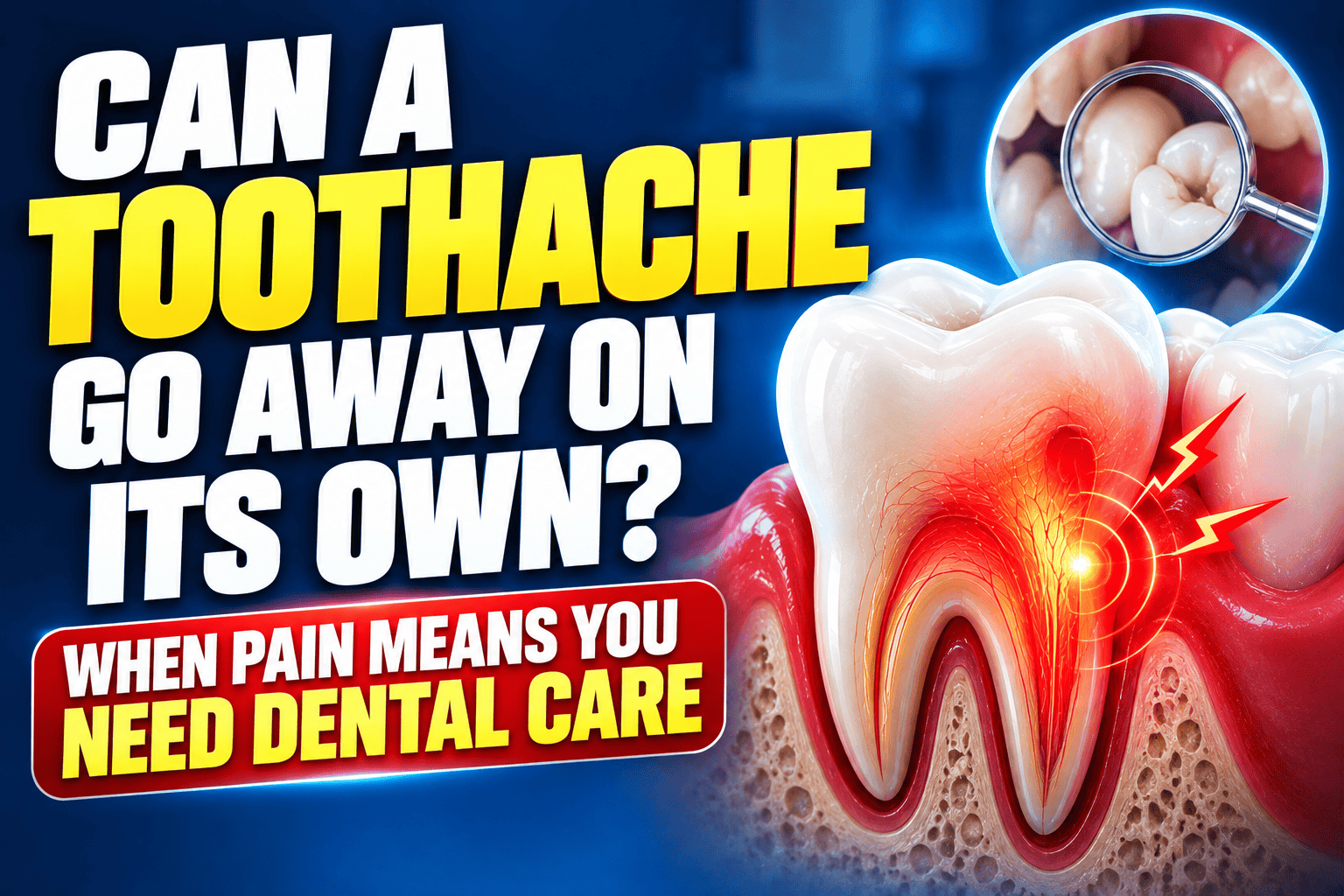
7. The Tooth Starts Hurting More Frequently
A cavity that was once barely noticeable may gradually become more demanding.
You might initially experience sensitivity only when drinking something cold. Later, the tooth may react to sweets, then become uncomfortable when chewing, and eventually begin aching without an obvious trigger.
This progression is important.
Pain that becomes more frequent, lasts longer, or begins occurring spontaneously can indicate that decay has advanced deeper into the tooth.
At that point, delaying treatment may mean moving from a relatively conservative restoration to a more extensive procedure.
Can You Have a Cavity Without Any Symptoms?
Absolutely.
This is one of the most important things to understand about tooth decay.
A cavity can exist before you experience pain, sensitivity, or any obvious visible change. Early decay may be discovered during a routine examination or through dental imaging.
Ethos Modern Dental’s Dental Exam service emphasizes early detection of cavities, gum disease, infections, and other oral-health problems. Routine examinations can also include X-rays when necessary to identify issues that are not visible during a simple visual inspection.
In other words, feeling fine does not necessarily mean every tooth is healthy.
What Causes Cavities?
Several everyday factors can increase the risk of tooth decay.
Frequent Sugar and Starch Exposure
Sugary foods and drinks provide fuel for bacteria that produce enamel-damaging acids.
The frequency of exposure matters as well. Repeatedly sipping sweetened beverages or snacking throughout the day can give teeth frequent acid attacks.
Plaque Buildup
When plaque remains on the teeth, bacteria have more opportunity to produce acids that weaken enamel.
This is why brushing and cleaning between your teeth are central to cavity prevention.
Skipping Dental Visits
Some cavities develop in places you cannot easily see or reach.
Regular professional examinations make it possible to identify these problems earlier.
Dry Mouth
Saliva helps protect teeth by washing away food particles and helping neutralize acids. Reduced saliva flow can therefore increase the risk of decay.
Deep Grooves and Hard-to-Clean Areas
The chewing surfaces of back teeth contain grooves and fissures where food and plaque can accumulate.
These areas can be particularly vulnerable to decay if they are difficult to clean effectively.
What Happens If You Ignore a Cavity?
A cavity does not simply remain the same forever.
Decay can progress through the enamel and into deeper layers of the tooth. As it advances, the risk of sensitivity, persistent pain, infection, abscess, and tooth loss increases. Ethos Modern Dental similarly notes that untreated cavities can progress to infection, abscesses, and even tooth loss.
Early treatment is therefore less about reacting to pain and more about protecting the structure of your natural tooth.
A small cavity may require a relatively straightforward restoration. A much deeper cavity may eventually affect the pulp the innermost part of the tooth containing nerves and blood vessels.
That distinction can make a major difference in treatment.
How Are Cavities Treated?
The appropriate treatment depends on how much of the tooth has been affected.
Early or Smaller Cavities
When decay is limited, your dentist may be able to restore the affected area with a filling.
The goal is to remove the damaged portion and restore the tooth’s structure and function.
More Extensive Damage
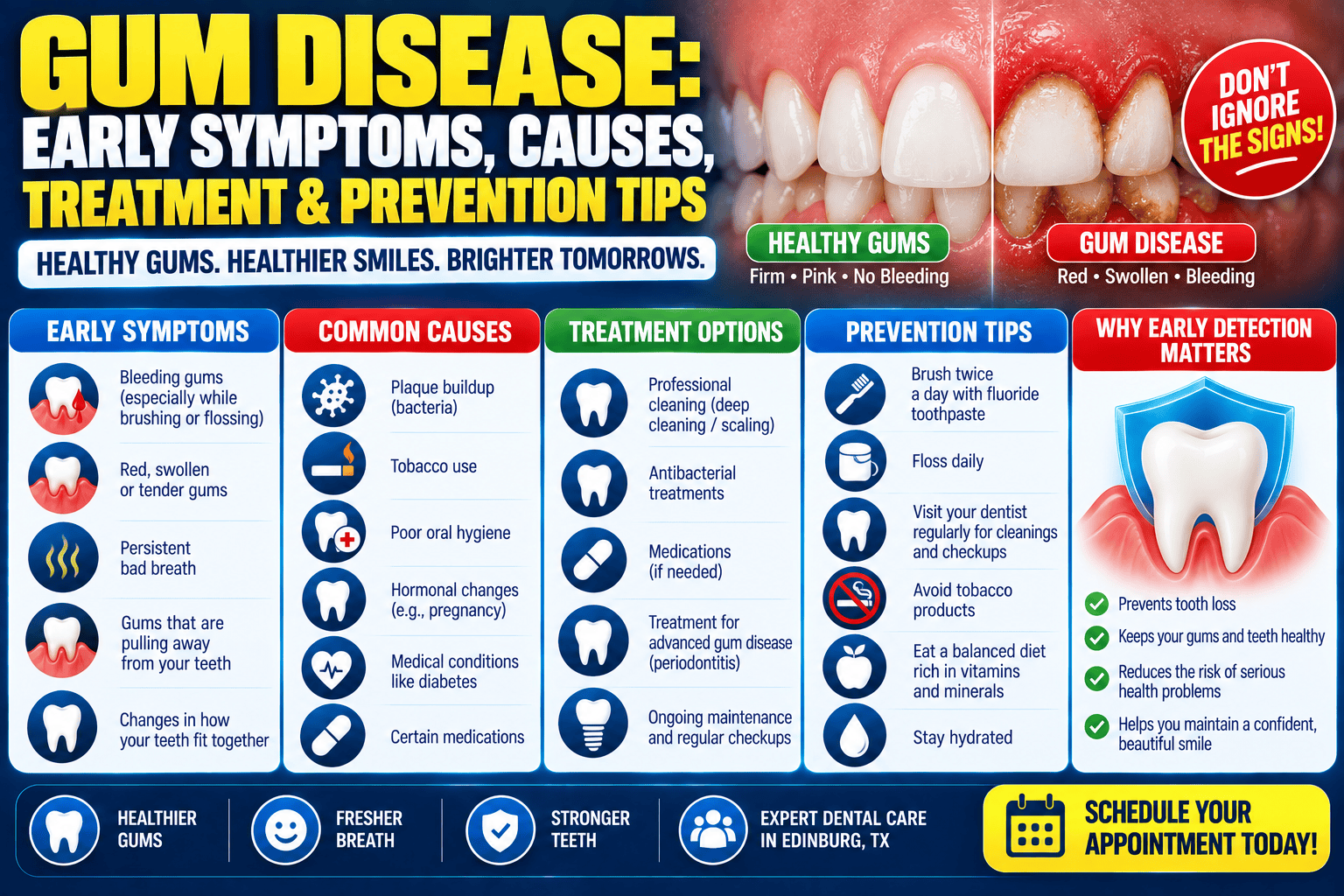
If decay has weakened a substantial portion of the tooth, a dental crown may be recommended to protect and reinforce what remains.
Ethos Modern Dental’s Crowns, Veneers & Bridges service includes crowns designed to restore damaged or weakened teeth.
Deep Decay and Infection
When decay reaches the inner pulp and causes infection or significant inflammation, a filling may no longer be sufficient.
In such cases, root canal treatment may be recommended to remove the infected tissue, clean the inside of the tooth, and preserve the natural tooth whenever possible.
Ethos Modern Dental’s Root Canal Treatment service focuses on eliminating deep infection, relieving severe tooth pain, and saving natural teeth.
When a Tooth Cannot Be Saved
In severely damaged cases, extraction may sometimes be necessary.
However, extraction is generally not the first choice when a natural tooth can be predictably restored and maintained.
The earlier a cavity is identified, the greater the opportunity to preserve the natural tooth.
When Is a Cavity a Dental Emergency?
Not every cavity requires emergency treatment.
A small cavity with no significant symptoms can usually be addressed through a scheduled dental appointment. But severe or rapidly worsening symptoms deserve more urgent attention.
Seek prompt dental care if you experience:
- Severe or persistent tooth pain
- Significant facial or gum swelling
- A dental abscess or pus
- Fever associated with dental symptoms
- Difficulty swallowing
- Difficulty breathing
- A tooth that has fractured or suffered significant trauma
Ethos Modern Dental’s Emergency Dentistry service is intended for urgent dental concerns such as sudden toothaches, swelling, infections, broken teeth, and dental injuries.
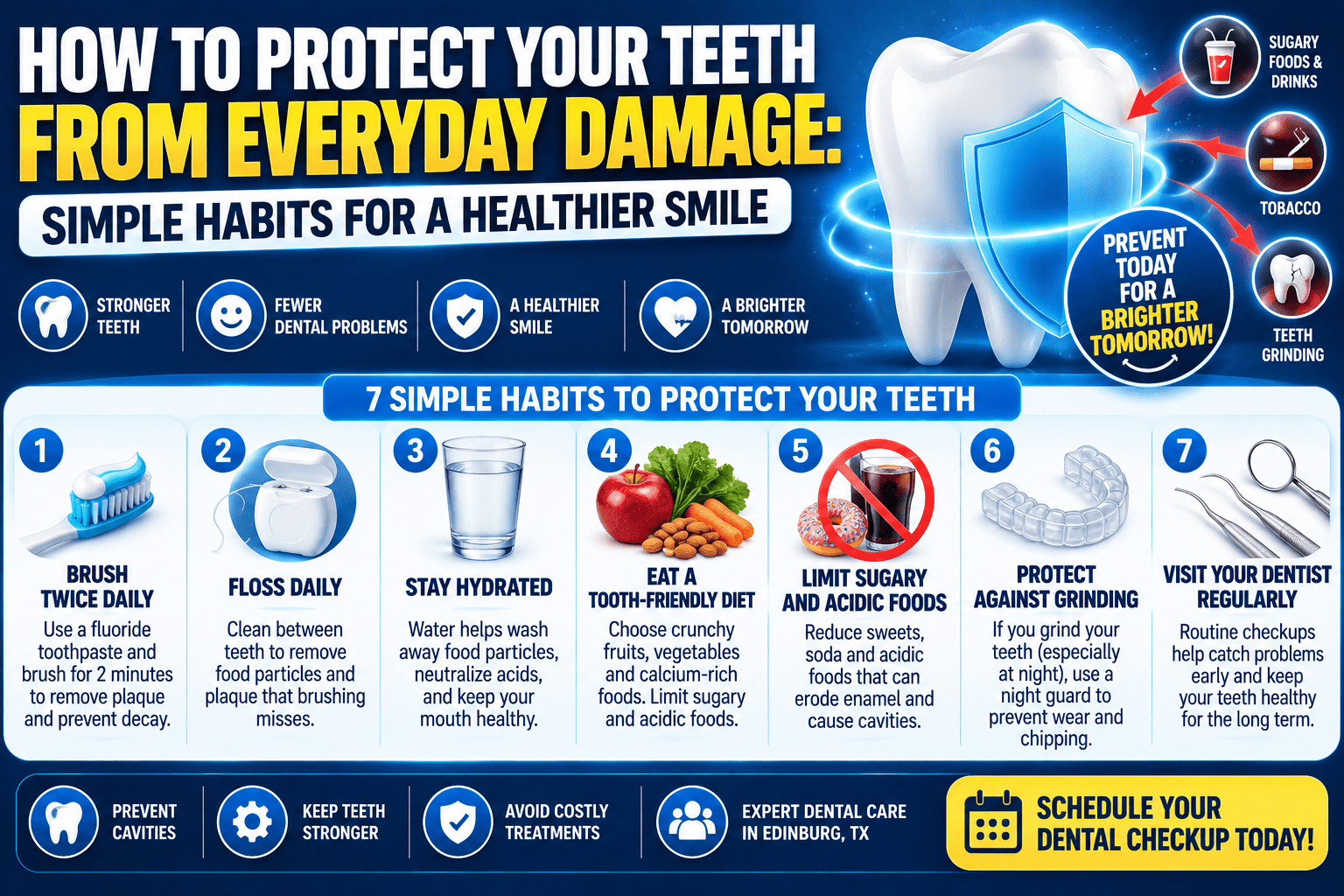
How Can You Prevent Cavities?
Preventing cavities is largely about consistency.
Brush Twice a Day
Brush for approximately two minutes using fluoride toothpaste and pay attention to the gum line as well as the visible surfaces of your teeth.
Clean Between Your Teeth
Floss or use an appropriate interdental cleaning method every day.
A toothbrush cannot effectively reach every surface between teeth.
Be Mindful of Sugary and Acidic Foods
You do not necessarily need to eliminate every sweet food from your diet. Instead, pay attention to how frequently your teeth are exposed to sugar and acid.
Drink Water
Water can help rinse away food particles and is a better everyday choice than frequently sipping sugary beverages.
Don’t Skip Professional Cleanings
Professional care can remove plaque and hardened tartar that daily brushing cannot completely eliminate.
Ethos Modern Dental’s Cleaning & Whitening service includes professional cleaning as part of maintaining good oral hygiene.
Keep Regular Dental Exams
Perhaps the most important habit is not waiting until something hurts.
Regular examinations give your dentist an opportunity to identify cavities while they are still small and easier to manage.
What Is the Best Way to Know If You Have a Cavity?
Symptoms can give you clues, but they cannot provide a definite diagnosis.
Sensitivity, pain when chewing, dark spots, food trapping, bad breath, or a worsening toothache can all suggest that something needs attention. But some cavities cause no symptoms at all.
A professional examination is the reliable way to determine what is actually happening.
The earlier a cavity is detected, the more options you generally have for treating it while preserving as much healthy tooth structure as possible.
Frequently Asked Questions
Can a cavity heal on its own?
A very early stage of enamel demineralization may sometimes be managed with appropriate preventive care, but an established cavity is permanent tooth damage and generally requires professional treatment.
Can a cavity hurt without being visible?
Yes. Cavities can develop between teeth or beneath surfaces that are difficult to inspect at home. They may cause sensitivity or pain even when you cannot see an obvious hole.
Does sensitivity always mean I have a cavity?
No. Sensitivity can have many causes, including enamel wear, gum recession, grinding, exposed roots, cracked teeth, and other dental conditions.
Can a cavity cause bad breath?
It can contribute to unpleasant breath or taste, particularly when bacterial buildup is present. Persistent bad breath can also have other causes, including gum disease.
What happens if a cavity reaches the nerve?
If decay reaches the pulp and causes significant inflammation or infection, root canal treatment may be necessary to clean and seal the inside of the tooth.
How often should I have a dental examination?
Many patients benefit from examinations approximately every six months, although the ideal frequency depends on your individual oral-health needs and cavity risk. Ethos Modern Dental notes that patients with frequent cavities or other oral-health concerns may need more frequent visits.
Can cavities be prevented completely?
No prevention method guarantees that you will never develop a cavity, but consistent brushing, interdental cleaning, a balanced diet, fluoride exposure, professional cleanings, and regular examinations can significantly reduce your risk.
Final Thought
The most important cavity symptom is not necessarily pain. Sometimes it is a small change: sensitivity that wasn’t there before, food repeatedly catching between two teeth, a dark spot, or discomfort when you bite. And sometimes there is no warning at all.
That is why good dental care combines two things: paying attention to what your teeth are telling you and having them professionally checked even when they feel fine. A cavity caught early can often be treated before it develops into a much more complicated problem. If you notice one of the seven signs above, don’t wait for the discomfort to become severe. An examination can give you a clear answer and, when necessary, a plan for protecting your natural tooth for years to come.