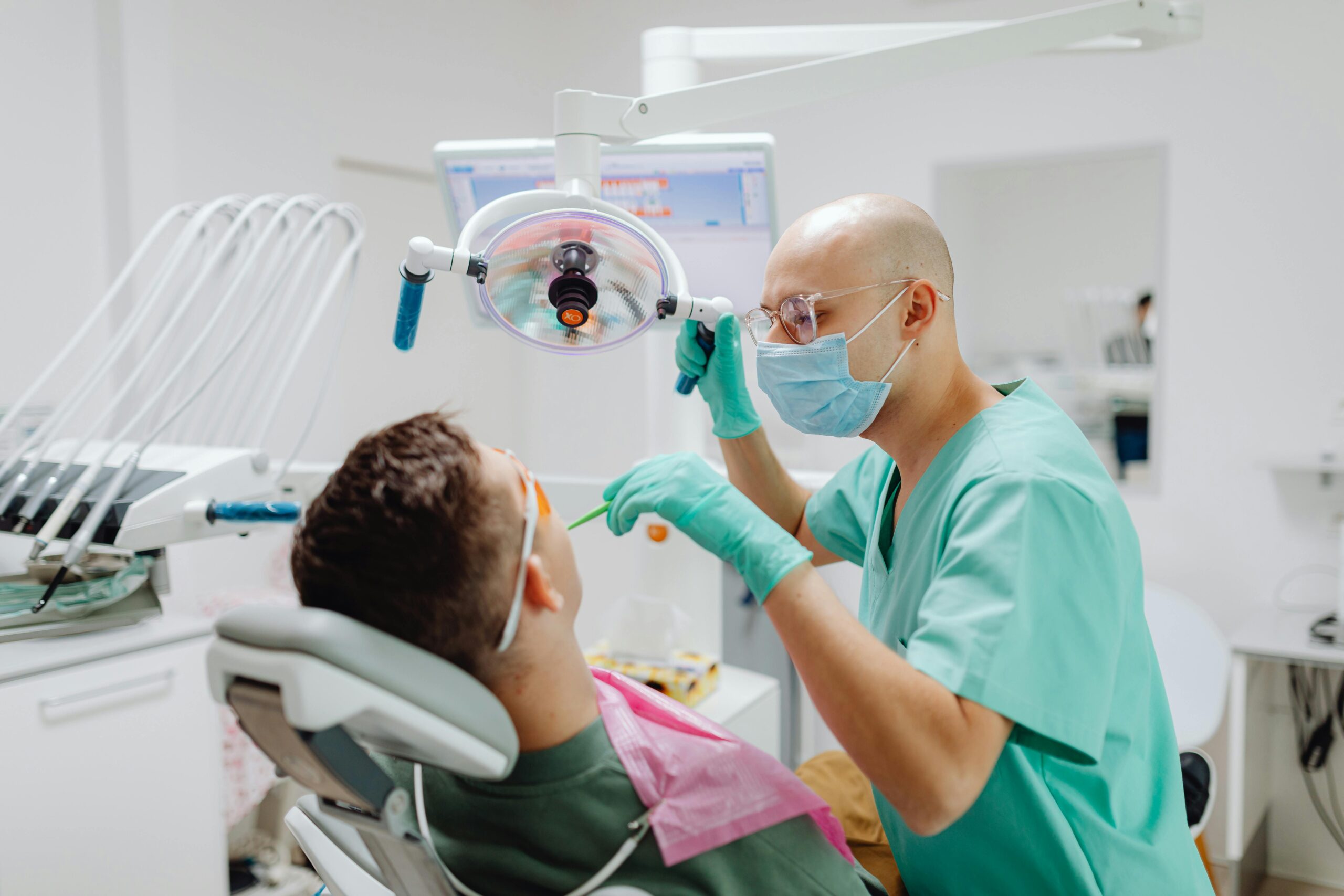
For some people, a dental appointment creates anxiety before they even reach the dental chair. The thought of an examination, unfamiliar instruments, injections, or possible treatment can be enough to make someone postpone an appointment.
That reaction is more common than many people realize. Dental anxiety can range from mild nervousness before a checkup to a strong fear that causes someone to avoid dental care altogether. Previous uncomfortable experiences, fear of pain, uncertainty about treatment, or simply not knowing what to expect can all contribute to it.
The important thing to remember is that dental anxiety does not mean you have to avoid taking care of your teeth. With good communication, a clear understanding of what will happen, and a dental team that takes your concerns seriously, appointments can become much easier to manage.
What Is Dental Anxiety?
Dental anxiety describes feelings of fear, nervousness, stress, or uneasiness associated with visiting a dentist or receiving dental treatment.
For some people, the anxiety begins when they schedule an appointment. Others may feel fine until they enter the dental office or hear the sound of dental equipment. In more severe cases, anxiety can lead to repeatedly cancelling or avoiding appointments.
Understanding dental anxiety is an important first step because recognizing the source of your fear can make it easier to communicate your needs and find ways to make dental visits more comfortable.
Why Do People Feel Anxious About Dental Visits?
There is no single reason why someone develops dental anxiety. It can come from a combination of past experiences, expectations, and uncertainty.
Common reasons include:
- A previous painful or uncomfortable dental experience
- Fear of injections or anesthesia
- Worry that a procedure will hurt
- Anxiety about dental instruments or sounds
- Feeling unable to communicate during treatment
- Embarrassment about the condition of the teeth
- Fear of being judged
- Concern about the cost of treatment
- Not knowing what a dentist will recommend
- Avoiding dental care for several years
Sometimes the anxiety itself becomes a cycle. A person postpones an appointment because they are nervous, an oral health problem remains untreated, and the eventual need for treatment creates even more anxiety.
Breaking that cycle early can make future appointments considerably easier.
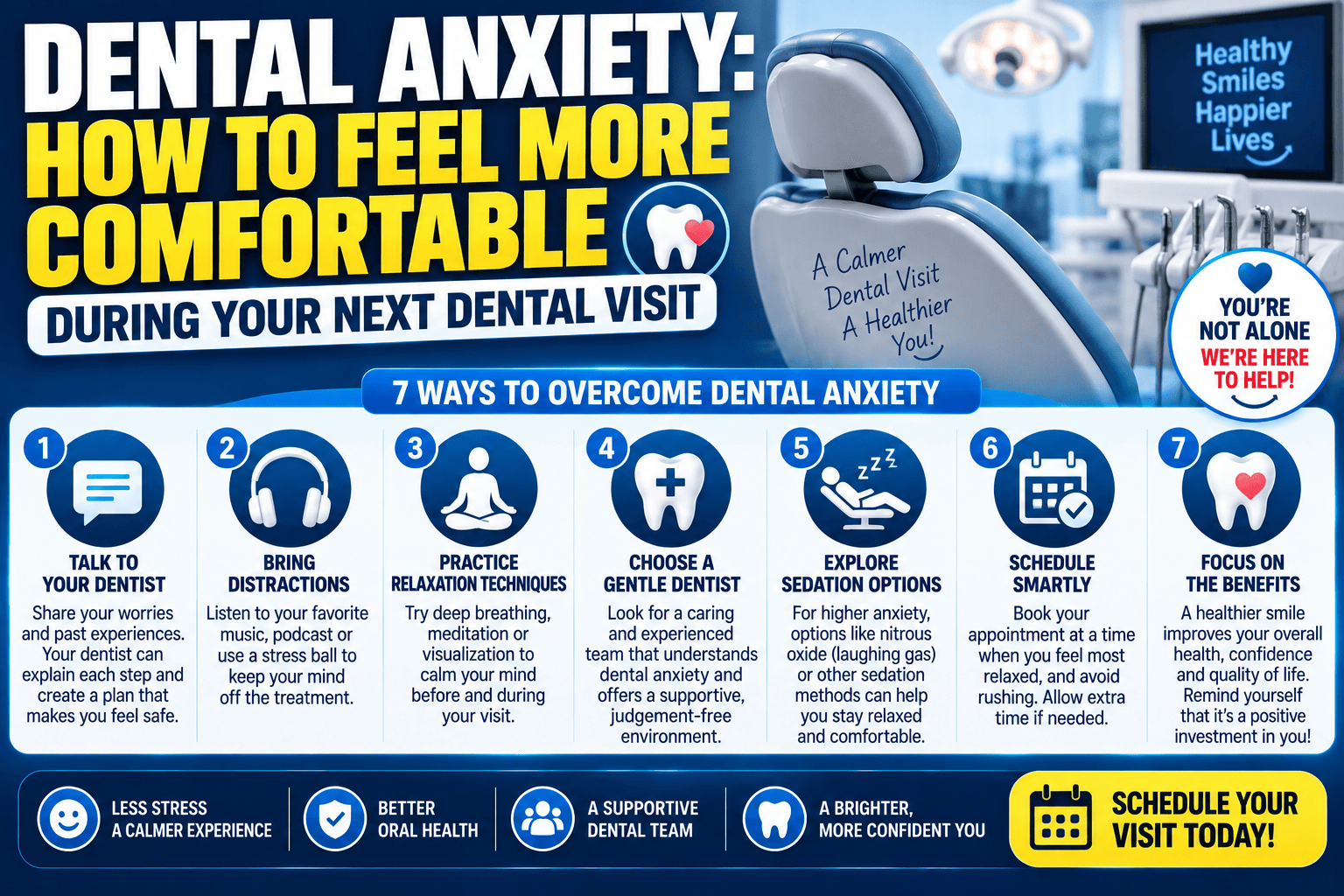
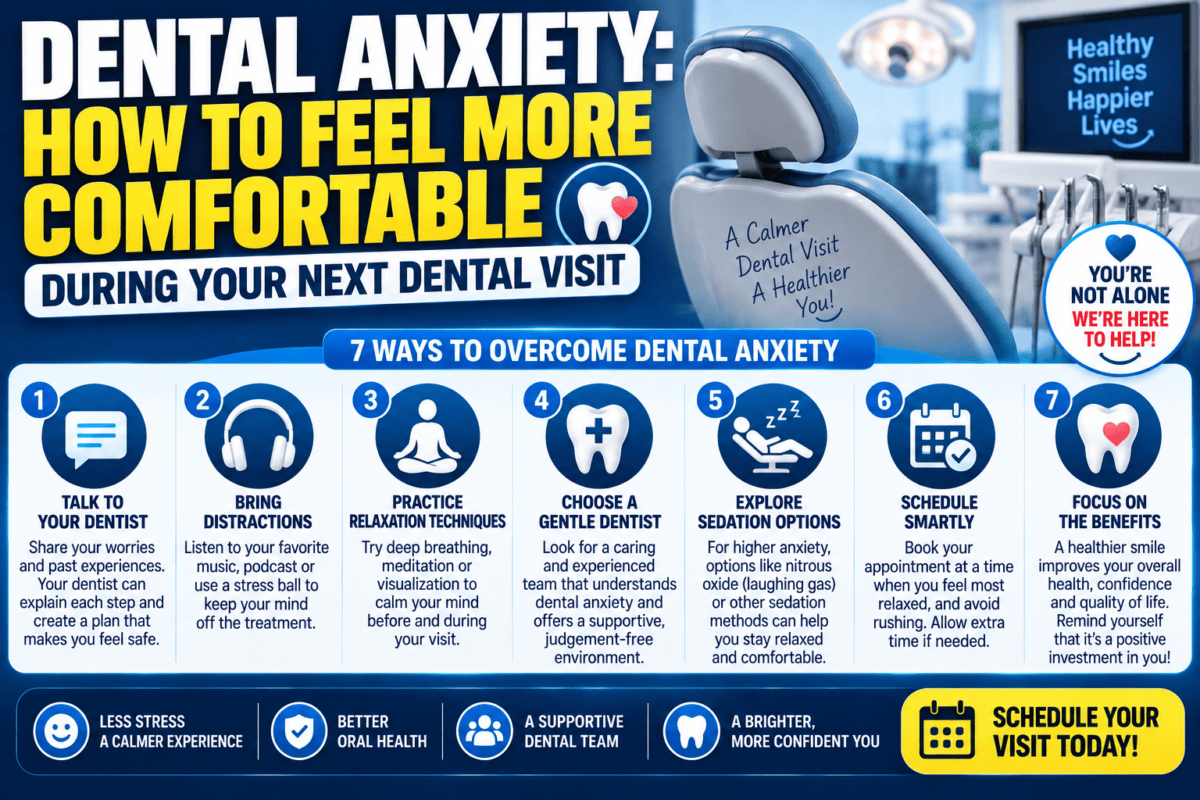
7 Ways to Feel More Comfortable During Your Next Dental Visit
1. Tell Your Dentist That You Feel Anxious
One of the most useful things you can do is tell the dental team about your anxiety before treatment begins.
You do not need to give a long explanation. Simply saying that you feel nervous about dental treatment can help the dentist understand how to approach your appointment.
When your dental team knows about your concerns, you can discuss what makes you uncomfortable and agree on ways to make the appointment more manageable.
Being open about anxiety is not a weakness. It gives your dentist information that can help create a better treatment experience.
2. Start With an Examination Instead of Assuming You Need Treatment
If you have avoided dental care for a long time, you may imagine that walking into a dental office automatically means undergoing a complicated procedure.
That is not necessarily the case.
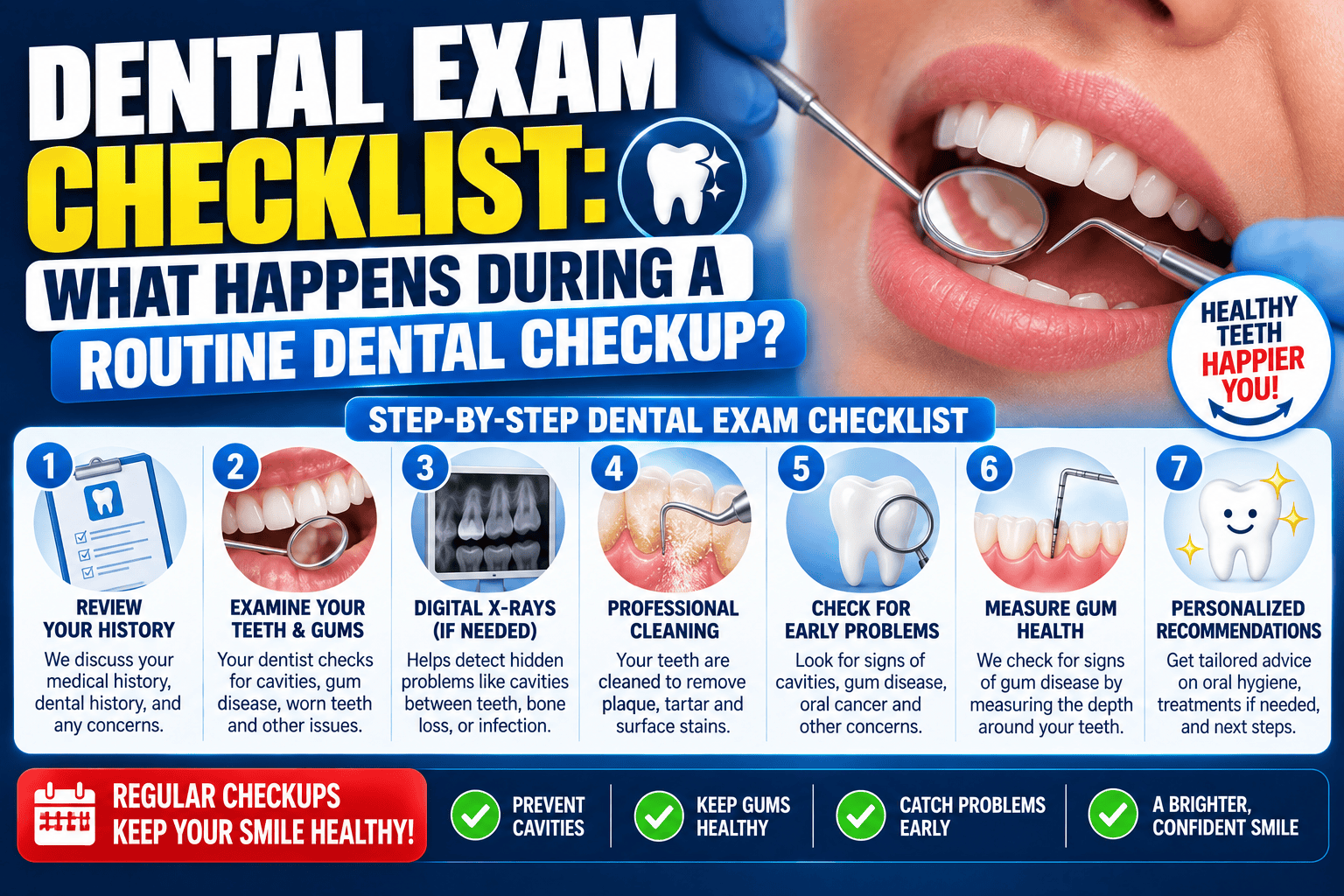
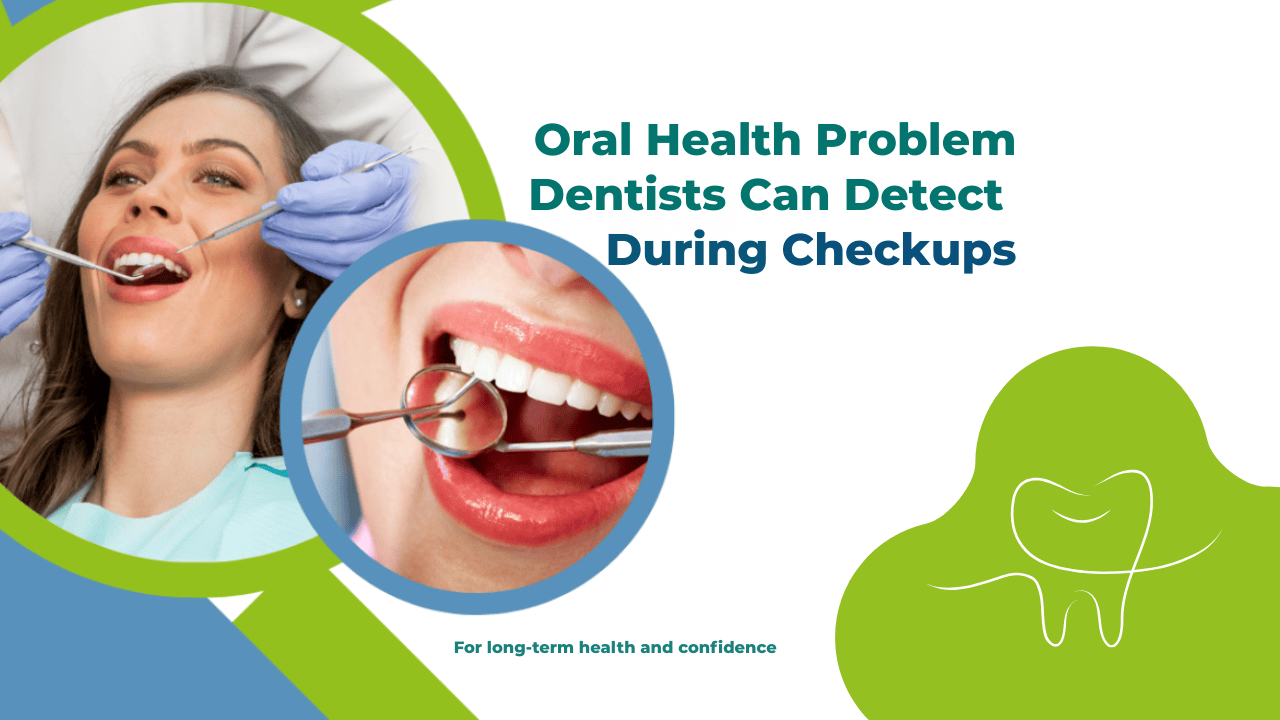
A dental exam allows your dentist to assess your teeth and gums, identify potential concerns, review your dental history, and explain what may or may not require treatment.
Having a clear understanding of your current oral health can replace some of the uncertainty that fuels dental anxiety.
Instead of thinking, “I don’t know what is wrong and I don’t know what they are going to do,” you can leave the examination with a clearer picture of what is happening and what your options are.
3. Ask Questions Before Agreeing to Treatment
Uncertainty can make anxiety worse.
If your dentist recommends treatment, ask questions before proceeding. You can ask:
- What problem are we treating?
- Why is treatment necessary?
- What will happen during the procedure?
- How long will it take?
- What should I expect afterward?
- Are there different treatment options?
- What happens if I wait?
You do not need to understand every technical term. Your dentist should be able to explain the procedure in language you understand.
The more informed you feel, the less mysterious the appointment becomes.
4. Agree on a Signal If You Need a Break
Some anxious patients worry about being unable to communicate once treatment begins. A simple solution is to agree on a hand signal before the procedure. For example, raising your hand could mean that you need the dentist to pause.This small step can create a greater sense of control.You know that if you become uncomfortable, you have a clear way to communicate without trying to speak during treatment.For patients with significant dental anxiety, establishing this type of communication before treatment can be especially reassuring.
5. Understand What Different Treatments Involve
Sometimes anxiety comes from imagining the worst about a procedure you have never experienced.
Learning what a treatment actually involves can make it feel less intimidating.
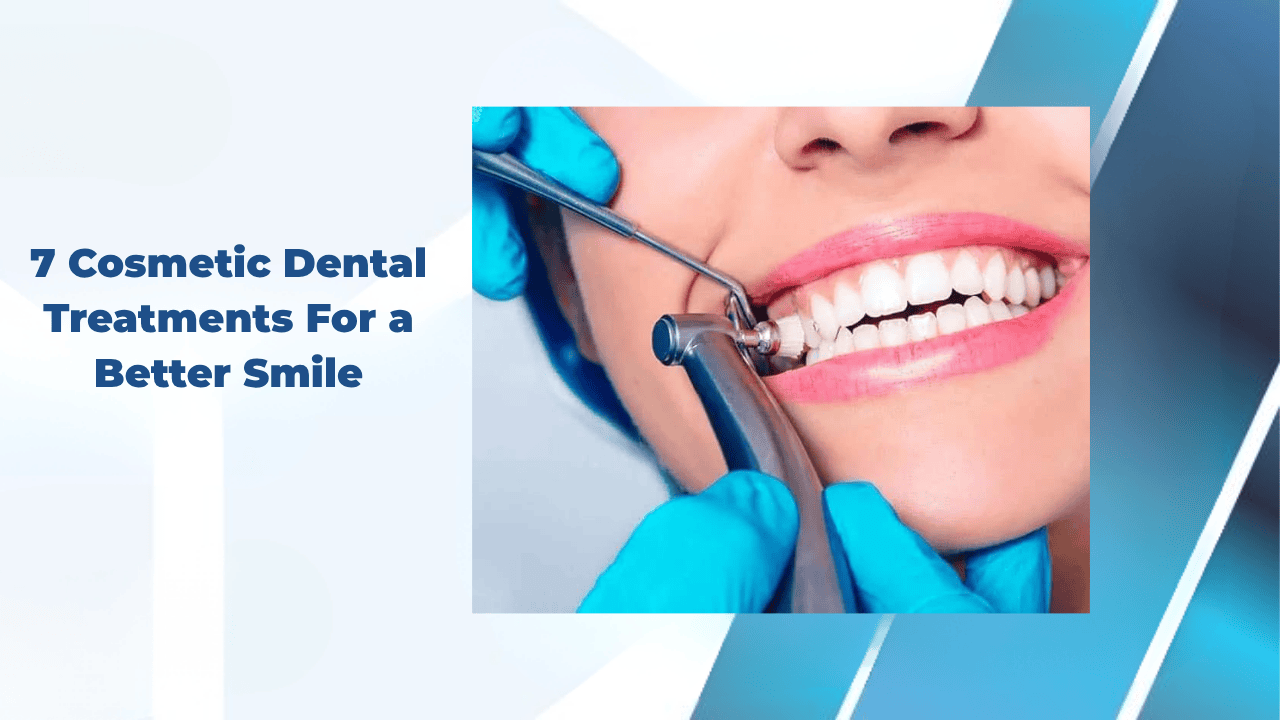
For example, if you are worried about professional cleaning, understanding what happens during dental cleaning and whitening can help you know what to expect.
Similarly, if you have been told that a tooth may require a root canal, learning about root canal treatment can replace vague fears with a more realistic understanding of the procedure.
Knowledge does not eliminate anxiety completely, but it can make an unfamiliar experience feel more predictable.
6. Don’t Wait Until a Small Problem Becomes an Emergency
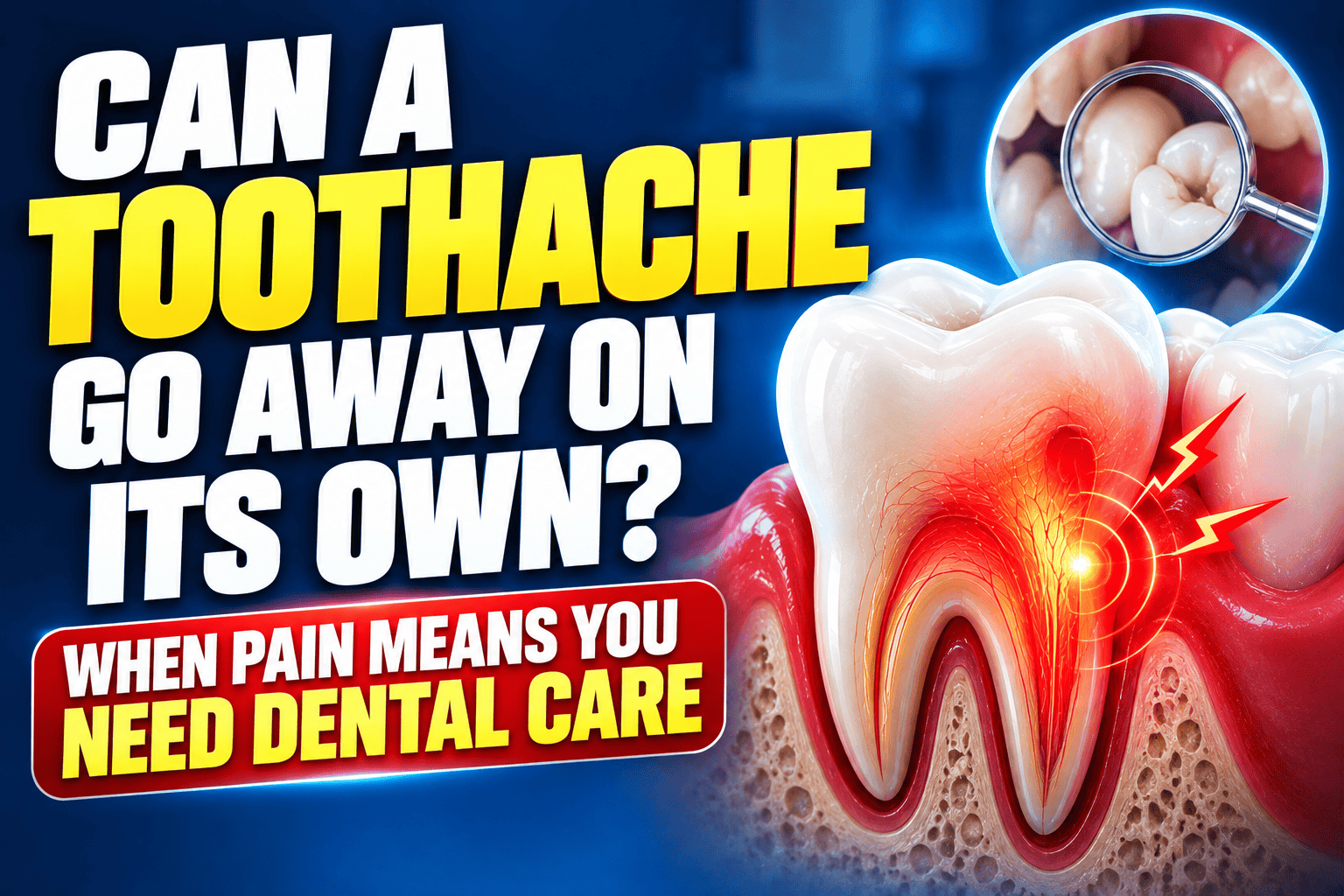
Avoiding the dentist may provide temporary relief from anxiety, but it can create a bigger problem later.A small cavity, for example, may not cause significant symptoms at first. As an oral health problem progresses, however, treatment may become more involved.The same principle applies to damaged teeth. A tooth that could potentially be restored may become more difficult to manage after additional damage occurs.When a dental problem becomes severe, it can also become urgent. Severe pain, swelling, a broken tooth, or dental trauma may require emergency dentistry rather than a routine appointment. Seeking care earlier can therefore be one of the most practical ways to prevent anxiety from becoming part of a larger dental problem.
7. Take the Appointment One Step at a Time
You do not need to think about the entire treatment process at once.If you are nervous, focus only on the next step.First, make the appointment.Then, attend the examination.Next, discuss what the dentist finds.After that, decide what treatment if any is appropriate.Breaking the process into smaller stages can make it feel much more manageable than thinking about every possible procedure before you even arrive.
What If You’re Afraid of Pain?
Fear of pain is one of the most common reasons people feel anxious about dental treatment. Modern dental care includes techniques designed to make procedures more comfortable, but the right approach depends on the specific treatment and the individual patient.If pain is your biggest concern, say so before treatment begins. Your dentist can explain what you are likely to feel, what measures can be used to maintain comfort, and what you should communicate if something feels uncomfortable.It is also important to distinguish between discomfort and pain. Knowing what sensations to expect can make the experience feel less alarming.
What If You Haven’t Visited a Dentist in Years?
Long gaps between dental visits can create a combination of anxiety and embarrassment.
You may worry that your teeth are in poor condition or that the dentist will judge you for not coming sooner.
Try not to let embarrassment become another reason to postpone care.
The purpose of an appointment is to understand your current oral health and determine what can be done from this point forward. You do not need to have perfect teeth before visiting a dentist.
A thorough examination can establish a starting point and help you move forward with a realistic treatment plan.
What If You Need a Crown or Other Restorative Treatment?
Some patients become particularly anxious when they hear words such as “crown,” “bridge,” or “restoration.”
Understanding the purpose of the treatment can help.
Dental crowns are commonly used to restore and protect teeth that have been significantly damaged or weakened. If your dentist recommends restorative care, you can learn more about crowns, veneers and bridges and discuss why a particular option may be appropriate for your tooth.
The goal should not simply be to complete a procedure. You should understand what is being treated, why it is recommended, and what you can expect from the process.
Can Dental Anxiety Affect Your Oral Health?
Yes, particularly when it causes someone to avoid routine dental care.
Regular examinations and professional cleanings allow potential problems to be identified before they become more complicated. Avoiding appointments, on the other hand, can allow untreated issues to progress.
This can create a difficult cycle:
Anxiety → avoiding appointments → worsening oral health → more extensive treatment → greater anxiety.
The earlier that cycle is interrupted, the easier it may be to regain confidence in dental care.
What Can Parents Do When a Child Is Nervous About the Dentist?
Children can experience dental anxiety too.
Parents can help by keeping conversations about dental visits calm and positive. Avoid using frightening descriptions of procedures or telling children stories about painful dental experiences.
Instead, explain that the dentist is going to look at their teeth and help keep them healthy.
Parents can also encourage children to ask questions and tell the dental team if they feel nervous.
A patient, age-appropriate approach can help children develop more positive associations with dental care as they grow.
What If Dental Anxiety Becomes an Emergency?
Sometimes anxiety causes people to delay treatment until they experience severe pain or another urgent problem.
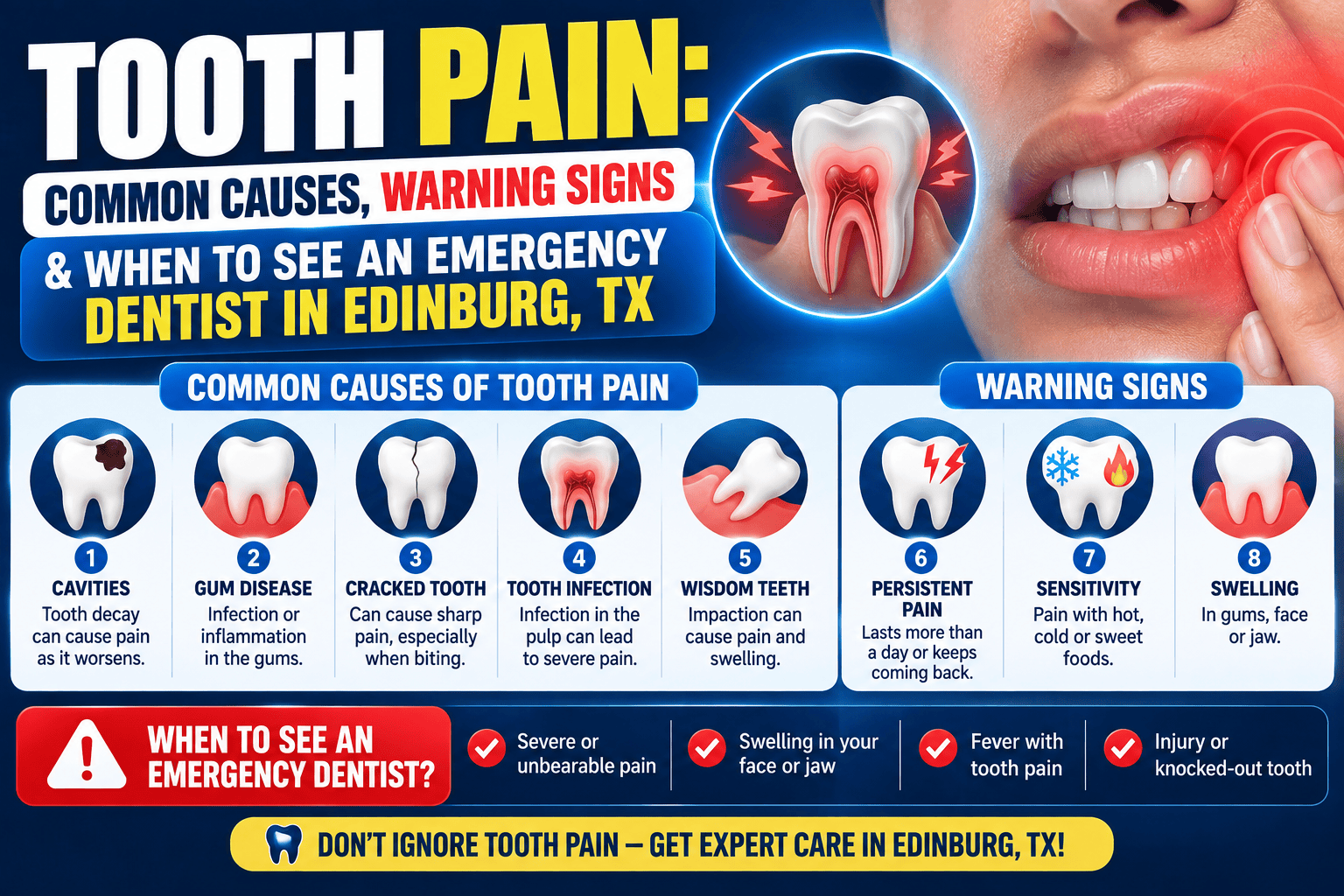
If you have sudden severe tooth pain, swelling, a broken or knocked-out tooth, significant bleeding, or another serious dental concern, do not allow fear to keep you from seeking professional attention.
Emergency dental care is designed for situations that require prompt assessment and treatment.
Even if you are extremely nervous, tell the dental team about your anxiety when you contact them. Knowing what you are worried about allows the team to approach the situation with greater awareness.
Where Can You Find Different Types of Dental Treatment?
Dental anxiety can sometimes make it difficult to know where to begin, particularly when you are unsure which type of care you need.
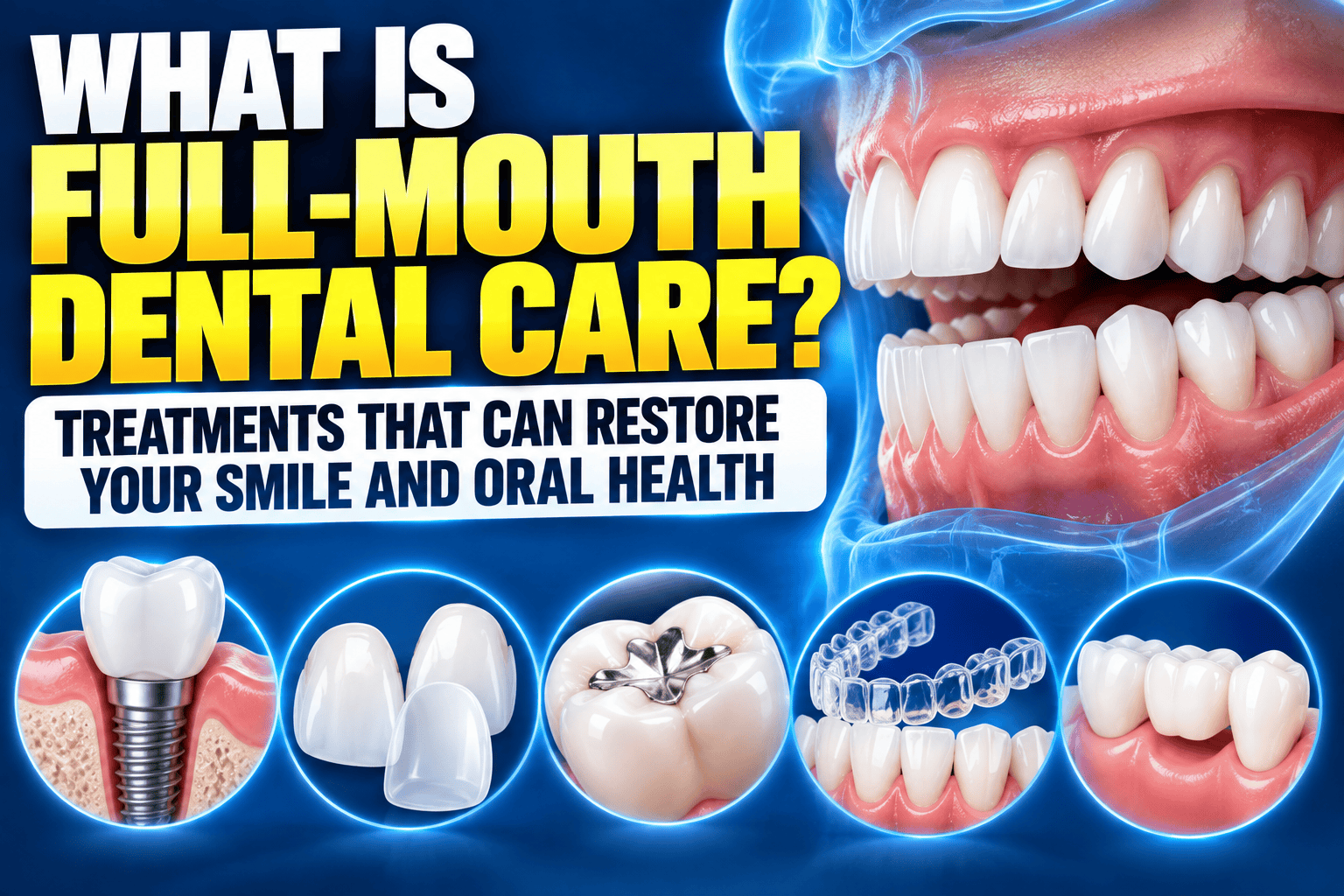
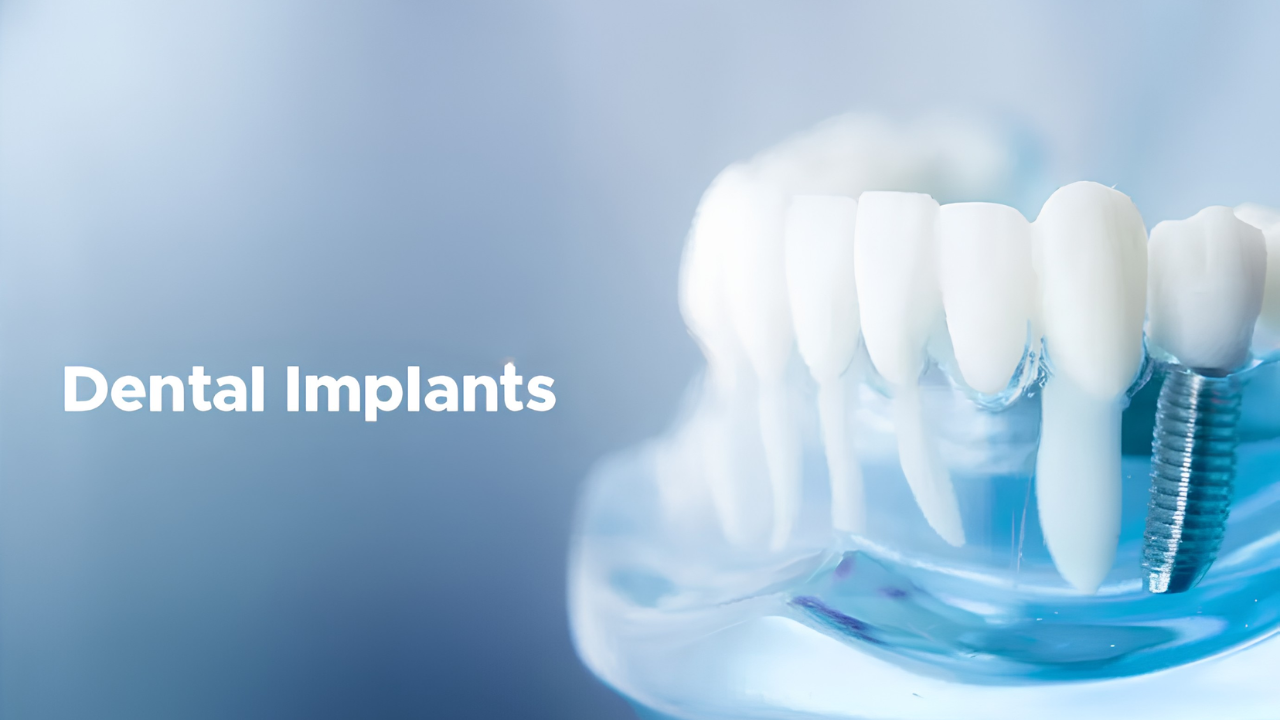
A comprehensive Ethos dental services page brings together preventive, restorative, cosmetic, emergency, and other treatment options, including dental exams, cleaning and whitening, crowns, root canal treatment, implants, clear aligners, and emergency dentistry.
You do not have to diagnose your own dental problem before making an appointment. An examination can help determine which type of treatment, if any, is appropriate.
A Simple Plan for Your Next Appointment
If dental anxiety has been keeping you away from the dentist, start small.
Before the appointment:
Write down the things that make you nervous.
When scheduling:
Tell the dental team that you experience anxiety.
Before treatment:
Ask what will happen and how long it is expected to take.
During treatment:
Use your agreed-upon signal if you need a pause.
After treatment:
Ask what you should expect next and how you can maintain your oral health.
You do not have to become completely comfortable with dentistry overnight. The goal is simply to make the next appointment easier than the last one.
Frequently Asked Questions
Is dental anxiety common?
Yes. Many people experience some level of nervousness or fear surrounding dental visits. The intensity can range from mild uneasiness to anxiety strong enough to cause someone to avoid dental care.
Should I tell my dentist that I have dental anxiety?
Yes. Telling your dentist about your anxiety allows the dental team to understand your concerns and communicate with you more effectively throughout the appointment.
Can dental anxiety be overcome?
Dental anxiety can often be managed through better communication, gradual exposure to dental care, understanding treatment options, and finding an approach that makes appointments feel more predictable and manageable.
What if I have avoided the dentist for several years?
You can still make an appointment. Start with an examination and explain that you have been away from dental care for a long time. The goal is to understand your current oral health and determine the appropriate next steps.
What if I am afraid that dental treatment will hurt?
Tell your dentist about your concern before treatment begins. Your dentist can explain what you should expect and discuss appropriate ways to make the procedure more comfortable.
Can avoiding the dentist make dental anxiety worse?
It can. Avoiding appointments may allow oral health problems to progress, potentially resulting in more complicated treatment later. Addressing concerns earlier can help prevent this cycle.
A More Comfortable Way Forward
Dental anxiety does not have to prevent you from taking care of your teeth. You do not need to suddenly become someone who looks forward to dental appointments. A more realistic goal is to make dental care feel predictable, manageable, and comfortable enough that fear no longer controls your decisions. Start with a conversation. Ask questions. Take treatment one step at a time. Most importantly, do not allow anxiety to turn a manageable dental concern into a more complicated problem. With the right approach, your next dental visit can be the beginning of a much more comfortable relationship with dental care.