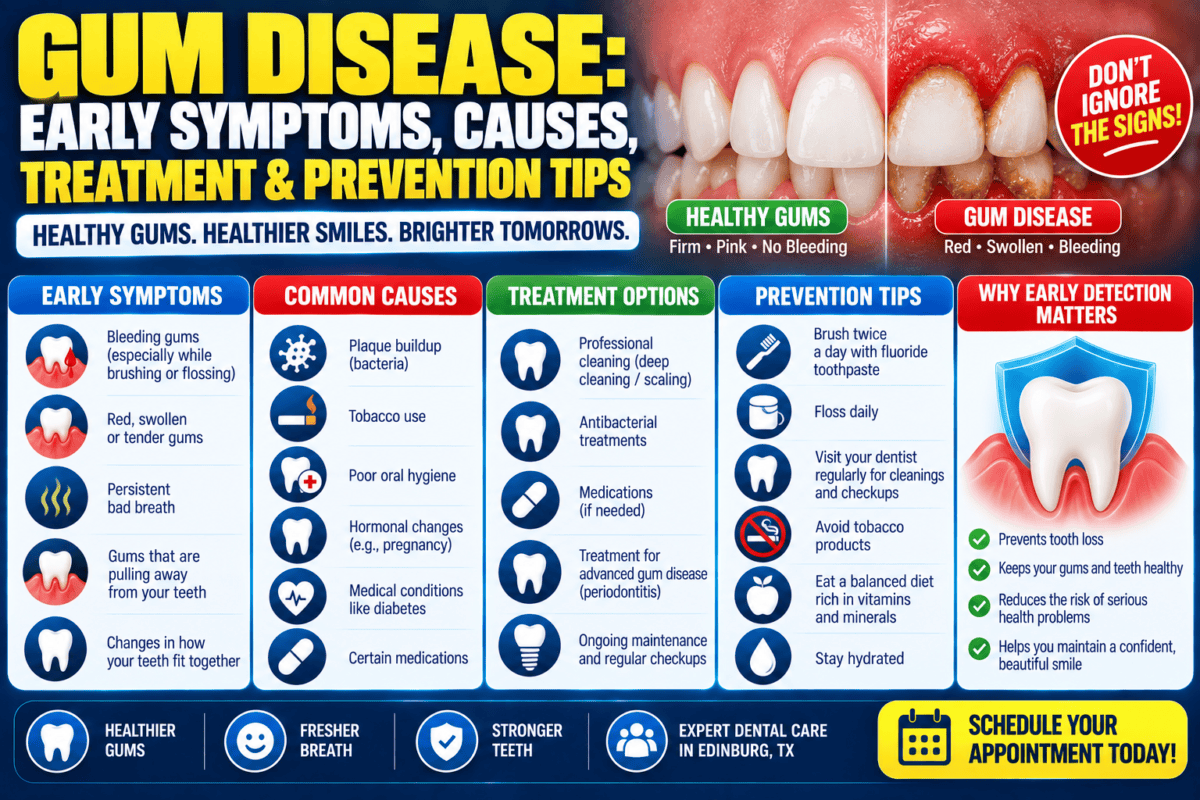
Your gums are easy to overlook when you think about oral health. Most people focus on keeping their teeth clean, white, and free from cavities, but healthy gums are just as important. They support your teeth, protect the tissues underneath them, and play a central role in maintaining a healthy mouth.
The problem is that gum disease can develop quietly. A little blood when brushing, persistent bad breath, or slightly swollen gums may not seem serious enough to warrant attention. But these can be some of the earliest signs that something is changing around your teeth.
Recognizing those signs early matters. Gingivitis, the earliest form of gum disease, can often be managed before it progresses. More advanced periodontal disease can affect the tissues and bone supporting your teeth and may eventually contribute to tooth loss.
Understanding the symptoms, causes, treatment options, and prevention strategies can help you protect your gums before a small problem becomes a larger one.
What Is Gum Disease?
Gum disease is an inflammatory condition affecting the gums and the structures that support your teeth. It commonly begins when plaque a sticky film containing bacteria accumulates around the teeth and gum line.
When plaque is not removed effectively, bacteria can irritate the gum tissue. Over time, plaque can harden into tartar, making it more difficult to keep the area clean with regular brushing and flossing alone.
Gum disease generally develops in stages.
Gingivitis is the early stage. It can cause red, swollen, or bleeding gums but has not yet caused the deeper destruction associated with advanced periodontal disease.
Periodontitis is more advanced. It can affect the tissues and bone that hold the teeth in place.
If you are experiencing symptoms or want to understand what gum disease looks like, the dedicated Gum Disease condition page from Ethos Modern Dental is a useful starting point.
What Are the Early Symptoms of Gum Disease?
One of the most important things to know about gum disease is that pain is not always the first warning sign.
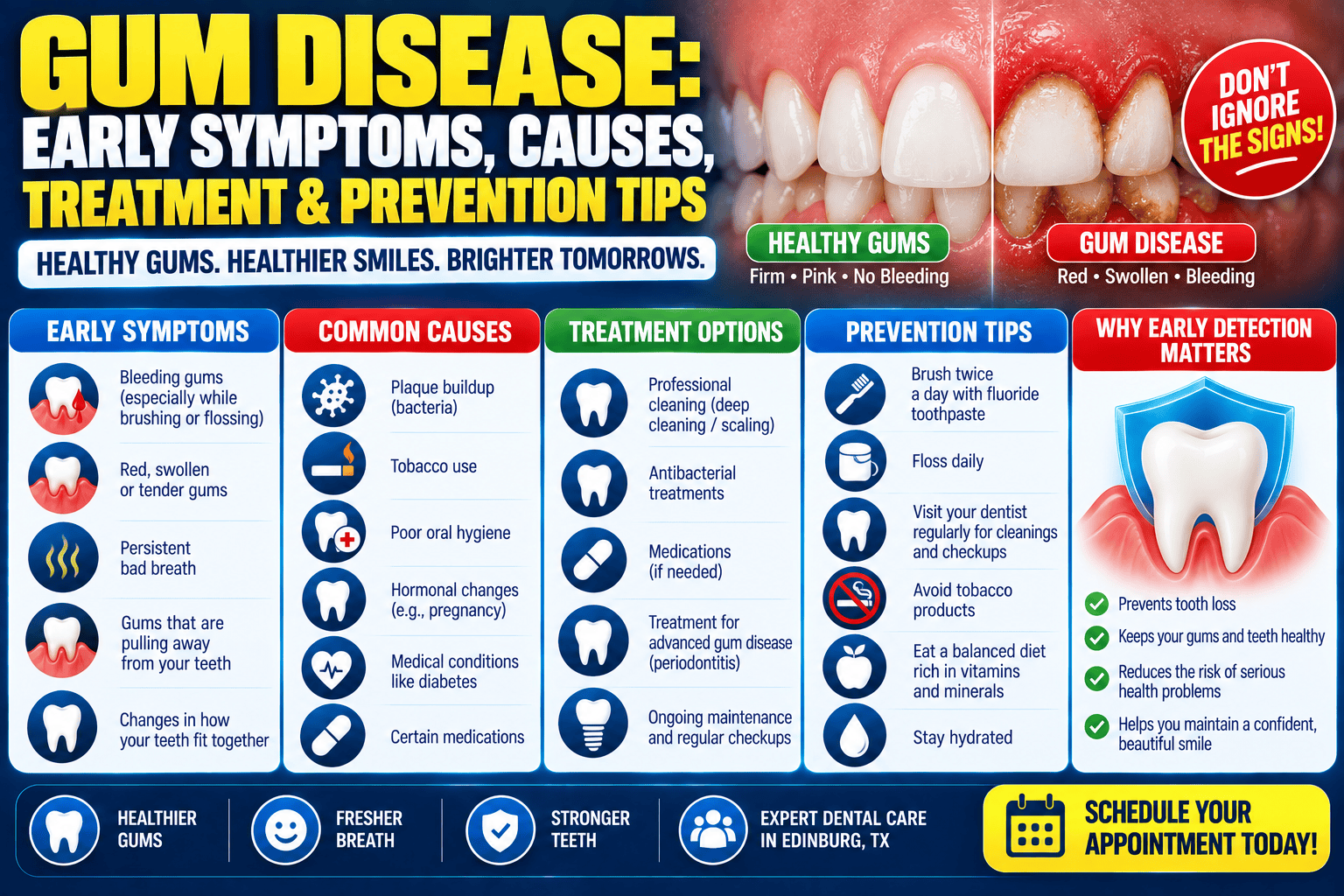
Some of the earliest symptoms include:
- Bleeding while brushing or flossing
- Red or swollen gums
- Tenderness around the gum line
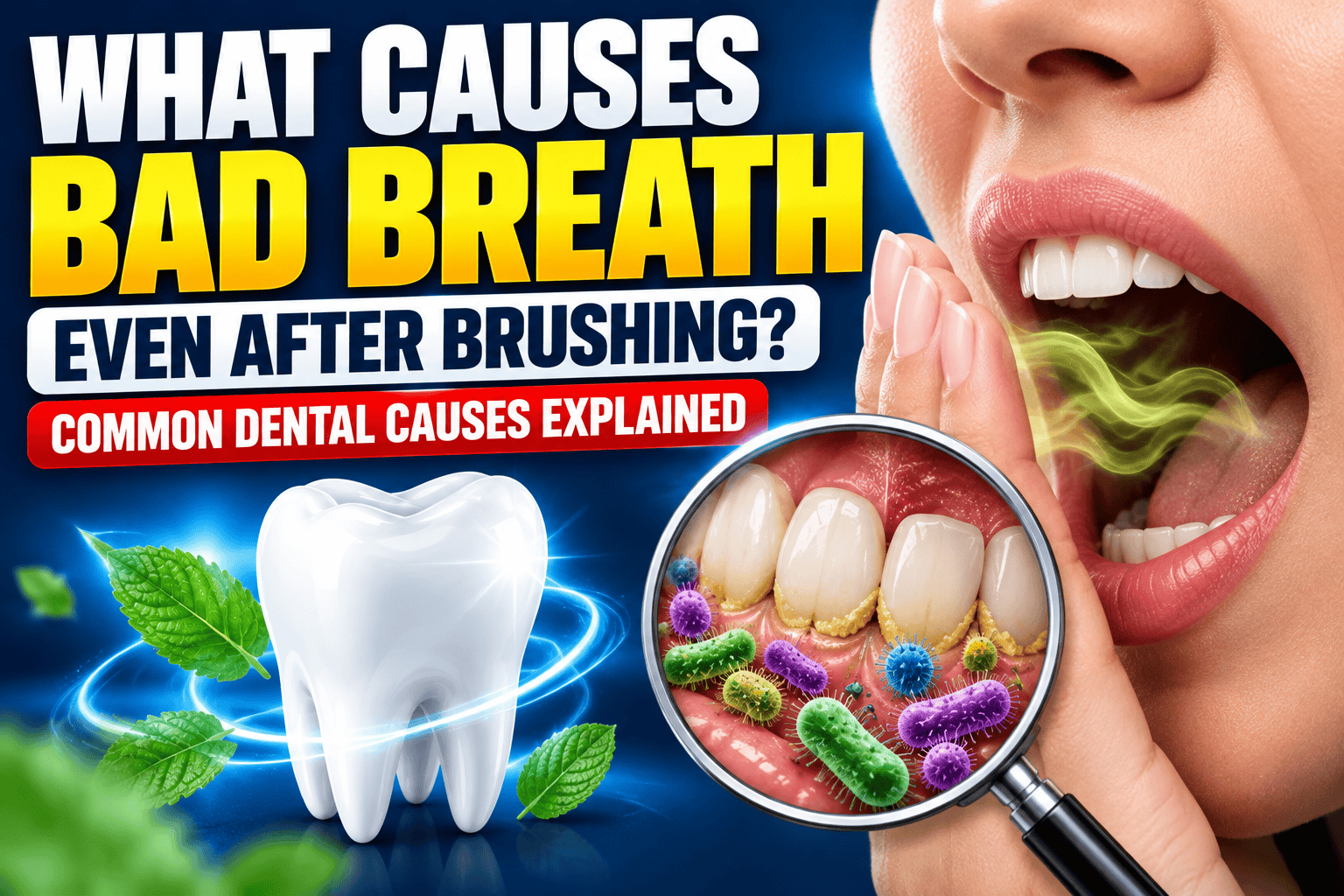
- Persistent bad breath
- An unpleasant taste in the mouth
- Gums that appear to be pulling away from the teeth
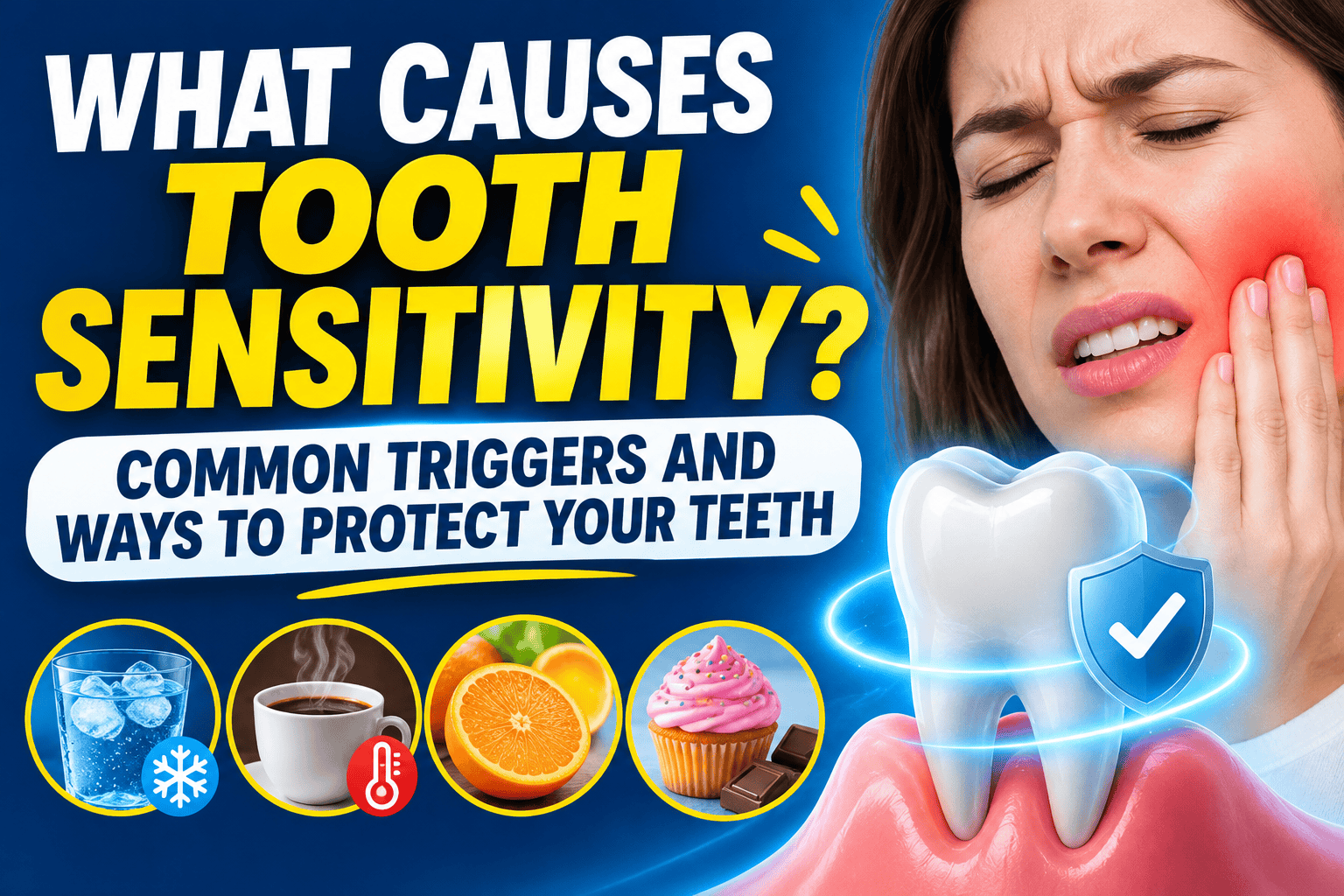
- Increased tooth sensitivity
- Teeth that appear longer because of gum recession
- Changes in the way your teeth fit together
- Loose or shifting teeth
Bleeding gums deserve particular attention. Occasional irritation can have different causes, but repeated bleeding during routine oral care should not simply be accepted as normal.
The earlier a potential gum problem is evaluated, the more opportunity there is to address it before it progresses.
What Causes Gum Disease?
Gum disease usually develops from a combination of plaque buildup, oral hygiene habits, lifestyle factors, and individual risk factors.
Plaque and Tartar Buildup
Plaque constantly forms on your teeth. If it is not removed, the bacteria within it can irritate the gums.
Eventually, plaque can harden into tartar. Unlike soft plaque, tartar cannot be effectively removed through ordinary brushing at home.
Inadequate Oral Hygiene
Skipping brushing or cleaning between the teeth allows plaque to remain around the gum line.
Even people who brush regularly can develop gum problems if they do not clean between their teeth or miss difficult-to-reach areas.
Tobacco Use
Smoking and other tobacco use can negatively affect gum health. Tobacco can also interfere with normal healing and make periodontal problems more difficult to manage.
Brushing Too Aggressively
More pressure does not necessarily mean cleaner teeth.
Using a hard-bristled toothbrush or brushing aggressively can irritate the gums and contribute to gum recession. Gentle, consistent brushing is a better approach.
Teeth Grinding and Clenching
Grinding or clenching places repeated pressure on the teeth and supporting structures. It can contribute to tooth wear, sensitivity, jaw discomfort, and other dental problems.
If you regularly grind or clench your teeth, particularly during sleep, learn more about Grinding & Clenching.
Hormonal Changes
Hormonal changes can make gum tissue more sensitive to plaque and inflammation. This can happen during periods such as puberty, pregnancy, or menopause.
Hormonal changes do not automatically cause gum disease, but they can influence how the gums respond to bacteria.
Genetics and Individual Risk Factors
Some people may be more susceptible to gum disease because of genetics, certain health conditions, medications, or other factors. Having a higher risk does not mean gum disease is unavoidable. It simply makes consistent preventive care even more important.
Gingivitis vs. Periodontitis: What’s the Difference?
Gingivitis and periodontitis are not the same thing.
Gingivitis
Gingivitis is the early stage of gum disease.
Typical signs include:
- Red gums
- Swelling
- Bleeding during brushing or flossing
- Tenderness
- Bad breath
- Gum inflammation
At this stage, the problem is primarily affecting the gum tissue. With appropriate care, gingivitis can often be controlled before it progresses.
Periodontitis
Periodontitis is a more advanced form of periodontal disease.
It can affect the tissues and bone supporting the teeth and may lead to:
- Deep periodontal pockets
- Gum recession
- Persistent bad breath
- Pus around the gums
- Loose or shifting teeth
- Changes in the bite
- Bone loss
- Tooth loss in advanced cases
This difference is one reason early intervention matters. Treating gum inflammation before it becomes advanced can help protect the structures that support your natural teeth.
How Is Gum Disease Diagnosed?
Gum disease cannot always be accurately diagnosed by looking at your teeth in the mirror.
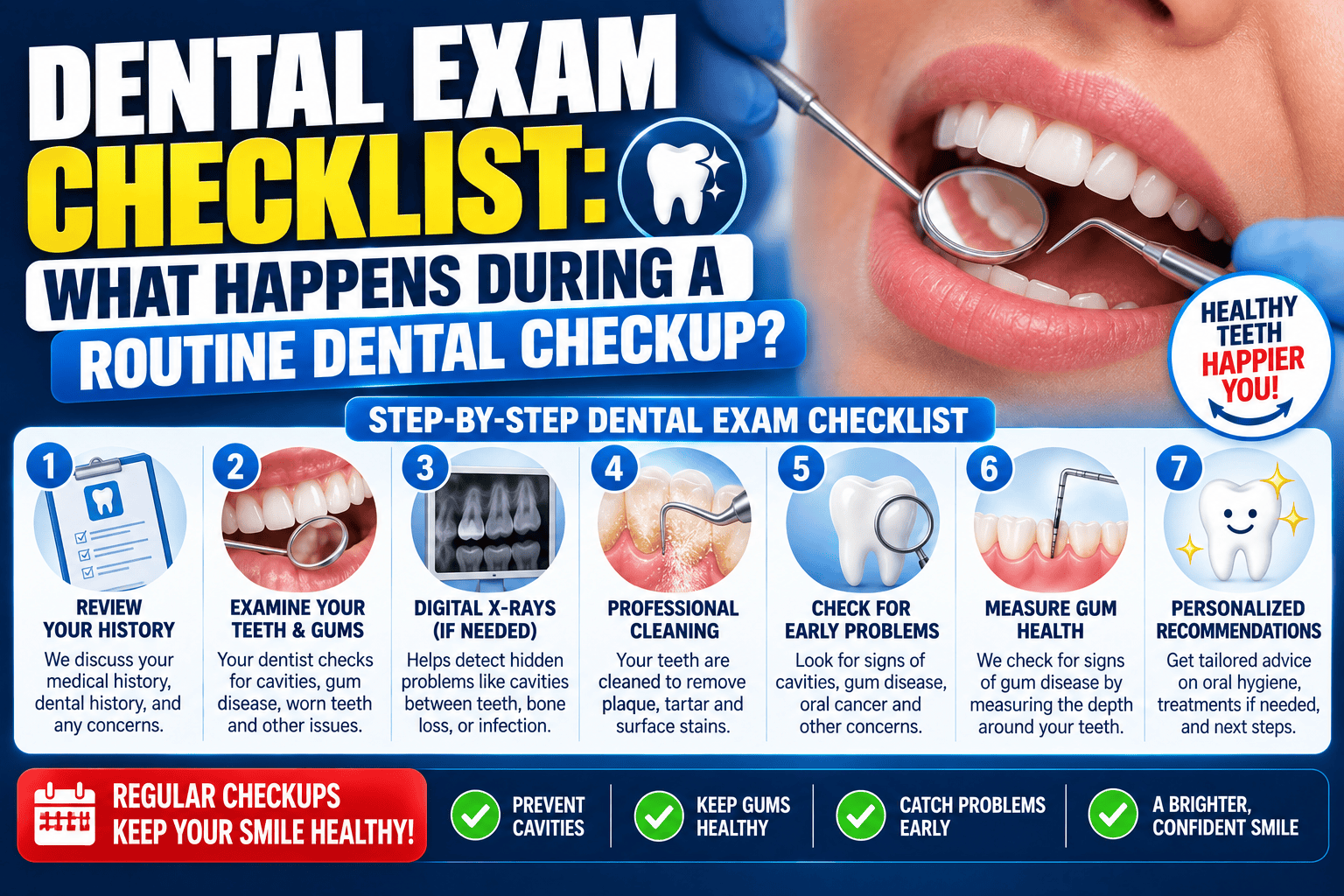
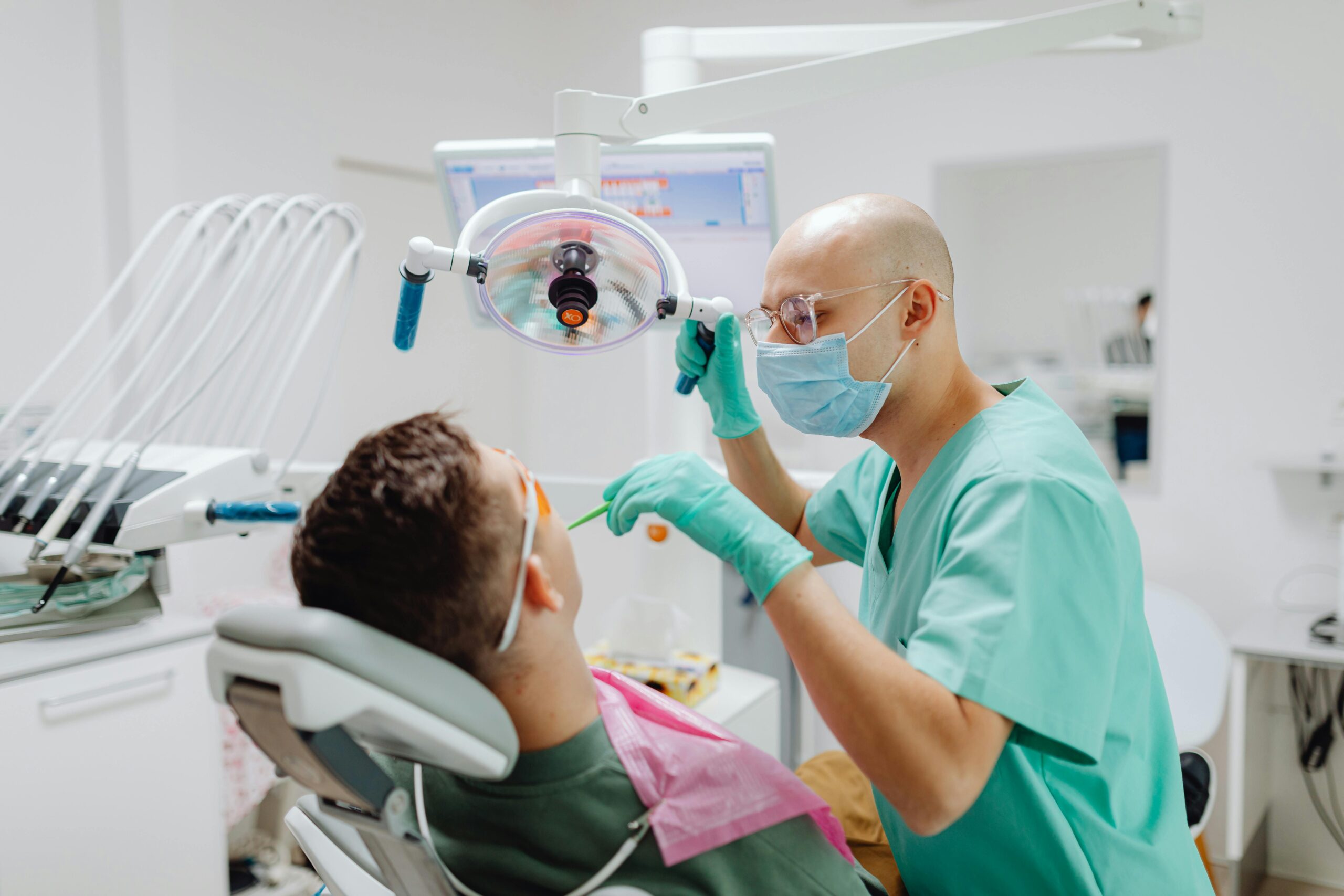
During a dental examination, your dentist can evaluate the appearance of your gums, look for inflammation or bleeding, examine the areas around your teeth, and assess the overall condition of your mouth. Depending on your symptoms and risk factors, the dentist may also evaluate periodontal pocket depths or recommend dental X-rays to assess the structures that cannot be seen directly. A comprehensive Dental Exam can help identify gum disease in its early stages. Ethos Modern Dental specifically includes gum health evaluation as part of its examination process.
How Is Gum Disease Treated?
Treatment depends on the stage of the condition and the health of the gums and supporting structures.
Professional Dental Cleaning
If gum inflammation is related primarily to plaque and tartar buildup, professional cleaning can be an important part of treatment. A professional cleaning removes deposits that regular brushing and flossing cannot eliminate effectively. Ethos Modern Dental’s Cleaning & Whitening service includes professional dental cleaning designed to remove plaque and tartar while supporting healthier teeth and gums.
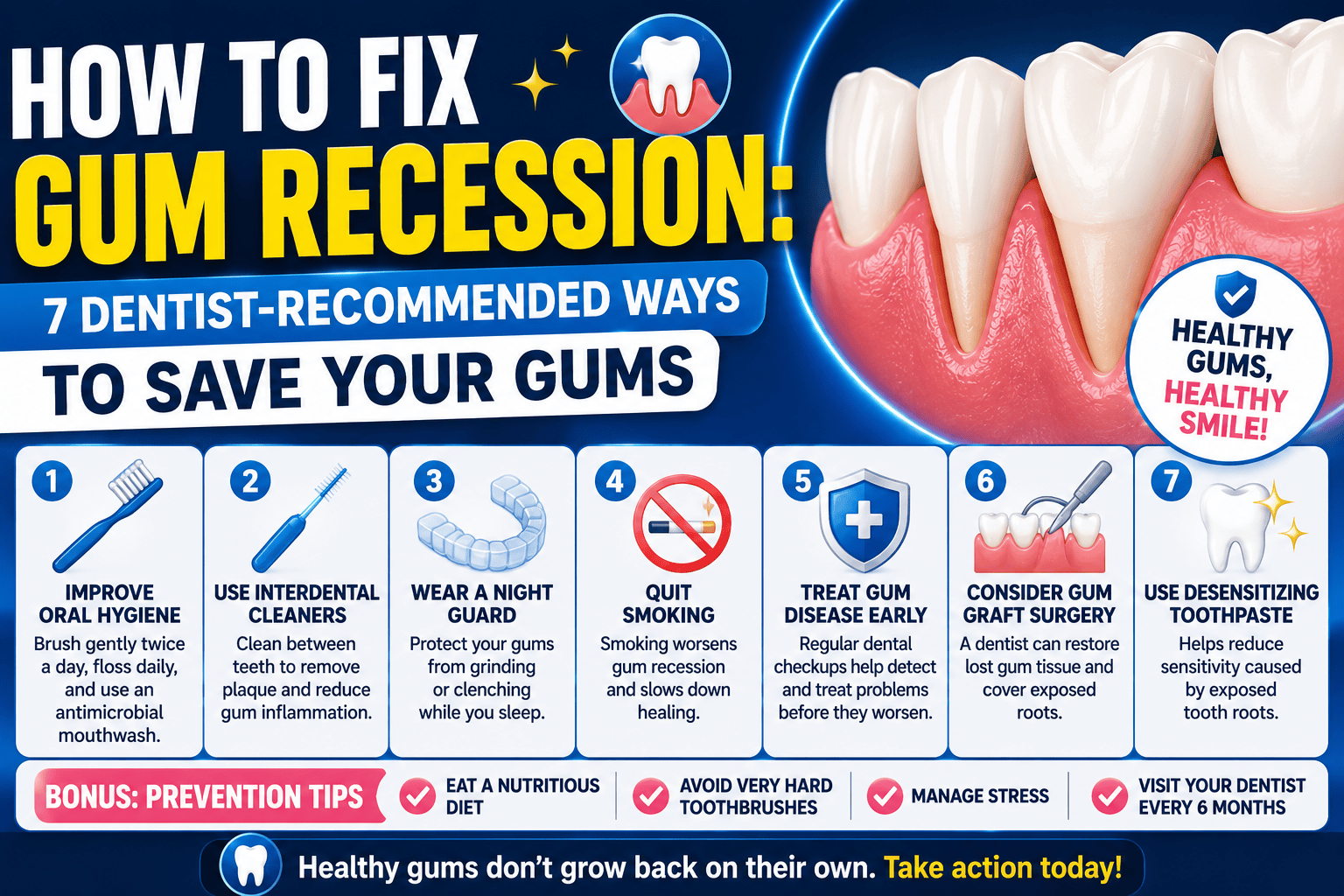
Improved Home Care
Your dentist may recommend changes to your daily routine, such as:
- Brushing twice a day
- Using a soft-bristled toothbrush
- Brushing gently along the gum line
- Cleaning between your teeth every day
- Using interdental brushes when appropriate
- Following a recommended mouth-rinse routine
The goal is to reduce the amount of plaque remaining around your gums between professional appointments.
Deep Cleaning
When gum disease has progressed beyond mild gingivitis, a deeper periodontal cleaning may be recommended. Scaling and root planing can remove plaque and tartar from below the gum line and smooth affected root surfaces. The appropriate treatment depends on the severity of the periodontal condition.
Addressing Contributing Factors
Treatment may also involve addressing factors that are contributing to gum problems.
For example, managing grinding and clenching, improving brushing technique, stopping tobacco use, or addressing other dental conditions can all be important parts of maintaining healthier gums.
Advanced Periodontal Treatment
More advanced periodontal disease may require specialized treatment to control infection and protect the tissues supporting the teeth. The appropriate approach depends on the amount of inflammation, periodontal pocket depth, bone loss, and overall oral health. The earlier the problem is identified, the more opportunity there is to manage it before significant supporting structures are affected.
Can Gum Disease Cause Tooth Pain?
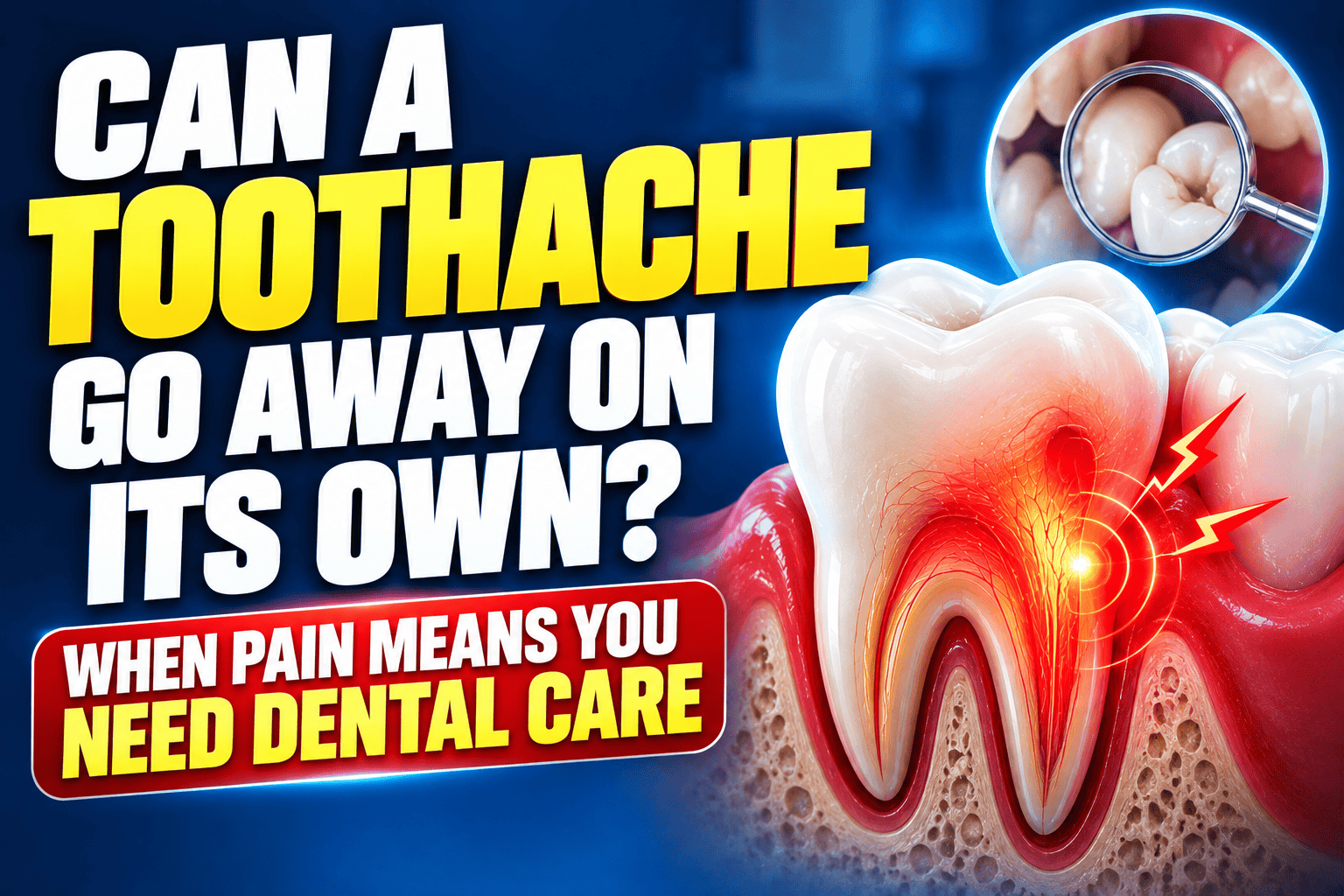
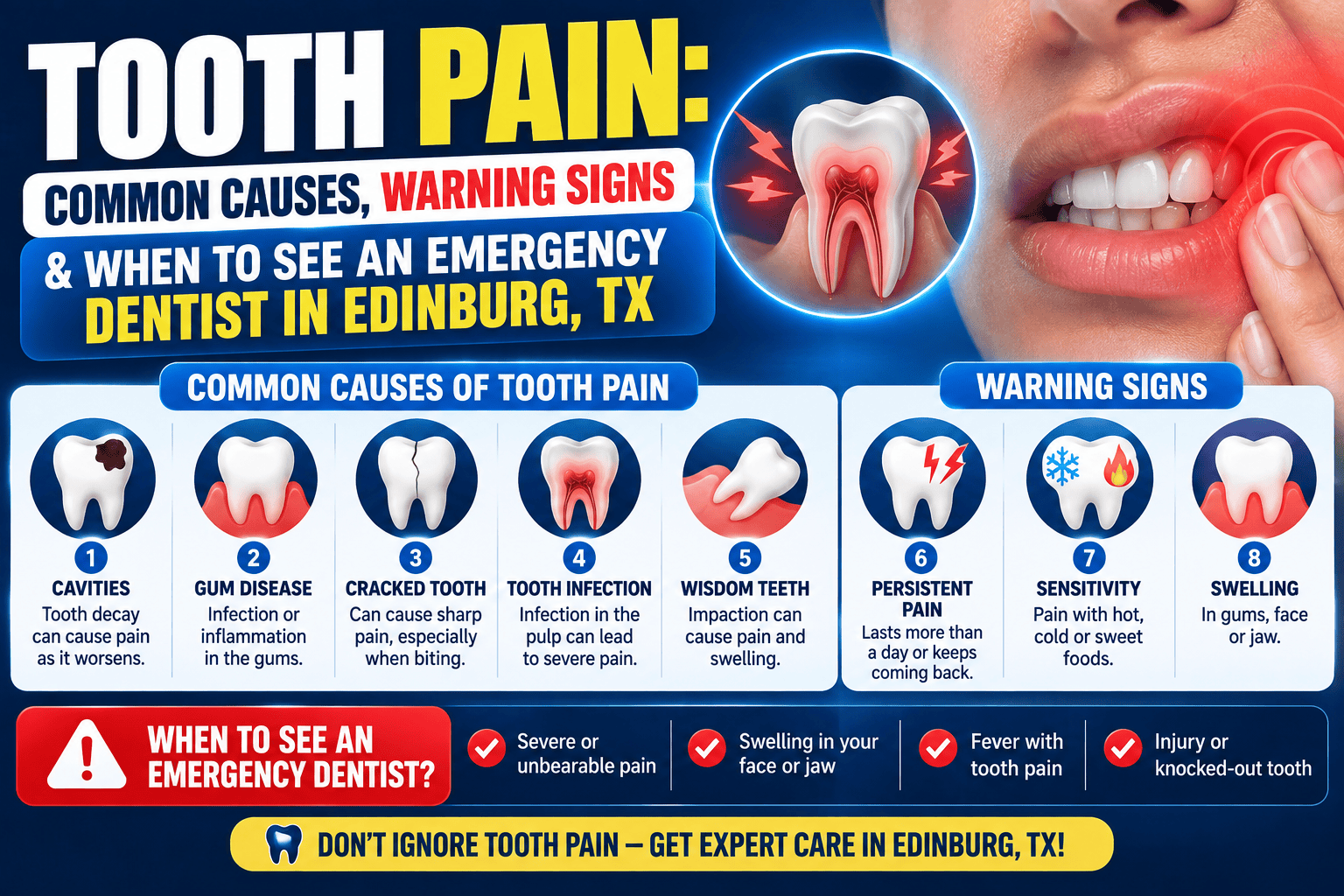
Gum disease does not always cause pain, particularly in its early stages. However, advanced inflammation, gum recession, exposed roots, infection, or problems involving the supporting structures can sometimes cause discomfort. If you have persistent or unexplained discomfort around a tooth or your gums, it is important to determine the underlying cause rather than assuming it is simply gum sensitivity. For persistent dental discomfort, the Tooth Pain condition page can help you understand some of the warning signs that should prompt a dental evaluation.
Can Gum Disease Cause Tooth Loss?
Advanced gum disease can contribute to tooth loss. Your teeth are supported by periodontal tissues and the bone surrounding their roots. When periodontitis damages these structures, teeth can become loose or shift. This is one of the more serious consequences of untreated periodontal disease. The encouraging part is that early gum problems are much easier to manage than advanced disease. Regular examinations and prompt attention to symptoms can help reduce the likelihood of allowing a manageable problem to progress.
Is There a Connection Between Gum Disease and Cavities?
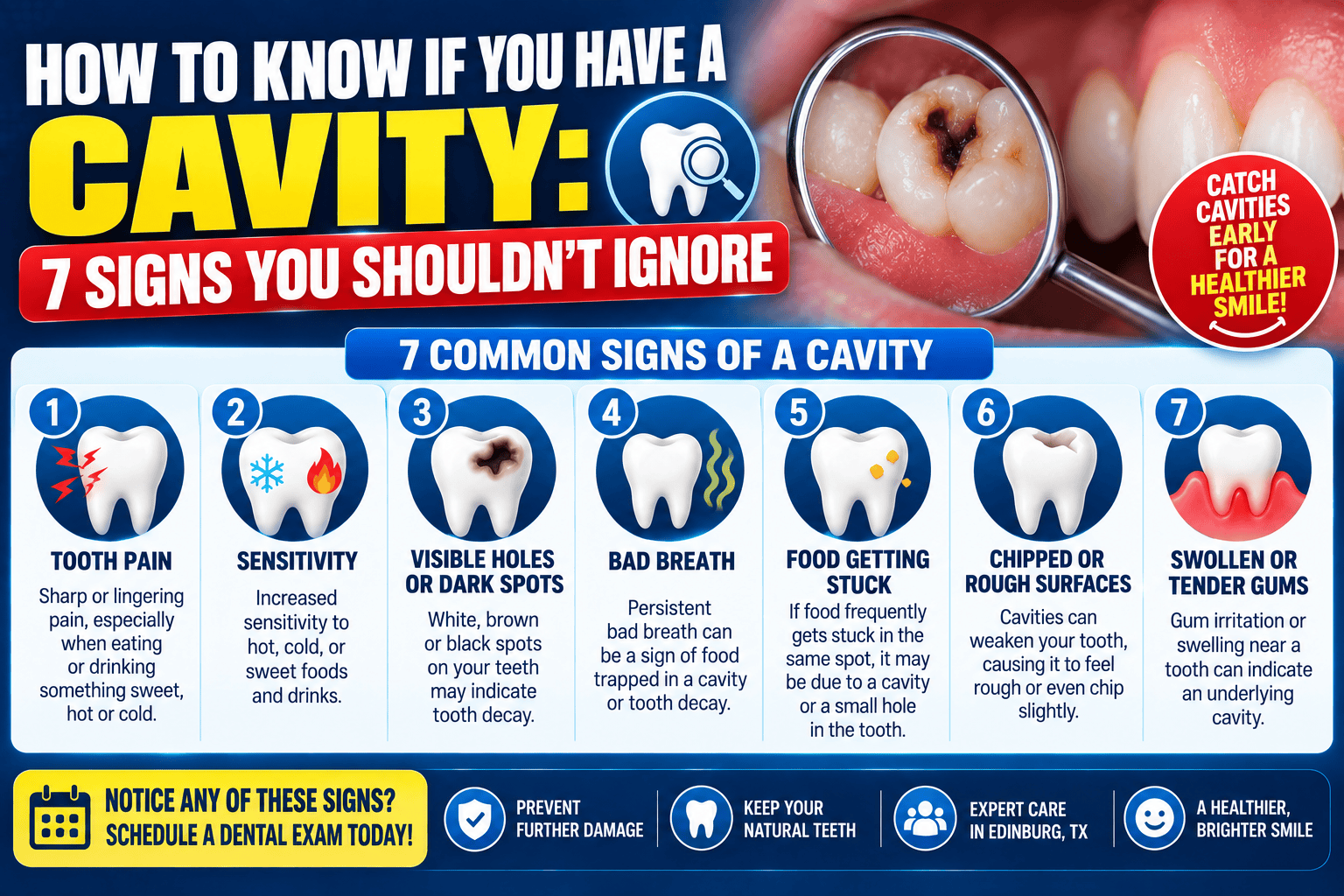
Gum disease and cavities are different conditions, but both are strongly influenced by plaque and oral hygiene. Cavities occur when acids produced by bacteria damage the tooth structure. Gum disease primarily affects the gums and supporting tissues. However, poor plaque control can increase the risk of both problems. For example, gum recession can expose parts of the tooth root, which are more vulnerable to decay. If you are concerned about both gum health and tooth decay, understanding Dental Cavities can help you recognize another common consequence of inadequate plaque control.
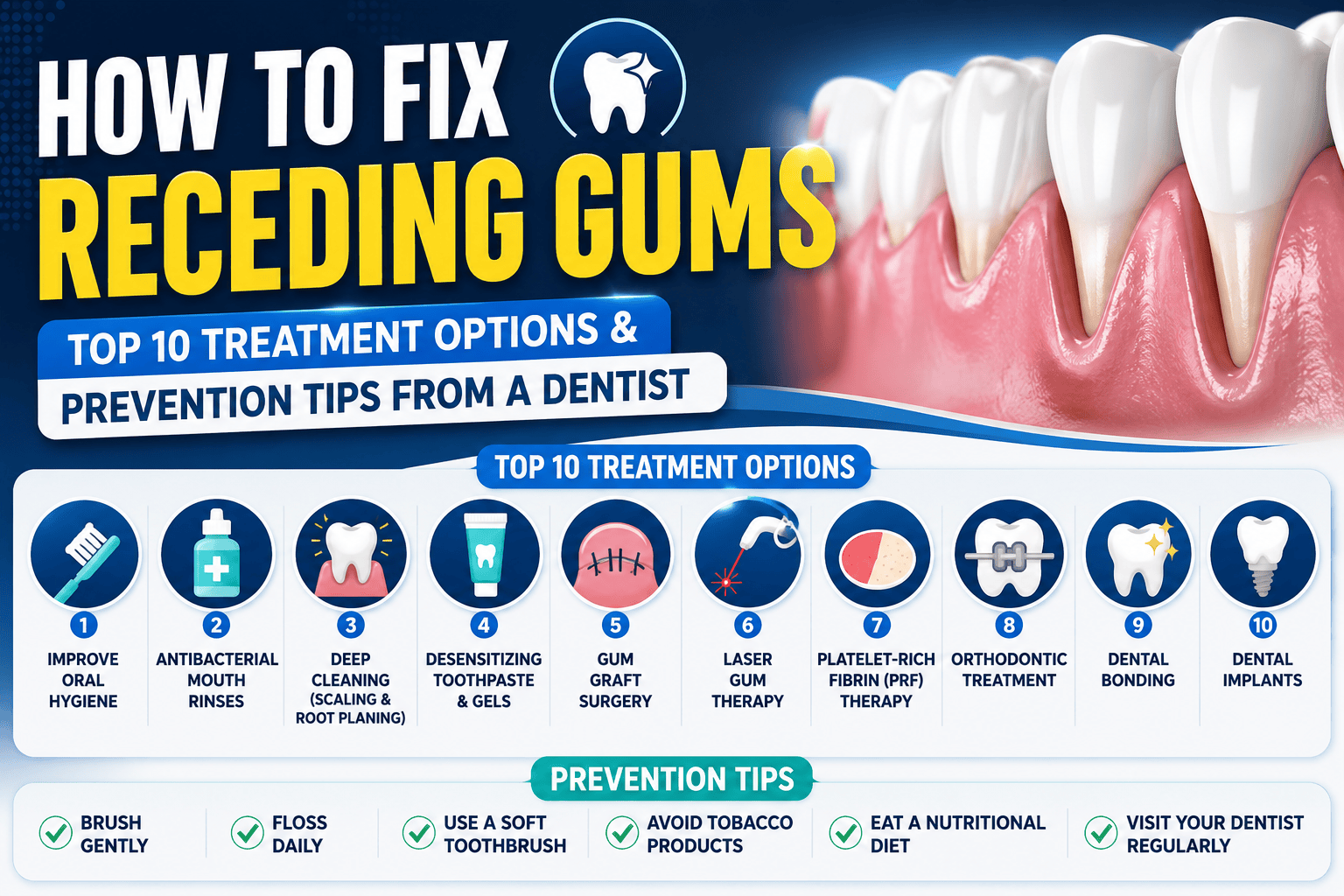
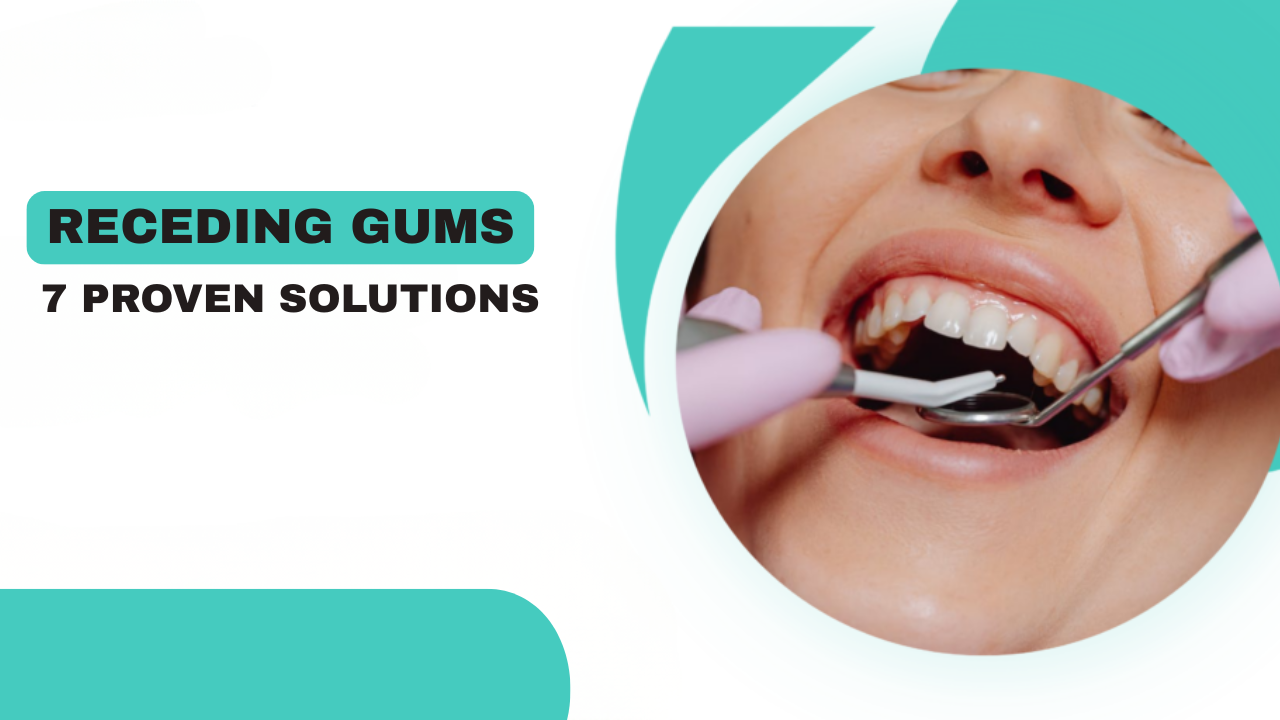
What Is Gum Recession?
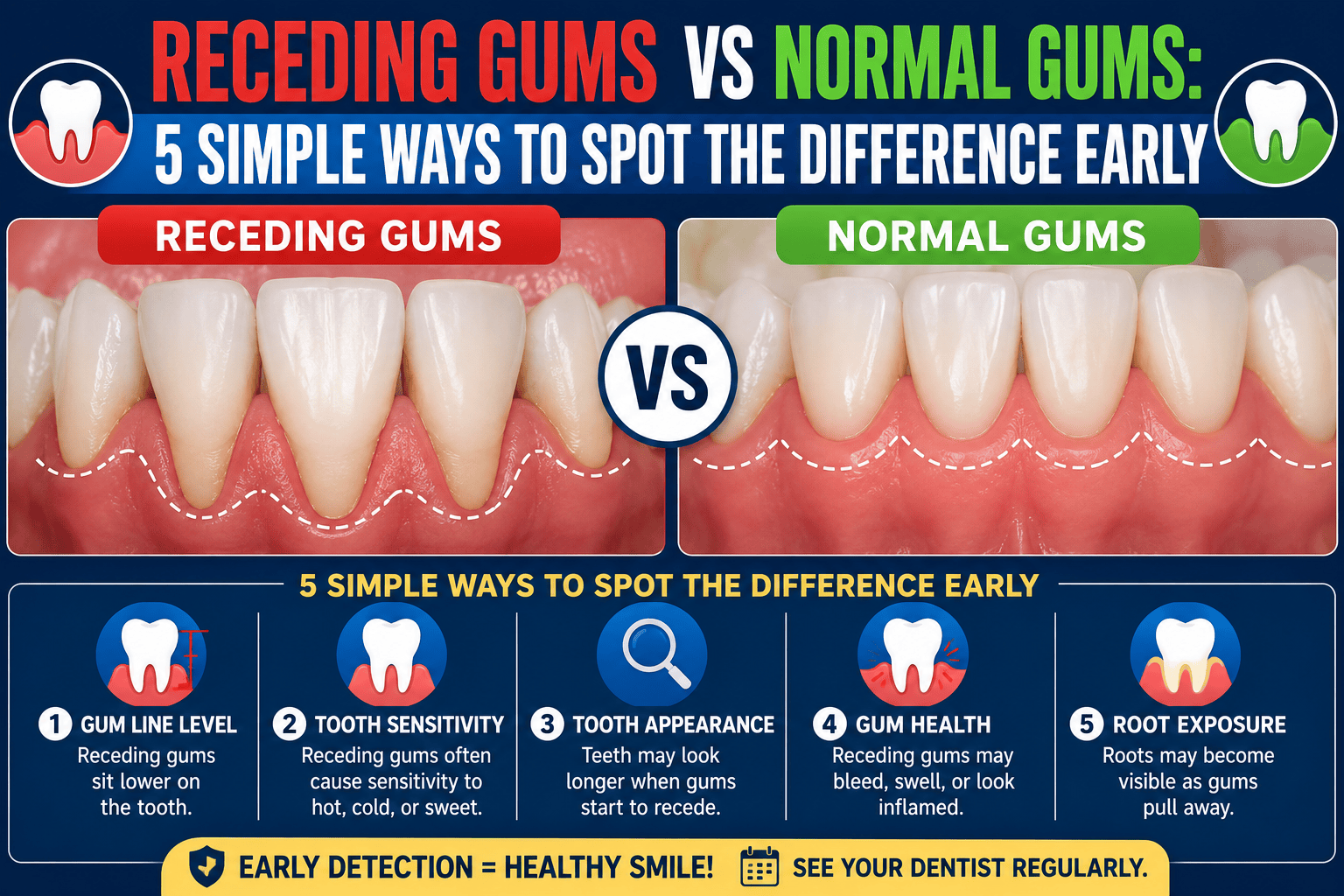
Gum recession occurs when the gum tissue moves away from the tooth, exposing more of the tooth surface.
Gum disease is one possible cause, but recession can also result from:
- Brushing too aggressively
- Using a hard-bristled toothbrush
- Genetics
- Teeth grinding or clenching
- Misaligned teeth
- Trauma
- Age-related changes
Possible signs include teeth appearing longer, increased sensitivity, an uneven gum line, or visible tooth roots.
Not every case of gum recession means someone has advanced gum disease, but visible changes should still be professionally evaluated.
How Can Gum Disease Be Prevented?
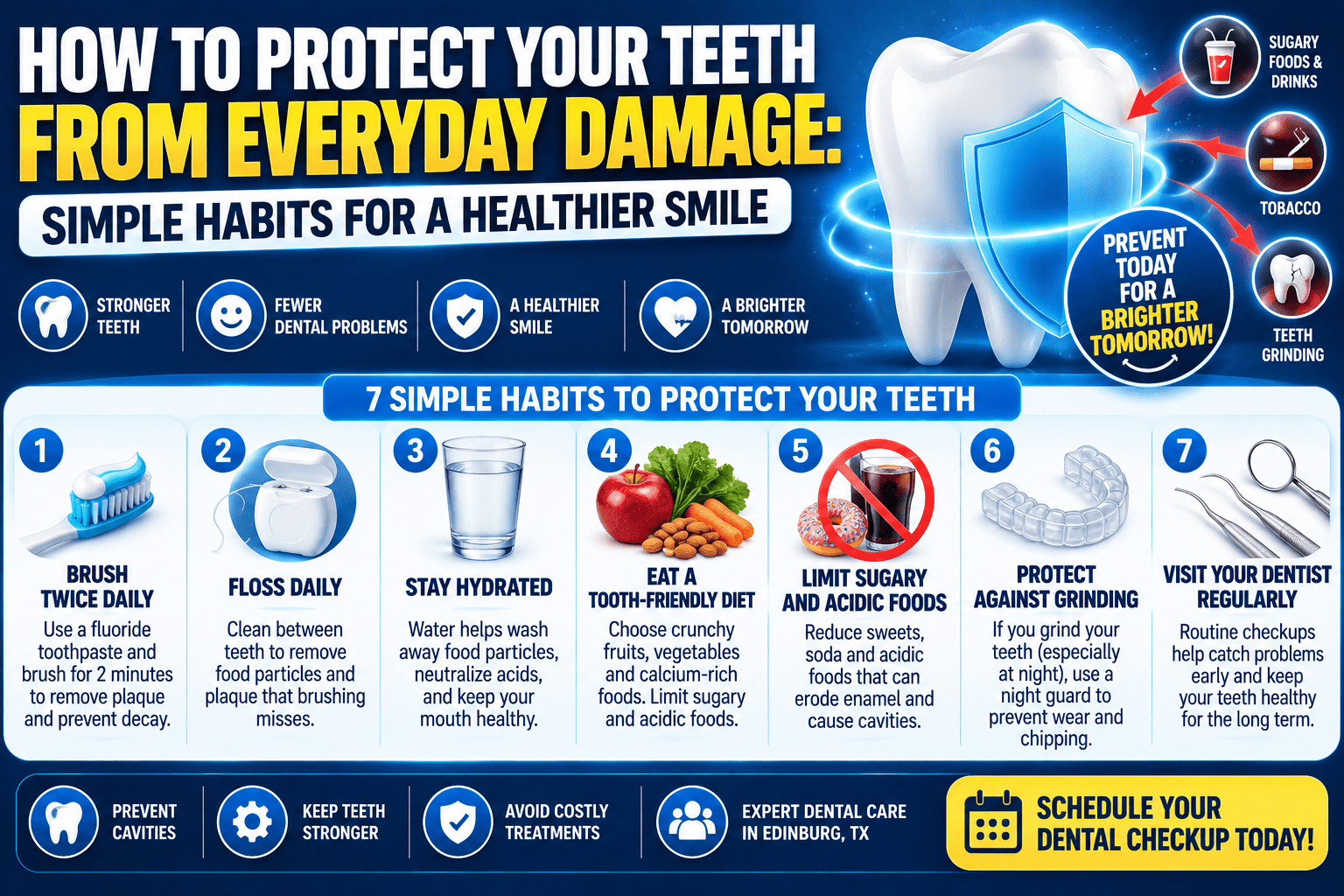
The most effective approach is to make gum care part of your everyday routine.
Brush Twice a Day
Brush your teeth twice daily with a soft-bristled toothbrush.
Use gentle movements and pay particular attention to where your teeth meet your gums.
Clean Between Your Teeth
Floss or use another dentist-recommended interdental cleaning method once a day.
This removes plaque from areas that your toothbrush cannot reach effectively.
Avoid Tobacco
Tobacco use can negatively affect gum health and increase the risk of periodontal problems.
Avoiding tobacco is one of the most effective lifestyle steps you can take to support healthier gums.
Limit Frequent Sugar Exposure
Frequent sugary snacks and drinks can contribute to plaque-related dental problems.
You do not need to eliminate every sweet food, but reducing frequent exposure and drinking water regularly can support better oral health.
Don’t Brush Too Hard
If your toothbrush bristles become flattened quickly, you may be applying too much pressure.
Gentle brushing is enough to remove plaque when the technique is appropriate.
Manage Grinding and Clenching
If you grind or clench your teeth, discuss it with your dentist. Reducing excessive forces can help protect your teeth and the structures supporting them.
Keep Regular Dental Appointments
Perhaps the most important preventive step is not waiting until something hurts. Gum disease can develop with surprisingly few symptoms in the early stages. Regular examinations give your dentist an opportunity to identify changes before they become more advanced.
When Should You See a Dentist?
Consider scheduling a dental evaluation if you notice:
- Gums that bleed repeatedly
- Red or swollen gums
- Persistent bad breath
- Gum recession
- Increasing tooth sensitivity
- Pus around the gums
- Loose or shifting teeth
- Pain when chewing
- Changes in your bite
- Persistent discomfort around a tooth or gum
You do not need to wait for severe pain before seeking professional care.
In fact, the absence of pain does not necessarily mean that your gums are healthy.
A Simple Daily Routine for Healthier Gums
A practical gum-care routine can be simple.
Morning
- Brush for approximately two minutes.
- Use a soft-bristled toothbrush.
- Clean gently along the gum line.
During the day
- Drink water regularly.
- Limit frequent sugary snacks and drinks.
- Avoid tobacco.
- Pay attention to unusual gum bleeding or sensitivity.
Evening
- Brush before bed.
- Clean between your teeth.
- Follow any dentist-recommended oral-care routine.
Regularly
- Schedule dental examinations.
- Have professional cleanings when recommended.
- Tell your dentist about changes in gum color, bleeding, swelling, sensitivity, or tooth position.
Frequently Asked Questions About Gum Disease
What is the first sign of gum disease?
Bleeding during brushing or flossing is one of the most common early warning signs. Redness, swelling, tenderness, and persistent bad breath can also occur.
Can gum disease go away on its own?
Early gum inflammation may improve with better plaque control and professional care. However, persistent symptoms should be evaluated because more advanced periodontal disease requires professional treatment.
Is gum disease painful?
Not necessarily. Early gum disease can develop with little or no pain. This is one reason routine dental examinations are important.
Can gum disease cause bad breath?
Yes. Persistent bad breath or an unpleasant taste can occur when bacterial buildup and gum inflammation are present.
Can gum disease cause loose teeth?
Advanced periodontal disease can damage the tissues and bone supporting the teeth, potentially causing teeth to loosen or shift.
How often should I have my gums checked?
The appropriate schedule depends on your individual oral health. Many people benefit from routine dental examinations approximately every six months, while people with existing gum disease may require more frequent monitoring. Ethos Modern Dental notes that patients with gum disease may need visits more often than the standard six-month schedule.
Is gingivitis reversible?
Gingivitis is the early stage of gum disease and can often be controlled or reversed with appropriate professional care and improved oral hygiene. Periodontitis is more advanced and requires treatment to control the disease and prevent further damage.
Protect Your Gums Before Small Problems Become Bigger
Healthy gums are not simply a cosmetic part of your smile. They provide essential support for your teeth and help maintain the overall health of your mouth. The warning signs can be subtle: a little bleeding when you brush, gums that look different, persistent bad breath, or a tooth that suddenly feels more sensitive. Rather than waiting for these symptoms to become painful, pay attention to them. Consistent brushing, daily cleaning between your teeth, avoiding tobacco, managing grinding and clenching, professional cleanings, and regular dental examinations can all help protect your gums. Most importantly, early attention matters. The sooner a potential gum problem is identified, the greater the opportunity to manage it before it affects the tissues and structures supporting your natural teeth.