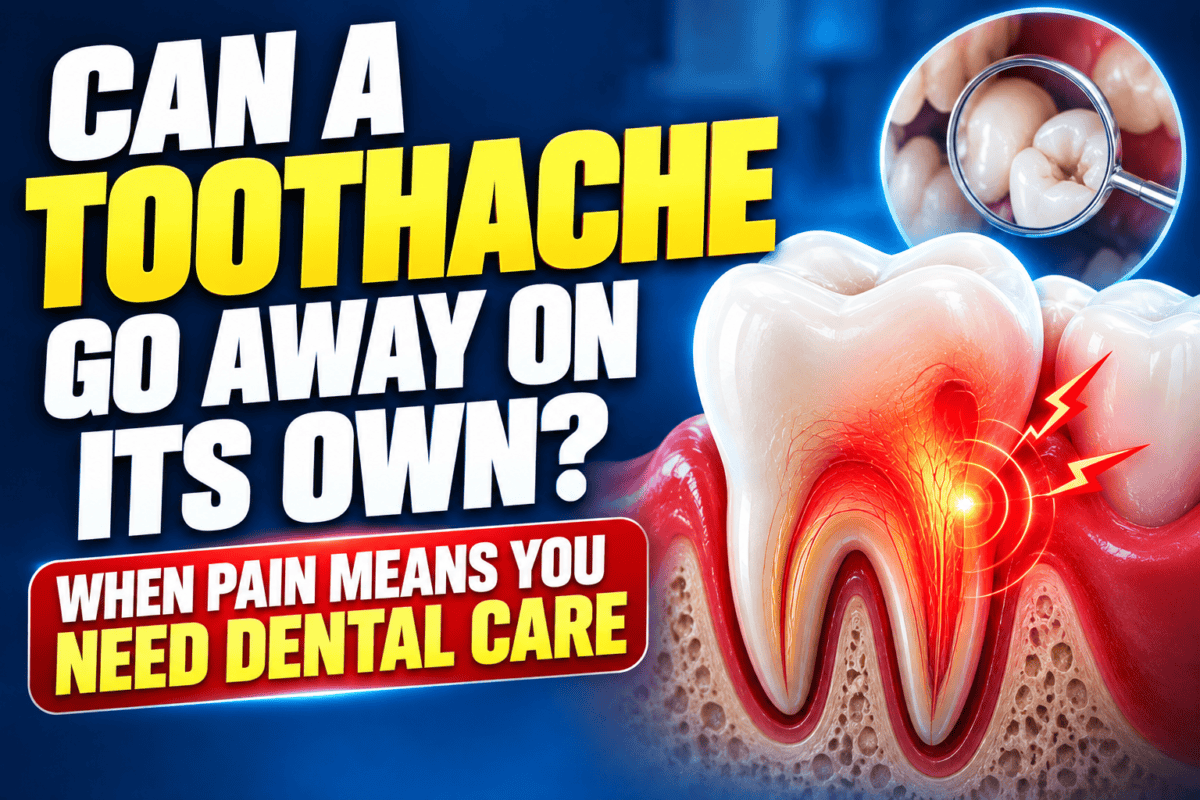
A toothache can appear suddenly, making it uncomfortable to eat, drink, sleep, or concentrate on everyday activities. Sometimes, the pain disappears after a few minutes, leading you to believe the problem has resolved itself. However, a toothache that goes away does not always mean the underlying dental problem has healed.
Tooth pain may result from food trapped between teeth, tooth sensitivity, cavities, cracked teeth, gum problems, or an infection. While some minor irritation may improve on its own, other causes require professional dental treatment to prevent complications.
At Ethos Modern Dental, understanding the cause of tooth pain is an important step toward choosing the right treatment. In this guide, we’ll explain when a toothache might improve without treatment, which warning signs you should never ignore, and when it’s time to visit a dentist.
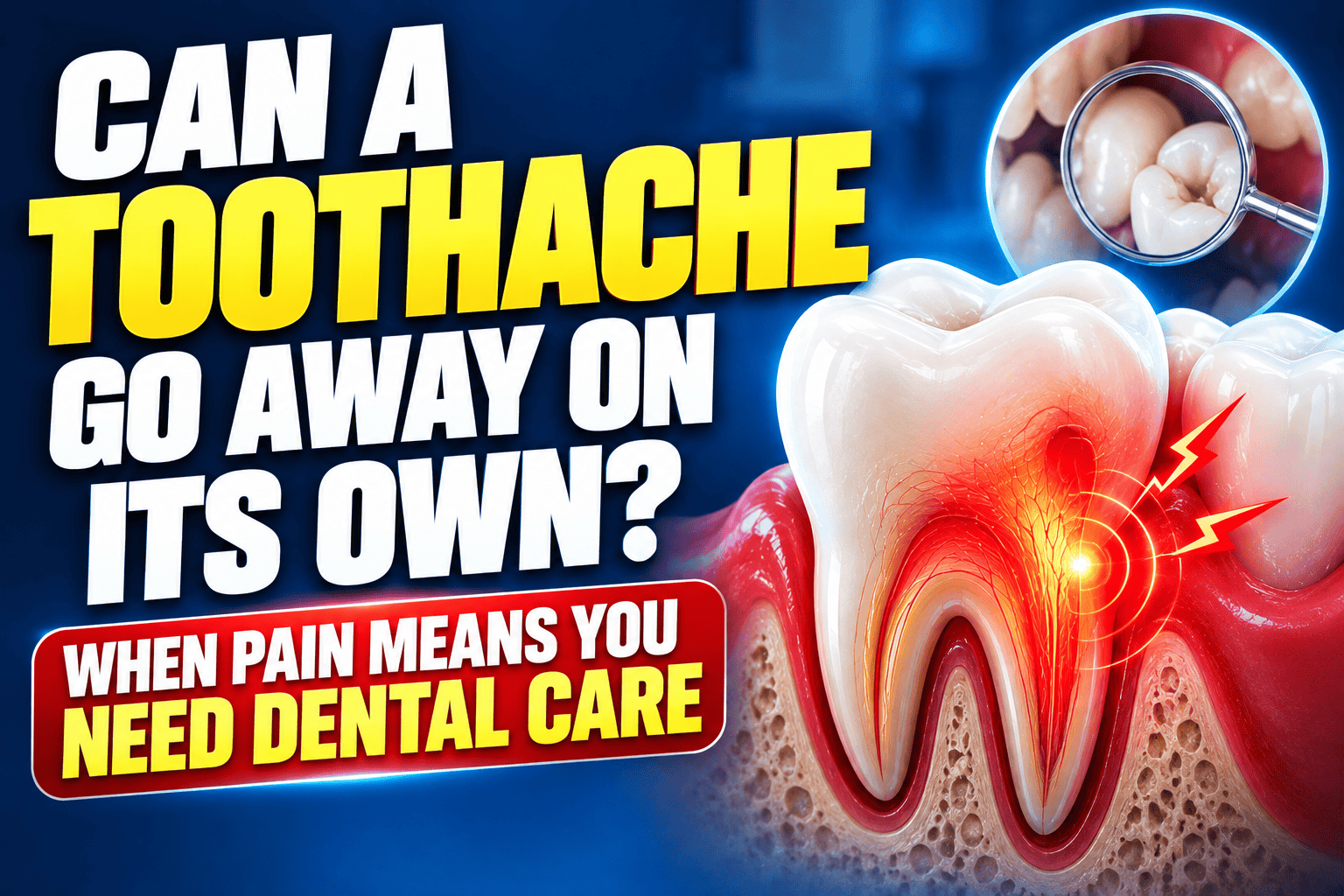
Can a Toothache Go Away on Its Own?
Yes, some temporary tooth discomfort may improve without professional treatment, but it depends on the cause. For example, irritation caused by food trapped between teeth may settle after the area is cleaned carefully. Mild sensitivity can also improve when the trigger is removed.
However, tooth pain caused by tooth decay, a crack, inflammation inside the tooth, or an infection generally needs proper evaluation. Pain may temporarily disappear even when the underlying condition remains.
Here are some common situations to understand:
- Temporary irritation: Discomfort may settle after removing trapped food and gently cleaning between the teeth.
- Mild sensitivity: Pain triggered by cold drinks or sweets may improve when the trigger is avoided, but recurring sensitivity still deserves attention.
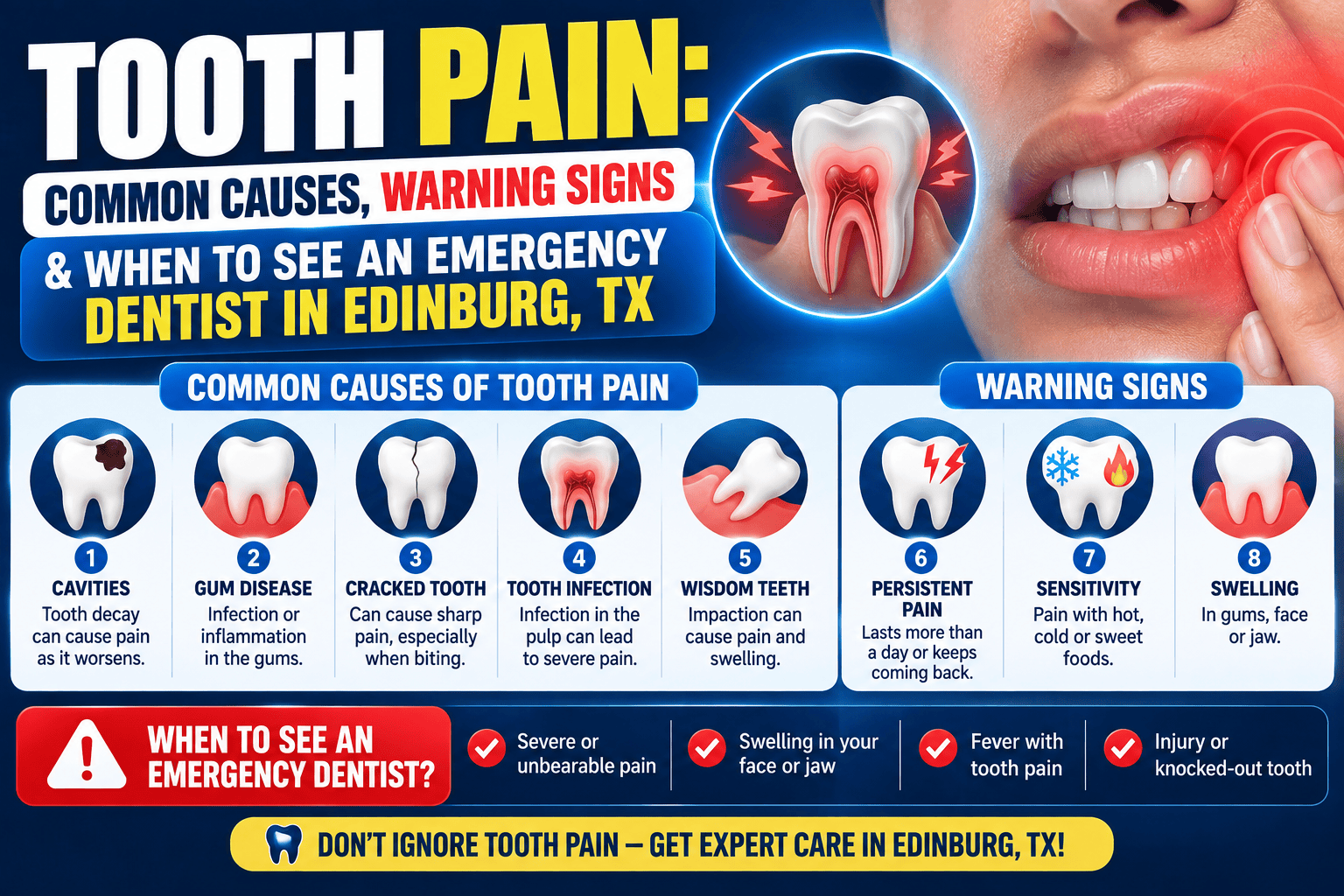
- Dental cavities: Pain may come and go as decay progresses. The absence of pain does not prove that the tooth is healthy.
- Cracked teeth: Discomfort may occur only when biting or chewing, making the problem easy to overlook.
- Dental infection: Pain can sometimes decrease if pressure changes or an abscess drains, but the infection may remain and still require treatment.
The important thing to remember is that pain relief and healing are not always the same thing. If your toothache is severe, keeps returning, or lasts more than a day or two, arrange a dental evaluation. Seek care sooner if you have other concerning symptoms.
7 Common Reasons Your Toothache May Disappear Temporarily
Understanding why the pain started can help you decide what to do next. A dentist can identify the cause through an examination and, when necessary, dental X-rays.
1. Food Trapped Between Your Teeth
Food particles stuck between teeth can press against the gums and cause localized discomfort. This may happen after eating meat, fibrous vegetables, popcorn, or other foods that easily become trapped.
The discomfort may improve after gentle flossing removes the particle. Avoid using sharp objects to dig between your teeth, as this can injure your gums.
If pain continues after the area is cleaned, another dental problem may be responsible.
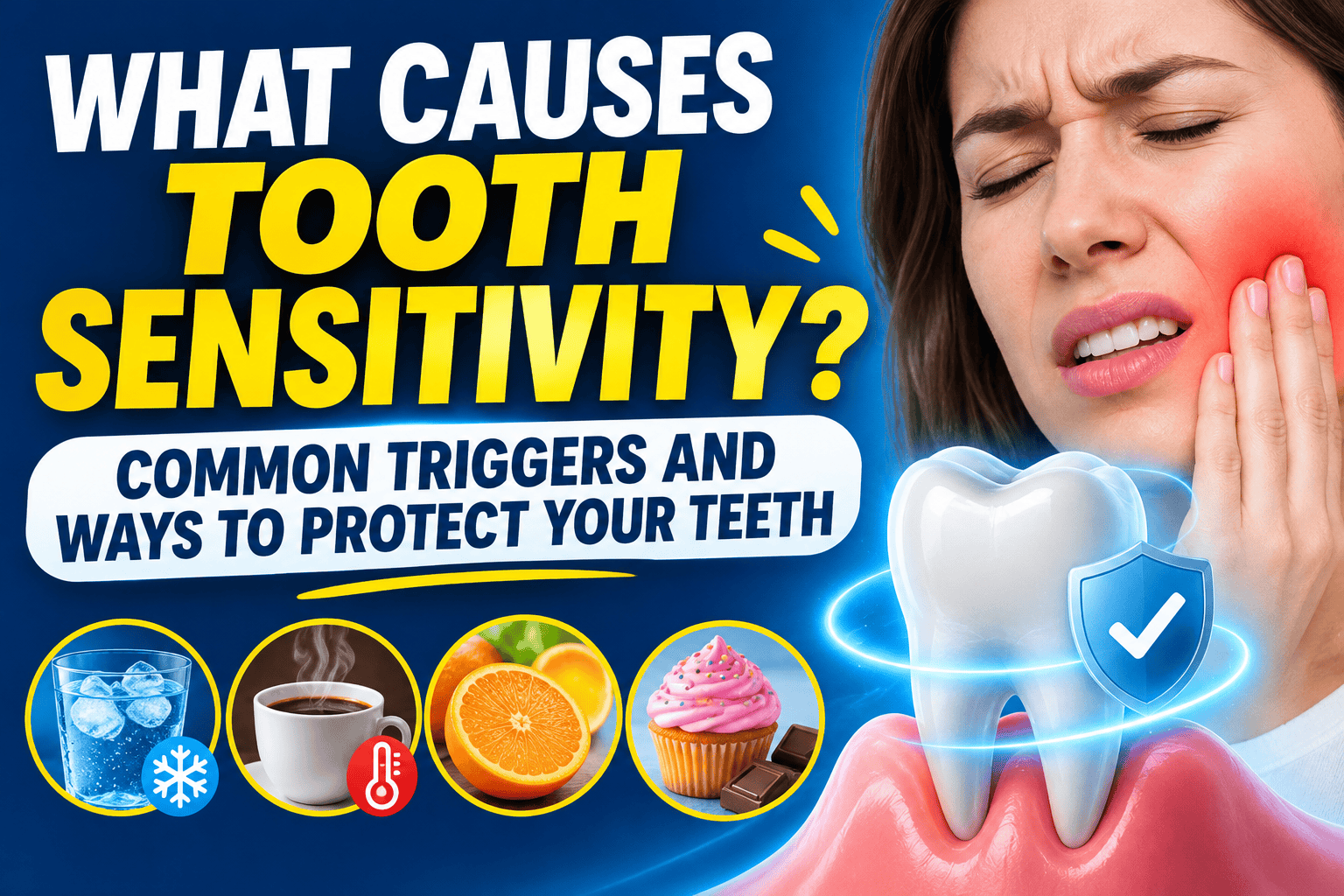
2. Tooth Sensitivity
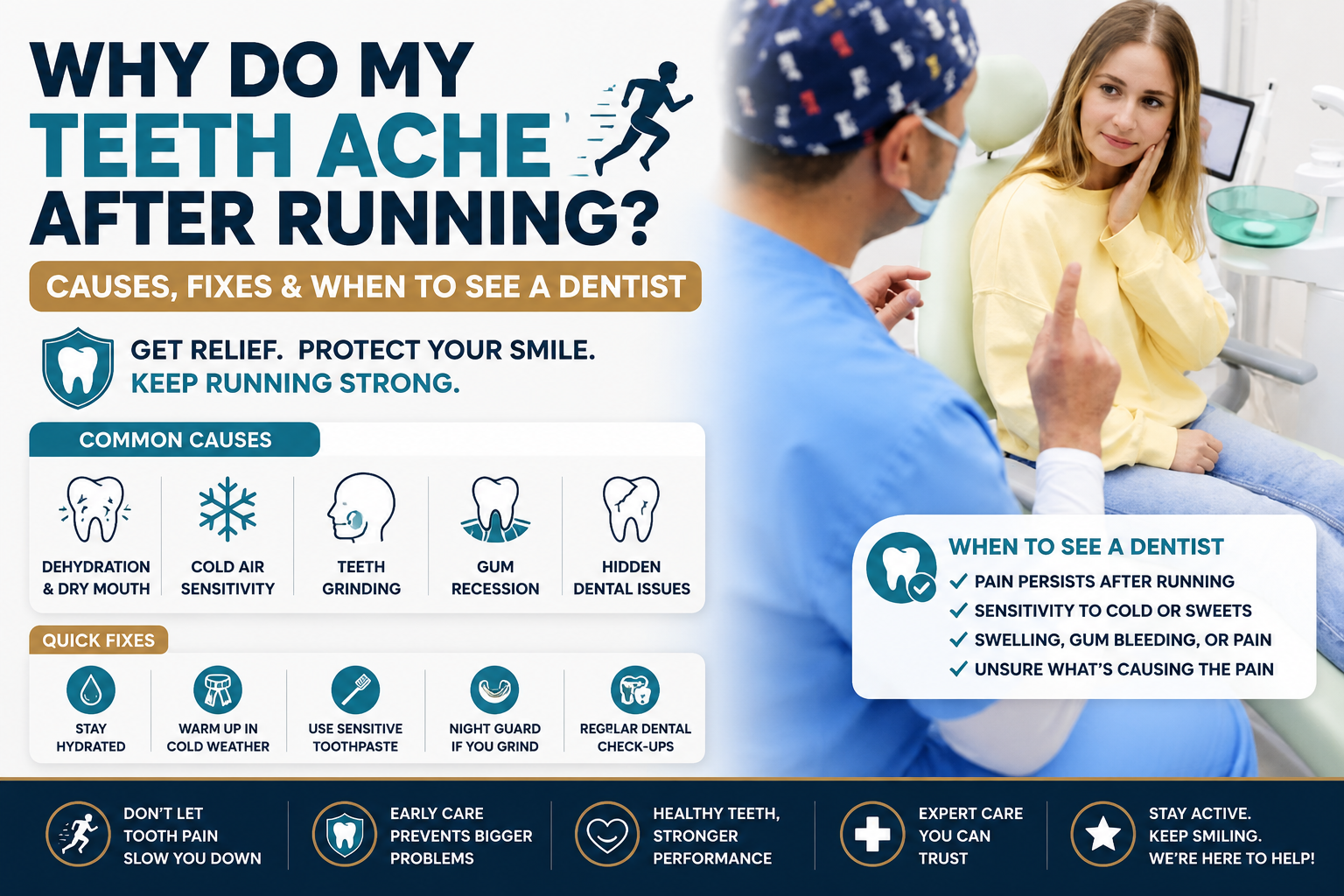
Some people experience a sharp sensation when drinking cold water, eating ice cream, or consuming hot or sweet foods. This can happen when enamel wears down or gum recession exposes the sensitive underlying dentin.
The pain may stop shortly after the trigger disappears. However, repeated sensitivity can also be associated with cavities, damaged teeth, or other conditions.
Using fluoride toothpaste, brushing gently with a soft-bristled toothbrush, and limiting frequent exposure to acidic drinks may help protect your teeth.
3. Early Tooth Decay
Tooth decay develops gradually when acids produced by oral bacteria damage the enamel. Early cavities may not cause obvious symptoms, while more advanced decay can produce sensitivity or pain.
You may notice discomfort only after eating something sweet or drinking something particularly hot or cold. The pain may disappear afterward, but the damaged tooth structure will not repair itself once a cavity has formed.
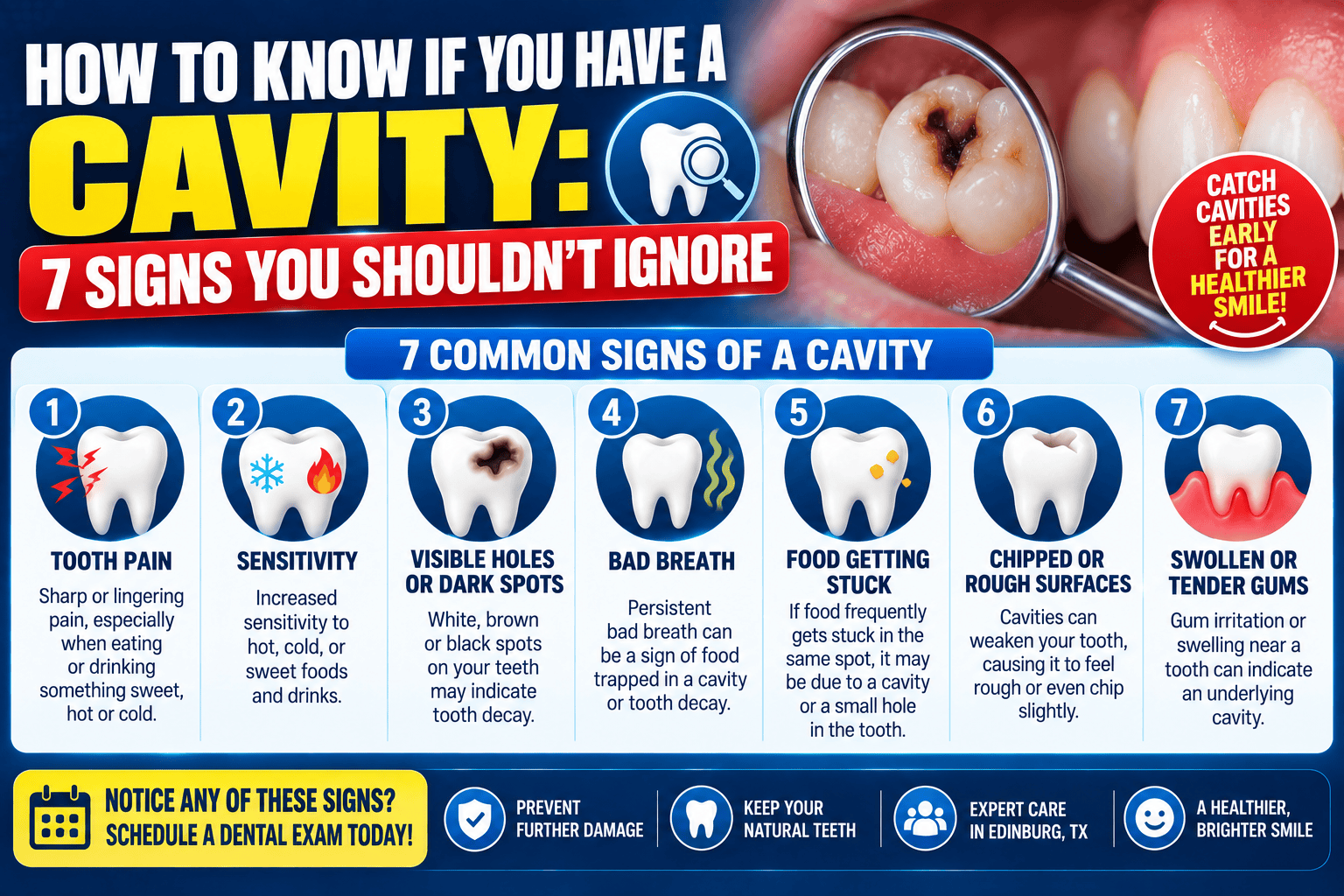
Learn more about the warning signs and causes of dental cavities.
4. A Cracked or Chipped Tooth
A cracked tooth may hurt only when you bite down or release pressure. Small cracks can be difficult to see, and discomfort may come and go depending on how you use the tooth.
Even if the pain disappears, a damaged tooth can remain vulnerable to further cracking or infection. Avoid chewing hard foods on the affected side and have the tooth examined.
Explore the available information about broken and chipped teeth to learn more about possible causes and treatment options.
5. Gum Irritation or Inflammation
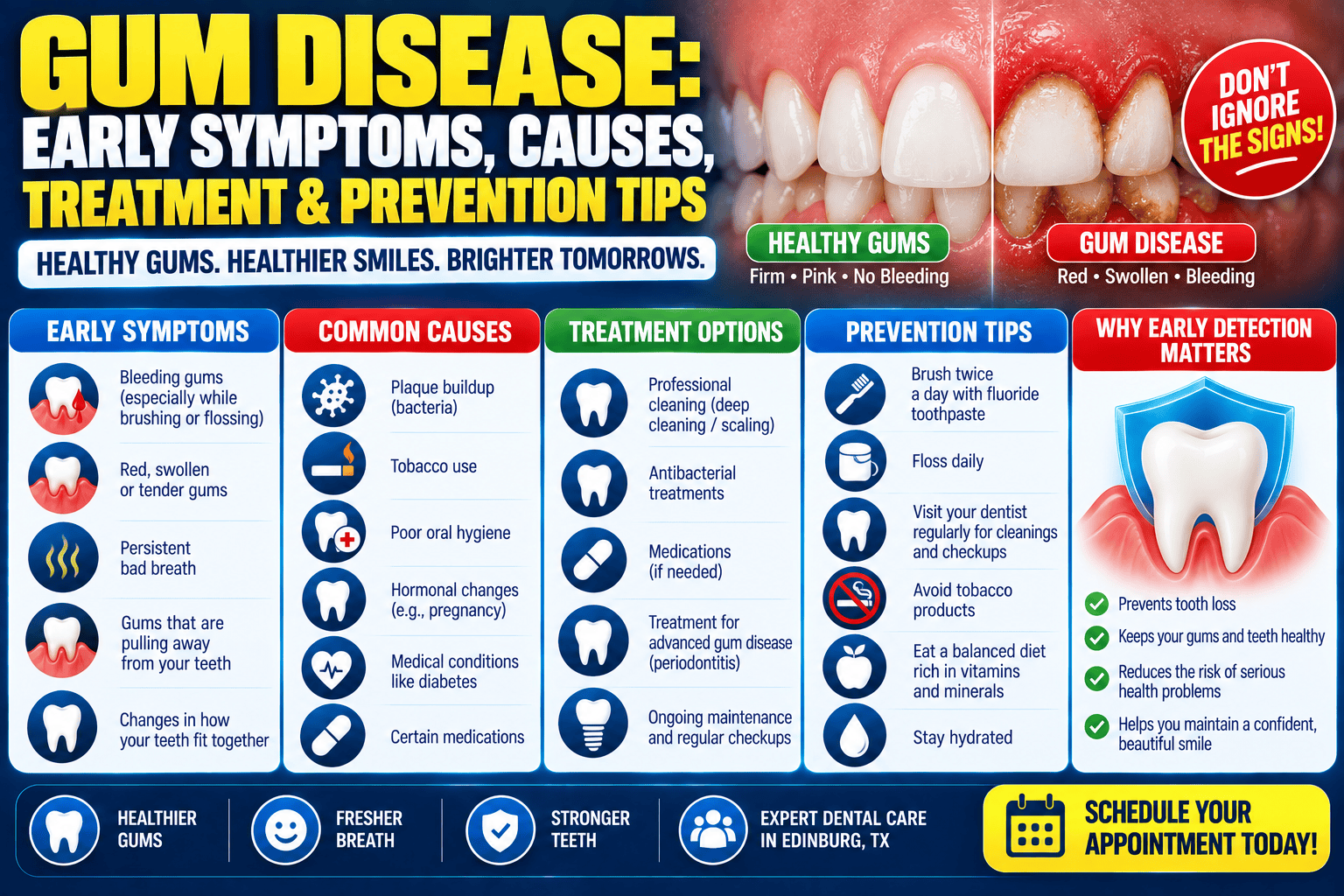
Inflamed gums can cause tenderness around one or more teeth. Food debris and plaque buildup may contribute to irritation, while gum disease can lead to persistent inflammation and other oral health problems.
Gentle brushing and daily cleaning between your teeth can help maintain gum health. However, ongoing gum tenderness, bleeding, swelling, or discomfort should be assessed by a dentist.
6. Wisdom Tooth Problems
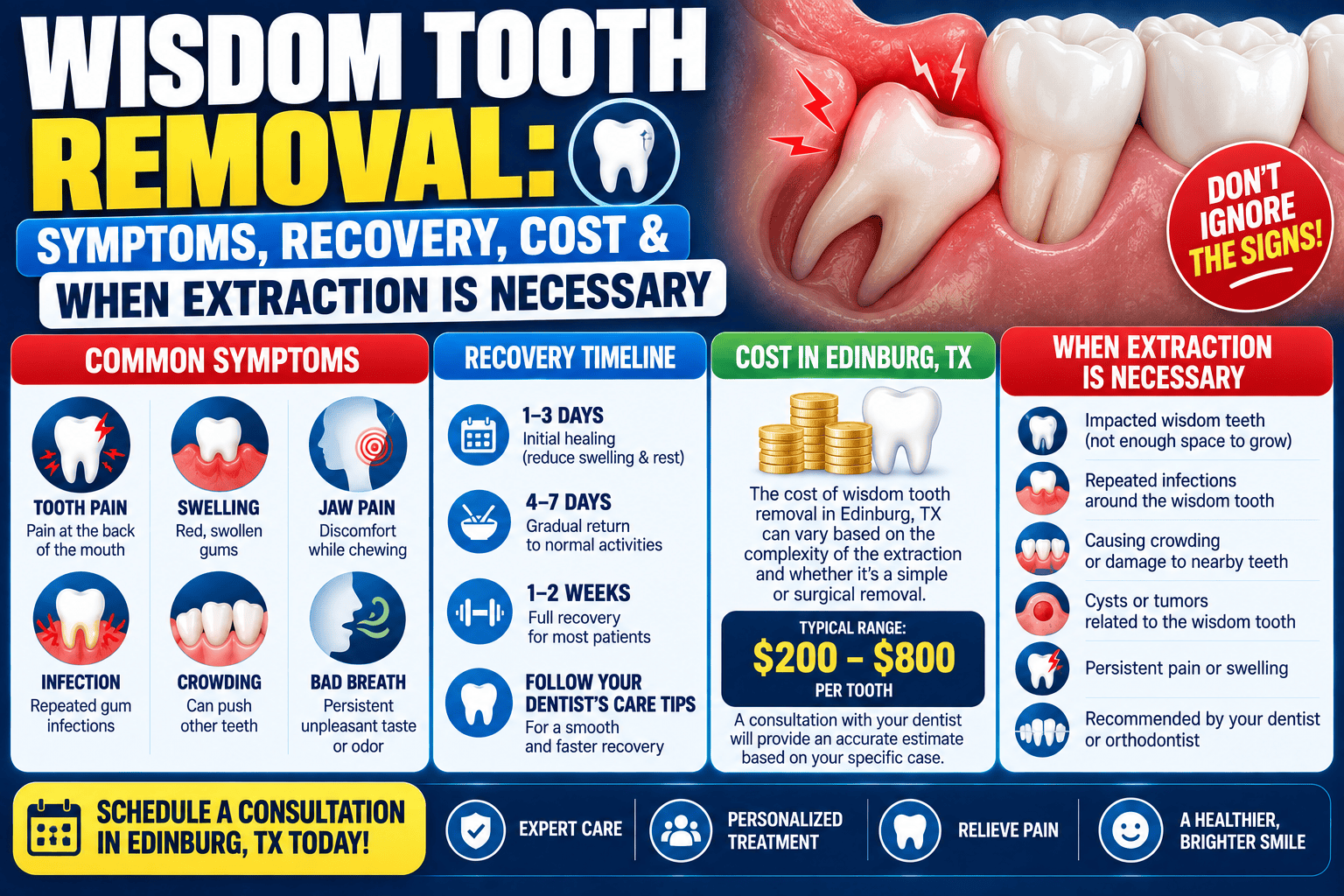
Wisdom teeth sometimes become impacted because there is not enough space for them to emerge properly. This can cause intermittent pain, tenderness, swelling, or difficulty opening the mouth.
Symptoms may ease temporarily even though the underlying problem remains. If discomfort repeatedly develops around the back of your mouth, a dentist can evaluate whether your wisdom teeth are contributing to the problem.
Read more about wisdom teeth and related dental concerns.
7. An Inflamed or Infected Tooth Nerve
Deep decay, a crack, or an injury can allow bacteria to affect the pulp inside a tooth, where its nerves and blood vessels are located.
The resulting pain may be intense, spontaneous, or persistent. In some cases, the pain can temporarily lessen if the pulp becomes severely damaged or stops responding normally. This does not necessarily mean the tooth has recovered.
An infection can also develop around the root and form an abscess. Such infections require prompt professional treatment because they may spread to surrounding tissues.
When Does Tooth Pain Mean You Need Dental Care?
A toothache should not be ignored simply because the discomfort is manageable. Certain symptoms can indicate a problem that needs timely treatment.
Watch for these warning signs:
- Persistent tooth pain: Discomfort that lasts more than a day or two or repeatedly returns.
- Pain while chewing: Discomfort when biting down may indicate decay, a crack, or inflammation around the tooth.
- Lingering sensitivity: Pain that continues after hot or cold foods and drinks have been removed.
- Swollen or tender gums: Inflammation around a tooth, particularly when accompanied by pain or discharge.
- A bad taste in your mouth: A foul taste or pus-like discharge may indicate an infection.
- Fever or facial swelling: These symptoms can signal a potentially serious infection that needs urgent assessment.
Contact a dentist promptly if you experience these symptoms. If you develop difficulty breathing or swallowing, seek emergency medical care immediately. Facial swelling accompanied by fever also warrants urgent assessment.
If the pain is severe, swelling is increasing, or you suspect a dental infection, contact an emergency dentist rather than waiting for the discomfort to disappear.
What Should You Do When You Have a Toothache?
While waiting for your dental appointment, a few simple measures may help manage discomfort. Remember that home care is temporary relief, not a substitute for treating the cause.
1. Rinse Your Mouth With Warm Water
Gently rinse your mouth with warm water to help remove food debris and keep the affected area clean. Avoid using water that is excessively hot or cold if your teeth are sensitive.
2. Clean Between Your Teeth Carefully
If you suspect food is trapped between your teeth, gently use dental floss. Avoid forcing floss into the gums or using sharp instruments around the painful area.
3. Avoid Foods That Trigger Pain
Temporarily avoid very hot, cold, sugary, hard, or acidic foods if they aggravate your symptoms. Choose softer foods and chew on the opposite side when possible.
4. Consider an Appropriate Pain Reliever
An over-the-counter pain reliever may help manage discomfort while you arrange dental care. Follow the package instructions and check with a pharmacist or healthcare professional if you have medical conditions, take other medications, or are unsure which medicine is suitable for you.
Never place aspirin directly against your tooth or gums, as it can damage the tissue. Do not take leftover antibiotics without a prescription.
5. Arrange a Dental Examination
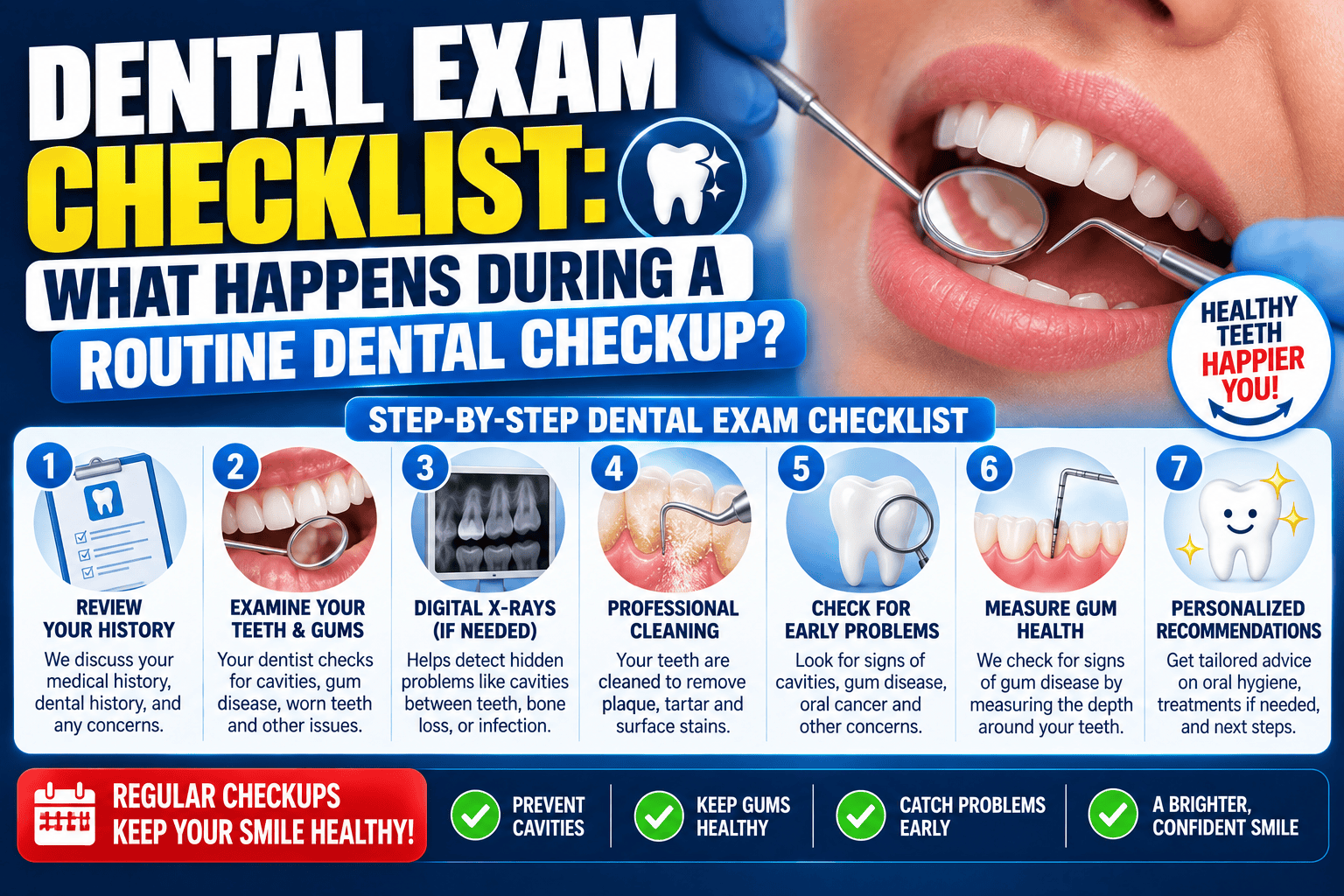
Even if your discomfort improves, an examination can help determine whether the problem is caused by decay, a crack, gum irritation, or an infection. Your dentist may recommend an X-ray or other tests to identify the source.
Learn what to expect during a professional dental examination and why identifying problems early matters.
How Is a Toothache Treated by a Dentist?
The right treatment depends on the cause of the pain, the condition of the tooth, and whether the surrounding tissues are affected.
Here are some common treatment options:
| Cause of toothache | Possible treatment |
| Food trapped between teeth | Professional cleaning or removal of the trapped debris, if needed |
| Tooth sensitivity | Desensitizing toothpaste, fluoride treatment, or addressing the underlying cause |
| Dental cavity | A filling or other restorative treatment, depending on the extent of decay |
| Cracked or weakened tooth | Dental bonding, a crown, or another restoration when appropriate |
| Infected tooth pulp | Root canal treatment or extraction, depending on whether the tooth can be saved |
| Dental abscess | Drainage and treatment of the infection; additional treatment may be necessary |
When Is Root Canal Treatment Necessary?
When the pulp inside a tooth becomes irreversibly inflamed or infected, root canal treatment may be recommended to remove the affected tissue, clean the root canals, and seal the tooth.
This procedure can often preserve a natural tooth that might otherwise need to be removed. Learn more about root canal treatment and when it may be appropriate.
When Might a Tooth Need to Be Removed?
If a tooth is too severely damaged to restore or cannot be saved through other treatments, extraction may be necessary. Your dentist will assess the condition of the tooth and discuss suitable options before recommending removal.
Read about tooth extraction to understand when this procedure may be considered.
How Can You Prevent Toothaches From Returning?
Although not every dental problem can be prevented, consistent oral hygiene and routine professional care can reduce the risk of common causes of tooth pain.
Follow these everyday habits to support your oral health:
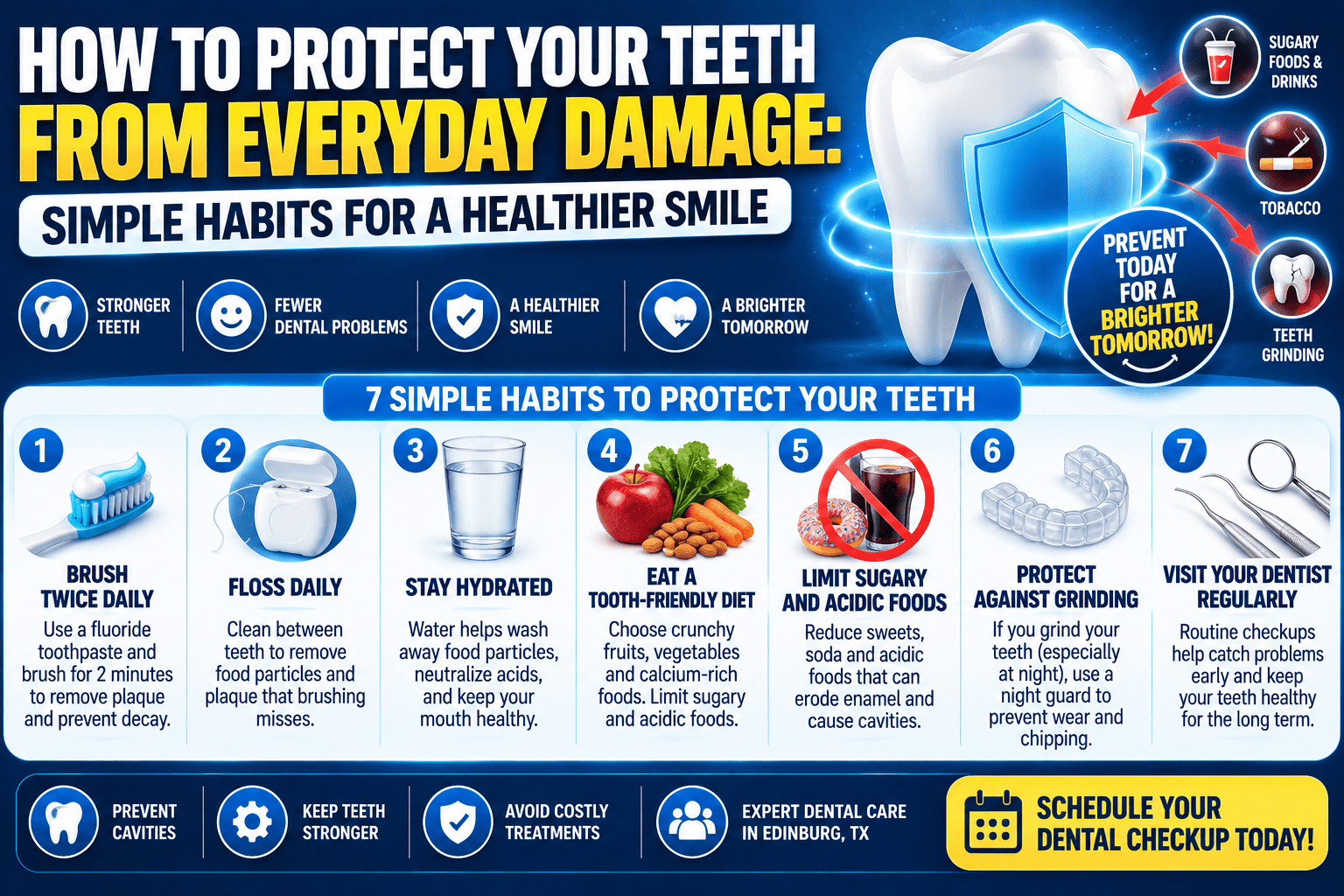
- Brush twice daily with fluoride toothpaste.
- Clean between your teeth every day using floss or an appropriate interdental cleaner.
- Limit frequent consumption of sugary foods and drinks.
- Avoid chewing ice, hard sweets, and other objects that can damage teeth.
- Address teeth grinding or clenching with professional guidance.
- Keep up with dental examinations and professional cleanings.
- Seek care early when you notice new sensitivity, pain, swelling, or damage.
These habits help protect your teeth, but they cannot repair an existing cavity, a significant crack, or an established dental infection.
Frequently Asked Questions
1. Can a toothache go away without treatment?
Some minor discomfort, such as irritation caused by trapped food, may improve once the cause is removed. However, pain caused by cavities, cracks, or infections may temporarily disappear without the underlying problem resolving. Persistent or recurring tooth pain should be evaluated by a dentist.
2. How long should I wait before seeing a dentist for a toothache?
Contact a dentist if the pain is severe, keeps returning, or lasts longer than a day or two. Seek care sooner if you have swelling, fever, discharge, or pain when biting. Difficulty breathing or swallowing requires immediate emergency medical care.
3. Why does my tooth stop hurting and then start hurting again?
Tooth pain can fluctuate depending on temperature, chewing pressure, and changes within the affected tooth. Cavities, cracks, and inflammation can cause intermittent discomfort. Even if the pain disappears between episodes, a dental examination can help identify the cause.
4. Does a toothache that suddenly stops hurting mean the infection is gone?
No. An infected tooth can sometimes stop hurting temporarily, including when the nerve becomes severely damaged or an abscess drains. The infection may still be present and can cause complications if left untreated. Prompt professional evaluation is important.
5. Can I treat a toothache at home permanently?
Home care may temporarily reduce discomfort, but it cannot reliably treat the underlying causes of toothaches, such as cavities, cracked teeth, or dental abscesses. Proper treatment depends on a dental examination and diagnosis.
6. What is the fastest way to relieve tooth pain?
The best approach depends on the cause. Avoiding triggers, gently rinsing with warm water, carefully removing trapped food, and using an appropriate over-the-counter pain reliever may provide temporary relief. Severe or persistent pain needs professional assessment rather than repeated reliance on pain medicine.
Don’t Ignore a Toothache Just Because the Pain Disappears
A toothache that goes away may seem like a problem solved, but temporary relief does not always mean your tooth has healed. Tooth decay, cracks, and infections can continue to develop even when symptoms become less noticeable.
Pay attention to recurring discomfort, sensitivity, pain while chewing, and swelling. Taking these warning signs seriously can help you receive the right treatment before the problem becomes more complicated.
At Ethos Modern Dental, the priority is identifying the cause of dental discomfort and recommending appropriate care to protect your teeth and long-term oral health. When a toothache persists or returns, getting it checked is safer than waiting for the pain to disappear again.