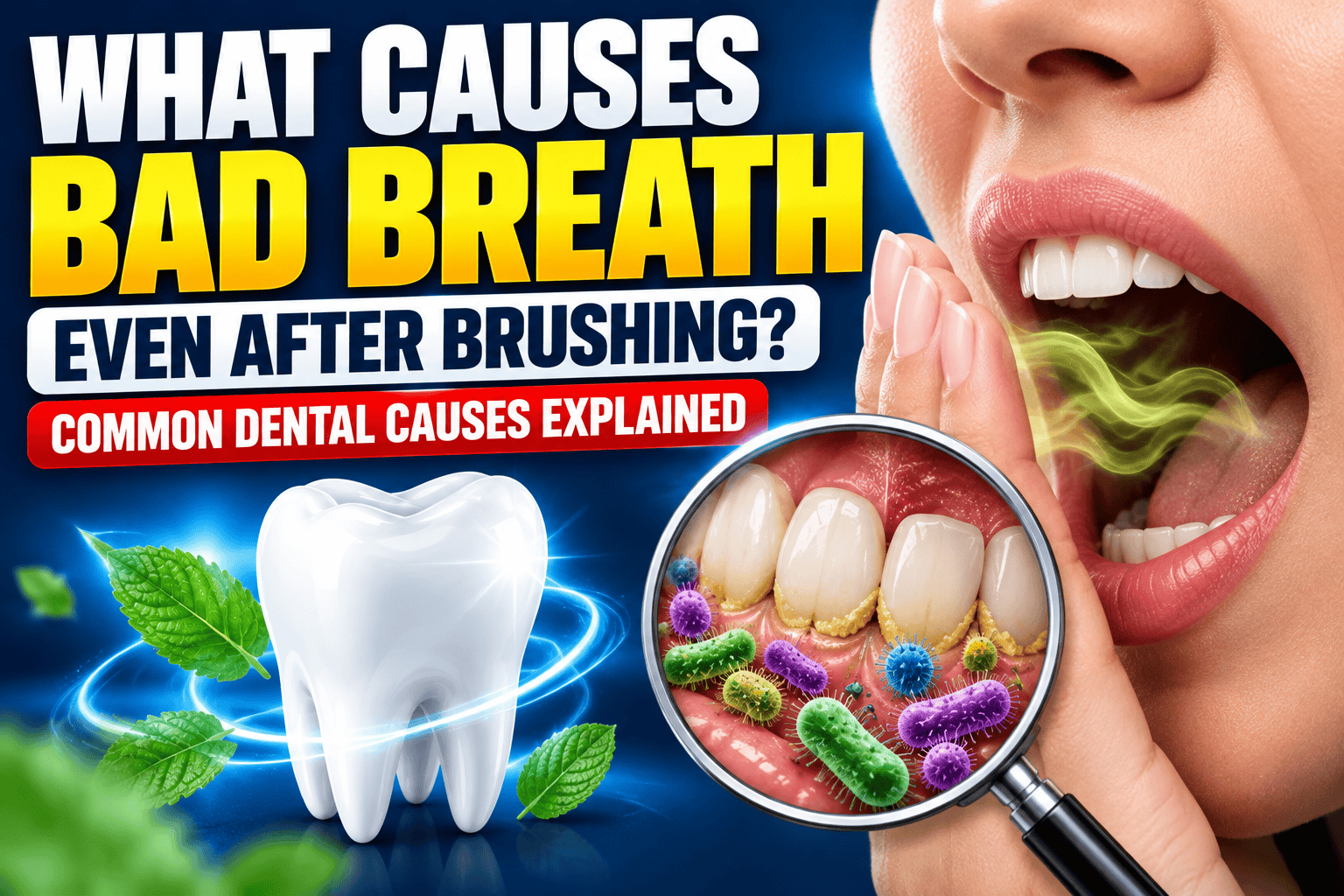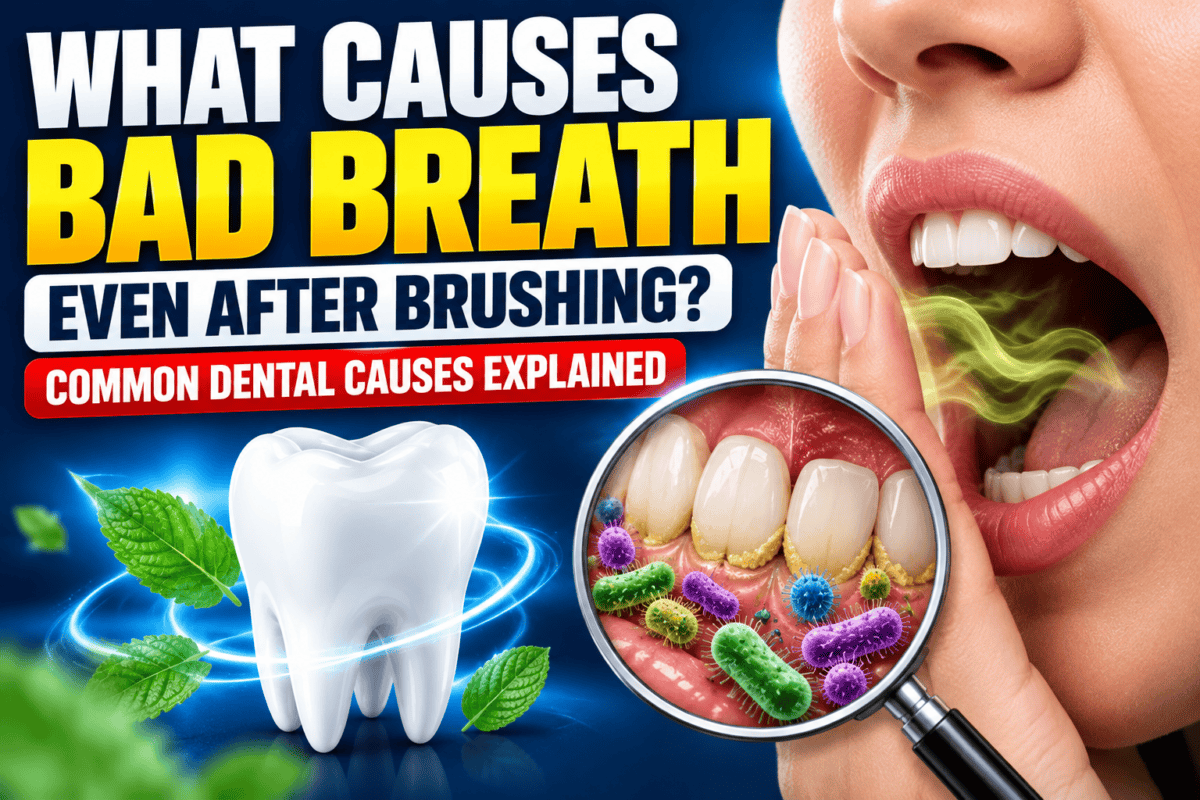
Bad breath can be frustrating, especially when you brush your teeth regularly and still notice an unpleasant smell or taste in your mouth. While brushing is essential for maintaining oral hygiene, it does not always remove every source of odor-causing bacteria.
Persistent bad breath, also known as halitosis, can be associated with bacteria on the tongue, food particles trapped between teeth, gum disease, tooth decay, dry mouth, and certain medical conditions. Identifying the underlying cause is the first step toward finding an effective solution.
At Ethos Modern Dental, maintaining fresh breath starts with understanding your overall oral health. In this guide, we explain why bad breath can continue even after brushing, what symptoms to watch for, and which daily habits can help you maintain a cleaner, fresher mouth.
Why Does Bad Breath Persist Even After Brushing?
Brushing removes plaque and food debris from tooth surfaces, but it may not reach every area where odor-causing bacteria collect. The tongue, spaces between teeth, gumline, and areas around dental restorations can retain bacteria and debris.
Additionally, brushing cannot resolve every underlying cause of bad breath. If you have gum disease, tooth decay, dry mouth, or an infection, the odor may continue until the problem is appropriately addressed.
Common reasons for persistent bad breath include:
- Bacteria accumulating on the tongue.
- Plaque and food particles trapped between teeth.
- Inflamed or infected gums.
- Cavities and other dental problems.
- Reduced saliva production or dry mouth.
- Tobacco use and certain foods.
- Tonsil stones or other medical conditions.
Using mints or mouthwash may temporarily mask the smell without addressing its source. If bad breath continues despite consistent oral hygiene, a dental evaluation can help identify what is contributing to the problem.
7 Common Causes of Bad Breath Even After Brushing
1. Bacteria Buildup on Your Tongue
Your tongue has a textured surface that can trap bacteria, food particles, and dead cells. These substances can produce unpleasant-smelling compounds even when your teeth appear clean.
If you brush your teeth but skip your tongue, some odor-causing bacteria may remain in your mouth.
What you can do: Gently clean your tongue with a toothbrush or tongue scraper as part of your regular oral hygiene routine. Avoid scraping aggressively, as this can irritate the surface.
Pay particular attention to the back of your tongue, where buildup may be more difficult to remove comfortably.
Cleaning your tongue alongside brushing and flossing can help reduce oral odor and support fresher breath.
2. Gum Disease and Plaque Buildup
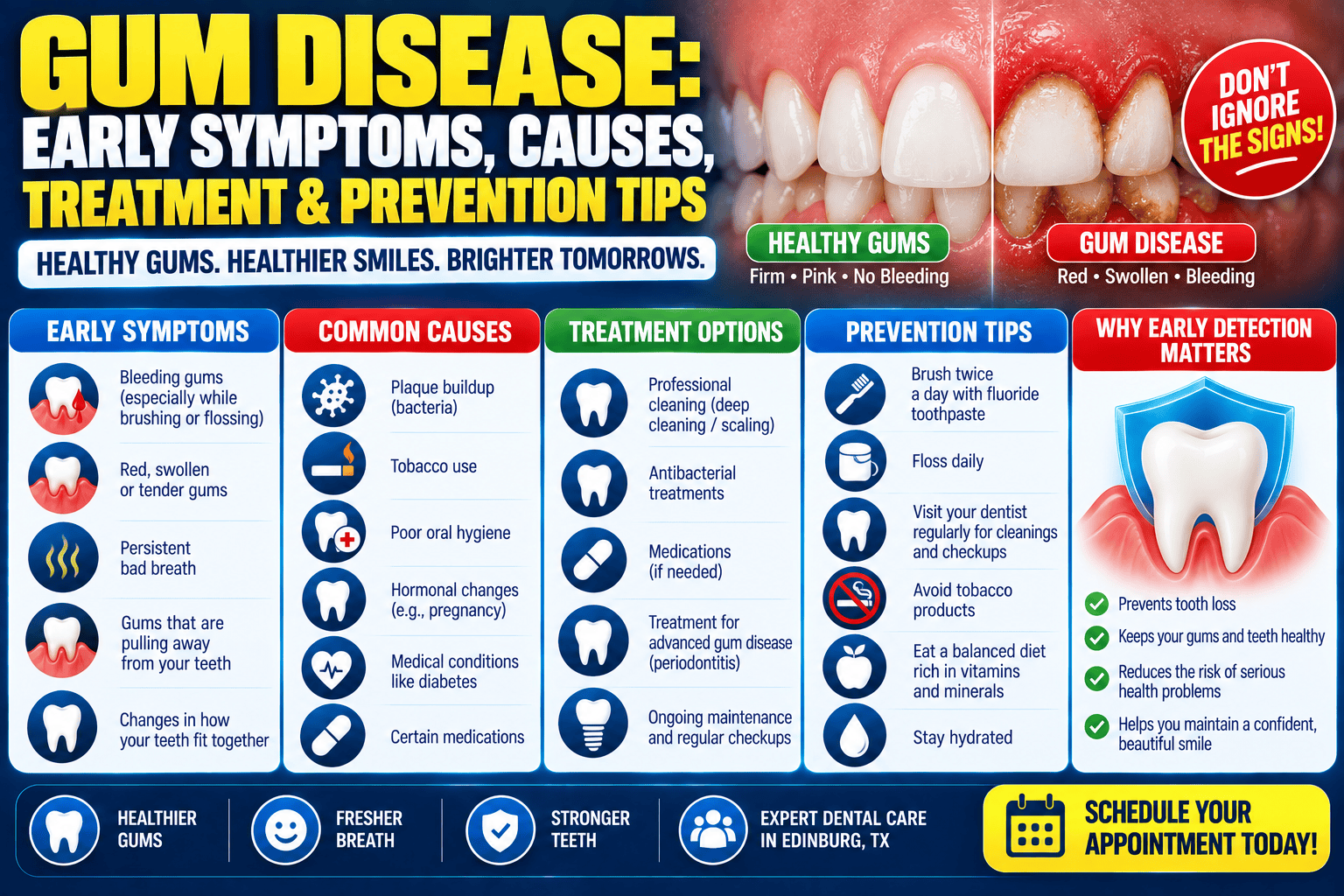
Persistent bad breath can sometimes be a warning sign of gum disease. Plaque contains bacteria that can irritate the gums. Without effective cleaning, gum inflammation may develop and progress to more serious periodontal problems.
As gum disease advances, pockets can form around the teeth, creating spaces where bacteria and debris accumulate. Brushing alone may not adequately clean these areas.
Other symptoms to watch for include:
- Red, swollen, or tender gums.
- Bleeding while brushing or flossing.
- Gums that appear to be pulling away from the teeth.
- Persistent bad taste in the mouth.
- Loose teeth or changes in the way your teeth fit together.
If you notice these symptoms, do not rely solely on mouthwash or breath fresheners. Learn more about the causes, warning signs, and treatment options for gum disease.
Professional assessment can help determine whether you need improved home-care techniques, a professional cleaning, or further periodontal treatment.
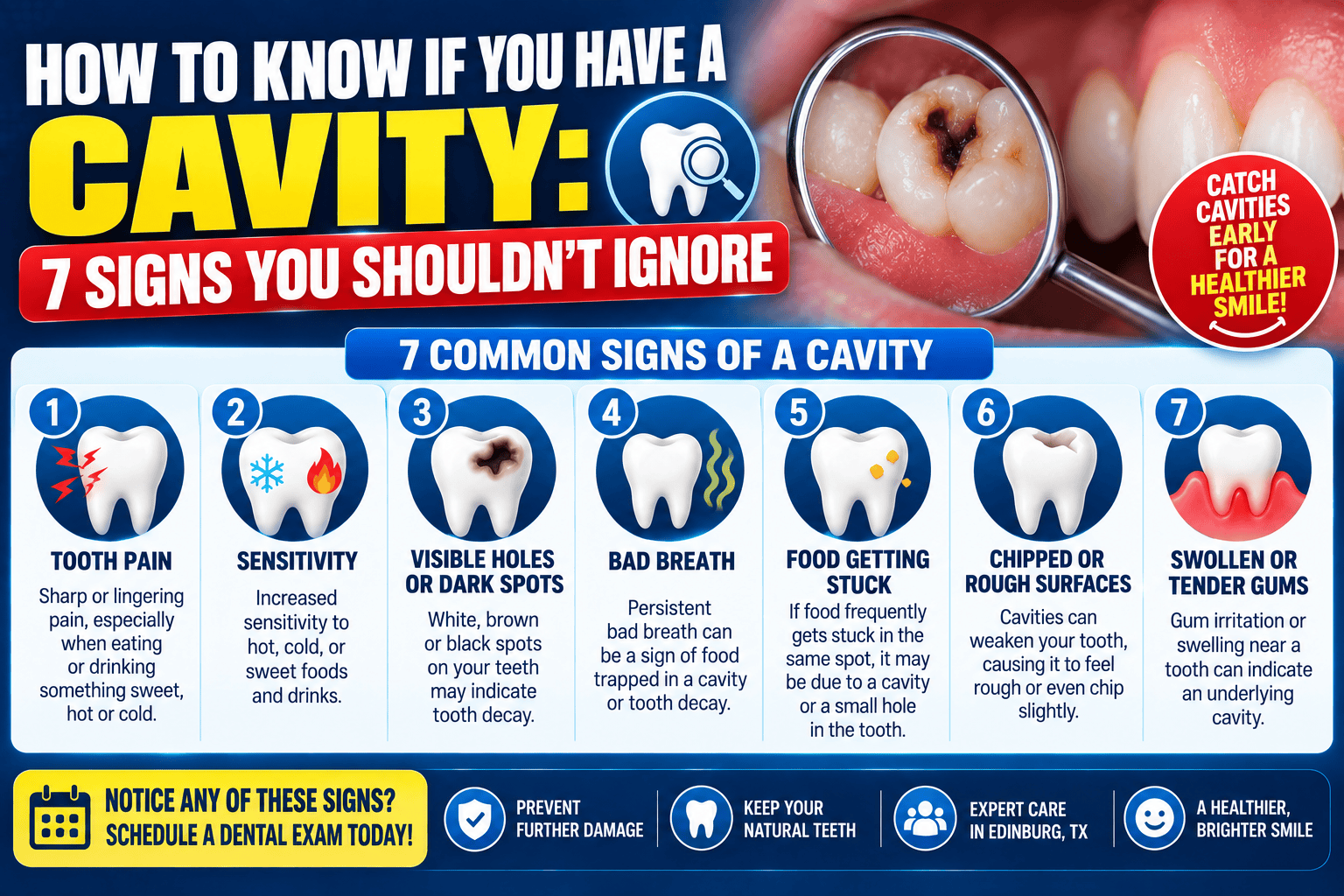
3. Cavities and Tooth Decay
Dental cavities can contribute to bad breath when food particles and bacteria collect in areas affected by tooth decay. Damaged tooth surfaces may make cleaning more difficult, allowing debris to remain trapped.
You might notice a persistent unpleasant taste, sensitivity to hot or cold foods, or discomfort when chewing. However, cavities can also develop without noticeable pain in their early stages.
Brushing regularly is important, but an existing cavity generally requires professional evaluation and, when indicated, restorative treatment.
If you suspect tooth decay, explore the symptoms and causes of dental cavities.
Early treatment can help prevent decay from progressing into deeper layers of the tooth and reduce the likelihood of more extensive dental procedures.
4. Dry Mouth and Reduced Saliva Production
Saliva plays an important role in keeping your mouth clean. It helps wash away food particles, supports the balance of oral bacteria, and protects your teeth and oral tissues.
When saliva production decreases, odor-causing substances may accumulate more easily.
Dry mouth can develop for several reasons, including:
- Dehydration.
- Sleeping with your mouth open.
- Mouth breathing.
- Certain medications.
- Problems affecting the salivary glands.
- Some medical conditions.
You may notice that your mouth feels sticky, your tongue feels dry, or you need to sip water frequently throughout the day.
What you can do: Drink water regularly, consider sugar-free gum if appropriate, and discuss persistent dryness with a healthcare professional. Do not stop prescribed medication without medical advice.
If dry mouth continues despite these measures, a dental or medical evaluation can help identify the cause and determine appropriate management.
5. Food Particles Trapped Between Teeth
Food can become trapped between teeth or around dental restorations, particularly when spaces are difficult to clean. As bacteria break down the remaining food particles, they can produce unpleasant odors.
Brushing primarily cleans the accessible surfaces of your teeth. Without cleaning between them, debris may remain even after you have brushed thoroughly.
Common signs include bad breath that returns soon after brushing, food frequently getting stuck in the same area, or localized gum tenderness.
What you can do:
- Floss daily or use an appropriate interdental cleaner.
- Clean carefully around dental restorations.
- Avoid forcing floss into tight spaces.
- Ask your dentist about areas that are difficult to clean.
Consistent cleaning between your teeth can help remove debris that a toothbrush may miss.
6. Certain Foods, Smoking, and Tobacco Use
Garlic, onions, and some strongly flavored foods can temporarily affect your breath. Their odor-producing compounds may enter the bloodstream after digestion and eventually influence the air you exhale.
Smoking and tobacco use can also contribute to persistent oral odor. Tobacco may dry the mouth, affect the gums, and increase the risk of gum disease.
Brushing can reduce some surface odors, but it cannot immediately remove every odor associated with digestion or tobacco use.
To manage these causes, drink water, maintain your regular oral hygiene routine, and reduce tobacco exposure. Limiting foods that repeatedly trigger unpleasant breath may also help.
If bad breath continues after the temporary effects of food have passed, consider whether an underlying dental problem could be contributing.
7. Tonsil Stones, Sinus Problems, or Other Medical Conditions
Not every case of persistent bad breath originates in the teeth. Tonsil stones can develop when debris collects in small pockets in the tonsils. These deposits can harbor bacteria and produce an unpleasant odor.
Sinus infections, postnasal drip, and other nose or throat conditions may also contribute to bad breath. In some cases, acid reflux and certain systemic medical conditions can be associated with changes in breath odor.
You may suspect a cause beyond routine oral hygiene if you also experience:
- A persistent sore throat.
- Repeated tonsil stones.
- Ongoing nasal congestion or postnasal drip.
- Frequent acid reflux.
- Dry mouth that does not improve with hydration.
If your dentist cannot identify an oral cause, they may recommend consulting an appropriate healthcare professional.
How to Get Rid of Bad Breath Naturally
Good daily habits can help reduce odor-causing bacteria and maintain a cleaner mouth. However, home care works best when it addresses the likely source of the problem.
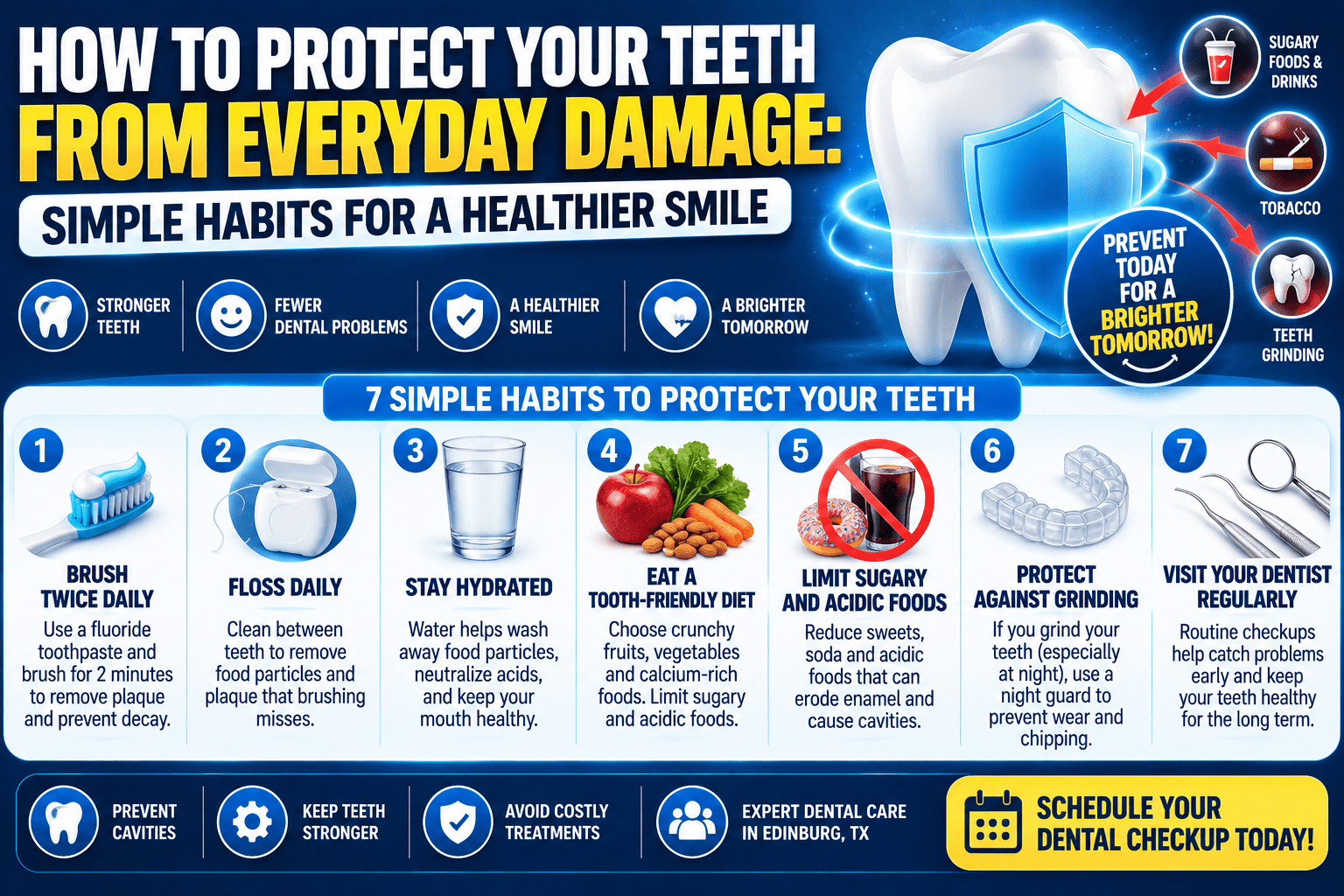
Brush Twice a Day With Fluoride Toothpaste
Brush for two minutes in the morning and before bed. Use a soft-bristled toothbrush and clean all accessible tooth surfaces gently.
Avoid scrubbing aggressively, as this may irritate your gums without making your mouth meaningfully cleaner.
Clean Your Tongue Every Day
Use a tongue scraper or toothbrush to remove surface buildup gently. Cleaning your tongue can help reduce the bacteria associated with oral odor.
Floss or Clean Between Your Teeth Daily
Dental floss or interdental cleaners help remove plaque and food particles from spaces a toothbrush cannot easily reach.
Choose a cleaning method that fits your teeth and gums, and ask your dentist for guidance if you struggle to clean certain areas.
Drink Water Regularly
Water helps keep your mouth moist and supports the natural cleansing action of saliva. If you frequently experience dryness, review possible contributing factors with your healthcare professional.
Consider Mouthwash Carefully
Some mouthwashes can temporarily freshen your breath, while others contain ingredients intended to help control oral bacteria.
However, mouthwash should complement brushing and cleaning between your teeth, not replace them. If you have persistent dry mouth, ask your dentist whether an alcohol-free product would be more suitable.
Maintain Regular Professional Cleanings
Even people with consistent brushing habits can develop plaque and hardened tartar in difficult-to-reach areas.
Professional cleaning can remove deposits that ordinary brushing cannot, while dental examinations help identify possible causes of persistent odor.
Explore Ethos Modern Dental’s cleaning and whitening services to learn more about professional dental care and maintaining oral hygiene.
When Should You See a Dentist for Bad Breath?
Occasional bad breath after eating certain foods or waking up in the morning is common. However, persistent odor that does not improve with brushing, tongue cleaning, and daily flossing deserves attention.
Consider arranging a dental appointment if:
- Your breath remains unpleasant despite a consistent oral hygiene routine.
- You have bleeding, swollen, or tender gums.
- You notice tooth pain, sensitivity, or visible decay.
- You experience a persistent bad taste in your mouth.
- You have dry mouth that continues for an extended period.
- You notice discharge, swelling, or other signs of a possible oral infection.
If you develop facial swelling with fever, seek urgent medical or dental assessment. Difficulty breathing or swallowing requires immediate emergency medical care.
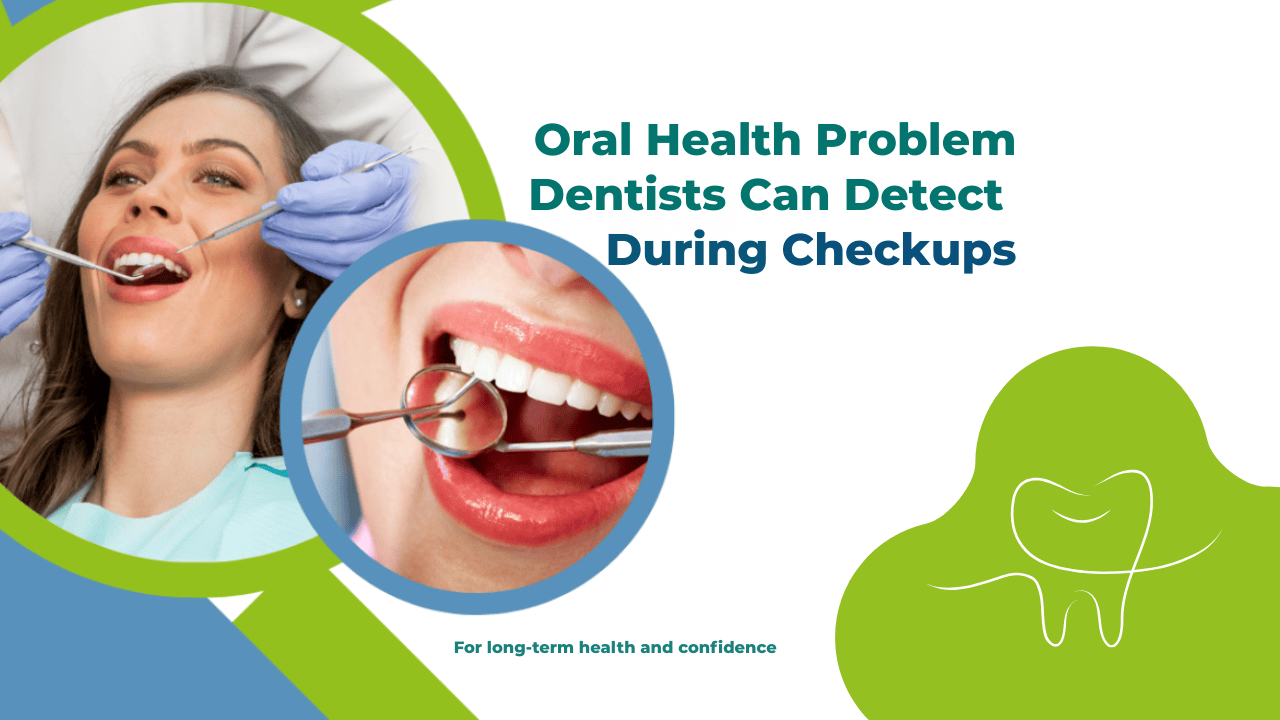
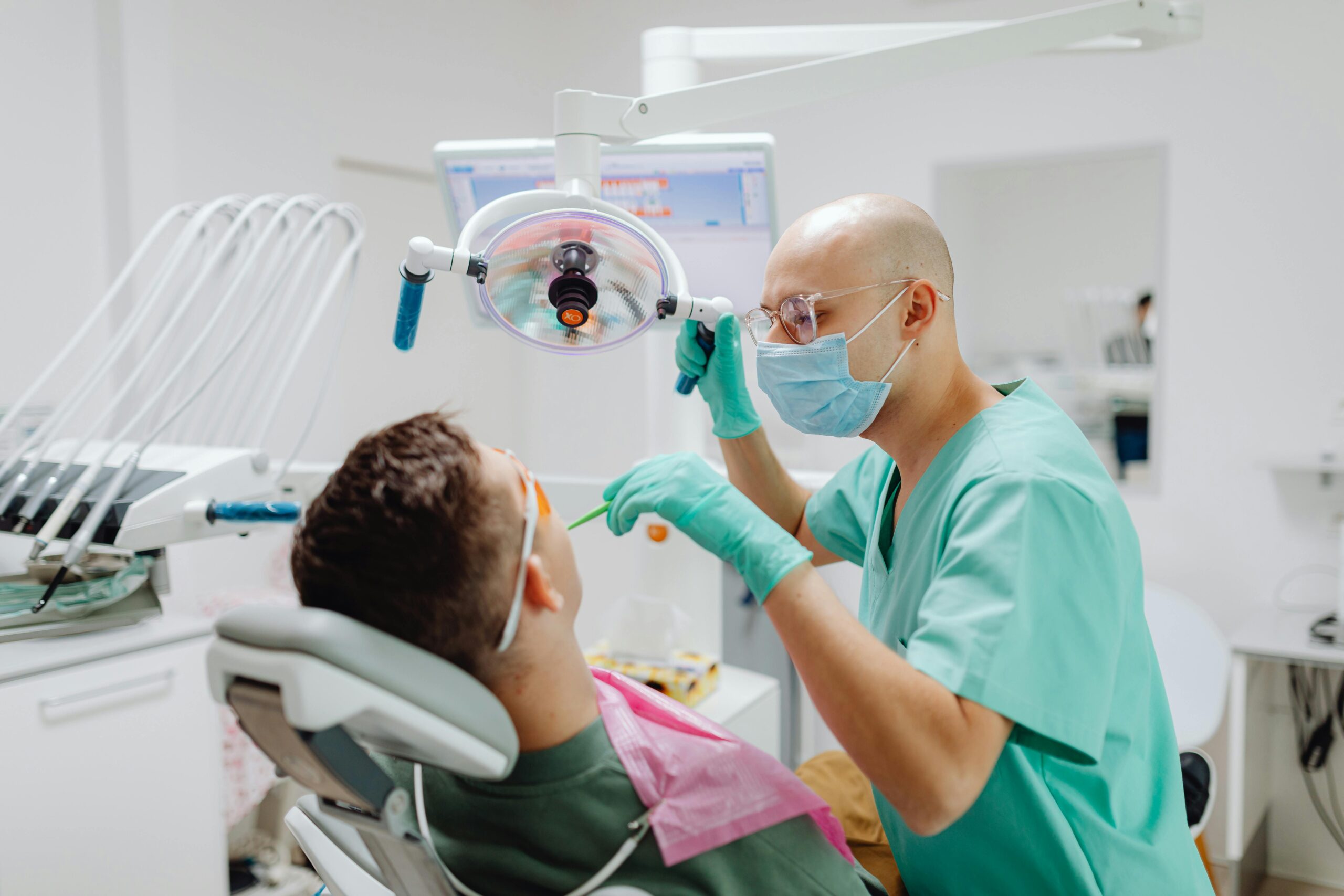
A dental professional can examine your teeth, gums, tongue, and oral tissues to look for potential sources of odor. Depending on the findings, treatment may include professional cleaning, managing gum disease, treating decay, or addressing another dental concern. If no oral cause is found, a referral to another healthcare professional may be appropriate.
For more information about persistent oral odor and related concerns, visit the bad breath condition page.
What to Expect During a Dental Evaluation for Bad Breath
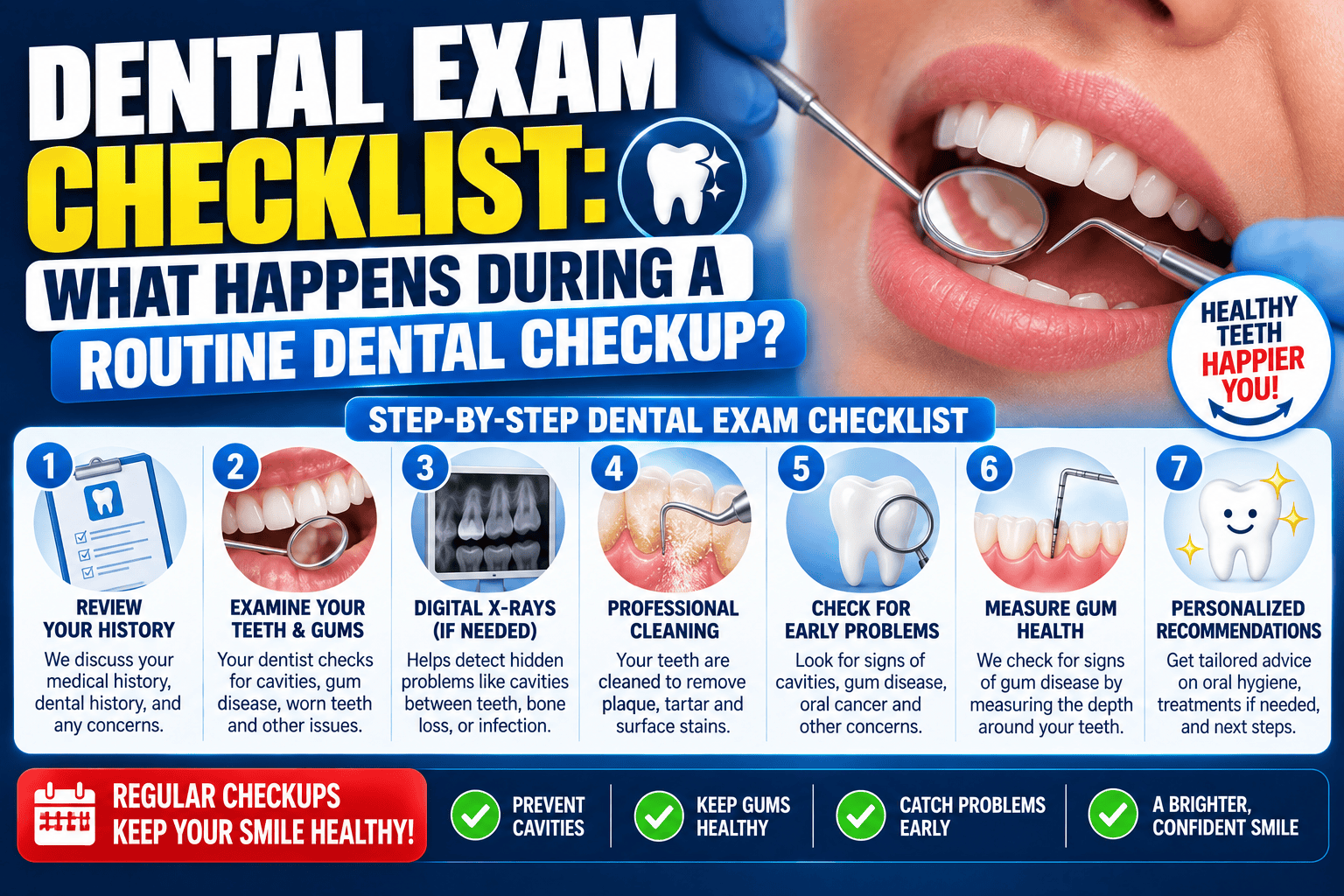
If you visit a dentist because of persistent bad breath, the first step is usually to understand your symptoms and review your oral health history.
Your dentist may ask when the odor began, whether it changes throughout the day, which oral hygiene products you use, and whether you experience dry mouth or other symptoms.
The examination may include checking:
- Your teeth for cavities, damaged restorations, and trapped debris.
- Your gums for signs of inflammation or periodontal disease.
- Your tongue for bacterial coating.
- Your oral tissues for abnormalities or infection.
- Areas that may require professional cleaning.
Your dentist may also review medications or other factors that could contribute to dry mouth.
Depending on the findings, they can explain possible causes and recommend appropriate treatment. If the source appears to be outside the mouth, they may suggest further evaluation by another healthcare professional.
A routine dental exam can help identify oral health issues that may otherwise go unnoticed.
Frequently Asked Questions
1. Why does my breath smell bad even immediately after brushing?
Bad breath may persist because bacteria remain on the tongue, between teeth, or around the gumline. Dry mouth, gum disease, cavities, and some non-dental conditions can also contribute. Cleaning your tongue and between your teeth may help, but persistent odor should be evaluated by a dentist.
2. Can bad breath be a sign of gum disease?
Yes. Persistent bad breath or an unpleasant taste can be associated with gum disease, particularly when accompanied by swollen, tender, or bleeding gums. A dental examination can help determine whether gum inflammation or periodontal disease is responsible.
3. Does drinking water help with bad breath?
Drinking water can help relieve dehydration-related dry mouth and support saliva’s natural cleansing action. However, hydration alone may not resolve bad breath caused by cavities, gum disease, tobacco use, or other underlying conditions.
4. Can cavities cause bad breath even if my teeth do not hurt?
Yes. Cavities do not always cause pain, especially in their early stages. Tooth decay can provide areas where debris and bacteria accumulate, potentially contributing to unpleasant breath. A dental examination can help identify decay before symptoms become more noticeable.
5. Why is my breath worse in the morning?
Saliva production normally decreases during sleep. This allows odor-causing bacteria and substances to accumulate more easily, resulting in morning breath. Mouth breathing and dehydration can make the problem more noticeable. Regular nighttime oral hygiene and adequate hydration may help.
6. When should I worry about persistent bad breath?
You should arrange a dental appointment if bad breath continues despite good oral hygiene, particularly if you also experience bleeding gums, tooth pain, dry mouth, or a persistent unpleasant taste. If no dental cause is identified, a healthcare professional can investigate other possible causes.
Take the Next Step Toward Fresher Breath
Bad breath that continues even after brushing is not necessarily a sign that you are neglecting your oral hygiene. It may indicate that bacteria are accumulating in hard-to-reach areas or that an underlying dental or medical issue needs attention.
Cleaning your tongue, flossing daily, staying hydrated, limiting tobacco use, and maintaining regular dental visits can all support fresher breath. If the odor persists, identifying the cause is more useful than repeatedly masking it with mints or mouthwash.
At Ethos Modern Dental, the focus is on helping patients understand their oral health and receive appropriate care based on their needs. A dental evaluation can help determine why bad breath persists and what steps may improve your oral hygiene and long-term dental health.