Maintaining a healthy smile involves more than treating an occasional cavity or visiting the dentist when something hurts. Your teeth, gums, bite, and surrounding oral tissues all work together to support comfortable chewing, clear speech, and everyday oral health. When several dental concerns develop at once, a comprehensive approach can help address these problems in a coordinated way.
Full-mouth dental care may include routine examinations, professional cleanings, gum disease management, cavity treatment, tooth restoration, and cosmetic or alignment procedures. For patients with extensive dental damage or multiple missing teeth, a more involved treatment plan called full-mouth reconstruction may be appropriate. The recommended approach depends on your oral health, treatment priorities, and individual needs.
At Ethos Modern Dental, the goal of dental care is to help patients maintain healthy teeth and gums while addressing concerns that affect smile appearance and everyday function. In this guide, we explain what full-mouth dental care involves, which treatments may be included, and how a personalized treatment plan can support long-term oral health.
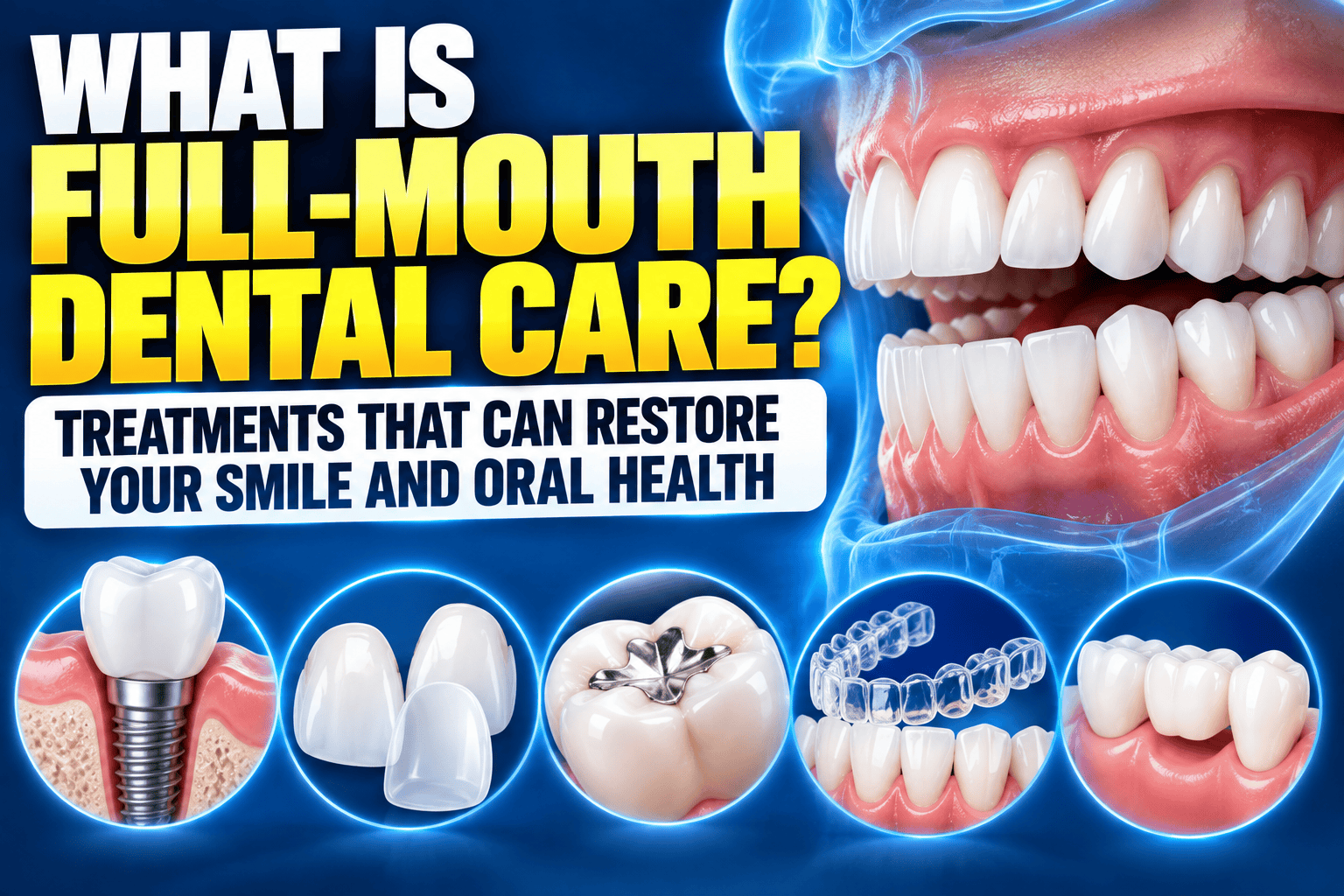
What Is Full-Mouth Dental Care?
Full-mouth dental care refers to a comprehensive approach to evaluating and treating your overall oral health rather than focusing on a single tooth or isolated problem.
For some patients, this simply means combining preventive care, professional cleaning, and treatment of a few minor concerns. For others, especially those with numerous damaged, worn, decayed, or missing teeth, it may involve several restorative procedures coordinated over multiple appointments.
It is important to distinguish comprehensive dental care from full-mouth reconstruction. Reconstruction is a more extensive treatment plan designed to restore the function and appearance of most or all teeth when significant dental problems affect the mouth. Depending on the patient’s needs, it may involve restorative dentistry, gum treatment, implants, orthodontic care, or other procedures.
The purpose is not to recommend every available procedure. Instead, your dentist evaluates your condition and identifies which treatments are necessary, which can be prioritized, and how to maintain the results.
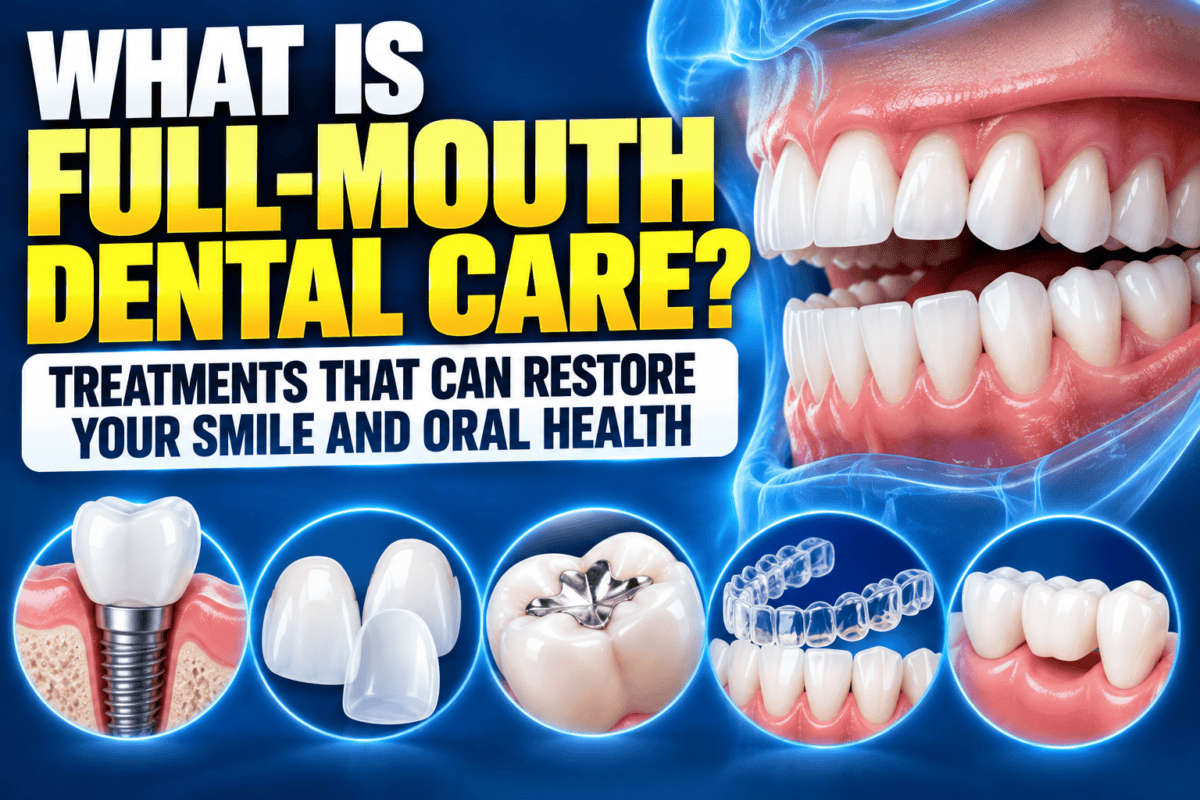
7 Dental Treatments That Can Restore Your Smile and Oral Health
The treatments included in a comprehensive dental plan vary from patient to patient. Some focus primarily on prevention, while others address damaged teeth, missing teeth, gum problems, or aesthetic concerns.
1. Comprehensive Dental Exams and Preventive Care
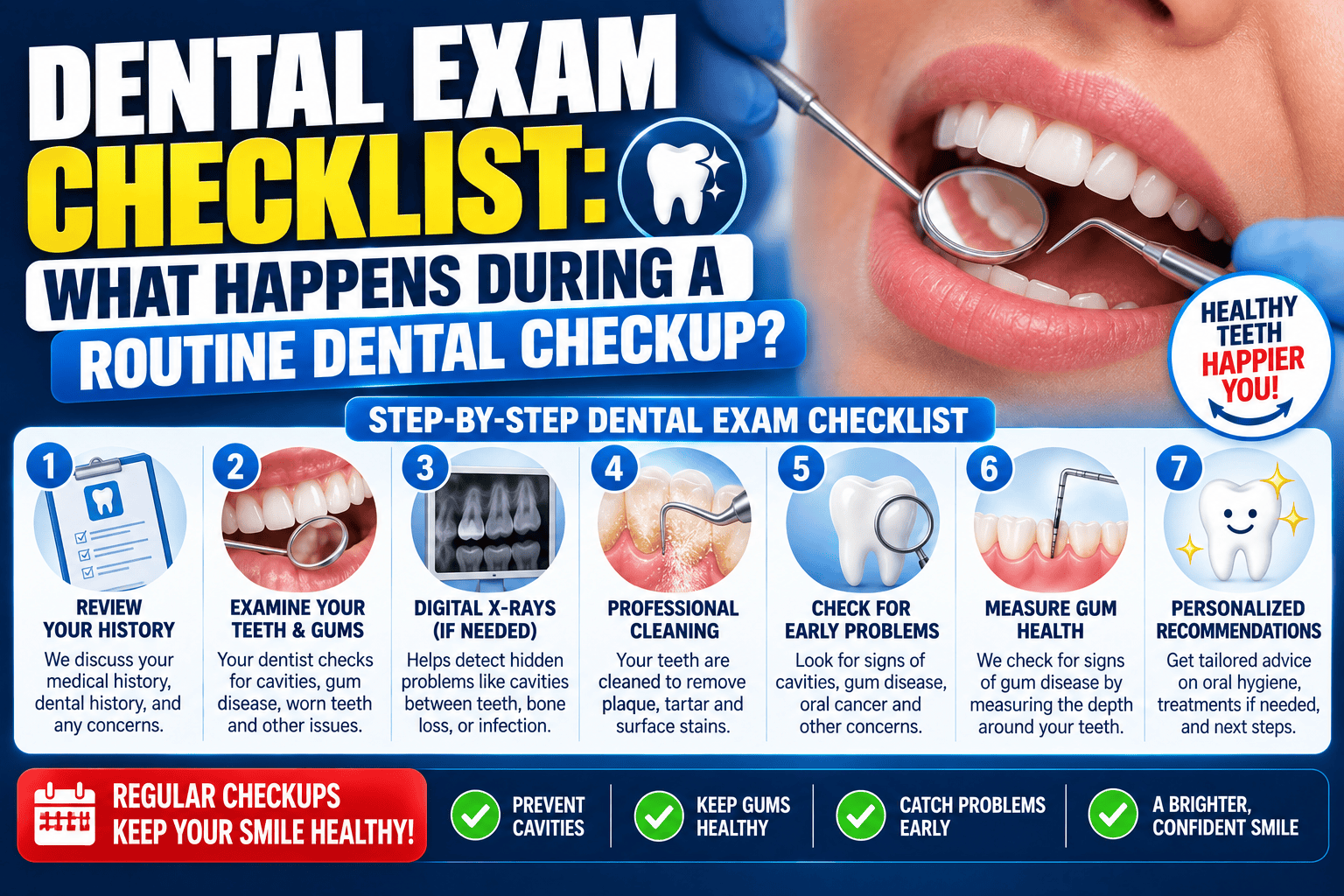
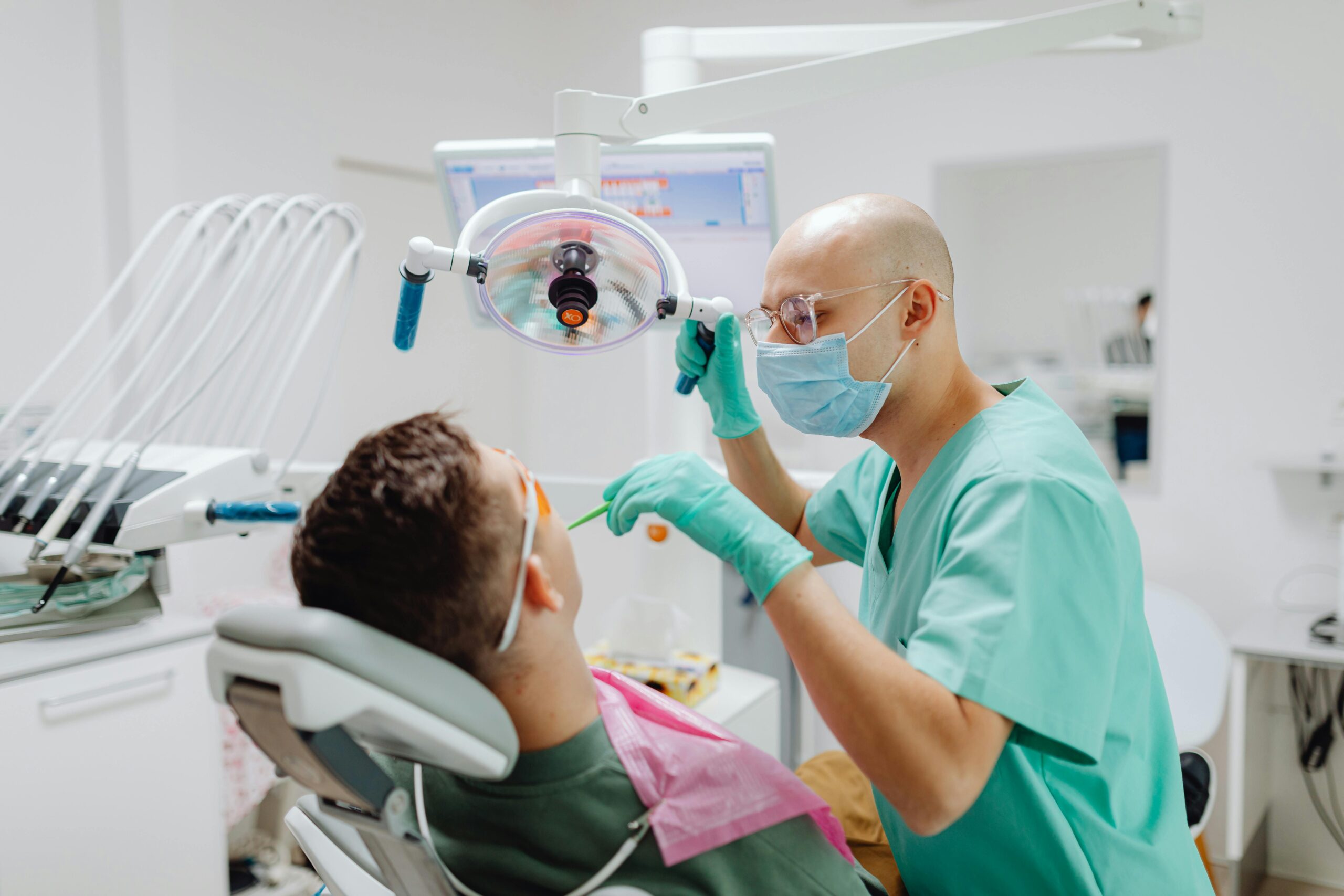
A dental examination is often the starting point for understanding your overall oral health. During the visit, your dentist evaluates your teeth, gums, bite, existing restorations, and any symptoms you may be experiencing.
Depending on your needs, the assessment may include dental X-rays or other diagnostic procedures to identify problems that are not visible during a basic examination.
Routine evaluations can help identify concerns such as early tooth decay, gum inflammation, damaged restorations, and changes in tooth alignment. Finding these issues early may allow treatment before they become more complex.
At Ethos Modern Dental, patients can learn more about the dental exam process and the role of professional evaluations in maintaining oral health.
2. Professional Dental Cleaning
Plaque accumulates on teeth throughout the day. If it is not removed effectively, it can contribute to cavities and gum inflammation. Plaque that hardens into tartar generally requires professional removal.
A dental cleaning helps remove accumulated plaque and tartar from accessible tooth surfaces and areas around the gumline. Your dental team may also provide recommendations for improving your brushing and flossing techniques.
Regular professional cleaning is particularly important for patients who have difficulty reaching certain areas with a toothbrush or who have a history of gum problems.
Ethos Modern Dental offers professional cleaning and whitening services to support oral hygiene and help patients maintain a cleaner, brighter smile.
However, cleaning is not a substitute for treating existing cavities, infections, or significant damage. Those problems may require additional care.
3. Dental Fillings and Cavity Treatment
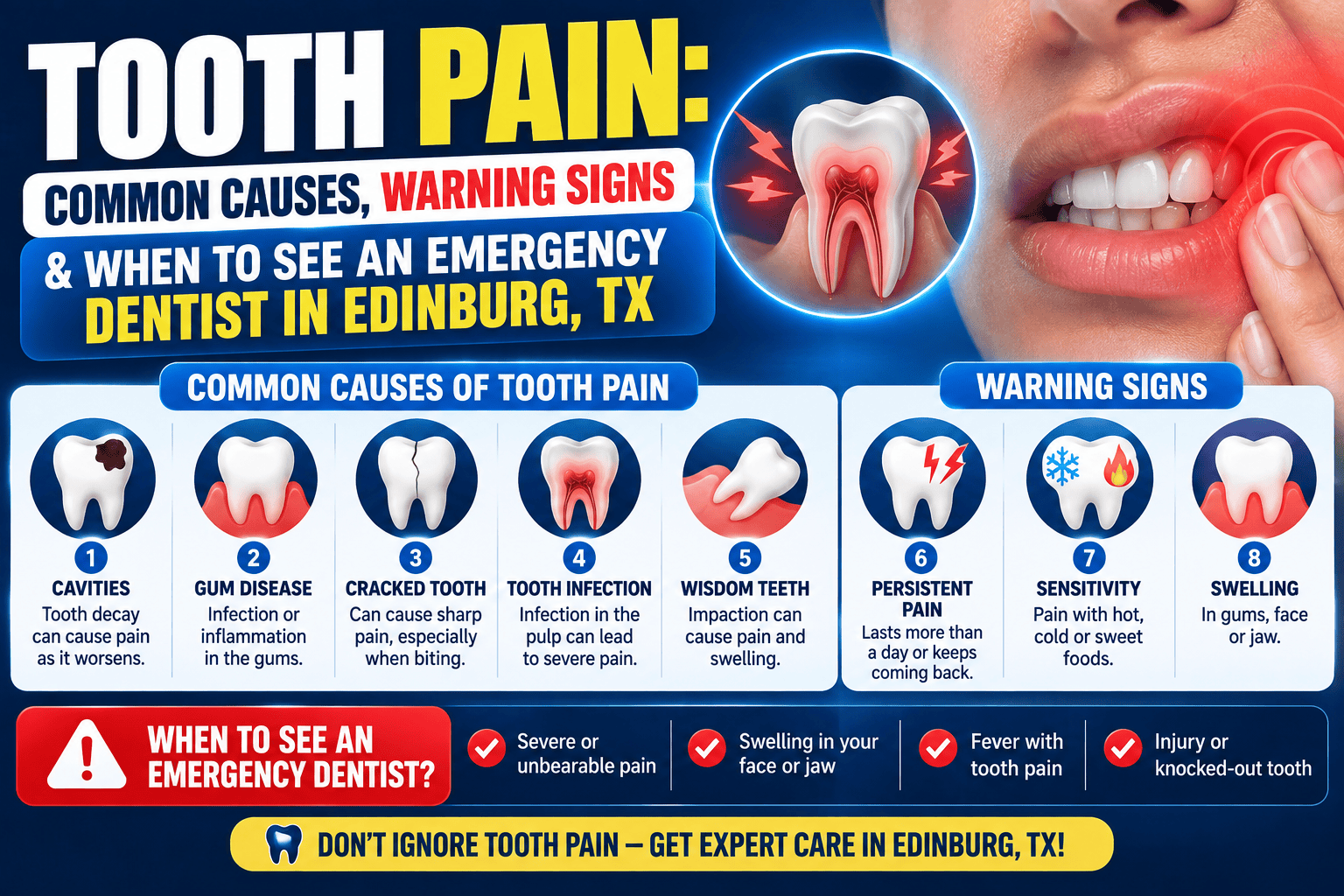
Tooth decay can gradually damage enamel and the underlying tooth structure. If a cavity develops, a dentist may recommend a filling or another restorative procedure based on the extent of the damage.
For smaller cavities, a filling may restore the affected portion of the tooth. More extensive decay may require a different restoration, and decay that reaches the pulp may need additional treatment.
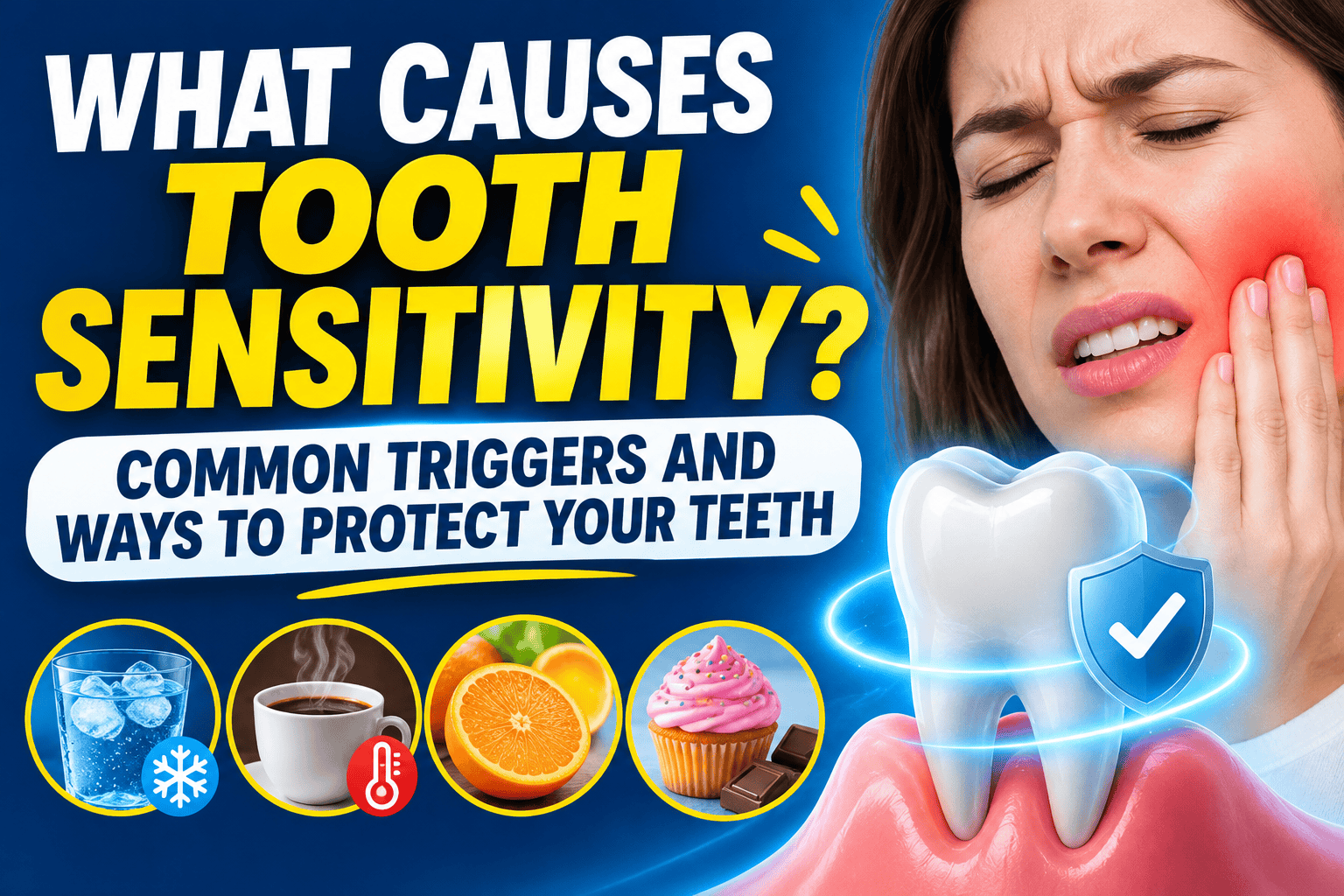
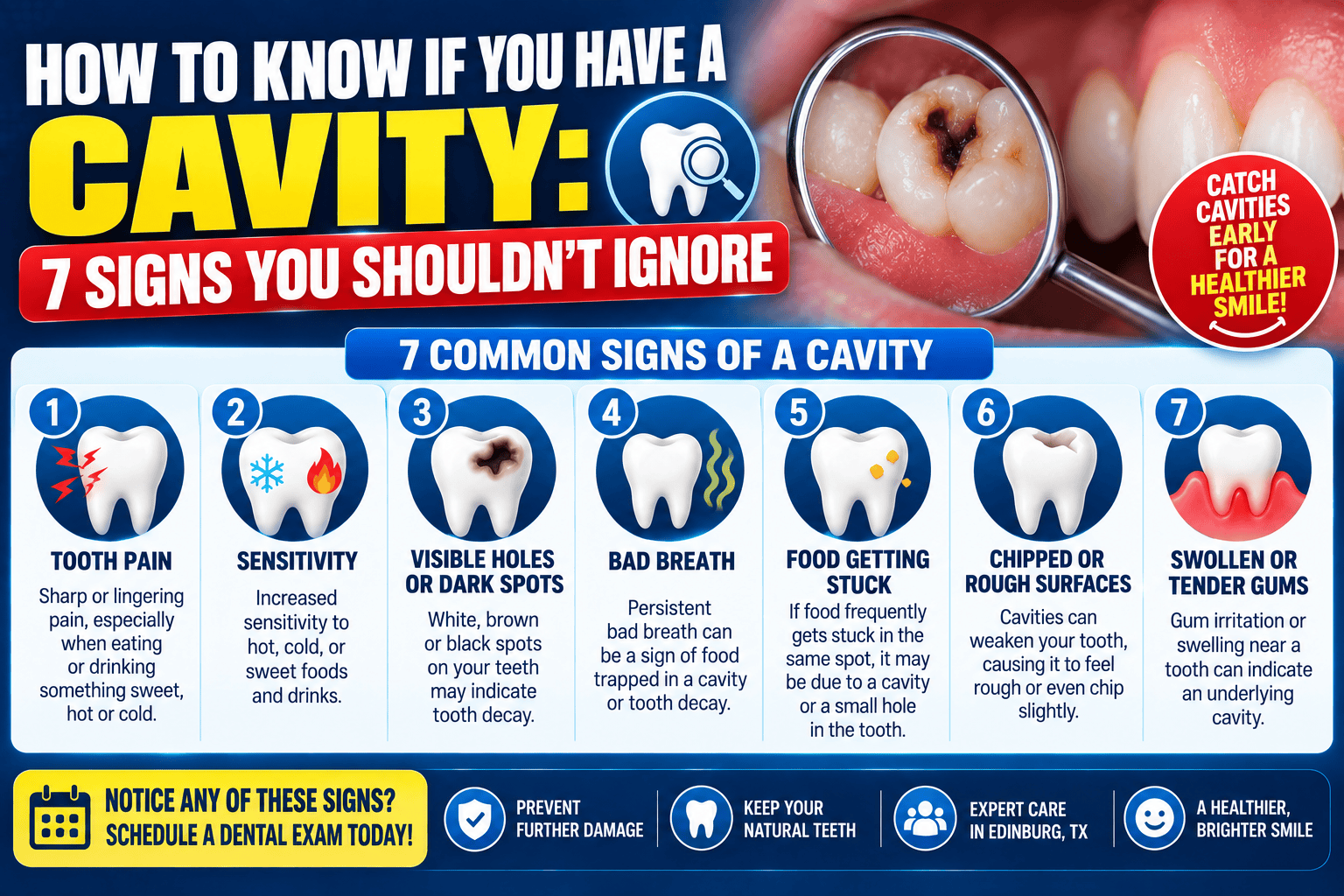
Patients experiencing tooth sensitivity, visible holes, discomfort when chewing, or other possible signs of decay should arrange a dental evaluation.
You can explore the signs, causes, and treatment options associated with dental cavities to understand why timely care matters.
Treating decay helps protect the remaining tooth structure and may reduce the risk of more extensive procedures later.
4. Root Canal Treatment for Infected Teeth
When deep decay, a crack, or an injury affects the pulp inside a tooth, the tissue can become inflamed or infected. In suitable cases, root canal treatment can remove the affected tissue while preserving the natural tooth.
During treatment, the dentist cleans and disinfects the inside of the tooth, then seals the root canal space. Depending on the remaining tooth structure, a filling or crown may be needed to restore strength and function.
A root canal is not necessary for every toothache. The recommendation depends on the diagnosis and whether the pulp can recover.
Patients can learn more about root canal treatment and when it may be recommended.
Preserving a natural tooth can help maintain chewing function and avoid extraction when the tooth can be successfully treated.
5. Crowns, Veneers, and Bridges
Restorative and cosmetic treatments can address different concerns, including weakened teeth, visible damage, discoloration, and missing teeth.
These options serve different purposes:
- Dental crowns: Cover and protect a weakened, heavily restored, or damaged tooth.
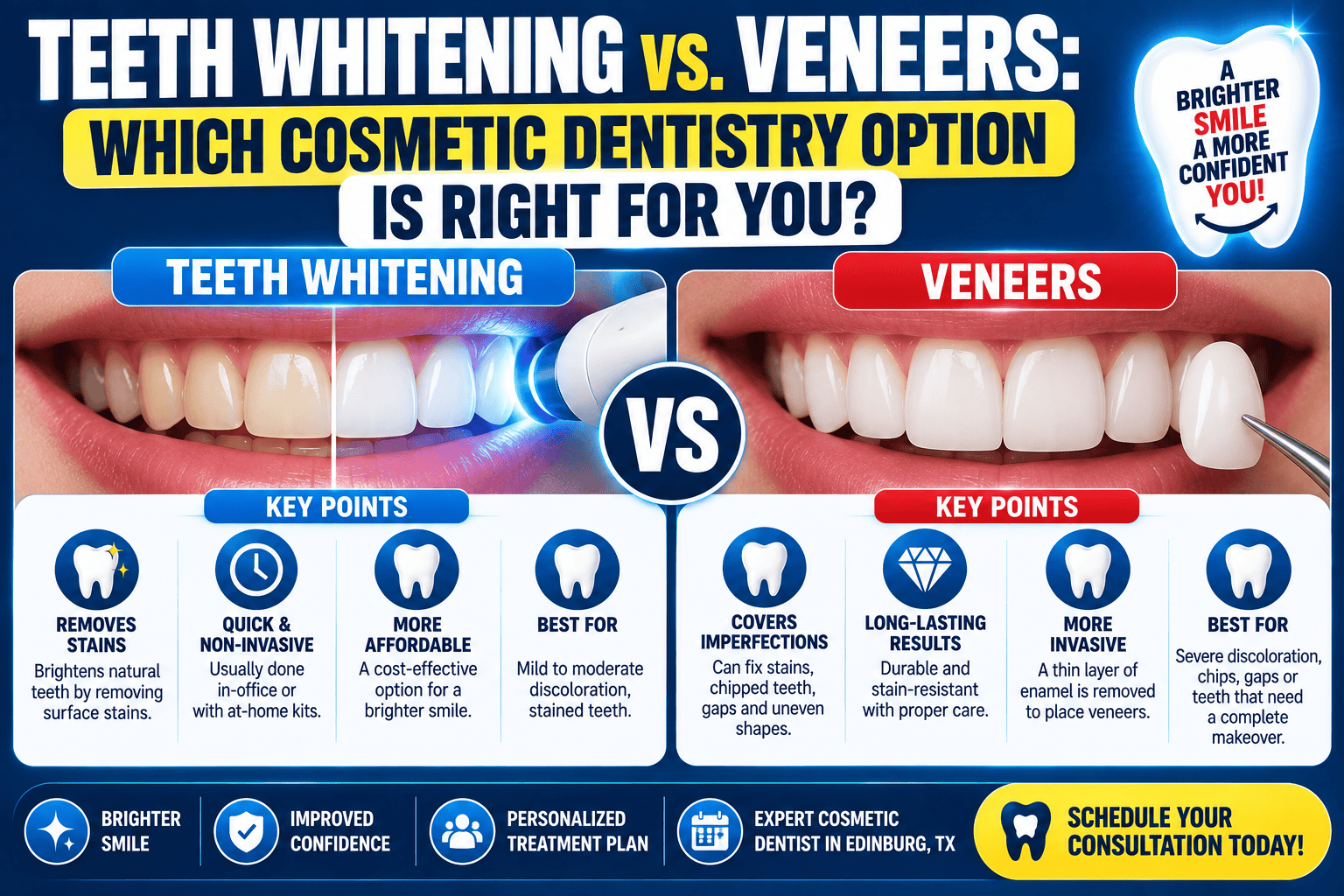
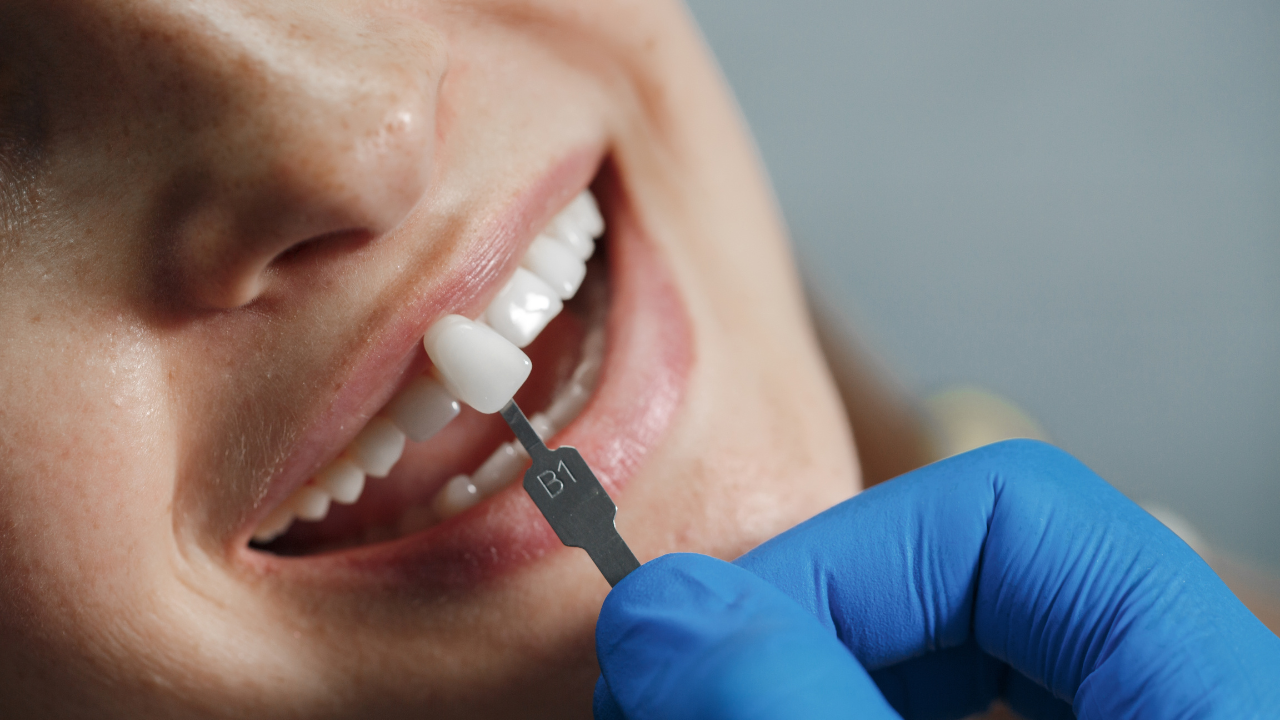
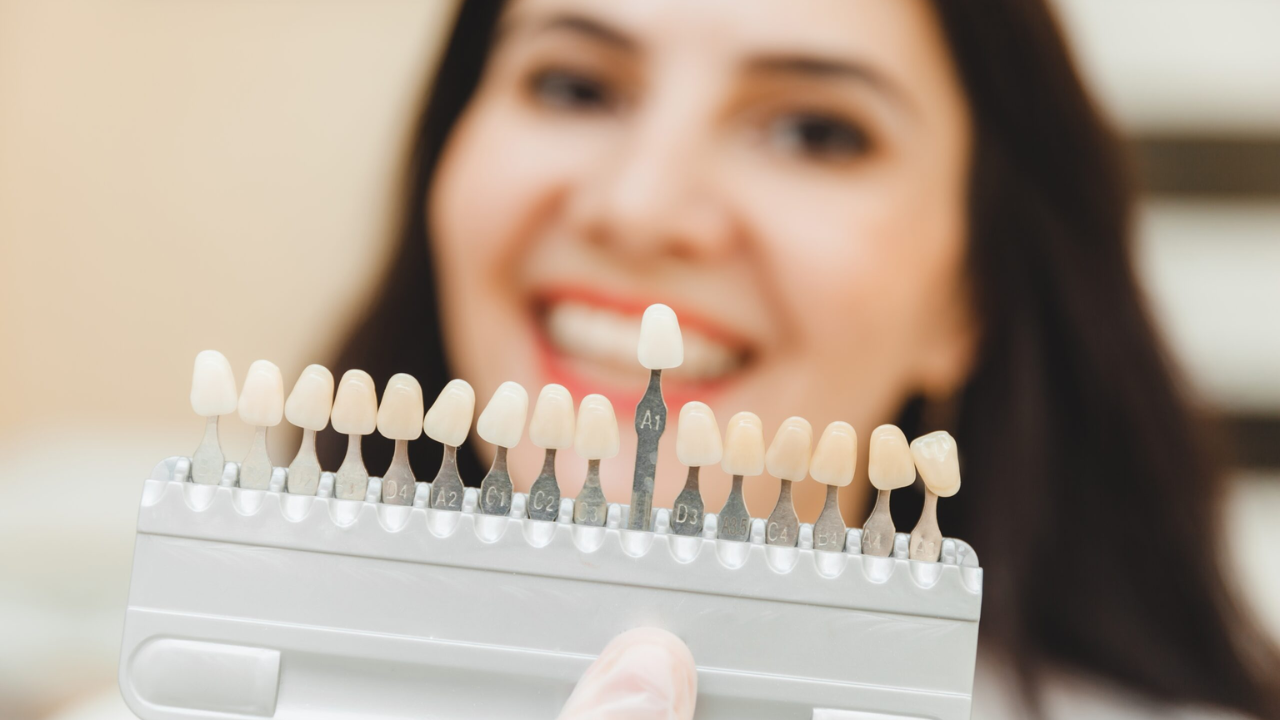
- Dental veneers: Cover the front surfaces of selected teeth to improve appearance, shape, or color.
- Dental bridges: Replace one or more missing teeth by supporting replacement teeth with an appropriate structure.
The appropriate option depends on the condition of your teeth, the health of the surrounding tissues, your bite, and your treatment goals.
A crown may be recommended when a tooth needs additional structural support, while veneers are primarily used for selected cosmetic concerns. Bridges can restore a gap left by a missing tooth.
Ethos Modern Dental provides information about crowns, veneers, and bridges for patients exploring restorative and smile-enhancement options.
6. Dental Implants for Missing Teeth
Missing teeth can affect chewing, speech, and the appearance of your smile. Depending on the number and location of missing teeth, replacement options may include dental implants, bridges, or dentures.
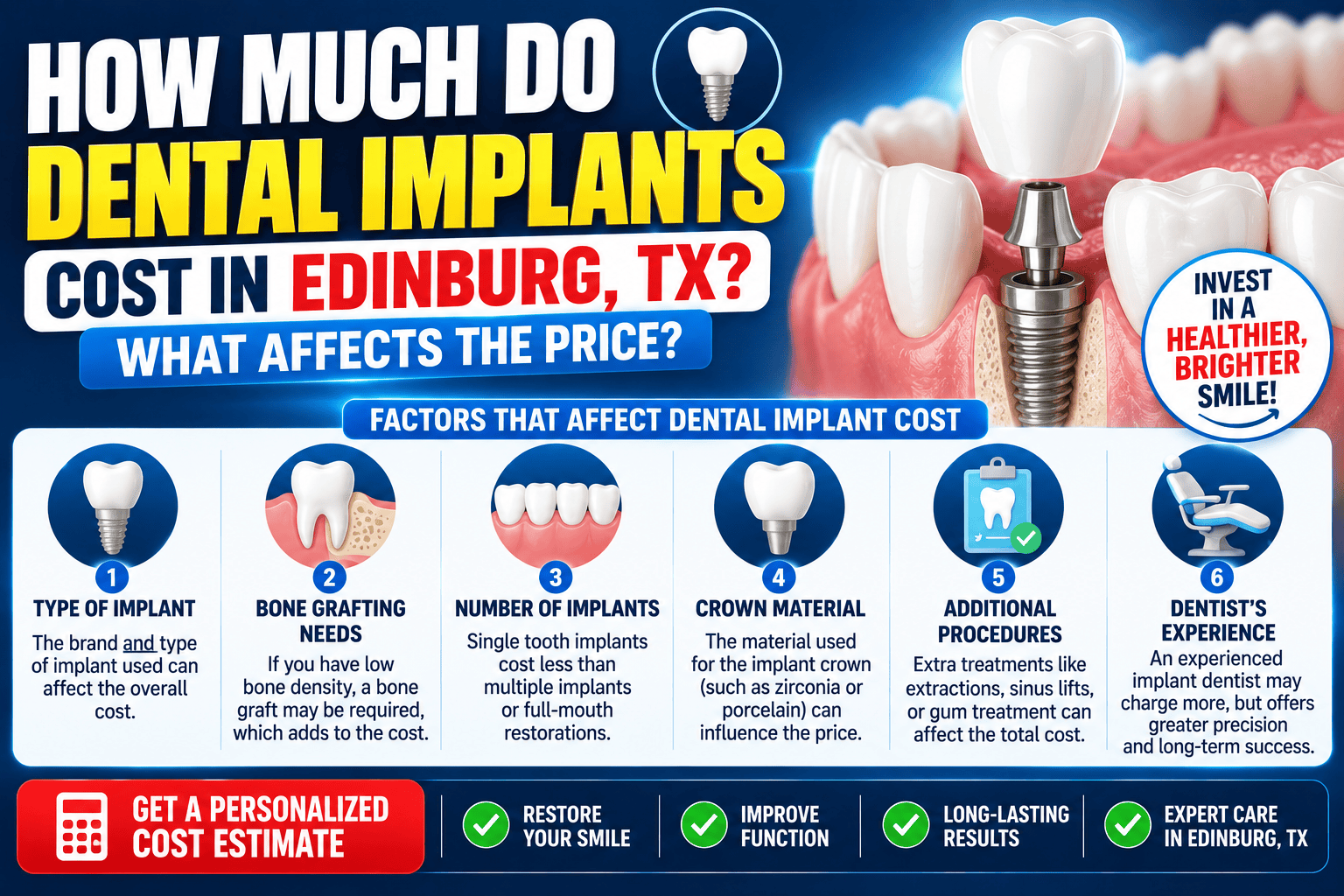
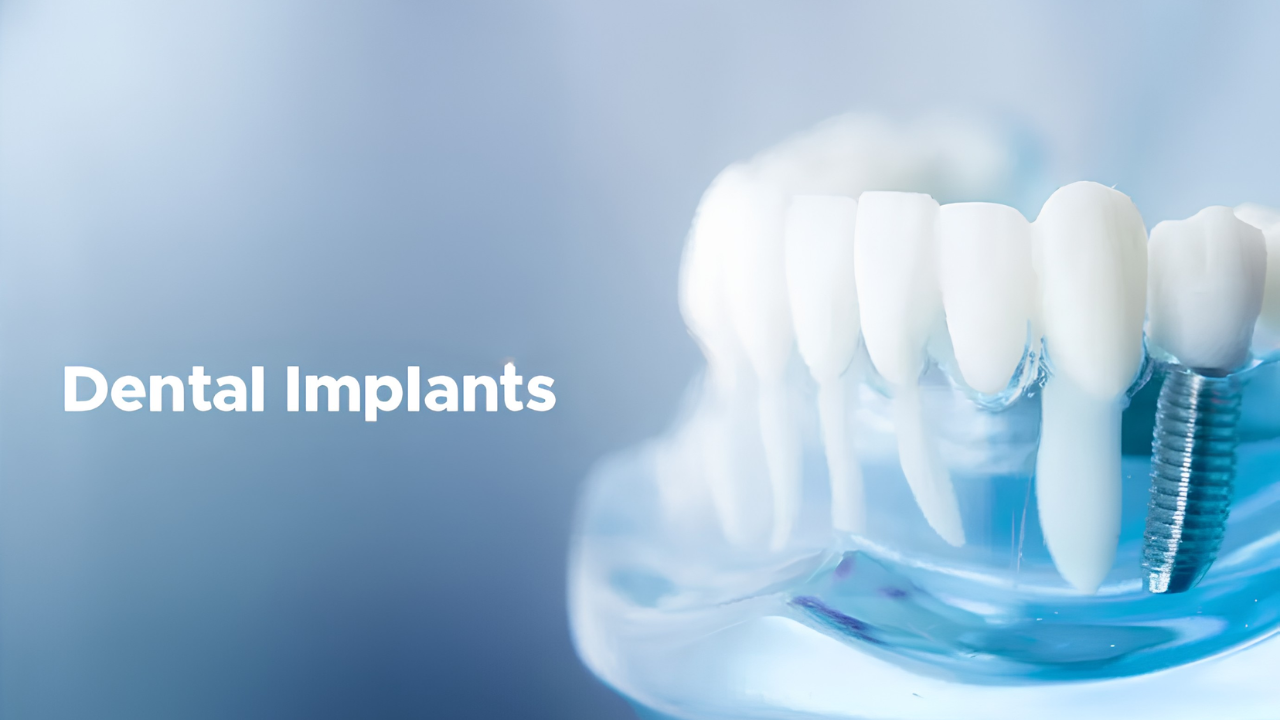
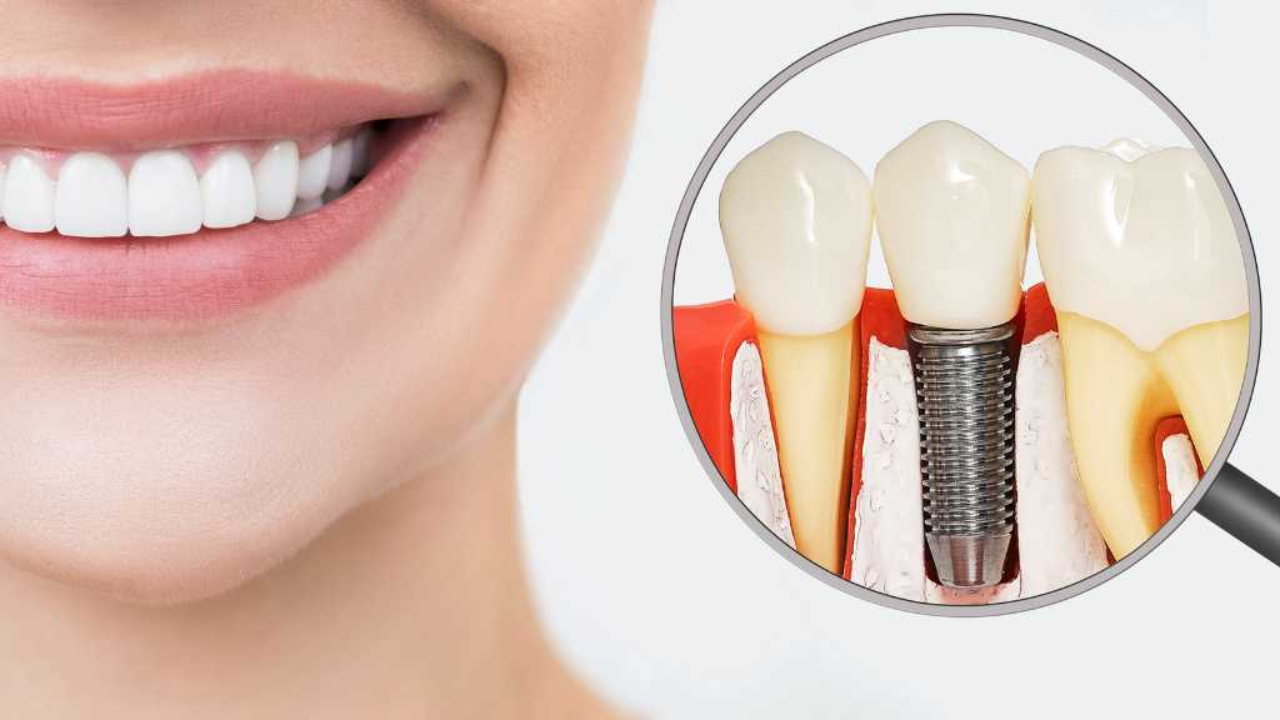
A dental implant is placed in the jawbone to serve as an artificial tooth root. After the implant integrates with the surrounding bone, a suitable restoration can be attached to replace the visible portion of the missing tooth.
Implant treatment requires an assessment of gum health, available bone, medical history, and other factors. Some patients may need additional procedures before an implant can be placed.
Learn more about dental implant treatment and the factors involved in replacing missing teeth.
Dental implants are not the only option for every patient. Your dentist can discuss the benefits, limitations, treatment timeline, and maintenance requirements of the available approaches.
7. Cosmetic Dentistry and Teeth Alignment
Sometimes, a patient has generally healthy teeth but wants to address aesthetic concerns such as uneven tooth shape, discoloration, small gaps, or misalignment.
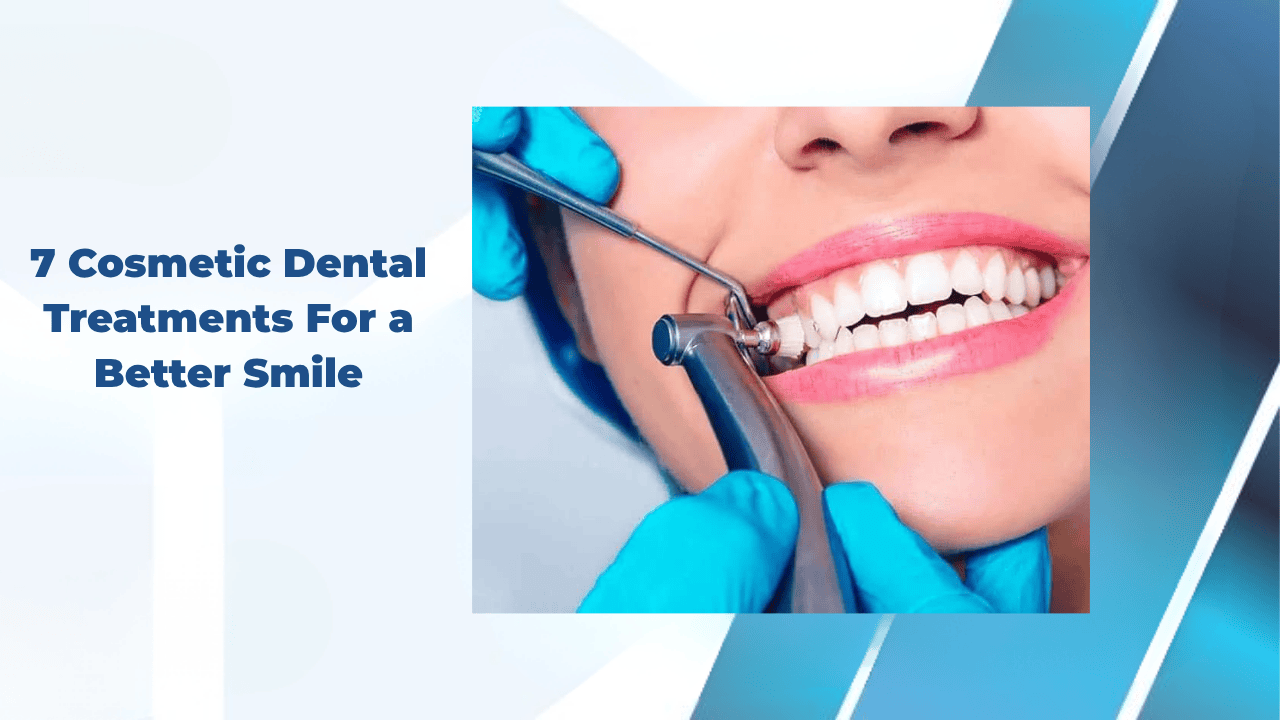
Depending on the condition of the teeth and the patient’s goals, cosmetic treatment may involve whitening, veneers, or other suitable procedures.
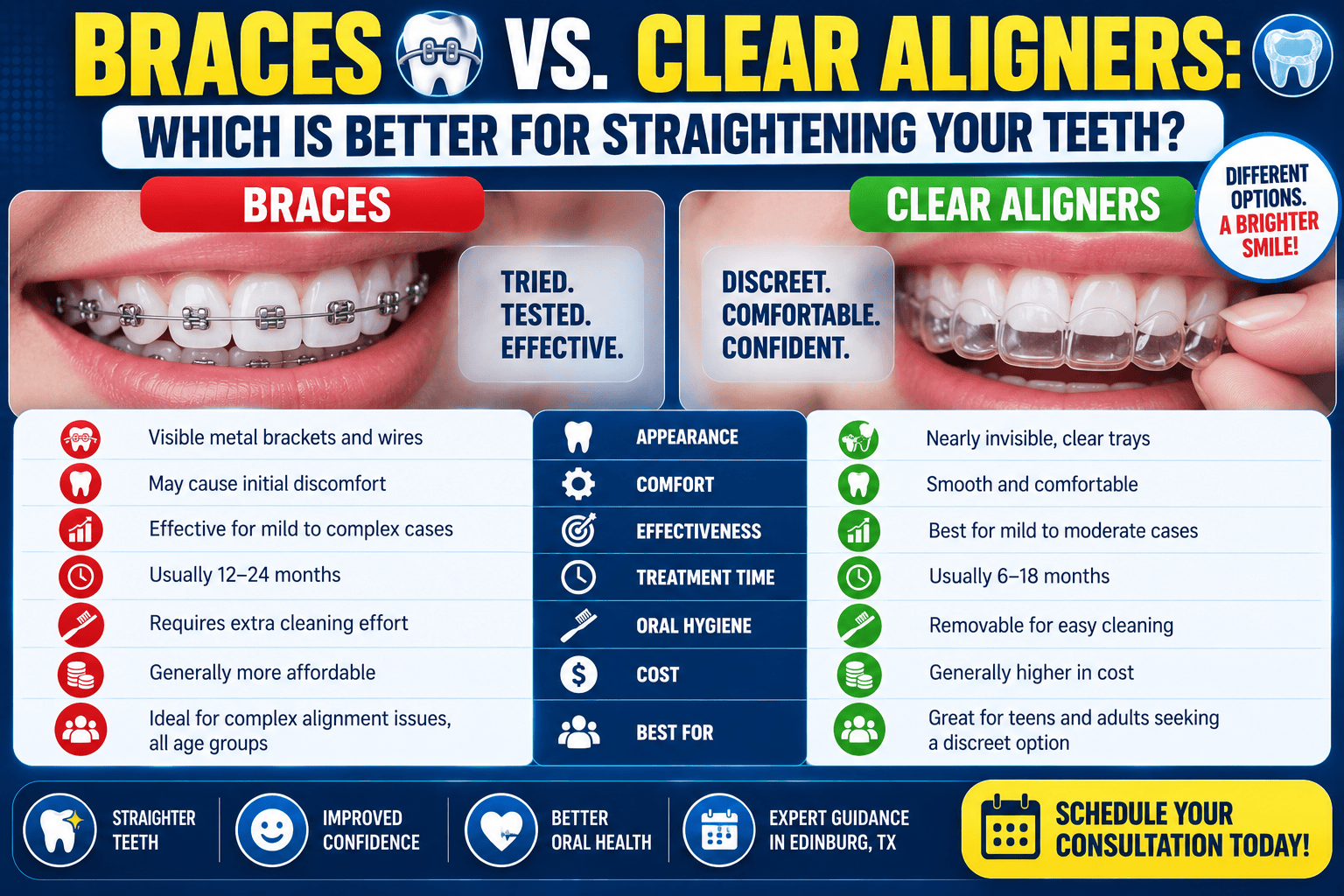
When teeth are crowded or misaligned, orthodontic treatment may also be considered. Clear aligners can move selected teeth gradually when the patient is an appropriate candidate.
Ethos Modern Dental provides information about cosmetic dentistry and clear aligner treatment for patients considering ways to improve their smile.
Cosmetic procedures should be planned with oral health in mind. Active decay and gum disease generally need to be addressed before elective aesthetic treatment proceeds.
Who May Benefit From Full-Mouth Dental Care?
A comprehensive dental evaluation can help people with a wide range of concerns, from routine preventive needs to more extensive restorative problems.
You may benefit from a coordinated dental treatment plan if you have:
- Several cavities or damaged teeth.
- Multiple missing teeth affecting chewing.
- Worn teeth caused by grinding or long-term erosion.
- Old fillings, crowns, or other restorations that need assessment.
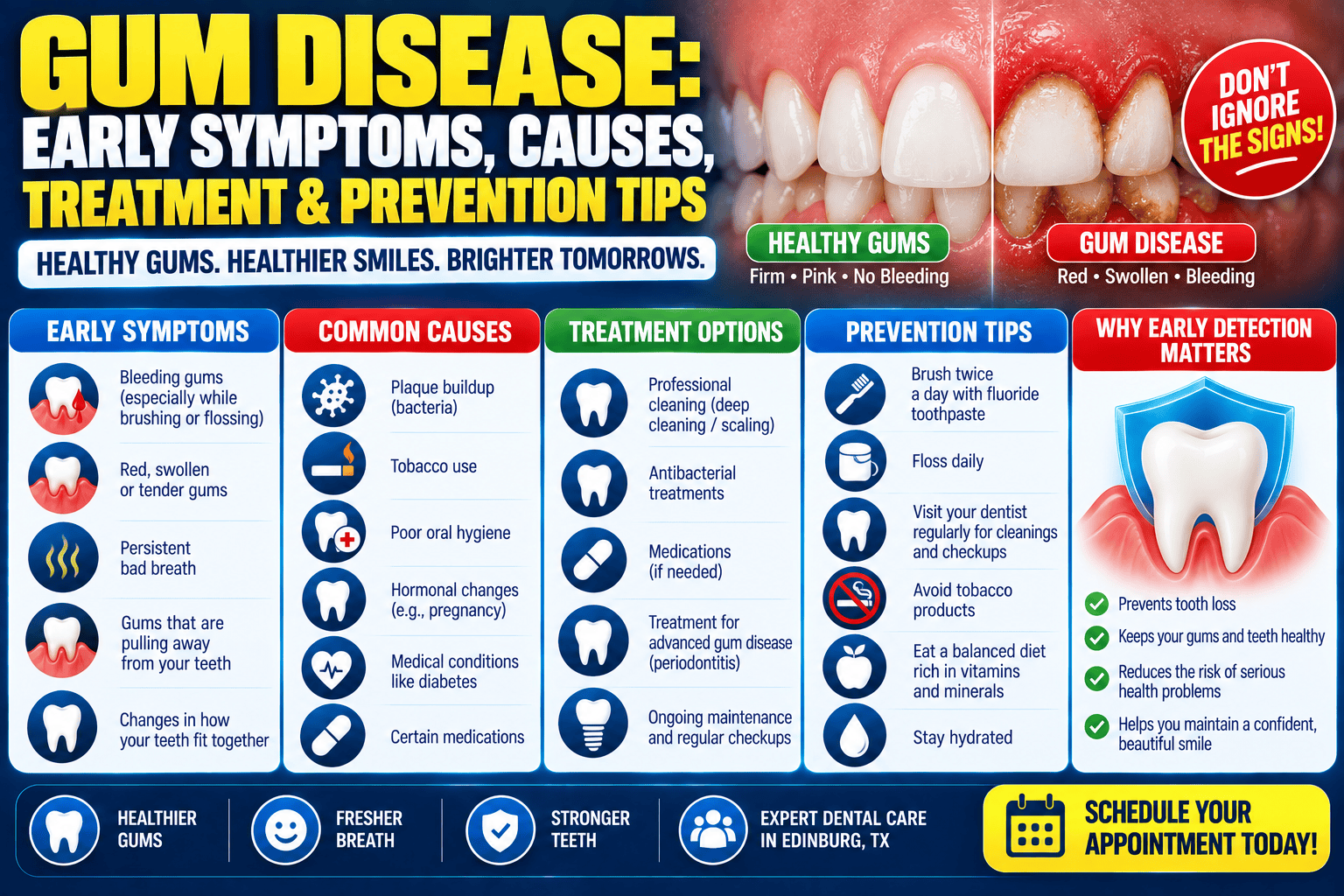
- Gum inflammation or a history of periodontal disease.
- Bite problems that affect chewing or cause discomfort.
- Cosmetic concerns alongside existing dental problems.
People with extensive damage to multiple teeth may be considered for full-mouth reconstruction. This decision requires a careful examination and an individualized plan rather than relying on symptoms or appearance alone.
Not everyone needs multiple procedures. For some patients, regular examinations, cleaning, and one or two restorative treatments may be enough to maintain or improve oral health.
What Happens During a Full-Mouth Dental Treatment Plan?
When several dental concerns need attention, treatment is usually planned in stages. The exact sequence depends on your diagnosis, the urgency of each problem, and the procedures required.
Step 1: Examination and Diagnosis
Your dentist reviews your symptoms, medical history, and dental history. The examination may include X-rays or other assessments to understand the condition of your teeth, gums, bone, and bite.
Step 2: Prioritizing Dental Problems
Urgent concerns, such as significant pain or infection, may need attention before elective treatments. Your dentist can then identify which teeth need restoration and whether gum treatment or other procedures should come first.
Step 3: Discussing Treatment Options
Your dentist explains the recommended procedures, potential alternatives, estimated costs, expected appointments, and relevant risks. This is the opportunity to ask questions and understand why each treatment is being proposed.
Step 4: Completing Treatment in a Suitable Order
Depending on your needs, treatment may involve cleaning, fillings, gum care, root canal therapy, crowns, tooth replacement, or other procedures. Some treatments require healing time before the next stage can begin.
Step 5: Maintenance and Follow-Up
After treatment, daily brushing, cleaning between teeth, and regular professional examinations help protect your oral health. Restorations also need ongoing monitoring because crowns, bridges, and implants can require maintenance or repair over time.
The overall timeline varies according to the complexity of the case. A few routine treatments may be completed relatively quickly, while extensive reconstruction can require multiple appointments over several months or longer.
How Can You Maintain Your Results After Dental Treatment?
A comprehensive treatment plan works best when combined with consistent daily care and professional follow-up.
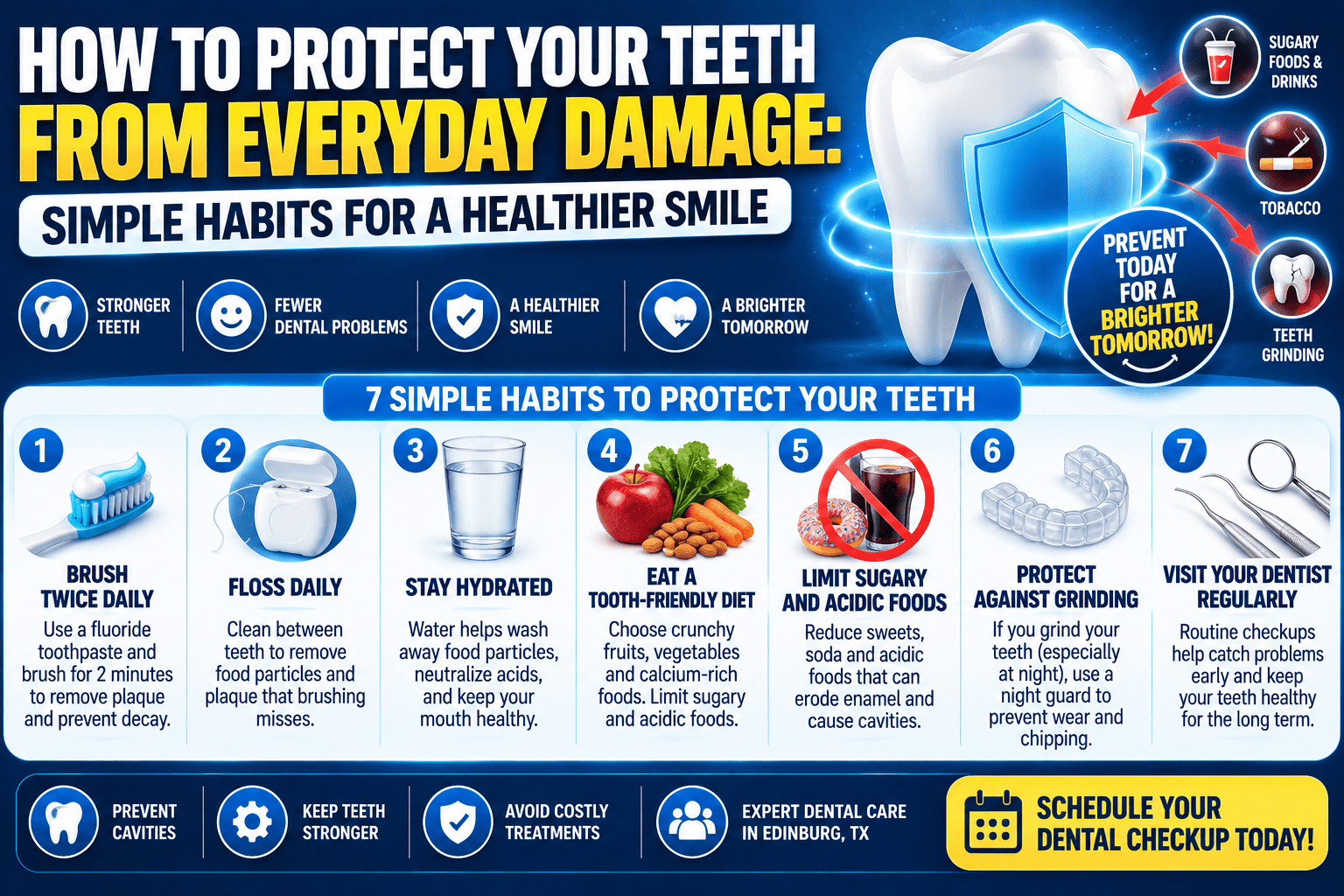
Brush twice daily. Use fluoride toothpaste and a soft-bristled toothbrush to clean your teeth gently.
Clean between your teeth every day. Floss or use an appropriate interdental cleaner to reach areas that a toothbrush may miss.
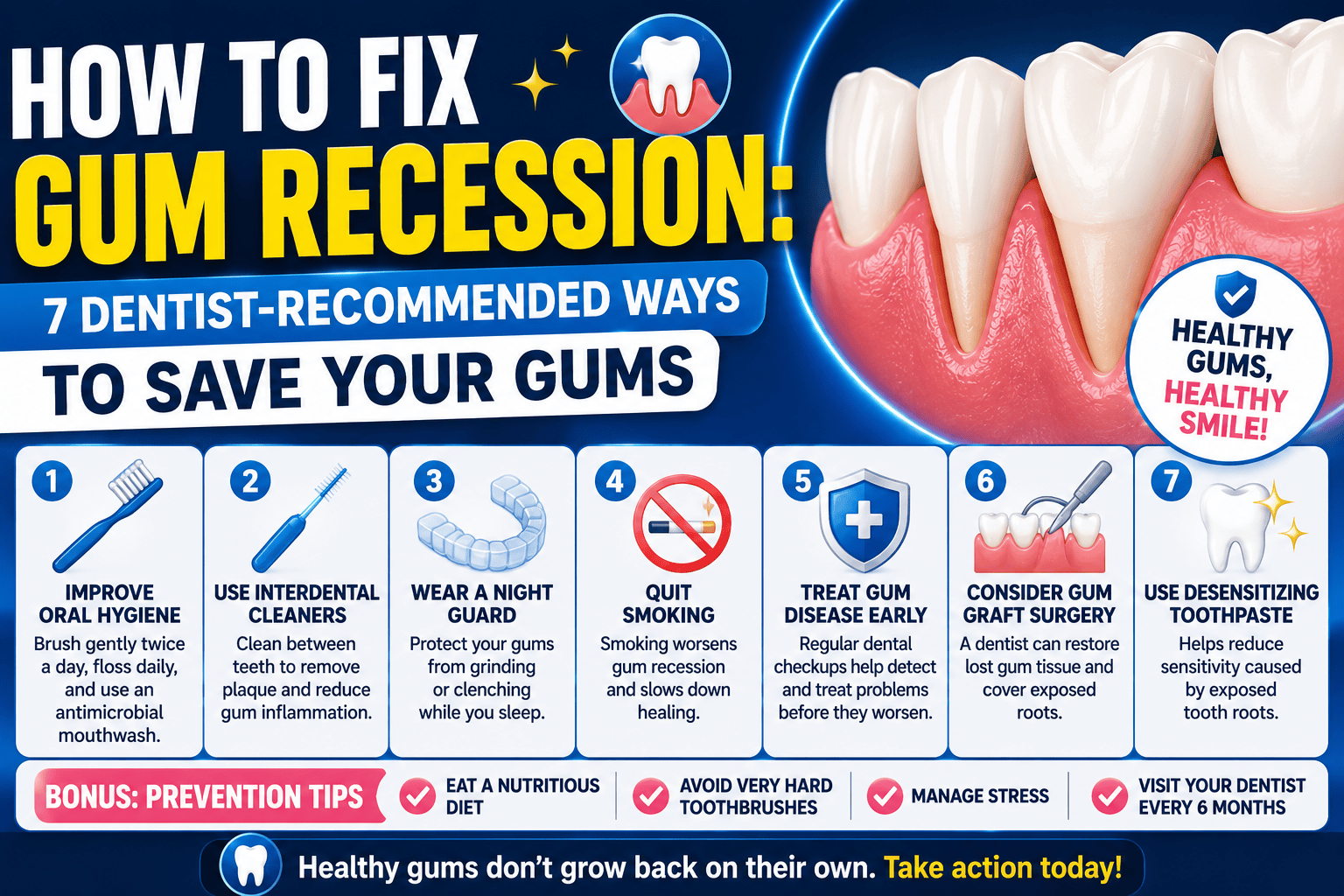
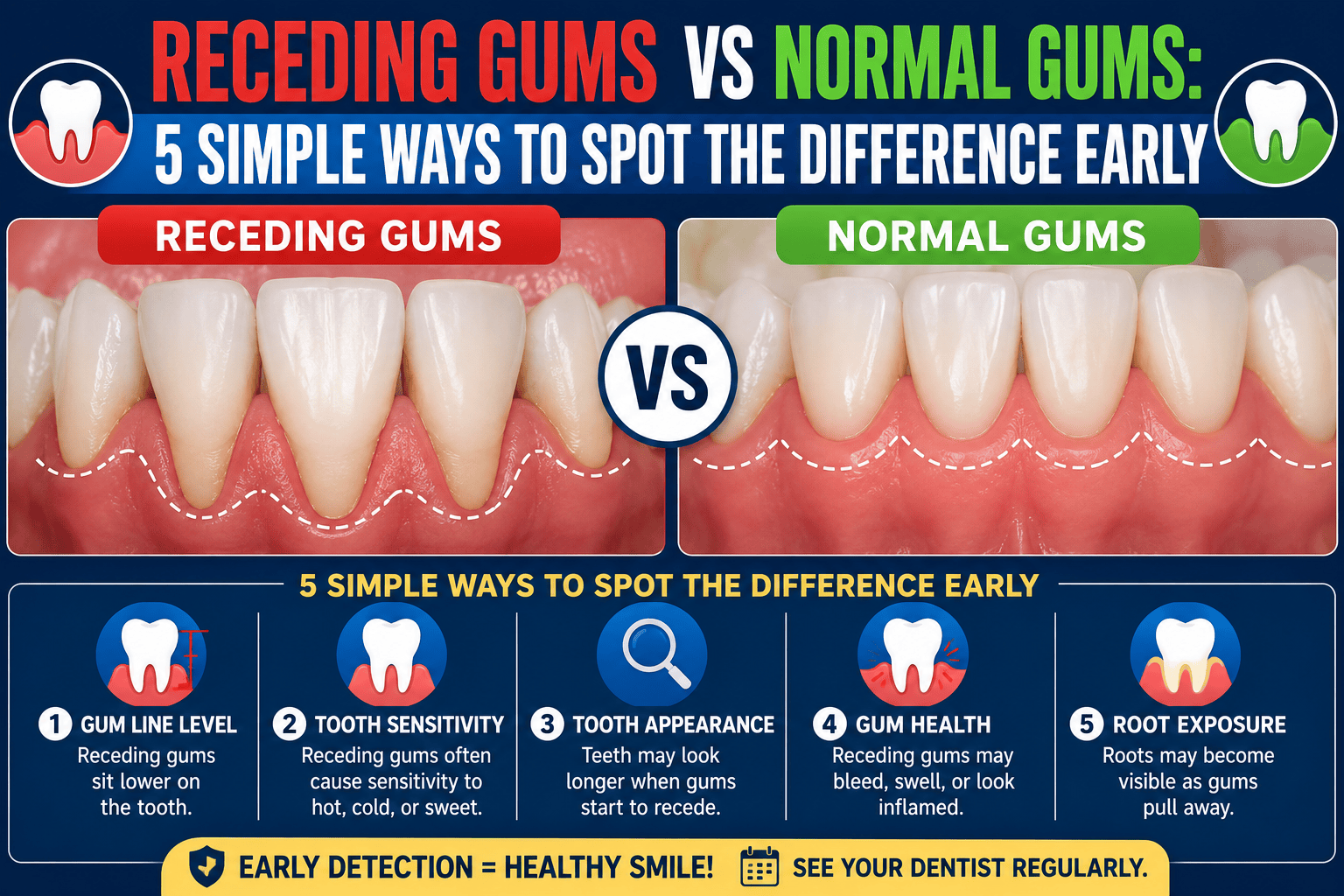
Maintain gum health. Pay attention to bleeding, swelling, tenderness, or changes around your teeth, and seek advice when symptoms continue.
Protect your teeth from damage. Avoid chewing ice or other hard objects. If you grind your teeth, discuss appropriate protective options with your dentist.
Follow your restoration-specific instructions. Crowns, bridges, and implants may require particular cleaning techniques and periodic assessment.
Keep up with dental visits. Your dentist can recommend an appropriate recall schedule based on your oral health, treatment history, and risk factors.
Good maintenance does not eliminate every dental risk, but it helps identify problems early and supports the long-term function of your teeth and restorations.
Frequently Asked Questions About Full-Mouth Dental Care
1. What does full-mouth dental care include?
Full-mouth dental care may include examinations, professional cleanings, cavity treatment, gum care, root canal treatment, crowns, bridges, implants, and selected cosmetic or alignment procedures. The specific treatments depend on your oral health and individual needs.
2. Is full-mouth dental care the same as full-mouth reconstruction?
No. Full-mouth dental care is a broad term for maintaining and treating oral health across the mouth. Full-mouth reconstruction is a more extensive, coordinated treatment plan intended to restore most or all teeth when multiple significant problems affect their function or appearance.
3. How do I know if I need full-mouth reconstruction?
An examination can help determine whether extensive reconstruction is appropriate. People with multiple missing, severely damaged, heavily worn, or failing teeth may need a coordinated restorative plan. Others may need only routine preventive care or treatment for a few individual problems.
4. How long does full-mouth dental treatment take?
The timeline depends on the number and complexity of procedures involved. Routine cleaning and simple restorations may require relatively little time, while implant treatment or extensive reconstruction may involve several appointments and healing periods.
5. Does full-mouth dental care improve the appearance of my smile?
It can. Treatments such as crowns, veneers, implants, and suitable alignment procedures may improve the appearance of your teeth while addressing functional concerns. However, the results depend on the treatment selected, your oral health, and your individual circumstances.
6. How much does full-mouth dental treatment cost?
The cost varies according to the number of teeth involved, the type of treatment, the materials used, and whether additional procedures are needed. Ask your dentist for an itemized treatment plan with estimated costs and information about insurance coverage or available payment arrangements.
7. Can dental problems be treated in one appointment?
Some problems can be addressed in a single visit, but a comprehensive plan often requires multiple appointments. The sequence depends on the treatment needed, your oral health, and whether healing time is required between procedures.
Restore Your Smile With a Personalized Dental Care Plan
Full-mouth dental care focuses on the health and function of your entire mouth, not just the teeth that are causing discomfort. From preventive examinations and professional cleanings to restorative and cosmetic procedures, the right combination of treatments can help address existing concerns and support a healthier smile.
For patients with multiple damaged or missing teeth, a coordinated full-mouth reconstruction plan may be appropriate. Others may achieve their goals with routine preventive care and a smaller number of restorative procedures.
At Ethos Modern Dental, the first step is understanding your oral health, discussing your concerns, and identifying suitable treatment options. A personalized plan can help you understand what needs attention, which procedures may be beneficial, and how to maintain your results over time.
The best treatment plan is one tailored to your needs, with a focus on healthy teeth and gums, comfortable function, and long-term oral health.