Losing a tooth can affect more than just your smile. It can make chewing difficult, change the appearance of your teeth, and sometimes lead to bone loss in the jaw over time. If you need a tooth extraction, you may wonder whether you can replace the missing tooth with a dental implant on the same day.
The good news is that you may be able to get a dental implant immediately after tooth extraction. This procedure is known as immediate implant placement. It allows a dentist to place a dental implant into the extraction site during the same appointment, potentially reducing the overall treatment timeline.
However, immediate dental implants are not suitable for everyone. Factors such as jawbone health, gum condition, infection, and the stability of the implant site determine whether this approach is appropriate.
At Ethos Modern Dental & Implant Center, we believe patients should understand their treatment options before making decisions about their oral health. Let’s explore how immediate dental implants work, their benefits, potential risks, and when you may need to wait before getting an implant.
What Is an Immediate Dental Implant?
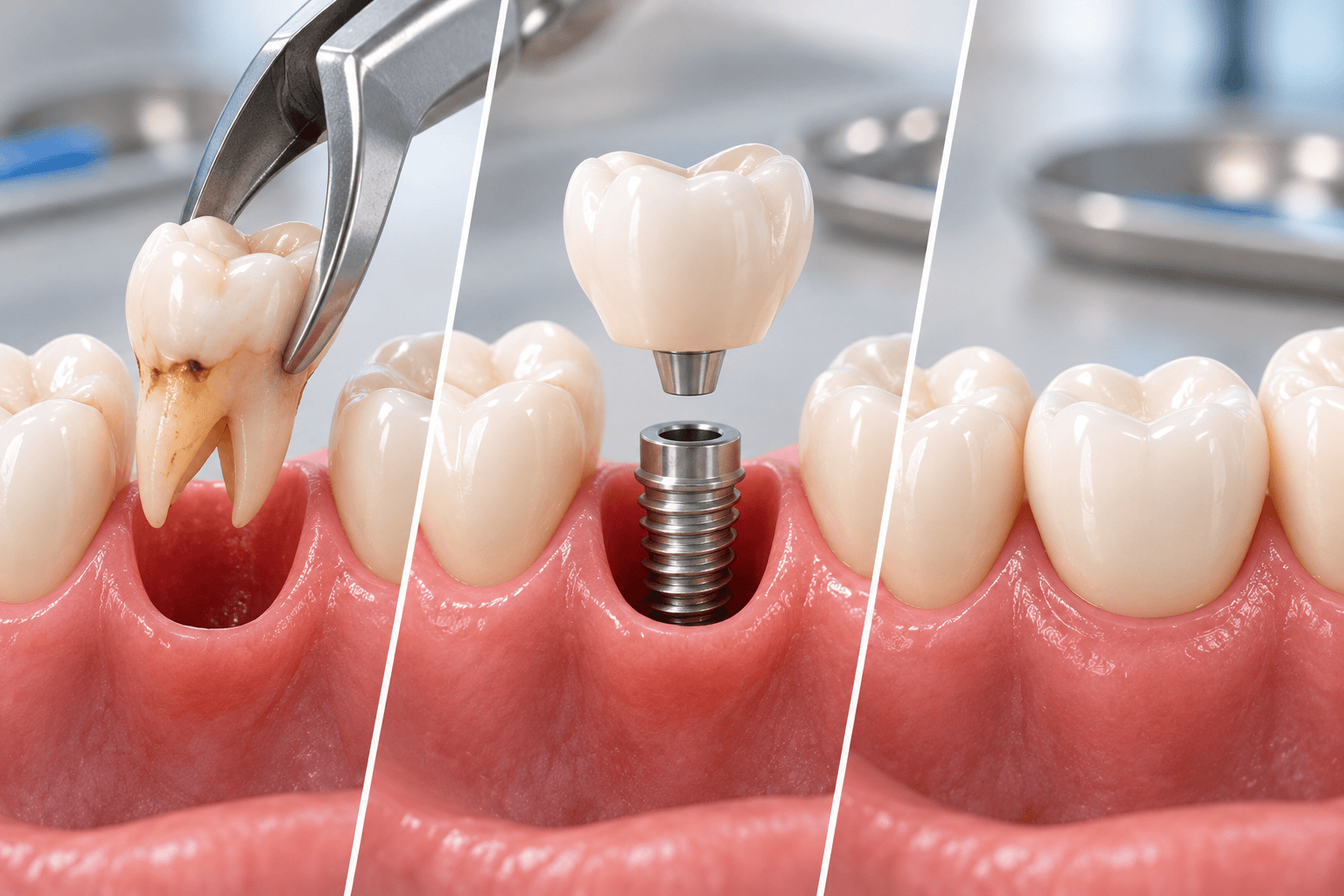
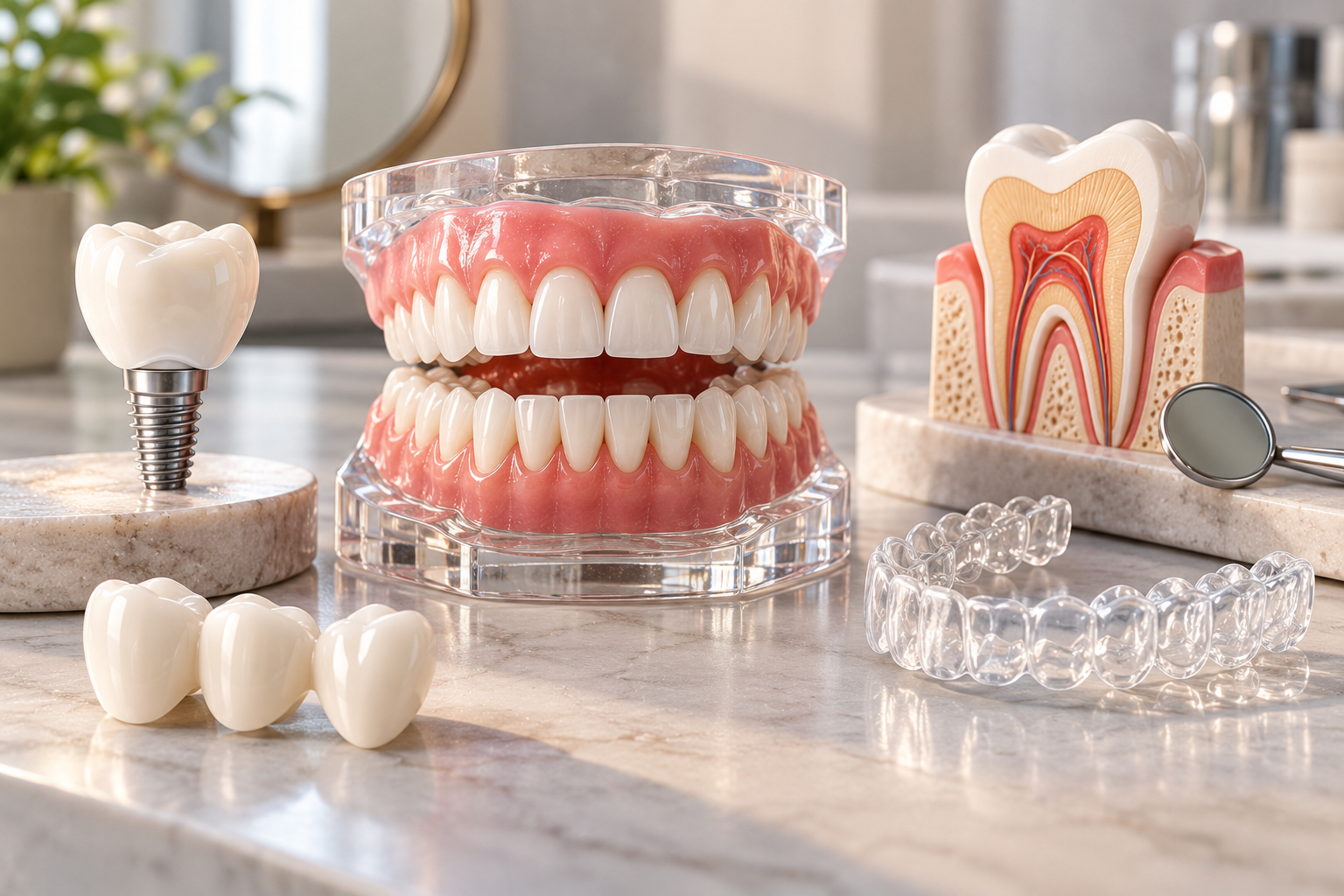
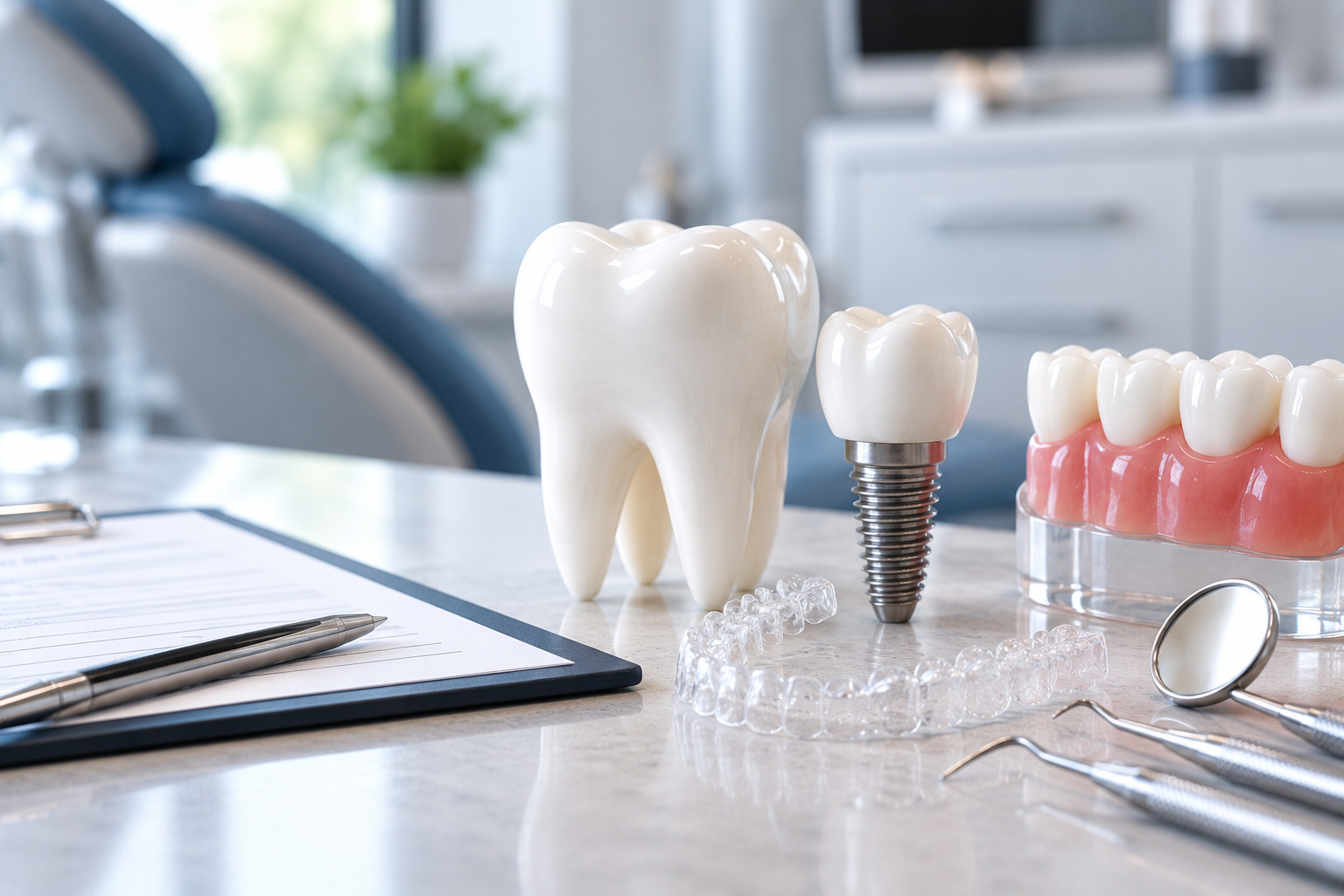
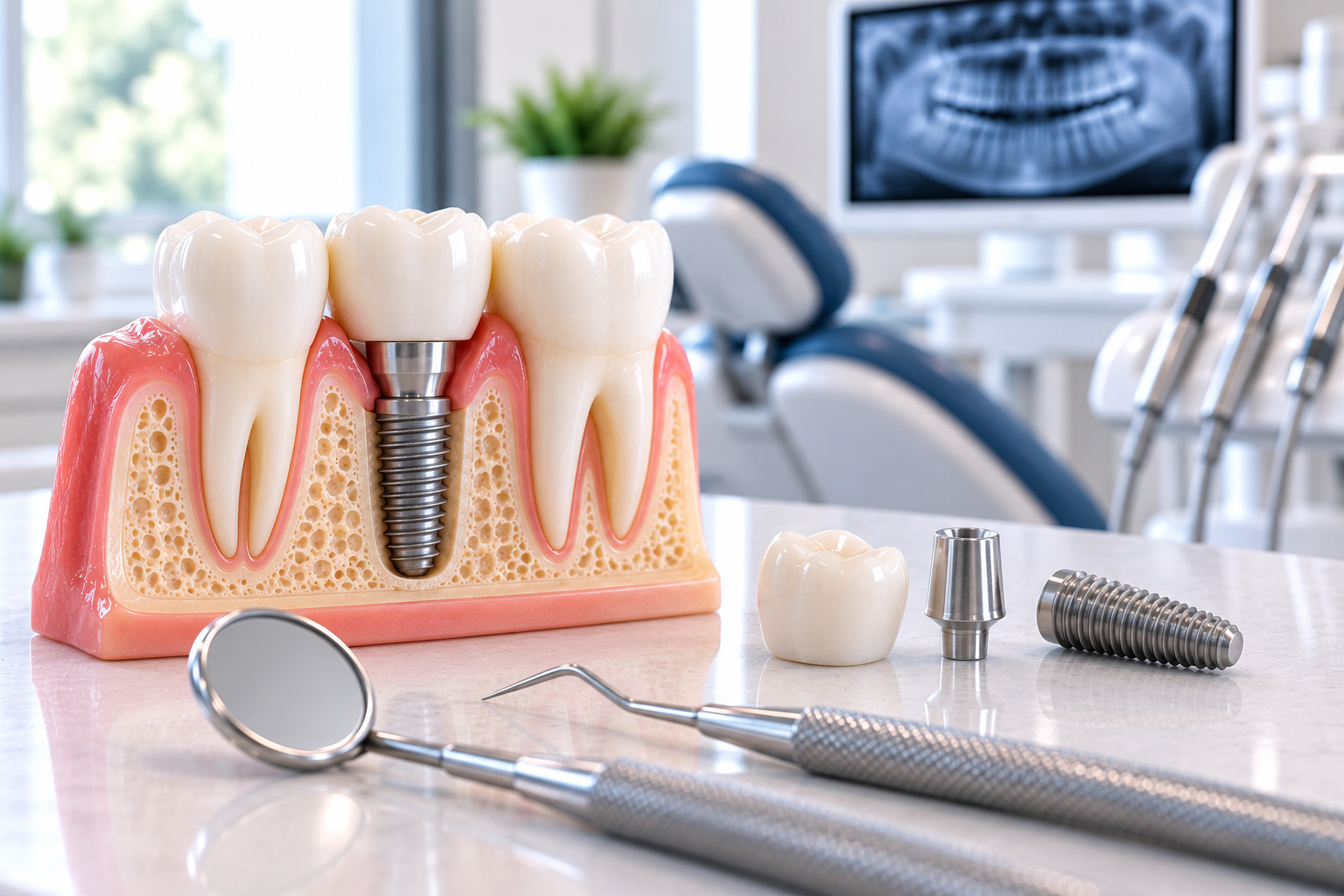
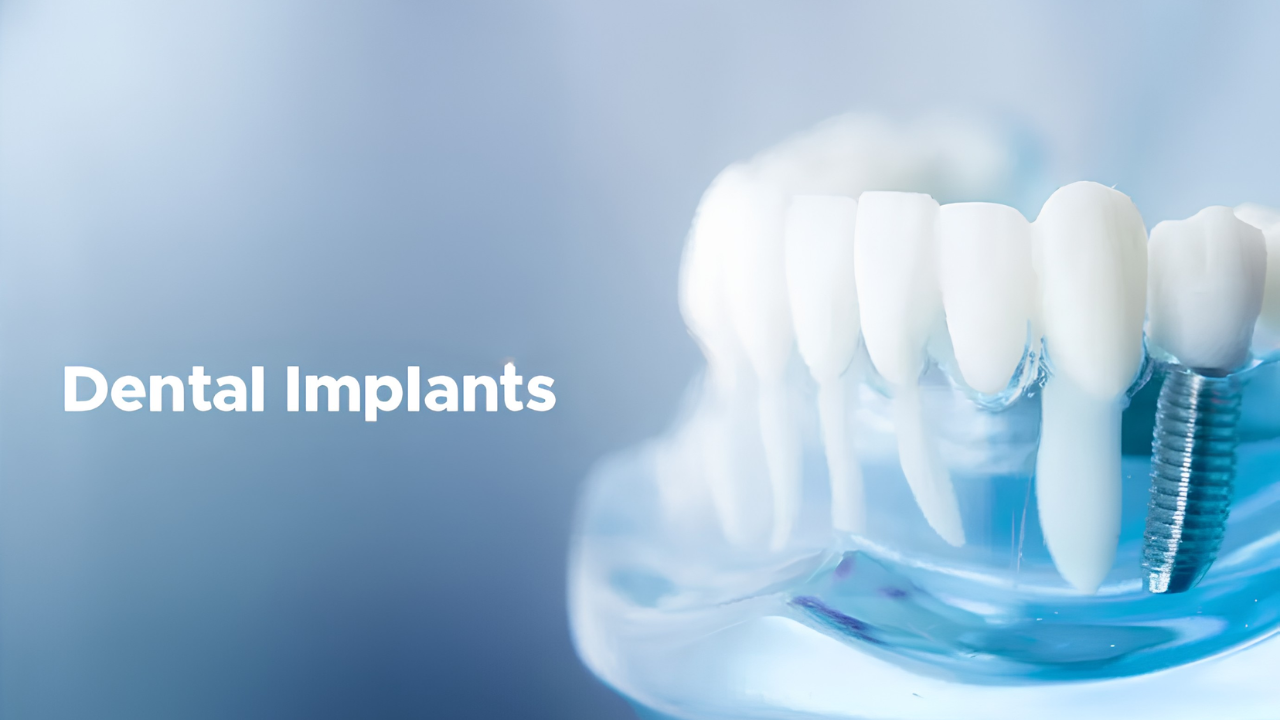
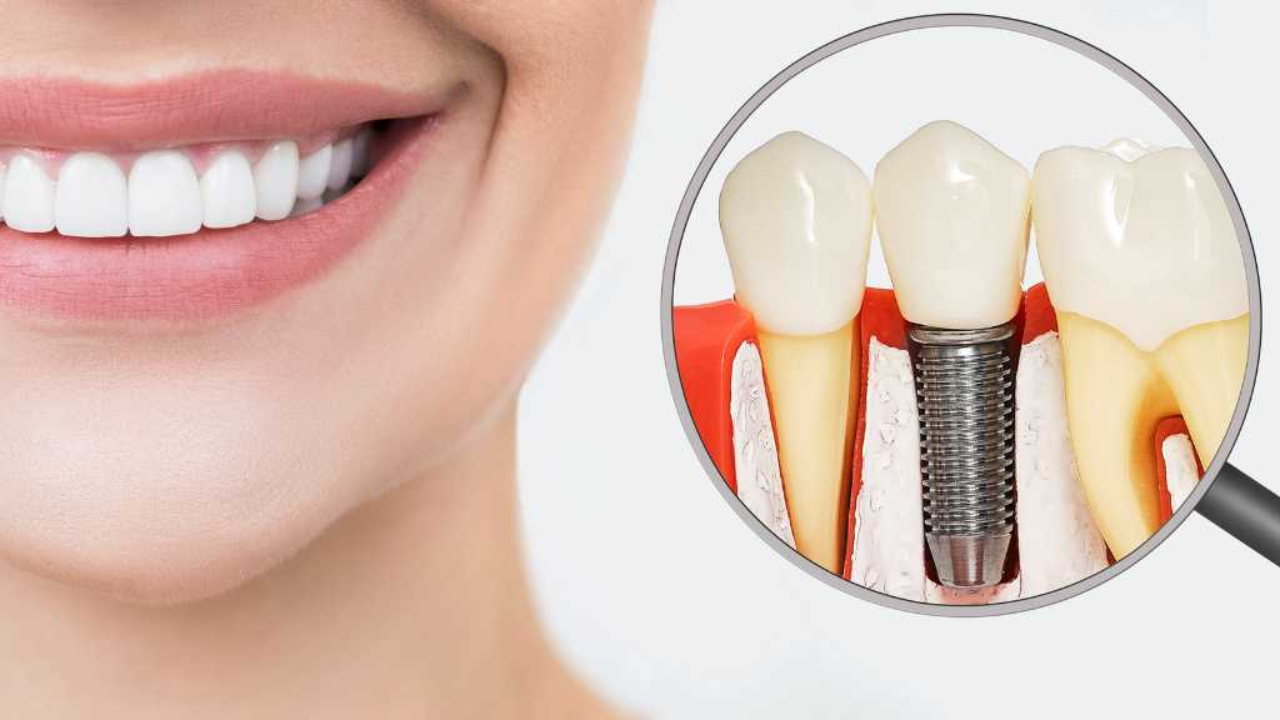
An immediate dental implant is a tooth replacement procedure in which a dentist places a titanium implant into the jawbone immediately after removing a damaged or missing tooth.
In a traditional dental implant procedure, the dentist extracts the tooth first and allows the surrounding bone and gum tissue to heal before placing the implant. This healing period may take several weeks or months, depending on the patient’s condition.
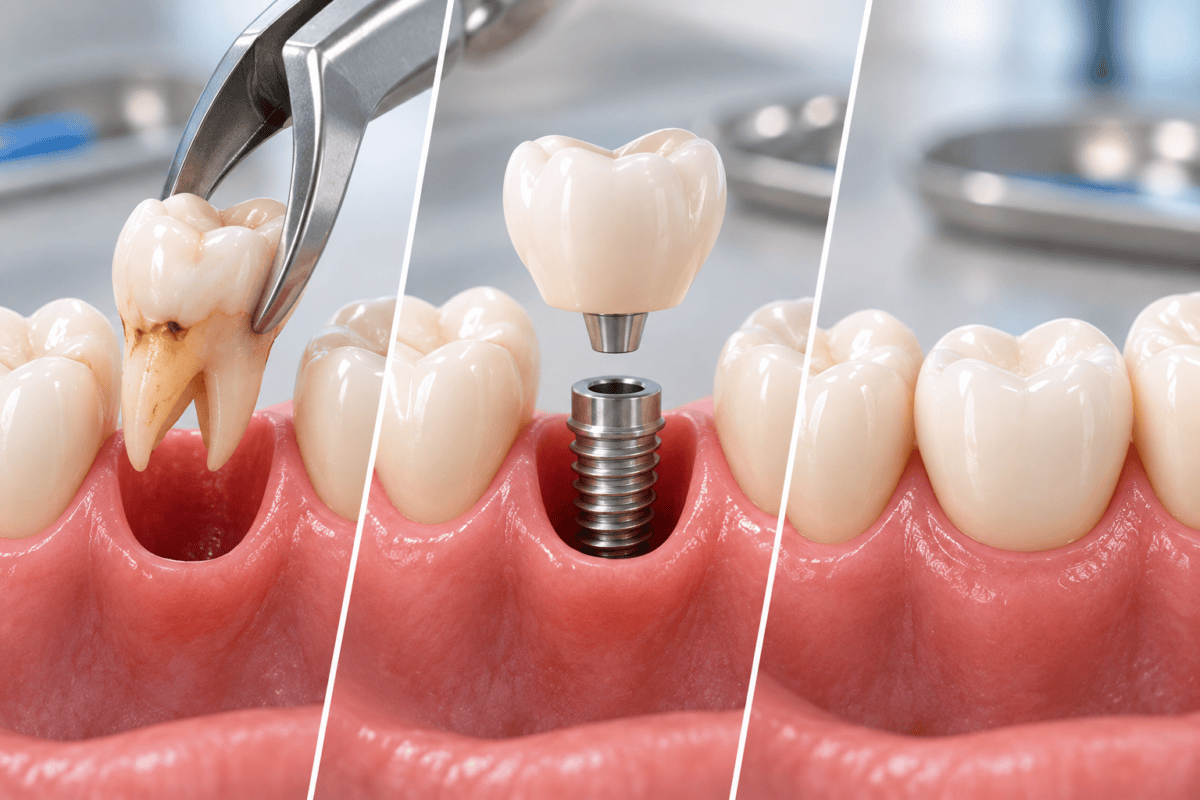
With immediate implant placement, the extraction and implant placement happen during the same surgical appointment.
The implant acts as an artificial tooth root and gradually integrates with the surrounding jawbone through a process called osseointegration. Once healing is complete, a custom dental crown can be attached to restore the appearance and function of the missing tooth.
It is important to understand that immediate implant placement does not always mean you receive your permanent replacement tooth on the same day. Some patients may qualify for a temporary restoration, while others need to wait until the implant has healed before receiving their final crown.
Can You Get a Dental Implant on the Same Day as Tooth Extraction?
Yes, you can sometimes receive a dental implant immediately after tooth extraction. However, your eligibility depends on your oral health and the condition of the extraction site.
A dentist must carefully evaluate your teeth, gums, and jawbone before recommending this treatment.
Immediate implant placement may be possible when:
- There is sufficient jawbone to support the implant.
- The surrounding gum tissue is healthy.
- There is no uncontrolled infection at the extraction site.
- The implant can achieve adequate initial stability.
- The surrounding bone structure is suitable for implant placement.
- You are generally healthy enough to undergo implant surgery.
If these conditions are not met, your dentist may recommend allowing the extraction site to heal before proceeding with implant placement.
The goal is not simply to place an implant quickly but to achieve a stable, healthy, and long-lasting tooth replacement.
How Does Immediate Dental Implant Placement Work?
Immediate implant placement involves several steps. Although the procedure may vary depending on your dental condition, the general process includes the following stages.
1. Initial Dental Examination
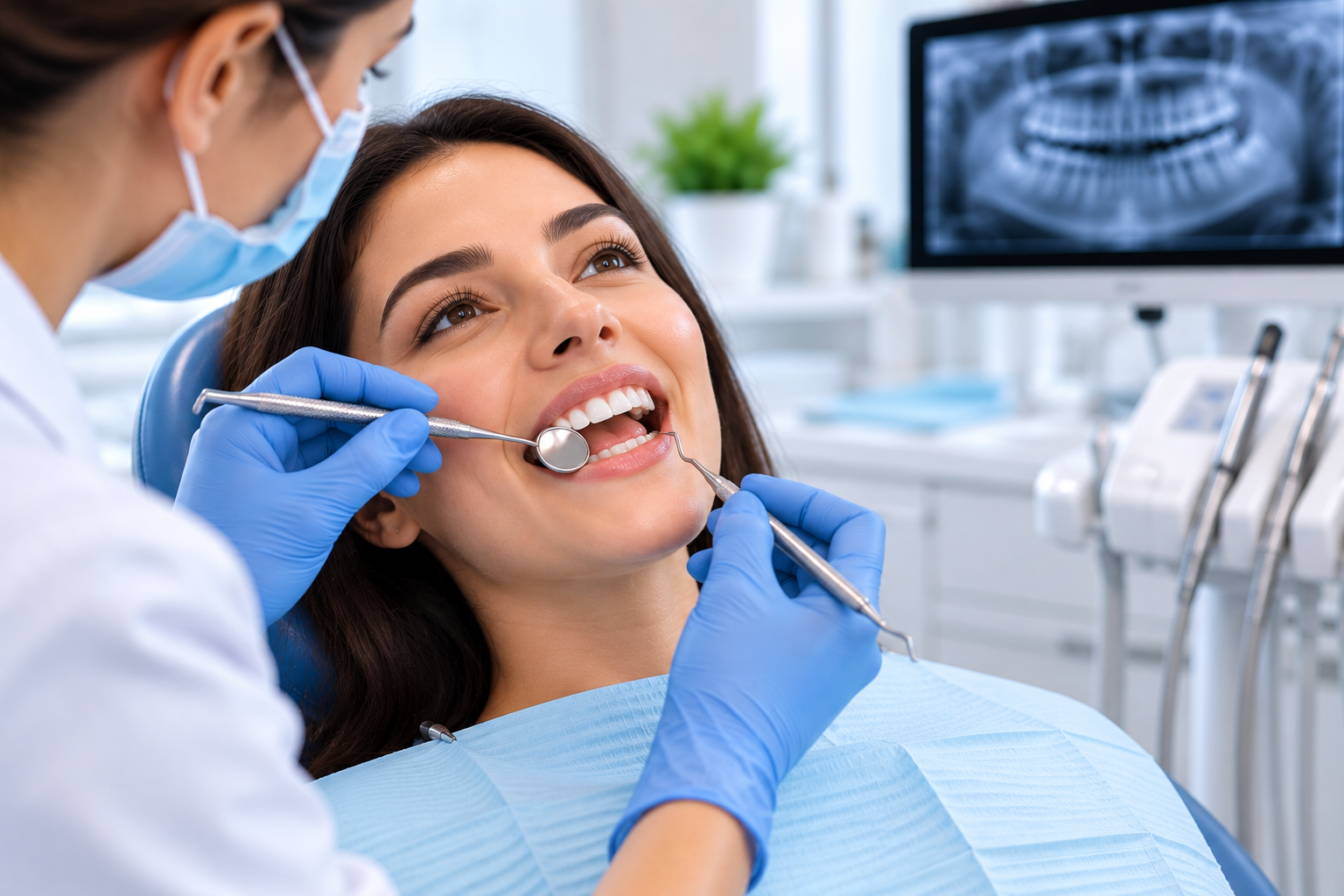
The first step is a comprehensive dental examination. Your dentist evaluates the damaged tooth, surrounding gums, and jawbone to determine whether immediate implant placement is possible.
Digital X-rays or 3D imaging, such as cone-beam computed tomography (CBCT), may be used to assess bone volume, bone density, and the position of nearby anatomical structures.
2. Tooth Extraction
If the tooth cannot be saved, the dentist carefully removes it while preserving as much surrounding bone and gum tissue as possible.
Atraumatic extraction techniques may be used to minimize damage to the surrounding structures.
3. Implant Placement
Once the tooth is removed, the dentist prepares the extraction socket and places the dental implant into the jawbone.
The implant must achieve adequate initial stability to support the healing process.
In some cases, a small gap may remain between the implant and the surrounding socket walls. Your dentist may use bone grafting material to support the healing process and help maintain the surrounding bone structure.
4. Temporary Tooth Replacement (If Suitable)
Depending on the implant’s stability and the location of the missing tooth, your dentist may provide a temporary crown or another temporary restoration.
However, not every immediate implant can be loaded immediately. Some patients need to avoid placing chewing pressure on the implant while the bone heals.
5. Healing and Permanent Crown Placement
Over the following months, the implant gradually integrates with the jawbone.
Once sufficient healing and stability are confirmed, your dentist can attach a custom-made permanent dental crown.
The final restoration is designed to blend with your natural teeth and restore chewing function.
Who Is a Good Candidate for Immediate Dental Implants?
Not everyone qualifies for immediate dental implant placement. Your dentist needs to evaluate several factors before recommending the procedure.
You may be a suitable candidate if:
- You have adequate jawbone volume and quality.
- Your gums are healthy or any gum disease is appropriately managed.
- The extraction site does not have an uncontrolled infection.
- The surrounding bone remains intact after extraction.
- You have good overall oral hygiene.
- You do not have uncontrolled medical conditions that could interfere with healing.
- You can follow post-operative instructions and attend follow-up appointments.
People with certain conditions may need additional treatment before receiving dental implants.
For example, patients with significant bone loss may require bone grafting. Those with active gum disease may need periodontal treatment before implant placement.
Smoking can also increase the risk of implant complications and impaired healing.
A personalized dental examination is the best way to determine whether immediate implant placement is appropriate.
When Should You Wait Before Getting a Dental Implant?
In some situations, placing an implant immediately after extraction may not be the safest or most predictable option.
Your dentist may recommend delayed implant placement when there are concerns about bone health, infection, or implant stability.
Common reasons include:
1. Severe Tooth Infection
If a tooth has a significant infection, particularly when it is accompanied by extensive surrounding tissue damage, immediate implant placement may not be appropriate.
Your dentist may recommend removing the tooth, treating the infection, and allowing the area to heal before placing an implant.
However, the presence of infection alone does not automatically rule out immediate placement. The extent of infection and the ability to thoroughly clean the extraction site matter.
2. Insufficient Jawbone
Dental implants require adequate bone support to remain stable.
If you have experienced significant bone loss because of gum disease, long-term tooth loss, or trauma, you may need bone grafting before implant placement.
3. Advanced Gum Disease
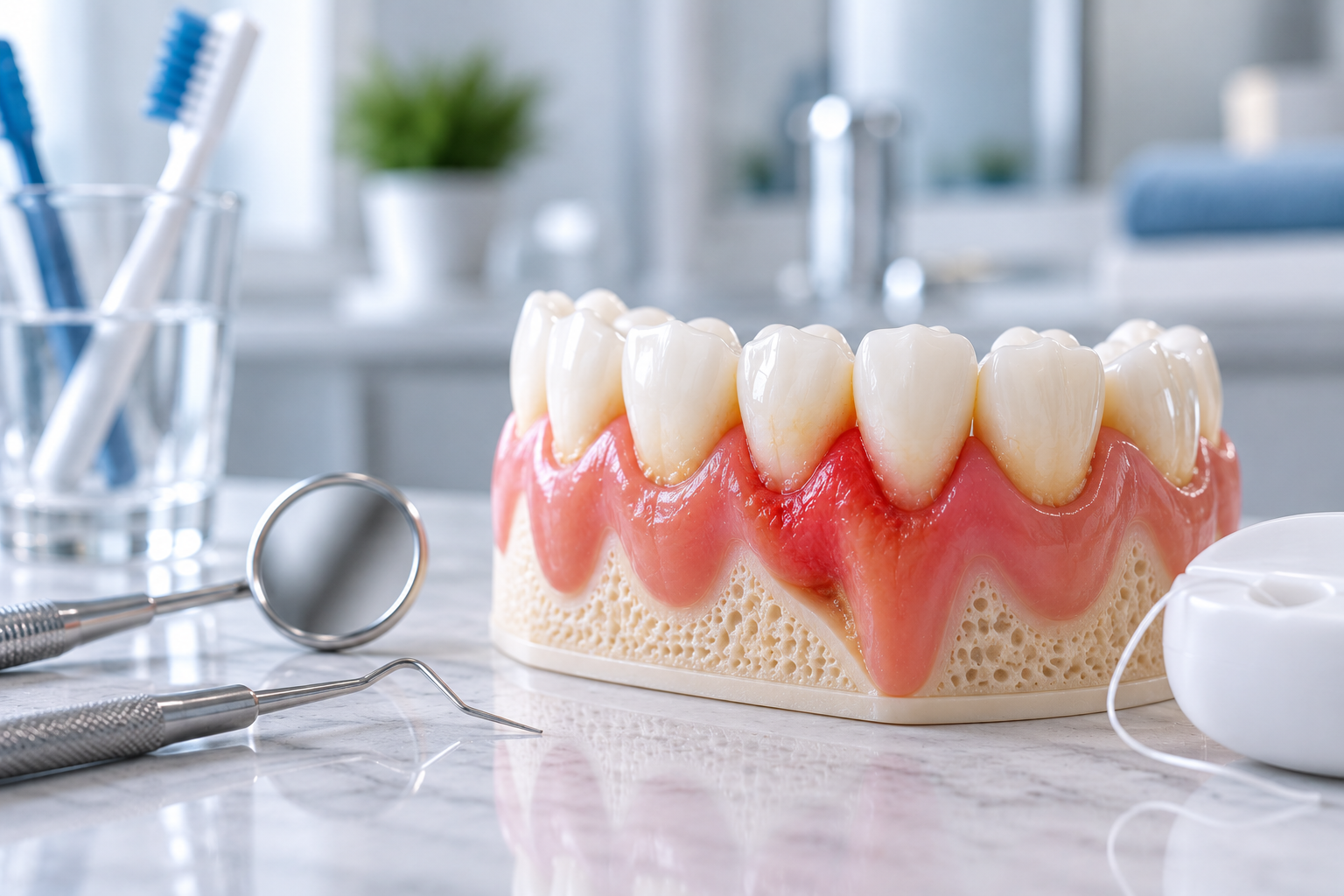
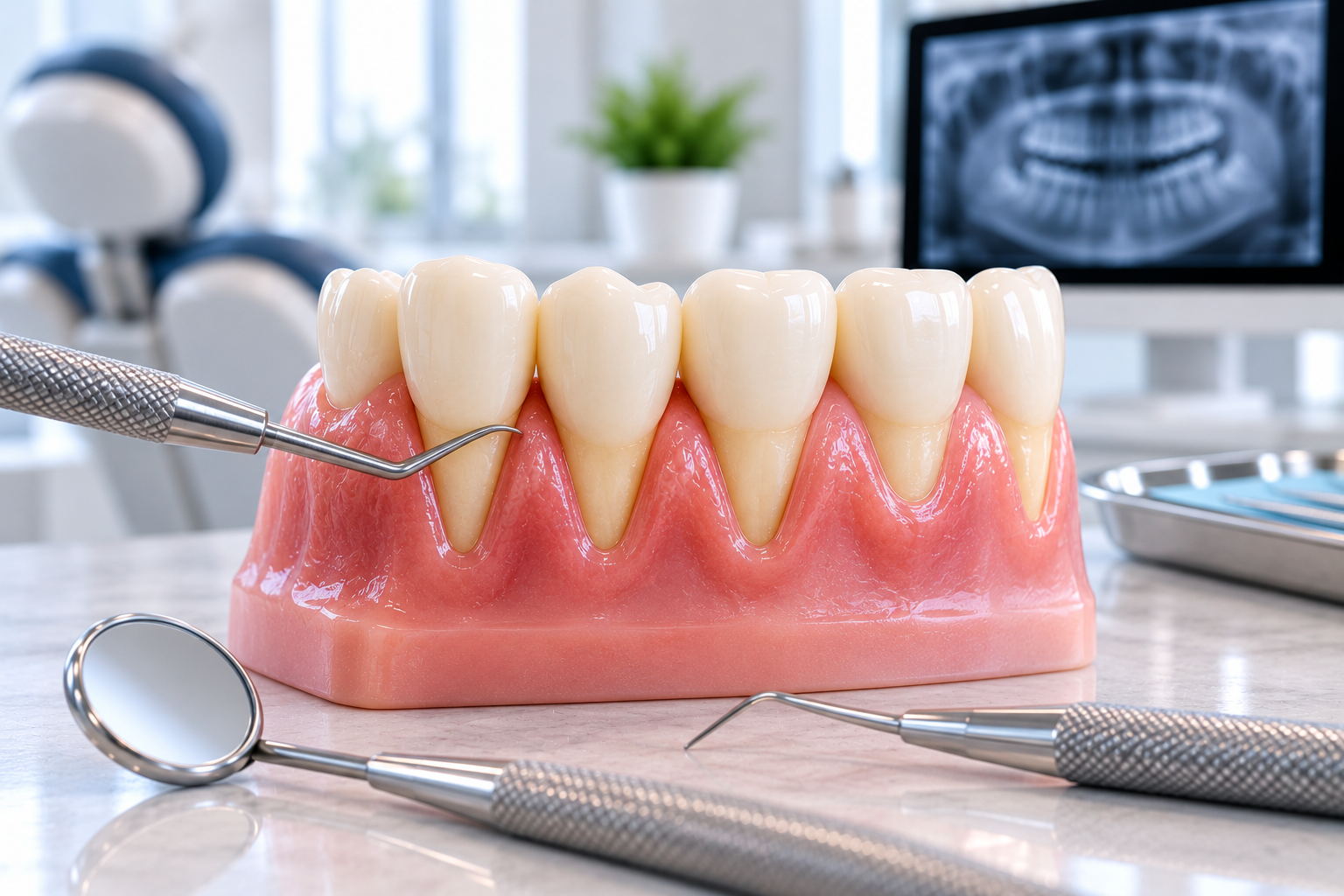
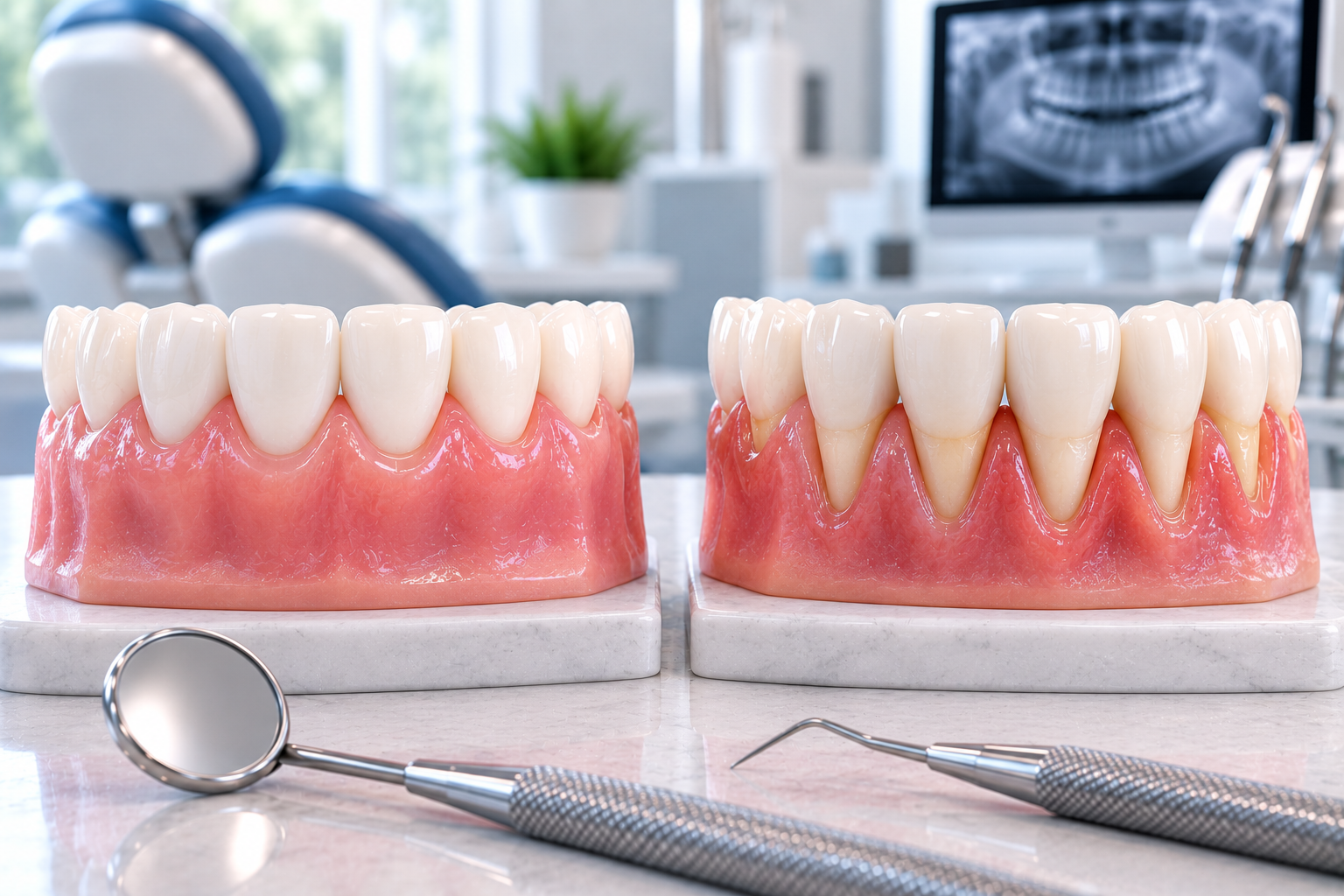
Untreated periodontal disease can affect the tissues supporting your teeth and implants.
Your dentist may recommend treating the gum disease and establishing healthy periodontal conditions before proceeding with implant surgery.
4. Poor Implant Stability
An implant needs sufficient initial stability within the jawbone to support proper healing.
If the extraction socket cannot provide adequate stability, delayed implant placement may be a better option.
5. Certain Medical or Lifestyle Factors
Uncontrolled diabetes, certain medications, smoking, and other health-related factors may affect healing and implant success.
Your dentist will review your medical history and discuss any additional precautions before recommending treatment.
Immediate Dental Implants vs. Delayed Dental Implants
Both immediate and delayed dental implants can be effective tooth replacement options. The main difference is when the implant is placed.
| Feature | Immediate Implant | Delayed Implant |
| Implant placement | Same appointment as extraction | After the extraction site heals |
| Initial treatment timeline | Potentially shorter | Usually longer |
| Bone healing | Implant heals within the extraction site | Extraction site heals before implant placement |
| Surgical appointments | May combine extraction and implant placement | Usually involves separate stages |
| Bone grafting | May be needed | May be needed |
| Suitability | Requires favorable bone and tissue conditions | Useful when additional healing is needed |
| Final crown | After adequate implant healing | After adequate implant healing |
Neither approach is automatically better for everyone. Your dentist will recommend the option that provides the most predictable outcome based on your oral health.
Benefits of Getting a Dental Implant Immediately After Extraction
When a patient qualifies, immediate implant placement can offer several advantages.
1. Fewer Surgical Appointments
One of the biggest advantages is that tooth extraction and implant placement can happen during the same appointment. This may reduce the number of separate surgical procedures.
2. Potentially Shorter Treatment Time
Because implant placement happens immediately after extraction, patients may avoid waiting for the extraction site to heal completely before beginning implant treatment.
However, the implant still needs time to integrate with the jawbone before the final crown is placed.
3. Helps Preserve the Tooth Replacement Site
Placing an implant immediately may help support the surrounding bone and soft tissue contours when combined with appropriate surgical techniques.
However, bone remodeling can still occur after extraction, even when an implant is placed immediately. Additional bone grafting may be recommended in some cases.
ITI+1
4. May Improve Convenience
Combining procedures can make treatment more convenient for patients who want to minimize the number of surgical visits.
5. Supports Smile Restoration
For suitable patients, immediate placement may allow a temporary tooth restoration, helping maintain the appearance of the smile while the implant heals.
A temporary restoration is not guaranteed and depends on implant stability and bite conditions.
What Are the Risks of Immediate Dental Implants?
Although immediate dental implants can be successful, the procedure is more technique-sensitive than placing an implant in a fully healed site.
Some potential risks include:
- Implant Failure: The implant may not integrate properly with the surrounding jawbone.
- Infection: Bacterial contamination or inadequate healing can affect implant success.
- Gum Recession: Changes in the surrounding gum tissue may expose part of the implant or affect the appearance of the restoration.
- Bone Loss: Natural bone remodeling after extraction may affect the surrounding implant site.
- Additional Procedures: Bone grafting or soft tissue augmentation may be required to support the implant.
- Longer Healing Requirements: Even with immediate placement, the implant may need several months before it can support the final crown.
Thin gum tissue, damaged facial bone, and incorrect implant positioning can increase the risk of aesthetic complications, particularly for implants placed in the front of the mouth.
ITI+1
Your dentist will evaluate these risks and explain whether immediate or delayed implant placement is more appropriate.
How Long Does It Take for an Immediate Dental Implant to Heal?
Although the implant is placed on the same day as extraction, the healing process continues over several months.
The timeline varies depending on bone quality, implant stability, overall health, and whether additional procedures are needed.
| Treatment Stage | General Timeline |
| Tooth extraction and implant placement | Same appointment |
| Initial gum healing | Approximately 1–2 weeks |
| Bone integration | Often 3–6 months |
| Final crown placement | After sufficient healing and stability |
These are general estimates, not guaranteed treatment times. Some patients may need longer healing periods, particularly if bone grafting or additional procedures are required.
During this period, follow your dentist’s instructions and attend scheduled follow-up appointments.
How Much Does an Immediate Dental Implant Cost?
The cost of an immediate dental implant depends on several factors. Since the procedure combines tooth extraction and implant placement, the overall treatment cost may differ from a traditional implant procedure.
Factors that can influence the price include:
1. Type of Dental Implant
Different implant systems and materials have different costs. Your dentist will recommend an implant based on your oral health and treatment requirements.
2. Tooth Extraction Complexity
A simple extraction generally involves different treatment requirements than a complicated surgical extraction.
3. Bone Grafting Requirements
If additional bone support is needed, bone grafting can increase the overall treatment cost.
4. Temporary and Permanent Crowns
The cost may include a temporary restoration and a custom-made permanent crown, depending on your treatment plan.
5. Diagnostic Imaging
X-rays and 3D scans may be required to assess your jawbone and plan the implant procedure.
Before beginning treatment, request a detailed estimate that explains the costs of extraction, implant placement, grafting, and the final restoration.
How to Care for Your Mouth After Immediate Implant Placement
Proper aftercare is essential for supporting healing and reducing the risk of complications.
Here are some general recommendations:
- Choose Soft Foods: Eat foods that require minimal chewing, such as yogurt, mashed potatoes, scrambled eggs, and soft vegetables.
- Avoid Hard and Crunchy Foods: Nuts, chips, hard candies, and other foods that can put pressure on the surgical area should be avoided during early healing.
- Follow Oral Hygiene Instructions: Keep your mouth clean without disturbing the surgical site. Follow your dentist’s instructions about brushing and rinsing.
- Avoid Smoking: Smoking can interfere with healing and increase the risk of implant complications.
- Take Prescribed Medication: Follow your dentist’s directions for pain medication or antibiotics if prescribed.
- Avoid Excessive Pressure: Do not chew directly on the implant or temporary restoration unless your dentist specifically allows it.
- Attend Follow-Up Visits: Regular examinations help your dentist monitor healing and implant stability.
Contact your dentist if you experience worsening pain, increasing swelling, persistent bleeding, fever, or signs of infection.
Immediate Dental Implants at Ethos Modern Dental & Implant Center
If you are considering replacing a damaged or missing tooth, understanding your implant options is an important first step.
At Ethos Modern Dental & Implant Center, we emphasize personalized dental care, patient comfort, and clear treatment recommendations. Our team evaluates your oral health and discusses appropriate treatment options based on your individual needs.
Whether you need a tooth extraction, dental implant, or restorative treatment, a proper examination helps determine the most suitable approach.
Explore our dental implant services in Edinburg, TX to learn more about replacing missing teeth.
You can also explore our tooth extraction services and crowns, veneers, and bridges to understand other available treatment options.
Schedule a dental examination to discuss your oral health and find out whether immediate dental implant placement may be suitable for you.
Frequently Asked Questions
1. Can a dental implant be placed immediately after tooth extraction?
Yes. A dental implant can sometimes be placed immediately after tooth extraction during the same appointment. However, the patient must have suitable bone support, healthy surrounding tissues, and sufficient implant stability.
2. Is getting an immediate dental implant painful?
The procedure is generally performed under local anesthesia, so patients should not feel pain during the surgery. Some discomfort, swelling, or tenderness may occur afterward. Your dentist can recommend appropriate ways to manage these symptoms.
3. Can an infected tooth receive an immediate dental implant?
It depends on the type and extent of infection. An acute infection at the implant site is generally a reason to avoid immediate placement. Your dentist may recommend extraction, infection management, and healing before considering an implant.
4. Do you get a permanent tooth on the same day as implant placement?
Not necessarily. Immediate implant placement means the implant is inserted on the day of extraction. Some patients may receive a temporary crown, but the permanent crown is generally placed after the implant has integrated with the jawbone.
5. How long after tooth extraction can I get a dental implant?
Depending on your oral health, an implant may be placed immediately, after approximately 4–8 weeks of soft tissue healing, after 12–16 weeks of partial bone healing, or after complete healing. Your dentist determines the timing based on the extraction site and treatment requirements.
ITI+1
6. Does immediate implant placement prevent bone loss?
Immediate placement may help support the extraction site, but it does not completely prevent natural bone remodeling. Your dentist may recommend bone grafting or other regenerative procedures to help maintain the bone structure.
7. How long does an immediate dental implant last?
A properly placed and maintained dental implant can last many years. Its longevity depends on oral hygiene, gum health, bone support, lifestyle habits, and regular dental care.
8. Can I eat normally after getting an immediate dental implant?
You should generally start with soft foods and avoid chewing directly on the implant site during early healing. Your dentist will guide you on when to gradually return to your normal diet.
9. Is an immediate dental implant better than a traditional dental implant?
Neither option is automatically better. Immediate placement may reduce treatment time and surgical appointments, while delayed placement allows the extraction site to heal before implant surgery. The right approach depends on your bone condition, gum health, infection status, and treatment goals.
10. What happens if I am not suitable for an immediate dental implant?
If immediate placement is not suitable, your dentist may recommend allowing the extraction site to heal before implant placement. Bone grafting or other preparatory procedures may also be needed before proceeding.
Final Thoughts
Getting a dental implant immediately after tooth extraction is possible for many carefully selected patients. It can reduce the number of surgical appointments, shorten the overall treatment timeline, and help restore your smile sooner.
However, immediate placement is not suitable for every patient. Bone quality, gum health, infection, and implant stability all play an important role in determining the right treatment approach.
If you are considering a dental implant, consult an experienced dental professional to evaluate your oral health and discuss your options. At Ethos Modern Dental & Implant Center, we focus on helping patients understand their treatment choices and make informed decisions about their dental health.