Experiencing persistent tooth pain, sensitivity to hot and cold foods, or discomfort while chewing can indicate an underlying dental problem. While minor tooth sensitivity may sometimes be caused by enamel wear or gum recession, ongoing or severe pain could mean that the soft tissue inside your tooth has become inflamed or infected.
In such situations, root canal treatment may be necessary to remove the infection, relieve discomfort, and save your natural tooth. However, many people delay treatment because they are unsure about the symptoms or worry that a root canal will be painful.
At Ethos Modern Dental & Implant Center, we believe understanding your dental condition is the first step toward making informed treatment decisions. Recognizing the early warning signs can help you seek appropriate care before the problem becomes more complicated.
Let’s explore when root canal treatment is needed, the symptoms you should watch for, how the procedure works, and when you should visit a dentist.
What Is Root Canal Treatment?
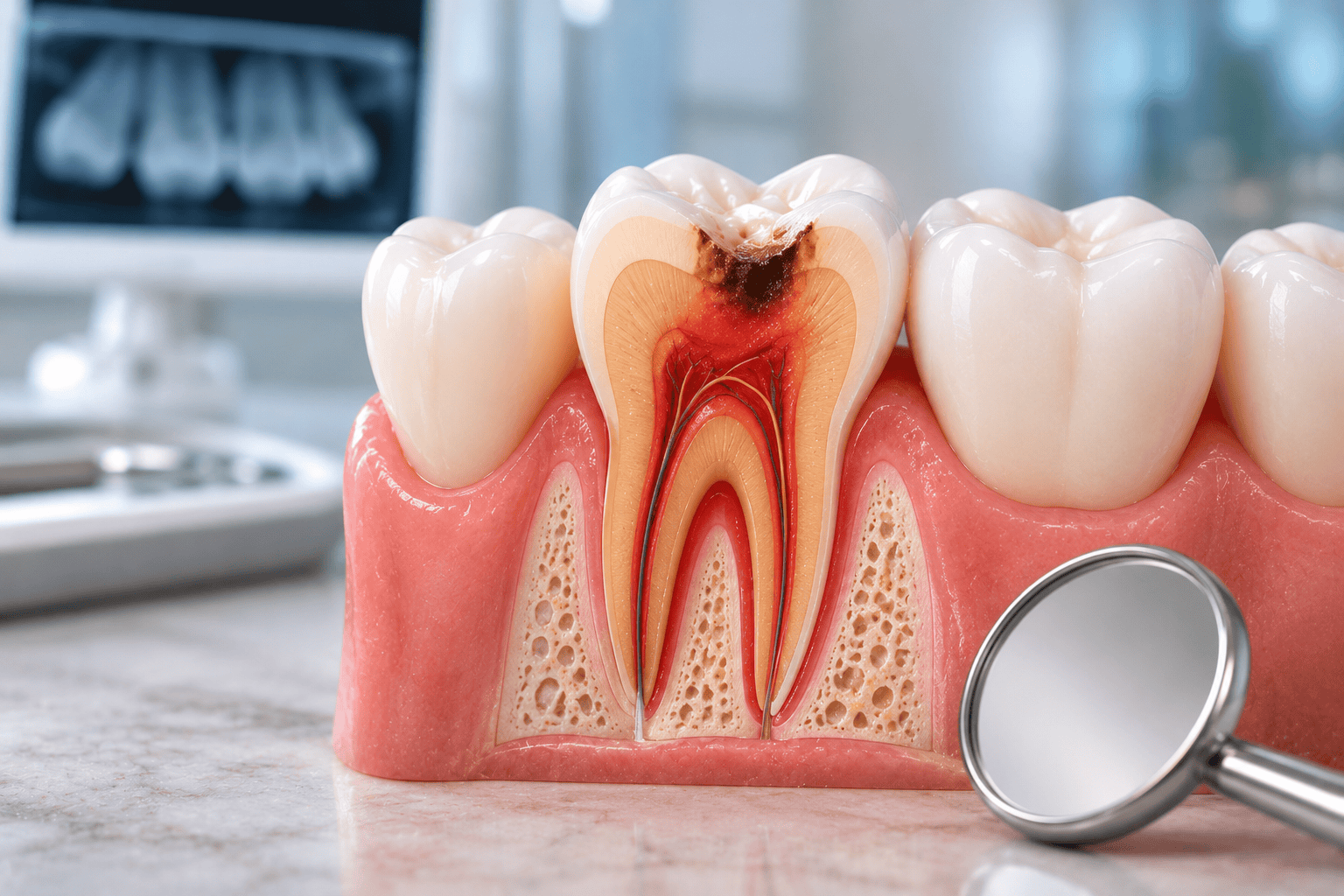
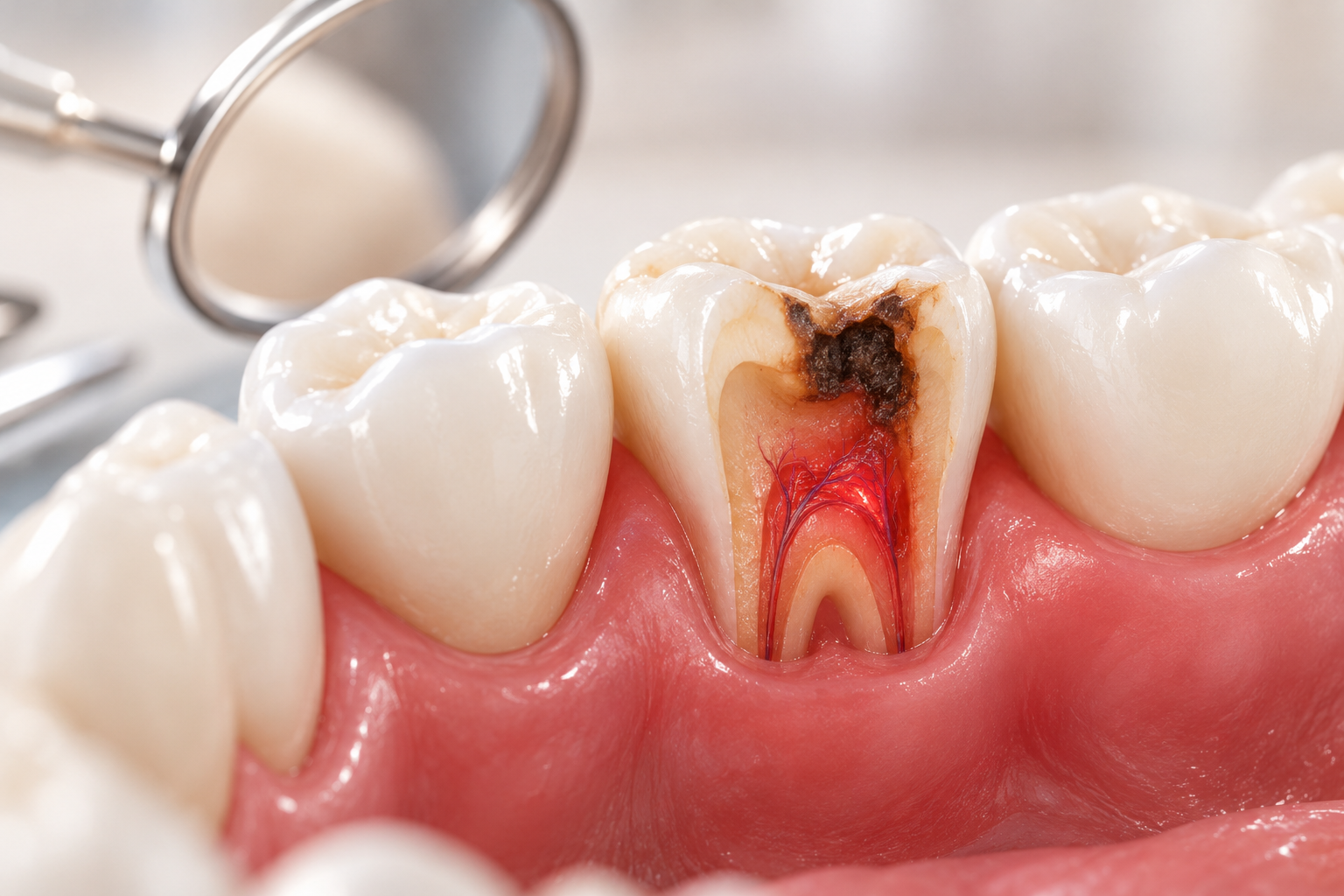
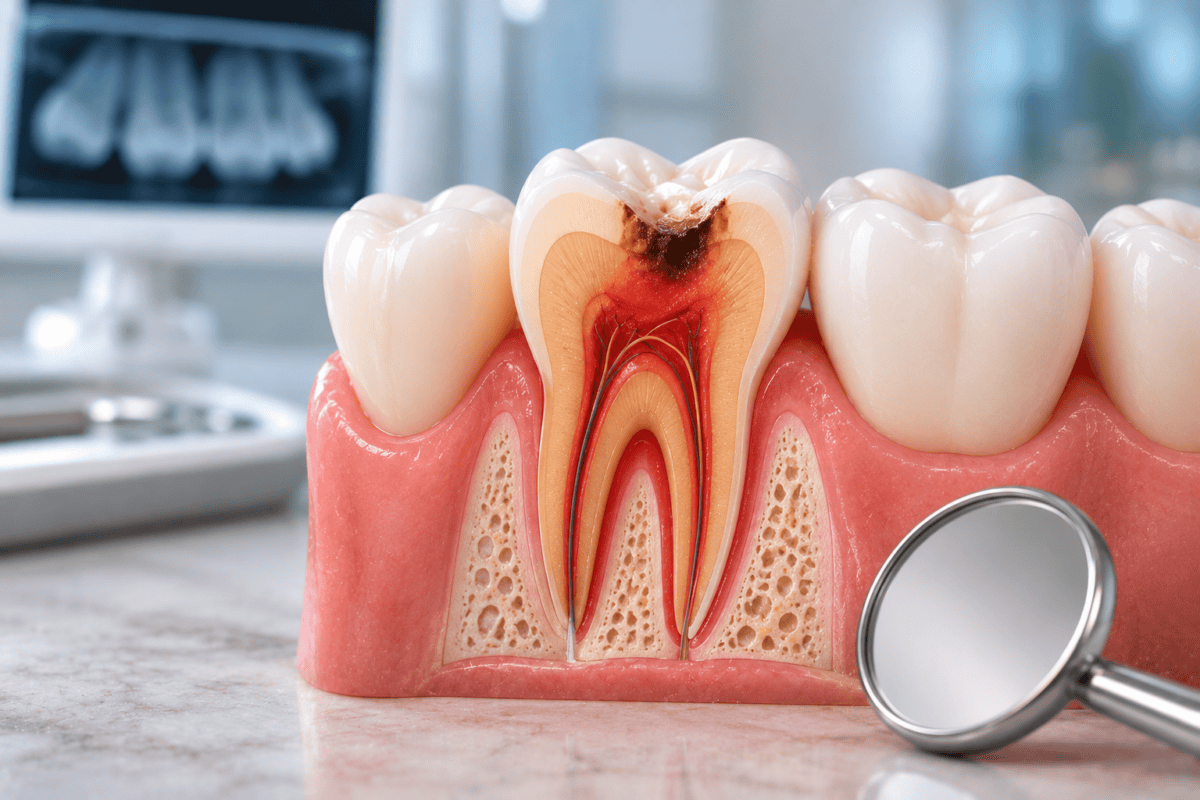
Root canal treatment is a dental procedure used to treat infection or inflammation inside a tooth. It becomes necessary when the dental pulp, the soft tissue containing nerves and blood vessels, becomes damaged or infected.
The pulp is located inside the tooth and extends through narrow channels within its roots. Deep cavities, cracks, dental injuries, and repeated dental procedures can allow bacteria to reach this tissue and cause inflammation or infection.
During a root canal procedure, the dentist removes the infected or damaged pulp, cleans and disinfects the inside of the tooth, and seals the root canals with a suitable filling material.
A permanent filling or dental crown may then be placed to restore the tooth’s strength and function.
The primary goal of root canal treatment is to preserve your natural tooth rather than remove it.
When Is Root Canal Treatment Needed?
Root canal treatment is generally recommended when the dental pulp becomes irreversibly inflamed, infected, or dies due to damage or bacterial infection.
A dentist evaluates your symptoms, examines the affected tooth, and may use dental X-rays or other diagnostic tests to determine whether the pulp can recover or requires treatment.
Here are some common situations in which root canal treatment may be necessary.
1. Deep Tooth Decay
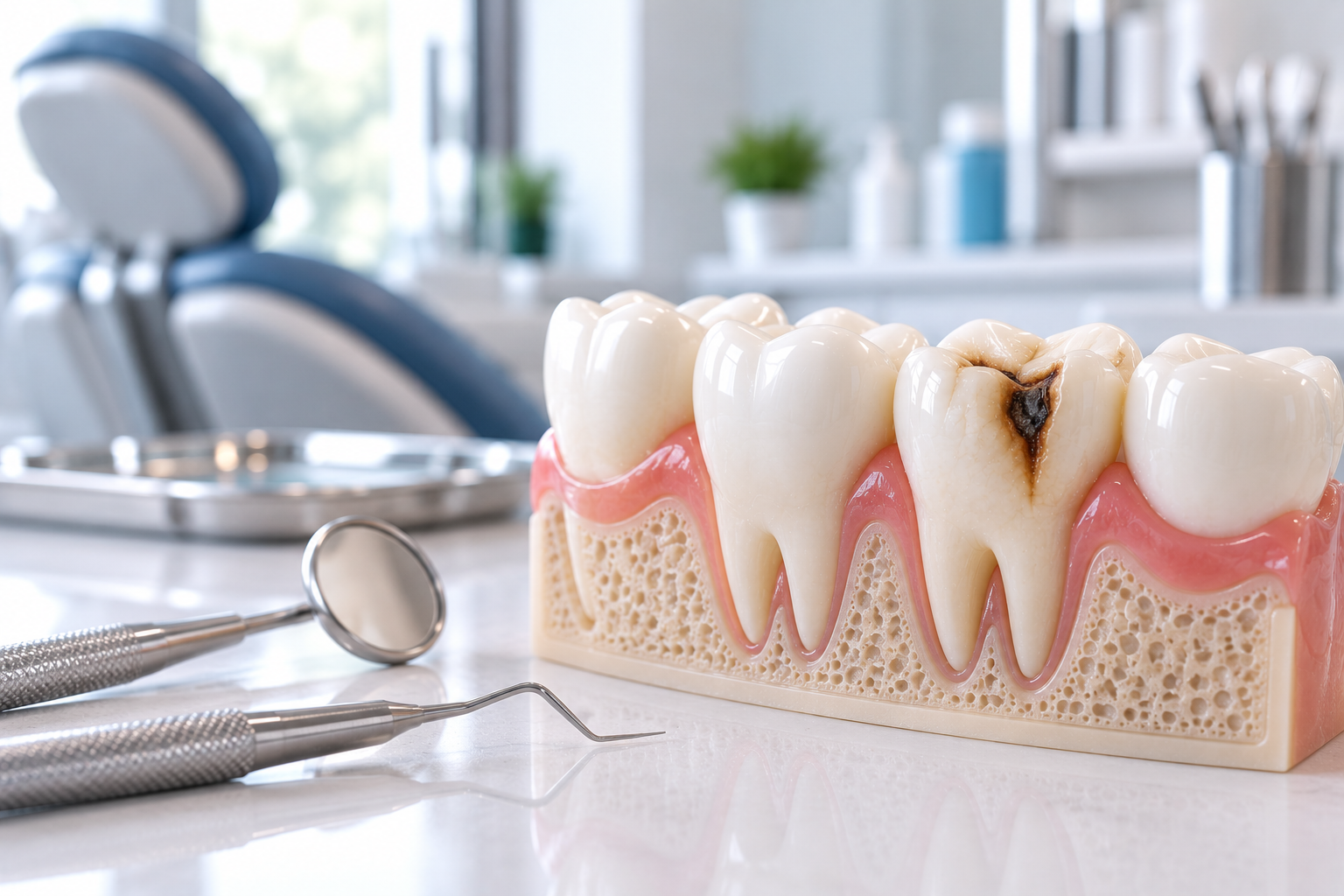
One of the most common reasons for root canal treatment is advanced tooth decay.
When cavities are left untreated, bacteria can gradually penetrate the enamel and dentin and eventually reach the dental pulp.
Once the infection reaches the pulp, you may experience persistent toothache, sensitivity, or pain while chewing.
If the pulp becomes irreversibly damaged, a simple dental filling may no longer be sufficient. Root canal treatment may be necessary to remove the infected tissue and preserve the remaining tooth structure.
Learn more about the warning signs and causes of dental cavities.
2. Persistent or Severe Tooth Pain
Tooth pain that continues for several hours or repeatedly returns without an obvious reason should not be ignored.
Persistent pain may indicate inflammation or infection inside the tooth, particularly when it occurs spontaneously or becomes worse at night.
Some people experience throbbing discomfort that makes it difficult to sleep, eat, or concentrate on everyday activities.
Although not every toothache requires a root canal, persistent or severe pain deserves a dental examination to identify the underlying cause.
3. Prolonged Sensitivity to Hot and Cold
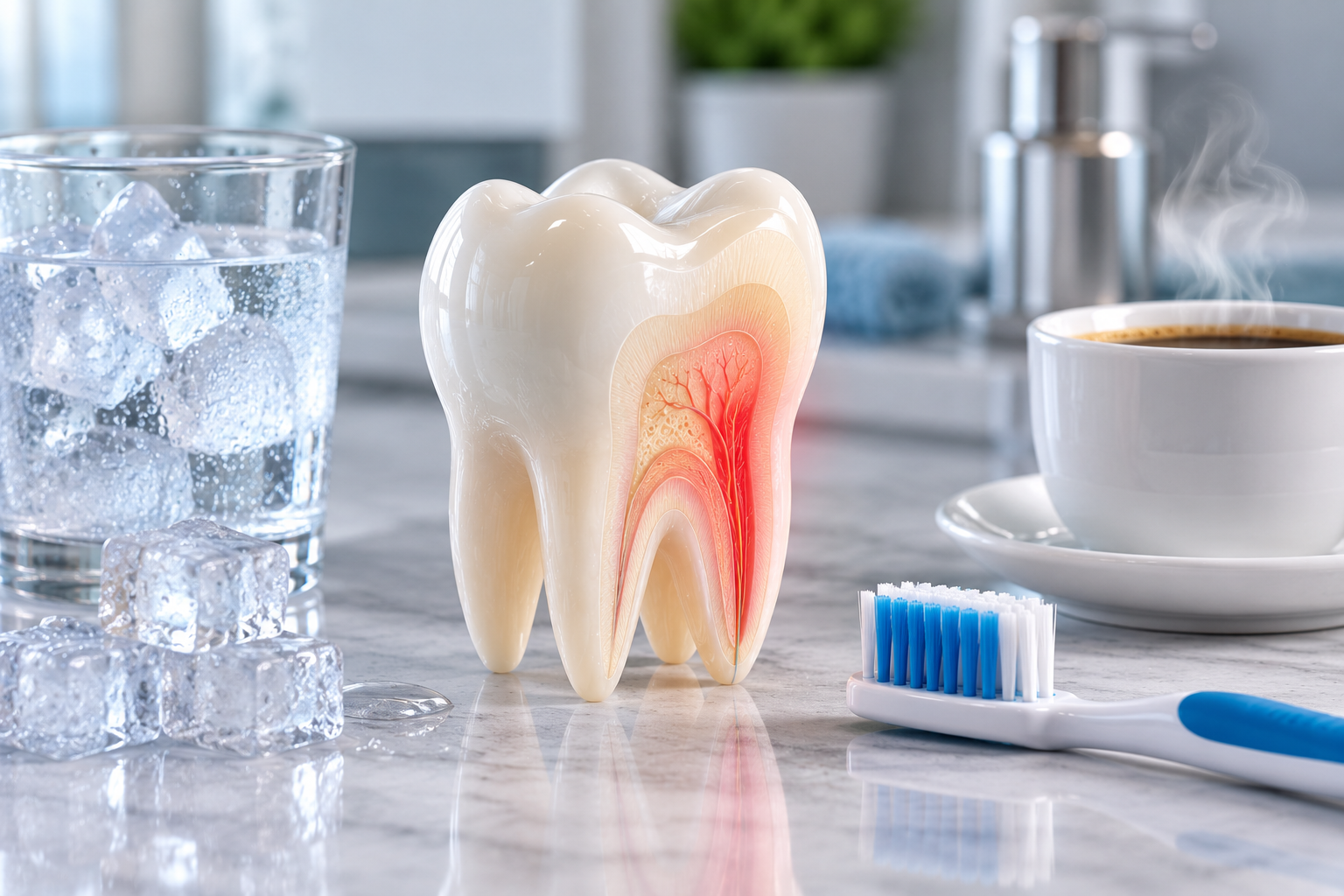
Temporary sensitivity after consuming cold drinks or hot foods can sometimes result from exposed dentin or weakened enamel.
However, sensitivity that continues long after the hot or cold stimulus has been removed may indicate inflammation within the dental pulp.
For example, you may experience sharp or lingering discomfort after drinking hot coffee, eating ice cream, or consuming cold water.
If the sensitivity becomes persistent or increasingly painful, your dentist may recommend additional testing to determine whether root canal treatment is necessary.
4. Pain While Biting or Chewing
Pain when biting down or chewing food can indicate damage to the tooth or surrounding supporting tissues.
You may notice discomfort when eating hard foods or applying pressure to a particular tooth.
Possible causes include:
- Deep tooth decay
- Cracked or fractured teeth
- Inflammation around the tooth root
- Dental pulp infection
- Damage to an existing filling or restoration
If the pulp is infected or the tissues around the root are inflamed, root canal treatment may be recommended.
However, biting pain can also have other causes, so a proper dental examination is important.
5. Swollen or Tender Gums Near a Tooth
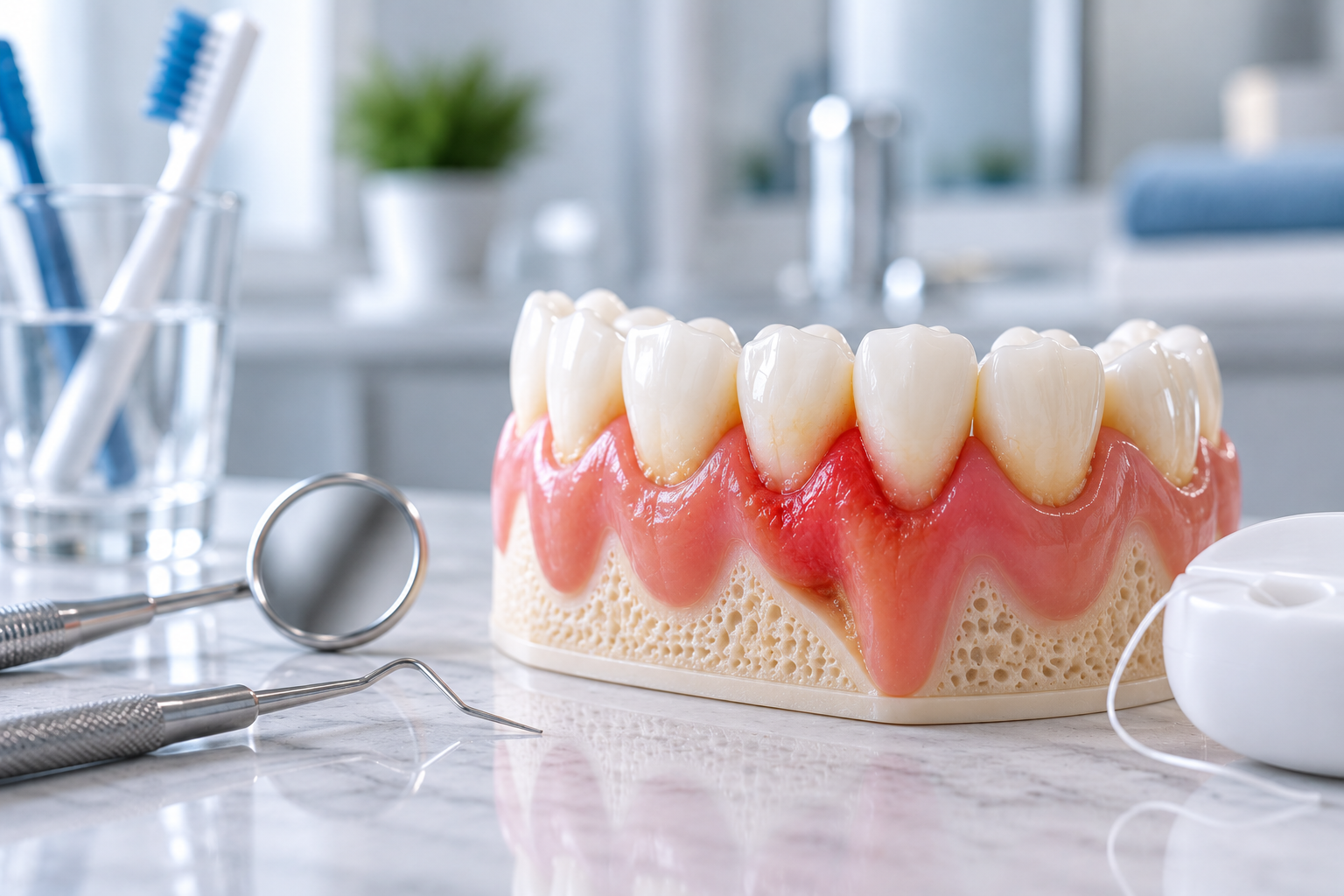
Swelling around a particular tooth can sometimes indicate an infection that has spread beyond the dental pulp.
You may notice redness, tenderness, or a small swollen area near the affected tooth.
In some cases, an infected tooth develops a dental abscess, which is a collection of pus caused by bacterial infection.
An abscess may also produce a pimple-like bump on the gums, unpleasant taste, or drainage.
A dental abscess requires prompt professional attention. Depending on the condition of the tooth, treatment may involve root canal therapy or extraction.
6. Tooth Discoloration or Darkening
A tooth that gradually becomes darker than the surrounding teeth may have experienced internal damage.
Dental trauma, previous injuries, or changes in the pulp can affect the natural color of a tooth.
For example, a tooth that turns grey, brown, or noticeably darker after an accident may have experienced damage to its internal tissues.
Although discoloration does not automatically mean you need a root canal, it should be evaluated by a dentist to determine whether the pulp is healthy.
7. A Cracked or Chipped Tooth
A cracked or chipped tooth can expose the inner layers of the tooth and allow bacteria to reach the pulp.
Even when a crack appears small, it may extend deeper into the tooth and cause inflammation or infection.
You may experience:
- Sharp pain while chewing
- Sensitivity to hot and cold
- Discomfort when releasing biting pressure
- Intermittent toothache
- Visible cracks or fractures
If the damage reaches the dental pulp, root canal treatment may be needed before the tooth can be restored with a crown.
Explore our guide to broken and chipped teeth to understand common causes and treatment options.
What Causes the Need for Root Canal Treatment?
Several dental problems can damage the pulp and eventually make root canal treatment necessary.
Understanding these causes can help you recognize potential risks and take better care of your teeth.
1. Untreated Cavities
Deep cavities allow bacteria to move through the protective layers of the tooth and reach the pulp.
Regular dental examinations and timely cavity treatment can help prevent decay from progressing.
2. Dental Injuries or Trauma
An accident, sports injury, or fall can damage the internal tissues of a tooth.
Sometimes, the damage occurs without an obvious crack or fracture. Pulp injury may become noticeable weeks or even months after the incident.
3. Repeated Dental Procedures
A tooth that has undergone multiple restorative procedures may experience irritation or damage to the pulp.
Although dental fillings and other treatments are generally safe, repeated procedures on the same tooth can sometimes affect its internal tissues.
4. Cracked or Fractured Teeth
Cracks can create pathways for bacteria to enter the tooth and reach the pulp.
If the damage is severe, root canal treatment may be necessary to remove infected tissue and prepare the tooth for restoration.
5. Failed or Damaged Dental Restorations
An old, damaged, or poorly sealed filling or crown may allow bacteria to enter the underlying tooth structure.
If the pulp becomes infected, additional treatment may be needed to preserve the tooth.
How Does Root Canal Treatment Work?
Root canal treatment involves removing damaged pulp, cleaning the root canal system, and sealing the tooth to prevent further infection.
Although the exact procedure depends on the affected tooth and the severity of the infection, it generally involves the following steps.
Step 1: Dental Examination and Diagnosis
Your dentist examines the affected tooth and reviews your symptoms.
Dental X-rays may be taken to evaluate the roots, surrounding bone, and extent of the infection.
The dentist may also perform tests to assess the pulp’s response to temperature or pressure.
Step 2: Local Anesthesia
Before starting the procedure, local anesthesia is administered to numb the affected area.
This helps make the treatment more comfortable and minimizes pain during the procedure.
Step 3: Removing the Infected Pulp
The dentist creates a small opening in the tooth to access the pulp chamber and root canals.
The damaged or infected pulp tissue is carefully removed using specialized dental instruments.
Step 4: Cleaning and Disinfecting the Root Canals
After removing the infected tissue, the dentist cleans and shapes the root canals.
The inside of the tooth is disinfected to reduce bacteria and remove remaining debris.
Step 5: Filling and Sealing the Tooth
The cleaned root canals are filled with a biocompatible material, commonly gutta-percha, and sealed to help prevent reinfection.
A temporary or permanent filling may be placed to close the opening.
Step 6: Restoring the Tooth
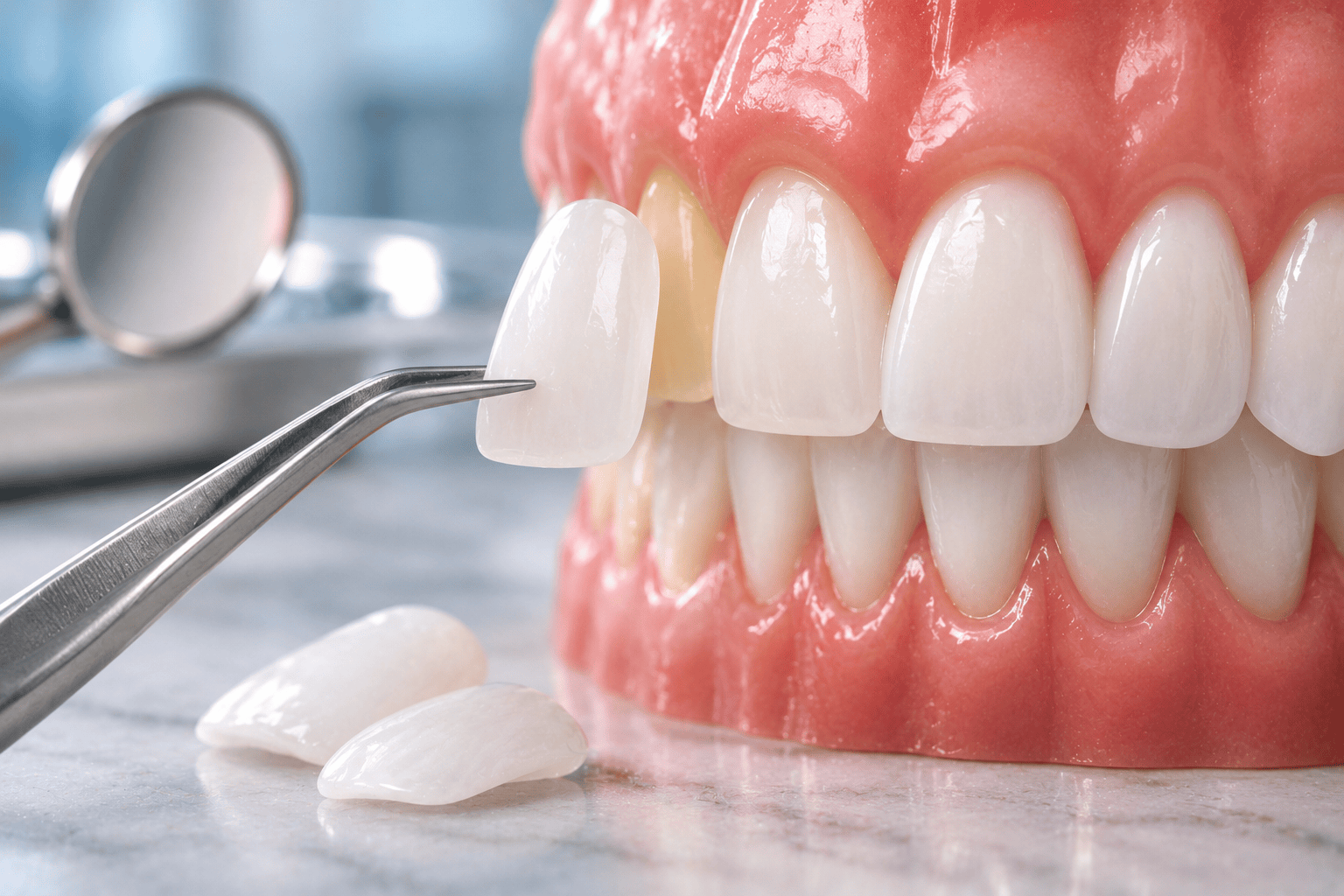
Depending on how much natural tooth structure remains, your dentist may recommend a permanent filling or dental crown.
A crown is commonly recommended for teeth that have lost significant structure because it helps protect them against further damage.
Explore our crowns, veneers, and bridges services to understand available restorative options.
What Happens If You Delay Root Canal Treatment?
Ignoring symptoms of an infected tooth can allow the problem to become more serious.
When the infected pulp is not treated, bacteria may spread through the root canal system and affect the surrounding tissues.
Possible complications include:
- Dental Abscess: An infection can develop around the root and cause swelling, pus formation, and discomfort.
- Increasing Tooth Pain: Persistent inflammation or infection may cause recurring or worsening pain.
- Bone Damage: An untreated infection may affect the bone surrounding the tooth root.
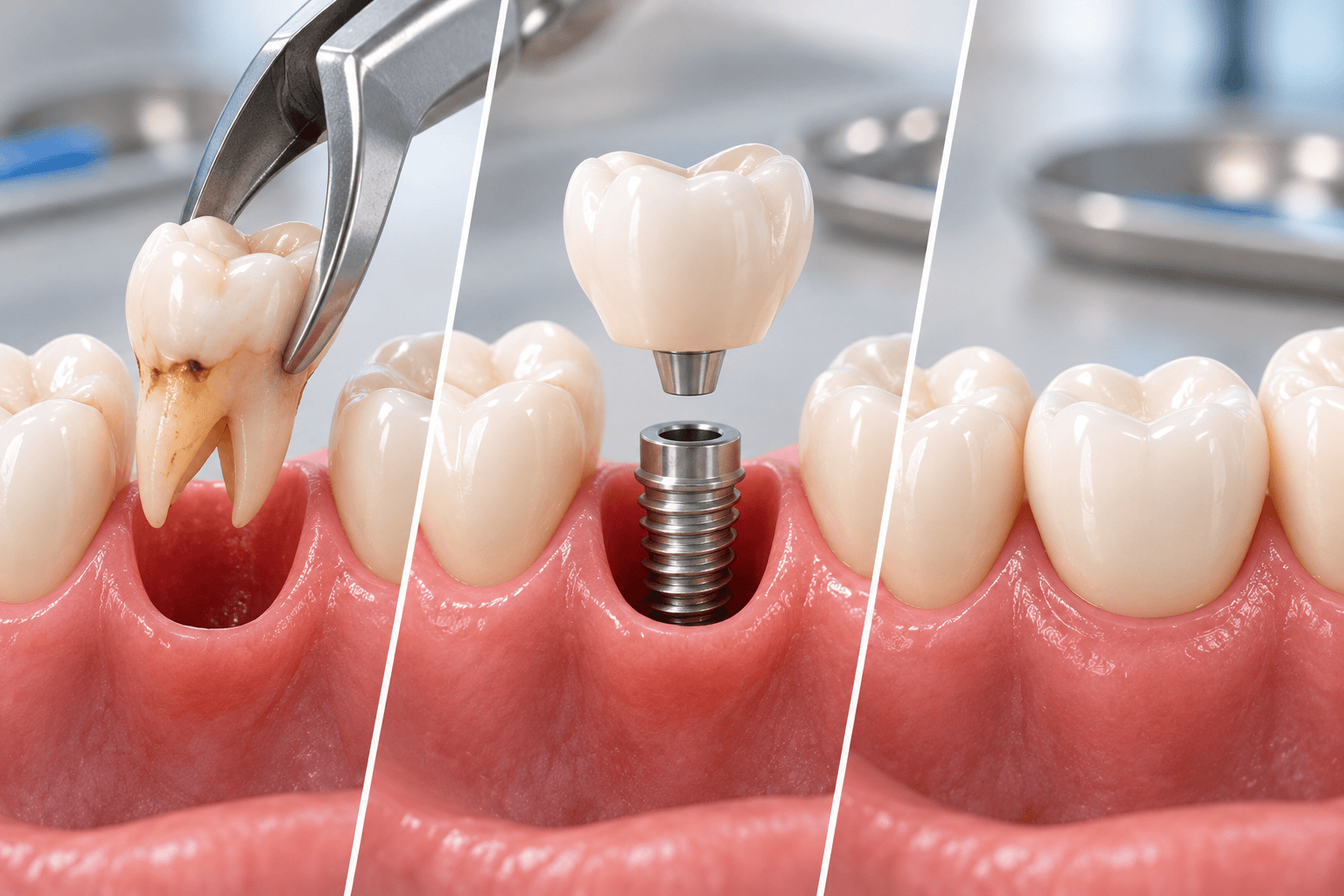
- Tooth Loss: If the tooth becomes too damaged to restore, extraction may be necessary.
- Spread of Infection: In more serious cases, infection can spread into nearby facial tissues and require urgent medical attention.
If you experience facial swelling, fever, or rapidly worsening symptoms, seek urgent dental care. Difficulty breathing or swallowing, or significant swelling around the mouth or neck, requires emergency medical attention.
Early diagnosis can help identify the problem and determine whether the natural tooth can still be saved.
Is Root Canal Treatment Painful?
One of the most common concerns patients have about root canal treatment is whether the procedure will hurt.
Modern root canal treatment is performed using local anesthesia, which helps numb the affected tooth and surrounding area.
Most patients experience pressure or movement during the procedure rather than sharp pain.
After treatment, the tooth and surrounding tissues may feel tender or mildly uncomfortable for a few days. This usually improves as the area heals.
Your dentist may recommend appropriate pain relief and provide instructions to help manage post-treatment discomfort.
The purpose of root canal treatment is to remove the source of infection and help relieve the pain associated with an infected or inflamed tooth.
How Long Does Root Canal Treatment Take?
The time required for root canal treatment depends on the affected tooth, the number of root canals, and the complexity of the infection.
Some treatments can be completed in one appointment, while others may require two or more visits.
| Treatment Stage | What Happens |
| Initial examination | Dental evaluation and X-rays |
| First appointment | Anesthesia, pulp removal, and canal cleaning |
| Additional appointment (if needed) | Further cleaning and completion of treatment |
| Final restoration | Permanent filling or dental crown |
Molars often require more attention because they generally have multiple roots and more complex canal systems.
Your dentist will explain the expected treatment timeline based on your individual condition.
How Can You Prevent the Need for Root Canal Treatment?
Although not every case of pulp damage can be prevented, good oral hygiene and regular dental care can reduce the risk of problems that lead to root canal treatment.
Here are some practical ways to protect your teeth.
1. Brush Twice Daily
Brush your teeth twice a day using fluoride toothpaste. Spend approximately two minutes cleaning all tooth surfaces.
2. Floss Every Day
Flossing helps remove food particles and plaque from areas between your teeth that a toothbrush may not reach effectively.
3. Treat Cavities Early
Do not delay dental treatment if you notice signs of tooth decay. Early treatment may prevent cavities from progressing deeper into the tooth.
4. Avoid Chewing Hard Objects
Avoid biting ice, hard candies, and other objects that can crack or fracture your teeth.
5. Wear a Mouthguard During Sports
A properly fitted mouthguard can help protect your teeth from injuries during contact sports and other activities.
6. Schedule Regular Dental Checkups
Routine dental examinations help identify cavities, cracks, and other problems before they become more complicated.
7. Address Tooth Pain Promptly
Persistent sensitivity, discomfort while chewing, or recurring toothaches should be evaluated by a dentist instead of being managed only with temporary pain relief.
Root Canal Treatment at Ethos Modern Dental & Implant Center
If you are experiencing persistent tooth pain, prolonged sensitivity, or swelling around a tooth, getting a professional dental evaluation is important.
At Ethos Modern Dental & Implant Center, we emphasize patient comfort, personalized attention, and modern dental care. Our team focuses on understanding the cause of your dental concerns and discussing suitable treatment options based on your oral health.
Whether you are experiencing symptoms of an infected tooth or need an evaluation for a damaged tooth, early diagnosis can help determine whether root canal treatment is appropriate.
Explore our root canal treatment services to learn more about treatment options.
If you are experiencing ongoing discomfort, you can also learn about common tooth pain causes and warning signs.
Schedule a dental examination to discuss your symptoms and understand the best approach for protecting your natural teeth.
Frequently Asked Questions
1. How do I know if I need a root canal?
Common warning signs include persistent toothache, prolonged sensitivity to hot or cold, pain while chewing, swollen gums, tooth discoloration, and a pimple-like bump near the affected tooth. However, some infected teeth do not cause noticeable symptoms. A dental examination and appropriate diagnostic tests are necessary to confirm whether root canal treatment is needed.
2. Can a tooth need a root canal without pain?
Yes. Some teeth can develop pulp damage or infection without causing noticeable pain. A dentist may identify the problem through an examination, pulp testing, or dental X-rays.
3. How long can you wait before getting a root canal?
You should not delay treatment if your dentist has diagnosed an infected or irreversibly inflamed pulp. Waiting can allow the infection to spread, increase complications, and potentially lead to tooth loss. Seek dental care as soon as possible.
4. Can antibiotics cure a tooth infection without a root canal?
Antibiotics alone generally cannot eliminate an infection inside the root canal system. Definitive dental treatment, such as root canal therapy, drainage when necessary, or extraction, is usually required. Antibiotics may be prescribed in specific situations involving spreading infection or systemic symptoms.
5. What happens if I do not get a root canal?
An untreated infected tooth may develop an abscess, cause bone damage, and eventually become impossible to save. In some cases, extraction may become necessary if the infection or structural damage becomes too severe.
6. Does every toothache require root canal treatment?
No. Toothaches can result from cavities, gum problems, cracked teeth, sensitivity, or other dental conditions. Root canal treatment is recommended when the pulp becomes irreversibly inflamed or infected. Your dentist will determine the cause before recommending treatment.
7. How many appointments are required for a root canal?
Some root canal procedures can be completed in one appointment, while others require two or more visits. The number of appointments depends on the tooth’s location, canal complexity, and severity of the infection.
8. Will I need a dental crown after root canal treatment?
Not every tooth requires a crown. However, crowns are commonly recommended for molars and teeth that have lost significant natural structure because they help protect against fractures and restore chewing function. Your dentist will recommend a restoration based on the remaining tooth structure.
9. Can a root canal-treated tooth get infected again?
Yes. Although root canal treatment removes infected pulp and seals the root canals, reinfection can occur if bacteria enter the tooth again. A damaged restoration, new decay, or an untreated canal can contribute to this problem. Proper restoration and regular dental care help reduce the risk.
10. Is it better to get a root canal or extract the tooth?
When a tooth can be predictably restored, root canal treatment may help preserve your natural tooth. Extraction may be necessary if the tooth is severely damaged, has an unfavorable fracture, or cannot be restored. Your dentist can explain the benefits and limitations of both options.
Final Thoughts
Root canal treatment is an important procedure for treating infected or irreversibly damaged dental pulp while preserving your natural tooth whenever possible.
Persistent tooth pain, prolonged sensitivity, discomfort while chewing, swollen gums, and tooth discoloration are some warning signs you should never ignore.
Early diagnosis can help prevent complications and improve the chances of saving your natural tooth.
If you are experiencing any of these symptoms, consult a dental professional for an examination. At Ethos Modern Dental & Implant Center, we focus on helping patients understand their dental concerns and explore appropriate treatment options for healthier teeth and a more comfortable smile.