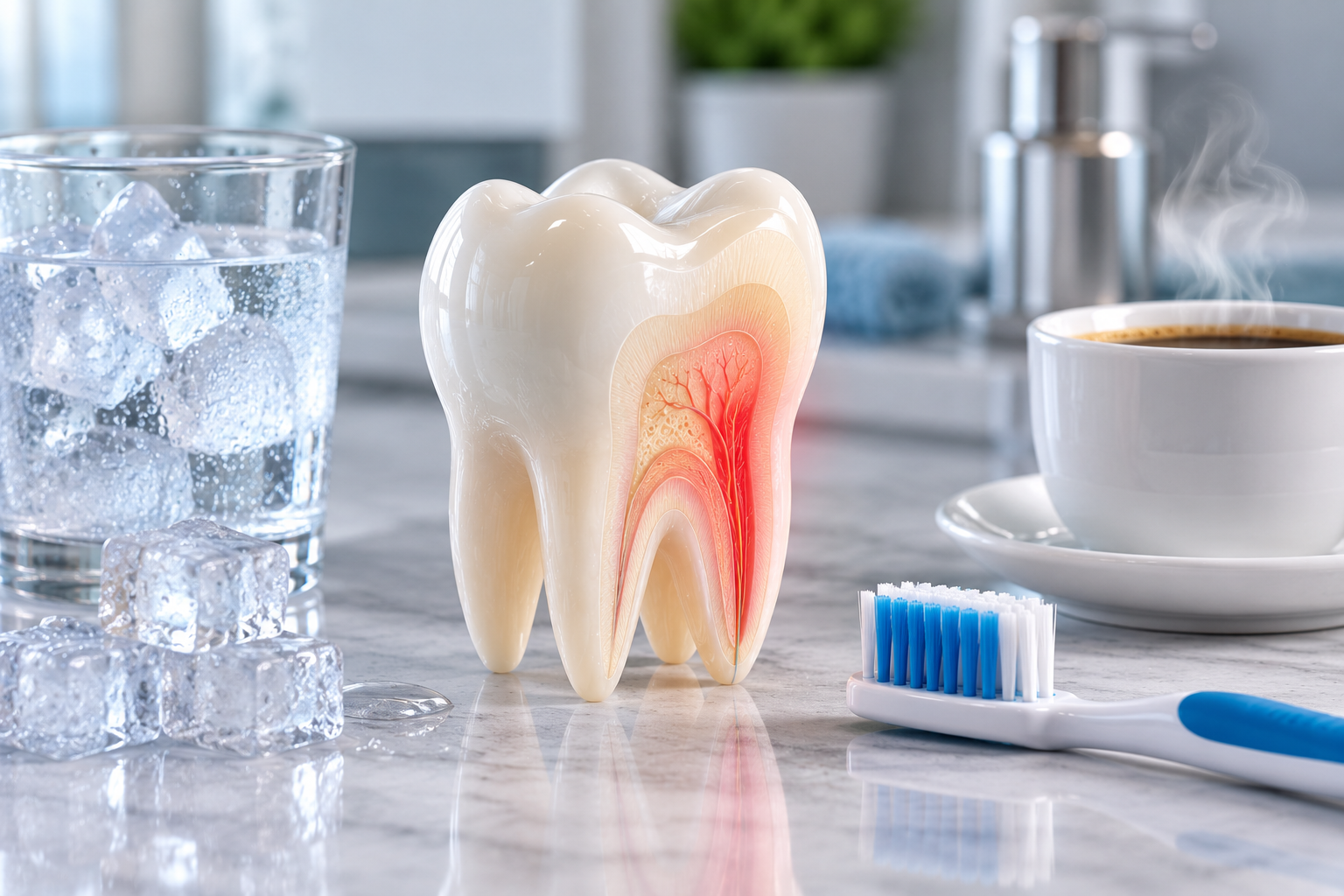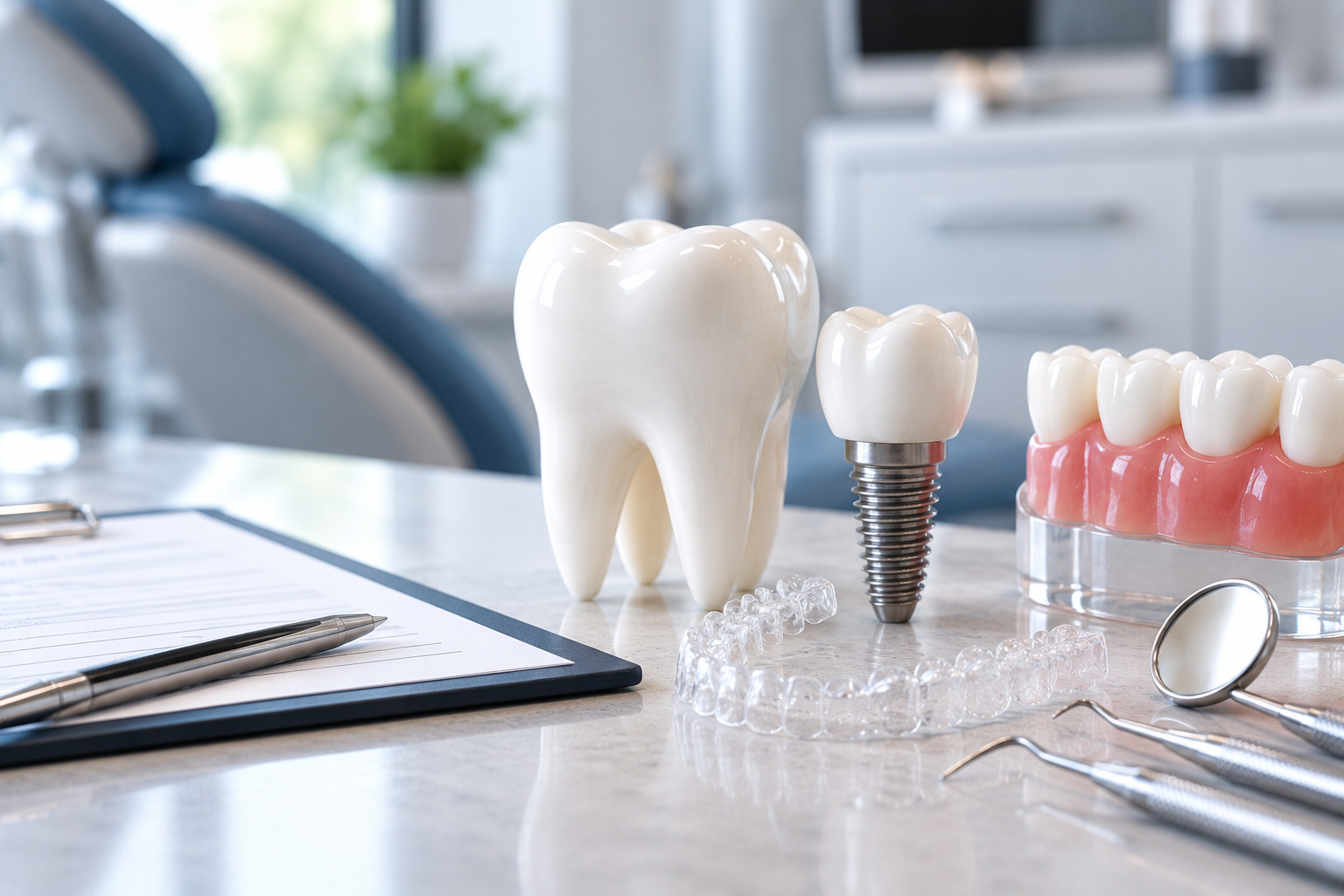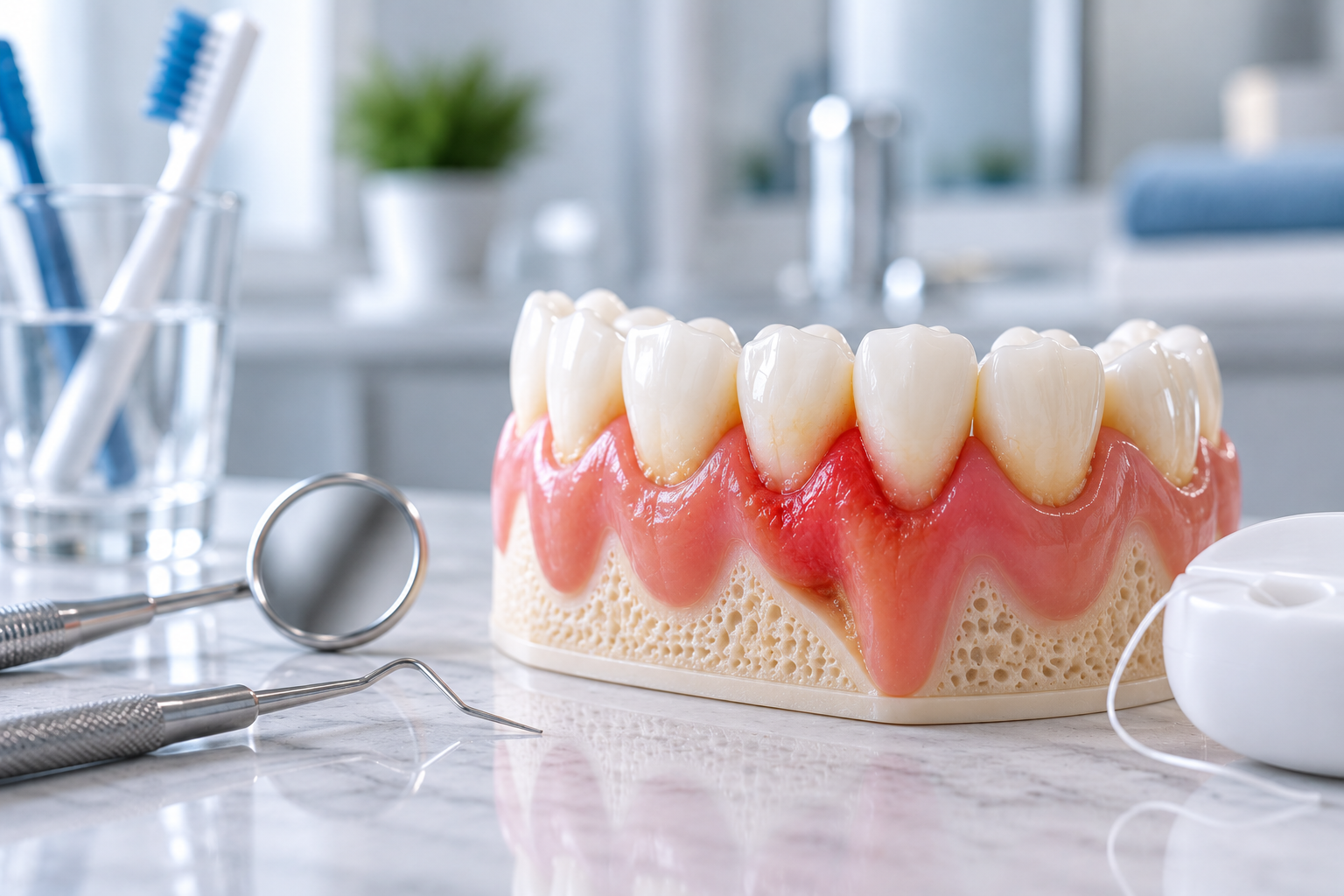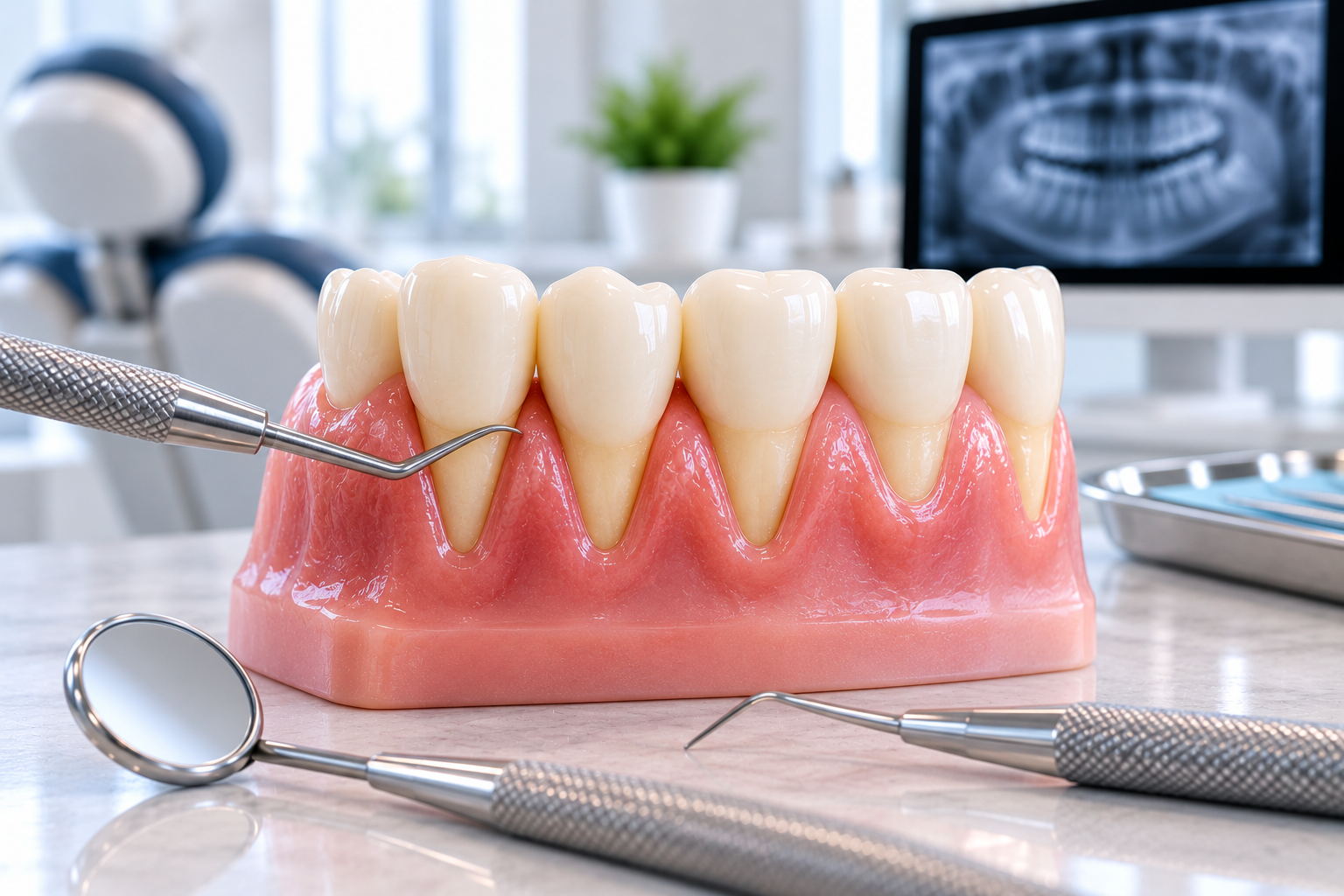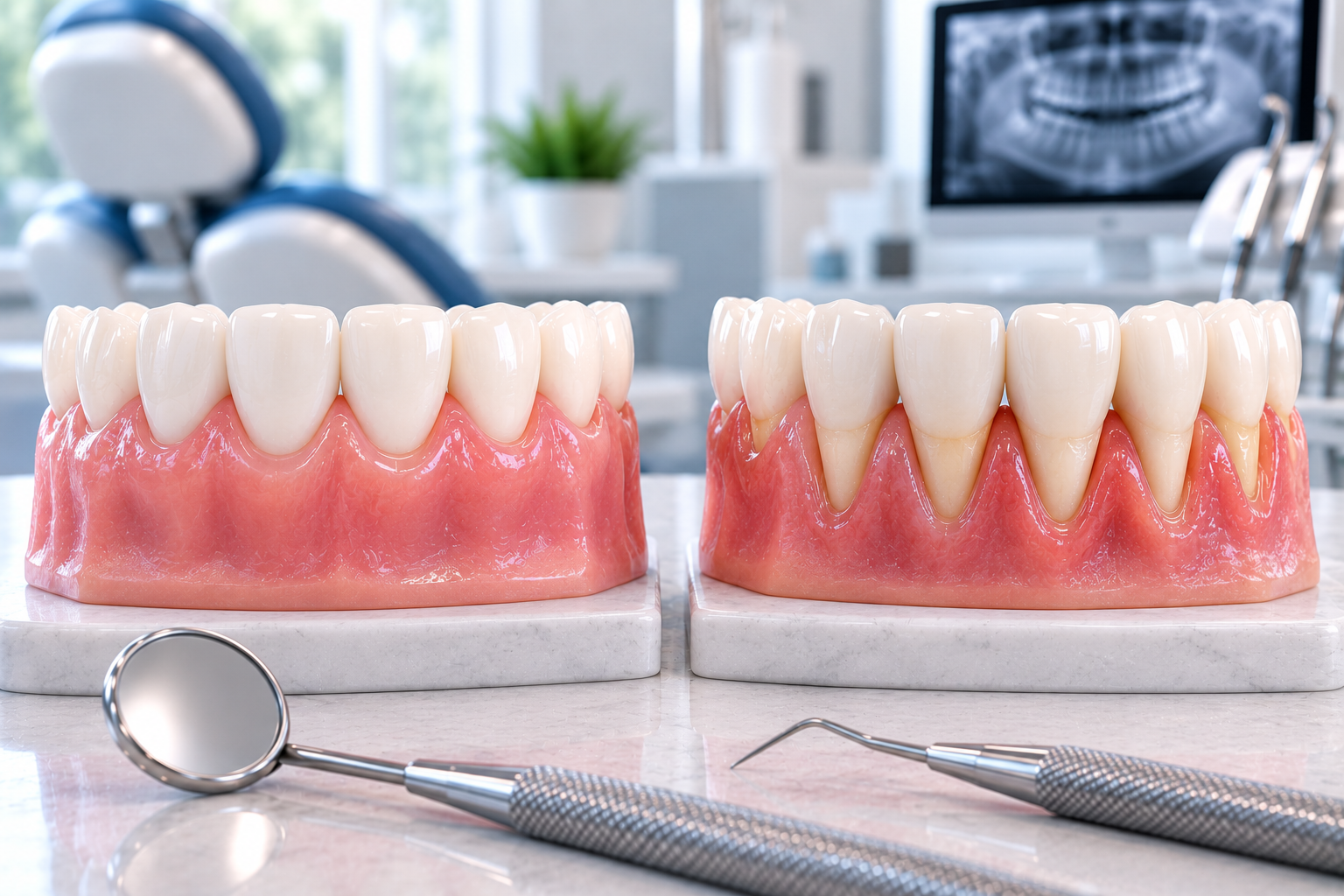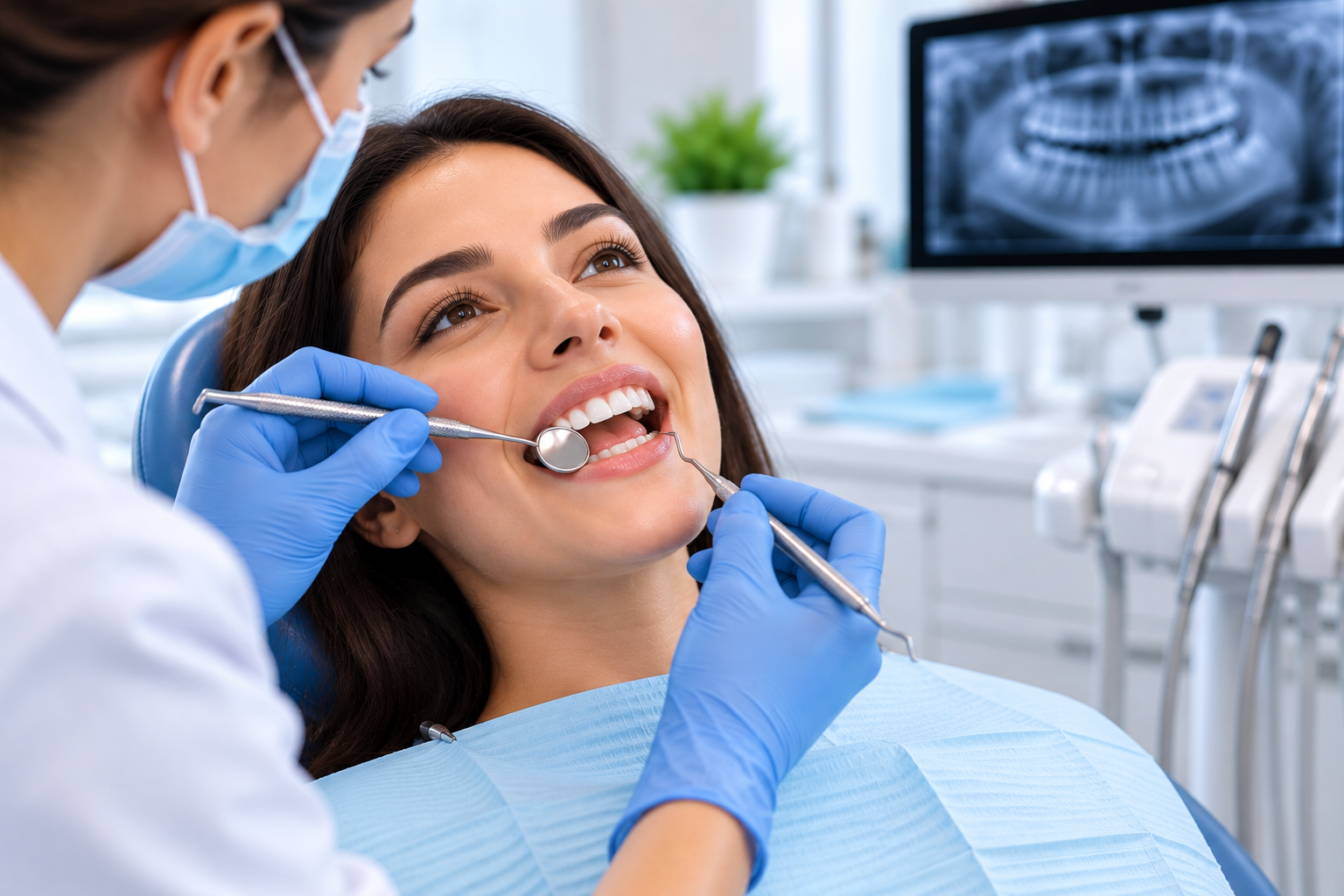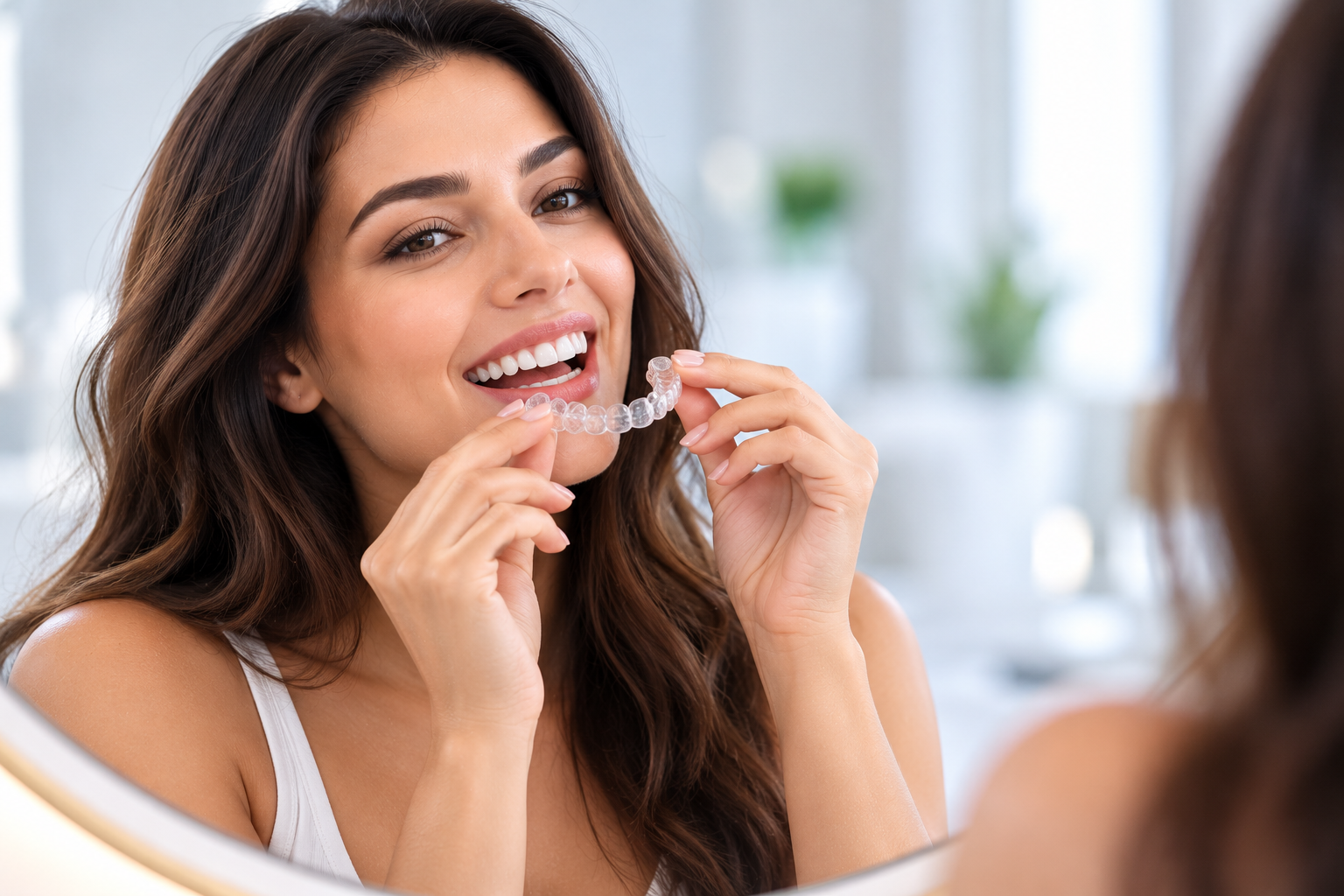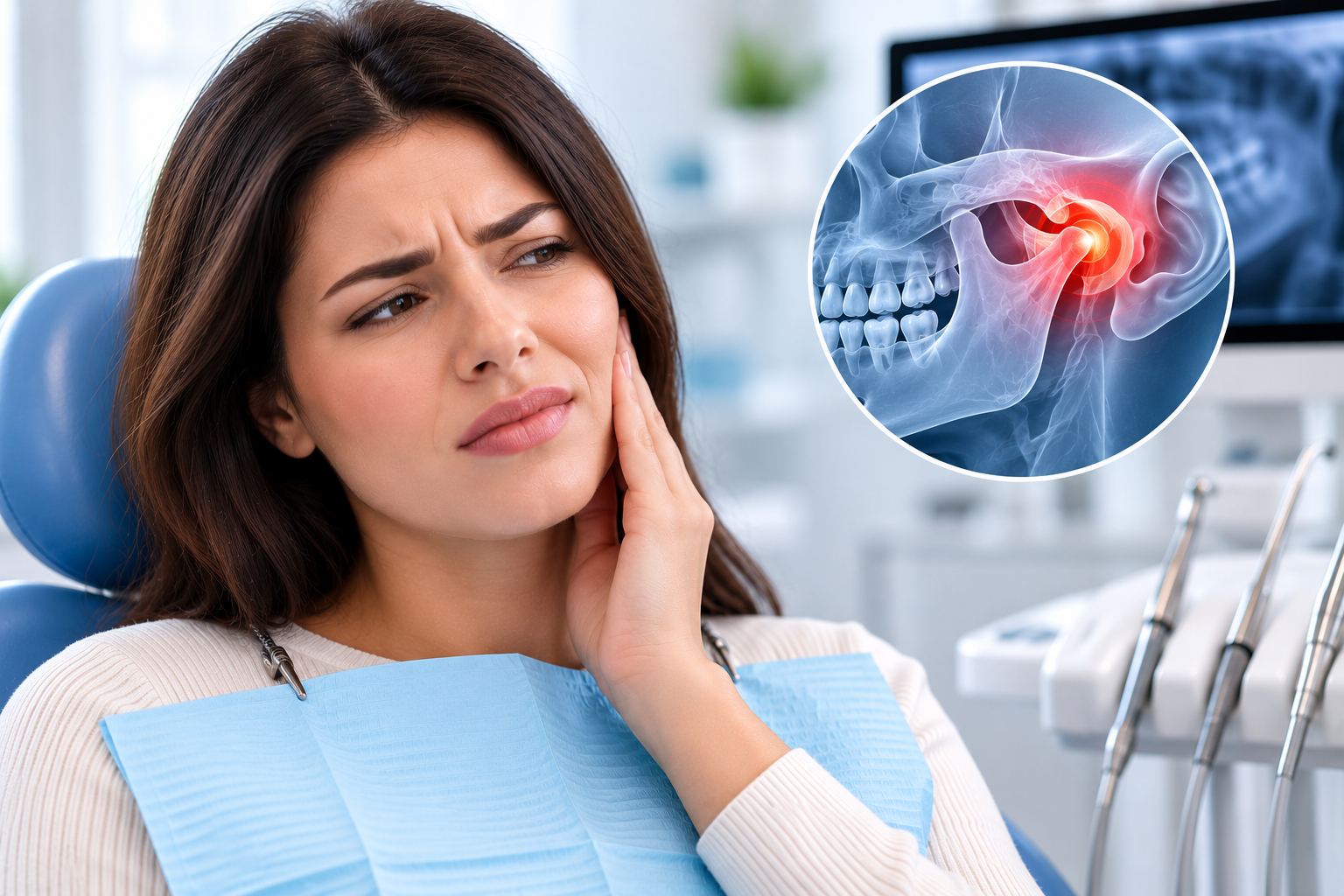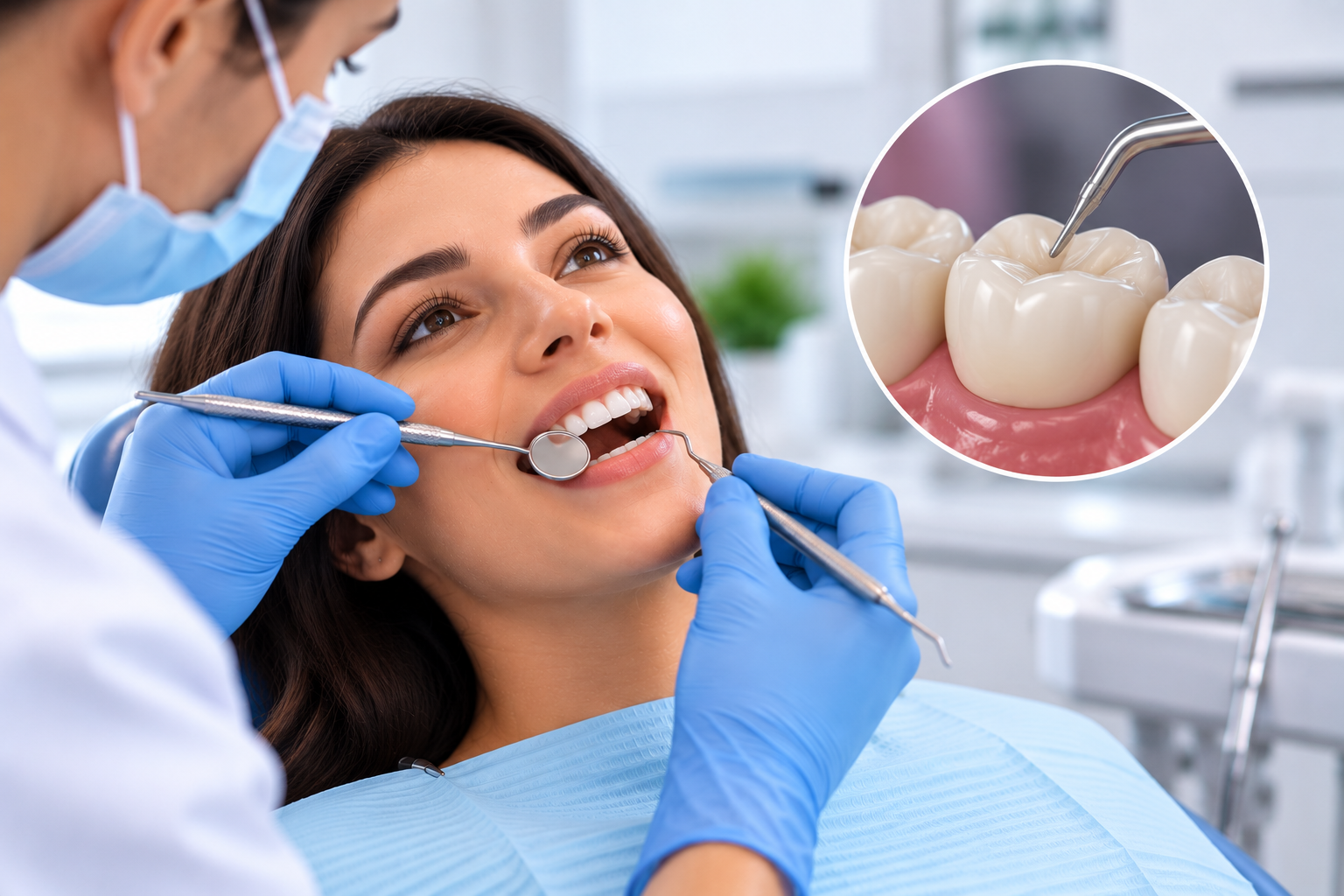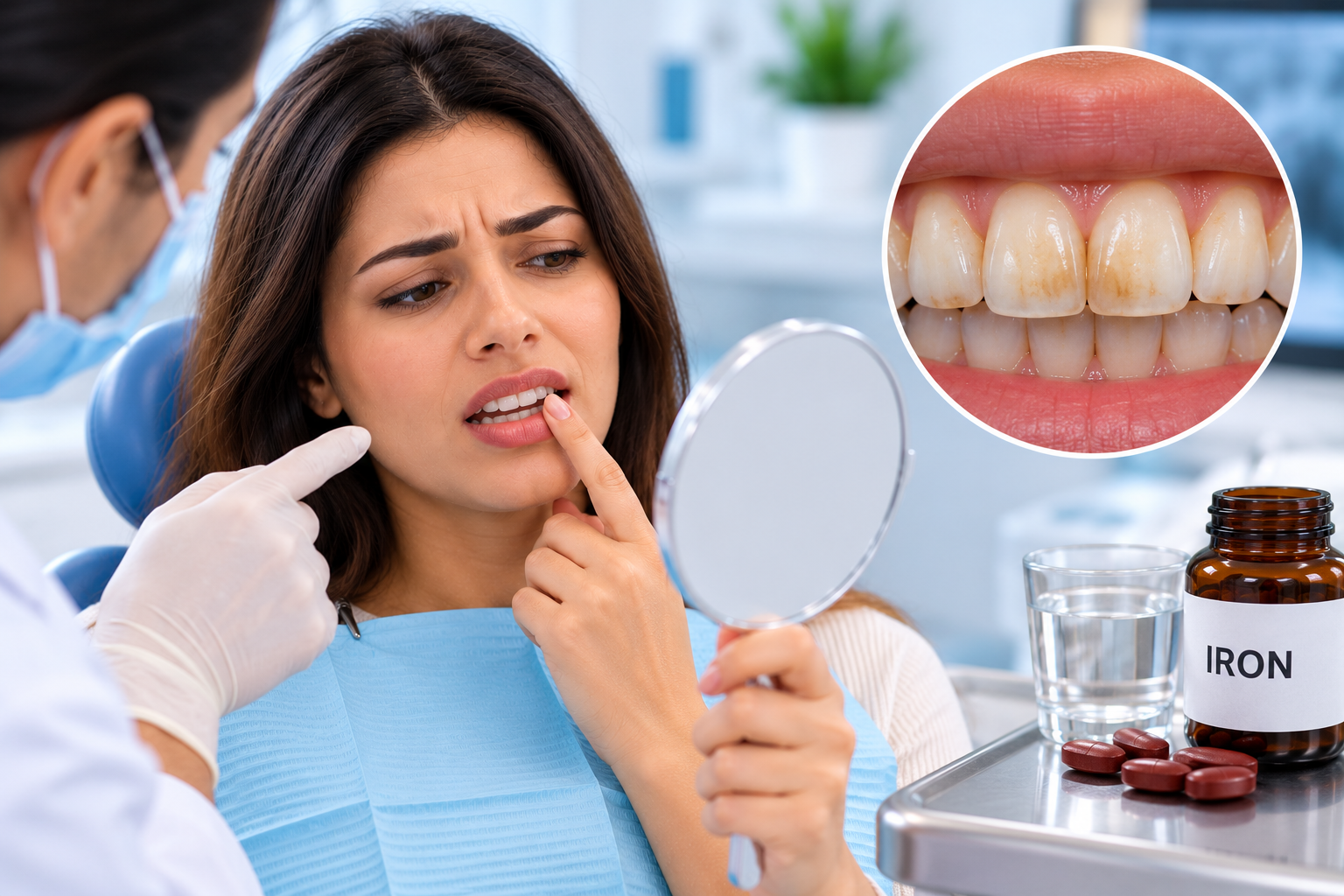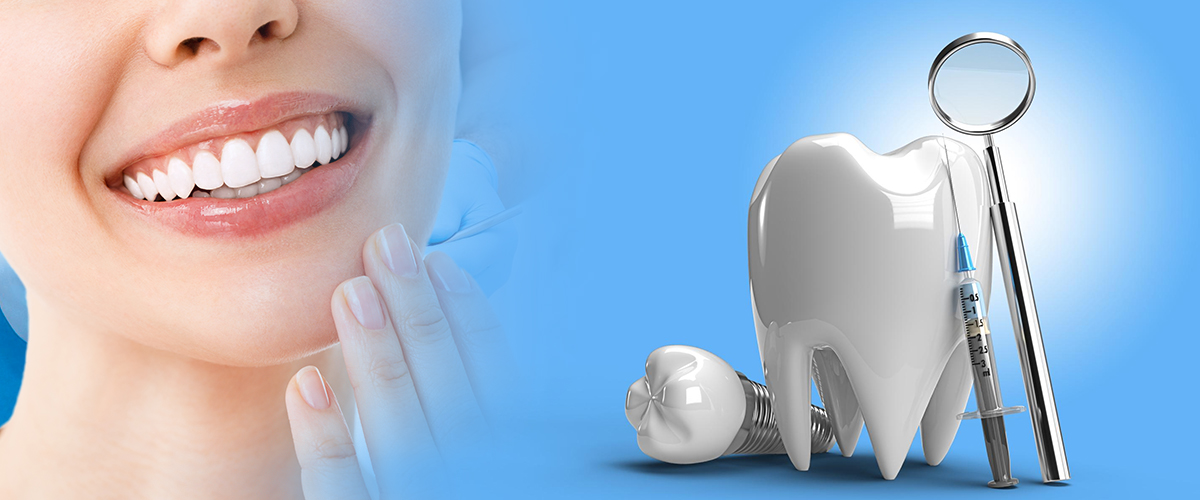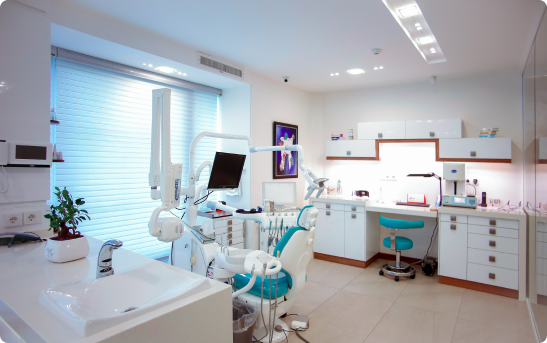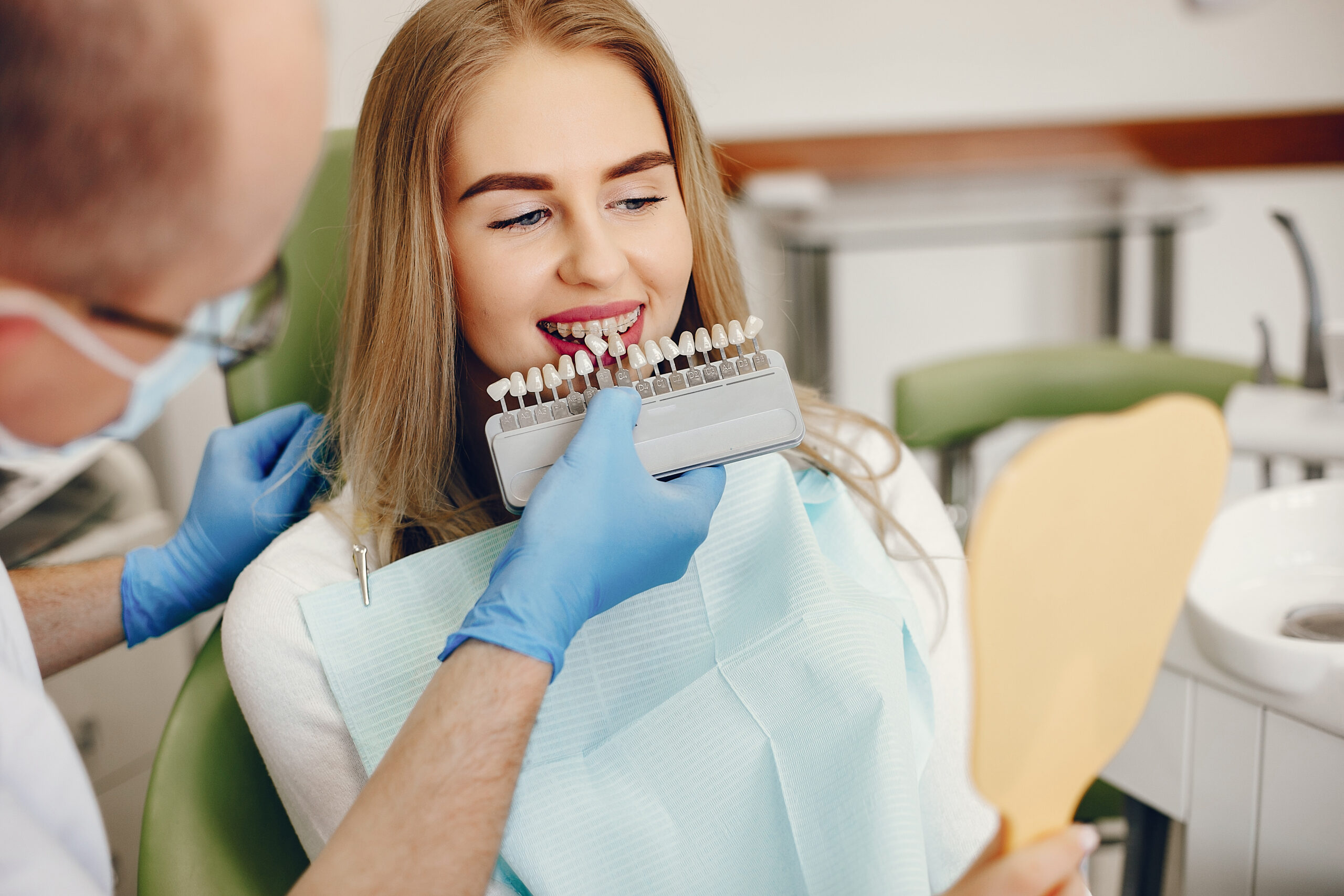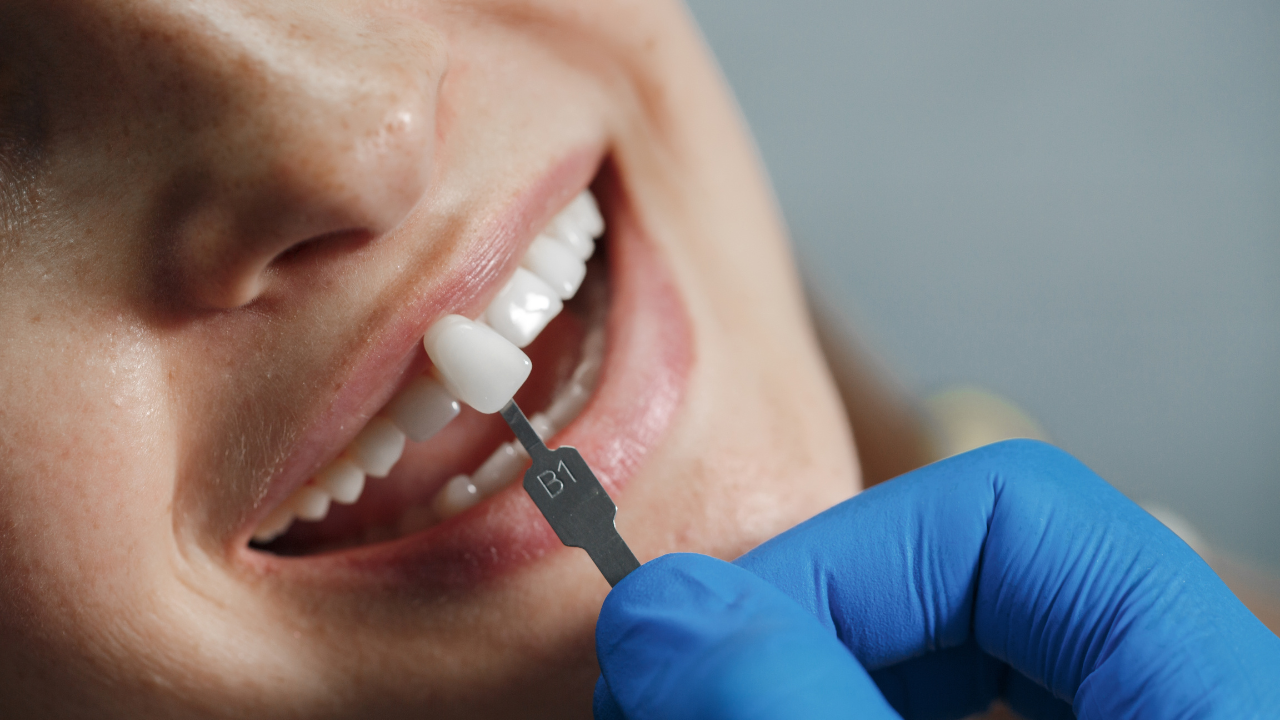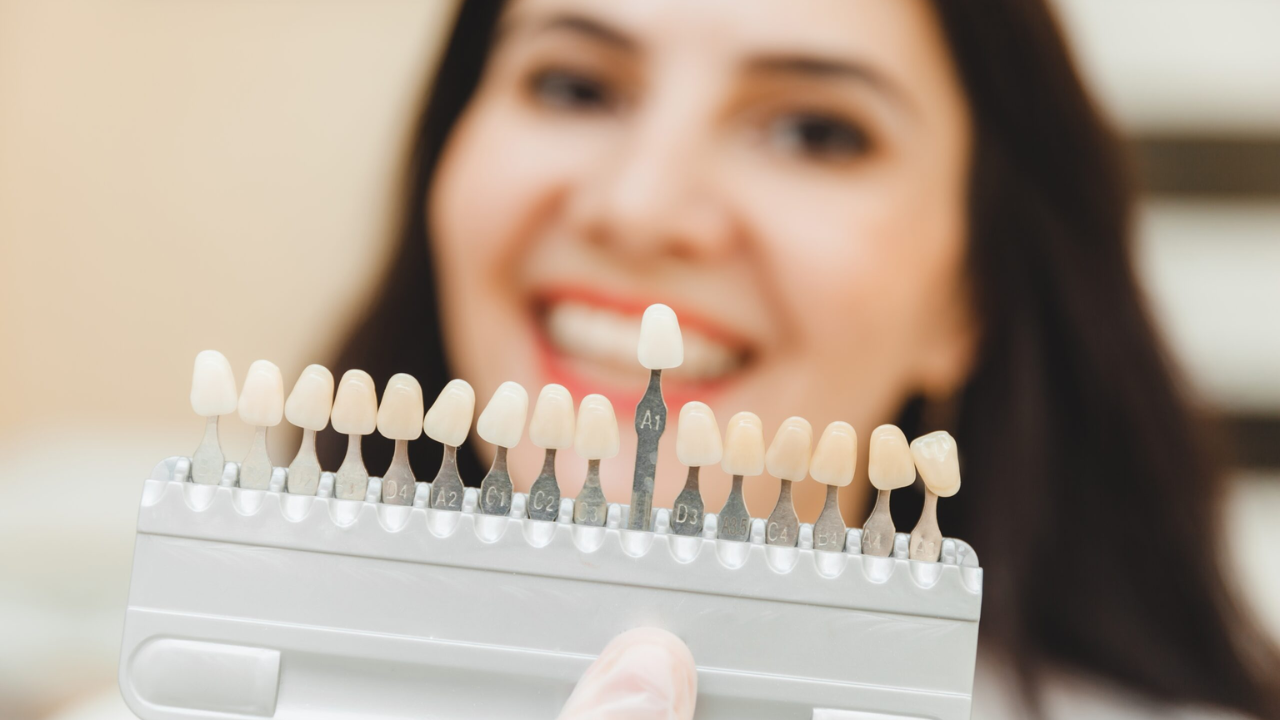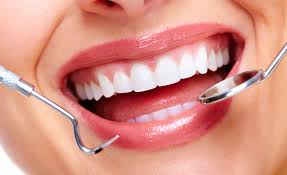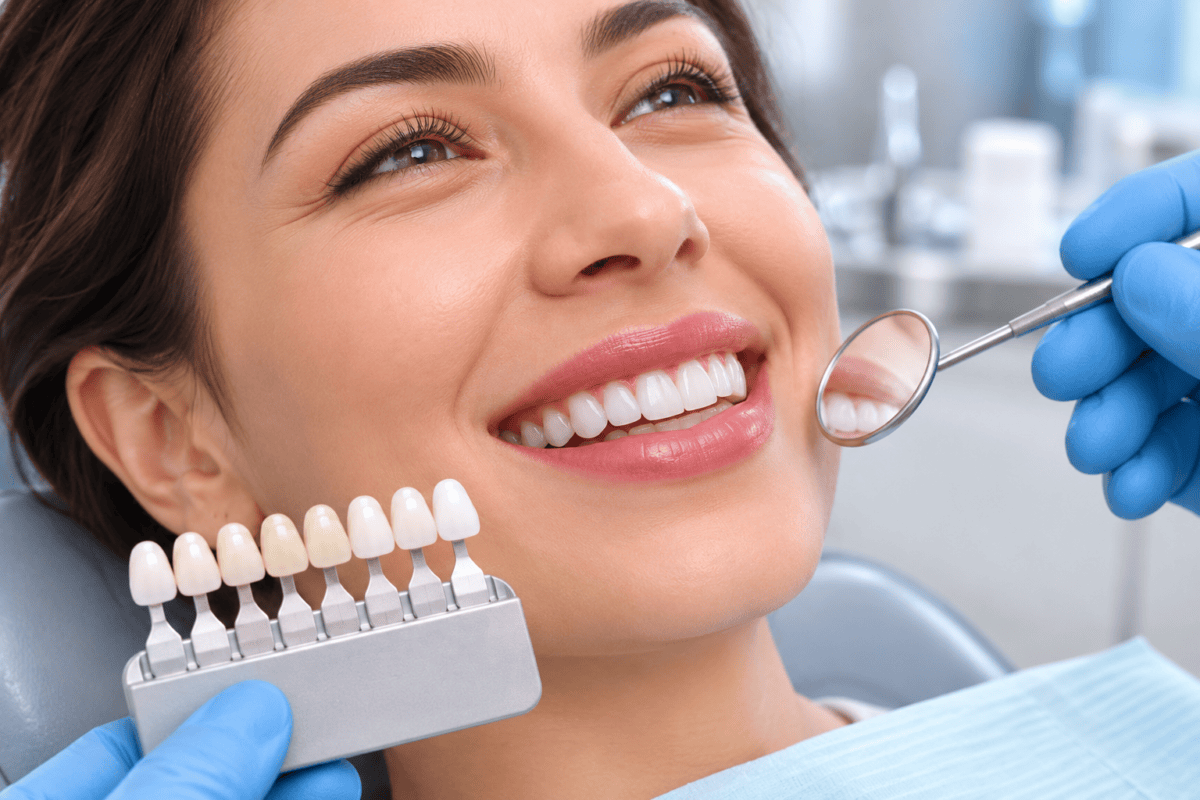
Your smile is one of the first things people notice about you. However, stained teeth, chipped enamel, uneven tooth shapes, gaps, or misaligned teeth can sometimes make you feel less confident about your appearance.
Cosmetic dentistry offers several treatment options to improve the appearance of your teeth and create a more balanced smile. From professional teeth whitening and dental veneers to bonding and clear aligners, these procedures can address different cosmetic concerns while helping you achieve your desired look.
Whether you want a subtle improvement or a more noticeable smile transformation, choosing the right cosmetic dental treatment depends on your oral health, personal preferences, and expectations.
At Ethos Modern Dental & Implant Center, we emphasize personalized dental care and modern treatment options to help patients make informed decisions about their smiles.
Let’s explore eight important benefits of cosmetic dentistry, the treatments available, their costs, and how to determine which option may be right for you.
What Is Cosmetic Dentistry?
Cosmetic dentistry refers to dental procedures primarily designed to improve the appearance of your teeth, gums, and overall smile.
These treatments focus on concerns such as tooth color, shape, size, spacing, alignment, and symmetry.
Some cosmetic procedures also provide restorative benefits by improving the function or structure of damaged teeth.
Common cosmetic dentistry treatments include:
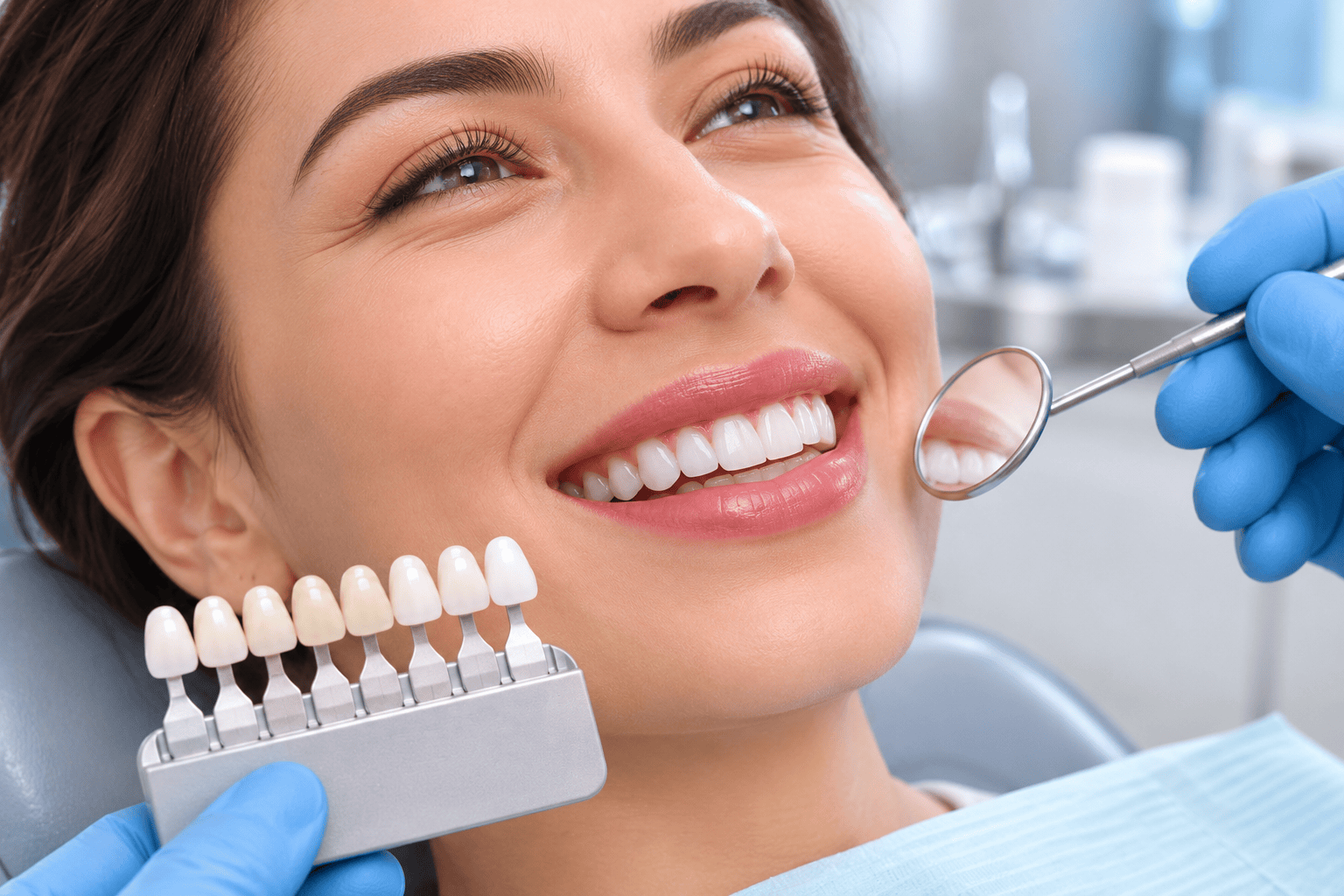
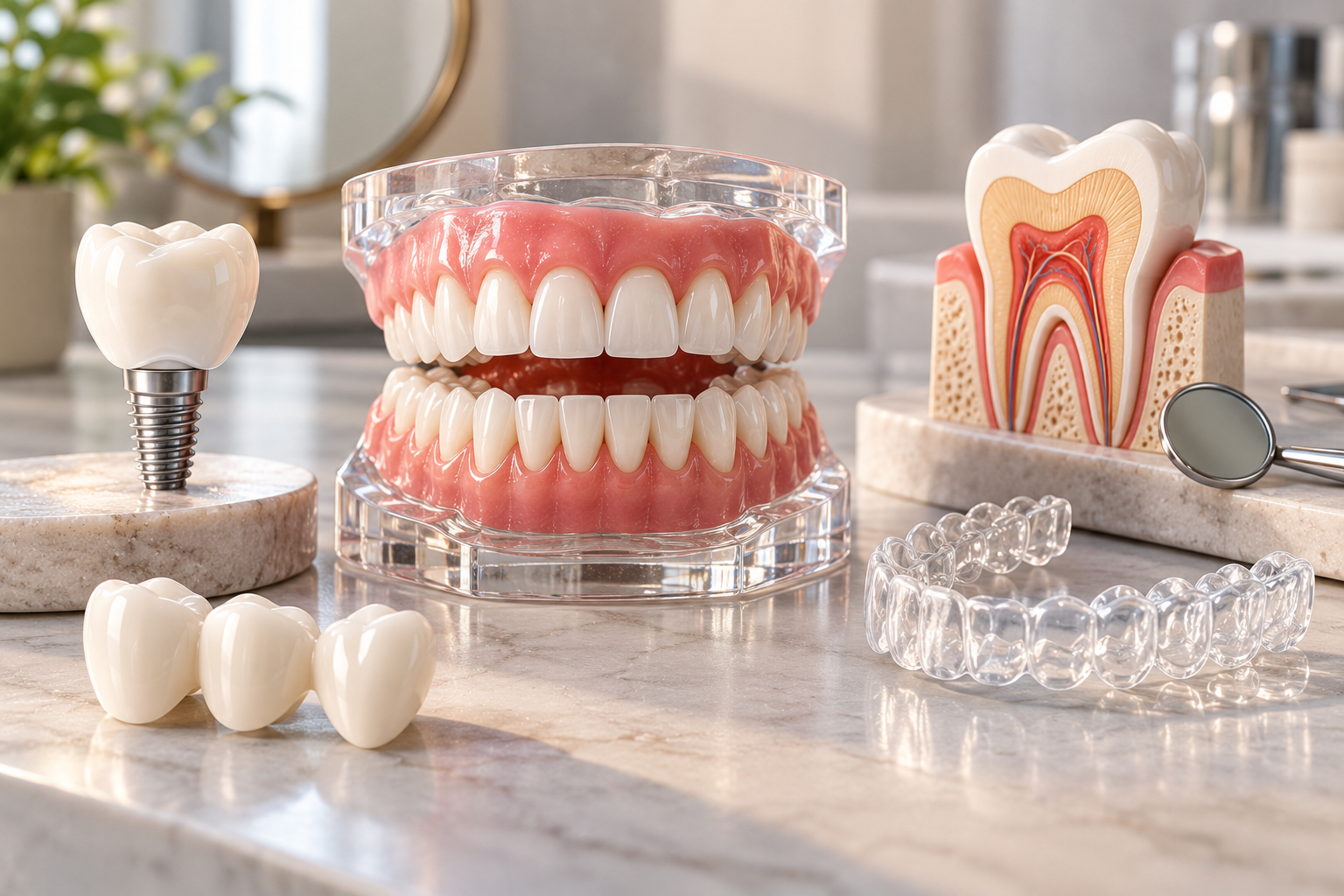
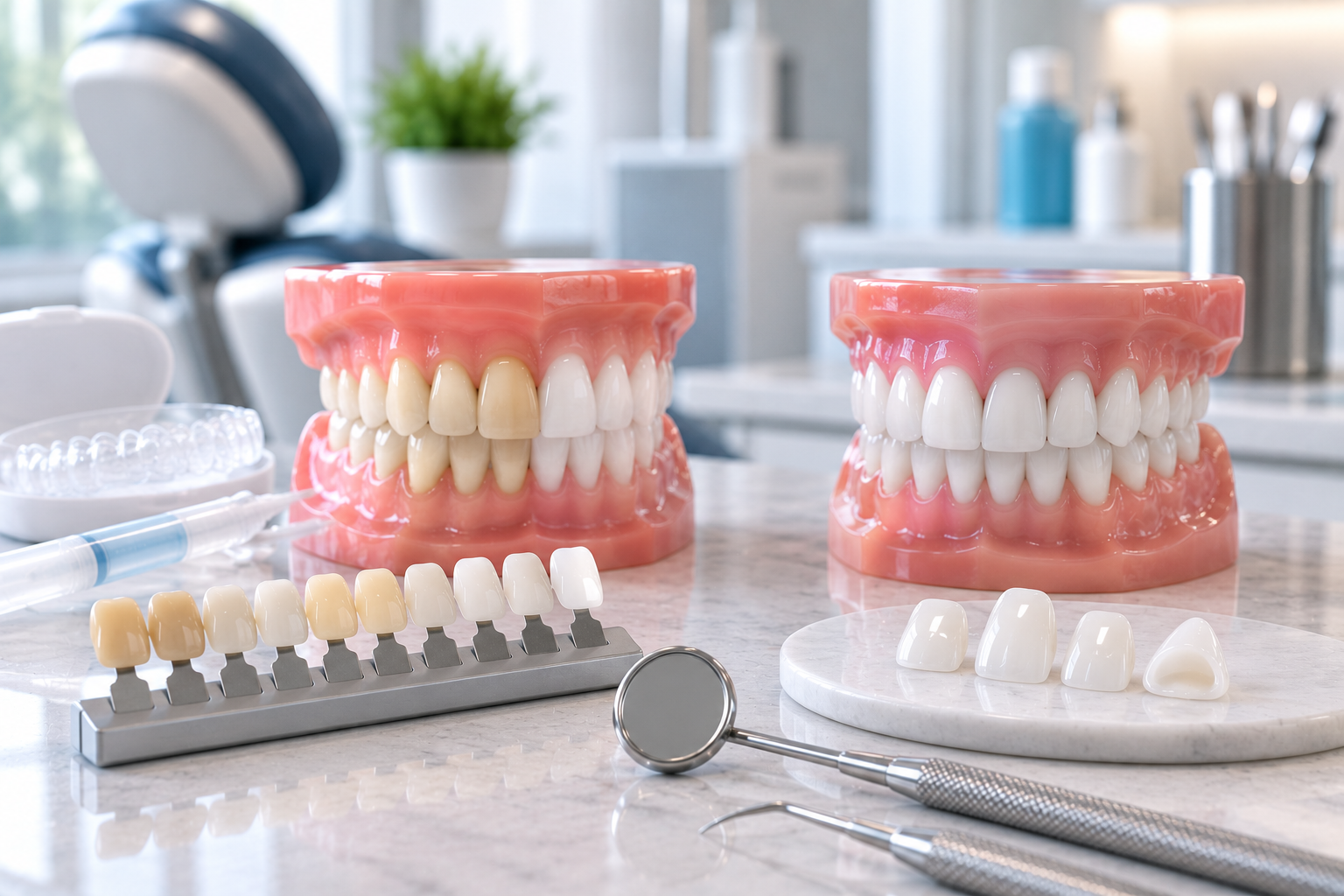
- Professional Teeth Whitening: Helps reduce tooth discoloration and improve natural tooth brightness.
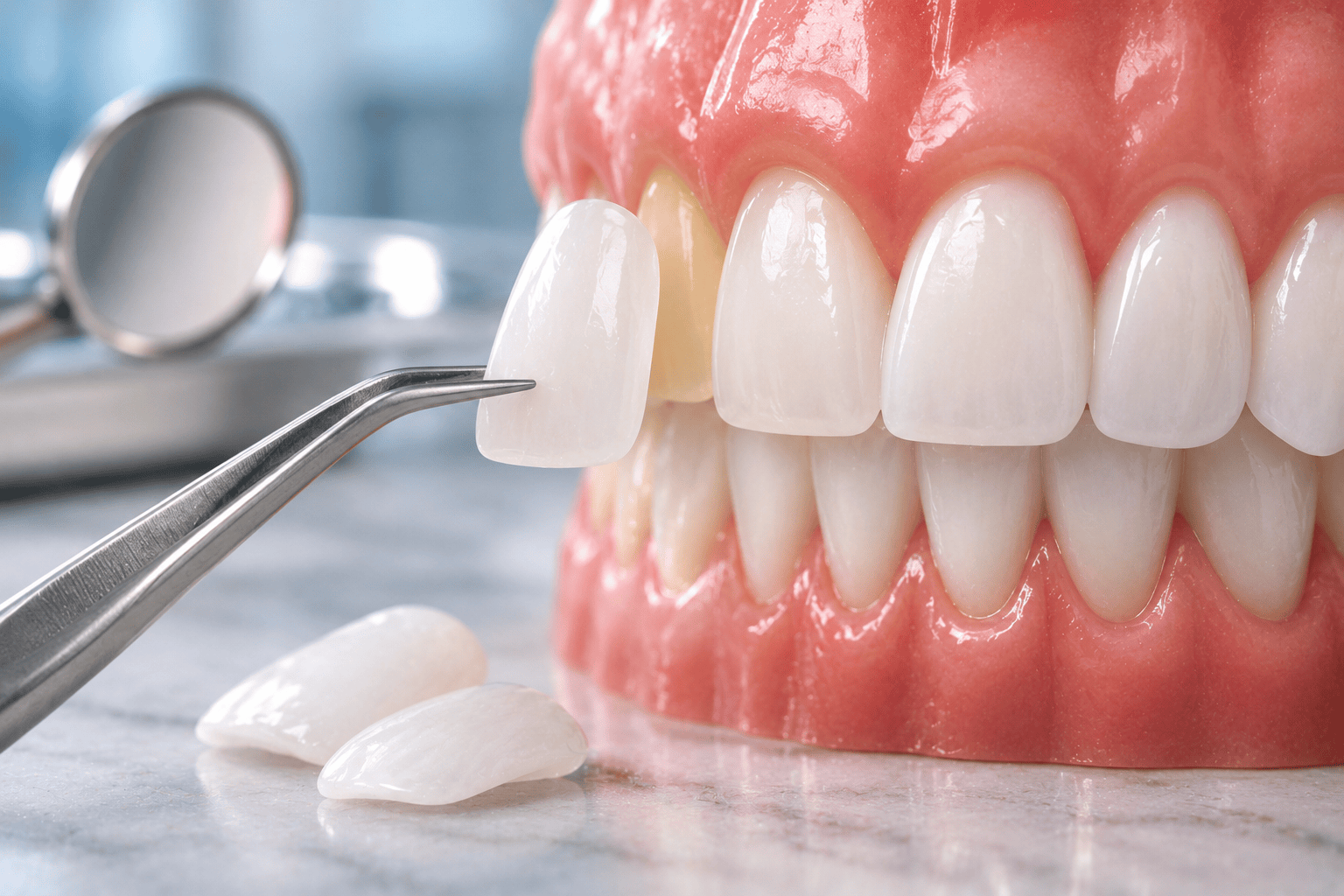
- Dental Veneers: Thin coverings placed over the front surfaces of teeth to improve their appearance.
- Dental Bonding: Uses tooth-colored composite resin to repair minor chips, cracks, and gaps.
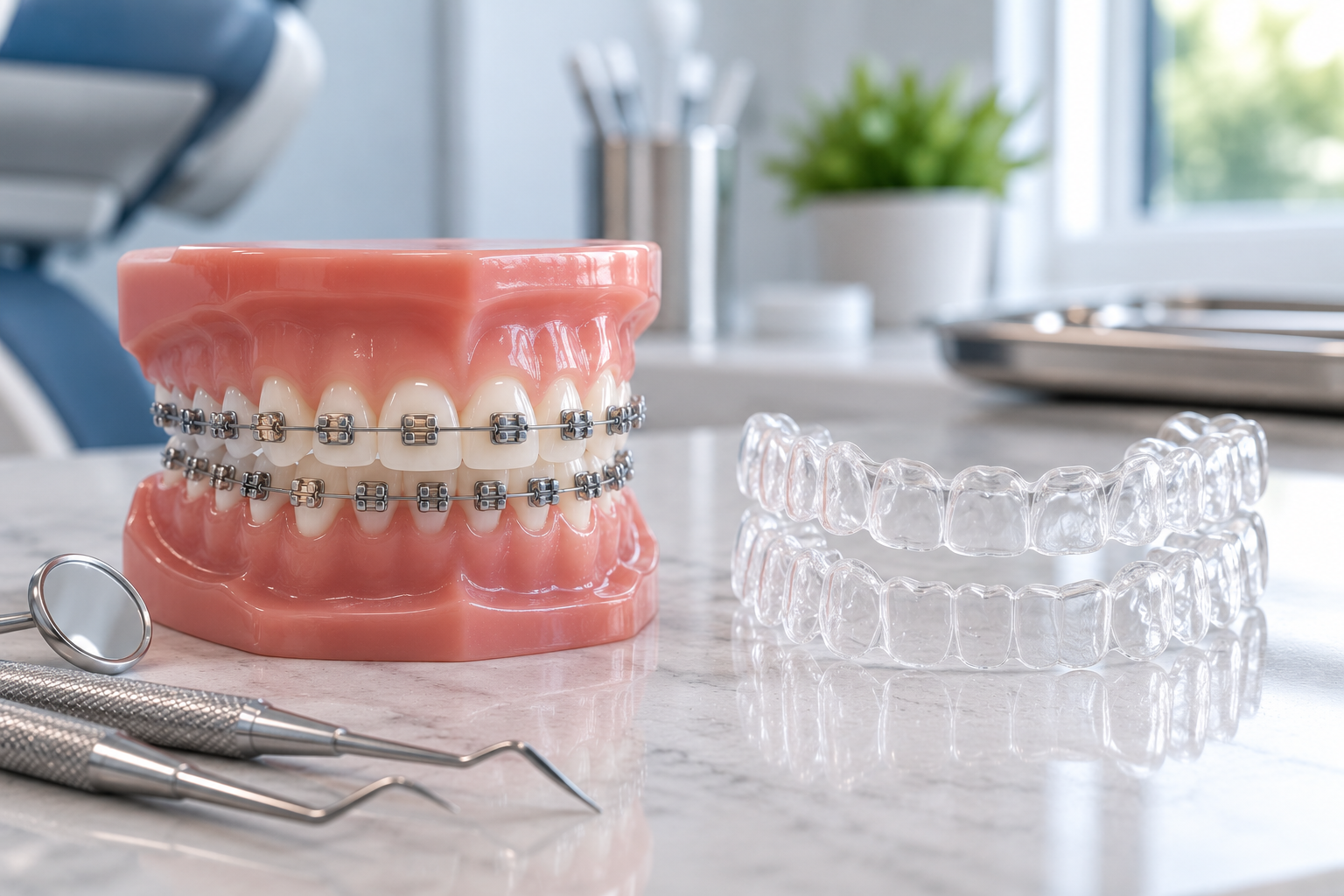
- Clear Aligners: Gradually move teeth into improved alignment using removable transparent trays.
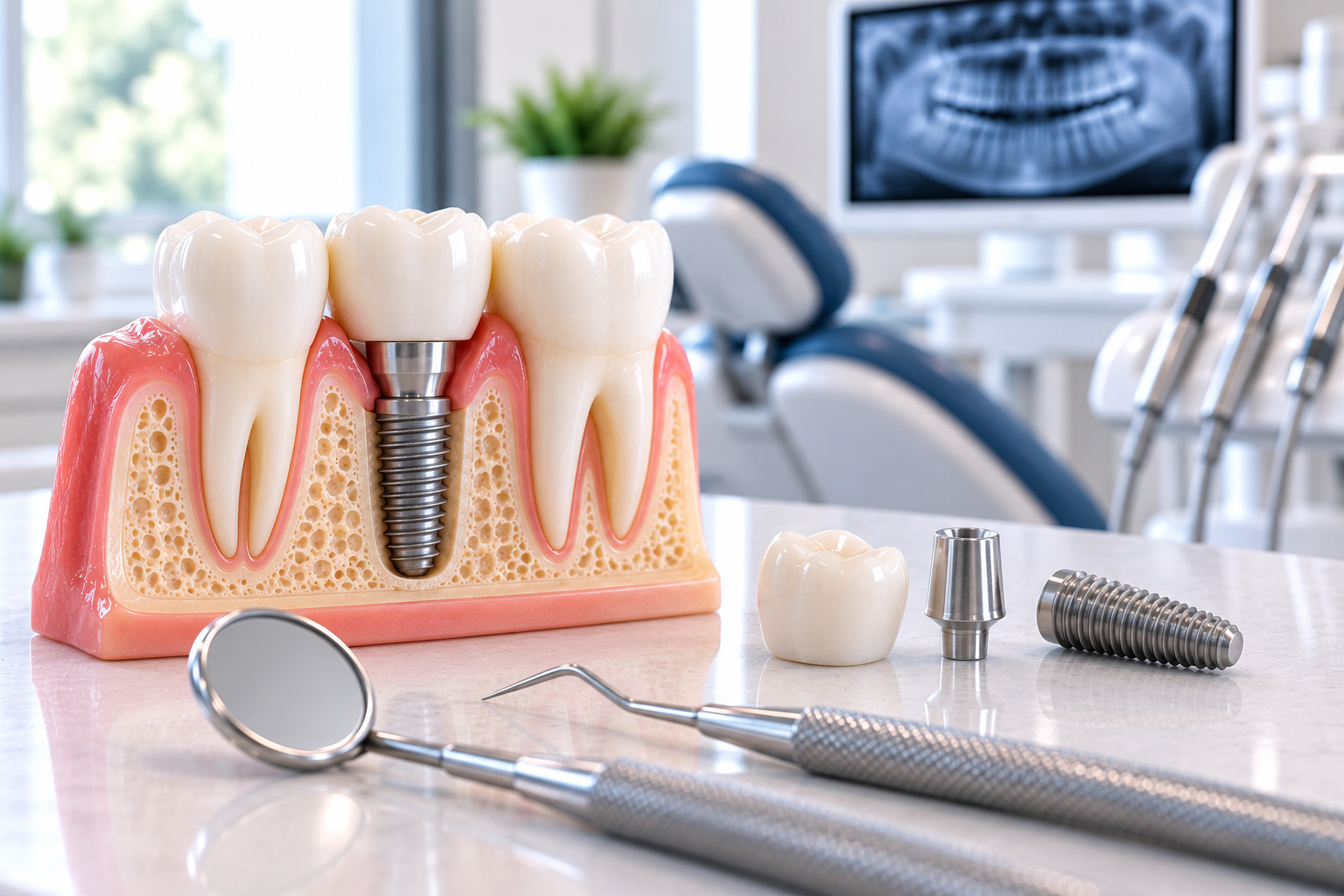
- Dental Crowns: Restore damaged or weakened teeth while improving their appearance.
- Gum Contouring: Reshapes excess gum tissue to create a more balanced gumline.
- Tooth Contouring: Makes minor adjustments to tooth shape and length by carefully reshaping enamel.
The appropriate treatment depends on the condition of your teeth and the results you want to achieve.
8 Benefits of Cosmetic Dentistry for a Better Smile
Cosmetic dentistry offers more than just an improvement in tooth appearance. Depending on the procedure, it can also help restore damaged teeth, improve certain aspects of dental function, and support a more balanced smile.
Here are eight important benefits to consider.
1. Improves the Overall Appearance of Your Smile
One of the biggest benefits of cosmetic dentistry is the ability to improve the appearance of your teeth.
Dental imperfections such as stains, chips, uneven edges, and irregular tooth shapes can affect the overall appearance of your smile.
Cosmetic procedures help address these concerns through treatments selected according to your individual needs.
For example:
- Teeth whitening can reduce discoloration.
- Veneers can improve tooth shape and cover visible imperfections.
- Dental bonding can repair small chips and gaps.
- Clear aligners can improve tooth positioning.
The goal is to create a smile that looks balanced and complements your natural facial features.
2. Helps Improve Smile Confidence
Feeling uncomfortable about your teeth can sometimes affect how confidently you smile, speak, or interact with others.
For example, someone with visibly stained front teeth may avoid smiling in photographs, while someone with chipped or uneven teeth may feel self-conscious during conversations.
Cosmetic dentistry can help address these concerns and improve how you feel about your appearance.
When your dental concerns are treated with an appropriate cosmetic procedure, you may feel more comfortable expressing yourself in social and professional situations.
Although cosmetic treatment cannot guarantee a change in confidence, many patients appreciate having a smile that better reflects their personal preferences.
3. Corrects Tooth Discoloration and Stubborn Stains
Tooth discoloration is a common cosmetic concern that can develop due to aging, food, beverages, smoking, and certain medications.
Coffee, tea, red wine, and tobacco products are common contributors to staining.
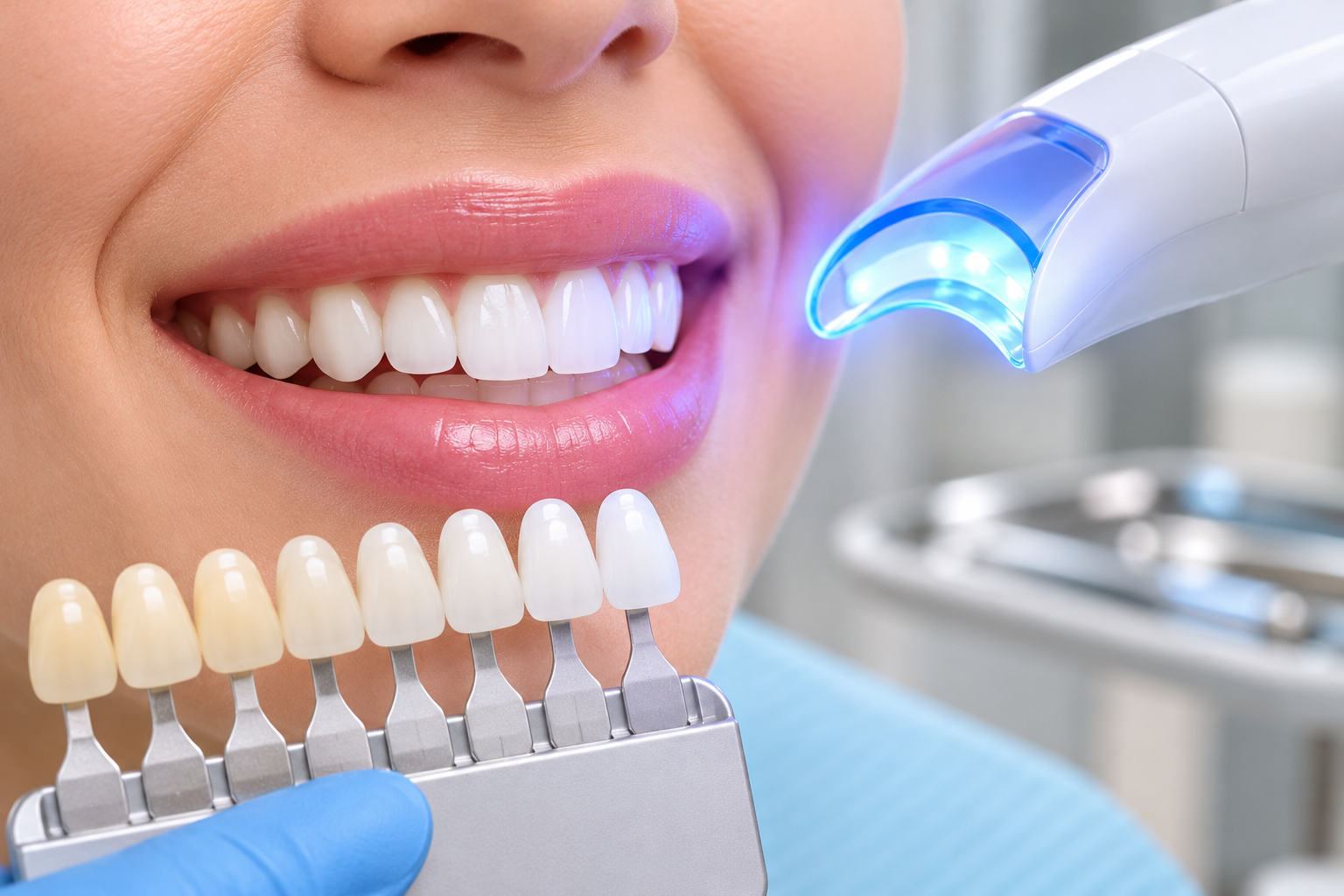
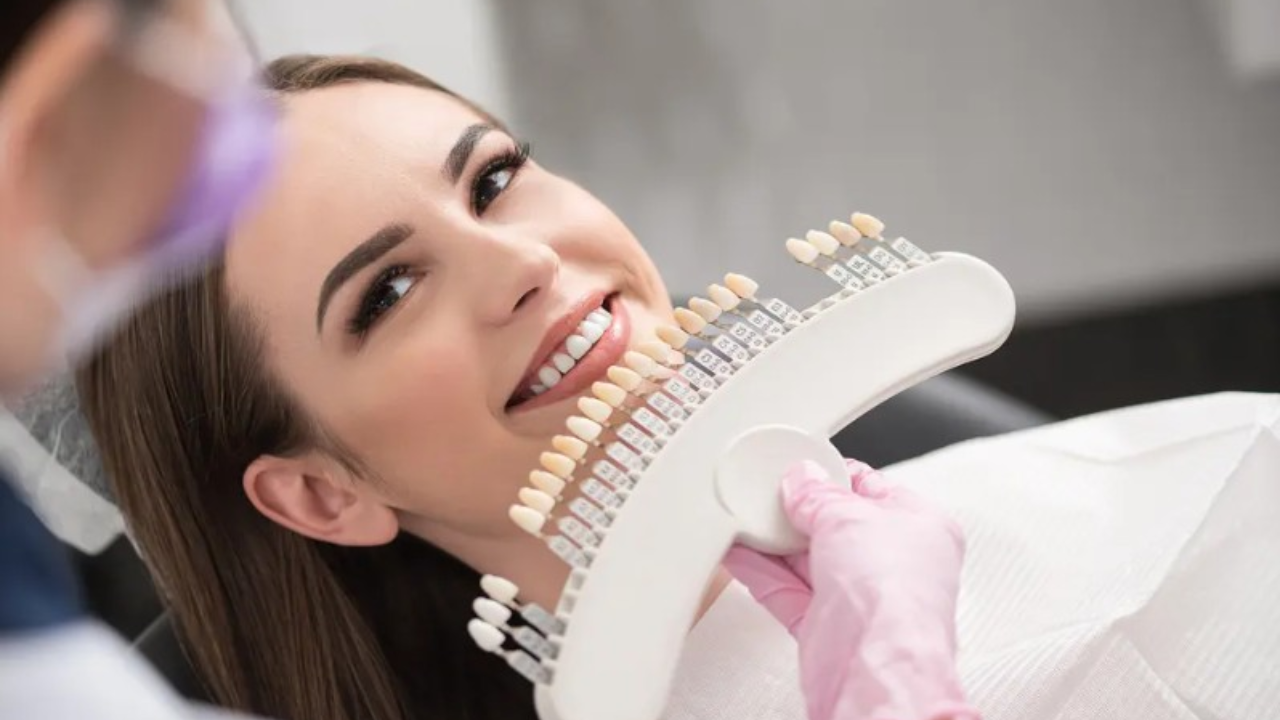
Professional teeth whitening uses bleaching agents to lighten the natural color of teeth and reduce certain types of discoloration.
Depending on your dental condition, your dentist may recommend:
- In-office professional whitening
- Dentist-supervised whitening trays
- Other cosmetic treatments for stains that do not respond well to bleaching
Whitening works on natural tooth structure, not existing crowns, veneers, or fillings.
For suitable patients, professional whitening can provide a brighter smile without requiring permanent changes to natural tooth structure.
4. Repairs Chipped, Cracked, and Uneven Teeth
Small chips, cracks, and irregular tooth edges can affect the appearance of your smile.
Cosmetic dentistry offers different ways to improve these imperfections.
Dental Bonding: Tooth-colored composite resin is applied and shaped to repair minor chips, small gaps, and certain irregularities.
Dental Veneers: Custom-made coverings can conceal visible chips, discoloration, and uneven tooth shapes.
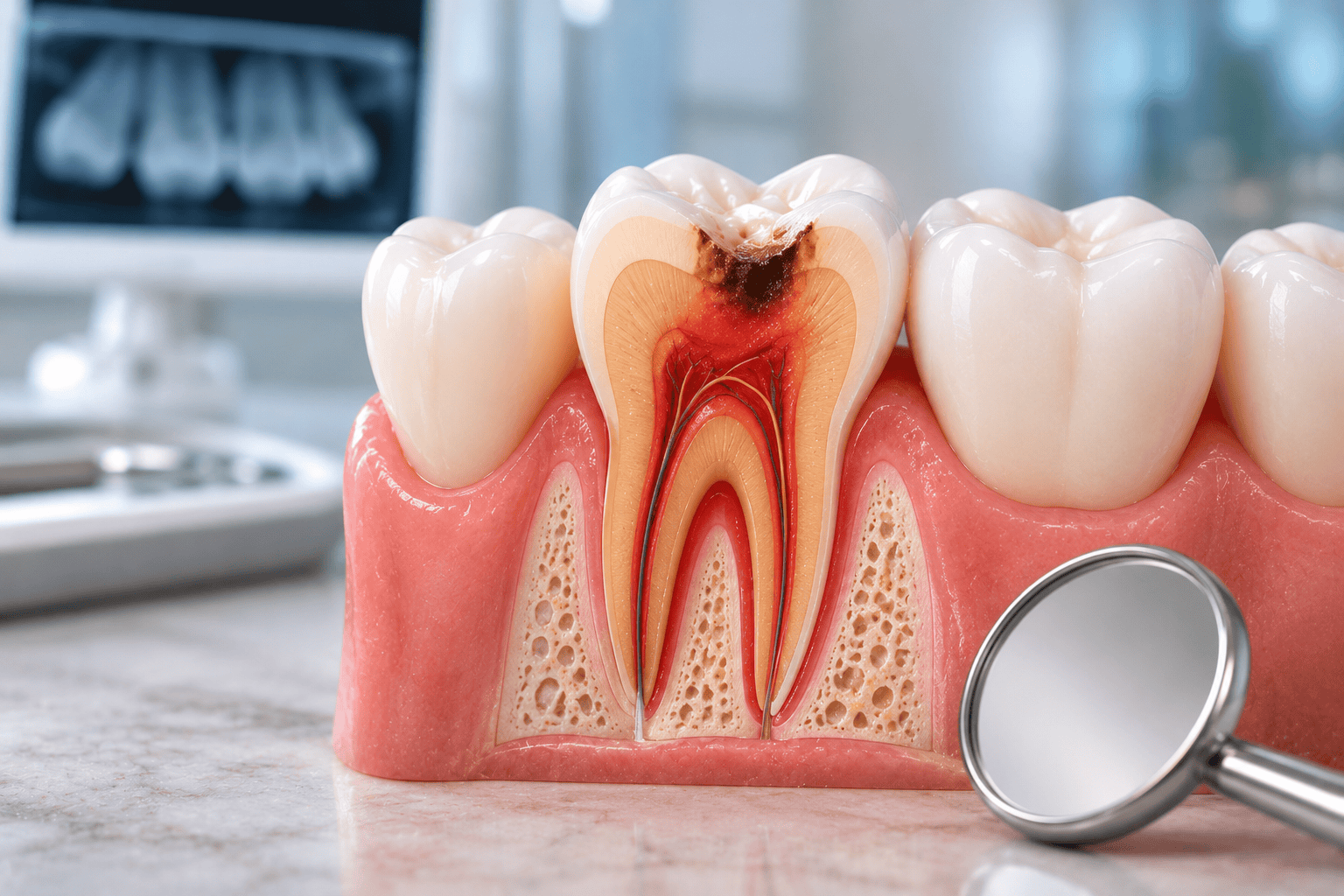
Dental Crowns: When a tooth is significantly weakened or damaged, a crown may help restore its structure and appearance.
The right treatment depends on the amount of damage and how much natural tooth structure remains.
Treating damaged teeth can also help prevent certain problems from becoming more complicated, although cosmetic procedures are not substitutes for necessary dental treatment.
5. Helps Correct Small Gaps and Uneven Teeth
Gaps between teeth and mild alignment concerns can make some people feel uncomfortable about their smiles.
Cosmetic dentistry offers different approaches depending on the size of the gaps and the position of the teeth.
For example:
- Dental bonding may close small spaces between suitable teeth.
- Veneers may improve the appearance of minor spacing and shape concerns.
- Clear aligners can gradually move teeth into better alignment.
- Traditional orthodontic treatment may be recommended for more complex cases.
Unlike veneers and bonding, orthodontic treatment physically moves teeth rather than simply changing their visible appearance.
Your dentist can evaluate your bite and tooth positioning before recommending the most appropriate option.
6. Can Improve Certain Dental Functions
Although cosmetic dentistry primarily focuses on appearance, some procedures can also improve aspects of dental function.
For example, restoring a chipped tooth may improve its shape and help make biting more comfortable. A properly designed crown can protect a weakened tooth and restore chewing function.
Similarly, orthodontic treatment can improve certain bite and alignment problems.
However, not every cosmetic procedure improves function, and treatment should be selected based on your actual dental needs.
A dental examination helps determine whether your concern requires cosmetic treatment, restorative care, or a combination of both.
7. Offers Personalized Treatment Options
Every smile is different. People have different tooth shapes, shades, alignment concerns, and cosmetic expectations.
Cosmetic dentistry provides several treatment options that can be customized according to individual requirements.
For example:
- Someone with yellow teeth may benefit from professional whitening.
- Someone with chipped front teeth may consider bonding.
- Someone with uneven tooth shapes may explore veneers.
- Someone with crooked teeth may benefit from clear aligners.
- Someone with severely damaged teeth may need restorative treatment.
Your dentist can evaluate your oral health and discuss suitable procedures, expected results, treatment limitations, and maintenance requirements.
This personalized approach helps you choose treatment based on your needs rather than following a one-size-fits-all smile design.
8. Provides Long-Term Smile Improvements With Proper Care
Many cosmetic dental procedures can provide lasting improvements when properly planned, performed, and maintained.
For example, porcelain veneers can last many years, while dental bonding may require occasional polishing or repair.
Professional whitening can also maintain its results for an extended period, although new stains may develop over time.
To protect your results:
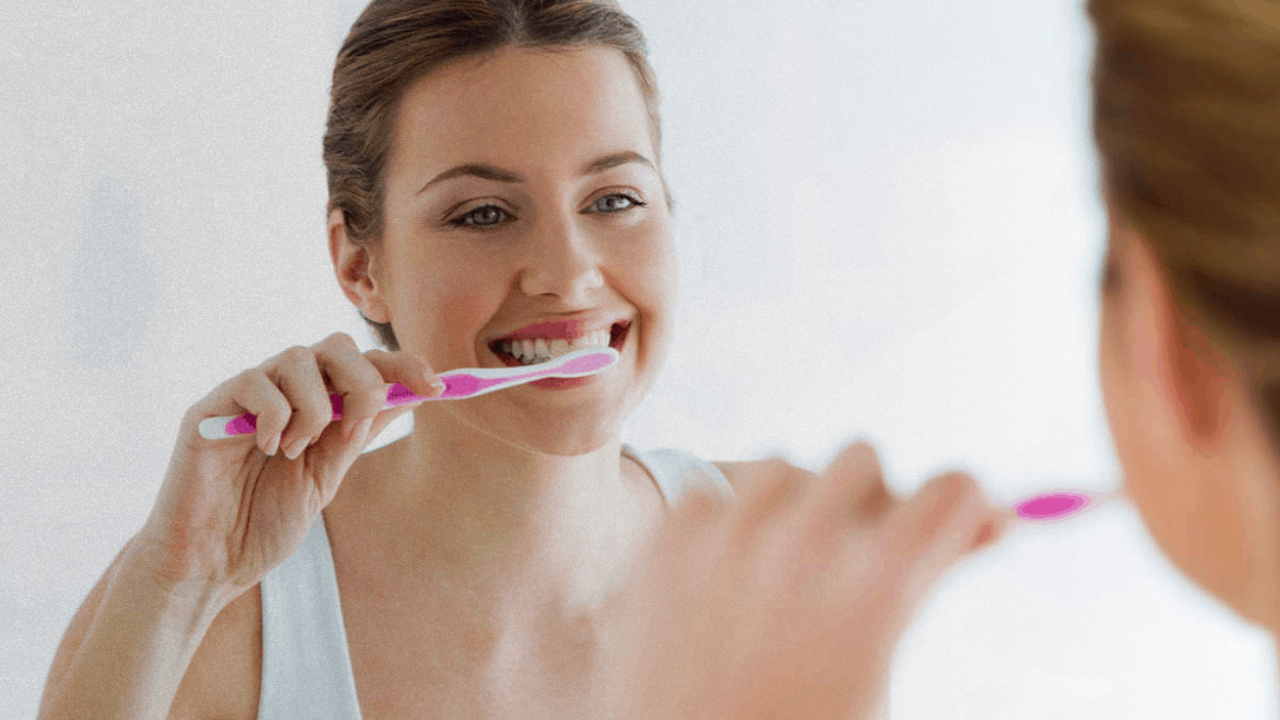
- Brush twice daily using fluoride toothpaste.
- Floss regularly.
- Avoid biting hard objects.
- Wear a night guard if recommended for teeth grinding.
- Limit habits that contribute to staining.
- Attend routine dental examinations.
- Follow your dentist’s maintenance recommendations.
The lifespan of cosmetic dental work depends on the treatment material, oral hygiene, bite pressure, and everyday habits.
What Are the Different Cosmetic Dentistry Treatments?
Choosing the right cosmetic procedure depends on the dental concern you want to address.
Here are some commonly used cosmetic treatments and their purposes.
1. Professional Teeth Whitening
Professional whitening helps lighten natural teeth and reduce discoloration caused by aging, beverages, food, and other factors.
It is generally suitable for people whose main concern is tooth color rather than tooth shape or alignment.
2. Dental Veneers
Veneers are thin, custom-made shells that cover the front surfaces of teeth.
They can improve the appearance of chipped, stained, uneven, or slightly irregular teeth.
Porcelain and composite are two common veneer materials. Traditional porcelain veneers generally require some enamel preparation and are considered irreversible.
3. Dental Bonding
Dental bonding uses tooth-colored composite resin to improve the appearance of teeth.
It can be used to repair minor chips, close small gaps, and change the visible shape of teeth.
Bonding is often a more conservative and affordable option than porcelain veneers, although it may require more frequent maintenance.
4. Clear Aligners
Clear aligners are removable transparent trays designed to gradually move teeth into better alignment.
They can address selected cases of crowding, spacing, and bite problems.
Treatment suitability depends on the complexity of the alignment concern.
5. Dental Crowns
Dental crowns cover and protect weakened or significantly damaged teeth.
They are primarily restorative treatments, but they can also improve the appearance of teeth by restoring their shape, size, and color.
6. Gum Contouring
Gum contouring reshapes the gumline to improve its appearance.
It may be recommended when excess gum tissue makes teeth appear shorter or when the gumline looks uneven.
A dentist must first assess gum health and determine whether the procedure is appropriate.
Who Is a Good Candidate for Cosmetic Dentistry?
Cosmetic dentistry may be suitable for adults who want to improve the appearance of their teeth and have generally healthy teeth and gums.
You may be a suitable candidate if you have:
- Stained or discolored teeth.
- Chipped or uneven tooth edges.
- Small gaps between teeth.
- Minor tooth alignment concerns.
- Irregular tooth shapes or sizes.
- Worn teeth that need evaluation.
- Cosmetic concerns affecting your smile appearance.
However, certain dental conditions should be treated before elective cosmetic procedures.
When Should You Delay Cosmetic Dental Treatment?
Your dentist may recommend addressing the following conditions first:
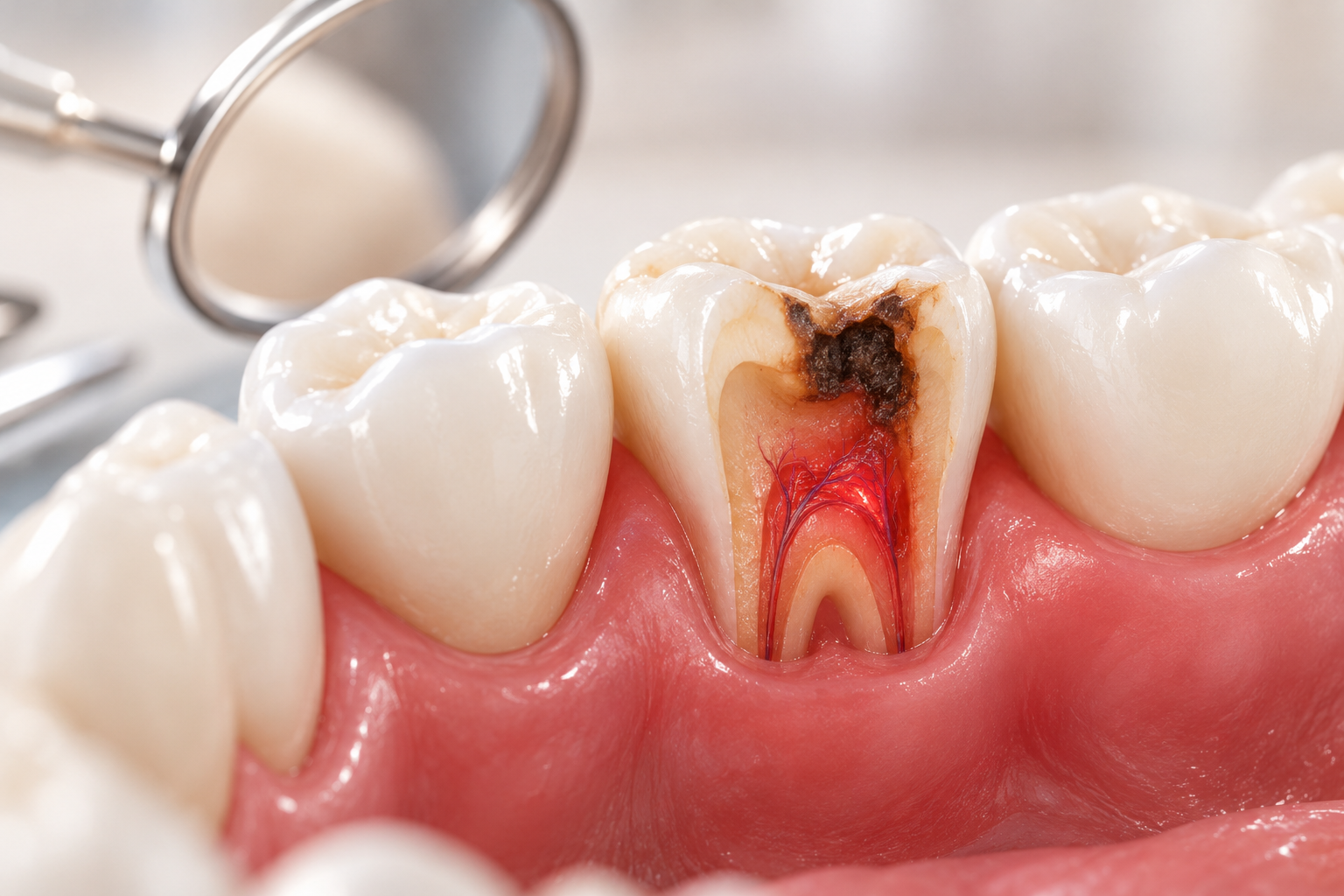
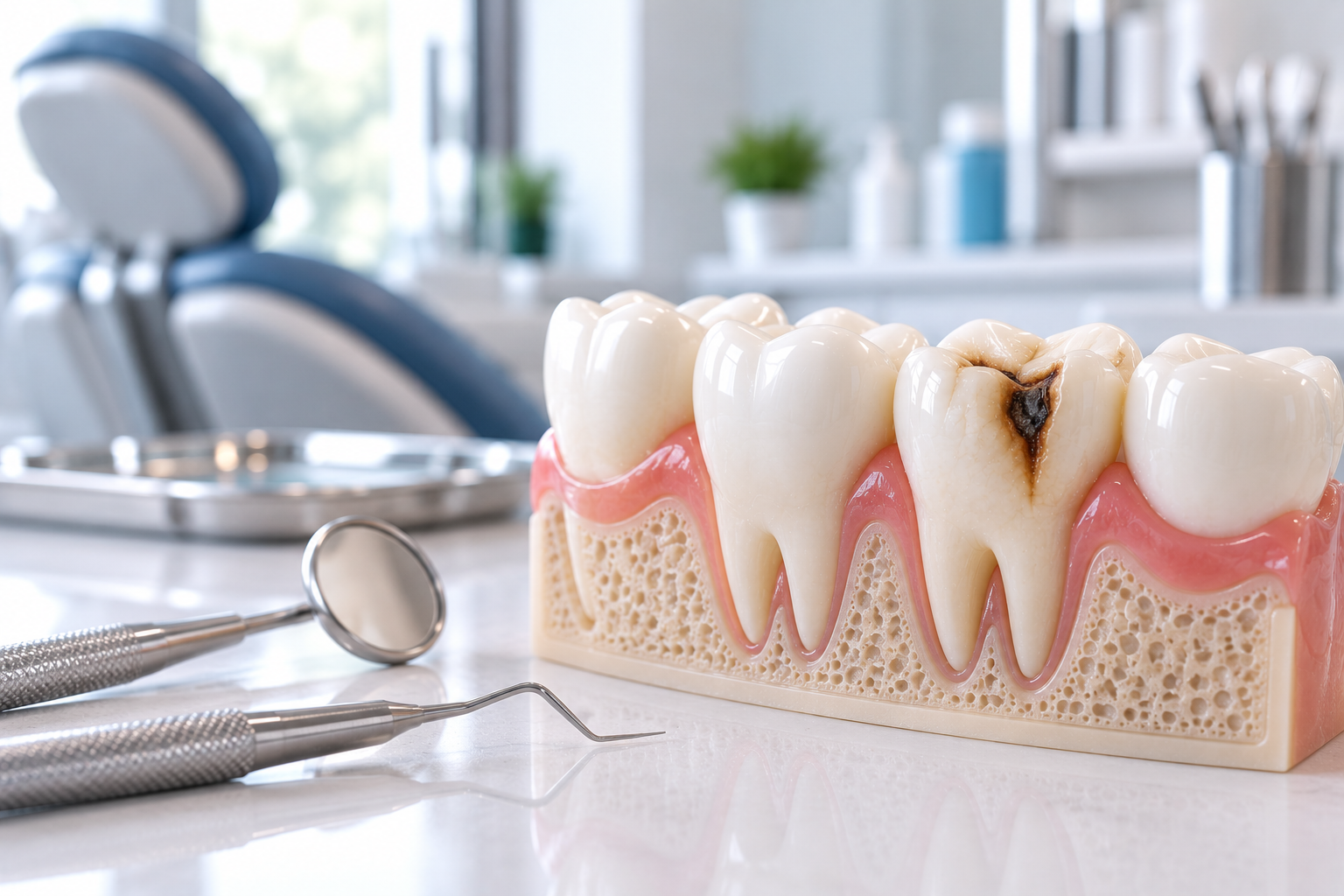
Untreated Cavities: Tooth decay should be treated before cosmetic restorations are placed.
Active Gum Disease: Healthy gums are important for supporting cosmetic dental results.
Severe Tooth Damage: A damaged tooth may require restorative treatment rather than a purely cosmetic procedure.
Significant Bite Problems: Complex bite concerns may require orthodontic or other corrective treatment.
Uncontrolled Teeth Grinding: Excessive grinding can damage veneers, bonding, and other restorations.
A complete dental examination helps determine the safest and most suitable treatment approach.
How Much Does Cosmetic Dentistry Cost?
The cost of cosmetic dentistry varies depending on the treatment, materials, number of teeth involved, and complexity of the procedure.
For example, professional teeth whitening generally involves different costs than custom porcelain veneers or clear aligner treatment.
Factors That Affect Cosmetic Dentistry Costs
- Type of Procedure
Each cosmetic treatment has different clinical requirements, materials, and laboratory expenses.
- Number of Teeth Being Treated
Treating one chipped tooth will generally cost less than improving the appearance of several front teeth.
- Materials Used
Porcelain veneers, composite resin, ceramic crowns, and other dental materials have different costs.
- Additional Dental Treatment
Some patients need fillings, gum treatment, or other restorative procedures before beginning cosmetic treatment.
- Treatment Complexity
The amount of preparation, number of appointments, and customization required can influence the total expense.
Is Cosmetic Dentistry Covered by Insurance?
Many cosmetic dental procedures are not covered by insurance because they are primarily performed to improve appearance.
However, some restorative treatments may receive partial coverage when they are considered medically necessary.
Coverage depends on your specific dental insurance policy and treatment plan.
Before beginning treatment, request a detailed estimate covering the procedure, materials, additional treatments, and follow-up appointments.
How to Choose the Right Cosmetic Dental Treatment
Choosing a cosmetic procedure should involve more than selecting the treatment that promises the brightest or most uniform smile.
Consider these factors before making a decision.
1. Identify Your Main Dental Concern
Determine whether your primary concern is tooth discoloration, chipped enamel, gaps, uneven shapes, or misalignment.
Different problems require different treatments.
2. Understand the Available Options
Ask your dentist to explain the benefits, limitations, and alternatives associated with each recommended procedure.
For example, whitening may be sufficient for stains, while veneers may be considered when you also want to change tooth shape.
3. Consider Long-Term Maintenance
Some procedures require more maintenance than others.
Understand how long the treatment may last, whether it is reversible, and what replacement or repair may involve.
4. Review Expected Results
Discuss your desired outcome and ask your dentist what improvements are realistically achievable.
If available, review relevant examples of previous treatment results.
5. Prioritize Oral Health
Healthy teeth and gums should remain the priority.
A good cosmetic treatment plan should address existing dental problems and preserve as much natural tooth structure as possible.
Cosmetic Dentistry at Ethos Modern Dental & Implant Center
If you want to improve the appearance of your smile, choosing the right cosmetic dental treatment is an important first step.
At Ethos Modern Dental & Implant Center, we emphasize personalized dental care, patient comfort, and modern treatment options.
Our approach focuses on understanding your dental concerns and discussing suitable treatments based on your oral health and cosmetic goals.
Whether you want to brighten stained teeth, improve uneven tooth shapes, address small gaps, or explore options for better alignment, a professional dental evaluation can help you understand the available solutions.
Explore our cosmetic dentistry services to learn more about improving your smile.
You can also explore our teeth cleaning and whitening services if your primary concern is tooth discoloration.
If you are considering changes to your tooth shape or appearance, our crowns, veneers, and bridges page provides more information about restorative options.
For alignment concerns, learn more about our clear aligner treatment.
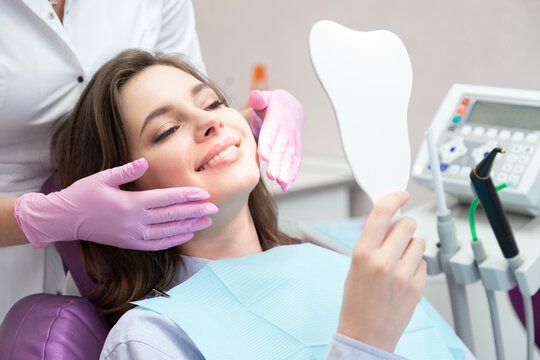
Schedule a dental examination to discuss your smile goals and find out which treatment options may be appropriate for you.
Frequently Asked Questions
1. What are the main benefits of cosmetic dentistry?
Cosmetic dentistry can improve tooth appearance, reduce discoloration, repair chips, address small gaps, improve certain alignment concerns, restore damaged teeth, and help patients feel more confident about their smiles. Some procedures can also improve aspects of dental function.
2. What is the most popular cosmetic dental treatment?
Professional teeth whitening, dental veneers, bonding, and clear aligners are commonly chosen cosmetic dental treatments. The most appropriate option depends on your dental concerns and desired results.
3. Is cosmetic dentistry painful?
Discomfort depends on the procedure. Professional whitening may cause temporary sensitivity, while bonding is generally minimally invasive. Veneers and crowns may require local anesthesia during tooth preparation. Your dentist can explain what to expect before treatment.
4. How long do cosmetic dental procedures last?
The lifespan varies by treatment. Professional whitening results gradually fade, composite bonding may need repair or replacement after several years, and porcelain veneers can last around 10–15 years or longer with proper care. Individual results vary.
5. Can cosmetic dentistry fix crooked teeth?
Yes, selected cosmetic and orthodontic treatments can improve the appearance of crooked teeth. Clear aligners and braces physically move teeth, while veneers may camouflage minor irregularities. More significant alignment problems generally require orthodontic evaluation.
6. Is cosmetic dentistry safe?
Cosmetic dentistry is generally safe when appropriate procedures are performed by qualified dental professionals. However, every treatment has potential limitations and risks. Your dentist should evaluate your oral health before recommending treatment.
7. Does cosmetic dentistry damage natural teeth?
Not all cosmetic procedures require permanent changes to natural teeth. Whitening and many bonding procedures are relatively conservative, while traditional veneers and crowns generally require removing some natural tooth structure. Discuss the long-term implications before choosing treatment.
8. Is cosmetic dentistry covered by dental insurance?
Many procedures performed primarily for cosmetic purposes are not covered by dental insurance. However, some restorative procedures may qualify for coverage depending on medical necessity and your policy.
9. Can I get multiple cosmetic dental treatments together?
Yes, some cosmetic treatments can be combined as part of a comprehensive smile improvement plan. For example, a dentist may recommend orthodontic treatment followed by whitening or restorative work. The order depends on your oral health and treatment goals.
10. How do I know which cosmetic dental treatment is right for me?
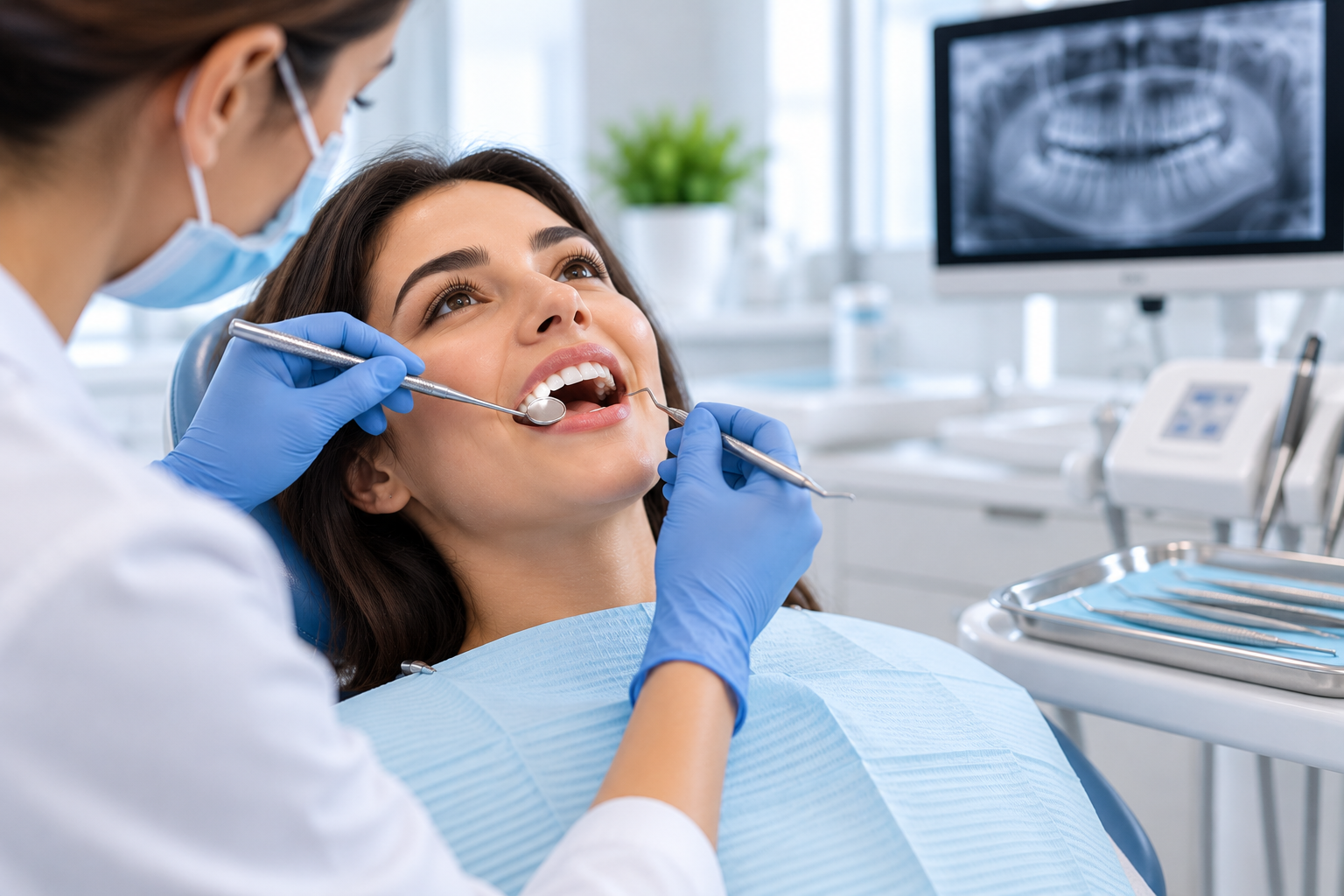
The best way is to schedule a dental examination and discuss your concerns with a dentist. They can evaluate your teeth, gums, bite, and cosmetic goals before recommending suitable treatment options.
Final Thoughts
Cosmetic dentistry offers several ways to improve the appearance of your smile, from reducing stains and repairing chipped teeth to addressing gaps and alignment concerns.
The eight benefits discussed in this guide highlight how different procedures can help improve smile appearance, support certain dental functions, and provide personalized treatment options.
However, the right cosmetic procedure depends on your oral health, expectations, budget, and willingness to maintain the results.
If you are considering cosmetic dentistry, consult a dental professional before choosing a treatment. At Ethos Modern Dental & Implant Center, we focus on helping patients understand their options and make informed decisions for a healthier-looking, more confident smile.