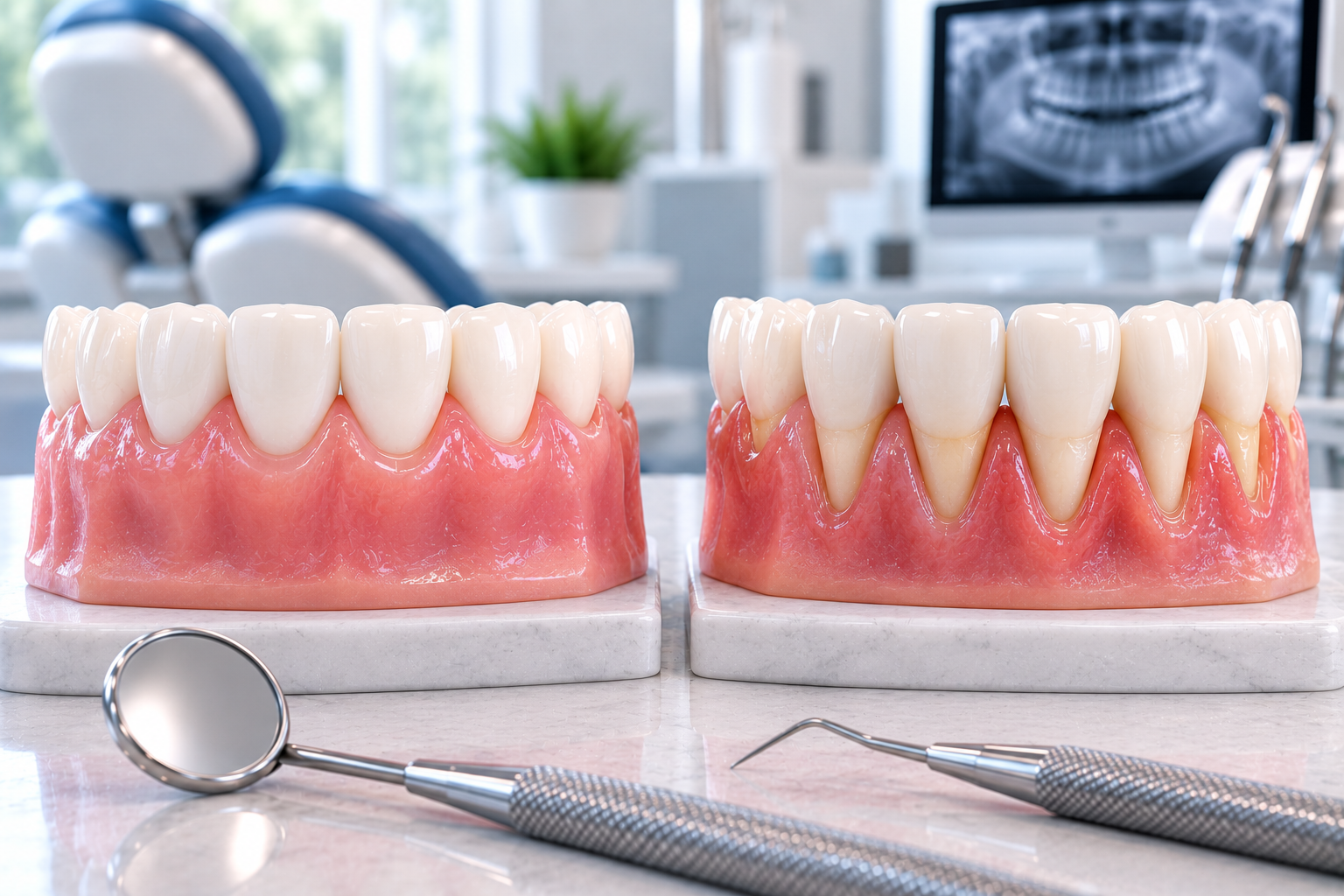
A brighter smile can make you feel more confident, whether you are attending a special event, meeting new people, or simply improving your everyday appearance. However, teeth can gradually become yellow or discolored due to aging, coffee, tea, certain foods, tobacco use, and other factors.
Professional teeth whitening is a popular cosmetic dental treatment that can help remove stains and lighten the natural color of your teeth. While the procedure is generally safe for suitable candidates, there are several important things you should understand before starting treatment.
For example, whitening does not work equally well on every type of stain, existing dental crowns and veneers will not change color, and some people may experience temporary tooth sensitivity.
At Ethos Modern Dental & Implant Center, we believe that understanding your treatment options is essential before making cosmetic dental decisions. Knowing what to expect can help you choose an appropriate whitening method and maintain your results.
Let’s explore five important teeth whitening facts, including how the treatment works, its benefits, possible side effects, cost factors, and aftercare.
What Is Professional Teeth Whitening?
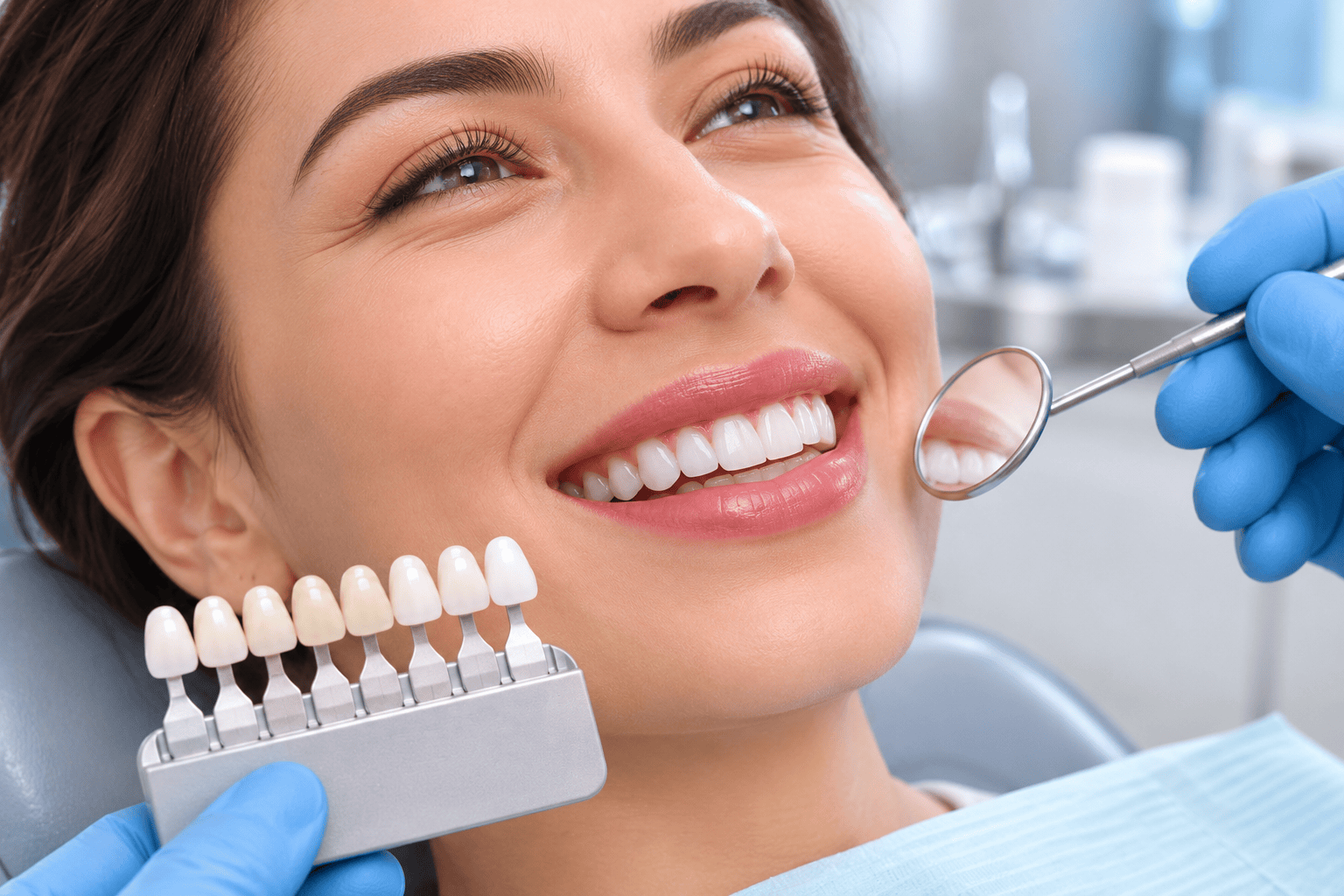
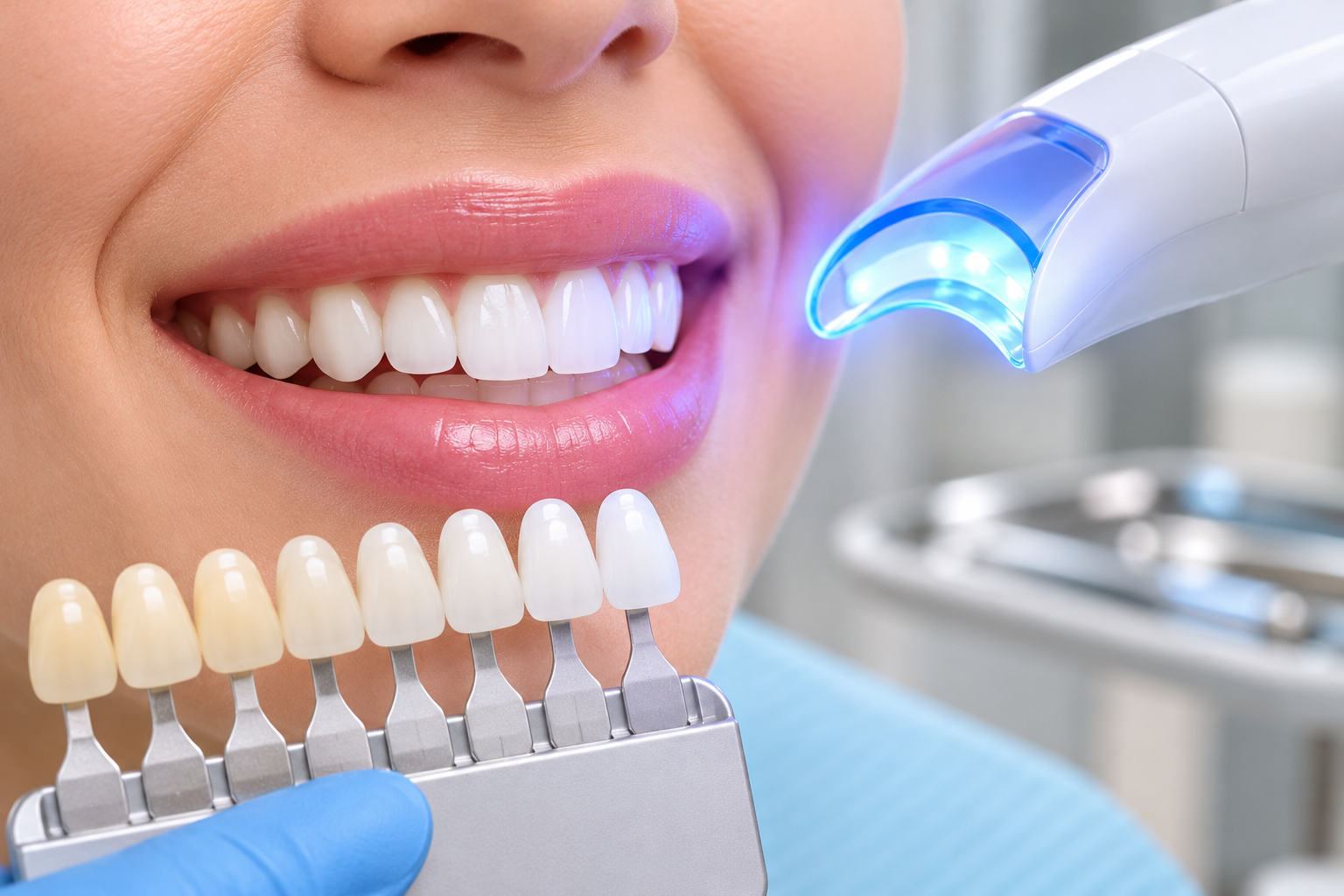
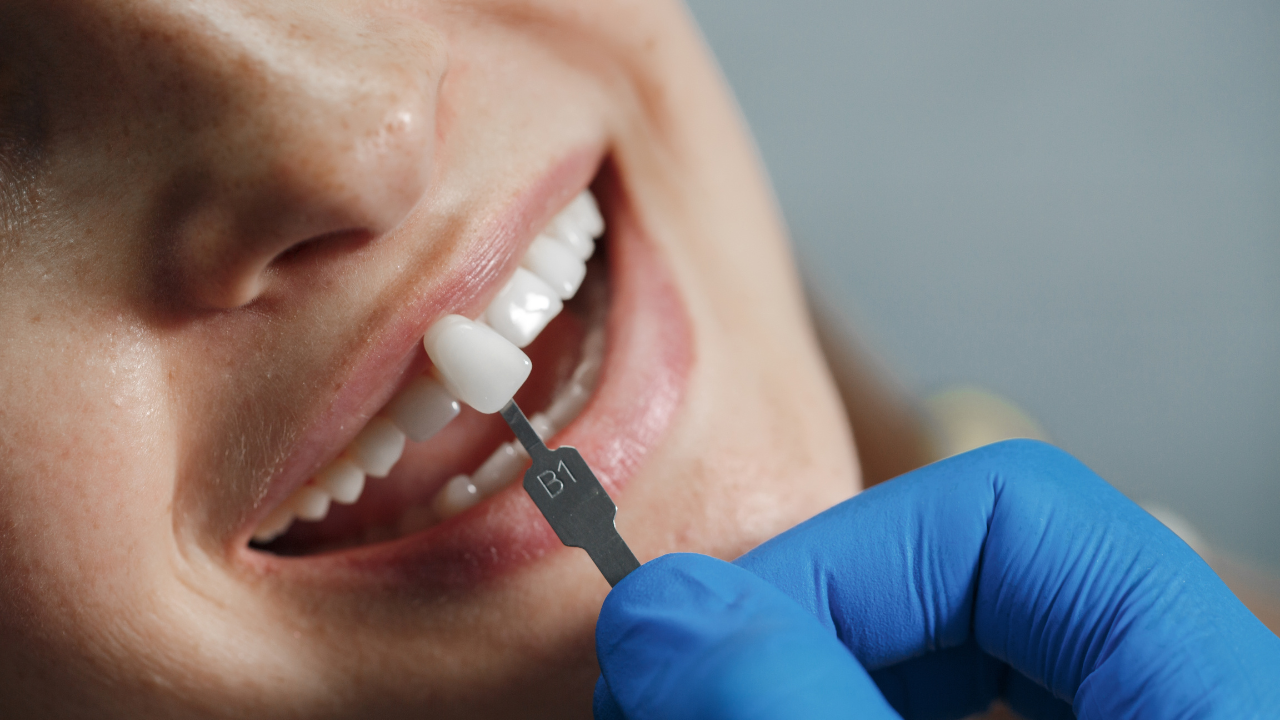
Professional teeth whitening is a cosmetic dental procedure designed to lighten the natural color of teeth and reduce discoloration.
The treatment generally uses bleaching agents such as hydrogen peroxide or carbamide peroxide to break down colored compounds responsible for stains within the tooth structure.
Unlike regular brushing, which mainly removes surface plaque and some external stains, bleaching can help improve certain types of discoloration that occur within the enamel and dentin.
Depending on your dental condition and desired results, your dentist may recommend:
- In-office professional teeth whitening
- Dentist-supervised at-home whitening
- Professional whitening products designed for home use
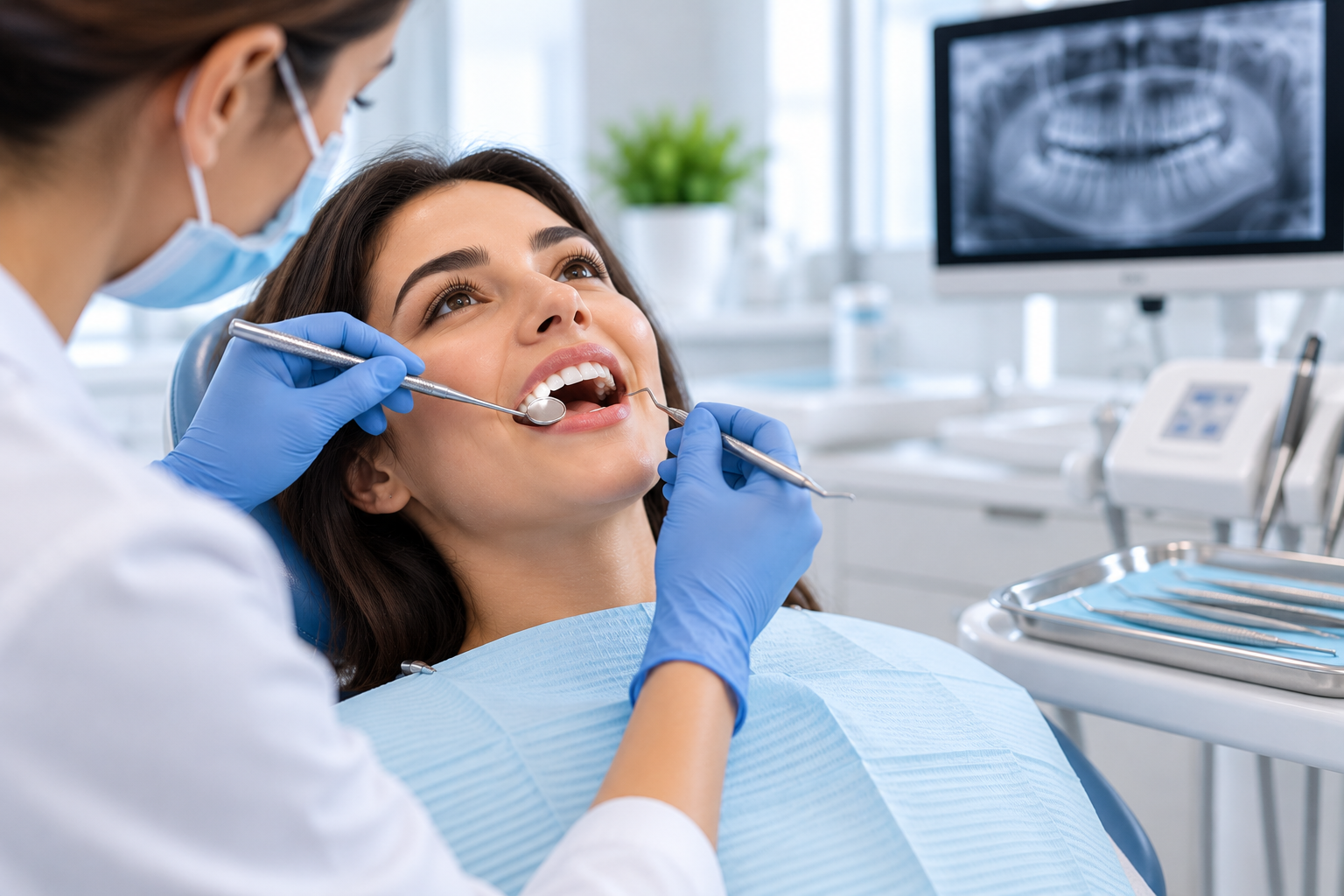
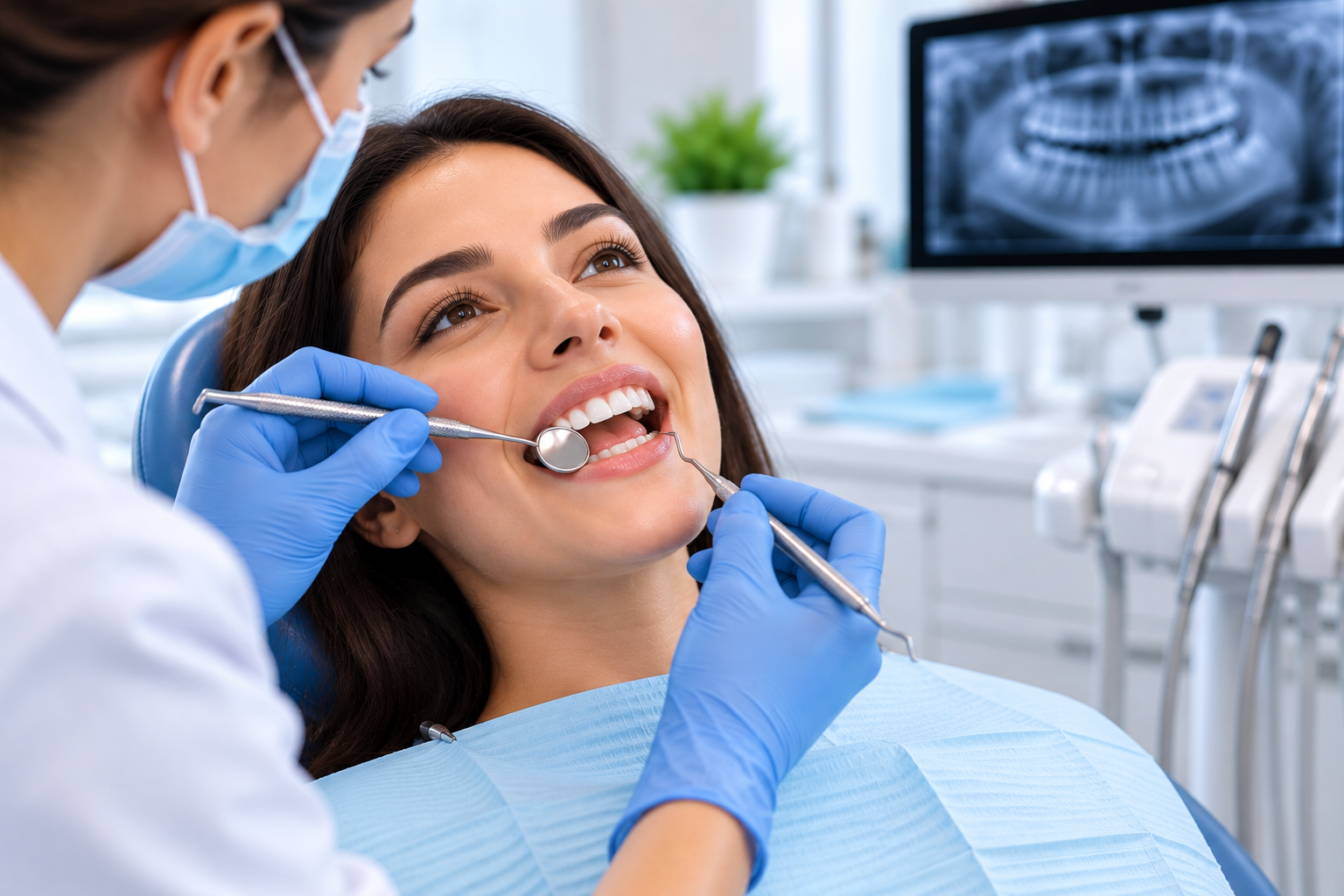
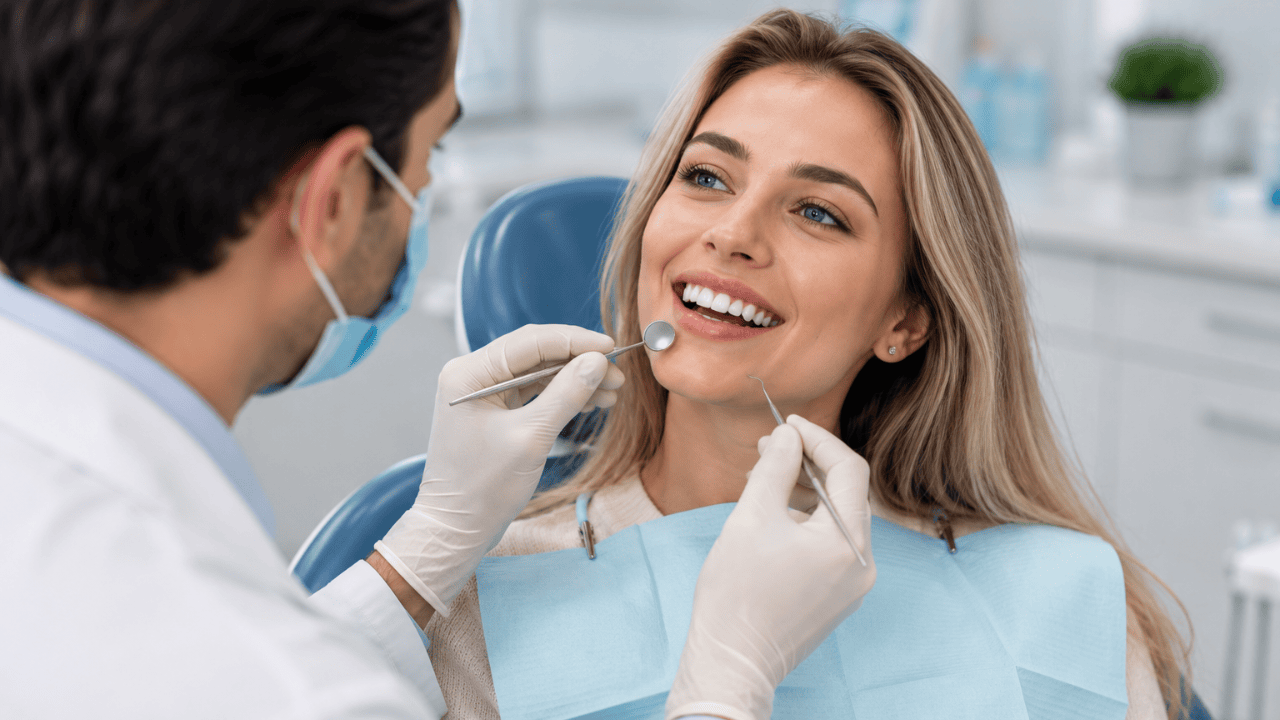
Before recommending treatment, your dentist evaluates your teeth, gums, existing restorations, and the cause of discoloration.
5 Important Teeth Whitening Facts You Should Know Before Treatment
Before scheduling a whitening appointment, it helps to understand what the procedure can and cannot achieve.
Here are five important facts to consider.
1. Teeth Whitening Does Not Work on Every Type of Stain
One of the most important things to understand is that teeth whitening does not produce the same results for every type of discoloration.
Tooth stains are generally classified into two categories: extrinsic and intrinsic stains.
Extrinsic Stains
These stains develop on the outer surface of teeth and are commonly associated with everyday habits.
Common causes include:
- Drinking coffee and tea regularly
- Consuming red wine and dark-colored beverages
- Eating highly pigmented foods
- Smoking or using tobacco products
- Inadequate oral hygiene
Surface stains may improve with professional dental cleaning or appropriate whitening treatments.
Intrinsic Stains
Intrinsic stains develop within the tooth structure, affecting the enamel or underlying dentin.
Possible causes include:
- Natural aging
- Certain medications taken during tooth development
- Dental trauma
- Fluorosis
- Changes within the tooth pulp
Some intrinsic stains respond to bleaching, while others may be more difficult to treat.
For example, certain brown discolorations may respond better than some grey or white discolorations. The final result depends on the cause and severity of the staining.
What Should You Do?
Before choosing a whitening treatment, ask your dentist to identify the type of discoloration you have. This helps determine whether professional whitening, dental bonding, or veneers may be a more suitable option.
2. Teeth Whitening Can Cause Temporary Tooth Sensitivity
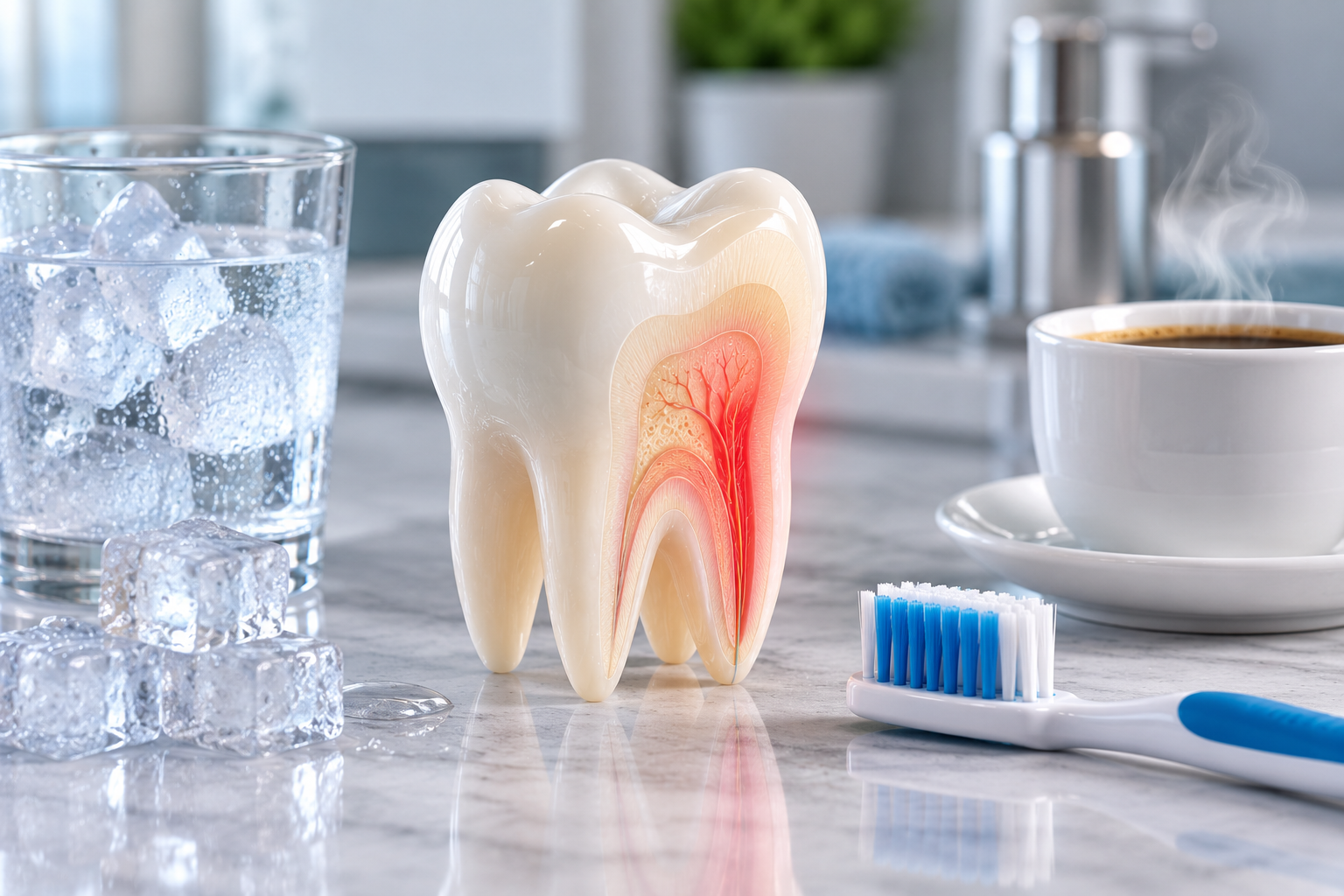
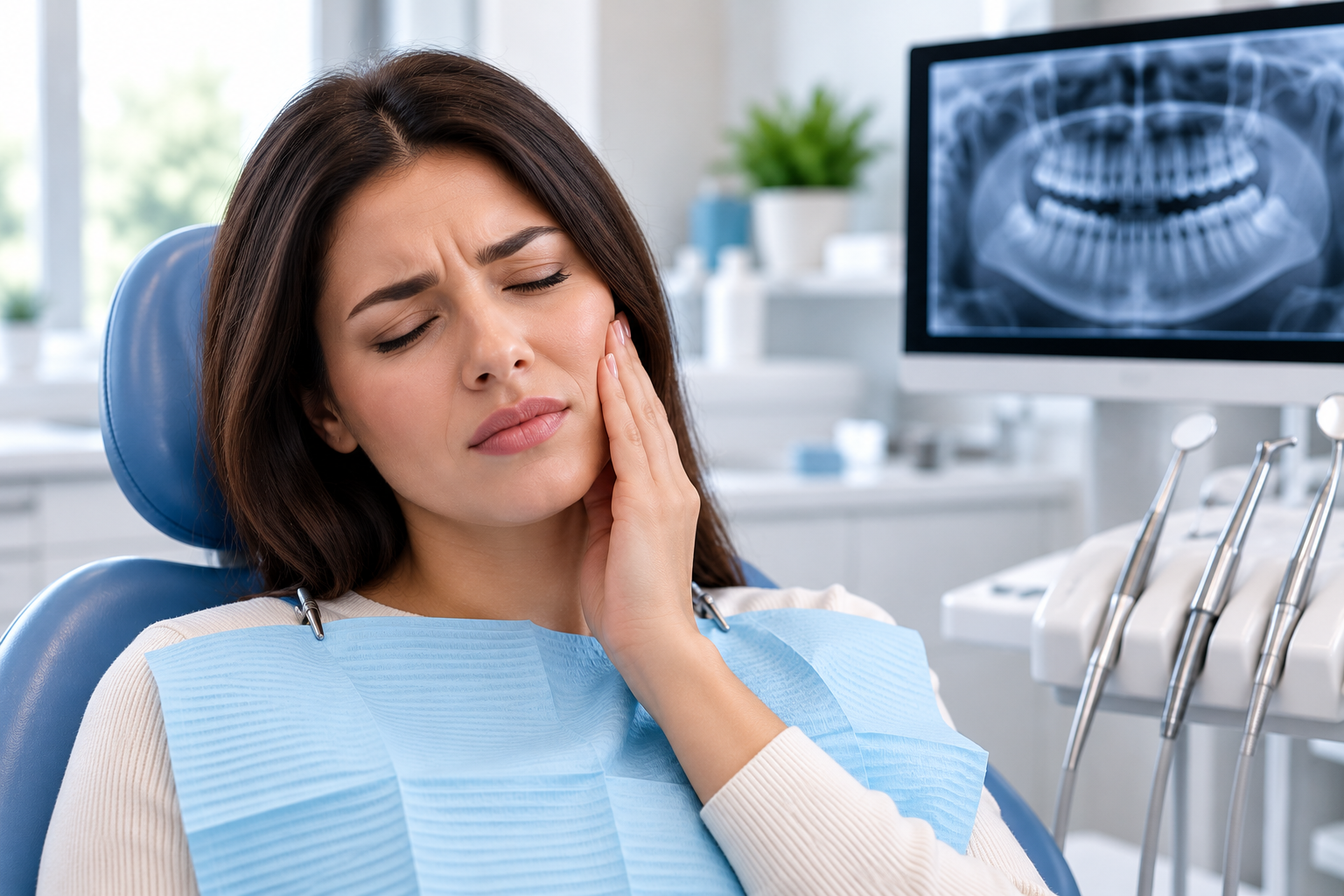
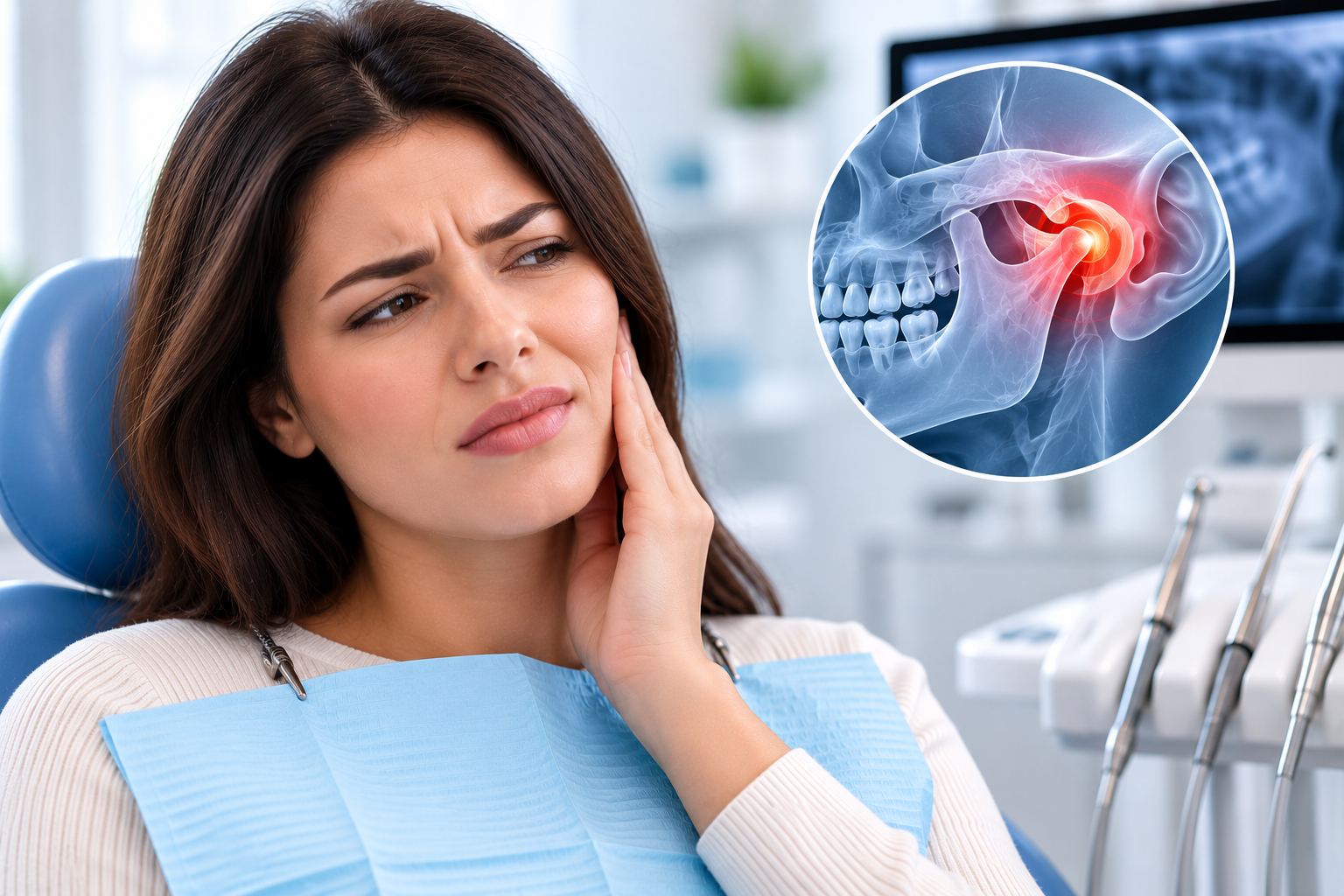
Tooth sensitivity is one of the most common side effects associated with whitening treatments.
Some people experience short-lived discomfort when consuming cold water, hot beverages, or sweet foods after treatment.
This happens because peroxide-based whitening agents can temporarily irritate the tooth’s internal tissues.
The likelihood and intensity of sensitivity can depend on:
- The concentration of the whitening agent
- How long the product remains on the teeth
- Existing tooth sensitivity
- The condition of the enamel
- The presence of exposed dentin or untreated dental problems
Sensitivity is generally temporary and often improves after treatment is completed.
How Can You Manage Whitening Sensitivity?
Consider these precautions:
- Inform your dentist if you already have sensitive teeth.
- Use a dentist-recommended sensitivity toothpaste if appropriate.
- Follow the recommended whitening schedule.
- Avoid using multiple whitening products simultaneously.
- Do not increase treatment time to achieve faster results.
- Contact your dentist if sensitivity is severe or continues after treatment.
Your dentist may recommend adjusting the whitening concentration, reducing application time, or temporarily pausing treatment.
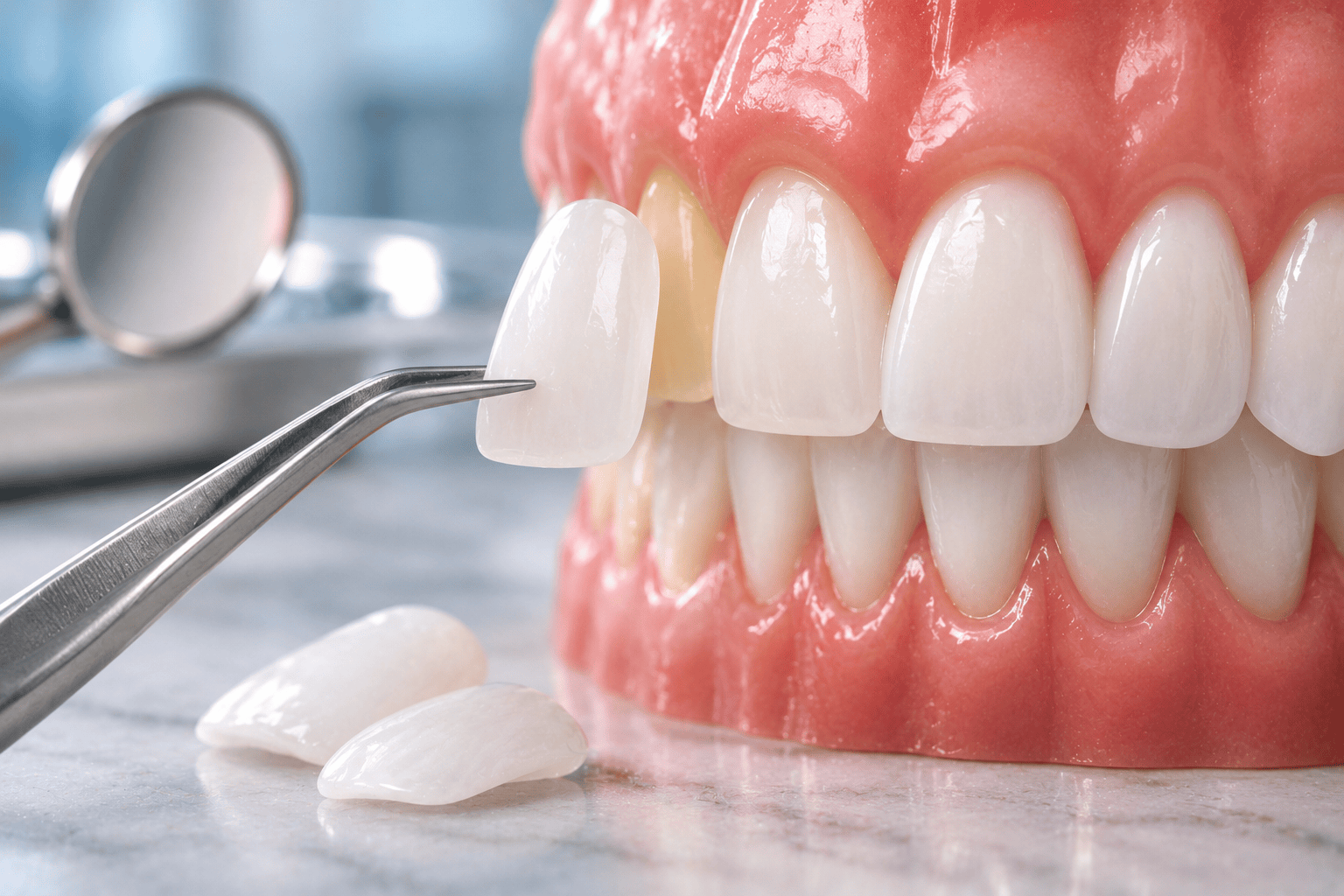
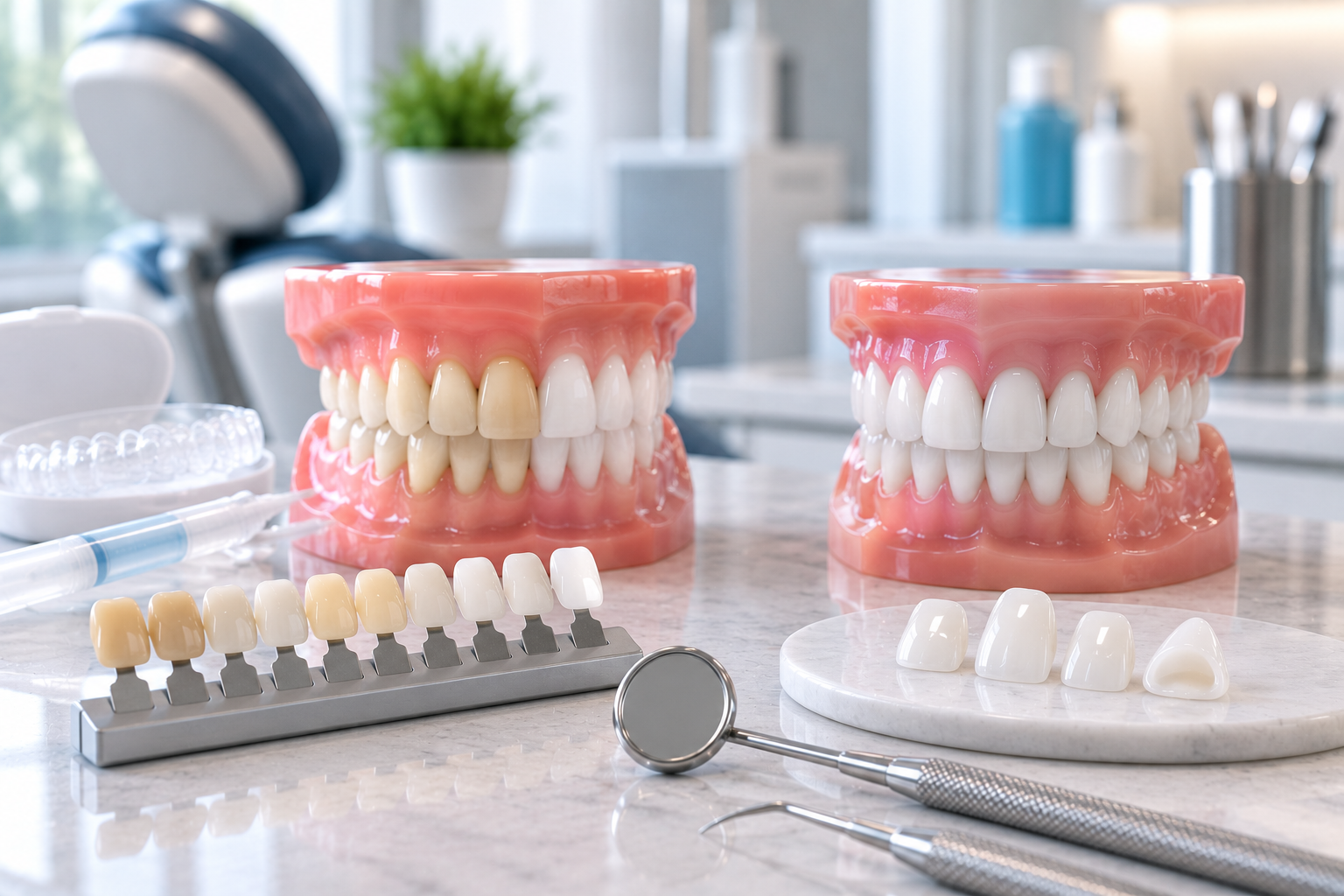
3. Dental Crowns, Veneers, and Fillings Do Not Whiten
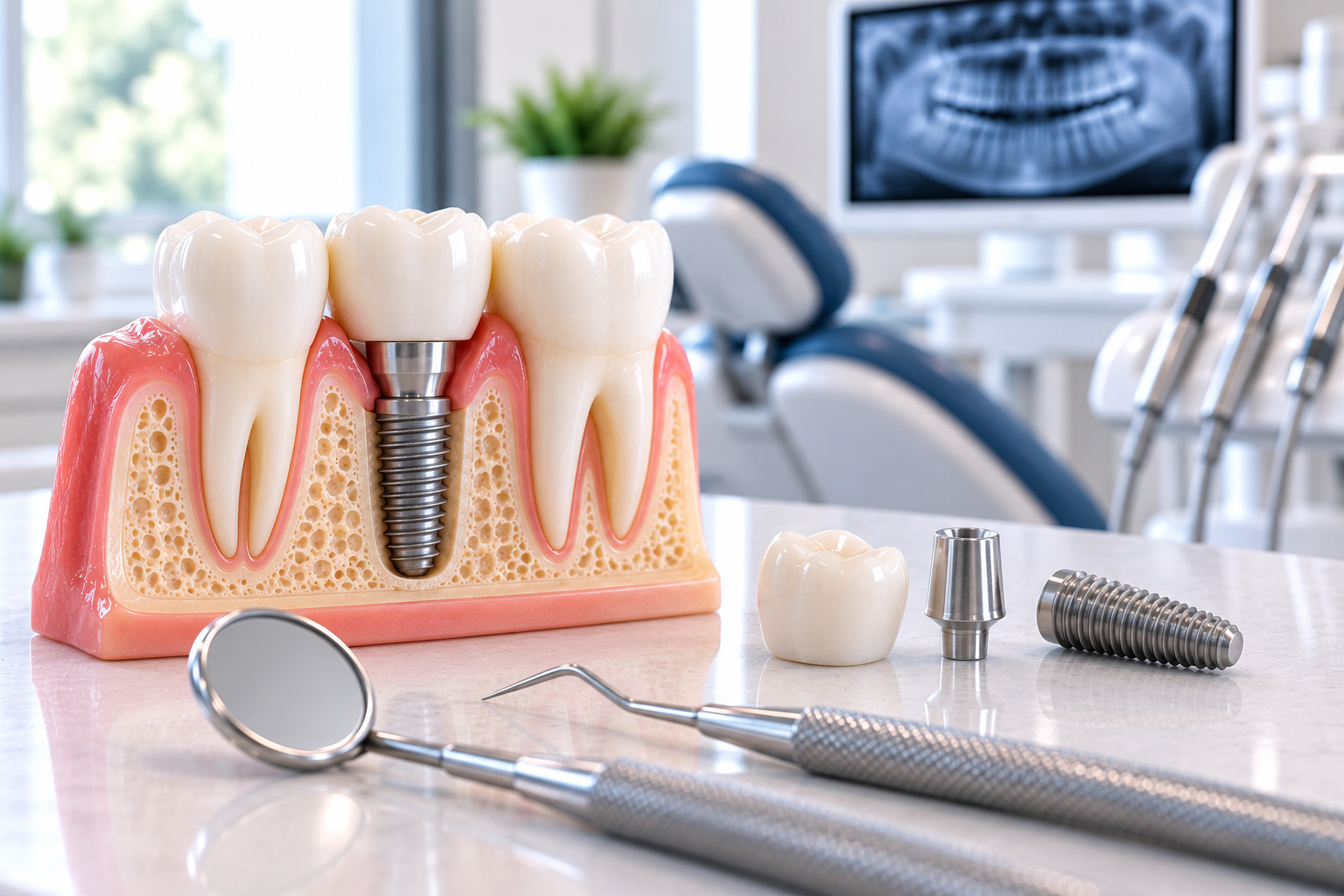
Another important fact is that teeth whitening changes the color of natural tooth structure, not existing dental restorations.
If you already have dental crowns, veneers, bridges, or tooth-colored fillings, they will generally retain their original shade after whitening.
This can create a visible color difference between your natural teeth and existing restorations.
For example, if you whiten your natural front teeth but have a crown on one of them, the crown may appear darker than the surrounding teeth.
What Should You Do Before Whitening?
If you have existing dental restorations, discuss your cosmetic goals with your dentist before treatment.
Your dentist may recommend whitening your natural teeth first and then evaluating whether any visible restorations need replacement to match the new shade.
It is important not to replace healthy restorations unnecessarily. The decision should depend on their condition, function, and appearance.
4. Professional Teeth Whitening Is Different From At-Home Whitening
Teeth whitening is available through different treatment methods. Although they share the same general goal, their application, concentration, and treatment timelines can vary.
In-Office Professional Whitening
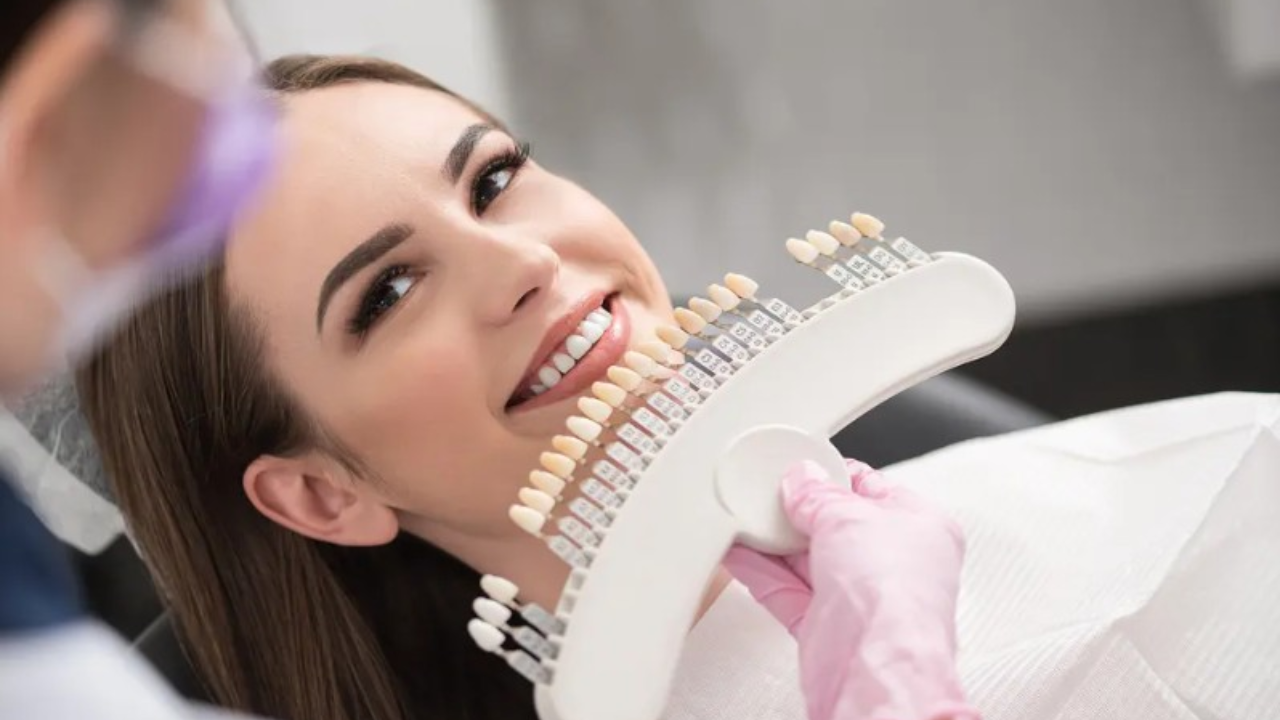
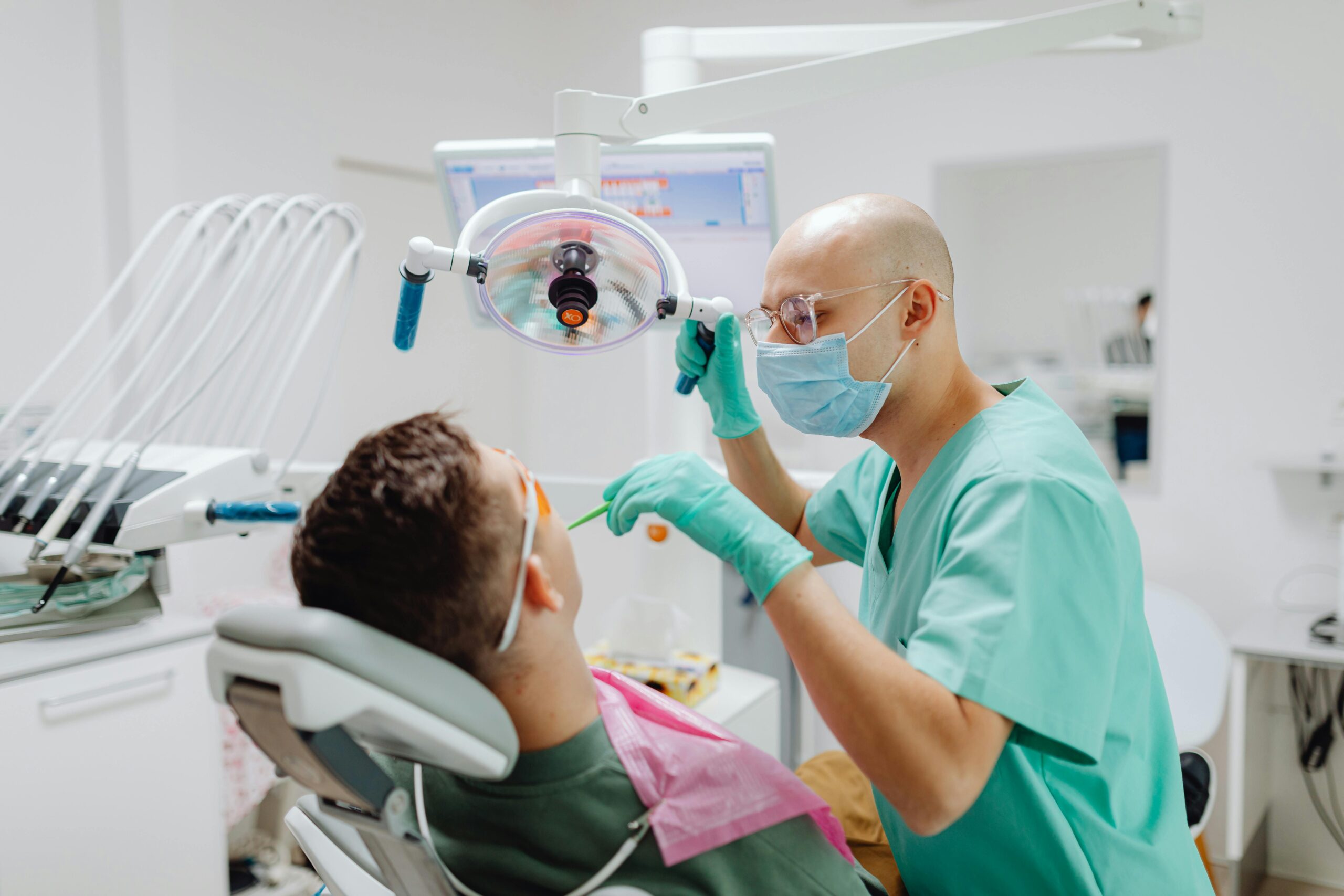
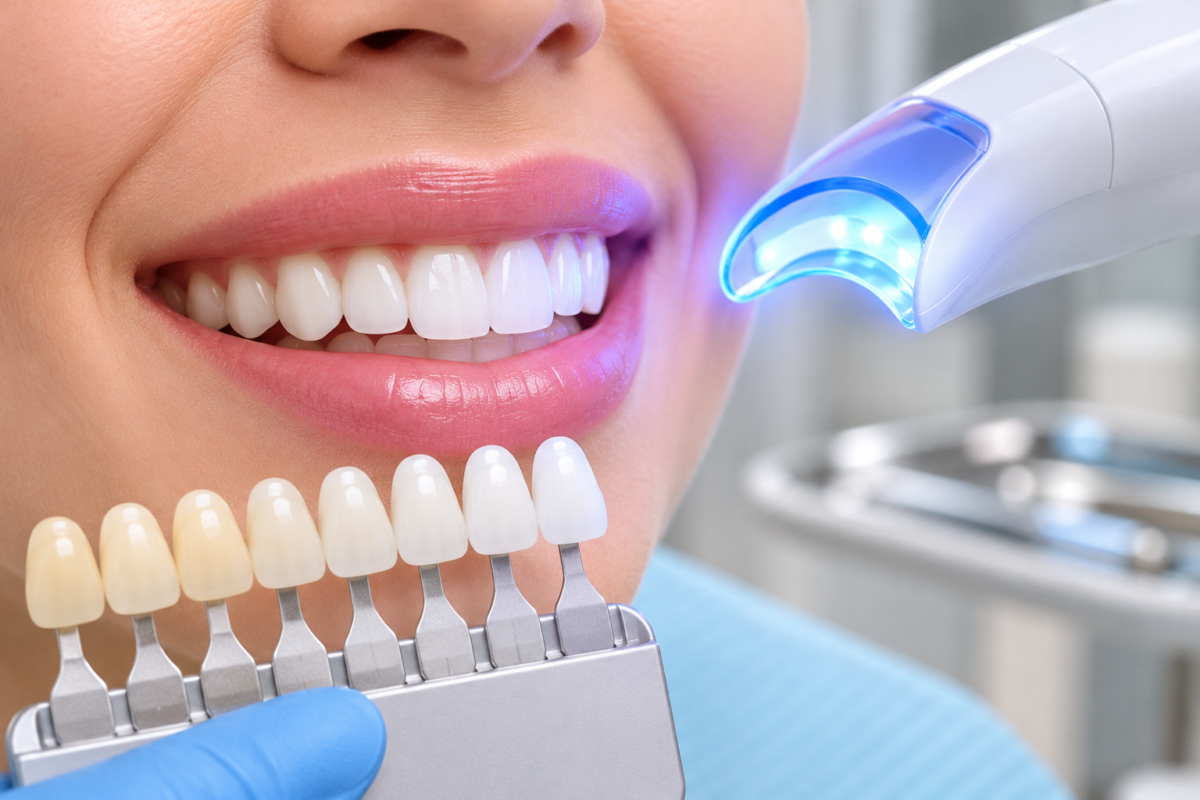
In-office whitening is performed by a dental professional using professional-strength whitening products.
The procedure generally involves:
- Examining your teeth and gums.
- Protecting the surrounding gum tissue.
- Applying a professional whitening gel.
- Allowing the product to work according to the treatment protocol.
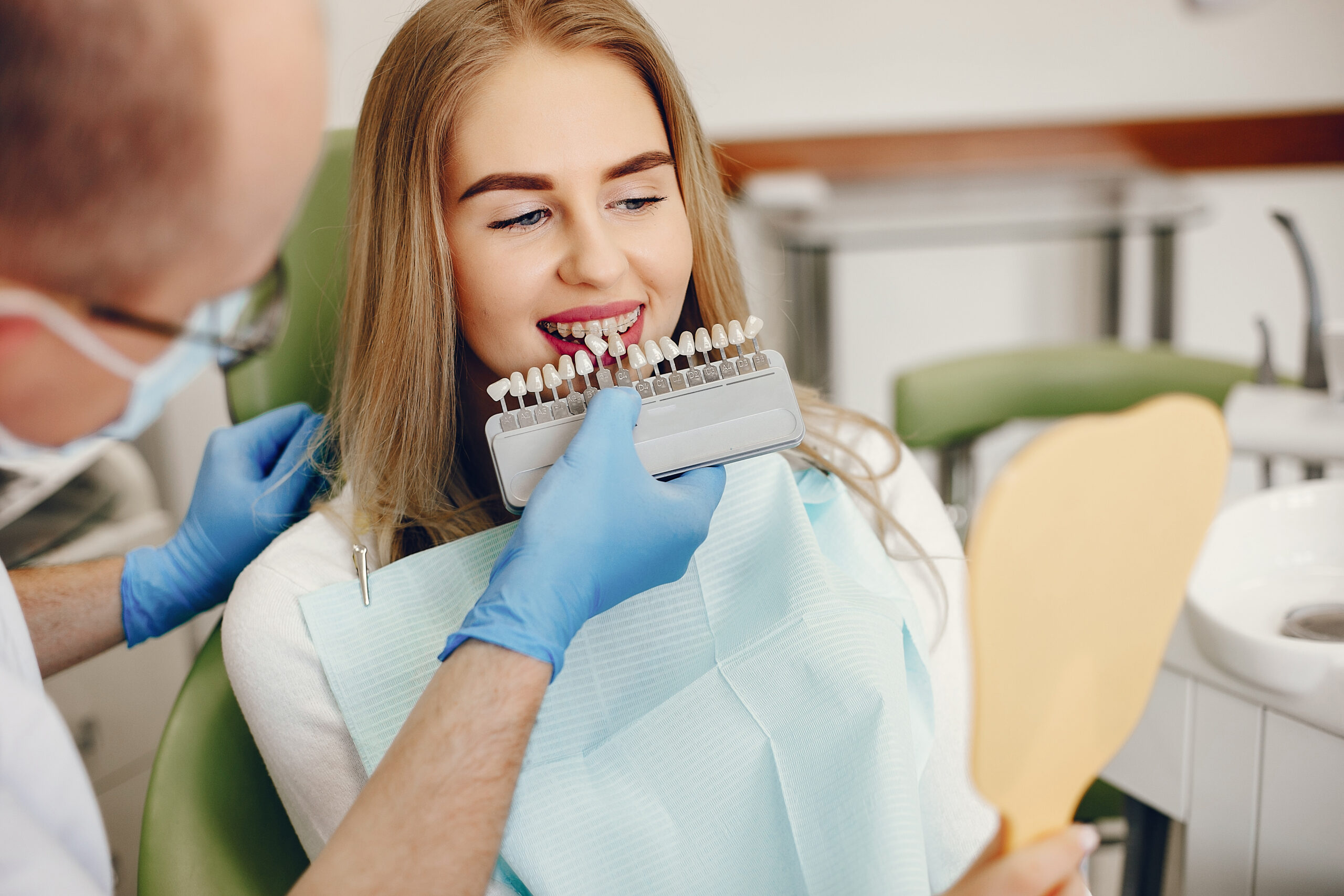
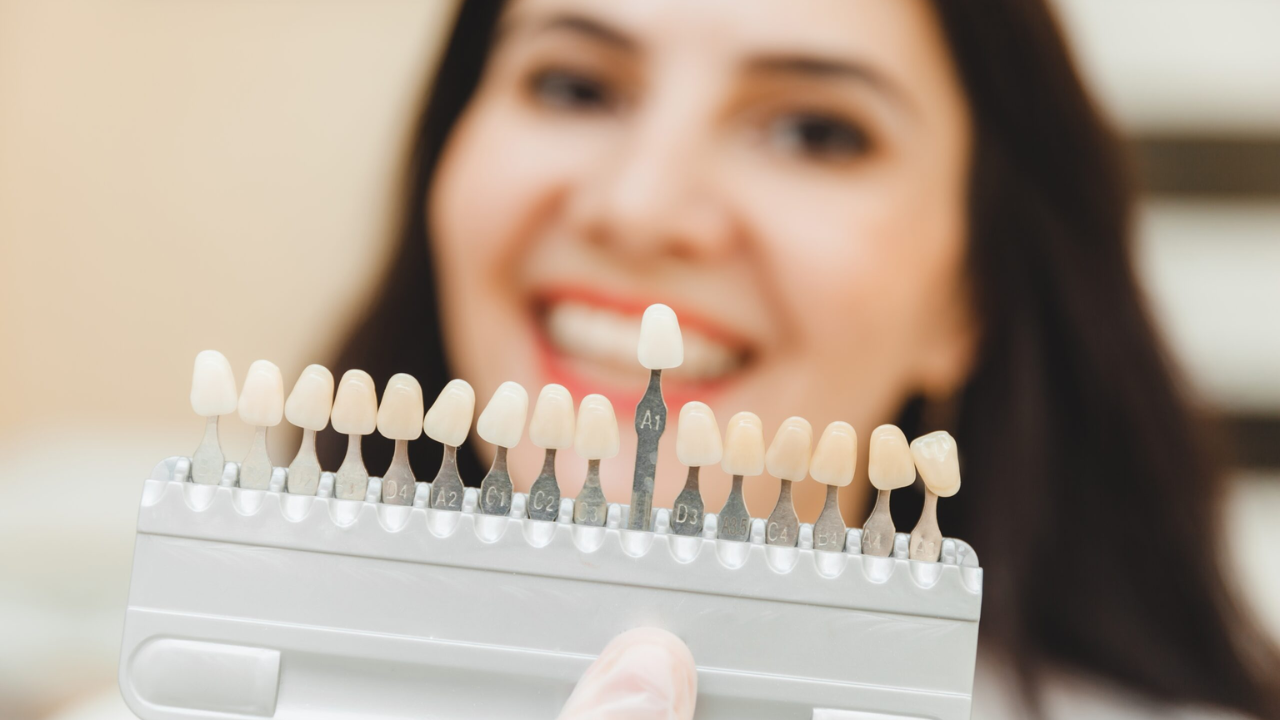
- Evaluating the final tooth shade.
This approach is convenient for patients who prefer treatment under direct dental supervision.
Dentist-Supervised At-Home Whitening
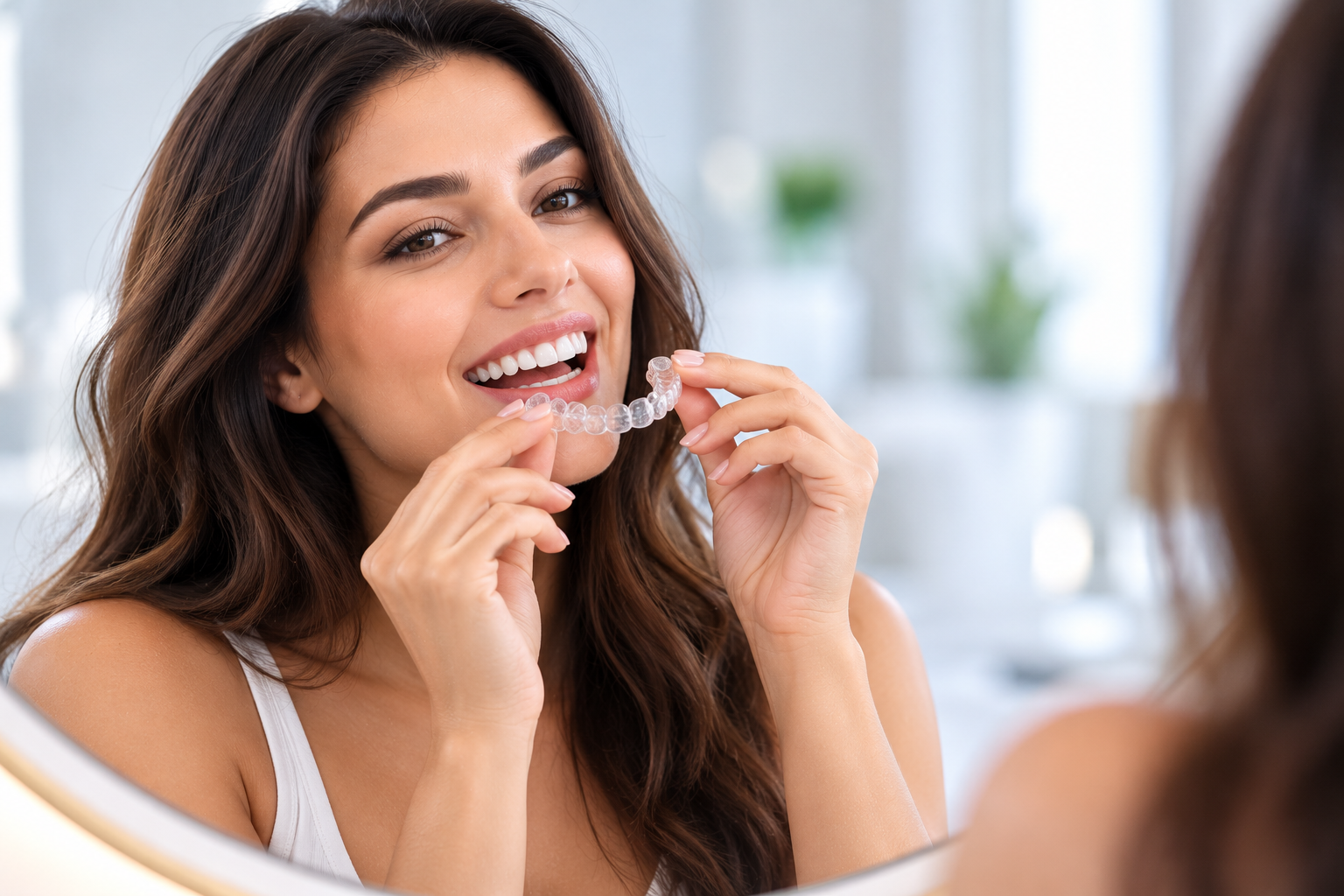
Your dentist may also recommend custom-fitted whitening trays and professional whitening gel for home use.
The process generally involves:
- Examining your teeth and determining whether whitening is suitable.
- Taking dental impressions or digital scans.
- Preparing custom whitening trays.
- Providing the appropriate whitening gel.
- Explaining how long and how often to use the trays.
Treatment takes place gradually over the prescribed period.
Over-the-Counter Whitening Products
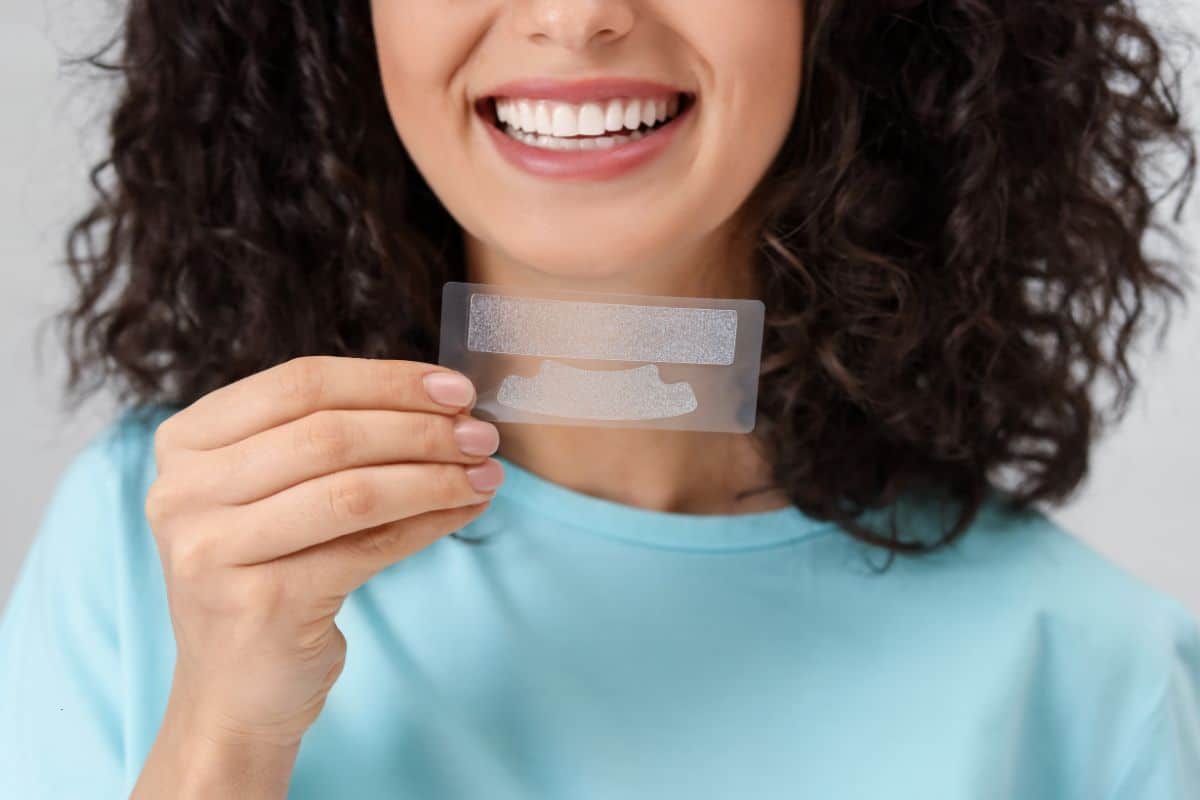
Whitening strips, gels, and toothpastes are also available without a dental appointment.
Some products primarily remove surface stains, while peroxide-based products can bleach natural teeth.
However, the results and suitability vary between products. Ask your dentist before starting an over-the-counter whitening treatment, especially if you have existing sensitivity or dental problems.
5. Teeth Whitening Results Are Not Permanent
Professional teeth whitening can produce noticeable improvements, but the results do not last forever.
Over time, natural teeth can develop new stains due to food, beverages, smoking, aging, and everyday habits.
How long your results last depends on several factors, including:
- Your original tooth shade
- The whitening method used
- Your eating and drinking habits
- Tobacco use
- Daily oral hygiene
- Whether you follow your dentist’s maintenance recommendations
You can help maintain your results by brushing twice daily, flossing regularly, limiting staining beverages, and attending routine dental checkups.
Your dentist can also advise whether occasional maintenance whitening is appropriate for your teeth.
Who Is a Good Candidate for Teeth Whitening?
Teeth whitening may be suitable for adults who have healthy teeth and gums and want to reduce certain types of discoloration.
You may be a suitable candidate if:
- Your teeth have yellow or brown stains.
- You have surface discoloration from coffee or tea.
- Your teeth have become darker with age.
- You have healthy gums and no untreated cavities.
- You want to improve your natural tooth shade.
- You understand the limitations of whitening treatment.
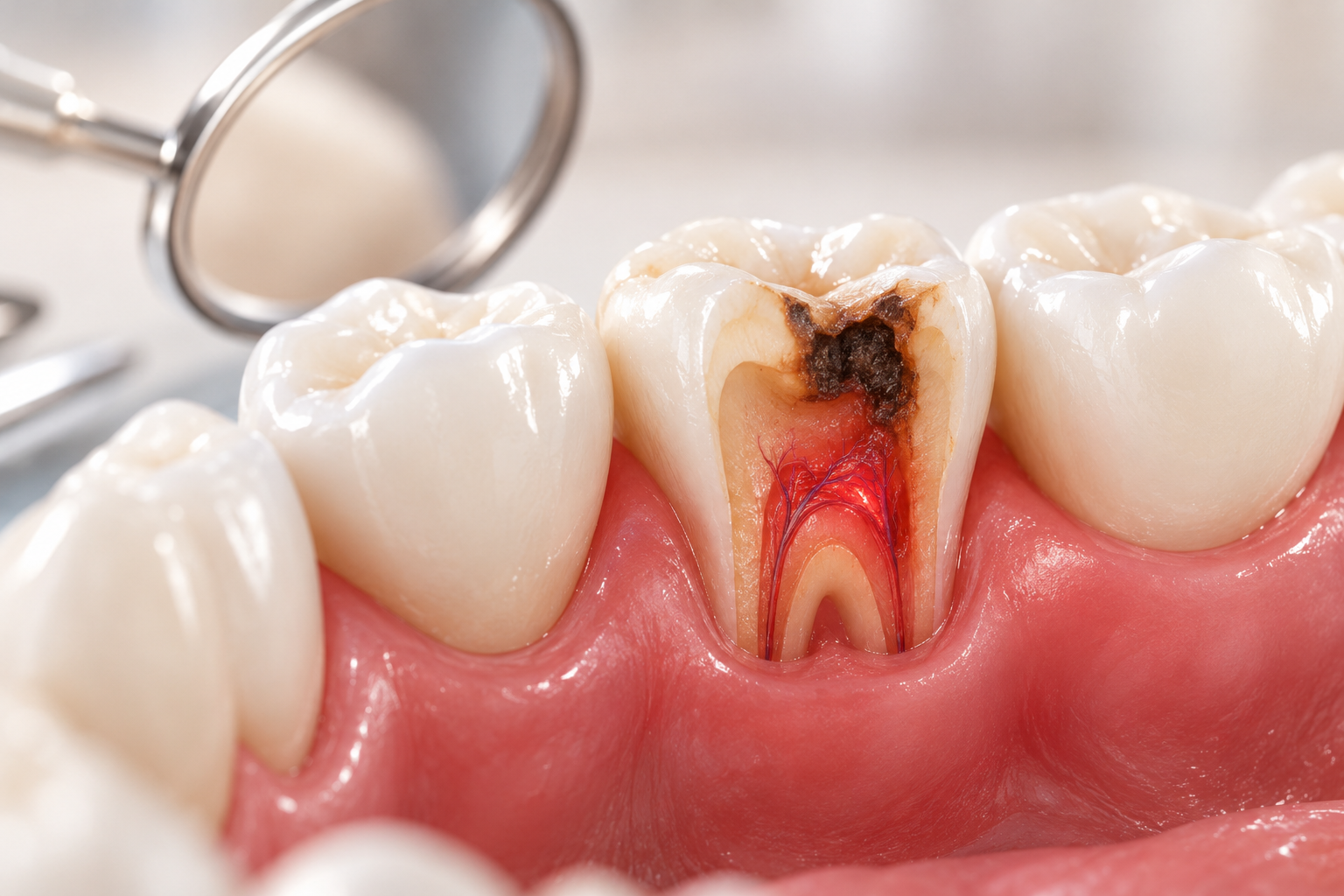
However, teeth whitening may not be recommended immediately if you have active gum disease, untreated cavities, cracked teeth, or significant sensitivity.
Pregnant or breastfeeding patients should discuss whitening with their dental professional and generally postpone elective bleaching until an appropriate time.
A dental examination helps determine whether whitening is appropriate for your current oral health.